11 Living Room Ideas for a More Polished Space
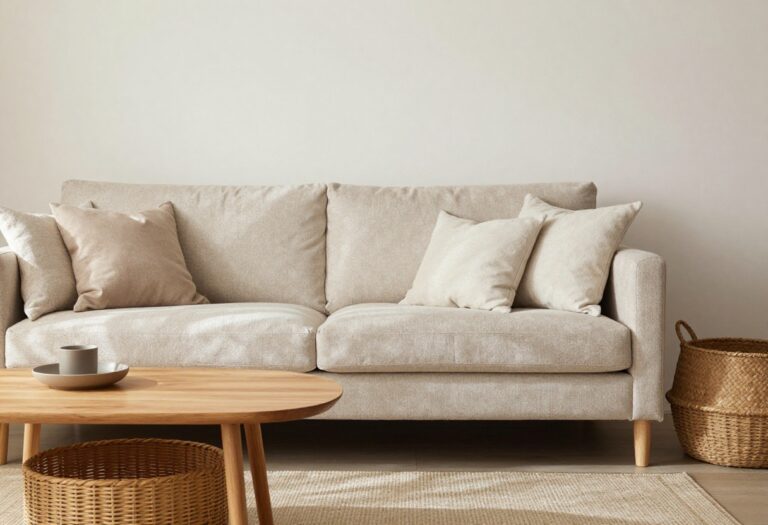
A polished living room changes how the whole house feels. Guests settle in instead of perching on the edge of the sofa, and you actually want to spend your evenings there. The good news is that polish rarely comes from a big renovation.
It comes from a series of small, deliberate moves that build on each other. Most rooms that feel unfinished are missing the same handful of things: a clear focal point, lighting that works at night, and a color story that holds together. Fix those and the space starts to click.
The rest is layering. The eleven ideas below cover the moves that deliver the biggest payoff, from furniture arrangement to the final accessories. Some take an afternoon.
1. Start with a Focal Point
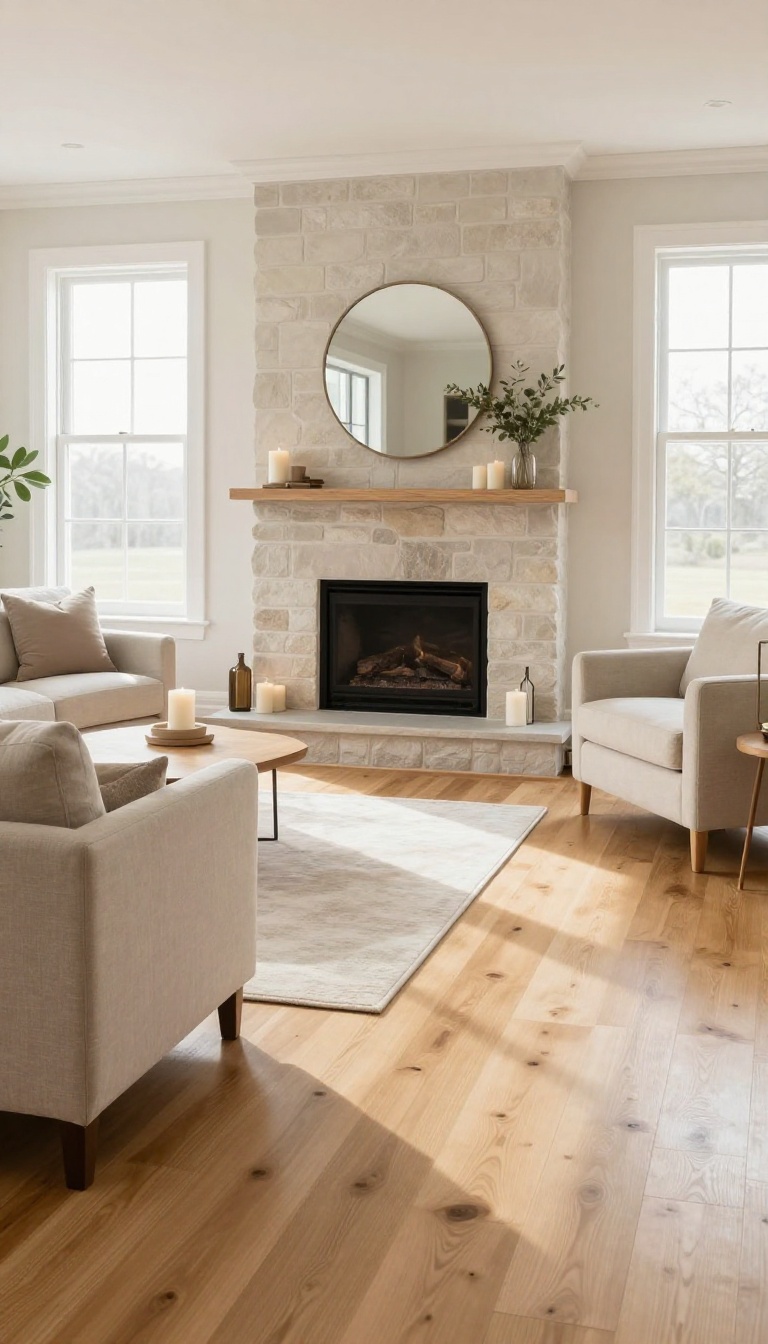
Every polished living room gives your eye somewhere to land. Without that anchor, furniture floats, walls feel blank, and the room reads as a collection of stuff rather than a designed space. A focal point fixes all of that in one move.
It can be almost anything with enough visual weight: a fireplace, a large piece of art, a media console, even a striking window. The point is to pick one and let everything else support it. Once you commit, arranging the rest of the room gets dramatically easier.
Think of the focal point as the room's main character. It draws attention first, and the seating, lighting, and decor play supporting roles around it. When those roles are clear, the space feels intentional instead of accidental.
Most rooms already have a natural candidate. A fireplace, a big window, or a wall where the TV has to go. If you have one of those, lean into it rather than fighting it.
If you don't, you get to create one, which is honestly more fun. ### Work With What the Room Already Has Look at the space and ask what your eye goes to first. That's your starting point, whether it's a bay window, a built-in shelf, or a blank wall that's begging for something bold. Architectural features are the easiest anchors because they're permanent.
You can't move a fireplace, so you might as well make it the star. Paint the surround a shade deeper than the walls, or hang a mirror above the mantel to amplify it. If the room is a plain box, don't panic.
A large-scale art piece or a gallery wall can carry the same weight. Size matters here. A tiny print on a big wall won't anchor anything. ### Give the Anchor Room to Breathe A focal point only works if you don't crowd it.
Keep the area around it relatively clear so it can actually do its job. That means no tall furniture blocking the fireplace, no clutter piling up on the mantel, and no competing statement pieces on the opposite wall. One loud voice, a few quiet ones.
Seating should face the anchor when possible. Even an angled chair or a pair of stools that turn toward it helps reinforce the connection. The room starts to feel like it has a purpose. ### Make Sure It Works at Night A focal point that only reads in daylight is a missed opportunity.
Add lighting that highlights it after dark, like a picture light, a pair of sconces, or a floor lamp aimed at the wall. Warm light works best here. Cool white bulbs flatten the mood and make the anchor feel clinical.
Stick with soft, warm tones so the feature glows instead of glaring. Once the anchor is lit and framed properly, the rest of the room has a clear job. Everything else is just supporting cast, and that's exactly what you want.
Work With What The Room Already Has
Look at the space and ask what your eye goes to first. That's your starting point, whether it's a bay window, a built-in shelf, or a blank wall that's begging for something bold. Architectural features are the easiest anchors because they're permanent.
You can't move a fireplace, so you might as well make it the star. Paint the surround a shade deeper than the walls, or hang a mirror above the mantel to amplify it. If the room is a plain box, don't panic.
A large-scale art piece or a gallery wall can carry the same weight. Size matters here. A tiny print on a big wall won't anchor anything.
Give The Anchor Room To Breathe
A focal point only works if you don't crowd it. Keep the area around it relatively clear so it can actually do its job. That means no tall furniture blocking the fireplace, no clutter piling up on the mantel, and no competing statement pieces on the opposite wall.
One loud voice, a few quiet ones. Seating should face the anchor when possible. Even an angled chair or a pair of stools that turn toward it helps reinforce the connection.
The room starts to feel like it has a purpose.
Make Sure It Works At Night
A focal point that only reads in daylight is a missed opportunity. Add lighting that highlights it after dark, like a picture light, a pair of sconces, or a floor lamp aimed at the wall. Warm light works best here.
Cool white bulbs flatten the mood and make the anchor feel clinical. Stick with soft, warm tones so the feature glows instead of glaring. Once the anchor is lit and framed properly, the rest of the room has a clear job.
Everything else is just supporting cast, and that's exactly what you want.
2. Layer Your Lighting
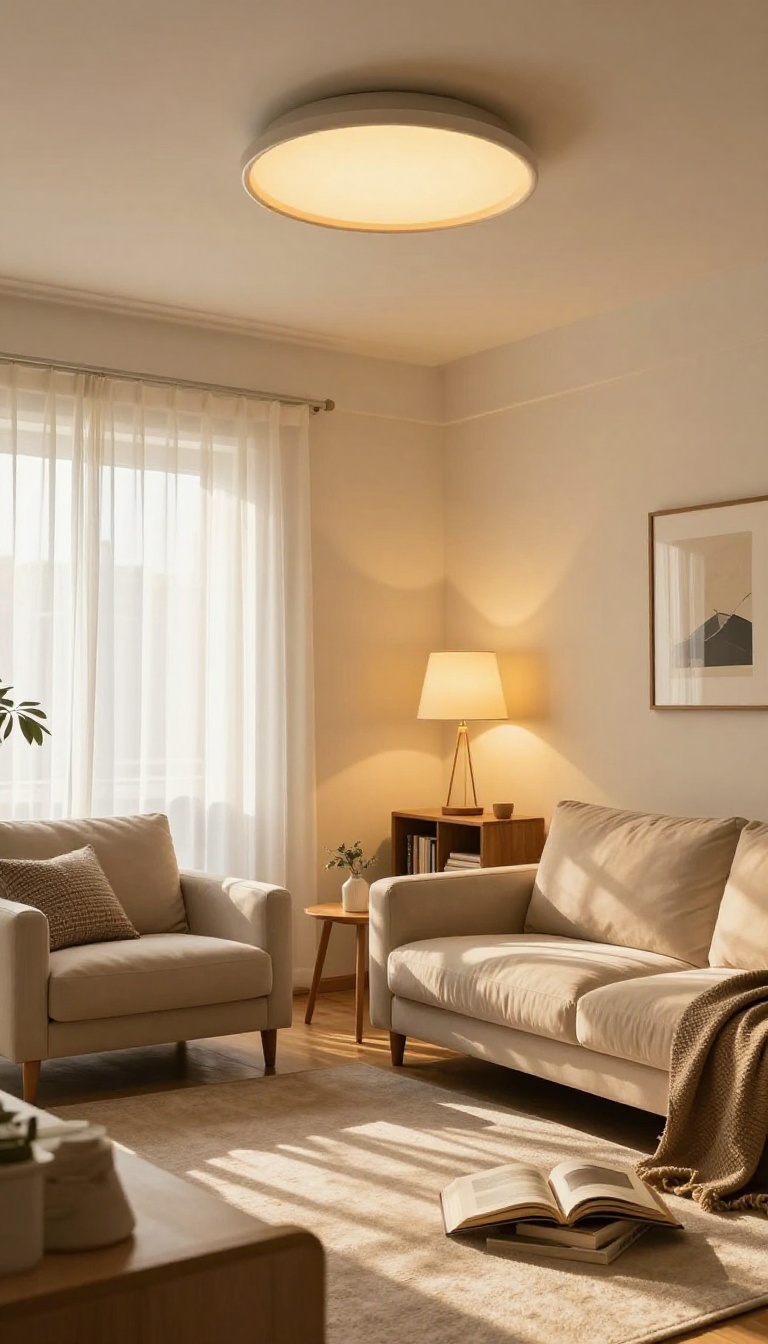
One overhead fixture rarely does a living room any favors. It flattens the space, casts harsh shadows, and leaves corners feeling dim. Layering your lighting fixes that by mixing three types of light: ambient, task, and accent.
Each one plays a different role, and together they add depth, warmth, and flexibility.
Think of lighting like a recipe. You need a base, some supporting ingredients, and a finishing touch. In a living room, that means a ceiling fixture or two for overall brightness, lamps for focused tasks, and smaller lights for highlighting what you love.
When you separate those jobs, you stop asking one light to do everything. The room instantly feels more considered.
Start With Ambient Light
Ambient light is your base layer. It fills the room with a soft, even glow so you can move around safely. A dimmable ceiling fixture or a pair of floor lamps aimed at the ceiling can work here.
Avoid relying on a single bright bulb in the center. Instead, spread the light around so no area feels like a cave.
Add Task Lighting Where You Need It
Task lights are for reading, hobbies, or anything that needs focus. A table lamp beside your favorite chair or a swing-arm sconce over a sofa works well. Place them at eye level when you're seated, and make sure the shade directs light downward.
This keeps the glow where you need it without glaring into your eyes.
Use Accent Lighting For Depth
Accent lights are the jewelry of your lighting scheme. A small lamp on a bookshelf, a picture light above art, or a strip of LED behind the TV adds a soft wash that draws the eye. These lights don't need to be bright.
Their job is to create contrast and make the room feel layered, not lit like a showroom.
Put It On Dimmers And Smart Plugs
Flexibility is the whole point. Put your main lights on dimmers so you can go from bright and clean to soft and moody in seconds. Smart plugs let you control lamps from your phone or a voice assistant.
Group them into scenes like "movie night" or "party" to switch the mood without touching every switch.
3. Choose a Cohesive Color Palette
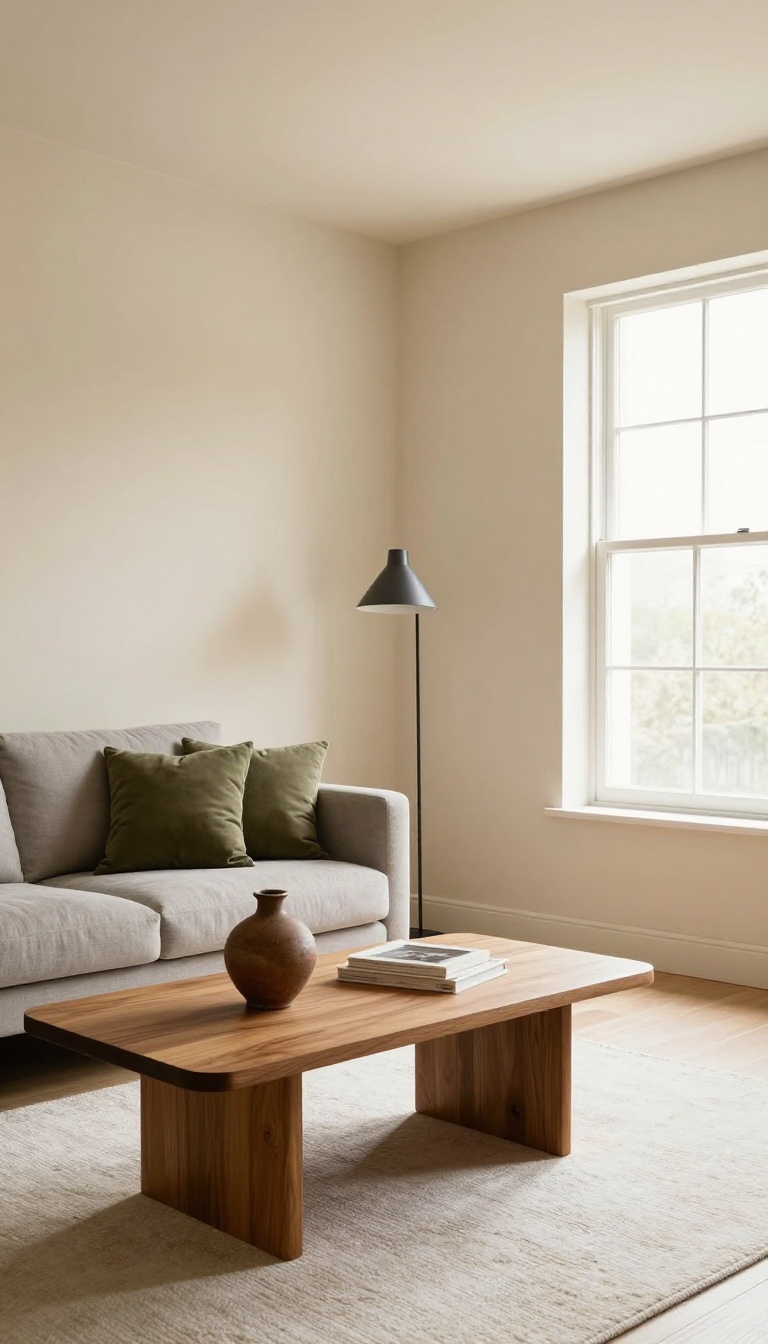
Color is the fastest way to make a room look intentional or accidental. When five different hues are fighting for attention, even nice furniture starts to feel scattered. Narrowing things down to two or three main colors plus one accent gives the eye a clear path to follow.
You do not need to repaint or replace anything to get there. Most of the time, it is about editing what you already own and adding pieces that repeat the same few tones. The result reads as calm and deliberate, which is exactly what polish looks like.
Start by picking the two or three colors you actually love seeing every day. A neutral base, a mid-tone, and a deeper shade is a combination that almost always works. Then choose one accent color to wake things up. Build Around a Base, a Mid-Tone, and a Deep Shade Think of your base as the walls, the big rug, and the sofa.
Cream, warm gray, or soft white keeps the room open and lets everything else sit on top of it. The mid-tone shows up in curtains, a pair of chairs, or a wood tone that repeats around the room. The deep shade adds weight through a coffee table, a floor lamp, or a dark frame or two.
When those three values show up more than once each, the room starts to feel connected. You are not matching everything perfectly, just repeating the same family of tones in different spots. Use One Accent Color, and Use It Sparingly The accent is the fun part, so it is easy to overdo. Pick one color, like olive, rust, or a soft blue, and limit it to small moments.
A throw blanket, a few pillow covers, a vase, or a piece of art with that color in it is plenty. If the accent starts appearing on the sofa, the rug, the curtains, and the walls, it stops being an accent. Keep it to roughly ten percent of what you see and it will do its job. Let Texture Carry the Interest Once your palette is tight, texture keeps the room from feeling flat.
A boucle pillow next to a linen sofa next to a chunky knit throw gives you variety without adding another color. Mixing matte and slightly shiny finishes does the same thing. This is also where you can sneak in a pattern.
A striped or subtly patterned pillow in your existing colors adds life without breaking the scheme. Edit Before You Buy Before spending anything, pull out everything in the room that does not fit your palette. Pillows, throws, books, candles, and small decor are the usual culprits. Store them or move them to another room and see how the space feels.
Most people find the room already looks more polished after a ten-minute edit. Then you can shop with a clear list instead of guessing.
Build Around A Base, A Mid-tone, And A Deep Shade
Think of your base as the walls, the big rug, and the sofa. Cream, warm gray, or soft white keeps the room open and lets everything else sit on top of it. The mid-tone shows up in curtains, a pair of chairs, or a wood tone that repeats around the room.
The deep shade adds weight through a coffee table, a floor lamp, or a dark frame or two. When those three values show up more than once each, the room starts to feel connected. You are not matching everything perfectly, just repeating the same family of tones in different spots.
Use One Accent Color, And Use It Sparingly
The accent is the fun part, so it is easy to overdo. Pick one color, like olive, rust, or a soft blue, and limit it to small moments. A throw blanket, a few pillow covers, a vase, or a piece of art with that color in it is plenty.
If the accent starts appearing on the sofa, the rug, the curtains, and the walls, it stops being an accent. Keep it to roughly ten percent of what you see and it will do its job.
Let Texture Carry The Interest
Once your palette is tight, texture keeps the room from feeling flat. A boucle pillow next to a linen sofa next to a chunky knit throw gives you variety without adding another color. Mixing matte and slightly shiny finishes does the same thing.
This is also where you can sneak in a pattern. A striped or subtly patterned pillow in your existing colors adds life without breaking the scheme.
Edit Before You Buy
Before spending anything, pull out everything in the room that does not fit your palette. Pillows, throws, books, candles, and small decor are the usual culprits. Store them or move them to another room and see how the space feels.
Most people find the room already looks more polished after a ten-minute edit. Then you can shop with a clear list instead of guessing.
4. Mix Textures for Depth
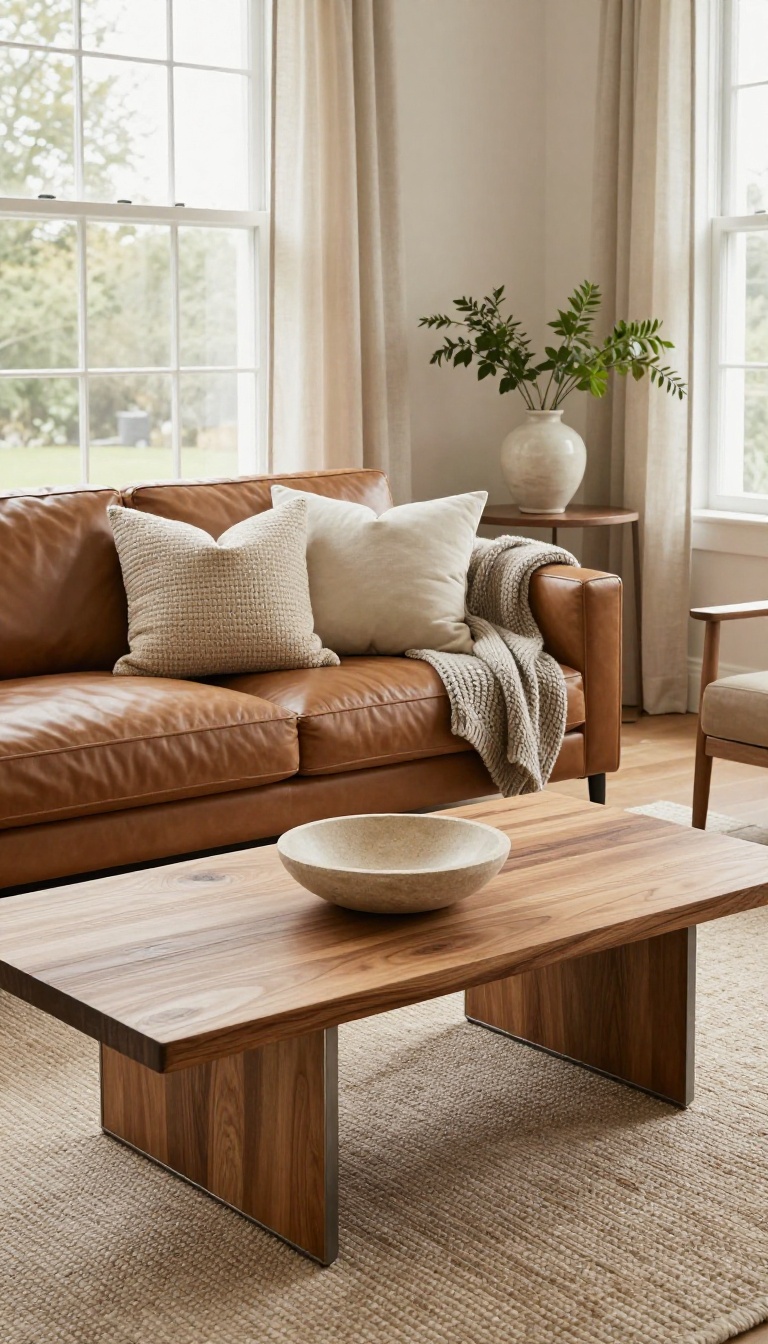
A room filled with one material feels flat, no matter how nice that material is. All-leather seating can read cold, and all-wood furniture can feel like a showroom. Texture is what gives a living room its sense of depth and that lived-in luxury.
The fix is simple: layer materials that contrast with each other. Velvet against leather, wood against metal, chunky knits against smooth stone. Your eye picks up the differences and the whole space feels richer.
You do not need to buy anything new to start. Look at what you already own and figure out which textures are missing.
Texture works because it plays with light. Shiny surfaces bounce light around, while matte surfaces absorb it. When you mix both, the room gains dimension that a single finish can never deliver.
Start with the big pieces, then work down to the small ones. Seating, tables, and rugs set the texture foundation. Pillows, throws, and accessories are where you fine-tune the mix.
A good rule of thumb: every room needs at least one soft texture, one hard texture, and one smooth or shiny texture. Hit all three and the space will feel complete.
Start With The Big Pieces
Your sofa, chairs, and coffee table carry the most visual weight. If your sofa is smooth leather, add a woven or velvet accent chair nearby. If your seating is all fabric, bring in a wood or metal table to break it up.
Rugs count here too. A plush wool rug under a sleek glass table creates instant contrast. A flatweave rug under a heavy leather sofa does the same job in reverse.
Layer In The Small Stuff
Pillows and throws are the easiest texture swap because they cost the least. Pair a smooth silk pillow with a nubby boucle one, or drape a chunky knit over a leather arm. Mix at least two textures per surface.
A coffee table with a marble tray, a wood bowl, and a brass candle holder looks far more interesting than three items in the same finish.
Balance, Don't Clutter
Texture should feel intentional, not chaotic. Pick two or three dominant materials and let the rest support them. If velvet, wood, and brass are your stars, keep other finishes quiet.
Step back and squint. If one texture jumps out too hard, soften it with something matte. If the room feels flat, add one shiny piece.
Small adjustments go a long way.
5. Invest in a Statement Rug
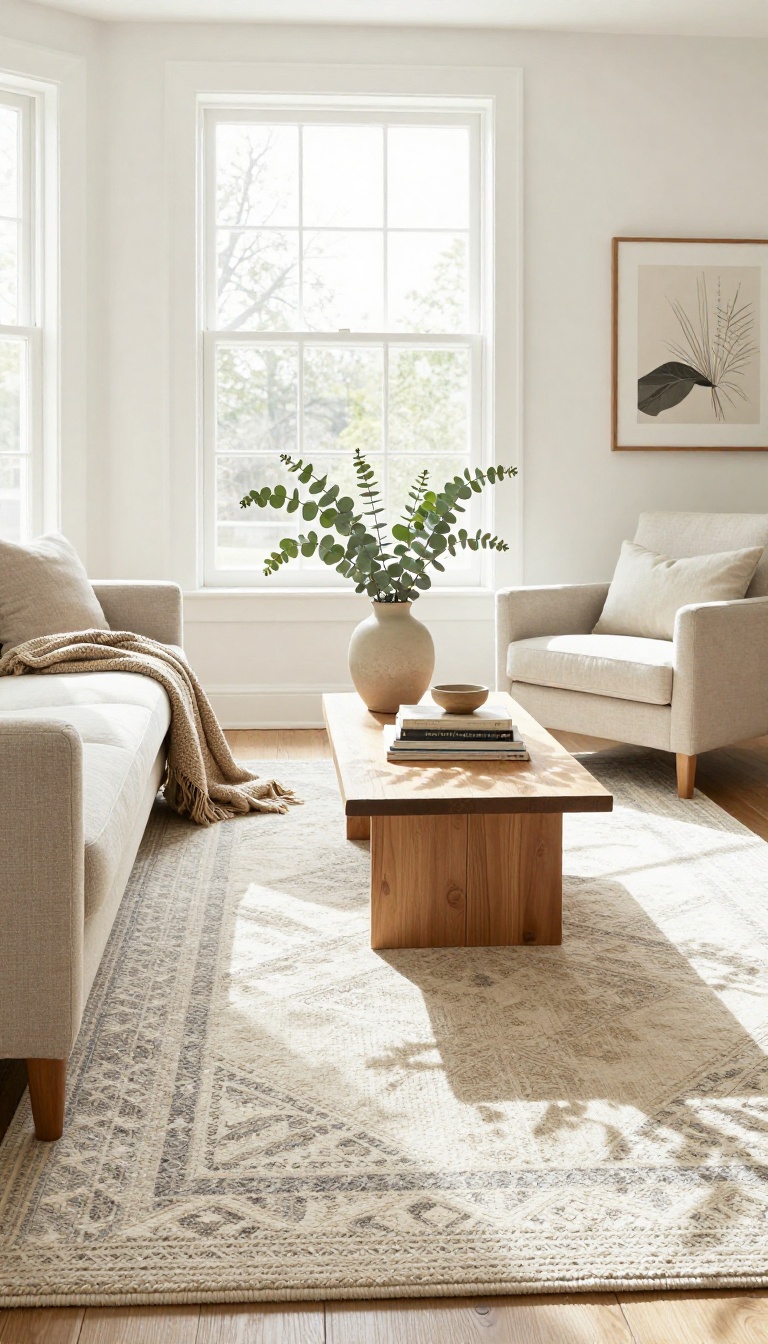
A bare floor makes even a well-furnished living room feel like it's waiting for something. A large, stylish rug solves that instantly. It ties your furniture together, defines the seating area, and adds a layer of warmth and personality that nothing else can match.
Think of a rug as the anchor for your whole seating arrangement. When it's the right size and style, everything else looks more intentional. When it's too small or too busy, the room can feel choppy and unfinished.
The good news is that getting it right is mostly about two things: size and material.
Get The Size Right
A rug that's too small is the most common mistake. As a rule, at least the front legs of your main seating pieces should sit on the rug. In a larger room, go bigger so the rug extends beyond the sofa and chairs.
This creates a clear boundary for the conversation area.
Choose A Material That Works For You
Wool is durable and soft, but it can be pricey. Synthetic blends are affordable and easy to clean, especially if you have pets or kids. Natural fibers like jute or sisal add texture but feel rougher underfoot.
Pick based on how you use the room, not just how it looks online.
Let The Pattern Do The Talking
If your furniture is neutral, a patterned rug can be the star of the room. A subtle geometric or vintage-inspired design adds interest without overwhelming. Just make sure the colors tie into your existing palette so it doesn't feel like it came from another house.
6. Arrange Furniture for Conversation
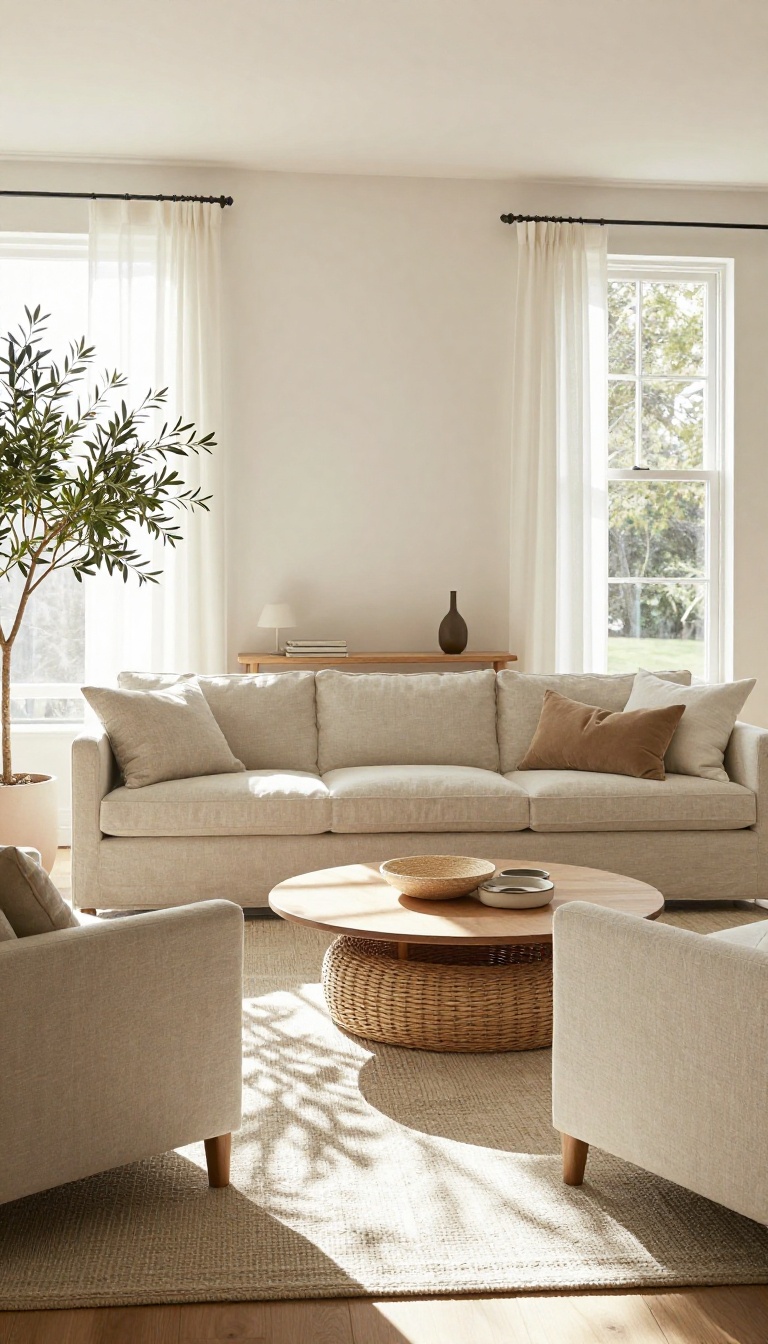
A sofa pushed flat against the wall with a coffee table parked in front of it can look tidy, but it rarely invites anyone to sit down and stay awhile. Conversation-friendly furniture arrangement is about pulling seats into loose, open clusters where people can see each other without turning their heads. It's one of the simplest changes you can make, and it shifts how the whole room feels the moment you walk in.
The goal isn't to recreate a formal sitting parlor. It's to give the room a natural gathering point, so people drift toward the same spot instead of scattering into separate corners. Once you get the bones right, everything else in the room has a job to do.
Pull Seats Off The Walls
Floating your main seating piece even a few inches away from the wall instantly makes the room feel more deliberate. It creates a walkway behind the sofa and signals that the space in front is meant for gathering. In smaller rooms, a slim console behind the sofa keeps that gap from feeling wasted.
Build Around A Focal Point
Anchor your seating group to something worth looking at, like a fireplace, a large window, or a media console. Angle the chairs slightly toward that point and toward each other. The result is a soft triangle of seats that works for both watching and talking.
Keep The Circle Tight
Seats spaced too far apart kill conversation before it starts. Aim for roughly eight to ten feet between the main facing pieces, with a coffee table or ottoman in the middle. If you have to raise your voice to be heard, the grouping is too wide.
Mix Seating Types
A matching sofa-and-loveseat set can feel stiff and one-note. Add a pair of accent chairs, a bench, or a couple of poufs to break up the symmetry. Different seat heights and shapes make the arrangement feel collected rather than showroom-perfect.
7. Add Greenery for Life
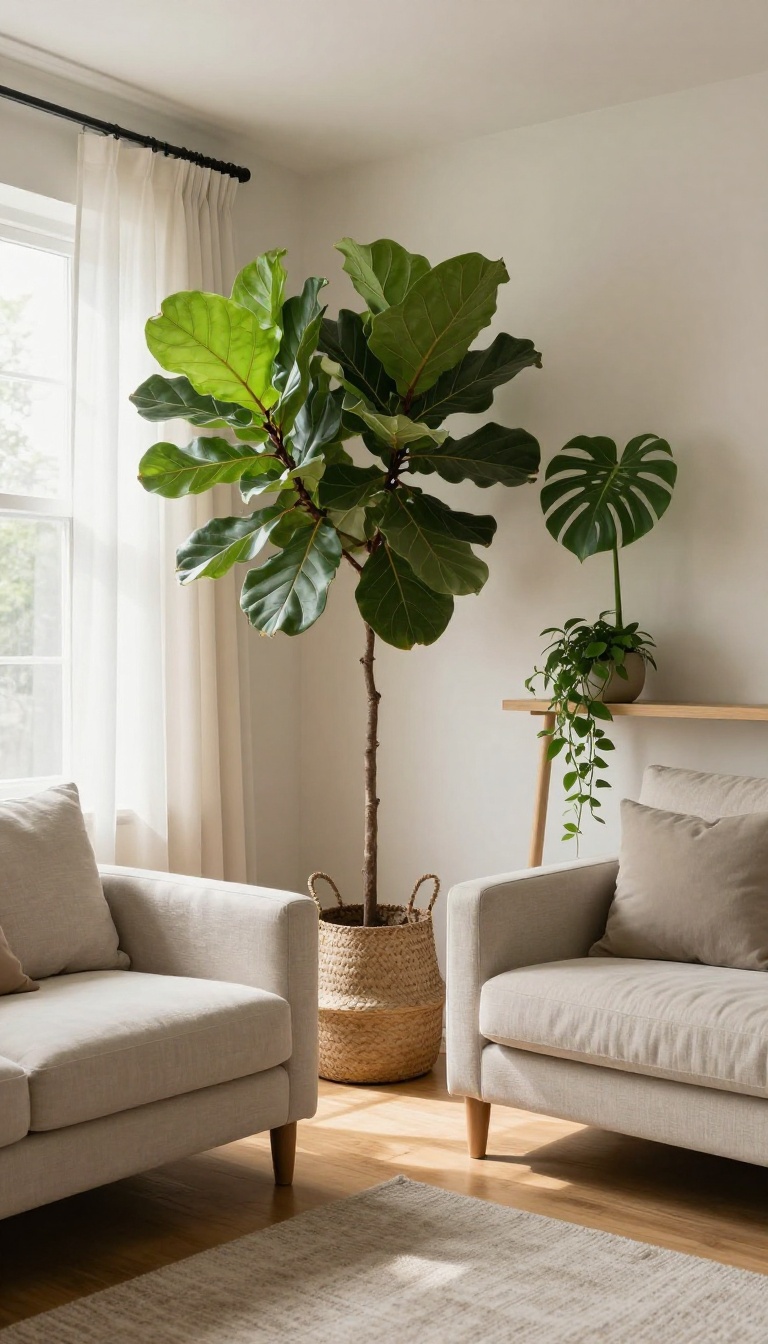
Plants do something for a living room that no accessory can quite replicate. They add color that shifts and grows, texture that breaks up hard surfaces, and a softness that makes even a minimalist room feel warmer. A single well-placed plant can pull a corner together, and a small cluster can turn a bland stretch of wall into a focal point.
The trick is treating greenery like part of the design, not an afterthought. That means choosing plants that suit your light, your schedule, and the scale of the room. Get those three things right and the payoff is immediate.
Pick Plants That Fit Your Light
Before you fall for a fiddle leaf fig, take an honest look at your windows. Most living rooms fall into one of three light categories: bright and direct, bright but indirect, or low and moody. Matching the plant to the light is the difference between a thriving centerpiece and a slow decline you feel guilty about.
For bright, direct light, try succulents, cacti, or a rubber tree. Indirect light suits pothos, philodendrons, and monsteras. Low-light corners can handle snake plants, ZZ plants, and cast iron plants.
If you're unsure, a snake plant is almost impossible to kill and looks sharp in a modern pot.
Scale Matters More Than You Think
A tiny plant on a big empty wall disappears. A massive tree in a small room swallows the space. The sweet spot is a plant that fills about a third to half of the vertical space it sits against.
In a room with high ceilings, go tall with a fiddle leaf fig or a bird of paradise. In a smaller room, a medium plant on a stand or a hanging planter keeps the floor clear and the eye moving. Grouping is another way to get scale right.
Three small plants clustered on a console or in a corner read as one larger moment. Vary the heights and leaf shapes so the group feels collected, not cluttered.
Containers Are Part Of The Look
The pot is doing as much visual work as the plant. A terra-cotta pot feels earthy and casual. A glazed ceramic in a muted color feels more polished.
A woven basket softens a room and adds texture. The key is to repeat one or two materials across your planters so the greenery feels intentional. Also think about proportion.
A pot that's too small makes a plant look top-heavy. As a rule, the container should be about one-third the height of the plant. And if you're using a basket, keep the nursery pot inside and hide the plastic rim with a little moss.
Keep Them Alive Without The Fuss
The fastest way to lose the polished look is a shelf full of crispy brown leaves. Set a simple watering routine and stick to it. Most houseplants prefer to dry out slightly between waterings, so check the top inch of soil with your finger before you reach for the can.
A few drops of liquid fertilizer once a month during growing season keeps leaves glossy. Wipe dust off large leaves with a damp cloth so they can breathe. And if a plant starts struggling, move it to a different spot rather than trying harder.
Sometimes the room is the problem, not you.
8. Display Art and Personal Items
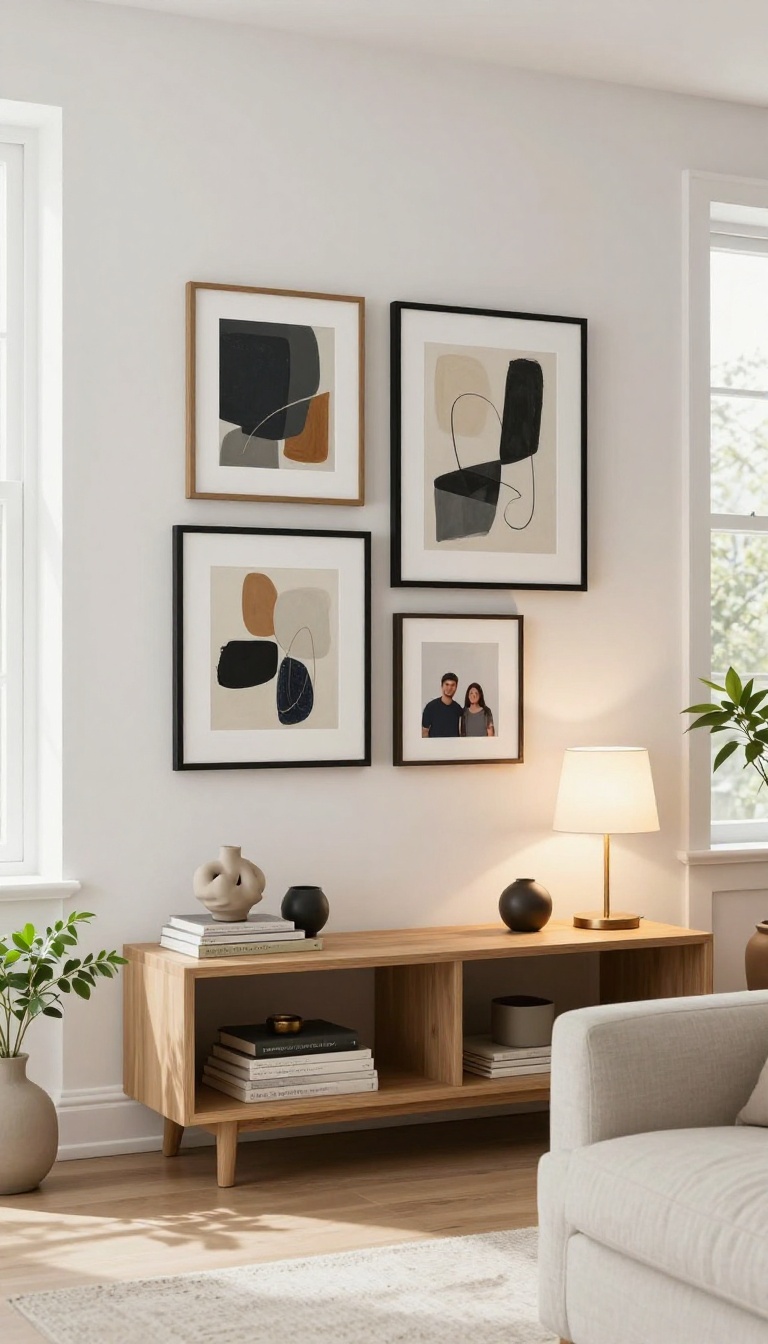
Blank walls and bare surfaces make a living room feel like a showroom, not a home. Art and personal items are what turn a generic space into one that tells your story. You don't need a gallery-worthy collection—just a few pieces that mean something to you.
The trick is to display them with intention. A framed photo tossed on a shelf looks like clutter; the same photo in a proper frame on a console table looks like a design choice. The goal is to showcase what you love without letting it overwhelm the room.
Start by gathering everything you might want to display—art, photos, travel finds, heirlooms, even a favorite book or two. Lay it all out on the floor or a table and see what speaks to you. Then edit.
Not everything needs to go up at once. Rotating pieces keeps the room feeling fresh and prevents visual overload. When you're ready to arrange, think about balance.
You want a mix of sizes, shapes, and textures, but also a sense of order. Grouping items in odd numbers often looks more natural than even pairings. And don't be afraid to mix mediums—a painting next to a sculptural object next to a framed photo can work beautifully if the colors or themes tie together.
Lighting matters here too. A piece of art in a dark corner won't get the attention it deserves. Add a picture light or a nearby lamp to highlight your display.
And if you're hanging art, make sure it's at eye level—usually 57 to 60 inches from the floor to the center of the piece. Finally, let your personality show. A vintage poster from a favorite concert, a child's drawing in a nice frame, a collection of ceramic birds—these are the things that make a room feel lived-in and loved.
Polished doesn't mean impersonal.
Create A Gallery Wall That Works
Gallery walls can be tricky. Start with a large anchor piece, then build around it with smaller items. Keep spacing consistent—2 to 3 inches between frames usually looks right.
Before you hammer any nails, trace each frame onto paper, cut it out, and tape the shapes to the wall. Rearrange until it feels balanced, then hang.
Style Shelves Like A Pro
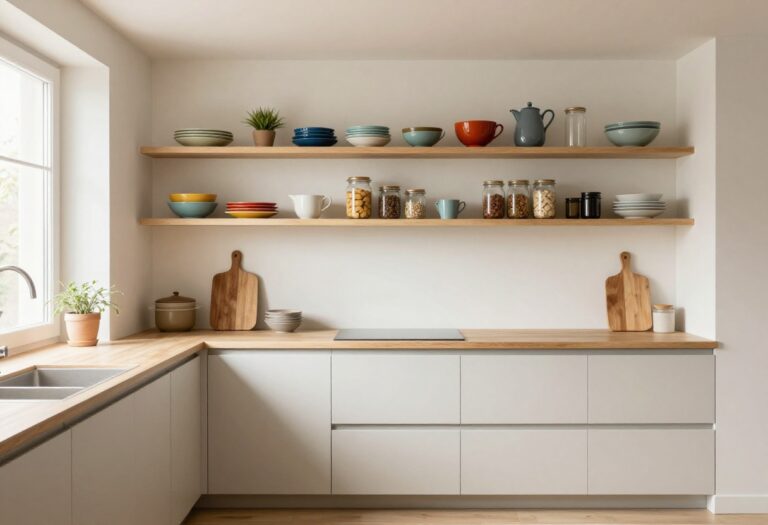
Shelves aren't just for books. Mix in small art, framed photos, and objects of different heights. Try stacking a few books horizontally and placing a small sculpture or bowl on top.
Leave some empty space so the eye can rest. Group similar items together—like a trio of candles or a row of small vases—to create a cohesive look.
Rotate And Refresh
You don't have to live with the same display forever. Swap out art and objects seasonally or whenever you crave a change. Store the rest in a closet or bin so you can shop your own collection later.
This keeps the room from feeling stale and lets you enjoy more of your pieces over time.
9. Keep It Clutter-Free
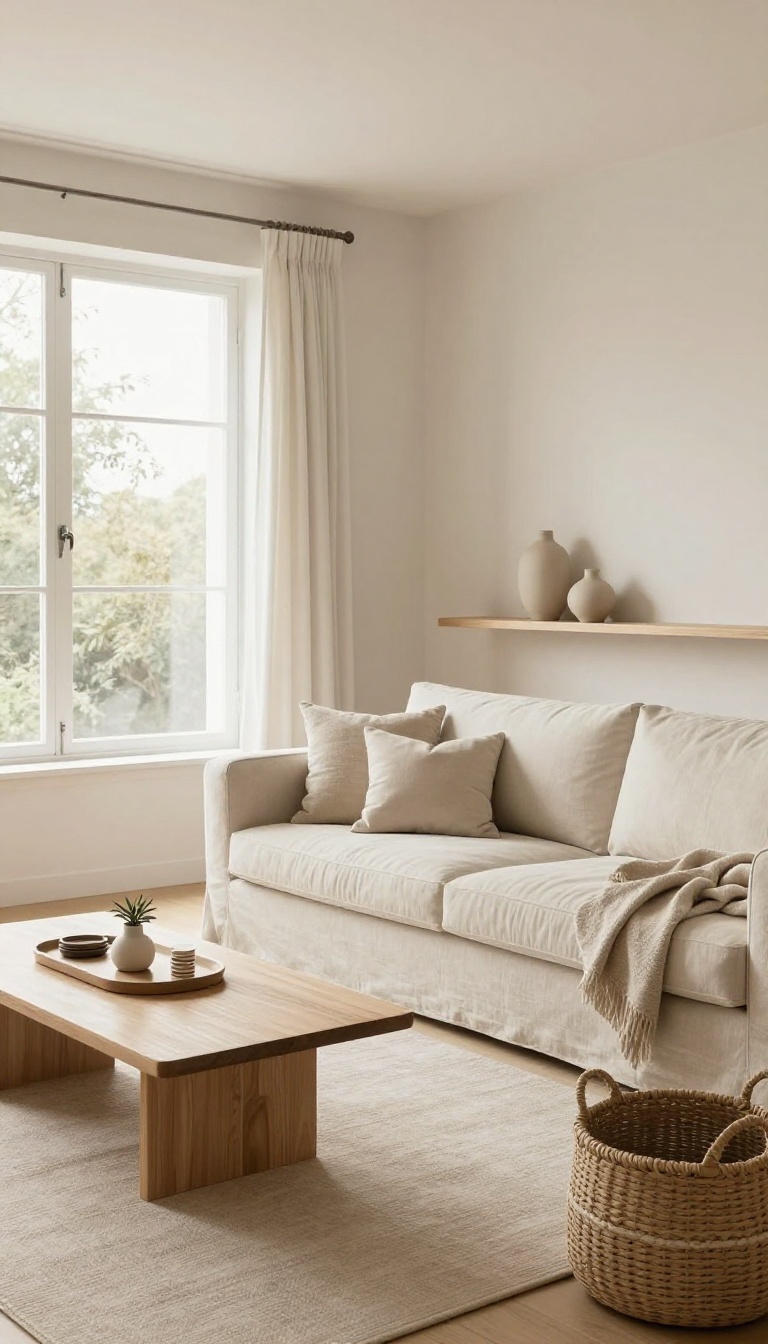
Clutter is the quiet killer of polish. A few stray items on the coffee table can make an otherwise beautiful room feel messy and unsettled. The fix isn't a bare, sterile space—it's giving everything a place to live so the room can breathe.
When surfaces stay clear and storage works hard behind the scenes, the whole space instantly looks more intentional and put-together.
The goal here is simple: make it easy to put things away, so you actually do it. Start by identifying the usual suspects—remotes, magazines, mail, kids' toys, charging cables. Each one needs a designated home that's within arm's reach.
If putting something away takes more than a few seconds, it'll end up back on the table. Baskets, trays, and lidded boxes are your best friends. They corral small items without looking like storage bins.
Choose materials and colors that blend with your decor, so they feel like part of the design rather than an afterthought. A woven basket next to the sofa can hold throws and look intentional. A sleek tray on the coffee table keeps remotes and coasters contained.
The key is to edit regularly. Once a week, do a quick sweep and return anything that's wandered in. It takes five minutes and keeps the room from sliding back into chaos.
Also, think vertically. Wall-mounted shelves or a slim console behind the sofa can hold decorative items and free up floor space. Just don't overload them—negative space is what makes the room feel calm.
Finally, be ruthless with decor. If a knickknack doesn't add joy or visual interest, let it go. A few well-chosen pieces make a bigger impact than a crowded shelf.
The result is a room that feels airy, polished, and effortlessly maintained.
Give Everything A Home
Assign a specific spot for every item that tends to pile up. Remotes go in a drawer or a decorative box. Magazines live in a basket or on a lower shelf.
Mail gets sorted immediately—don't let it land on the coffee table. When each thing has a place, tidying becomes a two-minute routine instead of a chore.
Choose Storage That Blends In
Storage shouldn't scream 'storage. ' Look for baskets, bins, and boxes that match your room's palette and texture. Woven seagrass, leather, or matte metal all work. If it looks like it belongs, you won't mind leaving it out, and guests won't notice it's hiding clutter.
Edit Your Decor Regularly
Even beautiful objects can become visual noise. Every few weeks, remove one or two items from each surface and see if you miss them. Rotate accessories instead of displaying everything at once.
This keeps the room feeling fresh and prevents that cluttered, over-styled look.
10. Update Window Treatments
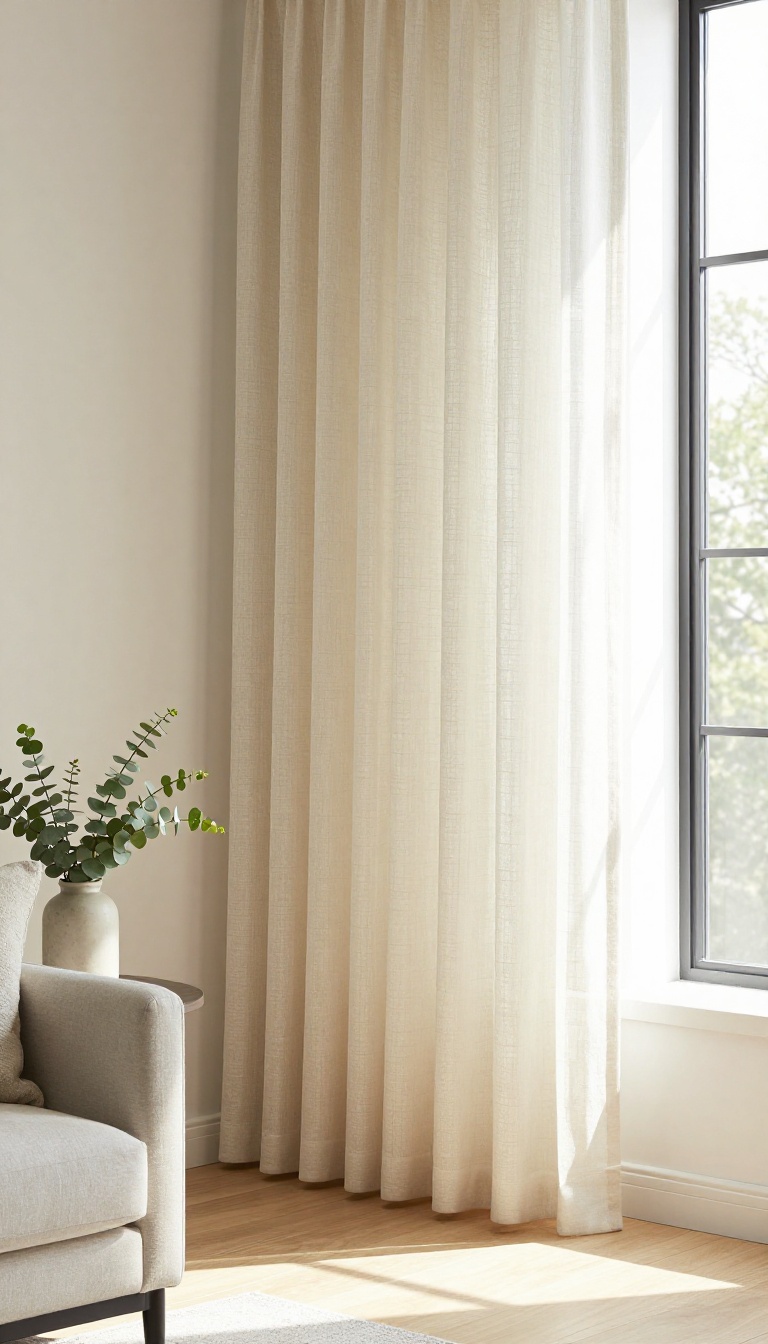
Windows are one of the first things guests notice, yet they often get the least attention. Bare glass or flimsy plastic blinds can make even a well-furnished room feel unfinished. The right window treatments add softness, frame the view, and give you control over light and privacy.
Start by deciding how much light and privacy you need. Do you want to block morning glare, soften afternoon sun, or keep neighbors from seeing in at night? Your answer will point you toward curtains, blinds, shades, or a combination.
Then think about style: traditional, modern, coastal, or farmhouse. The treatment should feel like it belongs in the room, not like an afterthought. Measure carefully before you buy.
For curtains, mount the rod high and wide—close to the ceiling and several inches past the window frame. This makes windows look larger and ceilings taller. For blinds or shades, measure inside the frame for a clean look or outside for more coverage.
Fabric matters too: linen and cotton drape nicely, while synthetic blends resist fading. If you rent, choose tension rods or removable adhesive hooks so you can take your upgrades with you.
Pick The Right Type
Curtains bring warmth and texture, and they work in almost any style. Blinds offer clean lines and precise light control, especially wood or faux-wood varieties. Roman shades split the difference—soft like curtains but tailored like blinds.
Layering a sheer curtain under a heavier panel gives you flexibility day and night.
Get The Hardware Right
A flimsy rod can ruin the look, so choose something sturdy. Metal or wood rods with simple finials feel classic; hidden tracks or ceiling mounts feel modern. Match the finish to other metals in the room—brass with brass, black with black.
For blinds, a simple valance or cornice can hide the mechanics and add a custom touch.
Hang Them Like A Pro
Hang curtains so they just touch the floor or break slightly for a relaxed look. For a formal feel, let them puddle an inch or two. Make sure they can close fully for privacy and open wide for light.
If you have a bay window, use multiple rods or a curved track to follow the angles. And don't forget the tiebacks—they keep things neat when the curtains are open.
11. Finish with Accessories
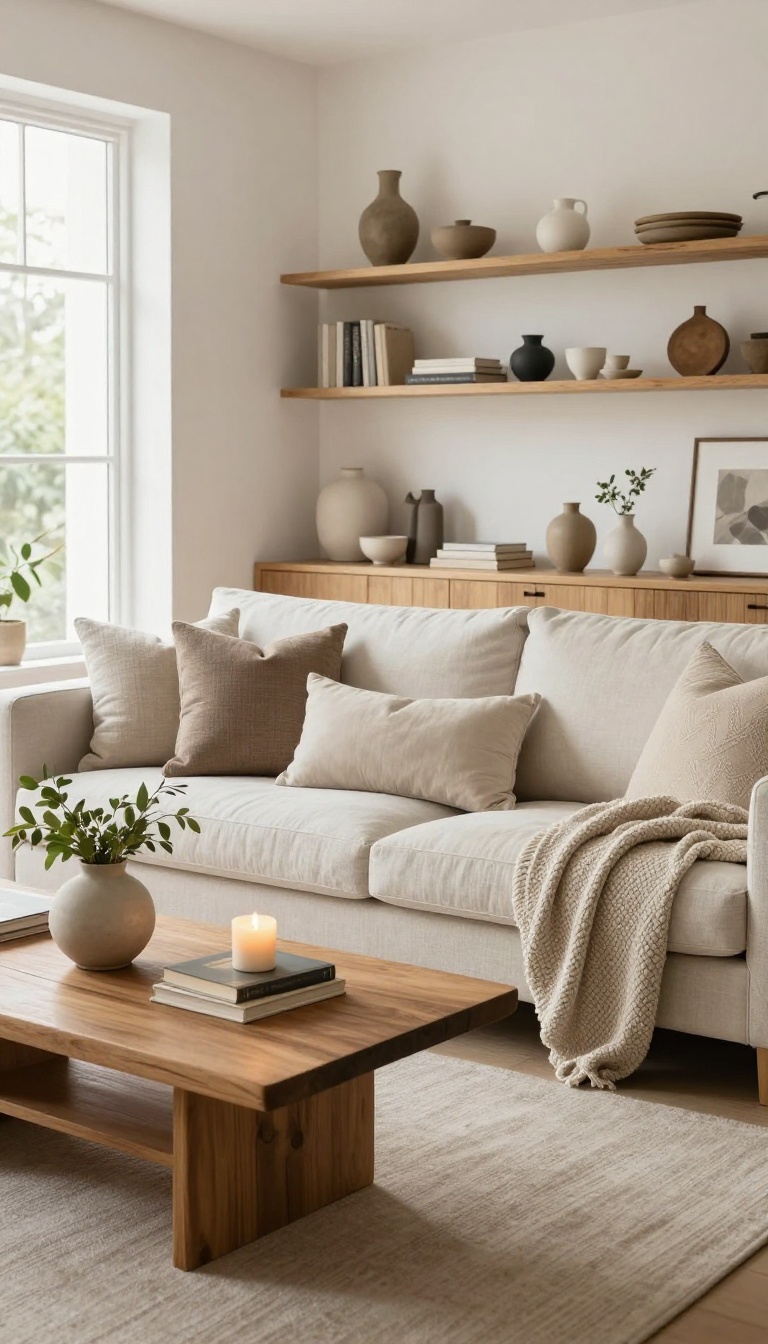
You’ve arranged the furniture, sorted the lighting, and nailed the color palette. Now the room needs the final layer that makes it feel lived-in and complete. Accessories are that layer.
They’re the difference between a room that looks staged and one that looks like someone actually enjoys spending time there. The trick is to treat accessories as the last step, not an afterthought. They should echo the colors and textures you’ve already used, and they should add comfort, not clutter.
A few well-chosen pieces will do more than a dozen random ones.
Think of accessories as the punctuation at the end of a sentence. They don’t change the meaning, but they make it clear and satisfying. In a living room, that means throw pillows, blankets, and decorative objects that tie everything together.
They soften hard edges, add personality, and make the space feel welcoming. Start with textiles. Pillows and throws are the easiest way to introduce pattern, color, and texture without committing to a big change.
Then add a few decorative objects—a vase, a stack of books, a candle—to surfaces like the coffee table or shelves. The goal is to layer, not to fill every empty spot. Keep scale and balance in mind.
A tiny pillow on a huge sofa looks lost, and a giant vase on a small side table feels overwhelming. Mix sizes and shapes, and repeat colors from your main palette. And don’t forget comfort: a soft throw within arm’s reach invites people to curl up and stay a while.
Pillows And Throws
Pillows are the quickest way to add color and pattern. Use an odd number—three or five—and mix sizes. A 22-inch square behind a 20-inch square looks intentional.
For throws, drape one over the back of a sofa or chair. It adds texture and makes the room feel cozy. Stick to two or three colors that already appear in the room.
If your sofa is neutral, this is your chance to bring in a accent color. If your sofa is bold, keep pillows in similar tones or a subtle pattern. And don’t be afraid to mix textures: velvet, linen, and chunky knits all play well together.
Decorative Objects
Objects on surfaces tell a story about who lives there. A ceramic bowl from a trip, a stack of art books, a sculptural candle—these small details add depth. Group items in threes or fives, and vary heights.
A tall vase next to a short stack of books creates a pleasing rhythm. Edit as you go. If a surface feels crowded, remove one item.
Negative space is just as important as the objects themselves. And rotate pieces seasonally or when you get bored—it keeps the room feeling fresh without spending a dime.
Art And Mirrors
Art is an accessory too, and it can make or break a room. Hang pieces at eye level—about 57 inches from the floor to the center of the art. If you’re hanging above furniture, leave 6 to 8 inches between the bottom of the art and the top of the sofa or table.
Mirrors are another tool: they reflect light and make small rooms feel bigger. Lean a large mirror against the wall for a relaxed look, or hang it to anchor a vignette.
FAQ
How can I make my living room look more polished on a budget?
Focus on small changes like adding a statement rug, layering lighting, and decluttering. These inexpensive updates can make a big impact.
What is the most important element in a polished living room?
A clear focal point and a cohesive color palette are key. They give the room structure and a sense of purpose.
How do I choose the right rug size for my living room?
A rug should be large enough to fit under the front legs of your furniture. This creates a unified seating area.
Should I use matching furniture sets?
Matching sets can look stale. Mixing pieces from different styles and eras creates a more curated, polished look.
How can I add personality without clutter?
Display a few meaningful items, like art or travel finds, and rotate them seasonally. Less is more when it comes to decor.
Conclusion
Polished doesn't mean perfect, and it definitely doesn't mean expensive. Pick the one idea here that solves your biggest annoyance, try it this week, and let the results guide your next move.
Layer slowly, mix what you love, and give the room time to settle. The spaces that feel truly polished usually just feel like the people who live in them.