10 Backyard Fence Ideas for Dogs with Safe Boundaries
Your dog bolts out the back door, and you hold your breath until you see the fence line. A secure boundary keeps your pup safe and gives you peace of mind. But not every fence works for every dog.
Some dogs jump, some dig, and some just keep pushing until they find a weak spot. The right fence depends on your dog's size, energy, and escape tactics. It also needs to fit your budget and yard style.
Here are 10 backyard fence ideas that create safe, reliable boundaries for dogs. Each option solves a specific problem, so you can pick what works for your space and your pet.
1. Tall Wood Privacy Fence
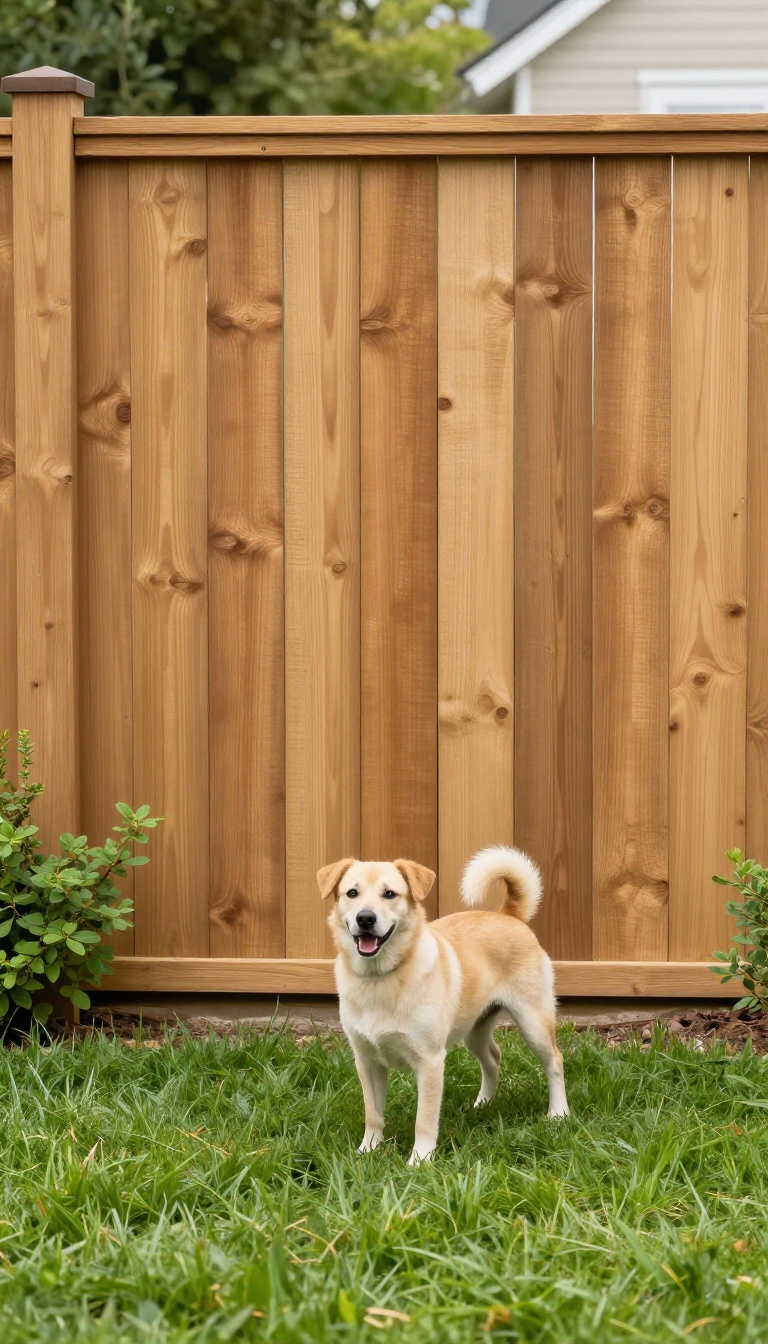
A tall wood privacy fence solves two problems at once: it blocks your dog's view of everything beyond the yard and makes jumping over it a serious challenge. At six feet high, it's tall enough to deter most dogs, especially when the pickets are vertical and tightly spaced. The solid design also cuts down on barking triggered by passing cars, neighbors, or other animals.
Wood privacy fences are a classic choice for dog owners because they're sturdy, customizable, and relatively affordable compared to other materials. You can stain or paint them to match your home, and they hold up well in most climates with basic maintenance. The vertical pickets are key—they prevent dogs from getting a foothold to climb.
Just make sure there are no gaps wider than a few inches, or small dogs might squeeze through. A solid wood fence also gives you more privacy, which is a nice bonus for backyard hangouts.
Height And Jump Prevention
Six feet is the sweet spot for most dogs, but if you have an athletic jumper, go higher. Some breeds can clear a five-foot fence with ease, so six feet adds a crucial buffer. If local rules allow, seven or eight feet is even safer.
Just remember that a taller fence needs stronger posts and deeper footings to handle wind and weight.
Picket Style And Climb Resistance
Vertical pickets with less than three inches of space between them stop dogs from wedging their paws in and climbing. Avoid horizontal rails or lattice tops that create ladder-like steps. A flat top with no protruding edges also makes it harder for a dog to grab hold.
If you want extra security, add a lean-in or coyote roller at the top.
Maintenance And Longevity
Wood fences need a little love to last. Seal or stain them every few years to prevent rot, warping, and insect damage. Check for loose boards or rotting posts after storms, since a determined dog will exploit any weakness.
With proper care, a wood privacy fence can easily last 15 years or more.
2. Chain Link with Privacy Slats
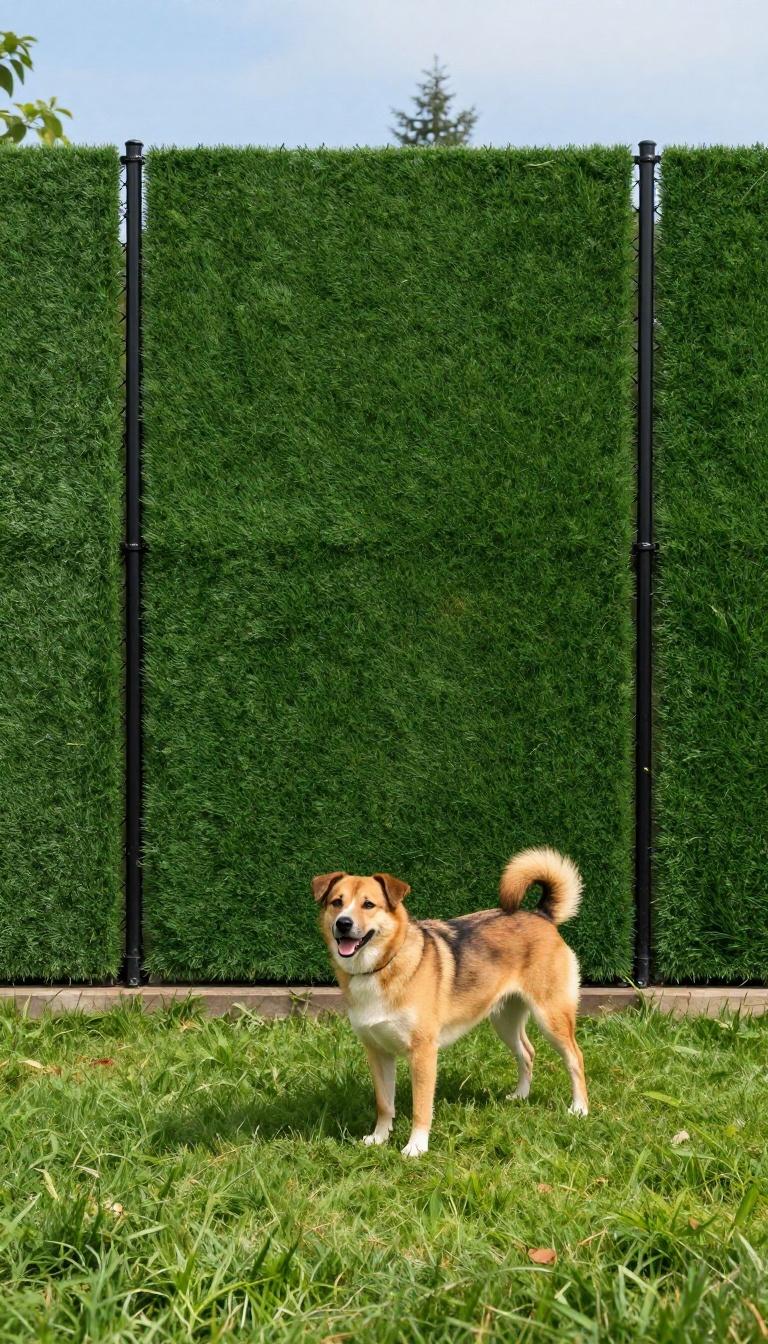
Chain link gets a bad rap for looking industrial, but it's one of the most budget-friendly and durable options out there. Add privacy slats, and you get a fence that blocks your dog's view while keeping the price tag reasonable. The slats slide through the chain link mesh and come in colors like green, black, and tan.
They cut down on visual triggers that send dogs into barking fits. Your dog sees less, barks less, and the yard feels more private for you too.
Chain link with slats works for almost any dog, from a tiny terrier to a restless husky. The fence itself is strong and low-maintenance, and the slats add a layer of calm by reducing what your dog can see. You can install it yourself if you're handy, or hire a pro for a quick job.
Either way, it's one of the most affordable ways to create a safe boundary that doesn't look like a prison yard.
Why Slats Help
Dogs bark at what they see: mail carriers, squirrels, neighbors, other dogs. Slats block most of that view, so your dog stays calmer. Less barking means happier neighbors and a more relaxed home.
The slats also add wind protection and a bit of privacy for you. They won't make the fence solid like wood, but they take the edge off.
Picking The Right Slats
Slats come in different widths and colors. Wider slats block more view but cost a bit more. Standard slats are fine for most dogs.
If your dog is a relentless barker, go with the widest option you can afford. Color matters for looks. Green blends with grass and trees.
Black looks sharp and modern. Tan or gray can match your house. Pick what fits your yard's vibe.
Installation Tips
You can weave slats through the chain link yourself. It takes time but saves money. Start at one end and work your way across, sliding each slat down through the diamond pattern.
Make sure the bottom of the fence is secure. Dogs can push under chain link if there's a gap. Add a tension wire or bury the bottom a few inches.
For jumpers, go with a 6-foot fence and add slats to the top section.
3. Vinyl Fence with No-Gap Panels
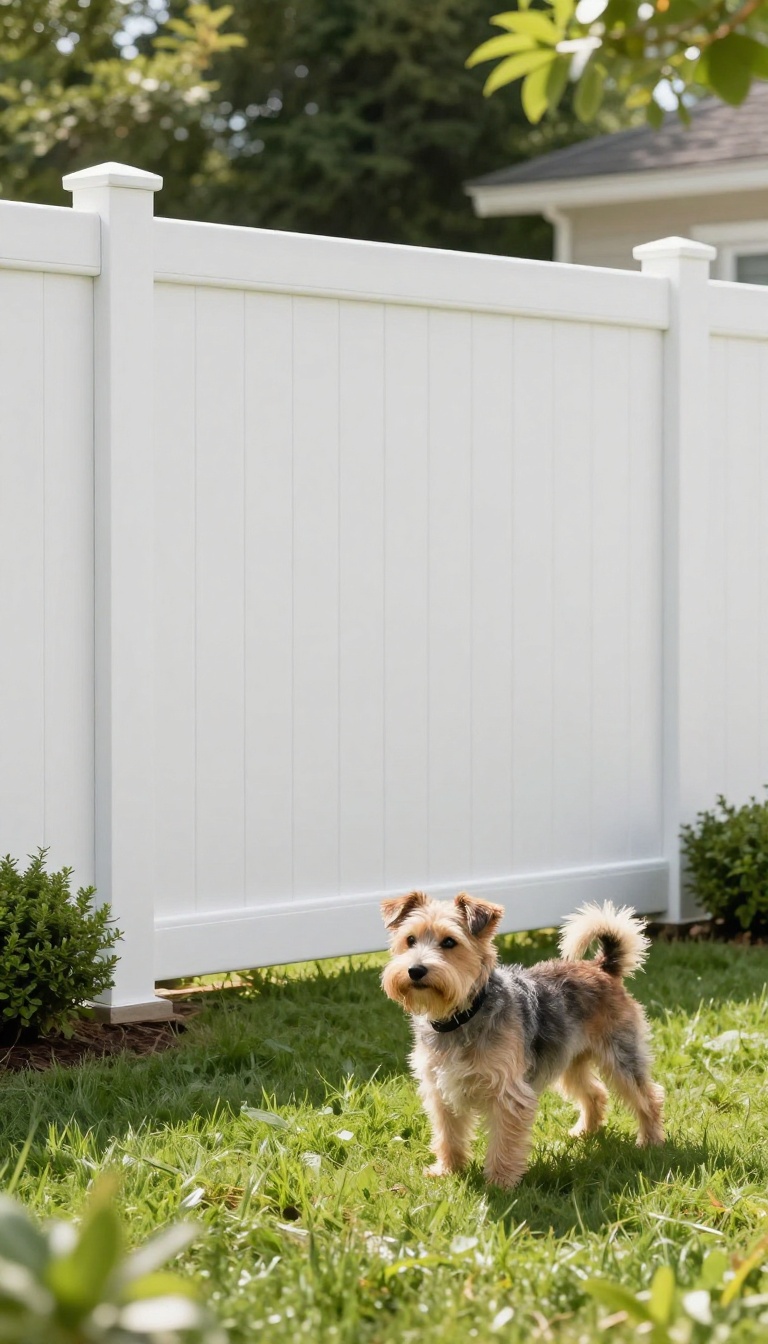
Vinyl fencing has come a long way from the flimsy white picket look. Today's no-gap panels lock together tightly, leaving almost no space for a determined dog to squeeze through. They also hold up well against digging because the bottom rail sits low and the material itself is tough.
If you want a clean look without constant upkeep, this one deserves a closer look.
Vinyl fences are made from PVC, which means no painting, no staining, and no rotting. A quick rinse with a hose is usually all the maintenance you'll need. The real selling point for dog owners is the panel design.
Many modern vinyl systems use tongue-and-groove or interlocking panels that create a solid wall with no gaps between boards. That matters if you have a small dog who treats every inch of space like an escape route.
Why Small Dogs Stay Put
Tiny breeds like Chihuahuas, dachshunds, and terriers can slip through openings you'd swear were too small. No-gap vinyl panels eliminate that problem entirely. There's simply nowhere for them to wiggle through.
Just make sure the gate matches the panel system. A mismatched gate with wider spacing can undo the whole setup.
Digging Resistance
Vinyl won't stop a dedicated digger on its own, but it slows them down. The bottom rail typically sits just a few inches off the ground, and the smooth surface gives paws less traction than wood or chain link. For serious diggers, bury a line of concrete or paver stones along the base.
That combo of no gaps above and a hard barrier below covers both escape routes.
What To Expect On Cost And Install
Vinyl costs more upfront than wood or chain link, but you save on maintenance over the years. Expect to pay somewhere between $20 and $40 per linear foot installed, depending on height and style. Installation is DIY-friendly if you're handy, since panels often come pre-assembled.
But posts need to be set in concrete for stability, so factor in a weekend of work or hire a pro.
4. Split Rail with Wire Mesh
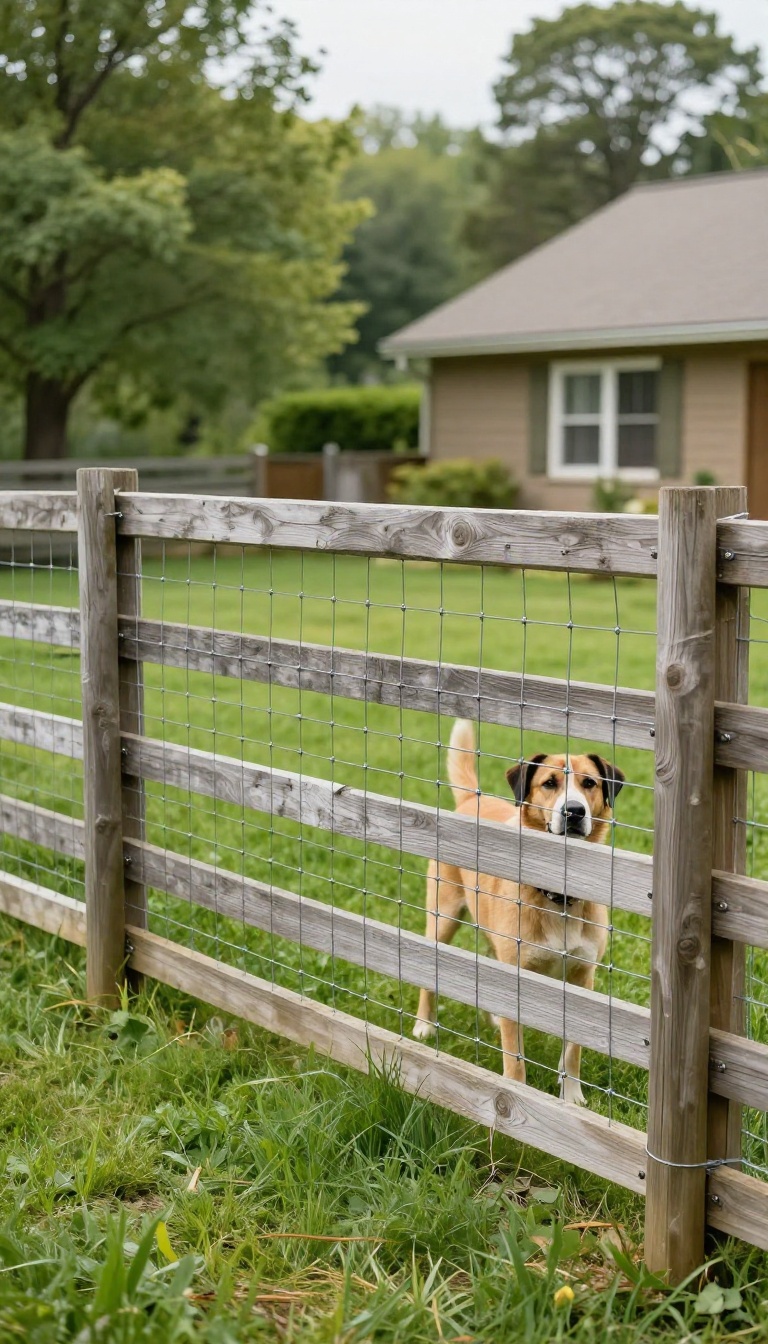
Split rail fencing brings a relaxed, country feel to any yard. But those wide gaps between rails are an open invitation for small dogs to slip through. Adding wire mesh solves that problem without sacrificing the rustic look.
It's a smart combo that keeps your dog contained while preserving the charm of a traditional split rail fence.
You get the best of both worlds with this setup. The split rail provides a sturdy, attractive frame, and the wire mesh fills in the gaps to create a solid barrier. It's especially handy for dogs who like to squeeze through tight spaces or chase critters.
The mesh is nearly invisible from a distance, so your fence still looks like a classic country boundary.
Why It Works For Dogs
Dogs can't slip through the rails because the mesh blocks every opening. It also adds height without making the fence look bulky. For climbers, the mesh makes it harder to get a foothold.
And for diggers, you can extend the mesh underground to prevent tunneling.
Choosing The Right Mesh
Go with a heavy-gauge welded wire or woven wire with small openings. Avoid flimsy chicken wire that dogs can tear. The mesh should be galvanized or vinyl-coated to resist rust.
Match the mesh height to your dog's size and jumping ability.
Installation Tips
Attach the mesh to the inside of the rails using fence staples or wire ties. Keep it taut to prevent sagging. Bury the bottom edge at least 6 inches underground to stop digging.
For extra security, add a top rail or tension wire to keep the mesh from bowing.
5. Wrought Iron with Pet Mesh
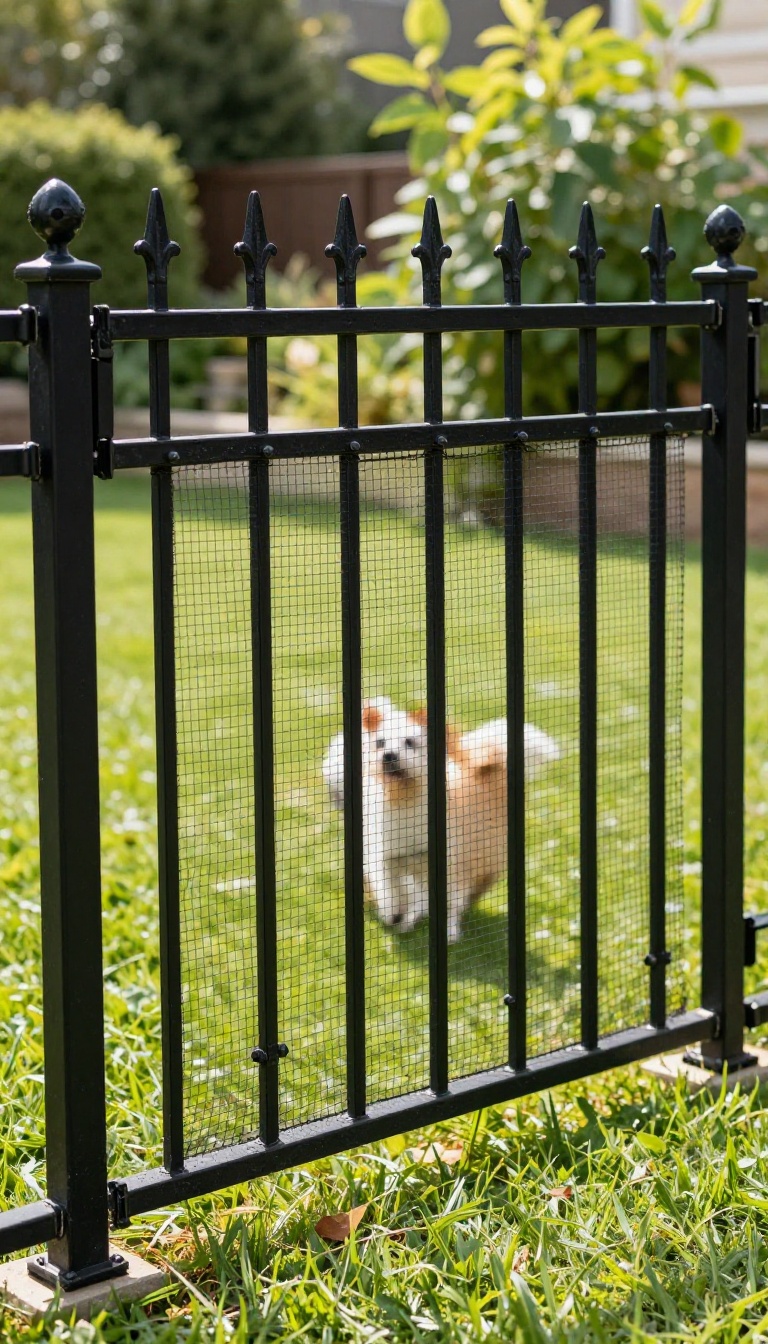
Wrought iron fencing brings timeless elegance to your yard, but those decorative gaps can be an open invitation for small dogs to slip through. The solution is simple: add pet mesh. This combination gives you the beauty of iron without sacrificing security.
It's a smart upgrade for dog owners who want style and safety in one package.
Pet mesh is a durable, flexible material that attaches to the iron bars, creating a barrier that keeps tiny dogs contained. It's typically made from heavy-duty PVC-coated polyester or welded wire, so it stands up to weather and wear. The mesh comes in various colors, letting you match it to your fence for a seamless look.
Installation is straightforward: you can DIY with zip ties or hire a pro for a cleaner finish. The result is a fence that looks high-end but works hard for your dog.
Why It Works For Small Dogs
Small breeds can squeeze through gaps as narrow as 2 inches, which is common in wrought iron designs. Pet mesh closes those gaps without blocking airflow or visibility. It also adds a layer of protection against paws getting stuck.
For dogs that are escape artists, this extra barrier is a game-changer.
Installation Tips
Start by measuring your fence panels to determine how much mesh you need. Choose a mesh with small openings (1×1 inch or less) to prevent even the tiniest dogs from pushing through. Attach it to the inside of the fence using heavy-duty zip ties or stainless steel wire.
For a more permanent solution, use tension wire and hog rings. Make sure the mesh extends to the ground to deter digging.
Maintenance And Longevity
Pet mesh is low-maintenance but not maintenance-free. Rinse it periodically to remove dirt and prevent mildew. Check for tears or loose ties, especially after storms.
If you live in a snowy area, avoid using a snowblower near the mesh to prevent damage. With basic care, pet mesh can last for years, keeping your fence functional and attractive.
6. Concrete or Masonry Fence
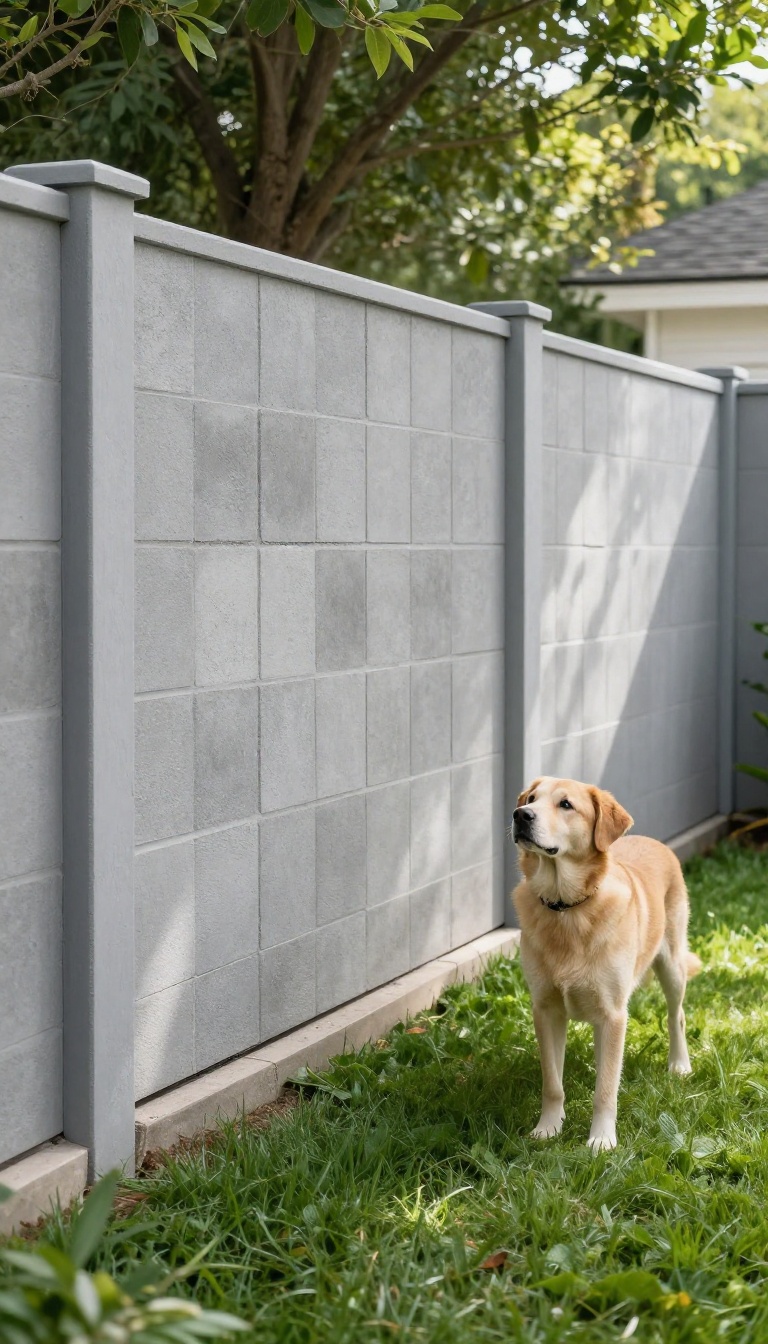
Some dogs treat every fence like a puzzle to solve. They dig under, chew through, or body-slam the panels until something gives. If you've already patched a wooden fence twice this year, concrete or masonry might be the answer.
These fences aren't just sturdy. They're basically a wall. Once they're up, most dogs give up trying because there's nothing to grab, nothing to push, and nothing to dig through.
The trade-off is cost and commitment. But for a determined escape artist, a solid masonry boundary can be the difference between a safe dog and a lost one.
Concrete and masonry fences come in a few different styles, and they all share one big advantage: they're heavy. A dog can't chew concrete. A dog can't dig through a concrete footing that goes below the frost line.
And a dog can't push over a wall that weighs hundreds of pounds per section. That said, not every masonry fence works for every dog. The height, the footing depth, and the gate hardware all matter.
Get those right, and you've got a boundary that will outlast most of the other options on this list.
Why Masonry Stops Diggers
Digging is the number one reason dog owners start looking at concrete. A standard wood or chain link fence sits on top of the ground, and a motivated dog can tunnel under it in an afternoon. Masonry fences usually sit on a concrete footing that extends 12 to 24 inches below grade.
That's deeper than most dogs will ever dig. Even if your dog starts a hole, they hit solid concrete fast and lose interest. If you want extra insurance, pour the footing a little deeper and add a horizontal concrete lip at the base.
That lip makes it nearly impossible for a dog to get any leverage under the wall.
Block, Poured, And Precast Options
You've got three main choices. Poured concrete is the strongest and the most customizable, but it needs formwork and a contractor. It's also the most expensive upfront.
Concrete block, also called cinder block, is more budget-friendly. You stack the blocks, fill the cores with rebar and concrete, and finish the surface however you like. It's a great middle ground.
Precast concrete panels are the fastest option. They arrive as finished sections and get dropped into posts. You get a clean look with minimal mess, though the style choices are limited.
Height, Gates, And Visibility
For most dogs, a 6-foot masonry wall is plenty. If you've got a serious jumper, go to 7 or 8 feet. Just check your local codes first, because many areas cap residential fence height at 6 feet.
Gates are the weak point. A heavy masonry wall paired with a flimsy gate is a waste of money. Use a solid metal or reinforced gate with a self-latching mechanism that a clever dog can't nose open.
One downside of masonry is that it blocks your view. If your dog likes to patrol the fence line, they can't see out, which can sometimes increase frustration. Adding a small decorative cutout or a section of wrought iron on top can help.
Cost And Long-term Value
Expect to pay significantly more than you would for wood or chain link. Poured concrete and block walls often run two to three times the price per linear foot. Precast panels land somewhere in the middle.
But here's the thing: masonry lasts decades. You won't be replacing pickets, tightening sagging posts, or repainting every few years. For a dog that destroys everything else, the long-term math often works out.
If the full perimeter is out of budget, consider a partial masonry wall along your dog's favorite escape route. Combine it with a cheaper fence elsewhere and you still get the security where it counts.
7. Underground Electronic Fence
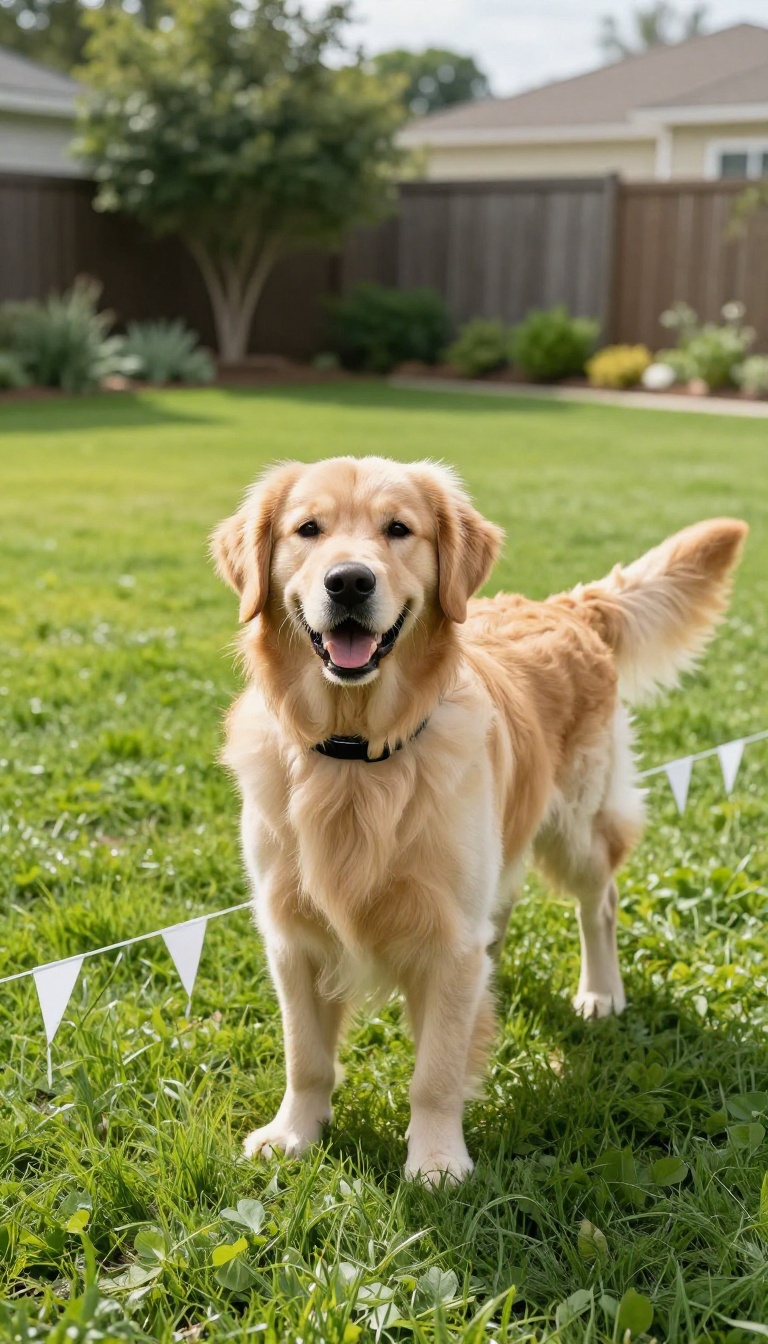
An underground electronic fence uses a buried wire to create an invisible boundary that your dog learns to respect. You install a transmitter, run the wire around your yard, and fit your dog with a lightweight collar. When your dog approaches the boundary, the collar gives a warning beep, followed by a mild static correction if they continue.
It's a clean, unobtrusive way to keep your dog contained without blocking your view.
This system works well for open yards where a physical fence isn't practical or allowed. It's also a good option if you want to keep your dog away from specific areas, like a garden or pool. The key is proper training, so your dog understands the boundary without fear.
How It Works
A transmitter plugs into an outlet and sends a radio signal through the buried wire. The wire creates a perimeter that you can customize to fit your yard's shape. Your dog wears a receiver collar that picks up the signal.
As they get close to the wire, the collar beeps. If they keep going, they get a static correction that's safe but noticeable. Most systems let you adjust the correction level and the warning zone.
Training Is Everything
You can't just put the collar on and expect your dog to understand. Professional training or a DIY program with flags is essential. You'll teach your dog where the boundary is using visual flags and consistent sessions.
Start with low distractions and gradually add challenges. Most dogs learn the system in a few weeks. Without proper training, your dog might ignore the warnings or become fearful.
Pros And Cons
The biggest advantage is the invisible boundary—your yard stays open and attractive. It's usually cheaper than a physical fence, especially for large properties. However, it won't keep other animals or people out.
It also requires electricity and a working collar. Some dogs figure out they can run through the boundary if they're motivated enough, and the correction might not stop a determined escape artist. It's not recommended for dogs with anxiety or aggression issues.
Is It Right For Your Dog?
This system suits dogs that are responsive to training and have a mild temperament. It's less ideal for dogs that are highly prey-driven or prone to bolting. If your dog has a history of escaping, a physical fence is safer.
Also, check local regulations—some areas require physical fencing for certain breeds. Always supervise your dog initially and never leave them outside unattended until they're fully trained.
8. Rolled or Welded Wire Fence
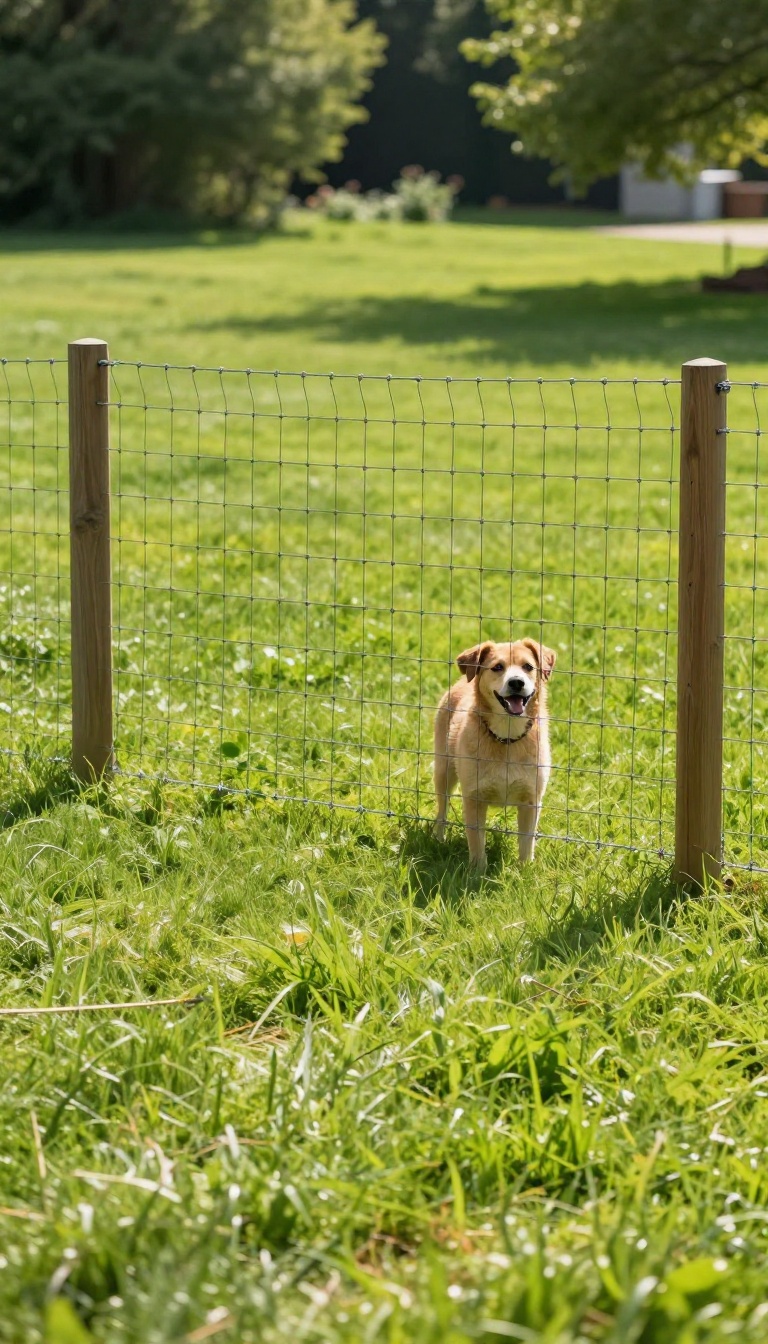
Rolled and welded wire fences look simple, but they solve a lot of dog problems. The wire grid creates a see-through barrier that most dogs can't chew through or climb over. It's a practical pick for active pups who test every boundary.
These fences come in rolls or rigid panels, and you can attach them to wood or metal posts. The tight spacing keeps small dogs from squeezing through, while the sturdy material stands up to big dogs who like to push. If you want security without blocking your view, this style delivers.
Why It Works For Dogs
Welded wire panels are tough. The grid pattern is small enough that paws can't get a grip, so climbing becomes frustrating. The wire also resists chewing far better than chain link or plastic mesh.
Because it's see-through, your dog won't feel trapped or isolated. That matters for dogs who get anxious when they can't see what's happening around them. You get a clear view of your yard, too, which makes it easier to spot trouble before it starts.
Rolled Vs. Welded Panels
Rolled wire comes in long rolls and usually needs a tension wire or frame to stay tight. It's cheaper and works well for large areas, but it can sag over time if you don't install it carefully. Welded wire panels are rigid and hold their shape without extra support.
They cost more upfront, but they're faster to install and stay straighter. For dogs who lean or push, panels are the stronger choice.
Installation Tips That Matter
Bury the bottom of the wire a few inches underground, or add a gravel trench along the fence line. This stops diggers from tunneling out. Bend the bottom of the wire outward into an L-shape for extra digging deterrence.
Use sturdy posts every 6 to 8 feet and secure the wire with heavy-duty ties or tension bands. Add a top rail or angled extension if your dog is a jumper. A tight, well-anchored fence leaves no weak spots to exploit.
Maintenance And Longevity
Check the wire regularly for sharp edges, loose ties, or bent sections. Rust can weaken the metal over time, so touch up any scratches with rust-resistant paint. Galvanized or vinyl-coated wire lasts longer and looks better.
Keep grass and weeds trimmed along the bottom to reduce moisture and hiding spots. A quick monthly walk-around catches small issues before they become escape routes. With basic care, a welded wire fence can protect your dog for a decade or more.
9. Composite Fence with Dig Guard
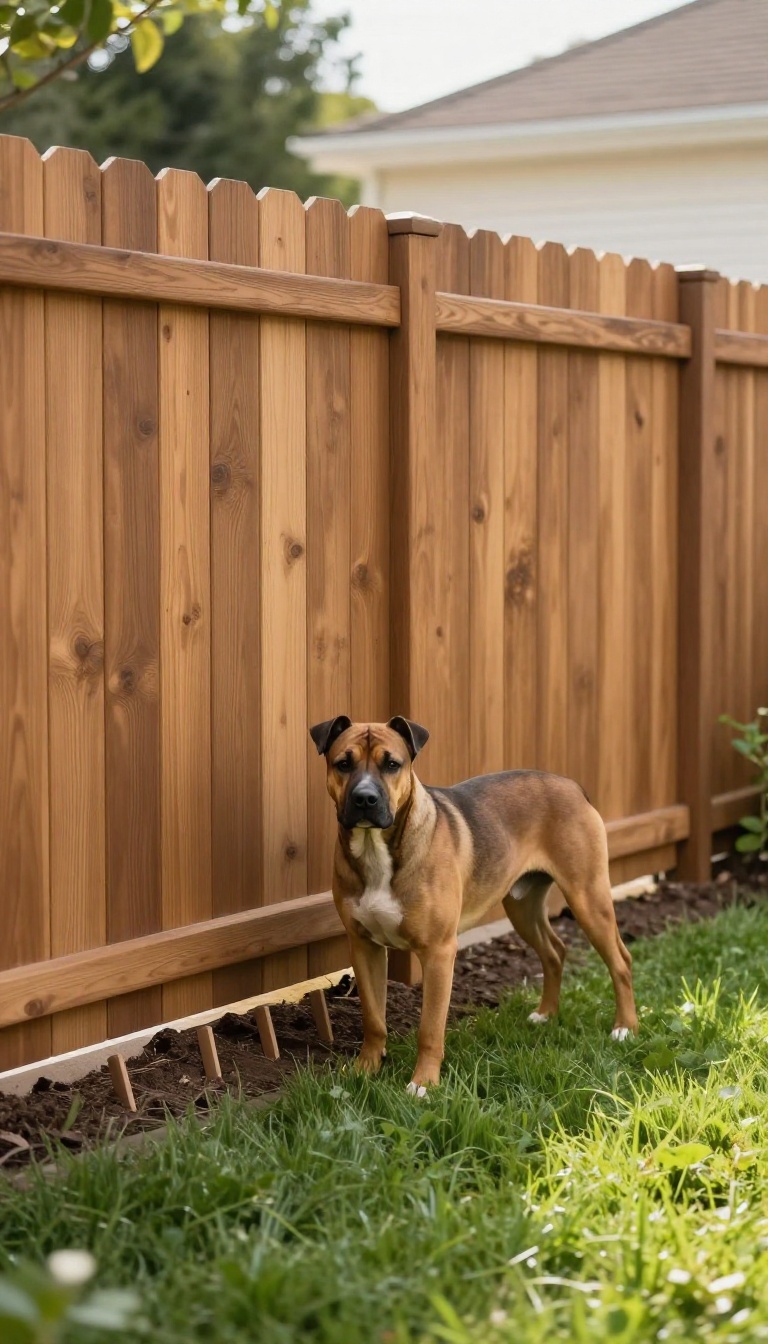
Composite fencing looks like wood but skips the rot, warping, and splintering that come with it. That durability matters when you have a dog who treats the fence line like a challenge. Add a dig guard along the bottom, and you close off the most common escape route dogs use.
A dig guard is a simple barrier that runs along the base of the fence, usually buried a few inches down and extending inward. It stops dogs from tunneling under the fence, even the determined ones. Pair it with composite panels, and you get a boundary that holds up to weather and paws alike.
Composite fences are made from a mix of wood fibers and plastic. That blend gives them the warm look of wood without the constant maintenance. They won't rot, crack, or attract termites, which means fewer repairs and a longer-lasting fence.
For dogs, the real win is the dig guard. Most dogs who escape dig right at the base, especially along corners or spots where the soil is soft. A dig guard creates a physical barrier that stops them cold.
You can buy composite fence panels with a built-in dig guard, or add one to an existing composite fence. Either way, it's a smart upgrade for any yard with a digger.
Why Composite Holds Up
Composite fencing handles rain, sun, and temperature swings without fading or rotting. That means the fence stays strong and looks good year after year. For dog owners, that durability translates to fewer weak spots and less chance of a breakout.
Unlike wood, composite won't splinter, so there's no risk of your dog getting a paw injury from a rough edge. It's also easy to clean with just a hose, which is a bonus if your dog likes to dig in mud.
How A Dig Guard Works
A dig guard is typically an L-shaped piece of material that attaches to the bottom of the fence. The vertical part attaches to the fence, and the horizontal part extends inward along the ground. You bury the horizontal part a few inches deep, so your dog hits it when trying to dig.
Some dig guards are made of metal, while others use composite or treated wood. The key is to create a solid barrier that your dog can't paw through or push aside. It's a simple fix that stops most digging escapes.
Installation Tips
If you're installing a new composite fence, ask the manufacturer about dig guard options. Many brands offer panels with integrated dig guards, which saves you a step. If you're adding a dig guard to an existing fence, you can buy kits or make your own with galvanized hardware cloth.
Bury the guard at least 6 inches deep and secure it tightly to the fence. Check for gaps at corners and gates, since those are prime digging spots. A little extra attention during installation goes a long way.
Cost And Maintenance
Composite fencing costs more upfront than wood, but you'll save on repairs and painting over time. A dig guard adds a small extra cost, but it's worth it if your dog is a digger. You can expect to pay a few hundred dollars for materials, depending on the length of your fence.
Maintenance is minimal. Just rinse the fence occasionally and check the dig guard for wear. If you spot any loose sections, re-secure them right away to keep the boundary intact.
10. Living Hedge Fence
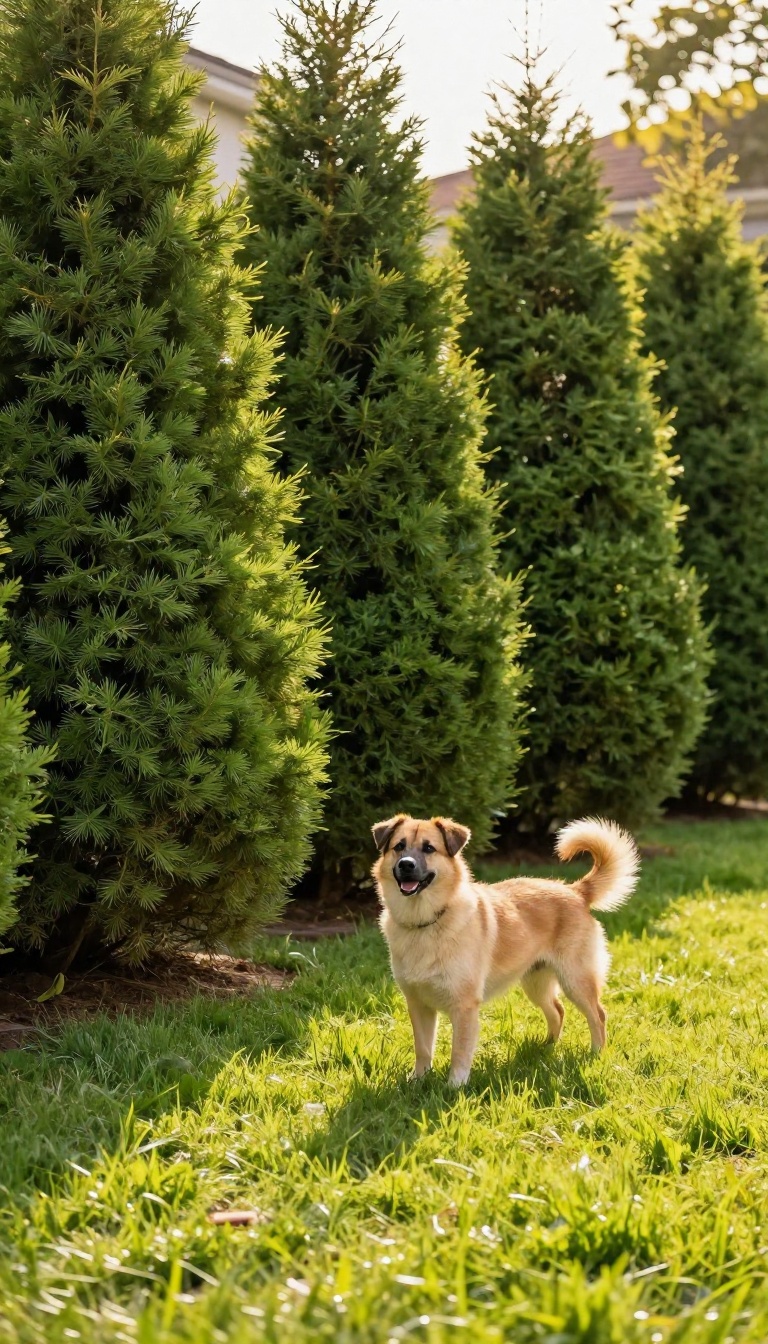
A living hedge turns your property line into a soft, green wall that your dog can’t easily jump, dig under, or push through. It also blocks noise, filters dust, and looks a whole lot better than chain-link. The catch?
You have to pick the right plants and keep them trimmed so the hedge stays dense from the ground up.
Hedges work as dog fences because they create a physical barrier that’s thick and tall enough to discourage escapes. Unlike rigid fences, they absorb sound and give your yard a natural, park-like feel. But not every hedge is dog-safe or sturdy enough to hold up to a determined pup.
The key is choosing fast-growing, dense species and training the hedge into a solid wall, not a sparse row of shrubs.
Best Plants For A Dog-safe Hedge
You want evergreens that grow thick and tolerate heavy pruning. Good picks include boxwood, holly, yew, and privet. Just check toxicity first—some common hedge plants like yew and privet can be harmful if your dog chews them.
Safer options include bamboo (clumping, not running), viburnum, and ninebark. Whatever you choose, plant them close together so there are no gaps at the base.
How To Train And Trim For Security
A hedge only works if it’s dense from the ground up. Start trimming when plants are young to encourage bushy growth. Cut the sides at a slight angle so the bottom gets plenty of sun.
Keep the top flat and even. For most dogs, a height of 4 to 6 feet is enough to prevent jumping. If your dog is a digger, bury a wire mesh along the base or set the hedge in a raised bed with a hard edge.
Maintenance And Long-term Care
Hedges need regular water, feeding, and pruning—usually two to three times a year. That’s more work than a wood fence, but the payoff is a living boundary that improves with age. Watch for dead patches or thin spots and replace plants promptly.
Also keep an eye on any poisonous leaves or berries that fall where your dog can reach them.
FAQ
What is the best fence height for a dog?
Most dogs need a fence at least 4 to 6 feet tall. If your dog is a jumper, go with 6 feet or higher. For small dogs, 4 feet usually works, but always check local regulations.
How do I stop my dog from digging under the fence?
Bury the fence bottom 1 to 2 feet underground or add a concrete footer. You can also place large rocks or wire mesh along the base to discourage digging.
Are invisible fences safe for dogs?
Yes, when installed and used correctly. They work well for many dogs, but they don't stop other animals from entering your yard. Always supervise and train your dog properly.
What fence material is best for dogs that chew?
Metal fences like chain link or welded wire are the most chew-resistant. Avoid wood or vinyl if your dog is a heavy chewer, as they can damage the material.
Can I add a fence to a rental property?
Check with your landlord first. Portable or temporary fences like wire panels or electric fences are often allowed, but permanent fences usually need approval.
Conclusion
A good dog fence does two jobs at once: it keeps your pup safe and gives you peace of mind. Start with the option that fits your dog's size, your yard's layout, and your budget, then adjust as you learn how they use the space. You don't need to install everything at once.
Pick one idea, watch how your dog responds, and build from there. The right boundary is the one that keeps tails wagging and worries low.