11 Back Patio Ideas on a Budget That Feel Thoughtfully Done
A beautiful back patio doesn't have to come with a hefty price tag. With a little creativity and some weekend effort, you can transform an ordinary outdoor space into a cozy retreat that feels intentional and polished.
The trick is focusing on smart, low-cost upgrades that make a big visual impact. From clever lighting to repurposed furniture, these 11 ideas prove that style and savings can go hand in hand.
Each one is practical, approachable, and designed to help you enjoy your outdoor area to the fullest without stretching your budget.
1. String Lights for Instant Ambiance
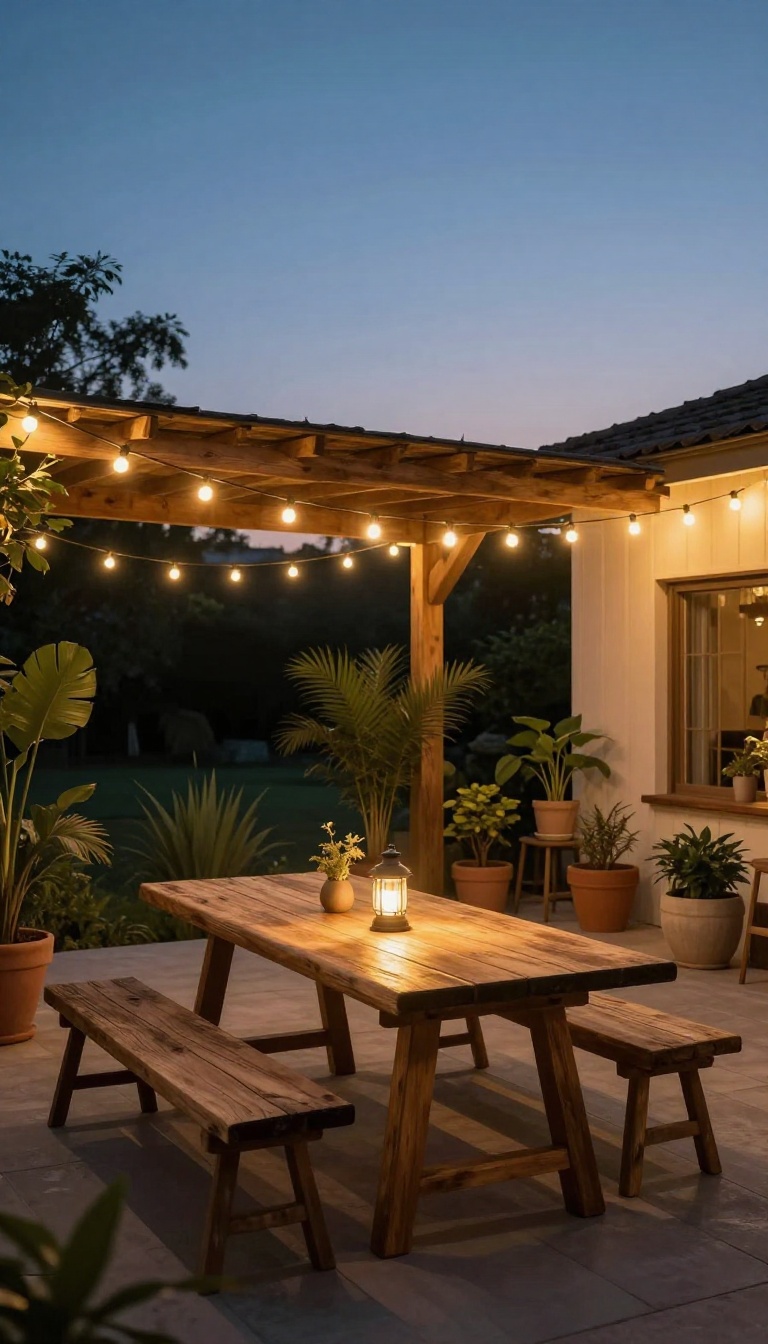
Nothing sets the mood quite like the warm, gentle glow of string lights draped across your patio. It’s one of the quickest and most affordable ways to make the space feel cozy and inviting, whether you’re hosting a dinner or just unwinding after a long day. Plus, with solar-powered options, you can skip the extension cords and the extra electricity costs.
String lights do more than just brighten up the area—they create a whole atmosphere. The soft, diffused light makes the patio feel like a charming outdoor living room, encouraging longer evenings outside. They’re also incredibly versatile: you can hang them overhead, weave them through a railing, or wrap them around a tree for a whimsical touch.
To keep things budget-friendly, shop for solar-powered string lights that charge during the day and turn on automatically at dusk. They’re easy to install—no outlets or timers needed—and they’ll save you money on your energy bill in the long run. Look for weatherproof options designed to withstand rain and sun, so they’ll last for many seasons.
Another benefit is the flexibility they offer. You can change the layout whenever you like, moving the lights to highlight a new seating area or a favorite plant. And when you’re not using them, they roll up neatly for storage, so they don’t take up much space.
Choosing The Right Style
String lights come in all sorts of styles, from classic Edison bulbs to delicate fairy lights. For a cozy, intimate feel, go with warm white or amber tones—they mimic the glow of candlelight and flatter everyone’s complexion. If you want a more festive look, opt for larger bulbs or even colored ones for special occasions.
Consider the size of your patio when picking the bulb spacing and length. For a small balcony, a shorter strand with smaller bulbs works well. On a larger patio, you can hang longer strands in a zigzag pattern or create a canopy effect with multiple lines.
Just make sure to measure your space beforehand so you know how many strands you’ll need.
Hanging Without Drilling
If you’re renting or just don’t want to put holes in your walls, there are plenty of no-drill ways to hang string lights. Use adhesive hooks designed for outdoor use, or clip them to a pergola, fence, or gutter with simple binder clips. You can also use tension rods between two posts or trees to create a straight line without any permanent fixtures.
For a more creative approach, string the lights along a wire or rope that you attach to eye hooks on opposite sides. This gives you more flexibility in positioning and makes it easy to take down when needed. Whichever method you choose, just make sure everything is secure so the lights don’t sag or fall in windy weather.
Maintenance Tips For Longevity
To get the most out of your string lights, a little care goes a long way. Before hanging them, check for any damaged bulbs or frayed wires. If you’re using solar lights, keep the solar panel clean and positioned where it gets plenty of direct sunlight during the day.
During harsh weather, like heavy snow or strong storms, consider taking them down and storing them indoors. This prevents damage and extends their lifespan. When not in use, coil them loosely and store in a dry place to avoid tangles and moisture buildup.
2. Pallet Furniture That Looks Custom
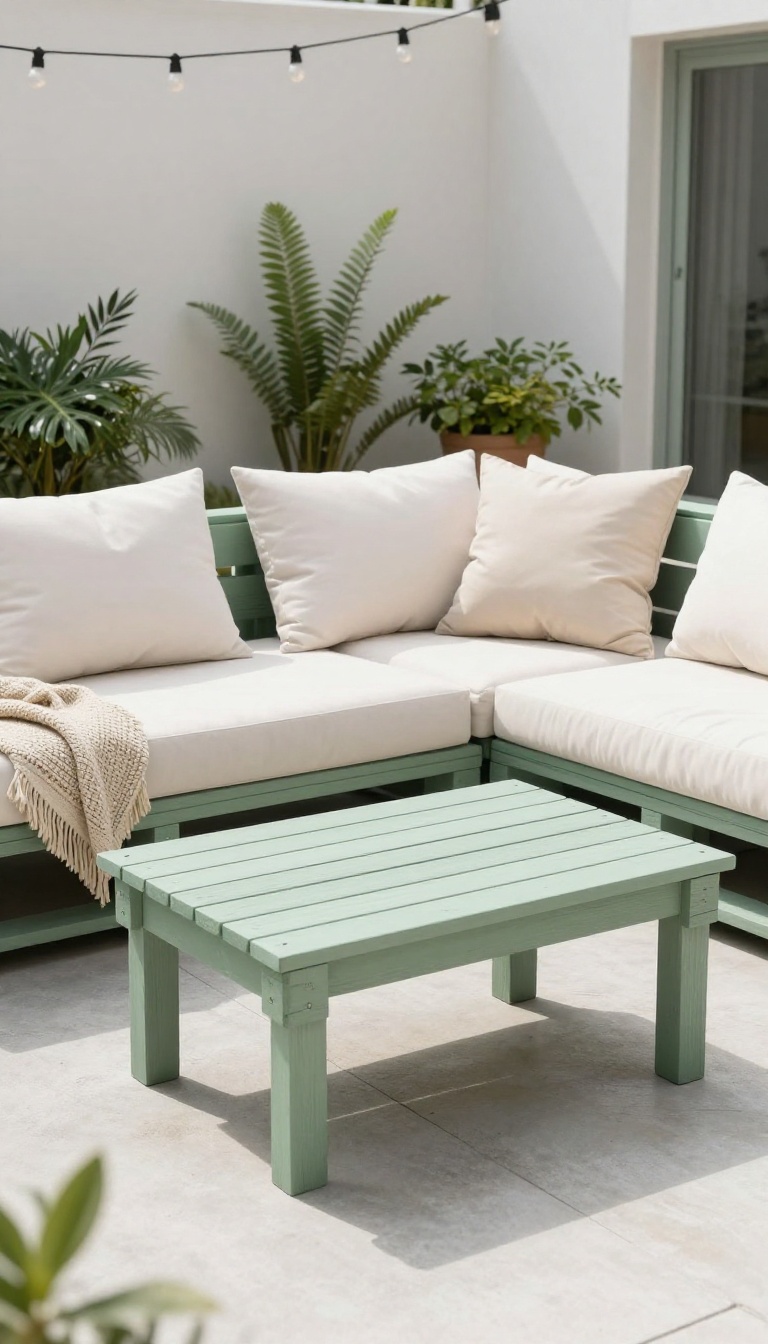
Wooden pallets are the ultimate budget hack for patio furniture. With a bit of sanding and a coat of paint or stain, they can look like expensive custom pieces. The best part?
You can often get pallets for free from local businesses or buy them cheaply online.
Building your own pallet sofa or coffee table is easier than you think. Start with sturdy pallets, sand them smooth, and stack or arrange them to create the shape you want. Add a weather-resistant finish to protect them from the elements.
Then, layer on plush cushions and throw pillows for that cozy, lived-in feel. The result is a statement piece that costs a fraction of what you'd pay at a store, and it adds a rustic, handmade charm that's hard to beat.
Sourcing And Prepping Pallets
Look for heat-treated pallets marked with 'HT'—they're safer for indoor use. Check local hardware stores, warehouses, or online marketplaces for free or low-cost options. Once you have them, give each pallet a good cleaning and sand down any rough spots.
This step is crucial for both comfort and safety.
Design Ideas For Sofas And Tables
For a sofa, stack two pallets for the base and lean one vertically for the backrest. For a coffee table, simply place a pallet on caster wheels for easy mobility. You can also paint the pallets in a bold color to match your patio décor or keep the natural wood for a more organic look.
Cushions And Weatherproofing Tips
Outdoor cushions are a must for comfort—look for weather-resistant fabrics that can handle sun and rain. To extend the life of your pallet furniture, apply a waterproof sealant or outdoor varnish. Consider adding a clear tarp or furniture cover when not in use, especially during harsh weather.
3. Outdoor Rugs to Define the Space
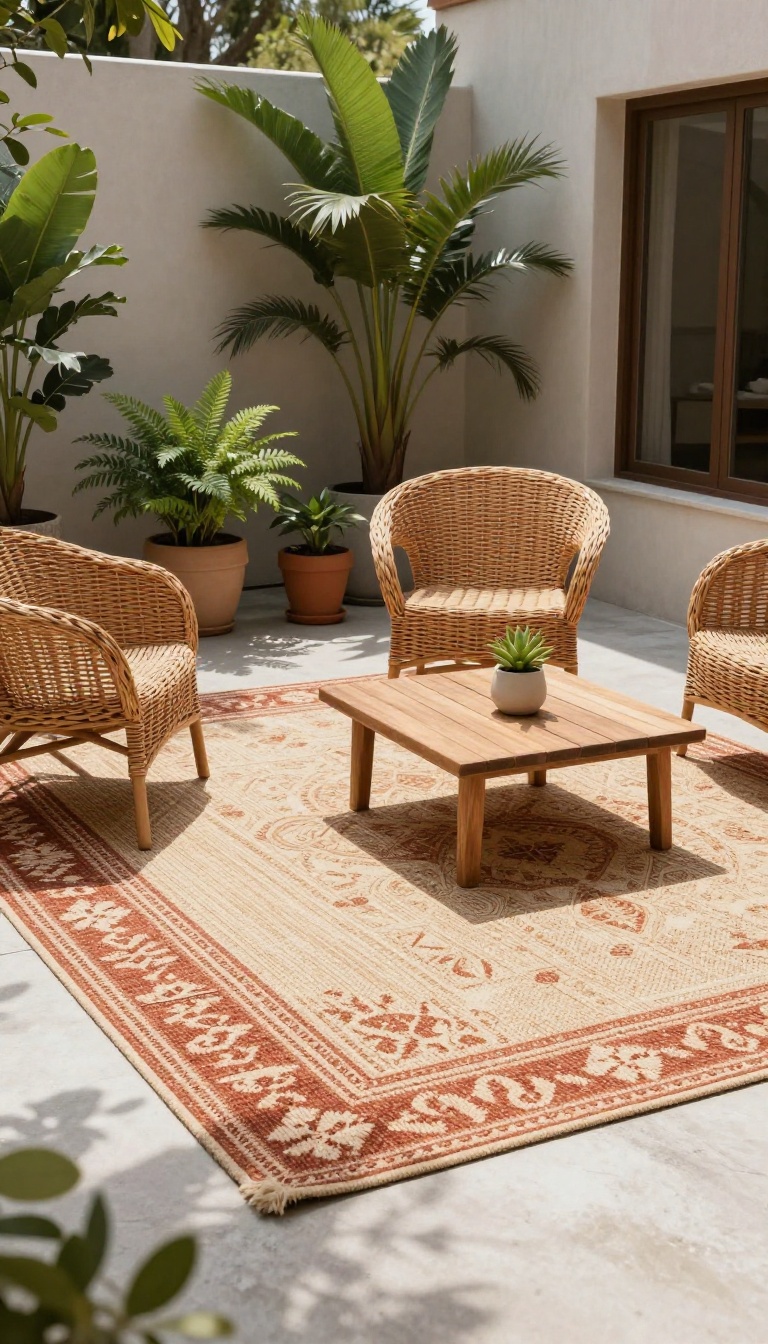
An outdoor rug is one of the quickest ways to make your patio feel like a real room. It anchors your furniture, adds color and texture, and instantly makes the space more inviting. The best part?
You don't need to spend a fortune to get a great look.
When you lay down an outdoor rug, you're not just covering concrete or decking—you're creating a visual boundary that pulls your seating area together. Even a simple rug can make a big difference, turning a scattered collection of chairs into a cohesive lounge zone.
Why An Outdoor Rug Works
An outdoor rug does more than just look pretty. It softens hard surfaces underfoot, adds warmth, and helps define where the seating area ends and the rest of the patio begins. It also provides a visual anchor that makes your furniture arrangement feel intentional.
Finding Budget-friendly Rugs
You don't have to spend a lot to get a quality outdoor rug. Check discount stores, online sales, or end-of-season clearances. Look for materials like polypropylene or polyester that are designed to resist moisture, mold, and fading.
These rugs are durable, easy to clean, and often come at a fraction of the price of natural fiber options.
Choosing The Right Size And Style
Size matters when it comes to outdoor rugs. A rug that's too small can make the space feel disjointed, while one that's too large can overwhelm. Aim for a rug that fits under your main seating area, leaving about 6 to 12 inches of bare patio around the edges.
As for style, go with a pattern or color that complements your existing decor, but don't be afraid to add a pop of personality.
4. Repurposed Planters for Greenery
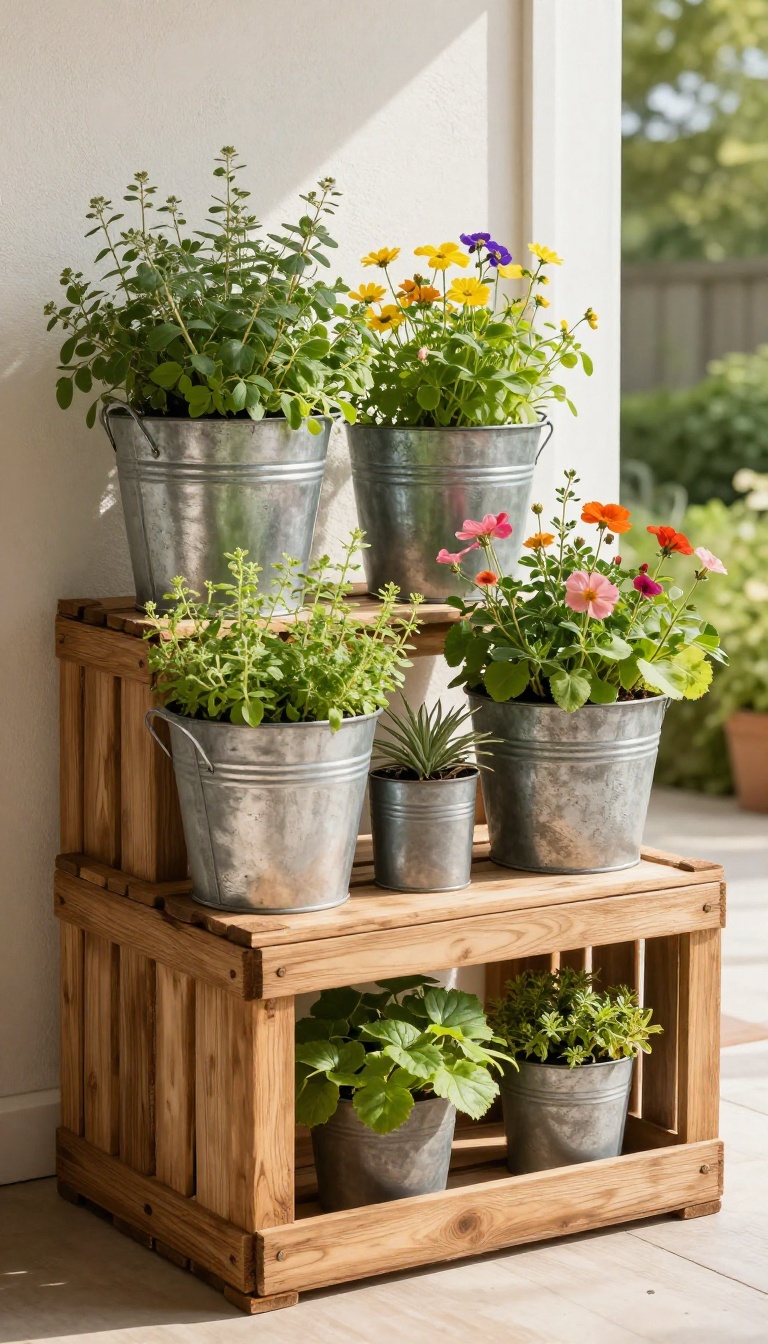
Who says planters have to come from a garden center? Some of the most charming containers are hiding in your garage or kitchen cabinet. Old tin cans, wooden crates, or even a worn-out watering can can become the perfect home for your favorite herbs and flowers.
Repurposing everyday items as planters is a budget-friendly way to add life and personality to your patio. With a little paint or a simple touch, you can turn trash into treasure and give your outdoor space a unique, thoughtful look that doesn't cost a fortune.
Start by gathering containers that you no longer use. Look for metal buckets, tin cans, wooden crates, or even old teapots. Make sure they have drainage holes or add some by drilling or punching holes in the bottom.
If you're using something like a wooden crate, line it with a plastic liner or use individual pots inside. Before planting, clean your containers thoroughly. For metal cans, remove any labels and wash them with soapy water.
If they have sharp edges, file them down or cover with duct tape. Wooden crates may need a quick sanding to prevent splinters. Choose plants that match the size of your container.
Small cans are perfect for succulents or herbs, while larger buckets can hold tomatoes or a small shrub. Group several repurposed planters together for a lush, collected look.
Pick The Right Containers
Not everything is suitable for planting. Avoid containers that held chemicals or non-food items unless you line them with plastic. Stick to items like metal buckets, enamelware, or wooden boxes.
For a cohesive look, choose containers in a similar color palette or finish. Mixing different sizes adds visual interest.
Add A Personal Touch
A quick coat of spray paint can transform a dull bucket into a stylish planter. Use weather-resistant paint in colors that complement your patio. You can also stencil designs, add rope handles, or attach decorative trim.
For a rustic feel, leave wooden crates natural and let them weather over time.
Plant And Arrange With Care
When planting, add a layer of gravel at the bottom for drainage, then fill with quality potting soil. Choose plants that thrive in your climate and light conditions. Arrange your repurposed planters at different heights—on steps, plant stands, or hanging from hooks—to create depth and draw the eye.
5. DIY Fire Pit for Cozy Gatherings
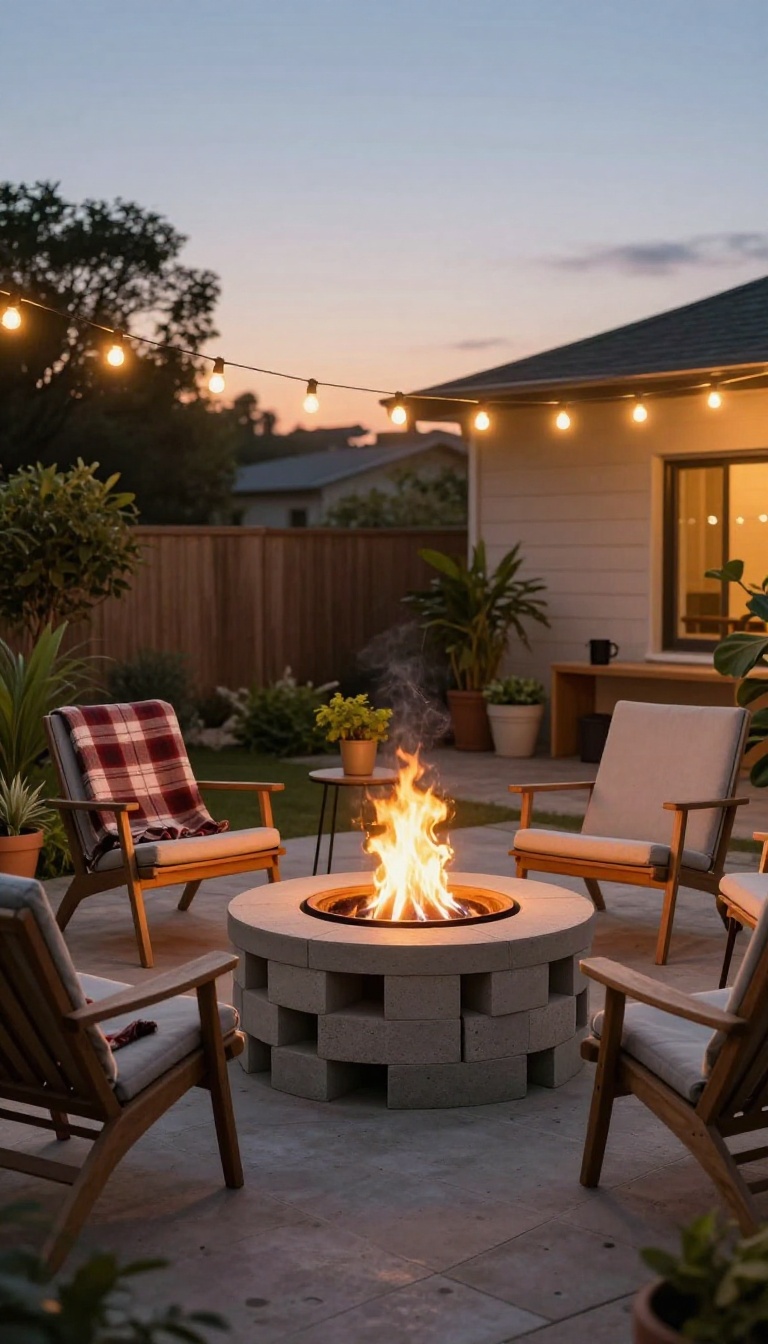
When the sun goes down and the air gets crisp, a fire pit turns your patio into the spot everyone wants to be. The best part? You don't need to hire a landscaper or drop hundreds on a fancy kit.
With a few affordable materials and a little elbow grease, you can build a fire pit that looks great and works perfectly for roasting marshmallows or just chatting late into the night.
Building your own fire pit is a weekend project that pays off for years. It’s one of those additions that instantly makes your patio feel more inviting, and it doesn’t have to cost a fortune. Whether you choose a simple metal bowl or stack concrete blocks, you’ll create a warm focal point that extends your outdoor season well into fall.
Choose Your Materials
You have two main budget-friendly routes: a portable metal fire bowl or a permanent ring made from concrete blocks. A metal bowl is the easiest—just place it on a level surface and you’re done. Concrete blocks are a bit more involved but still simple.
Look for flat, square blocks at your local hardware store; they’re cheap and stack without mortar. Either way, you’ll spend well under $100.
Pick The Perfect Spot
Safety comes first. Place your fire pit at least 10 feet away from any structures, trees, or overhanging branches. Also, check local regulations—some areas have restrictions on open flames.
Once you’ve found a level, open area, you can clear the ground of any debris and lay a base of sand or gravel if you want extra protection.
Add Comfortable Seating
A fire pit is only as good as the seating around it. You don’t need to buy expensive outdoor chairs. Repurpose old wooden stools, stack some large cushions, or pull up a few Adirondack chairs you already own.
Arrange them in a semi-circle so everyone can see the flames and chat easily. Add a few cozy blankets for those cooler evenings.
Safety And Maintenance Tips
Always keep a bucket of water or a garden hose nearby, and never leave the fire unattended. After the fire dies down, spread the ashes and let them cool completely before disposing of them. To keep your fire pit looking good, cover it when not in use or give it a quick sweep to remove debris.
6. Privacy Screens with a Personal Touch
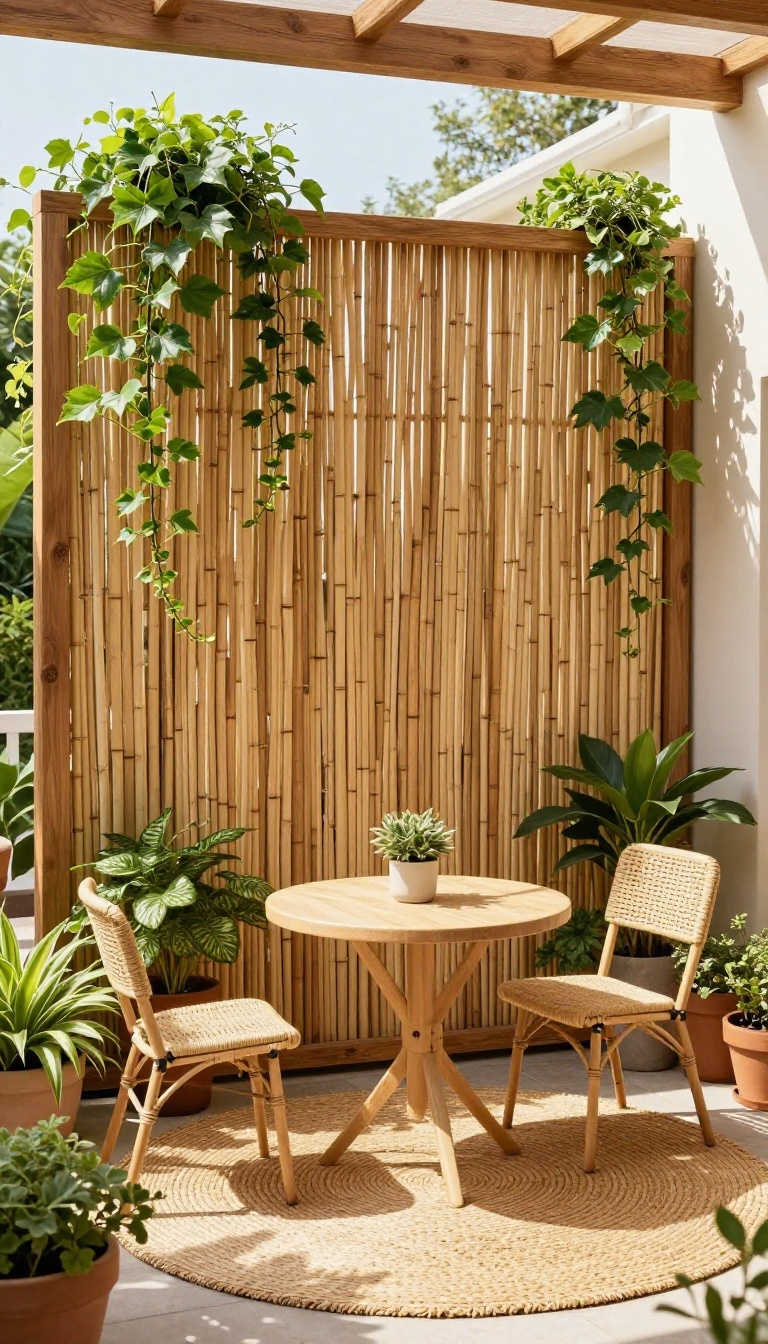
If your patio feels a little too exposed, a privacy screen can change the whole vibe without costing a fortune. You don't need a contractor or expensive materials—just a bit of creativity and some weekend time. Whether you're blocking a neighbor's view or just want a cozier nook, these ideas are budget-friendly and look intentional.
Privacy screens are one of the smartest additions to a patio because they do double duty: they give you seclusion and add a layer of style. The key is choosing a solution that fits your space and your taste. From natural bamboo to repurposed fabric, there's a low-cost option that feels personal and polished.
Bamboo Fencing For A Natural Barrier
Bamboo rolls are one of the cheapest ways to create an instant screen. You can attach them to an existing fence or a simple wooden frame. They look warm and organic, and they hold up well outdoors.
Plus, they're easy to cut to size, so you can cover just the spots that need it.
Lattice Panels With Climbing Plants
Lattice panels are another affordable pick. They let in light while still providing some coverage. Once you add climbing plants like jasmine or ivy, the screen becomes a living wall that softens the whole space.
It takes a little patience for the plants to fill in, but the result looks like it's been there for years.
Hanging Fabric For A Soft, Bohemian Feel
For a more relaxed and temporary option, hang outdoor fabric panels from a wire or curtain rod. Choose weather-resistant material like canvas or outdoor polyester. This works especially well on a pergola or along a railing.
You can tie them back during the day and let them down when you want more privacy.
Repurposed Doors Or Shutters As Statement Screens
Old wooden doors or shutters from a salvage yard can become a unique privacy screen. Just hinge them together or attach them to a frame. They add character and a sense of history to your patio.
Give them a fresh coat of paint or stain to match your style, and you've got a one-of-a-kind feature.
7. Upcycled Decor for Unique Accents
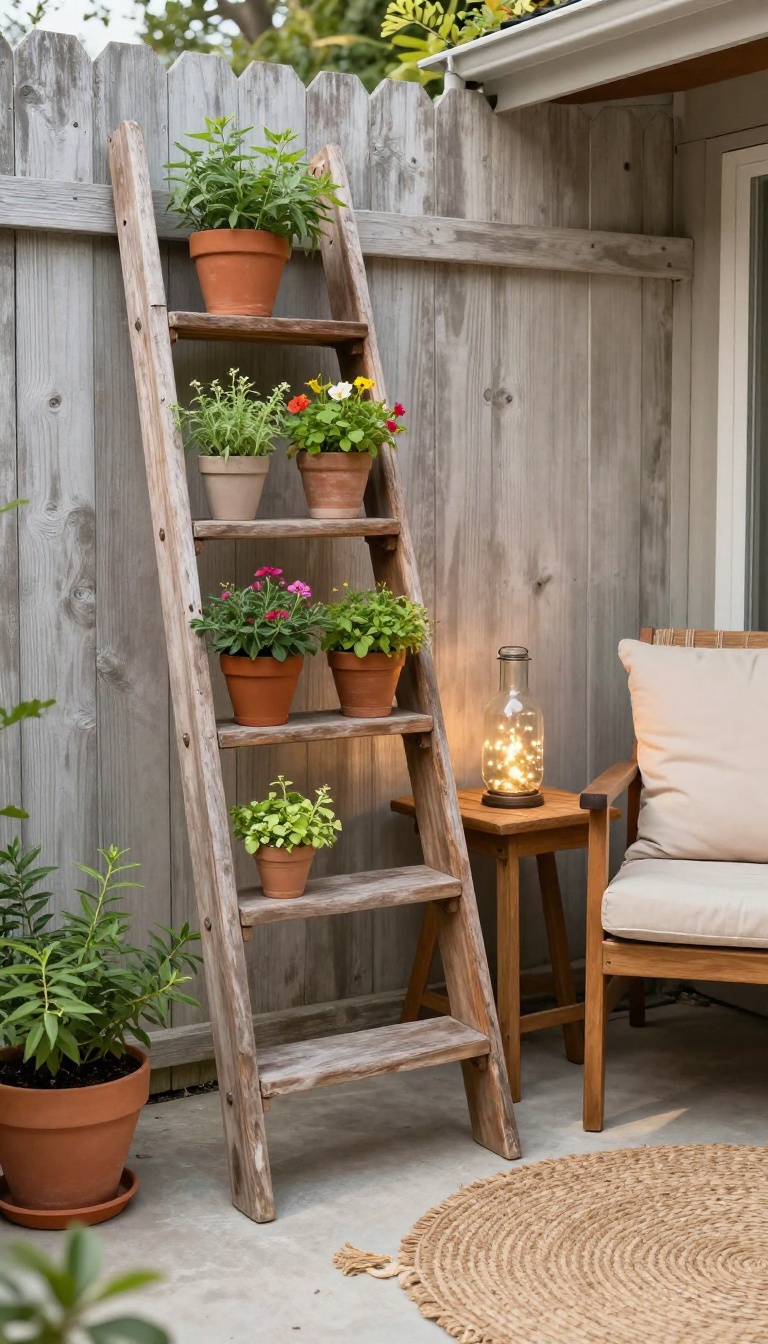
Upcycling is the art of turning something old or forgotten into a treasure, and it's a perfect way to add personality to your patio without spending much. Instead of buying generic decorations, you can create pieces that reflect your style and spark conversations. Plus, you're giving new life to items that might otherwise end up in a landfill.
One of the best things about upcycled decor is that no two pieces are exactly alike. You can tailor each project to fit your space and taste, and the imperfections often add charm. From rustic ladders to repurposed tires, the possibilities are endless.
The key is to see potential in everyday objects and be willing to experiment.
Ladders: From Climbing To Climbing Vines
An old wooden ladder can become a stunning vertical plant stand. Lean it against a wall or fence, and place potted herbs or flowers on each rung. You can also hang small lanterns or string lights from the rungs for a magical evening glow.
If you don't have a ladder, check garage sales or online marketplaces—they're often cheap or even free.
Glass Bottles: Light Up The Night
Wine bottles, mason jars, or even old soda bottles can be transformed into charming lanterns. Clean them out, insert a string of fairy lights or a candle (use a battery-operated one for safety), and place them on tables or along pathways. You can also paint the bottles in fun colors or wrap them in twine for a rustic look.
Tires: Unexpected Seating
Old tires might not seem like patio material, but with a little creativity, they can become stylish ottomans or side tables. Stack two or three tires, wrap them in rope or fabric, and top with a round cushion or piece of wood. They're durable, weather-resistant, and definitely a conversation starter.
8. Cushions and Pillows for Comfort
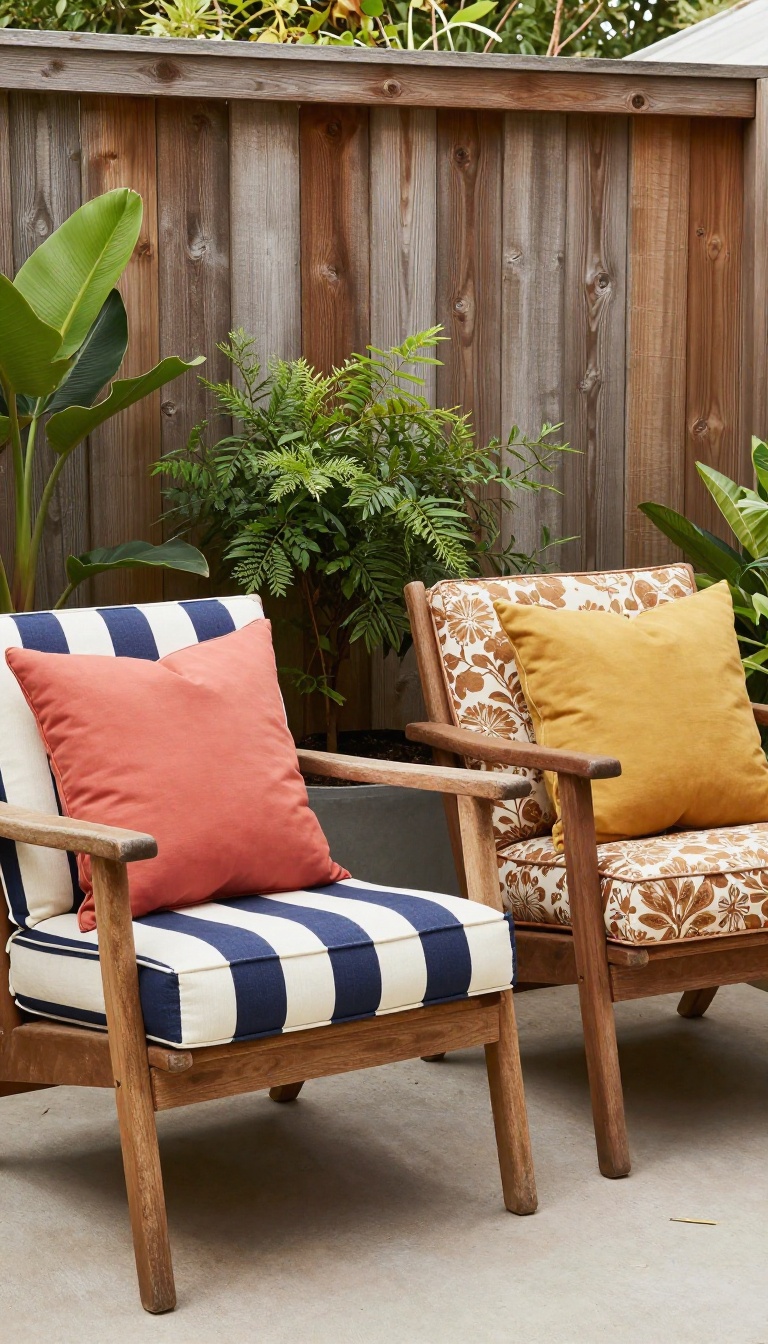
Comfort is the easiest luxury to add to a patio, and you don't need to replace your furniture to get it. A fresh set of outdoor cushions and pillows can transform worn-out chairs and benches into inviting seats that beg you to stay a while. The best part?
You can do it without blowing your budget by shopping smart and mixing pieces you already own.
Start by taking stock of what you have. If your existing cushions are faded or stained, a simple swap can make everything look new again. For a cohesive look, choose a color palette that complements your patio's surroundings—think earthy tones for a natural vibe or bright hues for a playful feel.
Don't be afraid to mix patterns; stripes, florals, and solids can coexist beautifully if they share a common color. To save money, check end-of-season sales or discount stores for outdoor fabric pillows. You can also repurpose indoor pillows by using them only on dry days or treating them with a water-repellent spray.
Mix Patterns Like A Pro
The secret to a designer look is balance. Pair a bold patterned cushion with a solid one, or mix two patterns that share a color family. For example, a navy-and-white striped cushion looks great next to a solid navy one.
Keep the scale in mind: large florals work on big chairs, while small geometric prints suit smaller seats. If you're unsure, start with two patterns and one solid, then add more as you get comfortable.
Shop Sales And Thrift Stores
Outdoor cushions can be pricey if you buy them at full price. Instead, look for clearance sales at the end of summer or early fall. Many stores discount heavily to clear out seasonal inventory.
Thrift stores and online marketplaces often have gently used cushions that just need a good cleaning. You can also buy fabric and sew your own covers if you're handy—just make sure to use outdoor-rated fabric that resists moisture and UV rays.
Diy Cushion Covers
If you have basic sewing skills, making your own cushion covers is a budget-friendly way to get exactly what you want. Measure your existing cushions, buy outdoor fabric on sale, and sew simple envelope-style covers that slip on and off. This allows you to change the look seasonally without buying new inserts.
Plus, you can custom-fit oddly shaped furniture.
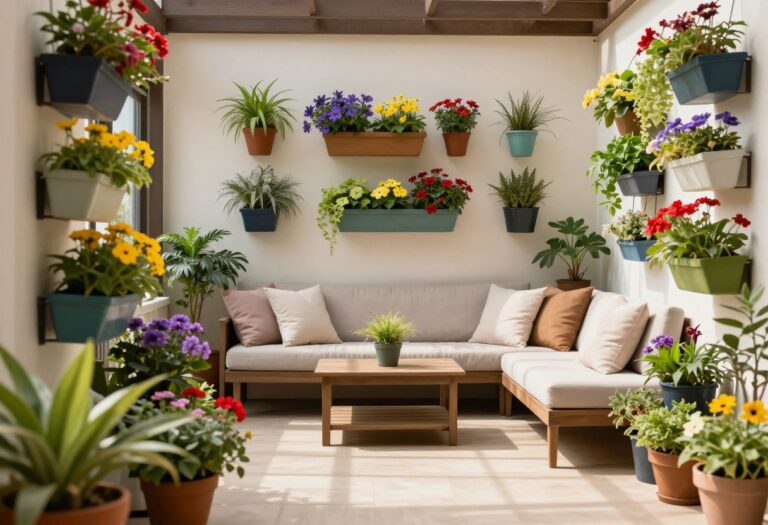
9. Vertical Gardens to Maximize Space
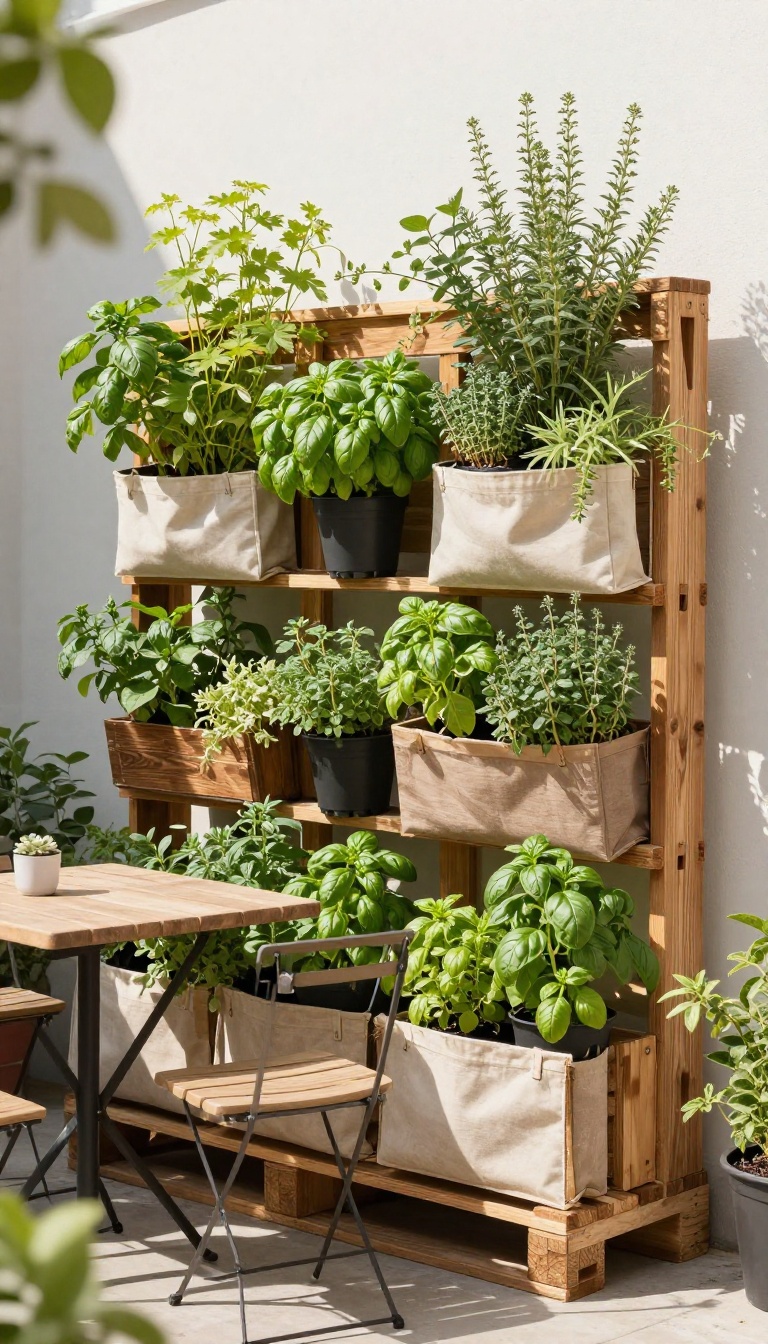
Even the tiniest patio can feel lush and inviting when you look up. Vertical gardens are the perfect answer for renters, small spaces, or anyone who wants more greenery without sacrificing floor area. By using walls, fences, or even a simple hanging system, you can create a living tapestry that adds color, texture, and fresh herbs or flowers right at your fingertips.
Vertical gardens are a game-changer for patios that lack square footage. Instead of lining up pots on the ground, you train plants to grow upward, which instantly frees up space for seating, a grill, or a small table. Plus, a wall of green acts as a natural focal point, making your patio feel more private and cozy.
The best part? You don't need to buy expensive systems—many vertical gardens can be made from items you already have at home.
Diy Planters From Everyday Items
You don't need a fancy vertical garden kit. A repurposed shoe organizer with pockets works wonders—just fill each pocket with potting soil and your favorite herbs or small flowers. Hang it over a fence or railing, and you've got an instant garden.
Another budget-friendly option is to attach wooden pallets to a wall, then staple landscape fabric to the back and fill the slats with soil. You can plant trailing vines, lettuce, or strawberries in each row. For a more polished look, use metal or plastic gutters cut to length and mounted in staggered rows.
They're shallow but perfect for herbs like basil, thyme, and oregano.
Choosing The Right Plants
Not every plant thrives in a vertical setup, so pick ones that naturally grow upward or trail. Herbs like rosemary, sage, and mint are hardy and don't need deep roots. Flowers such as petunias, begonias, and trailing lobelia add a pop of color and spill over the edges of pockets or gutters.
If you're growing vegetables, go for compact varieties like cherry tomatoes, bush beans, or peppers. Always check the sunlight your patio gets—most edibles need at least six hours of direct sun, but leafy greens like lettuce and spinach can tolerate partial shade. Mixing edible and ornamental plants not only looks great but also gives you fresh ingredients for cooking.
Watering And Maintenance Tips
Vertical gardens dry out faster than ground plants because they're exposed to more air and wind. To keep watering simple, install a drip irrigation system with a timer—it's a low-cost investment that saves water and time. If you're on a tight budget, just water by hand every day or two, focusing on the top pockets first.
Add a layer of mulch or coconut coir to help retain moisture. Every few weeks, give your plants a diluted liquid fertilizer to keep them healthy. Prune regularly to encourage bushier growth and prevent the structure from becoming too heavy.
And don't forget to check the back of the planter for pests or mold—good airflow prevents most issues.
10. Thrifted Finds with a Fresh Coat of Paint
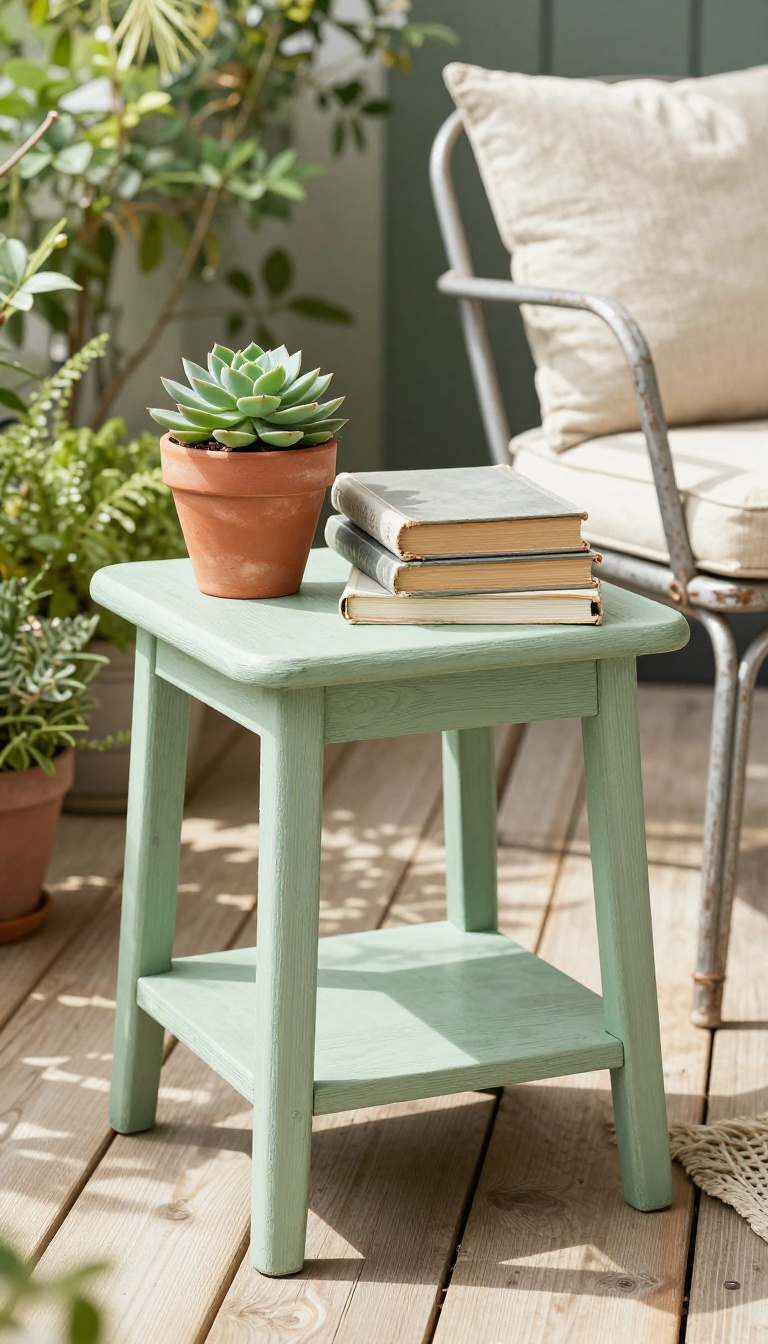
Scoring a deal at a thrift store is one thing, but turning that find into something you actually love is another. A little sanding and a fresh coat of paint can completely transform a tired piece of furniture into a standout feature for your patio. It’s budget-friendly, eco-conscious, and gives your space a custom look without the custom price tag.
Thrift stores, yard sales, and online marketplaces are goldmines for patio furniture. Look for solid pieces with good bones—metal chairs, wooden tables, or even quirky side tables that just need a little TLC. The key is to see past the current finish and imagine what a coat of paint could do.
With a bit of elbow grease, you can create a cohesive set that looks intentional and stylish, all for a fraction of what new furniture would cost.
Choosing The Right Piece
When you’re browsing, focus on structural integrity. Give chairs a wiggle, check for rust or rot, and make sure drawers or doors work if it has them. You can fix a lot with paint, but you can’t fix a wobbly leg easily.
Also, think about the style you’re going for—a sleek modern line or a classic farmhouse feel? Pick pieces that have potential to match your vision, even if they look rough around the edges now.
Prepping And Painting Like A Pro
Preparation is everything. Start by cleaning the piece thoroughly to remove dirt and grime. For metal, sand off any rust with medium-grit sandpaper, then wipe it down.
For wood, sand to smooth out rough spots and remove old finish. Apply a primer designed for the material—this helps the paint stick and last longer. Once the primer is dry, apply two coats of outdoor paint in your chosen color, letting it dry completely between coats.
A spray paint or a brush-on enamel works well for metal, while a latex outdoor paint is great for wood.
Styling Your Newly Painted Finds
Once your pieces are dry and ready, arrange them to create a welcoming seating area. Mix and match colors for a playful vibe, or keep them all the same hue for a more cohesive look. Add cushions in complementary shades to boost comfort and tie the whole space together.
A brightly painted side table can serve as a plant stand or a spot for drinks. The goal is to make it look like you curated these pieces intentionally, not just grabbed whatever was cheap.
11. Shade Solutions That Are Budget-Friendly
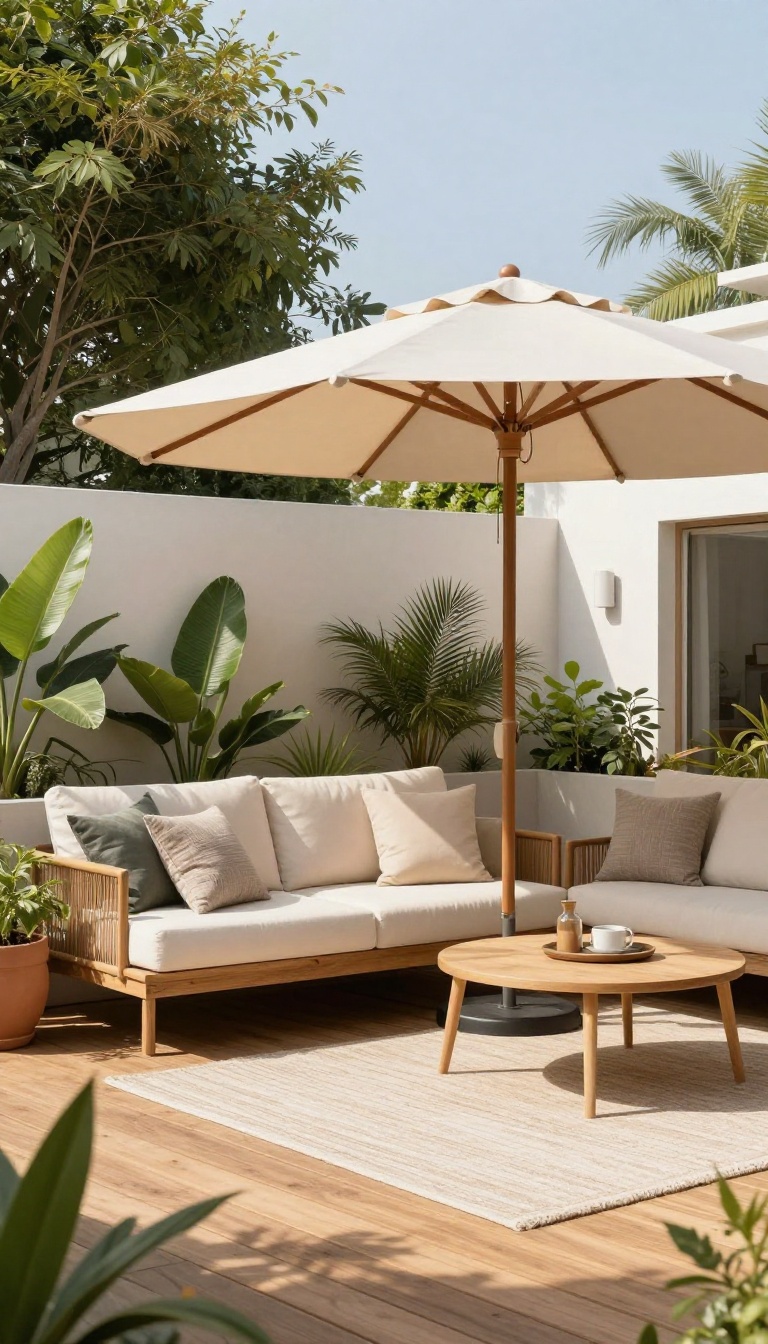
When the sun gets relentless, a shady spot becomes the most valuable part of your patio. You don't need a permanent pergola or expensive awning to stay cool—there are plenty of low-cost ways to create shade that also add a relaxed, resort-like feel. These options are easy to set up, easy on the wallet, and can be adjusted as the sun moves or the season changes.
Shade doesn't have to be complicated or costly. A simple cantilever umbrella can be repositioned throughout the day to follow the sun, making it a flexible choice for small spaces. If you're handy with a sewing machine or even just a pair of scissors, a DIY sail shade is a stylish and affordable alternative.
For the easiest solution of all, string a clothesline between two posts or trees and drape a light sheet or outdoor fabric over it—instant shade that you can take down in minutes.
Why Shade Matters More Than You Think
Beyond comfort, shade protects your skin, your furniture, and even your plants from harsh UV rays. It also extends the hours you can enjoy your patio, turning a scorching afternoon into a pleasant retreat. And when you add shade, you're not just cooling the air—you're creating a more inviting space that feels thoughtful and designed.
Cantilever Umbrellas: Flexible And Functional
A cantilever umbrella is a great investment because it doesn't take up center floor space. You can position it over a seating area or a dining table without a pole getting in the way. Look for one with a sturdy base and a tilt function so you can easily adjust the angle as the sun shifts.
Prices vary, but you can find decent models at big-box stores or online for under $150, especially if you catch a sale.
Diy Sail Shade: A Modern Look For Less
Sail shades are trendy and can instantly give your patio a modern, architectural feel. You can buy them ready-made for around $30 to $60, but making your own is even cheaper. All you need is a piece of outdoor fabric (like Sunbrella), some grommets, and a few lengths of rope or cable.
Attach the corners to existing posts, trees, or hooks on your house, and you've got a custom shade that looks high-end without the price tag.
The Simple Sheet Trick: Temporary And Versatile
If you need shade only occasionally, or if you want a quick fix for a party, a sheet or lightweight tarp is your best friend. String a clothesline or a piece of rope across your patio, then drape the fabric over it. Use clothespins or binder clips to secure the edges.
You can angle it to block the afternoon sun, and when you're done, just fold it up and store it. This is also a great option for renters who can't make permanent changes.
FAQ
What is the cheapest way to upgrade a patio?
The cheapest way is to focus on cleaning, adding outdoor rugs, string lights, and DIY decor like painted thrift store finds. These small changes make a big visual impact without a large investment.
How can I make my patio look expensive on a budget?
Use a cohesive color palette, incorporate natural elements like wood and plants, and choose a few statement pieces. Good lighting and comfortable seating also elevate the look.
Are pallet furniture projects durable for outdoor use?
Yes, if you choose heat-treated pallets (marked with HT) and seal them with weatherproof stain or paint. Keep them dry with covers or store cushions indoors when not in use.
What are some low-maintenance plants for a patio?
Succulents, herbs like rosemary and thyme, and ornamental grasses are low-maintenance. They thrive in pots and require minimal watering, making them perfect for busy homeowners.
How can I add privacy to my patio without building a fence?
Use outdoor curtains, bamboo screens, or tall potted plants like bamboo or arborvitae. These options are portable, affordable, and can be customized to your space.
Conclusion
Upgrading your back patio doesn’t have to mean draining your savings. Pick one or two ideas that address your biggest needs first, then layer in smaller details like lighting or plants as you go. Even a few thoughtful changes can make the space feel intentional and inviting.
The best patios grow with you, so don’t rush the process. Start with what feels doable this weekend, and let the rest come together over time. Before you know it, you’ll have an outdoor spot that’s easy to enjoy and easy on your wallet.