13 Tiny Bedroom Ideas That Turn Corners into Useful Space
Small bedrooms often come with awkward corners that seem impossible to use. But with a little creativity, those same spots can become the most functional parts of your room. You don't need a huge renovation or a big budget—just smart, simple solutions that make the most of what you have.
Think about what your corner is currently doing: probably collecting dust. Instead, imagine a cozy reading nook, a mini workspace, or extra storage that keeps your floor clear.
These ideas are all about turning wasted space into something you'll actually use every day. Whether you're renting or own your place, these 13 ideas are easy to adapt.
1. Install Floating Corner Shelves for Instant Display Space
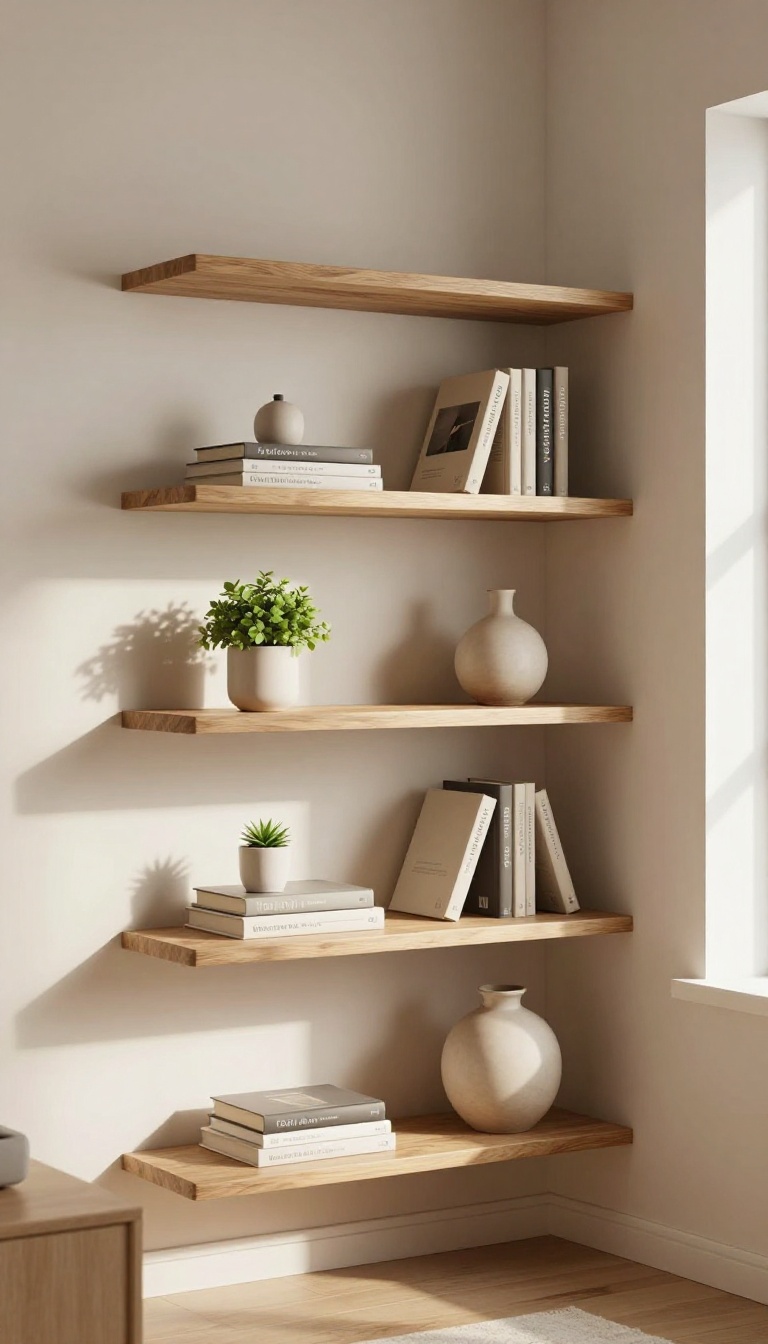
Corners often go unused because they're awkward to furnish. Floating shelves change that by turning that empty vertical strip into a spot for books, plants, or your favorite decor. They're easy to install, don't take up floor space, and can be styled to fit any room's vibe.
Floating corner shelves are a smart way to add storage and personality without crowding your room. Because they mount directly to the wall, they keep the floor clear and make the corner feel intentional. You can use them to display a small collection of items or to keep everyday essentials within reach.
Pick The Right Size And Shape
Before you buy, measure your corner to see how much space you're working with. A standard L-shaped shelf fits snugly into a 90-degree corner, while a triangular shelf works well for tighter spots. Choose a depth that won't stick out too far—usually 8 to 12 inches is enough for books and small decor.
Match Your Room's Style
Wood shelves add warmth and work with most decor, but you can also find metal, glass, or even acrylic options. If your room has a modern feel, go with sleek black or white. For a rustic look, reclaimed wood is a great choice.
The goal is to make the shelves look like they belong, not like an afterthought.
Install Them Securely
Floating shelves need proper support, especially if you plan to put heavier items on them. Use a stud finder to locate the wall studs, and if you can't hit a stud, use heavy-duty anchors. Follow the manufacturer's instructions, and don't skip the level—a crooked shelf is hard to ignore.
Once they're up, give them a gentle tug to make sure they're solid.
Style Them Without Clutter
Less is more when it comes to corner shelves. Start with a few key pieces: a stack of books, a small plant, or a framed photo. Leave some breathing room between items so the shelf doesn't look overcrowded.
You can also mix heights and textures to keep it visually interesting.
2. Create a Cozy Reading Nook with a Floor Cushion and Lamp
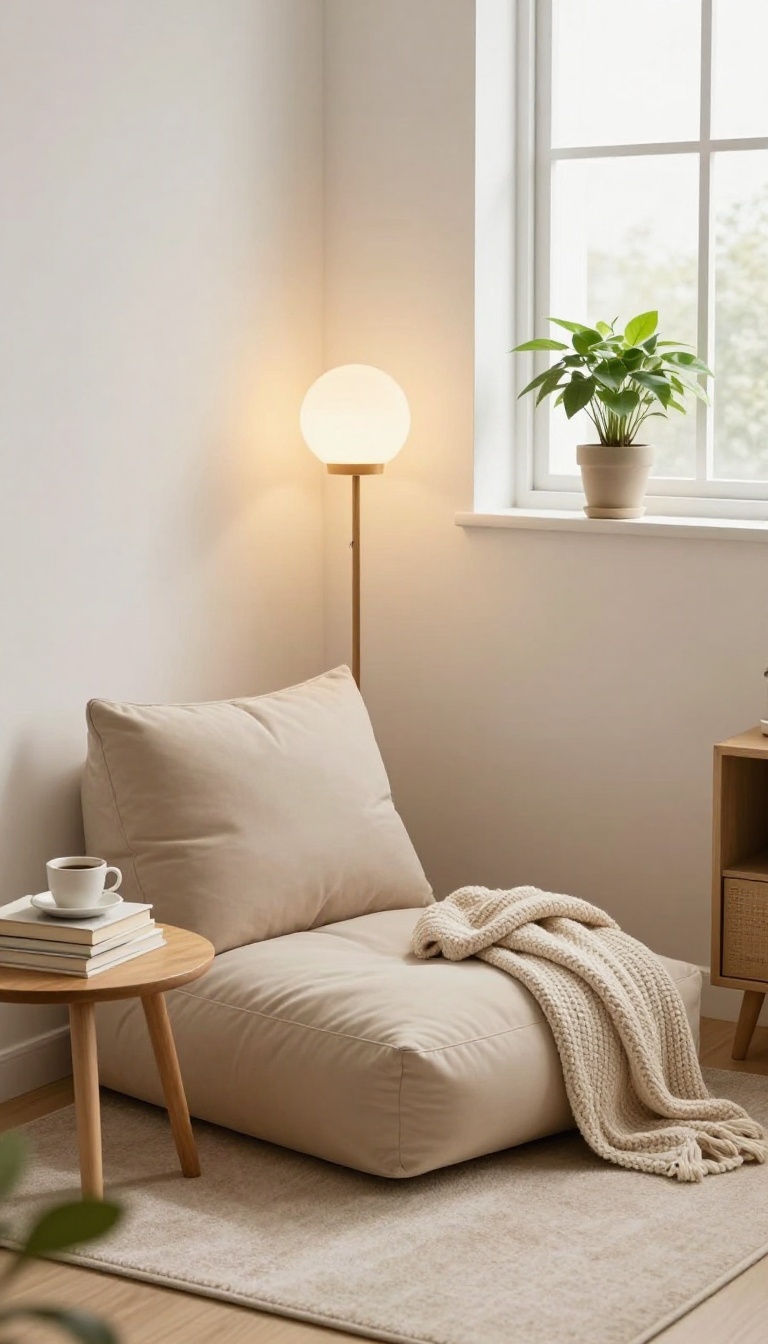
That empty corner can become your favorite spot in the house with just a few soft touches. A floor cushion and a lamp are all you need to build a mini retreat that invites you to unwind. It's a low-cost way to add a functional and relaxing area without taking up much space.
Start by clearing the corner and laying down a soft rug or mat to define the area. Choose a large floor cushion with a washable cover—something firm enough to support your back but plush enough for comfort. Add a small side table or a stack of books to hold your drink or reading material.
Position a floor lamp or a clip-on light to cast warm, focused light over your shoulder. Finish with a cozy throw blanket for chilly evenings. This nook becomes your go-to for morning coffee, evening reading, or simply a quiet moment.
Pick The Right Cushion
Look for a floor cushion with a high-density foam fill that won't flatten quickly. A size around 24 to 30 inches square gives you enough room to sit cross-legged or lean against the wall. Choose a durable fabric like canvas or linen that's easy to clean.
If you want extra back support, consider a floor chair with a low backrest.
Lighting Matters
Aim for warm, soft light that reduces eye strain. A floor lamp with a dimmer switch lets you adjust brightness. If floor space is tight, use a wall-mounted swing arm lamp or a clip-on reading light.
Place the light source behind or beside you, not directly overhead, to avoid glare on pages or screens.
Add Personal Touches
Make the nook feel inviting with a small plant, a framed photo, or a favorite piece of art. Use a tray on the side table to keep things organized. Swap out the cushion cover seasonally to refresh the look without spending much.
Keep the area tidy by storing extra items in a nearby basket or shelf.
3. Add a Corner Desk for a Compact Workstation
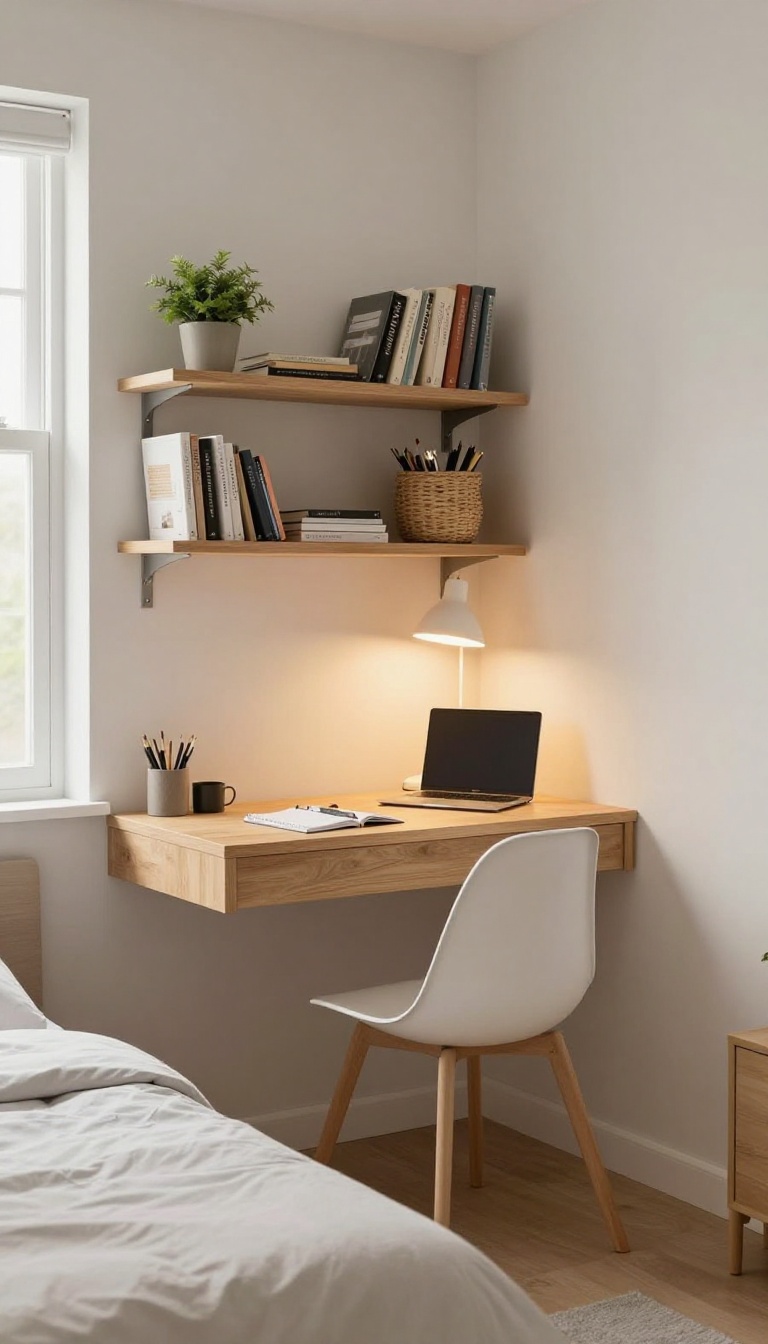
A corner desk fits snugly into awkward spaces, giving you a dedicated work area without taking up much room. Look for a wall-mounted or L-shaped desk to maximize surface area. This setup turns a dead corner into a productive zone, perfect for remote work, studying, or paying bills.
Choosing the right corner desk is key. A floating shelf desk saves floor space and can be installed at your preferred height. L-shaped desks offer ample room for a monitor and paperwork while tucking neatly into the corner.
For tight budgets, a simple tabletop with two legs can be anchored to the wall for stability.
Measure Your Corner First
Before buying, measure the width and depth of your corner. Account for baseboards and any outlets. A desk that's too large will overwhelm the space, while one too small wastes potential.
Use painter's tape to outline the desk footprint on the floor to visualize the fit.
Maximize Vertical Storage
Pair your desk with floating shelves or a pegboard above it. This keeps essentials within reach without cluttering the desktop. Use baskets or bins to hide cables and office supplies, maintaining a clean look.
Lighting And Ergonomics
Position a small task lamp to avoid shadows. Ensure your chair fits comfortably and your monitor is at eye level. If space is tight, consider a stool or a chair that can be tucked under the desk when not in use.
4. Use a Tall Corner Shelf for Vertical Storage
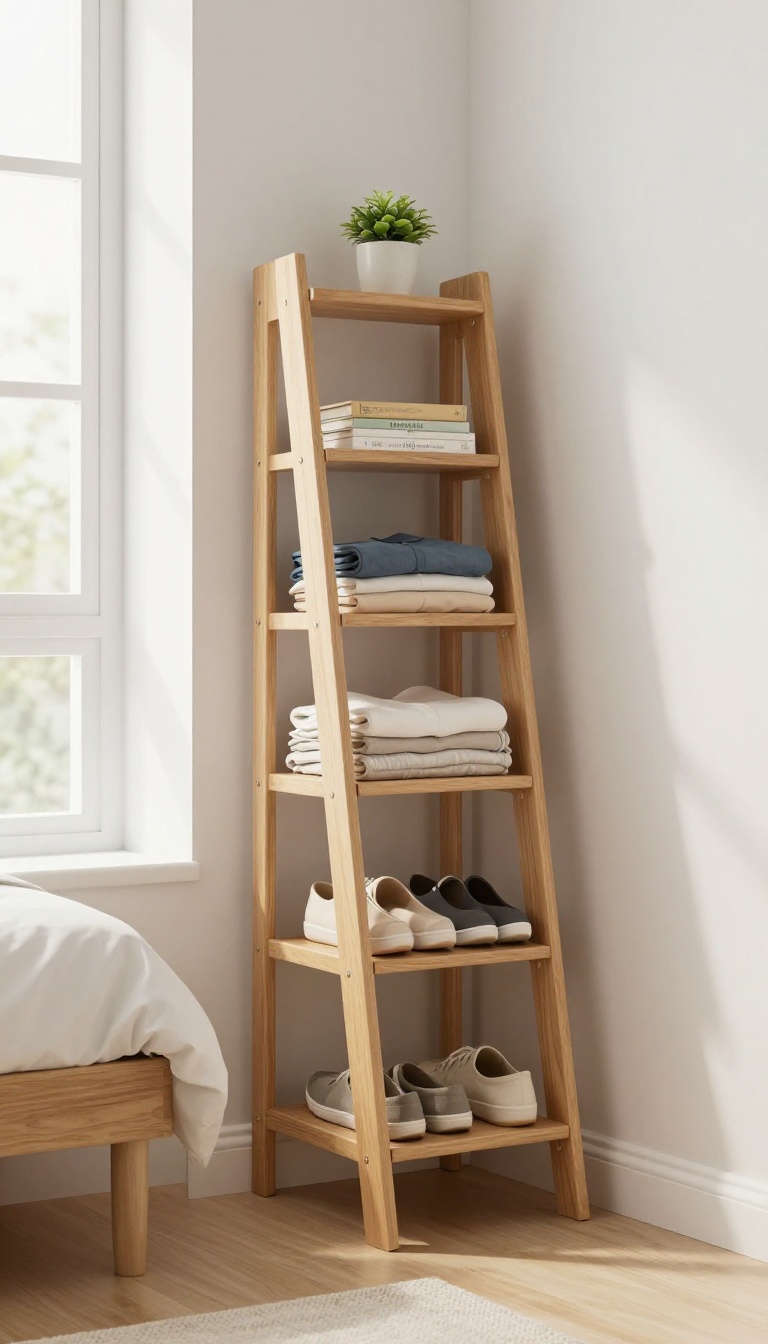
That awkward corner where the walls meet is prime real estate for a tall, narrow shelf. Instead of letting it sit empty, you can turn it into a vertical storage powerhouse. This is one of the simplest ways to add serious function without eating into your floor space.
A tall corner shelf works because it uses the vertical plane, which is often underutilized in small rooms. You can store shoes, folded clothes, bags, books, or even display plants and decor. The key is to choose a shelf that fits snugly into the corner, maximizing every inch without sticking out too far into the room.
Pick The Right Shelf Style
Look for a shelf with adjustable shelves or one that comes in a modular design. This way, you can customize the spacing to fit different items. A ladder-style shelf leans against the wall and adds a casual, modern look.
A closed cabinet with doors keeps things hidden and dust-free, which is great for a tidy appearance.
Organize By Zone
Assign each shelf a purpose. Use the bottom shelves for shoes or heavier items, the middle for folded clothes or baskets, and the top for accessories or decor. Clear bins or baskets help corral smaller items and keep the shelf looking neat.
This system makes it easy to grab what you need without digging through piles.
Make It Feel Lighter
To avoid a bulky feel, choose a shelf with an open back or a light color. You can also add a small mirror behind it or paint the wall a lighter shade to reflect light. This trick makes the corner feel airy and keeps the room from feeling cramped.
5. Hang a Corner Mirror to Make the Room Feel Bigger
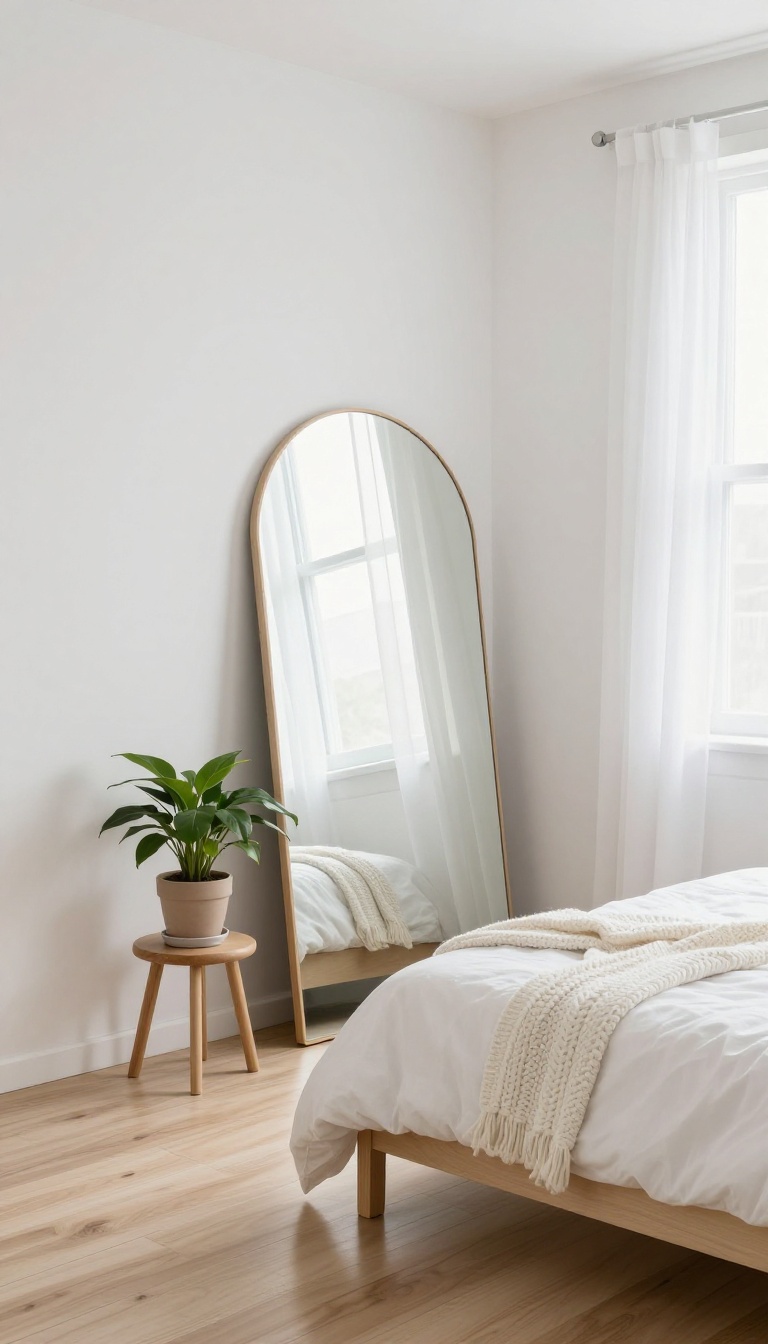
A mirror is one of the easiest ways to trick the eye into seeing more space. When you place it in a corner, it catches light from two directions and bounces it around the room. That simple reflection can make a cramped bedroom feel airy and open, without moving a single piece of furniture.
The best part? You don't need a fancy designer mirror to get the effect. A thrift store find or a basic frameless mirror works just as well.
The key is placement and size—go bigger than you think, and angle it to reflect something interesting, like a window or a bright wall.
Corners often stay dark and unused because they don't get direct light. A mirror solves that by pulling light from the rest of the room and spreading it into the corner. This brightens the whole space and makes it feel less boxed in.
Another bonus: a mirror in the corner gives you a full-length view, which is handy for checking outfits. You can lean a tall mirror against the wall or hang it diagonally across the corner for a custom look. Either way, you're turning dead space into a functional and stylish feature.
Pick The Right Size And Shape
For a corner mirror, bigger is usually better. A large mirror creates a stronger illusion of depth and reflects more light. If you have a small corner, go for a tall, narrow mirror that reaches from floor to eye level.
Round or oval mirrors soften the sharp lines of a corner, while rectangular ones add a clean, modern touch. Just make sure the mirror isn't too small—a tiny one will look lost and won't do much for the space.
Angle It To Reflect Light
The angle of the mirror matters more than you'd think. Position it so it reflects a window, a lamp, or an open doorway. That way, the mirror brings in extra light and makes the room feel connected to the rest of the house.
If you're hanging it on the wall, tilt it slightly downward to catch light from the ceiling. If you're leaning it, prop it against the wall at a slight angle—this also keeps it stable and safe.
Style It Without Cluttering
A mirror alone can look a bit bare, but you don't want to crowd it. Add a small plant or a stack of books at the base if it's a floor mirror. For a wall mirror, keep the area around it simple—maybe a single shelf with a candle or a small tray.
The goal is to enhance the mirror's effect, not distract from it. Remember, the mirror is the star here; it's making your room feel bigger, so let it do its job.
6. Build a Window Seat in an Unused Corner
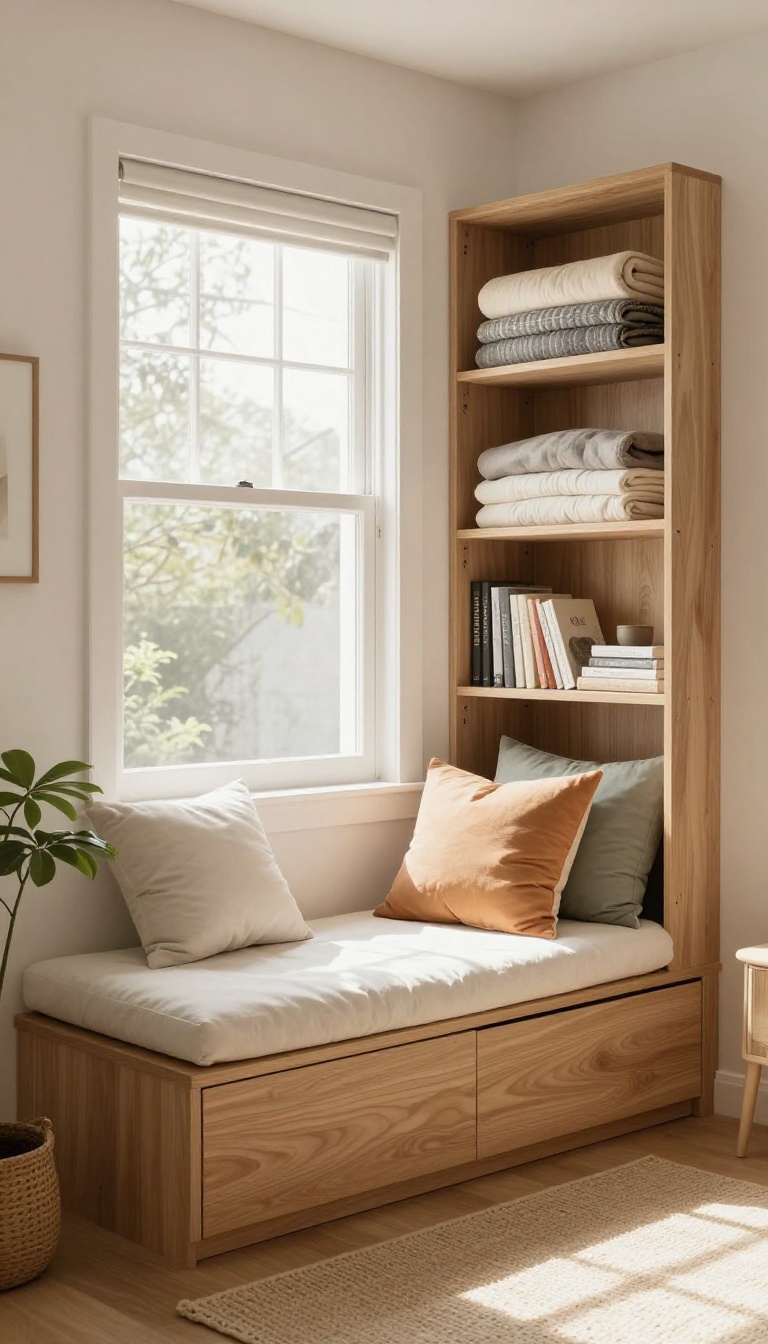
A window in a corner is often overlooked, but it can become the coziest spot in your bedroom. A built-in window seat turns that empty nook into a place to sit, read, or simply watch the world outside. Plus, the storage underneath is a game-changer for small spaces, giving you a home for extra linens, books, or seasonal items.
Building a window seat might sound like a big project, but it's actually one of the more straightforward DIYs you can tackle. You don't need to be a master carpenter—just some plywood, a few 2x4s, and basic tools. The key is to measure your corner carefully and design a seat that fits snugly.
You can make it as simple as a bench with a hinged top or as elaborate as a cushioned nook with drawers. Either way, you'll gain a functional feature that adds charm and practicality to your room.
Measure And Plan
Start by measuring the width and depth of your window corner. Decide how high you want the seat to be—standard chair height is about 18 inches, but you can adjust based on your comfort. Sketch a simple plan, noting where the window frame is and how much clearance you need.
Also, think about the storage: do you want a lift-up lid for easy access, or drawers that slide out? Planning ahead saves time and prevents mistakes.
Build The Base
Construct a sturdy frame using 2x4s, then cover it with plywood. Make sure the base is level and securely attached to the wall studs. If you're adding drawers, build them into the frame before topping it with the seat.
For a lift-up lid, attach hinges to the back edge and add a support arm so it stays open safely. Use screws and wood glue for durability, and sand any rough edges.
Add Comfort And Style
Once the structure is done, it's time to make it inviting. Add a thick foam cushion cut to size, wrapped in fabric that matches your bedroom decor. Throw pillows can make it even cozier.
Paint or stain the wood to blend with your trim or add a pop of color. Don't forget a small side shelf or a ledge for your coffee mug or book. This is your corner—make it feel special.
7. Install a Corner Closet Rod for Extra Hanging Space
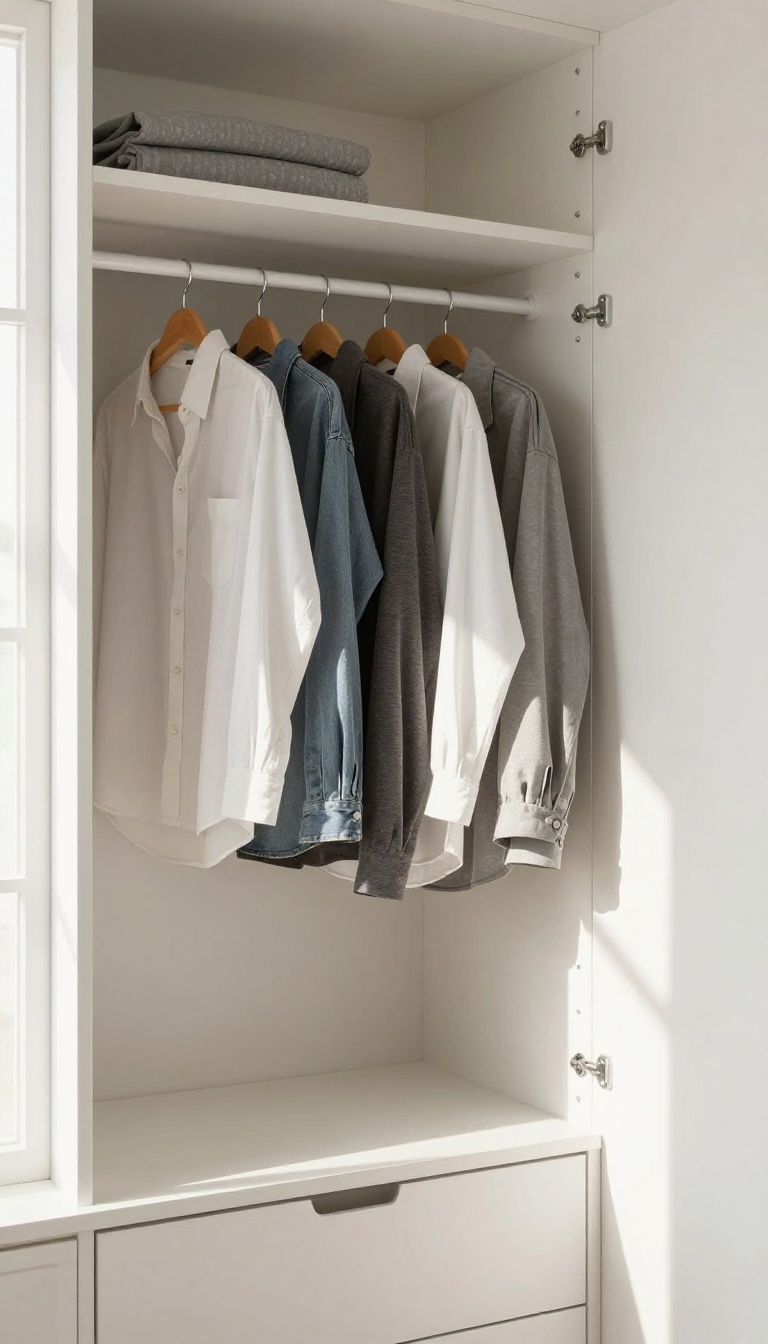
Corners inside a closet often go unused, especially the awkward spot where two walls meet. A corner closet rod turns that dead zone into prime real estate for your clothes. It's a low-cost, high-impact tweak that can instantly double your hanging capacity without touching the floor space.
If your closet feels cramped, you don't need a bigger closet—you just need to use what you have smarter. A corner rod is a simple DIY project that fits into the existing structure, and it works for both reach-in and walk-in closets. Plus, it's a great way to keep shorter items like shirts and jackets off the main rod, freeing up space for long dresses or coats.
Why A Corner Rod Works
Most closets have a single straight rod, leaving the corner empty. A corner rod uses that wasted angle by creating a diagonal or L-shaped hanging area. It's perfect for items you grab often, so you can see everything at a glance.
And because it's tucked into the corner, it doesn't block access to other shelves or rods.
How To Install One
You can buy a corner rod kit or make your own with a tension rod and a bracket. Measure the distance between the two walls and the ceiling to ensure a snug fit. For a permanent solution, mount a flange to the ceiling or wall and attach a rod that extends diagonally.
If you're renting, use a tension rod that requires no drilling—just make sure it's rated to hold the weight of your clothes.
Best Uses For The Extra Rod
Use the corner rod for items you wear often: blouses, button-downs, or jeans. It's also great for accessories like belts and scarves if you add hooks. If you have a deep corner, you can even hang a second rod lower for pants or skirts, effectively creating a double-decker hanging space.
8. Put a Small Plant Stand in a Sunny Corner
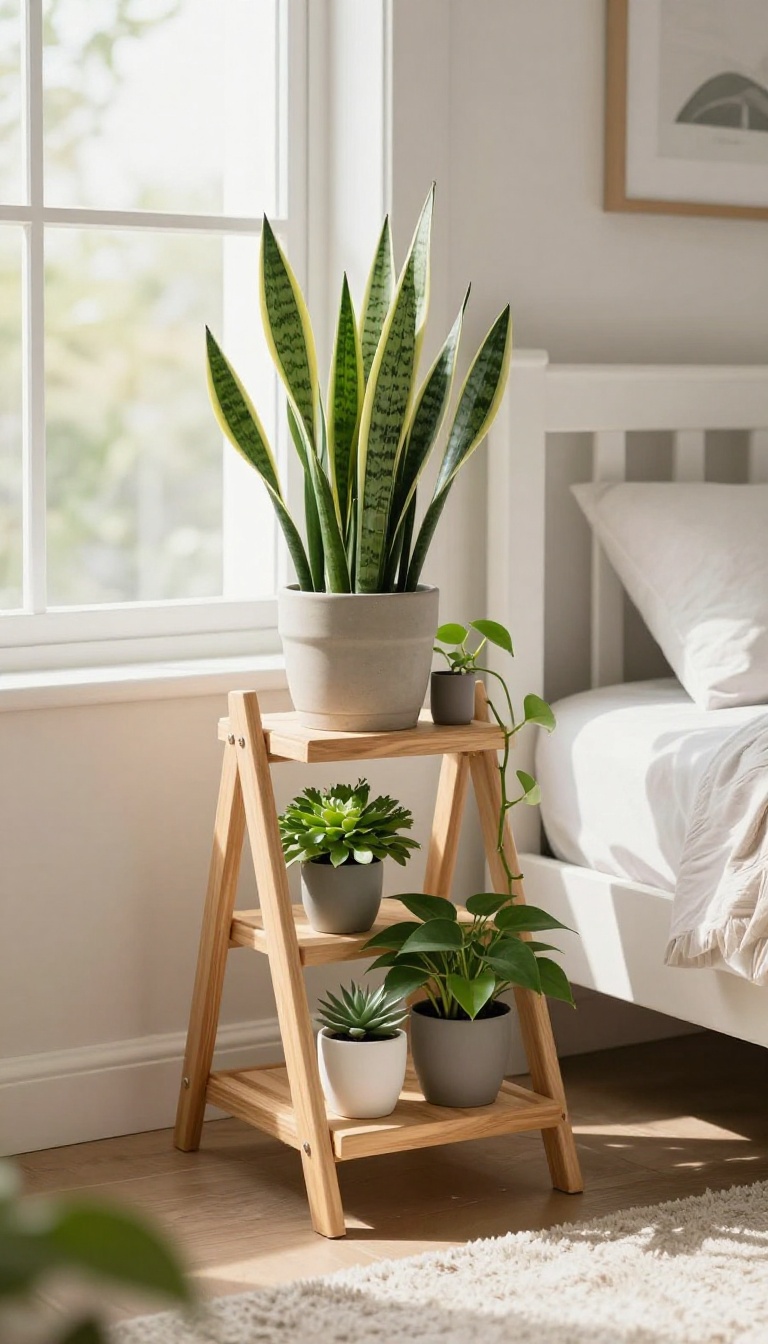
If you have a corner that gets a bit of natural light, a plant stand can turn it into a mini indoor garden. It’s an easy way to add life and color without taking up floor space. Plus, caring for plants can be a relaxing hobby that makes your bedroom feel more like a retreat.
A plant stand is a simple addition that can completely change the vibe of a neglected corner. Not only does it add visual interest, but it also gives you a place to display your favorite greenery. You can choose a stand that fits your style, from sleek metal to rustic wood, and it will instantly become a focal point.
Pick The Right Stand
Look for a tiered stand if you want to display multiple plants without taking up much floor space. A slim, upright design works well in tight corners. If you prefer a minimalist look, a single pedestal stand can hold one statement plant, like a fiddle leaf fig or a monstera.
Choose Low-light Plants
Not every corner gets bright sunlight. If yours is on the darker side, go for low-light varieties like snake plants, pothos, or ZZ plants. These are forgiving and thrive with indirect light.
If you have a sunny spot, you can try succulents or herbs like basil and mint.
Arrange For Balance
Place the stand so it doesn’t block walkways or door swings. Use a mix of heights and leaf shapes to create a pleasing arrangement. You can also add a small decorative tray underneath to catch water and protect your floor.
9. Use a Corner Bench for Seating and Shoe Storage
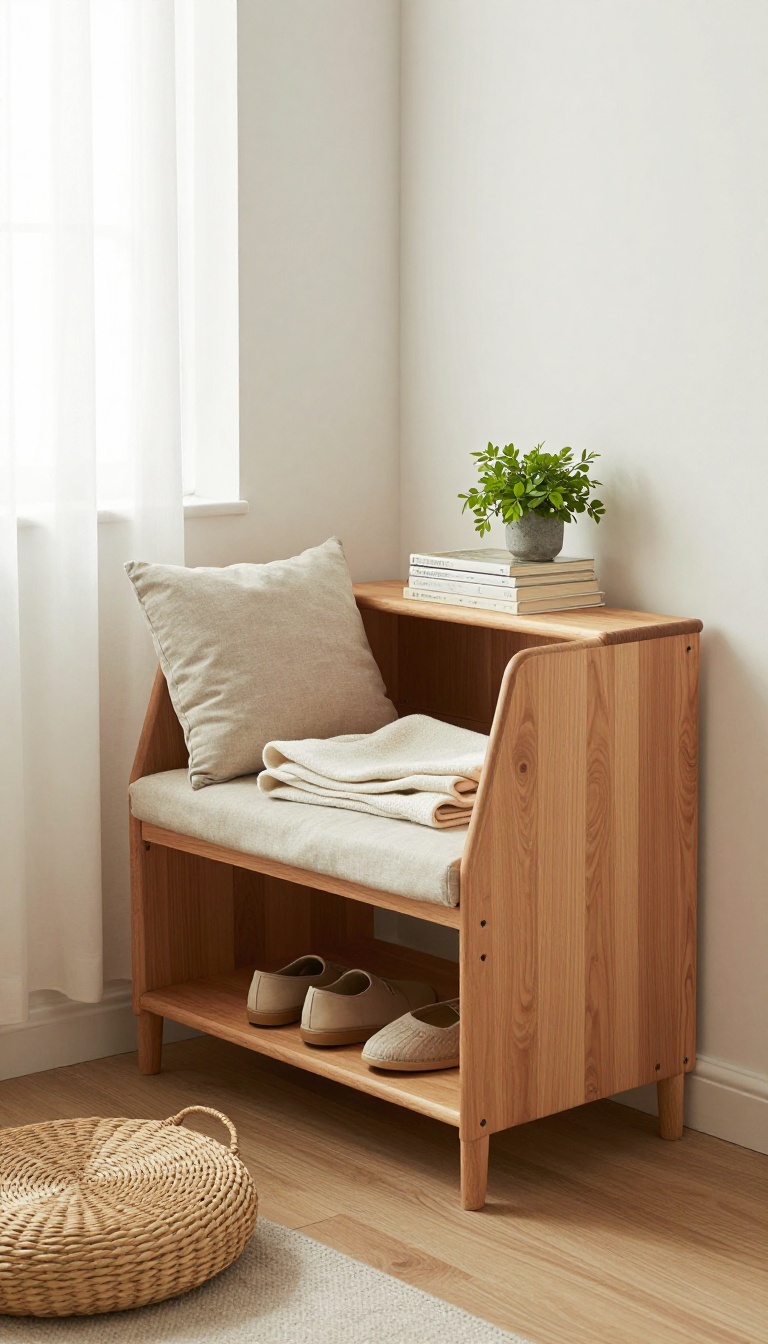
Corners often become dumping grounds for bags, shoes, and random clutter. A corner bench with built-in storage flips that script. It gives you a place to sit while you tie your shoes or take a breather, and the hidden compartment keeps your essentials out of sight.
This is a two-for-one solution that works especially well in tight bedrooms. You get functional seating without adding a bulky chair, and the storage helps clear the floor. It's one of those upgrades that makes you wonder why you didn't do it sooner.
A corner bench is a smart addition to any small bedroom, especially if you're tired of tripping over shoes or struggling to find a spot to sit. The key is choosing a bench that fits snugly into the corner without overwhelming the room. Look for one with a hinged lid or pull-out drawers to maximize the hidden storage.
When you place it near the bed or the closet, it becomes a natural drop zone. You can sit down to put on socks, slip into your shoes, or just take a moment to relax. Inside, you can stash seasonal items like scarves, hats, or extra blankets.
That way, you're not just adding furniture—you're adding function. The best part? It doesn't have to be expensive.
You can find affordable corner benches online or at thrift stores, and even DIY one with some plywood and foam. The goal is to make that corner work harder for you.
Picking The Right Size And Style
Before you buy, measure your corner to make sure the bench fits without blocking walkways. A bench that's too big can make the room feel cramped, so aim for one that's proportional to your space. For a compact bedroom, a bench around 18 to 20 inches deep and 30 to 36 inches wide is usually a safe bet.
Style-wise, go for something that matches your existing decor. A wooden bench adds warmth, while a fabric-upholstered one feels cozier. If you're short on visual space, choose a bench with legs that expose the floor underneath—it makes the room feel airier.
What To Store Inside
The storage space inside a corner bench is perfect for items you don't need every day. Think out-of-season clothing, extra pillows, or spare bedding. You can also use it for shoes you only wear occasionally, like boots or dress shoes.
To keep things organized, use small bins or baskets inside. That way, you can group items and find what you need without digging through everything. It's a simple system that keeps your bedroom tidy and your essentials within reach.
Styling The Bench To Blend In
Once your bench is in place, add a couple of throw pillows to make it inviting. A soft cushion on top makes it more comfortable for sitting, and a throw blanket draped over the side adds texture. You can also place a small tray on the bench for keys or a phone, turning it into a mini landing spot.
If you want to make the corner feel intentional, hang a piece of art or a small shelf above the bench. That draws the eye upward and makes the seating area look like a designed nook, not just an afterthought.
10. Add a Corner Curtain Rod for a DIY Closet
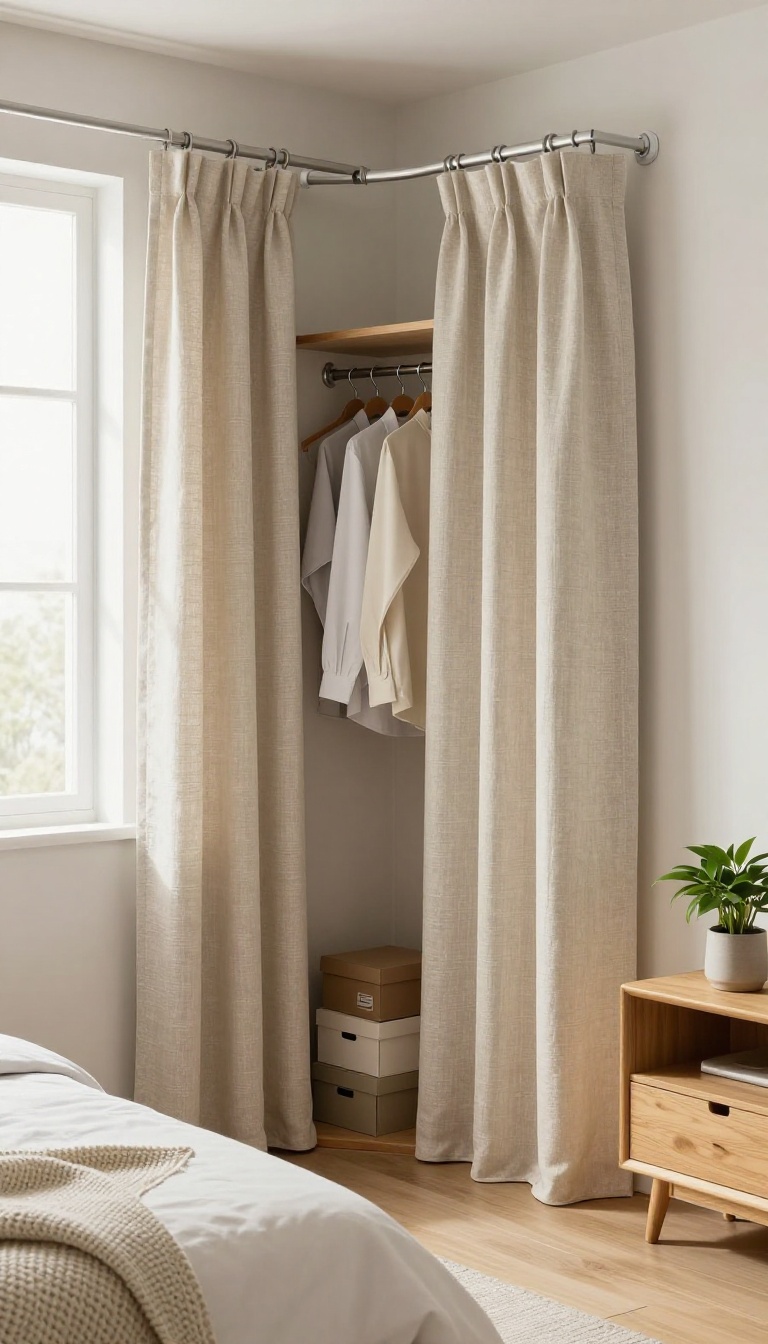
That awkward corner where two walls meet can become a surprising storage hero. A corner curtain rod and a simple curtain turn it into an instant closet—no drilling into walls or permanent fixtures required. It's a clever, renter-friendly hack that hides clutter and adds a soft, cozy touch to your room.
Installing a corner curtain rod is easier than you think. Most rods come with adjustable brackets that fit snugly into the corner, and you can mount them with tension or small adhesive hooks. Once it's up, hang a curtain that matches your decor—maybe a breezy linen or a bold pattern.
Behind it, stash clothes on a rolling rack, stack shoe boxes, or hang accessories. The curtain keeps everything out of sight, so your room looks tidy in seconds.
Pick The Right Rod And Curtain
Not all rods are created equal. Look for a corner-specific rod with flexible joints or a tension rod that can bend around the angle. For the curtain, choose something opaque enough to hide the mess but light enough to slide easily.
A grommet top or clip rings make opening and closing effortless.
Style It To Blend In
The curtain doesn't have to scream 'closet. ' Pick a fabric that complements your bedding or wall color, and consider adding a valance or trim for a finished look. If you want extra function, use a double rod—one layer for clothes, another for a sheer curtain to soften the light.
Make It Work For Your Space
This hack works in any corner, whether it's near a window, behind a door, or next to your bed. Use it for everyday clothes, out-of-season gear, or even as a mini pantry if you're in a studio. The best part?
When you move out, everything comes down without a trace.
11. Place a Small Corner Table for a Nightstand Alternative
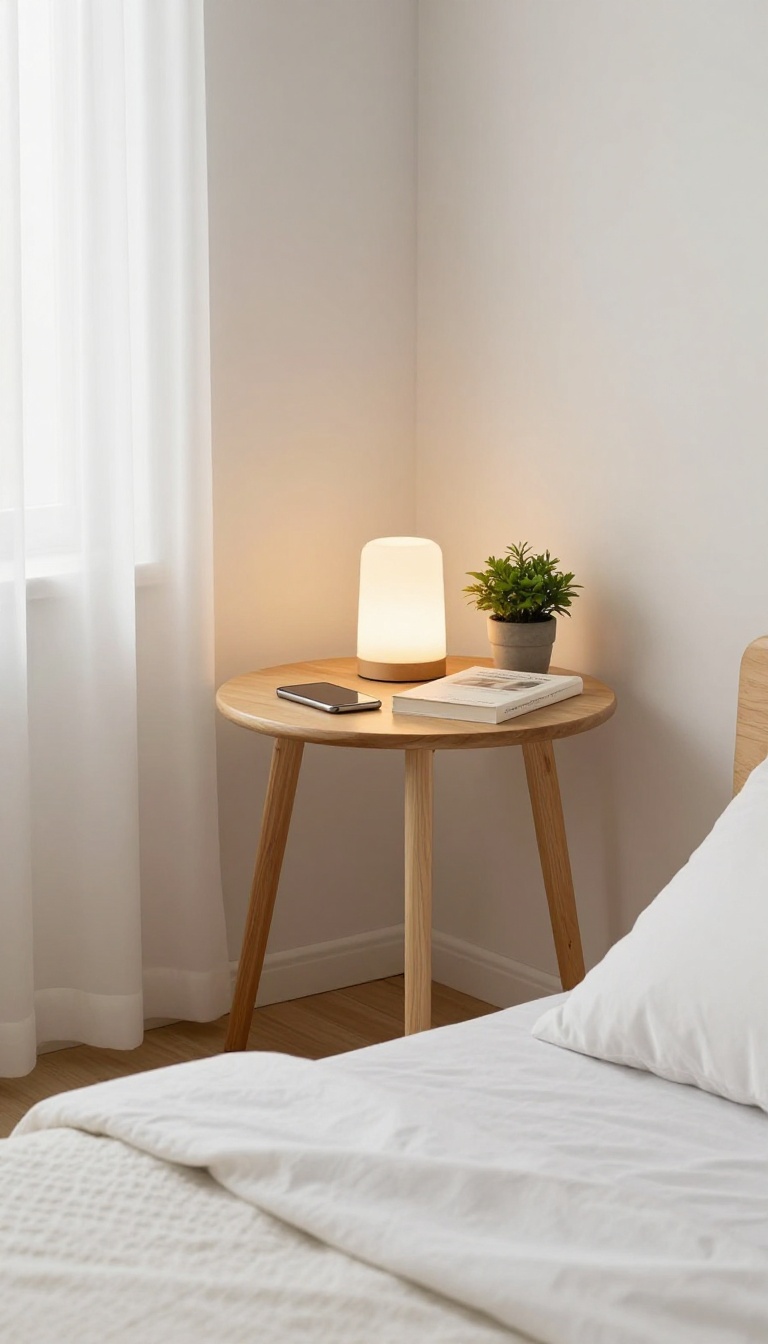
Nightstands are great, but they can hog valuable floor space in a tiny bedroom. A small corner table offers the same convenience without the bulk. It tucks neatly into that unused nook, giving you a spot for your lamp, phone, and a book—all within arm's reach.
A corner table is a smart swap for a traditional nightstand, especially when you're tight on space. It fits snugly into the corner, making use of an area that often goes to waste. You get a functional surface without sacrificing precious square footage.
Why It Works
The beauty of a corner table is its footprint. Instead of jutting out into the room like a standard nightstand, it hugs the walls, leaving the walkway clear. This makes the room feel more open and less cluttered.
Plus, it's a stylish way to add a touch of character to an otherwise empty corner.
Choosing The Right Table
Look for a table that's proportionate to your space. A small round or triangular table works best, as it fits the corner naturally. Consider a floating shelf or a wall-mounted table if you want to free up even more floor space.
Materials like wood or metal can match your existing decor.
Styling Tips
Keep the surface simple to avoid visual clutter. A small lamp, a tray for your watch and glasses, and a book are all you need. You can add a tiny plant or a small photo frame for a personal touch.
If you need extra storage, choose a table with a lower shelf or a small drawer.
12. Hang a Corner Hammock Chair for a Fun Seating Option
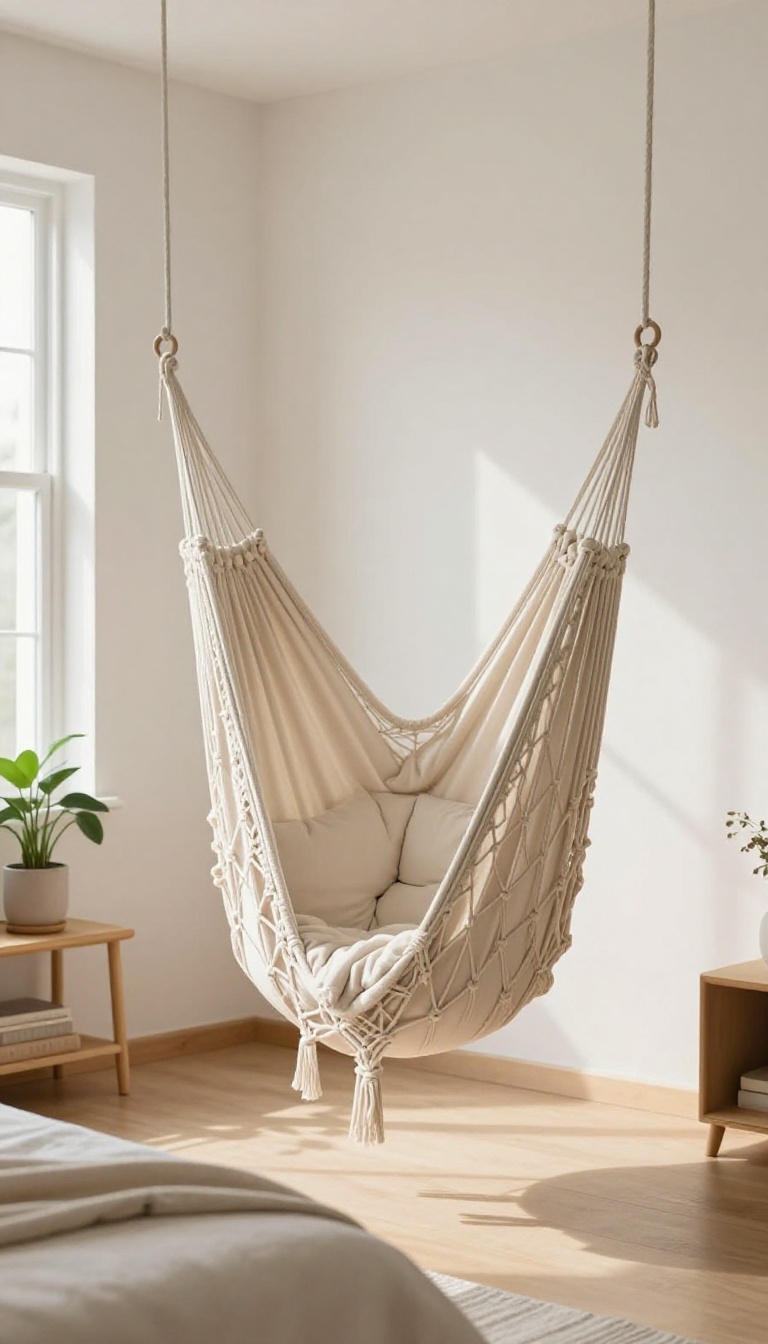
A hammock chair is a playful and functional addition to a corner. It's a great spot for reading or relaxing, and it adds a unique touch to your room. Make sure it's securely mounted.
Why A Hammock Chair Works In A Corner
Corners often feel like dead zones, but a hammock chair turns that empty space into a cozy retreat. It doesn't take up floor space like a traditional chair, and the angled shape fits naturally into a corner. Plus, it adds a touch of whimsy that makes your room feel more personal.
Choosing The Right Hammock Chair
Look for a hammock chair that matches your room's style and your comfort needs. Cotton and macrame options are soft and breathable, while woven or canvas versions are more durable. Consider the weight capacity and whether you want a stand or a ceiling mount.
A stand is easier to move, but a ceiling mount saves more floor space.
Installation And Safety Tips
Secure mounting is crucial. If you're attaching it to the ceiling, find a stud and use a heavy-duty anchor. For stands, make sure the base is stable and the chair is properly balanced.
Always follow the manufacturer's instructions and check the hardware periodically. A hammock chair is safe and fun when installed correctly.
13. Install Corner Lighting to Brighten Dark Spots
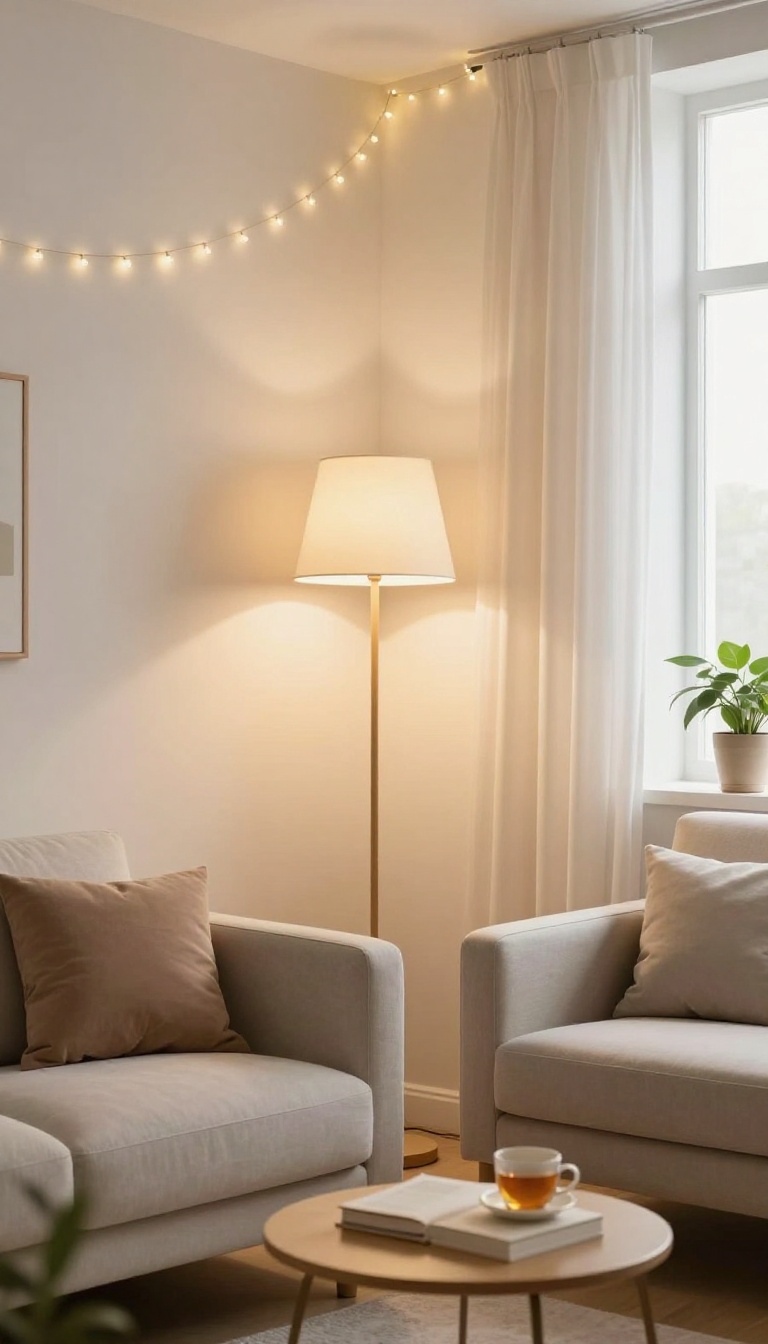
Corners often end up as the darkest part of a bedroom, which can make the whole space feel smaller and more cramped. A simple fix is to add lighting specifically aimed at those shadowy nooks. This not only improves visibility but also creates a cozy, inviting glow that transforms the corner into a welcoming spot.
When you light up a corner, you instantly change how the room feels. A well-placed lamp or a string of fairy lights can make the area appear larger and more open. Plus, it gives you a functional spot for reading, getting dressed, or just relaxing.
You don't need to install anything complicated; a plug-in floor lamp or battery-operated lights work just fine.
Choose The Right Light Source
Think about what you'll be doing in that corner. If you want to read, a floor lamp with a directed shade is perfect. For a softer ambiance, string lights or a small table lamp on a shelf can do the trick.
Consider warm bulbs for a cozy feel, or cooler daylight bulbs if you need brighter task lighting.
Place Lights To Maximize Effect
Position the light so it bounces off the walls and ceiling, not directly into your eyes. A corner lamp with an upward-facing shade can wash light across the ceiling, making the room feel taller. If you're using string lights, drape them along the walls or across the corner to create a canopy effect that draws the eye upward.
Use Lighting To Highlight Decor
A corner is a great place to show off a plant, a piece of art, or a cozy chair. Add a small spotlight or a picture light to draw attention to these features. This not only brightens the corner but also makes it feel intentional and styled, rather than just an afterthought.
FAQ
What is the best way to use a small bedroom corner?
The best way depends on your needs. If you need storage, add shelves or a tall cabinet. If you want a cozy spot, create a reading nook with a cushion and lamp.
Assess what you lack most—storage, seating, or workspace—and choose accordingly.
How can I make a small bedroom corner look bigger?
Use mirrors to reflect light, keep the area clutter-free, and choose furniture with a light color or open design. Avoid bulky pieces that block the view. A corner shelf with open sides can also help maintain a sense of openness.
Are corner desks good for small bedrooms?
Yes, corner desks are excellent for small bedrooms because they utilize space that is often wasted. They provide a compact workspace without taking up too much floor area. Look for wall-mounted or L-shaped designs to maximize efficiency.
How do I choose the right corner shelf for my bedroom?
Consider the size of your corner and what you want to store. Measure the space and look for shelves that fit snugly. Choose a style that matches your decor, and make sure it's sturdy enough for the items you plan to place on it.
Can I use a corner in a rental without damaging walls?
Absolutely. Use removable adhesive hooks, tension rods, or freestanding furniture like a corner shelf or bench. Avoid drilling if possible.
For curtains, use a tension rod that fits in the corner without screws.
Conclusion
These 13 ideas show that small bedrooms don't have to be limiting. With a little thought, you can turn every corner into something useful and stylish. Start with one or two ideas that fit your needs and budget.
Remember, the goal is to make your space work for you. Whether it's a cozy nook or extra storage, these small changes can make a big difference. So pick a corner, get creative, and enjoy your improved room.