11 Built-In Living Room Entertainment Center Ideas for Better Storage
Your living room entertainment center does more than hold the TV—it sets the tone for the whole space. Whether you're working with a compact nook or a sprawling wall, the right setup can make movie nights better and keep clutter out of sight.
But finding an idea that fits your style and storage needs isn't always easy. That's why we've rounded up 11 distinct approaches, from minimalist floating shelves to statement built-ins.
Each idea is practical, adaptable, and designed to help you create a focal point that feels intentional—not just an afterthought.
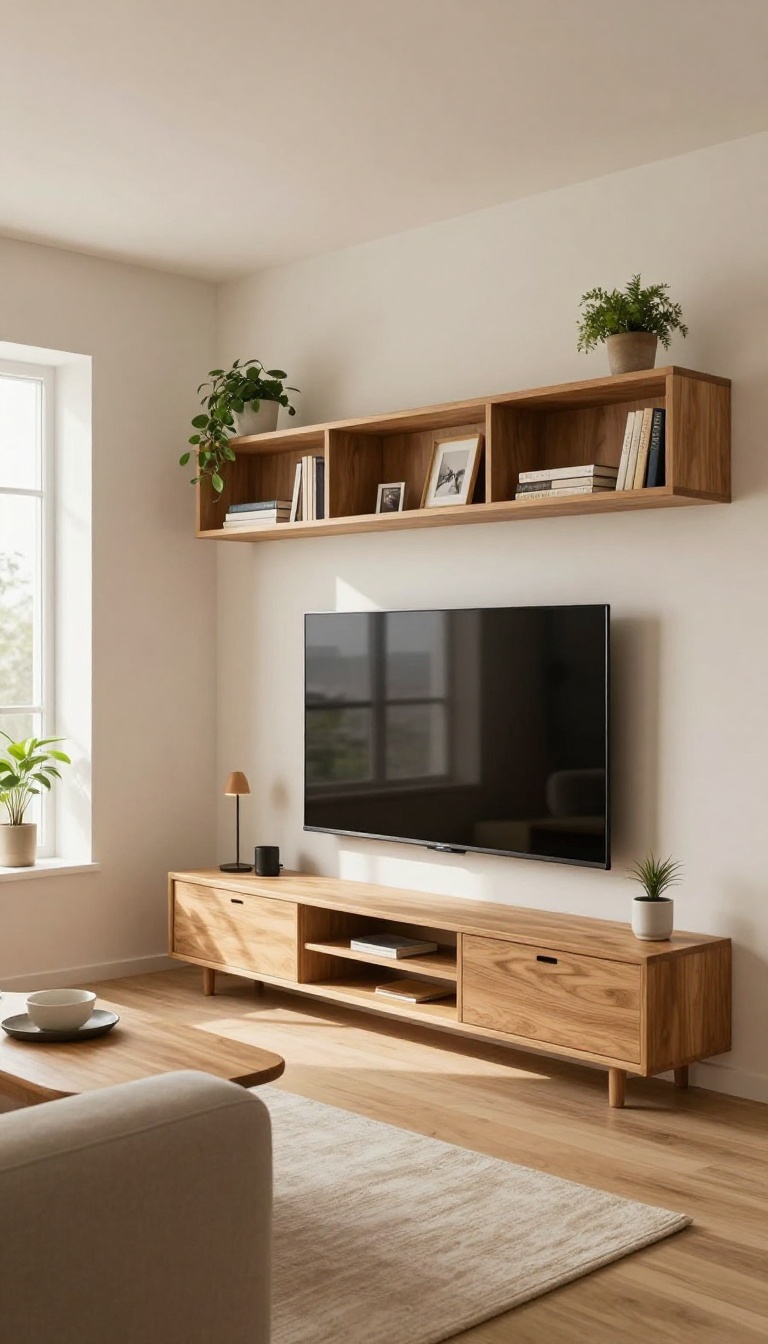
1. Floating Shelves for a Light, Airy Look
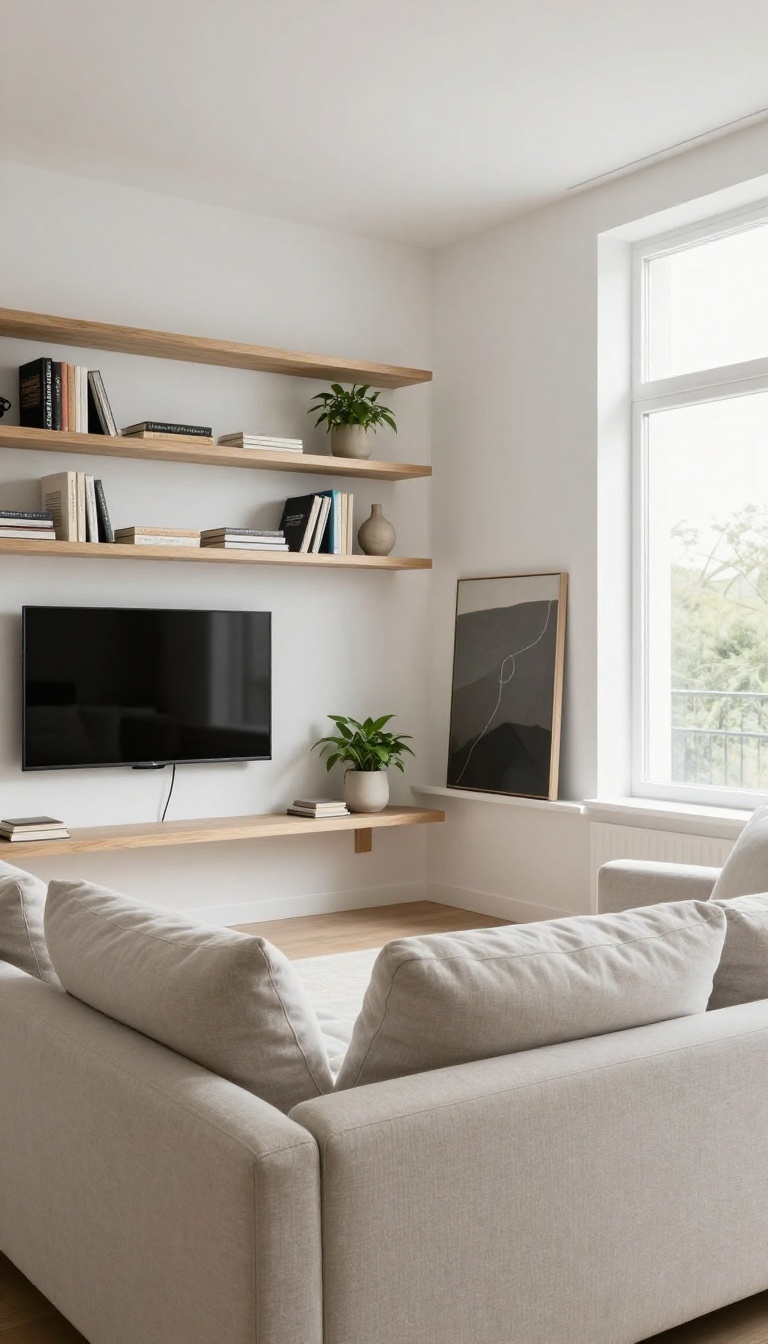
If your living room feels cramped or your current entertainment setup dominates the space, floating shelves might be the answer. They lift the TV off the floor and free up valuable square footage, making the room feel bigger and more open. This approach works especially well in apartments or cozy homes where every inch counts.
Floating shelves do more than just hold your TV—they create a clean, uncluttered backdrop that lets your screen and decor shine. Without bulky cabinets, the eye travels freely across the wall, which is perfect for minimalist or modern interiors. You can mix and match shelf lengths and heights to fit your exact wall space and storage needs.
Choosing The Right Shelves
When picking floating shelves, think about the weight of your TV and the items you plan to display. Look for shelves with sturdy hidden brackets that can support at least 50 pounds if you're mounting a larger screen. Solid wood or thick plywood offers a premium look, while metal or glass options give a sleeker, more industrial vibe.
Arranging Your Tv And Decor
Place the TV at eye level when you're seated, and leave some breathing room around it. Use the lower shelves for media consoles or game systems, and reserve the upper ones for plants, books, or framed art. Keep the arrangement balanced but not too symmetrical—mix in a few different object heights and textures for visual interest.
Hiding Cables And Wires
One downside of floating shelves is exposed cables. Use cable clips to run wires along the underside of the shelf, or install a cord cover that matches your wall color. For a truly seamless look, you can have an electrician run cables inside the wall, but that's a bigger project.
Start with simple, removable solutions to keep things tidy.
2. Built-In Bookshelf Entertainment Center
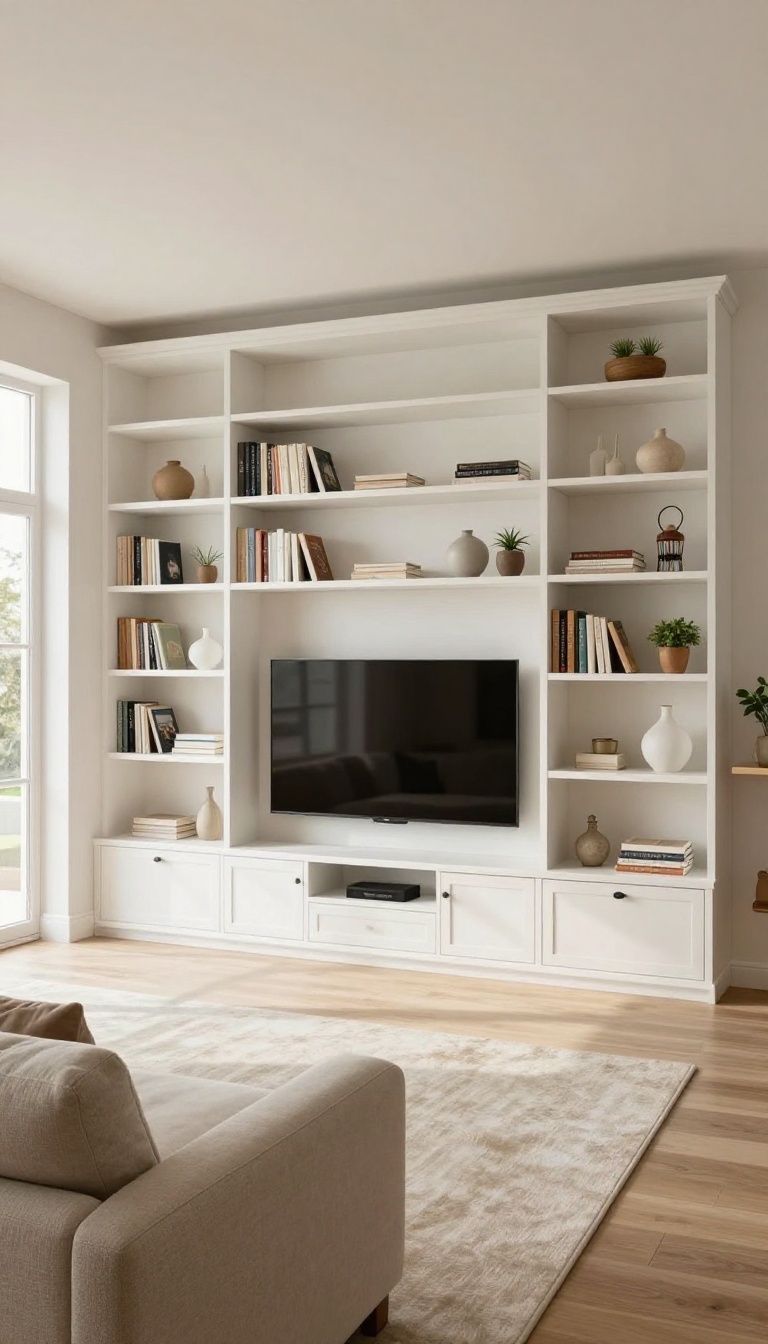
When you want your TV area to feel like part of the room's bones, built-in bookshelves are the way to go. They wrap the screen in storage and display space, turning a simple wall into a custom focal point. Unlike standalone units, built-ins can be tailored to your exact dimensions, so they work beautifully in awkward alcoves or beneath sloped ceilings.
Built-ins offer a seamless look that feels intentional and polished. They also add real estate for books, decor, and media—keeping everything organized while making the TV feel less like a black rectangle. Whether you prefer floor-to-ceiling columns or a low profile, this approach blends function with architectural charm.
Design For Symmetry And Balance
A classic built-in setup frames the TV with matching shelves on both sides. This symmetry creates a calm, orderly anchor for the room. You can vary shelf heights to fit books, baskets, or a record player, but keeping the outer edges aligned gives it that custom, expensive look.
Mix Open Shelving With Closed Storage
Not everything needs to be on display. Combine open shelves with lower cabinets or drawers to hide cables, gaming consoles, and remote controls. Closed storage also gives you a spot for board games or extra throws, so the unit stays tidy without looking sterile.
Work Around Awkward Architectural Features
Built-ins shine when your wall has quirks—like a fireplace, sloped ceiling, or off-center window. You can design shelves to flow around these elements, turning a problem spot into a feature. If you're handy, you can even build a simple frame with stock cabinets and trim for a semi-custom result.
Add Lighting And Finishing Touches
Recessed LED strips under each shelf add warmth and highlight your favorite items. Choose a paint color that matches your trim or go slightly darker for contrast. Crown molding at the top pulls the whole look together, making it feel like it was always part of your home.
3. Corner Entertainment Center for Awkward Spaces
Corners often become dumping grounds for extra chairs or forgotten plants. But that unused angle can actually be the perfect spot for a media setup, especially when you're short on wall space. A corner entertainment center turns a tricky area into a functional focal point.
It tucks the TV neatly into the room's flow and frees up your main walls for other furniture or decor.
Why Corners Work For Media
Corners naturally draw the eye, so placing your TV there makes it feel intentional rather than awkward. You also open up the rest of the room for seating arrangements that encourage conversation. Plus, corner units often have more storage per square foot than straight consoles.
You get shelves and cabinets that wrap around the angle, giving you room for media, games, and decorative items without taking over the whole wall.
Choosing The Right Corner Unit
Look for a unit that fits your TV size and the depth of your corner. Measure the diagonal of your TV and the corner space before you shop. Consider the style of your room—a floating corner shelf keeps things airy, while a floor-standing cabinet offers more hidden storage.
Also, think about cord management: some units come with built-in cable holes or back panels that make wiring easier.
Styling And Layout Tips
Place the TV at eye level when you're seated, and angle the unit slightly toward your main seating area for the best viewing experience. Use the shelves above or beside the TV to display books, plants, or framed photos. Add a small rug or a floor lamp nearby to define the nook and make it feel cozy.
4. Mid-Century Modern Media Console
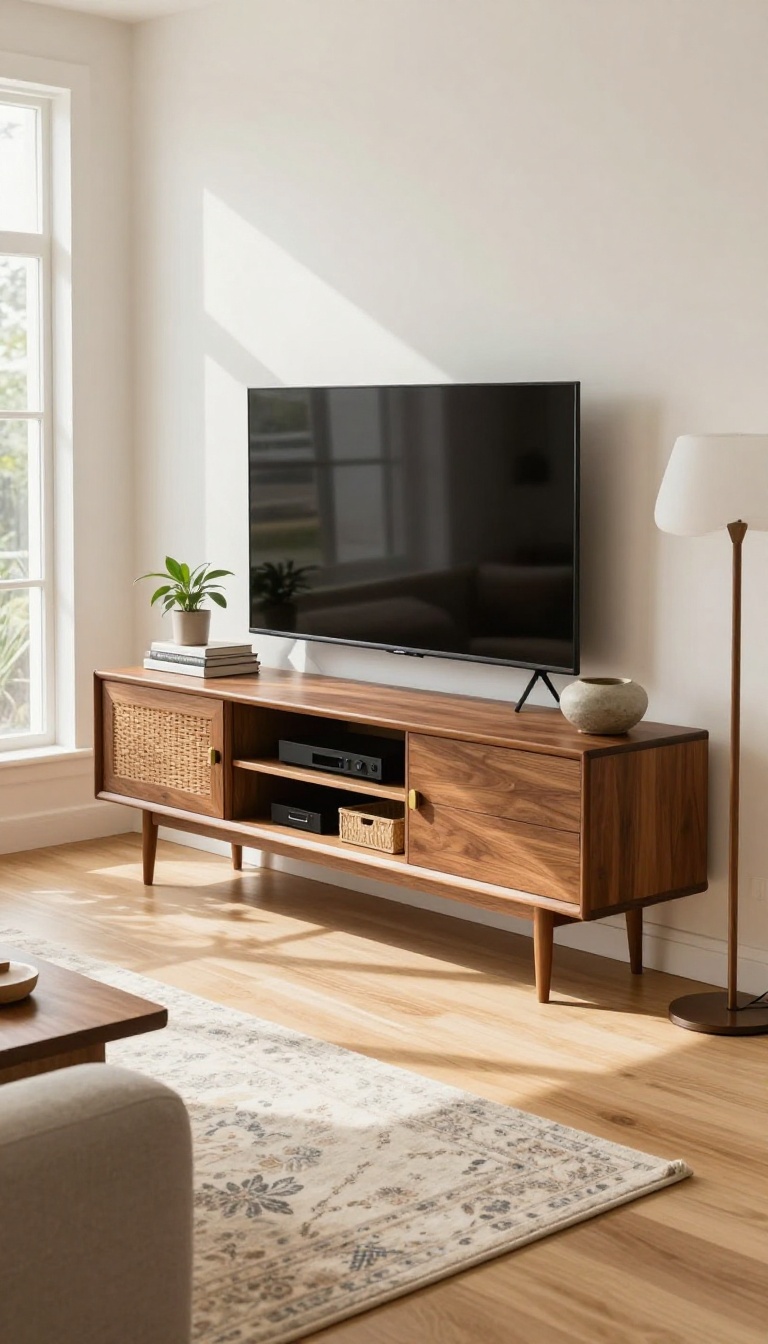
Somewhere between the clean lines of Scandinavian design and the playful optimism of the 1950s, mid-century modern furniture remains a favorite for good reason. A media console in this style brings warmth and character without feeling dated. It also offers a practical way to organize your entertainment gear while making a subtle style statement.
The key to pulling off this look is choosing a console with tapered legs, rich wood tones, and simple hardware. These pieces often feature sliding doors or open cubbies, which are perfect for hiding messy cables and storing media components. Whether your living room leans contemporary or traditional, a mid-century console can bridge the gap and add a touch of retro charm.
Why It Works
Mid-century modern design emphasizes function and form, so these consoles are typically well-proportioned and efficient. The raised legs give the piece a lighter visual weight, making even a large console feel less bulky in the room. Plus, the timeless aesthetic means it won't look outdated in a few years.
Styling Tips
To enhance the retro vibe, pair your console with a vintage-inspired rug or a sculptural floor lamp. Keep the surface uncluttered: a small plant, a stack of books, and a decorative bowl are enough. For a contemporary twist, choose a console with a white or black finish and brass legs.
Storage And Organization
Look for models with adjustable shelves or drawers to accommodate different media sizes. Use baskets or boxes inside open compartments to hide remote controls and gaming accessories. Cable management is easier with consoles that have cutouts or open backs, so you can keep wires out of sight.
5. Rustic Barn Door Entertainment Center
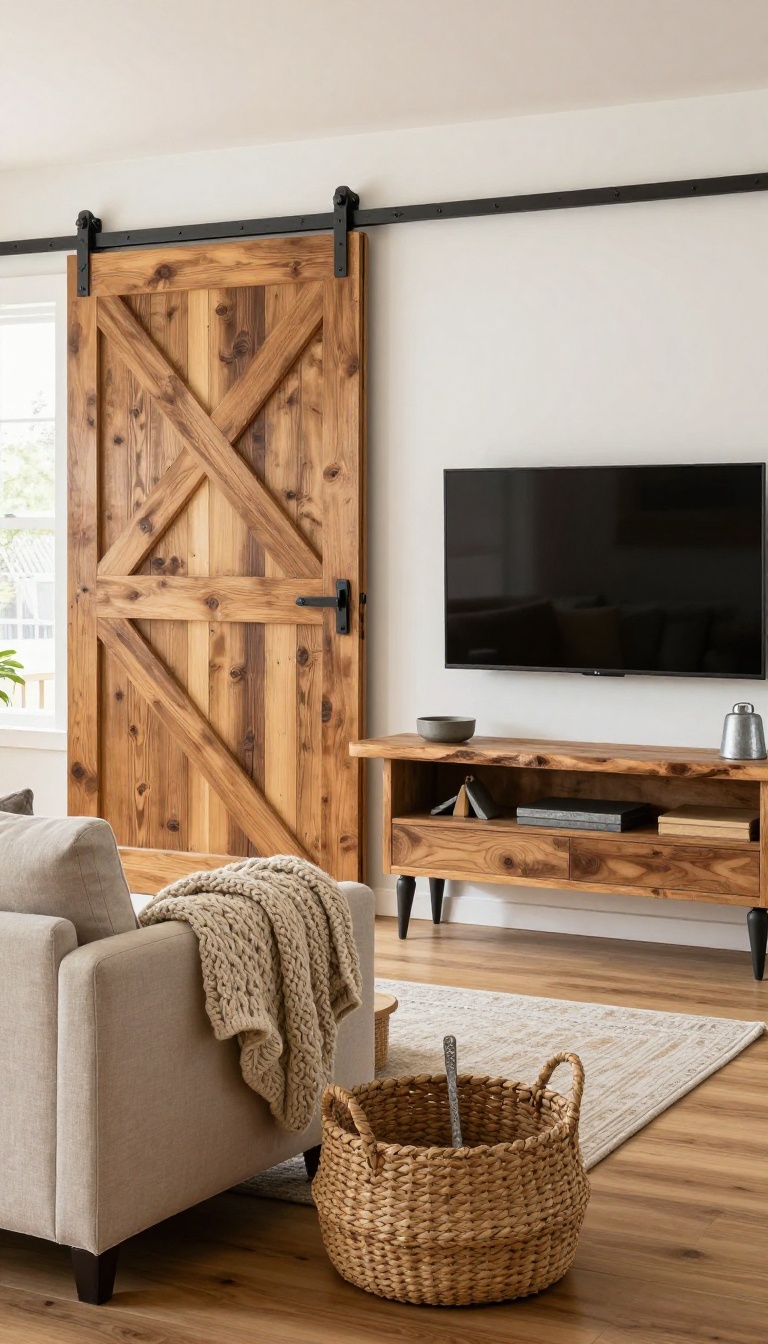
Barn doors bring instant warmth and character to any room, and they're a clever way to hide a TV when it's not in use. Sliding them shut turns your screen into a subtle wood feature, so the space feels more like a cozy den and less like a media hub. If you love farmhouse style but worry about the TV dominating the room, this setup gives you the best of both worlds.
The key to this look is choosing the right door and mounting system. You can go with reclaimed wood for a weathered feel, or opt for a lighter pine that matches your trim. The sliding hardware should be sturdy enough to handle daily movement—soft-close mechanisms are a nice upgrade if you want to avoid loud clanking.
Measure your wall space carefully so the door can slide fully clear of the TV when open.
What You'll Need
Start with a solid wood door (or two if you want a split design), a heavy-duty sliding track kit, and wall anchors rated for the door's weight. You'll also need basic tools like a drill, level, and stud finder. If you're not comfortable with DIY, many home improvement stores offer pre-hung barn door kits that simplify installation.
Styling Around The Doors
To keep the farmhouse vibe cohesive, pair the barn door with natural textures like a chunky knit throw, woven baskets, or a live-edge wood console. Add a few galvanized metal accents or a vintage sign to reinforce the rustic feel. When the doors are open, the TV becomes the focal point; when closed, the wood texture takes over and softens the room.
Custom Touches That Make It Yours
Consider adding a chalkboard surface to the back of the door for notes or a family message center. Or mount the door on a track that lets it slide past a bookshelf on one side, creating a hidden nook. You can also stain the wood to match your existing furniture or paint it a muted color for a more modern farmhouse look.
6. Minimalist Low-Profile TV Stand
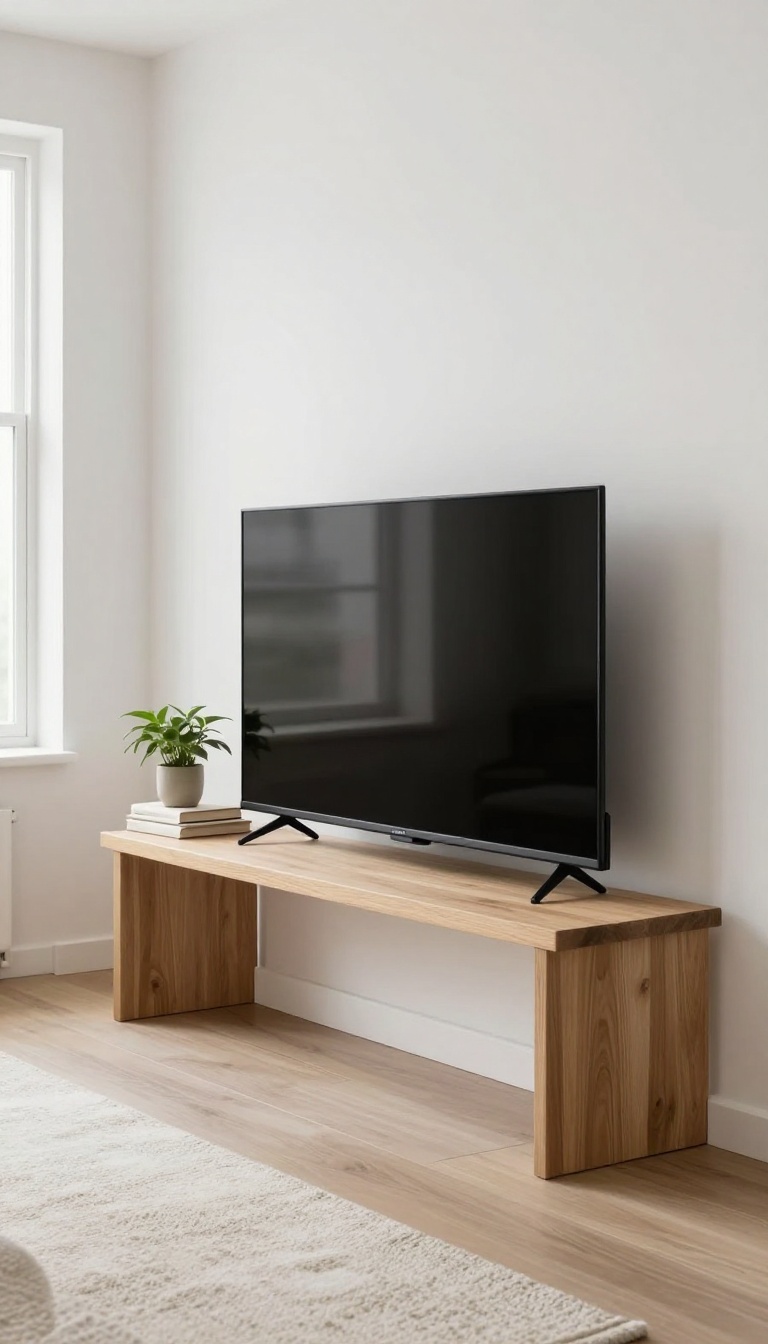
A low-profile TV stand does more than just hold your television—it keeps the visual weight low and lets the screen become the true focal point. If your current setup feels bulky or top-heavy, swapping to a sleek, low-line console can instantly open up the room. This approach works especially well in modern or minimalist spaces, but it can also bring a sense of calm to busier rooms.
The key is choosing a piece with clean lines and just enough storage to keep essentials handy without creating clutter.
A low-profile TV stand is all about understated function. Typically, these units sit lower than traditional entertainment centers, often around 18 to 24 inches high, which aligns the TV closer to your eye level when you're seated. This not only improves viewing comfort but also makes the wall above the TV feel more spacious.
When shopping for one, look for a design that balances form and function. A simple rectangular console with two drawers or a couple of open cubbies can hold your streaming devices, games, and remote controls without visual noise. Materials matter too—natural wood adds warmth, while matte black or white finishes keep things crisp and contemporary.
To complete the look, style the top with a few minimal accessories. A small plant, a stack of books, or a decorative bowl can add personality without overwhelming the clean aesthetic. The goal is to keep the area feeling airy and intentional.
Why Choose A Low-profile Design?
The biggest advantage of a low-profile stand is that it opens up the wall space above your TV. This makes the room feel taller and less crowded, especially in smaller living areas. It also encourages a more relaxed viewing experience because the screen sits closer to your natural line of sight when you're lounging on the sofa.
Another benefit is the visual calm it brings. Without a towering unit, the eye isn't drawn to a giant piece of furniture—it goes straight to the screen. This is perfect if you want your TV to blend into the room rather than dominate it.
Storage That Works Without The Bulk
Even though the stand is low, you don't have to sacrifice storage. Many low-profile consoles feature drawers, shelves, or a combination of both. Use drawers for remote controls, cables, and small accessories you want to hide.
Open shelving can display a few favorite decor items or house a soundbar and gaming console. To keep the look clean, use cable management solutions to hide wires. You can also use baskets or boxes on open shelves to corral items neatly.
The trick is to only keep what you regularly use—everything else can find a home elsewhere.
Styling Tips For A Minimalist Look
When styling your low-profile stand, less is more. Start with a clean surface and add only a few items that have meaning or function. A small potted plant or a simple vase can bring life without clutter.
If you have a soundbar, place it directly in front of the TV for a streamlined look. Consider the wall behind the TV as well. A large piece of art or a gallery wall can draw the eye upward and add interest.
Just make sure the arrangement doesn't compete with the screen. The goal is to create a balanced, serene environment that feels both modern and welcoming.
7. Wall-Mounted Media Wall with Cabinets
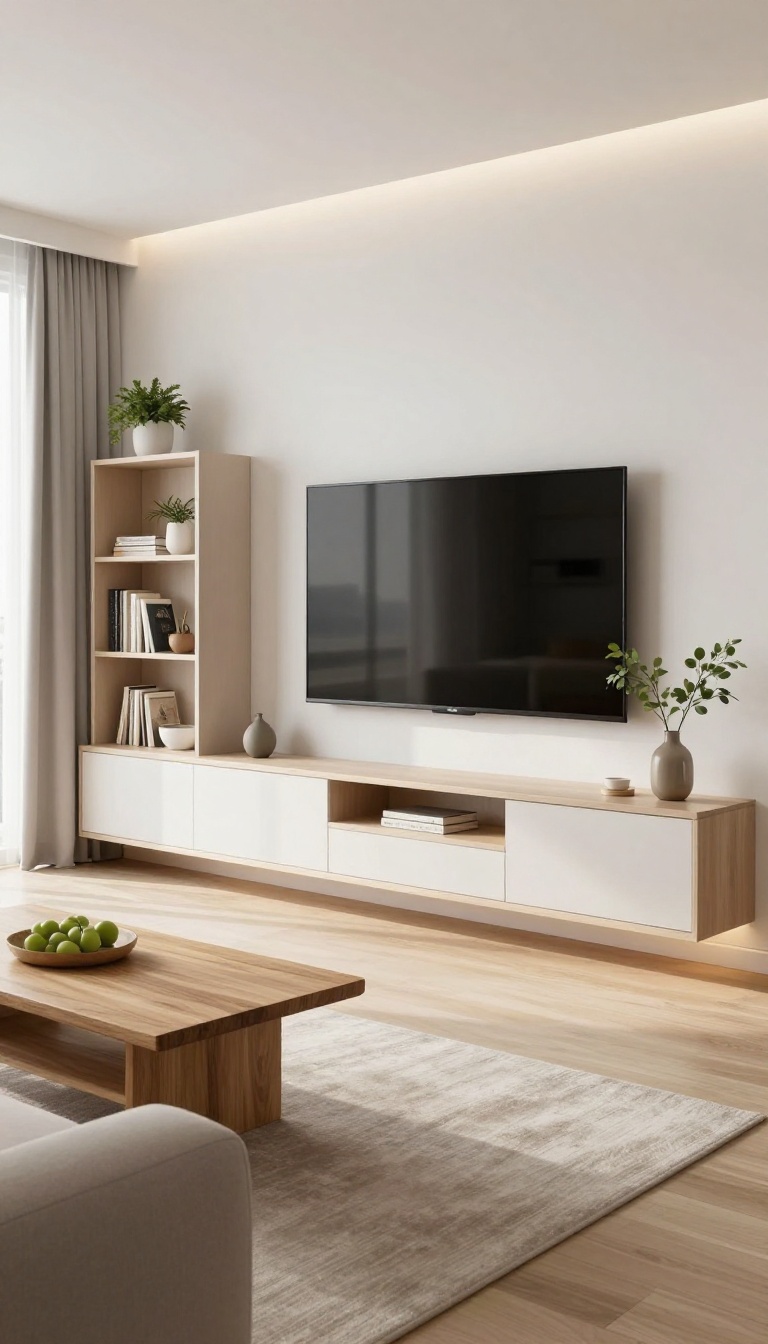
If you have a blank wall that feels underused, a full media wall can turn it into the hardest-working feature in the room. This idea combines the TV mount with a mix of open shelves and closed cabinets, so you get display space and hidden storage in one clean unit. It’s a smart way to keep your entertainment area tidy without sacrificing style.
Why A Full Wall Unit Works
A wall-mounted media wall anchors the room and draws the eye upward, making ceilings feel higher. Because the unit spans the wall, it provides ample storage for everything from board games to extra throw blankets. You can also tuck away cables and electronics behind closed doors, keeping the space looking neat and polished.
Balancing Open And Closed Storage
The key to this design is mixing open shelves with closed cabinets. Open shelves let you display books, plants, or decorative objects, while closed cabinets hide less attractive items like gaming consoles or remote controls. Aim for a 50/50 split or adjust based on your clutter level—more closed storage if you need to hide a lot, more open if you want to show off collectibles.
Customizing To Your Space
You can go with a custom built-in or a modular system that fits your wall dimensions. For a built-in look, paint the unit the same color as the wall to make it blend seamlessly. If you rent or prefer flexibility, choose a freestanding wall unit that mounts the TV but can be moved if needed.
Add LED strip lighting under shelves for a cozy, modern glow.
8. Industrial Pipe and Wood Entertainment Center
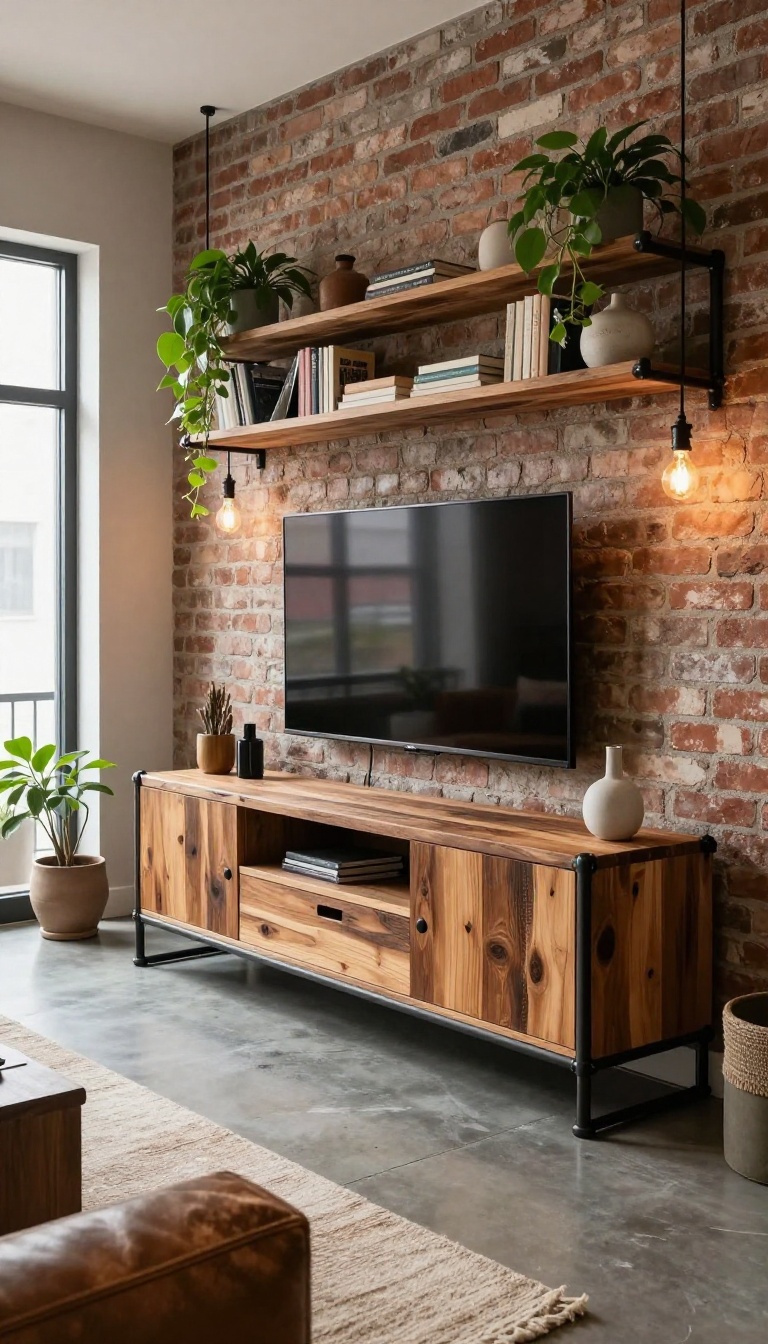
If you're drawn to exposed brick, metal accents, and a bit of rugged charm, an industrial pipe and wood entertainment center might be your perfect match. This style brings an urban, workshop-inspired feel that's both sturdy and stylish. It's a great way to add character and a custom look without breaking the bank.
The beauty of this design lies in its simplicity and raw materials. Black steel pipes provide the framework, while reclaimed wood planks serve as the shelves and surface. The contrast between the dark metal and the natural wood grain creates a visually interesting piece that feels both grounded and artistic.
Plus, the open shelving keeps the room airy and makes it easy to display books, plants, or decorative items.
Why It Works
This style is a natural fit for lofts, apartments, or any living room that wants a touch of industrial edge. The materials are durable and easy to maintain, and the design is highly customizable. You can adjust the height, width, and number of shelves to fit your TV and storage needs perfectly.
It also pairs well with other textures like leather, concrete, and woven fabrics.
Diy Or Pre-built?
You can build this yourself using pipes from a hardware store and reclaimed wood from a salvage yard, which is a fun weekend project. If you're not handy, many furniture retailers offer pre-made versions that capture the same look. Either way, you'll get a unique piece that feels personal and adds instant character to your space.
Styling Tips
To keep the industrial vibe cohesive, balance the dark metal with warm lighting and soft textiles. Use Edison bulbs in exposed fixtures, add a chunky knit throw, and incorporate a few leather or metal accessories. Keep the shelves organized but not overly styled—this look thrives on a bit of rawness and practicality.
9. Hidden TV Entertainment Center with Art
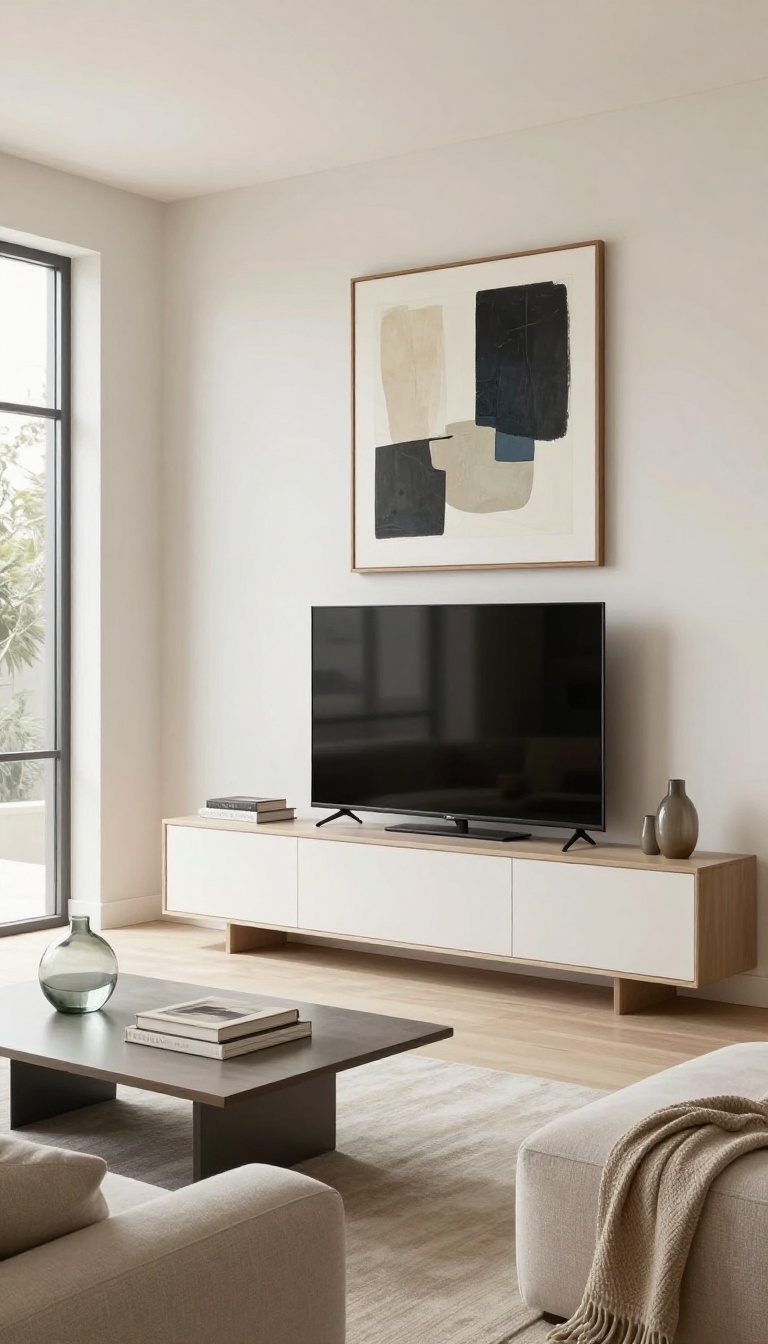
A television that vanishes when not in use is a clever trick that combines entertainment with elegance. By hiding the screen behind a framed art piece or mirror, you can keep the room's aesthetic clean and gallery-like, while still having your movie setup ready at a moment's notice. This approach works especially well in living rooms where the TV isn't the main focal point, or in spaces that double as a home office or reading nook.
The concept is simple: mount your TV on a swivel arm or sliding track, then cover it with a framed canvas, poster, or mirror that can be moved aside. When you want to watch something, just slide or swing the art away to reveal the screen. It's a practical solution for anyone who wants to reduce visual clutter and make their living room feel more sophisticated.
Beyond the basic mechanism, you can customize the look to match your decor. Choose a large statement piece that becomes the room's centerpiece, or a series of smaller frames that create a gallery wall effect. The key is to make the hidden TV feel intentional, not like a compromise.
How The Hidden Tv Mechanism Works
There are a few common ways to hide a TV behind art. The most popular is a motorized or manual lift system that raises the TV from a cabinet or lowers it from the ceiling. Another option is a sliding panel system where the art is mounted on tracks that glide horizontally to reveal the screen.
For a simpler DIY approach, you can use a hinged frame that swings open like a cabinet door, or a curtain that pulls back. Each method has its pros and cons in terms of cost, ease of installation, and how seamlessly it blends with your room.
Choosing The Right Art Or Mirror
The art or mirror you choose should complement your room's style and be large enough to cover the TV when closed. A canvas print or framed poster is lightweight and easy to move, while a mirror can add light and depth to the room. If you're using a sliding system, make sure the artwork is securely mounted and won't wobble.
You can also use a decorative screen or tapestry for a softer, more bohemian look.
Installation And Practical Considerations
Before you commit, measure your wall space and think about viewing angles. The TV should be at eye level when you're seated, and the art should be easy to move aside without straining. If you're not handy, consider hiring a professional to install the sliding mechanism or motorized lift.
Also, think about cable management—you'll want to hide the wires so they don't spoil the clean look when the TV is hidden.
10. Glass-Door Cabinet Entertainment Center
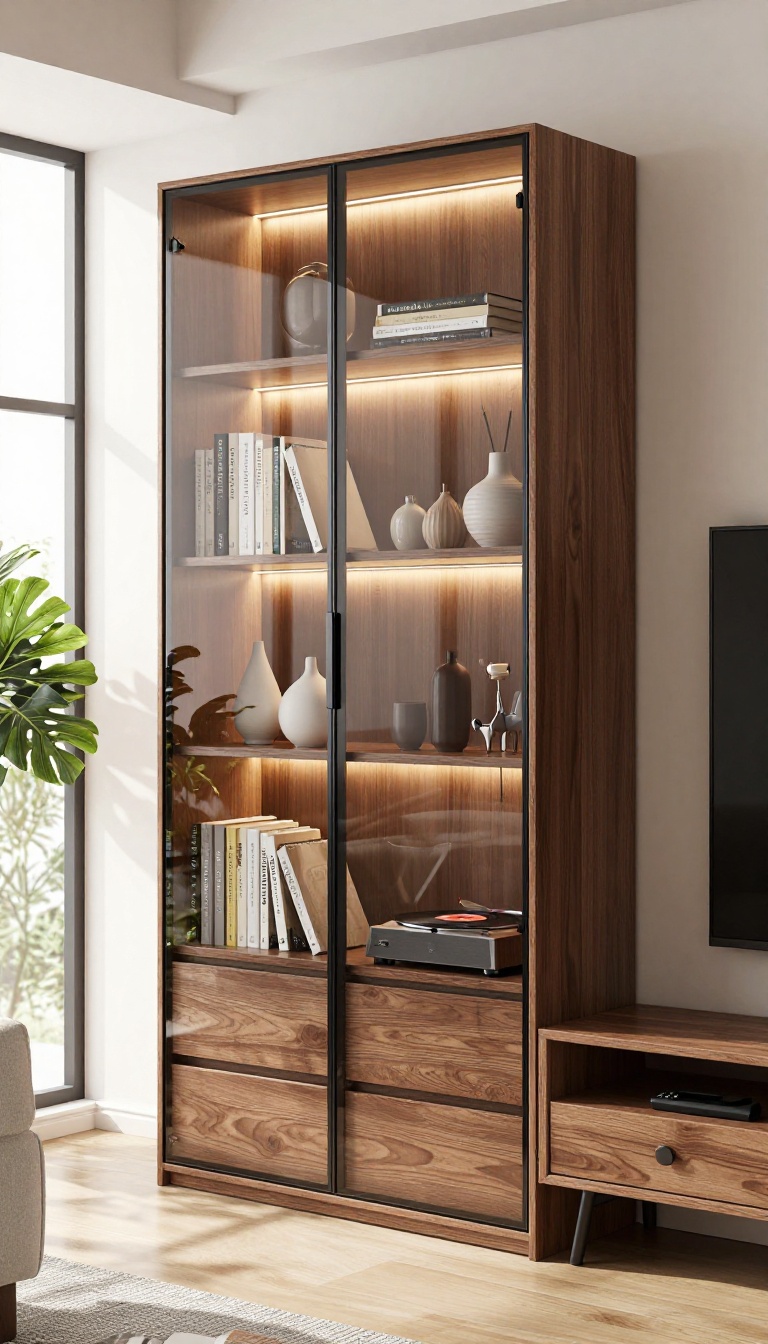
If you love the look of open shelving but dread dusting every knick-knack, a glass-door cabinet offers the best of both worlds. It shows off your favorite pieces while keeping them clean and protected. Plus, the transparent doors make the unit feel lighter and more open than a solid wood cabinet, even when it's packed with media and collectibles.
A glass-door entertainment center can be a single tall cabinet or a low console with glass-front doors. Either way, it gives you a place to display books, games, and decorative items without letting them gather dust. The glass also helps break up the visual bulk of a large cabinet, making it a smart choice for smaller living rooms where you want storage without the heaviness.
Mix Display And Hidden Storage
One of the biggest perks of a glass-door unit is that you can mix open display areas with closed storage. Use the glass sections for items you want to show off—like a vintage record player or a collection of ceramic vases—and keep the solid drawers or cabinets below for messy cables, remote controls, and everyday clutter. This way, the cabinet looks curated, not chaotic.
Lighting Makes It Pop
Glass doors really shine when you add a bit of interior lighting. A simple LED strip or small puck lights inside the cabinet can highlight your collectibles and create a warm glow in the evening. Just make sure the lighting is dimmable or on a switch so it doesn't compete with the TV during movie time.
Keep It Dust-free With Simple Habits
While glass doors keep dust at bay, they don't eliminate the need for cleaning. To keep the glass streak-free, use a microfiber cloth and a gentle glass cleaner. Also, avoid overcrowding the shelves—leave a little breathing room so each item stands out and the cabinet feels intentional, not stuffed.
11. Custom Modular Entertainment System
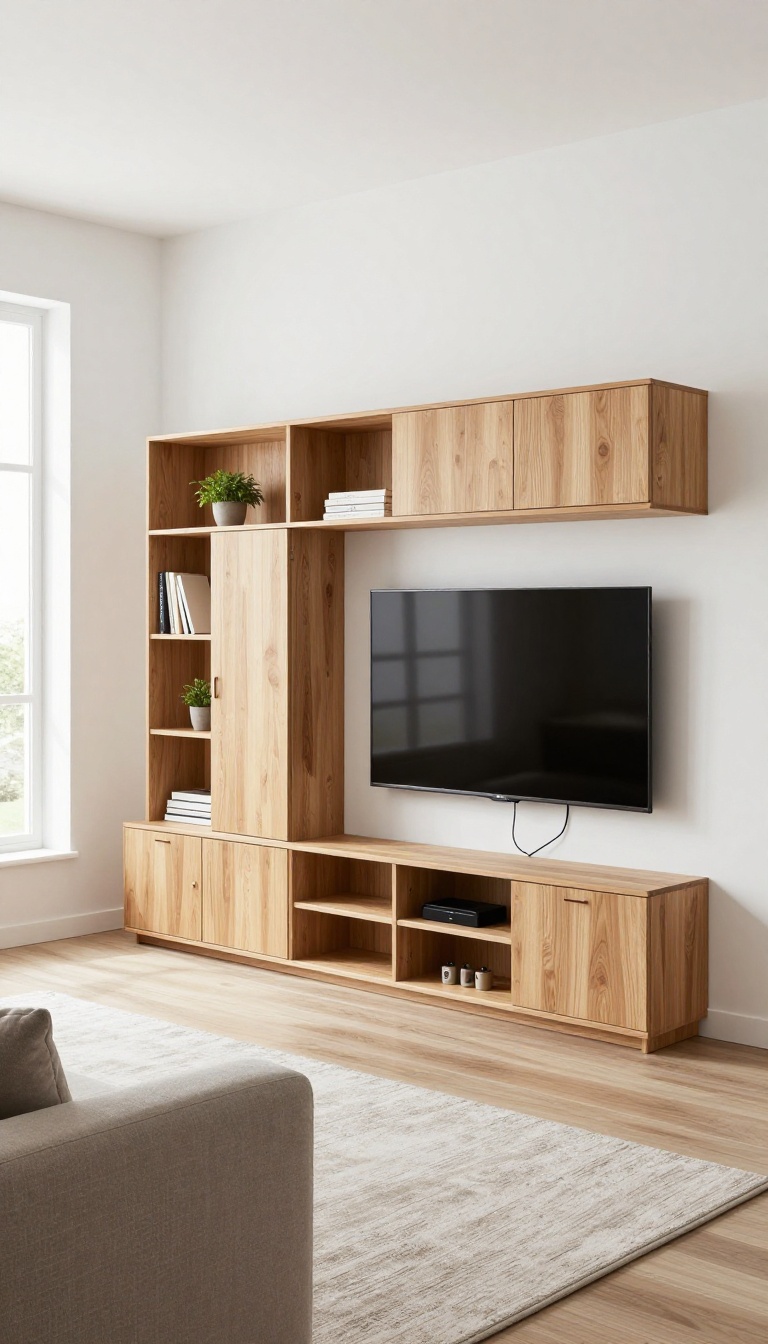
Sometimes the best setup is the one you can change tomorrow. A custom modular entertainment system lets you mix and match cabinets, shelves, and open cubbies to fit your current needs—then adapt when your collection grows or your layout shifts. Instead of committing to a single fixed piece, you build a flexible foundation that works with your space, not against it.
Modular systems are the ultimate chameleons of living room furniture. You can start with a simple base unit and add components later, whether that means extra shelving for books, a cabinet for media accessories, or a spot for a record player. Because every piece connects cleanly, the final look feels intentional—even as it evolves.
Why Go Modular?
The biggest draw is flexibility. Moving to a new place? Reconfigure the units to fit a different wall.
Your kids’ toy collection suddenly takes over? Swap in more closed storage. Modular pieces also make it easier to hide cables and keep components organized, since you can plan each module around a specific purpose.
Mix Open And Closed Storage
A balanced modular setup usually combines open shelving for display and closed cabinets for clutter. Use open cubes for plants, framed photos, or your favorite books. Keep the TV console area closed to stash remotes, game controllers, and streaming devices.
This mix keeps the unit looking curated rather than chaotic.
Plan For Future Expansion
Before you buy, think about what you might add later. Choose a system with compatible add-ons, like extra shelves, drawers, or side cabinets. That way, you’re not locked into a single configuration.
Measure your wall and sketch a layout that leaves room to grow—vertically or horizontally—without overwhelming the space.
Style It Your Way
Modular doesn’t mean boring. Pick finishes that match your decor, from light oak to matte black. Play with heights and depths to create visual rhythm.
You can even mix materials—wood cabinets with metal frames—for an industrial touch. The key is to keep the overall look cohesive while letting each module serve a clear function.
FAQ
What is the best height for a TV in an entertainment center?
The center of the TV should be at eye level when you're seated, typically around 42 inches from the floor. Adjust based on your seating height and viewing distance.
How do I hide cables in an entertainment center?
Use cable management sleeves, raceways, or in-wall cable kits. Many entertainment centers have built-in cord holes or channels to keep wires out of sight.
Should I mount my TV or place it on a stand?
It depends on your space and preference. Mounting saves floor space and offers a clean look, while a stand provides storage and flexibility to rearrange.
How much storage do I need in an entertainment center?
Assess your media collection, gaming consoles, and decor. If you have many items, opt for a mix of shelves, drawers, and cabinets to keep everything organized.
Can I mix an entertainment center with other furniture styles?
Absolutely. Blend styles by matching wood tones or metals, or use a neutral piece that bridges different design elements. Contrast can add visual interest.
Conclusion
Choosing the right entertainment center is about balancing looks, storage, and how you actually use the room. Whether you prefer a minimalist floating shelf or a custom built-in, the goal is to create a space that feels both functional and inviting.
Take your time to measure, consider your media habits, and pick a style that speaks to you. With these ideas as a starting point, you're well on your way to a living room you'll love spending time in.