13 Indian Small Living Room Ideas for Apartments With Limited Space
Living in a compact Indian home doesn't mean your living room has to feel cramped or unfinished. With the right approach, even the smallest space can become a cozy, stylish hub for family and friends.
The key is to blend traditional charm with modern practicality, making every square foot work harder for you. Whether you're dealing with a 10×12 room or a narrow hall, these ideas focus on what truly matters: smart layouts, clever storage, and visual tricks that open up your space.
You don't need a big budget or a designer—just a bit of planning and a willingness to think differently.
1. Use a Slim Sofa with a Low Profile
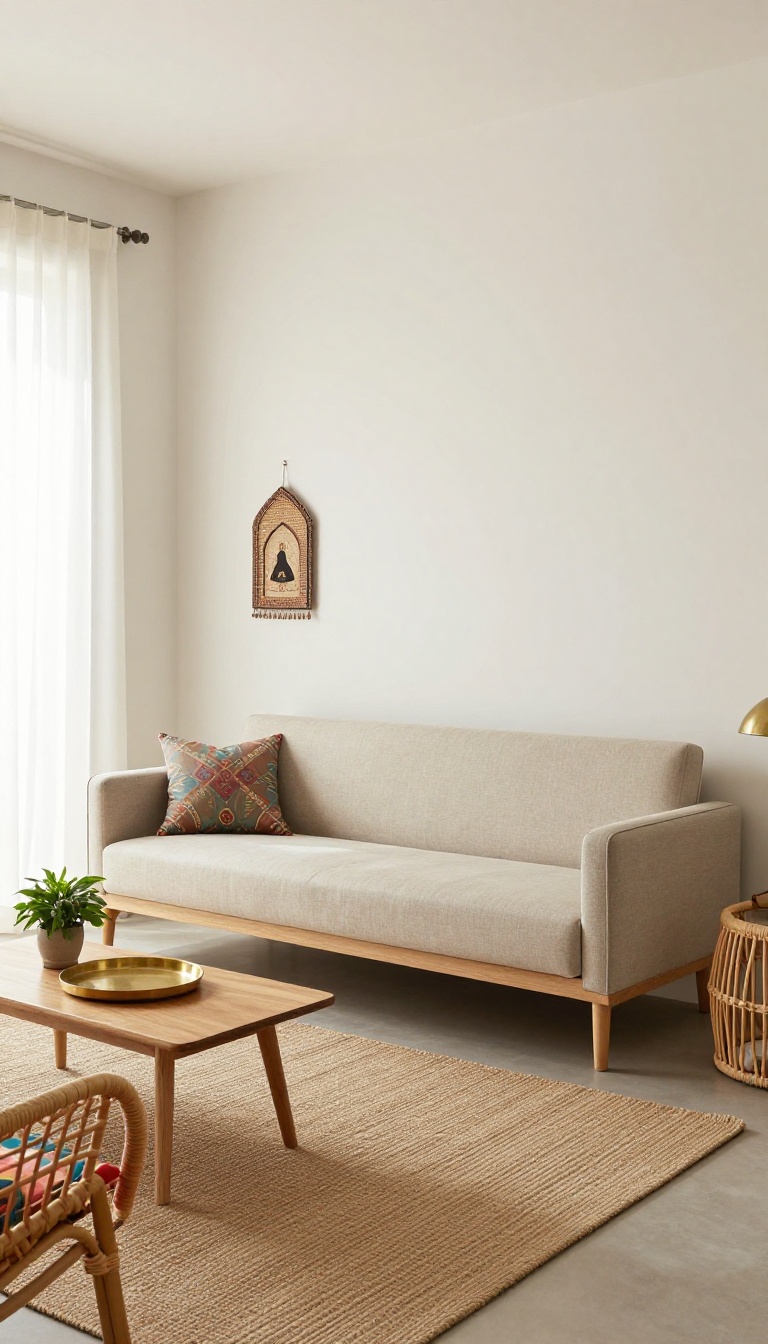
When space is tight, the sofa often becomes the elephant in the room. A bulky three-seater can swallow up a small Indian living room, leaving little room for anything else. The fix?
Choose a slim, low-profile sofa that sits close to the ground and doesn't visually dominate the space.
A compact two-seater or a stylish low-backed sofa can make all the difference. Pair it with lightweight chairs or floor cushions to keep the visual weight low and make the room feel airier. This approach not only frees up floor space but also creates a more open, inviting atmosphere—perfect for cozy evenings with chai and conversation.
Why Low-profile Works
Low-profile sofas have a smaller visual footprint. Their lower back and slim arms don't break the line of sight, making the ceiling feel higher and the room larger. In a small living room, this simple trick can make the space feel more expansive without any major renovation.
Choosing The Right Fabric And Color
Light, breathable fabrics like cotton or linen in neutral tones—think beige, off-white, or soft pastels—help reflect light and keep the room feeling open. Dark, heavy upholstery can make a small space feel even smaller. If you love color, use it in cushions or a throw instead of the sofa itself.
Smart Seating Additions
Complement your slim sofa with lightweight chairs or poufs that can be easily moved around. This flexibility lets you adapt the seating arrangement for different occasions—whether it's a family gathering or a quiet evening. Floor cushions in a corner add extra seating without taking up visual space.
2. Add a Wall-Mounted TV Unit with Storage
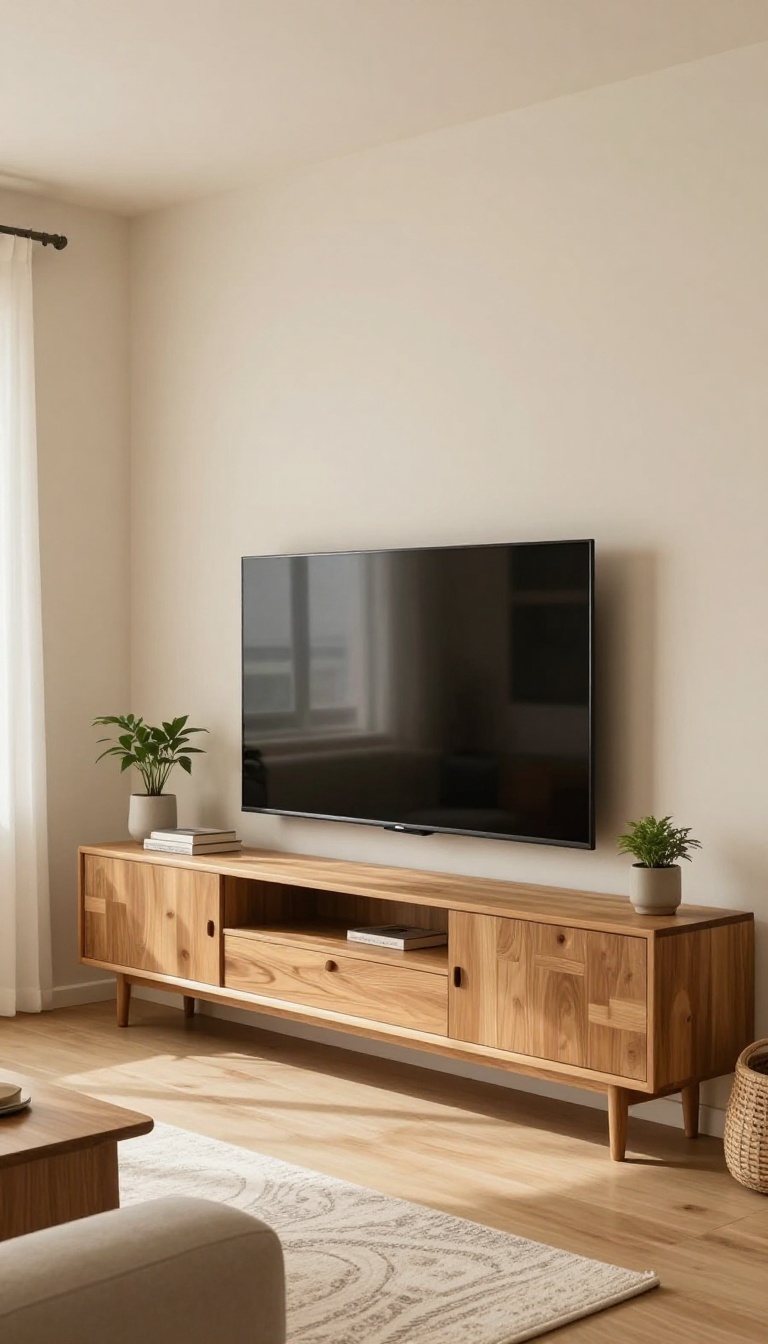
A wall-mounted TV setup is a game-changer for small Indian living rooms. By lifting the screen off the floor and pairing it with a floating console, you instantly free up precious floor space. This approach not only makes the room feel larger but also gives you a sleek, modern look that hides the usual clutter of cables, remotes, and gaming controllers.
Mounting your TV on the wall is the first step to reclaiming visual space. The floating console below becomes a multifunctional piece: it stores electronics in closed cabinets, displays a few decor items on top, and keeps everything within arm's reach. This setup also makes cleaning easier—no more dust collecting behind a bulky TV stand.
Plus, with the TV at eye level, you'll enjoy a more comfortable viewing experience, whether you're watching a movie or catching up on the news.
Choose The Right Height
The center of your TV should be at eye level when you're seated. For most sofas, that's about 42 inches from the floor. Measure before you drill to avoid neck strain.
If you have kids, consider mounting it a bit higher, but always keep the viewing angle comfortable for the whole family.
Pick A Floating Console That Works
Look for a console that's shallower than your TV's width—around 60-70% of the screen width is ideal. Opt for one with a mix of open shelves and closed cabinets. Open shelves let you display a plant or a few books, while closed doors hide the messy wires and gadgets.
A light wood or glossy white finish can make the unit blend into the wall, making the room feel airier.
Hide The Cables For A Clean Look
Nothing ruins a sleek wall-mounted setup faster than visible cables. Use a cable management kit that runs the wires through the wall, or attach a cord cover that matches your wall color. If you're renting and can't drill through the wall, use a flexible cable sleeve and route it along the baseboard.
This small step makes a huge difference in how polished the space looks.
Style The Console Top
Keep the top of your console minimal to avoid visual clutter. A small potted plant, a couple of framed photos, and a decorative bowl are enough. Avoid stacking too many items—remember, the goal is to make the room feel open and organized.
If you need extra storage, use woven baskets on the shelves to corral remote controls and other small items.
3. Choose a Light Color Palette with Bold Accents
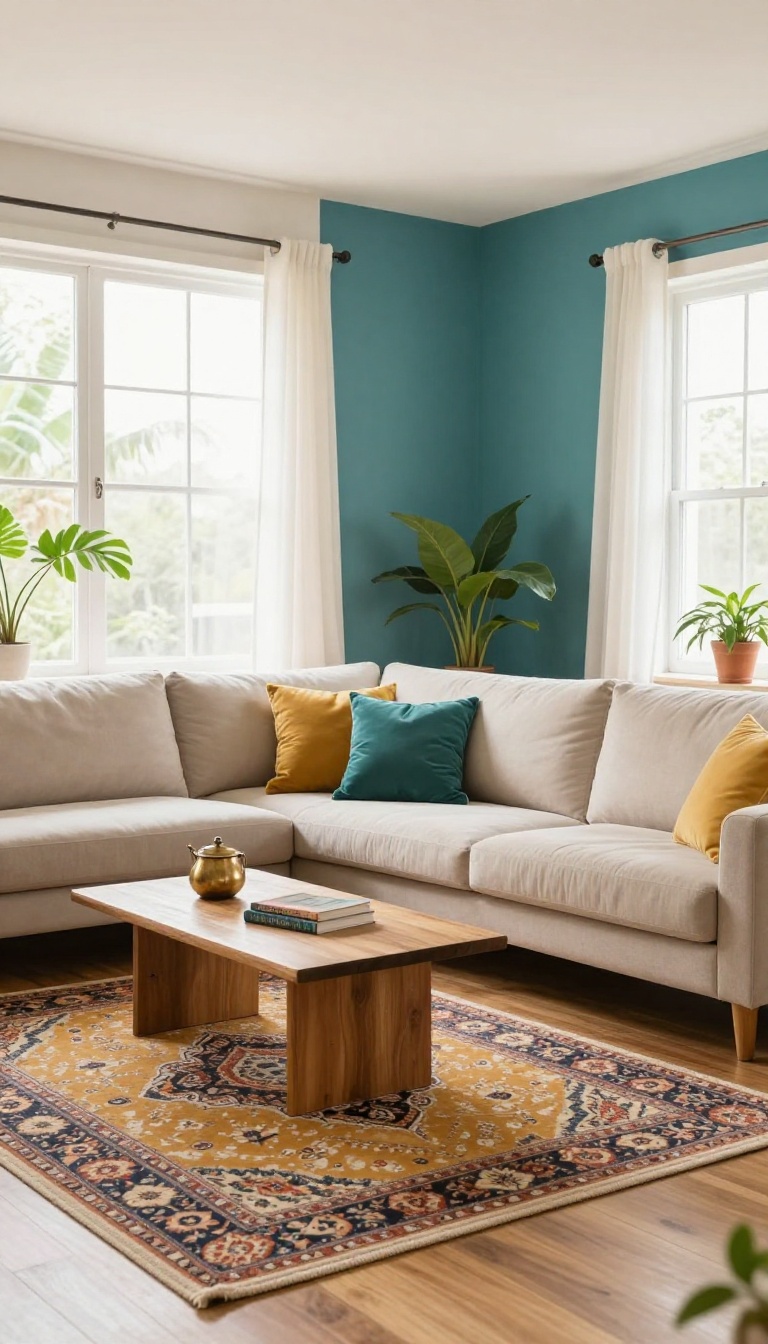
A light color palette is a classic trick for making small rooms feel airy and open. In Indian homes, where natural light can be limited, pale walls bounce light around and create a sense of calm. But going all-white can feel sterile, so the trick is to weave in bold accents that add character without making the space feel busy.
Start by painting your walls in soft whites, warm creams, or gentle pastels like mint or buttermilk. These shades reflect light and visually push the walls back, making the room feel larger than it is. Then, introduce bold colors through elements you can easily swap out—like cushions, a rug, or a single accent wall.
This way, you get personality without overwhelming the space.
Pick The Right Base Shade
Not all light colors are equal. For Indian homes, warm off-whites like ivory or oatmeal feel inviting and pair beautifully with wooden furniture. Cooler pastels like sage green or powder blue can make the room feel fresh and modern.
Test a few shades on your wall to see how they look in different lighting throughout the day.
Use Bold Accents Strategically
Once your walls are light, choose one or two bold colors—think deep teal, mustard, or terracotta—and use them in moderation. A vibrant rug can anchor the seating area, while cushions in a contrasting hue add pops of color. An accent wall behind the sofa is another great way to introduce drama without painting the whole room.
Balance Color With Neutrals
To keep the space from feeling chaotic, balance bold accents with neutral furniture and decor. A cream sofa with mustard cushions looks chic, but if the sofa is also bright, the room can feel overwhelming. Use neutral tones for large pieces like sofas and curtains, and let your accents do the talking.
4. Incorporate a Foldable or Nesting Coffee Table
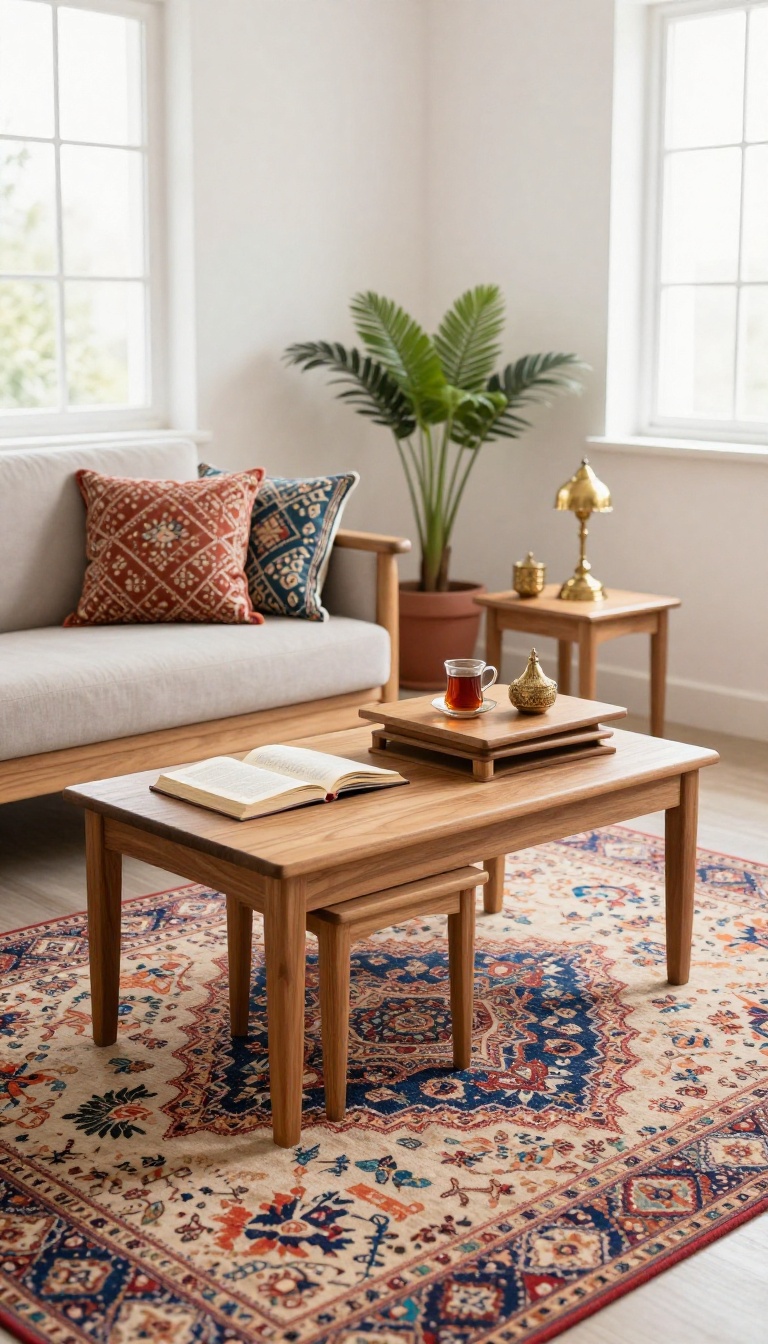
A coffee table can easily become a space hog in a small living room, especially when it's not in constant use. Foldable or nesting tables solve this by offering surface area exactly when you need it, then disappearing when you don't. It's a flexible solution that keeps your floor plan open and your room feeling larger.
Nesting tables are a classic pick—they slide neatly under each other, taking up just a sliver of space. Foldable versions, like drop-leaf or wall-mounted options, give you even more control. You can set up a full table for movie nights or tea with guests, then fold it away to clear the path for yoga or playtime.
This adaptability is a lifesaver in compact Indian homes where every square foot counts.
Why Nesting Tables Work So Well
Nesting tables are essentially three or four tables of different sizes that stack together. When you need extra surface space for snacks or board games, pull them apart and arrange them around the room. When you're done, tuck them back into a single unit that fits neatly against a wall or beside the sofa.
They're lightweight and easy to move, making them perfect for small gatherings or unexpected guests.
Foldable Options For Maximum Flexibility
If you want something even more space-saving, consider a foldable coffee table. Drop-leaf tables have hinged sides that fold down when not in use, reducing the table's footprint to a slim console. Wall-mounted fold-down tables are another clever option—they attach to the wall and flip up only when needed.
Both styles free up floor space instantly and can double as a desk or dining spot when required.
Styling And Placement Tips
Choose tables with a light finish or glass tops to keep the room visually airy. Place the nesting set near the sofa but not directly in front of the main walkway—this way, they're easy to reach but don't block movement. When folded, use the top table as a display surface for a small plant or a stack of books.
This keeps the area looking intentional rather than empty.
5. Install Floor-to-Ceiling Curtains
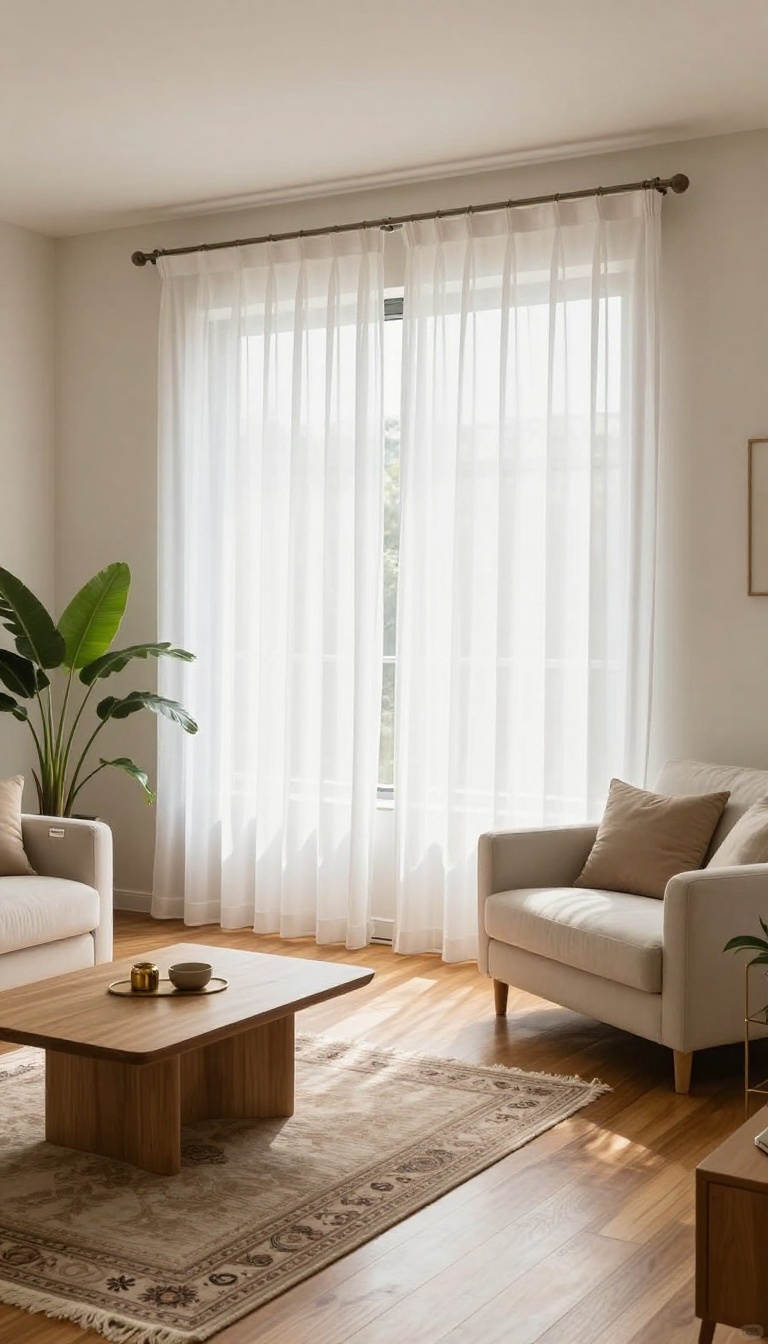
Curtains do more than block light—they can change how your room feels. In a small Indian living room, standard curtains that stop at the window sill can make the ceiling look lower and the walls feel chopped up. Floor-to-ceiling curtains, hung from just below the ceiling, create a continuous vertical line that draws the eye upward, making the room appear taller and more expansive.
The trick is to mount the rod close to the ceiling, not right above the window frame. This simple adjustment adds height instantly. Choose sheer or light fabrics like cotton or linen to let in natural light, which brightens the space and makes it feel airier.
Dark, heavy drapes can weigh the room down, so stick to soft neutrals or pastels that blend with your walls.
Choosing The Right Fabric
Light fabrics are your best friend here. Sheer curtains diffuse sunlight beautifully, creating a soft glow that makes the room feel open. If you need privacy, opt for a double rod setup—sheer panels next to the window and slightly thicker curtains on top.
This way, you get light control without sacrificing the airy feel.
Mounting Height And Width
Mount the rod 2 to 4 inches below the ceiling, and extend it 6 to 12 inches beyond the window frame on each side. This makes the window appear wider and the ceiling higher. When closed, the curtains should just graze the floor—no puddling, which can look messy and collect dust.
Styling Tips For Indian Homes
Pair these curtains with lightweight curtain rings or clips for easy gliding. If you have a traditional decor theme, choose fabrics with subtle block prints or embroidered borders in muted tones. For a modern look, go with plain linen in ivory or soft beige.
Keep the rod simple—a matte black or wooden pole works well.
6. Use Mirrors Strategically to Double the Space
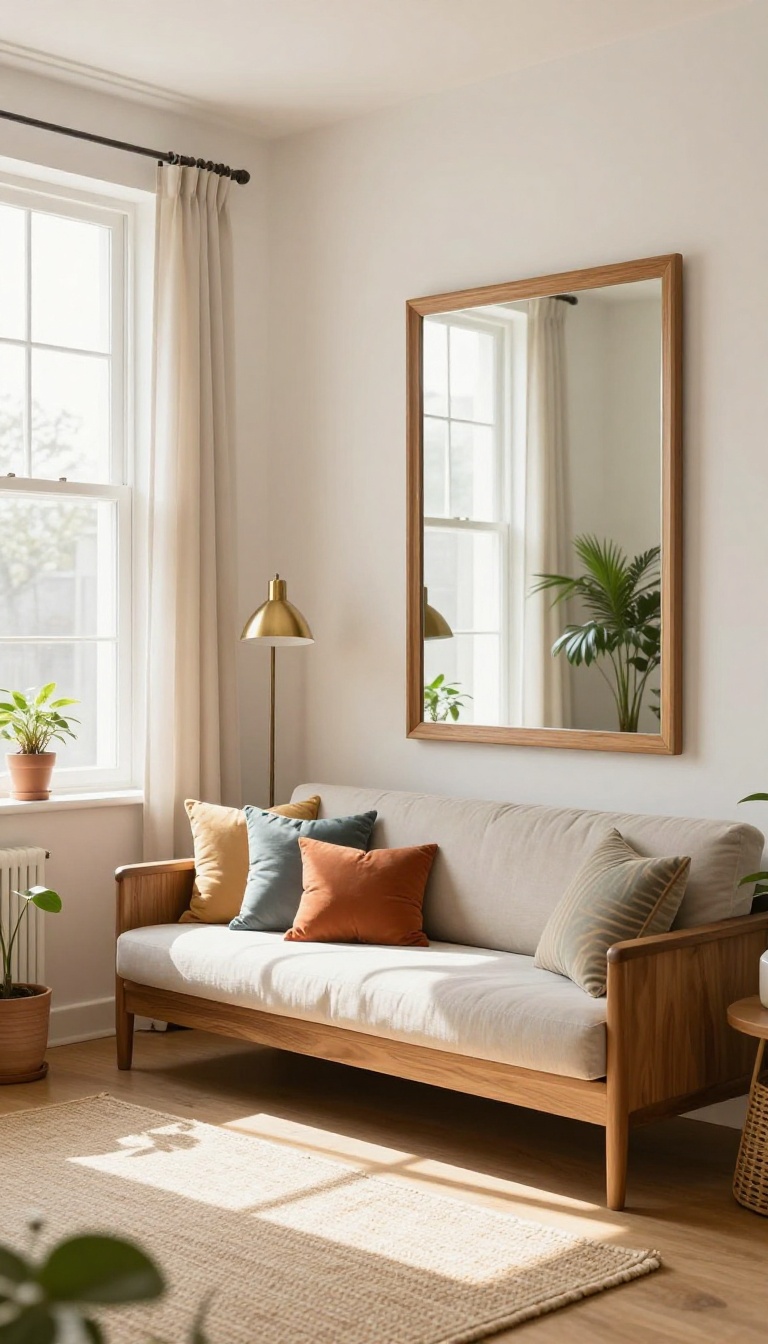
Mirrors are the oldest trick in the book for making a small room feel bigger, and they work beautifully in Indian living rooms. A well-placed mirror can bounce light around, create the illusion of depth, and even highlight a favorite corner. The best part?
You don’t need to knock down a wall or sacrifice any floor space to get the effect.
Start by figuring out what your room lacks—natural light, a view, or just a sense of openness. Then, place a mirror where it can reflect the best thing in the room, whether that’s a window, a lamp, or an interesting piece of art. The goal is to make the eye think there’s more space than there actually is.
Reflect The Window For Instant Depth
The simplest mirror trick is to hang a large mirror directly opposite a window. This doubles the daylight and gives you a glimpse of the outdoors from any seat in the room. In a small Indian living room, where windows might be limited, this can make the whole space feel brighter and more expansive.
Choose a mirror with a slim frame or no frame at all to keep the look clean.
Go Big With A Mirrored Wall Panel
If you really want to push the boundaries, consider a full-length mirrored panel on one wall. It acts like a secret doorway to another room, tricking the eye into seeing double the space. This works especially well on a wall that’s perpendicular to the main seating area.
You can use a sliding mirror panel or a fixed one, depending on your style and budget.
Use Mirrors As Decorative Accents
Not every mirror has to be huge or wall-mounted. A cluster of small mirrors in different shapes can add a playful, artistic touch while still bouncing light around. Place them near a lamp or a candle to create a warm, glowing effect in the evening.
In a traditional Indian setting, you can even use antique brass mirrors to add a touch of heritage.
7. Add a Slim Console Table Behind the Sofa
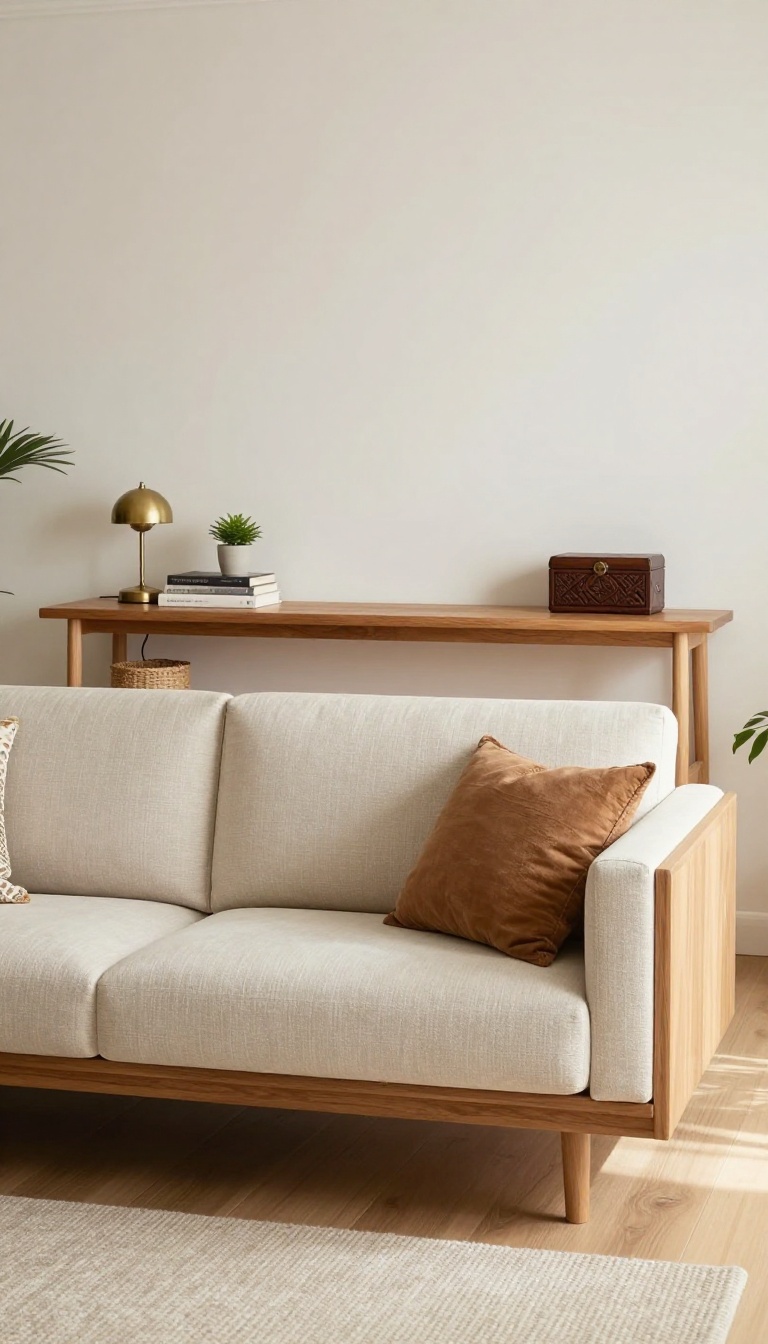
If your sofa is floating in the middle of the room, that empty strip behind it is wasted potential. A slim console table tucks into that gap, giving you a spot for a lamp, a tray for the remote, or a few framed photos. It also visually anchors the seating area, making the layout feel deliberate rather than accidental.
The beauty of this trick is that it doesn't eat into your floor space. Most console tables are only 30–40 cm deep, so they slide into tight spots without blocking walkways. In a small Indian living room, that extra surface can be a lifesaver for keeping everyday clutter off the coffee table.
What To Look For In A Console Table
The key is to keep it slim and simple. Look for a table that's no deeper than 40 cm, ideally with open legs or a light frame so it doesn't feel heavy. A wooden finish with a light tone, like sheesham or mango wood, blends well with Indian interiors.
If your room leans modern, a metal or glass top can work too. Just avoid bulky drawers or cabinets that make the piece look chunky.
Styling Ideas That Work
Use the console to create a mini vignette that adds personality. A small brass lamp, a stack of books, and a potted plant can make the area feel curated. For a traditional touch, add a carved wooden box or a small idol.
If you need extra storage, place a couple of woven baskets underneath for throws or kids' toys. The trick is to keep it tidy—clutter will make the room feel smaller.
Placement And Proportions
Make sure the console is slightly shorter than the back of your sofa, or at least not taller, so it doesn't compete visually. Leave a few inches of breathing room between the sofa and the table. If the table is against a wall, you can hang a mirror or art above it to draw the eye upward.
In a narrow room, this setup can even double as a room divider without closing off the space.
8. Create a Vertical Garden or Wall Planters
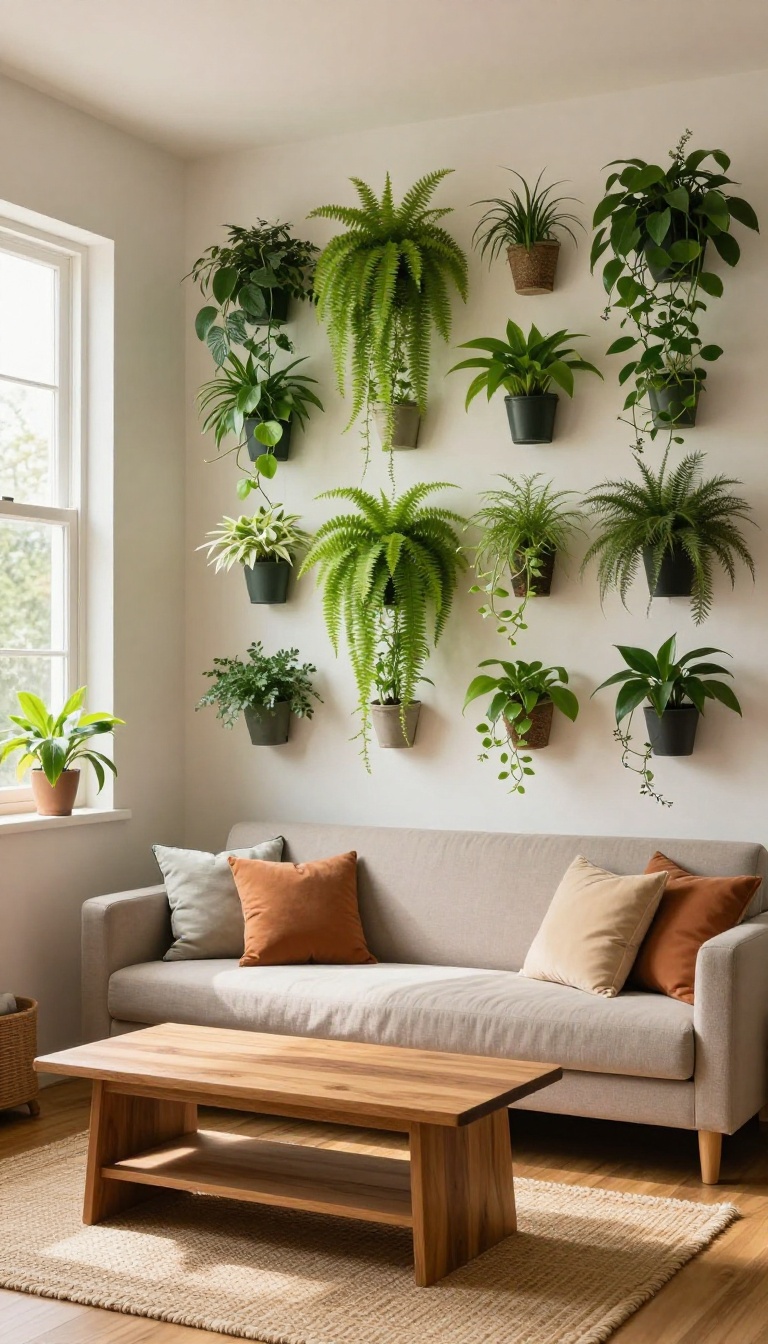
Bringing plants into a small living room can feel like a challenge, especially when floor space is already tight. But you don't need a single pot on the ground to enjoy the benefits of greenery. Vertical gardens and wall planters let you stack life upward, turning an empty wall into a lush, breathing feature.
A vertical garden isn't just a space-saver—it's a conversation starter. In a compact Indian living room, where every inch counts, mounting plants on the wall keeps your floors clear and your air fresh. Plus, the visual impact of a green wall can make the room feel more vibrant and inviting without adding clutter.
Why Go Vertical?
Floor plants can eat up valuable real estate in a small room, making it feel even tighter. Vertical planters draw the eye upward, which naturally makes the ceiling seem higher and the space more open. They also keep plants out of reach of pets and small children, and make cleaning the floor easier.
In Indian homes, where dust and humidity can be an issue, wall plants can also help improve air quality and add a touch of calm.
Choosing The Right Wall And Plants
Pick a wall that gets indirect sunlight for most of the day—an east or north-facing wall works best. Avoid walls with direct harsh afternoon sun, as it can scorch leaves. For low-maintenance options, go with pothos, ferns, spider plants, or money plants, which thrive indoors.
If you want a pop of color, add a few flowering plants like bromeliads or orchids, but make sure they get the right light.
Diy Vs. Ready-made Planters
You don't need a custom installation. Ready-made vertical planter pockets, hanging shoe organizers, or modular wall planters are affordable and easy to install. If you're crafty, you can create your own using wooden pallets, PVC pipes, or fabric pockets.
Just ensure proper drainage and use a waterproof backing to protect your wall. Start with a small section and expand as you get comfortable.
Styling Tips For A Finished Look
Mix different leaf shapes and shades of green to create texture and depth. Use a mix of trailing and upright plants for a fuller look. If you have a plain wall, a vertical garden can be the focal point—keep the surrounding decor simple.
You can also frame the planters with a thin wooden border to give it a polished, built-in appearance. Add a small spotlight above to highlight the greenery in the evening.
9. Use a Rug to Define the Seating Area
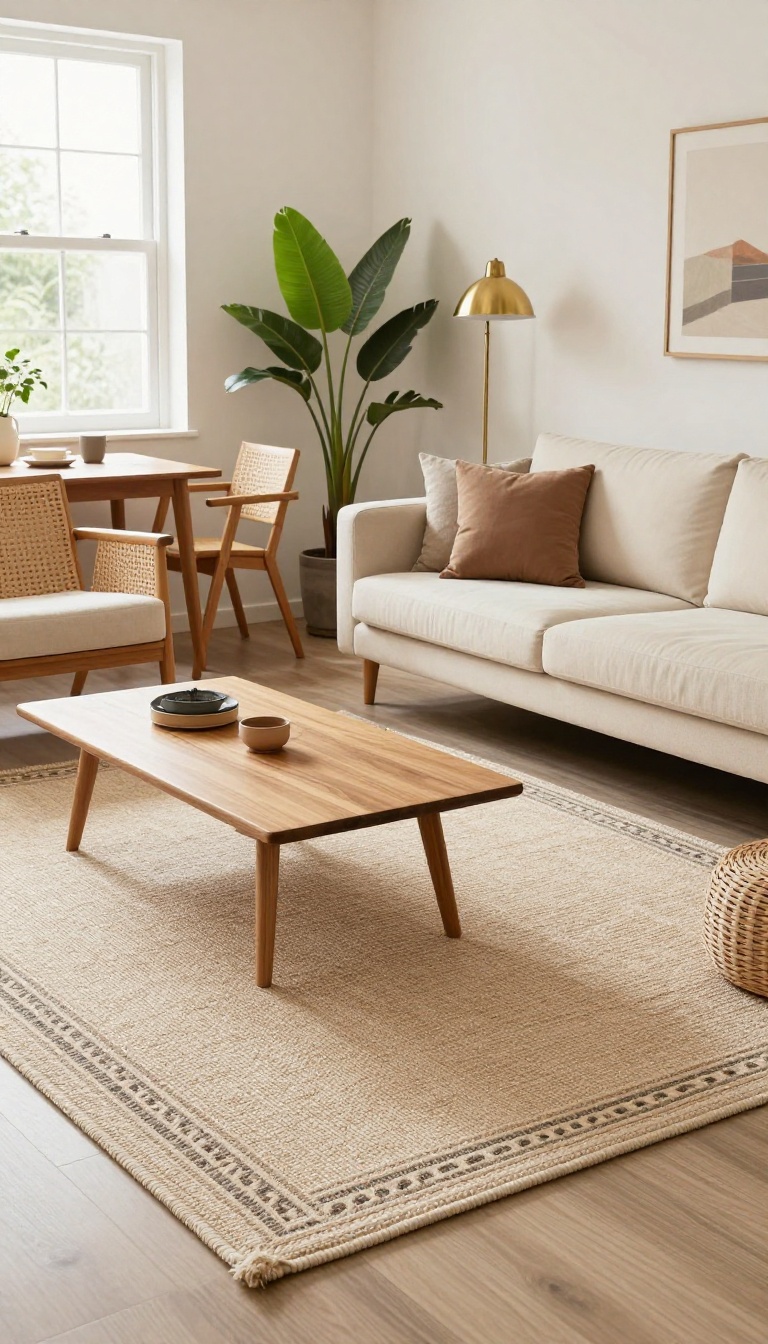
Rugs are more than just floor coverings—they're powerful tools for zoning a small room. In a compact Indian living room, a well-placed rug can anchor your seating arrangement and visually separate the living area from the dining or entry space. This simple addition brings warmth, texture, and a sense of order without adding a single wall.
When your living room shares space with other functions, a rug acts as a visual boundary. It tells the eye where the 'living' happens, making the room feel intentional and finished. Plus, it adds a layer of comfort underfoot, especially if you have hard tile or marble floors.
Size And Placement Matter
For a standard sofa setup, choose a rug large enough to fit under the front legs of your sofa and chairs. This creates a unified seating zone and prevents the furniture from looking like it's floating. In a very small room, you can opt for a rug that fits entirely under a coffee table with just the front legs of surrounding furniture resting on it.
Avoid rugs that are too small—they can make the space feel choppy.
Choosing The Right Material And Pattern
In India's climate, breathable natural fibers like cotton, jute, or wool are great choices. They're durable and easy to clean. For high-traffic areas, go for a low-pile or flat-weave rug that won't trap dust.
When it comes to patterns, a subtle motif or a solid color with texture can add interest without overwhelming the room. If you love bold prints, keep the rest of your decor neutral to let the rug shine.
Layering Rugs For Extra Style
Layering a smaller, patterned rug over a larger, neutral one is a clever way to add depth and personality. This works especially well if you have a plain carpet or a large area that needs definition. Just make sure the top rug is centered and doesn't create a trip hazard.
It's an easy way to refresh your space without a major investment.
10. Incorporate a Window Seat with Storage
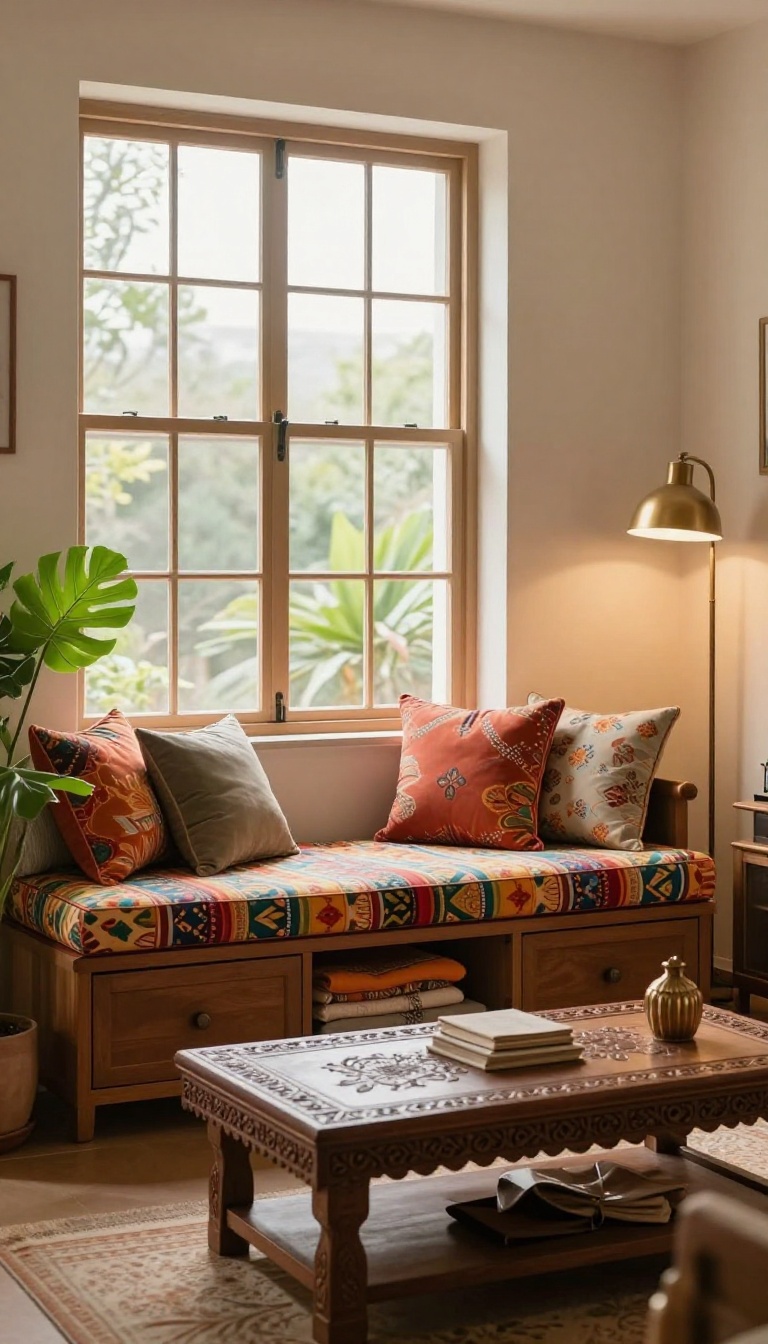
Windows are often overlooked in small living rooms, but they offer a prime spot for adding both charm and function. A window seat with built-in storage transforms an ordinary nook into a cozy retreat that also helps you declutter. It’s a smart way to maximize every inch, especially in Indian homes where space is precious.
A window seat isn’t just for lounging—it’s a multitasking hero. The built-in drawers or cabinets underneath give you a hidden home for things like extra cushions, board games, or kids’ toys that would otherwise clutter your floors. Plus, the seat itself becomes an inviting perch for reading, chatting, or simply enjoying a cup of chai while looking outside.
You can customize the size to fit your window, and the upholstery can match your room’s vibe, from vibrant prints to neutral weaves.
Choosing The Right Dimensions
Start by measuring your window’s width and the available floor depth. For a comfortable seat, aim for a depth of at least 18–20 inches, so you can sit with cushions without feeling cramped. If your room is very narrow, a shallower seat with a backrest can still work.
Consider the height too—standard chair height (around 18 inches) is most versatile, but you can go lower for a lounging vibe.
Storage That Works For You
The storage underneath can be tailored to your needs. Deep drawers are great for bulky items like blankets, while cabinets with shelves work well for books or decorative bins. If you have kids, use pull-out bins that they can easily access and tidy away.
For a seamless look, add handles that blend with your decor, or go for push-to-open mechanisms to keep the front clean.
Styling Your Window Seat
Make it inviting with plush cushions and a few throw pillows in fabrics that complement your living room palette. Add a slim wooden or metal shelf above the window for plants, framed photos, or small decor pieces. For privacy, sheer curtains or bamboo blinds can soften the light without blocking the view.
If you have a radiator or AC unit below the window, skip the seat and instead use the ledge for display.
11. Use Multi-Functional Furniture Like a Storage Ottoman
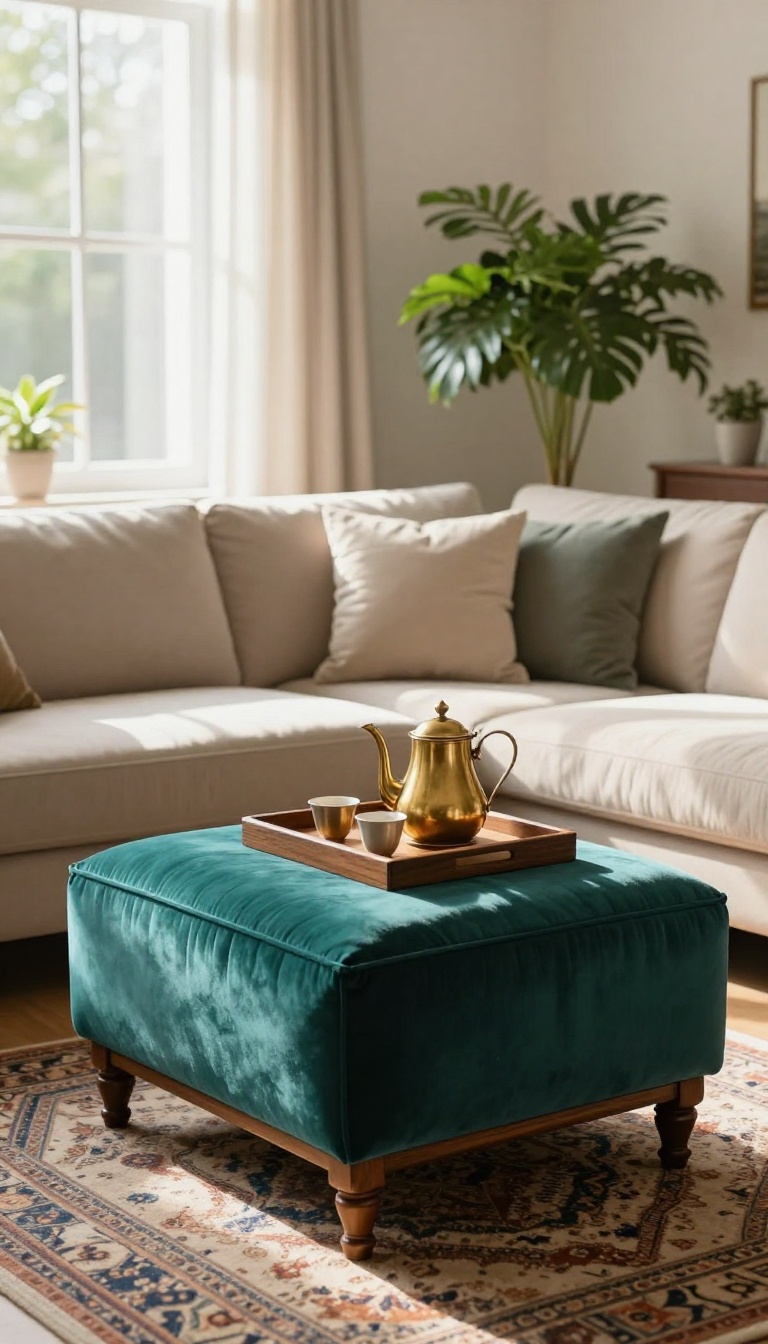
When space is tight, every piece of furniture should earn its keep. A storage ottoman is a small-room superhero: it gives you a place to put your feet up, an extra seat when guests drop by, and a hidden spot to stash the clutter that tends to pile up in a living room. In an Indian home, where family gatherings and chai sessions are a daily affair, this one piece adds function without taking up extra floor space.
It's a simple swap that makes your room feel more organized and more welcoming.
A storage ottoman is a versatile addition to any small living room. It can act as a footrest, a coffee table (when topped with a tray), or even a makeshift side table. The hidden compartment inside is perfect for storing remote controls, magazines, extra cushion covers, or kids' toys—all the little things that usually end up cluttering your surfaces.
Choose an ottoman that complements your existing decor. In Indian homes, you can find options in rich fabrics like velvet or jute, or with carved wooden legs that add a touch of tradition. A round or square shape works best, and a size that fits comfortably in front of your sofa or beside an armchair is ideal.
Why It Works In Small Spaces
The beauty of a storage ottoman is that it consolidates several pieces of furniture into one. Instead of having a separate coffee table, footstool, and storage bin, you get all three in a single, compact unit. This frees up valuable floor space and reduces visual clutter, making your living room feel larger and more open.
Plus, because it's lightweight and easy to move, you can reposition it whenever you need extra seating or a place to set down snacks. It's flexible furniture that adapts to your needs.
Styling Tips For An Indian Living Room
To make your ottoman blend seamlessly with your decor, consider the fabric and color. In a traditional setting, a deep maroon or mustard velvet ottoman can add a rich pop of color. For a more modern look, choose a neutral tone like beige or grey that matches your sofa.
Top it with a wooden or metal tray to create a stable surface for cups or decor. You can also drape a small throw or a few cushions on it when not in use, which adds texture and makes the room feel cozy.
Where To Place It
The most common spot is in front of your sofa, where it can serve as a footrest or coffee table. If your seating arrangement is L-shaped, place it in the corner to fill an awkward gap. You can also use it beside a chair as a side table or as a standalone seat near a window.
Just make sure it doesn't block walkways. In a small room, keeping paths clear is essential for a smooth flow.
12. Add a Fold-Down Wall Desk or Workstation
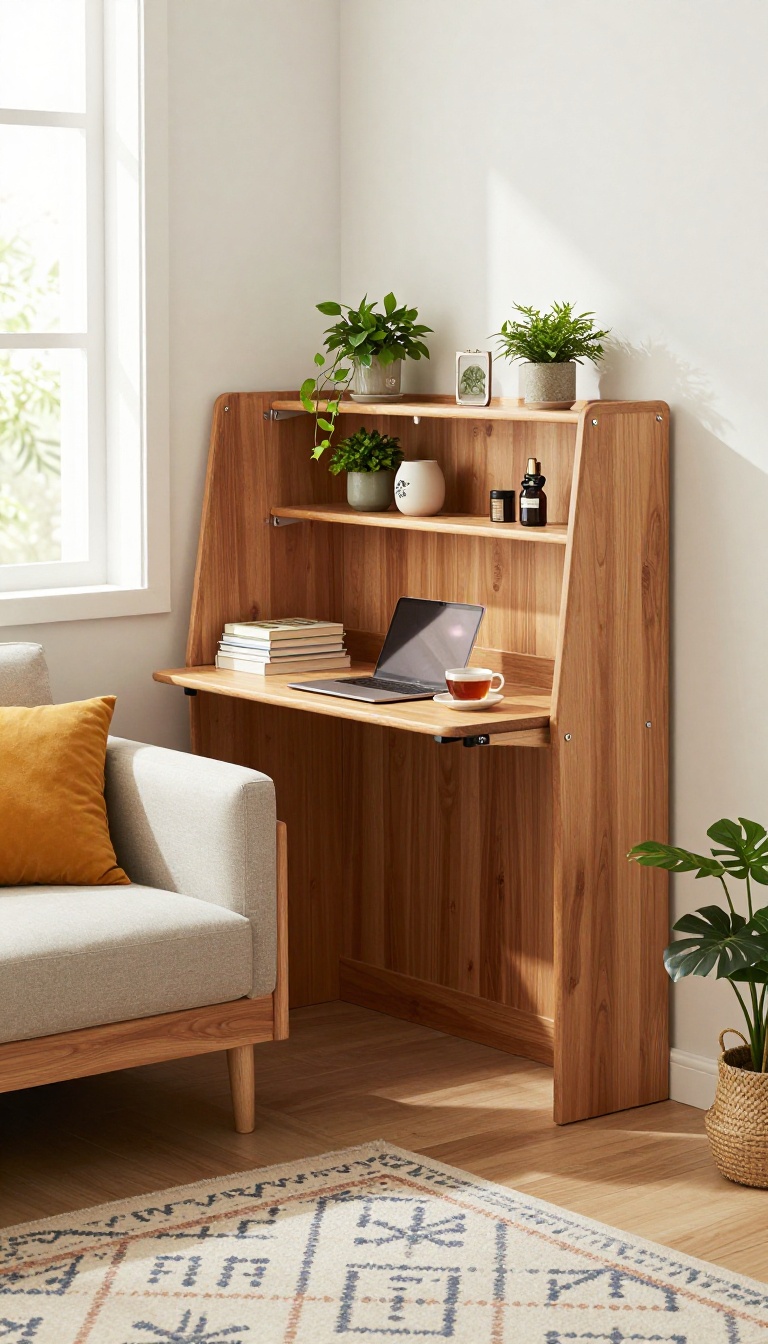
A fold-down desk is a lifesaver when your living room doubles as a home office or study nook. It gives you a dedicated spot to work or pay bills without permanently eating up floor space. When you're done, just fold it back up and the room returns to its relaxing purpose.
Wall-mounted desks are brilliant for small Indian homes where every square foot counts. They tuck away neatly, leaving your living room open and airy. Plus, they add a touch of modern utility that blends seamlessly with your decor.
Choose The Right Spot
Pick a wall that's not in the main walkway but still feels part of the room. A corner near a window works well, giving you natural light during the day. Make sure there's enough clearance for a chair when the desk is down.
Keep It Neat With Built-in Storage
Look for designs with small shelves or cubbies above the fold-down top. These hold stationery, files, or a few books, so everything has a home. When the desk is closed, the shelves become a display area for plants or decor.
Style It To Match Your Room
Choose a finish that complements your furniture—wood tones for a warm look, or a sleek white for a modern vibe. Add a small lamp and a comfortable chair that can slide under when not in use. This keeps the area looking intentional, not temporary.
13. Use a Corner Shelf for Display and Storage
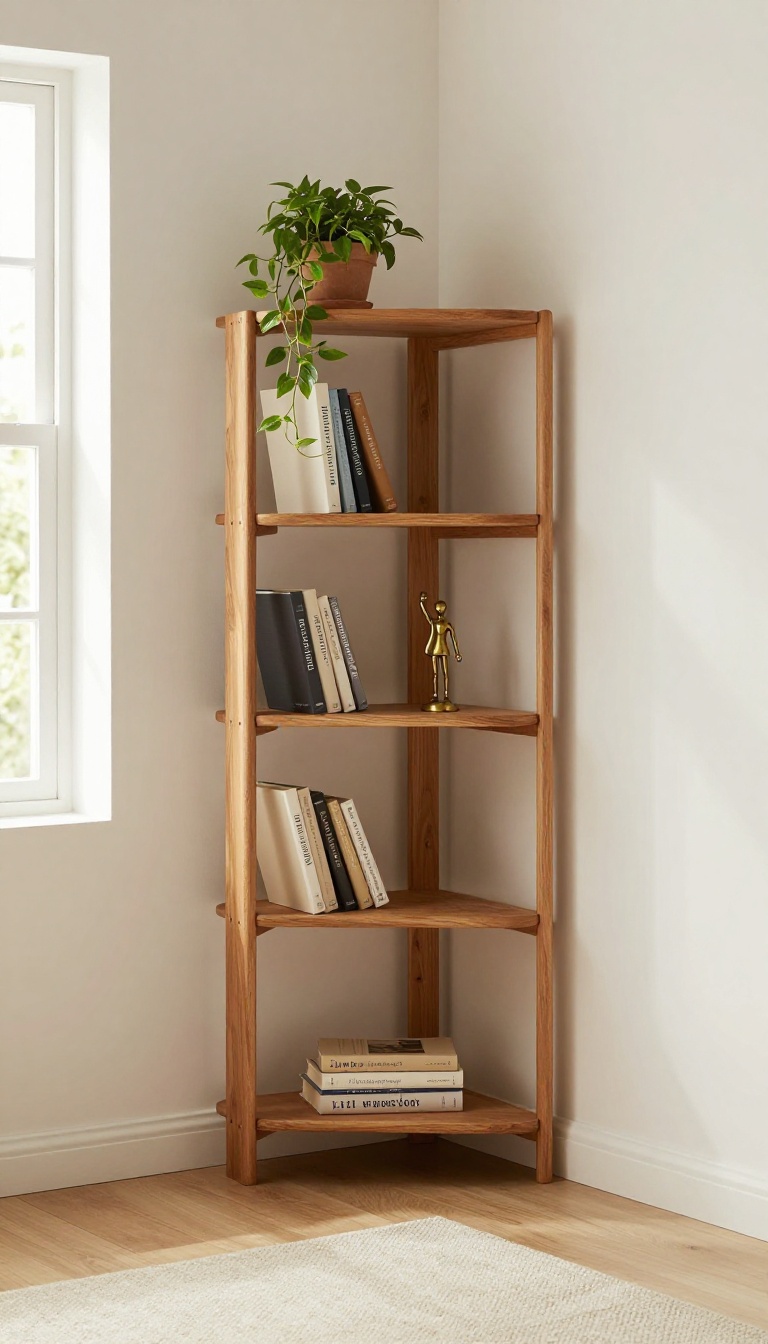
Corners often go unnoticed in small living rooms, becoming dumping grounds for random items or just empty space. But a corner shelf can turn that awkward spot into a functional and stylish feature. It’s a simple way to add storage without eating into your floor area, which is precious in a compact Indian home.
A tall, slim shelf unit fits neatly into a corner, giving you vertical storage for books, plants, or decorative pieces. This keeps the rest of the room clutter-free and draws the eye upward, making the ceiling feel higher. You can choose an open design to keep things airy or one with closed cabinets for a cleaner look.
Choosing The Right Corner Shelf
Measure your corner first to ensure the shelf fits well. Look for units that are narrow but tall, with enough shelves to hold your items. Materials like wood or metal work well—wood adds warmth, while metal gives a modern touch.
If space is really tight, consider a floating corner shelf that mounts on the wall, saving even more floor space.
Styling Your Corner Shelf
Mix function with style by grouping items in odd numbers—three books, a small plant, and a brass figurine create visual balance. Keep frequently used items like remote controls or keys in a small basket on a lower shelf. On the top shelf, place a trailing plant or a framed photo to add personality without making the corner feel crowded.
Making The Most Of Vertical Space
In a small room, going vertical is your best friend. A corner shelf uses height to store things that would otherwise take up floor space. Use it to store extra cushions, folded throws, or even a small collection of dinnerware if you’re short on cabinet space.
This keeps everything accessible while leaving your living area open and uncluttered.
FAQ
What is the best color scheme for a small Indian living room?
Light colors like white, cream, beige, and pastel shades work best as they reflect light and make the room feel larger. You can add bold accents through cushions, curtains, or a single accent wall to add character without overwhelming the space.
How can I make my small living room look bigger without renovation?
Use mirrors to reflect light, choose furniture with exposed legs to create a sense of openness, and keep the floor clear by using wall-mounted storage. Also, opt for light-colored curtains and rugs to visually expand the area.
What type of sofa is ideal for a very small Indian living room?
A compact two-seater or a loveseat with a low back and slim arms is ideal. Alternatively, consider a sofa-cum-bed or a modular sofa that can be rearranged to suit your needs. Avoid bulky, overstuffed sofas that dominate the room.
How do I arrange furniture in a long, narrow living room?
Place the sofa against one long wall and chairs opposite, leaving a clear pathway. Use a rug to define the seating area and add a slim console or shelf along the other wall for storage. Avoid pushing all furniture against the walls to create a more intimate setup.
Are there any traditional Indian decor elements that work well in small spaces?
Yes, you can incorporate elements like a low wooden stool (piri), a jute rug, or brass accents. Use wall-mounted hanging shelves (like a 'jharokha' style) to display artifacts without taking up floor space. These add cultural charm without cluttering the room.
Conclusion
Making the most of a small Indian living room is all about smart choices and creative thinking. By focusing on multifunctional furniture, light colors, and clever storage, you can create a space that feels open, inviting, and complete.
Remember, every inch counts, but you don't have to sacrifice style for functionality. Start with a few of these ideas, and you'll see how your compact living room can become the heart of your home—finished, comfortable, and uniquely yours.