10 Space-Saving Living Room TV Unit Ideas for a Sleek Modern Look
Your TV unit does more than hold the screen—it shapes how the whole room feels and functions. Yet many living rooms end up with a bulky cabinet that eats space or a bare wall that feels unfinished.
The sweet spot is a design that matches your habits, from binge-watching to hosting game nights. That's where these 10 modern concepts come in, each tackling a specific layout or style challenge.
Whether you're hiding cords, maximizing a corner, or adding warmth with wood and metal, there's a fresh approach here. Pick one that fits your space, and you'll turn a utilitarian piece into a real design win.
1. Floating Console for a Sleek Look
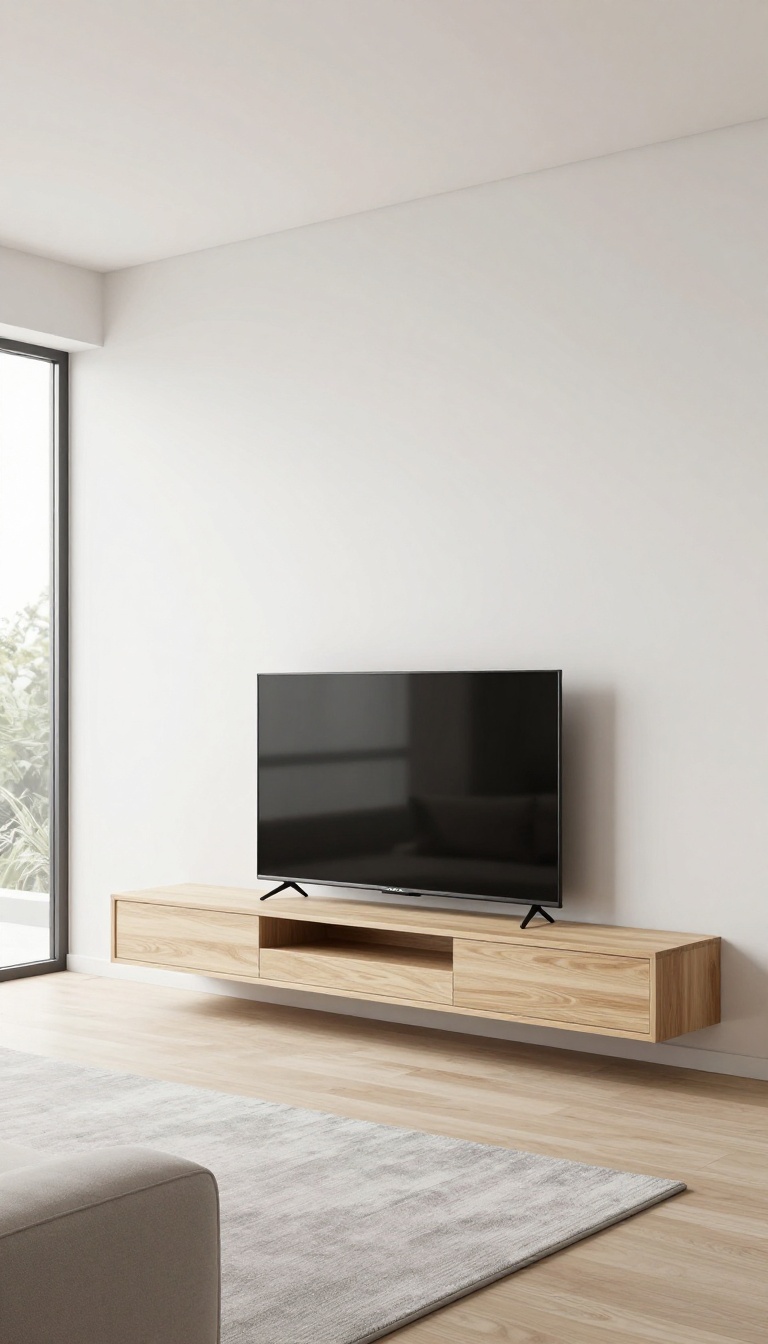
A floating console changes the entire feel of a room by lifting the TV off the floor. It creates a clean, open look that’s especially welcome in tight spaces. Because it’s mounted to the wall, you get more floor area for walking or placing a rug, and cleaning underneath becomes a quick sweep instead of a furniture-moving chore.
Floating consoles are a favorite in modern design because they make a room feel larger and less cluttered. The absence of legs or a base removes visual bulk, letting the wall and floor breathe. This style works well in apartments, condos, or any living room where square footage is precious.
Plus, the streamlined silhouette pairs easily with various decor themes, from minimalist to industrial. When choosing a floating console, pay attention to the depth and height. You want it shallow enough to keep the walkway clear but deep enough to hold your media components.
Standard depth is around 12 to 16 inches, which suits most TVs and soundbars. Mounting it at eye level when seated ensures comfortable viewing, and you can always adjust the height based on your room’s layout. One of the biggest wins with a floating console is the ease of maintenance.
No more wrestling with a heavy cabinet to vacuum behind it. Just run a dust mop or robot vacuum underneath, and you’re done. This is a practical upgrade for busy households or anyone who values a tidy space without extra effort.
Choosing The Right Height And Depth
The ideal mounting height depends on your seating arrangement and how you use the TV. As a rule, the center of the screen should be at eye level when you’re sitting. For the console itself, position it a few inches below the TV’s bottom edge, leaving room for cables and a soundbar if needed.
Depth matters too—too shallow and components stick out, too deep and it eats into the room. Measure your gear first, then pick a console that fits comfortably.
Hiding Cords For A Clean Finish
A floating console looks best when cords are out of sight. Use a cable management kit that runs wires through the wall, or attach a cord cover that matches your wall color. You can also install a power strip inside the console and drill a small hole in the back to pass cables through.
This keeps everything tidy and prevents a tangled mess from ruining the sleek look.
Styling Around The Console
Since the console is minimal, you can add personality with decor above and around it. A large piece of art or a framed photo leans nicely against the wall. Place a few books or small plants on top to bring life to the space.
Keep the surface uncluttered—just a couple of items—to maintain that airy feel. The goal is to complement the floating design, not overpower it.
2. Modular Units That Grow With You
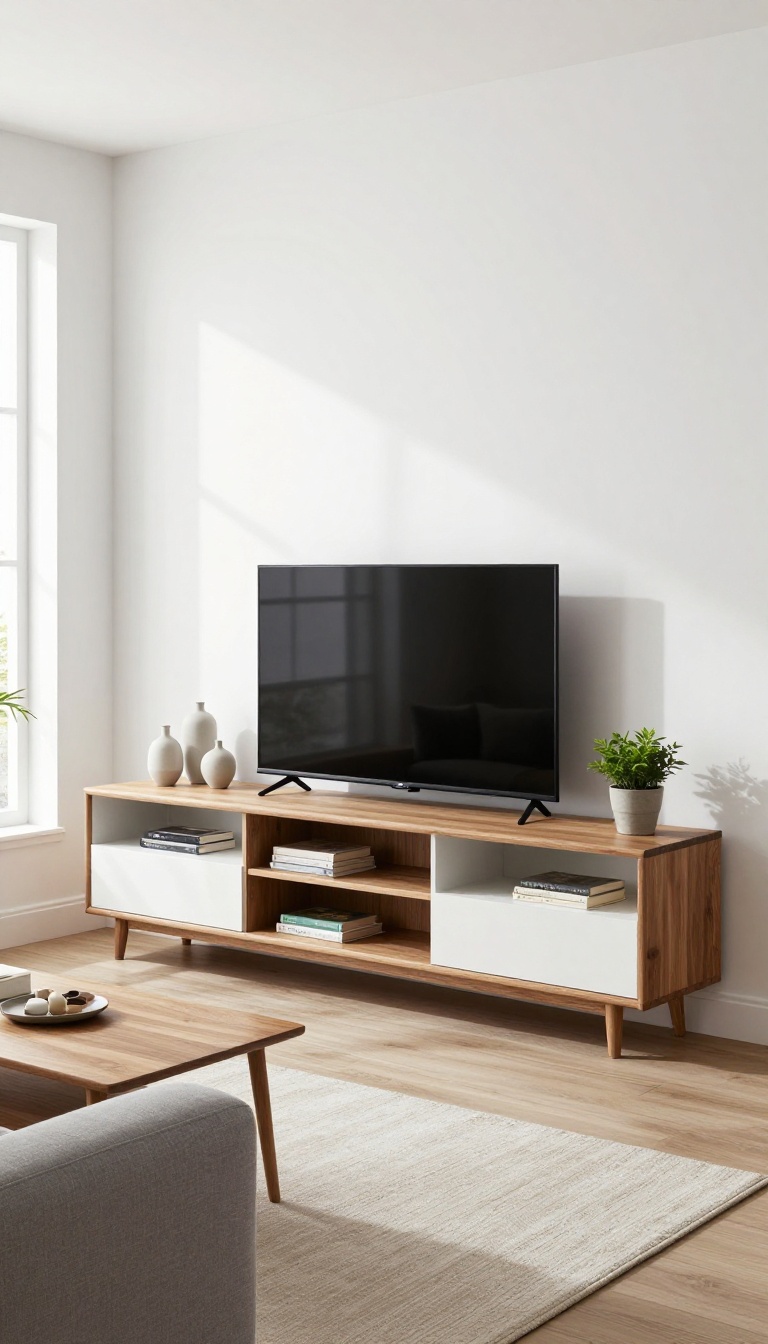
Life changes, and so does your living room. A modular TV unit is built for that reality, letting you add, remove, or rearrange shelves and cabinets as your needs shift. Instead of being stuck with a fixed piece, you get a system that adapts—whether you're downsizing, moving, or just want a fresh look.
Modular units are the chameleons of the TV stand world. They come as separate pieces—cabinets, shelves, and drawers—that you can combine in countless ways. Start with a simple base, then expand when you need more storage for books, games, or decor.
The flexibility is a game-changer for renters, frequent movers, or anyone who likes to refresh their space without buying new furniture.
Start Small, Expand Later
One of the smartest things about modular units is that you don't have to fill the whole wall right away. Begin with a low console and a couple of shelves, then add more as your collection grows. This approach is budget-friendly and keeps the room from feeling cluttered from day one.
Plus, you can always reconfigure when your taste changes.
Mix And Match Finishes
Modular systems often let you choose different finishes for each piece. You can pair a walnut base with white shelves, or go for a mix of matte black and oak. This lets you create a custom look that feels intentional, not accidental.
It's an easy way to tie in other furniture or add a pop of color without overpowering the room.
Perfect For Renters
If you move often, modular units are a lifesaver. They're usually easy to disassemble and transport, and you can adapt them to different wall sizes and layouts. No more worrying about whether your TV stand will fit in the next place.
Just reconfigure and you're good to go.
3. Built-In Shelving for a Seamless Finish
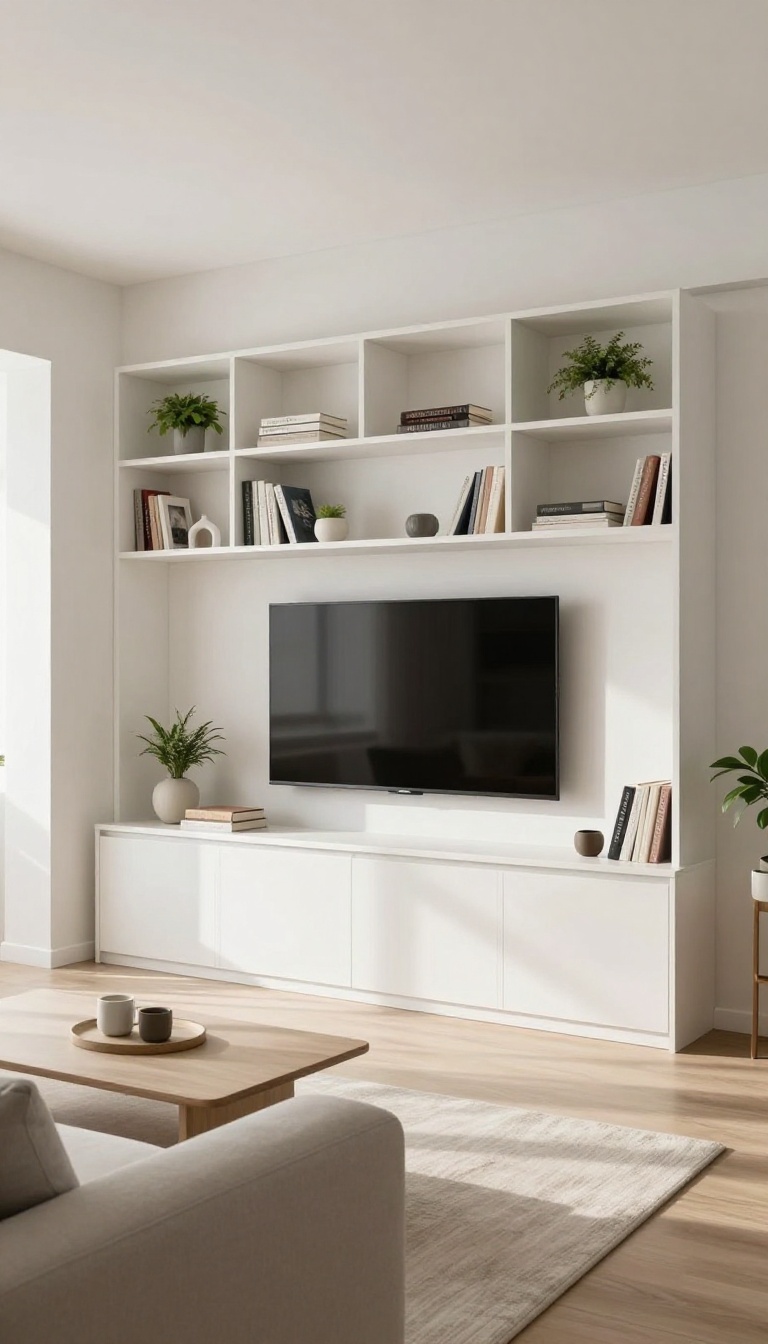
Sometimes the best way to make a TV feel at home is to let it disappear into the wall. Built-in shelving wraps your screen in custom joinery that matches your room's architecture, creating a look that feels intentional rather than added on. This approach is a favorite for living rooms that double as media spaces, because it hides clutter and draws the eye upward.
Built-ins turn the wall into a functional feature, with the TV at the center and shelves, cabinets, or drawers flowing around it. You can tailor the design to your storage needs—closed cabinets for electronics, open shelves for books and plants, and maybe a spot for the soundbar. The result is a clean, integrated look that makes your living room feel more polished and less cluttered.
Plan The Layout Around Your Viewing Habits
Before you start building, think about how you actually use the TV. Do you watch mostly at night with the lights low? Then consider adding LED strip lighting behind the TV to reduce eye strain.
If you have kids, you might want lower cabinets with soft-close doors to hide toys and games. The key is to design the built-in around your daily routine, not just the size of the TV.
Choose Materials That Blend Or Contrast
For a truly seamless finish, match the built-in's color and material to your wall or trim. White or light gray works well in most modern spaces. If you want a bit more warmth, try wood veneer or matte black for a bold contrast.
Remember that the built-in will be a permanent feature, so pick something you won't tire of quickly.
Don't Forget Cable Management
One of the biggest perks of built-ins is hiding all those cables. Plan for a channel behind the TV that runs down to a power outlet and a shelf for your cable box or streaming device. You can also install a small ventilation fan if you're enclosing electronics in a tight space.
Getting this right from the start saves you from a messy tangle later.
4. Low Profile Media Stand for a Minimalist Vibe
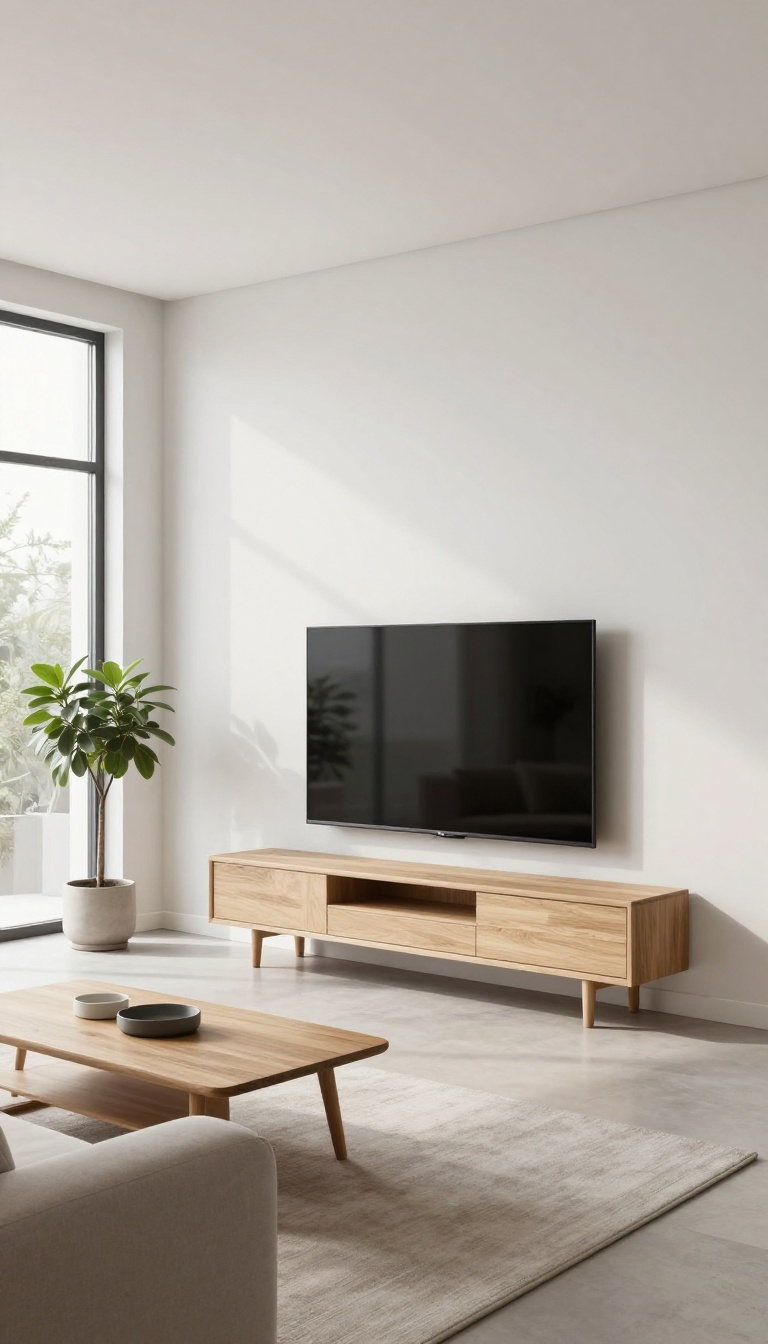
If your living room leans clean and calm, a low profile media stand might be exactly what you need. This style keeps everything grounded, drawing the eye horizontally rather than upward. It’s a favorite in modern and Scandinavian homes because it feels airy and uncluttered, even in smaller spaces.
The trick is letting the stand disappear into the room’s overall design.
A low media stand is all about proportion and simplicity. It sits close to the floor, often with short legs or a solid base, and it usually stretches wide to balance the TV above. This creates a stable, grounded look that doesn’t compete with other furniture.
You’ll often see these in light woods, matte whites, or soft grays—finishes that blend rather than shout. Because the stand is low, it also opens up the wall above, making the room feel taller than it is. That’s a subtle but powerful trick for cozy apartments or open-plan spaces that need a little visual breathing room.
Why Low Works So Well
The main appeal is the visual weight. A tall, bulky cabinet can dominate a room, but a low stand recedes, letting the TV and the wall art or shelves take the spotlight. It also aligns with the natural sightline when you’re sitting on a sofa, so you don’t have to tilt your head up.
For families with kids or pets, a low profile is safer—no wobbly towers to worry about. And because it’s close to the ground, it’s easier to access cables and components without stretching.
Styling Tips For A Clean Look
Keep the surface minimal. A single plant, a small sculpture, or a soundbar is enough. Avoid stacking remotes or game controllers in the open—use drawers or baskets to hide the clutter.
Choose a media stand with cable management holes or a back panel to keep cords out of sight. In a Scandinavian setup, pair it with a light oak or ash finish and soft textiles like a wool rug. In a modern space, go for a matte black or white laminate with a sleek, handleless design.
The key is to let the stand be a quiet foundation, not a focal point.
Picking The Right Size
Measure your TV and your wall. The stand should be wider than the TV—about two-thirds of the TV’s width or more—to feel balanced. The height should be around 15 to 20 inches from the floor, depending on your seating.
If you’re mounting the TV on the wall, leave a few inches of breathing room between the TV and the stand. For a minimalist vibe, choose a stand with closed storage or open shelves only for a few curated items. Avoid overcrowding the space around it.
5. Corner TV Unit to Maximize Awkward Spaces
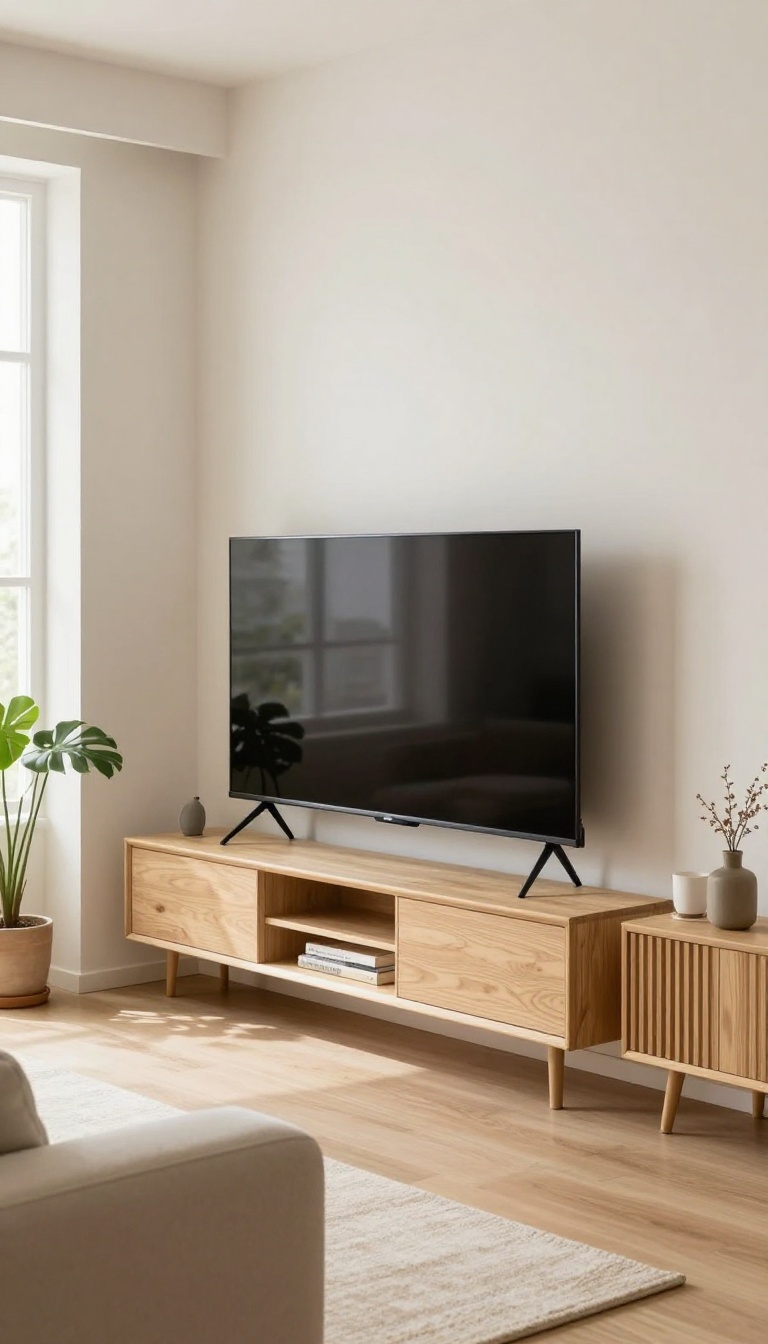
Corners often become dumping grounds for random chairs or forgotten plants. But that awkward spot can actually be the perfect home for your TV, especially in open-plan or oddly shaped rooms. A dedicated corner unit turns a wasted nook into a functional focal point, freeing up your main walls for seating, shelving, or art.
Instead of fighting the layout, you work with it. Corner designs range from sleek floating shelves to compact cabinets that tuck neatly into the angle. The result is a cozy, dedicated entertainment zone that feels intentional—not like an afterthought.
A corner TV unit is a smart solution when your room's layout doesn't offer a clear, flat wall for the screen. It can also help define separate zones in a larger space, like keeping the TV area distinct from a dining nook. By using the corner, you open up the rest of the room for furniture arrangement and traffic flow.
When choosing a corner unit, consider the viewing angle. Ideally, the TV should be at eye level when you're seated, and the unit should allow for some swivel if possible. Also, think about storage: do you need space for media components, games, or just a few decorative items?
Many corner units come with open shelves, closed cabinets, or a mix of both. Installation can be straightforward, but make sure to measure the corner's angle—not all are perfect 90 degrees. Some units are designed to fit snugly into standard corners, while others are more flexible.
If you're handy, you could even build a custom unit to match your exact space and style.
Types Of Corner Tv Units
There are several styles to consider, depending on your needs. Floating corner shelves are minimal and great for small TVs, giving a light, airy feel. Corner entertainment centers offer more storage, with cabinets and drawers for electronics and accessories.
Swivel corner stands let you adjust the screen angle for viewing from different parts of the room. And if you want a built-in look, a corner media wall with integrated shelving can be a showstopper.
Placement And Viewing Tips
Place the unit so the TV is at a comfortable height—typically the center of the screen is at eye level when you're seated. If the corner is near a window, be mindful of glare. You can also angle the unit slightly to reduce reflections.
For larger rooms, consider a unit with a swivel mount so you can watch from the sofa or the dining area. And don't forget to plan for cable management; many corner units have built-in channels or you can use cord covers.
Styling Your Corner Setup
Since the corner unit becomes a focal point, style it thoughtfully. Add a plant or a floor lamp on one side to balance the visual weight. Use baskets or bins on shelves to hide clutter.
If your unit has open shelves, display a few books or decorative objects. The goal is to make the corner feel intentional, not crammed. You can also paint the wall behind a contrasting color to make the area pop.
6. Open Shelving for Display and Easy Access
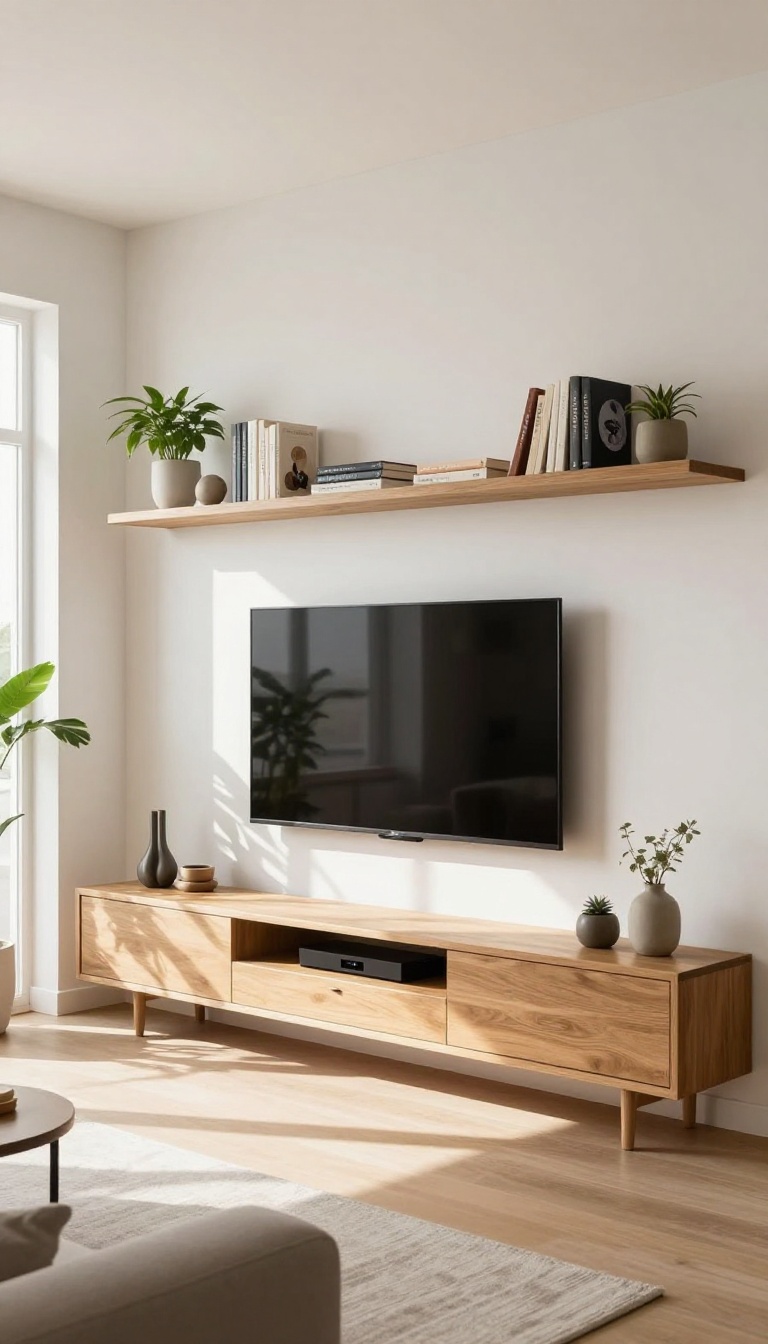
Some TV units hide everything behind closed doors, but that can make the room feel a bit sterile. Open shelving flips that idea, letting you show off the things that make your space feel like yours. It's a practical way to keep your media area organized without losing personality.
Mix open and closed storage to get the best of both worlds. You can display your favorite books, plants, or collectibles on the open shelves, while keeping cables, gaming consoles, and other clutter tucked away in cabinets or drawers below. This balance adds visual interest and keeps the essentials within easy reach.
Balance Display And Concealment
The key is to avoid going all-open, which can look messy, or all-closed, which feels boxy. Use a combination: perhaps a closed lower section for electronics and a few open shelves above or on the sides. This way, you can hide the ugly stuff but still have a spot to show off that new coffee table book or a small plant.
Styling Your Shelves
When arranging your open shelves, think in odd numbers and vary the heights. Stack a few books horizontally, lean a framed photo, and add a trailing plant for softness. Leave a little breathing room between items so it doesn't feel cluttered.
The goal is a curated look that feels intentional, not like a storage unit.
Easy Access For Daily Use
Open shelving isn't just about looks—it's also about convenience. Everyday items like the remote, a pair of glasses, or your favorite streaming device can live on a low shelf, so you don't have to dig through drawers. Just remember to dust regularly, because everything is visible.
A quick weekly wipe keeps it looking fresh.
7. Sliding Door Panels to Hide the TV
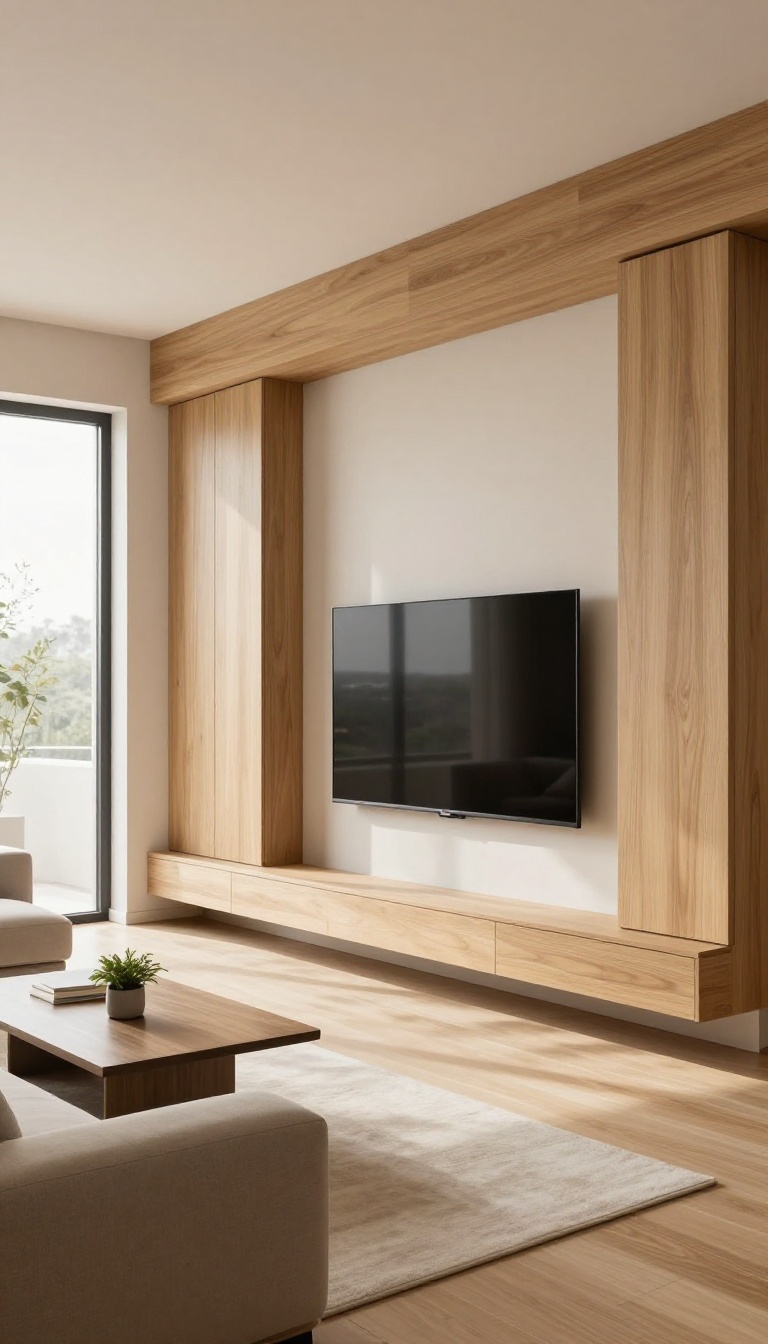
A TV can dominate a room even when it's off, especially if you prefer a calm, uncluttered look. Sliding door panels offer a clever way to keep the screen accessible yet out of sight, turning your media wall into a seamless part of the decor. This setup works wonders in open-plan spaces or rooms that double as home offices and play areas, where you want the option to hide the screen instantly.
The concept is straightforward: mount your TV flat against the wall, then cover it with panels that slide along a track. When you want to watch, simply glide the panels aside. When you're done, close them for a clean, furniture-like appearance.
This isn't just about aesthetics—it also protects the screen from dust and curious little fingers. What makes sliding panels so appealing is their flexibility. You can choose panels that match your cabinetry, go for a bold contrast, or even use them as a canvas for art.
The track system can be installed on the ceiling or floor, depending on your room's structure. With the right hardware, the panels move smoothly and quietly, so the hidden TV never feels like a hassle.
Why Sliding Panels Beat A Cabinet
Unlike a bulky entertainment center, sliding panels don't eat up floor space. They sit flush against the wall, making the room feel larger and more open. You also avoid the 'big black box' look that many cabinets create.
Plus, you can customize the panel material—wood, laminate, or even chalkboard paint—to add texture and personality to your room.
Making It Work In Multi-purpose Rooms
If your living room also serves as a home office or a playroom, sliding panels are a game-changer. You can hide the TV during work hours or when kids need to focus on homework. It also helps reduce distractions during family conversations or game nights.
The panels can even double as a memo board or a place to pin notes if you choose a suitable surface.
Design Tips For A Seamless Look
To make the panels blend in, paint them the same color as your wall or choose a wood tone that matches your floor. If you want them to stand out, go for a contrasting shade or a textured finish. Ensure the track is installed by a professional to avoid misalignment, and consider adding soft-close mechanisms for a polished feel.
Also, plan where the panels rest when open—they should slide into a pocket or stack neatly to the side without blocking windows or doorways.
8. Industrial Pipe and Wood Unit for an Urban Edge
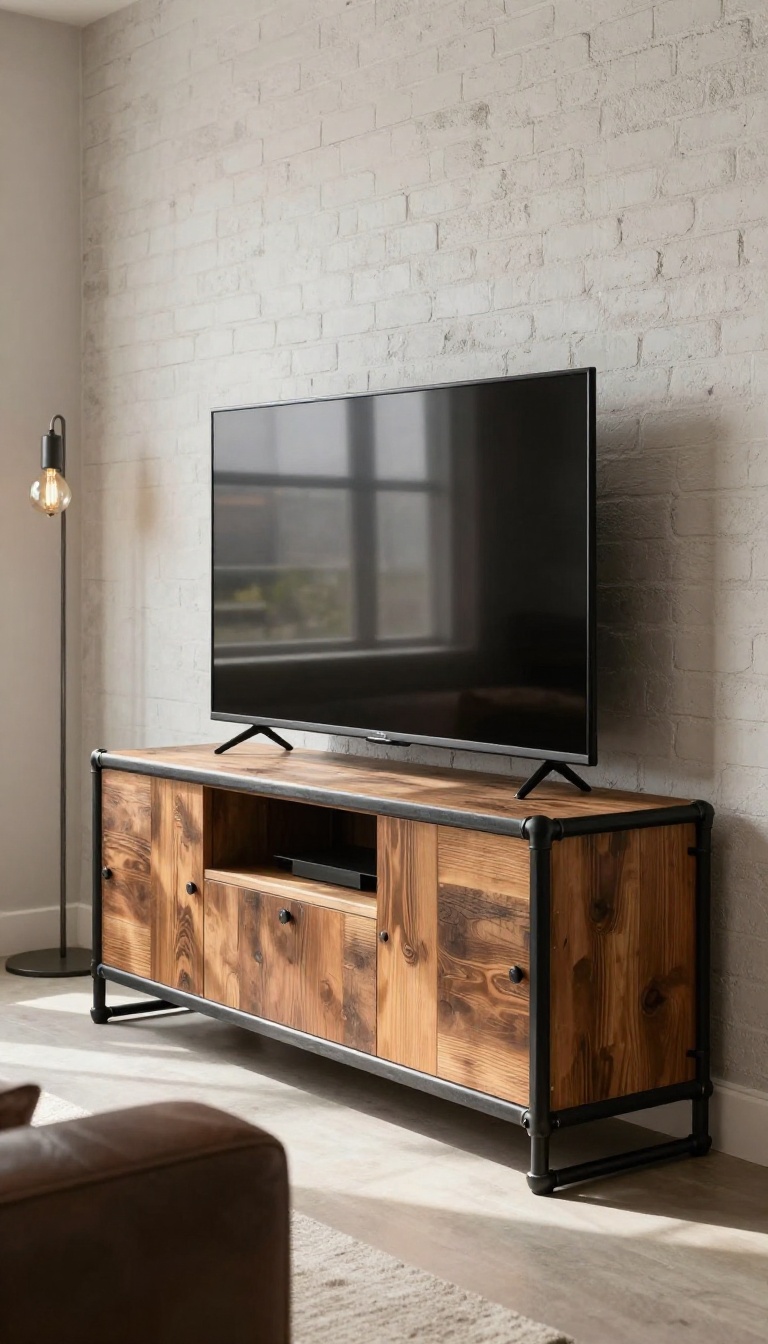
If your living room leans a bit rugged or you're drawn to the raw charm of exposed materials, this one's for you. Black iron pipes paired with reclaimed wood bring an industrial vibe that feels both sturdy and inviting. It's a look that says 'urban loft' without trying too hard, and it works surprisingly well in everyday homes too.
The industrial pipe and wood TV unit is more than just a shelf—it's a statement. The dark metal pipes contrast beautifully with the natural grain of reclaimed wood, adding warmth and texture to the room. Whether you're in a city apartment or a suburban house, this style gives your space a grounded, workshop-inspired character.
Why This Combo Works
The magic lies in the contrast. Black iron pipes bring that cool, structural feel, while the wood softens it with organic warmth. Reclaimed wood also has its own story—each scratch and grain adds personality.
Together, they create a unit that's both durable and visually interesting, fitting perfectly into lofts, industrial-style homes, or even casual family rooms.
Diy Vs. Buying
If you're handy, building your own pipe and wood unit is a fun weekend project. You can find pipes at hardware stores and cut them to size, then pair them with a reclaimed wood slab. On the flip side, many furniture makers now offer ready-made versions that capture the same look without the hassle.
Either way, you'll get a unique piece that stands out from typical store-bought stands.
Styling Your Unit
To keep the industrial vibe cohesive, pair your unit with leather sofas, metal accents, or exposed brick walls. Keep the styling simple—maybe a few plants or vintage books—so the unit itself remains the focal point. The open shelving is great for displaying decor, but don't overcrowd it.
Let the wood and metal breathe.
9. High Gloss or Lacquered Finish for a Touch of Glam
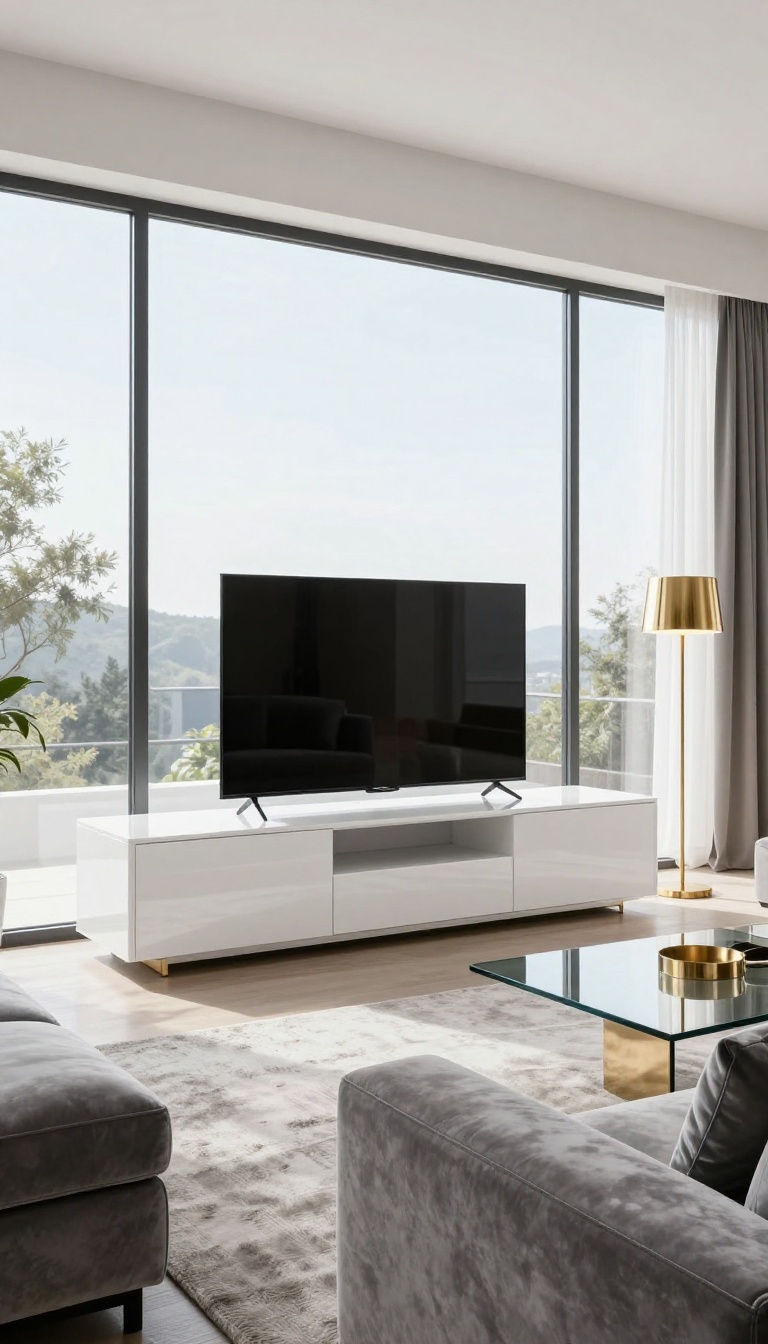
A high-gloss or lacquered TV unit can instantly lift the mood of your living room, especially if you're working with limited natural light. The reflective surface bounces light around, making the space feel brighter and more open. It's a sleek, contemporary choice that adds a subtle hint of luxury without going overboard.
Glossy finishes come in a range of colors, from classic white to deep navy or even bold red. The key is to balance the shine with the rest of your decor. If your room already has a lot of textures—like velvet sofas or chunky rugs—a glossy unit can provide a nice contrast.
On the other hand, if you're aiming for a minimalist look, a high-gloss unit in a neutral tone can keep things clean while still adding visual interest.
Why Gloss Works In Modern Spaces
Glossy surfaces are a staple in modern design because they reflect light and create a sense of airiness. They pair beautifully with metal accents and glass, reinforcing that sleek, polished aesthetic. Plus, they're easy to wipe down—just a quick dust or a gentle cleaner keeps them looking new, which is a practical bonus for busy households.
Choosing The Right Color And Placement
Lighter shades like white or cream can make a small room feel larger, while darker hues like charcoal or navy add drama and depth. Think about where you'll place the unit: opposite a window to maximize reflection, or in a spot where it can catch ambient light. Avoid placing it directly under a bright lamp, as that might create glare on the screen.
Balancing Gloss With Other Textures
To prevent the glossy finish from feeling cold or overwhelming, mix in soft materials like a wool throw, a linen rug, or a textured wall hanging. Wooden elements—even a simple coffee table—add warmth and break up the shine. The goal is to let the glossy unit be a statement, not the only thing your eye lands on.
Maintenance And Durability Tips
High-gloss finishes are generally durable, but they can show fingerprints and smudges more easily than matte surfaces. A microfiber cloth is your best friend for quick cleanups. For deeper cleaning, use a mild soap and water solution—avoid harsh chemicals that could dull the finish.
And be careful with sharp objects; while the surface is tough, it can scratch if you're not careful.
10. Custom Media Wall with Integrated Lighting
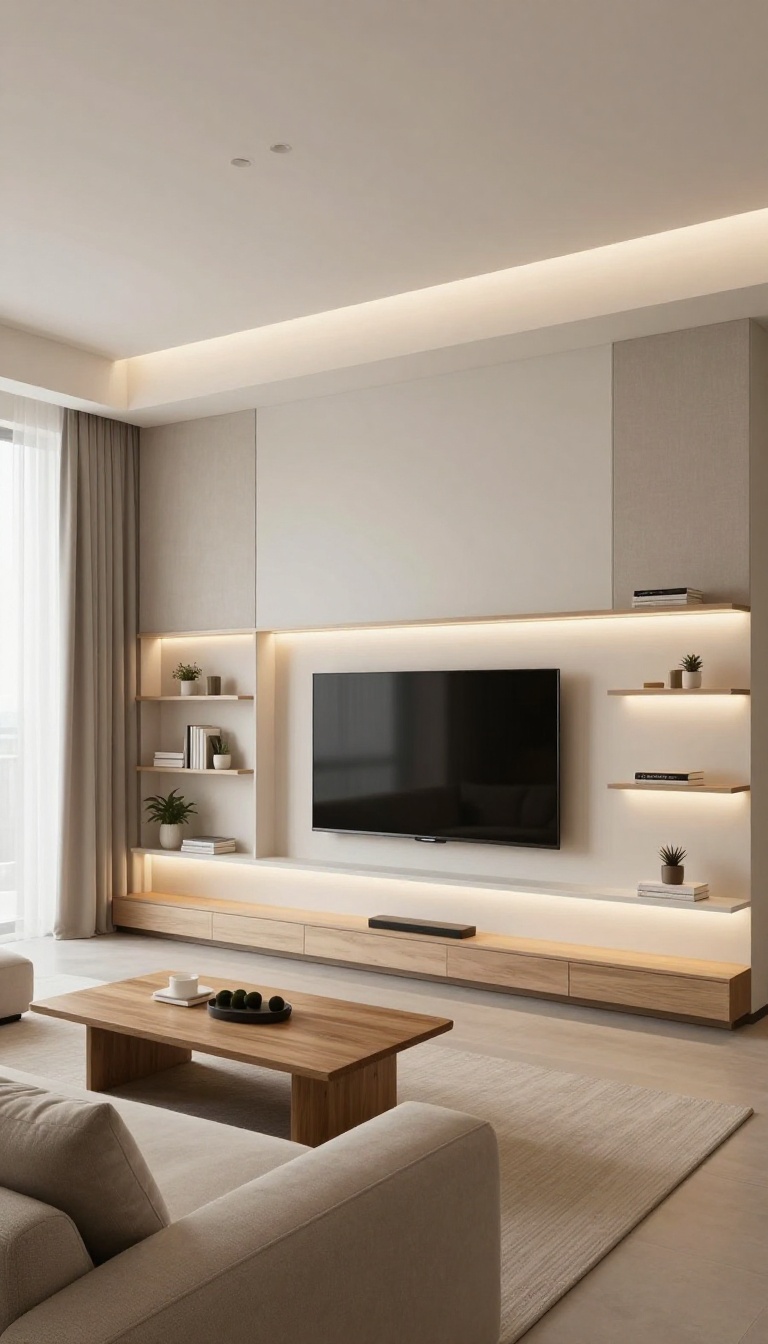
A custom media wall takes your TV setup from simple to spectacular. Instead of a standalone unit, you build the entire wall around your screen, creating a seamless focal point that feels intentional and high-end. With integrated lighting and acoustic panels, this approach doesn’t just look great—it also improves your viewing experience by reducing glare and echo.
This idea is all about going all-in on your TV area. You’re not just picking a piece of furniture; you’re designing a feature that anchors the room. The result is a clean, integrated look that hides all the clutter—cords, gaming consoles, streaming devices—while adding a touch of drama with lighting that can change the mood in an instant.
Why Go Custom?
A custom media wall lets you tailor every detail to your space and needs. You can plan the exact dimensions to fit your TV, add shelves for decor, and choose materials that match your existing style. Plus, you can incorporate features like hidden storage or a built-in soundbar, making the wall as functional as it is beautiful.
Lighting That Sets The Scene
Integrated LED lighting is the star here. You can install strip lights behind the TV for a soft glow that reduces eye strain, or add accent lights along shelves to highlight your favorite items. With smart controls, you can even change the color and brightness to suit different activities—bright white for movie nights, warm dim for casual evenings.
Acoustic Panels For Better Sound
Acoustic panels aren’t just for home theaters. They absorb sound reflections, making dialogue clearer and reducing echoes in the room. You can choose fabric-wrapped panels in colors that complement your decor, or go for wood slat designs that add texture.
Positioning them around the TV helps create a balanced soundstage.
Bringing It All Together
Designing a custom wall might feel like a big project, but you can start simple. Measure your space, decide on the layout, and pick materials that fit your budget. You can hire a carpenter for a built-in look or use modular panels that you assemble yourself.
Either way, the result will be a TV area that feels polished and personal.
FAQ
What is the ideal height for a TV unit?
The center of your TV should be at eye level when you're seated, typically around 42 inches from the floor. Adjust based on your seating and TV size.
How can I hide TV cables without a lot of effort?
Use cable management sleeves, raceways, or a console with built-in cable holes. For a cleaner look, consider in-wall cable routing if you're comfortable with DIY.
Are floating TV units safe for heavy TVs?
Yes, if installed properly with sturdy wall anchors and appropriate brackets. Always check the weight rating and follow the manufacturer's instructions.
What is the best material for a TV unit?
Solid wood offers durability and timeless appeal, while MDF or plywood with veneer is budget-friendly and stable. Metal and glass add a modern touch but may require more upkeep.
How do I choose a TV unit that fits my room size?
Measure your wall and TV width. Leave at least 6 inches on each side for balance. For small rooms, opt for floating or corner units to save space.
Conclusion
Updating your TV unit doesn't have to mean a full remodel or a big splurge. Pick the idea that solves your biggest pain point—whether it's clutter, cable chaos, or a cramped corner—and start there. Even one smart swap, like a floating shelf or a slim console, can make the room feel lighter and more put-together.
Measure twice, choose what fits your habits, and let the space evolve with you. Before long, your living room will feel fresh, functional, and unmistakably yours.