15 Patio Furniture Ideas for a Comfortable Stylish Setup
Your patio has the potential to become your favorite room in the house—the one where mornings start with coffee and evenings end with laughter. But the journey from empty slab to inviting oasis starts with the right furniture.
The pieces you choose set the tone for how you live outdoors, whether that means hosting lively dinners or curling up with a book. These 15 patio furniture ideas will help you mix comfort, function, and style, no matter your space or budget.
From clever space-savers to statement loungers, there’s something here to spark your next upgrade.
1. Modular Sectional for Flexible Gatherings
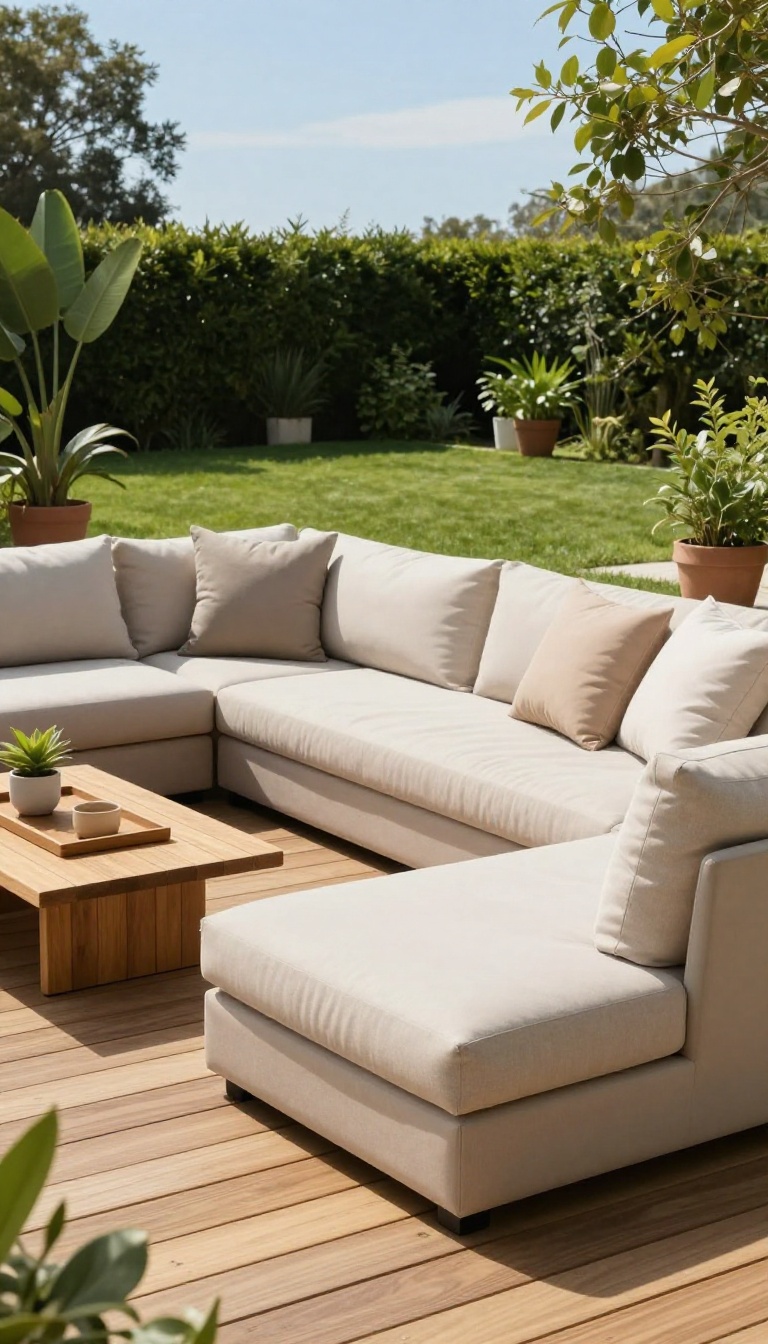
A modular sectional is the chameleon of patio furniture. You can rearrange the pieces to create an intimate nook for two or open everything up for a big party. That flexibility makes it a smart investment for anyone who loves to host but also enjoys quiet evenings outside.
The beauty of a modular sectional lies in its adaptability. You’re not stuck with one layout. Move the chaise to the left for a sunbathing spot, or split the seats into separate chairs for conversation circles.
Many sets come with connectors, so they stay put when you want them to, but you can easily change things up whenever the mood strikes. When shopping, focus on frames made from rust-proof aluminum or all-weather wicker. Cushions should be covered in solution-dyed acrylic or polyester that resists fading and mildew.
Look for removable, washable covers—spills and bird droppings are inevitable, and you’ll be glad you can just toss them in the wash.
Why Modular Wins For Entertaining
Hosting a crowd means you need seating that can adapt. With a modular set, you can pull pieces apart to create cozy clusters for conversation or line them up for a movie night under the stars. It’s like having multiple furniture configurations in one.
Key Materials To Look For
Durability matters when furniture lives outside. Aluminum frames are lightweight and won’t rust. High-density foam cushions keep their shape and resist sagging.
And quick-dry foam is a game-changer if you live somewhere rainy—you won’t be stuck with soggy seats for days.
Mixing And Matching Pieces
Don’t feel locked into buying a full matching set. Many brands sell individual modules, so you can combine a few seats with a corner piece or an ottoman. This lets you build a sectional that fits your exact space and style, even if your patio is an awkward shape.
2. Deep-Seating Conversation Set
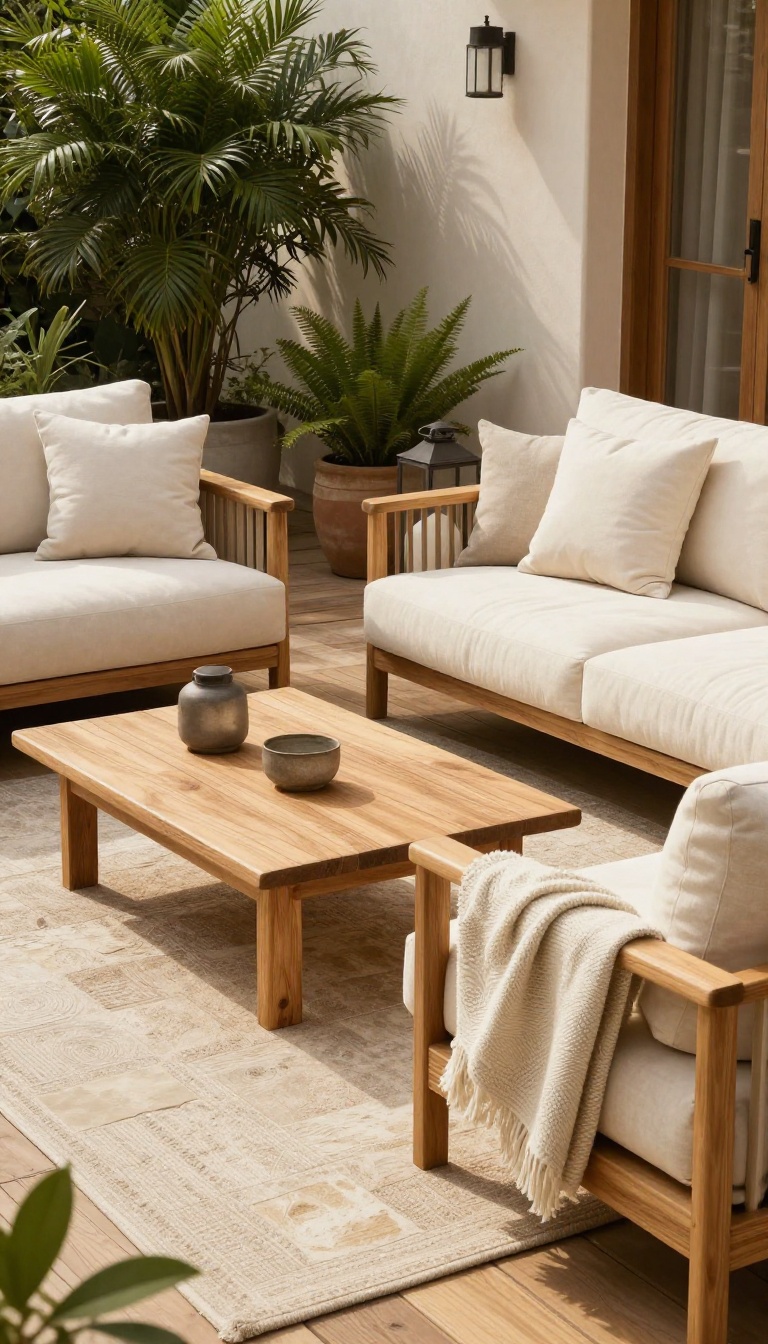
Some patios are made for lounging solo; others are built for gathering. If your outdoor space is where friends and family naturally gravitate, a deep-seating conversation set turns your patio into an instant living room. These sets feature extra-deep chairs and sofas with plush, thick cushions that invite you to sink in and stay a while.
They create a cozy, intimate arrangement that encourages long talks, lazy afternoons, and everything in between.
A deep-seating conversation set is more than just furniture—it's the anchor for your outdoor social life. The key is to choose pieces that balance comfort with durability, so your setup looks great and lasts for years. Start with a layout that encourages face-to-face interaction: a U-shape, L-shape, or two sofas facing each other with a coffee table in the middle.
This naturally draws people together and makes conversation easy.
Pick The Right Configuration
Think about how you actually use your patio. If you host large gatherings, a modular set with separate pieces lets you rearrange for different occasions. For smaller spaces, a compact loveseat-and-two-chairs arrangement keeps things cozy without overwhelming the area.
Measure your patio first, and leave at least 18 inches of walkway around the furniture so people can move freely.
Focus On Cushion Comfort And Support
Deep-seating cushions should be at least 5 to 6 inches thick, with high-resilience foam wrapped in a soft polyester or down alternative. This gives you that plush feel without losing support. Look for cushions with removable, washable covers—life gets messy outdoors, and you'll want easy cleanup.
Also, check the density rating: higher density means better shape retention over time.
Choose Fabrics That Fight The Elements
Performance fabrics are a must for outdoor furniture. Solution-dyed acrylic or polyester blends resist fading from UV rays, repel water, and dry quickly. Brands like Sunbrella or Outdura offer a wide range of colors and textures, so you don't have to sacrifice style for durability.
If you live in a rainy climate, consider cushions with a quick-dry foam core that won't absorb water.
Anchor The Space With A Low Coffee Table
A low coffee table is the functional centerpiece of your conversation set. It should be roughly the same height as your seat cushions—usually 16 to 18 inches—so drinks and snacks are within easy reach. Choose a table with a durable surface like teak, aluminum, or all-weather wicker.
Add a tray on top to corral coasters, candles, or a small planter for a polished look.
3. Compact Bistro Set for Small Patios
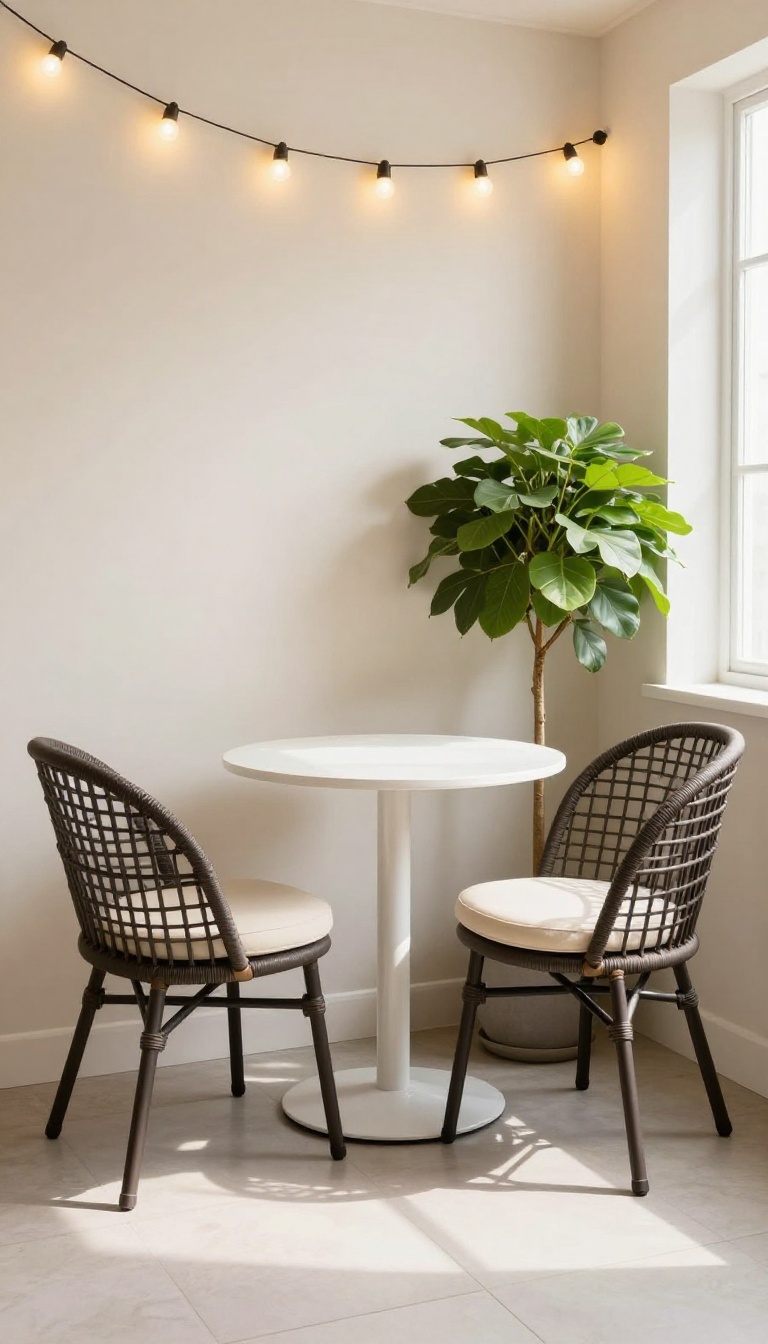
Small spaces deserve big charm, and a bistro set delivers just that. This classic duo—two chairs and a tiny table—turns even the narrowest balcony into a cozy retreat. Whether you're sipping espresso solo or sharing a glass of wine with a friend, its compact footprint leaves room to breathe.
A bistro set is the ultimate space-saver, but its appeal goes beyond size. The right one can anchor your patio's style, create a natural gathering spot, and make everyday moments feel special. Here's how to choose and style yours.
Choosing The Right Material
Material matters more than you might think. Wrought iron feels classic and sturdy but can rust if not coated. Aluminum is lightweight and rust-resistant, perfect for moving around.
Teak and other hardwoods bring warmth but need occasional oiling. For hassle-free upkeep, consider synthetic rattan or resin wicker—they look great and weather well.
Styling Your Bistro Corner
Place your set against a wall or railing to open up the center of your patio. Add a bright outdoor cushion for comfort and a pop of color. A small potted plant or a string of fairy lights overhead makes the space feel inviting.
Keep the table clear unless you're using it—this keeps the area feeling open and uncluttered.
Foldable Options For Flexibility
If your patio doubles as a walkway or you need to store furniture during harsh weather, foldable bistro sets are a lifesaver. They fold flat in seconds and tuck into a closet or under a bed. Many foldable designs don't sacrifice style—you can find sleek, modern options that look anything but temporary.
4. Outdoor Sofa with Chaise Lounge
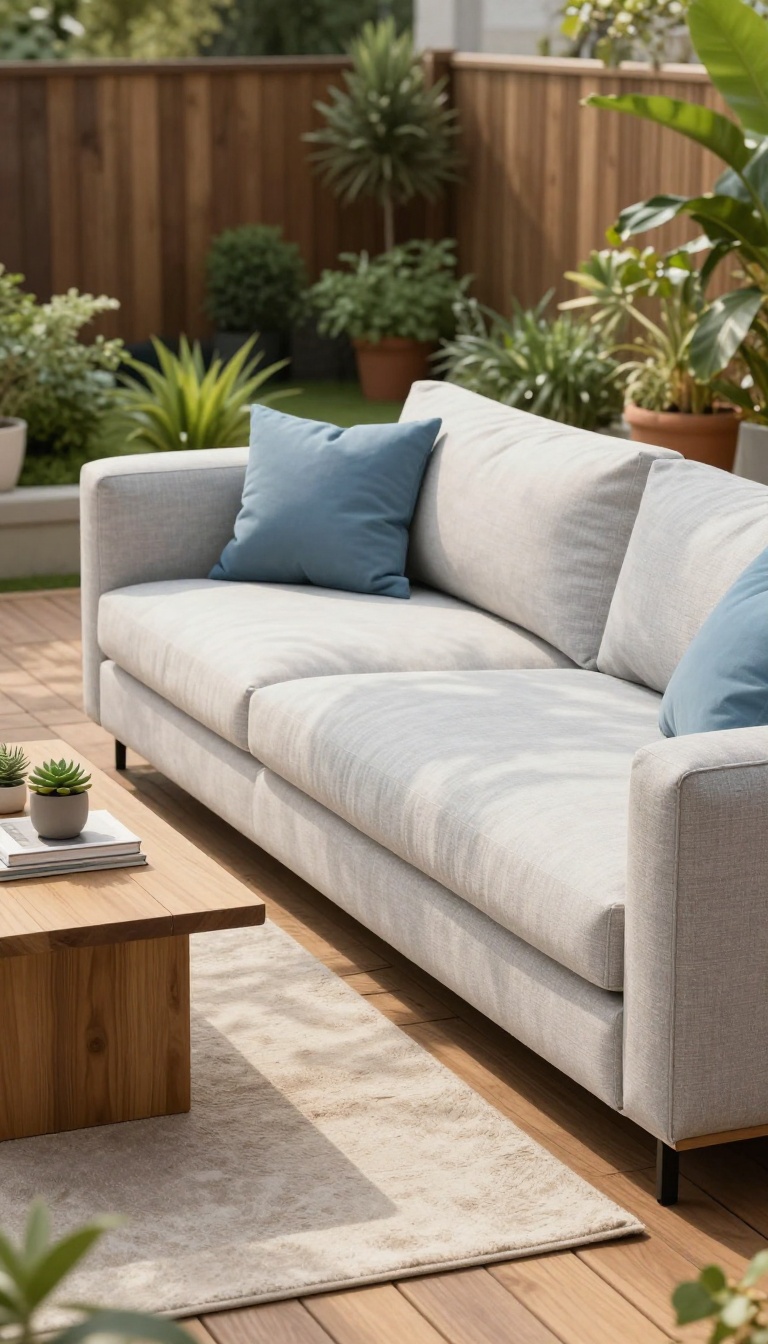
Few things beat the feeling of stretching out after a long day, and an outdoor sofa with a chaise lounge gives you that option without taking over your whole patio. It’s like having a living room outside, but better because you can soak up the sun while you relax. These pieces are surprisingly versatile, too—they tuck into corners neatly or act as a subtle divider between dining and lounging zones.
Plus, with the right cushions, they become the coziest spot in your outdoor space.
When you combine a sofa with a chaise, you get the best of both worlds: plenty of seating for guests and a dedicated spot to kick back and read or nap. Many designs are modular, so you can flip the chaise to the left or right depending on your layout. That flexibility makes this piece a smart pick if you’re still figuring out your patio arrangement.
And because the chaise is attached, you don’t have to worry about separate pieces drifting apart or looking mismatched.
Why This Combo Works
The sofa-with-chaise layout naturally creates two zones: one for sitting upright and chatting, another for lying down with your feet up. That makes it perfect for families or couples with different lounging styles. It also anchors a seating area without needing a separate ottoman or extra chair, saving you floor space.
If you often host friends, the chaise can double as extra seating when people perch on the edge—just add a few floor cushions for overflow.
Placement And Flow
Think about how you’ll move around the piece. If you place it against a wall, leave enough room to walk past the chaise end. In a corner, it can make the space feel more enclosed and intimate.
Some people use it to split a larger patio into distinct areas—say, a dining side and a lounging side. Just make sure the chaise faces the main view or focal point, like a fire pit or garden, so the spot feels inviting.
Cushion And Fabric Tips
Look for cushions made from quick-dry foam and fabric that resists fading and mildew, especially if your patio gets a lot of sun or rain. High-resilience foam holds its shape better and feels more comfortable. You’ll also want covers that zip off for easy cleaning—because spills happen.
If you live in a windy area, choose a heavier frame material like aluminum or teak, and consider anchoring the piece down.
Styling With Scatter Cushions
A few scatter cushions can instantly make the chaise more inviting. Mix solids with subtle patterns that tie into your outdoor rug or throw pillows. Stick to two or three colors to keep it calm, and go for outdoor-grade fabrics that can handle the elements.
Don’t overdo it—three or four cushions are enough to add comfort without creating a cluttered look. When not in use, store them in a deck box or bring them inside to keep them fresh.
5. Hanging Egg Chair for a Cozy Nook
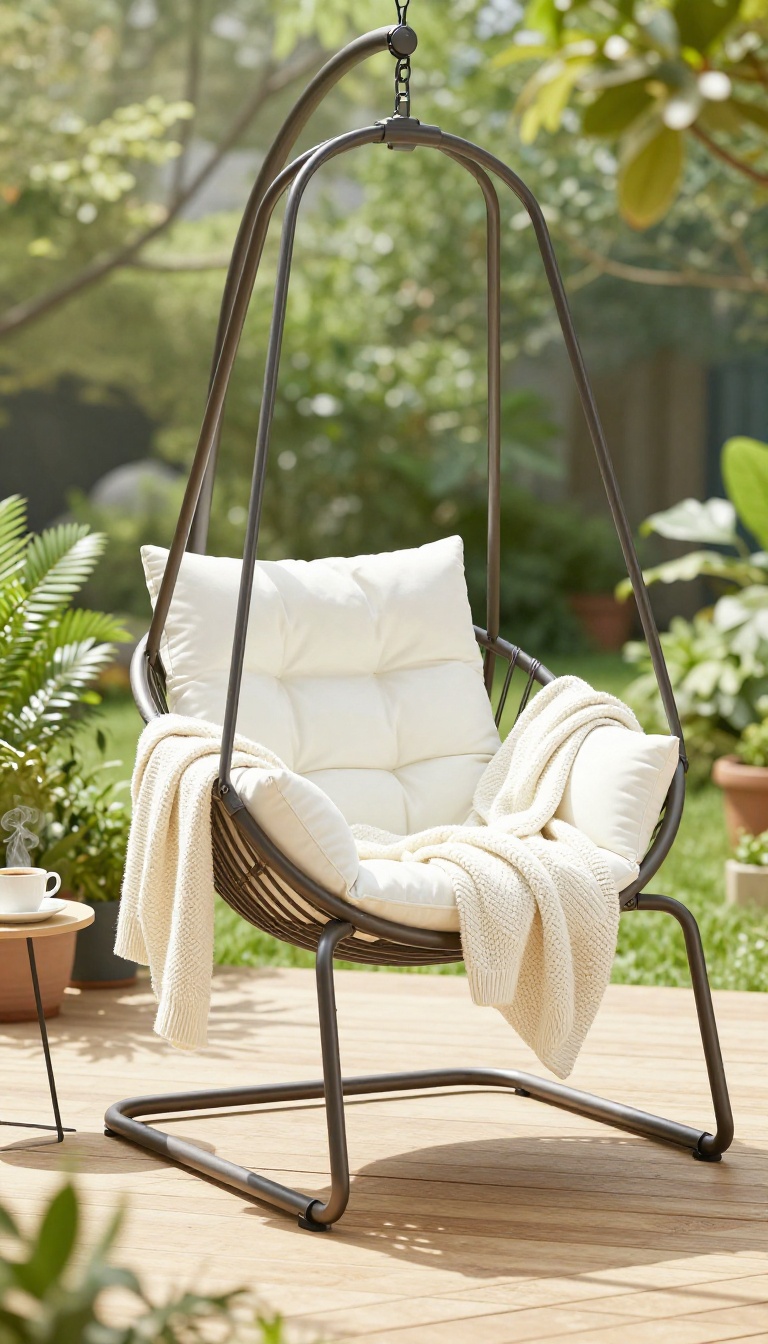
A hanging egg chair can transform an empty corner into your new favorite spot. It adds a playful, sculptural element that draws the eye, while the enclosed shape makes you feel tucked away from the rest of the world. Whether you're reading, scrolling, or just daydreaming, this chair invites you to slow down.
The best part? You don’t need a tree or a sturdy beam to enjoy one. Freestanding models come with their own frame, so you can place them anywhere—on a deck, patio, or even a balcony.
Add a plush cushion and a soft throw, and you’ve got a nook that’s hard to leave.
When you sink into a hanging egg chair, the world seems to fade a little. The gentle sway is calming, and the cocoon-like shape offers just enough privacy without feeling closed off. It’s a perfect spot for morning coffee, an afternoon nap, or an evening chat with a friend.
Freestanding versions are the most flexible. They typically come with a sturdy base that doesn’t require drilling or permanent installation. Look for models with a wide, weighted base to prevent tipping, especially if you have kids or pets.
Some even come with a canopy for extra shade. If you already have a pergola or a strong branch, a hanging version can save floor space and look even more integrated. Just make sure the structure can support the weight—check the manufacturer’s guidelines and use a heavy-duty hook rated for outdoor use.
Comfort is key. Most egg chairs come with a cushion, but upgrading to a thicker, weather-resistant pad makes a big difference. Add a few throw pillows and a cozy blanket for those cooler evenings.
Choose fabrics that resist fading and mildew, and remember to store cushions indoors when not in use to extend their life.
Choosing The Right Spot
Place your egg chair where you can enjoy both sun and shade. A corner of the patio works well, especially if you angle it toward the rest of the seating area. If you’re using it for reading, position it near a side table for your book and drink.
For a more social vibe, set it near your main conversation area so you can still be part of the action.
Style And Material Options
Egg chairs come in a variety of materials—from classic rattan and wicker to modern resin and metal. Synthetic wicker is a popular choice because it looks natural but resists weather and UV rays. If you prefer a sleek look, go for a metal frame with a fabric seat.
For a bohemian touch, add a macrame hanger or a patterned cushion.
Comfort And Accessories
Don’t skimp on cushions. Look for thick, quick-drying foam that holds its shape. A matching ottoman can elevate the comfort factor, letting you fully stretch out.
Outdoor rugs and a small side table complete the nook, making it feel like a true retreat.
6. Outdoor Daybed for Lounging
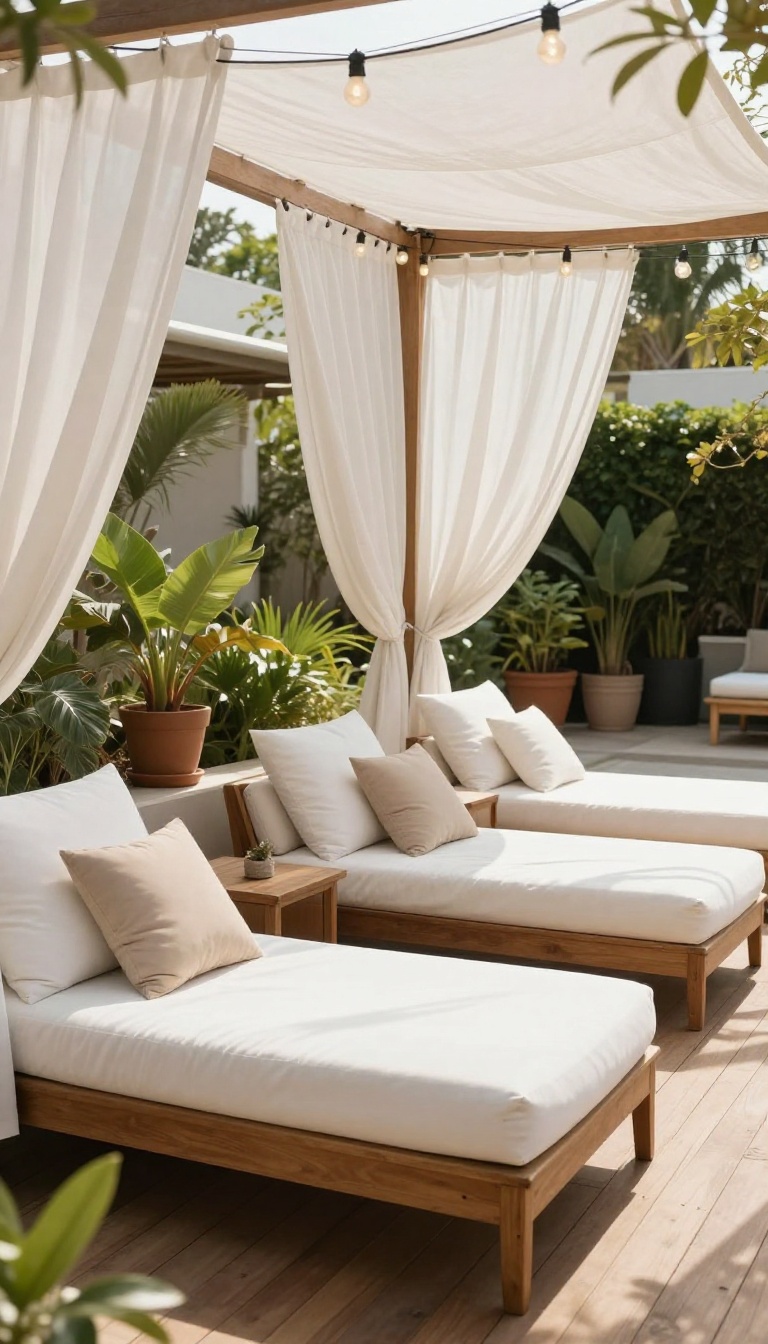
Imagine sinking into plush cushions under the open sky, a gentle breeze rustling the canopy above. An outdoor daybed brings that resort-style luxury right to your backyard. It's more than just a place to sit; it's a destination for lazy afternoons and starry-night conversations.
Whether you have a sprawling deck or a cozy nook, a daybed can become the heart of your outdoor relaxation.
An outdoor daybed transforms your patio into a personal retreat. It invites you to slow down, whether you're catching up on a novel, dozing in the afternoon sun, or stargazing in the evening. With the right materials and accessories, it can be both a stunning focal point and a practical lounging spot.
Here’s how to make it work for you, no matter your space.
Choosing The Right Spot
Placement is key. A daybed works best in a quiet corner or against a wall, where it feels enclosed and cozy. If you have a view, orient it to face that direction.
For smaller patios, consider a compact daybed that doubles as a bench during the day. Leave enough room around it so you can easily get in and out, and position it to catch the morning or afternoon sun, depending on your preference.
Fabric And Cushion Care
The cushions are what make a daybed so inviting, but they also take the most wear. Choose outdoor fabrics that are fade-resistant and quick-drying, like solution-dyed acrylic or polyester. Look for cushions with zippered covers that you can remove and wash.
When not in use, store cushions in a deck box or bring them inside to extend their life. A waterproof cover for the entire daybed is also a smart investment for rainy seasons.
Adding Shade And Style
A canopy or a freestanding umbrella adds both function and flair. It protects you from harsh UV rays and lets you stay outside longer. For a more permanent feel, consider a pergola or a sail shade overhead.
You can also add throw pillows and a lightweight blanket to boost comfort and inject your personality. String lights or lanterns nearby create a magical evening ambiance.
7. Dining Set with Extendable Table
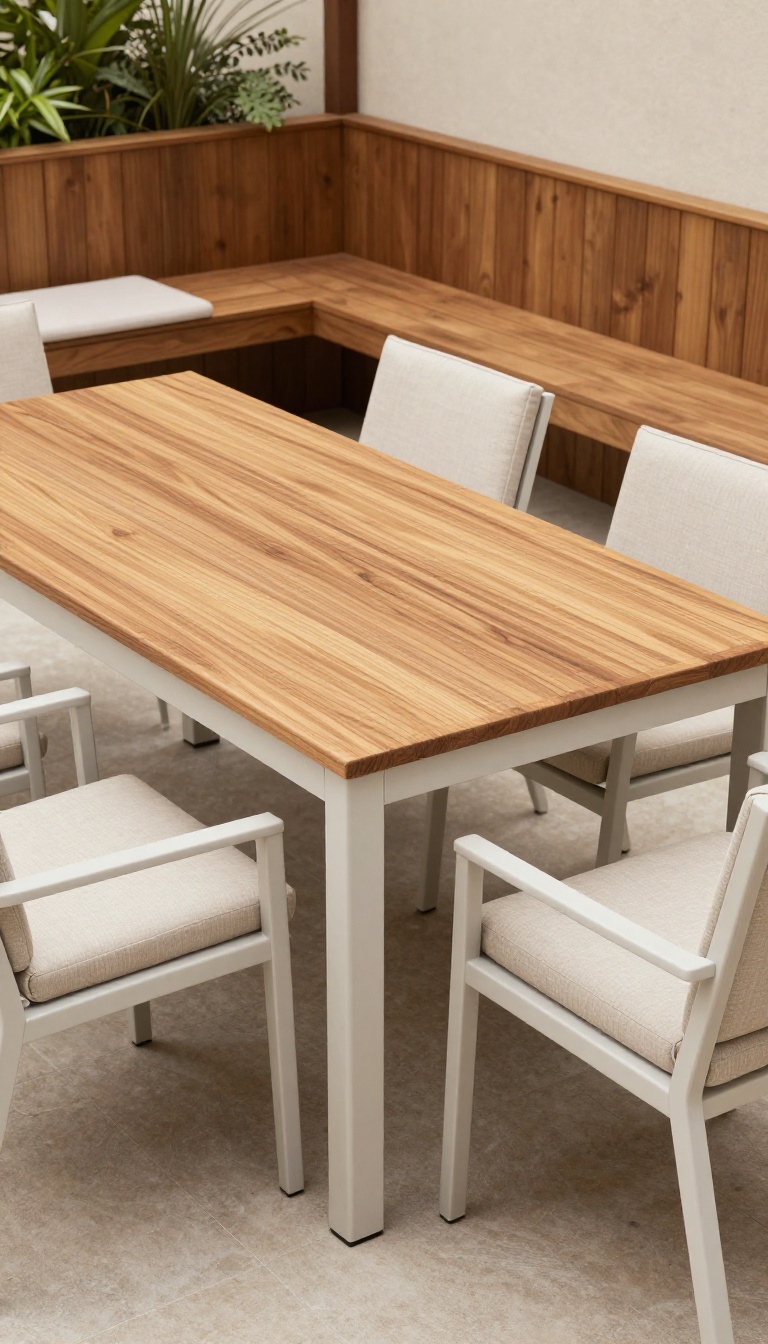
When your patio doubles as both a weekday breakfast spot and the weekend gathering place, a static table can feel limiting. An extendable dining table solves that by flexing with your plans—compact for everyday meals, then expanding when guests arrive. Pair it with stackable chairs, and you've got a setup that's as practical as it is welcoming.
The key is choosing materials that can handle the elements. Look for rust-resistant aluminum or stainless steel frames, and tabletops in teak, powder-coated steel, or high-grade resin wicker. These hold up against sun, rain, and temperature swings, so your investment lasts season after season.
Why Extendable Wins
An extendable table gives you the best of both worlds. For daily meals, it tucks into a smaller footprint, leaving room for kids to play or for you to move around freely. When it's time for a barbecue or birthday dinner, the leaves slide out to seat everyone comfortably.
That flexibility makes it a smart choice for patios that serve multiple purposes.
Chair Choices That Make Sense
Stackable chairs are your best friend here. They store neatly against a wall or in a shed when not needed, and they're easy to pull out for extra seating. Go for chairs with quick-dry foam cushions or all-weather fabric that won't fade.
If you have the space, consider a bench on one side—it can seat more people and adds a relaxed, communal vibe.
Materials And Maintenance
For the tabletop, teak ages beautifully and requires little more than occasional oiling. Aluminum frames are lightweight and won't rust, while powder-coated steel adds sturdiness. If you prefer a softer look, resin wicker over aluminum is durable and easy to clean.
Just wipe down surfaces regularly and cover the set during harsh weather to keep it looking fresh.
8. Bar Height Table and Stools
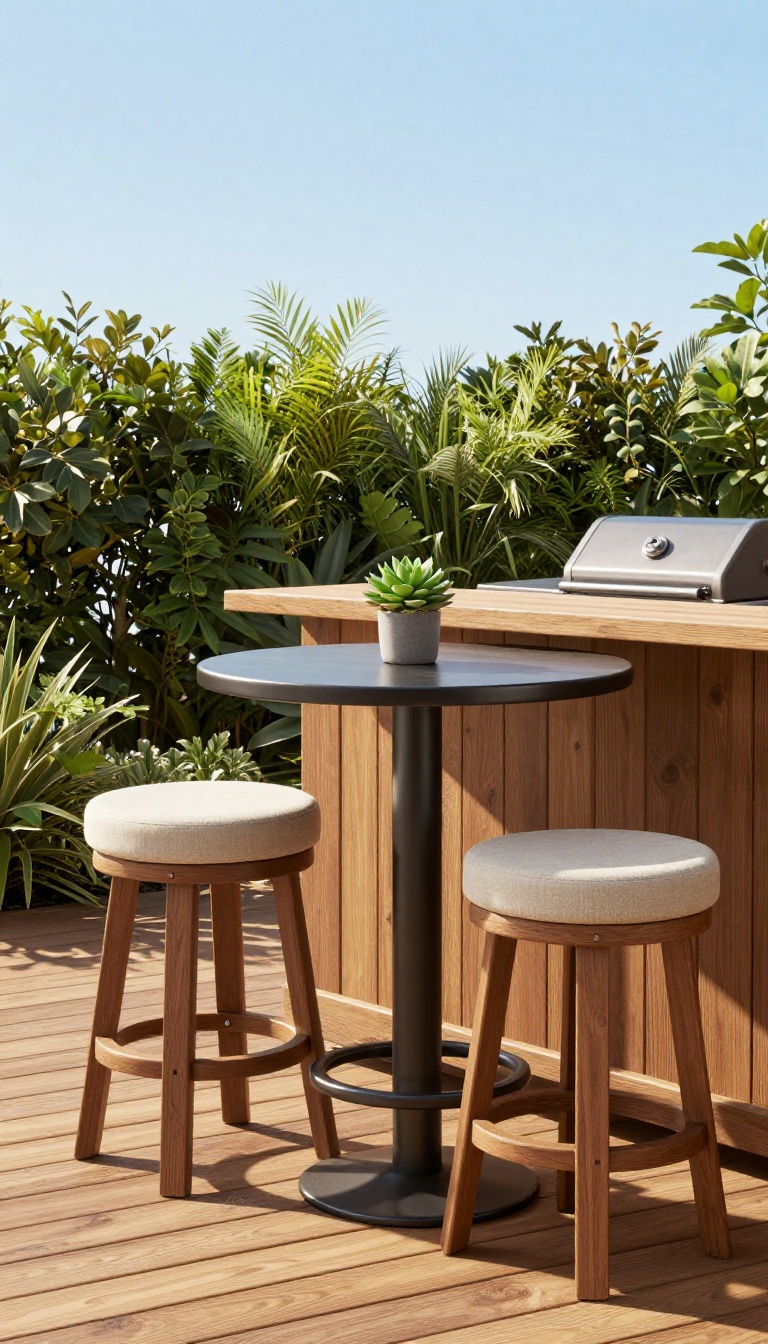
Sometimes you want your patio to feel like your favorite neighborhood spot—casual, lively, and perfect for lingering over a drink. A bar-height table and stools bring that energy right to your backyard. They're great for cocktail hours, quick meals, or just hanging out while you grill.
Bar-height sets naturally encourage a more social, upright seating position, making conversation flow easily. They also save floor space compared to full dining sets, which is a bonus for smaller patios or balconies. Plus, the elevated surface keeps drinks and plates within easy reach without hunching over a low table.
Pick The Right Height
Bar-height tables typically stand around 42 inches tall, so you'll need stools that are 28 to 30 inches high. If you're unsure, measure your table's underside and aim for about 10 inches between the seat and the table edge for comfortable legroom. Adjustable stools are a flexible option if you have mixed heights or want to use them elsewhere too.
Comfort Comes First
Sitting on a bar stool for a long time can get uncomfortable fast. Look for stools with a wide, contoured seat and a built-in footrest—your legs will thank you. Cushioned seats add extra comfort, but if you leave them outside, make sure the cushions are made of quick-dry, weather-resistant foam and have removable, washable covers.
Materials Matter
For the table, consider materials that handle the elements well: powder-coated aluminum, teak, or all-weather wicker. For stools, think about weight and durability. Metal stools are sturdy but can get hot in the sun, while wooden stools offer a warmer look but need occasional sealing.
If you have a covered patio, you have more freedom with finishes, but always check the care instructions.
Style And Placement
A bar-height set can be a statement piece or blend in with your existing decor. Choose a style that matches your vibe—sleek and modern with clean lines, or rustic with a live-edge wood top. Place it near a railing or counter for a built-in feel, or use it to define an outdoor kitchen area.
Just make sure there's enough clearance around the table for people to slide in and out comfortably.
9. Adirondack Chairs with Ottoman
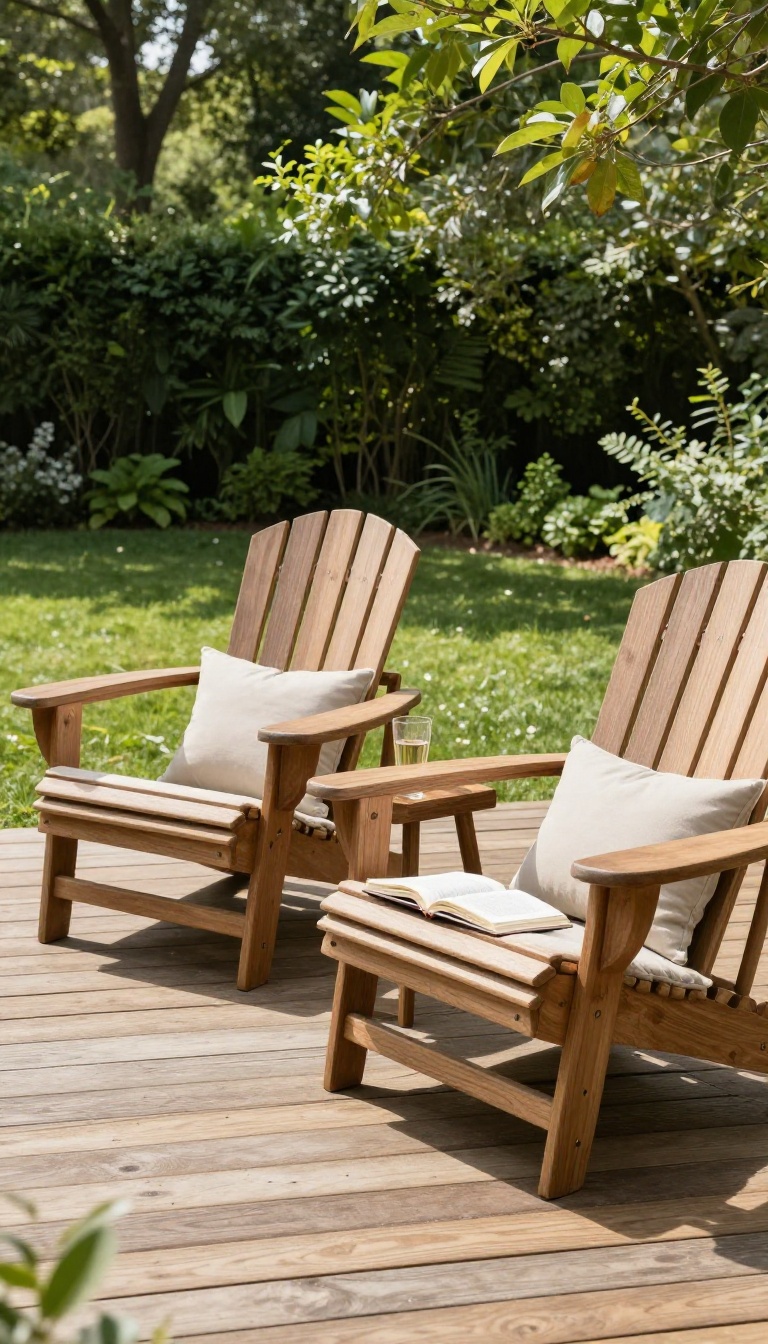
There’s a reason Adirondack chairs have been a backyard staple for over a century—their wide armrests and sloping seats just make you want to stay a while. But the classic design gets even better when you add a matching ottoman. That simple footrest transforms a good chair into a full-body lounging experience, letting you kick back and let the day melt away.
Why They Work So Well
Adirondack chairs are built for relaxation. The high back supports your spine, while the angled seat tilts your hips just enough to take pressure off your lower back. Adding an ottoman extends that support to your legs, which can improve circulation and ease tension in your calves.
It’s the kind of setup that invites you to sit down for a few minutes—and stay for hours.
Material Choices That Last
Traditional wooden Adirondacks bring a warm, classic look, but they need regular staining or sealing to survive the elements. For a low-maintenance option, go with recycled plastic or resin versions that resist fading, cracking, and splintering. Many of these mimic the look of wood but only need an occasional rinse with a hose.
If you prefer real wood, cedar and teak are naturally rot-resistant and age beautifully.
Placement And Comfort Tips
Position your chairs so you can enjoy a view—whether that’s a garden, a fire pit, or the sunset. Keep a small side table within reach for drinks and books. To boost comfort, add a weatherproof cushion to the seat and back, and consider a small outdoor pillow for extra lumbar support.
Ottomans can double as extra seating when you have guests, so they’re a practical addition too.
10. Porch Swing or Glider
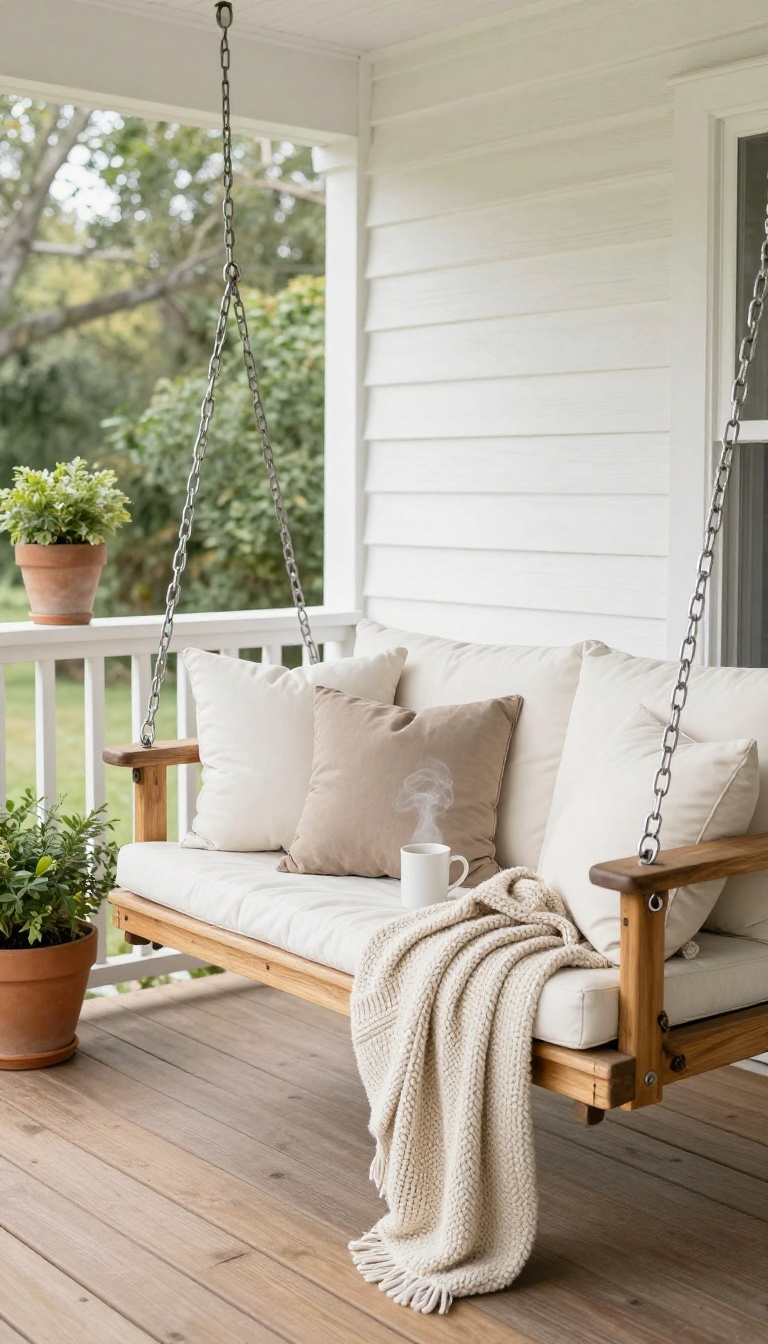
There’s a timeless rhythm to a porch swing—the gentle creak, the slow rock, the way it invites you to sit a little longer. Whether you have a wide covered porch or a compact balcony, a swing or glider adds motion and a cozy, nostalgic feel that static seating just can’t match.
A porch swing or glider is more than a seat—it’s a place for slow mornings and quiet conversations. The swaying motion is naturally calming, making it perfect for reading, napping, or just watching the world go by. Plus, it encourages you to relax in a way that a regular chair doesn’t.
Choosing Between A Swing And A Glider
A classic swing hangs from chains and needs sturdy overhead support, like a beam or pergola. A glider sits on a base and moves back and forth on tracks, so it works on any flat surface without installation. If you’re renting or have limited mounting options, a glider is the easier choice.
For a more traditional look, nothing beats a swing.
Getting The Comfort Right
Cushions are key—look for thick, weather-resistant foam with removable, washable covers. Add a few throw pillows for back support and a soft blanket for cooler evenings. If your swing or glider has a slatted seat, a full-length cushion will prevent pressure points and keep you comfortable for hours.
Placement And Safety Tips
For a hanging swing, make sure the chains attach to a solid structure rated to hold at least 500 pounds. Leave enough clearance on all sides—about 3 feet—so you don’t bump into walls or railings. On a porch, position it to catch a nice breeze or a view.
If you’re using a glider, place it on a level surface and check that the tracks are clear of debris.
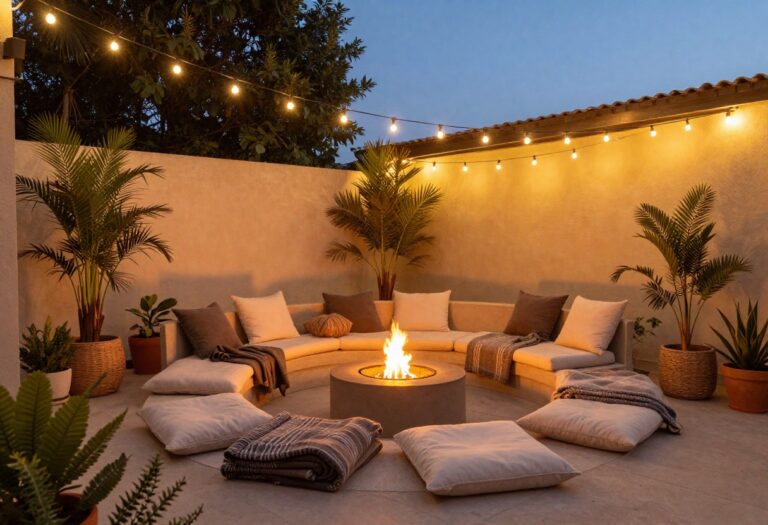
11. Outdoor Sectional with Fire Pit Table
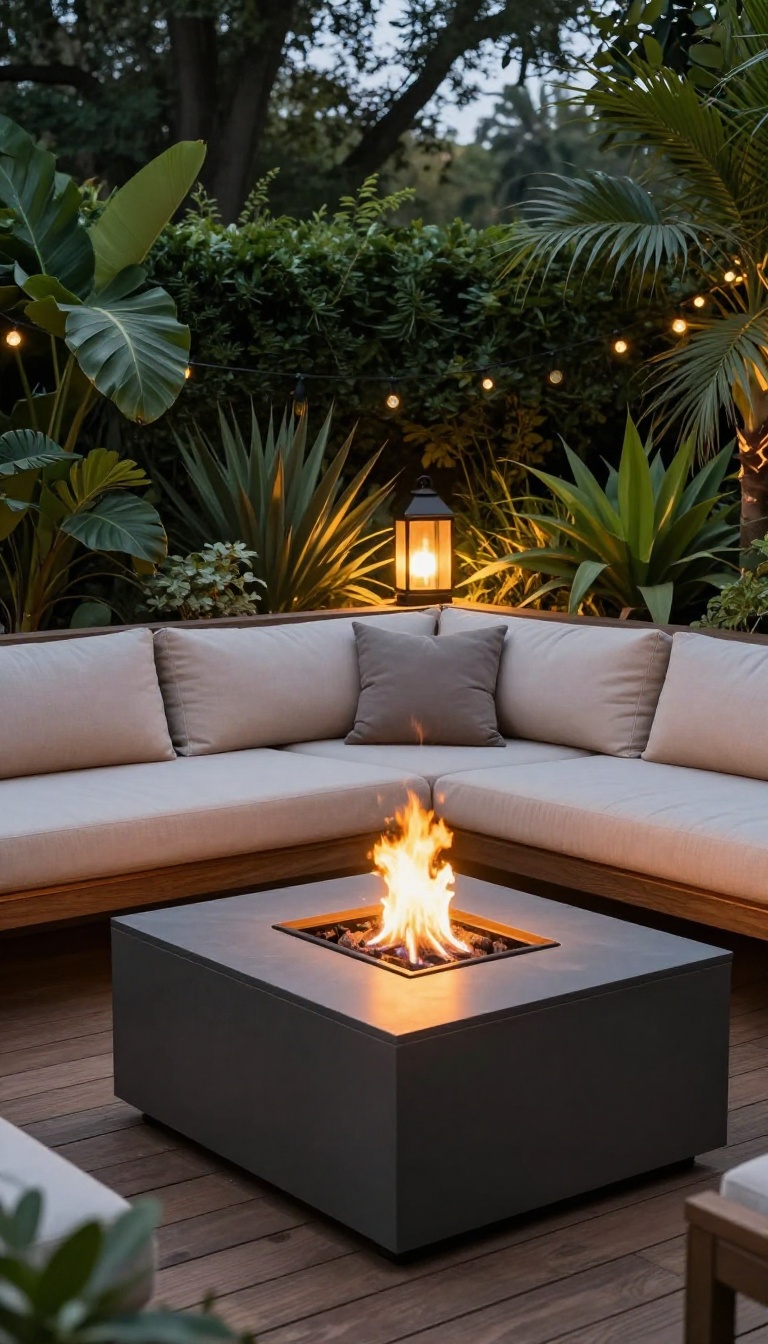
Cooler evenings shouldn't signal the end of your outdoor hangouts. An outdoor sectional paired with a fire pit table creates a cozy command center that keeps conversations going long after the sun dips. The fire becomes a natural magnet, pulling people together for warmth and connection.
Why This Combo Works
A sectional offers generous, lounge-style seating that invites people to stretch out and stay. Add a fire pit table in the middle, and you've got a focal point that's both functional and atmospheric. The fire provides warmth, so you can comfortably use your patio in spring and fall, and even on crisp summer nights.
It also creates a natural gathering spot—guests will instinctively cluster around the flames, making conversation easier and more intimate.
Fuel Type And Safety
When choosing a fire pit table, you'll typically have three options: wood-burning, propane, or natural gas. For convenience and low maintenance, propane or natural gas are the way to go. They light instantly, produce no smoke or sparks, and let you control the flame height with a simple knob.
Propane tanks are portable but need refilling, while natural gas requires a dedicated line but offers endless fuel. Always check local fire codes and place the table on a non-flammable surface, keeping it at least 10 feet from structures or overhanging branches.
Material And Size Considerations
Your sectional and fire pit table should complement each other in both style and scale. For the sectional, look for weather-resistant materials like aluminum frames with high-performance fabrics that resist fading and mildew. Fire pit tables come in various finishes—from sleek stainless steel to rustic stone or concrete.
Choose a size that fits your space without overwhelming it; the table should be easily reachable from the seats but leave enough room for people to pass. A round or square table around 42 to 48 inches wide works well for most sectionals.
Styling And Accessories
To make the space feel inviting, add weatherproof cushions and throw pillows in warm, earthy tones that echo the fire's glow. A low-profile coffee table or side tables for drinks are handy, but avoid cluttering the area around the fire pit. For lighting, consider string lights overhead or lanterns on nearby surfaces to create a soft, layered glow.
And don't forget a fireproof mat or rug underneath to protect your patio surface and add texture.
12. Hammock with Stand
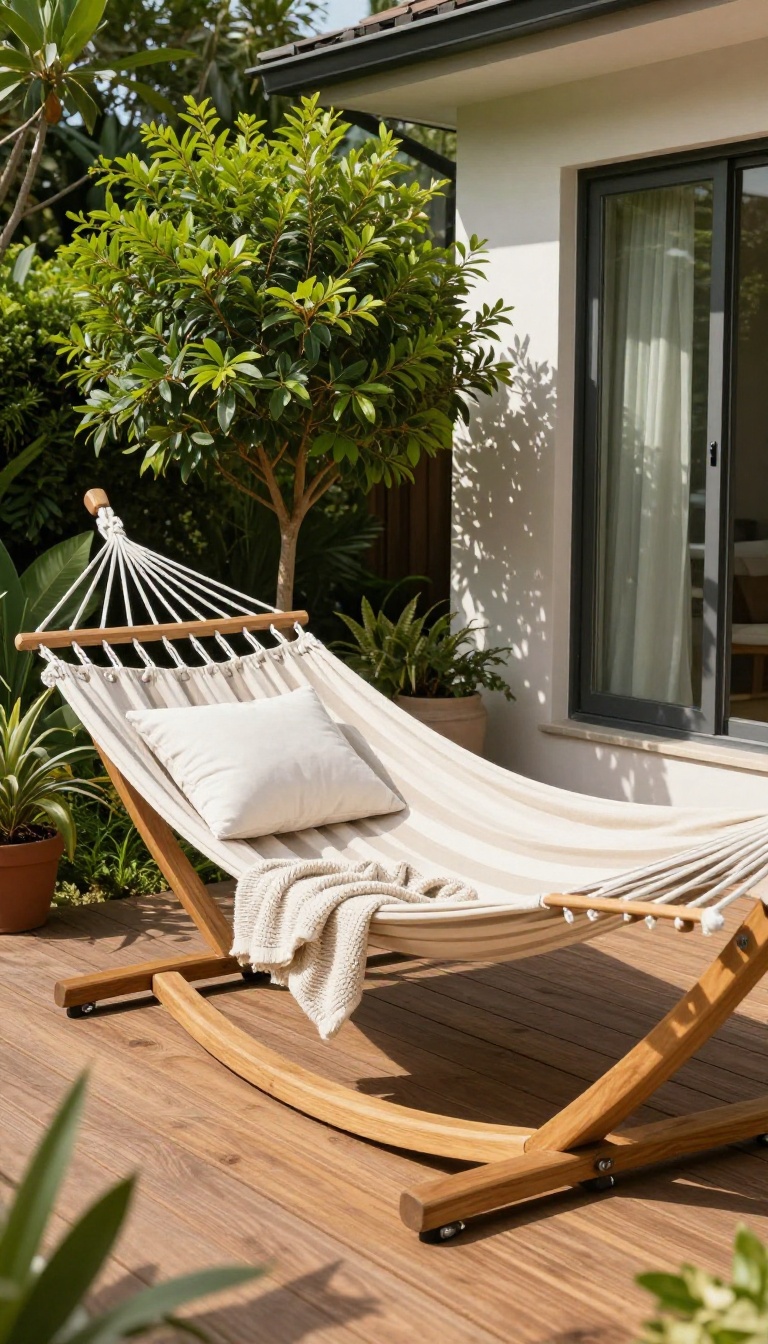
A hammock with a stand brings instant vacation vibes to any patio, no trees required. It’s the kind of piece that turns a simple outdoor space into a personal retreat. Set it up in a sunny corner or under a pergola, and you’ve got a spot that begs you to slow down.
Add a soft pillow and a light blanket, and you’re ready for lazy afternoons or starlit evenings.
A hammock with a stand is more than just seating—it’s an experience. Unlike built-in furniture, it can be moved around to follow the sun or shade. It also works on balconies, decks, and small patios where trees aren’t an option.
The gentle swaying motion helps melt away stress, making it a favorite reading nook or nap spot. Plus, it’s a conversation starter that adds a playful, relaxed touch to your outdoor decor.
Choosing The Right Stand
Not all hammock stands are created equal. Look for a sturdy steel or wood frame that can support the weight of the hammock and its occupants. Consider the size of your patio—a larger stand works in open spaces, while a compact, foldable model is great for smaller areas.
Check the weight capacity and ensure the stand’s spread matches your hammock’s length for a safe, comfortable hang.
Placement And Setup Tips
Think about where you’ll want to relax. A spot with dappled shade keeps you cool, while a sunny area is perfect for morning lounging. If you’re placing it on grass, use ground stakes or sandbags for extra stability.
For hard surfaces, ensure the stand has non-slip feet or add rubber pads to protect your patio. Always follow the manufacturer’s instructions for assembly and anchoring.
Accessorizing For Comfort
A bare hammock is okay, but a few extras make it irresistible. A plush outdoor pillow supports your neck, and a lightweight throw blanket adds warmth on breezy days. Consider a small side table nearby to hold your drink or book.
For shade, a freestanding umbrella or a pergola overhead can create a cozy nook. You can also add a hammock tray to keep snacks within reach.
13. Conversation Set with Swivel Chairs
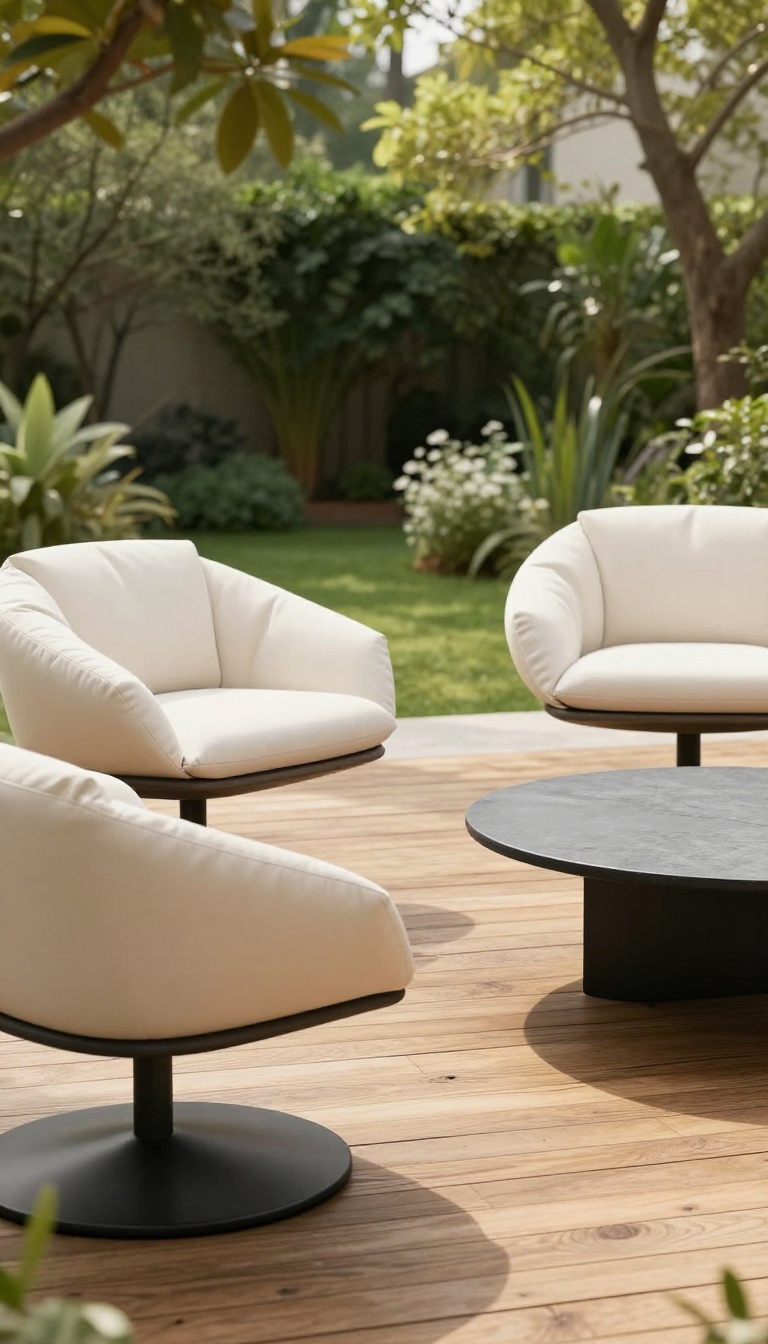
Swivel chairs bring a playful, functional twist to your patio seating. Instead of twisting your whole body to join a different conversation, you can simply pivot in your seat. This makes them perfect for dynamic social spaces where guests come and go, and the conversation flows in every direction.
Pair them with a sturdy coffee table that anchors the group and gives everyone a place to set down drinks or snacks. The result is a setup that feels both lively and inviting, encouraging people to relax and chat for hours.
When you're planning a patio meant for socializing, think about how people naturally move and interact. A traditional sofa-and-chair arrangement can feel stiff, with people stuck facing one direction. Swivel chairs break that mold, letting each person turn toward whoever is speaking or shift to take in the view.
This simple feature makes the whole space feel more fluid and connected. A conversation set with swivel chairs works especially well on medium to large patios, but even a compact balcony can benefit from one or two swivels paired with a small table. The key is choosing chairs that swivel smoothly and have a sturdy base, so they don't wobble or tip.
Look for options with cushioned seats and backrests that support long, relaxed chats.
Why Swivel Chairs Work For Socializing
Swivel chairs encourage movement without making guests get up. They're ideal for mixed groups where some people want to talk, others want to watch the yard, and still others want to grab a snack from the grill. The 360-degree rotation means no one feels stuck or left out.
They also add a subtle sense of playfulness. The gentle spin can be a conversation starter in itself, especially for kids or guests who aren't used to them. Plus, they make it easier to pass a plate of appetizers around without everyone having to lean across the table.
Picking The Right Swivel Chair
Not all swivel chairs are created equal. Look for a chair with a solid metal or wood base that won't rust or warp. The swivel mechanism should be smooth and quiet, not jerky or squeaky.
Test the chair in the store if you can—sit down, spin a little, and make sure it feels stable. Consider the material too. All-weather wicker is classic and forgiving, while aluminum frames are lightweight and easy to move.
If you want a softer look, go for a chair with thick, quick-dry cushions that resist mildew. And don't forget the footrest—some swivel chairs come with matching ottomans that let you kick back even further.
Arranging The Conversation Area
Place the swivel chairs across from or at an angle to a central coffee table. Leave enough space between pieces so people can swivel without bumping knees or knocking over drinks. A good rule of thumb is about 18 inches from the edge of the table to the front of the chair.
If you have a larger patio, you can create two separate conversation zones with a pair of swivel chairs and a loveseat on one side, and a fire pit or bistro set on the other. Add an outdoor rug to define the area and make it feel cozy. String lights overhead or a few lanterns on the table will keep the space inviting after the sun goes down.
14. Outdoor Lounge Chair with Adjustable Back
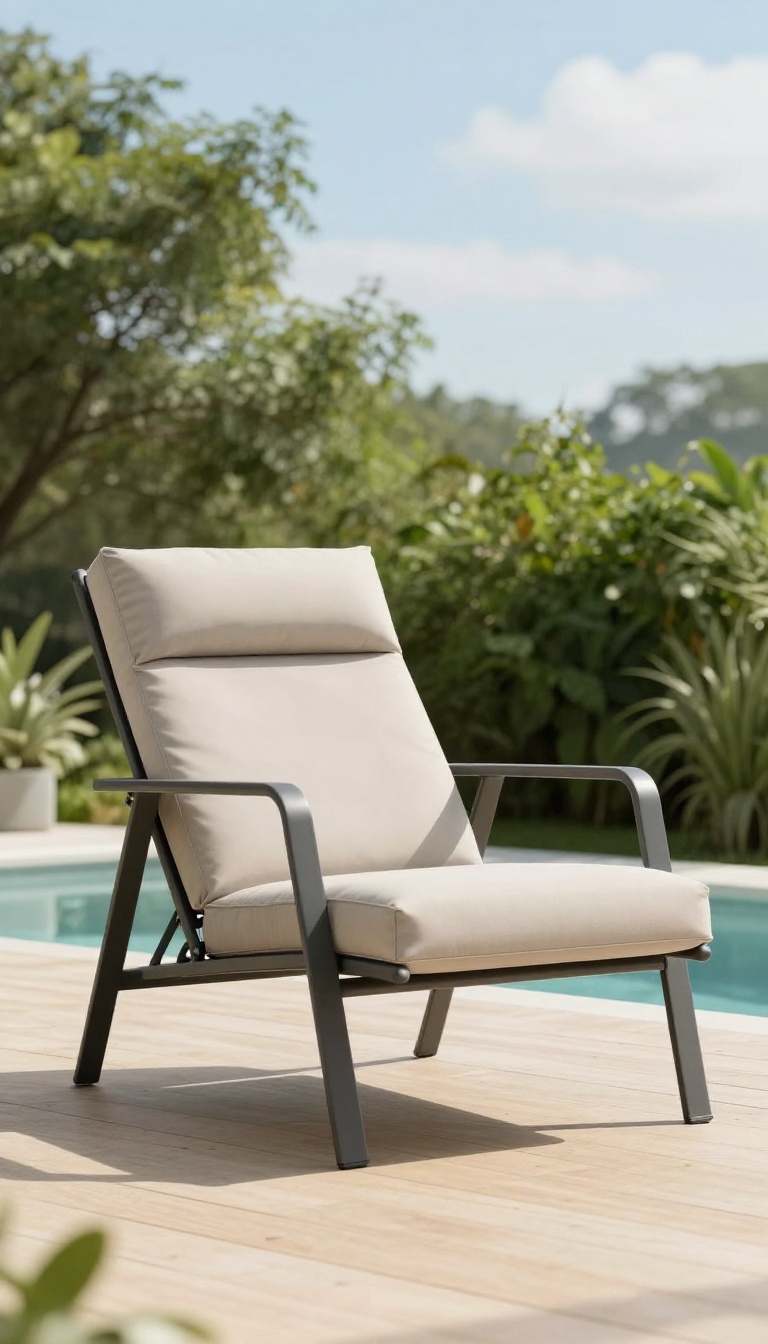
When you want to soak up the sun without committing to a full nap, an adjustable lounge chair hits the sweet spot. These chairs let you shift from upright to fully reclined, so you can read, chat, or doze off—all in the same spot. They’re the workhorses of a relaxing patio, and a few smart features can make them even better.
Why Adjustable Matters
Not every lounging moment calls for the same angle. One minute you’re sitting up to sip a drink, the next you want to lie flat and close your eyes. An adjustable back gives you that flexibility without needing a separate chair.
Look for a smooth mechanism that locks securely in place—no one wants a chair that collapses mid-recline.
Wheels And Canopies: The Game Changers
Wheels might not sound glamorous, but they’re a lifesaver when you want to follow the sun across the patio or tuck the chair away for the night. A built-in canopy is another bonus, offering shade exactly when you need it. Some canopies are adjustable, so you can angle them as the sun moves—no umbrella wrestling required.
Materials That Last
Since this chair will likely live outside, choose materials that can handle the weather. Powder-coated aluminum frames resist rust, while textilene or mesh fabric dries quickly and breathes in the heat. If you prefer a softer feel, look for quick-dry foam cushions with removable, washable covers.
That way, your chair stays comfy and good-looking for years.
15. Multi-Functional Storage Bench
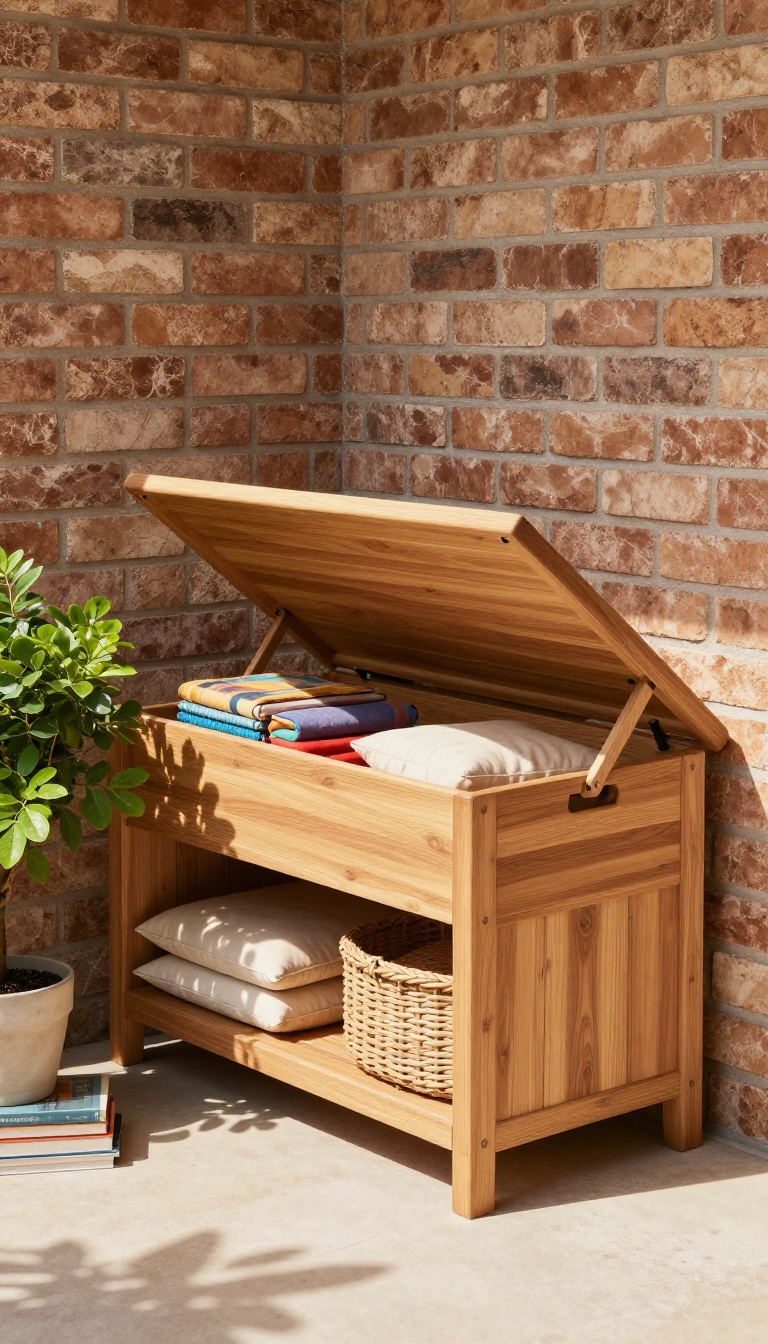
Every patio has that one corner that never seems to earn its keep. A storage bench turns it into the most practical spot in your outdoor space. You get a comfortable seat, plus a hidden compartment for all the things that usually clutter your deck or porch.
Storage benches are the unsung heroes of outdoor organization. They give you a place to sit while hiding away cushions, throws, gardening gloves, or kids' toys. Choose one with a hinged top and weather-resistant finish, and it will handle whatever you toss inside.
Place it against a wall, under a window, or at the edge of the patio to keep essentials within reach but out of sight.
Pick The Right Material
Look for benches made from teak, cedar, or all-weather resin wicker. These materials stand up to sun and rain without warping or fading. If you prefer a low-maintenance option, a recycled plastic bench is nearly indestructible and easy to wipe clean.
Style It To Fit Your Space
A wooden bench adds warmth and a classic feel, while a sleek metal frame gives a modern edge. Add a couple of outdoor pillows to make it more inviting. You can also paint a plain bench to match your patio color scheme for a custom look.
Use It For More Than Seating
Beyond storing cushions, this bench can double as a planter stand, a buffet table during parties, or a spot to set down drinks while you garden. Keep a few baskets inside to organize smaller items like sunscreen, bug spray, or dog toys.
FAQ
What is the best material for outdoor patio furniture?
The best material depends on your climate and maintenance preferences. Aluminum and teak are popular for their durability and resistance to weather. Wicker or rattan made from synthetic resin is also a great choice for a classic look that lasts.
How can I make my patio furniture more comfortable?
Add plush cushions, outdoor throw pillows, and soft blankets. Consider a rug to define the space and add warmth. Also, think about shade options like umbrellas or pergolas to keep the area cool and inviting.
What is the ideal layout for a small patio?
For a small patio, choose compact, multi-functional pieces like a bistro set or a bench with storage. Arrange furniture against the walls to open up the center. Use vertical space with hanging plants or wall-mounted shelves.
How do I protect my patio furniture from the elements?
Use furniture covers when not in use, especially during harsh weather. Store cushions indoors or in a waterproof container. Choose materials that are naturally resistant to moisture and UV rays, and apply protective sealants as needed.
Can I leave my patio furniture outside all year?
It depends on the material and your climate. Many outdoor furniture pieces are designed to withstand year-round exposure, but extreme cold, heat, or moisture can cause damage. To extend their life, consider storing them indoors or using covers during off-seasons.
Conclusion
Creating a comfortable and stylish patio doesn’t have to be complicated. Start with pieces that fit your space and lifestyle, then add personal touches like cushions, throws, and lighting. Remember, the best patio furniture is the kind you actually use and enjoy.
So take your time, mix and match, and build an outdoor haven that reflects your taste. With these 15 ideas, you’re well on your way to transforming your patio into a favorite retreat.