13 Shower Curtain Over Glass Door Ideas for Added Privacy
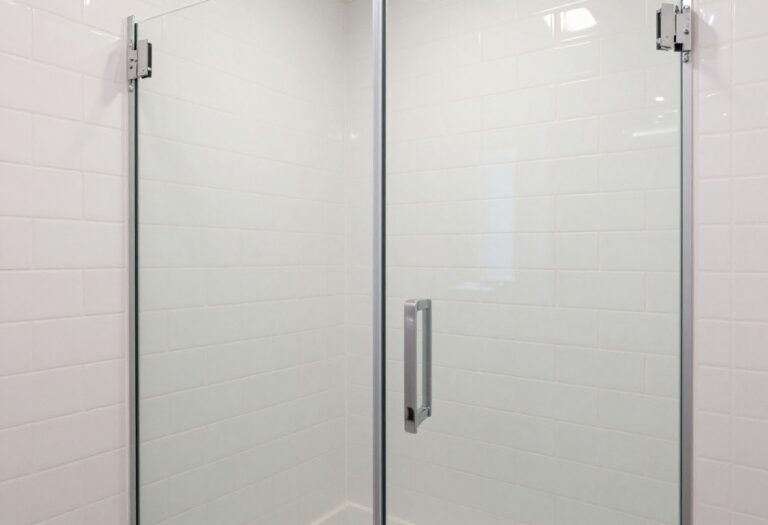
Glass shower doors look sleek, but they don't offer much privacy. Whether you're sharing a bathroom or just want a little separation, adding a curtain is a practical fix.
The trick is finding a solution that doesn't clash with the modern look of the glass. These 13 ideas range from no-drill tension rods to clever magnetic panels, so you can pick what works for your space and budget.
No major renovations required—just smart, temporary or semi-permanent upgrades that give you the privacy you need without sacrificing style.
1. Tension Rod Inside the Shower
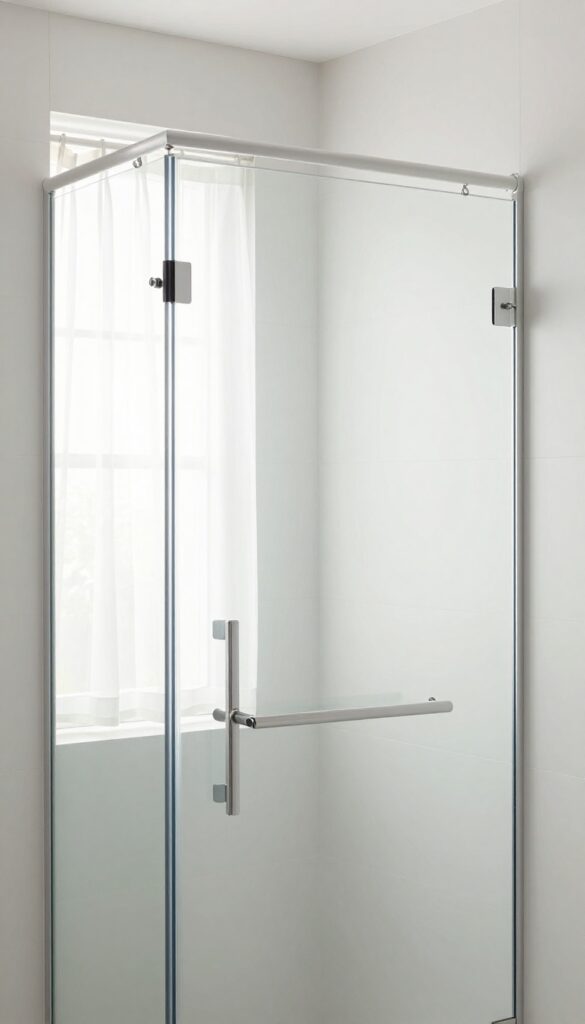
A tension rod placed inside the shower enclosure is one of the easiest ways to add privacy without drilling holes. The curtain stays hidden behind the glass when not in use, so your sleek shower door remains the star of the show. This setup works best with lightweight curtains that won't sag or pull the rod down.
Tension rods are adjustable and require no tools or permanent modifications. You simply twist them to fit snugly between the walls of your shower enclosure. Choose a rod rated for humid environments to avoid rust.
For the curtain, go with a fabric that dries quickly or a plastic liner that resists mildew. Hang the curtain so it overlaps the glass door by a few inches on each side for full coverage. When you're not showering, push the curtain to one side—it tucks away neatly behind the door.
Choosing The Right Rod
Look for a tension rod with rubber ends to grip tile or glass without slipping. Measure your shower's width carefully—most rods adjust between 24 and 48 inches. A thicker rod (about 1 inch in diameter) holds heavier curtains better.
Curtain Material Matters
Polyester or nylon curtains are lightweight and dry fast, making them ideal for tension rods. Avoid heavy cotton or linen, as they can cause the rod to slip. A clear or frosted plastic curtain keeps the open feel while adding privacy.
Installation Tips
Clean the walls where the rod ends will sit to ensure a good grip. Extend the rod slightly longer than the space, then compress and position it. Give it a gentle tug to confirm it's secure before hanging the curtain.
Check periodically and retighten if needed.
2. Curved Ceiling-Mounted Track
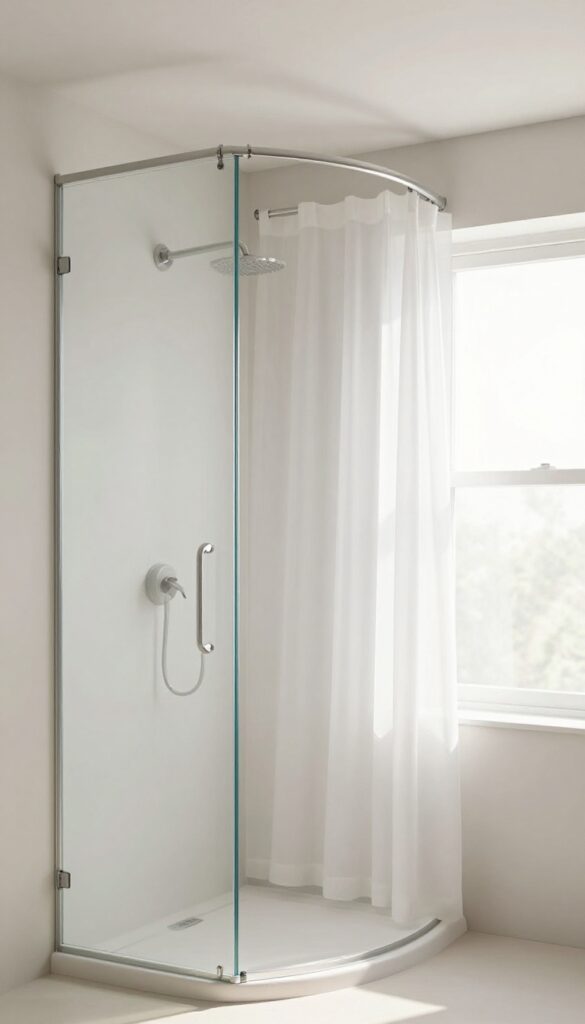
Standard straight rods force your curtain to bunch up against the glass door, leaving gaps or interfering with the swing. A curved track mounted to the ceiling solves both problems at once. It follows the arc of your shower enclosure, so the curtain glides smoothly around the door without getting in the way.
This setup works especially well for neo-angle or corner showers where a straight rod just doesn't fit.
The curved track is typically made of aluminum or stainless steel and comes in pre-formed sections that you join together. You mount it directly into the ceiling joists using the included brackets, so it's a permanent installation—but it's still relatively simple if you have a drill and a stud finder. Once installed, you can use any standard shower curtain rings or hooks.
The curtain hangs in a gentle curve that mirrors the shape of your shower, providing full enclosure when pulled closed. Because the track is overhead, the curtain never touches the glass door or gets caught when you open it. This is a great option if you have a heavy glass door that swings inward or outward and you want to add privacy without modifying the door itself.
Measuring And Planning The Curve
Before buying a curved track, measure the exact shape of your shower. For neo-angle showers, you'll need a track that matches the angle of the glass panels. Many manufacturers offer adjustable or custom-curved tracks.
Trace the outline of your shower onto the ceiling with a pencil, then use that line to position the track brackets. Make sure the curve is wide enough that the curtain doesn't scrape against the door when it's open.
Installation Tips For Ceiling Mounts
Use a stud finder to locate ceiling joists; if your ceiling is drywall only, you'll need toggle bolts for support. Pre-drill holes for the brackets and screw them in securely. Attach the track sections according to the manufacturer's instructions, then snap on the gliders or rings.
Test the curtain movement before finalizing—it should slide easily around the curve without binding. If you're not comfortable drilling into the ceiling, consider hiring a handyman for this step.
Choosing The Right Curtain And Rings
Any standard shower curtain works, but fabric curtains with weighted hems hang better on a curved track and stay in place. Avoid lightweight plastic liners that might billow. Use metal or nylon rings with smooth gliders designed for curved tracks—standard hooks can catch at the joints.
For a seamless look, choose a curtain that's slightly longer than usual so it reaches the tub or floor without gaps.
3. Magnetic Curtain Panels
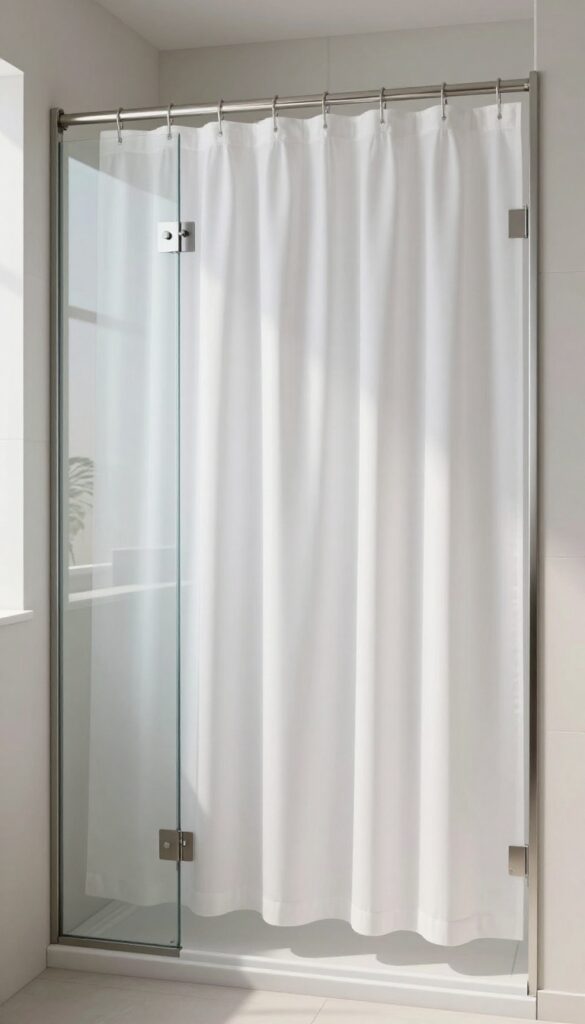
Magnetic curtain panels are a game-changer for glass shower doors with metal frames. No tools, no drilling, and no permanent changes—just strong magnets that hold the curtain in place. This solution is perfect for renters or anyone who wants a quick, reversible privacy upgrade.
The idea is simple: sew or attach magnetic strips to the hem of a fabric shower curtain, then let the magnets grab onto the metal frame of your glass door. You can use a single panel to cover the glass entirely, or split it into two panels that meet in the middle like a traditional curtain. The magnets are strong enough to hold the fabric taut, so it won't sag or blow around during a shower.
Choose a water-resistant fabric like polyester or treated cotton to prevent mildew, and make sure the magnets are encased in a waterproof sleeve to avoid rust. Installation takes seconds—just hold the curtain up and let the magnets click into place. When you want to remove it, peel it off without leaving any residue or damage.
Choosing The Right Magnets
Not all magnets are created equal. Look for neodymium magnets (often called rare-earth magnets) because they're small but incredibly strong. For a standard glass door, magnets with a pull force of 2 to 4 pounds per strip should work well.
You'll want the magnets to be evenly spaced along the hem, about 6 to 8 inches apart, to keep the curtain flat against the door. Avoid ceramic magnets—they're weaker and bulkier, which can make the curtain look lumpy.
Diy Vs. Pre-made Options
You can buy pre-made magnetic shower curtains online, but they're often pricey and limited in style. A DIY approach gives you more control over fabric, color, and size. Purchase a plain shower curtain, a roll of magnetic tape or individual magnets, and a sewing kit.
Sew a hem pocket along the bottom edge, insert the magnets, and close the pocket. If you're not handy with a needle, use fabric glue or iron-on hem tape—just make sure the magnets are secure and won't shift. Total cost is usually under $20, and you can customize it to match your bathroom decor perfectly.
Maintenance And Care
Magnetic panels are easy to maintain. Remove the curtain periodically to wash it according to the fabric care instructions—most can go in the washing machine on a gentle cycle. Check the magnets for any signs of rust or corrosion, especially if they get wet frequently.
To extend their life, dry the curtain fully before reattaching it, and consider spraying the magnets with a clear waterproof sealant. With proper care, your magnetic curtain can last for years without losing its grip.
4. Frosted Window Film as a Curtain Alternative
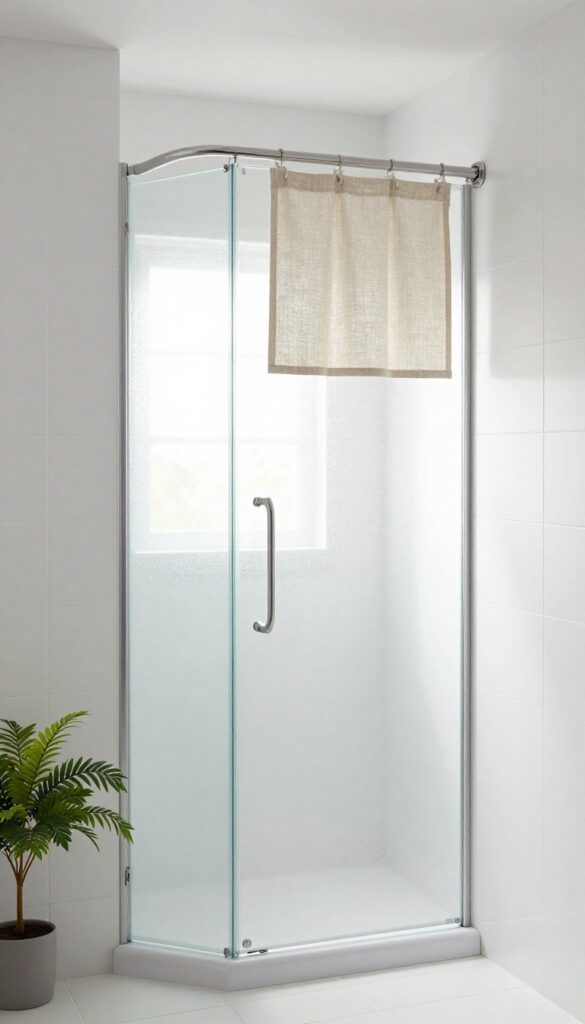
Frosted window film offers a clean, permanent privacy solution without the bulk of fabric. It sticks directly to the glass and blocks visibility while letting light through. For a softer look, top it with a short decorative curtain.
This combo gives you the best of both worlds: solid privacy where you need it most and a touch of style above. The film stays put for years, while the curtain can be swapped out whenever you want a refresh.
Choosing The Right Film
Look for adhesive vinyl frosted film that's easy to apply and remove. Avoid cheap static-cling options that peel off in humid bathrooms. Measure the lower half of your door carefully before cutting.
Installation Tips
Clean the glass thoroughly with a squeegee and soapy water. Spray the glass, apply the film, and use a credit card to push out bubbles. Let it dry for 24 hours before exposing it to moisture.
Pairing With A Curtain
Hang a small curtain rod above the film section using tension or adhesive hooks. Choose a lightweight fabric like linen or cotton that complements the frosted look. Keep the curtain short—just enough to cover the top half.
5. Double Rod with Sheer and Opaque Curtains
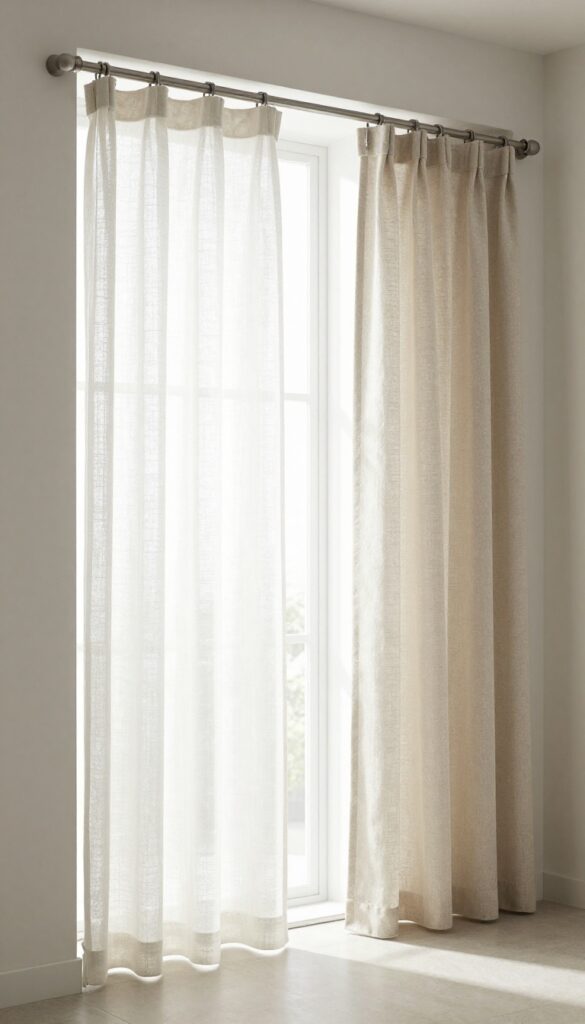
A double tension rod setup gives you the best of both worlds: soft, filtered light when you want it, and total privacy when you need it. The sheer inner curtain lets daylight through while softening the view, and the opaque outer curtain blocks everything out. This combo is especially handy in shared bathrooms where one person might be showering while another is getting ready nearby.
How To Install A Double Tension Rod
You'll need two tension rods that fit your shower width. Place the first rod closer to the glass for the sheer curtain, then the second rod a few inches outward for the opaque one. Most double rod kits come with brackets that hold both rods parallel.
Just twist to tighten—no tools needed.
Choosing The Right Fabrics
For the sheer, go with a lightweight polyester or linen blend that diffuses light without clinging when wet. For the opaque, pick a waterproof fabric like PEVA or a treated cotton. Match colors to your bathroom—white sheers with a neutral opaque curtain keep things airy, while bold patterns on the outer layer add personality.
Layering Tips For A Clean Look
Hang the sheer curtain so it just skims the floor, and the opaque curtain slightly shorter to avoid dragging. Use clip rings for easy sliding and removal. If your glass door swings outward, make sure the rods are mounted inside the shower area so the curtains don't interfere with the door's movement.
6. Hooks on the Door Frame
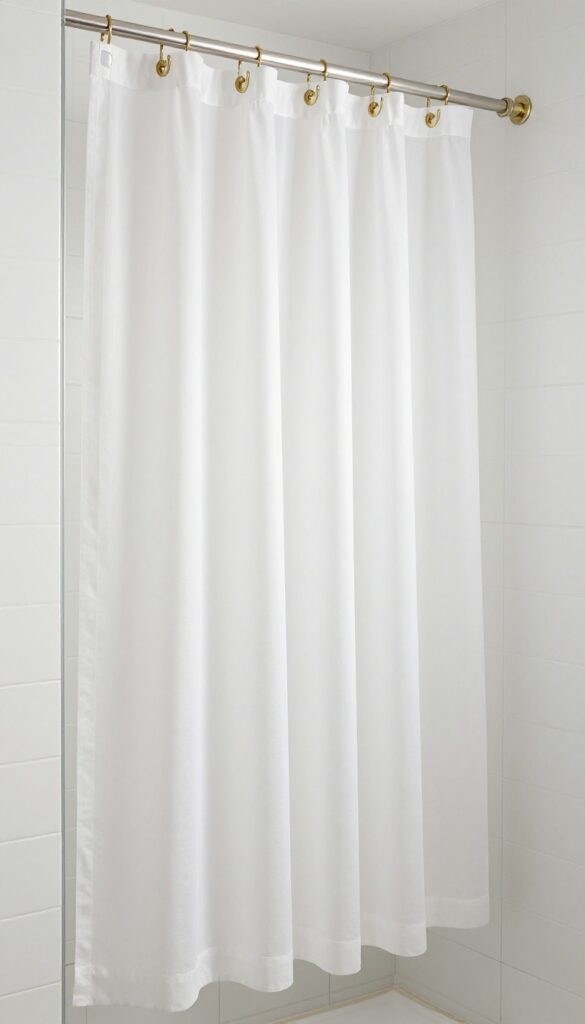
If you want to keep the curtain rod completely hidden, try attaching hooks directly to the top of your shower door frame. This approach works best with lightweight curtains and gives a clean, minimalist look. You won't see any hardware from inside the shower, just the curtain hanging neatly from the top.
This method is ideal for those who want a temporary or semi-permanent solution without drilling into tile or glass. The hooks are small and unobtrusive, and the curtain can be easily removed for cleaning or replacement.
Choosing The Right Hooks
Look for small screw-in hooks with a smooth finish, like brass or stainless steel, to match your bathroom fixtures. Avoid hooks that are too large or ornate, as they might be visible from outside the shower. Cup hooks or small utility hooks work well.
Installation Tips
Screw the hooks into the top edge of the door frame, spacing them evenly—about 6 to 8 inches apart. Make sure the frame is solid wood or a sturdy material that can hold the screws. For metal frames, use self-tapping screws or adhesive hooks designed for metal surfaces.
Curtain Options
Use a lightweight fabric curtain with grommets or clip rings that can easily slide onto the hooks. Avoid heavy materials like thick polyester or vinyl, as they may strain the hooks. A sheer or light cotton curtain works perfectly and adds a soft touch.
7. Retractable Side Curtain
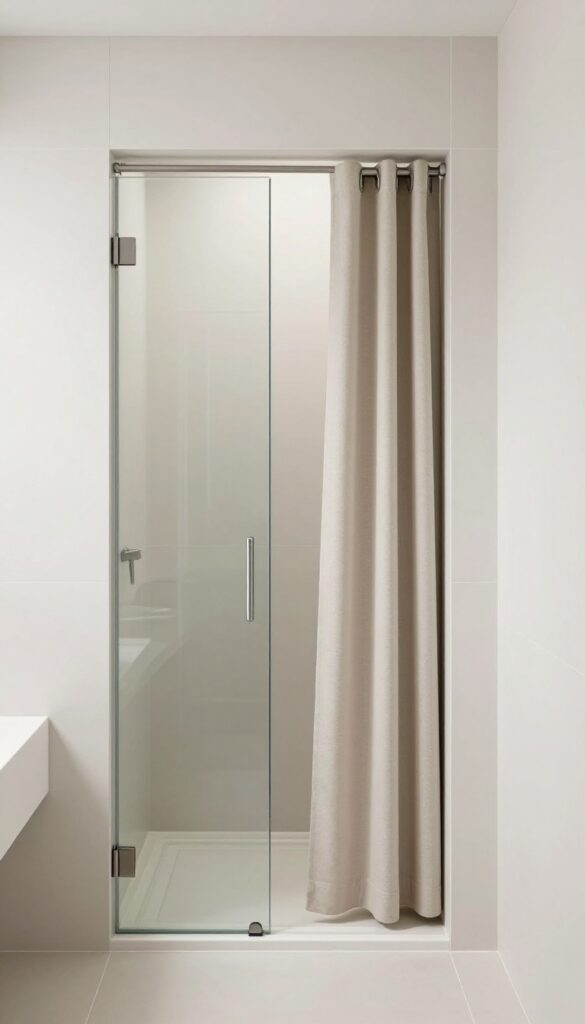
A retractable side curtain is the ultimate space-saver for glass door showers. It mounts on the wall beside the door and pulls across only when you need privacy—otherwise, it stays neatly rolled up and out of sight. This setup works especially well in smaller bathrooms where you don't want a curtain blocking light or access all the time.
The mechanism is simple: a spring-loaded roller or a cordless pull-down shade mounted vertically on the wall next to the glass door. You can use a waterproof fabric like polyester or vinyl, and the roller housing is slim enough to blend in. When pulled across, the curtain covers the gap between the door and the wall, giving you full privacy.
Let it retract, and the glass door goes back to being open and airy.
Easy Diy Installation
Most retractable curtain kits come with adhesive or screw-mount brackets. If you have tile walls, use a drill with a tile bit or opt for strong waterproof adhesive strips. Measure the height of your glass door and the width you need to cover—usually just the side panel or the gap between door and wall.
Cut the fabric to size if needed, then attach it to the roller.
Fabric Choices Matter
Pick a fabric that resists moisture and mildew. Polyester blends with a waterproof coating work great. For a softer look, choose a textured fabric in a neutral tone.
If you want light filtering, go with a semi-sheer material. Avoid heavy drapes that might sag or get waterlogged.
When To Use This Setup
This idea shines in shared bathrooms where you want the option of privacy without committing to a permanent curtain. It's also perfect for shower doors that are next to a toilet or sink—just pull the curtain when someone needs the toilet, and retract it when you're done. The retractable mechanism keeps the curtain dry and out of the way when not in use.
8. Café-Style Curtain on a Small Rod
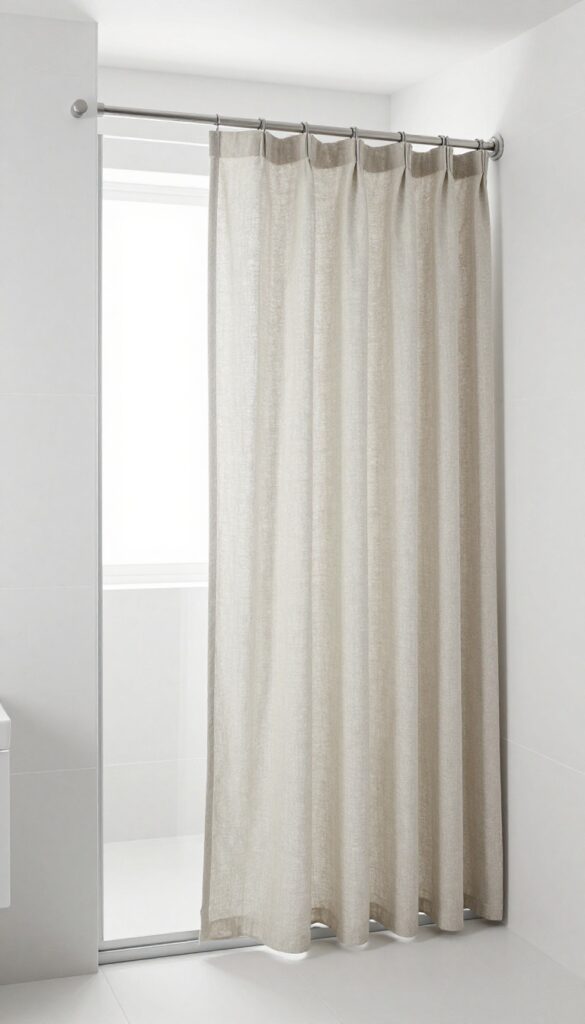
Café curtains aren't just for kitchen windows. They work surprisingly well on glass shower doors, giving you privacy exactly where you need it while keeping the upper half open for natural light. This approach feels airy and intentional, not like you're hiding behind a full curtain.
Install a short tension rod or adhesive-mounted rod across the lower half of your glass door. Hang a café-style curtain that covers from about waist height to the bottom of the door. This blocks the view of your lower body during a shower while letting light pour in through the top.
Choose a fabric that complements your bathroom—linen for a spa vibe, cotton with a pattern for a pop of personality, or a water-resistant polyester for easy cleaning. The curtain should be just wide enough to overlap the door slightly, so it stays in place when the door moves.
Rod Options That Work
A small tension rod made for windows can fit inside the door frame if your glass door has a metal or plastic border. For frameless doors, use adhesive curtain rod holders that stick to the glass—just make sure they're rated for wet areas. A magnetic rod is another option if your door has metal edging.
Fabric Length And Hanging Tips
Measure from your chosen rod height to the bottom of the door, then add an inch for hemming or grommets. The curtain should hang just above the floor to avoid dragging in water. Use clip rings or a rod pocket, and consider adding a small weight to the bottom hem to keep the fabric from billowing.
Styling To Match Your Bathroom
Keep the curtain simple if your bathroom is modern—solid colors or subtle stripes work best. For a more traditional or boho look, try a gingham, floral, or geometric pattern. The café style looks especially good with black or brass hardware that contrasts with the glass.
9. Velcro Strip Curtain
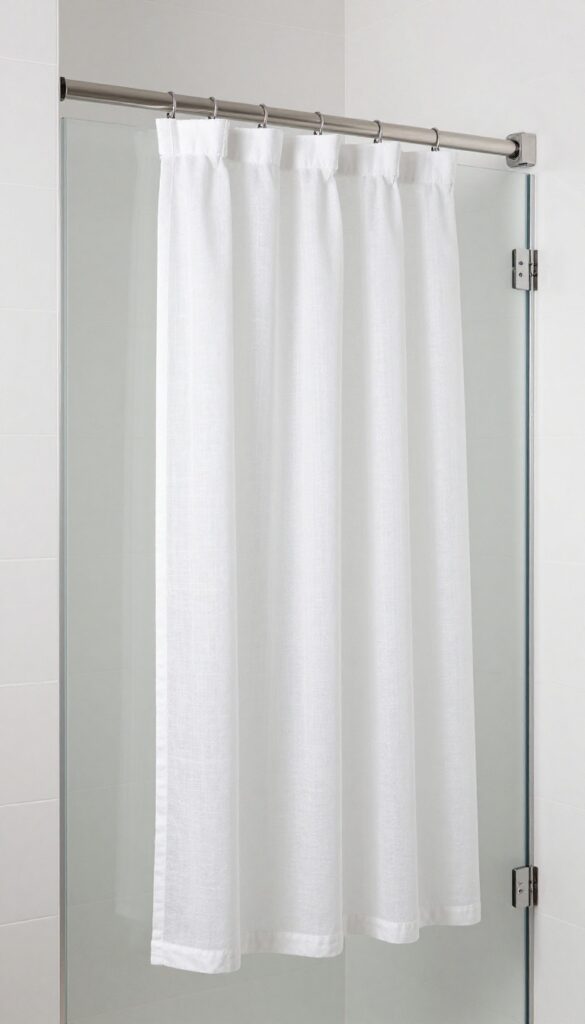
Velcro strips offer a no-tools, no-drill way to add a temporary curtain to your glass shower door. The concept is simple: attach one side of the hook-and-loop tape to the top edge of the glass and the other to a lightweight fabric panel. Press the curtain into place when you need privacy, and peel it off when you want the glass to be clear again.
It's a low-commitment solution that works especially well for renters or anyone who likes to change their decor often.
This method is ideal for those who want maximum flexibility with minimal effort. Because the curtain attaches directly to the glass, there's no need for a rod or hardware that might interfere with the door's operation. You can use any lightweight fabric—from a simple linen panel to a patterned cotton—as long as it's not too heavy for the adhesive to hold.
The Velcro strips are removable and repositionable, so you can experiment with different curtain lengths and styles without damaging the glass.
Choosing The Right Velcro
Not all Velcro is created equal. For a glass door, look for heavy-duty adhesive strips rated for outdoor or bathroom use. The adhesive should be waterproof and heat-resistant to withstand steam and humidity.
Command strips are a popular choice because they hold well but remove cleanly. Make sure the hook side is on the glass and the loop side on the curtain, so the fabric doesn't snag.
Curtain Fabric Tips
Lightweight fabrics work best with Velcro. Avoid thick or stiff materials that might pull the strips off. Cotton, polyester blends, and sheer fabrics are good options.
You can hem the top edge of the curtain and sew or glue the loop side of the Velcro directly onto the fabric. For a no-sew version, use fabric adhesive or iron-on Velcro tape.
Installation And Maintenance
Clean the glass thoroughly with rubbing alcohol before applying the adhesive strips. Let the adhesive cure for 24 hours before hanging the curtain. To remove, gently peel the strips off at a 45-degree angle.
If the curtain gets wet, let it air dry before pressing it back onto the glass to prevent mold. You can also machine wash the curtain—just remove the Velcro strips first.
10. Shower Curtain Liner as a Temporary Fix
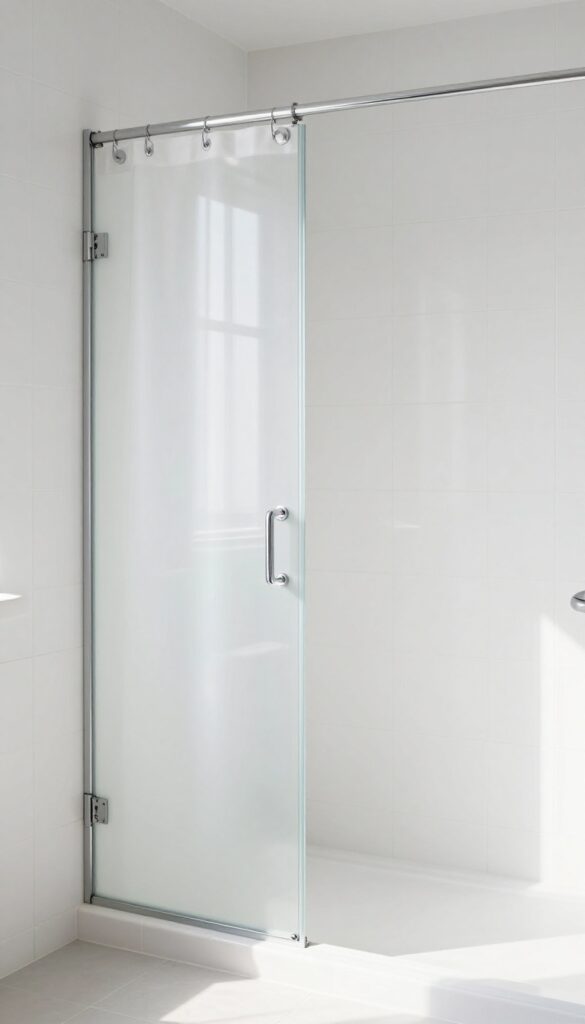
Sometimes you need privacy right now, and you don't want to drill holes or spend a lot. A standard shower liner—clear or frosted—hung on a tension rod behind the glass can solve the problem in minutes. It's the definition of a quick fix: cheap, reversible, and surprisingly effective.
A shower liner is basically a thin plastic curtain designed to keep water inside the tub. But when you hang it behind a glass door, it becomes an instant privacy screen. The frosted version diffuses light while blocking the view, and the clear option still blurs outlines enough to make a difference.
Installation is as simple as putting up a tension rod inside the shower frame and sliding the liner onto the rings. No tools, no permanent changes, and you can take it down just as fast.
Choosing The Right Liner
Look for a liner that's 6 to 8 mils thick—thin enough to hang straight but sturdy enough not to cling to your legs. Frosted liners offer the best privacy without making the shower feel like a cave. If you prefer clear, go with a heavy-duty version that stays flat and doesn't billow.
Tension Rod Tips
Measure the width of your shower opening before buying a rod. Most tension rods adjust from about 40 to 72 inches, which covers standard tub and shower sizes. Make sure the rod has rubber ends to grip the walls without slipping.
For extra stability, place it as high as possible—just below the top of the glass door frame.
Maintenance And Care
Shower liners can get moldy if left wet. Squeegee the liner after each use or run it through the washing machine on a gentle cycle with a bit of bleach every few weeks. Replace it every 6 to 12 months, since plastic eventually gets cloudy or brittle.
It's a low-cost item, so don't hesitate to swap it out.
11. Decorative Panel with Suction Cups
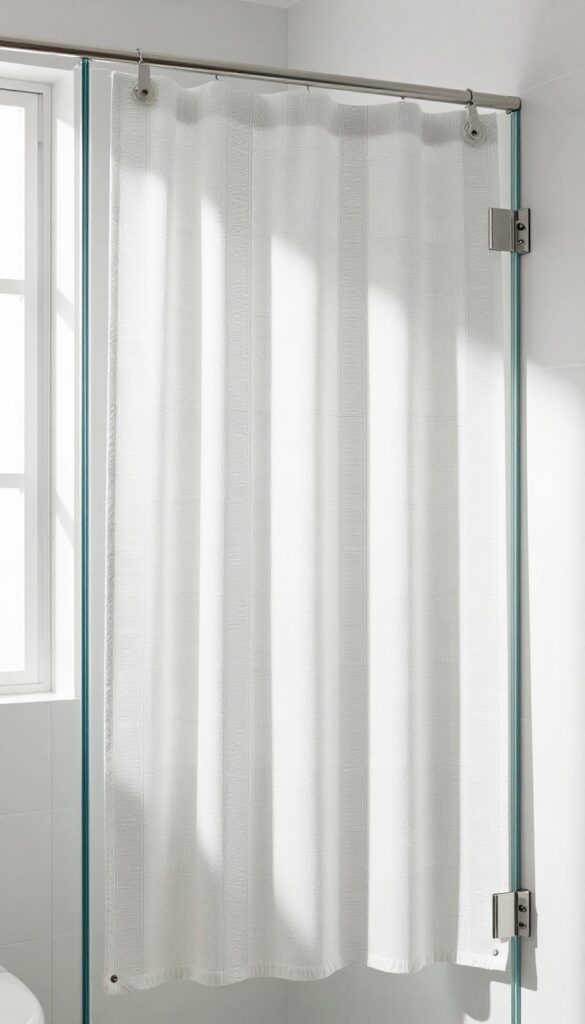
Suction cups are a game changer when you want privacy without permanent changes. A fabric panel with suction cups sewn into the corners lets you attach a curtain directly to the glass in seconds. No tools, no holes, and you can move it or remove it whenever you like.
This approach works especially well for renters or anyone who wants a quick fix. The suction cups hold firmly on clean glass, and the fabric panel can be any style you like—from opaque white to a bold pattern. Just press them on, and you're done.
Choosing The Right Fabric
Look for a fabric that's water-resistant and easy to wipe down. Polyester or treated cotton works well. Avoid heavy materials that might pull the suction cups loose over time.
Installation Tips
Clean the glass thoroughly before attaching the suction cups. A little water on the cup rim helps create a better seal. For extra grip, choose suction cups rated for wet environments.
When To Replace Suction Cups
Suction cups can lose their grip after a few months, especially in steamy showers. Keep a spare set handy, or look for panels that come with replacement cups.
12. Ceiling-Mounted Curtain with Tiebacks
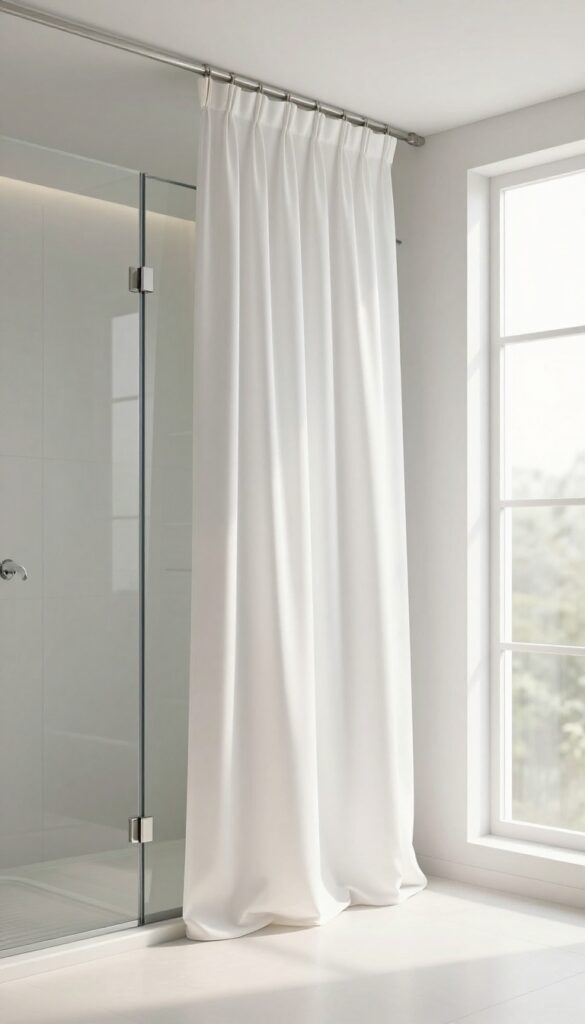
A ceiling-mounted curtain gives you the best of both worlds: full coverage when you need it and an open, airy look when you don't. By installing a track on the ceiling, you can hang a floor-to-ceiling curtain that slides smoothly across the glass door. Tiebacks let you gather the fabric to one side, exposing the glass completely when privacy isn't a concern.
This setup works especially well in bathrooms where you want to maintain a clean, modern aesthetic. The curtain becomes a design element rather than an afterthought, and the track system keeps everything looking intentional and polished.
A ceiling-mounted curtain is a versatile solution that adapts to your needs. When the curtain is drawn, it provides a soft, fabric barrier that contrasts nicely with the hard glass surface. When tied back, it adds a decorative touch and keeps the bathroom feeling spacious.
The track can be mounted directly into the ceiling or suspended from a rail system, depending on your ceiling type and weight requirements.
Choosing The Right Track
Look for a ceiling track that's designed for wet areas—metal or high-quality plastic with rust-resistant hardware. Curved tracks can follow the shape of your shower enclosure, while straight tracks work well for rectangular doors. Make sure the track is long enough to allow the curtain to clear the door opening completely when pulled to one side.
Fabric Selection
Go with a water-resistant fabric like polyester or a polyester-cotton blend that can handle moisture. Lighter colors keep the space bright, while darker hues add drama. For a spa-like feel, choose a textured fabric such as waffle weave or linen-look.
Avoid heavy fabrics that might drag on the floor or take too long to dry.
Installation Tips
Mount the track securely into ceiling joists or use heavy-duty toggle bolts for drywall. Measure carefully so the curtain hangs just above the floor—about half an inch clearance is ideal. Use tiebacks that match the curtain hardware, and position them at a height that allows the curtain to gather neatly without bunching.
13. Roman Shade Above the Door
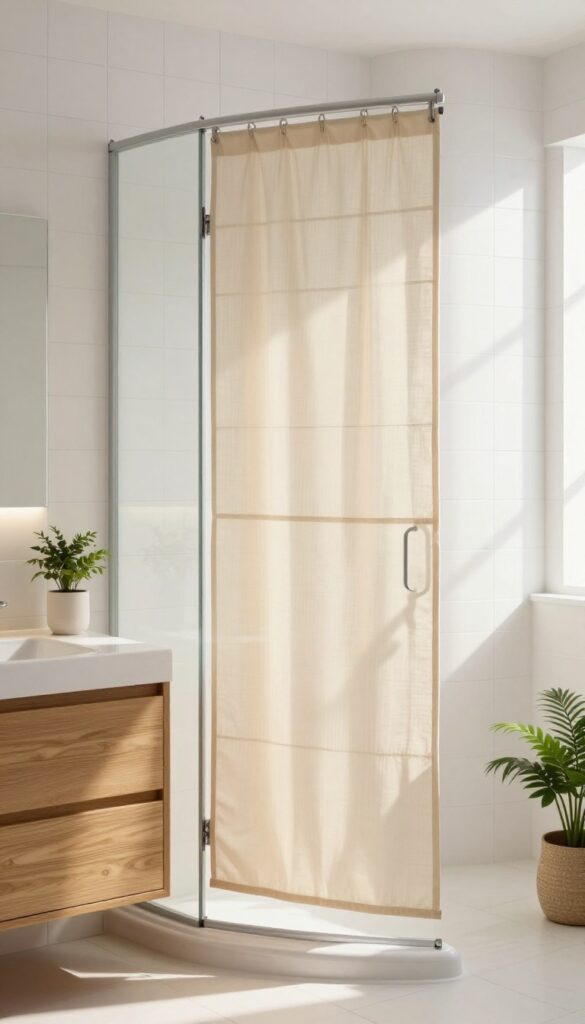
A roman shade mounted above your glass shower door brings a soft, tailored look that feels more traditional than most curtain setups. When lowered, it covers the glass completely for privacy; when raised, it stacks neatly out of sight. This works especially well in bathrooms with classic or transitional decor, where the fabric adds warmth and texture to an otherwise hard surface.
Choosing The Right Fabric
Pick a fabric that can handle humidity—cotton blends or polyester are good choices. Avoid heavy linens that might mildew. A light-filtering fabric gives privacy while still letting some light through, which keeps the bathroom from feeling too dark.
Mounting Tips
Mount the shade bracket above the door frame, not on the glass. Measure the width of the door and add a few inches on each side so the shade overlaps the glass completely. If your ceiling is high, you can mount it higher to make the window look taller.
Operation And Maintenance
Use a cordless roman shade for safety and a cleaner look. Most roman shades are easy to lower and raise with a simple pull. To clean, vacuum with a brush attachment or spot-clean with mild soap and water.
Avoid soaking the fabric.
FAQ
Will a curtain interfere with the glass door opening?
It depends on the setup. Using a tension rod inside the shower or a ceiling track usually avoids interference. For hinged doors, make sure the curtain doesn't block the swing path.
Can I use a regular shower curtain rod for a glass door?
Yes, but you may need a tension rod or a curved rod that fits the shower dimensions. Standard straight rods often don't work well with glass enclosures because they need to be mounted on walls.
How do I keep the curtain from sticking to me in the shower?
Use a weighted curtain or add magnets to the bottom hem. A curved rod also helps keep the curtain away from your body. For fabric curtains, a liner can reduce sticking.
What's the easiest no-drill option?
Suction cup hooks or magnetic strips are the easiest. You can attach a lightweight curtain without any tools, and they're easy to remove or reposition.
Will adding a curtain make the shower feel smaller?
It can, but choosing a light color or sheer fabric helps maintain an open feel. Keeping the curtain pulled back when not in use also minimizes the visual impact.
Conclusion
Adding a curtain to your glass shower door is one of the quickest ways to boost privacy without sacrificing style. Whether you choose a bold pattern, a textured fabric, or a simple frosted film, each option brings its own blend of function and flair.
Pick the idea that fits your space and budget best, and enjoy a bathroom that feels both open and intimate.