11 Shower Niche Tile Ideas That Turn Storage into a Feature
Your shower niche doesn't have to be just a functional hole in the wall. With the right tile, it can become the standout feature of your entire bathroom. These 11 ideas show you how to turn that small space into something you actually want to look at.
Each idea focuses on a different tile style, from classic subway to bold geometric patterns. You'll find options for every budget and aesthetic, whether you're going for spa-like calm or modern edge.
Let's dive into the details that make each niche unique. No fluff, just practical inspiration you can use right away.
1. Mosaic Madness: Small Tiles, Big Impact
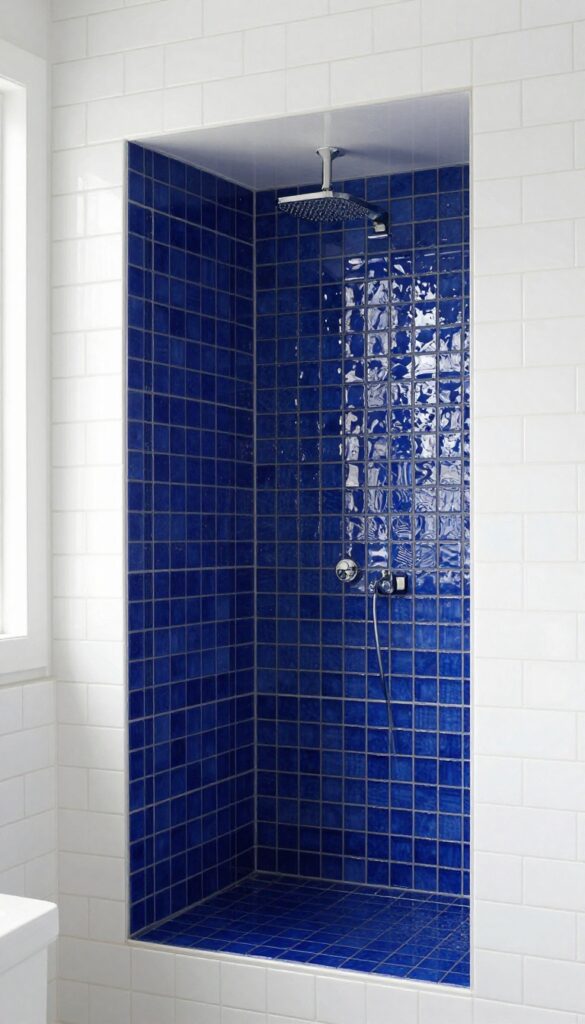
Mosaic tiles are the ultimate way to add texture and color to your shower niche without overwhelming the space. Because the tiles are small, you can pack a lot of visual interest into a relatively compact area. The key is to choose a mosaic that contrasts with your main wall tile—think deep blue glass against white subway tile, or a warm terracotta penny round against cool gray large-format slabs.
That contrast makes the niche pop and draws the eye naturally.
Mosaic tiles come in sheets, which makes installation easier than you might think. You can find them in glass, ceramic, stone, or even metal. The small size allows for intricate patterns like herringbone, chevron, or random mix-and-match.
Because the niche is recessed, the mosaic acts like a framed piece of art. It's a low-risk way to experiment with bold colors or textures since the area is small. Plus, the grout lines add grip, which is practical for a wet environment.
Go Glass For Shine
Glass mosaic tiles reflect light beautifully, making your niche feel larger and more luxurious. They're easy to clean and resist moisture. Choose a color that complements your main tile—like a soft seafoam green with white marble—for a spa-like vibe.
Mix Materials For Depth
Combine glass with natural stone or ceramic for a layered look. A blend of matte and glossy finishes adds dimension. For example, a sheet with alternating square glass and round stone pebbles creates a tactile, organic feel that stands out.
Use A Bold Pattern
Mosaic sheets aren't just random—they can form geometric patterns like hexagons, arabesques, or fish scales. A bold pattern in a contrasting color turns your niche into a focal point. Keep the rest of the bathroom neutral to let the niche shine.
2. Marble Elegance: Timeless and Luxurious
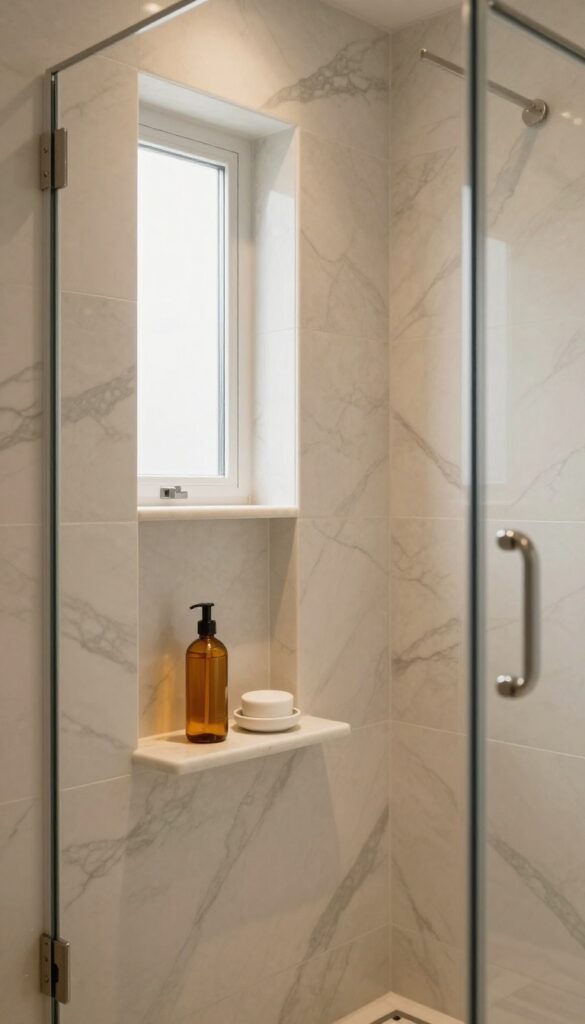
A marble or marble-look tile inside the niche adds instant luxury. Choose a subtle vein pattern for a classic, upscale feel that never goes out of style. This approach works especially well in bathrooms with neutral palettes or traditional fixtures.
Marble tile transforms a simple niche into a focal point. The natural stone brings depth and sophistication, while the soft veining creates visual interest without overwhelming the space. For a cohesive look, carry the same marble into the surrounding shower walls or use it as an accent strip.
Choosing The Right Marble
Select marble with fine, consistent veining – Carrara and Calacatta are popular choices. Honed finishes reduce slipperiness and hide water spots better than polished ones. If real marble is out of budget, high-quality porcelain marble-look tiles offer the same elegance with less maintenance.
Pairing With Other Materials
Marble pairs beautifully with brushed nickel or matte black fixtures. For a warm contrast, combine it with wood-look tiles or natural stone flooring. Keep grout lines thin and match the grout color to the marble's background for a seamless appearance.
Lighting And Placement
Install a small recessed light or LED strip above the niche to highlight the marble's veining. Position the niche at eye level for maximum impact. If your shower has a window, natural light will make the marble glow.
3. Hexagon Heaven: Geometric Charm
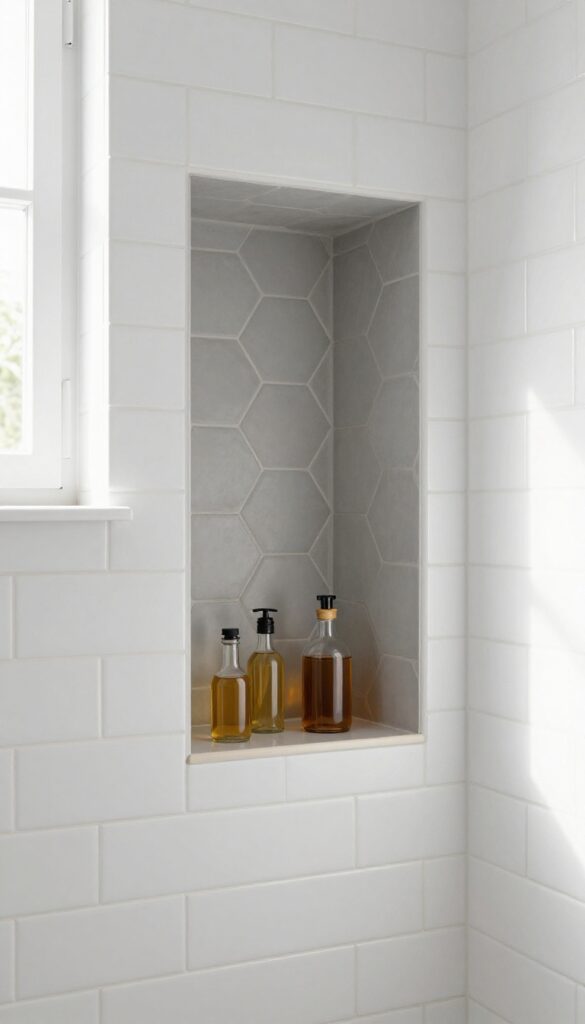
Hexagon tiles bring a fresh, modern energy to any shower niche. Their six-sided shape creates a subtle honeycomb effect that feels both organic and architectural. When you choose a matte finish, the surface stays low-glare and sophisticated, making the pattern the star without any distracting shine.
The real trick is to pick a hexagon tile in a color that contrasts with your main wall tile. A soft gray hexagon against white subway tile, for example, gives the niche a defined border that frames your bottles beautifully. You can also go bolder—deep navy or charcoal hexagons against a light wall create a striking focal point that still feels intentional, not chaotic.
Scale And Layout
Hexagon tiles come in all sizes. Small mosaics (1-inch or 2-inch) give a detailed, textured look, while larger hexagons (4-inch or 6-inch) read as more minimalist. For a standard niche, medium-sized hexagons (around 3 inches) strike the best balance—they show off the shape without overwhelming the space.
Lay them in a grid for a clean look, or rotate them 30 degrees for a more dynamic, diamond-like effect.
Grout Color Matters
With hexagon tiles, grout becomes part of the design. A contrasting grout—say, white grout with dark tiles—emphasizes each hexagon and makes the geometric pattern pop. For a more seamless, modern look, match the grout to the tile color.
Either way, use a stain-resistant grout in a shower niche, since that area gets constant moisture and soap residue.
Matte Vs. Gloss Finish
Matte hexagon tiles are the top pick for shower niches because they hide water spots and soap scum better than glossy ones. They also feel softer underfoot (or underhand) and reduce glare from shower lighting. If you love the hexagon shape but want a bit of shine, go for a satin finish—it’s a middle ground that still offers some reflection without the upkeep of high-gloss.
4. Subway Tile Twist: Classic with a Turn
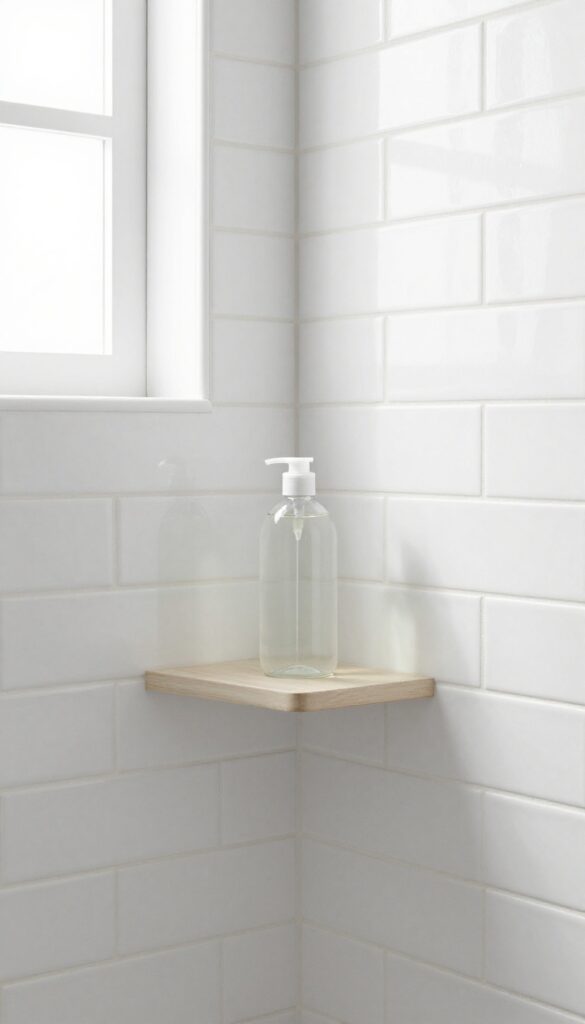
Subway tile is a bathroom staple for a reason—it's clean, timeless, and budget-friendly. But laying it straight inside a niche can feel a little predictable. A simple shift in pattern, like herringbone or vertical stacking, transforms those familiar rectangles into something fresh and eye-catching.
The beauty of this idea is that it doesn't require expensive materials or complicated installation. You're using the same affordable subway tile you'd find at any home center, just arranged differently. The result is a niche that feels custom and deliberate without blowing your budget.
Herringbone For Movement
A herringbone pattern inside the niche creates a sense of flow and energy. The angled tiles catch light in different ways, making the niche feel dynamic even in a small space. It works especially well with white or light gray subway tile because the pattern stands out without being too busy.
Vertical Stack For Height
Stacking subway tile vertically (brick style but upright) draws the eye upward, which can make your shower feel taller. This is a great trick for niches in standard-height showers. It's subtle but effective, and it pairs beautifully with horizontal subway tile on the main walls for contrast.
Contrast Grout For Definition
To make the pattern pop, use a grout color that contrasts with the tile. Dark charcoal grout with white subway tile is a classic combo that defines each tile clearly. In a niche, this contrast ensures the pattern reads clearly even from a distance.
5. Bold Contrast: Dark Niche, Light Walls
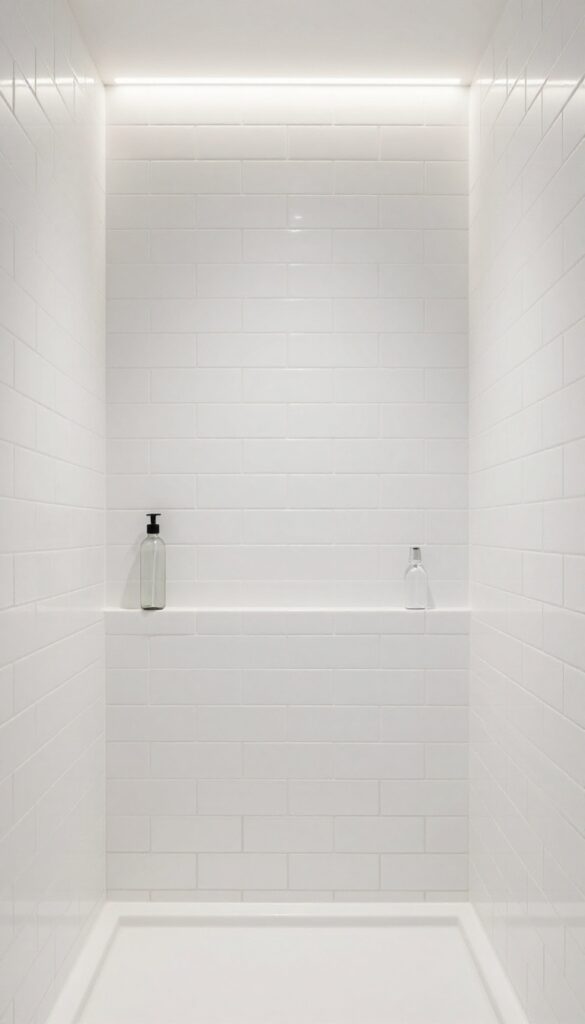
Sometimes the most striking design move is the simplest: paint or tile the niche in a deep charcoal or navy while keeping the surrounding walls light. This creates a dramatic frame that turns your shampoo bottles into a curated display. The contrast draws the eye directly to the niche, making it a deliberate focal point rather than an afterthought.
This approach works best when the rest of the bathroom is kept light and airy—think white subway tile, pale marble, or soft beige. The dark niche becomes an anchor, adding depth and sophistication without overwhelming the space. It's a low-risk, high-impact upgrade that works with almost any style, from modern farmhouse to industrial minimalism.
Choosing The Right Dark Shade
Charcoal and navy are the most popular choices because they read as neutral but still offer serious punch. For a warmer feel, try a deep espresso or forest green. Just make sure the dark tile has a slight sheen (like a satin or gloss finish) to reflect light and keep the niche from feeling like a black hole.
Tiling Tips For A Seamless Look
Extend the dark tile to the back and all three sides of the niche, but keep the outer edge clean—no bullnose or trim needed if you use a metal Schluter strip in a matching dark tone. This creates a crisp, modern border. For extra drama, use the same dark tile on the niche floor as well.
Lighting Makes The Contrast Pop
A small recessed LED strip or a puck light inside the niche will make the dark tile glow and highlight your products. Even a simple waterproof LED tape along the top edge can elevate the look from good to gallery-worthy. Just make sure the light color temperature is warm (2700K–3000K) to keep the contrast cozy, not clinical.
6. Penny Tile Play: Retro and Textured
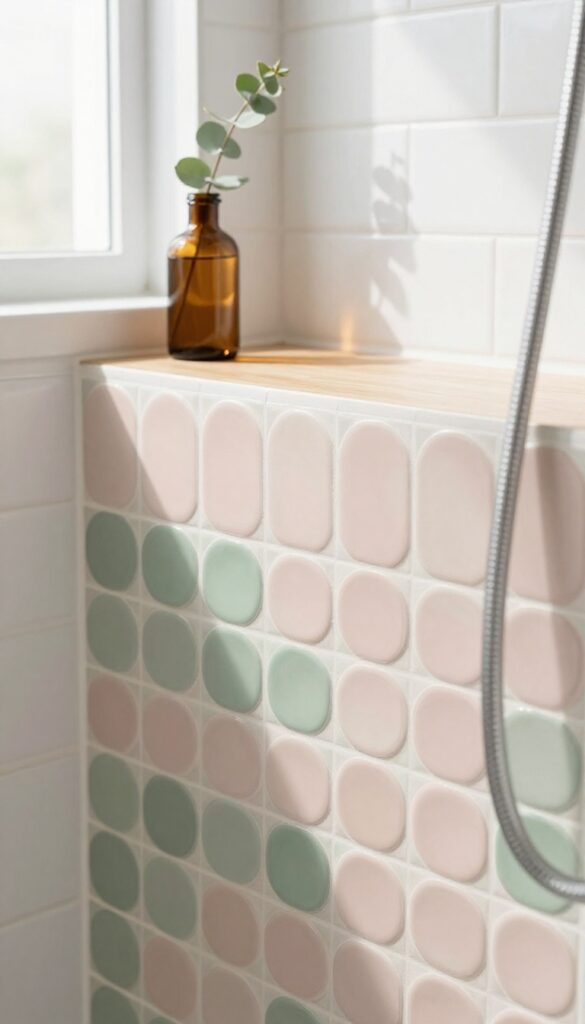
Penny rounds bring a playful, vintage vibe that instantly makes your niche feel intentional. The small circles create a tactile surface that catches light differently than standard square tiles, adding depth without overwhelming the space. Soft pastels like blush or sage keep it subtle, while metallic finishes like copper or brushed nickel turn the niche into a shimmering focal point.
Penny tile is a classic choice that works in both traditional and modern bathrooms. Its small scale makes it perfect for a niche, where the pattern can shine without competing with larger wall tiles. The rounded edges soften the look and add a gentle texture that feels good under your fingers.
Whether you go for a single color or a mix of shades, penny rounds create a memorable detail that elevates the entire shower.
Why Penny Tile Works In A Niche
The small size of penny rounds means they can fit into tight spaces without awkward cuts. They also create a natural grid that draws the eye, making the niche feel like a deliberate design choice rather than an afterthought. The texture helps hide water spots and soap residue, so the niche stays looking fresh longer.
Color And Finish Options
Pastel penny tiles in soft pink, mint, or powder blue give a nostalgic, candy-shop feel. For a more modern look, try metallic finishes like matte black, brushed brass, or polished nickel. You can also mix two colors in a checkerboard pattern for extra visual interest.
Grout Considerations
Because penny tiles have many grout lines, choose a grout color that complements the tile. White or light gray grout keeps the look airy, while dark grout adds contrast and hides dirt. Use a stain-resistant grout to make cleaning easier.
7. Linear Stripes: Horizontal or Vertical Flow
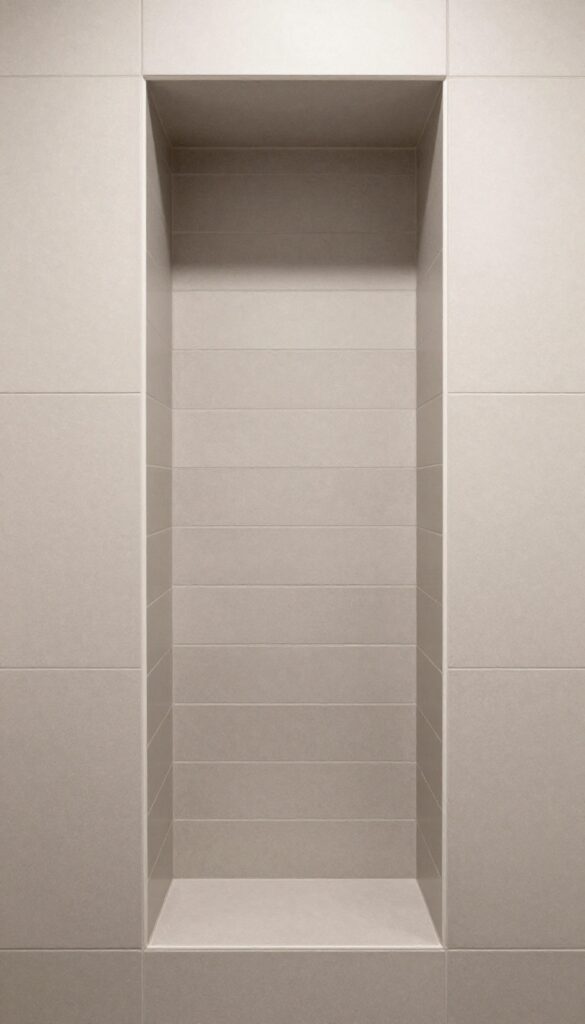
Long, narrow tiles arranged in stripes create a sense of movement that draws the eye. Whether you go horizontal or vertical, this trick can make your niche feel larger and more dynamic. It's a simple layout change that packs a visual punch.
Linear stripes work because they guide the eye along the length of the niche. Horizontal stripes widen the space, while vertical stripes add height. Picket tiles, plank tiles, or even long subway tiles cut into strips all work well.
The key is keeping the grout lines thin and consistent to maintain the clean line effect.
Horizontal For Width
If your niche is narrow and tall, horizontal stripes can visually widen it. Lay the tiles so the long edges run side to side. This works especially well with matte finish tiles in neutral tones—think warm gray or beige.
The stripes create a subtle horizontal band that breaks up the vertical wall tiles.
Vertical For Height
In a wide, shallow niche, vertical stripes add the illusion of height. Stack the tiles vertically like a column. This is a great way to make a standard 12×12 niche feel taller and more elegant.
Pair with a glossy finish to reflect light and amplify the effect.
Mix Tile Shapes For Contrast
For extra interest, combine linear stripes with a different tile on the back wall of the niche. For example, use horizontal picket tiles on the sides and a small hexagon or mosaic on the back. The contrast highlights the stripes and gives the niche depth.
8. Natural Stone Slab: Seamless and Sleek
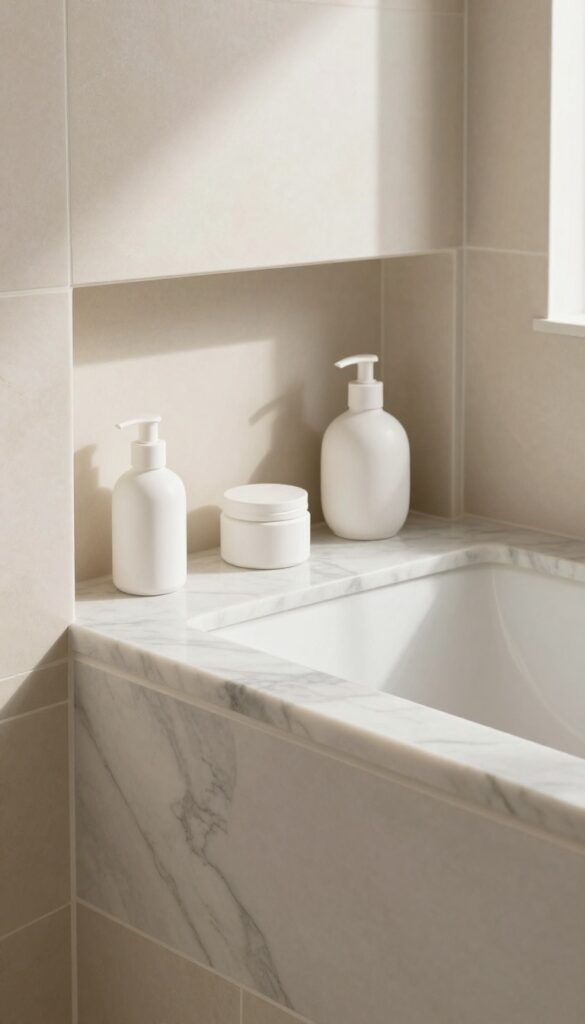
A single slab of natural stone (or a large-format porcelain lookalike) eliminates grout lines for a clean, modern look. This approach turns your niche into a monolithic focal point that feels luxurious and intentional. It’s a bold choice that works especially well in minimalist or spa-inspired bathrooms.
Using a full slab in your shower niche creates a seamless surface that’s easy to clean and visually stunning. The lack of grout lines means less maintenance and a more polished appearance. Natural stones like marble, travertine, or slate each bring unique veining and texture, while large-format porcelain tiles can mimic the look at a lower cost and with better water resistance.
Choosing The Right Stone
Marble offers classic elegance but requires sealing to prevent staining. Travertine has a warm, earthy feel with natural pits that add character. Slate is durable and slip-resistant, ideal for shower floors as well.
For a budget-friendly alternative, look for porcelain slabs that replicate stone veining with high-definition printing.
Installation Tips
Accurate measurements are crucial—your slab must fit the niche perfectly with minimal seams. Hire a professional fabricator to cut and polish the edges. Consider a slight slope at the niche bottom to prevent water pooling.
Use a matching silicone caulk at the corners instead of grout for a truly seamless look.
Design Impact
A stone slab niche creates a striking contrast against tiled walls, especially if you choose a darker or lighter shade. It can also serve as a backdrop for your shampoo bottles, making everyday items feel like part of the decor. Pair with linear drains and frameless glass for a contemporary finish.
9. Glossy Accent: Reflective and Bright
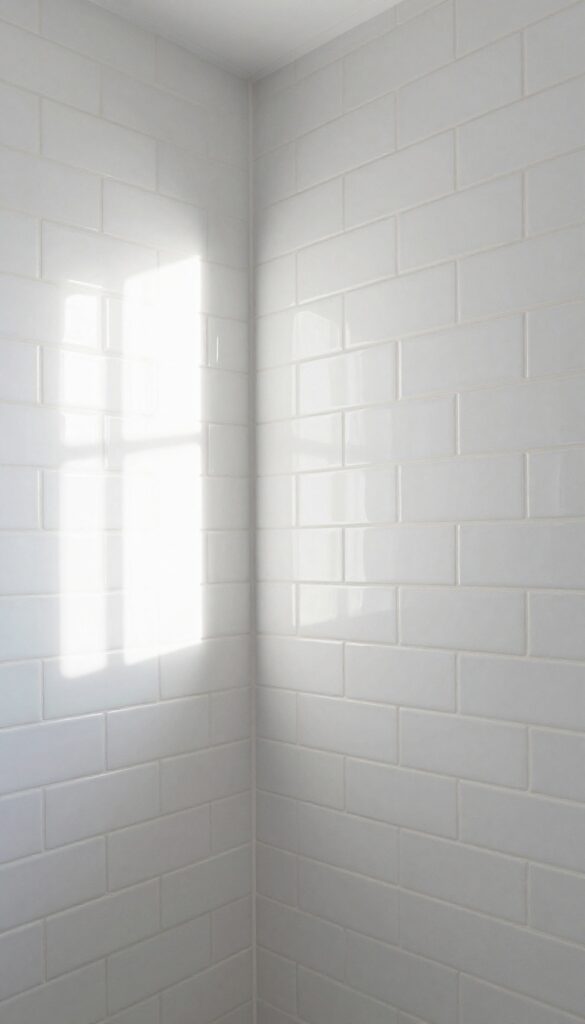
Glossy tiles in a shower niche do more than just look shiny—they actively bounce light around, making even the smallest shower feel airy and open. If your bathroom lacks natural light or feels cramped, this is a simple fix that doesn't require a renovation. The key is choosing the right finish and placement to maximize reflection without overwhelming the space.
A glossy accent niche works by catching light from overhead fixtures or nearby windows and spreading it across the shower. The effect is subtle but noticeable: the niche becomes a bright focal point instead of a dark hole. For best results, use glossy tiles in a light color like white, cream, or pale gray.
Deep colors can still reflect, but they absorb more light, so stick with lighter shades if brightness is your goal.
Tile Choices That Shine
Not all glossy tiles are created equal. Glazed ceramic and porcelain offer a high-gloss finish that's durable and easy to clean. Glass tiles take reflection a step further with a jewel-like sparkle.
If you want maximum shine, consider large-format glossy tiles that minimize grout lines—fewer interruptions mean more continuous reflection.
Placement And Lighting Tips
Position your niche where it can catch direct light from the shower's main fixture or a nearby window. If your shower is windowless, add a small recessed light above or beside the niche. The glossy surface will amplify that light, making the niche glow.
Avoid placing the niche in a shadowed corner where it can't reflect.
Pairing With Matte Surroundings
For contrast, surround the glossy niche with matte or textured tiles. The difference in finish makes the niche pop without looking busy. A matte subway tile wall with a glossy white or pale blue niche interior creates a clean, modern look that feels intentional.
10. Patterned Tile: Moroccan or Encaustic Style
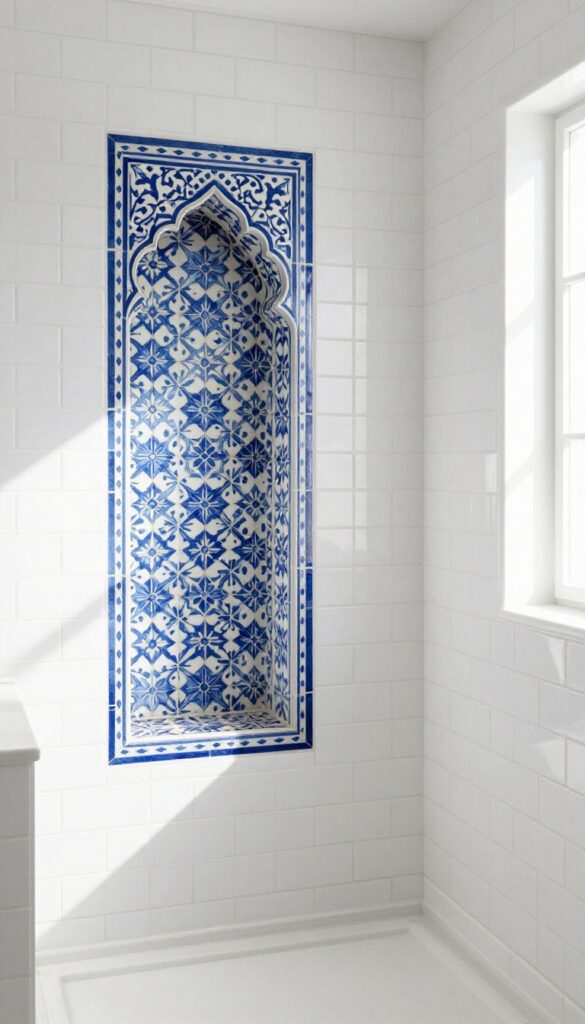
A patterned tile with a Moroccan or encaustic design turns the niche into a mini artwork. Keep the rest of the shower simple so the niche really pops. This approach works especially well in an otherwise neutral bathroom where you want a surprise element.
Patterned tiles bring personality and a handcrafted feel. Moroccan cement tiles or encaustic lookalikes add rich color and intricate geometry. The key is restraint: let the niche be the star, not the whole room.
Choosing The Right Pattern
Go for a pattern that complements your shower's overall style. A small-scale geometric motif works in a compact niche, while a larger medallion design can handle a wider space. Stick to two or three colors to keep it cohesive.
Installation Tips
Use a tile saw with a fine blade for clean cuts around the niche edges. Plan the layout so a full pattern sits centered in the niche. Seal natural stone or cement tiles before grouting to prevent stains.
Pairing With Simple Surrounds
White subway tile or large-format marble-look slabs make the perfect backdrop. The contrast lets the patterned niche feel intentional, not chaotic. Keep grout lines thin and neutral.
11. Mixed Materials: Tile and Wood or Metal
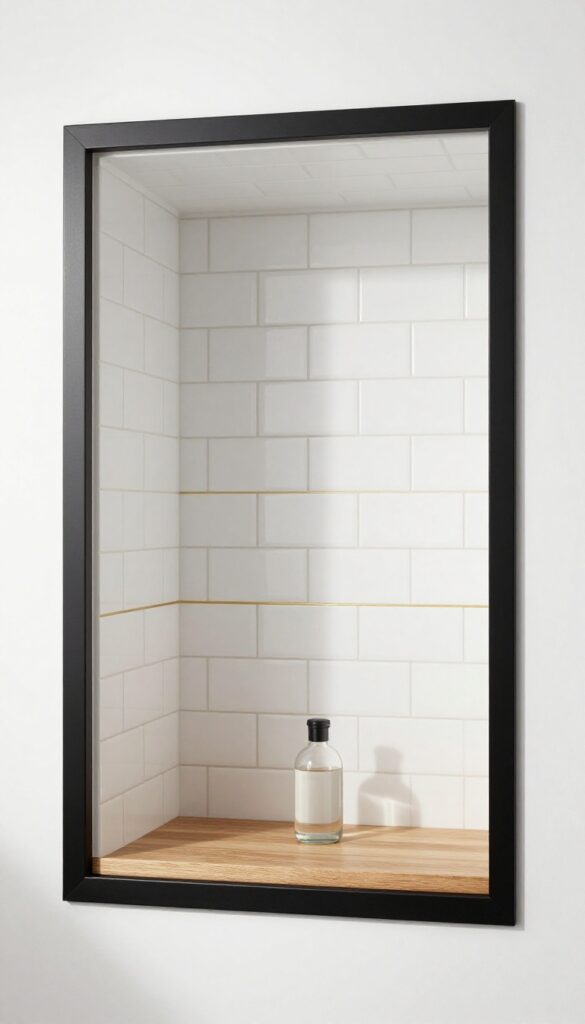
Who says a shower niche has to be all tile? Mixing materials adds depth and personality that tile alone can't achieve. A small wood shelf or a metal accent frame turns the niche into a layered, tactile feature.
Combining tile with wood or metal is a clever way to break up the monotony of an all-tile shower. The contrast between cool tile and warm wood, or sleek metal, creates visual interest and a custom look. Plus, it's practical: wood shelves add natural warmth, while metal trim protects edges and adds a polished finish.
Wood Shelf Insert
A teak or cedar shelf nestled within your tile niche brings an organic, spa-like feel. Wood is naturally water-resistant when sealed, and its grain pattern contrasts beautifully with geometric or subway tile. Keep the shelf slim so it doesn't overpower the tile.
Metal Trim Accent
Brass, chrome, or matte black metal trim around the niche opening frames the tile like a picture. It's a subtle way to tie in your faucet finish and add a touch of luxury. Use a thin profile for a modern look or a wider band for more presence.
Tile And Metal Inlay
For a bolder statement, incorporate metal strips directly into the tile pattern. Thin brass or stainless steel bars running horizontally across the niche break up large-format tiles and catch the light. This works especially well with marble or solid-color tiles.
FAQ
What is the best tile size for a shower niche?
Small tiles like mosaics or 2×2 inches work well because they fit the niche's dimensions without too many cuts. Larger tiles can also work if cut precisely.
Should the niche tile match the shower wall tile?
Not necessarily. Matching creates a seamless look, but contrasting tile makes the niche a feature. Both are popular choices.
How deep should a shower niche be?
Standard depth is about 3. 5 inches to accommodate most shampoo bottles. Deeper niches can hold larger items but may require more structural planning.
Can I tile a shower niche myself?
Yes, if you have basic tiling skills. The key is proper waterproofing and cutting tiles accurately. For complex patterns, consider a pro.
What grout color is best for a shower niche?
A grout color that matches the tile creates a clean look. Contrasting grout highlights the pattern. Use epoxy grout for moisture resistance.
Conclusion
Your shower niche doesn't have to be an afterthought. With the right tile, it becomes a focal point that adds texture, color, and personality to your daily routine. Pick one idea that fits your style and start small—even a single accent niche can transform the whole space.
The best part is that you get both function and design in one upgrade. So go ahead, make that storage spot something you actually look forward to showing off.