11 Small Living and Dining Room Ideas for a More Polished Space
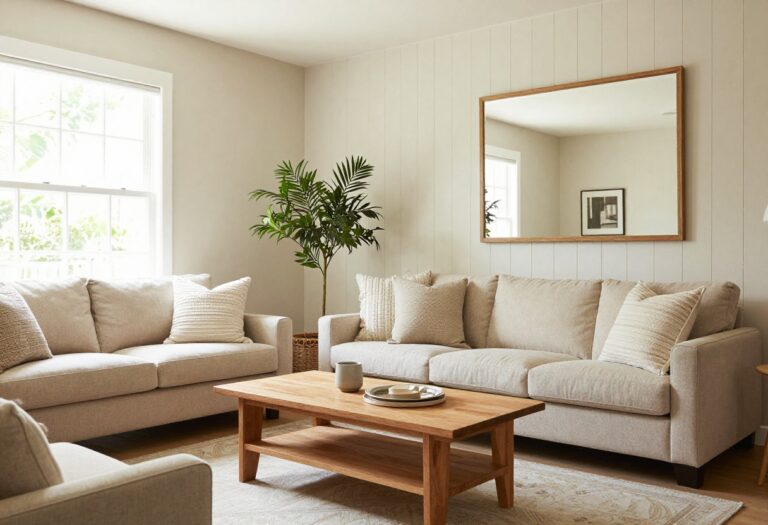
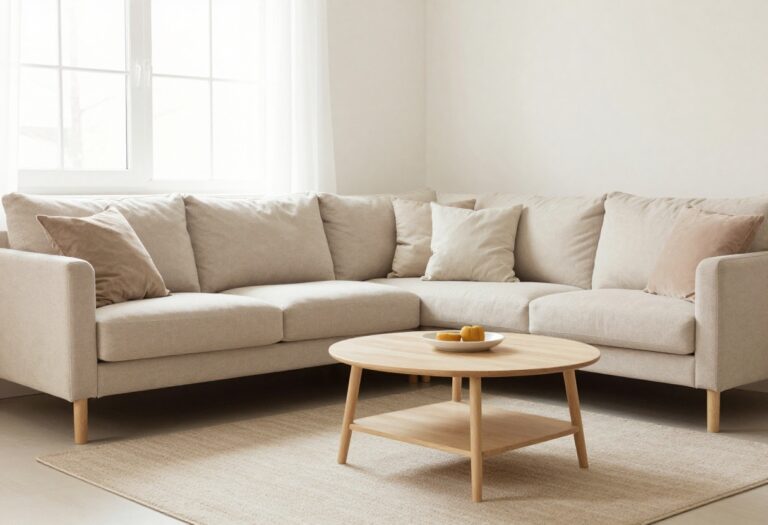
Living and dining in one room can feel like a juggling act. You want both areas to feel intentional, not cramped. The trick is to let light and airiness lead the way, so every corner breathes easy.
A polished look doesn't require a big budget or a total overhaul. Small shifts in color, furniture placement, and texture can make a surprising difference. Think of it as curating, not cramming.
These 11 ideas focus on smart, space-aware choices that keep your home feeling open and refined. Whether you're renting or own, each tip is practical and easy to picture in your own space.
1. Stick to a Light, Unified Color Palette
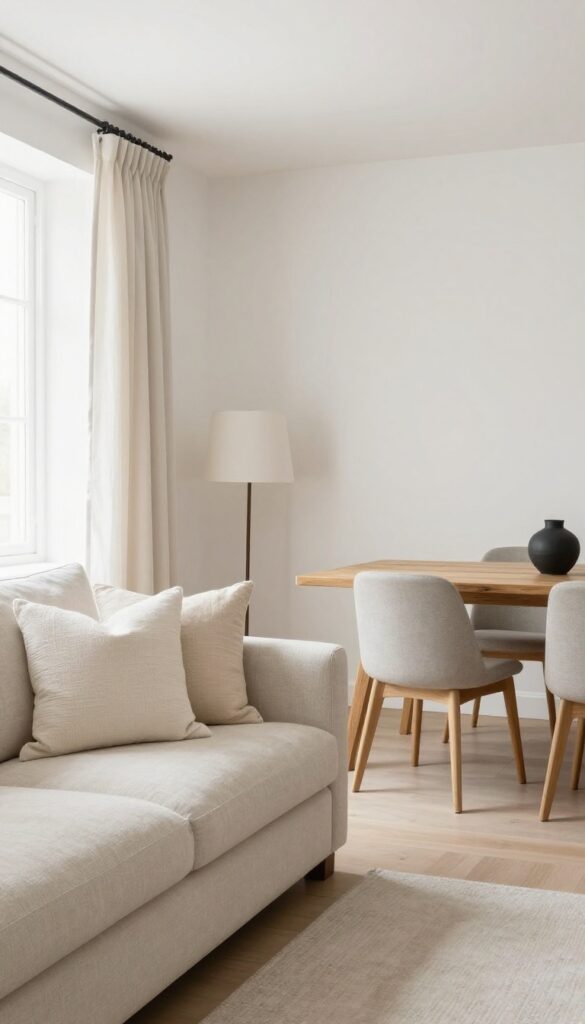
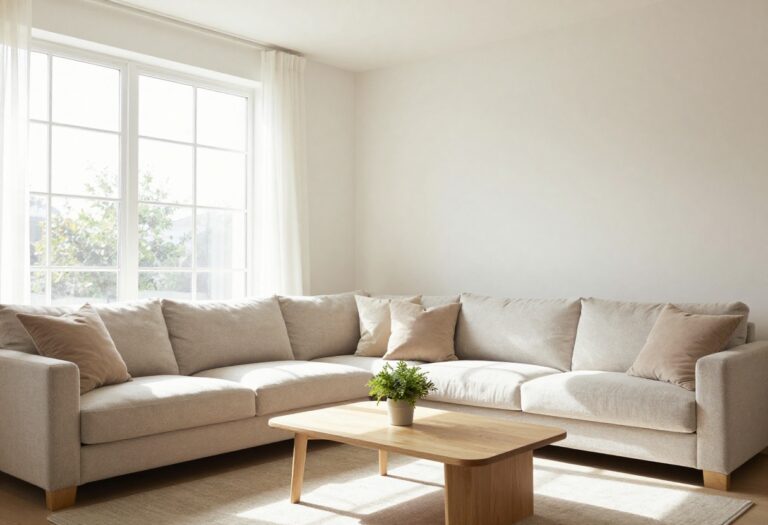
Nothing opens up a small living and dining space quite like a soft, cohesive color scheme. When walls, large furniture, and even your dining chairs share a similar light tone—think warm whites, soft beiges, or pale greiges—the eye glides smoothly from one zone to the next. This visual continuity tricks the room into feeling larger and more intentional, without requiring a single square foot of extra space.
It’s a low-lift change that makes everything feel instantly more polished and serene.
By committing to a light, unified palette, you eliminate visual clutter and create a calm backdrop that lets texture and shape shine. The key is to vary shades slightly—maybe a creamy white on the walls, a slightly warmer beige on the sofa, and a pale greige on the dining chairs—so the room doesn’t feel flat. Then, layer in a few darker accents through decor pieces like throw pillows, art, or a slim floor lamp to add depth without breaking the flow.
This approach works especially well in open-plan living and dining combos, where the two areas need to feel connected but distinct.
Best Colors To Start With
- Stick to soft neutrals with warm undertones: Benjamin Moore’s White Dove, Sherwin-Williams’ Accessible Beige, or Farrow & Ball’s Skimming Stone. These shades read as airy and inviting, not cold. For furniture, opt for off-white or light linen upholstery, and choose a dining table in a pale oak or bleached wood finish.
- The goal is for each piece to blend into the next, not compete.
Texture Mix For Visual Interest
- When everything is light, texture becomes your secret weapon. Combine a chunky knit throw on the sofa with a sleek ceramic vase on the dining table. Add a flatweave wool rug in a neutral tone, and contrast it with a matte black or brass light fixture overhead.
- This keeps the room from looking washed out or boring, while still honoring the unified palette.
Small-space Styling Tip
Carry the same wall color onto the ceiling and trim for a seamless, expansive effect. Then, use a single accent color—like dusty sage or soft terracotta—in small doses (a single cushion, a set of napkins, a small artwork) to tie both zones together without breaking the light-and-airy spell.
2. Float Furniture Away from Walls
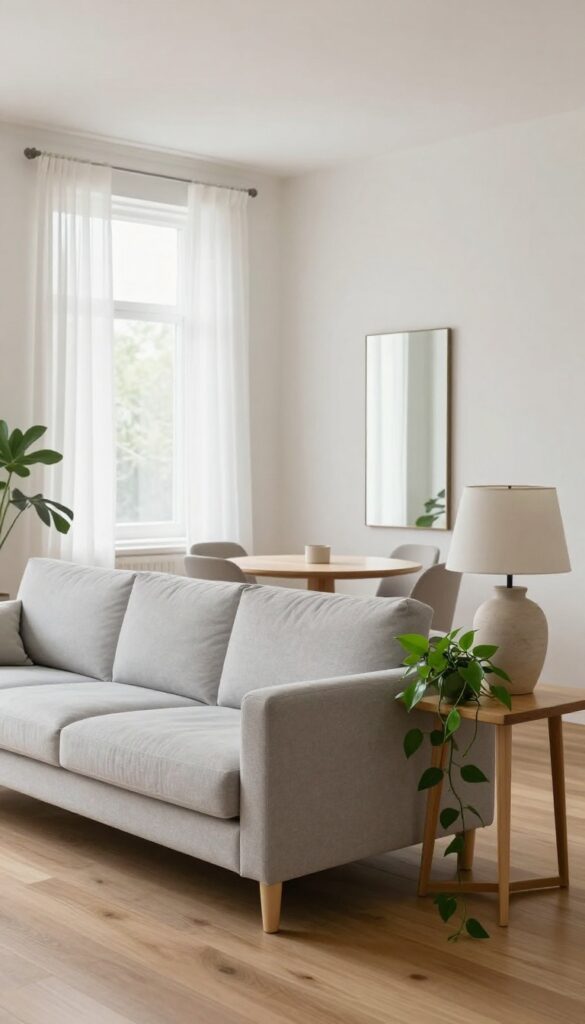
You might think pushing your sofa against the wall saves precious square footage, but it often makes a small room feel like a box. Pulling pieces inward—just a few inches—creates a visual buffer that tricks the eye into seeing more depth. That tiny gap behind the sofa becomes an opportunity for a slim console table, a floor lamp, or even a trailing plant, turning dead space into a deliberate design choice.
The same logic applies to your dining table. Instead of jamming it against a wall, center it in the room or offset it slightly to allow chair clearance and a natural flow around the table. This floating effect makes the whole room feel larger and more intentional.
You’ll also notice that the air circulation improves, and the space suddenly feels less cramped—even if you haven’t changed a single piece of furniture.
Best Layout For Small Rooms
- Start by measuring your room and identifying the focal point—usually a window, fireplace, or TV. Then place your sofa perpendicular to the longest wall, not parallel to it. Pull it forward by at least 6 to 12 inches.
- This creates a walkway behind the sofa and visually separates the seating area from the rest of the room. For dining tables, aim for at least 24 inches of clearance on each side for chairs, and center the table in the available space.
Finishing Touch
- Once your furniture is floating, use that newly created negative space to add depth. Place a narrow console table behind the sofa with a table lamp and a stack of books. Or, if the gap is behind the dining table, lean a large mirror against the wall to reflect light.
- These small additions make the floating layout feel purposeful and polished.
Lighting Tip
Floating furniture allows you to layer lighting more effectively. Position a floor lamp in the corner that was previously blocked by the sofa, or hang a pendant light directly above the dining table. The open space around the furniture lets light travel freely, making the room feel airier and brighter.
3. Use a Rug to Define Zones
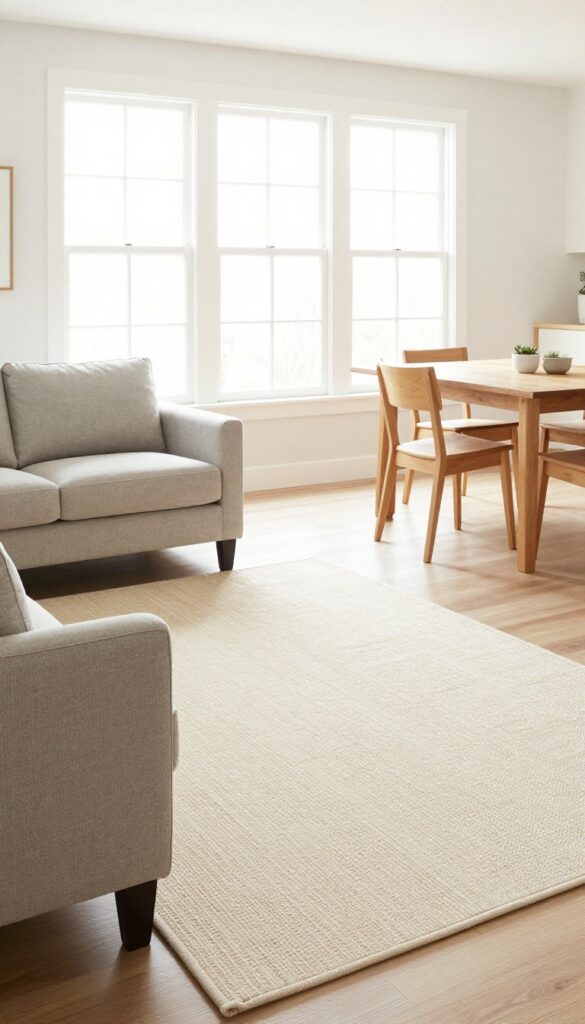
In an open-plan living and dining room, rugs do more than soften footsteps. They act as visual anchors, carving out distinct zones without a single wall. The trick is choosing rugs that complement each other while clearly marking where the sofa ends and the dining table begins.
This approach keeps the space feeling open and airy, but also intentional and orderly.
Layering rugs is a smart, space-aware move that adds warmth and structure. By placing a light-colored rug under the dining table and another under the seating area, you create two separate rooms within one footprint. The visual separation helps the eye navigate the space, making it feel larger and more organized.
Stick to rugs in similar tones or textures to maintain a cohesive look, and ensure both are large enough to anchor the furniture—the dining rug should extend at least 24 inches beyond the table edges, and the living room rug should sit under the front legs of your sofa and chairs.
Rug Pairing Tip
For a light and airy feel, choose a low-pile wool or cotton rug in cream, pale gray, or soft beige for the dining area. Under the seating zone, go for a slightly different texture—like a flatweave or a subtle geometric pattern—in a similar color family. This contrast defines the zones without clashing.
Size Matters
- A common mistake is using a rug that’s too small. In the dining area, make sure chairs stay on the rug even when pulled out. In the living area, the rug should be large enough that the front legs of all seating rest on it.
- This anchors the furniture and makes the zone feel grounded.
Finishing Touch
Add a thin, non-slip pad under each rug to keep them flat and safe. This is especially important in high-traffic zones. The pads also help preserve your flooring and make vacuuming easier.
4. Choose a Glass or Lucite Dining Table
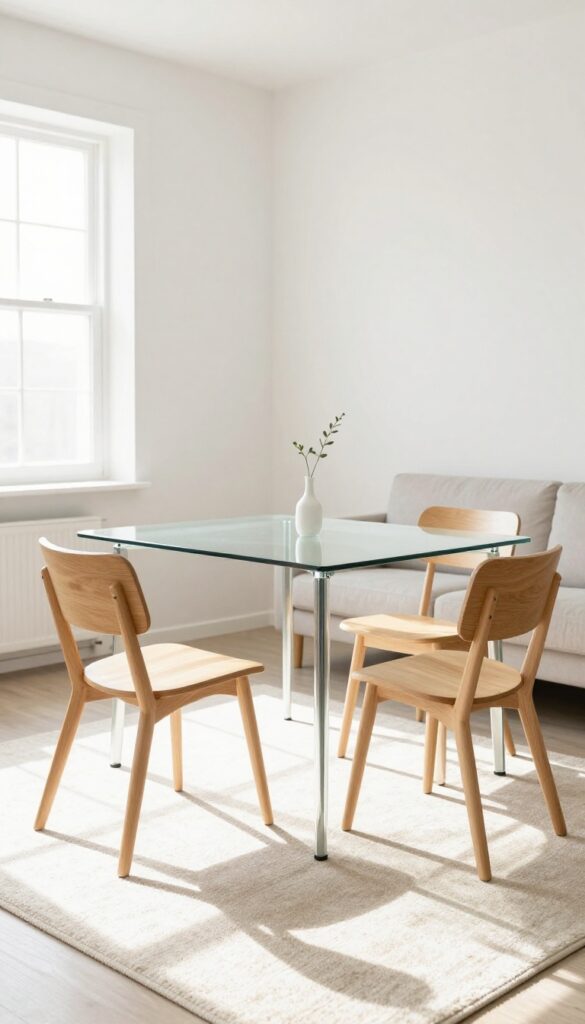
A transparent dining table is one of those smart moves that makes a small space feel instantly bigger. Glass or Lucite tops let light pass through, so the table never feels like a heavy block in the middle of the room. The floor, rug, and even the legs of the chairs stay visible, which keeps the whole setup feeling open and airy.
Pairing a clear table with slim, light-colored chairs reinforces the light, airy vibe. Think white or pale wood chairs with tapered legs—nothing chunky. The combination feels polished without weighing down the room.
It’s a practical choice for dining areas that double as workspaces or entry points, since the table visually recedes when not in use.
Best Materials
Tempered glass is the most common and budget-friendly option, but acrylic or Lucite offers a warmer, less fragile feel. Both are easy to clean and resist scratches with proper care. For a touch of warmth, look for a glass top with a slim metal or wood base in a light finish.
Small-space Fix
Round or oval shapes work especially well in tight layouts—they soften the visual lines and let people move around more easily. A 36- to 42-inch round table seats four without dominating the floor plan. If you need extra surface area, consider a drop-leaf or extendable version that stays compact day to day.
Styling Tip
Keep centerpieces low and minimal to preserve the open feel. A single bud vase or a small cluster of candles works better than a large floral arrangement. When not in use, let the table stand nearly bare so the transparency can do its job.
5. Hang Sheer Curtains High and Wide
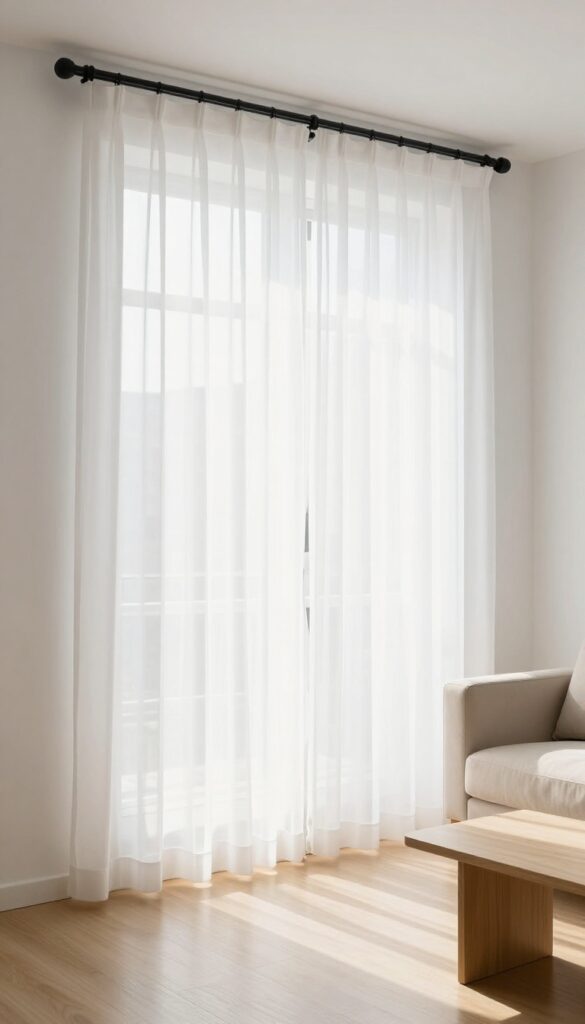
Window treatments can make or break a small space. Heavy drapes that stop at the sill or sit tight against the frame only emphasize how compact the room is. Swapping them for airy, floor-length sheers and mounting the rod as high as possible—ideally just below the ceiling—instantly changes the proportions.
The fabric draws the eye upward, making the ceiling feel taller, while extending the rod past the window adds width. The result is a room that breathes, with soft light filtering through and no visual weight dragging it down.
Sheer curtains are the ultimate trick for making a small living or dining room feel more spacious without sacrificing style. By mounting the curtain rod close to the ceiling and extending it a few inches past the window frame on each side, you create the illusion of larger windows and higher ceilings. The lightweight fabric softens the room, diffuses harsh light, and adds a layer of texture that feels polished but not heavy.
This approach works especially well in rooms with limited square footage, where every visual trick counts. Pair the sheers with a simple, modern rod in a finish that complements your other hardware—matte black, brushed brass, or nickel all work beautifully. Keep the curtains floor-length for a clean, tailored look that elongates the wall.
The best part? This update is budget-friendly and takes an afternoon to install, but the impact is immediate.
Best Fabrics For A Light And Airy Look
- Not all sheers are created equal. For a truly light and airy feel, choose fabrics with a subtle texture or a barely-there weave. Linen-cotton blends offer a relaxed, natural drape that softens the room without feeling stiff.
- Polyester voile is another great option—it’s wrinkle-resistant, easy to clean, and diffuses light beautifully. Avoid heavy polyester satins or anything with a shiny finish, as those can look cheap and reflect light harshly. Instead, go for matte, soft-to-the-touch materials in white, ivory, or pale gray.
- These colors bounce light around the room and keep the space feeling open.
Installation Tips For Maximum Height
- To get the full effect, mount the curtain rod as close to the ceiling as possible—ideally within 2 to 4 inches. Use a level to ensure the rod is straight, and choose brackets that support the weight of the fabric. Extend the rod 6 to 12 inches beyond the window frame on each side so that when the curtains are open, they barely cover the glass.
- This trick makes the window appear wider and lets in maximum light. For a clean finish, use rings with clips or a rod-pocket style that allows the curtains to slide easily. If your ceiling is particularly low, skip the valance or header—keep the top simple so the eye isn’t interrupted.
Styling The Rest Of The Room
- Once your sheers are up, let them influence the rest of your decor. Keep the color palette light and cohesive—think soft whites, warm beiges, and muted pastels. A pale rug and a few light-wood or white furniture pieces will reinforce the airy mood.
- Add a mirror opposite the window to reflect the natural light and double the sense of space. For a finishing touch, choose curtain tiebacks in a natural material like rope or leather, or simply let the curtains hang straight for a minimalist look. Avoid heavy valances or dark, bulky blinds that would compete with the sheers’ lightness.
6. Incorporate Mirrors Strategically
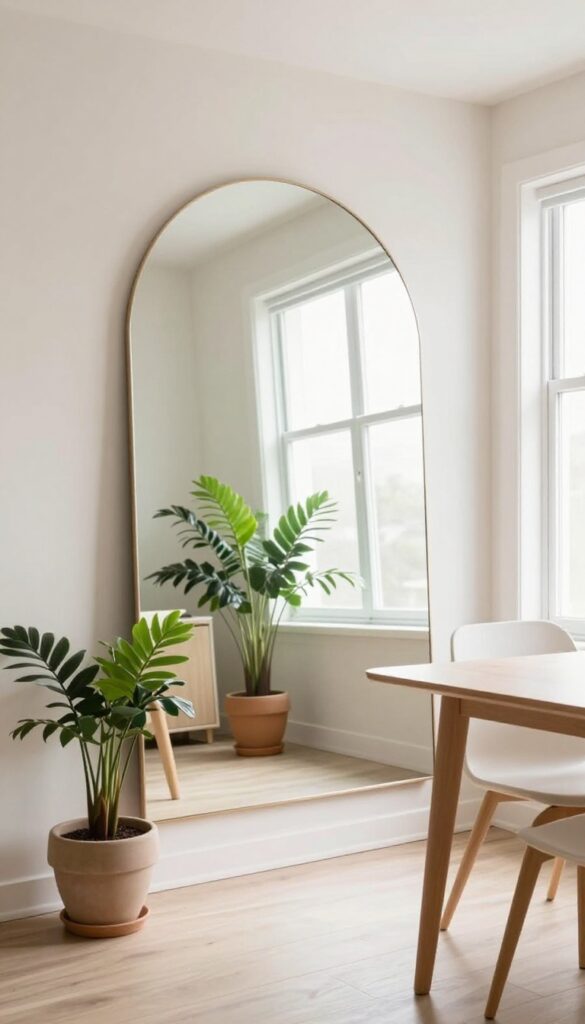
Mirrors are the ultimate trick for making a small space feel bigger and brighter. By placing them where they can reflect natural light, you instantly open up the room without moving a single piece of furniture. A well-positioned mirror also adds a layer of polish, catching the eye and making the whole area feel more intentional.
Lean a large mirror against the wall opposite a window to bounce natural light around the room. This instantly doubles the visual space and adds a polished touch. Choose a mirror with a slim frame or no frame at all to keep the look light and airy.
Round mirrors soften angular furniture, while rectangular ones echo clean lines. For maximum impact, angle the mirror slightly to catch the best light during the day.
Best Placement
The sweet spot is directly across from a window, but even a mirror on an adjacent wall works well if it catches indirect light. Avoid placing mirrors opposite cluttered areas, as they'll just double the mess. In a dining area, a mirror behind the table can make the room feel expansive without overwhelming the space.
Frame And Style
For a light and airy vibe, go with a frameless mirror or one with a thin metallic or natural wood frame. A mirrored wall panel can also work wonders in a narrow room. If you want a touch of personality, try an arched mirror—it adds height and elegance without taking up floor space.
Finishing Touch
Pair your mirror with a small plant or a simple vase on a nearby console to create a vignette. The reflection will double the greenery, making the room feel fresher. Keep the area around the mirror clean and minimal to let the light do its job.
7. Opt for Slim, Multi-Functional Furniture
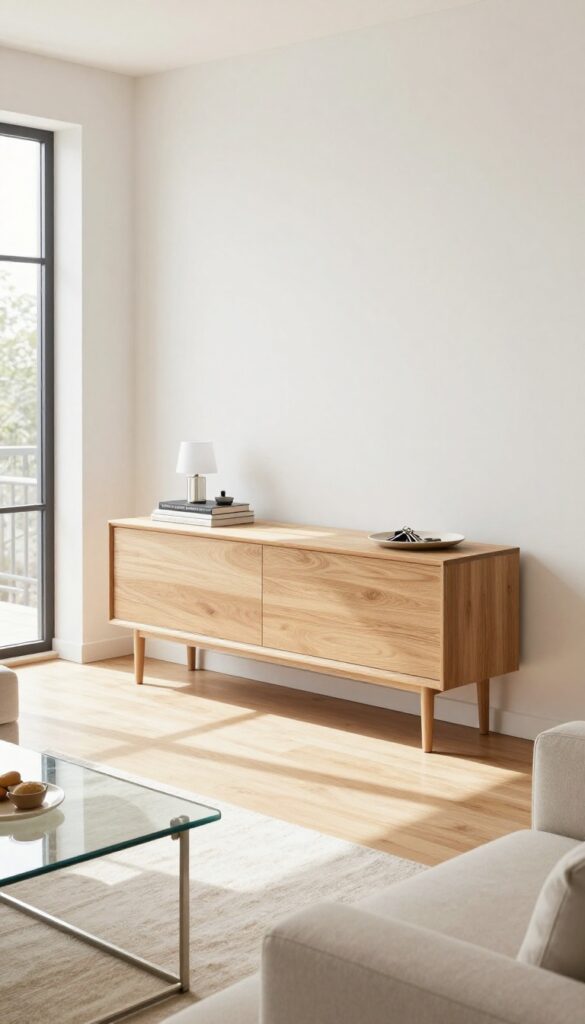
In a small combined living and dining room, every piece of furniture should pull double duty without visually weighing down the space. Think streamlined silhouettes and clever designs that adapt to your needs. A narrow console table can serve as a buffet during dinner parties and a desk for remote work, while nesting tables tuck away when you need floor space for yoga or guests.
The key is choosing pieces that earn their keep without crowding the room.
Slim, multi-functional furniture is the secret weapon for small spaces. It keeps the room feeling open and airy while providing the storage and surface area you actually need. Look for pieces with clean lines, light finishes, and slim legs to maintain visual lightness.
A console table with drawers can hide remote controls and stationery, while a drop-leaf table expands for meals and folds flat when not in use. Every item should have a purpose, and ideally more than one.
Best Materials
Opt for light woods like oak or ash, or go with glass and metal for an almost invisible footprint. A glass-top console table reflects light and makes the room feel larger, while a slim metal frame adds an industrial touch without bulk. Avoid dark, heavy woods that absorb light and make the space feel cramped.
Styling Tip
- Style your multi-functional pieces with intention. On your console table, keep a tray for keys and mail, a small lamp for ambiance, and a stack of books. When it’s used as a buffet, clear the tray and add a serving platter.
- This way, the piece transitions seamlessly between functions without looking cluttered.
Small-space Fix
- Nesting tables are a brilliant solution for small living-dining combos. Use them as side tables next to the sofa, then pull them out as extra surfaces when you have guests. After the party, they nest back into one compact unit, freeing up floor space.
- Look for sets with a slim profile and a light finish to keep the room airy.
8. Add Vertical Storage Solutions
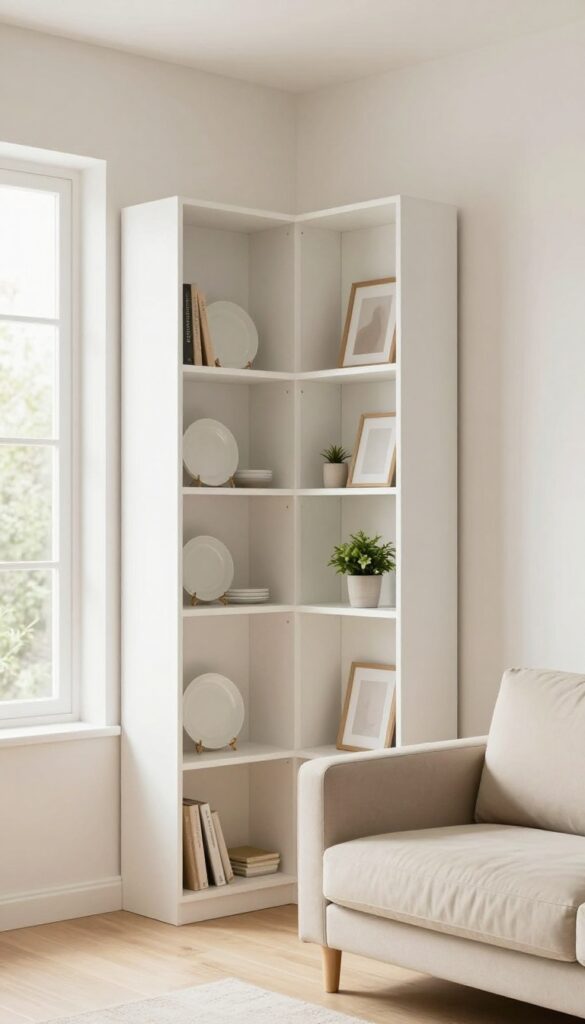
When floor space is tight, look up. Vertical storage is a smart way to keep your living and dining area organized without cluttering the room. Floating shelves or a tall, slim bookcase can hold dishes, books, and decor while drawing the eye upward, making the ceiling feel higher and the room more open.
This approach is especially effective in small spaces where every inch counts.
Install floating shelves in a staggered arrangement above a sofa or console table to create visual interest. Use them to display a mix of everyday items like plates or glasses alongside decorative objects such as small plants or framed photos. A tall, narrow bookcase works well in an unused corner or next to a doorway, providing ample storage without taking up much floor area.
Keep the shelves light and airy by choosing white or pale wood finishes, and avoid overloading them—leave some negative space for a cleaner look.
Best Materials
Opt for floating shelves in light wood like oak or birch, or go with sleek white metal for a modern feel. For a tall bookcase, choose a slim design with open shelving to maintain an airy look. Avoid dark, heavy materials that can make the space feel closed in.
Styling Tip
Group items in odd numbers and vary heights for a curated display. Mix functional pieces like ceramic bowls with decorative ones like vases or art books. Add a small trailing plant on the top shelf to soften the lines and bring life to the arrangement.
Small-space Fix
If your room has high ceilings, install shelves all the way up to create a dramatic focal point. Use a step stool or a stylish ladder to access higher items—this adds a practical yet charming touch.
9. Layer Lighting for Ambiance
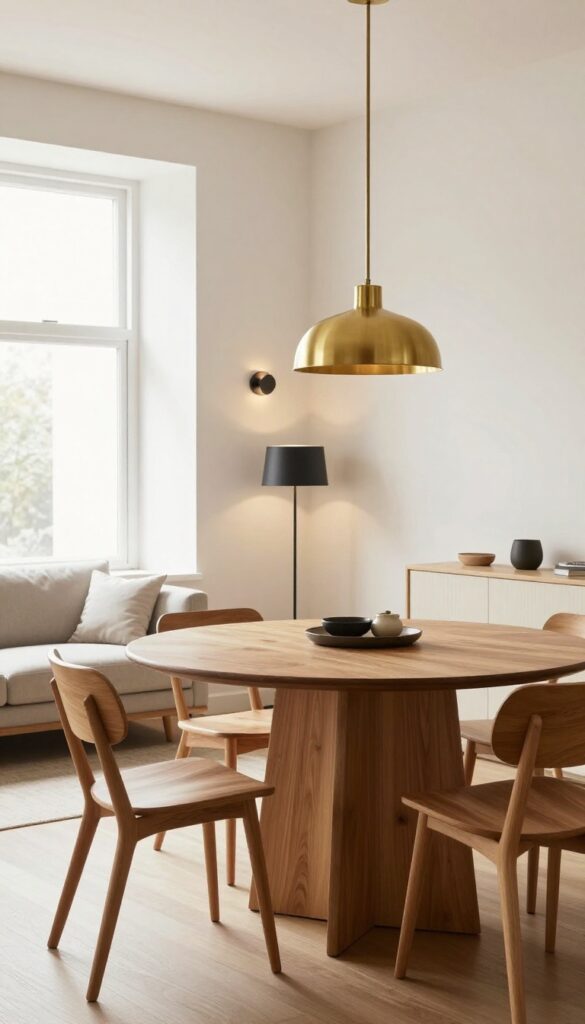
Lighting is one of the most powerful tools in a small space, yet it’s often an afterthought. By layering different light sources, you can completely transform the mood and functionality of your living and dining area. A mix of overhead, task, and accent lighting creates depth, making the room feel larger and more polished.
The key is to plan for multiple light levels that work together seamlessly.
Start with a statement pendant over your dining table—it anchors the eating area and adds a sculptural element. Then bring in floor lamps and sconces in the living zone to create cozy pools of light. Dimmers are a game-changer here: they let you dial up brightness for meals or work, and soften it for movie nights or conversation.
This layered approach not only looks intentional but also solves the common problem of a single harsh overhead light.
Best Placement
Hang the pendant 30–36 inches above your dining table for a balanced look. Place floor lamps in corners or next to seating to fill dark spots, and mount sconces at eye level on empty walls to add vertical interest. Avoid putting all lights on one switch—separate controls give you flexibility.
Lighting Tip
Use warm white bulbs (2700–3000K) for a cozy, inviting glow. Mix metal finishes like brass and matte black for a curated feel, but keep the shapes simple to avoid visual clutter. A dimmer switch is inexpensive and instantly upgrades any fixture.
Small-space Fix
If your ceiling is low, skip the chandelier and opt for a flush-mount pendant or a semi-flush fixture. For floor lamps, choose slim, vertical designs that don’t eat up floor space. Wall-mounted swing-arm lamps can double as reading lights without taking up table space.
10. Introduce Natural Textures
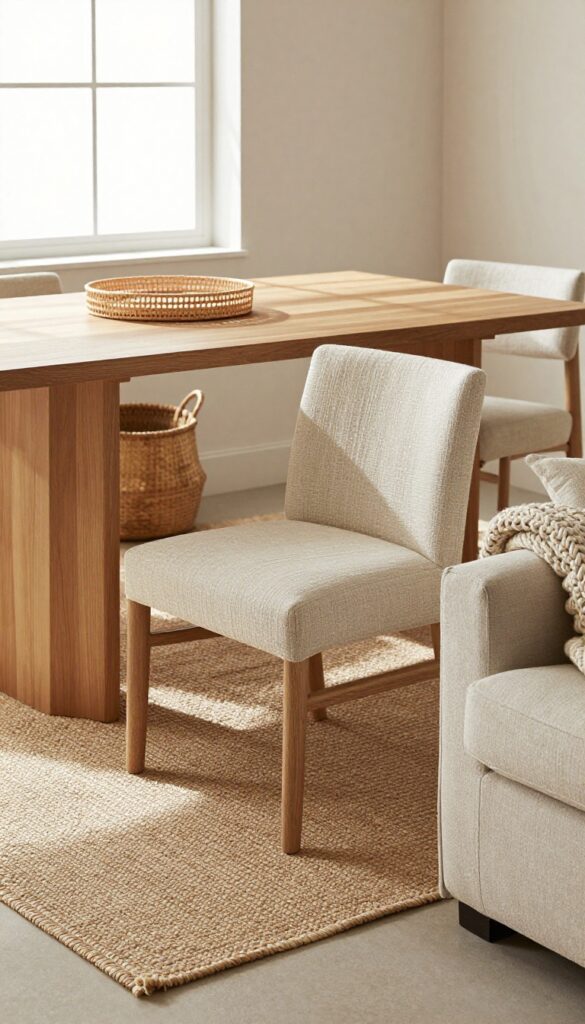
Nothing softens a small living-dining combo like natural textures. Woven baskets, linen upholstery, and a jute rug add warmth without taking up visual space. These materials keep the room feeling grounded and inviting—never sterile or cold.
In a light-and-airy scheme, textures like these prevent the space from looking flat or unfinished.
Layering natural textures is an easy way to add depth to a compact room. A chunky knit throw on the sofa, a seagrass basket under a console table, or a linen tablecloth on the dining table all contribute a tactile, organic feel. The key is to use textures sparingly so they enhance rather than clutter.
Stick to two or three natural materials and repeat them throughout the space for a cohesive look. This approach works especially well in rooms with neutral walls and plenty of natural light, as the textures catch shadows and create subtle visual interest.
Best Materials
Jute, sisal, seagrass, linen, cotton, rattan, and bamboo are your go-to choices. They all feel natural and breathable, which aligns perfectly with a light and airy aesthetic. Avoid synthetic textures that look shiny or plastic—they can make a small room feel cheap and cluttered.
Texture Mix
Combine one rough texture (like jute) with one smooth texture (like linen) for balance. For example, place a jute rug under a linen-upholstered dining chair, or set a rattan tray on a smooth wood table. This contrast keeps the eye moving and makes the room feel layered without being busy.
Small-space Fix
In a tiny room, use textures on accessories rather than large furniture. Swap a plastic wastebasket for a woven one, add a linen cushion to a dining chair, or hang a macrame wall hanging. These small touches bring warmth without overwhelming the floor plan.
11. Edit Decor with Intention
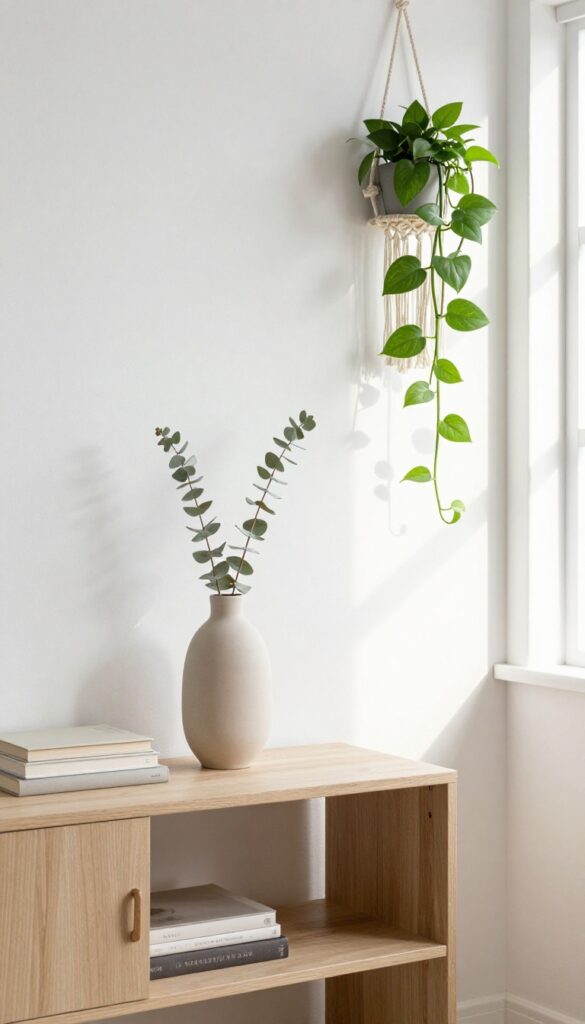
In a small living and dining space, every object you bring in has to earn its spot. The easiest way to make the room feel bigger and more polished is to leave most surfaces bare. Instead of filling every shelf and tabletop, choose just a few meaningful pieces—a ceramic vase, a stack of books, or a single sculptural object.
Negative space becomes a design element itself, giving the eye a place to rest and making the whole room feel calmer and more intentional.
Editing your decor with intention means resisting the urge to fill every corner. Start by clearing all surfaces—coffee table, console, dining table, and shelves. Then, add back only items that serve a purpose or bring you joy.
This approach works especially well in small spaces because it reduces visual clutter and makes the room feel more open. The key is to leave plenty of breathing room around each object so they can stand out and be appreciated.
Best Colors
- Stick with a neutral or monochromatic palette for your edited decor pieces. Think white, beige, soft gray, or warm wood tones. These colors blend seamlessly into the background, so the few items you display feel cohesive rather than chaotic.
- If you want a pop of color, choose one accent piece—like a blue ceramic vase or a green plant—to create a focal point without overwhelming the space.
Shelf Styling Tip
- When styling shelves, follow the rule of thirds: leave about two-thirds of each shelf empty. Group items in odd numbers (three is a safe bet) and vary heights by stacking books or using a small riser. A trailing plant or a piece of art leaned against the wall adds softness.
- Remember to step back and adjust until the arrangement feels balanced but not crowded.
Small-space Fix
- In a combined living and dining room, use the same editing principle for both zones. Keep the dining table clear except for a single centerpiece—a low bowl or a small plant. On the coffee table, limit yourself to two or three items, like a tray with a coaster and a candle.
- This consistency helps the two areas feel unified and spacious.
FAQ
How can I make my small living and dining room feel bigger?
Use a light color palette, float furniture away from walls, add mirrors, and choose transparent or slim furniture. Sheer curtains and good lighting also help open up the space.
What is the best way to separate living and dining areas in a small room?
Use area rugs to define each zone, or position furniture like a sofa or console table as a subtle divider. Avoid solid partitions that block light and flow.
Can I use dark colors in a small combined room?
Yes, but use them sparingly as accents. Stick to light walls and floors, then add depth with dark throw pillows, a rug pattern, or a single dark piece of furniture.
What type of dining table works best in a small space?
A round or oval table saves space and encourages flow. Glass or lucite tops reduce visual weight. Look for extendable options for extra seating when needed.
How do I keep the room from feeling cluttered?
Edit decor ruthlessly. Use vertical storage, keep surfaces clear, and choose multi-functional furniture. Stick to a cohesive color scheme so items blend rather than compete.
Conclusion
Polishing a small living and dining room is all about making intentional choices that prioritize light and flow. Each idea here works toward a space that feels open, calm, and thoughtfully put together.
Start with one or two changes that resonate most with your style. Small shifts add up, and soon your combined room will feel like a breath of fresh air every time you walk in.