How to Keep Shower Glass Clean in 13 Simple Ways Daily
You step out of a hot shower, and the glass door looks like a foggy mess. Water spots, soap scum, and hard water stains build up fast, making your bathroom feel grimy. But what if you could keep that glass sparkling with just a few minutes of effort each day?
It's not about deep cleaning every time you shower. It's about small, consistent actions that prevent buildup before it starts. These 13 simple ways will transform your shower glass from a constant chore to a low-maintenance part of your routine.
No harsh chemicals or expensive gadgets required. Just practical habits that anyone can adopt.
1. Squeegee After Every Shower
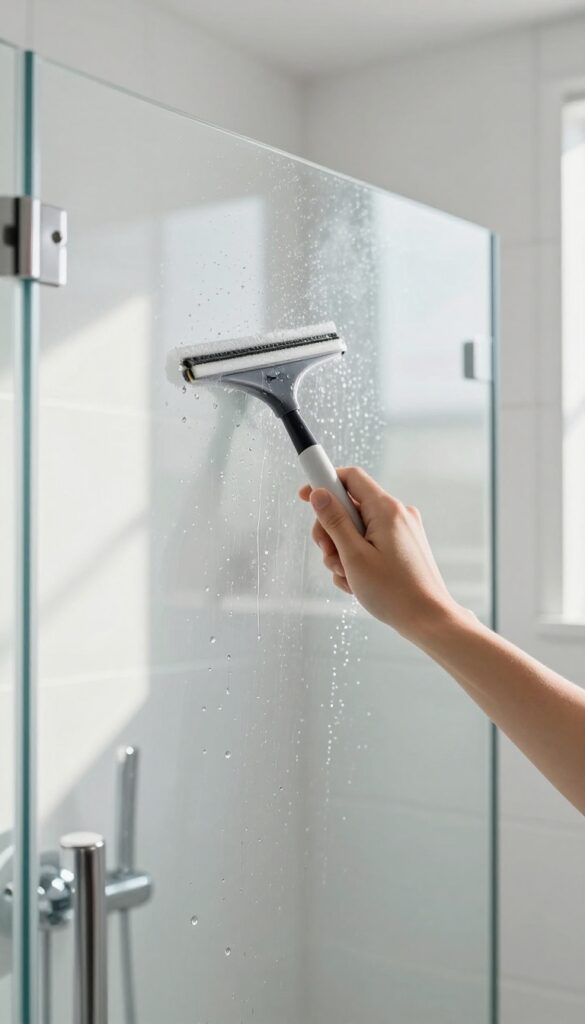
The single most effective habit for spotless shower glass is using a squeegee after every shower. It takes less than 30 seconds, yet it prevents water droplets from drying into stubborn hard water spots and soap scum. Think of it as a daily insurance policy against grime.
A quick squeegee swipe removes water droplets before they dry into hard water spots. Keep a squeegee in the shower and make it a post-shower reflex. No need to dry the glass completely—just remove the bulk of the water.
This simple step cuts down your deep-cleaning frequency dramatically.
Why It Works So Well
Hard water spots form when mineral-rich water evaporates, leaving calcium and magnesium deposits behind. By squeegeeing immediately, you remove the water before evaporation happens. It’s the same reason you wipe down a wet car—you stop spots before they start.
Choosing The Right Squeegee
A good squeegee makes a difference. Look for one with a rubber blade that’s at least 6 inches wide, with a comfortable handle. Avoid cheap plastic blades that leave streaks.
A silicone blade is durable and glides smoothly. Store it on a hook inside the shower so it’s always within reach.
The 10-second Routine
After you turn off the water, give the glass a quick once-over. Start at the top and pull down in overlapping strokes. Wipe the blade dry on a towel after each pass to avoid redistributing water.
That’s it—10 seconds, tops. You’ll notice a huge difference in just a few days.
2. Use a Microfiber Cloth for Streak-Free Shine
A microfiber cloth is your best friend for a final polish. Unlike paper towels or regular rags, microfiber traps dust and moisture without leaving lint or streaks behind. Keep one dry cloth near the shower so you can give the glass a quick buff after each use.
Why Microfiber Works Best
Microfiber has ultra-fine fibers that grab onto water molecules and mineral deposits. A dry cloth absorbs leftover moisture that a squeegee might miss. This prevents water spots from forming as the glass dries.
It also polishes away any minor smudges, leaving a crystal-clear finish.
Where To Keep Your Cloth
Store a clean, dry microfiber cloth within arm's reach of your shower. A small hook on the wall or a nearby cabinet works perfectly. If you share a bathroom, assign a specific cloth for glass duty so it doesn't get used for other cleaning tasks.
How Often To Wash It
Wash microfiber cloths after every few uses to keep them effective. Use warm water and mild detergent, and avoid fabric softener—it clogs the fibers and reduces absorbency. Air-dry or tumble on low heat.
A fresh cloth ensures you're not just spreading old grime around.
3. Apply a Daily Shower Spray
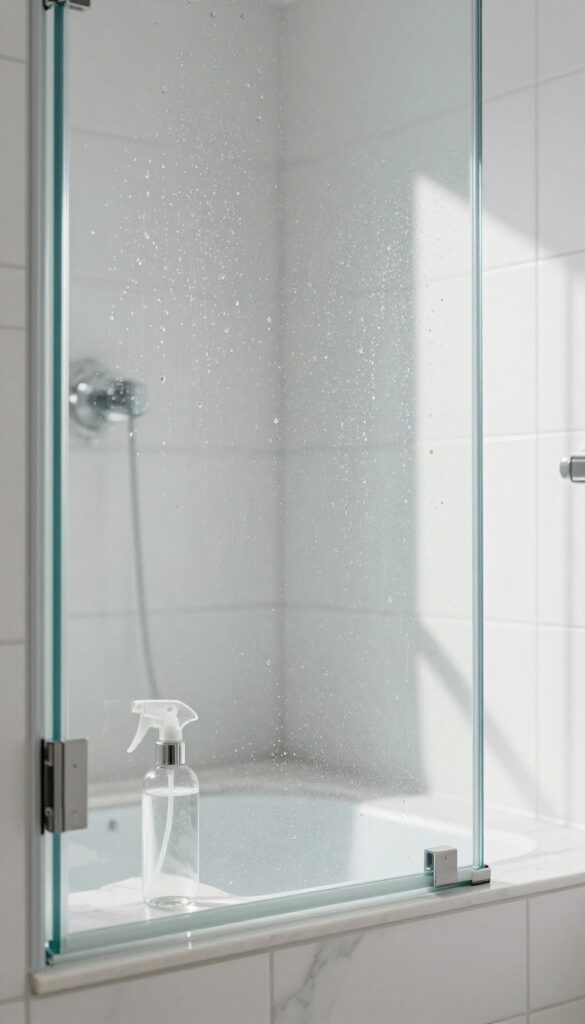
A quick spritz after every shower can make a huge difference in keeping your glass clear. Daily shower sprays are designed to break down soap scum and prevent water spots before they set. You can buy one or make your own with simple ingredients you probably already have.
Using a daily shower spray is one of the easiest ways to maintain clean glass between deep cleans. The key is consistency—a few seconds of spraying after each shower keeps buildup at bay. Over time, you'll notice less scrubbing and a brighter bathroom.
Why It Works
Soap scum and hard water stains form when residue dries on the glass. A daily spray dilutes and rinses away that residue before it hardens. Most formulas contain surfactants that break down oils and a mild acid (like vinegar) that dissolves mineral deposits.
Diy Vs. Store-bought
A homemade spray of equal parts water and white vinegar with a drop of dish soap is effective and cheap. Store-bought versions often include rinse aids or polymers that create a protective barrier, making water bead off. Both work well—choose based on your preference for convenience or natural ingredients.
How To Use It Right
After your shower, mist the glass thoroughly from top to bottom. Let it sit for a minute, then rinse with warm water. No need to wipe—just let it air dry or follow with a squeegee for streak-free results.
Do this daily, and your glass will stay clear longer.
4. Install a Water Softener
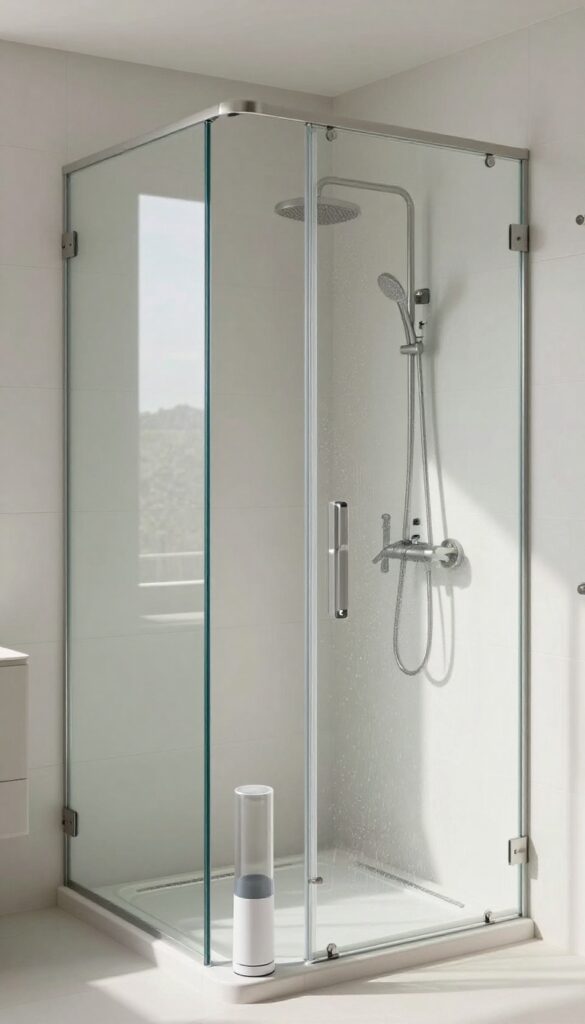
If you live in an area with hard water, you already know the struggle. Those white, crusty spots on your shower glass aren't just soap scum—they're mineral deposits from calcium and magnesium in your water. A water softener tackles the root cause by removing these minerals before they ever hit your glass.
Hard water doesn't just leave spots; it makes every cleaning product less effective. Soap reacts with hard minerals to form a sticky residue that clings to glass. By softening your water, you break that reaction, and your daily squeegee or spray becomes far more powerful.
How A Water Softener Works
A water softener uses ion exchange to replace calcium and magnesium ions with sodium or potassium ions. This process happens as water flows through a tank of resin beads. The result is soft water that rinses cleanly without leaving mineral streaks behind.
Installation And Cost
Whole-house softeners are installed at your main water line, typically in the basement or garage. They range from $400 to $2, 000 plus installation. For a budget-friendly option, consider a smaller unit just for your bathroom or a showerhead filter that reduces hardness.
Maintenance Matters
Softener systems need regular salt refills and occasional resin cleaning. Check your water hardness level to set the right regeneration schedule. With proper care, a unit can last 10 to 15 years and save you hours of scrubbing.
5. Use a Squeegee with a Built-in Scrubber
Not all squeegees are created equal. Some come with a scrubber edge attached, letting you tackle light soap scum as you wipe away water. It's a small upgrade that saves you from grabbing a separate sponge or spray bottle mid-routine.
This two-in-one tool is perfect for daily maintenance. The scrubber side lifts any residue that's starting to form, while the squeegee blade clears the water. You get a clean finish with less effort, and it helps prevent buildup from becoming stubborn stains.
Why It Works
Soap scum starts forming when water dries on glass. By scrubbing while you squeegee, you break up that film before it hardens. The scrubber edge is usually made of soft silicone or foam, safe for glass but effective against residue.
How To Use It Right
After your shower, start at the top corner. Use the scrubber side in a back-and-forth motion, then flip to the squeegee side and pull down in a straight line. Wipe the blade dry between strokes for streak-free results.
Choosing The Best One
Look for a squeegee with a replaceable scrubber pad and a comfortable handle. Stainless steel or heavy-duty plastic frames last longer. Some models even have a hook for hanging, so it's always within reach.
6. Wipe Down Glass with a Dry Towel
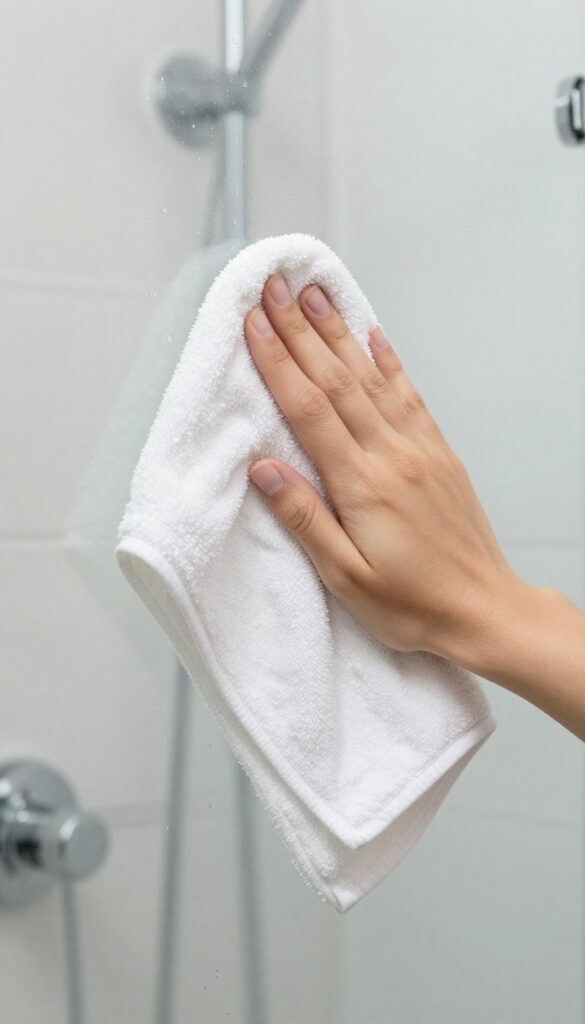
Not everyone keeps a squeegee in the shower, and that's totally fine. A clean, dry towel can do the same job just as effectively. The key is to pat the glass dry after every shower, before water has a chance to evaporate and leave mineral deposits behind.
Grab a dedicated towel—preferably microfiber or lint-free—and give the glass a quick once-over. Focus on the areas where water pools, like the bottom edge and corners. This simple habit takes less than a minute and can dramatically reduce water spots and soap scum buildup over time.
Why A Dry Towel Works
When water dries naturally, it leaves behind minerals and residues that create spots. By physically wiping the glass dry, you remove the water before it can evaporate. A towel also picks up any lingering soap residue, which is a major contributor to hazy glass.
Best Towel Types For The Job
Microfiber towels are ideal because they're super absorbent and don't leave lint. A clean cotton towel works in a pinch, but avoid terry cloth or rough fabrics that could scratch the glass. Keep a dedicated towel hanging near the shower so it's always ready.
How To Make It A Habit
Hang the towel within arm's reach of the shower door. After you step out, quickly pat the glass dry while you're still in the bathroom. It helps to pair this with another post-shower task, like hanging your towel or applying lotion, so it becomes part of your routine.
7. Keep a Ventilation Fan Running
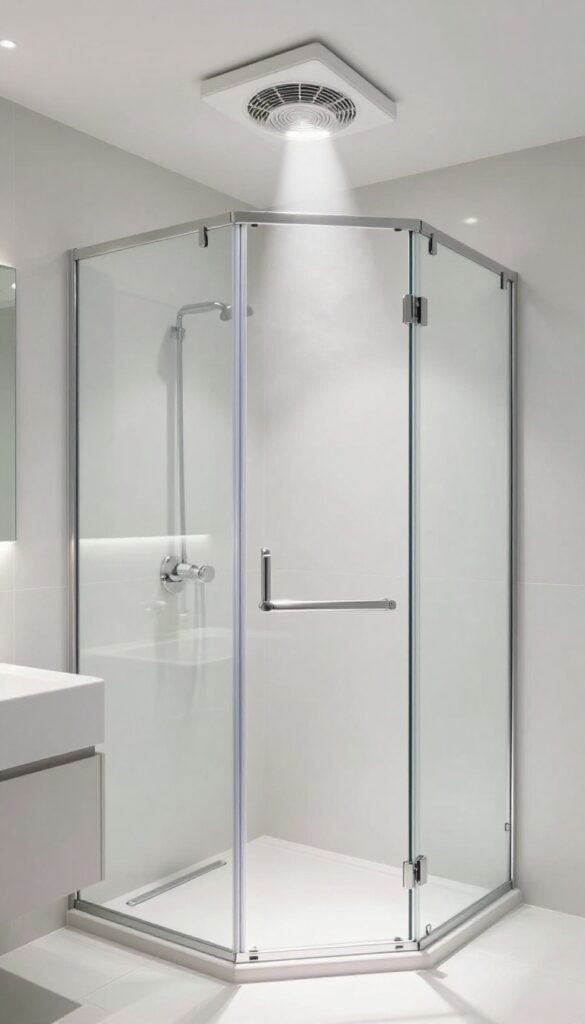
You might not think much about your bathroom fan, but it's a secret weapon against foggy shower glass. Moisture lingers in the air after a hot shower, settling on surfaces and creating the perfect environment for soap scum and mildew. By running the fan, you actively pull that damp air out, helping your glass dry faster and stay cleaner.
Most people turn the fan on during a shower but flip it off the second they step out. That's a missed opportunity. The real magic happens after you're done, when the fan continues to remove residual humidity.
Give it at least 20 to 30 minutes post-shower to fully clear the air. If your fan is on a timer, set it for that duration. If not, make a habit of leaving the bathroom door open a crack afterward to aid airflow.
This simple step cuts down on the moisture that breeds streaks and spots.
Why It Works
Soap scum and mildew thrive in damp environments. By reducing humidity, you're removing their food source. The glass dries faster, leaving less time for minerals and soap residue to bond to the surface.
Think of it as prevention rather than cure.
Make It Automatic
If you tend to forget, consider installing a timer switch or a humidity-sensing fan that runs until the moisture drops. Some smart fans even link to your shower routine. No extra effort needed—just set it and forget it.
Check Your Fan's Performance
A weak or clogged fan won't help much. Clean the vent cover regularly and make sure it's venting outside, not just into the attic. If the fan sounds loud but moves little air, it might be time for an upgrade.
A good fan pays for itself in saved cleaning time.
8. Use a Rain-X Style Coating
You've probably used Rain-X on your car windshield to make rain bead up and roll off. The same idea works wonders on shower glass. A hydrophobic coating creates a slick surface that water and soap can't stick to, so they slide right off instead of leaving spots and scum behind.
It's like giving your glass a permanent shield against grime.
Applying a hydrophobic coating is a one-time effort that pays off for weeks. You can buy dedicated shower glass coatings or even use automotive Rain-X. The key is to apply it correctly: clean the glass thoroughly first, then spray or wipe on the coating, let it haze, and buff it off.
After that, water beads up and runs off, taking soap residue with it. Reapply every few weeks to maintain the effect.
How To Apply It Right
Start with a perfectly clean, dry glass surface. Use a glass cleaner or vinegar solution to remove all soap scum and hard water stains. Then apply the coating in a thin, even layer.
Let it sit for a minute or two until it hazes, then buff it off with a clean microfiber cloth. Don't skip the buffing step—it activates the hydrophobic properties.
How Often To Reapply
Depending on how often you shower and your water hardness, the coating lasts anywhere from two to six weeks. You'll know it's time to reapply when water stops beading up and starts leaving spots again. Keep a bottle in your bathroom cabinet for quick touch-ups.
Does It Work On All Glass Types?
Yes, it works on clear, frosted, and textured glass. Just avoid getting it on metal or plastic parts, as it can leave a residue. If you have a glass shower door with a pattern, apply carefully and buff thoroughly to avoid streaks.
9. Clean with a Vinegar and Dish Soap Solution
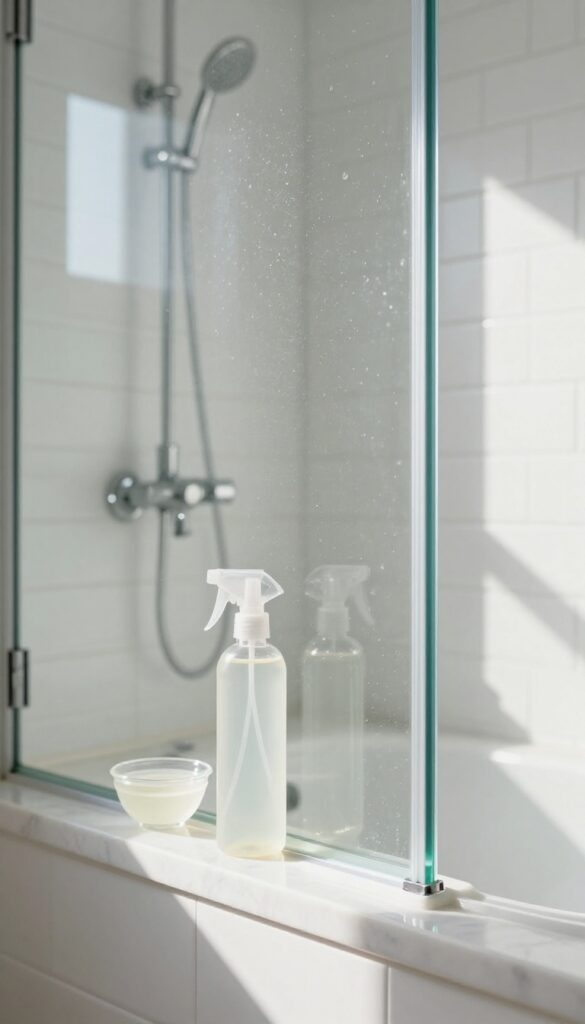
You probably already have white vinegar and dish soap in your kitchen, and together they make a powerful, streak-free cleaner for shower glass. This simple DIY solution cuts through soap scum and hard water stains without harsh chemicals. It's cheap, effective, and leaves your glass sparkling.
Mix equal parts white vinegar and water in a spray bottle, then add a squirt of dish soap. Shake gently to combine. Spray the solution generously onto the glass, let it sit for a few minutes to break down grime, then rinse thoroughly with warm water.
For best results, follow up with a squeegee or microfiber cloth to prevent spots. Use this daily after showers to maintain clarity and prevent buildup.
Why This Combo Works
Vinegar's acidity dissolves mineral deposits and soap scum, while dish soap tackles grease and oils. Together, they lift dirt without leaving residue. The soap also helps the solution cling to vertical surfaces, giving it more time to work.
How To Apply For Best Results
Spray the solution on dry or damp glass, covering every inch. Let it sit for 2–3 minutes, but don't let it dry completely. Rinse with warm water, then use a squeegee to remove excess water.
This prevents streaks and keeps the glass clear.
Daily Maintenance Tip
Keep a spray bottle of this solution in your shower. After each use, give the glass a quick spritz and rinse. It takes less than a minute and stops buildup before it starts.
No need to scrub—just spray and rinse.
10. Avoid Harsh Abrasive Cleaners
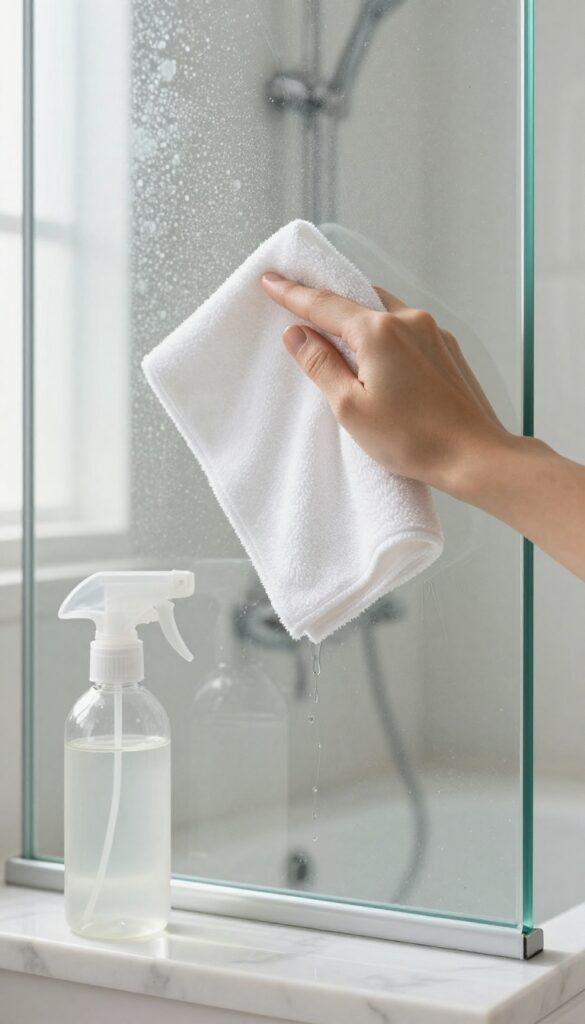
Scratching the glass creates rough spots that trap dirt and make cleaning harder over time. That's why it's important to steer clear of harsh abrasive cleaners, no matter how tempting they might be for tackling stubborn stains. Stick to non-abrasive options and soft cloths to keep your shower glass looking clear and new.
Harsh abrasive cleaners can scratch the glass surface, creating tiny grooves where soap scum and minerals love to hide. Once those scratches form, they're permanent, and your glass will never look as clear again. Instead, choose gentle, non-abrasive cleaners specifically designed for glass or make your own with vinegar and water.
Always use soft microfiber cloths or sponges—never steel wool or scrub pads with rough surfaces.
What To Look For In A Cleaner
Check the label for words like 'non-abrasive, ' 'gentle, ' or 'safe for glass. ' Avoid products with pumice, silica, or harsh scrubbing particles. A simple spray of white vinegar and water works wonders without any risk of scratching.
The Best Tools For The Job
Microfiber cloths are your best friend here. They trap dirt and grime without scratching. For daily maintenance, a soft squeegee is perfect.
If you need a little more scrubbing power, use a soft sponge or a non-abrasive scrub pad.
What To Avoid At All Costs
Stay away from powdered cleansers, bleach-based sprays, and any cleaner that says 'heavy-duty' or 'industrial strength. ' Also skip scouring pads, steel wool, and rough brushes. They might seem effective, but they'll do more harm than good in the long run.
11. Dry the Shower Door Track
The bottom track of your shower door is a magnet for water, soap scum, and grime. It's easy to overlook, but that little groove can become a breeding ground for mold and mildew if left wet. Drying it daily takes just seconds and makes a huge difference in keeping your shower glass clean and your bathroom fresh.
Why The Track Gets So Grimy
Every time you shower, water runs down the glass and pools in the track. Soap residue and body oils settle there, too. Over time, this mixture turns into a stubborn, dark buildup that's hard to scrub off.
The track's narrow shape traps moisture, so it never dries out on its own—especially in humid bathrooms.
How To Dry It Quickly
After your last rinse, grab a small microfiber cloth or an old towel. Run it along the entire length of the track, pressing into the corners. If you have a squeegee with a narrow edge, that works even better.
Just a few swipes will remove standing water. You can also use a dedicated shower door drying tool that fits right into the groove.
Bonus Tip: Prevent Future Buildup
Once a week, spray the track with a mixture of equal parts water and white vinegar. Let it sit for a minute, then wipe dry. This dissolves any soap scum before it hardens.
For extra protection, apply a thin layer of car wax or a glass sealant to the track. It makes water bead up and slide off, so less moisture stays behind.
12. Use a Magic Eraser for Stubborn Spots
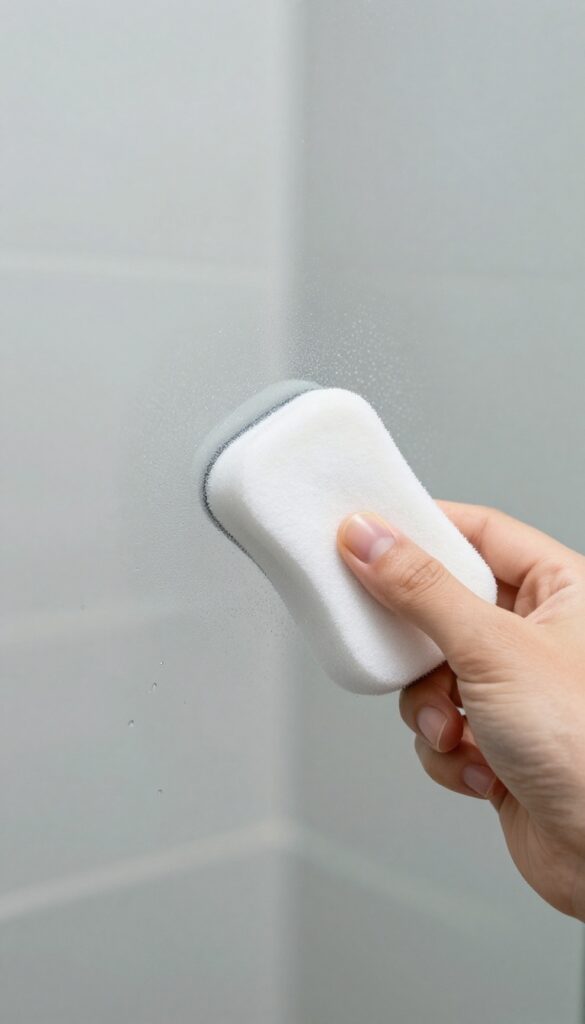
Sometimes, even with daily wiping, a few stubborn spots cling to the glass. Hard water stains and dried soap scum can feel impossible to remove without harsh scrubbing. That's where a magic eraser comes to the rescue.
These melamine foam blocks work like a gentle abrasive, lifting away mineral deposits and residue without scratching the glass. A quick damp wipe is all it takes to restore clarity to those trouble spots.
Magic erasers are a game-changer for spot-cleaning shower glass. They're inexpensive, readily available, and require no extra chemicals—just water. Keep one in your bathroom caddy for quick touch-ups whenever you notice a spot that won't budge.
How To Use A Magic Eraser On Shower Glass
Wet the eraser slightly and wring out excess water. Gently rub the stained area in small circles. Rinse the glass with water afterward to remove any residue.
Avoid pressing too hard—the eraser does the work for you.
When To Reach For A Magic Eraser
Use it for dried water spots that survived your daily squeegee, soap scum rings near the bottom of the door, or cloudy patches from hard water. It's also great for cleaning the glass track where grime builds up.
Important Safety Note
Test on a small hidden area first, especially if your glass has a coating or tint. Magic erasers are slightly abrasive and can dull certain finishes. Stick to occasional use rather than daily scrubbing to protect the glass surface.
13. Schedule a Weekly Deep Clean
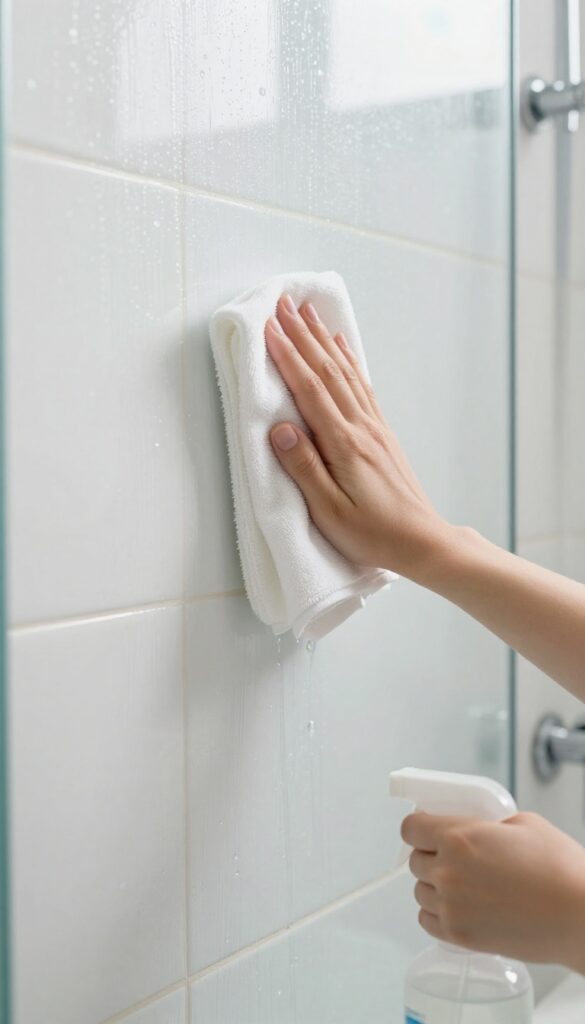
Even with daily habits, a weekly wipe-down with a glass cleaner or vinegar solution ensures long-term clarity and prevents tough stains. This isn't about scrubbing for hours—it's a quick, targeted session that keeps your glass looking like new. Think of it as a reset button for your shower.
A weekly deep clean takes only 10–15 minutes but makes a huge difference. It removes any residue that daily wiping might miss, especially in corners and along edges. This habit also prevents hard water stains from becoming permanent etchings on the glass.
What You'll Need
Grab a spray bottle filled with a 50/50 mix of white vinegar and water, or use a commercial glass cleaner. A microfiber cloth or squeegee works best. For stubborn spots, a non-abrasive sponge or soft brush helps.
Step-by-step Routine
Start by spraying the entire glass surface. Let it sit for a minute to dissolve soap scum and minerals. Then wipe with a damp microfiber cloth, working from top to bottom.
Finally, use a squeegee to remove excess moisture and prevent streaks.
Bonus Tip: Tackle The Track
While you're at it, clean the bottom track where grime collects. Use an old toothbrush or a small brush to scrub the track, then rinse with water. This prevents mold and keeps the door sliding smoothly.
FAQ
How often should I squeegee my shower glass?
After every shower. It only takes 30 seconds and prevents water spots from forming.
Can I use Windex on shower glass?
Yes, but it may not be as effective against hard water stains. A vinegar solution works better for mineral deposits.
Does Rain-X work on shower glass?
Yes, it creates a hydrophobic barrier that repels water and soap scum, making cleaning easier.
What causes cloudy shower glass?
Hard water minerals, soap scum, and residue from cleaning products. Daily drying and proper cleaners prevent cloudiness.
Is it safe to use a magic eraser on glass?
Yes, but use it damp and gently. It's abrasive enough to remove spots but won't scratch glass if used carefully.
Conclusion
A sparkling shower door doesn't require harsh chemicals or expensive products—just a few smart daily habits. By incorporating a quick squeegee after each use and a weekly wipe-down, you'll prevent water spots and soap scum from ever building up. These simple steps save you from deep scrubbing later and keep your glass looking brand new.
Start with one or two tips that fit your routine, and soon you'll wonder why you didn't try them sooner. Enjoy your crystal-clear shower every single day.