10 Small Bedroom Ideas for Kids That Make the Most of Every Inch
Decorating a small kids' bedroom is a fun puzzle. You want it to feel playful and cozy, but also functional enough for sleep, play, and storage. The trick is choosing ideas that work with the square footage, not against it.
Color and layout do a lot of the heavy lifting. A well-planned room can make a tight space feel open and inviting. From bunk bed arrangements to clever color blocking, small rooms have plenty of potential.
Here are 10 small bedroom ideas for kids that keep things fun without sacrificing floor space. Each one is designed to be practical, stylish, and easy to pull off in a real home.
1. Loft Bed with a Play Zone Below
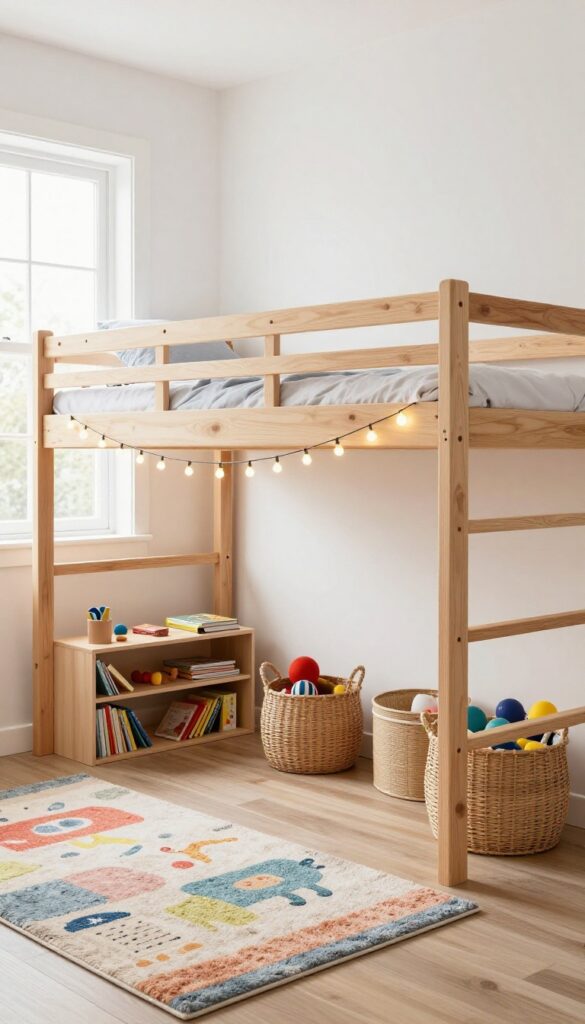
Raising the bed is one of the smartest moves you can make in a small kids' bedroom. It instantly frees up valuable floor space, turning the area underneath into a dedicated play zone. Imagine a cozy little hideaway with a soft rug, a low shelf of books, and a few baskets for toys.
It feels like a secret clubhouse, and your child will love having their own special spot to play or read.
Why It Works
By lifting the bed off the ground, you double the usable square footage without adding any extra square feet. The space below becomes a defined activity area that keeps toys and books contained, making cleanup easier. Plus, the vertical layout encourages a sense of adventure and independence.
Best For
This idea is perfect for small bedrooms where floor space is at a premium, especially for a single child who loves having a little nook of their own. It also works well in rooms with high ceilings, allowing enough headroom underneath for a toddler or young child to sit and play comfortably.
Styling Tip
Choose a loft bed with a sturdy, built-in ladder and guardrails for safety. Define the play zone with a colorful rug that matches the room's palette, and add open bins or baskets for quick toy storage. Hang fairy lights or a small tent canopy under the bed to make the space feel extra magical.
2. Vertical Stripes for a Ceiling Lift
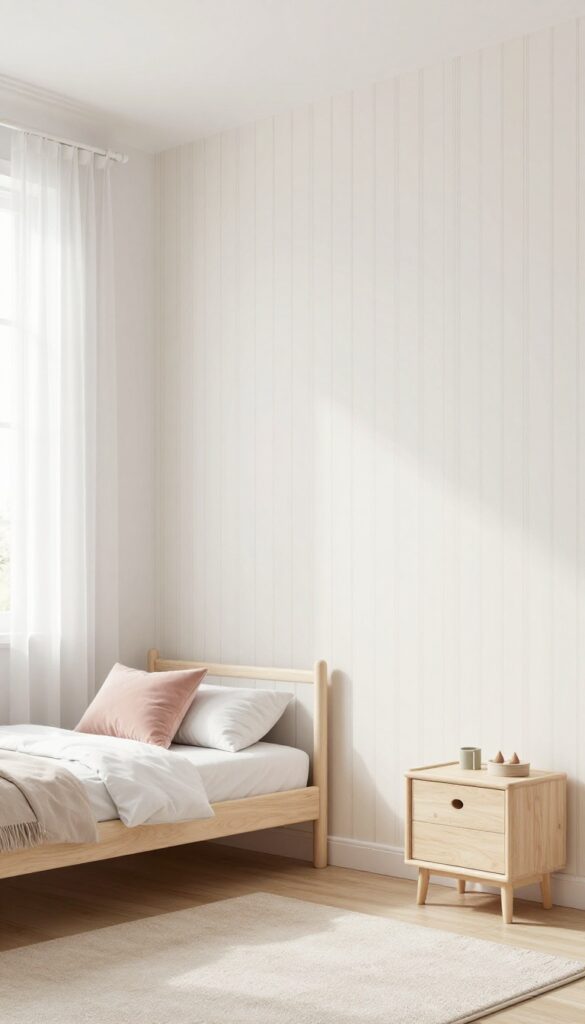
In a small bedroom, every visual trick counts. One of the simplest ways to add height is by introducing vertical stripes on a single wall. It’s a classic optical illusion that pulls the eye upward, making the ceiling feel higher than it actually is.
The effect is especially powerful when paired with light-colored furniture and minimal clutter, keeping the room open and breezy. This isn’t about going full circus tent—think subtle, sophisticated lines that add energy without overwhelming the space.
Why It Works
Vertical lines naturally guide the gaze upward, creating a sense of vertical space. This is particularly effective in rooms with low ceilings or compact footprints, where even a few inches of perceived height can make the room feel significantly larger.
Best For
This idea shines in small bedrooms with standard or low ceilings, especially when you want to add a playful yet grown-up touch. It works well for kids who love bold patterns but need a calm sleep environment.
Styling Tip
Choose a stripe width that matches the room size—narrow stripes for a subtle lift, wider ones for a bolder statement. Keep the rest of the room light: white or pale wood furniture, sheer curtains, and a neutral rug. Add a single pop of color in bedding or art to keep the look intentional.
3. Corner Bunk Beds with Shared Storage
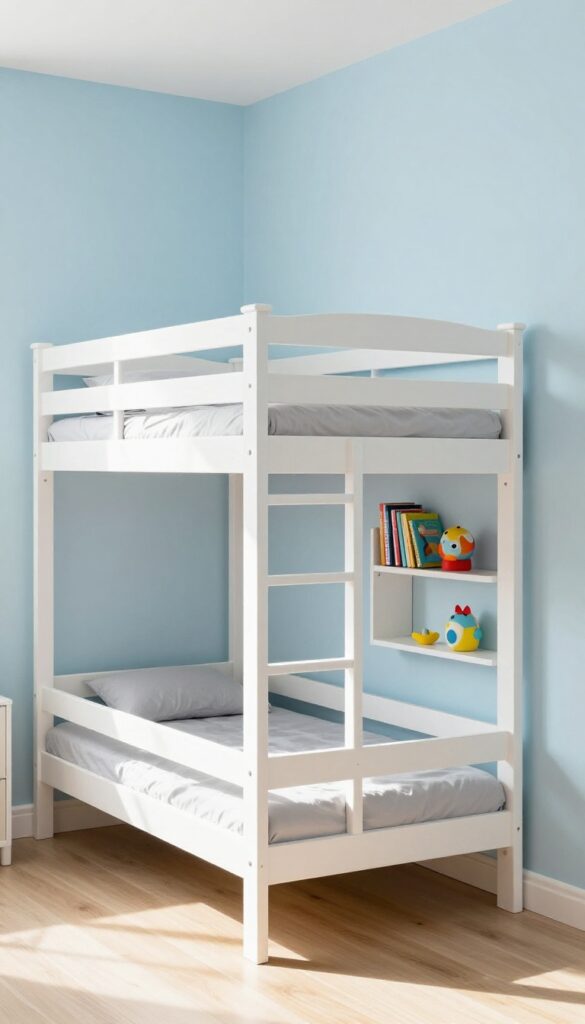
When floor space is tight, pushing bunk beds into an L-shape in the corner can free up the center of the room for play or a desk. This layout makes the most of an often-underused corner, turning it into a cozy sleep nook. Adding a built-in shelf or cubby system within arm's reach of both bunks keeps books, toys, and night-time essentials organized and accessible.
Why It Works
The L-shaped configuration maximizes floor space by tucking the beds into the corner, leaving the middle of the room open for other activities. The shared storage unit acts as a room divider, giving each child their own designated area while maintaining a unified look.
Best For
This setup is ideal for siblings sharing a small bedroom, especially when the room is narrow or has an awkward corner that's hard to furnish. It works well for kids who are close in age and enjoy being near each other but still want some personal space.
Styling Tip
Paint the built-in storage the same color as the walls to make it blend in and keep the room feeling airy. Add a small reading light or clip-on lamp to each bunk so each child has their own light source without disturbing the other.
4. Color-Blocked Accent Wall with a Desk Nook
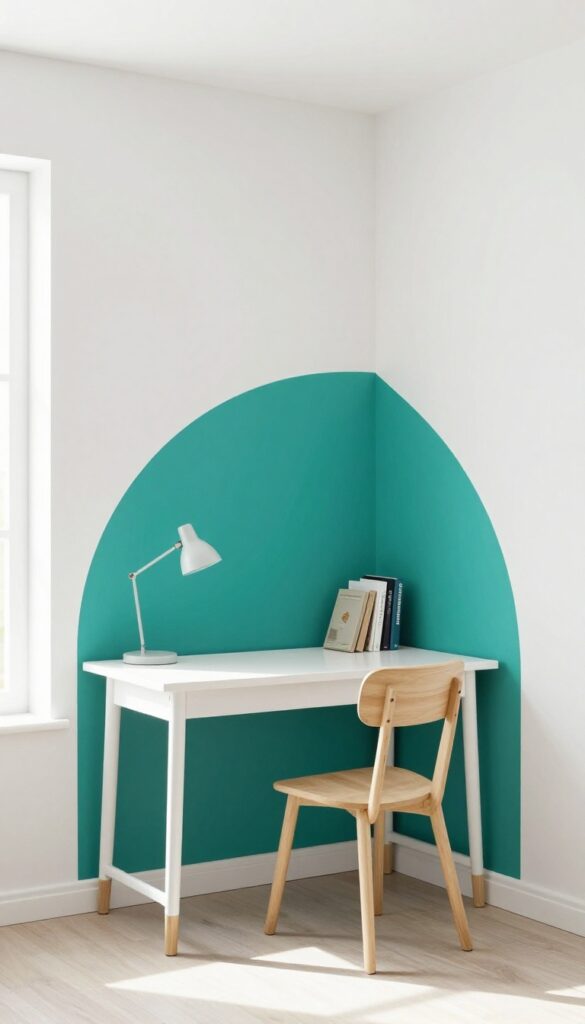
A bold splash of color behind a desk does more than look good—it carves out a mini workspace without adding a single piece of furniture. By painting a geometric shape or a half wall in a vibrant hue, you create a visual boundary that says “this is the homework zone.” The rest of the room stays calm and neutral, so the accent feels intentional, not overwhelming. It’s a smart trick for small bedrooms where every square inch needs to multitask.
Why It Works
This approach defines a functional area without walls or room dividers, making a small room feel larger and more organized. The color block draws the eye to the desk, creating a designated spot for focus, while the neutral surroundings keep the space airy and uncluttered.
Best For
Kids who need a clear separation between play and study areas in a shared or single small bedroom. It’s also perfect for rooms with an awkward corner that’s hard to furnish—just add a desk and paint a bold shape behind it.
Styling Tip
Use painter’s tape to create a clean, sharp edge for your geometric shape—try a diagonal split or a semicircle for a playful look. Keep the desk simple and light-colored to contrast with the accent wall, and add a small task lamp to highlight the zone at night.
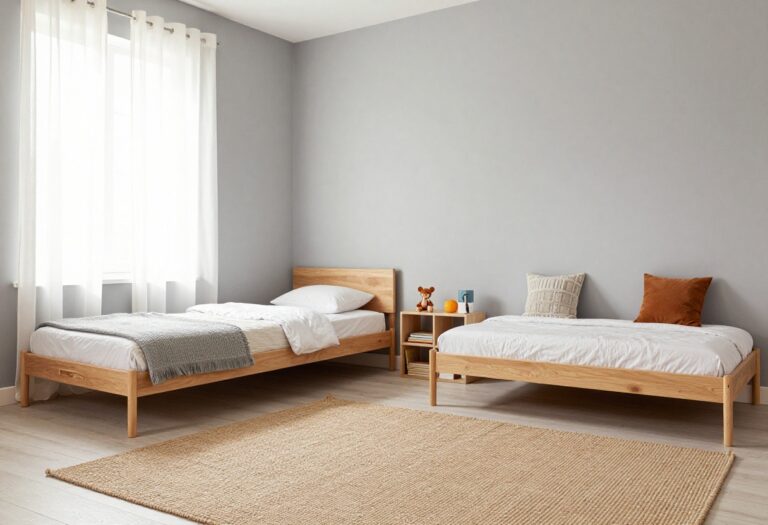
5. Under-Bed Drawers for Out-of-Sight Storage
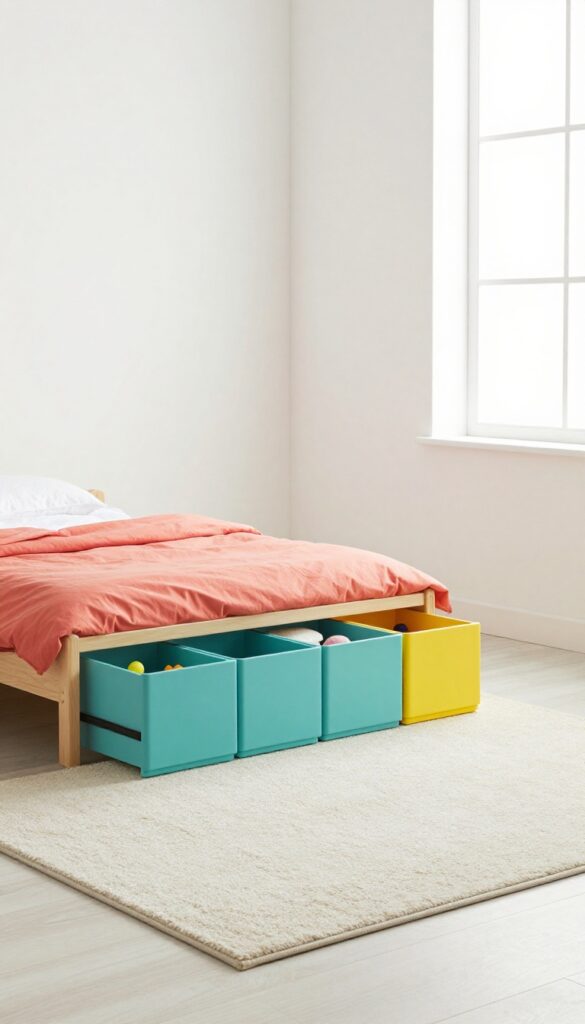
That gap between the floor and the bed frame? It's not dead space—it's a storage goldmine. Rolling drawers or colorful bins slide right under, keeping toys, extra bedding, and out-of-season clothes hidden but easy to grab.
In a small kids' room, this trick frees up closet and floor space while adding a playful color accent.
Why It Works
Under-bed storage uses an area that's otherwise wasted, doubling your storage without taking up any extra floor room. Rolling drawers make it simple for kids to access their own things, promoting independence and keeping clutter off surfaces.
Best For
This works great for low beds in small shared rooms where closet space is tight. It's especially handy for storing bulky items like board games, art supplies, or seasonal gear that would otherwise crowd the room.
Styling Tip
Choose colorful woven bins or bright plastic drawers that complement your room's palette. Stick to two or three coordinating colors to keep the look intentional. Add labels with pictures for non-readers so kids can find and put away items easily.
6. Wall-Mounted Shelves as a Headboard
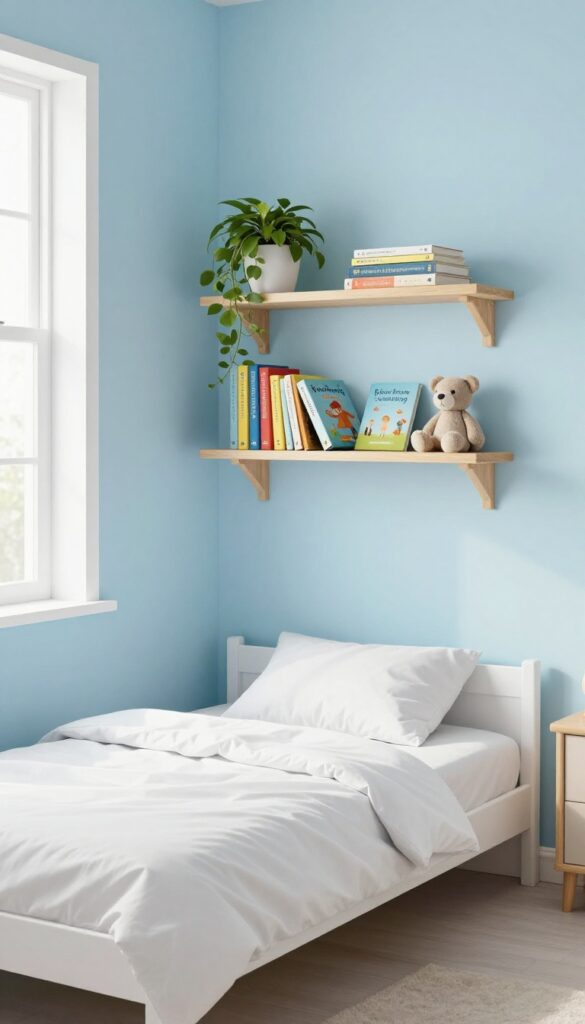
Forget the bulky headboard that eats up precious floor space. Instead, go vertical with a set of floating shelves mounted directly above the bed. This swap instantly opens up the room visually while creating a mini display zone for books, a small plant, or a favorite stuffed animal.
It feels modern, airy, and surprisingly cozy—like a built-in reading nook without taking up an extra inch.
Why It Works
Floating shelves keep the bed area functional and clutter-free. They provide storage that's within easy reach for bedtime stories or a glass of water, and they eliminate the need for a nightstand on one or both sides. The open design also makes the wall feel taller, which is a huge win in a compact room.
Best For
Kids' bedrooms where floor space is at a premium, especially in rooms that need to double as a play or study area. It's also great for bunk beds or loft beds where a traditional headboard wouldn't fit.
Styling Tip
Paint the shelves the same color as the wall to make them blend in, or choose a contrasting shade for a pop of personality. Keep the items on the shelves minimal—three to five objects max—to avoid a cluttered look. Mix a few books with a small trailing plant or a framed photo for balance.
7. A Bright, Single-Color Palette with One Surprise
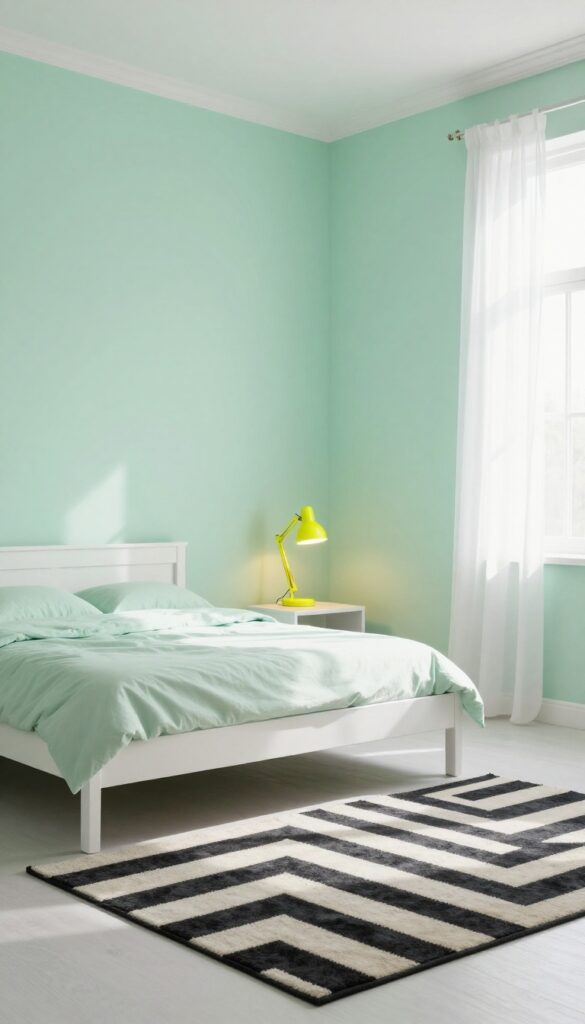
Sometimes the most memorable rooms are the simplest. By committing to one main color—say, a soft blue or a pale mint green—you create a calm, cohesive backdrop that makes a small bedroom feel bigger and more restful. The trick is to then inject a single unexpected accent, like a neon lamp or a boldly patterned rug, that jolts the space awake without overwhelming it.
This approach keeps the room visually quiet enough for sleep and focus, but adds just enough personality to feel playful and curated.
Why It Works
A single-color palette eliminates visual clutter, which is crucial in a compact room. The one surprise element becomes a focal point that draws the eye and adds energy, but because it's isolated, it doesn't compete with other patterns or hues. This balance makes the room feel intentional and spacious, not chaotic.
Best For
This idea works especially well for kids who are easily overstimulated or for rooms that double as a sleep and study space. It's also great for parents who want a room that can grow with the child—you can swap out the surprise accent easily as tastes change.
Styling Tip
Choose your main color carefully: stick with pastels or muted tones for the walls and large furniture. For the surprise, go bold—a hot pink beanbag, a geometric rug in high-contrast colors, or a lamp with a bright yellow shade. Keep the rest of the accessories minimal to let that one piece shine.
8. Fold-Down Desk That Tucks Away
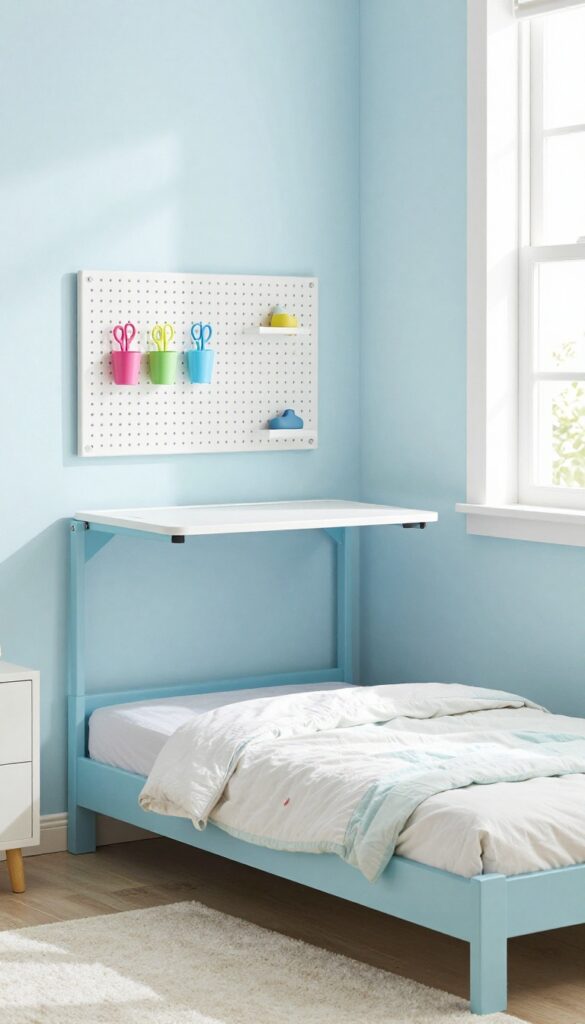
Homework and art projects need a dedicated spot, but in a small kids' room, a permanent desk can eat up precious floor space. A wall-mounted fold-down desk offers the best of both worlds: a functional workspace when you need it, and a clean, open floor when you don't. It's like having a secret desk that disappears, leaving the room free for play or relaxation.
The key is choosing a sturdy model that folds flat against the wall, so it doesn't protrude and become a hazard.
Why It Works
This idea maximizes vertical space and keeps the room flexible. When the desk is folded up, the area can be used for floor play, yoga, or extra seating. It also reduces visual clutter, making the room feel larger and more organized.
Best For
This is perfect for small bedrooms where floor space is at a premium, especially for kids who need a homework station but also want room to play. It's also great for shared rooms where each child can have their own fold-down desk without crowding the room.
Styling Tip
- Mount a pegboard above the desk to hold supplies like scissors, tape, and colored pencils. Use small bins or cups on the pegboard for loose items. When the desk is folded up, the pegboard becomes a decorative wall feature.
- Choose a desk color that matches the wall or trim for a seamless look.
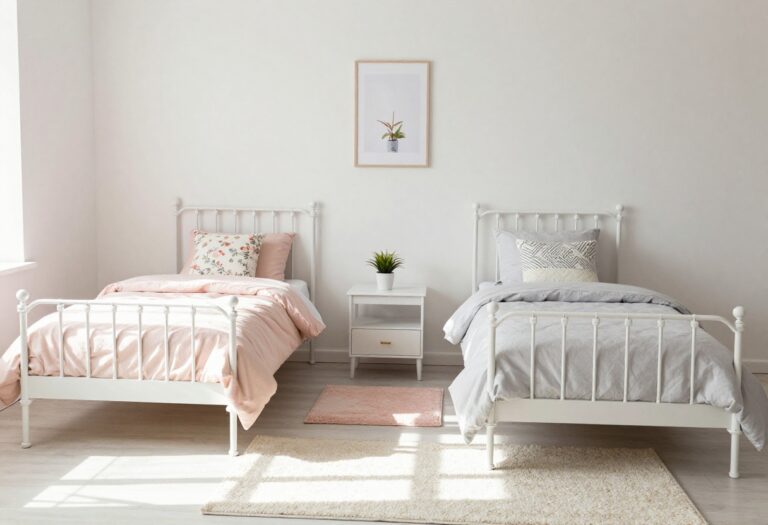
9. Canopy Effect with Curtains Around a Twin Bed
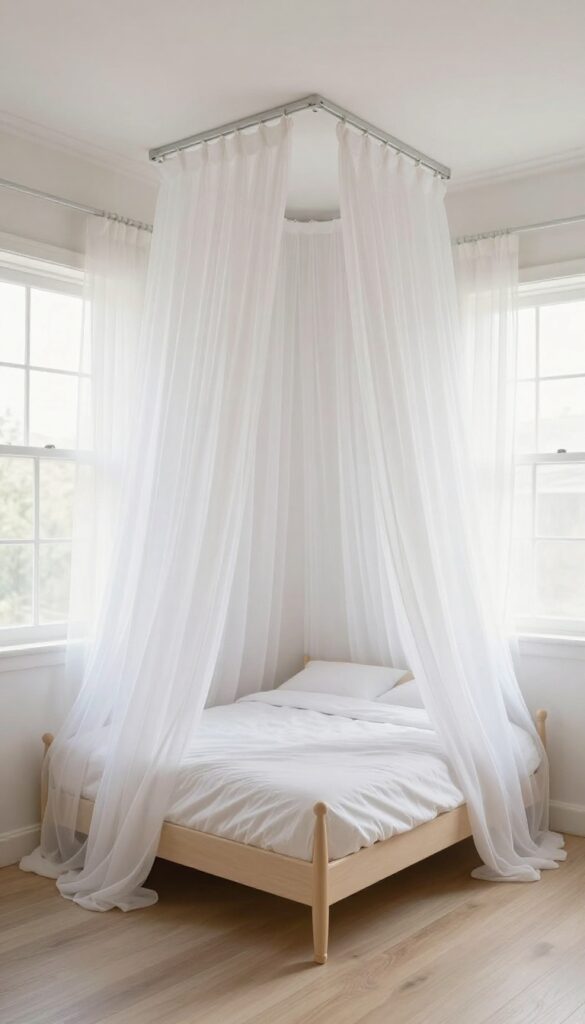
A simple ceiling track and a set of sheer curtains can transform a plain twin bed into a dreamy hideaway. The fabric drapes softly around the bed, creating a defined zone that feels personal and protected. This trick works especially well in small or shared rooms where you want to carve out individual space without losing an inch of floor area.
The canopy effect adds vertical interest and a touch of whimsy, making the bed the focal point of the room.
Why It Works
It defines the sleeping area without building walls, keeping the room open and airy. The curtains also soften the room's acoustics and add a layer of visual privacy, which is gold in a shared space. Plus, the track system takes up zero floor space, so you can use every square foot for play or storage.
Best For
This idea is perfect for twin beds in shared kids' rooms, especially when siblings have different sleep schedules or just need their own cozy corner. It also works well in small bedrooms where a traditional canopy bed feels too bulky.
Styling Tip
- Choose sheer white or light gray curtains to keep the room feeling spacious. For a bolder look, pick a pastel or muted tone that complements the wall color. Install the track close to the ceiling and let the curtains puddle slightly on the floor for a soft, romantic feel.
- Add a string of fairy lights inside the canopy for extra magic at bedtime.
10. Multi-Functional Furniture with Hidden Storage
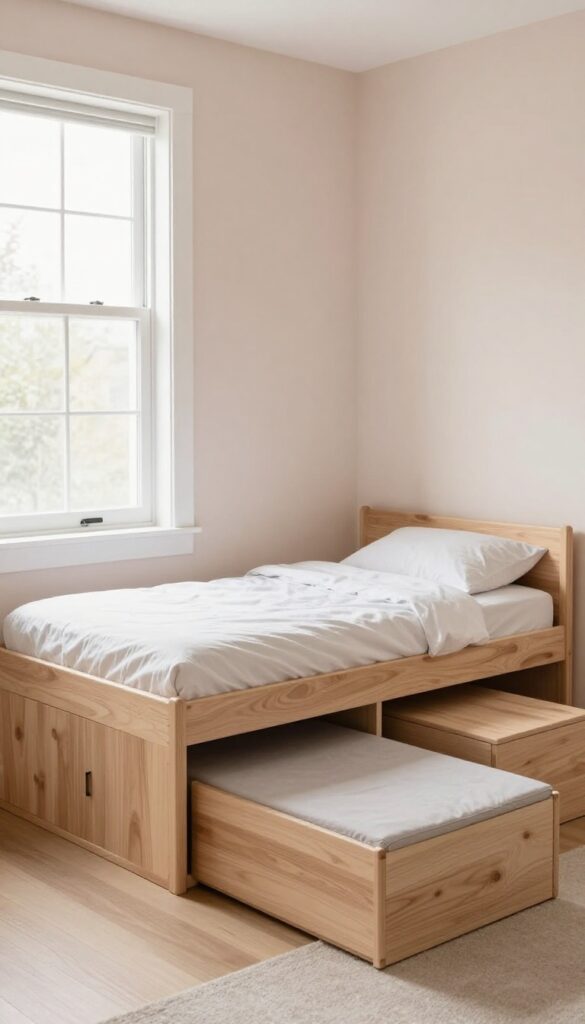
In a small kids' bedroom, every piece of furniture should earn its keep. That's where multi-functional designs come in—think ottomans that double as toy chests, benches with lift-up seats, or beds with deep drawers tucked underneath. These smart pieces hide the clutter that tends to pile up in tiny spaces, while still looking intentional and stylish.
The trick is choosing items that blend seamlessly into the room's layout, so the space feels open and organized rather than crammed with furniture.
Why It Works
When floor space is limited, having furniture that serves two purposes eliminates the need for extra storage units. Hidden compartments keep toys, books, and extra bedding out of sight, making the room feel instantly tidier. Plus, kids learn to put things away when storage is built right into the places they already use.
Best For
This idea is perfect for small bedrooms shared by siblings or for a single child who has more toys than floor space. It's also great for rooms with an awkward layout where adding a separate dresser or toy bin would block traffic flow.
Styling Tip
To keep the room from feeling too utilitarian, choose furniture with warm wood tones or soft painted finishes. Add a basket on top of a storage ottoman for extra texture, or use the top of a bench as a display spot for a favorite stuffed animal or a small plant.
FAQ
What colors work best in a small kids' bedroom?
Light, soft colors like pale blue, mint green, or warm white make a room feel larger. You can add pops of brighter color through accessories, bedding, or one accent wall.
How can I make a small room feel bigger for my child?
Use vertical storage, keep the floor clear, and choose furniture that does double duty. Mirrors also help reflect light and create the illusion of more space.
What's the best bed for a small kids' room?
Loft beds or bunk beds are great for freeing up floor space. If you have only one child, a loft bed with a desk or play area underneath is a smart choice.
How do I add storage without cluttering the room?
Use under-bed bins, wall-mounted shelves, and furniture with hidden compartments. Keep only what's needed and rotate toys seasonally to avoid overflow.
Can I use dark colors in a small kids' bedroom?
Yes, but use them sparingly. A dark accent wall can add depth, but balance it with light furniture and plenty of natural light to keep the room from feeling cramped.
Conclusion
Small kids' bedrooms don't have to feel cramped or chaotic. With a little planning, you can create a space that's both functional and full of personality. The key is choosing ideas that work with the room's size, not against it.
Start with one or two changes and build from there. Whether it's a loft bed, a fold-down desk, or a fresh coat of paint, small tweaks can make a big difference.