13 Ceiling Ideas for Living Room for a Home That Feels Finished
Most of us spend a lot of time fussing over wall colors, furniture arrangements, and the perfect rug. But there’s one surface we almost always forget: the ceiling.
It’s the fifth wall, and giving it a little attention can completely change how a room feels. A thoughtful ceiling treatment makes a space feel intentional, cozy, and finished—like every detail was carefully considered.
Whether you rent or own, love bold color or subtle texture, there’s an idea here that will make your living room feel more like home.
1. Paint It a Warm White

Warm white ceilings are having a quiet moment, and for good reason. Unlike stark white, which can feel cold or clinical, a soft off-white or cream adds a layer of coziness without darkening the room. It reflects light beautifully, making the ceiling feel higher and the whole space more airy.
Plus, it pairs effortlessly with wood tones, natural light, and the lived-in textures that make a living room feel like home.
Choosing the right white for your ceiling is more about feel than formula. Warm whites with a hint of yellow, beige, or pink create a soft, inviting glow that complements both modern and traditional decor. They also help bridge the gap between walls and trim, creating a seamless, calming backdrop.
If your living room gets lots of natural light, a warm white will amplify that golden hour feel. In rooms with less light, it prevents the ceiling from looking flat or dingy. The key is to test samples at different times of day—what looks creamy in the morning can read yellow under artificial light.
Stick with a matte or flat finish to minimize glare and keep the focus on the room's furniture and textures.
Best Color Pairings
Warm white ceilings work best with earthy wall colors like sage green, terracotta, or soft beige. They also complement rich wood furniture, woven textures, and brass or bronze accents. Avoid pairing with cool grays or stark whites, which can clash and make the warm tone look unintentional.
Finish Matters
A flat or matte finish is your best bet for ceilings. It hides imperfections, reduces glare, and creates a soft, diffused look that feels more organic. Eggshell or satin finishes can work if you need washability, but they'll reflect more light and may highlight uneven surfaces.
Lighting Tip
- Warm white ceilings love warm light bulbs. Use bulbs with a color temperature of 2700K to 3000K to enhance the creamy undertones. Avoid cool daylight bulbs, which can make the ceiling look dull or yellow in a bad way.
- Dimmers also help you adjust the mood from bright and airy to soft and intimate.
2. Add Faux Wood Beams
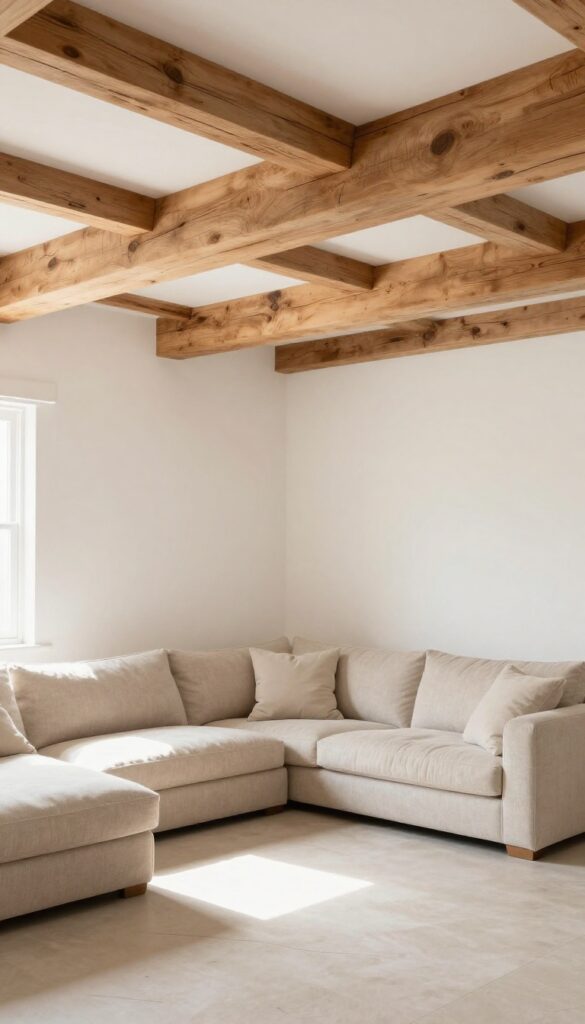
Nothing warms up a room quite like wood, but real beams are heavy, expensive, and a pain to install. Faux wood beams give you that same cozy, rustic feel without the hassle or the price tag. They're lightweight, easy to mount, and come in finishes that look convincingly like reclaimed barn wood or smooth cedar.
In an open-concept living room, they help define the space and draw the eye upward, making the ceiling feel intentional rather than just forgotten.
Faux beams are a DIY-friendly upgrade that instantly adds character. They work especially well in living rooms with high or vaulted ceilings, where they break up a large expanse of drywall. The key is to go with a finish that has some grain variation and subtle color shifts so it doesn't look too uniform.
Install them parallel to the roofline for a clean, architectural look, or crisscross them in a grid pattern for a more dramatic, farmhouse-style statement.
Best Materials
- Polyurethane is the most popular choice because it's lightweight, moisture-resistant, and easy to cut. High-density foam is another option, but it's softer and can dent. Look for beams with a hand-painted or distressed finish that mimics natural wood grain.
- Avoid anything too glossy or plastic-looking.
Layout Tip
For a standard rectangular living room, run beams lengthwise to make the room feel longer. In a square room, a simple grid of two or three beams adds architectural interest without overwhelming the space. If your ceiling is less than 8 feet, skip the beams or use very slim profiles to avoid a cramped feeling.
Cozy Detail
Pair faux beams with warm-toned lighting, like pendant lights with Edison bulbs or a dimmable chandelier. The beams will catch the light and cast soft shadows, making the ceiling feel richer. Add a textured rug and chunky knit throws to complete the lived-in, cabin-like atmosphere.
3. Try a Coffered Ceiling
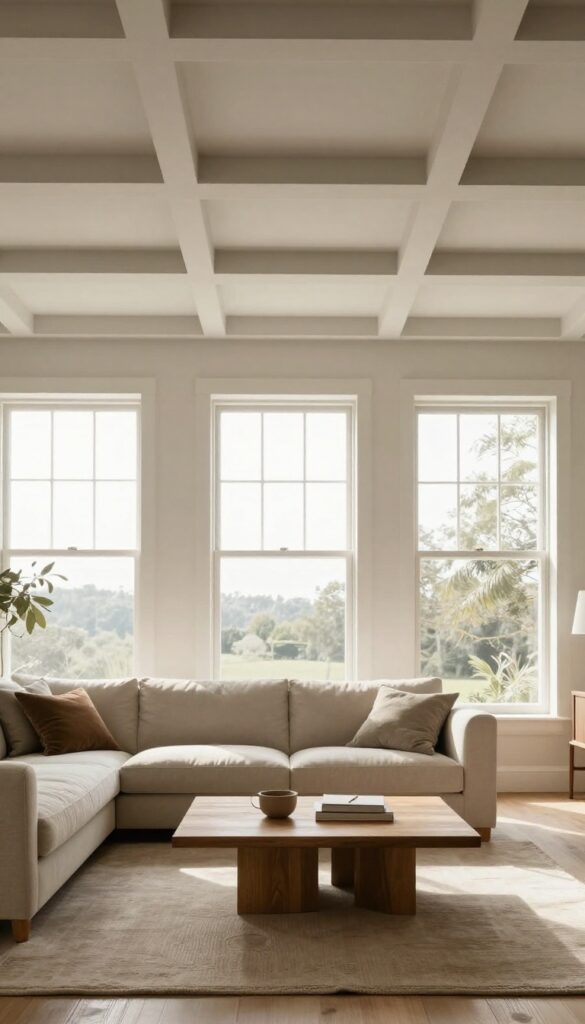
Coffered ceilings have a way of making a room feel finished—like the architect actually cared about what happens above eye level. The grid of recessed panels adds depth and structure, turning a flat ceiling into something with real presence. In a living room, it sets a classic, tailored tone without feeling stiff or old-fashioned.
Depending on how you finish it, this look can lean either airy and refined or warm and cocooning.
Coffered ceilings work especially well in living rooms with higher ceilings, but they can also feel right at home in standard-height rooms if the grid is kept shallow. The key is balancing the visual weight: lighter colors keep things open, while darker tones make the space feel more intimate. Pairing the coffers with crown molding or a central medallion for a light fixture completes the look.
For a relaxed, lived-in vibe, opt for wood tones with a matte finish rather than high-gloss.
Best Colors
To keep the room feeling light and spacious, paint the recessed panels a shade or two lighter than the main ceiling. If you want a cozier, more intimate atmosphere, go darker—think charcoal, navy, or deep green—and let the grid stand out. A neutral palette with warm undertones (like soft greige or creamy white) feels timeless and works with most decor styles.
Material Choices
Wood is the traditional choice, but medium-density fiberboard (MDF) with a wood veneer offers a budget-friendly alternative that still looks polished. For a more modern twist, consider painted drywall coffers with clean lines. If you love texture, exposed beams within the grid add rustic warmth—perfect for a relaxed, lived-in feel.
Lighting Tip
Recessed lighting or small pendant lights inside the coffers can create a stunning glow, emphasizing the depth of the panels. Alternatively, install LED strip lighting along the inner edges for a soft, indirect wash of light that makes the ceiling feel even more dimensional. Dimmer switches let you adjust the mood from bright and lively to calm and intimate.
4. Wallpaper the Ceiling
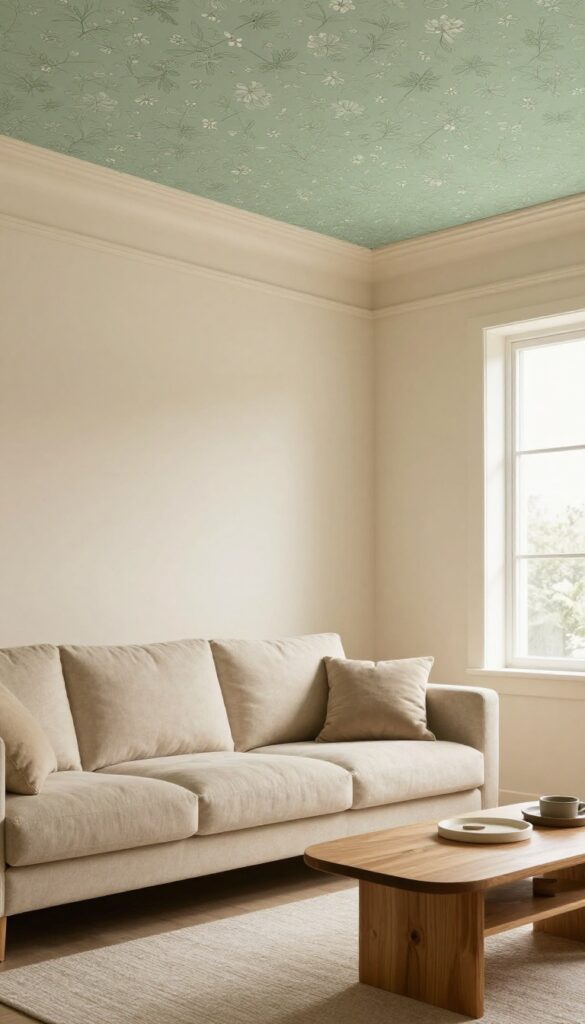
A patterned ceiling is one of those unexpected details that instantly makes a room feel more intentional. It’s a subtle way to add personality without overwhelming the walls or furniture. In a warm, lived-in living room, a small-scale print or soft texture on the ceiling can make the space feel cozy and curated—like a room that’s been collected over time.
Think of your ceiling as a blank canvas. Adding wallpaper there draws the eye upward, making the room feel taller and more dynamic. For a relaxed vibe, stick to muted colors and gentle patterns like a tiny floral, a subtle stripe, or a grasscloth texture.
It’s a low-commitment way to experiment because it’s out of direct line of sight—so even a bold choice can feel surprisingly grounded.
Best Patterns For A Cozy Feel
- Small-scale prints work best here. Think delicate damasks, tiny geometrics, or even a soft plaid. Avoid large, loud motifs that could make the ceiling feel heavy.
- Grasscloth or textured wallpapers add warmth without pattern, which is perfect if you want a hint of depth without a literal print.
Color Flow With The Room
Pull a color from your existing decor—maybe a soft sage from your throw pillows or a warm cream from your rug. This keeps the ceiling feeling connected to the rest of the room. If your walls are white, a ceiling in a pale blush or light blue can add a whisper of color that feels intentional, not accidental.
Finishing Touch: Trim It Right
Painting the crown molding (if you have it) the same color as the wall helps the wallpaper pop without looking busy. If you don’t have molding, a clean edge where wallpaper meets the wall is key. Use a sharp blade and a steady hand—or hire a pro for a flawless finish.
5. Install Wood Planks
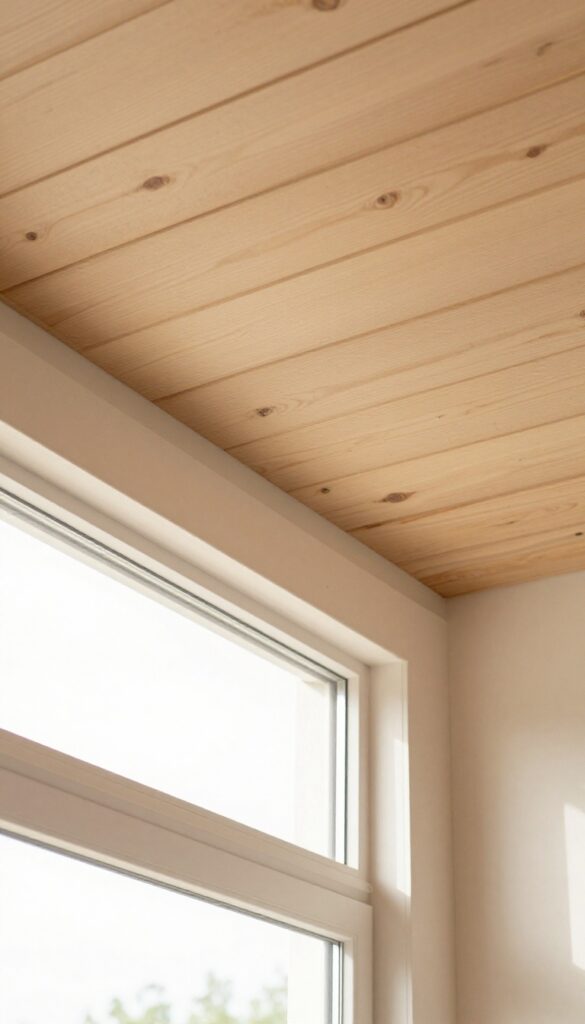
Wood plank ceilings bring an instant layer of warmth that drywall just can't match. Whether you go with reclaimed barn wood for rustic character or new pine boards for a cleaner look, the texture alone makes the room feel more grounded. Whitewashing keeps things light and airy, perfect for coastal or cottage styles, while dark stains lean into a moody, intimate vibe that works beautifully in dens or media rooms.
Wood planks on the ceiling create a cabin-like warmth that makes any living room feel more inviting. The key is choosing the right finish for your style. Whitewashed planks reflect light and keep the space open, ideal for smaller rooms or those with limited natural light.
Dark stained wood adds drama and coziness, especially when paired with warm lighting and rich textiles. For a budget-friendly approach, consider tongue-and-groove panels that install quickly over existing drywall. If you're renting, peel-and-stick wood-look planks offer a temporary solution that still delivers texture and charm.
Best Wood Types
- Pine is the most affordable and takes stain or paint well. Cedar offers natural resistance to moisture and a subtle aroma. Reclaimed barn wood adds instant history and unique grain patterns, but it can be pricier and harder to source.
- For a modern twist, try engineered wood planks that mimic real wood without the maintenance.
Installation Tips
- Start by measuring the room and ordering 10% extra to account for waste. Install planks perpendicular to the longest wall to make the room feel wider. Use a nail gun for faster installation, and leave a small gap at the edges for expansion.
- If your ceiling isn't perfectly level, furring strips can help create a flat surface.
Styling With Wood Planks
Pair a wood plank ceiling with neutral walls and soft lighting to let the texture shine. Add a jute rug, linen curtains, and leather furniture for a natural, earthy palette. For a more dramatic look, go with dark-stained wood and complement it with brass fixtures, deep green sofas, and layered throw blankets.
6. Use a Glossy Finish
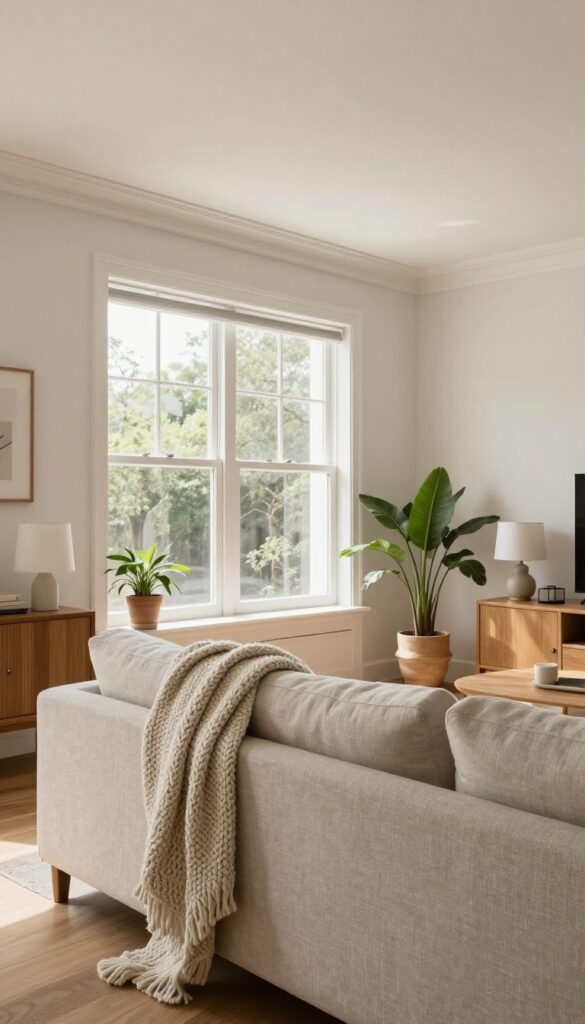
A high-gloss ceiling might sound like a bold move, but it’s one of those subtle tricks that instantly makes a room feel taller and brighter. The reflective surface bounces light around, which is a game-changer for living rooms that don’t get a ton of natural sun. It’s not about being shiny or flashy—it’s about creating an airy, open feel without knocking down walls.
Plus, it pairs beautifully with warm, lived-in decor, adding a touch of polish that still feels relaxed.
The key is to choose the right shade and finish. A soft white or pale cream in high-gloss keeps things light and fresh, while a deeper hue like navy or charcoal can add drama without darkening the room. The gloss catches light from windows and lamps, making the ceiling feel like it’s floating.
This idea works best in living rooms with moderate to low ceilings, where every bit of perceived height counts. Pair it with matte walls for contrast, and keep the rest of the room cozy with textured fabrics and warm wood tones.
Best Colors For A Glossy Ceiling
Stick with light neutrals for maximum light reflection—think soft whites, pale grays, or warm off-whites. If you want a bit of personality, try a dusty blush or light sage green. Darker shades like deep navy or charcoal can look stunning in a room with good lighting, but they work best when the walls are light and the space has plenty of lamps or windows.
Finishing Touch: Trim And Molding
- A glossy ceiling really shines when it’s paired with crisp white crown molding. The contrast between the shiny ceiling and matte trim adds definition and makes the room feel more intentional. If your living room has existing molding, paint it in a flat or satin finish to let the ceiling stand out.
- No molding? A clean line where the ceiling meets the wall is all you need.
Lighting Tip: Layer Your Sources
Since the ceiling reflects light, you’ll want to layer your lighting to take full advantage. Use a mix of overhead fixtures, floor lamps, and table lamps to create a soft glow that bounces off the ceiling. Avoid harsh direct lighting—instead, go for warm, diffused bulbs that enhance the reflective effect without creating glare.
7. Add a Tray Ceiling
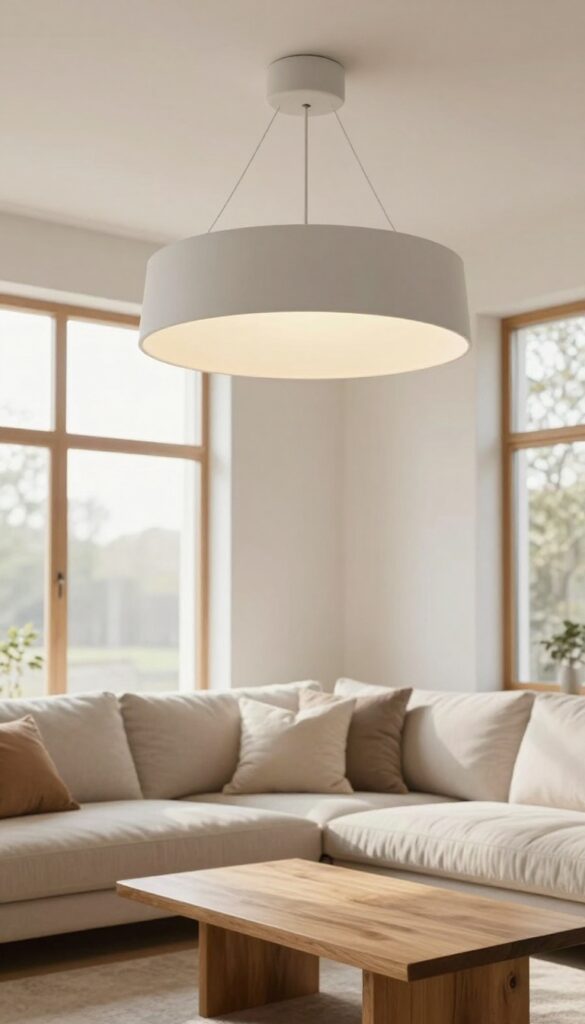
A tray ceiling is one of those details that makes a room feel instantly more polished—like the house has a little extra thought behind it. The best part? You don’t need to gut the room or call in a contractor for weeks.
Even a simple recessed center, painted a shade or two lighter than the main ceiling, adds depth without overwhelming the space. It’s subtle, but it changes how light plays across the room, making the whole living area feel taller and more intentional.
Tray ceilings work especially well in living rooms where you want a soft focal point without adding heavy crown molding or beams. The recessed area naturally draws the eye upward, so it’s a great trick for rooms with standard eight-foot ceilings—you get architectural interest without sacrificing height. To keep things warm and lived-in, skip stark white and go for a pale warm gray, blush, or even a muted sage in the recessed portion.
Pair it with a light fixture that hangs just below the tray, like a drum shade or a simple flush mount, and you’ve got a ceiling that feels custom without the custom price tag.
Best Colors For The Recessed Area
- The recessed part of a tray ceiling is your chance to add a whisper of color. Stick with soft, warm tones that feel cozy—think pale clay, dusty blue, or a very light buttercream. If you want contrast, go two shades darker than the main ceiling, but keep it matte to avoid glare.
- For a more dramatic look, try a deep charcoal or navy in the recessed area, but balance it with lighter walls and plenty of natural light.
Lighting Tip
A tray ceiling practically begs for a light fixture that plays with the recess. A semi-flush mount or a low-profile chandelier works beautifully—just make sure it hangs below the tray line so it doesn’t get lost in the shadow. For extra warmth, add a dimmer switch so you can adjust the glow from bright and airy to soft and intimate.
Finishing Touch
To make the tray ceiling feel intentional, carry a hint of the recessed color into the room through pillows, a throw, or a piece of art. That small echo ties the ceiling to the rest of the space, so it doesn’t feel like an afterthought. Even a single accent pillow in the same muted sage or blush can make the whole room feel cohesive.
8. Go Dark and Dramatic
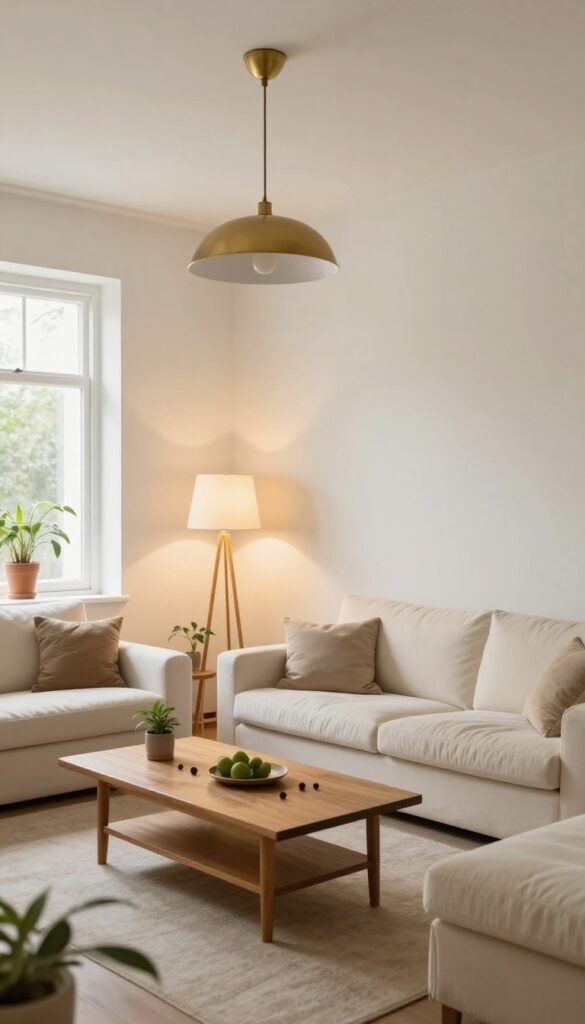
There's a reason dark ceilings keep showing up in designer homes: they instantly make a room feel more intimate, cozy, and intentional. A deep charcoal, navy, or forest green overhead creates a cocoon-like effect that's especially inviting in a living room where you want to unwind. The trick is balancing that boldness with light walls and plenty of lamps so the space stays warm rather than cave-like.
Painting your ceiling a dark hue is a surprisingly low-lift way to add serious drama. It draws the eye upward, makes the room feel more enclosed and snug, and creates a gorgeous contrast with lighter walls and trim. This works particularly well in living rooms with good natural light or high ceilings, but it can also make a smaller room feel like a cozy den.
Just keep your walls and furniture in soft whites, creams, or pale grays to keep the space from feeling heavy.
Best Colors To Try
- Deep charcoal is the most versatile—it reads almost like a neutral and pairs with any wall color. Navy adds a touch of richness and works beautifully with brass or gold lighting fixtures. Forest green brings an earthy, moody vibe that feels especially cozy in rooms with lots of plants or warm wood tones.
- For a softer take, try a dark slate blue or a warm black-brown like espresso.
Lighting Is Everything
- A dark ceiling soaks up light, so you need to plan your lighting carefully. Layer in plenty of lamps—floor lamps, table lamps, and wall sconces—to create pools of warm light around the room. Avoid relying on a single overhead fixture; instead, use multiple light sources at different heights to keep the space feeling inviting and well-lit.
- Dimmer switches are your best friend here.
Finishing Touch
Paint the ceiling in a matte or flat finish to minimize glare and keep the look soft. If you have crown molding, paint it the same dark color as the ceiling to make the room feel taller and more seamless. Add a few reflective accents like a mirror or metallic lamp base to bounce light around and keep the room from feeling too closed in.
9. Hang a Statement Light Fixture

A light fixture can do more than just brighten a room—it can anchor the whole space. Whether you go for a chandelier, a sculptural pendant, or an oversized flush-mount, the right ceiling light becomes the focal point that pulls your living room together. The trick is choosing one with warm metal or fabric shades so it feels inviting, not cold or formal.
Statement lighting isn't just for grand entryways or dining rooms. In a living room, a well-chosen fixture adds personality and a sense of completion. It draws the eye upward, making the ceiling feel taller and the room more intentional.
Plus, it's one of the easiest ways to introduce a design element that doubles as functional art.
Best Materials For A Cozy Vibe
- Look for fixtures in brass, bronze, or matte black with fabric or frosted glass shades. These materials soften the light and add warmth. Avoid polished chrome or stark white glass if you're aiming for a lived-in feel.
- Natural textures like rattan or woven wood also work beautifully for a relaxed, organic look.
Scale And Placement Tips
- A common mistake is choosing a fixture that's too small. For a living room, aim for a diameter of about half the width of the room. Hang pendants or chandeliers so the bottom is at least 7 feet from the floor—lower in a room with high ceilings, higher if you have low ceilings.
- Over a coffee table, center it for balance.
Finishing Touch: Dimmer Switch
Pair your statement fixture with a dimmer switch. This lets you adjust the mood from bright and lively to soft and intimate. It's a small upgrade that makes a huge difference, especially when you want to transition from daytime hangouts to evening relaxation.
10. Stencil a Pattern
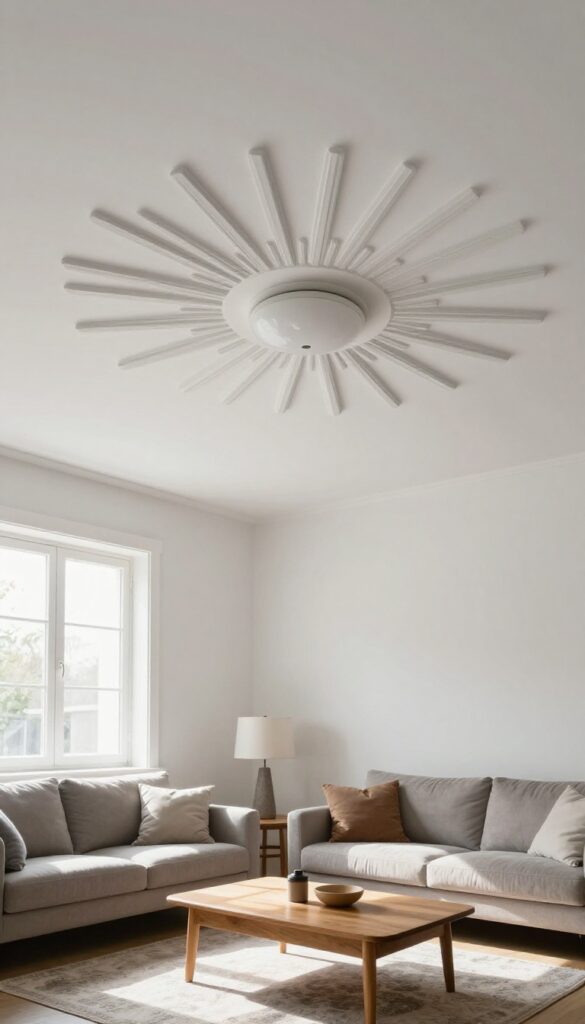
Stenciling is one of those DIY projects that looks way more expensive than it actually is. It’s perfect for adding a custom touch without committing to wallpaper or hiring a pro. Whether you go with a subtle metallic or a tone-on-tone design, the result feels handcrafted and personal.
Plus, you can change it up whenever the mood strikes.
Stenciling gives you total control over scale, color, and placement. It’s a fantastic way to bring pattern to a ceiling without the cost or permanence of wallpaper. Start with a simple geometric or floral motif that complements your room’s style.
Use a low-tack painter’s tape to secure the stencil, and a dense foam roller for crisp edges. Work in small sections, and don’t forget to step back often to check alignment. The beauty of stenciling is that imperfections add to the handmade charm—so don’t stress about perfection.
Best Colors
Tone-on-tone designs—like a soft gray on a white ceiling—keep things subtle and elegant. For more drama, try a metallic gold or copper over a neutral base. If your room has warm wood tones, a dusty sage or terra-cotta stencil can tie everything together beautifully.
Layout Tip
Start from the center of the ceiling and work outward to keep the pattern balanced. Use a laser level or chalk line to mark guidelines. If your ceiling has a light fixture, plan the pattern so it radiates symmetrically from that point.
Finishing Touch
Seal the stenciled area with a clear matte polyurethane to protect it from dust and light scuffs. This also makes future touch-ups easier. Pair the patterned ceiling with simple, unadorned walls to let the design shine.
11. Add Beadboard or Tongue-and-Groove
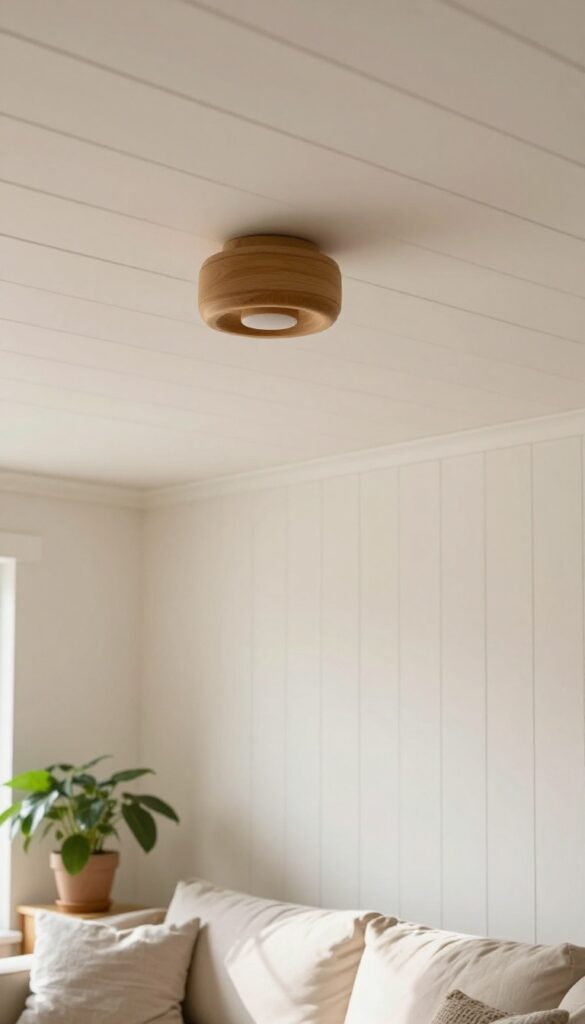
There’s something undeniably cozy about a beadboard ceiling. It instantly makes a room feel more finished and lived-in, like a charming cottage or a historic home with character to spare. The vertical lines draw the eye upward, making the ceiling feel higher, while the texture adds warmth without overwhelming the space.
Whether you paint it bright white for a crisp look or leave it natural for a rustic vibe, beadboard brings a handmade quality that drywall just can’t match.
Beadboard and tongue-and-groove panels are a classic way to add texture and warmth to a living room ceiling. They work especially well in homes with a farmhouse, cottage, or traditional style, but can also feel fresh and modern when painted in a soft gray or pale blue. The key is to keep the rest of the room simple so the ceiling becomes a subtle focal point.
Pair it with natural wood furniture, linen curtains, and plenty of plants to reinforce that relaxed, lived-in feel.
Best Colors For A Warm Look
- For a warm, inviting ceiling, stick with soft whites like Swiss Coffee or Alabaster. These shades keep the room bright while adding a hint of warmth. If you want more depth, try a pale sage green or a muted clay pink—both feel natural and cozy without being too dark.
- Avoid stark bright whites, which can feel cold and clinical.
Installation Tips
- You can install beadboard panels directly over an existing ceiling if it’s in good condition. For a more authentic look, use individual tongue-and-groove planks. Make sure to leave a small gap around the edges for expansion, and cover the seams with trim or a simple crown molding.
- This also helps define the ceiling as a distinct design element.
Styling The Rest Of The Room
Let the beadboard ceiling be the star, but keep the rest of the room grounded with natural materials. A jute rug, linen sofa, and wooden coffee table all complement the texture above. Add warm lighting—like a brass floor lamp or a paper pendant—to soften the space and highlight the ceiling’s detail.
12. Create a Tin Ceiling Effect
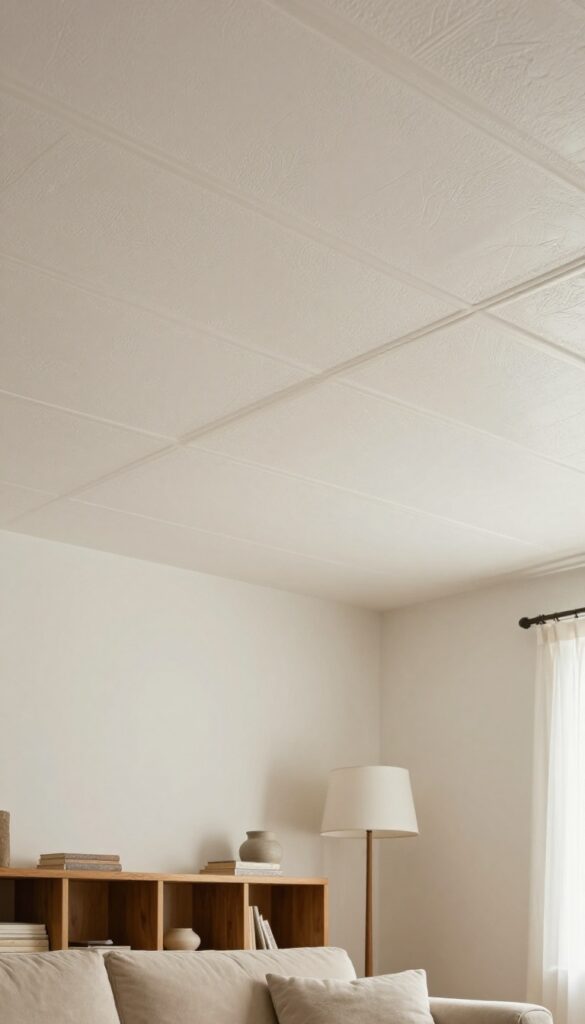
There’s something about a tin ceiling that instantly makes a room feel more finished—like someone really cared about the details. But real tin is expensive, heavy, and a pain to install. The good news?
You can get that same textured, vintage look with lightweight panels or embossed wallpaper that mimics the real thing. It adds warmth and old-world charm without the headache or the price tag.
Tin-look panels or embossed wallpaper mimic vintage ceilings. They add texture and a touch of old-world elegance without the expense of real tin.
Best Colors
Stick with classic finishes like antique white, soft bronze, or matte black for an authentic feel. If you want a bit of drama, try a muted copper or pewter tone. Avoid high-gloss finishes unless you’re going for a more modern, reflective look.
Installation Tip
For the easiest DIY, go with peel-and-stick tin-look tiles. They come in 12×12 or 24×24 squares and can be applied directly to a smooth, clean ceiling. If your ceiling has texture, install thin plywood or foam panels first to create a flat surface.
Finishing Touch
Pair the tin ceiling with warm wood furniture and soft, layered lighting. The metallic texture will catch the light and add depth, so keep the rest of the room relatively simple to let the ceiling shine.
13. Use Fabric or Draped Canopies

There’s something undeniably soft and inviting about fabric overhead. Whether you go for a full canopy or just a few swaths of linen gathered at the center, draping fabric across the ceiling instantly makes a room feel more intimate and layered. It’s an easy way to add texture and warmth without committing to paint or wallpaper.
Draping fabric on the ceiling works especially well in living rooms with high ceilings or awkward angles. The fabric softens hard edges and draws the eye upward, making the space feel cozy rather than cavernous. Lightweight materials like linen or cotton voile are ideal because they move gently with air currents and don’t feel heavy.
Secure the fabric with ceiling hooks or a simple wooden ring, letting it cascade in loose folds. For a boho look, mix two or three complementary colors or patterns. Keep the rest of the room’s decor simple so the canopy remains the focal point.
Best Fabrics To Use
- Stick with natural, lightweight fabrics that breathe and drape well. Linen is a top choice for its relaxed texture and subtle sheen. Cotton voile or muslin are budget-friendly alternatives that still look airy.
- Avoid heavy velvet or thick polyester, which can feel oppressive and collect dust. Sheer gauze adds a dreamy, ethereal quality, especially when layered.
Installation Tips
- You don’t need a contractor for this. Use removable adhesive hooks if you’re renting, or small screw-in hooks for a permanent setup. Gather the fabric at a central point above your seating area and let it drape outward.
- For a more dramatic effect, run fabric along a curtain track mounted to the ceiling. Make sure the fabric is taut enough to avoid sagging but loose enough to ripple naturally.
Styling The Rest Of The Room
- Balance the softness of the canopy with grounded, substantial furniture. A chunky knit throw, woven rug, and leather or wood accents keep the room from feeling too floaty. Add warm ambient lighting—like floor lamps or string lights—to enhance the cozy, lived-in vibe.
- Plants with trailing vines can echo the cascading fabric and tie the look together.
FAQ
What is the easiest ceiling idea for a rental?
Painting the ceiling a warm white or adding a removable wallpaper are both renter-friendly. Just make sure to get landlord approval first, and use peel-and-stick options for easy removal.
Will a dark ceiling make my living room feel smaller?
Not necessarily. A dark ceiling can actually make a room feel cozier and more intimate. To keep it from feeling cramped, balance it with light walls and plenty of lighting.
How do I choose between wood beams and wood planks?
Beams add architectural lines and work well in rooms with high ceilings. Planks cover the whole surface and create a more uniform, textured look. Think about the style you want—beams are more rustic, planks are more cabin-like.
Can I wallpaper a ceiling myself?
Yes, but it’s a bit tricky. Use a lightweight wallpaper and consider a paste-the-wall method. Enlist a helper, and take your time—it’s worth the effort for the impact.
What’s the best way to make a low ceiling feel higher?
Paint it a light color, use vertical stripes or a subtle pattern, and add a glossy finish. Also, keep light fixtures flush or semi-flush to avoid hanging too low.
Conclusion
Your ceiling doesn’t have to be an afterthought. With just a little creativity, it can become one of the most memorable features in your living room.
Whether you go for a simple coat of warm paint or a full wood-plank installation, these ideas help your home feel more finished and personal. Pick the one that speaks to your style, and enjoy the transformation.