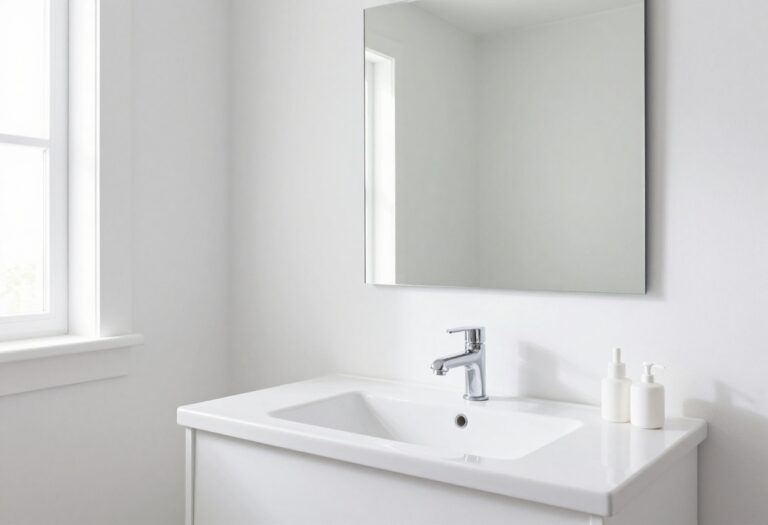
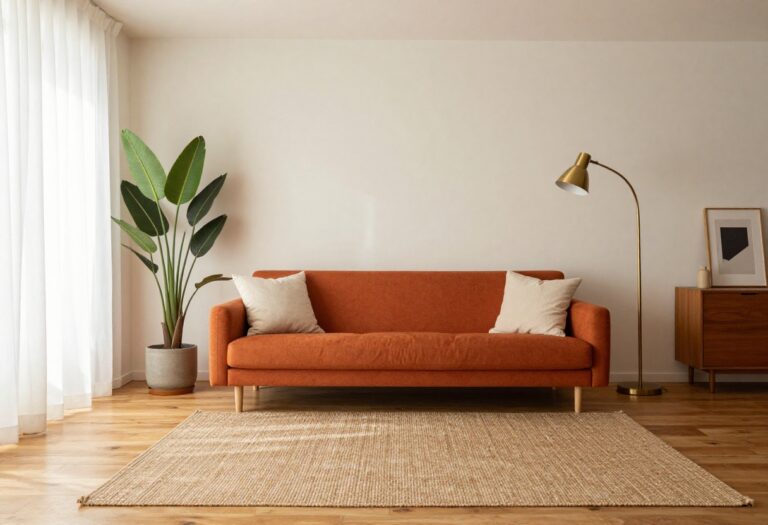
13 Small Space Living Room Ideas to Improve Room Flow
A small living room can feel cramped and cluttered, but it doesn't have to. With a few smart, budget-friendly tweaks, you can improve the flow and make the space feel open and inviting. The key is focusing on layout, light, and multi-functional pieces that work hard without costing a fortune.
You don't need a major renovation or expensive furniture to transform your room. Simple changes like rearranging furniture, adding mirrors, or choosing the right rug can make a world of difference.
These ideas are practical, stylish, and designed to help you get the most out of every square foot. Ready to give your small living room a fresh new feel?
1. Float Furniture Away from Walls
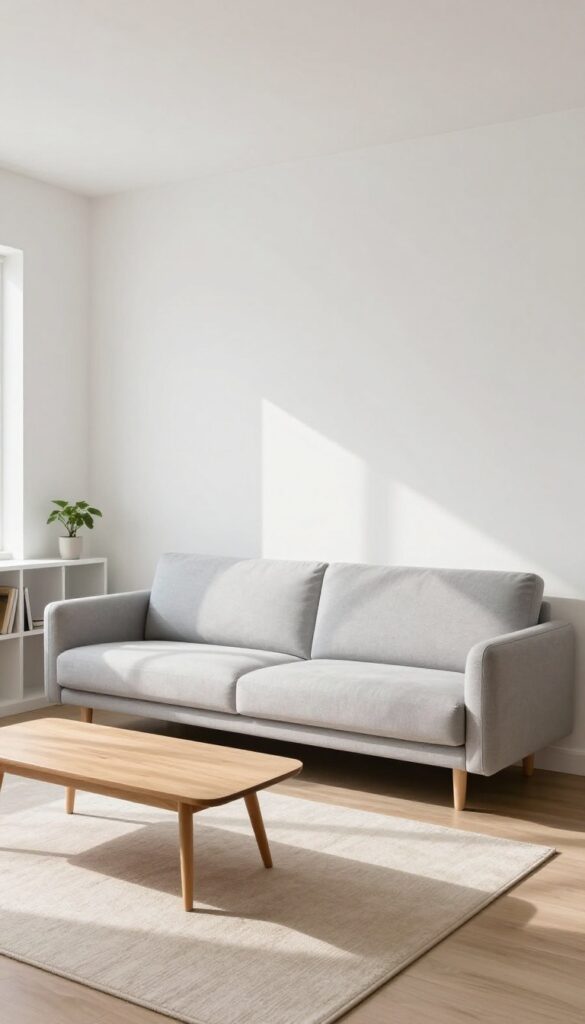
Most of us instinctively push every piece of furniture against the wall, especially in a small living room. But that habit actually makes the space feel tighter and more boxed in. Pulling your sofa and chairs away from the walls creates a central conversation area, opens up the perimeter, and instantly makes the room feel wider and more inviting.
Floating your furniture is one of the smartest, most budget-friendly moves you can make in a small living room. It costs nothing, yet it completely changes the flow and feel of the space. By creating a defined zone in the middle of the room, you give the eye a clear path around the edges, which tricks the brain into perceiving more square footage.
Plus, that open perimeter becomes prime real estate for slim shelving, a plant corner, or even a small desk. The key is to keep the arrangement tight enough that it feels intentional, not scattered. Aim for about 12 to 18 inches between the back of the sofa and the wall—just enough to let air and light circulate without wasting precious floor space.
Layout Tip
- Start with your largest piece—usually the sofa—and position it so it faces the main focal point, like a window or a media console. Then place chairs or a loveseat across from it, angled slightly inward to create a cozy conversation circle. Leave a clear walkway behind the sofa so the room doesn’t feel blocked.
- If your room is extra narrow, float just the sofa and keep the chairs against the wall—you’ll still get that open, airy effect.
Budget-Friendly Swap
- You don’t need new furniture to make this work. Simply rearrange what you already own. If your sofa is too bulky to float easily, try using a slim console table behind it to bridge the gap and add surface space.
- That little table can hold lamps, books, or a tray for drinks, making the floating setup feel purposeful and polished.
Finishing Touch
Anchor the floating arrangement with a rug that’s large enough to sit under the front legs of all your seating. This visually ties the group together and stops the furniture from looking like it’s drifting. Choose a rug with a subtle pattern or a low-pile texture—it’s easier to clean and won’t overwhelm the floor space.
2. Use a Large Rug to Define the Zone
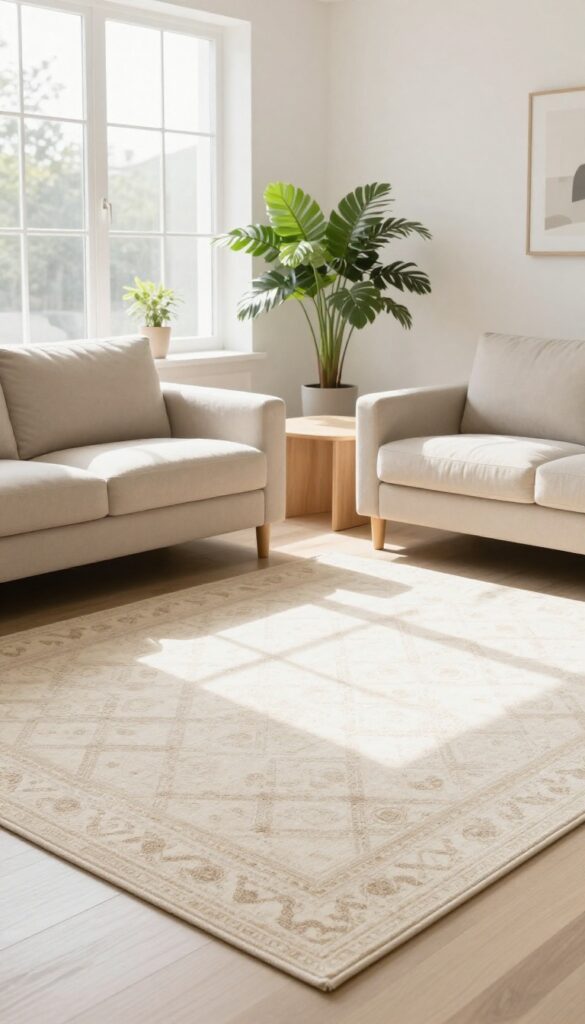
In a small living room, a rug isn't just for looks—it's a layout tool. A generously sized rug anchors your seating area, creating a clear zone that feels intentional rather than cramped. When you go big, the floor doesn't disappear; instead, it visually expands because the rug's edges push toward the walls, making the whole room feel more connected.
Stick with a light, neutral pattern to keep the space airy and open, even on a budget.
A large rug does more than warm up your floors—it quietly defines the seating area and tricks the eye into seeing more space. In a small room, a rug that's too small breaks the flow and makes the furniture feel scattered. But a rug that reaches under the front legs of your sofa and chairs pulls everything together, creating one cohesive zone.
Light colors and subtle patterns keep the room feeling open, while a budget-friendly jute or low-pile wool option adds texture without overwhelming the space. This simple swap can transform how your living room feels and functions.
Best Colors And Patterns
- Stick with light neutrals like cream, beige, or soft gray for maximum airiness. A subtle geometric or faded tribal pattern adds visual interest without clutter. Avoid dark or busy prints—they can shrink the room visually.
- If you want a pop of color, choose a rug with a muted accent like dusty blue or sage green that ties into your pillows or art.
Budget-Friendly Swap
- You don't need a designer rug to get the effect. Look for flatweave or low-pile options in synthetic blends that mimic natural fibers. Online retailers often have sales on 8×10 or 6×9 rugs under $150.
- Another trick: layer a smaller, cheaper rug over a larger neutral one for a custom look without the custom price.
Small-space Layout Tip
Place the rug so it extends at least 6-12 inches beyond the front legs of your sofa and chairs. In a narrow room, orient the rug lengthwise to elongate the space. If your seating is against a wall, let the rug float a few inches from the baseboard to create a breathing room effect.
3. Hang Curtains High and Wide
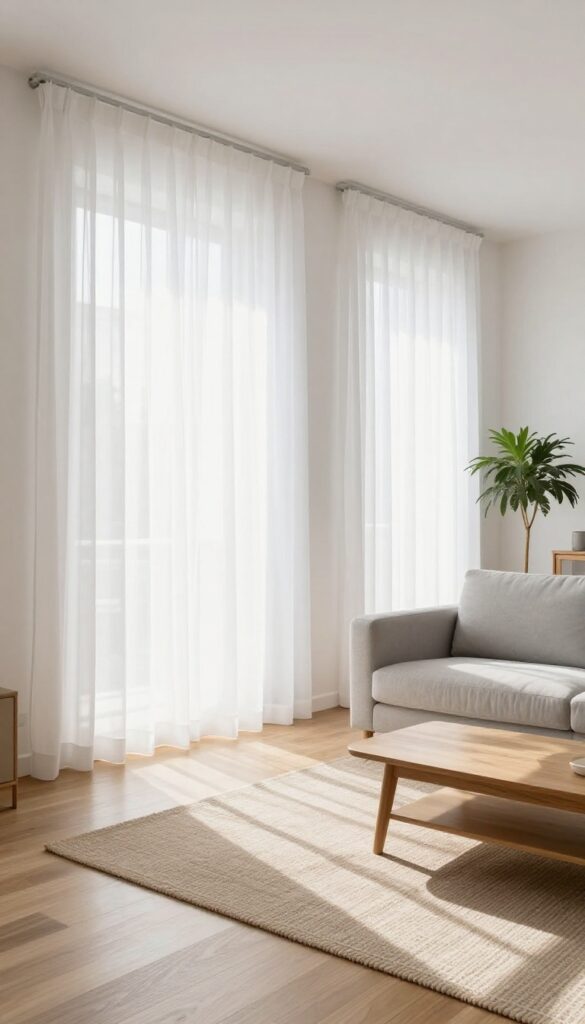
One of the smartest tricks for making a small living room feel bigger costs almost nothing extra—just a slight shift in how you hang your curtains. Mounting the rod closer to the ceiling and extending it past the window frames instantly draws the eye upward, creating the illusion of taller walls and wider windows. This simple adjustment can transform a cramped space into one that feels airy and open, without a single piece of new furniture.
Curtains aren't just for privacy or light control—they're a powerful tool for visual manipulation. When you hang them high and wide, you trick the eye into seeing a larger window and a taller room. The key is to position the rod just a few inches below the ceiling and extend it at least 6–12 inches beyond each side of the window frame.
This allows the curtains to stack back completely, exposing more glass and making the window feel expansive. Even with budget-friendly panels, this technique adds a custom, polished look that elevates the entire room.
Best Curtain Length And Width
For maximum effect, choose curtains that puddle slightly on the floor or at least kiss the floor—short curtains can visually cut the room in half. Aim for panels that are 2–2.5 times the width of your window so they look full even when open. If you're on a budget, floor-length panels from big-box stores work perfectly; just hem them if needed or use curtain rings to easily adjust length.
Budget-friendly Rod Options
- You don't need expensive hardware to pull off this look. Tension rods or basic metal rods from discount home stores are affordable and easy to install. For a more finished appearance, choose rods with decorative finials—these add a touch of style without breaking the bank.
- Spray-painting plain rods in matte black or brass can instantly upgrade them for under $10.
Finishing Touch: Layering
- To add depth without clutter, layer sheer curtains under heavier drapes. Sheers let in soft light during the day while the outer panels provide warmth and texture. This combination makes the window area feel intentional and luxurious, even on a tight budget.
- Stick to light, neutral colors like white, cream, or soft gray to keep the space feeling open.
4. Add a Large Mirror Opposite a Window
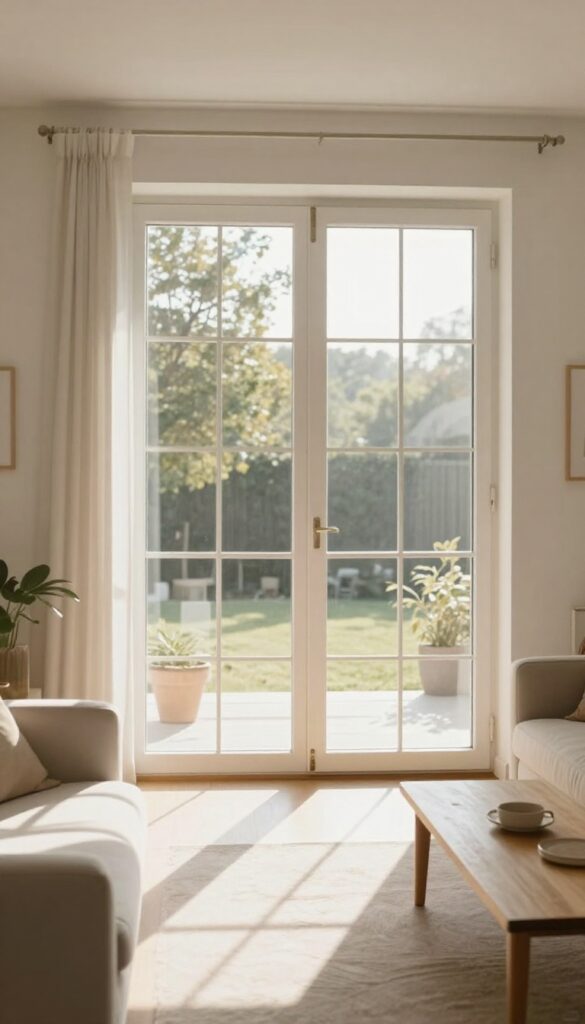
Mirrors are the ultimate budget-friendly hack for small spaces. Placing a large mirror directly across from your main window instantly reflects natural light, making the room feel brighter and twice as spacious. It's a simple trick that works in any living room, no renovation required.
The key is to choose a mirror that's big enough to capture a good chunk of the window view. A floor-leaning mirror or a wide rectangular frame works best. Position it so it reflects the window rather than a wall or furniture.
This creates the illusion of a second window, flooding the room with light and depth. Bonus: it also makes your decor look more intentional and layered.
Best Placement
Hang or lean the mirror on the wall directly facing the window. If that's not possible, angle it slightly to catch the light. Avoid placing it opposite a cluttered area—you want it to reflect something airy, like the window or a clear wall.
Frame Style Matters
A slim, minimal frame keeps the focus on the reflection and won't overwhelm a small room. For a warmer look, try a natural wood or matte black frame. Avoid heavy ornate frames that can make the space feel busy.
Budget-Friendly Swap
You don't need to splurge on a designer mirror. Check thrift stores, IKEA, or online marketplaces for large mirrors at a fraction of the cost. A simple leaning mirror with a clean frame can be found for under $50.
5. Choose Multi-Functional Furniture
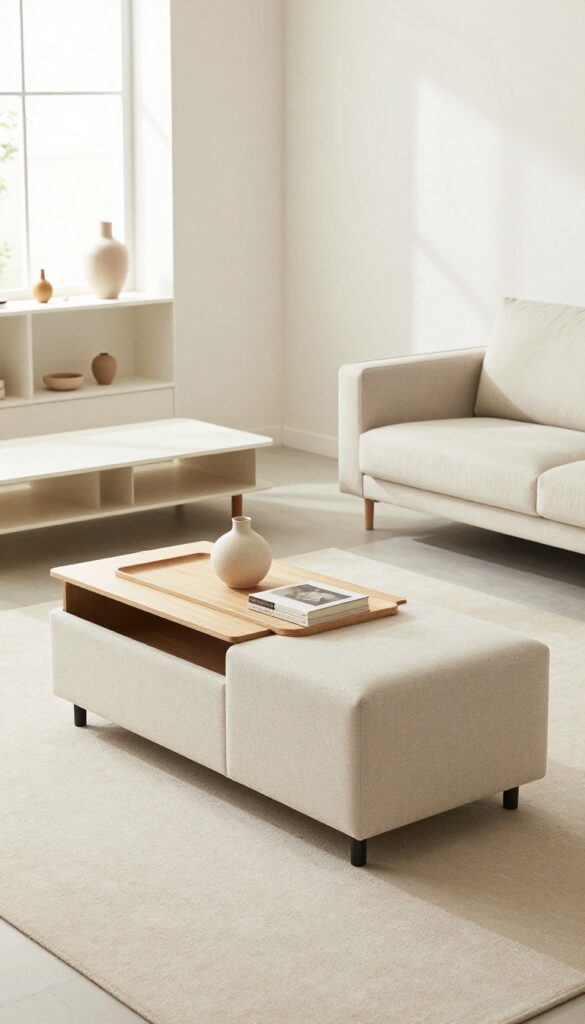
In a small living room, every piece of furniture should earn its keep. Multi-functional designs let you store, sit, and style without adding visual clutter. The trick is picking pieces that blend in seamlessly—so your space feels open, not packed.
When square footage is tight, furniture that does more than one job is a game changer. A storage ottoman hides remotes and blankets while giving you a place to put your feet up. A lift-top coffee table turns into a makeshift desk or dining spot.
Look for nesting tables that tuck away when guests leave, or a sofa with built-in shelves on the arm. The key is choosing items that match your decor style—don't sacrifice looks for function. Neutral tones and clean lines help these pieces disappear into the room, keeping the flow smooth and the floor plan flexible.
Best Budget-friendly Picks
- You don't need to spend a lot. Check thrift stores for wooden trunks that double as coffee tables and storage. IKEA's KALLAX shelving can be used as a room divider with bins for hidden storage.
- A simple bench with baskets underneath adds seating and stashes shoes or books.
Layout Tip
Place your multi-functional piece where it's most useful. A storage ottoman works best near the sofa, while a lift-top table should have clearance on all sides. Keep pathways clear—if a piece unfolds or opens, make sure it doesn't block traffic.
Styling Note
Let multi-functional furniture shine by keeping surfaces tidy. A tray on an ottoman can hold drinks, but also hide the storage function. For nesting tables, style the top one with a lamp and a small plant, leaving the others bare for when you need extra surface space.
6. Stick to a Light, Cohesive Color Palette
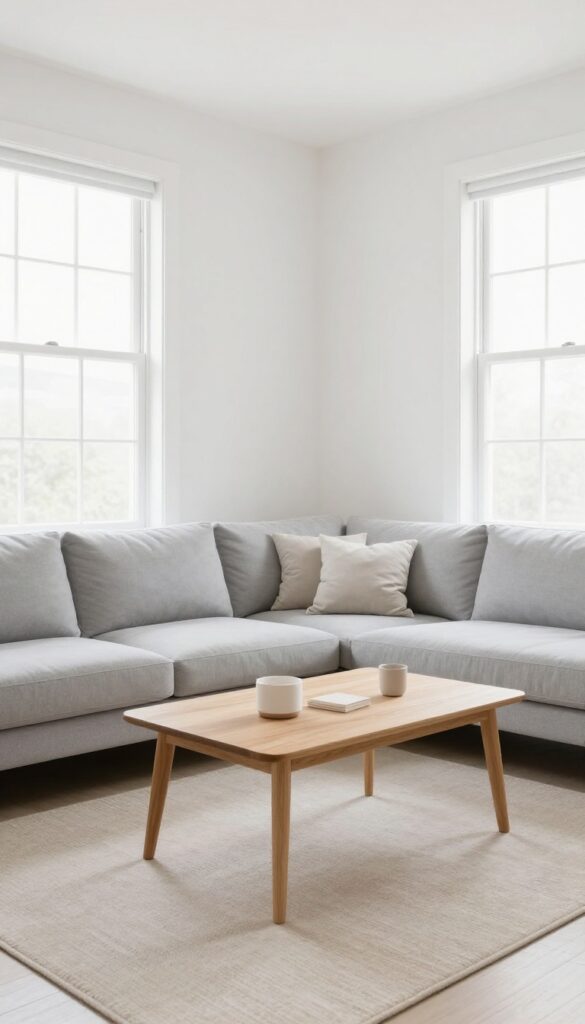
A light color palette does more than brighten a room—it creates a seamless flow that tricks the eye into seeing more space. Soft whites, pale grays, and light beiges on walls and large furniture prevent visual breaks that can make a small living room feel choppy and cramped. The best part?
This approach is incredibly budget-friendly, since a simple coat of paint or a neutral sofa can transform the whole vibe without a major overhaul.
When you keep your palette light and cohesive, the room breathes better. Dark or contrasting colors can chop up a small space, making each zone feel isolated. By sticking to similar tones, your eye glides from the sofa to the walls to the floor without stopping, which makes the room feel larger and more open.
Plus, a neutral backdrop gives you freedom to add pops of color through affordable accessories like pillows or art, so you can refresh the look anytime without repainting.
Best Colors
- Start with a base of warm white, soft dove gray, or pale oatmeal. These shades reflect light and feel airy. For a touch of depth, choose a slightly darker tone for the floor or an accent wall—think light greige or a muted sand.
- Avoid pure bright white if your room gets strong sunlight; it can feel harsh. Instead, opt for a warm white with a hint of yellow or beige for a cozy, lived-in feel.
Budget-Friendly Swap
- You don't need new furniture to pull off this palette. A can of chalky white or light gray paint can refresh an old bookshelf or coffee table for under $30. For larger pieces like a sofa, look for slipcovers in a neutral linen or cotton—they're often cheaper than reupholstering and can be tossed in the wash.
- Thrift stores are goldmines for neutral lamps and frames that blend right in.
Finishing Touch
- Tie the palette together with a textured rug in a similar light tone—like a jute or a low-pile wool in cream. This anchors the seating area without adding contrast. Then layer in one or two accent pillows in a soft pastel or a subtle pattern to keep the room from feeling flat.
- The goal is unity, not monotony.
7. Create Vertical Storage with Wall Shelves
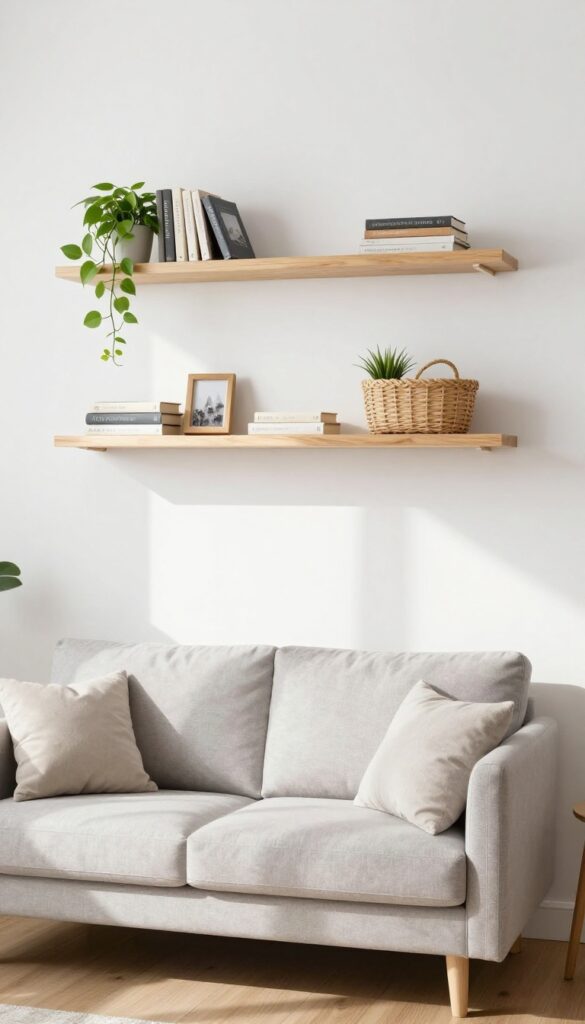
When floor space is tight, the only way to go is up. Floating shelves turn bare walls into valuable storage and display real estate, keeping your surfaces clutter-free while adding architectural interest. They’re one of the most budget-friendly upgrades you can make, and with a little styling, they’ll look like a custom built-in.
Floating shelves are a smart, space-aware solution for small living rooms. By drawing the eye upward, they make ceilings feel higher and the room feel more open. Use them to store books, plants, and decorative objects that would otherwise crowd your coffee table or floor.
The key is to keep the look intentional—mix practical items with a few personal touches so the shelves feel curated, not chaotic.
Best Materials For A Budget
Plywood or MDF shelves with a painted finish are affordable and easy to customize. For a warmer look, try solid pine stained in a light oak tone—it adds texture without the cost of walnut or teak. If you want a more modern feel, go with black metal brackets and raw wood planks for an industrial edge that still reads polished.
Shelf Styling Tip
- Group items in odd numbers and vary the heights. Stack a few books horizontally, prop a small framed photo, and lean a trailing plant like pothos over the edge. Leave some breathing room between objects—crowded shelves defeat the purpose of visual lightness.
- A small basket on the bottom shelf can hide remote controls or chargers.
Layout Tip
Install shelves above a sofa or console table, but keep them at least 12 inches above the furniture to avoid a cramped feel. If you have a low ceiling, run shelves all the way to the top to emphasize height. For a dynamic look, stagger two or three shelves of different lengths rather than lining them up perfectly.
8. Use a Slim Console Table Behind the Sofa
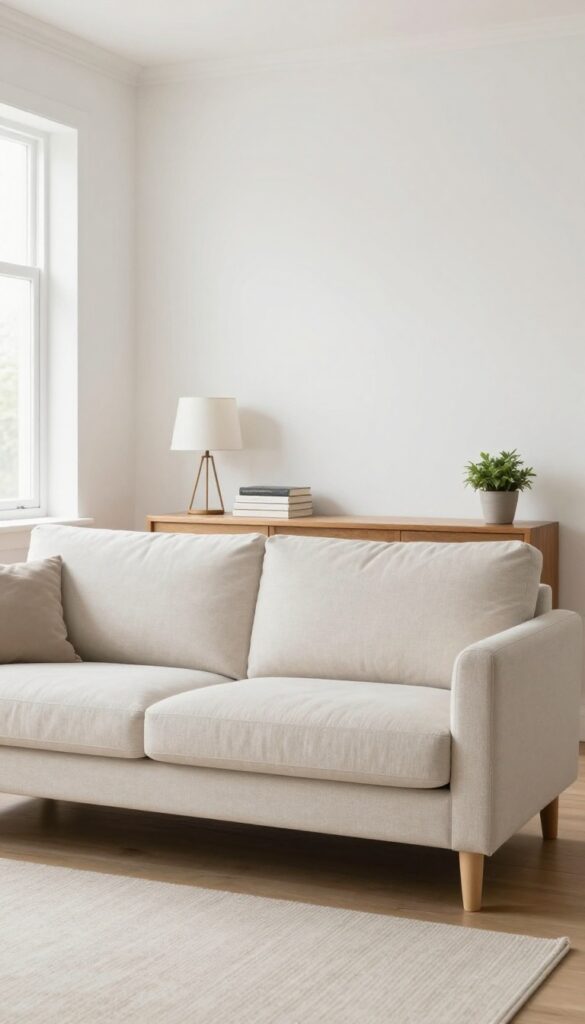
That gap between your sofa and the wall? It’s prime real estate waiting to work harder. A narrow console table tucked behind your couch instantly adds surface space for lamps, books, or a catch-all tray—without eating into your walkway.
It also subtly defines the seating zone, which helps a small living room feel more organized and intentional. Best of all, you don’t need to spend much; a simple budget-friendly console or even a DIY ledge can do the job.
A slim console table behind the sofa is one of those small-space tricks that delivers big returns. It gives you a spot for a table lamp to warm up the room, a place to set down a drink without reaching for a side table, and extra storage for baskets or bins. Because it’s behind the sofa, it doesn’t block sightlines or make the room feel cramped.
Look for a table no deeper than 12 to 14 inches so you can still walk comfortably. If your sofa is against a wall, pull it forward just enough to fit the table—about 6 to 8 inches of clearance is plenty. Style it simply: a stack of books, a small plant, and a decorative bowl keep it from looking cluttered.
Budget-Friendly Swap
- You don’t need to buy a fancy console. A narrow IKEA shelf or even a DIY wooden plank on hairpin legs works perfectly. Thrift stores often have slim sideboards that can double as a sofa table.
- Paint it to match your wall for a built-in look, or go for a contrasting color to make it pop.
Layout Tip
Make sure the table is slightly shorter than your sofa’s back height—about 2 to 4 inches lower—so it doesn’t interfere with leaning back. If your sofa has a low back, choose a table that sits just below the top edge. This keeps the line of sight clean and the table functional.
Storage Idea
Use baskets or slim bins underneath the console to stash extra blankets, remotes, or kids’ toys. This hides clutter while keeping essentials close at hand. Woven baskets add texture and warmth, which is especially nice in a neutral-toned room.
9. Incorporate Transparent or Open Furniture
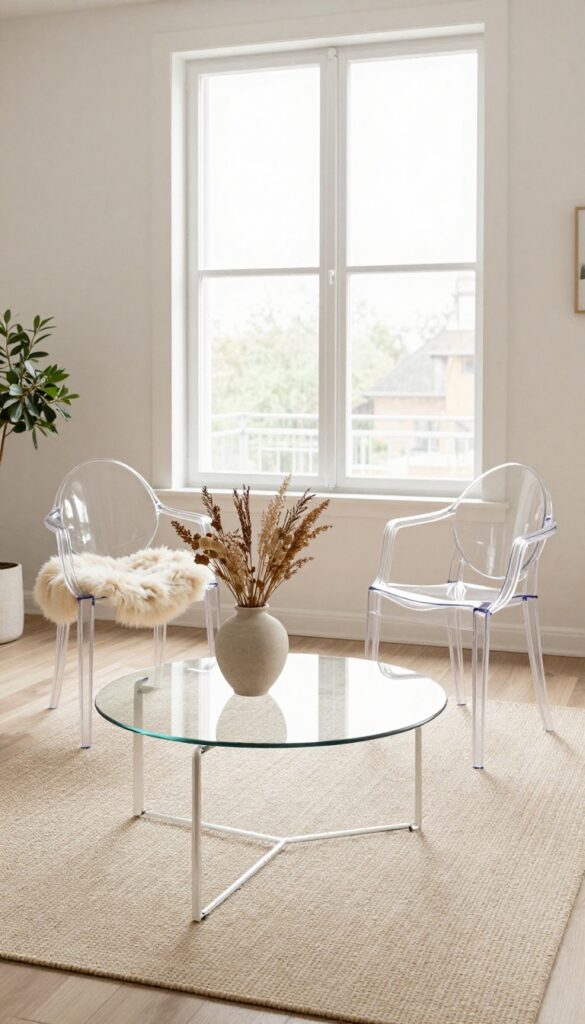
Glass coffee tables and acrylic chairs do more than just look modern—they practically disappear in a room. By reducing visual weight, these pieces make your small living room feel airier and less cluttered. The best part?
You can find budget-friendly versions at big-box stores or secondhand, so you don't have to sacrifice style for space.
When you swap out a bulky wooden coffee table for a clear glass one, your eye travels right through it, making the floor area feel larger. Acrylic chairs have the same effect—they offer seating without blocking sightlines. This trick works especially well in narrow rooms or apartments where every inch counts.
Pair transparent furniture with a few solid accent pieces, like a woven rug or a ceramic vase, to keep the space from feeling too cold or sterile.
Best Materials
Tempered glass is your safest bet for tabletops—it's sturdy and easy to clean. For chairs, look for thick acrylic or polycarbonate that won't yellow over time. Chrome or stainless steel legs add a subtle reflective quality that boosts the airy feel without adding visual bulk.
Budget-Friendly Swap
- You don't need to spend a lot. Check out IKEA's glass coffee tables or Target's acrylic dining chairs. Secondhand stores often have vintage glass tables at a steal.
- Just sand down any scratches with fine-grit sandpaper and polish for a like-new look.
Styling Tip
- Keep surfaces minimal. A clear coffee table looks best with one or two items, like a stack of books or a small plant. Too many objects defeat the purpose.
- For acrylic chairs, add a cozy sheepskin throw or a colorful cushion to introduce texture without losing the transparent effect.
10. Layer Lighting at Different Heights
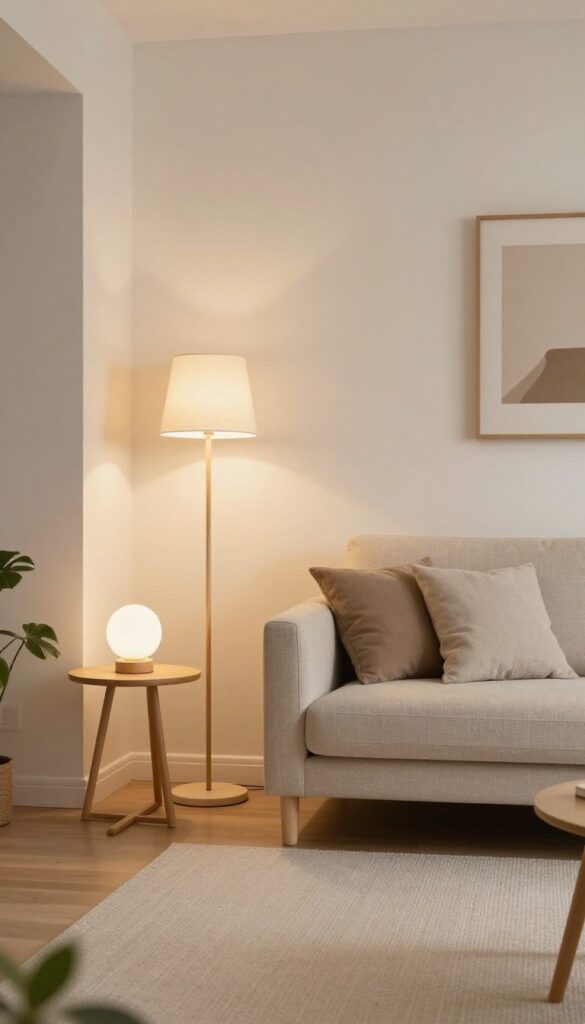
Good lighting can make a small living room feel twice its size, but it’s not just about brightness—it’s about placement. When you rely on a single overhead fixture, you end up with harsh shadows and flat, uninviting light. By layering floor lamps, table lamps, and wall sconces at different heights, you create depth and a warm, welcoming glow that makes the room feel larger and more comfortable.
Best of all, this is one of the most budget-friendly upgrades you can make.
Start by thinking about the three layers: ambient, task, and accent. Ambient lighting is your base—often a ceiling light or a floor lamp that fills the room with soft light. Task lighting is focused on areas where you read, work, or relax, like a table lamp next to the sofa.
Accent lighting highlights artwork or architectural details, drawing the eye upward and making the ceiling feel higher. Mixing these layers at different heights—a floor lamp at 60 inches, a table lamp at 30 inches, and a sconce at 70 inches—creates visual interest and eliminates dark corners. For a small space, choose fixtures with slim profiles and light-colored shades to keep the look airy.
Stick to warm white bulbs (2700K–3000K) for a cozy feel, and use dimmers to adjust the mood throughout the day.
Best Fixtures For Small Spaces
- Look for floor lamps with slender bases and adjustable arms that can tuck behind furniture. Articulating wall sconces are perfect for tight spots—they mount flush to the wall and can be angled where needed. For table lamps, choose ones with a small footprint (under 12 inches wide) and a shade that directs light downward.
- Avoid bulky designs that eat up surface space. If you’re on a tight budget, thrift stores often have great lamp bases you can spray-paint for a custom look.
Placement Tips
- Place a floor lamp in a corner to wash the walls with light and visually expand the room. Set a table lamp on an end table next to the sofa for a cozy reading nook. Install wall sconces flanking a mirror or artwork to add symmetry and draw the eye upward.
- Avoid placing all lights on one side of the room—distribute them evenly to create balance. If you have a low ceiling, skip the chandelier and use sconces and floor lamps instead.
Budget-friendly Swaps
- You don’t need to spend a lot to layer lighting. Replace a single overhead fixture with a plug-in pendant light (under $30) that hangs over a coffee table. Use clip-on spotlights to highlight a plant or a picture.
- Add a dimmer switch to your existing lamp—it costs about $10 and instantly gives you more control. Another trick: use smart bulbs that change color temperature, so you can switch from bright daylight to warm glow without buying new fixtures.
11. Keep the Floor Plan Open with Low-Profile Pieces
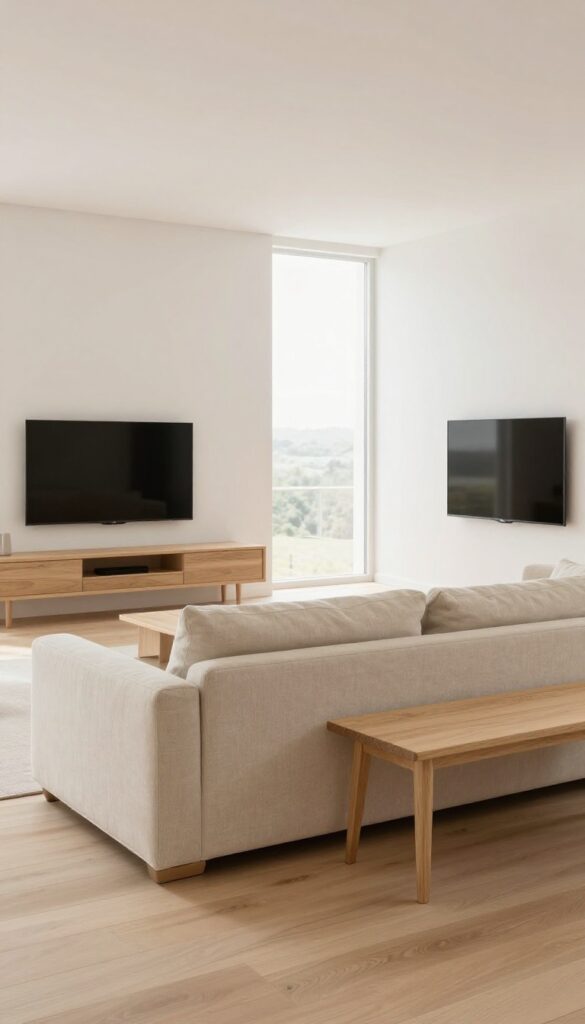
Low-profile furniture is a budget-friendly way to make your small living room feel more spacious. By choosing sofas and tables that sit closer to the floor, you keep sight lines clear and the room feels less cluttered. This approach works especially well in narrow or awkward layouts where every inch counts.
Low-backed sofas and low coffee tables don't block your view across the room, which instantly improves flow. They also make ceilings feel higher and the space more open. Look for secondhand or discount-store finds—you can often score a sleek low sofa for under $500.
Pair it with a simple glass or wood coffee table that's no taller than 16 inches. The result is a seamless, airy layout that feels intentional, not cramped.
Best Materials
Stick with light, natural materials like linen, cotton, or light wood to keep the look airy. A low-profile sofa in a pale beige or gray fabric won't overwhelm the room. For the coffee table, a slim metal frame or a light oak top adds function without visual weight.
Layout Tip
Position your low sofa against the longest wall and float a low table in front of it. Leave at least 18 inches between the table and sofa for easy movement. If space allows, add a slim console behind the sofa to define the zone without blocking sight lines.
Budget-Friendly Swap
Instead of a bulky entertainment center, mount your TV on the wall and place a low media console (under 24 inches tall) beneath it. You can often find these at thrift stores or build one from IKEA's Besta units for under $150.
12. Add a Pop of Color with Accessories Only
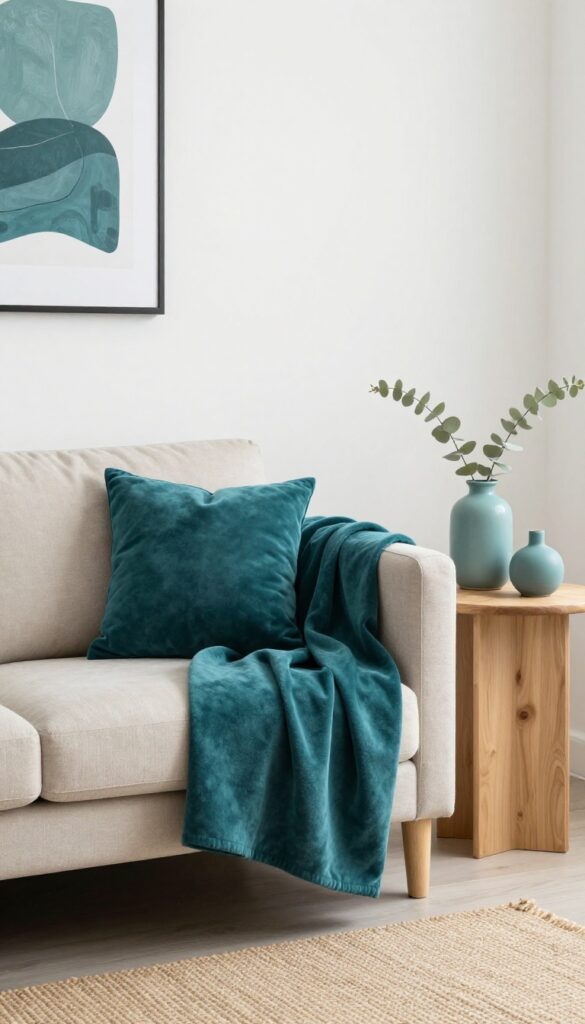
You don’t have to paint a wall or buy a colorful sofa to bring life into a small living room. In fact, keeping your big pieces neutral is a smart move—it makes the space feel open and calm. Then you can layer in color through accessories like throw pillows, art, or a single accent chair.
This approach is budget-friendly because you can swap out a few items whenever you want a new look, without any major commitment.
By limiting color to accessories, you keep the room flexible. A neutral base—think white walls, a beige sofa, and a natural jute rug—acts as a blank canvas. Then you can introduce a hue you love, like a deep teal or a warm mustard, through pillows, a throw blanket, or a small piece of wall art.
The key is to repeat that color in at least two places so it feels intentional, not accidental. This trick works especially well in small spaces because it adds personality without visual clutter.
Best Colors For Small Spaces
- Stick with one or two accent colors to keep the room from feeling busy. Jewel tones like emerald green, sapphire blue, or ruby red add richness without overwhelming a small room. If you prefer a softer look, try blush pink, dusty blue, or terracotta.
- These colors feel warm and inviting, and they pair well with neutral bases.
Budget-Friendly Swap
- You don’t need to spend much. Hit up discount home stores or thrift shops for colorful throw pillows or a small vase. Even a single bright cushion on a neutral sofa can change the whole mood.
- When you want a refresh, just swap out the pillow covers—they’re cheap and easy to store.
Styling Tip
Anchor your color pop with a larger accessory, like an accent chair or a floor lamp, then echo that color in smaller items like a book stack or a ceramic planter. This creates a cohesive look without needing a lot of space. For example, a mustard yellow armchair paired with a matching throw pillow on the sofa ties the room together.
13. Edit Down to Essentials
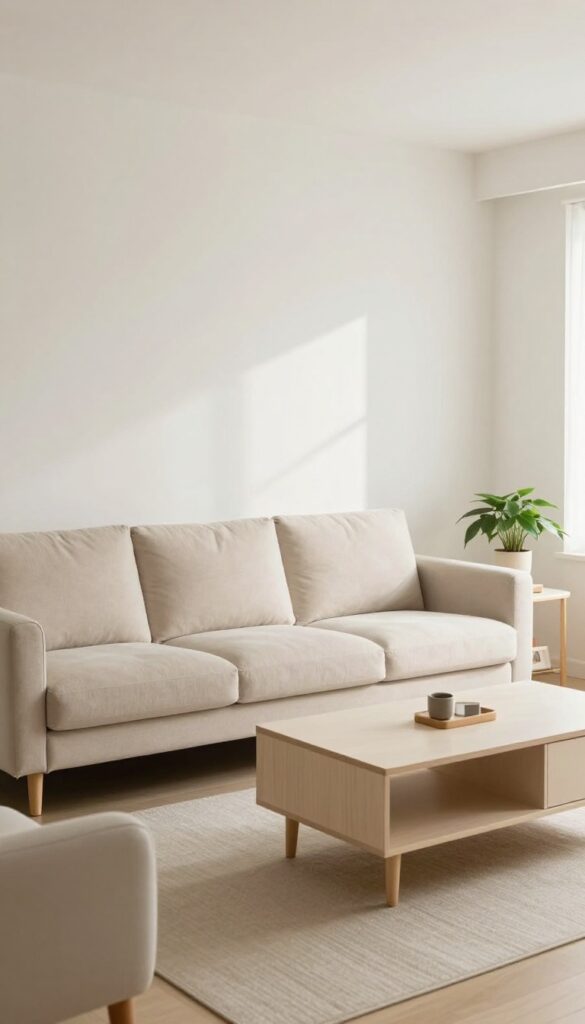
Sometimes the best thing you can do for a small living room is take things out. When every piece has a job and nothing is just taking up space, the room instantly feels more open and easier to move through. This isn't about living with bare walls—it's about being intentional with what you keep and letting each item earn its spot.
Start by looking at every piece of furniture and decor in your living room. Ask yourself if it serves a purpose—whether that's seating, storage, lighting, or simply bringing you joy. If it doesn't, consider moving it to another room or letting it go.
A minimalist approach doesn't mean cold or empty; it means the pieces you keep have room to breathe and the layout can flow naturally. In a small space, less really is more, and editing down to essentials is the most budget-friendly makeover you can do.
Best Furniture To Keep
Focus on a comfortable sofa (not a bulky one), a coffee table that doubles as storage, and one or two accent chairs if space allows. Skip extra side tables, ottomans that don't store anything, and decorative pieces that just collect dust. The goal is to have a clear path from the door to the seating area without weaving around obstacles.
Storage Tip
Use furniture with hidden storage—like a storage ottoman or a coffee table with drawers—to tuck away remotes, magazines, and throws. This keeps surfaces clear and the room looking tidy without needing extra cabinets or shelves.
Finishing Touch
Add one or two meaningful decor items, like a small plant or a framed photo, to keep the room feeling personal. Just resist the urge to fill every empty spot. Negative space is your friend here—it makes the room feel larger and more peaceful.
FAQ
How can I make my small living room look bigger on a tight budget?
Focus on light colors, mirrors, and multi-functional furniture. A large mirror opposite a window and a light rug can instantly open up the space without spending much.
What furniture layout works best for a small living room?
Floating furniture away from walls and creating a central seating area improves flow. Use low-profile pieces to keep sight lines open.
Should I use dark colors in a small living room?
Dark colors can make a room feel smaller, but you can use them as accents. Stick to light walls and floors, then add dark throw pillows or a small rug for contrast.
How many pieces of furniture should I have in a small living room?
Keep it minimal—a sofa, a coffee table, and maybe one or two accent chairs. Too much furniture clutters the space and disrupts flow.
Can a rug make a small room look bigger?
Yes, a large rug that fits under all furniture creates a unified zone, making the room feel more expansive. Avoid small rugs that break up the floor.
Conclusion
Improving flow in a small living room doesn't require a huge budget or major renovations. Simple, intentional choices like floating furniture, adding mirrors, and sticking to a light palette can transform how your space feels and functions. The best part is that these ideas are easy to implement and won't break the bank.
Start with one or two changes, and you'll notice a big difference in how open and inviting your living room becomes. Happy decorating!