13 Living Room With Recliners Ideas for Cozy TV Nights
Recliners often get a bad rap for being bulky or frumpy, but that doesn't have to be the case.
With the right approach, they can anchor a living room that's both comfortable and stylish—even in a compact space.
Whether you're bingeing a new series or having a family movie night, these 13 ideas will help you design a recliner-friendly living room that feels open, inviting, and perfectly suited for cozy TV nights.
1. Wall-Hugger Recliners for Tight Spaces
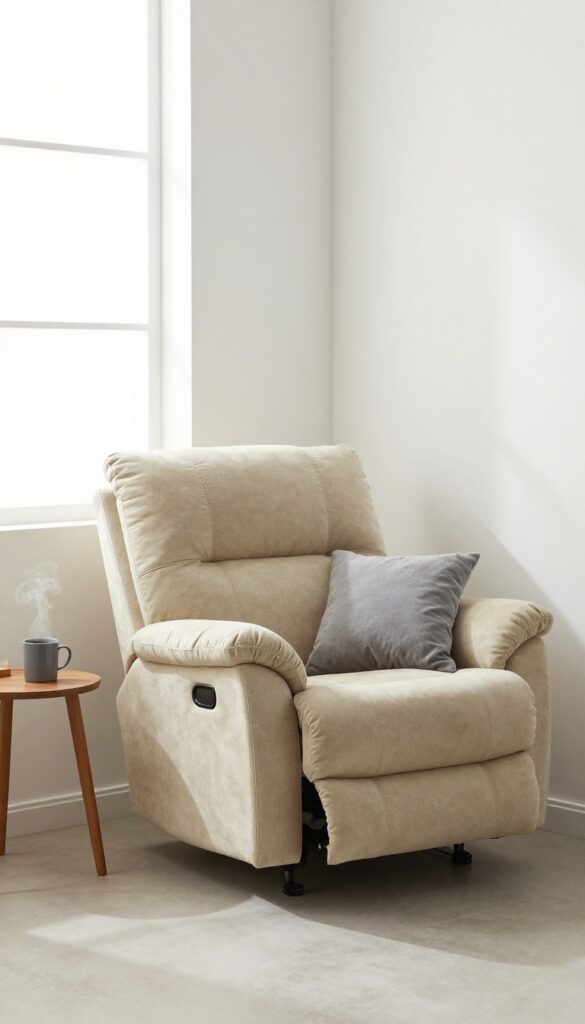
Not every living room has the luxury of extra square footage, but that doesn't mean you have to skip the recliner. Wall-hugger recliners are designed to sit just a few inches from the wall, so they recline forward instead of backward. That simple trick saves a ton of floor space and keeps your room from feeling cramped.
If you've been holding out on a comfy chair because your layout is tight, this is the workaround you've been waiting for.
Wall-hugger recliners bring all the comfort of a traditional recliner without the need for a massive clearance zone. They work especially well in small living rooms, apartments, or any space where furniture needs to stay close to the wall. The mechanism slides the seat forward as you recline, so your head never hits the wall behind you.
That means you can place them in corners, under windows, or even flanking a narrow fireplace without blocking traffic flow. Look for models with slim arms and a streamlined silhouette to keep the visual weight low. Pair them with a small side table and a floor lamp, and you've got a cozy corner that feels intentional, not squeezed in.
Best Colors And Fabrics
Stick with light or medium tones like beige, soft gray, or warm taupe to keep the chair from visually eating up space. Performance fabrics with a bit of texture—like twill or microfiber—hide everyday wear and feel cozy without being bulky. If you want a pop of color, try a muted olive or dusty blue that blends with your existing palette.
Layout Tip
Place the recliner at an angle to the sofa or across from it to create a conversational grouping. Avoid lining it up directly against a wall that's already crowded with other furniture. Leave at least 12 inches between the chair and any adjacent pieces so the room breathes.
Finishing Touch
Add a small lumbar pillow and a lightweight throw blanket in a contrasting texture. This softens the recliner's sometimes bulky look and ties it into the rest of your decor. A slim floor lamp or a wall-mounted reading light completes the nook without taking up precious floor space.
2. Swivel Recliners for Flexible Viewing
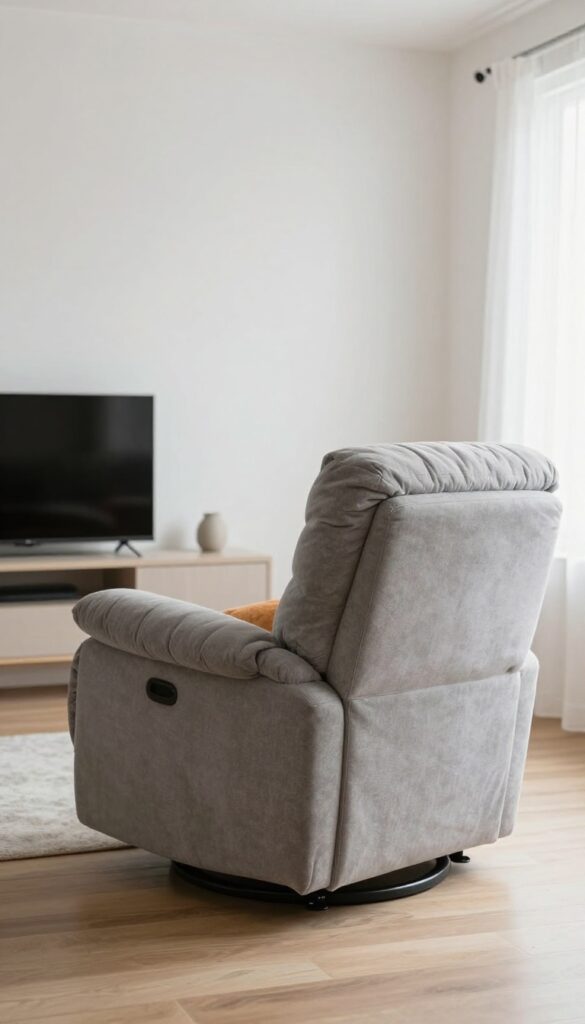
Swivel recliners bring a whole new level of adaptability to a small living room. Instead of being stuck facing one direction, you can spin toward the TV for movie night or pivot to join a conversation. That one chair becomes a multitasking seat without you having to move a single piece of furniture.
In tight spaces, that kind of flexibility is pure gold.
The beauty of a swivel recliner is that it solves two problems at once: comfort and flow. You get the cozy, kick-back feel of a traditional recliner, plus the ability to rotate 360 degrees. That means you can angle yourself toward the screen for binge-watching, then swivel to chat with someone on the sofa.
In a compact room, this prevents the chair from feeling like a dead end. It keeps the space open and interactive, even when fully reclined. Look for a model with a slim base and a compact footprint so it doesn't visually crowd the room.
A neutral upholstery like warm gray or taupe helps it blend in, while a pop of color on the seat cushion adds personality without overwhelming the space.
Small-space Layout Tip
- Place the swivel recliner at a slight angle near the corner of the room, not flat against the wall. This gives it room to rotate fully without bumping into furniture. If your layout allows, position it so it faces both the TV and the main seating area when turned.
- That way you're always part of the action, no matter where the conversation goes.
Best Materials For Durability
- Performance fabrics are your friend here, especially if you eat snacks or have pets. Look for stain-resistant microfiber, polyester blends, or crypton upholstery. Leather or faux leather also works well and wipes clean easily.
- Avoid delicate linens or velvets in high-traffic zones unless you're ready to spot-clean often.
Cozy Detail: Add A Small Side Table
- Since the chair moves, keep a lightweight side table nearby that can shift with you. A slim c-table or a nesting table works perfectly. It gives you a spot for your drink, remote, or book without anchoring the chair to one spot.
- Bonus points if the table has a small shelf for magazines or a coaster.
3. Lift-Top Recliners with Hidden Storage
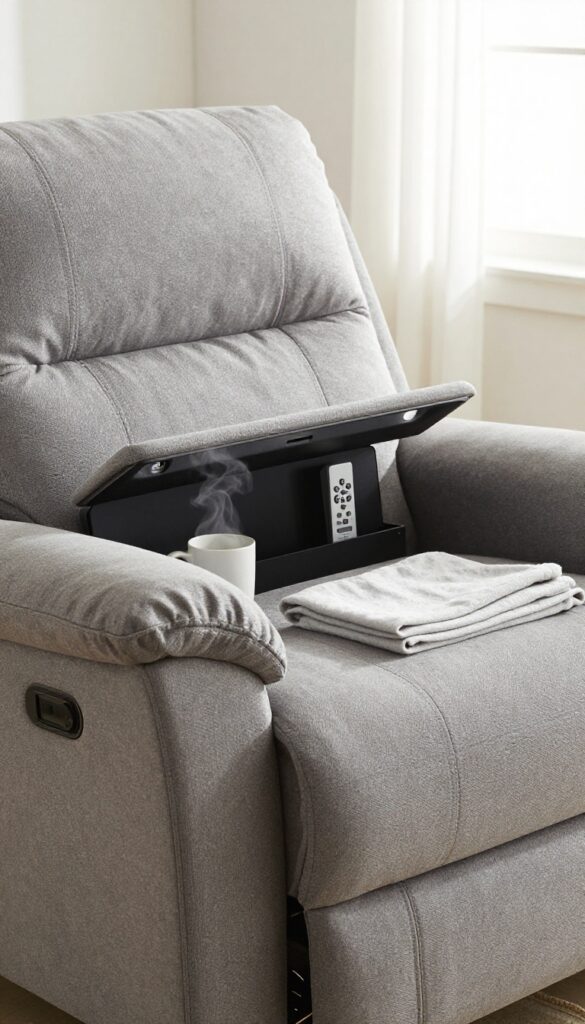
A recliner that pulls double duty as a side table and storage bin? Yes, please. Lift-top recliners have a built-in armrest that flips up to reveal a hidden compartment, perfect for stashing the remote, a cozy throw, or tonight's snacks.
In a small living room, every piece of furniture should earn its keep, and this one works overtime without looking bulky. The clean lines and compact footprint make it a smart choice for tight layouts.
The lift-top recliner is a multitasker's dream. It gives you the comfort of a plush recliner plus the functionality of a side table and storage ottoman all in one. The hidden compartment is roomy enough for a tablet, magazines, or even a small laptop, keeping your living space neat and clutter-free.
When not in use, the armrest blends seamlessly into the chair's silhouette, so it doesn't scream "storage unit." Look for models with a smooth, quiet lift mechanism and a sturdy surface that can hold a drink or a bowl of popcorn without wobbling. This chair is especially handy in open-concept rooms where you want to keep the visual flow clean and uncluttered.
Best Colors And Materials
- Stick with neutral upholstery like warm gray, taupe, or soft beige to keep the chair from feeling heavy. Performance fabrics are a smart pick—they resist stains and wear, which matters when snacks and drinks are part of the routine. For a touch of texture, consider a chenille or a microfiber that feels soft but holds up to daily use.
- If you want a pop of color, go for a deep navy or olive green, but keep the rest of the room light to balance it out.
Layout Tip For Small Spaces
- Place the lift-top recliner at an angle in a corner or next to a slim console table. This keeps the chair from blocking walkways while still giving easy access to the lift-top. In a narrow room, position it opposite the sofa to create a cozy conversation zone without crowding the center.
- Avoid pairing it with a bulky ottoman—the built-in storage means you can skip the extra piece entirely.
Storage And Styling Note
Use the hidden compartment for items you want close at hand but out of sight: remotes, coasters, a small blanket, or even a notepad and pen. Keep the lift-top surface clear except for a single decorative tray or a small plant to maintain a tidy look. If the chair is in a high-traffic area, consider a model with a USB port built into the armrest for charging devices without visible cords.
4. Pair a Compact Loveseat with a Single Recliner
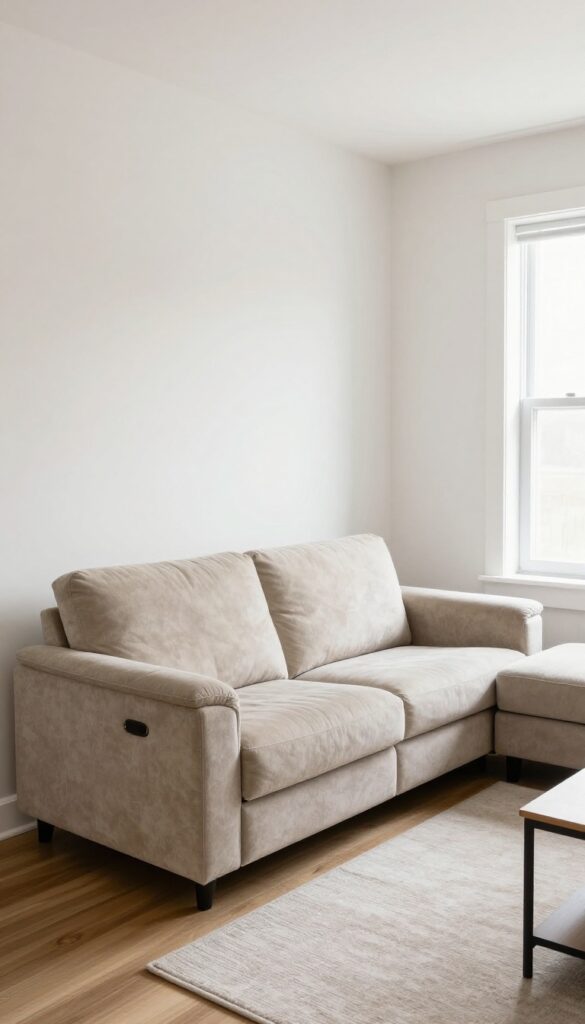
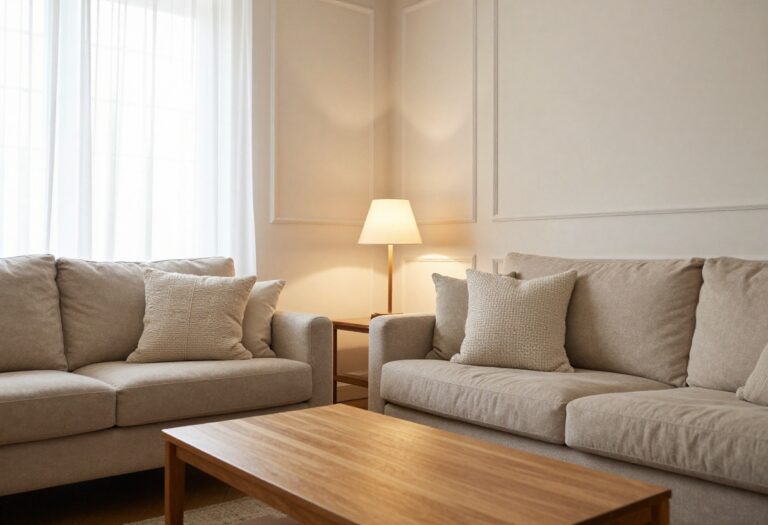
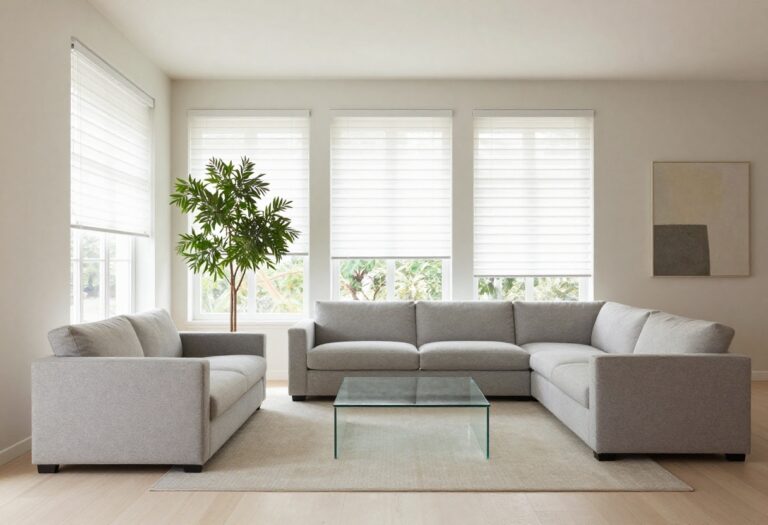
If your living room feels like it's constantly fighting for square footage, a bulky sectional is probably the culprit. Instead of letting one massive piece dominate the space, try splitting the seating into a slim loveseat and a single recliner. This combo gives you enough room for two or three people to stretch out during movie night, but leaves plenty of floor space for walking, side tables, or even a small pet bed.
The best part? You can mix and match styles to keep the room from feeling like a furniture showroom.
The key to making this arrangement work is choosing a loveseat that's actually compact—think armless or with slim track arms—and a recliner that doesn't require a football field's worth of clearance. Look for a wall-hugger recliner that can sit just a few inches from the wall, so you're not sacrificing valuable floor space. Place the loveseat against the longest wall and angle the recliner slightly toward the TV, creating a cozy L-shape without the bulk.
This setup works especially well in open-concept rooms where you want to define the living area without blocking sightlines to the kitchen or dining space.
Best Colors For A Light, Airy Feel
- Stick with soft neutrals like warm beige, light gray, or cream for both pieces to keep the room feeling open. If you want a little contrast, choose a loveseat in a light shade and the recliner in a slightly darker tone, like charcoal or taupe. This adds depth without making the space feel closed in.
- Avoid dark, heavy colors on both pieces, especially in a small room—they'll visually shrink the area.
Layout Tip: Angle The Recliner
Instead of pushing both pieces flat against the wall, angle the recliner toward the loveseat or the TV. This creates a natural conversation area and makes the room feel more dynamic. Plus, angling the recliner gives you a better view of the screen and makes the seating arrangement feel intentional, not just shoved into corners.
Cozy Detail: Add A Throw Blanket
A soft throw blanket draped over the back of the loveseat or the arm of the recliner instantly makes the setup feel more inviting. Choose a textured fabric like chunky knit or fleece to add warmth. This small touch ties the two pieces together visually and gives the room a lived-in, cozy vibe that's perfect for TV nights.
5. Choose Light Upholstery to Visually Expand the Room
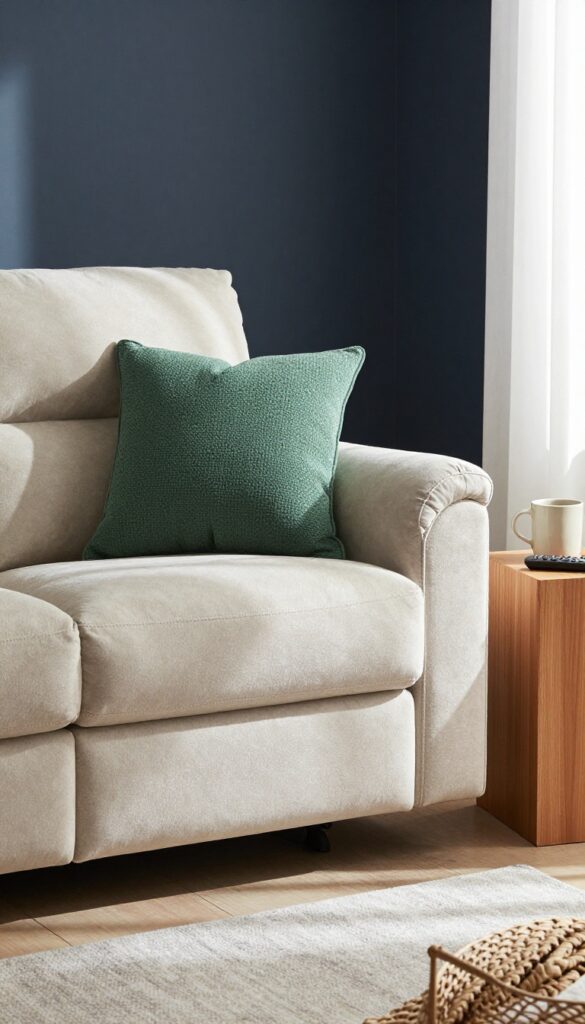
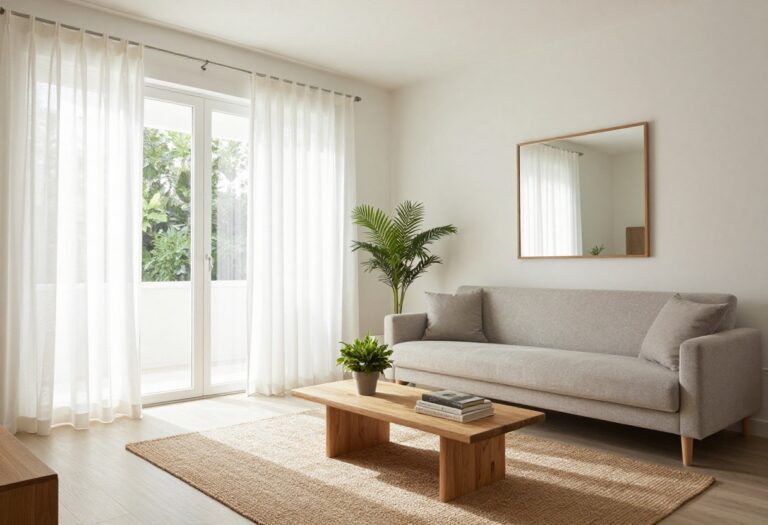
Light gray, beige, or cream recliners reflect light and make a small room feel larger. Pair with a dark accent wall or colorful throw pillows to add depth without overwhelming the space. This trick works especially well in compact living rooms where every square foot counts.
When your living room doubles as a movie theater, comfort is key—but so is keeping the space from feeling cramped. Light upholstery is your secret weapon. A cream or pale gray recliner bounces natural and artificial light around the room, tricking the eye into seeing more square footage than there actually is.
The effect is subtle but powerful: the room breathes easier, and the recliner doesn't dominate the layout.
To keep things from looking washed out, lean into contrast. A dark navy or charcoal accent wall behind the recliner anchors the space and makes the light fabric pop. Or, layer in textured throw pillows in deep jewel tones like emerald or mustard.
This balance keeps the room visually interesting without clutter.
Best of all, light upholstery is surprisingly practical. Performance fabrics in light shades are now widely available, so you don't have to panic about every spill. Look for Crypton or solution-dyed acrylic blends that clean up with a damp cloth.
That way, your cozy TV nights stay stress-free.
Best Colors For A Small Room
- Stick with warm off-whites, soft greiges, or pale taupes. These shades feel inviting and don't go icy or clinical. Avoid stark white—it shows every smudge and can feel cold.
- A light beige with warm undertones, like Sherwin-Williams Accessible Beige, reads cozy and bright.
Fabric Choice Matters
Choose a textured fabric like bouclé, linen weave, or chenille. Texture adds visual weight without darkening the color, so the recliner stays light but doesn't look flat. Plus, textured fabrics hide wear and tear better than smooth ones—perfect for a high-use TV room.
Styling Tip: Add A Dark Accent Wall
- Paint the wall behind the recliner a deep charcoal or navy. This creates depth and makes the light recliner stand out. It also defines the seating area in an open-concept layout.
- Finish with a slim floor lamp in brushed brass for a warm glow that enhances the contrast.
6. Go for a Sleek, Low-Profile Design
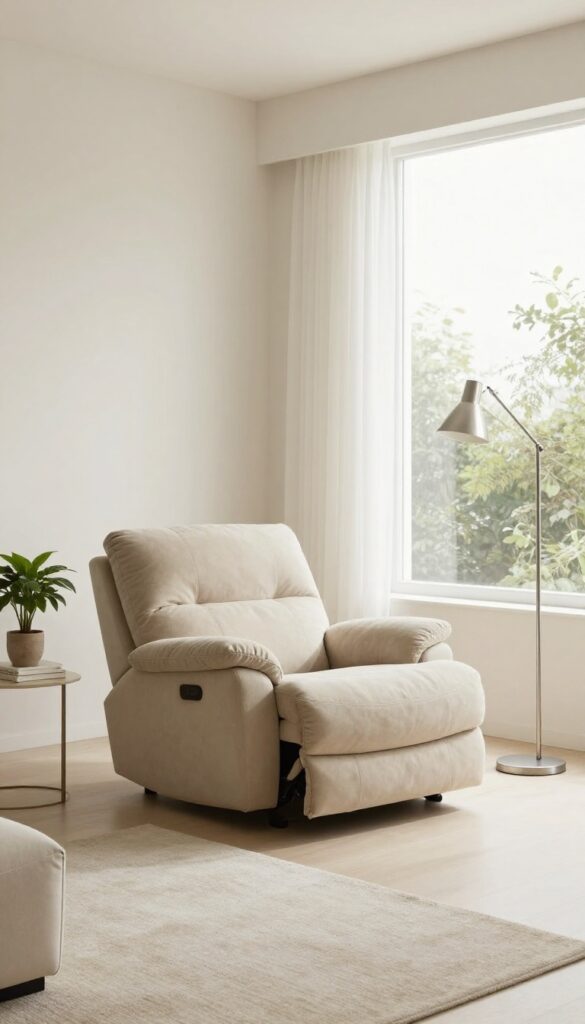
Low-back recliners with clean lines take up less visual space than traditional high-back models. They also work well under windows or in front of low-hanging art, keeping the room airy. This streamlined approach is perfect for small living rooms where every inch of visual breathing room counts.
When you're working with a compact living room, bulky recliners can make the space feel cramped. Low-profile designs solve that by sitting closer to the floor and having a lower backrest. They create a more open sightline, which makes the room feel larger and less cluttered.
Plus, they add a modern, minimalist vibe that pairs well with almost any decor style.
Best Colors
Stick with light, neutral tones like beige, soft gray, or cream to keep the visual weight low. If you want a pop of color, go for muted shades like sage green or dusty blue. Avoid dark, heavy colors that will make the chair stand out too much.
Layout Tip
Place low-profile recliners at an angle in the corner to maximize floor space. This creates a cozy conversation nook without blocking pathways. If you have a window, position the chair so the back doesn't block the light—low backs are perfect for that.
Finishing Touch
Add a slim, metallic floor lamp beside the recliner to keep the look light and airy. A small side table with a plant or a stack of books completes the vignette without adding bulk.
7. Use a Corner Recliner to Maximize Awkward Nooks
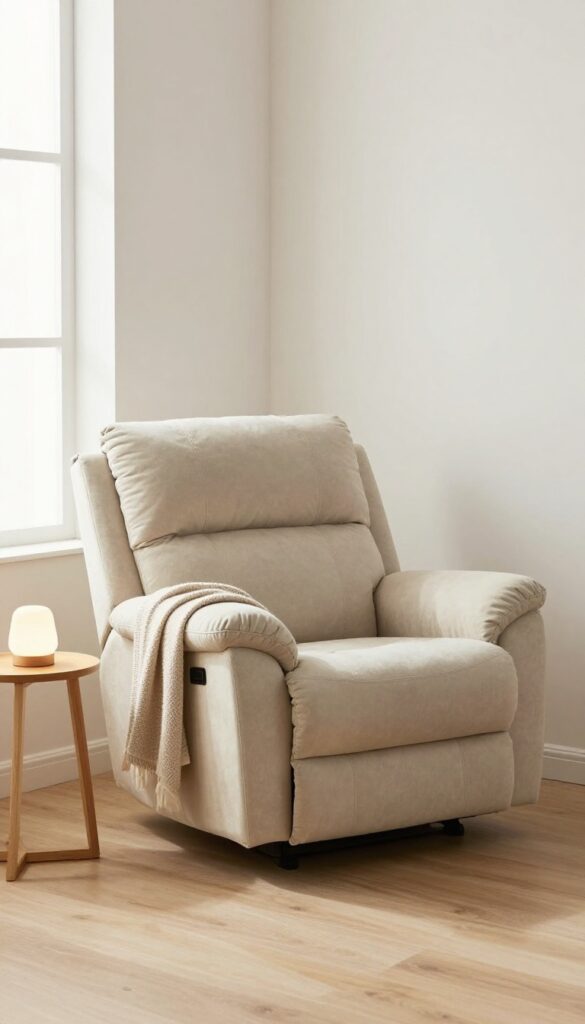
Every living room has that one spot—maybe a weird alcove or an L-shaped corner that seems impossible to furnish. Instead of leaving it empty or cramming in a plant that gets no light, try a corner recliner. These chairs are designed to fit right into the angle, turning a dead zone into the coziest seat in the house.
They don't block walkways either, so your traffic flow stays smooth while you gain a dedicated lounging nook.
A corner recliner is a smart solution for small or oddly shaped living rooms. It tucks neatly into a 90-degree corner, making use of space that usually goes to waste. The result is a cozy, private spot perfect for reading or watching TV without feeling like you're in the middle of the action.
Choose a style with a compact footprint and a high back for extra comfort. Pair it with a small side table and a floor lamp, and you've got a mini retreat that doesn't eat up your floor plan.
Best Colors And Fabrics
Stick with light, neutral colors like beige, soft gray, or warm cream to keep the corner feeling open rather than heavy. Performance fabrics like microfiber or polyester blends are practical for everyday use—they resist stains and are easy to clean. If you want a touch of luxury, a velvet corner recliner in a muted tone adds texture without overwhelming the space.
Layout Tip
- Position the recliner so it faces the main seating area or the TV at a slight angle. This creates a conversational flow while still giving the person in the corner a good view. Leave at least 18 inches between the recliner and any adjacent furniture to avoid a cramped feel.
- If the room is tight, skip the ottoman and choose a recliner with a built-in footrest.
Finishing Touch
Add a small c-shaped side table that can slide over the arm of the recliner—perfect for holding a drink or remote. A soft throw blanket in a contrasting color and a small floor lamp with a warm bulb complete the cozy corner. A round rug placed in front of the recliner can define the zone without making the room feel chopped up.
8. Add a Slim Console Table Behind the Recliner
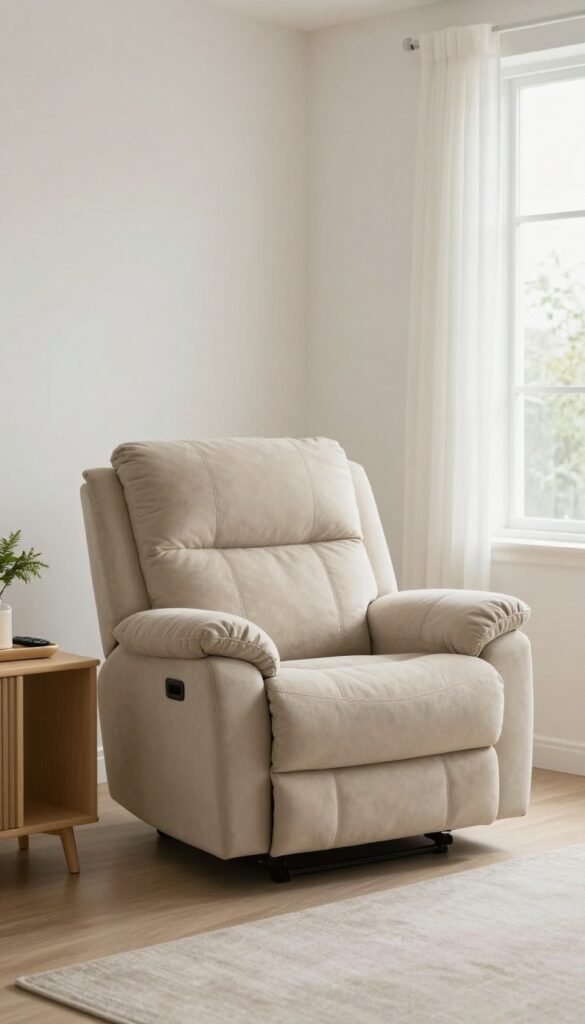
A recliner can sometimes feel like it's floating in the middle of the room, especially in an open layout. The fix? A slim console table tucked right behind it.
This simple addition gives the chair a defined home, plus a handy surface for everything from a reading lamp to your evening coffee. In a small living room, it's a total game-changer—no extra floor space required, just a few inches of vertical real estate.
A narrow console table behind your recliner does double duty: it anchors the chair visually and adds practical storage. Look for a table that's about the same width as the recliner or slightly wider, and no deeper than 12 inches so it doesn't eat into walkways. Style it with a lamp for task lighting, a small tray for remotes, and maybe a low plant or stack of books.
The result is a cozy little nook that feels intentional, not accidental.
Best Materials
- Stick with lightweight materials like slim metal frames or thin wood profiles to keep the look airy. A glass top can also work well, as it visually disappears. Avoid bulky, dark pieces that overwhelm the chair.
- For a warm touch, try a light oak or walnut finish that complements your flooring.
Small-space Fix
If your room is tight, choose a console with open shelving or a lower shelf for extra storage without visual weight. You can stash baskets, magazines, or even a small footstool underneath. Another trick: mount a floating shelf at console height behind the recliner for the same effect with zero floor footprint.
Styling Tip
Keep the tabletop clutter-free to maintain a clean look. A single sculptural object, like a ceramic vase or a small stack of coffee table books, adds personality without crowding. Add a cordless table lamp for ambient light that doesn't require an outlet—perfect for a room where the recliner isn't near a wall.
9. Layer with a Small Ottoman or Pouf
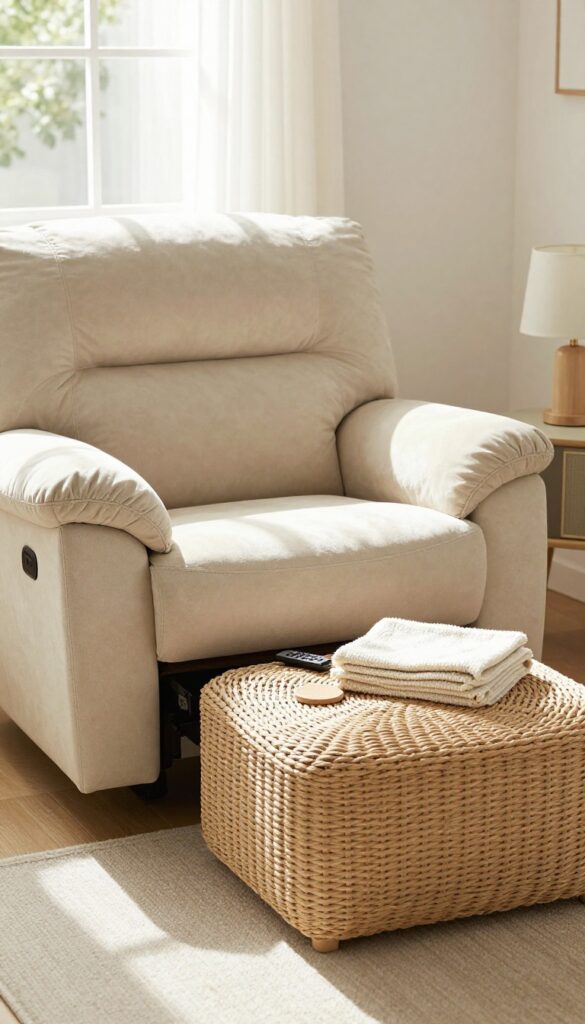
In a cozy TV nook, a small ottoman or pouf pulls double duty without eating up floor space. It gives you a place to kick up your feet during a movie marathon, and when guests pop over, it becomes an extra seat or a handy side table. For small-space living, this little piece is a lifesaver—it keeps the room airy while adding a soft, collected feel.
A compact ottoman or pouf serves as a footrest, extra seat, or side table. Choose one with storage inside to hide blankets or magazines, keeping the room tidy. It's a flexible, low-profile addition that makes your recliner setup feel more intentional and layered.
Best Materials
Look for a woven seagrass or chunky knit pouf for texture, or a leather ottoman that matches your recliner's vibe. In a small room, a light-colored fabric like linen or a soft bouclé keeps things airy. Avoid heavy, dark materials that can visually weigh down the space.
Storage Tip
An ottoman with a lift-top or removable lid is perfect for stashing remote controls, throw blankets, or extra coasters. It keeps clutter out of sight while still being easy to grab when needed. If you go with a pouf, look for one with a zippered interior pocket.
Layout Fix
Place the ottoman directly in front of your recliner, but leave enough room to walk around it. If space is tight, tuck it under a console table when not in use. This keeps the pathway clear and makes the room feel more open.
10. Mount the TV at Eye Level to Save Floor Space
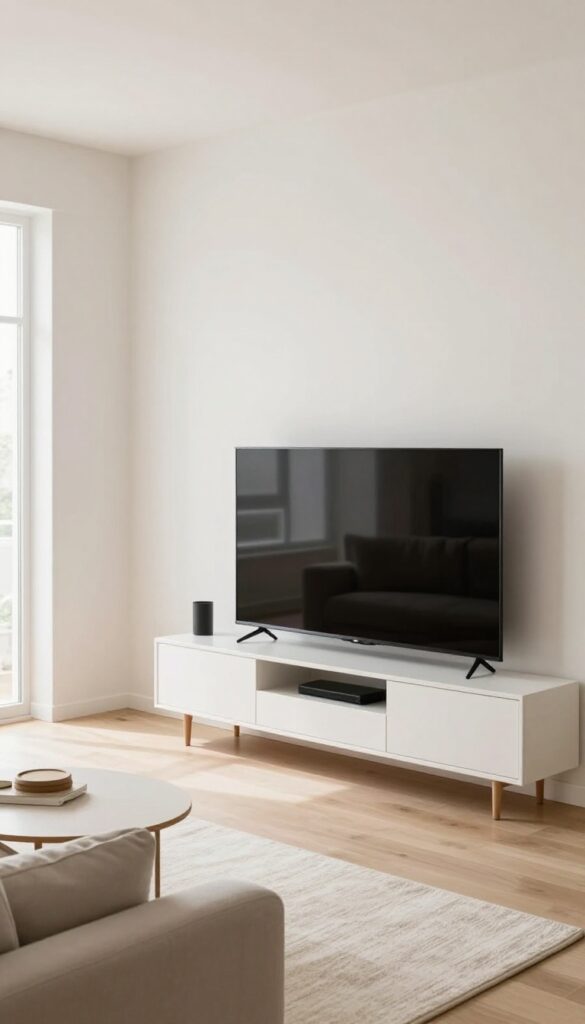
Nothing eats up floor space in a small living room quite like a bulky TV stand. By wall-mounting your TV, you reclaim that real estate and make the room feel more open. Plus, positioning it at eye level from your recliner means no more craning your neck during movie marathons.
Wall-mounting is a small-space hero move. It frees up floor area that a stand would occupy, letting you use that spot for a slim console table or even extra seating. The key is to mount the TV at the right height—ideally, the center of the screen aligns with your eye level when seated in your recliner.
This prevents strain and keeps the viewing angle comfortable. For a clean look, hide cords inside the wall with a cable management kit. If you rent, use a cord cover that paints to match the wall.
The result? A streamlined, spacious feel that makes your living room look bigger and your TV nights cozier.
Best Height For Zero Neck Strain
- Measure from the floor to your eye level while sitting in your recliner. That's your target for the center of the TV. Typically, this is around 42 inches from the floor for a standard recliner.
- Mark the spot with a pencil before drilling to avoid mistakes.
Cord Management Tip
Visible cables ruin the sleek effect. Use an in-wall cable kit if you own your home, or a paintable cord cover that runs straight down from the TV to a low-profile outlet. For a rental-friendly option, stick the cord cover to the wall with adhesive and paint it to match.
Style The Space Below
With the TV off the floor, the area underneath becomes prime real estate. Place a low media console, a bench with baskets for storage, or even a plant stand. Keep it simple—just a few inches of depth so the room still feels airy.
11. Use a Round Coffee Table for Easy Navigation
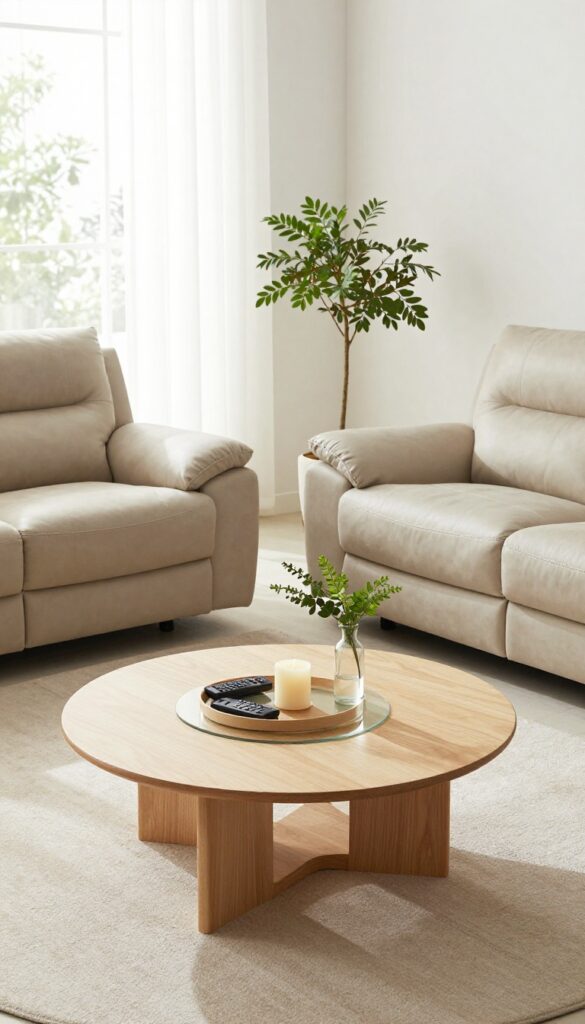
Round coffee tables are a smart choice when your living room is filled with recliners. Their curved shape takes up less visual space and makes it easier to move around without bumping your shins. Plus, they soften all the hard angles in the room, creating a more open and inviting layout.
Recliners already have a bulky footprint, so adding a square or rectangular coffee table can make the whole setup feel cramped. A round table keeps the flow smooth and gives everyone easy access to their drink or remote without having to stretch too far. It's a small swap that makes a big difference in how the room functions.
Best Size And Placement
For a standard recliner setup, aim for a table that's 30 to 36 inches in diameter. Position it about 14 to 18 inches from the front edge of your recliners so you can still fully recline without hitting the table. If you have a sectional with recliners, place the table in the center of the seating cluster.
Material And Finish
Choose a table with a light wood finish or a glass top to keep the room feeling airy. Dark, heavy materials can weigh down a small space. A marble-look ceramic top or a simple wooden pedestal base works well and stays easy to clean.
Styling Tip
Keep the surface clutter-free since a round table has less real estate. A small tray for remotes, a single candle, and a low vase with greenery are enough. Add a soft, round rug underneath to anchor the seating area and tie the look together.
12. Incorporate a Floor Lamp with a Swing Arm
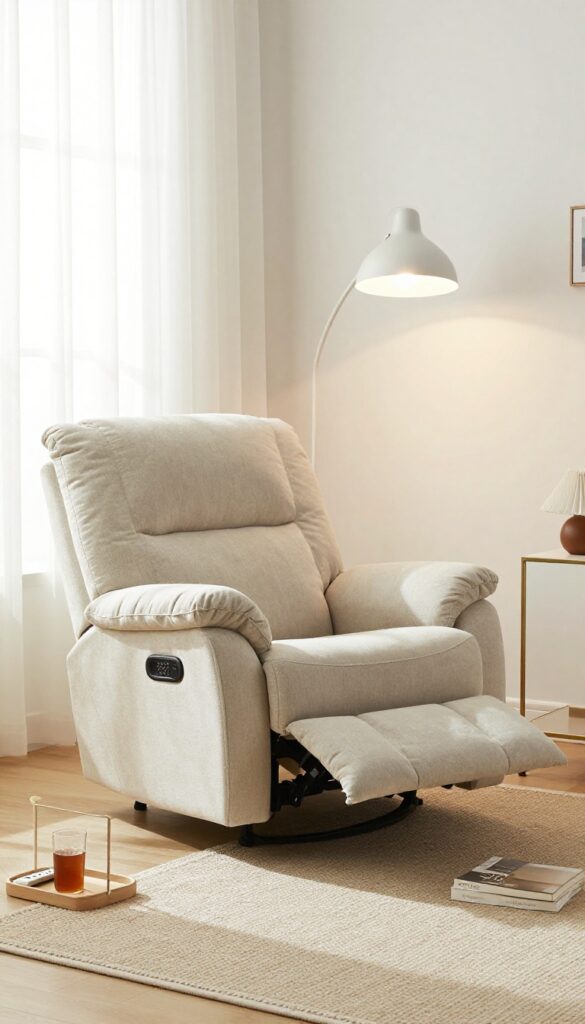
A floor lamp with a swing arm is one of those small upgrades that makes a big difference in a recliner setup. Instead of relying on overhead lights or struggling with a dim side table lamp, you can direct light exactly where you need it—over your shoulder for reading, or angled away for TV time. This is especially handy in a small living room where bulky end tables just aren't an option.
The swing-arm design gives you flexibility without taking up floor space. You can position the lamp behind or beside your recliner, then adjust the arm to point light precisely where you want it. It's a practical solution that also adds a modern, sculptural element to the room.
Look for lamps with a weighted base and a sturdy arm that won't wobble when you adjust it.
Best Placement
Place the lamp behind the recliner if you have a corner spot, or beside it if you have a bit of side clearance. The arm should reach over the chair's armrest comfortably. Avoid putting it too far away—the whole point is to have light within easy reach.
Lighting Tip
Choose a lamp with a dimmer switch or a three-way bulb. This lets you lower the light for movie watching and brighten it for reading. A warm white bulb (2700-3000K) keeps the cozy vibe intact.
Small-space Fix
In a tight living room, skip the side table and use the swing-arm lamp as your primary task light. It frees up surface area and keeps the floor plan open. Pair it with a small caddy or a floor cushion for your drink and remote.
13. Stick to a Cohesive Color Palette
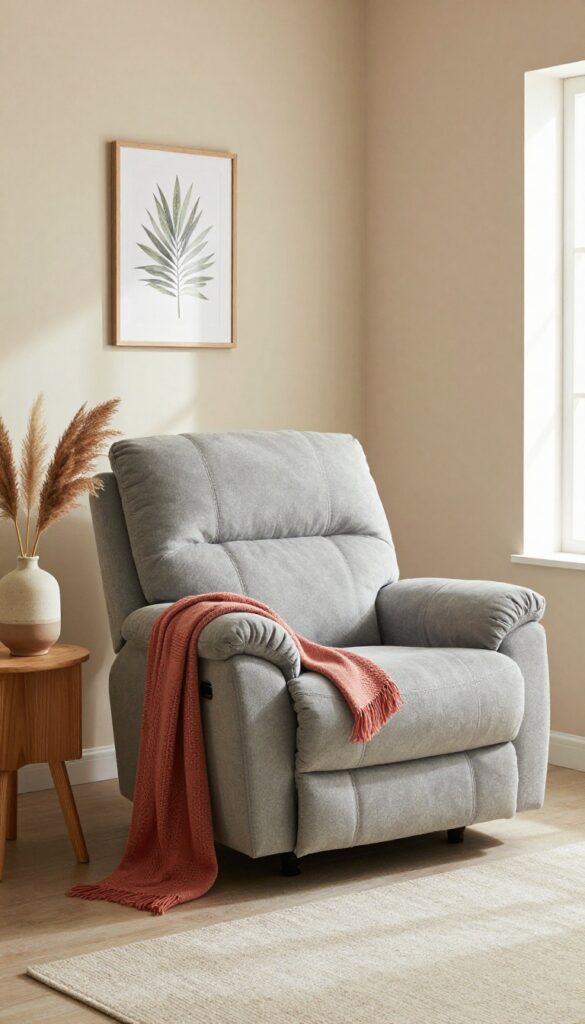
When you're working with a small living room, keeping the color palette tight is one of the smartest moves you can make. A limited scheme of two or three hues instantly makes the space feel calmer and more put-together, even if the square footage is modest. The recliner, which can sometimes feel bulky, blends right in when it's in a neutral tone like warm gray, beige, or soft taupe.
Then you get to have fun with the accents—pillows, throws, and wall art—in your chosen pop colors, so the room feels intentional rather than chaotic.
A cohesive palette doesn't mean boring. It means every piece in the room talks to each other, which is especially important when space is tight. Start with the recliner as your anchor: pick a neutral that works with your wall color (think greige, oatmeal, or charcoal).
From there, choose one or two accent colors—maybe a dusty blue and a terra-cotta, or olive green and mustard. Repeat those accents in your throw pillows, a cozy blanket, a ceramic vase, or a framed print. The result is a room that feels curated, not cluttered, and the recliner becomes part of the design rather than an eyesore.
Best Colors For A Small Space
- Stick with light-to-mid neutrals for the recliner: warm white, light gray, or beige. These don't absorb light the way dark colors do, so the room stays airy. For your accent hues, go with one warm and one cool tone to add depth without overwhelming the eye.
- For example, pair a soft sage green with a muted coral, or a navy with a pale blush. Keep the wall color a shade lighter than your recliner to create a subtle contrast that defines the seating area.
Texture Mix To Add Interest
- Since you're limiting colors, texture becomes your secret weapon. A velvet recliner adds richness, while a linen sofa or cotton rug keeps things casual. Layer in a chunky knit throw, a few woven baskets, and a matte ceramic lamp.
- These tactile differences prevent the room from feeling flat, even with a restrained palette. In a small living room, texture also helps define zones without needing visual clutter.
Finishing Touch: Art That Pulls It Together
- Choose one or two pieces of wall art that incorporate both your neutral base and your accent colors. A large abstract print in soft blues and warm taupes can tie the whole room together. Hang it above the recliner or on the opposite wall to create a focal point.
- Keep frames simple—black or natural wood—so they don't compete with the art itself. This final layer makes the color scheme feel deliberate and polished.
FAQ
Are recliners suitable for small living rooms?
Absolutely. Look for wall-hugger or swivel recliners designed to save space. Pair them with compact furniture and light colors to keep the room feeling open.
What fabric is best for a recliner in a living room?
Performance fabrics like microfiber, polyester, or treated cotton are durable and easy to clean. Leather is also a good option for a sleek look, but it can be less breathable.
How many recliners can I fit in a small living room?
One to two recliners is usually enough for a small space. Consider a loveseat-recliner combo or a single recliner paired with other seating to avoid overcrowding.
Can I place a recliner in front of a window?
Yes, but choose a low-profile recliner that won't block the view or light. Wall-hugger models work well because they don't need much clearance behind them.
How do I make a recliner look stylish?
Choose a recliner with clean lines and a neutral color. Add decorative pillows, a cozy throw, and a nearby side table or lamp to integrate it into your decor.
Conclusion
Creating a cozy TV nook with recliners doesn't require a massive living room. By choosing space-savvy designs and smart layouts, you can enjoy all the comfort without sacrificing style. Remember, the key is to prioritize function while keeping the visual flow light and intentional.
Whether you're curling up alone or hosting a movie night, these ideas prove that recliners can be both practical and chic. Start with one or two changes, and soon your living room will become the go-to spot for relaxing evenings in front of the screen.