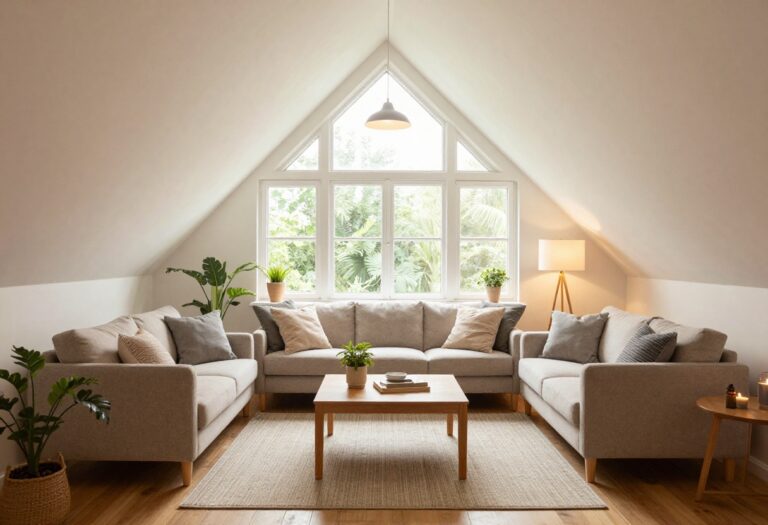
11 Living Room Panelling Ideas Adding Extra Wall Depth
Panelling is one of those design moves that instantly gives a room more personality. It adds texture, breaks up flat walls, and creates a sense of depth that makes even a compact living room feel more layered. The best part?
You don't need a massive space or a huge budget to pull it off. Whether you're drawn to clean lines or something with a bit more character, there's a panelling style that fits.
From floor-to-ceiling treatments to partial accent walls, these ideas are designed to work with smaller living rooms—not against them. Let's walk through 11 panelling ideas that bring visual interest and a custom feel to your walls, no square footage required.
1. Classic Shiplap for a Timeless Look
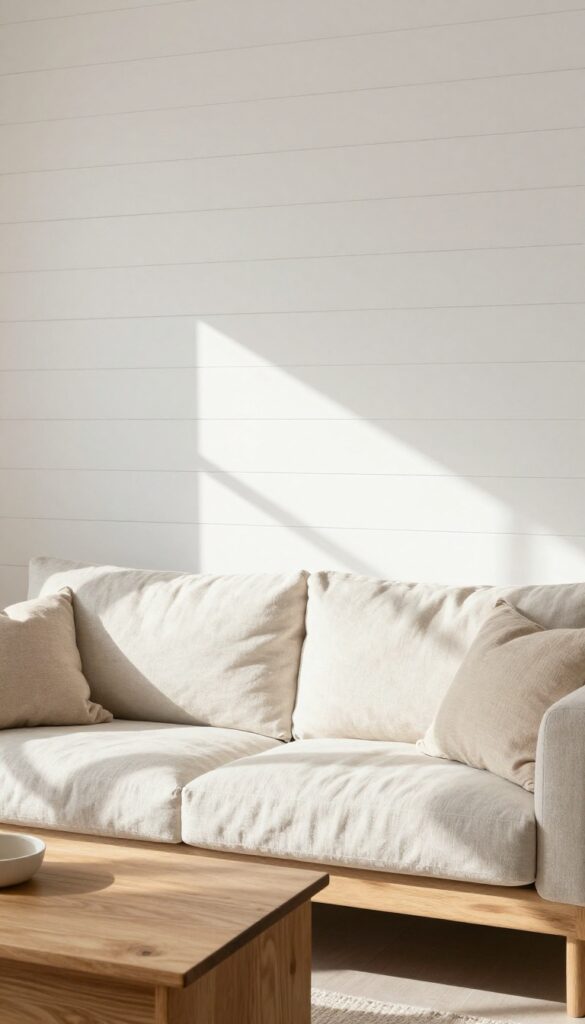
Horizontal shiplap planks bring subtle texture and a relaxed coastal feel to any living room. On a single accent wall, the lines draw your eye outward, making the space feel wider—a smart trick for smaller rooms. Paint it bright white for a crisp, airy vibe or go with a soft gray to add warmth without weighing things down.
Shiplap is a go-to for adding depth without eating up floor space. The horizontal grooves catch light and cast soft shadows, creating visual interest that feels clean and intentional. It's an especially good choice if you want a feature wall that doesn't scream for attention but still gives the room character.
Plus, installation is straightforward, and the material is budget-friendly. Pair it with simple furniture and natural textures like linen or wood to keep the look effortless.
Best Colors
White is the classic choice—it keeps things bright and makes the wall recede slightly, which helps a small living room feel larger. For a cozier feel, try a warm gray like Benjamin Moore's Revere Pewter or a pale blue-gray. Darker shades like navy or charcoal can work on a feature wall if the room gets plenty of natural light, but stick to lighter tones for that airy, open effect.
Small-space Fix
In a compact living room, limit shiplap to one wall—preferably the longest one—to maximize the widening effect. Avoid wrapping it around the entire room, which can feel busy. Keep the ceiling and other walls a matching white or light neutral so the shiplap wall becomes a subtle focal point rather than a visual barrier.
Finishing Touch
Let the shiplap shine by keeping decor minimal on that wall. A single floating shelf with a small plant or a piece of art can complement the texture without cluttering it. Soft, matte paint finishes work best—they hide imperfections and keep the look understated.
2. Vertical Tongue-and-Groove to Lift the Ceiling
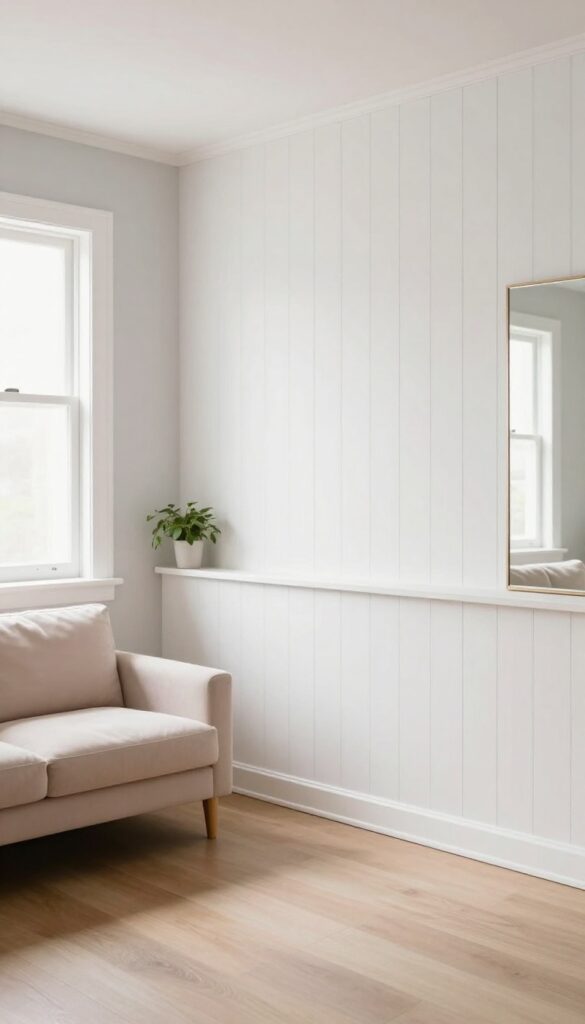
If your living room feels a little boxy or the ceiling seems lower than you'd like, vertical tongue-and-groove panelling is a smart fix. The long, upward lines draw the eye straight up, making the room feel taller and more open. It’s a simple trick that works especially well in smaller spaces where every inch of perceived height counts.
The key to this look is consistency. Run the boards from floor to ceiling without any horizontal breaks, and keep the width slim—around 7 to 9 centimeters—for a streamlined effect. Once installed, paint everything the same light color as the wall to blur the lines and maximize that airy, lifted feeling.
The result is subtle texture that adds depth without clutter.
Best Colors
Stick with pale, reflective shades like soft white, warm gray, or pale blush. These colors bounce light around the room and reinforce the vertical illusion. If you want a hint of contrast, try a slightly darker tone on the wall above the panelling, but keep it within the same color family to maintain flow.
Small-space Fix
In a narrow living room, use vertical tongue-and-groove on the shorter wall to visually widen the space. Pair it with a mirror opposite the window to double the natural light and height effect. Keep furniture low-profile so the wall treatment stays the star.
Finishing Touch
Add a slim picture ledge or a single floating shelf near the top of the panelling. Place a small plant or a piece of art there to break up the vertical lines just slightly—without interrupting the upward flow. This keeps the eye moving while adding a personal touch.
3. Geometric MDF Panels for Modern Edge
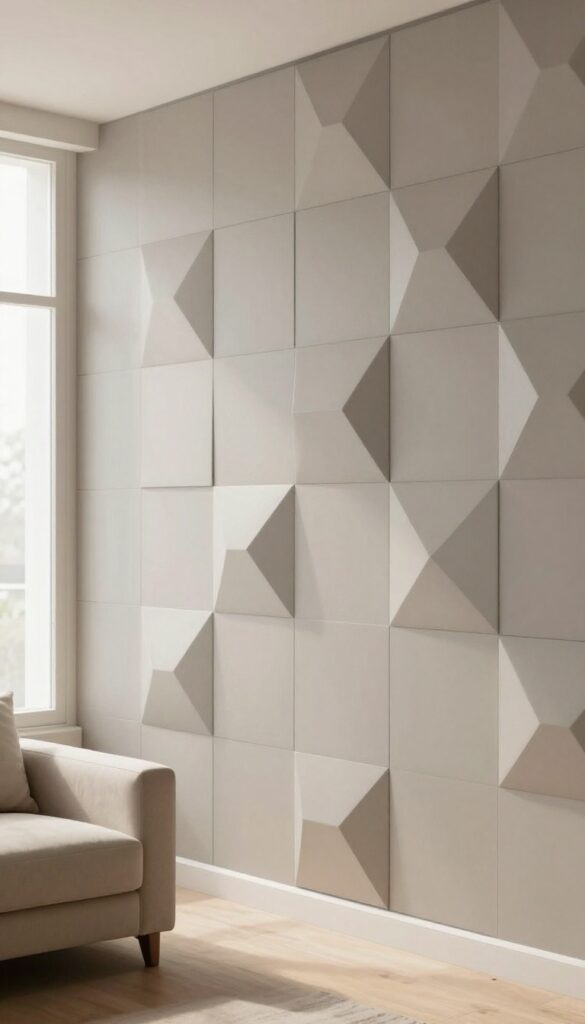
Cut MDF into diamond or hexagon shapes and arrange them in a repeating pattern. This adds a sculptural quality without taking up floor space. Keep the rest of the room minimal so the geometry stands out.
Geometric MDF panels are a budget-friendly way to add serious visual interest to a living room wall. By cutting medium-density fiberboard into precise shapes like diamonds or hexagons, you can create a custom feature wall that feels modern and architectural. The key is to space them evenly in a repeating pattern—think of a honeycomb or a tessellated tile effect.
Paint them in a single color for a cohesive look, or use two contrasting shades for extra depth. Because MDF is lightweight and easy to work with, this is a DIY-friendly project that won't break the bank. The result is a wall that feels dimensional and dynamic, perfect for small spaces where bulky furniture isn't an option.
Best Colors
Stick with a monochromatic palette to let the shapes shine. Soft white, warm gray, or pale beige keeps the look airy and small-space friendly. For more drama, try a deep navy or charcoal—just ensure the rest of the room stays light to avoid overwhelming the space.
Layout Tip
Plan your pattern on the floor before attaching anything. Use painter's tape to mark the wall grid and ensure even spacing. A laser level helps keep lines straight, especially with diamond shapes that can easily look crooked.
Small-space Fix
Limit the geometric paneling to one wall or even a partial section, like behind a sofa or TV. This creates a focal point without closing in the room. Pair with a slim console table and a mirror to amplify light and openness.
4. Beadboard Wainscoting for Cottage Charm
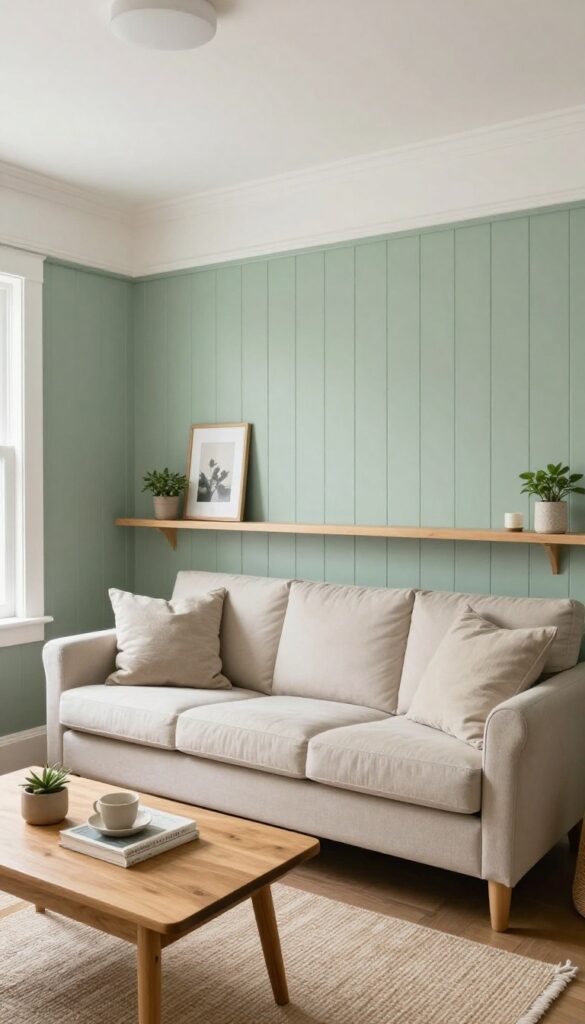
Beadboard on the lower half of the wall adds cozy texture without overwhelming a small room. Cap it with a simple chair rail and paint everything the same soft color to keep the line clean and unbroken. This approach works beautifully in compact living rooms where full wall paneling might feel too heavy.
Beadboard wainscoting brings instant cottage warmth to any living room, especially when floor space is tight. By limiting the texture to the lower half of the wall, you get that charming vertical groove pattern without making the room feel closed in. A clean chair rail defines the transition, and painting both the beadboard and the upper wall in the same pale hue—like a soft white, warm gray, or muted sage—creates a seamless, airy look.
This trick visually expands the room while still delivering the cozy, handcrafted feel that makes cottage style so inviting.
Best Colors
- Stick with light, airy shades to maintain that open feel. Soft whites, pale grays, and muted pastels like powder blue or blush work beautifully. For a slightly warmer vibe, try a creamy off-white or a very light beige.
- The key is keeping the color consistent across both the beadboard and the upper wall so the line doesn't break the space.
Small-space Fix
In a small living room, use beadboard only on the wall behind a sofa or console table rather than wrapping the entire room. This creates a focal point without overwhelming the space. Pair with a slim chair rail—no more than two inches wide—to keep proportions delicate.
Finishing Touch
Add a narrow shelf on top of the chair rail for a place to lean small framed photos or a trailing plant. This subtle detail enhances the cottage charm and gives the wall a lived-in, curated feel without adding visual clutter.
5. Slatted Wood Panels for Warmth and Rhythm
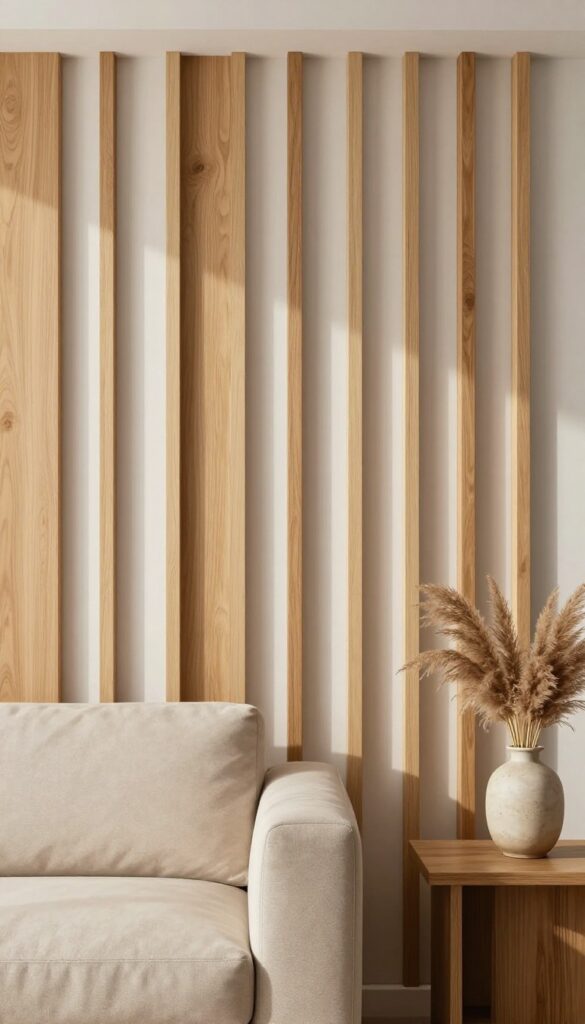
If you want to add depth and texture without overwhelming a small living room, slatted wood panels are a smart move. The vertical or horizontal lines create a natural rhythm that draws the eye, making the wall feel more dynamic. Warm wood tones bring a cozy, organic feel, and the gaps between slats let your wall color peek through—an easy way to tie the feature into the rest of the room.
Slatted wood panels are a fantastic option for adding visual interest without sacrificing floor space. They work especially well behind a sofa or console table, where the linear pattern can anchor the furniture and create a focal point. In a small room, vertical slats can make the ceiling feel higher, while horizontal slats can make the wall feel wider.
The key is to space the slats slightly apart—about half an inch to an inch—so the background wall color shows through. This keeps the look airy and prevents the paneling from feeling too heavy. For a cohesive feel, choose a wood tone that complements your existing furniture, or go for a lighter stain to keep the space bright.
Small-space Fix
In a compact living room, use slatted panels on just one wall to create a focal point without overwhelming the space. Vertical slats can visually lift the ceiling, making the room feel taller. Keep the slats narrow and light-colored to maintain an open, airy vibe.
Best Colors
Warm wood tones like oak, walnut, or teak add natural warmth. For a more modern look, go with a whitewashed or light ash finish. If you want contrast, paint the wall behind the slats a darker shade to make the gaps pop.
Styling Tip
Pair slatted panels with a simple console table and a few decor pieces—like a stack of books, a small plant, or a sculptural vase. The clean lines of the slats will make the styling feel intentional and uncluttered.
6. Board and Batten for Architectural Interest
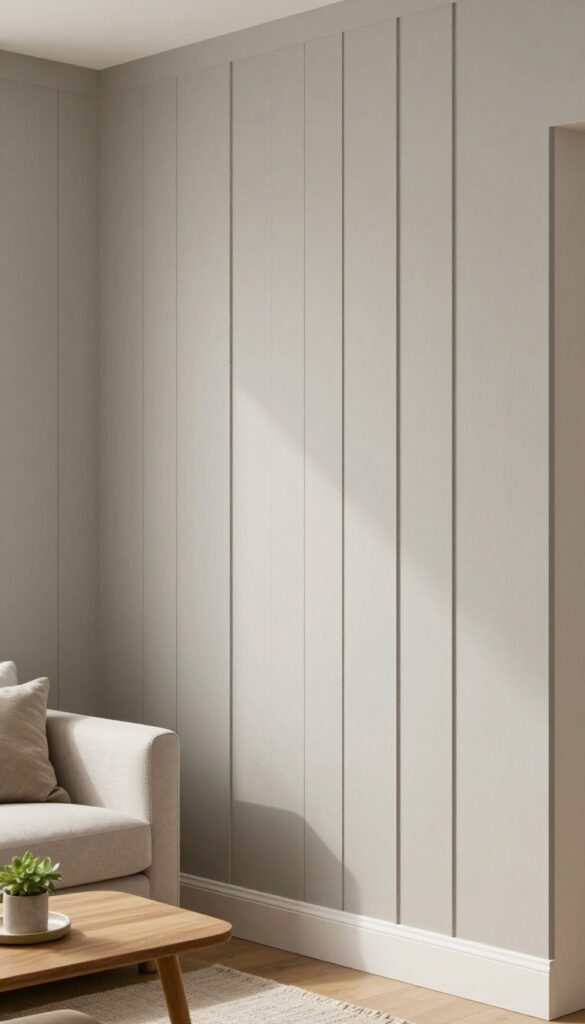
Board and batten is a classic wall treatment that adds instant architectural depth without eating up floor space. Wide vertical boards are installed with narrow battens covering the seams, creating clean lines that draw the eye upward. In a small living room, this technique can make ceilings feel taller and the room more structured, all while keeping the footprint unchanged.
This treatment works especially well in compact spaces because it adds visual weight to the walls without requiring any square footage. The vertical rhythm of the boards and battens creates a sense of height, making low ceilings appear loftier. For a subtle look, paint the board and batten a shade darker than the surrounding wall—this adds depth without overwhelming the room.
Keep the scale proportional: in a small living room, use narrower boards (around 4–6 inches wide) with slim battens so the pattern feels delicate rather than heavy.
Best Colors
For a small-space-friendly approach, choose a color that is only one or two shades darker than your wall color. Soft greiges, warm off-whites, or pale blues create a gentle contrast that defines the architecture without making the room feel closed in. If you want more drama, try a deep navy or charcoal on the bottom half with a lighter shade above—this anchors the room visually while keeping the upper walls airy.
Layout Tip
Install the board and batten on a single accent wall, such as behind the sofa or opposite the entry, to create a focal point. In a narrow living room, running the vertical lines across the shorter wall can visually widen the space. Keep the treatment below chair-rail height (around 36–48 inches) to maintain an open feel above, or take it all the way to the ceiling for a dramatic, continuous line.
Finishing Touch
Add a slim floating shelf at the top of the board and batten to display small art or plants. This bridges the gap between the wall treatment and the upper wall, making the transition feel intentional. Use the same paint color on the shelf to keep the look cohesive and uncluttered.
7. Mirrored Panels to Double the Light
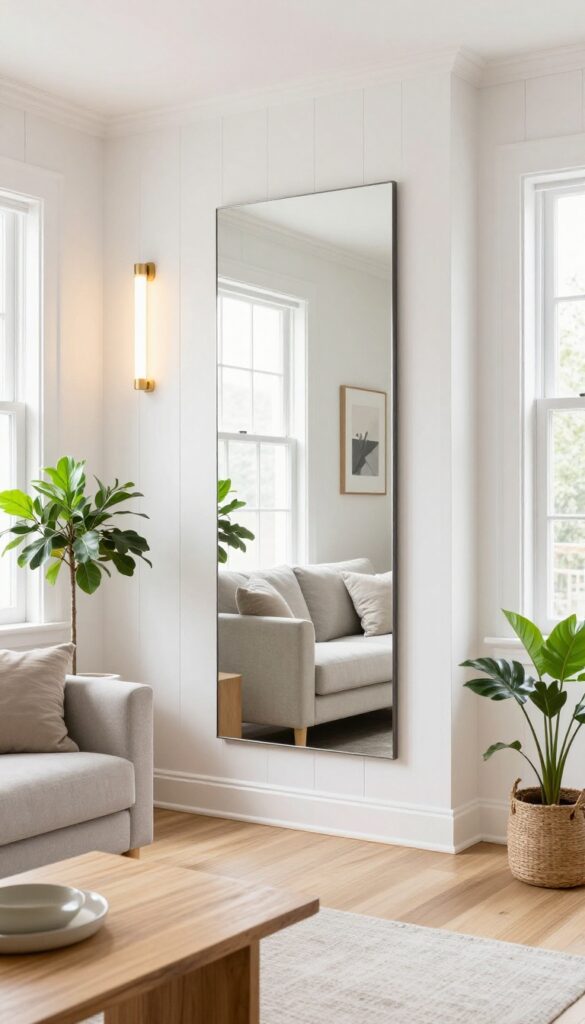
Dark corners and cramped living rooms can feel oppressive, but mirrored panels offer a clever fix. By swapping out a few panel sections for reflective glass, you bounce light around the room and create the illusion of more square footage. The trick is restraint—use mirrors sparingly, like a single central panel framed by wood, to keep the look elegant rather than flashy.
Mirrored panels work best when they feel intentional, not accidental. Think of them as architectural details that happen to reflect light, not as full-on mirror walls. A common approach is to install a mirrored center panel in a wall of shiplap or board-and-batten, with the surrounding wood painted in a soft matte finish.
This creates a focal point that draws the eye and makes the room feel deeper. For small spaces, position the mirror opposite a window to maximize natural light. In darker rooms, pair with warm LED wall sconces to amplify the glow without harsh glare.
Best Placement
- The most effective spot is a wall that faces a window or a light source. In a narrow living room, a mirrored panel on the long wall can visually widen the space. Avoid placing mirrors directly opposite each other, which can create a confusing infinite reflection.
- Instead, let one mirrored panel serve as a statement, flanked by solid panels for balance.
Material & Finish Tips
- Choose beveled mirror edges for a refined look that catches light from multiple angles. For a more modern feel, go with frameless mirrored panels set into recessed frames. The surrounding wood should have a matte or satin finish—glossy paint can compete with the mirror's reflection.
- Soft gray, warm white, or pale taupe are safe bets that keep the focus on the light.
Small-space Fix
- In a tiny living room or apartment, one mirrored panel can replace a bulky piece of wall art. It adds depth without taking up floor space. Keep the rest of the wall treatment simple—flat panels or minimal trim—so the mirror doesn't overwhelm.
- Add a slim console table below with a single lamp or vase to anchor the look.
8. Two-Tone Panelling for Color Blocking
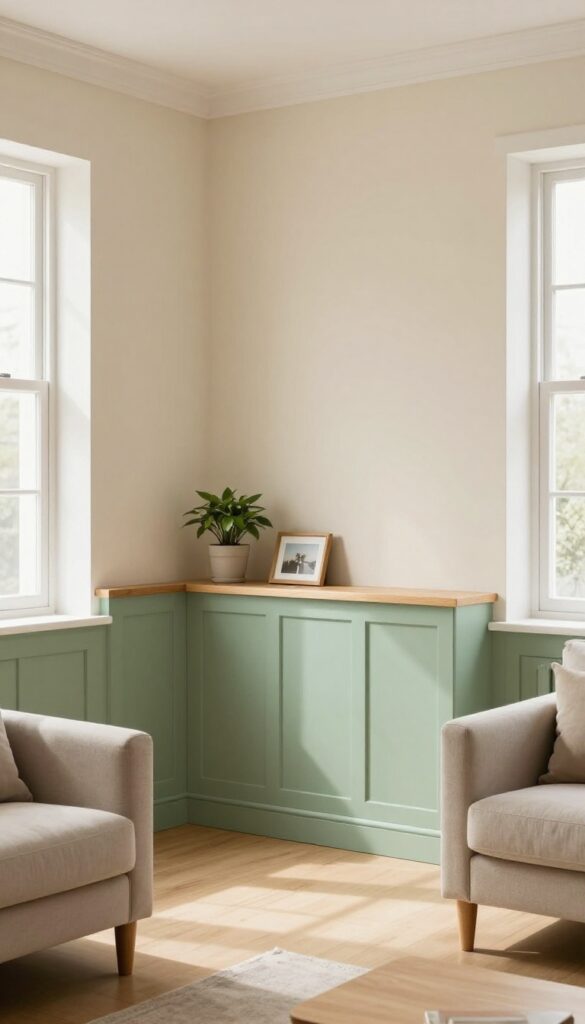
Two-tone panelling is a clever way to add depth without taking up any floor space. By painting the upper wall a light neutral and the panelled lower half a deeper hue, you anchor the room visually while keeping the ceiling feeling open. This trick works especially well in smaller living rooms, where you want contrast without closing things in.
The key is choosing the right split point—typically around chair-rail height, about one-third of the way up the wall. For a fresh combo, try a soft sage green below with cream above. The green grounds the space, while the cream reflects light and keeps the room airy.
This approach also makes the panelling feel intentional and architectural, not just decorative.
Best Colors For A Small Space
- Stick with light neutrals on top—think warm white, pale beige, or soft grey. For the lower panelling, go with a muted tone like sage green, dusty blue, or a warm terracotta. These colors add personality without overwhelming the room.
- Avoid dark, heavy shades on both halves, as that can make a small space feel closed in.
Panelling Style And Height
Simple shaker-style or flat paneling works best for a clean look. Keep the lower section between 36 and 48 inches high—high enough to make an impact, but low enough to leave plenty of wall above. In a small living room, this creates a visual break that draws the eye up, making the ceiling feel taller.
Finishing Touch
Add a slim shelf or picture ledge right at the seam between the two colors. It defines the transition and gives you a spot to display a small plant or a framed photo. Keep the items minimal to maintain the clean, airy feel.
9. Reclaimed Wood Planks for Rustic Depth
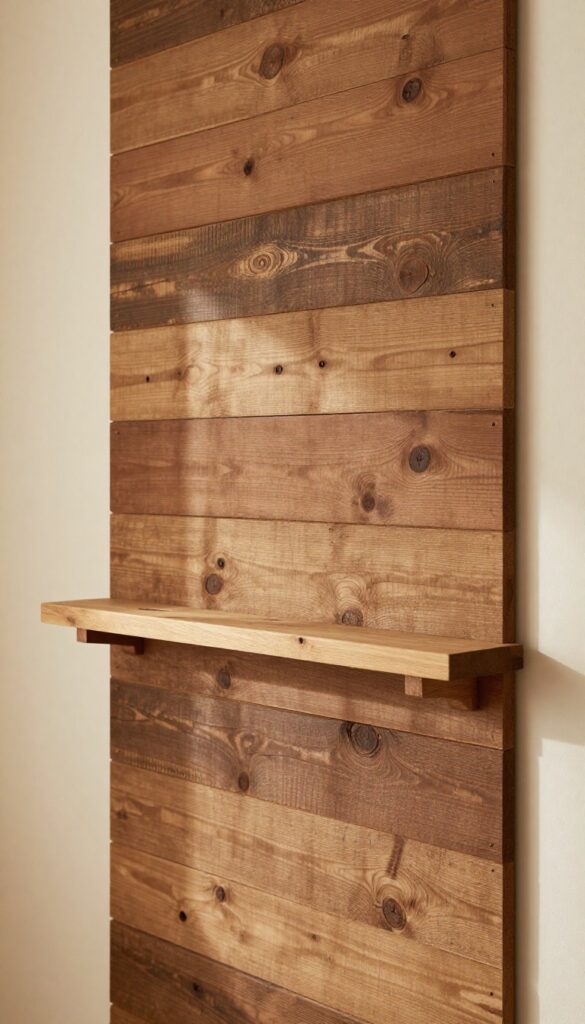
Salvaged wood planks bring warmth and texture that paint alone can't match. Each board tells a story through its knots, grain, and weathered finish, making your wall feel like it has history. In a small living room, this treatment adds visual weight without taking up floor space, perfect for creating a cozy focal point.
Reclaimed wood planks are a go-to for adding rustic character to any living room. Their natural variations in color and texture create a layered look that feels curated over time. For small spaces, installing them on a single wall—behind the sofa, TV, or fireplace—anchors the room without overwhelming it.
The key is choosing planks with subtle color variations so the wall feels rich but not chaotic. Pair them with light furniture and soft textiles to balance the ruggedness.
Best Materials
Look for salvaged barn wood, reclaimed fence boards, or new wood that's been distressed. Pine and oak are durable and take stain well. For a budget-friendly option, try faux wood planks made from MDF with a realistic grain pattern—they're lighter and easier to install in rentals.
Small-space Fix
In a compact living room, limit the wood wall to one focal point. Install the planks horizontally to make the room feel wider, or vertically to draw the eye upward and add height. Keep the surrounding walls light (white, cream, or pale gray) to prevent the space from feeling closed in.
Finishing Touch
Seal the wood with a matte polyurethane to protect it without adding shine. Leave a few planks unsealed for a more authentic, weathered look. Add a single shelf made from the same wood to display a small plant or a ceramic vase, tying the whole wall together.
10. Painted Shiplap with a Gloss Finish
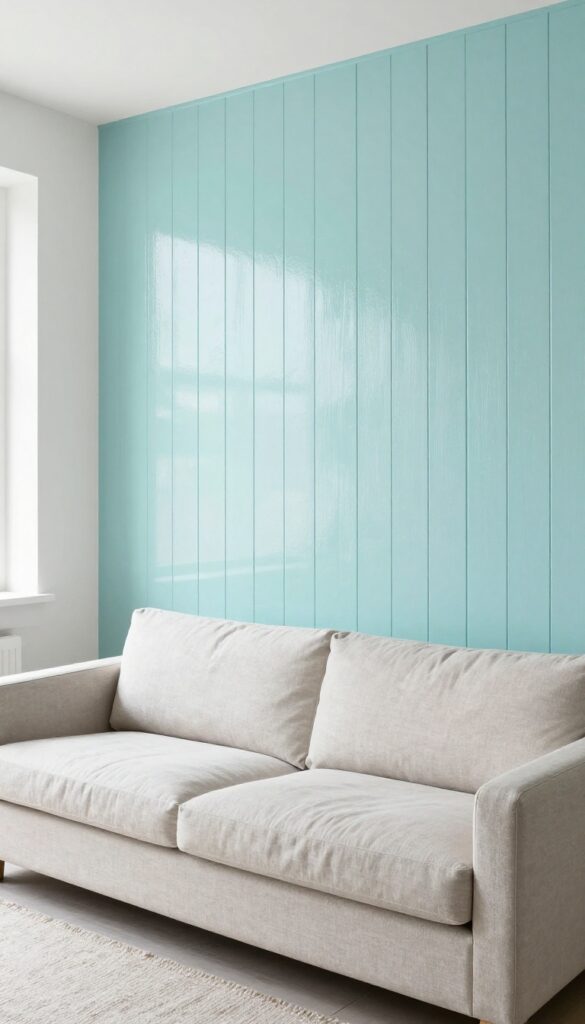
Shiplap doesn't have to stay matte or rustic. A coat of high-gloss paint transforms it into a light-bouncing surface that feels fresh and contemporary. In a small living room, this trick can make the space feel bigger and brighter without adding a single square foot.
Pale blue or blush tones keep the look soft but intentional, adding just a whisper of color that catches the eye as light shifts throughout the day.
The gloss finish creates a subtle mirror effect, reflecting both natural and artificial light around the room. It's especially effective on a single accent wall or behind a sofa, where it can visually push the wall back. The key is choosing a color that feels airy—think pale aqua, dusty rose, or even a warm white with a hint of cream.
Pair it with matte textures elsewhere, like a linen sofa or a wool rug, to keep the gloss from feeling too slick. This idea works best in rooms that get decent natural light, but even a north-facing space can benefit from the reflective boost.
Best Colors For A Glossy Finish
Stick with pale, muted shades that won't overwhelm the room. Pastel blue, blush pink, or a very light sage green all read as neutral but add personality. Avoid dark colors—glossy dark paint can look like a black mirror and feel heavy in a small space.
Small-space Layout Tip
Install the shiplap vertically to draw the eye upward, making the ceiling feel taller. Keep the opposite walls light and uncluttered so the glossy wall becomes the focal point without competing with busy patterns or dark furniture.
Finishing Touch
Add a picture light or a small sconce aimed at the glossy wall. The light will catch the gloss and create a soft, shimmering effect that changes throughout the day. It's an easy way to make the wall feel like art without hanging anything.
11. Half-Wall Panelling with Floating Shelves
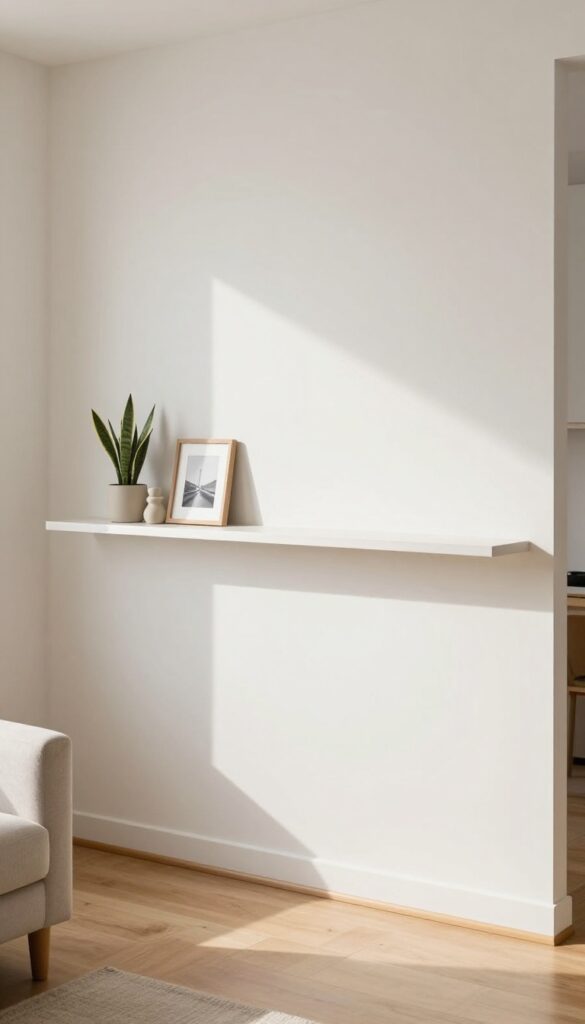
Half-wall panelling is one of those ideas that looks custom but doesn't require a full room renovation. By stopping the panels at waist height and capping them with a slim shelf, you get the architectural interest of panelling without overwhelming a small space. The shelf doubles as a display ledge, so you can swap out decor seasonally or keep daily essentials within reach.
It's a smart way to add depth and function without eating into your floor plan.
This technique works especially well in living rooms where you want to define a seating area or add character to a blank wall. The panelling creates a visual anchor, while the floating shelf above it breaks up the vertical space and gives you a spot for plants, framed photos, or small sculptures. Because the shelf is narrow, it won't protrude too far into the room—perfect for tight spots like behind a sofa or beside a doorway.
Paint the panelling and shelf the same color as the wall for a seamless look, or choose a contrasting shade to make the shelf pop.
Best Height And Placement
- Aim for the panelling to hit around 36 to 48 inches from the floor—roughly at chair-rail height. This leaves plenty of wall above for the shelf and any art you want to lean. In a small living room, running the panelling across one accent wall keeps the look intentional without making the space feel chopped up.
- If your room has low ceilings, keep the panelling on the shorter side to maintain an airy feel.
Shelf Styling Tip
- Keep the shelf styling simple to avoid visual clutter. Use a mix of vertical and horizontal items: a small potted plant, a stack of books, and a single ceramic vase. Leave some negative space so the shelf doesn't look overcrowded.
- Because the shelf is narrow, choose items that are no deeper than the shelf itself—or let a trailing plant spill over the edge for a soft, organic touch.
Small-space Fix
In a tiny living room or apartment, this panelling trick can make the walls feel more substantial without taking up any floor area. Pair it with a light paint color on the panelling and a slightly darker shade above to create subtle contrast. Add a mirror or a piece of art above the shelf to draw the eye upward and make the ceiling feel higher.
FAQ
Is panelling suitable for small living rooms?
Absolutely. Panelling can actually make a small living room feel larger by adding vertical lines that draw the eye up or horizontal lines that widen the space. Just keep the scale proportional and choose light colors to maintain an open feel.
What type of panelling is easiest to install?
Peel-and-stick panels or lightweight MDF sheets are beginner-friendly options. Shiplap and beadboard also come in easy-to-install tongue-and-groove planks that fit together without special tools.
How do I choose the right panelling style for my room?
Consider your ceiling height and room size. Vertical panels lift low ceilings, horizontal panels widen narrow rooms. For a subtle look, go with beadboard or shiplap.
For drama, try geometric or slatted designs.
Can I panel over textured walls?
Yes, but you may need to attach furring strips or a plywood base to create a flat surface. Alternatively, choose a thicker panel that can bridge minor imperfections. Always check for level before installing.
What paint finish works best on panelling?
Satin or semi-gloss finishes are popular because they're durable and easy to clean. For a modern look, high-gloss adds reflectivity. Matte finishes hide imperfections but show marks more easily.
Conclusion
Panelling is a simple way to add depth and character to your living room without sacrificing square footage. Whether you go for classic shiplap or modern slats, each idea brings its own texture and personality to the walls.
Start with one wall or a small section to test the look. With the right style and finish, your living room can feel more custom, cozy, and visually interesting—no renovation required.