10 Toy Storage Ideas for Living Room That Feel Fresh and Easy
Living rooms and toys don't have to be at odds. With a little creativity, you can keep the space looking put together while making play easy and inviting. The key is finding storage that blends right in with your decor, so nothing feels like an afterthought.
These ideas lean into a warm, lived-in vibe. Think natural textures, soft colors, and pieces that double as decor. No plastic bins in sight, just smart solutions that make tidying up feel effortless.
Whether you have a sprawling play area or a tiny corner, there's a way to store toys that feels fresh and intentional. Let's look at ten approaches that balance style with real-life function.
1. Woven Baskets That Double as Decor
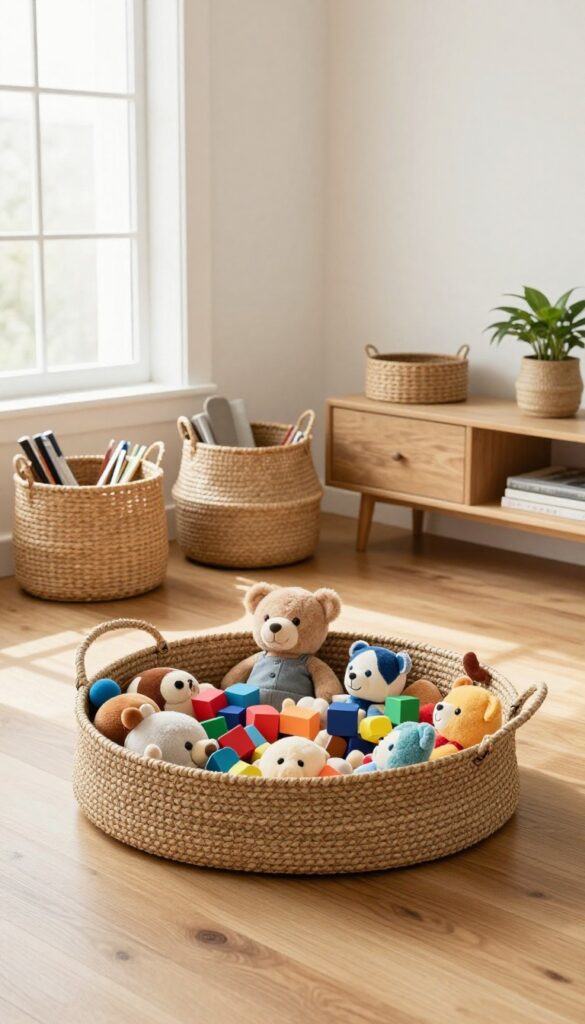
Woven baskets are the unsung heroes of living room storage. They handle the mess without screaming "toy bin." A couple of large seagrass or rattan baskets placed near the sofa or under a console table can swallow up blocks, stuffed animals, and art supplies in seconds. The natural texture adds warmth and depth, so they feel more like decor than a cleanup tool.
The trick is choosing baskets with a sturdy shape and neutral tones that blend with your existing palette. Seagrass offers a light, airy look; rattan brings a darker, more structured feel. Either way, the woven material softens the visual weight of a cluttered corner.
For a cohesive look, stick to one material and vary the sizes. A pair of tall baskets on either side of the TV stand creates symmetry, while a low, wide basket under a side table keeps toys accessible but out of sight. Bonus: they're lightweight enough to move around the room as needed.
Best Materials For A Warm Look
- Seagrass and rattan are top choices for a cozy, lived-in vibe. Seagrass has a fine, smooth weave that feels casual and beachy, while rattan offers a chunkier texture that reads more traditional. Both patina beautifully over time.
- Avoid shiny synthetic weaves—they can look cheap and don't age well. If you want a pop of color, look for baskets with a dyed rim or a subtle stripe, but keep the main body natural.
Where To Place Them
- Think about traffic flow and daily use. A basket next to the sofa is perfect for remotes and small toys. Under a console table, use two baskets side by side for a balanced look.
- In a corner, a single large basket can anchor the space and hold bulkier items like blankets or larger toys. Just make sure the baskets are easy to reach—kids need to be able to toss things in without a struggle.
Styling Tip: Layer With A Lid
- For a more polished finish, choose a basket with a fitted lid. This keeps toys completely hidden and creates a clean surface you can top with a tray, a plant, or a stack of books. Lidded baskets work especially well under console tables or on open shelving.
- If you go lidless, consider adding a fabric liner in a coordinating neutral to prevent small pieces from poking through.
2. A Low Bookshelf for Display and Access
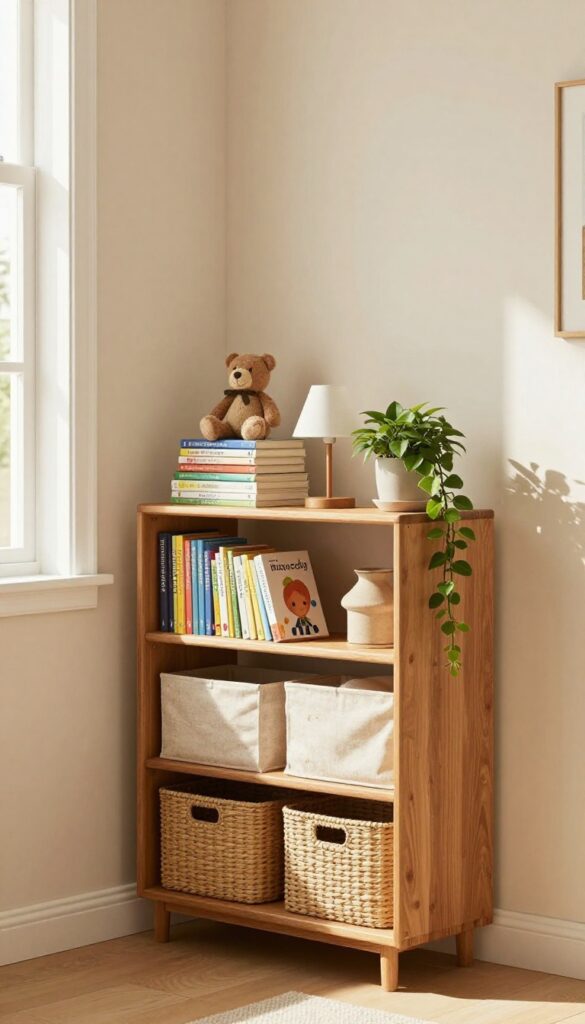
A low wooden bookshelf is one of those pieces that does double duty without trying. It keeps picture books and small toys right at kid height, so little hands can grab what they want without help. The warm wood tones add a cozy, grounded feel to the living room, and the low profile means it won't compete with the sofa or coffee table.
It's a practical storage solution that also becomes a mini display spot for favorite reads and cherished toys.
The beauty of a low bookshelf is how it blends storage with everyday access. Place it against a wall near the main seating area, so kids can pull out a book during quiet time and slide it back when they're done. Choose a solid wood shelf in a warm finish like oak or walnut to keep the room feeling inviting.
The top surface is perfect for a small lamp, a trailing plant, or a framed photo—just keep it minimal so it doesn't crowd the display. On the lower shelves, use woven baskets or fabric bins to corral smaller toys and blocks. This way, the shelf looks curated from the front, but everything has a home behind the scenes.
Best Materials And Colors
- Stick with natural wood for that warm, lived-in feel. Oak, acacia, or walnut work beautifully in most living rooms. If your space leans more modern, a whitewashed or light pine shelf can still feel cozy when paired with soft textiles.
- Avoid glossy finishes or dark metals—they can feel too cold for a family-friendly setup.
Shelf Styling Tip
- Keep the top shelf visually light and intentional. Stack two or three books vertically with a small toy or plant on the side. Leave some breathing room between items so the shelf doesn't look cluttered.
- On the lower shelves, use baskets in natural fibers like seagrass or jute to add texture and hide the mess.
Small-space Fix
If your living room is tight, look for a narrow bookshelf that's only 24 to 30 inches wide. Place it next to the sofa or under a window. You can also use a low cube shelf with fabric bins—each cube holds a category of toys, and the top surface still works for display.
3. Ottoman Storage That Pulls Double Duty
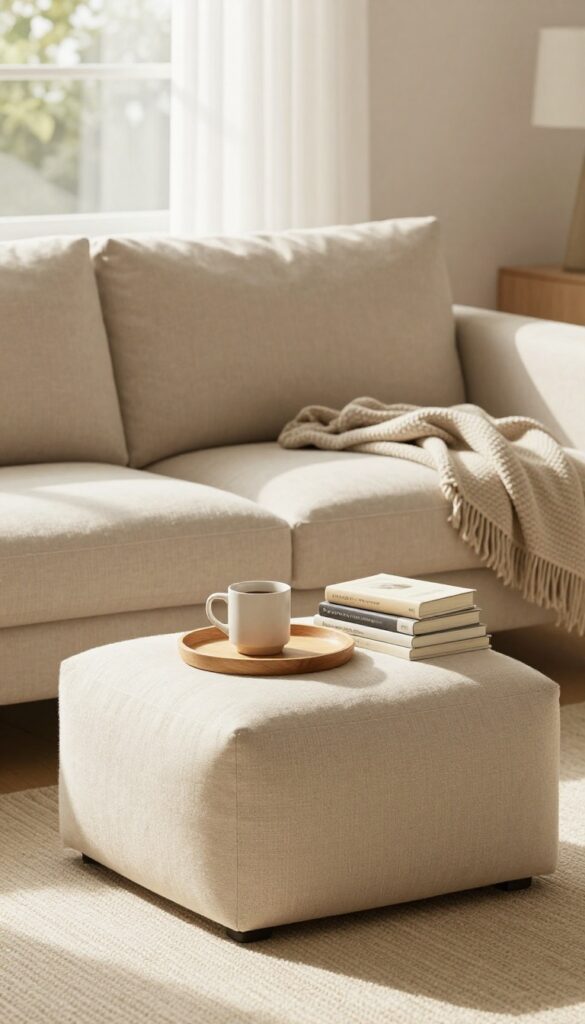
A fabric ottoman with a lift-up lid is one of those pieces that quietly solves the toy storage problem without screaming "toy box." It fits right in with your existing furniture, offering a place to stash board games, puzzles, and stray action figures. When the lid is closed, it becomes a cozy footrest or extra seating for when friends pop over. The best part?
It keeps the room looking polished while hiding the chaos inside.
An ottoman with hidden storage is a smart, stylish way to keep toys contained in a living room. Choose a soft fabric like linen or velvet in a neutral tone that complements your sofa. The lift-up lid makes it easy to toss things in quickly, and the sturdy top can hold a tray with drinks or a stack of books.
This piece works especially well in small spaces where every item needs to earn its keep.
Best Fabrics And Colors
Stick with durable, family-friendly fabrics like performance linen, microfiber, or textured cotton. Colors like warm beige, soft gray, or muted olive blend into a cozy living room without fighting for attention. If you want a subtle pop, try a deep rust or navy that ties into your existing palette.
Size And Placement Tips
Look for an ottoman that's roughly the same height as your sofa seat so it works well as a footrest. Place it in front of the sofa or between two armchairs where it's easy to reach. Make sure the top is wide enough to hold a tray or a couple of books without feeling cramped.
Styling The Top
- Keep the top styled but functional. A round tray corrals remotes and coasters, while a small stack of coffee table books adds height. Add a cozy throw blanket draped over one corner for extra texture.
- This way, the ottoman feels intentional, not just a hiding spot.
4. Floating Shelves for a Curated Look
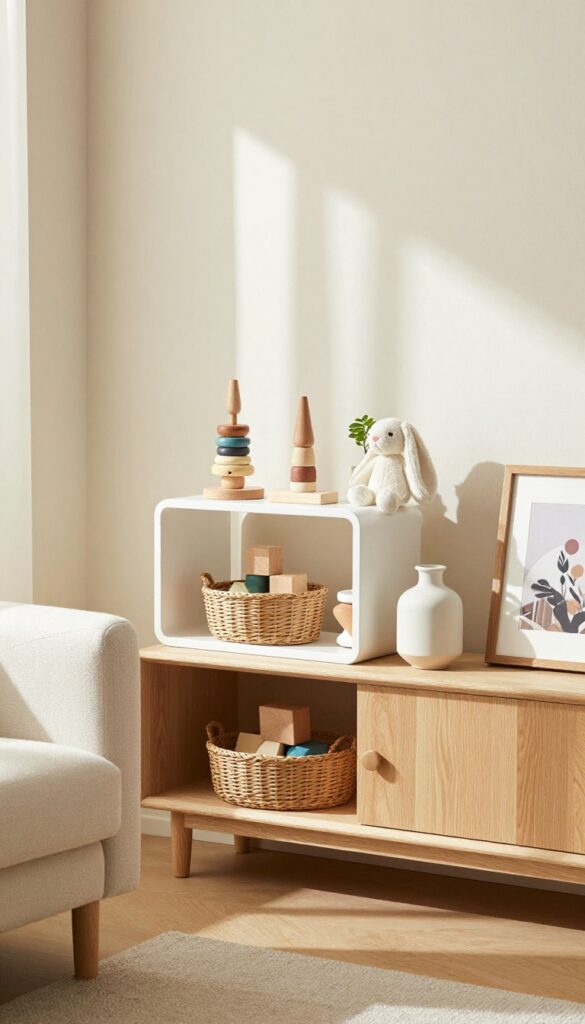
Floating shelves are a smart way to keep toys within reach without letting them take over the room. By mounting a few above the sofa or a console table, you create a display zone that feels intentional rather than messy. The trick is to treat the toys like decor—rotate them out so the shelf stays fresh and the room never feels cluttered.
It’s a simple shift that makes a big difference in how the space looks and feels.
Floating shelves give you vertical storage without eating up floor space, which is a win in any living room. They work especially well above a sofa or a low console, where they’re easy for kids to grab but still out of the main traffic zone. The key is to choose a finish that blends with your wall color or trim—white shelves on white walls disappear, while wood tones add warmth.
Keep the styling loose: a few books stacked horizontally, a small toy in a basket, and maybe a tiny plant. Rotate items every week or two so the shelf stays interesting and doesn’t become a dumping ground.
Best Heights And Placement
Mount the shelves about 12 to 18 inches above the sofa back or console top. This keeps them visible but not in the way. If you have low ceilings, stick to one long shelf rather than stacking two, so the room still feels open.
Styling For Warmth
Mix toy displays with cozy accents like a small woven basket, a ceramic vase, or a framed photo. This balances the playful items with grown-up decor and keeps the shelf from looking like a toy store. Stick to a neutral or earthy color palette for the shelf itself so the toys pop without clashing.
Rotation Routine
Set a simple rotation schedule—maybe every Sunday—to swap out a few toys or books. Store the rest in a nearby basket or closet. This keeps the shelf feeling curated and gives kids a reason to rediscover old favorites.
5. A Vintage Trunk as a Statement Piece
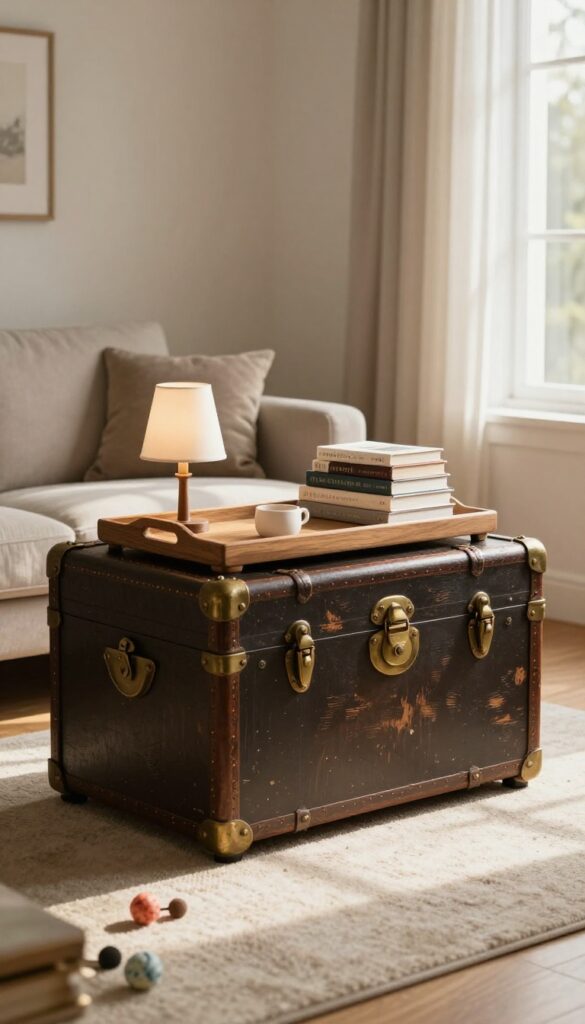
An old trunk or chest does double duty in a living room—it hides a mountain of toys while adding instant character. The key is treating it like intentional decor, not just a storage bin. Top it with a tray, a stack of books, or a small lamp, and suddenly it feels like a curated furniture piece that belongs in the room.
A vintage trunk brings warmth and history into a space, which fits perfectly with a warm and lived-in aesthetic. It’s also a practical solution for corralling toys, blankets, or even extra pillows without adding visual clutter. The contrast between the worn leather or aged wood and the rest of your modern or cozy decor creates an interesting focal point.
Plus, it’s easy to move around, so you can reposition it as your storage needs change.
Best Styles And Finishes
Look for trunks with distressed leather, brass hardware, or painted wood in muted tones like olive green, navy, or cream. Avoid anything too shiny or pristine—the charm comes from the patina. A trunk with a slightly domed lid adds even more old-world appeal.
Styling The Top
- The top of the trunk is prime real estate for decor. Place a wooden tray to hold remotes and coasters, stack a few coffee table books, or set a small table lamp for a cozy reading nook. If your trunk is low, add a decorative bowl for keys and small toys.
- This makes the trunk feel like a surface, not just a box.
Storage And Layout Tip
Use the trunk to store the most-used toys or items that you want quick access to. Place it near a seating area so kids can grab and return toys easily. If you have multiple trunks, consider using one for toys and another for blankets to keep things organized without looking like a storage unit.
6. Cubbies with Fabric Bins for Categorizing
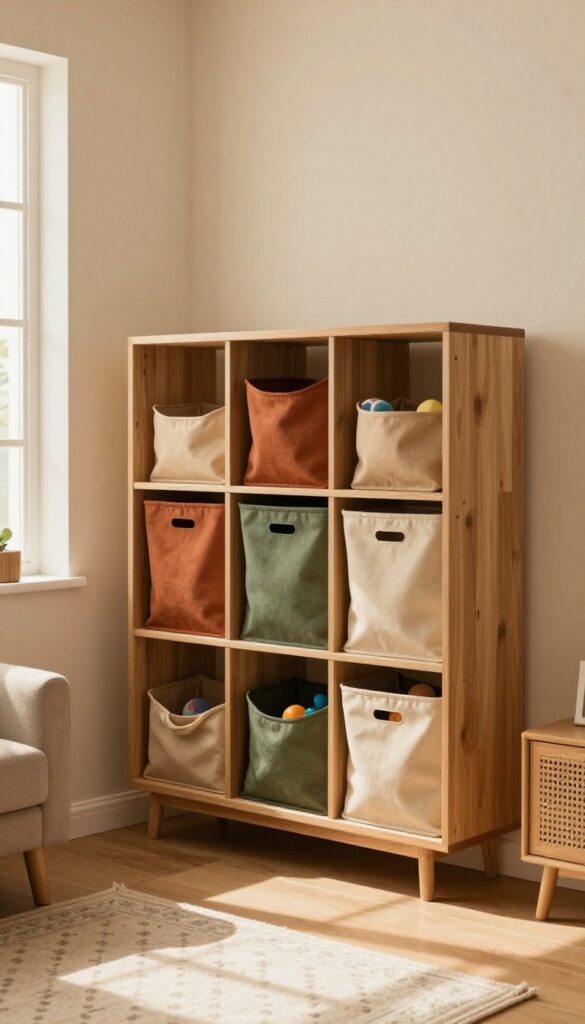
A cubby shelf unit with colorful fabric bins is one of those solutions that looks just as good as it works. The bins hide the clutter while the open cubbies keep everything accessible. This setup lets kids sort toys by type—blocks in one bin, cars in another—so cleanup becomes a simple matching game.
Plus, the fabric bins add soft texture and warmth, making the living room feel cozy rather than cluttered.
The key is choosing bins in a cohesive color palette that complements your living room. Warm neutrals like beige, rust, and olive green keep the look grounded, while soft pastels or earthy tones add personality without overwhelming the space. Label each bin with a picture or word for easy identification—this helps even young children participate in tidying up.
Place the cubby unit against a wall near the main play area, but consider anchoring it with a low console table or a bench to create a designated zone that feels intentional, not like an afterthought.
Best Materials
Opt for a solid wood cubby unit with a natural or painted finish that matches your existing furniture. Fabric bins should be made of durable canvas or felt—these hold up to daily use and soften the visual weight of the shelves. Avoid plastic or shiny materials that can feel cold and out of place in a warm, lived-in room.
Layout Tip
Position the cubby unit near the sofa or a reading nook so toys are within reach but not in the main walkway. If space allows, add a small rug underneath to define the area and catch stray pieces. For a cohesive look, choose a rug with a pattern that ties into the bin colors.
Finishing Touch
Top the cubby unit with a few decorative objects like a small plant, a stack of books, or a framed photo. This elevates the piece from purely storage to a stylish furniture element. Rotate the decor seasonally to keep the space feeling fresh without any major changes.
7. A Play Table with Built-In Storage
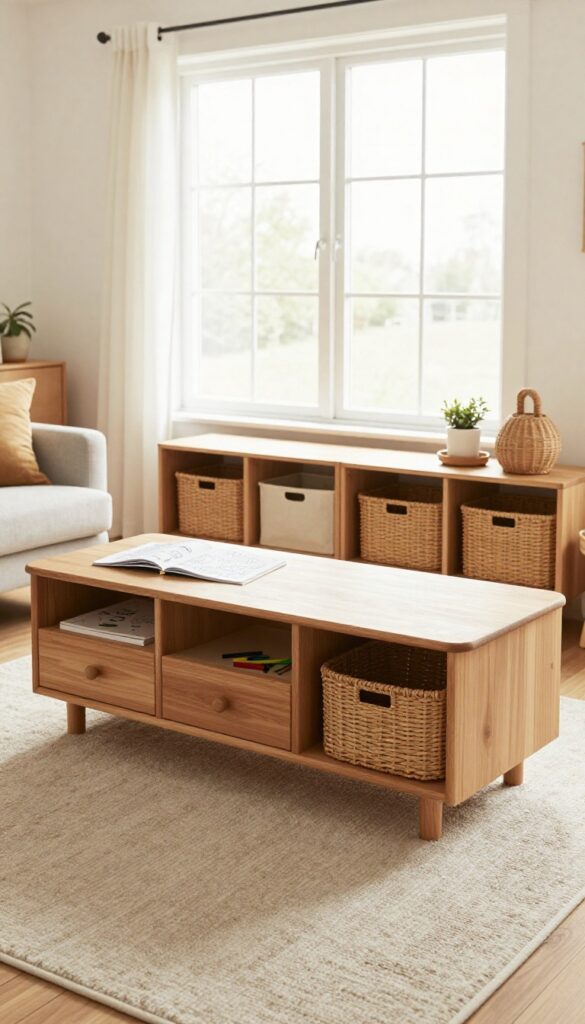
A low table with drawers or cubbies underneath gives kids a dedicated play surface while keeping art supplies and small toys organized and accessible. It's a smart way to carve out a play zone without sacrificing the living room's grown-up feel. The key is choosing a design that blends with your decor—think warm wood tones or soft, rounded shapes that feel intentional, not temporary.
This idea works especially well in a warm, lived-in living room where you want to balance family function with cozy style. A play table with storage becomes a natural gathering spot for coloring, puzzles, or tea parties, and when playtime's over, everything tucks away neatly. Look for tables with deep drawers or open cubbies paired with baskets—they keep the room looking tidy without demanding constant policing.
Place it near a window for good light, or anchor it with a soft rug to define the zone. The table itself can double as a coffee table substitute if you choose one with a sturdy top and a finish that matches your existing furniture.
Best Materials
- Solid wood or high-quality plywood with a smooth, child-safe finish is ideal. Avoid sharp corners or delicate veneers that can chip. A matte or lightly distressed surface hides wear and adds to the warm, lived-in vibe.
- If you prefer a softer look, consider a table with a white or cream painted finish paired with natural wood legs.
Storage Tip
Mix open cubbies for easy access with closed drawers for hiding messier supplies. Use woven baskets or fabric bins in the cubbies to corral smaller items like crayons, markers, and puzzle pieces. Label bins with pictures or simple words so kids can help clean up independently.
Layout Tip
Position the table against a wall or in a corner to save floor space, but leave enough room for chairs or floor cushions on at least two sides. If the room is tight, a round or oval table softens the edges and makes traffic flow easier. Add a small rug underneath to visually anchor the play zone and protect the floor.
8. Wall-Mounted Pegboard for Creative Play
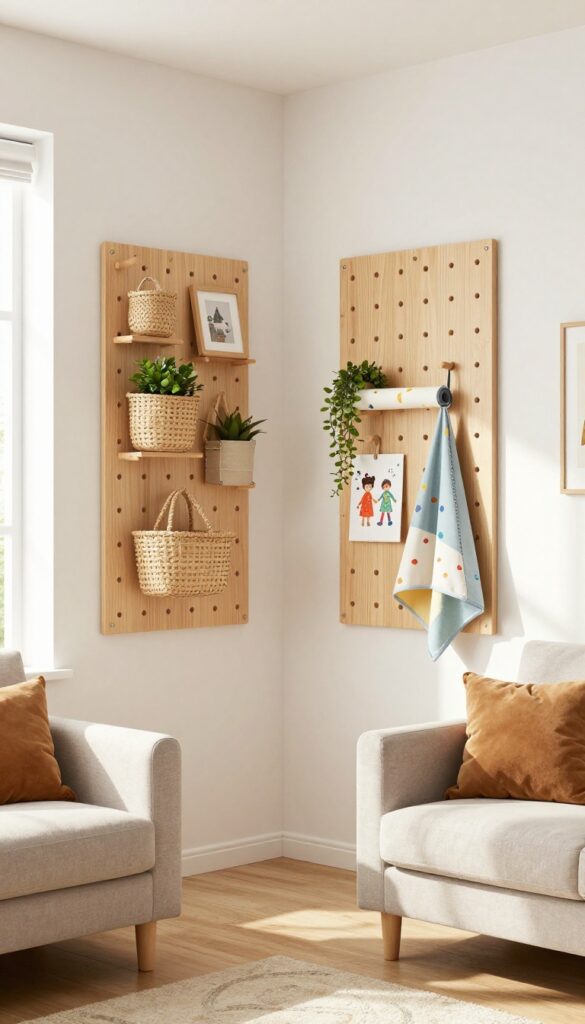
Pegboards aren't just for garages anymore. A wall-mounted pegboard in the living room can hold art rolls, dress-up accessories, or toy tools, turning storage into a playful display. It's a flexible system that grows with your child's interests and keeps everything within easy reach.
The best part? It adds a warm, lived-in feel without looking like a toy box exploded.
A pegboard on the wall holds art rolls, dress-up items, or toy tools. It turns storage into a playful display that's easy to rearrange.
Best Colors And Materials
Stick with natural wood tones or a soft white to keep the pegboard feeling warm and cozy. Avoid bright plastic or metal finishes that can feel cold. A birch or pine pegboard pairs nicely with woven baskets and canvas bins for a soft, organic look.
Layout Tip
Mount the pegboard at your child's eye level so they can easily grab and put away items. Leave plenty of space around it to avoid a cluttered wall. You can even paint the pegboard to match your trim for a seamless, built-in feel.
Styling The Display
Mix functional pieces like small buckets and hooks with a few decorative items—a tiny framed print or a trailing plant in a wall planter. This keeps the pegboard feeling curated rather than chaotic. Swap out accessories seasonally to keep the display fresh.
9. A Rolling Cart for Mobile Toy Storage
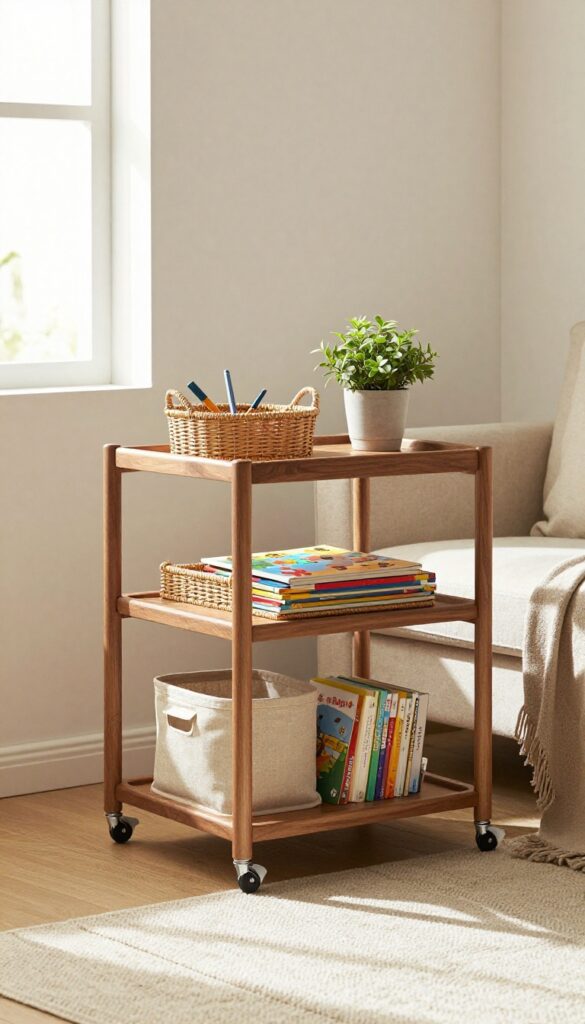
A rolling cart is one of those pieces that feels almost too practical to be stylish—until you see it done right. A metal or wood cart with shelves can move from room to room, making it perfect for toys that rotate frequently. It keeps art supplies, puzzles, or favorite playthings within reach but neatly corralled, and it adds a casual, lived-in charm to your living room.
The best part? It doesn't look like a toy box at all—it looks like a smart piece of furniture.
A rolling cart is a flexible storage solution that adapts to your family's changing needs. Use it to store current favorite toys, then wheel it into a corner or behind a sofa when you want a cleaner look. Choose a cart with deep enough shelves for bins or baskets, and consider one with a lower shelf for larger items like board games or building blocks.
The mobility makes it easy to keep toys contained without committing to a permanent storage spot.
Best Materials For A Warm Look
- For a warm and cozy feel, go with a wood cart in a natural or stained finish. Oak, walnut, or bamboo add warmth and blend with most living room styles. If you prefer metal, choose a warm tone like brass or copper rather than cool silver or chrome.
- A wood cart with metal wheels or handles can offer the best of both worlds—sturdy and stylish.
Styling Tip: Baskets And Trays
To keep the cart looking neat, use woven baskets or fabric bins on the shelves for small toys and pieces. A tray on the top shelf can corral art supplies or puzzle pieces while adding a decorative layer. Mix in a small plant or a stack of books to make the cart feel intentional and styled, not just functional.
Where To Place It
Position the cart near the sofa or a play area for easy access. When not in use, tuck it beside an armchair, next to a bookshelf, or even in a hallway. The ability to move it means you can shift it out of sight when guests come over or roll it into the kitchen for snack time—versatility that makes life easier.
10. A Cozy Reading Nook with Hidden Storage
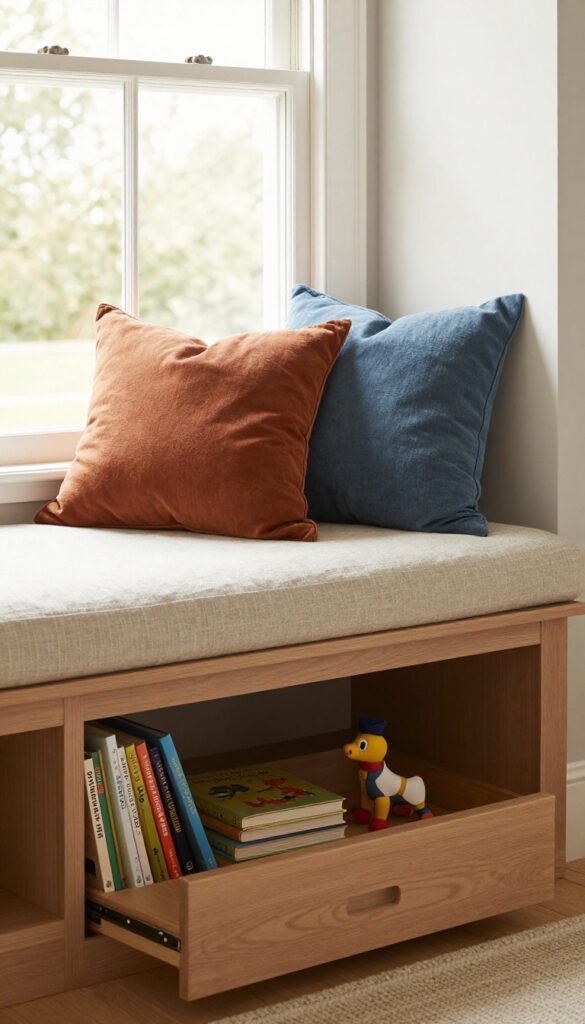
There's something about a tucked-away reading spot that instantly makes a living room feel more inviting. But in a space that already juggles toys, books, and everyday clutter, adding a nook can feel like a luxury you don't have room for. The trick is to build one that pulls double duty—giving you a cozy corner for quiet moments while secretly stashing toys and books out of sight.
A window seat or built-in corner nook with storage drawers underneath is the ultimate multitasker for a warm, lived-in living room. It carves out a dedicated spot for kids to curl up with a story, and the hidden compartments keep board books, puzzles, and small toys neatly tucked away. The key is making it feel like a natural part of the room, not an afterthought.
Start by choosing a spot near a window or in an unused corner. Then, add plush cushions in a soft neutral or muted earthy tone—think oatmeal linen or a warm taupe velvet. Layer in a few textured pillows in complementary shades like rust, olive, or dusty blue.
The result is a visually soft, inviting nook that blends seamlessly with your decor while solving the toy storage puzzle.
Best Materials And Colors
- For a warm, cozy feel, stick with natural materials. A wooden bench or built-in painted in a soft off-white or warm greige keeps the look light. Cushions in washable performance fabrics (like cotton canvas or linen blends) are practical for homes with kids.
- Add pillows in chunky knits or velvet for texture. Color-wise, think earthy neutrals with one or two muted accent hues—sage green, terracotta, or mustard yellow work beautifully.
Storage Tip
- Make the storage work for you by using deep drawers or pull-out bins under the seat. Sort toys by type—art supplies in one drawer, books in another, and small figurines in a third. Label the bins with simple tags or clear labels so kids can help tidy up.
- If the nook is deep enough, add a shallow shelf above the window seat for a few favorite books or a small plant.
Finishing Touch
- Add a small side table or a wall-mounted reading lamp to make the nook fully functional. A soft, warm-glow lamp (like a brass or wood swing-arm sconce) creates a cozy reading light without taking up floor space. Toss in a chunky knit throw blanket for extra warmth.
- This turns the nook into a go-to spot for both kids and adults, making it feel like a true living room feature rather than just a storage hack.
FAQ
How do I keep toy storage from looking cluttered?
Use closed storage like baskets or ottomans for most toys, and only display a few curated items on shelves. Rotate toys regularly to keep the visual load low.
What are the best materials for toy storage in a living room?
Natural materials like wood, rattan, and cotton blend well with warm decor. Avoid plastic bins; opt for woven baskets, fabric bins, or wooden crates instead.
How can I make toy storage easy for kids to use?
Keep storage at their height, use open bins or low shelves, and label with pictures. Make cleanup a game by timing it or playing music.
Can toy storage work in a small living room?
Absolutely. Use vertical space with floating shelves, choose furniture that doubles as storage (like an ottoman), and pick a rolling cart that can tuck away.
How do I choose toy storage that matches my decor?
Stick to neutral or warm tones that complement your existing palette. Look for pieces with natural textures or classic shapes that feel intentional, not temporary.
Conclusion
Toy storage doesn't have to be an eyesore. With a few thoughtful pieces, you can keep the living room feeling warm and inviting while giving kids easy access to their things. The best solutions are the ones that blend in so well, you almost forget they're there.
Start with one or two ideas that fit your space and lifestyle.
Small changes can make a big difference in how the room feels every day. A tidy, cozy living room and happy kids? That's a win-win.