15 Home Cleaning Tips for a Fresher Everyday Routine
You walk into a clean kitchen after a long day, and something just feels right. But keeping your whole home fresh doesn't have to mean marathon cleaning sessions every weekend.
Small daily habits can make a huge difference—turning your space into a place that always feels welcoming. These 15 tips focus on simple, repeatable actions that fit into your everyday routine.
From making your bed to wiping down counters after meals, each idea is designed to keep messes from piling up. You'll spend less time scrubbing and more time enjoying your home.
1. Make Your Bed Every Morning
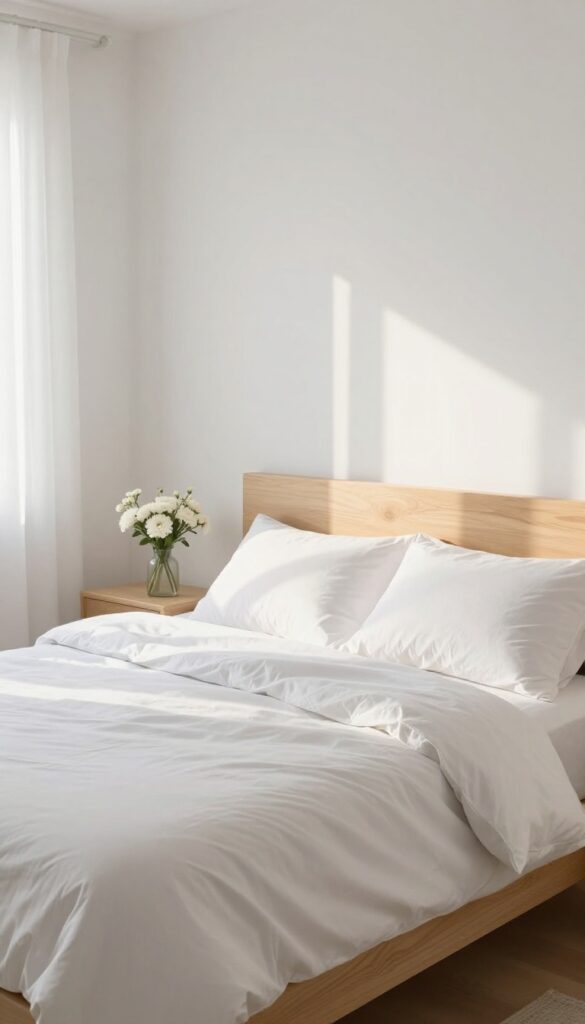
It takes less than two minutes, but making your bed each morning is one of the most effective cleaning habits you can adopt. A neatly made bed instantly transforms a messy bedroom into a calm, organized space. Plus, that small win early in the day sets a productive tone for everything that follows.
Why It Matters
A made bed reduces visual clutter and makes your whole room feel cleaner. Psychologically, it gives you a sense of accomplishment that can motivate you to tackle other tasks. Studies even show that people who make their bed are more likely to have better sleep habits.
How To Make It Stick
Keep it simple—no need for hospital corners or decorative pillows. Just pull up the sheets, straighten the comforter, and fluff the pillows. If you struggle to remember, pair it with another morning habit like brushing your teeth.
Bonus Benefits
A made bed also helps your bedding last longer by reducing wrinkles and wear. It keeps dust and pet hair from settling into the sheets during the day. And when you come home to a tidy bedroom, it instantly lowers your stress levels.
2. Wipe Down Kitchen Surfaces After Each Meal
The kitchen is the heart of the home, but it's also where messes multiply fast. A quick wipe-down after each meal stops grime from building up and keeps your kitchen looking fresh with almost no extra effort. This simple habit saves you from deep scrubbing later and makes the space feel inviting every time you walk in.
Plus, it only takes a couple of minutes—less time than scrolling through your phone.
After cooking or eating, grab a damp cloth or sponge and give your counters, stovetop, and sink a quick wipe. Focus on spots where food residue tends to linger, like around the stove knobs and the sink drain. For stubborn stains, a drop of dish soap works wonders.
Make it a routine: finish your meal, clear the table, and do a two-minute surface sweep. Your future self will thank you.
Tackle The Stovetop While It's Still Warm
Wiping the stovetop right after cooking—when spills are still warm—makes the job much easier. Burnt-on food comes off with less scrubbing, and you avoid that caked-on mess that requires heavy-duty cleaners. Just be careful not to touch a hot burner directly; use a mitt or wait a minute for it to cool slightly.
Don't Forget The Sink
The sink collects food particles and grease throughout the day, making it a breeding ground for bacteria. Give it a quick rinse and wipe after washing dishes. A spray of all-purpose cleaner or a sprinkle of baking soda keeps it fresh and prevents odors.
This small step also keeps your sponge from getting grimy.
Keep Cleaning Supplies Handy
Store a spray bottle of diluted vinegar or a mild cleaner under the sink, along with a microfiber cloth. Having supplies within arm's reach makes it easy to wipe down surfaces without hunting for products. You're more likely to stick with the habit when everything is ready to go.
3. Use a Microfiber Cloth for Dusting
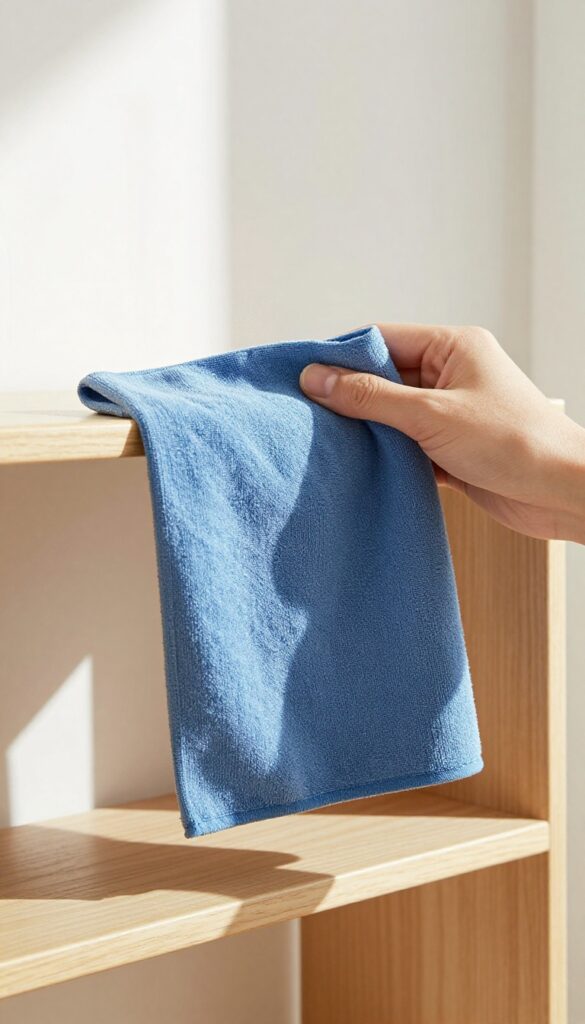
Dusting can feel like a never-ending chore, especially when you see dust particles floating right back onto surfaces. The culprit is often your cleaning cloth. Switching to a microfiber cloth changes the game entirely.
It traps dust rather than pushing it around, so you spend less time and get better results.
Microfiber cloths are made of ultra-fine synthetic fibers that create a static charge, attracting and holding dust like a magnet. Unlike cotton rags or feather dusters that just scatter particles, microfiber locks them in until you wash the cloth. This means fewer airborne allergens and a cleaner home with less effort.
Why Microfiber Works Better
The secret is in the split fibers. During manufacturing, polyester and polyamide fibers are split to create microscopic hooks and loops. These tiny structures grab dust, dirt, and even bacteria.
When you wipe a surface, the cloth lifts particles instead of sliding over them. Plus, the static charge attracts dust from a distance, so you catch more in fewer strokes.
How To Use Microfiber Correctly
For best results, use a slightly damp microfiber cloth on non-electronic surfaces. The moisture helps trap dust even more effectively. On electronics like TV screens or computer monitors, use a dry cloth to avoid damage.
Fold the cloth into quarters so you have multiple clean surfaces—flip to a fresh side as it gets dirty. Wash microfiber separately with mild detergent, no fabric softener, as softener clogs the fibers and ruins their effectiveness.
Where Microfiber Shines
Microfiber is perfect for dusting furniture, blinds, shelves, and baseboards. It also works great on delicate items like lampshades and picture frames. For electronics, a dry microfiber cloth safely removes dust without scratching screens.
You can even use it on car interiors or kitchen appliances. Keep a few cloths in different rooms so you're always ready to quickly dust.
4. Keep a Trash Bag in Your Car for Clutter
Your car is basically a second living room, but it often ends up as a dumping ground for fast-food wrappers, receipts, and random clutter. A simple trick that takes zero effort up front is to stash a small trash bag—like a grocery bag or a designated car trash can—within easy reach. That way, every time you finish a snack or clean out your purse, the trash goes straight into the bag instead of onto the floor or seat.
This habit stops mess from accumulating over days or weeks. When the bag gets full, just tie it up and toss it during your next gas stop or errand run. The whole process takes seconds, and your car stays presentable without any deep cleaning.
Pick The Right Bag
A sturdy plastic grocery bag works fine, but if you want something more durable, grab a small reusable bag or a dedicated car trash can with a lid. The key is to keep it visible and accessible—tuck it in the passenger footwell, hang it on the back of a seat, or hook it on the center console. Out of sight often means out of mind, so place it where you'll actually use it.
Make It A Habit
Every time you park at home or stop for gas, take a second to glance at the bag. If it's half full, tie it up and swap in a fresh one. You can even keep a small stash of spare bags in the glove compartment so you never run out.
This tiny routine prevents the bag from overflowing and keeps your car smelling fresh.
Don't Forget The Little Things
Receipts, napkins, empty gum wrappers—they all add up. Encourage passengers to use the bag too, especially kids. A quick "toss it in the bag" reminder keeps everyone on the same page.
Before you know it, your car will feel cleaner without any extra effort.
5. Clean Your Shower While You Shower
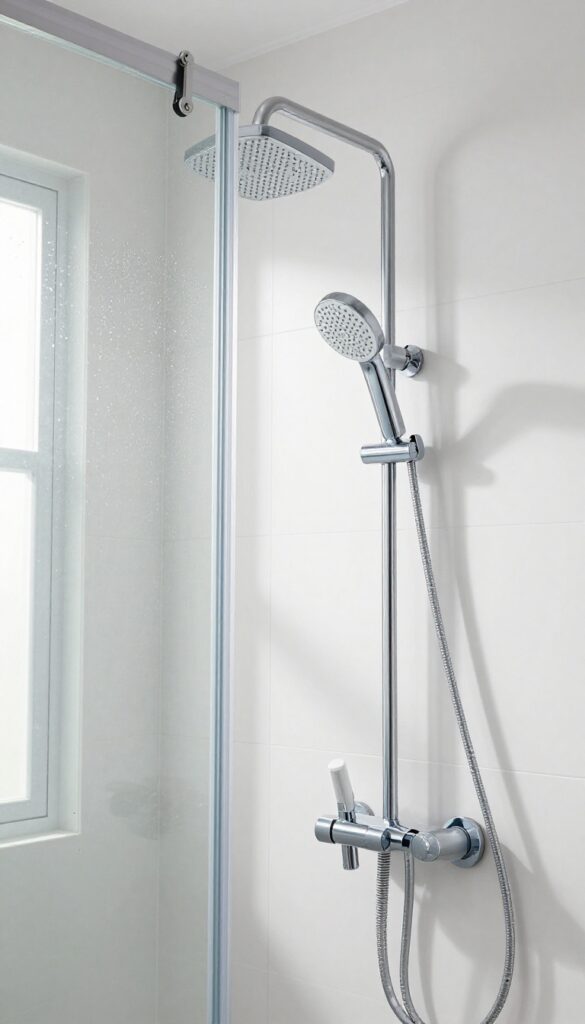
Bathroom scrubbing is nobody's favorite chore, especially when it comes to shower grime. But what if you could tackle most of that buildup while you're already in the shower? A few small actions during your daily rinse can prevent soap scum and mildew from taking hold, making deep cleaning sessions much less frequent.
The idea is simple: use the time you're already in the shower to do a little preventive maintenance. Grab a squeegee or a spray-on cleaner and give surfaces a quick once-over before you step out. This habit takes less than a minute but can dramatically reduce the need for heavy scrubbing later.
Why It Works
Soap scum and mildew need time to set. When you rinse or squeegee surfaces while they're still wet, you remove the residue before it hardens. A daily 30-second wipe-down keeps glass doors, tiles, and fixtures looking clean with minimal effort.
Tools To Keep In The Shower
A small squeegee or a microfiber cloth works great. Some people prefer a daily spray cleaner that you apply after your last rinse—just mist and let it sit. Keep these tools within arm's reach so you don't have to step out wet to grab them.
Make It A Habit
Tie this task to an existing routine, like after you turn off the water. Over time, it becomes automatic. You'll notice less grime buildup, and your weekly bathroom clean will go much faster.
6. Declutter One Surface Before Bed
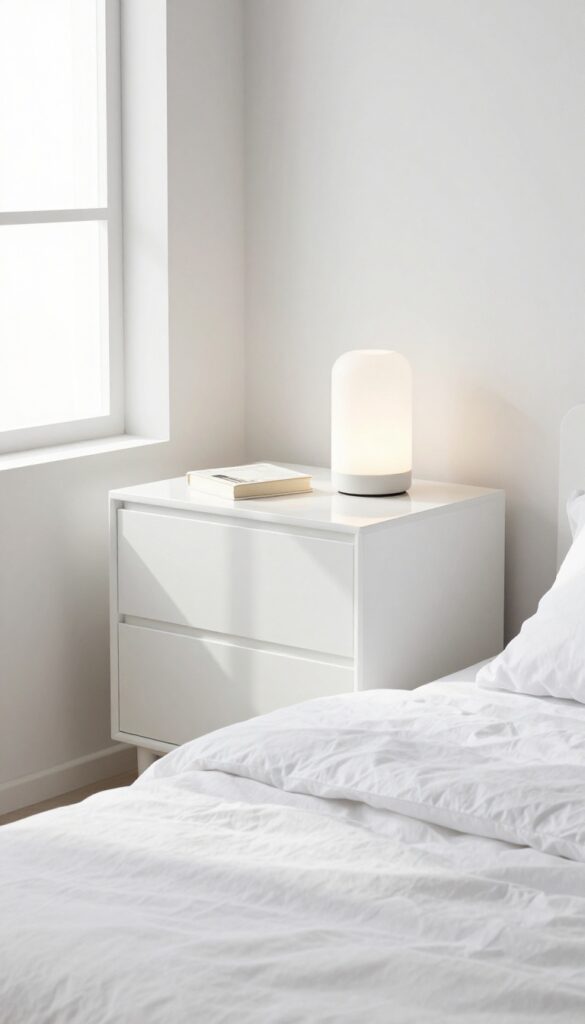
A cluttered countertop or nightstand can make the whole room feel chaotic, even if everything else is clean. That's why spending just two minutes clearing one surface before you head to bed can transform your morning mindset. You wake up to a clear space, and that small win sets a positive tone for the rest of the day.
This habit is about choosing one high-visibility surface—your kitchen island, bathroom vanity, or bedside table—and returning it to a clean, empty state each night. It's not about deep cleaning; it's about removing the visual noise. Over time, this tiny ritual keeps clutter from spreading and makes your home feel more organized with almost no effort.
Pick Your Surface Strategically
Choose a surface you see first thing in the morning or use right before bed. The kitchen counter where you drop mail, the coffee table where remotes pile up, or your dresser top are all great candidates. Stick with the same surface for at least a week so the habit sticks.
Make It A Two-minute Sprint
Set a timer if you need to. Grab a small basket or tray to quickly relocate items that belong elsewhere—keys, books, loose change. Wipe the surface with a microfiber cloth if there's dust or crumbs.
Done. The goal is speed, not perfection.
Enjoy The Morning Payoff
When you walk into the kitchen or bedroom the next day, that clear surface gives you a mental reset. It's a visual cue that your home is under control, even if other areas are still messy. That tiny sense of order can reduce morning stress and help you start the day feeling more put together.
7. Vacuum High-Traffic Areas Daily
Carpets and rugs take a beating, especially in spots where people walk the most. A quick daily vacuum of entryways and living room floors prevents dirt from embedding into carpets and keeps your home feeling fresh. It only takes a few minutes, but the payoff is huge.
High-traffic areas like hallways, entryways, and the space in front of the sofa collect dirt, dust, and debris fast. When left for days, that grit gets ground into carpet fibers, making them look dull and worn. A daily once-over with a vacuum stops that damage before it starts.
Plus, it keeps allergens at bay, which is a win for anyone with allergies. You don't need to vacuum the whole house every day—just focus on the zones that see the most action. Keep your vacuum handy and make it a habit to run it while you're waiting for your morning coffee to brew.
Why Daily Vacuuming Matters
Think of dirt as tiny sandpaper particles. When you walk across a carpet, you're grinding those particles into the fibers. Over time, that wears down the carpet and makes it look older than it is.
A daily vacuum lifts the dirt before it can do damage. It also removes dust mites and pet dander, which improves indoor air quality. If you have pets or kids, this is a game-changer.
How To Make It A Habit
Place your vacuum in a spot that's easy to grab—like a hall closet or a corner of the living room. Set a reminder on your phone for a specific time, like right after dinner. Or tie it to another daily habit: vacuum while you wait for your toast to pop or during a commercial break.
The key is to keep it short and consistent. Even two minutes in the entryway makes a difference.
The Right Technique For Maximum Effect
Don't just push the vacuum back and forth randomly. Go slowly in overlapping passes, especially on carpets. For hard floors, use the bare-floor setting to avoid scattering dust.
Pay extra attention to corners and under furniture where dirt hides. Empty the canister or change the bag when it's half full to maintain suction. A well-maintained vacuum works better and lasts longer.
8. Use Baking Soda to Deodorize Carpets
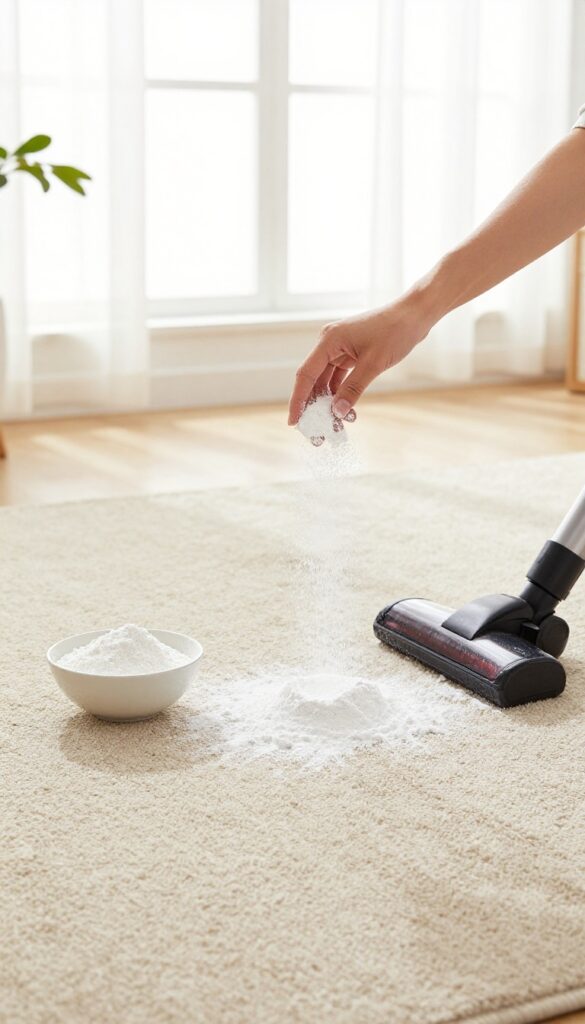
Carpets trap odors from pets, cooking, and daily foot traffic. Instead of reaching for chemical sprays, try a simple pantry staple: baking soda. It neutralizes smells naturally, leaving your carpets fresh without any harsh residues.
Baking soda is a gentle but powerful deodorizer. It works by absorbing odors rather than masking them. For best results, sprinkle it generously over dry carpet, let it sit for at least 15 minutes (or overnight for tough smells), then vacuum thoroughly.
This easy step can become a weekly habit that keeps your whole home smelling clean.
Why Baking Soda Works
Baking soda is alkaline, so it reacts with acidic odor molecules and neutralizes them. Unlike sprays that add fragrance, it actually removes the source of the smell. Plus, it's non-toxic and safe for pets and kids.
How To Apply It Right
Start with a clean, dry carpet. Sprinkle baking soda evenly, focusing on high-traffic areas and spots where odors linger. Let it sit for at least 15 minutes—longer for stronger smells.
Then vacuum slowly in multiple directions to lift all the powder.
Boost The Power With Essential Oils
Mix a few drops of your favorite essential oil (like lavender or lemon) into the baking soda before sprinkling. Stir well to distribute the oil. This adds a light, natural scent while still getting the deodorizing benefits.
9. Wipe Down Electronics with a Dry Cloth
Your TV, laptop, and phone screens are dust magnets. A layer of grime not only looks bad but can also affect visibility. The fix is simple: a quick dry wipe each day keeps screens and remotes clean and streak-free.
Electronics collect dust and fingerprints faster than almost anything else in your home. A daily dry wipe with a microfiber cloth removes smudges without scratching surfaces. Avoid using paper towels or harsh cleaners—they can damage screen coatings.
Keep a cloth near your desk or TV stand for easy access. For remotes, a weekly wipe prevents sticky buildup from hand oils. This small habit takes seconds but makes your space look instantly tidier.
Why Dry Cloth Works Best
Liquid cleaners can seep into edges and damage electronics. A dry microfiber cloth traps dust and oils without moisture. It's safe for all screens, including phones, tablets, and laptops.
Plus, it's reusable—just wash it with soap and water when dirty.
Quick Routine For Remotes And Keyboards
Remotes and keyboards are high-touch surfaces that get grimy fast. A quick dry wipe every few days prevents sticky keys and button residue. For keyboards, gently wipe between keys with a dry cloth or a soft brush.
This keeps them looking new and functioning smoothly.
10. Keep Cleaning Supplies in Each Room
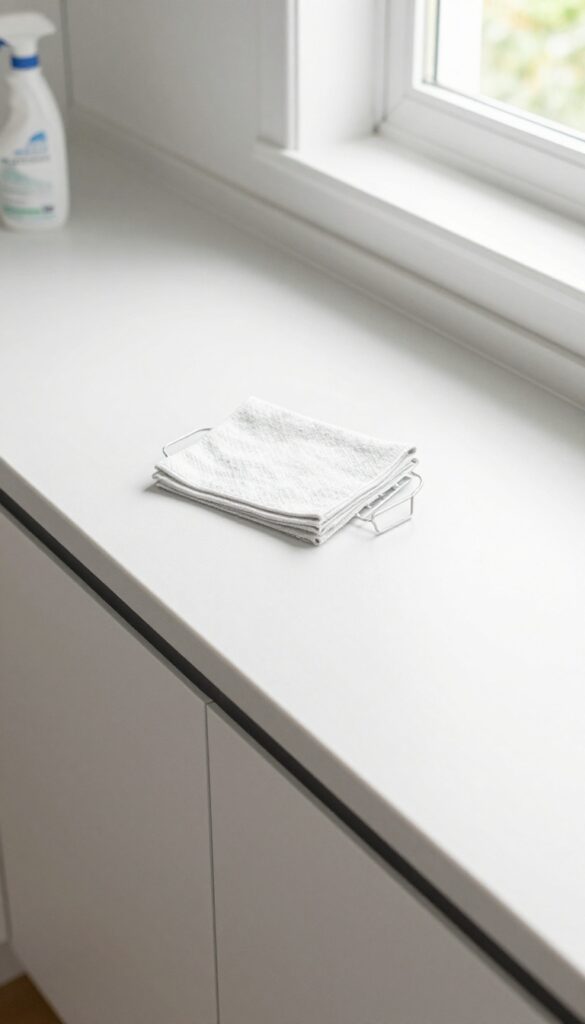
Nothing kills the momentum of a quick clean-up like having to hunt down a spray bottle from another floor. When you stash a small caddy of essentials in the kitchen, bathroom, and living room, you remove the biggest barrier to acting on a spill or spot. It’s a simple setup that turns a chore into a reflex.
Imagine you’re cooking and some sauce splatters on the counter. Instead of letting it dry and become a scrubbing job later, you grab the all-purpose spray and cloth that live right under the sink. That’s the power of having supplies within arm’s reach.
The same logic applies to every room where messes happen regularly. A small basket or caddy with a microfiber cloth, a multi-surface cleaner, and a few wipes is all you need. In the bathroom, add a glass cleaner and a toilet brush.
In the living room, keep a duster and a lint roller for pet hair. The upfront investment is minimal, but the payoff is huge: you’ll clean more often without even thinking about it.
Choose The Right Caddy
You don’t need anything fancy. A small plastic tote or a basket with a handle works perfectly. Look for something that fits under a sink or in a cabinet without cramping the space.
Clear bins help you see what’s inside at a glance, but any sturdy container will do. Just make sure it’s easy to grab and carry if you need to move it to another spot.
What To Stock In Each Room
Kitchen: all-purpose spray, glass cleaner, microfiber cloths, and dish soap. Bathroom: disinfectant spray, glass cleaner, toilet cleaner, and a scrub brush. Living room: dusting spray, microfiber duster, and a lint roller.
For bedrooms, a small spray for fabric freshening and a dusting cloth can keep surfaces clean. Tailor the kit to the room’s most common messes.
Make It A Habit To Refill
A half-empty bottle won’t help when you need it. Set a reminder every month to check your caddies and refill or replace supplies. Keep backup bottles in a central storage area so you never run out.
When you use the last wipe, add it to your shopping list right away. Consistency keeps the system working.
11. Use a Lint Roller on Lampshades and Upholstery
Lampshades and upholstery are dust and pet hair magnets that often get overlooked during quick cleanups. A lint roller is a surprisingly effective tool for freshening them up without dragging out the vacuum. It’s quick, portable, and works on a variety of fabric surfaces.
A lint roller picks up dust, pet hair, and crumbs from fabric surfaces in seconds, making them look fresh. It’s especially useful for lampshades, where dust can dull the light, and for upholstery that sees daily use. Keep one in a drawer near your living area for easy access.
Lampshades: A Quick Dust Fix
Fabric lampshades collect dust that can make a room feel dingy. Roll a lint roller over the entire surface, top to bottom, to remove dust without damaging the fabric. This is faster than wiping with a cloth and doesn’t leave lint behind.
Upholstery: Spot Cleaning Between Vacuuming
For couches and chairs, a lint roller is perfect for picking up pet hair, crumbs, and dust from high-contact areas like armrests and seat cushions. It’s a great maintenance step between deeper vacuum sessions, keeping your furniture looking tidy.
Other Fabric Surfaces
Don’t stop at lampshades and upholstery. Use a lint roller on fabric headboards, throw pillows, curtains, and even car seats. It’s a versatile tool that makes fabric care effortless.
12. Freshen Up Your Fridge Weekly
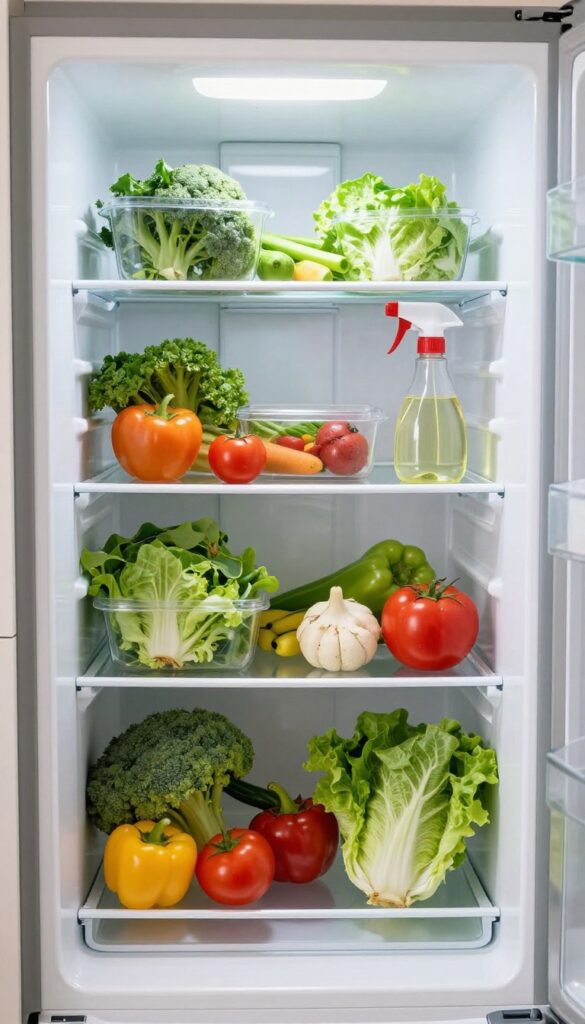
Your fridge works hard to keep food fresh, but it can also become a breeding ground for odors and spills. A quick weekly refresh prevents smells from building up and helps you keep track of what you have. This habit takes just ten minutes and saves you from mystery leftovers.
Start by pulling out everything that's expired or past its prime. Check labels and trust your nose—if it smells off, toss it. Wipe down shelves and drawers with a damp cloth and a mild cleaner or vinegar solution.
Don't forget the door bins where condiments often hide. Once surfaces are dry, return items in an organized way: group similar foods together and keep raw meat on the bottom shelf. A clean fridge not only smells better but also helps your food last longer.
What To Toss
Go through each shelf and bin. Look for expired dairy, moldy produce, and half-empty jars that have been sitting for weeks. If you can't remember when you opened it, it's probably time to let it go.
This step alone cuts down on odors and frees up space.
Quick Wipe-down Method
Remove shelves and drawers if possible and wash them in warm soapy water. For the interior, use a mix of water and white vinegar or a gentle all-purpose cleaner. Focus on corners and seals where crumbs and spills collect.
Dry everything before putting items back to prevent moisture buildup.
Organize For Freshness
Store leftovers in clear containers so you can see what's inside. Keep fruits and vegetables in separate drawers with proper humidity settings. Place raw meat on the bottom shelf to avoid drips.
A well-organized fridge makes it easy to grab what you need and reduces food waste.
13. Clean Your Dishwasher Filter Monthly
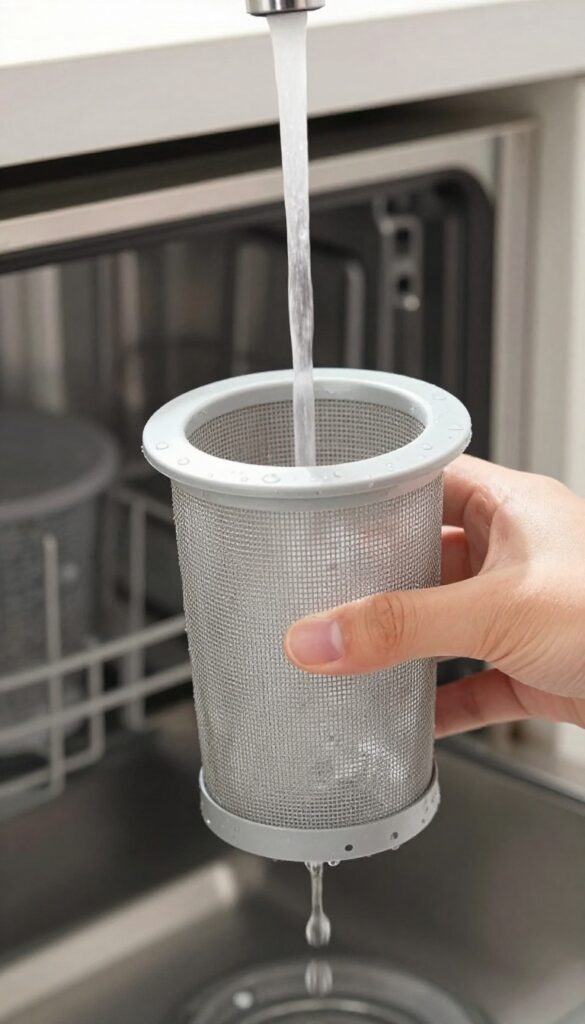
Your dishwasher works hard, but it can't do its job if the filter is clogged with food particles and grease. A dirty filter leads to residue on dishes, funky smells, and longer cycle times. The fix is simple and takes just a few minutes once a month.
Most dishwashers have a filter near the bottom that catches food scraps. Over time, that debris builds up and blocks water flow. When the filter is clogged, water recirculates dirty particles back onto your dishes, leaving them spotted or gritty.
You might also notice a sour smell coming from the machine—that's trapped food starting to rot. Cleaning the filter monthly prevents these issues and keeps your dishwasher running efficiently.
How To Locate And Remove The Filter
Open your dishwasher and pull out the bottom rack. Look for a cylindrical or flat mesh filter in the center or corner of the floor. Some models have a twist‑off cap, while others lift out.
Consult your manual if you're unsure—but most filters are easy to access. Twist or pull to remove it, and set aside any larger debris.
Rinse And Scrub Under Hot Water
Hold the filter under hot running water to flush away loose particles. Use a soft brush (an old toothbrush works great) to gently scrub the mesh and any crevices. Avoid harsh chemicals or abrasive pads that could damage the filter.
If there's stubborn grease, soak the filter in warm, soapy water for 10 minutes before rinsing.
Reassemble And Run A Maintenance Cycle
Once the filter is clean and dry, put it back in place and secure it. Then run an empty cycle with a dishwasher cleaner or a cup of white vinegar on the top rack. This helps clear any remaining residue in the spray arms and interior.
Your dishwasher will smell fresh, and your dishes will come out spotless.
14. Use White Vinegar to Remove Hard Water Stains
Hard water stains can make even the cleanest bathroom look dull and neglected. Those white, crusty deposits on faucets, showerheads, and glass doors are actually mineral buildup from your water supply. White vinegar is a natural, inexpensive solution that dissolves these deposits without harsh chemicals.
White vinegar's acetic acid breaks down calcium and lime deposits, making it perfect for restoring shine to bathroom fixtures. For best results, use undiluted white vinegar and let it sit for a few minutes to penetrate the buildup. Wipe away with a soft cloth or sponge, and rinse thoroughly to remove any vinegar residue.
Repeat weekly to prevent stains from returning.
How To Clean Faucets And Showerheads
For faucets, spray or wipe white vinegar directly onto the affected areas. Let it sit for 5–10 minutes, then scrub gently with a soft brush or cloth. For showerheads, fill a plastic bag with vinegar, secure it over the head with a rubber band, and let it soak for 30 minutes.
Remove the bag, run the water for a minute, and wipe away any remaining deposits.
Removing Stubborn Buildup
If stains are thick or crusty, increase the soaking time. You can also warm the vinegar slightly (not boiling) to boost its effectiveness. For vertical surfaces like glass shower doors, spray vinegar and let it sit for 15 minutes before scrubbing with a non-abrasive pad.
Rinse well to avoid streaks.
Preventing Future Stains
After cleaning, dry fixtures with a microfiber cloth to prevent water spots. For ongoing maintenance, wipe down shower walls and doors with a squeegee after each use. A weekly vinegar spray keeps mineral deposits from building up again, so you spend less time scrubbing later.
15. Set a 10-Minute Daily Tidy Timer
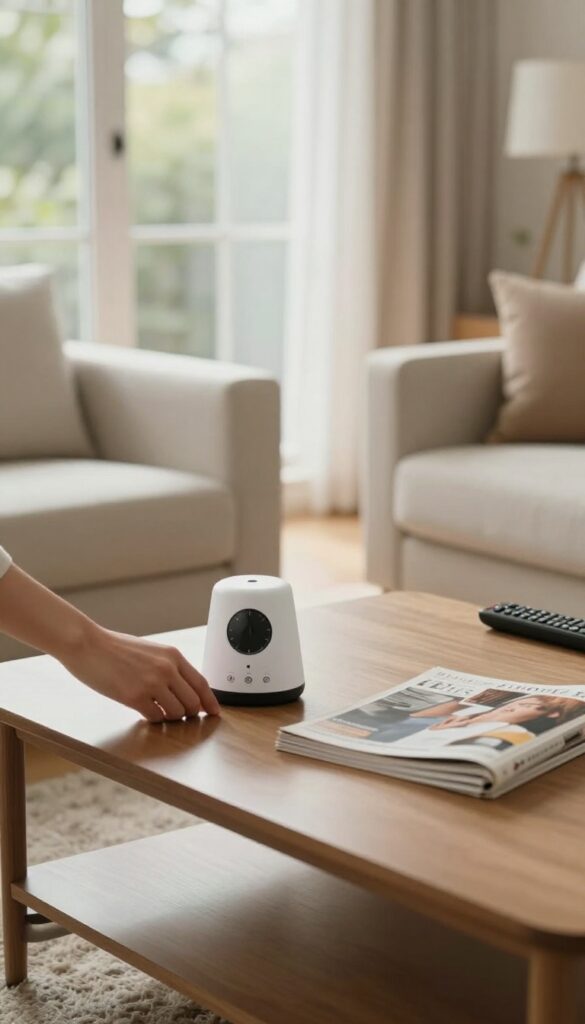
Clutter doesn't happen overnight—it's the accumulation of small items left out day after day. A 10-minute daily tidy timer is a simple way to stop that buildup before it starts. You set a timer and race around the house putting things back where they belong, turning a chore into a quick game.
This habit works because it's short and focused. You don't have to deep-clean anything, just reset surfaces and floors. Over time, it trains you to stay on top of mess without feeling overwhelmed.
How To Start
Pick a time that works for you—right after dinner or before bed are popular choices. Set a timer for 10 minutes and start in the room that needs the most attention. Work quickly: toss mail into a bin, hang up coats, put shoes on the rack, and clear counters.
Don't get sidetracked by deep cleaning.
Make It A Game
Turn it into a challenge with yourself or your family. See how much you can accomplish in 10 minutes. You can even play upbeat music to keep energy high.
The goal is to make tidying feel like a sprint, not a slog.
The Ripple Effect
When you do this daily, you'll notice that your home stays presentable with minimal effort. You'll spend less time on weekend cleaning because messes never get a chance to pile up. Plus, starting each day with a tidy space sets a positive tone.
FAQ
How often should I deep clean my home?
Deep cleaning tasks like washing windows or scrubbing grout can be done monthly or seasonally, but daily and weekly maintenance keeps your home consistently fresh.
What are the best natural cleaning products?
White vinegar, baking soda, and lemon juice are effective, non-toxic cleaners for most surfaces. They work well for deodorizing, removing stains, and cutting grease.
How can I make cleaning less overwhelming?
Break tasks into small chunks, use a timer, and focus on one area at a time. Consistency is key—a little each day prevents big messes.
What's the fastest way to clean a bathroom?
Start by spraying the shower and toilet with cleaner, then wipe mirrors and counters while the cleaner sits. Finish by scrubbing and rinsing the shower and toilet.
How do I keep my home smelling fresh without artificial air fresheners?
Open windows regularly, use baking soda on carpets and in trash cans, and simmer cinnamon or citrus peels on the stove for a natural scent.
Conclusion
A fresher home doesn't demand hours of scrubbing—just a few smart habits woven into your day. Start with one or two tips that feel doable, then build from there. Over time, these small actions become second nature, keeping your space clean without the overwhelm.
You'll notice the difference in how your home looks, smells, and feels. Stick with it, and enjoy a cleaner, calmer everyday routine.