13 Shower Seat Ideas for Comfort Safety and Everyday Ease
Shower seats aren't just for recovery or aging in place—they're a smart add for anyone who wants a safer, more comfortable rinse. Whether you have a tiny bathroom or a spacious walk-in, the right seat can turn a rushed shower into a spot to breathe.
You don't need a full remodel or a big budget to make it work. From fold-downs that vanish when not in use to teak benches that bring spa vibes home, these 13 ideas cover different needs and styles.
Some prioritize support, others focus on storage or looks, and a few are perfect for tight corners. No matter your setup, there's a practical option here that fits your routine and your space.
1. Fold-Down Shower Seat: Save Space Without Sacrificing Support
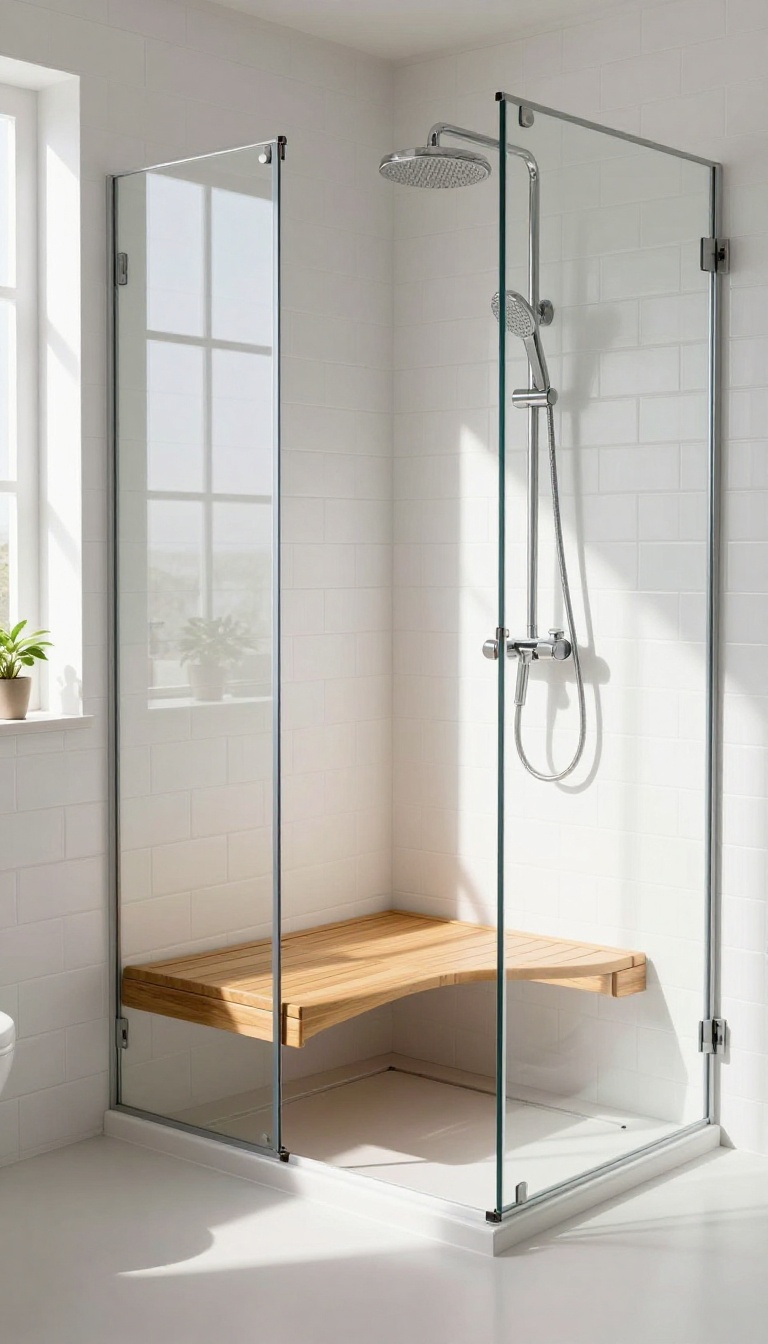
A fold-down seat is the ultimate space-saver for compact bathrooms. It mounts securely to the wall and flips up when you're done, keeping the shower floor clear and easy to clean. When you need it, it locks into place, providing a stable and comfortable seat that doesn't take up permanent room.
Fold-down seats are a smart pick for anyone who wants the convenience of a shower seat but doesn't have the square footage for a permanent bench. They're especially popular in smaller bathrooms or guest showers where space is at a premium. The key is finding a model that's sturdy enough to support your weight while still being easy to operate with one hand, especially if you have limited mobility.
Why Choose A Fold-down?
The biggest advantage is the flexibility. You get a solid seat when you need it, and a clutter-free shower when you don't. This is great for households where some people prefer standing and others need to sit.
Plus, the open floor space makes cleaning a breeze—no legs or pedestals to work around.
What To Look For
Durability is non-negotiable. Opt for rust-proof materials like aluminum or stainless steel, and check that the seat has a textured, slip-resistant surface. The hinge mechanism should feel smooth and lock firmly in both the up and down positions.
Also, consider the weight capacity—most quality models support 300 pounds or more, but always verify.
Installation Tips
Proper mounting is crucial for safety. You'll need to anchor the seat into wall studs, not just drywall. If you're not comfortable with DIY, hire a professional to ensure it's secure.
Also, think about the height—around 17 to 19 inches from the floor is typical for most adults, but adjust based on your needs.
2. Teak Wood Shower Bench: Natural Warmth and Water Resistance
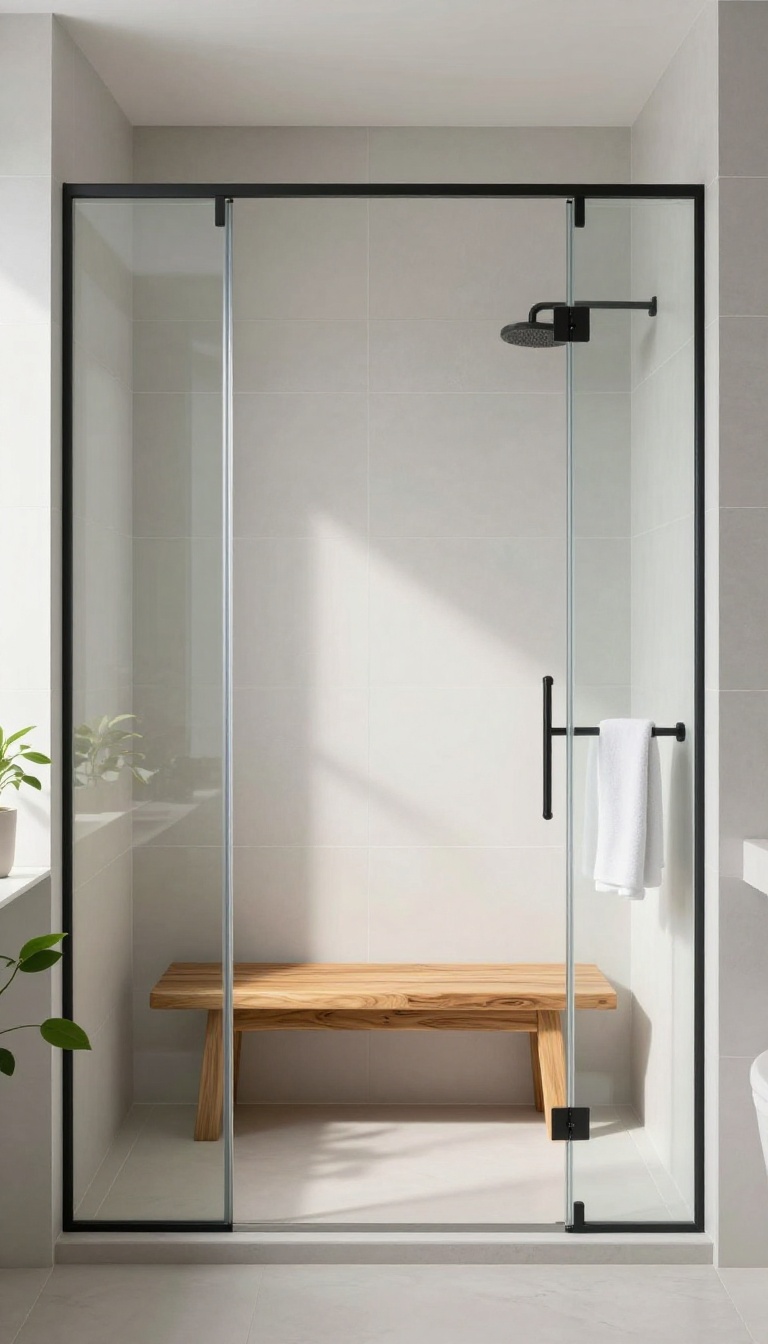
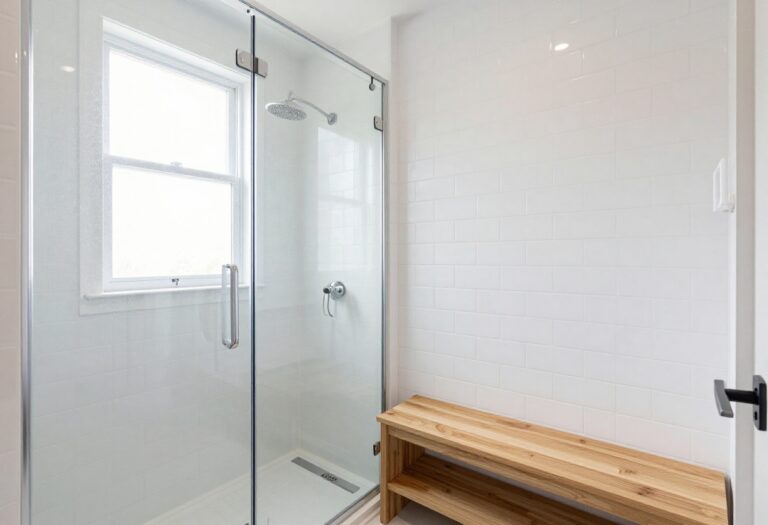
Teak wood has been a favorite in bathrooms for centuries, and it's not hard to see why. Its natural oils make it incredibly resistant to water, mold, and mildew, so it holds up beautifully in damp environments. A teak bench doesn't just perform well—it also adds a touch of warmth and luxury that instantly upgrades your shower space.
Beyond its durability, a teak bench is versatile. It can serve as a comfortable seat, a handy shelf for your shampoo and soap, or even a place to rest your foot while shaving. The natural grain and rich golden-brown color bring a spa-like vibe to any bathroom, making your daily shower feel more like a retreat.
Plus, with proper care, a teak bench can last for decades, making it a worthwhile investment for your home.
Why Teak Works So Well In Wet Areas
Teak's high oil content is the secret to its water resistance. These oils repel moisture, preventing the wood from warping, cracking, or rotting even with constant exposure to water and steam. This makes teak an ideal choice for shower benches, as it requires minimal maintenance compared to other woods.
You don't need to seal or varnish it—just let it air dry, and it'll stay in great shape.
Sizing And Placement Tips
When choosing a teak bench, consider the available space in your shower. A standard bench is about 18 to 20 inches deep and 16 to 18 inches high, which works well for most people. If your shower is narrow, look for a corner bench or a smaller stool.
Place it away from the direct spray if possible, so it stays drier between uses and lasts even longer.
Caring For Your Teak Bench
Caring for teak is simple. Rinse it occasionally to remove soap residue, and give it a gentle scrub with a soft brush if needed. Let it dry completely before storing it outside the shower.
Over time, teak naturally weathers to a silvery-gray patina, which some people love. If you prefer the original golden color, apply a teak sealer once a year. With just a little attention, your bench will remain beautiful and functional for years.
3. Molded Plastic Shower Stool: Lightweight and Budget-Friendly
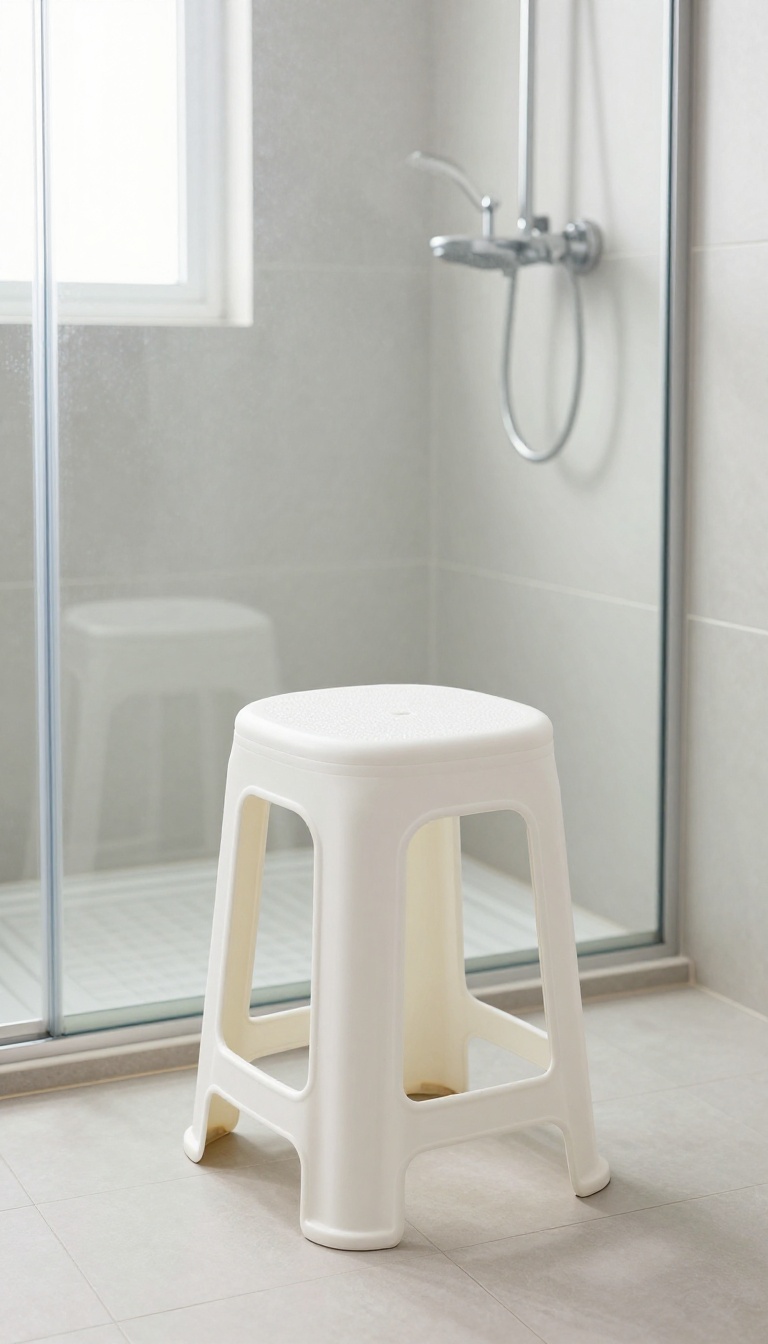
Sometimes you just need a simple, sturdy seat that doesn't cost a fortune or require a weekend of installation. That's where a molded plastic shower stool comes in. It's the kind of no-fuss option that gets the job done without any drama.
Whether you're recovering from surgery or just want a perch for shaving your legs, this stool is a practical pick that won't let you down.
A molded plastic stool is about as straightforward as it gets. It's lightweight, so you can move it around easily, and it's made to handle the constant moisture of a shower without warping or rusting. Plus, cleaning is a breeze—just rinse it off or wipe it down.
Many models come with non-slip feet to keep you steady, and some even have adjustable legs to level out on uneven floors. It's a smart, budget-friendly choice that covers the basics well.
Why Plastic Works In The Shower
Plastic is a natural fit for wet environments. Unlike metal, it won't rust, and unlike wood, it won't rot or splinter. It's also non-porous, so soap scum and mildew have a harder time taking hold.
That means less scrubbing for you. And because it's lightweight, you can easily lift it out of the shower to clean the space or take it with you when you travel.
Key Features To Look For
When shopping for a plastic stool, check for non-slip rubber feet or suction cups to keep it anchored. Adjustable legs are a plus if your shower floor isn't perfectly level. Also, look for a stool with drainage holes or a textured surface to prevent water from pooling.
Weight capacity matters too—most handle up to 300 pounds, but it's always good to confirm.
Where To Use It Beyond The Shower
This stool isn't just for the shower. It can double as a handy step stool for reaching high shelves, a seat for putting on shoes, or even a side table in a pinch. Because it's so light, you can easily move it from room to room.
That versatility makes it a great value for the price.
4. Corner Shower Seat: Tuck Into the Corner for Extra Legroom
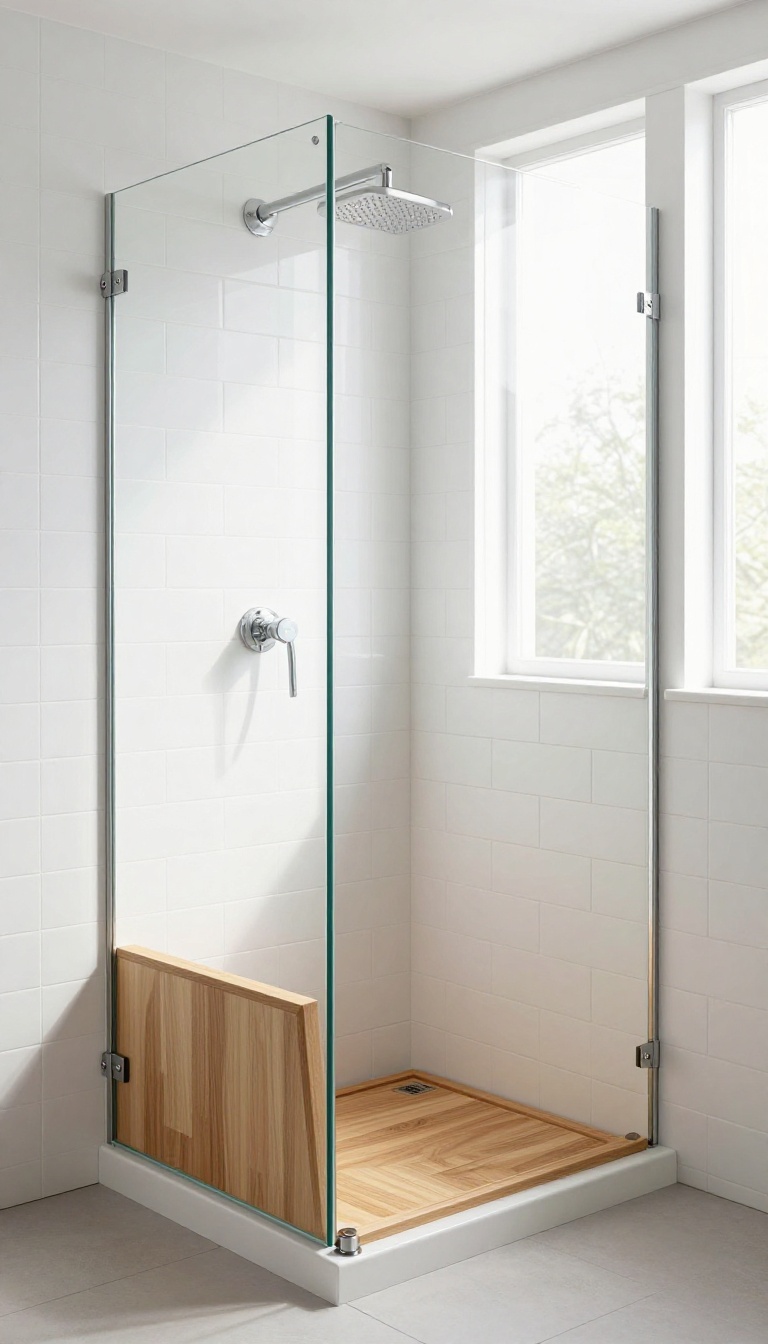
If your shower feels cramped every time you turn around, a corner seat might be the answer. It slips into that awkward dead zone where two walls meet, freeing up the main floor area. You get a stable place to sit without sacrificing the open space you need for washing or moving around.
Corner seats are a smart choice for anyone who wants a permanent seat but doesn't want it to dominate the shower. Because they mount to two walls, they feel more solid than a freestanding bench. They come in triangular or square designs, so you can pick the shape that fits your shower's layout best.
Why Choose A Corner Seat?
The biggest benefit is space. By tucking into the corner, the seat stays out of the main traffic path. That means you can still stand comfortably, bend down to wash your legs, or have a second person in there if needed.
Plus, the two-wall mount adds extra stability, which is great if you plan to use it as a grab point when getting in or out.
Triangular Vs. Square: Which Fits Better?
Triangular seats are designed to hug the corner exactly, leaving more open floor space. They work well in showers where every inch counts. Square corner seats give you a bit more surface area for sitting or placing toiletries, but they extend further into the room.
Measure your shower and think about how you move around—if you're tall or need extra room to bend, a triangle might be the better pick.
Installation Tips For A Solid Mount
Corner seats need to be anchored into wall studs, not just the tile. Use a stud finder to locate the framing on both walls. If the walls are concrete or cement board, you'll need masonry anchors.
Always follow the manufacturer's instructions and use the supplied hardware. If you're not comfortable with drilling, a professional can handle it in under an hour.
5. Shower Bench with Storage: Combine Seating and Organization
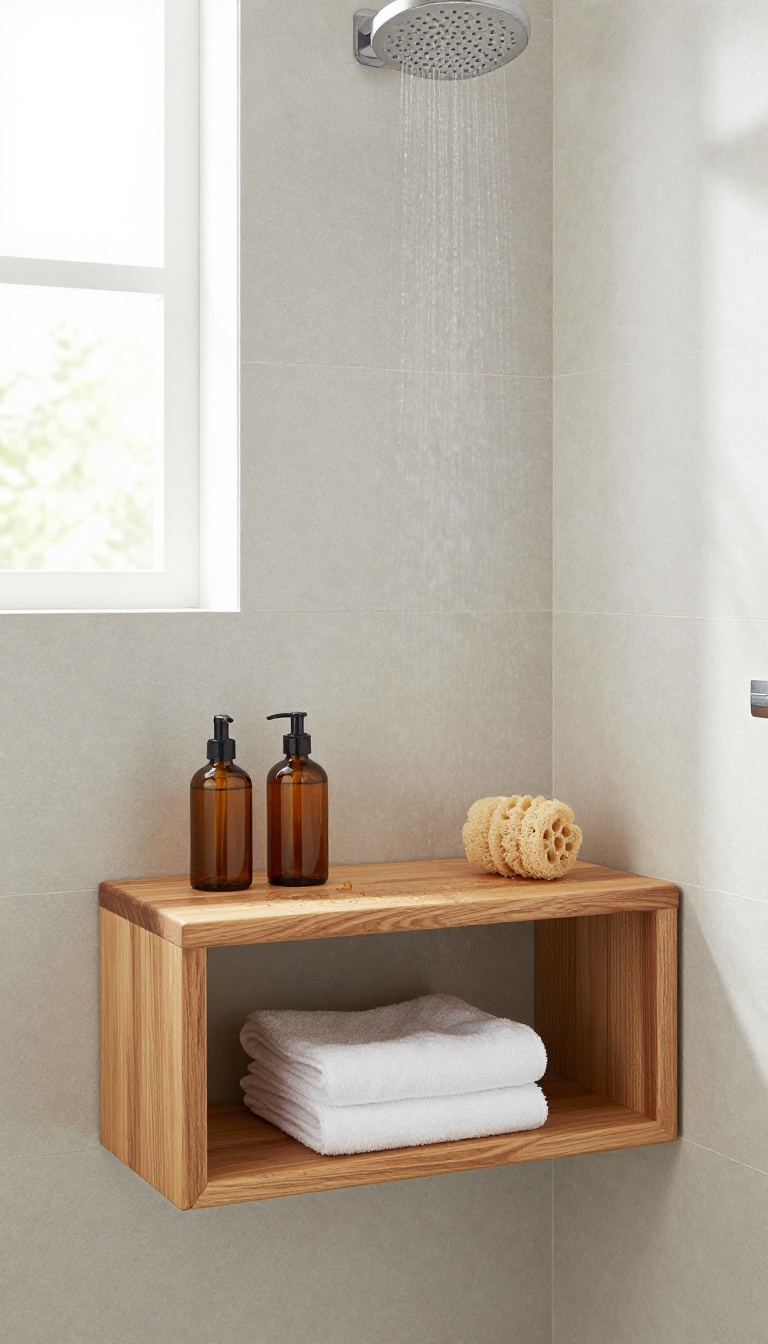
A shower bench that doubles as a storage unit is a two-for-one win. It gives you a comfortable place to sit while keeping your shampoos, soaps, and loofahs neatly organized. This is especially handy if your shower lacks a built-in niche or caddy space.
When you choose a bench with storage, you’re not just adding a seat—you’re creating a mini shelving unit right where you need it most. Look for designs with open shelves or a removable caddy underneath, so everything stays within arm’s reach. Make sure the materials are rust-proof, like aluminum or teak, and that the bench has drainage holes to prevent water from pooling.
Why Storage Matters In The Shower
Showers without niches often end up with bottles scattered on the floor or hanging from a flimsy caddy over the showerhead. A bench with built-in storage solves that clutter problem. You can keep your daily essentials on the lower shelf, and it’s all right there when you need it.
Plus, it frees up floor space and makes the shower feel more organized.
Choosing The Right Materials
Since the bench lives in a wet environment, material choice is key. Teak is a classic option—it’s water-resistant and looks great. Aluminum with a powder-coated finish is lightweight and won’t rust.
Avoid untreated wood or metal that can corrode. Also, check that the bench has proper drainage holes so water doesn’t sit on the surface.
Placement And Installation Tips
Think about where you’ll use the bench most. If you need it for sitting while shaving or washing your feet, place it near the shower controls. If it’s mainly for storage, position it against a wall that’s easy to reach.
Many storage benches are freestanding, so you can move them as needed. For a built-in look, you can install a wall-mounted bench with a shelf below, but that requires more planning.
6. Floating Shower Seat: Sleek and Minimalist
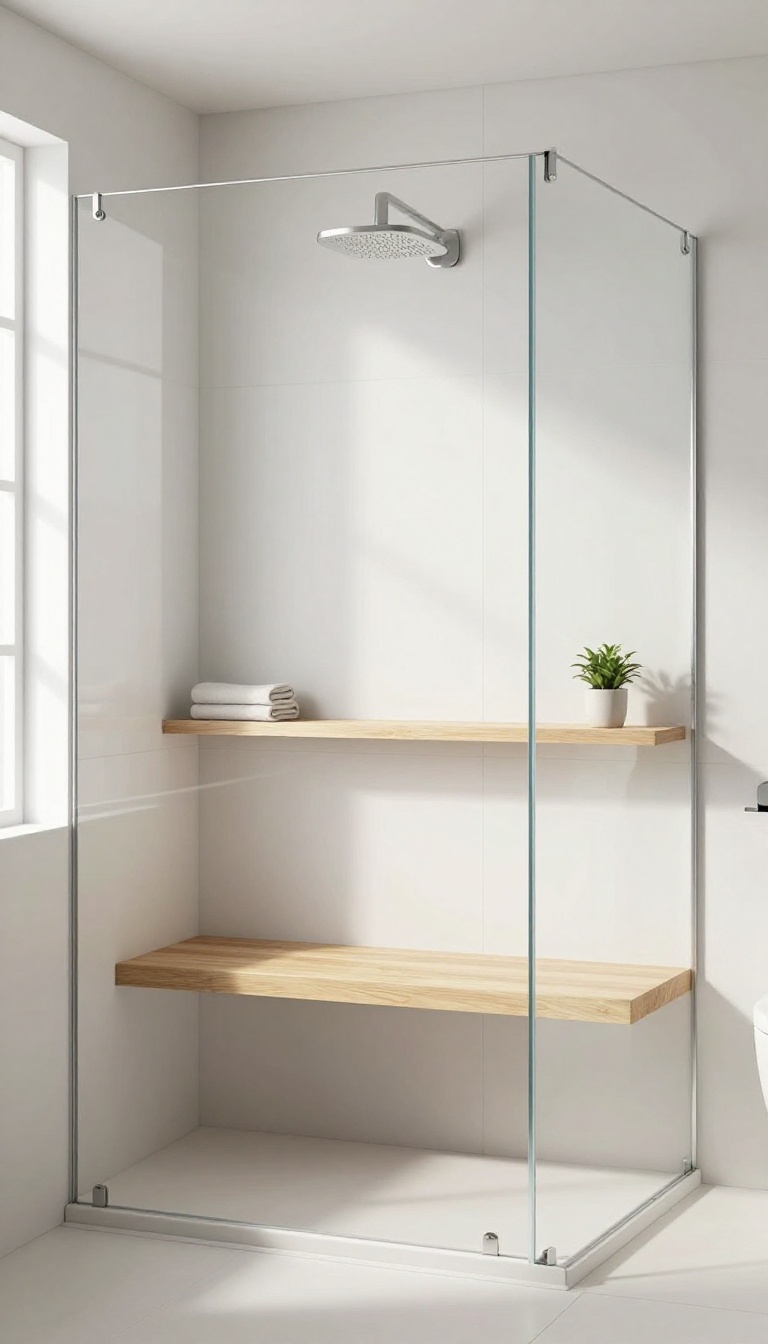
If you want a shower seat that doesn't visually clutter the space, a floating design is a standout choice. It mounts directly to the wall, leaving the floor completely open. This makes the shower feel larger and easier to clean, which is a big plus for many homeowners.
The clean lines work especially well in modern or minimalist bathrooms. And since there are no legs to trip over or maneuver around, it's a practical pick for curbless showers or compact layouts. Just keep in mind that proper installation is key—this seat needs to be anchored securely to handle real weight.
A floating shower seat is essentially a shelf-like bench attached to the wall with hidden brackets. It gives the illusion of a seat that's simply part of the wall, which is why it looks so sleek. Because there's no floor support, the open space underneath makes cleaning a breeze and helps the shower feel more spacious.
This style is ideal for curbless showers, where you step directly onto the floor, or for anyone who wants a minimalist aesthetic. It also works well in smaller bathrooms where a bulky bench would feel overwhelming. The lack of legs means you can easily sweep or mop underneath without any obstacles.
However, the wall must be able to support the weight. That means finding studs and using heavy-duty anchors. It's not a DIY job for most people, so hiring a professional is strongly recommended.
With the right installation, a floating seat can be both beautiful and sturdy.
Why Choose A Floating Seat?
The main draw is the clean, uncluttered look. Without legs, the seat visually blends into the wall, making the shower feel larger. It's also easier to keep clean since there are no corners or crevices where grime can build up.
If you have a walk-in shower with a linear drain, a floating seat can sit flush against the wall without interfering with the floor slope.
Installation And Weight Considerations
Because the seat is only supported by the wall, installation is critical. You need to locate wall studs and use appropriate anchors or bolts. The seat must be level and securely fastened to prevent any movement.
It's best to hire a professional to ensure the seat can handle the weight of an adult. Also, consider the material—solid wood or stone can be heavy, so the wall structure must be able to bear that load.
Material And Design Options
Floating seats come in various materials, including teak, bamboo, stone, or even solid surface like Corian. Teak offers a warm, spa-like feel and is naturally water-resistant. Stone or solid surface options give a more permanent, high-end look.
You can also choose the length and depth to fit your shower space. Some designs include a slight angle for better water runoff, which helps prevent pooling.
7. Bamboo Shower Seat: Eco-Friendly and Stylish
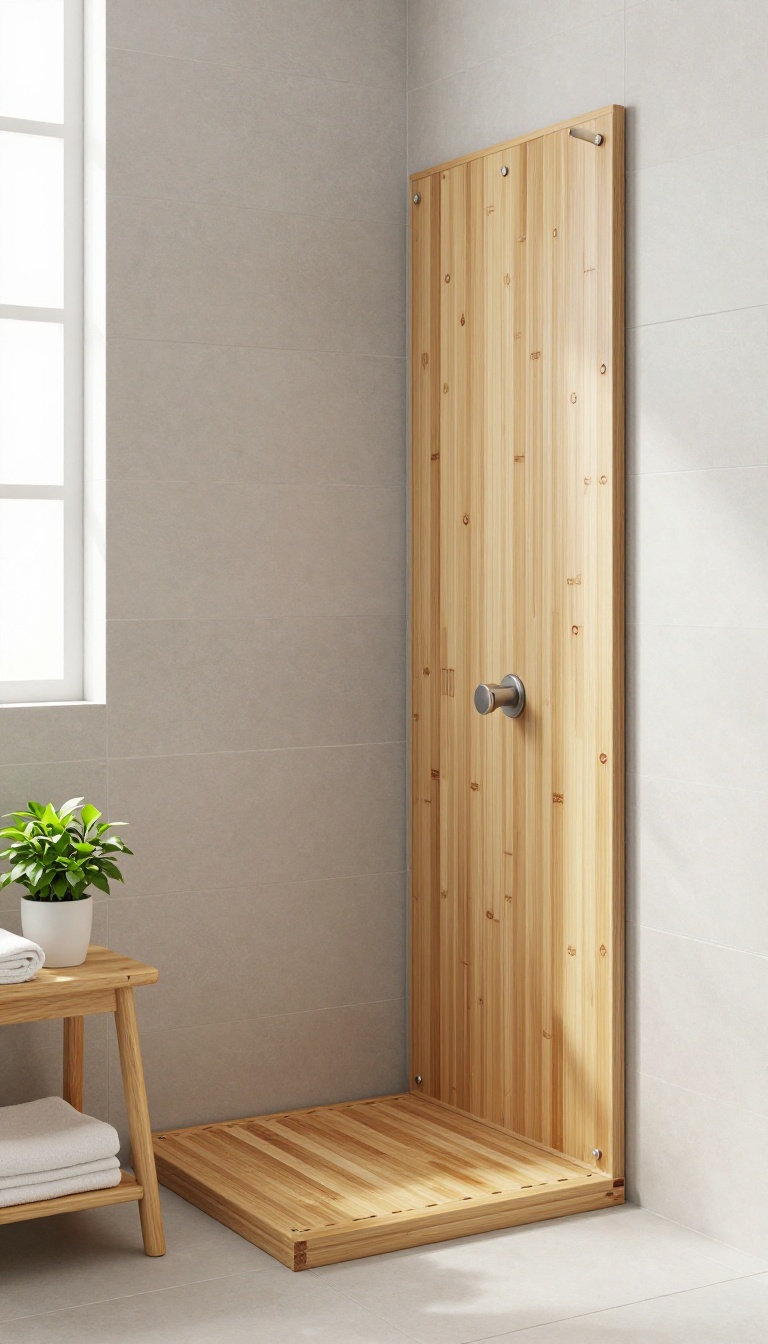
Bamboo is having a moment in bathrooms, and for good reason. It brings a warm, natural look that rivals teak but with a lighter footprint—both literally and environmentally. If you want a seat that feels fresh and modern without the hefty price tag, bamboo is a smart pick.
Bamboo grows fast, making it a renewable resource that’s easier on the planet than many hardwoods. It’s also naturally water-resistant, though not quite as tough as teak in constant moisture. With a little care, a bamboo seat can last for years and keep your shower looking airy and organic.
Why Bamboo Works In Showers
Bamboo’s tight grain and natural oils help it resist water damage, but it’s not invincible. In a steamy shower, it can absorb moisture and warp if left untreated. That’s why a good sealant is your best friend.
Apply a water-resistant finish every few months to keep the surface smooth and protected.
Style And Placement Tips
Bamboo seats come in a range of styles, from simple stools to sleek benches with a backrest. They pair beautifully with neutral tiles, plants, and stone textures. Place one against a tiled wall or in a corner to anchor the space without making it feel cramped.
The light color brightens darker bathrooms and adds a spa-like touch.
Caring For Your Bamboo Seat
After each shower, wipe the seat down with a soft cloth to remove excess water. Avoid harsh cleaners—just mild soap and water will do. Every few months, sand lightly and reapply a natural oil or sealant to keep it looking fresh.
With this simple routine, your bamboo seat will stay sturdy and beautiful.
8. Shower Stool with Handles: Extra Support for Getting Up and Down
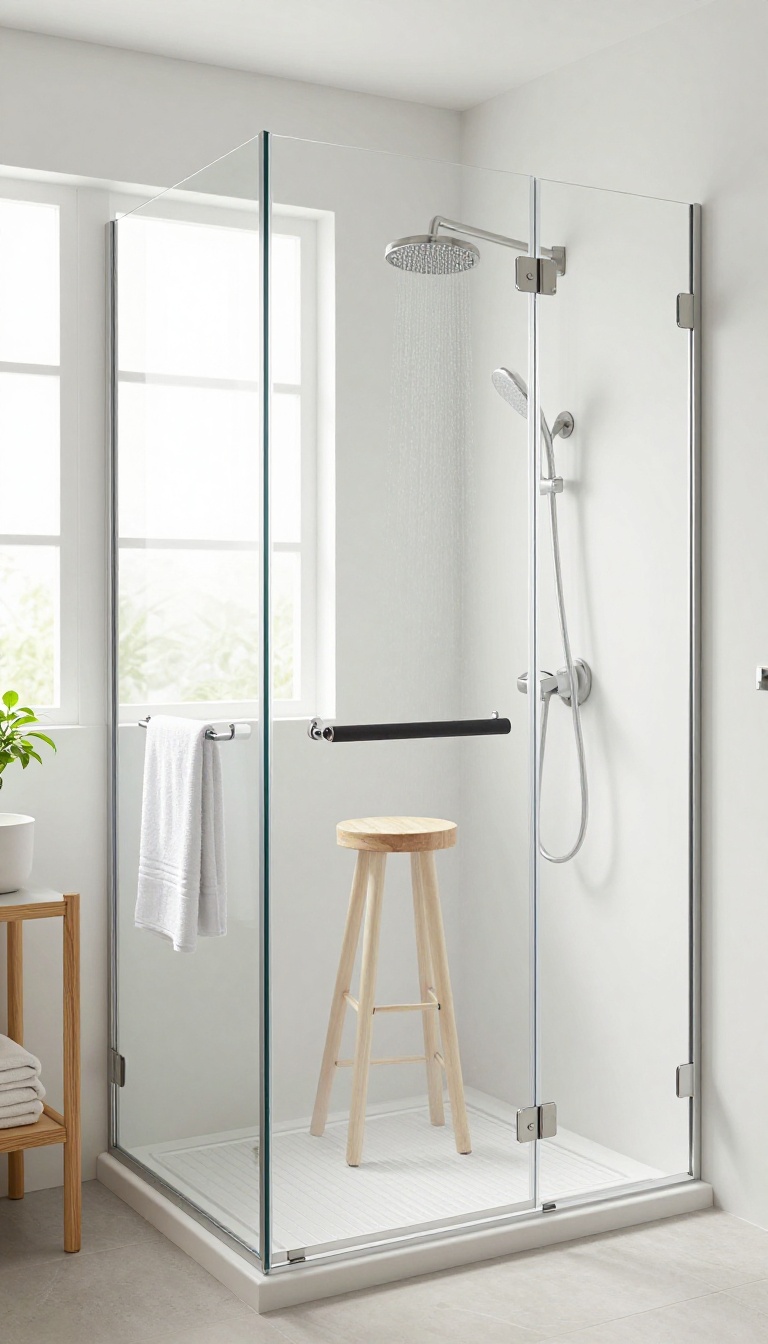
Getting in and out of a shower seat can be just as tricky as standing for the whole shower. If your balance is shaky or your legs need a little help, a stool with built-in handles takes the strain off. These seats give you something to grip while you lower yourself or push up, which makes the whole process feel a lot more secure.
A shower stool with handles is a simple upgrade that can make a big difference in confidence and safety. The handles act like grab bars that move with you, so you always have support exactly where you need it. This is especially helpful for anyone recovering from surgery, dealing with arthritis, or just feeling a bit unsteady on their feet.
Why Handles Matter
Without handles, you might find yourself bracing against the wall or the shower door, which isn't always stable. Handles give you a firm, non-slip grip that's positioned right where you need it. This reduces the risk of slipping or losing your balance, and it also takes pressure off your knees and hips when you're getting up.
What To Look For
When shopping for a stool with handles, pay attention to the grip material. Padded grips are more comfortable and less likely to slip, even with wet hands. Also, check the height and width of the handles—they should feel natural to hold without straining your shoulders.
Look for a stool with adjustable legs to get the right height for your shower floor.
Placement And Storage
These stools are often lightweight and easy to move, so you can position them wherever you need the most support. If you have a small shower, look for a model that folds flat or has a compact footprint. Some even come with a small tray or shelf between the handles, which is handy for keeping soap or a washcloth within reach.
9. Stone or Concrete Shower Seat: Durable and Modern
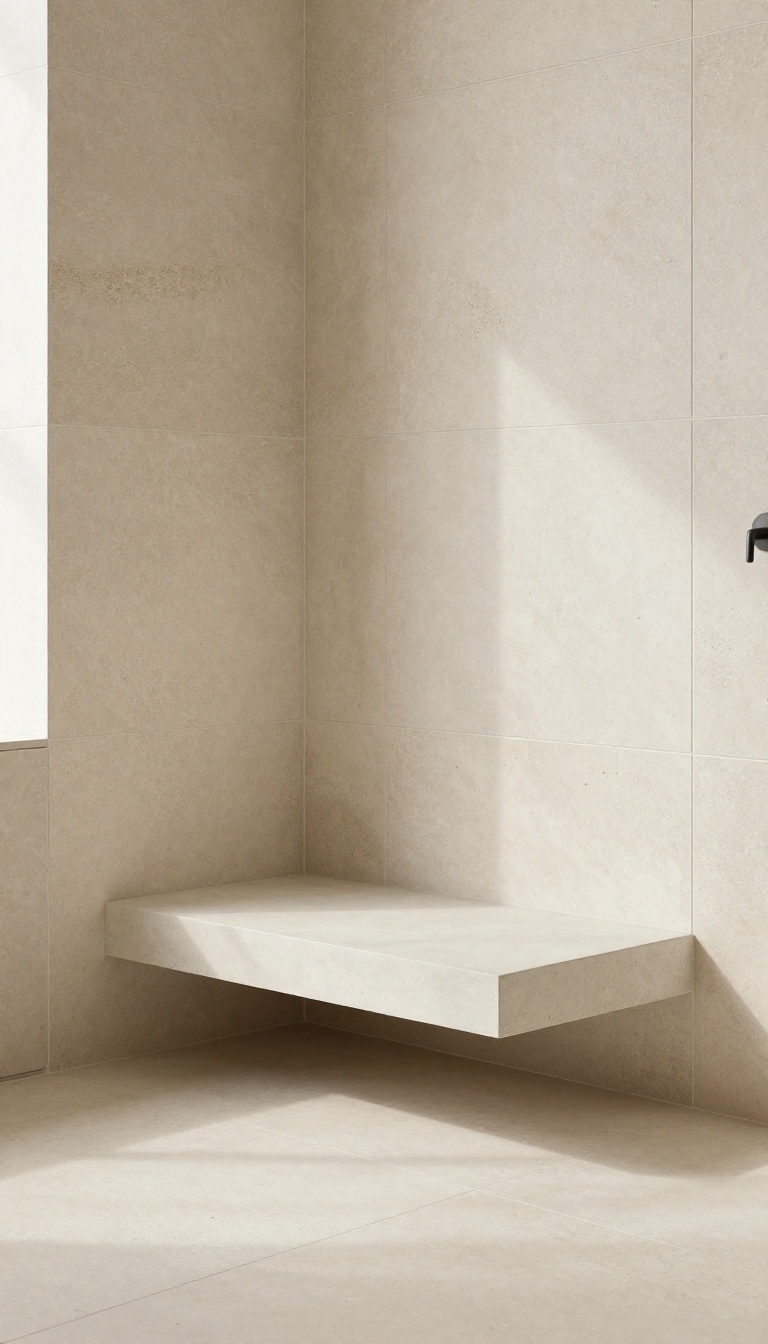
If you're planning a full bathroom renovation and want a seat that feels like it's part of the architecture, stone or concrete is a bold choice. These seats are built to last a lifetime, adding a rugged, organic texture that pairs well with natural tiles and earthy tones. They're not a weekend DIY project, though—the weight and installation require professional help, and the surface can feel chilly until the water warms it up.
Why Choose Stone Or Concrete
Stone and concrete seats offer unmatched durability. They won't warp, crack, or fade, and they can handle heavy use without showing wear. The natural texture adds a spa-like, grounded feel that's hard to replicate with other materials.
Plus, they can be custom-shaped to fit your exact shower layout, whether you want a low ledge or a full bench.
Installation And Weight Considerations
These seats are heavy—often several hundred pounds—so the floor must be reinforced to support the load. That's why professional installation is non-negotiable. The seat is usually poured or set in place during construction, so it's best planned during a remodel.
If you're not ready for that commitment, a prefab concrete bench might be a lighter alternative, but it still needs careful handling.
Maintenance And Comfort Tips
Stone and concrete are porous, so they need sealing to prevent water damage and staining. A good sealer will also make cleaning easier—just wipe with mild soap and water. To combat the cold surface, add a teak or cedar mat on top, or install a heated floor nearby.
These seats are a long-term investment, but with proper care, they'll stay beautiful for decades.
10. Shower Bench with Backrest: Comfort for Longer Soaks
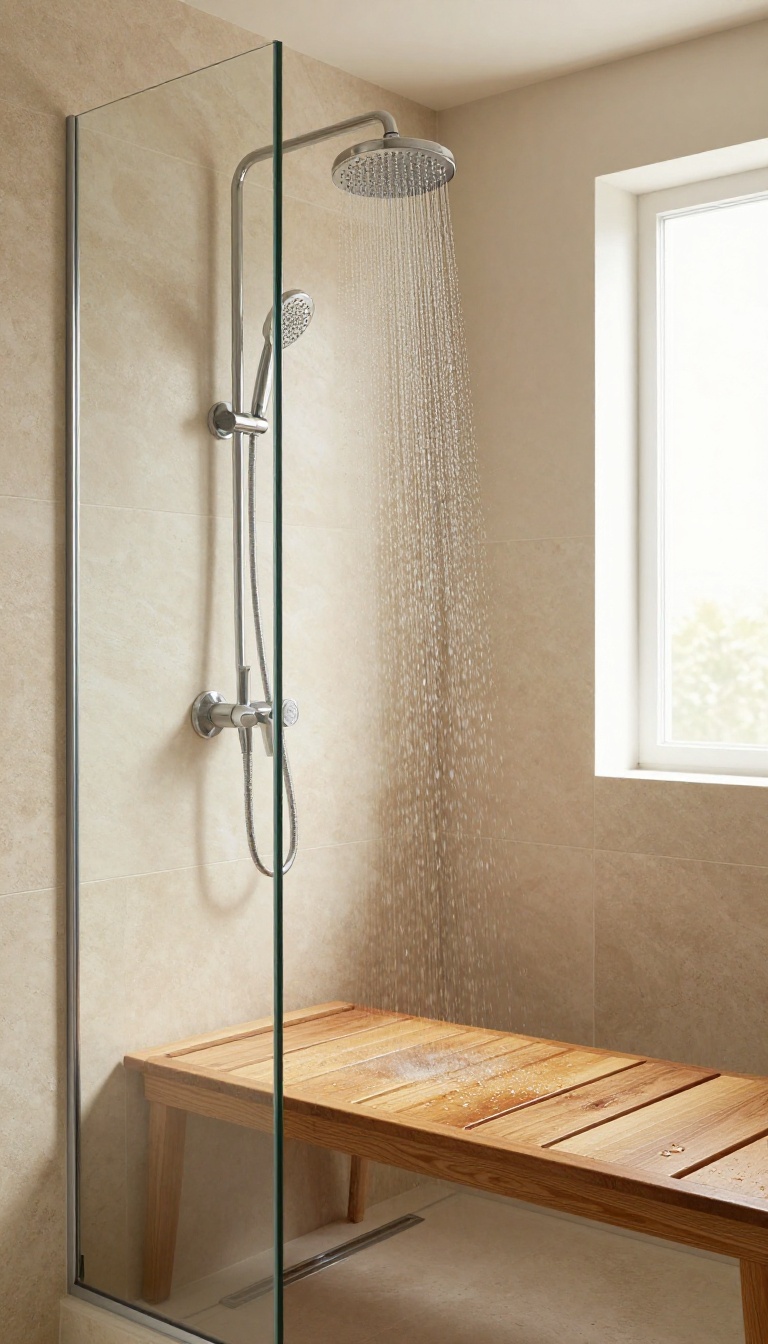
Sitting in the shower can be a real treat, but without support, your back starts to complain after a few minutes. A bench with a backrest changes that, letting you lean back and truly relax. It’s a simple upgrade that turns your shower into a mini-retreat.
Why A Backrest Makes A Difference
Leaning against a cold tile wall isn’t comfortable, and it’s not great for your posture either. A backrest gives your spine something to rest against, reducing strain on your lower back. Plus, it helps you feel more secure, especially if you’re unsteady on your feet.
You can sit upright without slouching, which makes breathing easier and the whole experience more enjoyable.
Choosing The Right Material
Teak is a popular choice because it’s naturally water-resistant and looks warm and spa-like. Plastic or resin benches are lightweight and easy to clean, with some featuring a slatted design that lets water drain through. If you prefer a more modern look, aluminum with a rust-resistant finish is sturdy and slim.
Just make sure the material is non-slip and comfortable to sit on when wet.
Features To Look For
Look for a bench with a slatted seat to allow water to flow through and prevent puddling. Adjustable feet are handy for uneven floors, and a fold-down option is great if you want to save space when not in use. Some models come with a built-in handle or armrests for extra support, which is a bonus if you need a little help getting up.
Always check the weight capacity to ensure it meets your needs.
11. Compact Shower Stool: Perfect for Tiny Bathrooms
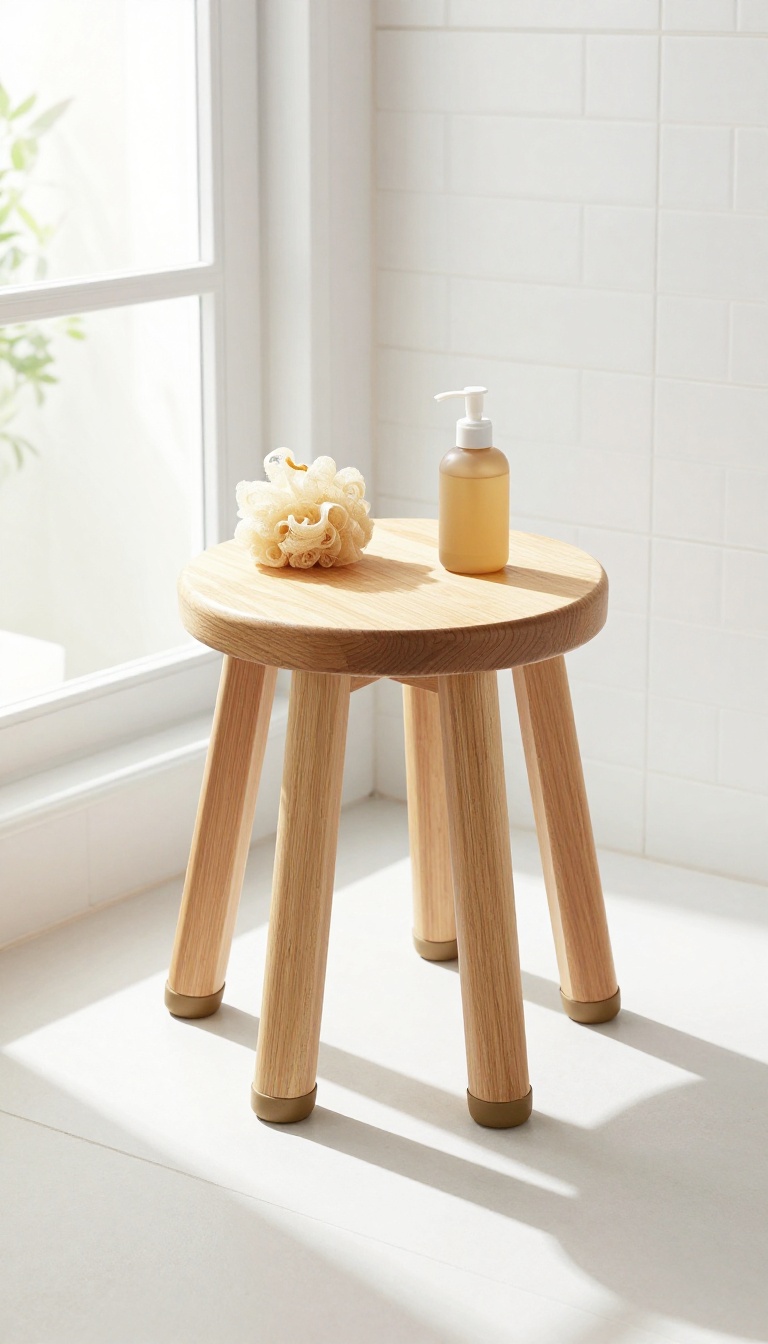
When square footage is tight, every inch counts. A compact shower stool slips into corners and narrow alcoves without hogging the floor. It's a no-nonsense pick that keeps your shower functional without turning it into an obstacle course.
A round, low-profile stool is the workhorse of small bathrooms. It fits where a bench won't, and you can easily move it out of the way when you need extra room. Look for one with a non-slip top and rubber feet so it stays put on wet tile.
Why Size Matters
In a tight shower, a bulky seat can make the space feel even smaller. A compact stool gives you a place to sit without blocking your movement. It's also lighter to lift and store, which is a bonus if you need to clear the floor for cleaning or for someone who needs more space.
Materials That Work
Teak is a classic choice because it resists water and looks warm. Plastic or resin stools are easier to clean and often cheaper. Whatever you pick, make sure the surface has some texture so you don't slide around when it's wet.
Safety First
Even a small stool should have safety features. Rubber feet prevent slipping on slick shower floors. A non-slip top keeps you stable while sitting.
Some models have a slight curve or cutout that makes it easier to stand up, which is a nice touch for anyone with balance concerns.
12. Shower Seat with Adjustable Height: Custom Fit for Every User
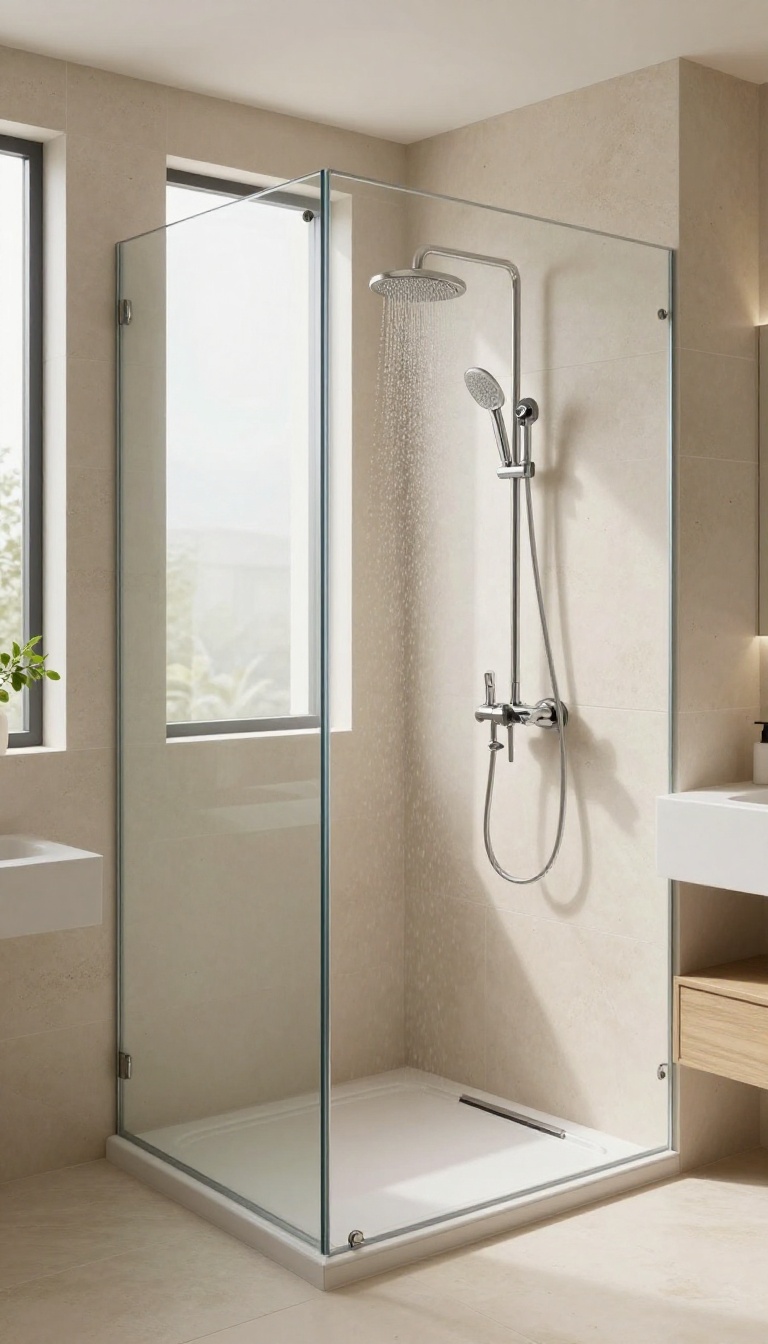
For households where shower users range from kids to grandparents, a fixed-height seat can be a compromise that leaves someone uncomfortable. An adjustable-height seat solves that by letting each user set the seat exactly where they need it. It's a practical upgrade that makes the shower more inclusive and safer for everyone.
Adjustable-height seats are a smart pick for homes with multiple users of different heights or for anyone who needs a specific seat height for easy transfers. Many models use a gas-lift mechanism that lets you change the height with a simple lever, while others have multiple leg settings that you can adjust with a tool. This feature adds convenience and safety, especially for those with mobility issues who need the seat at the right height to stand up or sit down without strain.
Why Height Matters In The Shower
The right seat height can make a huge difference in how safely you can use the shower. If the seat is too low, you might struggle to stand up. Too high, and your feet might not rest flat on the floor, making you feel unstable.
An adjustable seat lets you dial in the perfect height for your legs and balance, which is especially important for older adults or anyone recovering from surgery.
Gas-lift Vs. Manual Adjust
Gas-lift seats are the easiest to adjust—just pull a lever and the seat rises or lowers smoothly. These are great for people who change positions often or have limited hand strength. Manual adjust seats, on the other hand, use push-pins or wingnuts and are usually more budget-friendly.
They take a bit more effort to change, but they're reliable and don't rely on moving parts that could wear out.
What To Look For
When shopping for an adjustable-height seat, check the weight capacity and the range of height settings. Look for a seat with a wide, non-slip surface and sturdy legs with rubber feet to prevent sliding. Also, consider how easy the adjustment mechanism is to use—if you have arthritis, a gas-lift might be worth the extra cost.
Finally, make sure the seat fits your shower floor or tub ledge without wobbling.
13. DIY Shower Seat: Build Your Own for a Custom Fit
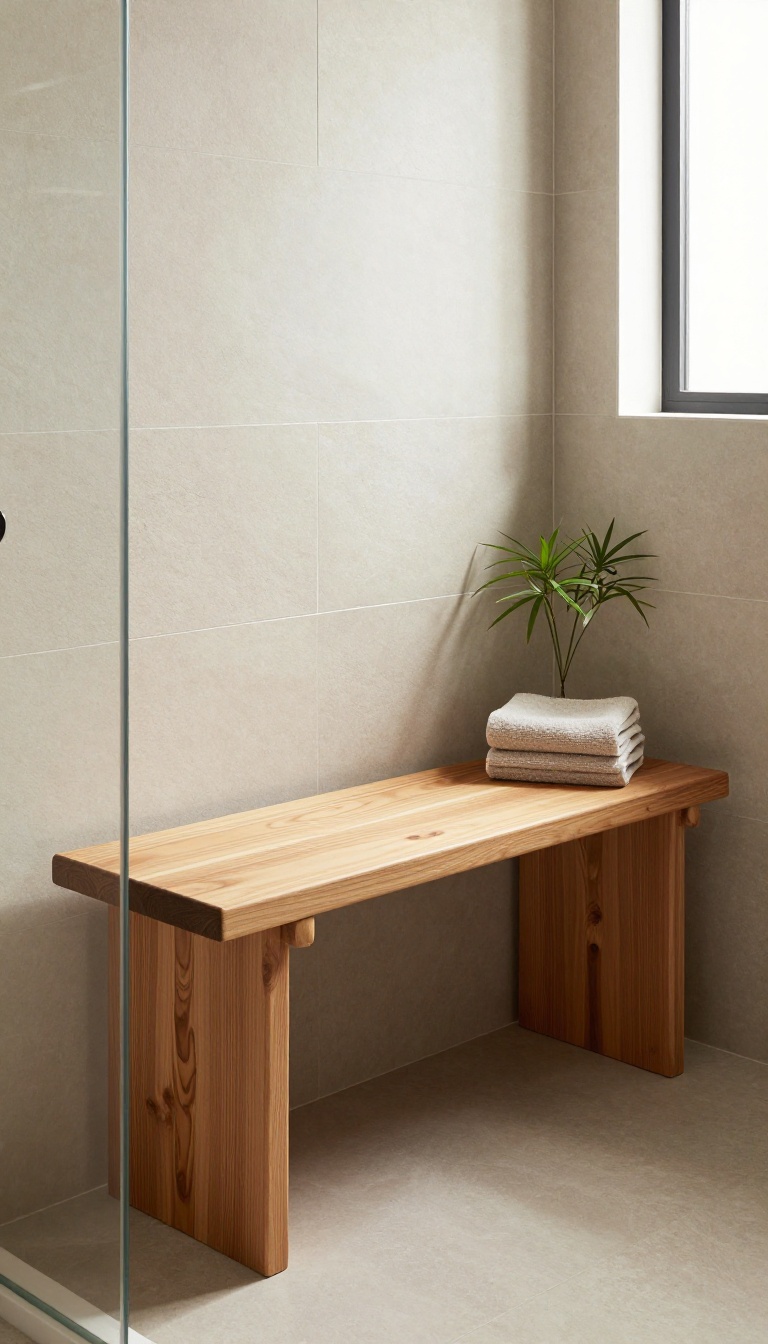
For the handy homeowner, building your own shower seat is a rewarding project that lets you tailor the size, style, and finish to your exact space. It's also a great way to save money, especially if you already have the tools and basic woodworking skills. But before you dive in, make sure you're prepared for the commitment—this isn't a weekend project for everyone.
A DIY shower seat can be as simple or as elaborate as you want. You might build a basic bench that fits snugly into a corner, or a more intricate design with built-in storage. The key is to use materials that can handle constant moisture and to seal everything properly to prevent rot and mold.
If you're not confident in your ability to build something sturdy and safe, it's better to buy a pre-made seat. But if you're up for the challenge, the result can be a one-of-a-kind addition to your bathroom.
Choosing The Right Materials
The most popular choices for DIY shower seats are teak, cedar, and marine-grade plywood. Teak is naturally water-resistant and looks beautiful, but it's pricey. Cedar is more affordable and also resists moisture, but it's softer and may dent more easily.
Marine-grade plywood is a budget-friendly option that's designed to withstand wet environments, but it needs a good sealant. Whatever you choose, avoid pressure-treated lumber, as the chemicals can leach out and be harmful in a shower.
Design And Measurements
Before you start cutting, plan your design carefully. Measure the space where the seat will go, considering the height that's comfortable for the users. A typical shower seat is about 17 to 19 inches high, but you might want it lower or higher depending on your needs.
Think about the width and depth too—you want enough room to sit comfortably without taking up too much floor space. Sketch out your design, and consider adding a slight slope to the top so water runs off easily.
Build And Finish
When you're ready to build, cut your pieces to size and assemble them with stainless steel screws or waterproof adhesive. Make sure the frame is solid and can support at least 250 pounds. After assembly, sand everything smooth to avoid splinters.
Then apply several coats of a waterproof sealant, like marine varnish or a water-resistant deck stain. Let it dry completely before installing. If you're mounting the seat to the wall, use heavy-duty brackets and make sure they're anchored into studs.
FAQ
What is the best material for a shower seat?
The best material depends on your needs. Teak and bamboo are naturally water-resistant and look great, while plastic and aluminum are lightweight and rust-proof. Stone and concrete are durable but heavy and cold.
How much weight can a shower seat hold?
Most shower seats are rated to hold at least 250 pounds, but some heavy-duty models can support up to 400 pounds or more. Always check the manufacturer's weight capacity before purchasing.
Can I install a shower seat myself?
Some portable or freestanding seats require no installation, but wall-mounted or corner seats need proper mounting into wall studs. If you're not comfortable with DIY, it's best to hire a professional to ensure safety.
How do I clean and maintain a shower seat?
Wipe down the seat after each use to prevent soap scum and mildew. For wood seats, use a mild cleaner and reapply a water-resistant sealant periodically. Plastic and metal seats can be cleaned with a non-abrasive spray.
Are shower seats only for elderly or disabled people?
No, shower seats are for anyone who wants extra comfort or safety. They're useful for pregnant women, people with injuries, or simply those who enjoy sitting in the shower. They can also serve as a handy shelf.
Conclusion
Choosing the right shower seat really comes down to your space, your routine, and how much you want to spend. Start with one or two ideas that feel doable—maybe a simple teak bench or a fold-down model—and build from there. Small upgrades like anti-slip feet or a handheld showerhead can make a huge difference in comfort and safety.
Take your time, measure your shower, and pick something that fits your daily life without overcomplicating it. A well-chosen seat turns an ordinary shower into a more relaxed, worry-free part of your day.