15 Shower Only Bathroom Ideas for a Streamlined Modern Plan
A shower-only bathroom is a bold move toward simplicity and efficiency. It frees up square footage, reduces cleaning time, and opens the door to sleek, modern designs that feel more spacious.
Whether you're renovating a small guest bath or reimagining your primary suite, ditching the tub can transform the entire room. The payoff is immediate: more room for a generous shower, better flow, and a cleaner look.
But making it work requires thoughtful planning—from layout and materials to lighting and storage. These 15 ideas will guide you through every decision, helping you craft a bathroom that feels both streamlined and indulgent.
1. Walk-In Shower with a Linear Drain
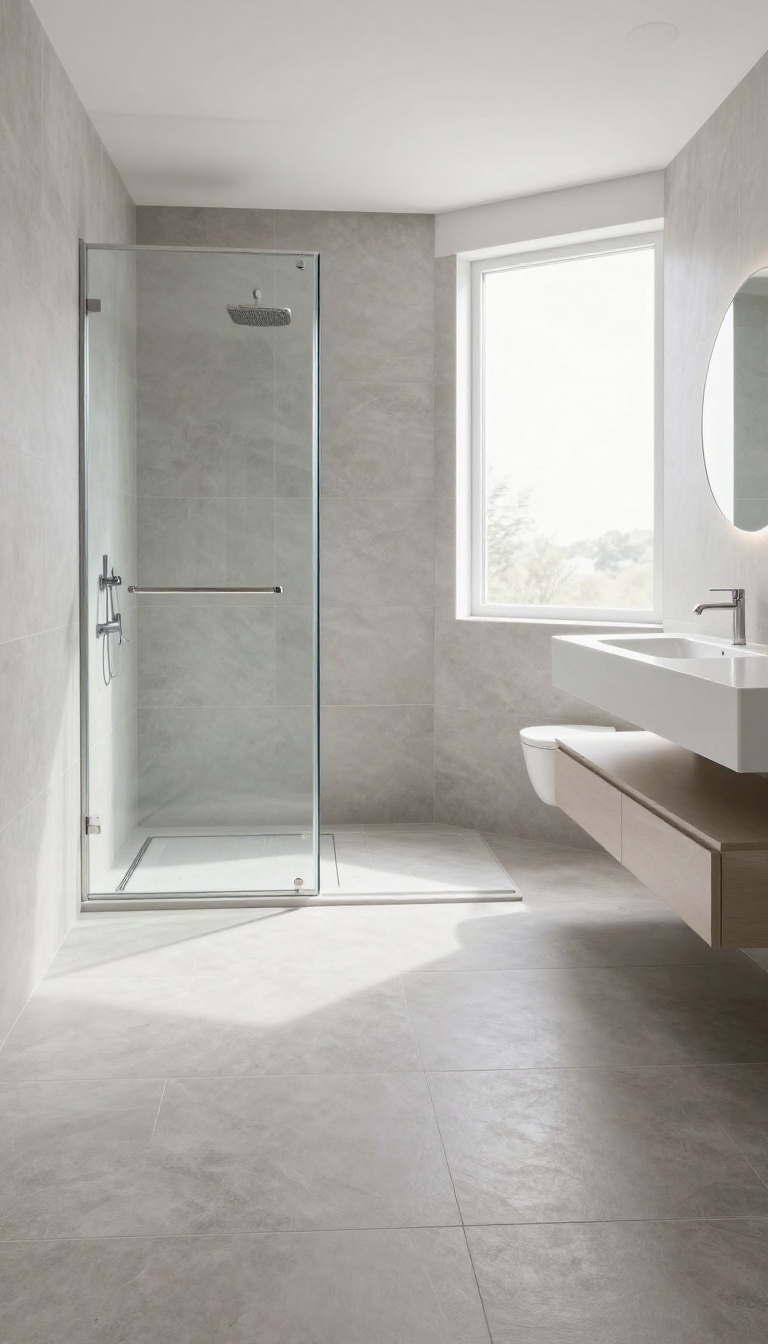
A curbless walk-in shower with a linear drain is the hallmark of modern bathroom design. It eliminates the traditional shower curb, creating a seamless transition from the rest of the floor. This not only looks sleek but also makes the space feel larger and more open.
The linear drain is the key to making this work. Unlike a standard center drain, a linear drain sits flush with the floor, allowing the shower floor to be perfectly level with the bathroom floor. This creates a barrier-free entry that's not only stylish but also practical.
You'll never trip over a curb again, and cleaning is a breeze since there's no lip to catch dirt or grime.
Why It Feels More Spacious
Removing the curb visually expands the room. The continuous flooring from wall to wall tricks the eye into seeing more square footage. Plus, without a shower door or curtain, the line of sight is unobstructed, making even a small bathroom feel airy and open.
Accessibility And Safety
A curbless design is perfect for aging in place or for anyone with mobility concerns. There's no step to navigate, reducing the risk of slips and falls. You can easily roll in a shower chair if needed, and the linear drain can be positioned to keep water away from the entrance, so the floor stays dry.
Styling And Materials
To enhance the seamless look, use large-format tiles or continuous slabs for both the shower floor and the main bathroom floor. This creates a uniform surface that's visually uninterrupted. Choose a linear drain with a sleek, minimal cover that blends with the tile color, or make it a design feature with a contrasting metal.
2. Floor-to-Ceiling Tile for a Seamless Look
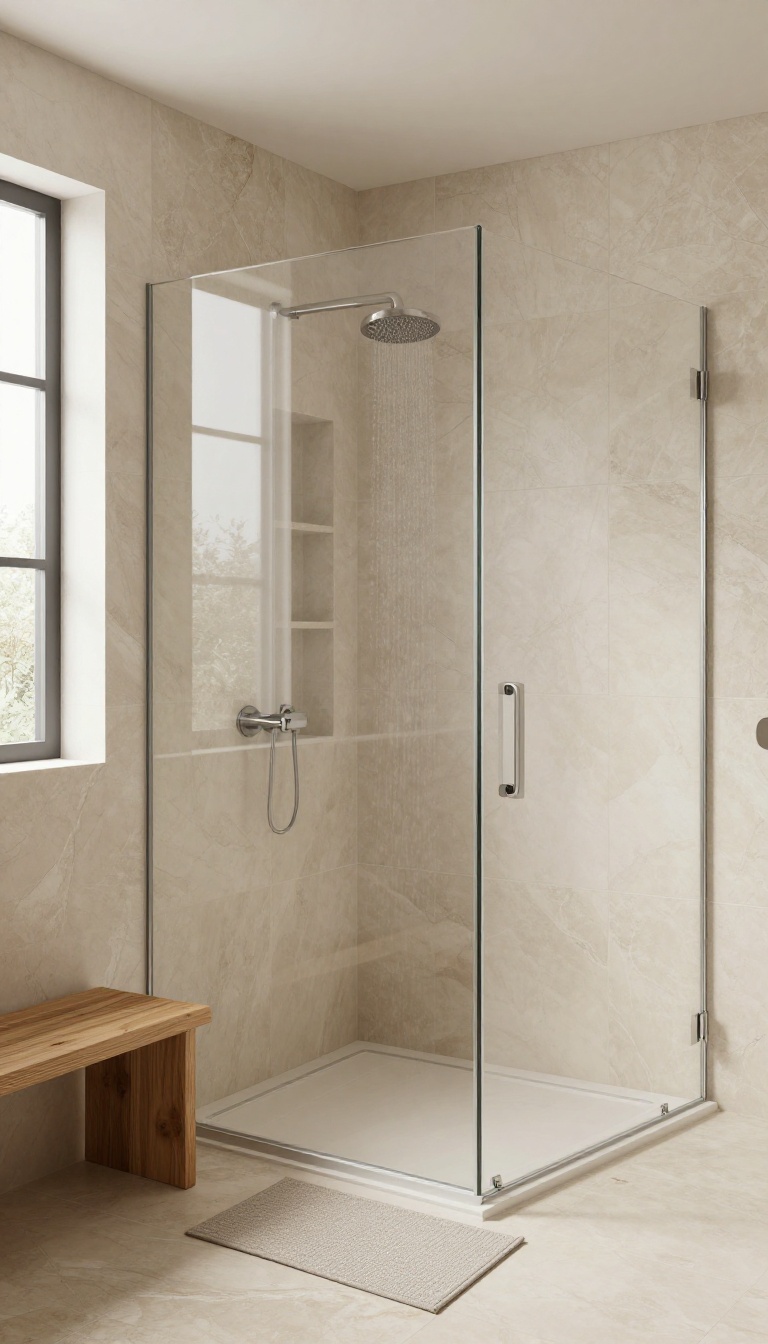
Tiling from floor to ceiling is one of those tricks that instantly makes a bathroom feel taller and more put-together. When the same tile runs continuously, your eye glides over the walls without stopping, which visually expands the space. It also cuts down on the visual clutter that comes from mixing materials.
This approach works especially well in shower-only bathrooms because there’s no tub to break up the vertical line. The result is a clean, monolithic surface that feels almost spa-like. Plus, you’ll have fewer transitions to worry about, which simplifies cleaning and maintenance.
Why Large-format Tiles Win
Large-format tiles, like 12×24 or 24×48 inches, have fewer grout lines. Fewer lines mean less scrubbing and a more continuous look. They also help small bathrooms feel bigger because there’s less visual noise.
Just make sure your walls are flat enough to handle big tiles—otherwise, you might notice lippage.
Choosing The Right Tile Material
Porcelain and ceramic are the go-to choices for shower walls because they’re waterproof and easy to care for. Natural stone looks stunning but needs more sealing and upkeep. If you want the stone look without the hassle, there are porcelain tiles that mimic marble or travertine beautifully.
Grout Color And Layout Tips
Pick a grout color that matches the tile for a truly seamless effect. If you want a subtle contrast, go just a shade darker or lighter. For layout, a straight stack or offset pattern works best with large tiles.
Avoid busy patterns that break the calm, streamlined vibe.
3. Glass Panel Instead of a Door
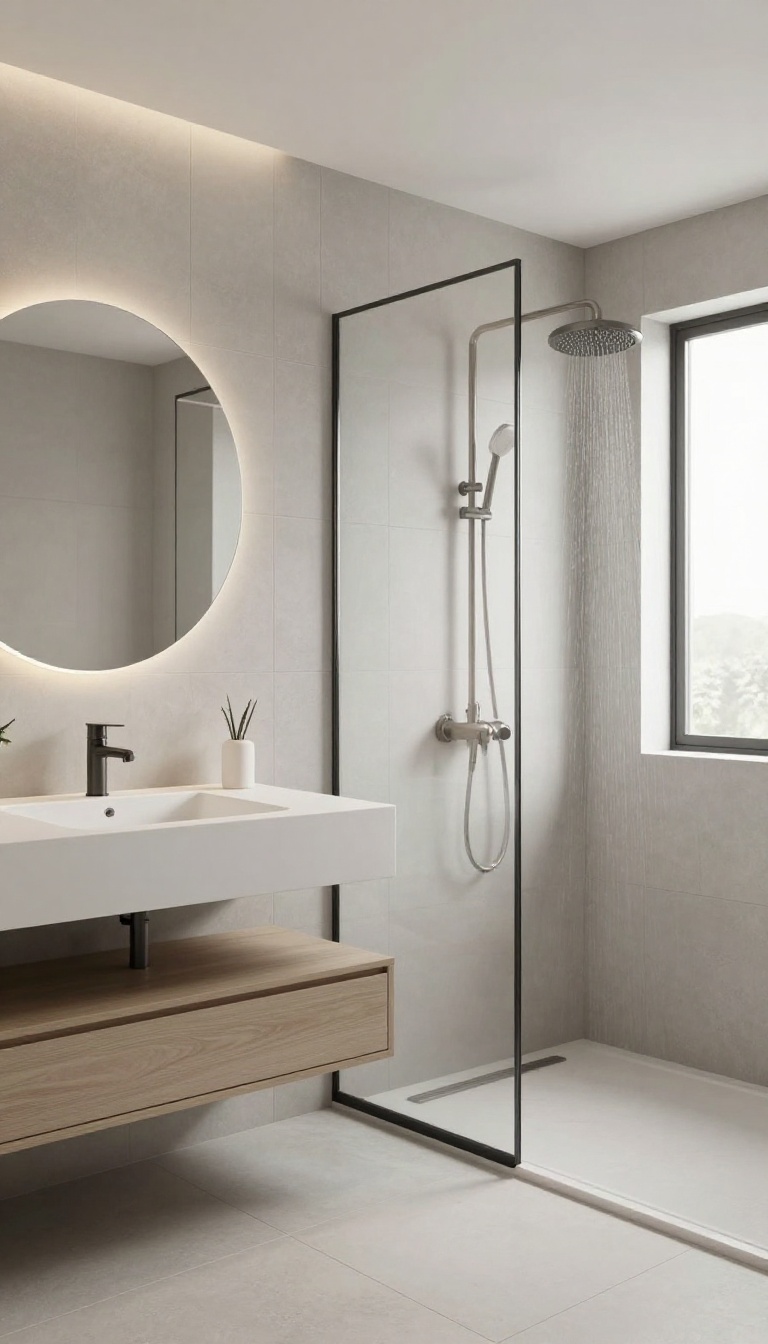
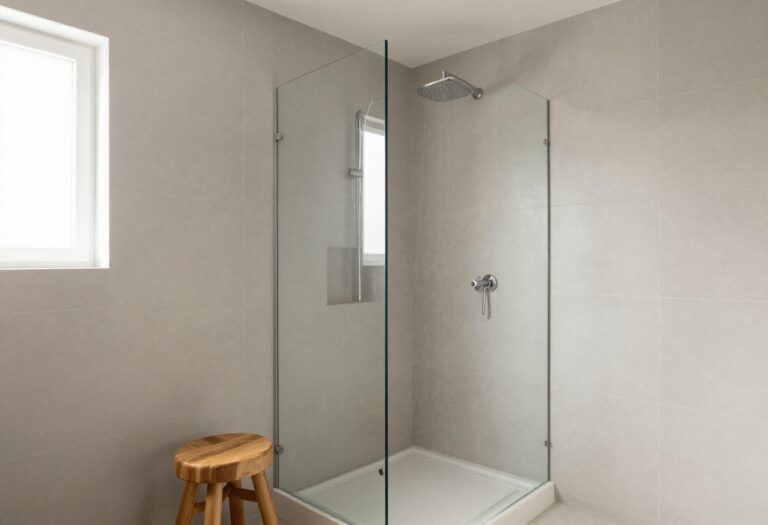
A swinging shower door can eat up valuable floor space and break the clean lines of a modern bathroom. Swapping it for a fixed glass panel gives you a sleek, minimal barrier that keeps water in without the bulk. It's a smart choice for smaller bathrooms where every inch counts.
Why A Fixed Panel Works
A fixed panel is mounted to the wall or floor and doesn't move, so you don't need to worry about hinges or tracks. It creates a seamless look that feels more open than a door. Plus, you can step around it easily, and it's easier to clean—no tracks to scrub.
Sizing And Placement Tips
For the panel to do its job, it needs to be wide enough to block splashes. A good rule of thumb is to make it about half the width of the shower opening. Position it so it overlaps the showerhead side, and leave enough gap for comfortable entry and exit.
Glass Options And Finishes
Clear glass keeps the space feeling open, while frosted or textured glass adds privacy. You can also go with a black-framed or frameless design to match your bathroom's style. Tempered glass is a must for safety, and a water-repellent coating will cut down on water spots.
4. Built-In Niche for Shower Essentials
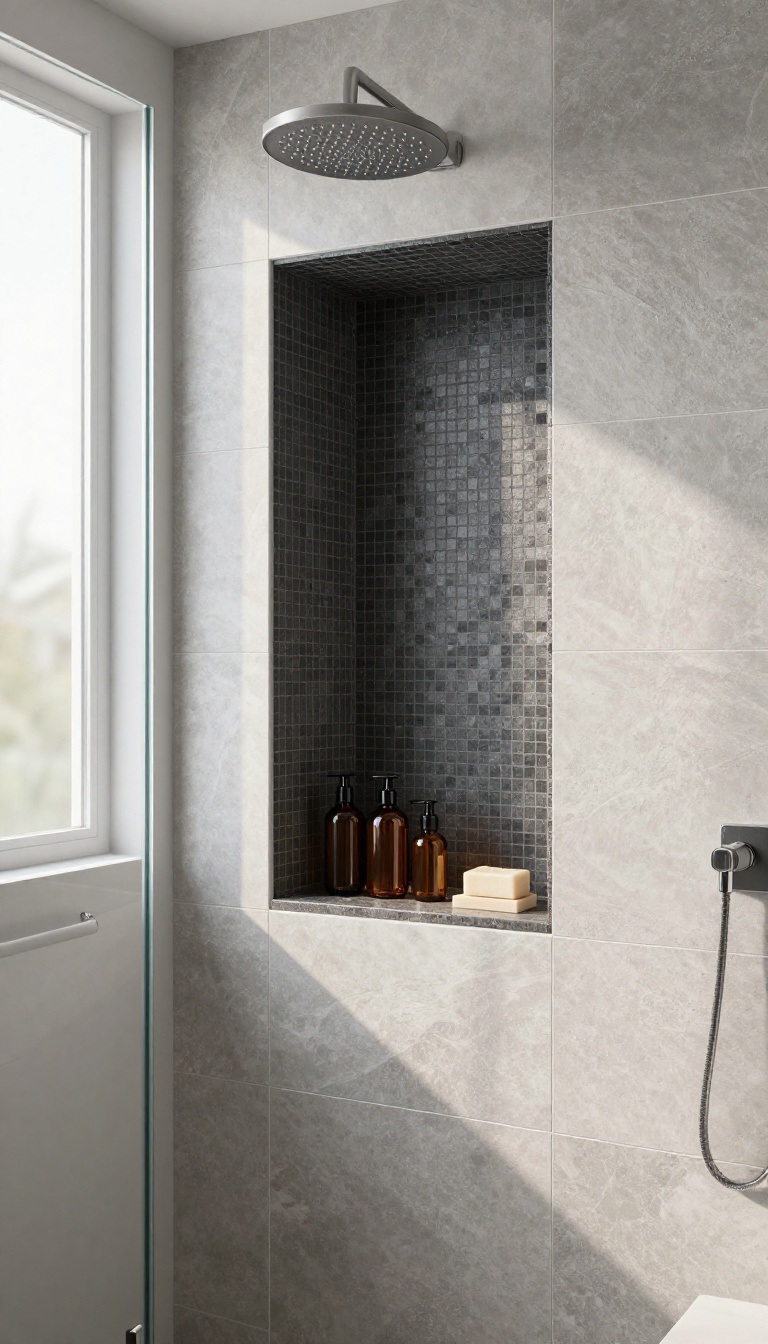
A recessed niche is the unsung hero of a streamlined shower. It keeps bottles and bars off the floor and out of the way, so you never have to juggle products mid-rinse. Plus, it’s a chance to add a subtle design accent without taking up any extra space.
When you’re designing a shower-only bathroom, every inch counts. A niche built into the wall gives you a permanent, clutter-free home for shampoo, conditioner, and soap. It’s a simple upgrade that makes daily showers feel more organized and less cramped.
Size And Placement That Work
Aim for a niche that’s about 12 to 16 inches square, with enough depth to hold standard bottles without them sticking out. Place it at shoulder height or slightly below, ideally on a wall that’s not directly hit by the shower spray. That way, products stay dry and you won’t have to bend or stretch.
Make It A Design Feature
Instead of blending the niche into the wall, use contrasting tile to make it pop. A darker or patterned tile inside the niche adds depth and draws the eye, turning a practical element into a focal point. You can also frame it with a metal edge for a crisp, modern finish.
Built-in Vs. Aftermarket Options
If you’re renovating, a built-in niche is the way to go—it’s seamless and custom. But if you’re not ready for a full reno, consider a prefab niche or a corner caddy that mimics the look. Just make sure it’s rust-proof and easy to clean, since it’ll be in constant contact with water.
5. Bench Seating for Comfort and Safety
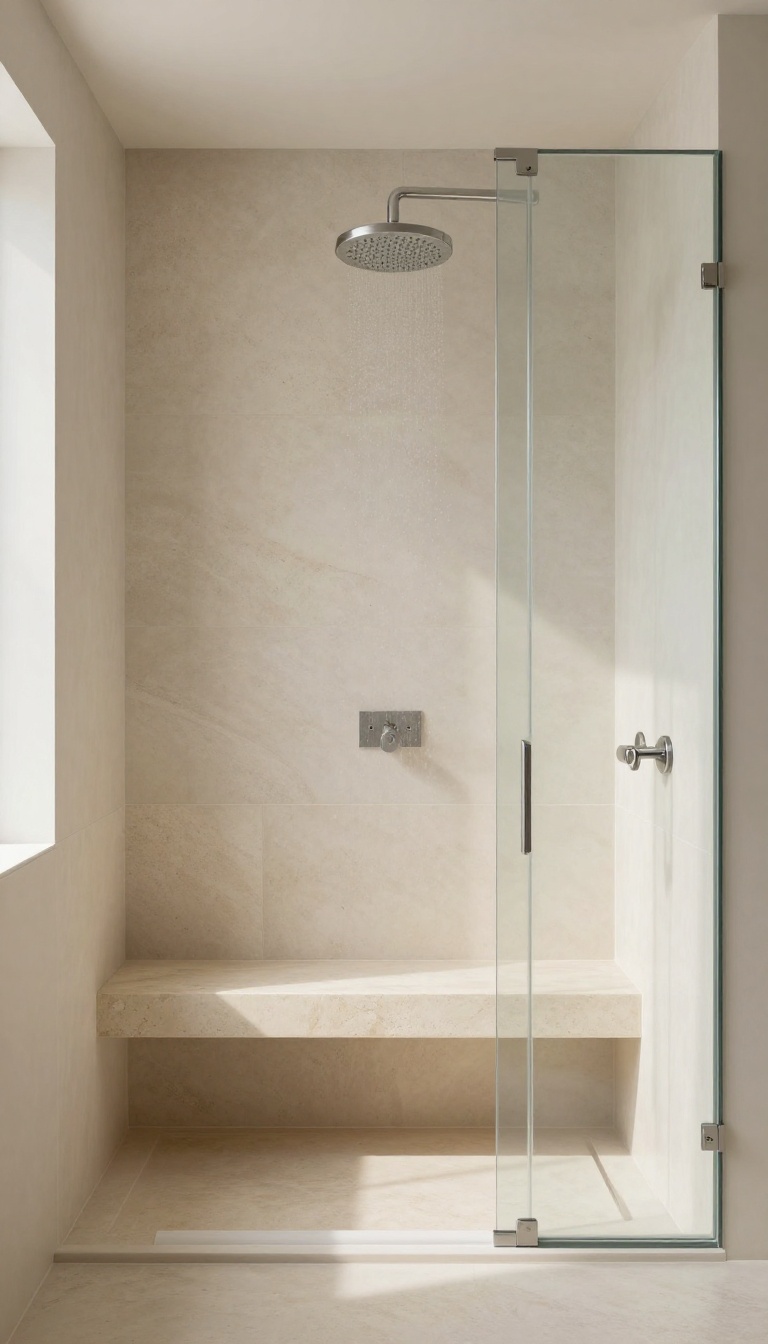
Adding a bench to your shower might seem like a luxury, but it's also a practical safety feature. It gives you a stable place to sit while shaving your legs, a spot to rest during a long, hot shower, or a secure seat for elderly family members or anyone with mobility issues. A bench can be a simple addition that makes your daily routine more comfortable and your bathroom more accessible.
A bench is one of those features that you don't realize you need until you have it. It turns a quick rinse into a more relaxed experience, and it can be a lifesaver for anyone who finds standing for long periods difficult. Plus, it adds a touch of spa-like luxury to your shower-only bathroom.
The key is choosing the right style and placement so it feels like a natural part of the design, not an afterthought.
Built-in Vs. Foldable: Which Fits Your Space?
Built-in benches are a permanent part of the shower, usually made of tile, stone, or concrete. They look seamless and can be designed to match your shower walls perfectly. They're great if you have the space and want a custom, high-end feel.
On the other hand, foldable benches are perfect for smaller bathrooms. They mount to the wall and fold up when not in use, freeing up floor space. They're also a smart choice if you're renting or want to adjust the layout later.
Placement And Materials That Work
Where you put the bench matters. A common spot is along the back wall, opposite the showerhead, so you can sit and face the water. Or, place it near the controls for easy access.
For materials, choose something that's waterproof, slip-resistant, and easy to clean. Teak wood is a popular choice for its natural warmth and resistance to moisture. Stone or tile benches are durable and can be integrated into the shower floor.
Avoid materials that get slippery when wet, like polished marble.
Safety First: Adding Grab Bars
A bench is only part of the safety equation. Pair it with grab bars to make the shower truly accessible. Install a vertical bar near the bench to help with sitting and standing, and a horizontal bar on the wall for support while showering.
Choose bars that match your fixtures and finish for a cohesive look. These additions are especially important if you're designing for aging in place or for family members with limited mobility.
6. Rainfall Showerhead for a Spa Feel
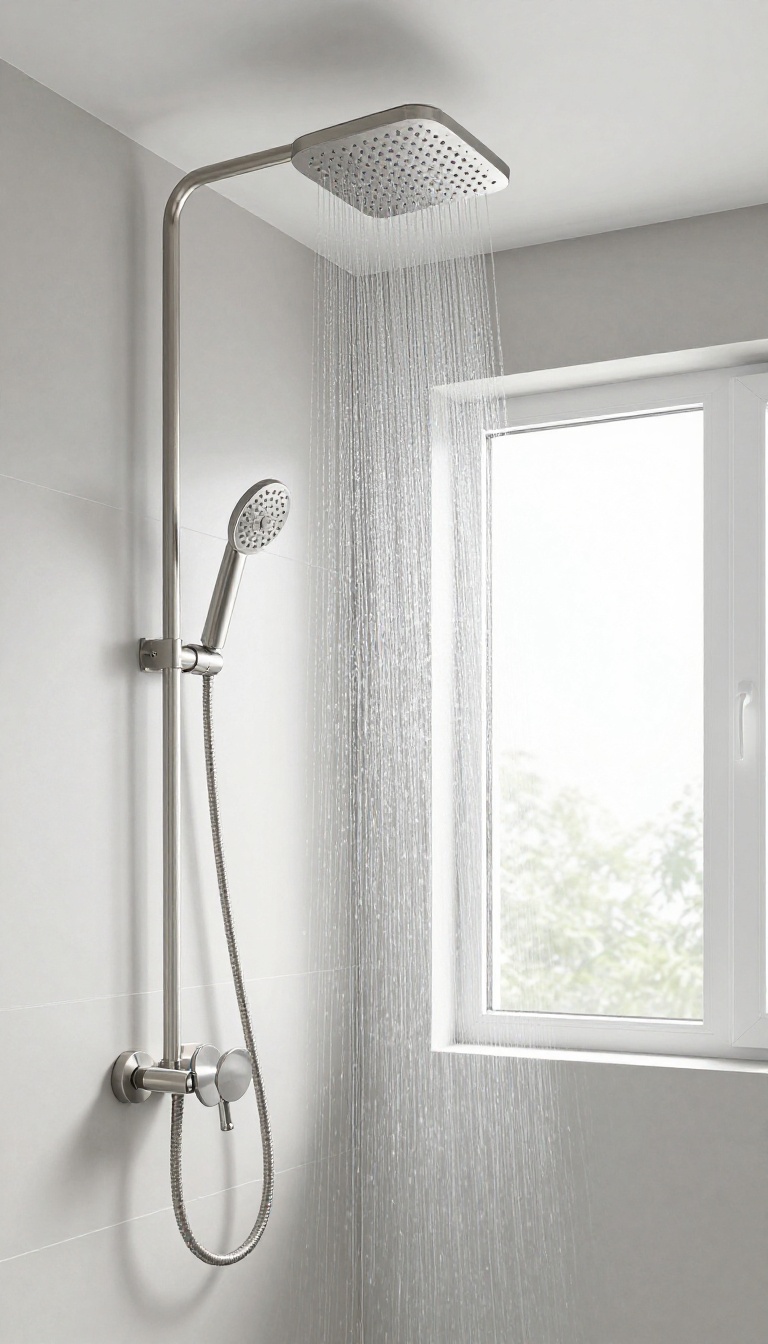
A ceiling-mounted rainfall showerhead turns an everyday rinse into a moment of calm. The wide, gentle spray mimics natural rain, and the overhead placement means you step into the water from any angle. Pair it with a handheld wand for rinsing off soap or cleaning the shower walls, and you've got a setup that feels indulgent but works hard.
Rainfall showerheads are a favorite in modern bathrooms because they look sleek and deliver a luxurious experience. The key is to choose the right size and finish to match your space. A 10-inch or 12-inch head gives good coverage without overwhelming a smaller shower.
For a seamless look, pick a finish that matches your fixtures—brushed nickel, matte black, or chrome all work well.
Why Ceiling-mounted Works Best
Mounting the showerhead on the ceiling creates a clean, uncluttered look. It also allows for a more natural water flow that feels like standing in warm rain. If you have a low ceiling, check the minimum height requirement—most rainfall heads need at least 84 inches of clearance.
For vaulted ceilings, you can angle the head slightly for a more direct spray.
Pairing With A Handheld Wand
A handheld wand adds practicality without breaking the spa vibe. Use it for rinsing hard-to-reach spots, washing pets, or cleaning the shower floor. Choose a diverter valve that lets you switch between the rainfall head and the wand easily.
Some models even allow both to run at once, which is great for a two-person shower.
Water Pressure And Flow Rate
Rainfall heads are known for a softer stream, but you still need decent water pressure. Check your home's flow rate—most rainfall heads require at least 2. 5 gallons per minute.
If your pressure is low, consider a model with built-in pressure compensation or a larger head that distributes water more evenly. You might also need to upgrade your water heater to handle the extra demand.
7. Double Showerheads for Two
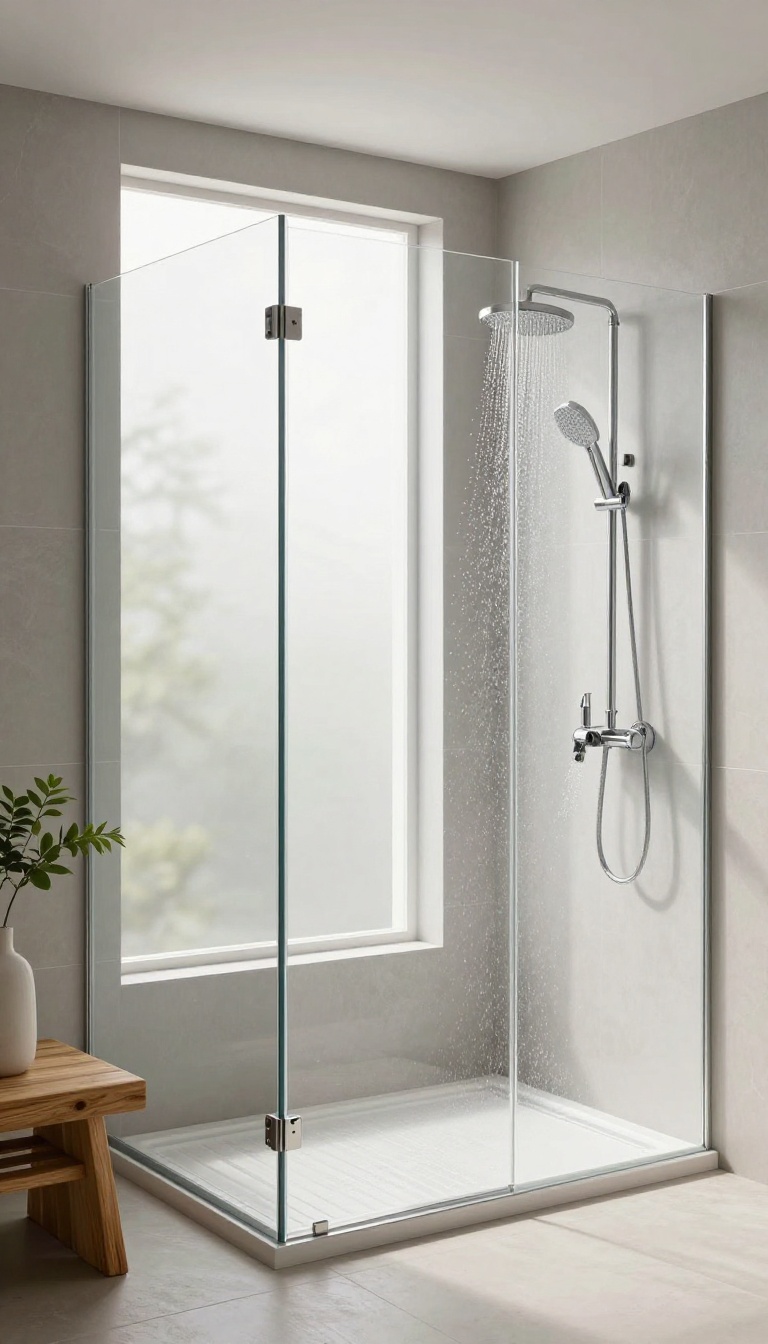
Showering together sounds romantic until someone’s freezing under a trickle of water. Double showerheads solve that by giving each person their own spray, so no one has to wait or compromise. It’s a simple upgrade that turns a daily routine into a shared experience, and it’s especially popular in primary bathrooms designed for couples.
Installing two showerheads isn’t just about doubling the water flow—it’s about creating separate zones within the same shower. You can place them on opposite walls, or side by side, depending on your space and preference. This setup works best in a shower that’s at least 60 inches wide, giving both people enough elbow room to move without bumping into each other or the walls.
Placement That Works
Think about how you’ll actually use the shower. Side-by-side heads on the same wall let you face each other while talking, but they can feel a bit close. Opposite walls give each person their own corner, which is great for privacy and avoiding splash fights.
If you have a long, narrow shower, placing them on opposite ends creates a natural division. For a square shower, side-by-side or diagonal placement might feel more balanced. Always consider the plumbing—running lines to opposite walls can be more expensive, so weigh the cost against your dream layout.
Mix The Spray Styles
You don’t have to use the same showerhead on both sides. One person might love a rainfall shower, while the other prefers a handheld for targeted rinsing. Combining a fixed rain head with a handheld on a slide bar gives you flexibility and makes cleaning the shower easier too.
Or, go with two identical fixed heads for a symmetrical, spa-like look. The key is to choose heads that complement each other without overwhelming the space. If you’re worried about water pressure, look for low-flow models that still deliver a satisfying spray.
Control And Efficiency
With two showerheads, you need to think about controls. Separate valves let each person adjust temperature and flow independently, which is ideal if you prefer different heat levels. A single diverter valve can switch between heads, but that defeats the purpose of simultaneous use.
For a sleek look, consider thermostatic valves that maintain a constant temperature, preventing sudden cold blasts when someone flushes a toilet. Also, keep in mind that running two heads at once uses more water, so installing efficient showerheads and a recirculating pump can help you save on your water bill without sacrificing comfort.
8. Matte Black Fixtures for a Bold Contrast
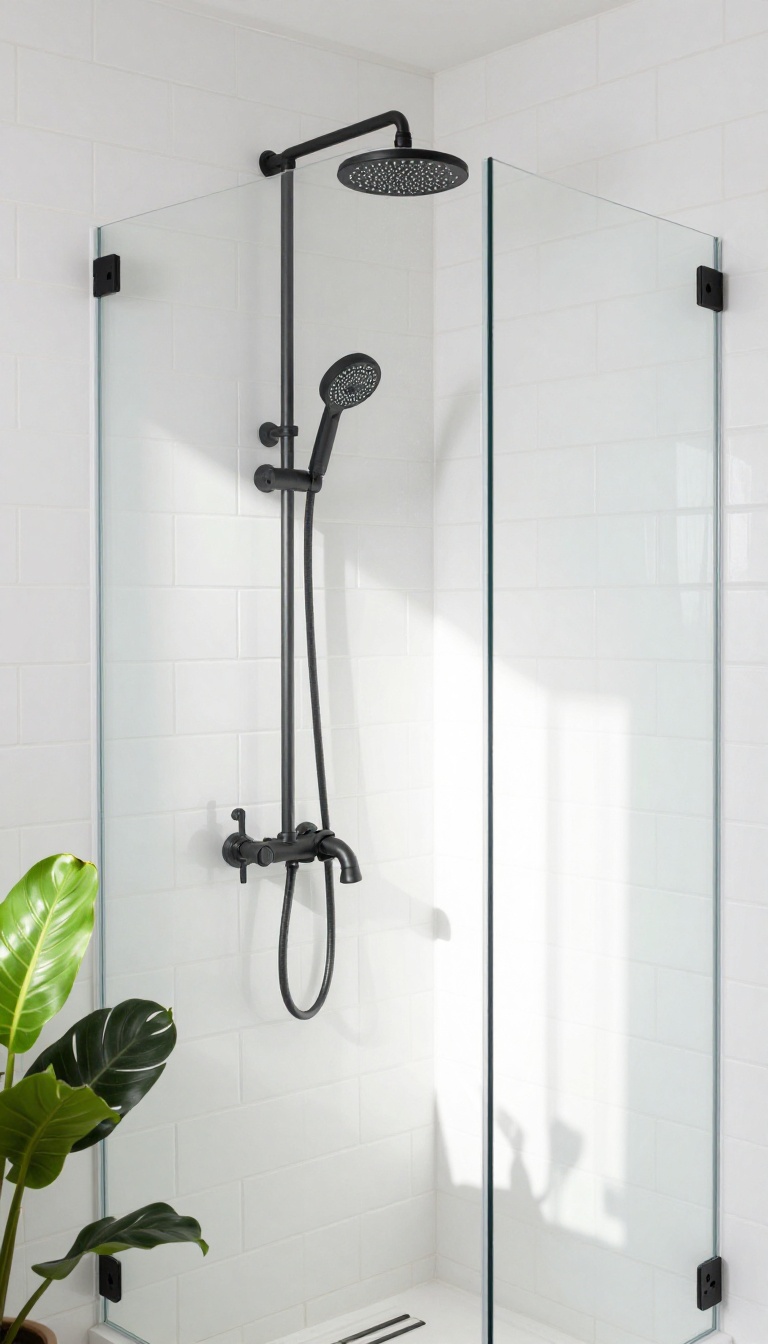
Matte black fixtures are a quick way to inject personality into a shower-only bathroom. The dark finish stands out against light tiles and white grout, creating a crisp, modern look. Plus, they're practical—matte surfaces hide water spots and fingerprints better than shiny chrome.
When you're designing a streamlined bathroom, the fixtures might seem like an afterthought. But they're actually the jewelry of the space. Matte black faucets, showerheads, and handles add a touch of drama without overwhelming the room.
They work especially well in minimalist designs where every detail counts.
Why Matte Black Works
Matte black creates a high-contrast focal point against light-colored tiles, which is a hallmark of modern design. It also adds depth and texture, making the shower area feel more grounded. Unlike polished chrome or brushed nickel, matte black doesn't reflect light, so it doesn't compete with other elements in the room.
It's a bold choice that still feels understated.
Pairing With Tile And Grout
Matte black fixtures look stunning with white, gray, or beige tiles. The dark metal pops against the light background, drawing the eye to the shower controls and showerhead. For a more dramatic look, consider using black grout with white tiles—this ties the fixtures into the overall design.
Avoid pairing matte black with dark tiles unless you want a moody, cave-like atmosphere.
Fingerprint Resistance And Maintenance
One of the biggest perks of matte black is its resistance to fingerprints and water spots. Unlike glossy finishes, matte surfaces don't show every smudge, so the bathroom stays looking cleaner between wipes. To keep them in top shape, simply wipe with a soft cloth and mild soap.
Avoid abrasive cleaners that could scratch the finish.
9. Heated Floor for Year-Round Comfort
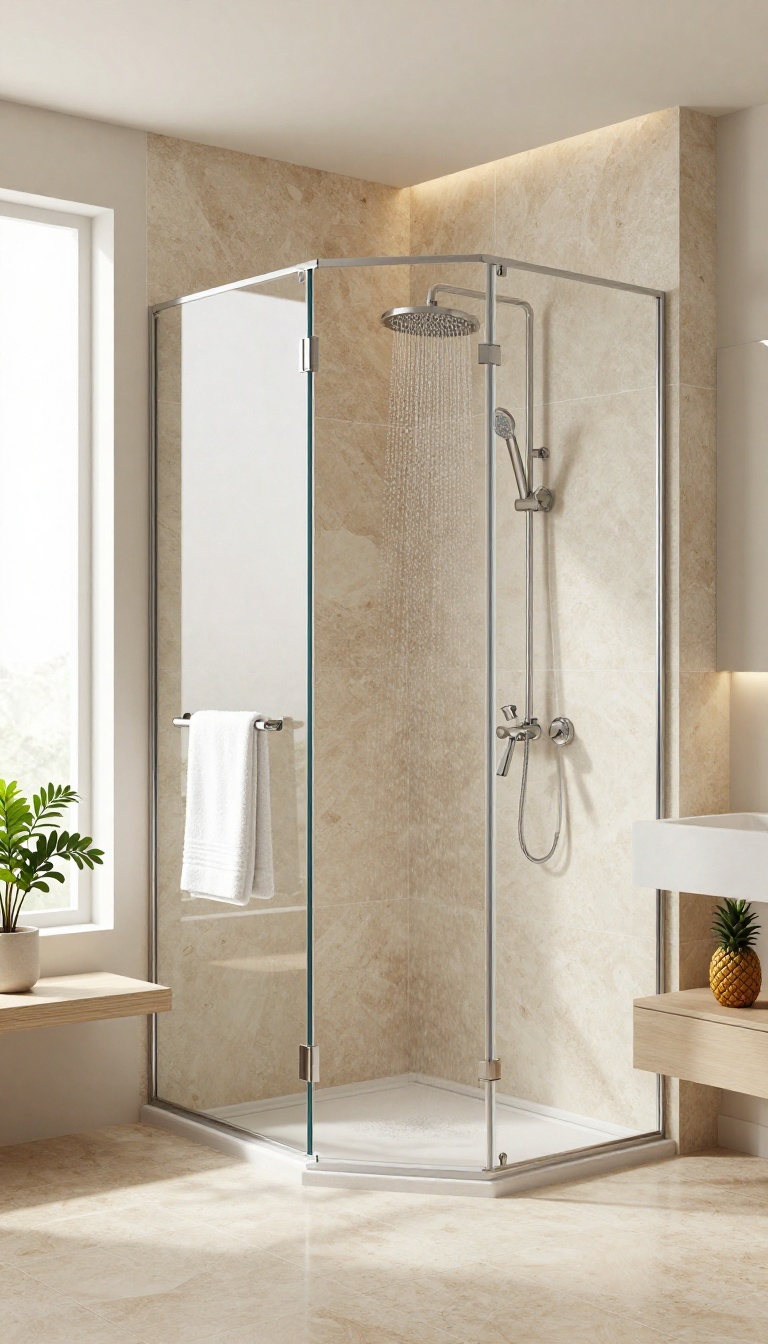
Stepping out of a warm shower onto a cold tile floor is a jolt nobody wants. Radiant floor heating solves that instantly, turning your shower-only bathroom into a cozy retreat. It’s a luxury that quickly becomes a necessity, especially on chilly mornings.
Radiant floor heating isn’t just about comfort—it also helps dry the floor faster, reducing the chance of slips and keeping the space cleaner. Plus, it’s surprisingly efficient, often costing less to run than a space heater. Once you experience it, you’ll wonder how you ever lived without it.
Why It Works In A Shower-only Bathroom
With no tub taking up space, the floor area is more open, making radiant heat more effective. The warmth rises evenly, so the whole room feels cozier, not just the floor. It also pairs beautifully with materials like tile or stone, which hold heat well and feel great underfoot.
Installation Options To Consider
You can choose between electric mats or hydronic systems. Electric mats are easier to install and perfect for retrofits, while hydronic systems are more efficient for larger areas. Both work well under tile, and you can even add a programmable thermostat to warm the floor before you wake up.
Budget And Energy Tips
Heated floors are more affordable than you might think, especially if you’re already renovating. Running costs are low, and you can zone the heat to only warm the bathroom when needed. Look for energy-efficient systems and consider adding insulation beneath to maximize efficiency.
10. Skylight or Solar Tube for Natural Light
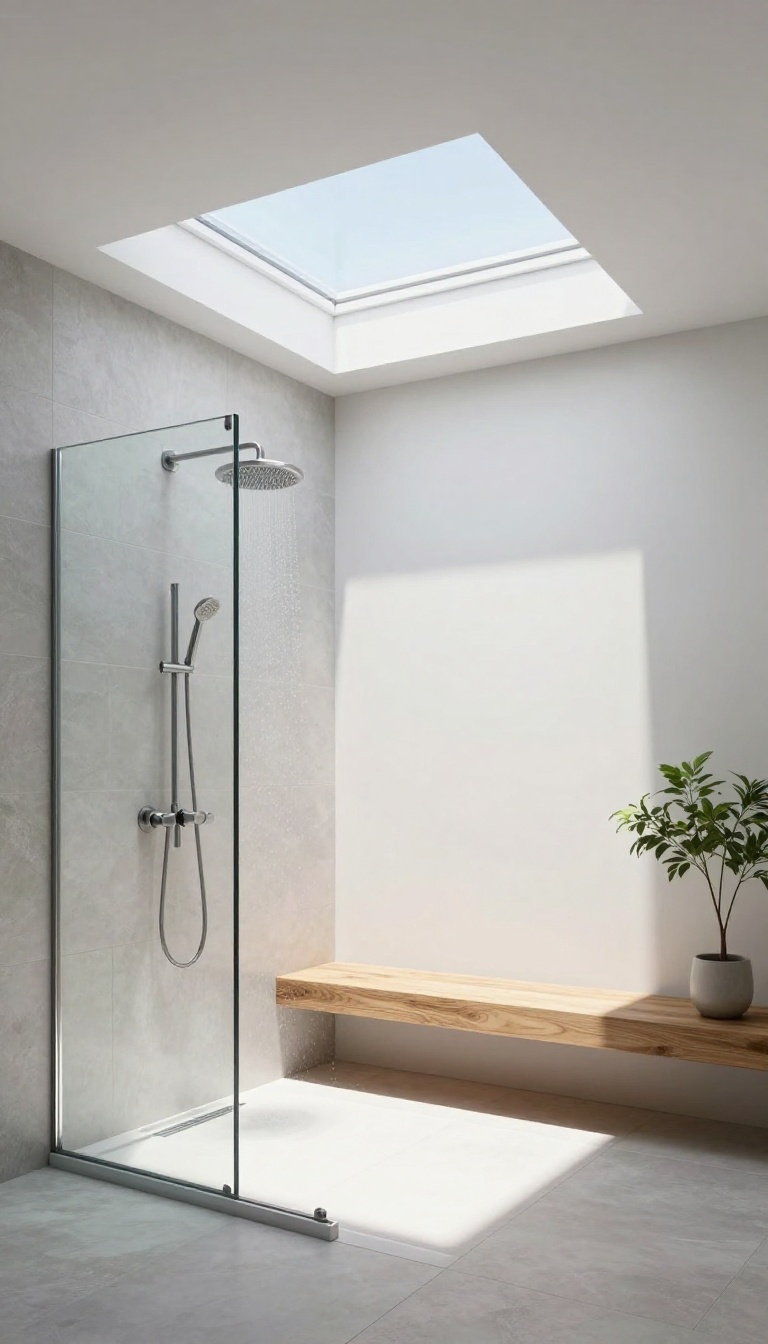
Natural light can make a shower-only bathroom feel larger and more inviting, but windows often come with privacy concerns. A skylight or solar tube solves that by pulling daylight from above. It brightens the space without exposing you to neighbors or passersby.
A skylight or solar tube is a smart way to add daylight to a shower-only bathroom. Unlike a traditional window, it brings in light from above, so you get all the benefits of natural illumination without sacrificing privacy. This makes the shower area feel airy and open, even in a compact layout.
Types Of Skylights And Solar Tubes
Fixed skylights are a popular choice—they're simple, sealed, and let in plenty of light. If you want ventilation, a vented skylight can open to release steam and moisture. Solar tubes, on the other hand, are smaller and more flexible.
They use a reflective tube to channel sunlight from the roof into the room, making them ideal for tight spaces or where a full skylight isn't practical.
Placement And Privacy
Position the skylight directly over the shower to maximize brightness where you need it most. With a skylight, privacy is naturally built-in since it's above eye level. You can also add a shade or frosted glass to control light and reduce glare.
Solar tubes come with diffusers that spread light evenly, so you get a soft, gentle glow without any harsh spots.
Energy Efficiency And Comfort
Natural light reduces the need for artificial lighting during the day, which can lower your energy bills. Modern skylights come with low-E glass and thermal breaks to minimize heat loss in winter and heat gain in summer. Solar tubes are also highly efficient—they reflect light with minimal heat transfer.
Plus, the extra daylight can make the bathroom feel warmer and more welcoming.
11. Floating Vanity to Maximize Floor Space
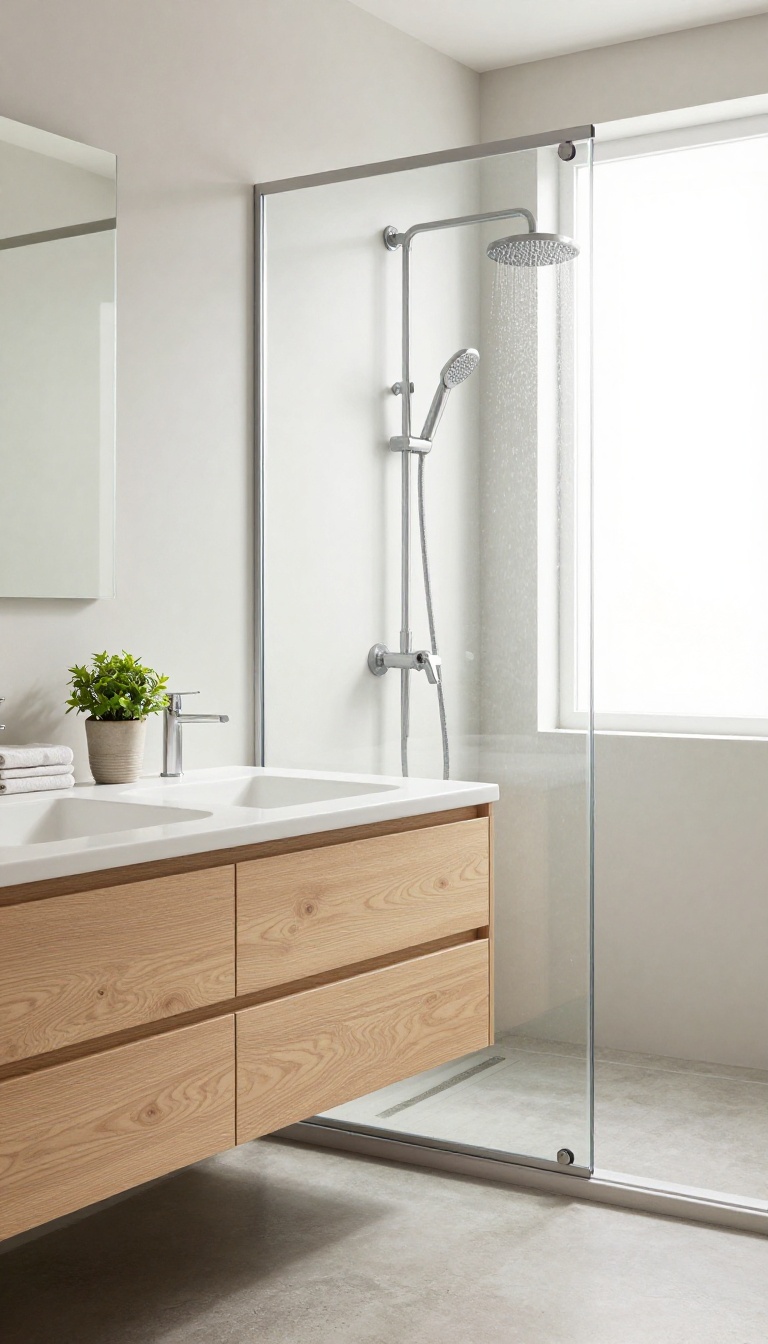
A floating vanity is a smart choice for a shower-only bathroom because it visually opens up the floor. By mounting the cabinet to the wall, you create an airy feel that makes the room appear larger than it is. Plus, cleaning becomes a breeze with no legs or base to work around.
When you ditch the tub, you gain square footage, but that doesn't mean you should fill it with bulky furniture. A floating vanity keeps the floor clear, which is especially helpful in smaller bathrooms. It also adds a modern touch that aligns perfectly with the streamlined look you're going for.
You can choose a sleek, handleless design or one with a warm wood finish to add contrast. The key is to balance storage with openness—go for a model with drawers or shelves that meet your needs without overwhelming the space.
Open Up The Room
Mounting the vanity off the floor exposes more of the tile or flooring, which visually expands the room. This trick works wonders in compact bathrooms, making them feel less cramped. The gap underneath also lets you store a small stool or basket if you need extra organization, but keep it tidy to maintain the open look.
Easy Cleaning And Maintenance
Without legs or a base, there are no hard-to-reach corners where dust and grime collect. You can simply sweep or mop right under the vanity. This is a huge plus in a bathroom where moisture and hair tend to accumulate.
Plus, if you ever need to fix a leak, you have easy access to the plumbing.
Storage That Works For You
Even though it's floating, a vanity can offer plenty of storage. Look for models with soft-close drawers and built-in dividers to keep toiletries organized. You can also incorporate open shelving on the side for towels or decorative items, but be mindful not to clutter the space.
The goal is to keep essentials within reach while maintaining a clean, minimalist aesthetic.
12. Pocket Door to Save Swing Space
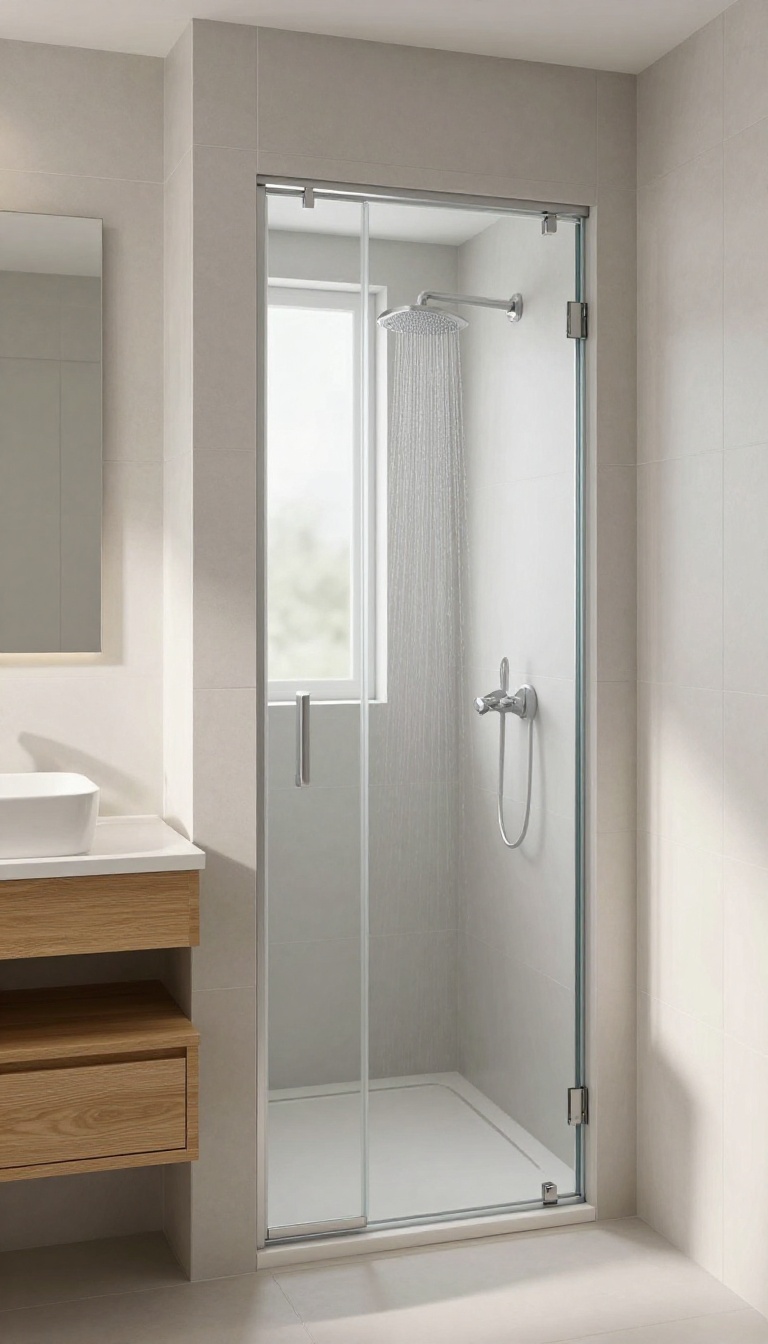
A standard hinged door needs a clear arc to swing open, which can eat up precious floor area in a compact bathroom. A pocket door slides neatly into the wall cavity, freeing that space for the shower and making the room feel more open. It’s a smart, space-saving solution that pairs perfectly with a streamlined, shower-only design.
Pocket doors are a game-changer for tight bathrooms. By eliminating the swing radius, you gain extra square footage that can be used for a larger shower or just more breathing room. The sliding mechanism also creates a clean, flush look when closed, which complements the minimalist vibe of a shower-only bathroom.
Plus, you avoid the awkward dance of squeezing past a door that’s in the way.
Why A Pocket Door Works Here
In a shower-only bathroom, every inch counts. A pocket door tucks away completely, so you can place fixtures closer to the opening without worrying about clearance. It also keeps the wall line uninterrupted, making the room feel longer and more spacious.
If you’re working with a narrow footprint, this is the door style that makes the most sense.
Installation Tips For A Smooth Slide
Installing a pocket door requires careful planning. The wall must be non-load-bearing or properly framed to accommodate the pocket. Use a high-quality track system with soft-close features to prevent slamming.
Also, consider a pocket door with a subtle handle that doesn’t protrude, keeping the look sleek. If you’re not handy, hire a professional—the precision matters for smooth operation.
Privacy And Sound Considerations
Pocket doors can be less effective at blocking sound and light compared to solid hinged doors. To improve privacy, choose a solid-core door and add weatherstripping around the edges. You can also install a pocket door with a privacy lock, but make sure it’s accessible in case the door gets stuck.
For a bathroom, these details make a big difference in comfort.
13. Textured Tile for Slip Resistance
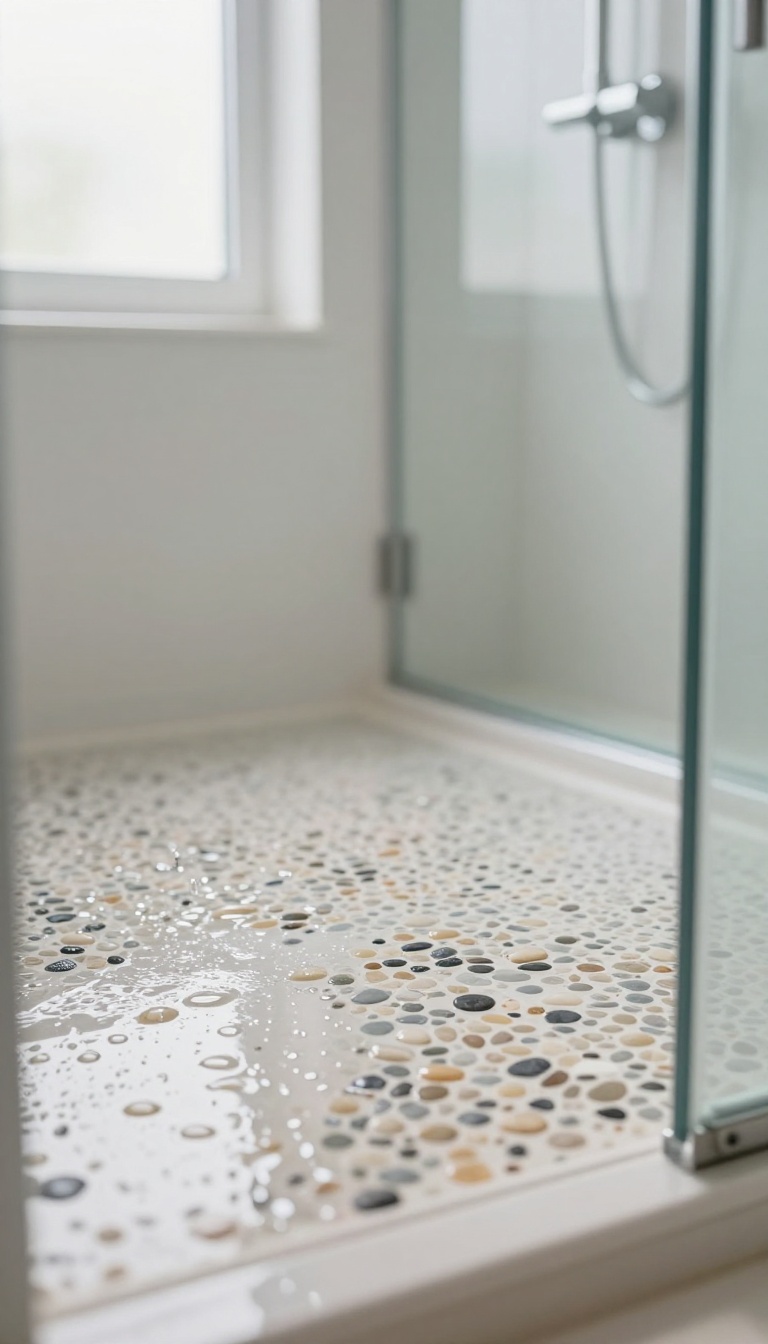
Slippery shower floors are a real hazard, especially when soap and water mix. Textured tile solves that problem while adding a spa-like feel underfoot. Pebble tiles, in particular, offer a natural look and a gentle massage with every step, making your shower both safer and more enjoyable.
When choosing textured tile for your shower floor, think about both safety and comfort. Pebble tiles are a popular choice because they provide excellent traction and feel great on your feet. They come in mesh-backed sheets, making installation easier, and they suit a variety of design styles, from rustic to modern.
Alternatively, you can opt for porcelain tiles with a matte or textured finish, which are easier to clean and maintain while still offering slip resistance.
Why Texture Matters
Smooth tiles, like polished marble or glazed ceramic, become dangerously slick when wet. Textured surfaces create friction, reducing the risk of falls. The shower floor is the most accident-prone area in a bathroom, so investing in textured tile is a smart safety upgrade.
Plus, the tactile sensation adds a luxurious, spa-like quality to your daily routine.
Pebble Tile Pros And Cons
Pebble tiles are a favorite for shower floors because they offer natural slip resistance and a unique look. The rounded stones feel like a foot massage, which many people love. However, they can be harder to clean because the grout lines are more numerous and the surface is uneven.
If you choose pebbles, consider sealing them regularly to prevent mold and mildew buildup.
Other Textured Options
If pebbles aren't your style, look for porcelain tiles with a textured finish, such as wood-look planks with a matte surface or geometric patterns with a slight relief. These offer slip resistance without the high-maintenance grout lines. Some tiles even have a subtle embossed pattern that mimics natural stone, giving you both safety and style.
Always check the tile's slip rating (like COF) to ensure it meets your needs.
14. LED Lighting for Ambiance and Safety
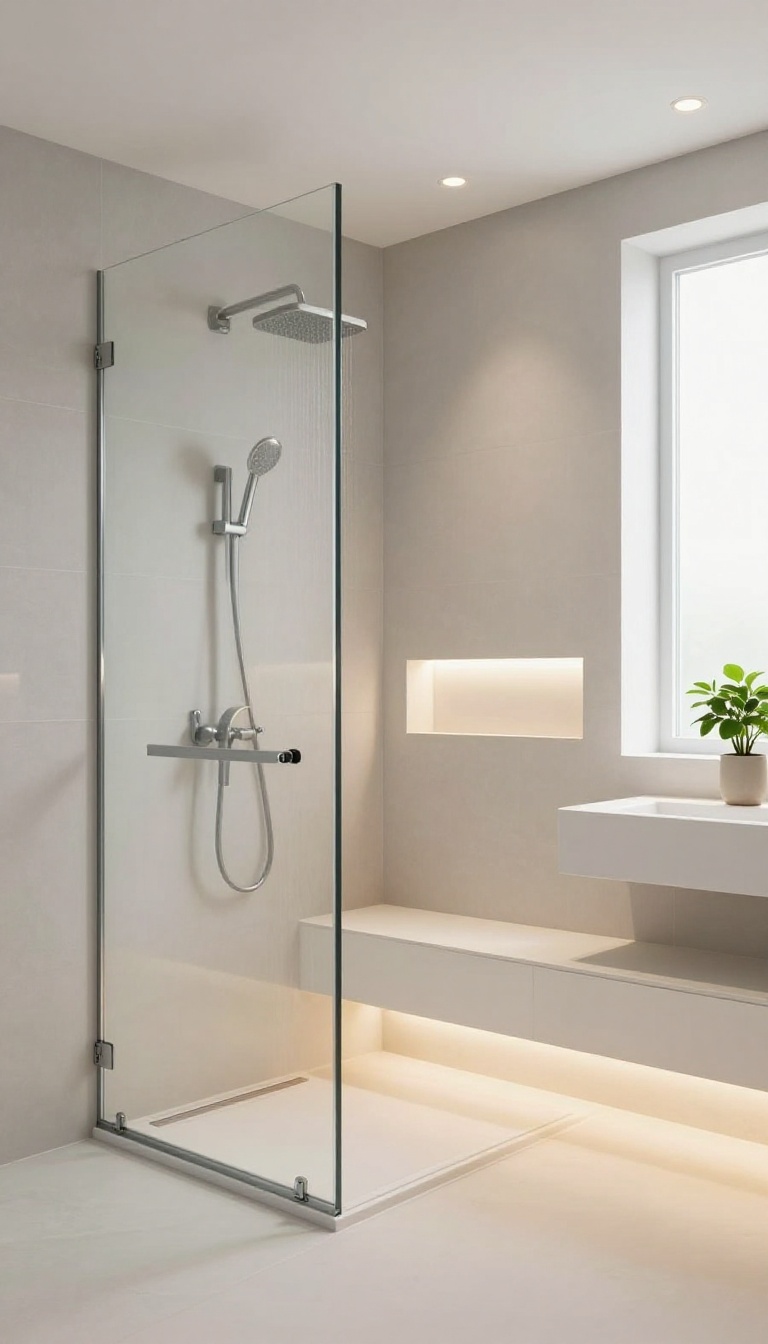
Lighting can make or break a shower-only bathroom. The right LEDs turn a functional space into a calming retreat while also keeping you safe. With a dimmer and waterproof strips, you can set the mood and see clearly.
Recessed LED lights with a dimmer are a game-changer. They let you adjust brightness from a soft glow for evening showers to full light for morning routines. Adding a waterproof LED strip inside the shower adds a modern touch and improves visibility where you need it most.
Layered Lighting For Flexibility
Instead of one overhead light, use layers. Start with recessed LEDs for general illumination, then add a strip under the shower bench or along the niche. This creates depth and reduces shadows, making the space feel larger and more inviting.
Choosing The Right Color Temperature
Warm white (2700K-3000K) feels relaxing and spa-like, while cool white (4000K-5000K) mimics daylight and is better for tasks like shaving. Pick a tunable option if you want both. Just ensure the fixtures are rated for wet areas.
Safety Through Illumination
Good lighting isn't just about looks—it prevents slips. A well-lit shower floor and entrance reduce accidents. Consider motion-sensor night lights for middle-of-the-night visits, so you never step into a dark bathroom.
15. Minimalist Storage with Open Shelving
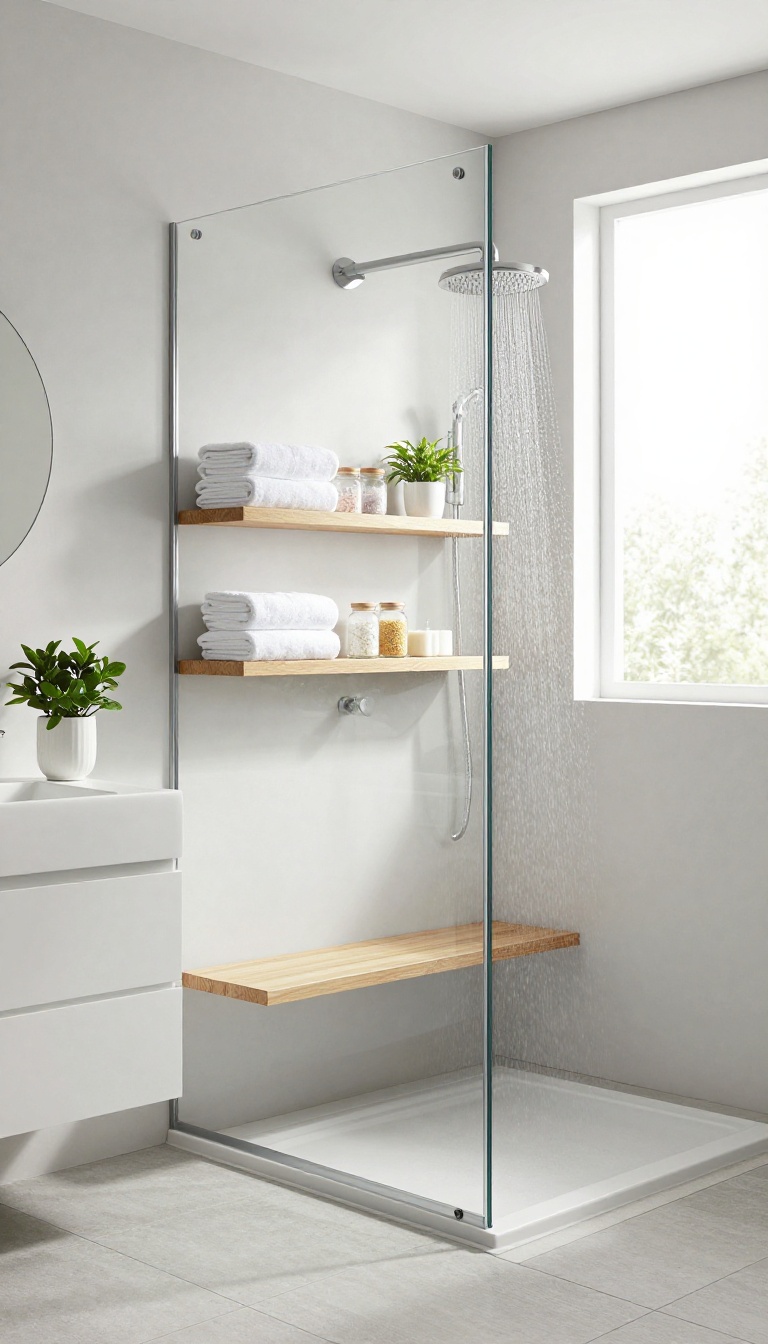
Open shelving is a natural fit for a shower-only bathroom, where the goal is to keep things airy and uncluttered. Instead of bulky cabinets that eat up visual space, floating shelves keep towels, toiletries, and extras within easy reach while maintaining a clean, streamlined look. The key is to choose materials that can handle humidity and look good doing it.
Open shelving works because it turns storage into part of the design. You can display neatly folded towels, glass jars of bath salts, or a few green plants, making the bathroom feel curated rather than cluttered. But it also demands a bit of discipline—everything on display needs to earn its spot.
That means sticking to a simple palette and resisting the urge to pile on products.
Pick The Right Material
Teak is a classic choice because it’s naturally water-resistant and brings a warm, spa-like feel. Stainless steel is another solid option—it’s sleek, modern, and virtually indestructible. If you prefer a lighter look, tempered glass shelves are easy to clean and keep the space feeling open.
Just avoid raw wood or particleboard, which can swell or warp with constant moisture.
Placement And Layout
Install shelves near the shower entrance for towels, or inside a niche for shampoo and soap. Keep the most-used items at waist or chest height so you can grab them without stretching. If you have a tall ceiling, add a higher shelf for extra towels or decorative baskets.
The goal is to balance convenience with visual lightness—don’t crowd the walls.
Styling Tips For A Clean Look
Limit each shelf to a few items and group them by function or color. Use matching glass containers for cotton swabs, bath salts, or small toiletries. Roll towels instead of folding them to save space and add texture.
And leave some empty space—negative room is what makes open shelving feel minimal, not messy.
FAQ
Is a shower-only bathroom a good idea for resale?
Yes, especially for guest baths or primary suites in urban areas. Many buyers prefer the modern, spa-like feel and the extra space. However, families with young children may still want a tub.
How do I prevent water from splashing out of a walk-in shower?
Use a slight slope toward the drain, a linear drain, and a glass panel or partial wall. Also, consider a shower curtain as a backup if needed.
What is the minimum size for a shower-only bathroom?
You can fit a shower in a bathroom as small as 30 square feet, but 36-40 square feet is more comfortable. A curbless shower needs at least 32 inches of width.
Can I add a shower-only bathroom to an existing home?
Absolutely. Many homeowners convert a half bath or expand a small bathroom. You'll need to consider plumbing and drainage, but it's a common renovation.
What flooring is best for a shower-only bathroom?
Porcelain or ceramic tile with a textured finish is ideal. It's waterproof, durable, and slip-resistant. For the shower floor, small tiles like pebbles or mosaics provide better traction.
Conclusion
A shower-only bathroom is more than a trend—it's a smart, space-saving choice that can elevate your daily routine. By focusing on layout, materials, and thoughtful details, you can create a bathroom that feels open, modern, and effortlessly functional.
Whether you're planning a full remodel or just dreaming, these 15 ideas offer a starting point. Pick the ones that resonate with your style and space, and enjoy the streamlined simplicity of a shower-only design.