15 Grey Shower Tile Ideas for a Soft and Balanced Look
Grey shower tiles have a quiet way of making a bathroom feel grounded and serene. They don't shout for attention, yet they set a calm, balanced backdrop that works with almost any style. Whether you're drawn to soft greige or deep charcoal, the right tile can transform your daily routine into a spa-like escape.
But with so many options, it's easy to feel overwhelmed. That's why we've rounded up 15 distinct grey tile ideas—each with a specific vibe and practical benefits.
From classic subway to textured stone, these ideas will help you find a look that's both beautiful and functional. Let's dive in and find the perfect grey tile for your shower.
1. Classic Grey Subway Tile with a Twist
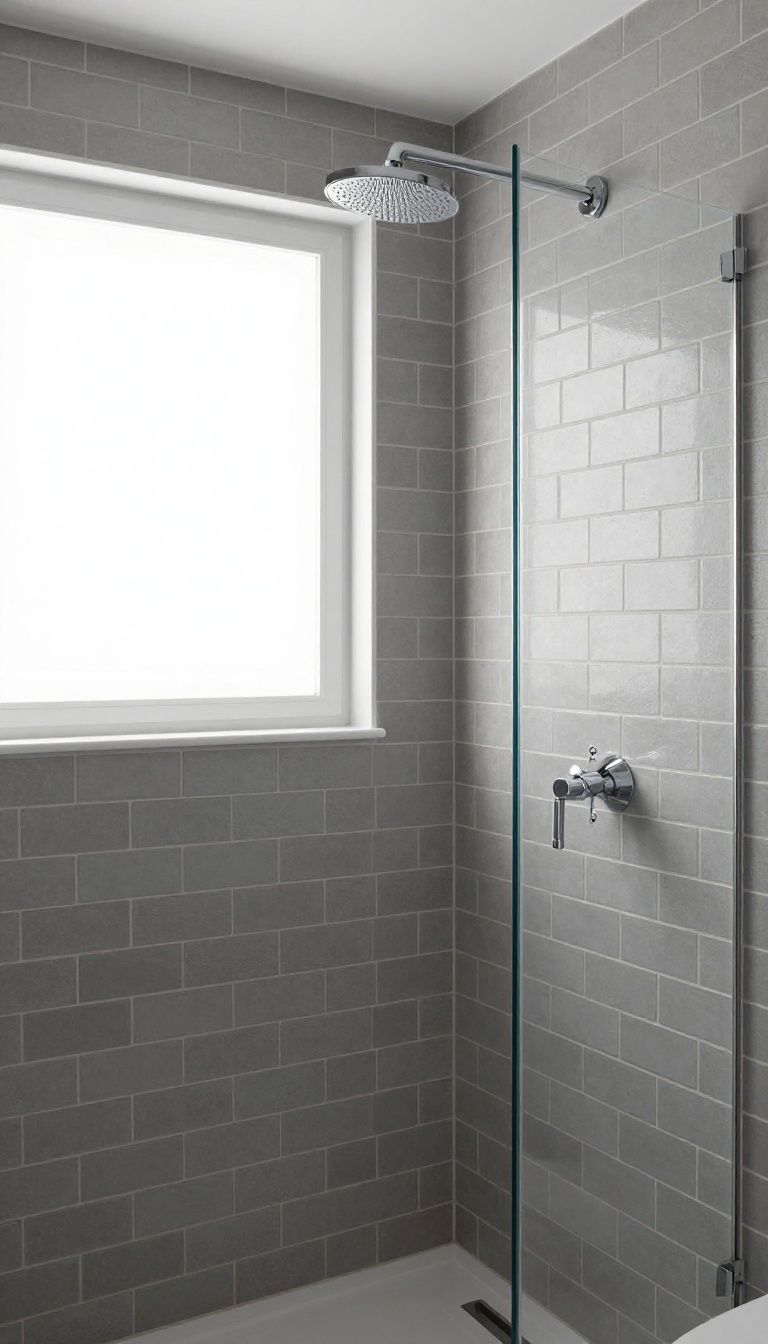
Subway tile has been a bathroom staple for over a century, and for good reason—it's clean, bright, and endlessly adaptable. But sticking to the same old 3×6 inch rectangles in a straight stack can feel a bit predictable. The twist here is to play with scale and layout while keeping that soft grey hue that anchors the space.
The beauty of grey subway tile lies in its versatility. By simply changing the size or the pattern, you can completely alter the mood of your shower. A larger format, like 4×12 or even 6×18 inches, creates a more modern, streamlined look with fewer grout lines, making the space feel larger and easier to clean.
Alternatively, a brick-lay pattern—where each row is offset by half a tile—adds subtle movement and depth without introducing another color. These small tweaks keep the classic charm while giving your shower a fresh, updated feel.
Go Bigger For A Sleek Look
Oversized subway tiles in a soft grey are a fantastic way to achieve a contemporary aesthetic. The longer, wider format reduces visual clutter, which is perfect for smaller bathrooms. The fewer grout lines also mean less maintenance and a smoother surface that catches light beautifully.
Pair them with a matte white grout to keep the look seamless, or choose a contrasting grey grout to emphasize the tile's shape.
Try A Vertical Or Herringbone Pattern
If you want to add even more interest, consider installing your subway tile vertically or in a herringbone pattern. Vertical stacking draws the eye upward, making the ceiling feel higher—a clever trick for compact showers. Herringbone, on the other hand, adds a dynamic, almost woven texture that works well in both modern and traditional settings.
Both patterns break away from the ordinary while still relying on the timeless appeal of grey subway tile.
2. Large-Format Grey Porcelain for a Seamless Look
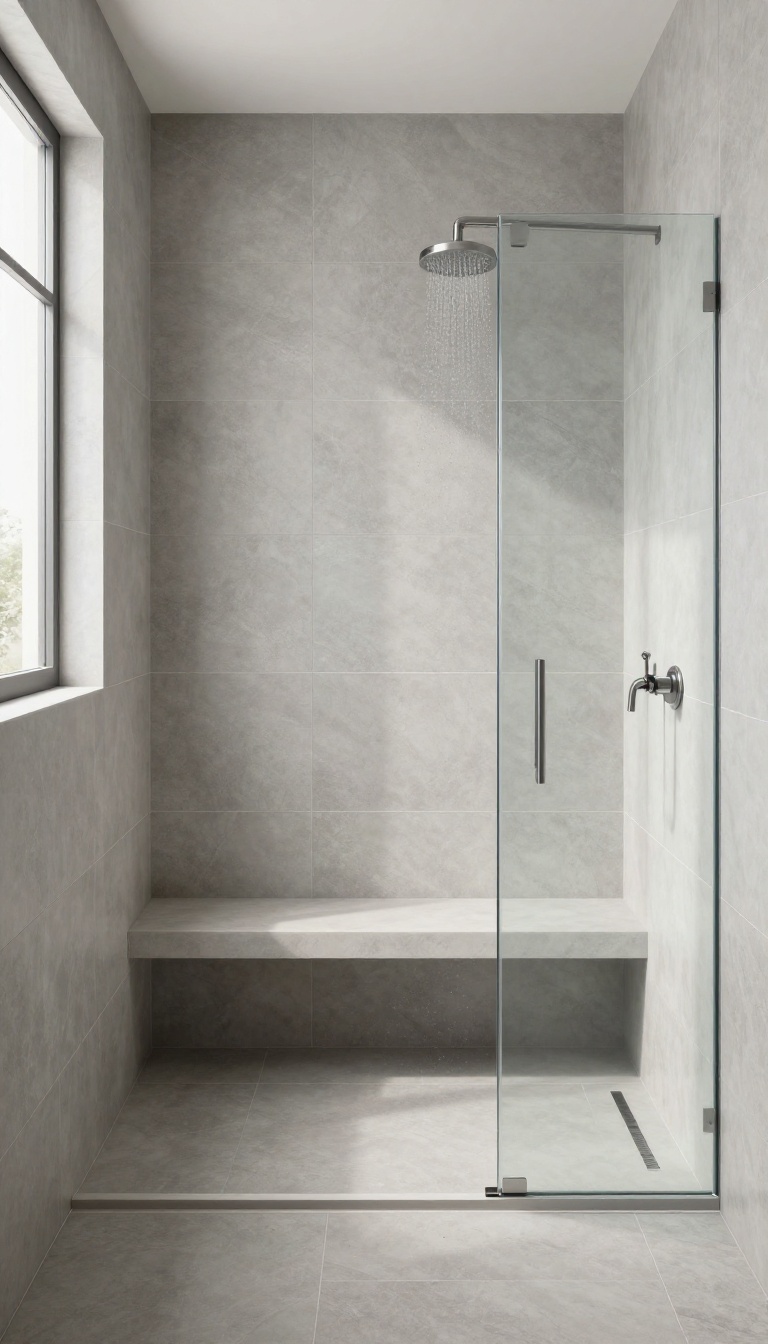
If you want your shower to feel bigger and more open, large-format grey porcelain is the way to go. These tiles, typically 12×24 or 24×48 inches, cover more wall with fewer grout lines. The result is a smooth, continuous surface that reads as calm and uncluttered.
Large tiles also mean less maintenance. With fewer grout lines to scrub, cleaning becomes quicker and easier. And because the grey tones are so versatile, you can pair them with almost any fixture or accent.
Large-format grey porcelain tiles are a modern favorite for good reason. They create a sleek, seamless look that instantly makes a small shower feel more spacious. The minimal grout lines also give the space a cleaner, more polished appearance, which is perfect for a minimalist aesthetic.
Beyond looks, these tiles are incredibly practical. The larger size means fewer joints, which means less chance of mold or mildew buildup. Plus, porcelain is durable, water-resistant, and easy to maintain, making it a smart choice for a busy bathroom.
Why Choose Large-format Tiles?
Large-format tiles are a game-changer for shower design. They reduce the visual noise of grout lines, creating a smooth, uninterrupted surface that feels more expansive. This is especially beneficial in compact bathrooms, where every inch counts.
The clean lines also make the shower look more modern and upscale, without the busy pattern of smaller tiles.
Best Grey Shades For A Seamless Look
When it comes to grey large-format tiles, you have a range of shades to choose from. Light greys like 'greige' or 'mist' can brighten the space and make it feel airy. Mid-tone greys offer a balanced, neutral backdrop that works with any color scheme.
Deep charcoals add drama and sophistication, but they can make a small shower feel darker. Consider your lighting and the overall mood you want to create.
Installation Tips For A Flawless Finish
To achieve that seamless look, proper installation is key. Use a leveling system to ensure the large tiles are perfectly flat and even. Choose a grout color that closely matches the tile to minimize the appearance of lines.
Opt for a thin-set mortar designed for large-format tiles to prevent lippage. And always hire a professional if you're not experienced with large tiles—they can be tricky to handle.
3. Hexagon Grey Mosaic for Subtle Texture
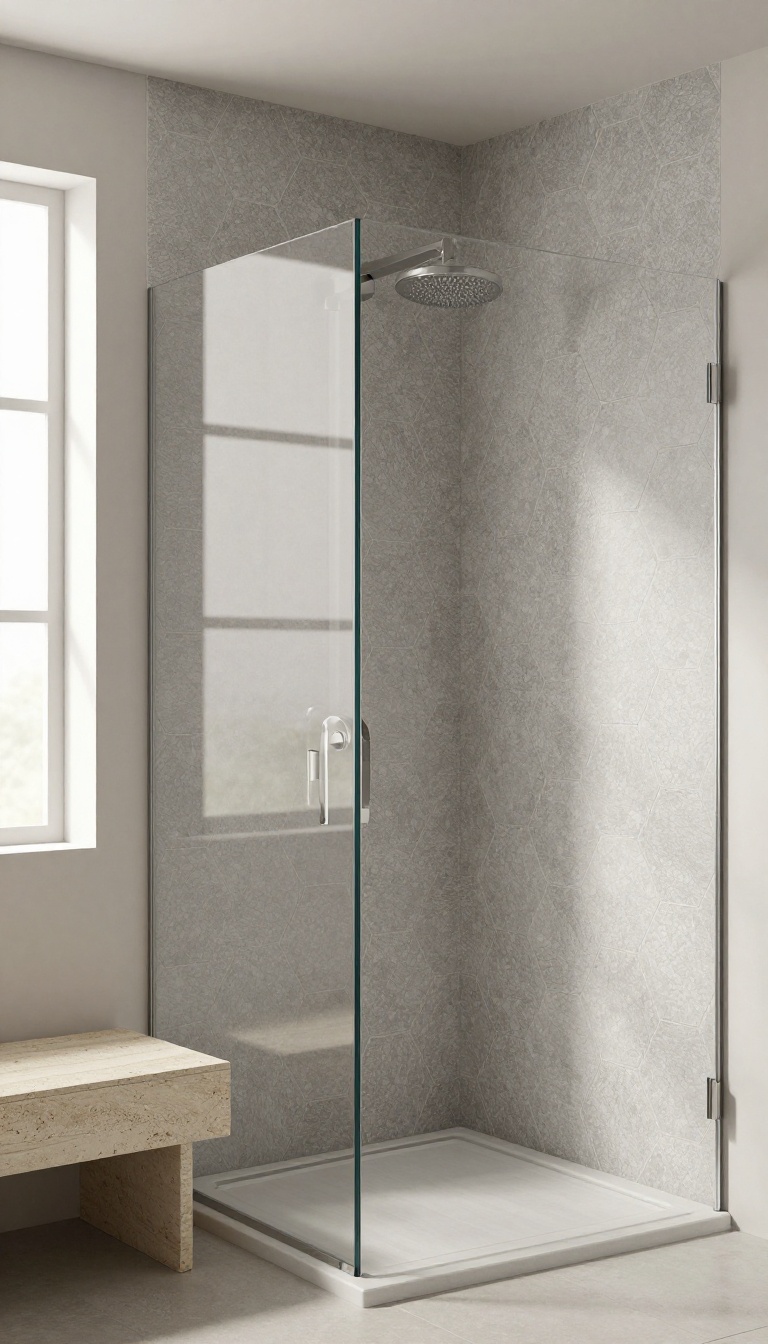
Hexagon tiles are having a moment, and it's easy to see why. Their six-sided shape adds a gentle geometric rhythm that catches the light without overwhelming the senses. In a grey matte finish, they bring a soft, tactile quality that feels both modern and timeless.
A hexagon mosaic in grey does more than just look pretty—it introduces a subtle texture that makes the shower feel more dynamic. The matte surface reduces glare and provides a non-slip grip, which is a practical win for wet areas. Plus, the small scale of the tiles means they can wrap around curves and corners seamlessly, making them a favorite for niche shelves or accent walls.
Why Matte Grey Works
Matte grey hexagons absorb light rather than reflect it, creating a calm, muted backdrop. This softens the overall look and hides water spots and soap scum better than glossy finishes. The matte texture also adds a subtle grip underfoot, which is a thoughtful touch for a shower floor.
Mixing With Other Tiles
Hexagon mosaics pair beautifully with larger subway or large-format tiles. Use them on the shower floor or as a feature strip to break up the monotony. You can also play with grout color—a white or light grey grout will emphasize the hexagon pattern, while a darker grout creates a more subdued, cohesive look.
Installation And Maintenance
Because hexagon mosaics come on mesh sheets, installation is straightforward, even for DIYers. The small tiles conform to uneven surfaces, making them ideal for curved shower benches or rounded corners. For maintenance, just a mild cleaner and a soft brush keep the matte surface looking fresh—no harsh scrubbing needed.
4. Grey Herringbone Pattern for a Dynamic Feel
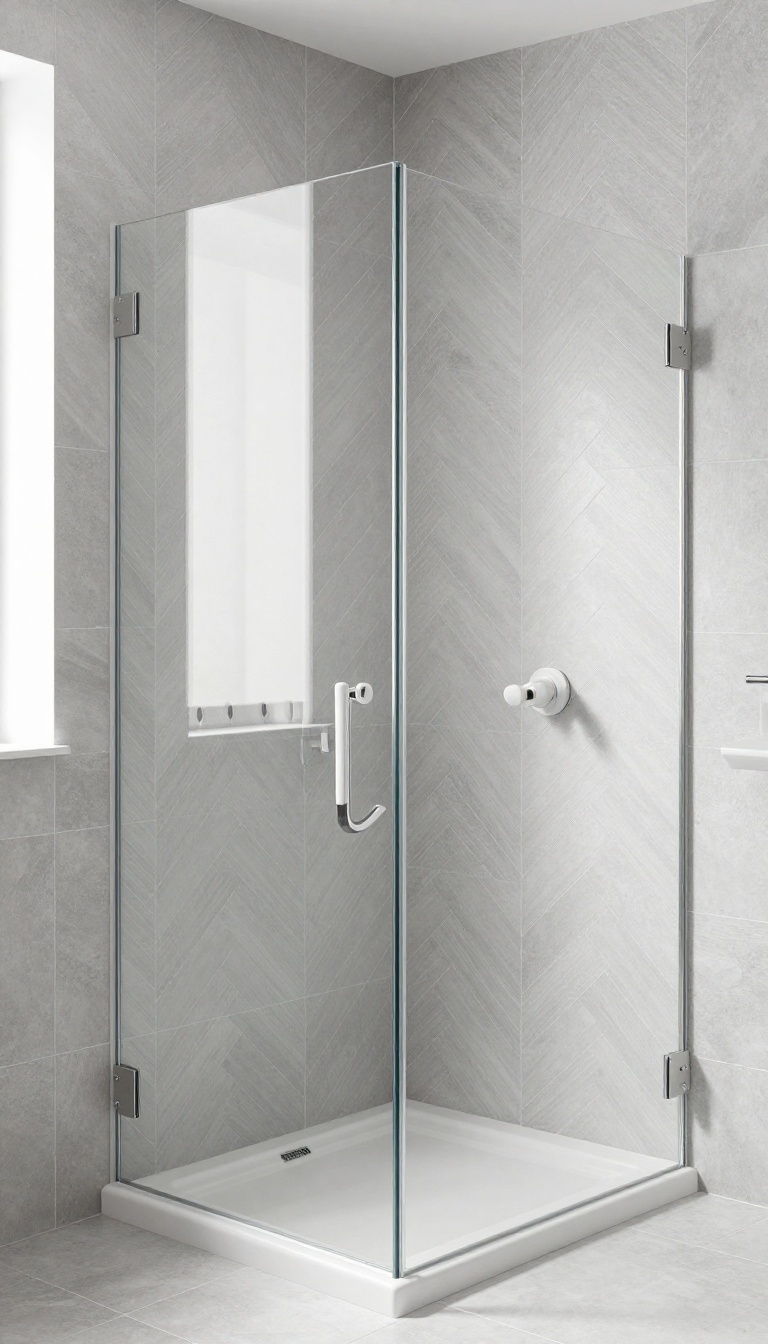
Herringbone is one of those patterns that instantly adds life to a wall. The zigzag layout pulls the eye along the surface, making the space feel more expansive and energetic. In a soft grey, this classic pattern feels refined and inviting—not busy or overwhelming.
When you lay rectangular tiles in a herringbone pattern, the V-shaped lines create a sense of movement that's hard to ignore. This visual flow can make a compact shower appear larger, as the eye is drawn diagonally across the wall. The subtle grey tones keep the overall look calm, so you get that dynamic feel without losing the serene bathroom vibe.
Why Herringbone Works In Showers
The pattern's diagonal lines break up the monotony of straight-set tiles, adding texture and depth. In a shower, where walls are often plain, herringbone becomes a focal point that doesn't rely on bold colors. It also helps to visually widen narrow spaces, making it a smart choice for small or awkwardly shaped showers.
Choosing The Right Tile Size And Tone
For a balanced look, opt for rectangular tiles in a 3×6 or 4×12 size. Lighter greys, like a soft greige or warm gray, keep the pattern airy and subtle. If you want a bit more contrast, you can mix two similar grey shades in the same tile family, but keep the variation gentle to avoid a jarring effect.
Pairing With Other Elements
Herringbone pairs beautifully with simple fixtures and neutral accessories. Use white or brushed nickel hardware to let the pattern shine. Add a glass shower door instead of a curtain so the pattern isn't hidden.
For a touch of warmth, incorporate wooden accents or a teak bench—these contrast nicely with the cool grey tones.
5. Matte Grey Tile for a Velvet Touch
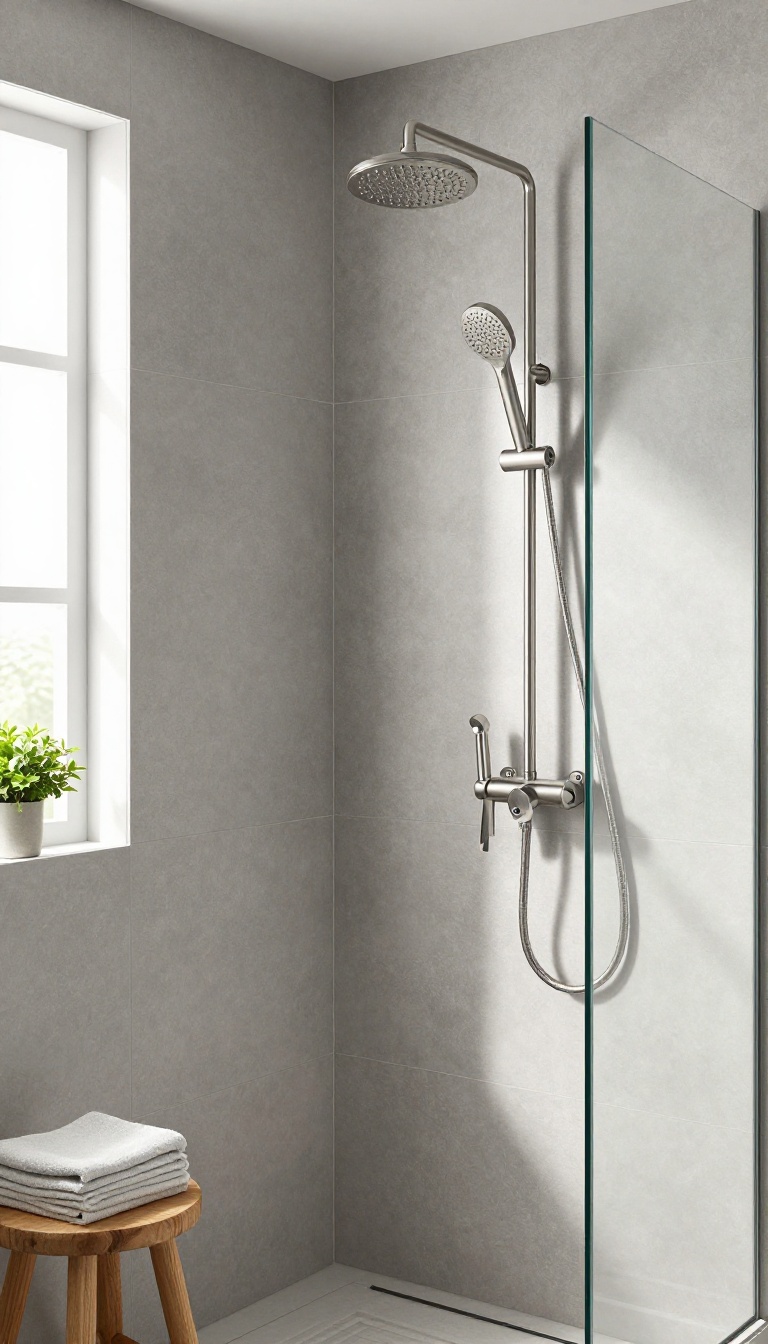
Glossy tiles have their place, but matte finishes bring a different kind of magic. They absorb light instead of reflecting it, which gives the shower a soft, velvety feel that's incredibly inviting. Plus, they're surprisingly practical—matte surfaces hide water spots and fingerprints far better than their shiny counterparts, so the bathroom looks cleaner for longer.
Matte grey tiles are perfect for anyone who wants a shower that feels calm and grounded. The lack of glare creates a soothing atmosphere, making it easier to unwind after a long day. And because they don't show every splash or smudge, you'll spend less time wiping down the walls and more time enjoying the space.
Why Matte Works In Showers
Matte tiles have a lower sheen, which means they diffuse light rather than bounce it around. This reduces harsh reflections and creates a more even, gentle glow. In a shower, where water is everywhere, this also means less obvious spotting and streaking.
The subtle texture of matte tiles also provides a bit more grip underfoot, making them a safer choice for the floor.
Pairing Matte With Other Finishes
Matte grey tiles play well with a variety of other textures. Try pairing them with brushed nickel or matte black fixtures for a cohesive, modern look. Or add a glossy accent tile in a complementary shade to create visual interest without breaking the calm vibe.
Natural wood vanities or warm stone countertops also soften the coolness of grey, making the space feel more inviting.
Cleaning And Maintenance Tips
While matte tiles are forgiving, they still need regular care. Use a pH-neutral cleaner and a soft cloth or sponge to avoid scratching the surface. Steer clear of abrasive scrubbers or harsh chemicals that can dull the finish.
Sealing the grout and tiles (if they're porous) will also help keep them looking fresh and prevent moisture damage.
6. Grey Chevron Tile for a Playful Vibe
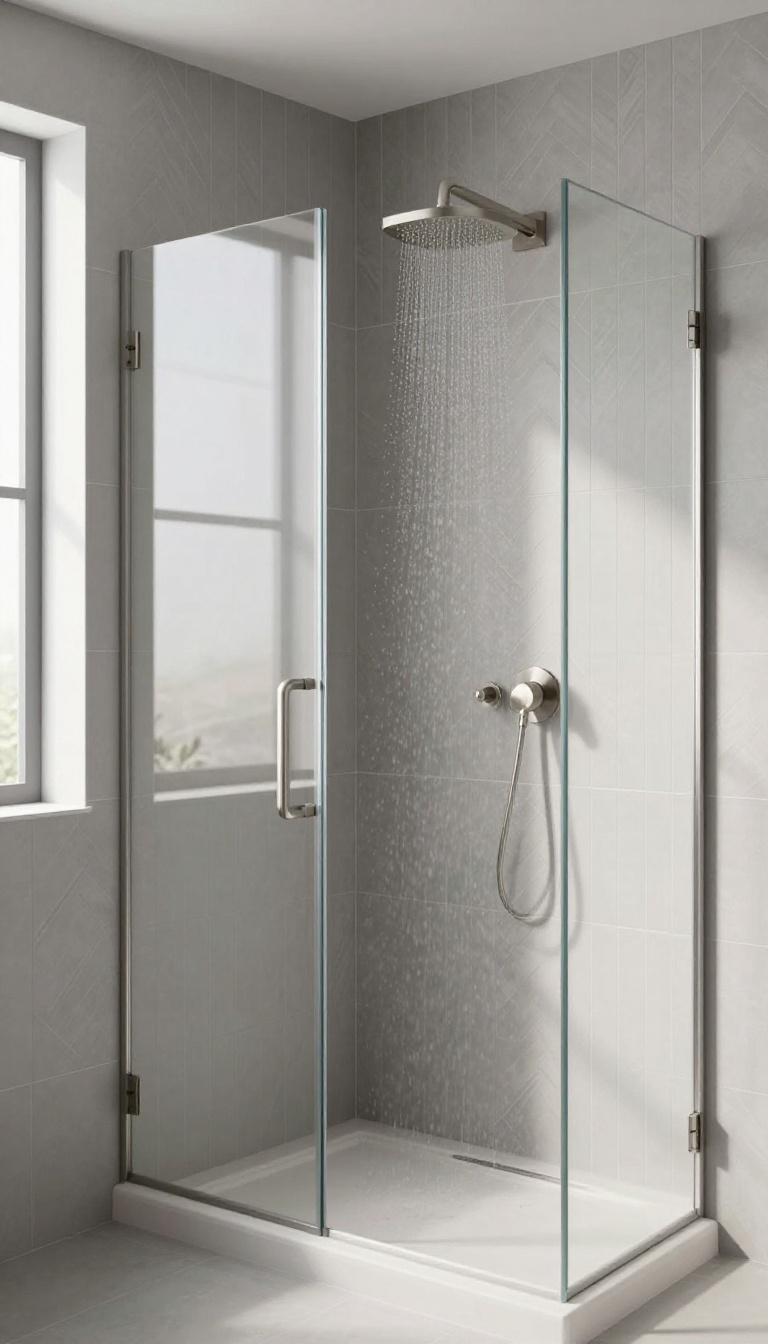
Chevron patterns bring a sense of movement and energy to any space. Unlike herringbone, which creates a broken zigzag, chevron tiles meet at clean V-shapes, offering a crisp and dynamic look. In grey, this pattern adds a playful yet refined touch, making it a great choice for a guest bathroom or a family shower.
Chevron tile is a fantastic way to inject personality into your shower without going overboard. The repeating V-shape draws the eye upward, making the ceiling feel higher and the space more open. It's a pattern that works beautifully with both modern and traditional fixtures, so you can easily adapt it to your existing decor.
The grey tones keep the look grounded and sophisticated, while the pattern adds just the right amount of visual interest.
Choosing The Right Shade
When selecting grey chevron tile, consider the overall mood you want to create. Lighter greys, like silver or dove, keep the space airy and bright, perfect for smaller showers. Deeper charcoals add drama and coziness, ideal for larger bathrooms where you want a more intimate feel.
You can also mix shades within the chevron pattern for a custom, two-tone effect that adds depth.
Grout Color Matters
The grout you choose can dramatically affect how the chevron pattern reads. For a seamless, modern look, match the grout to the tile color. If you want to emphasize the V-shapes and make the pattern pop, opt for a contrasting grout, like white or a darker grey.
Just remember that lighter grout requires more maintenance, so weigh the aesthetic against practicality.
Placement And Scale
Chevron tiles come in various sizes, from small mosaic to larger rectangles. Smaller tiles create a busier, more detailed pattern, while larger tiles make a bolder statement with fewer grout lines. For a classic chevron look, install the tiles in a vertical orientation, but horizontal chevron can also be striking.
Consider the scale of your shower and the effect you want before committing.
7. Textured Grey Stone Look for a Natural Spa
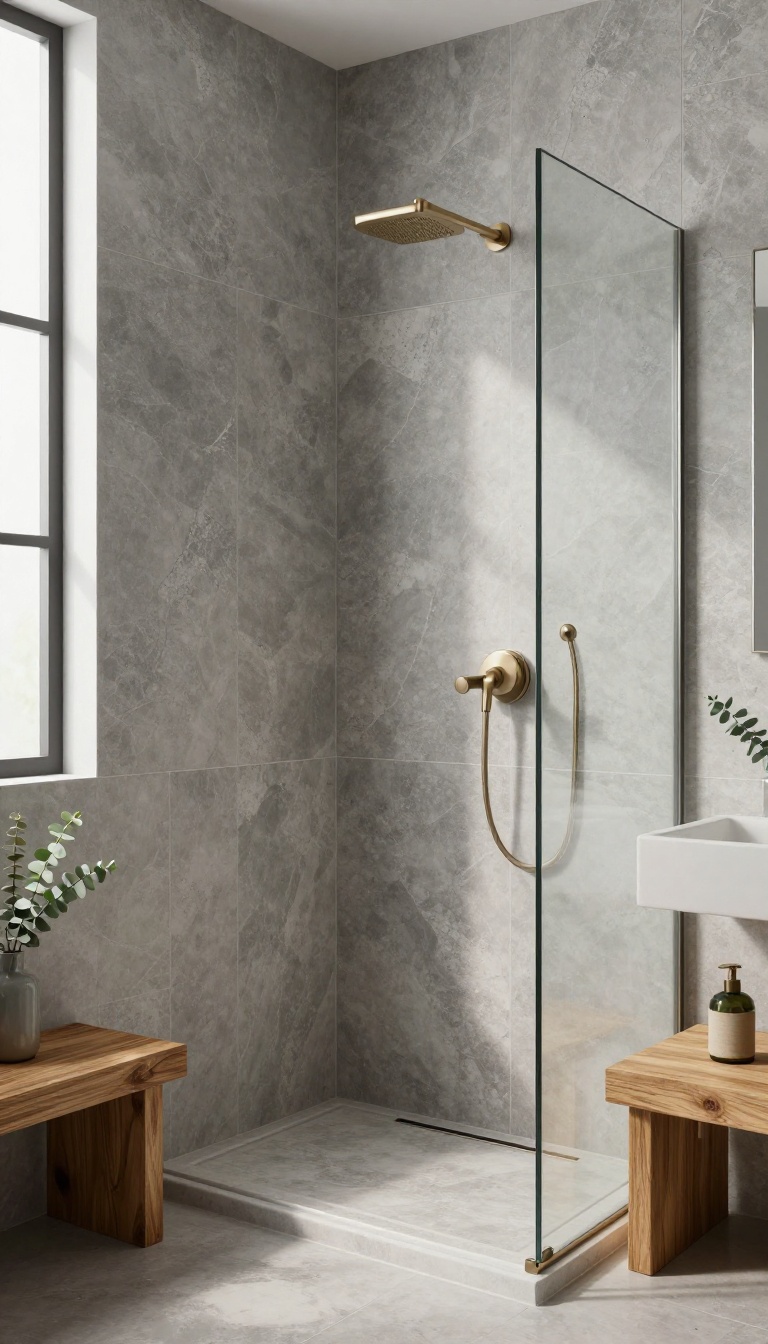
Stone-look porcelain tiles bring the outdoors in, mimicking the raw beauty of natural slate or travertine. The grey tones vary across the surface, creating depth and a tactile feel that makes every step feel grounded. If you're after a shower that feels like a retreat, this texture is a strong contender.
These tiles are not just about looks—they're practical too. Porcelain is durable, water-resistant, and easier to maintain than real stone. The subtle color shifts hide soap scum and water spots, so your shower stays looking fresh with less effort.
Plus, the matte finish adds grip, making it safer underfoot.
Why Stone-look Porcelain Works
Porcelain tiles are engineered to replicate the look of natural stone but with better performance. They're less porous, so they resist staining and moisture. The varied grey tones create a natural, organic feel that's both calming and stylish.
Unlike real stone, they don't need sealing, saving you time and money.
Pairing With Natural Elements
To enhance the spa vibe, pair these tiles with warm wood accents or greenery. A teak bench or a eucalyptus bundle can soften the cool grey and add a touch of nature. Use brushed nickel or matte black fixtures to complement the stone texture without competing for attention.
Installation Tips For A Seamless Look
For a smooth, continuous appearance, use large-format tiles and keep grout lines thin. Consider a linear drain to maintain the clean lines. If you're using smaller tiles, choose a grout color that blends with the tile to avoid a busy look.
Always hire a pro for complex patterns to ensure a flawless finish.
8. Grey and White Basket Weave for a Classic Twist
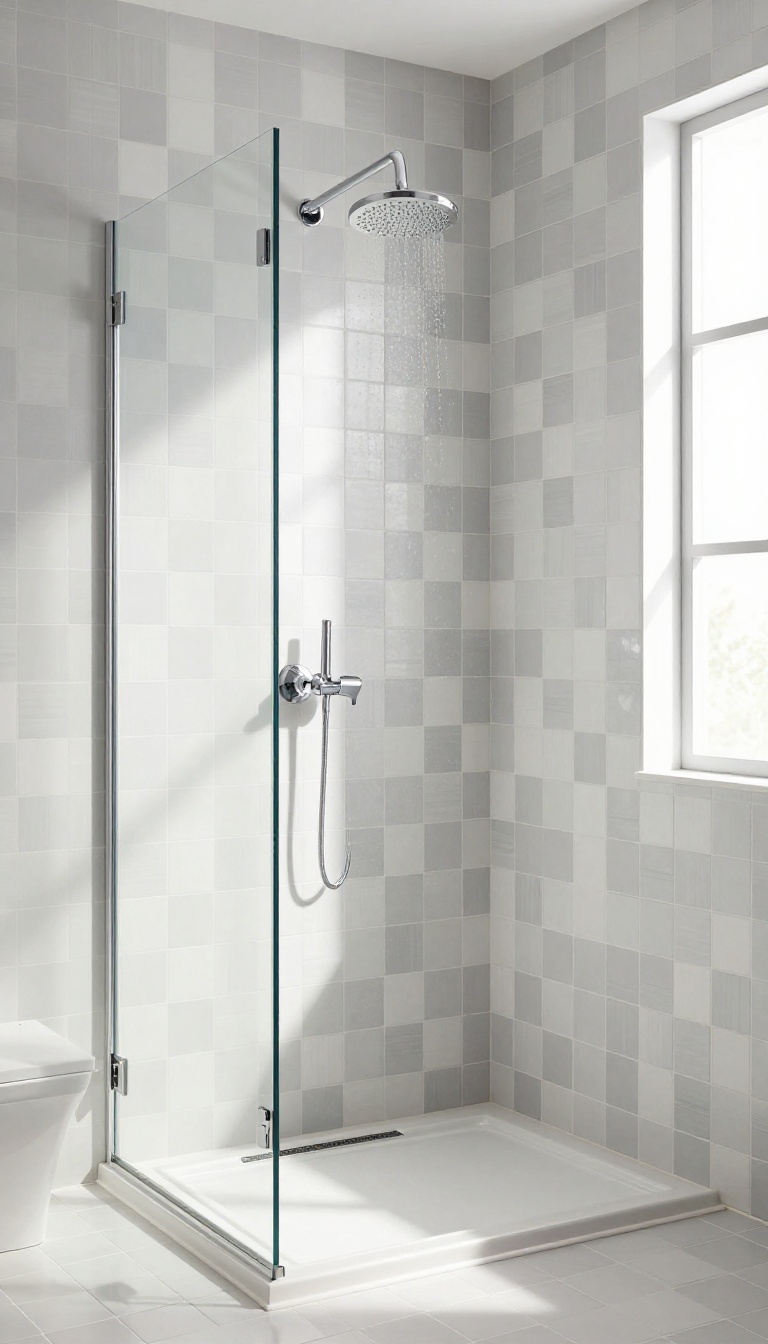
Basket weave patterns have been around for ages, and there's a reason they never go out of style. The interlocking design feels both timeless and fresh, especially when you mix soft grey with crisp white. It's a subtle way to add texture and interest without overwhelming the space.
The basket weave pattern is created by alternating square tiles in a woven layout, usually with two small rectangles paired with one larger square. When you use grey and white together, the contrast is gentle yet defined, making it a versatile choice for any bathroom. This pattern works beautifully in both traditional and modern settings, and it can make a small shower feel more expansive.
Why Basket Weave Works In Showers
The pattern's repeating geometry draws the eye without being too busy. It breaks up the monotony of a single tile shape while keeping the overall look cohesive. Plus, the small tiles create more grout lines, which add grip underfoot—a practical bonus for a shower floor.
Choosing The Right Grey Tone
For a softer look, go with a light warm grey that pairs nicely with white. If you want more contrast, a deeper charcoal grey will make the white pop. You can also play with the finish: matte tiles feel more understated, while a slight sheen adds a touch of elegance.
Where To Use This Pattern
Basket weave is perfect for the shower floor, but it also looks great as an accent wall behind the fixtures. If you're feeling bold, use it on all shower walls for a cohesive, spa-like vibe. Pair it with simple fixtures and neutral accessories to let the pattern shine.
9. Grey Penny Tile for a Retro Touch
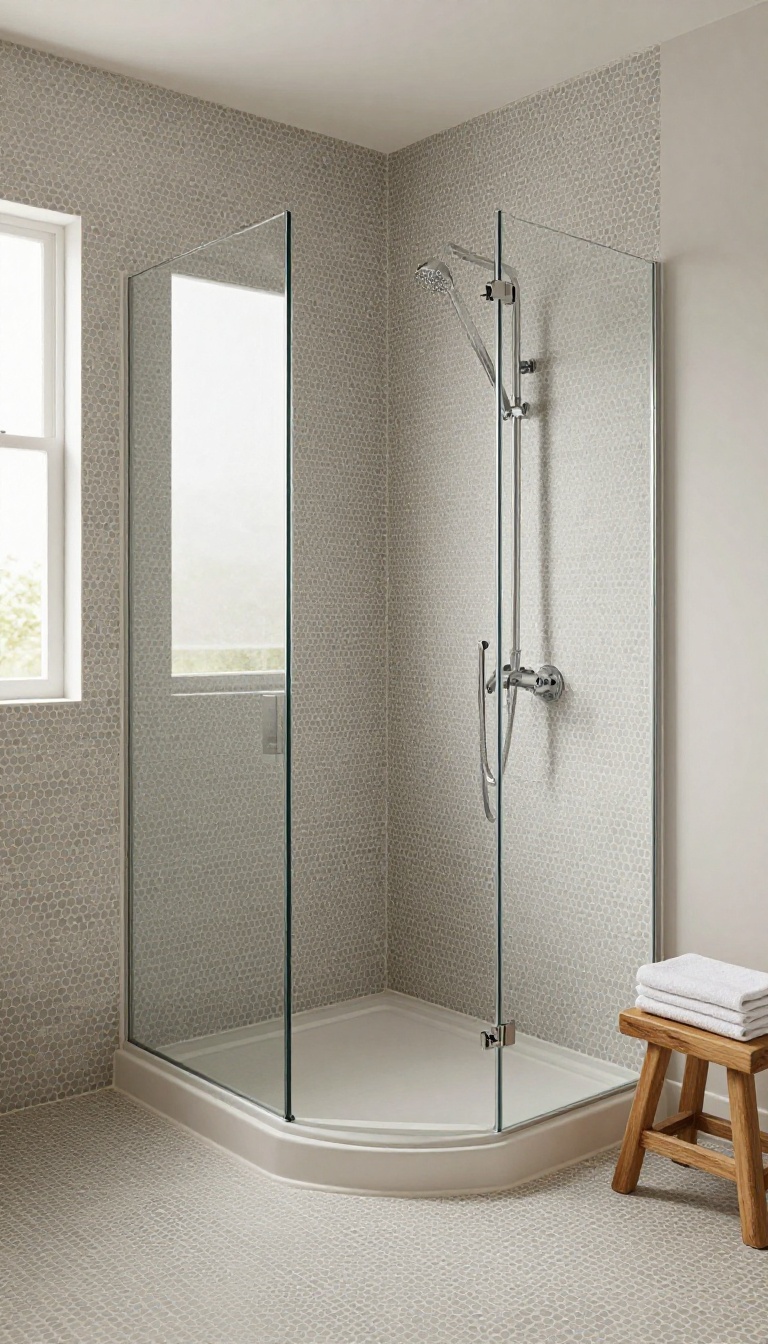
Penny tiles are small, round, and full of charm. In grey, they evoke a retro diner vibe while remaining soft and neutral. They're also great for curved surfaces, like a shower bench or niche.
Why Penny Tiles Work In Showers
Penny tiles are a classic choice that adds texture and visual interest without overwhelming the space. Their small size makes them flexible for shaping around curves, corners, and fixtures. Plus, the round shape softens the overall look, making the shower feel more inviting.
Choosing The Right Grey Shade
Light grey penny tiles can make a small shower feel larger and airier, while darker greys add depth and coziness. Consider the rest of your bathroom's palette—warm greys pair well with brass or wood, while cool greys complement chrome and white. A mixed grey blend can also create a subtle, organic pattern.
Grout Color And Pattern Ideas
Grout color dramatically changes the look. White grout creates a crisp, clean grid, while grey grout blends for a seamless effect. For a more playful retro feel, try a contrasting grout like black or navy.
You can also lay penny tiles in a brick pattern or a random offset for added charm.
10. Grey Subway Tile with Dark Grout for Contrast
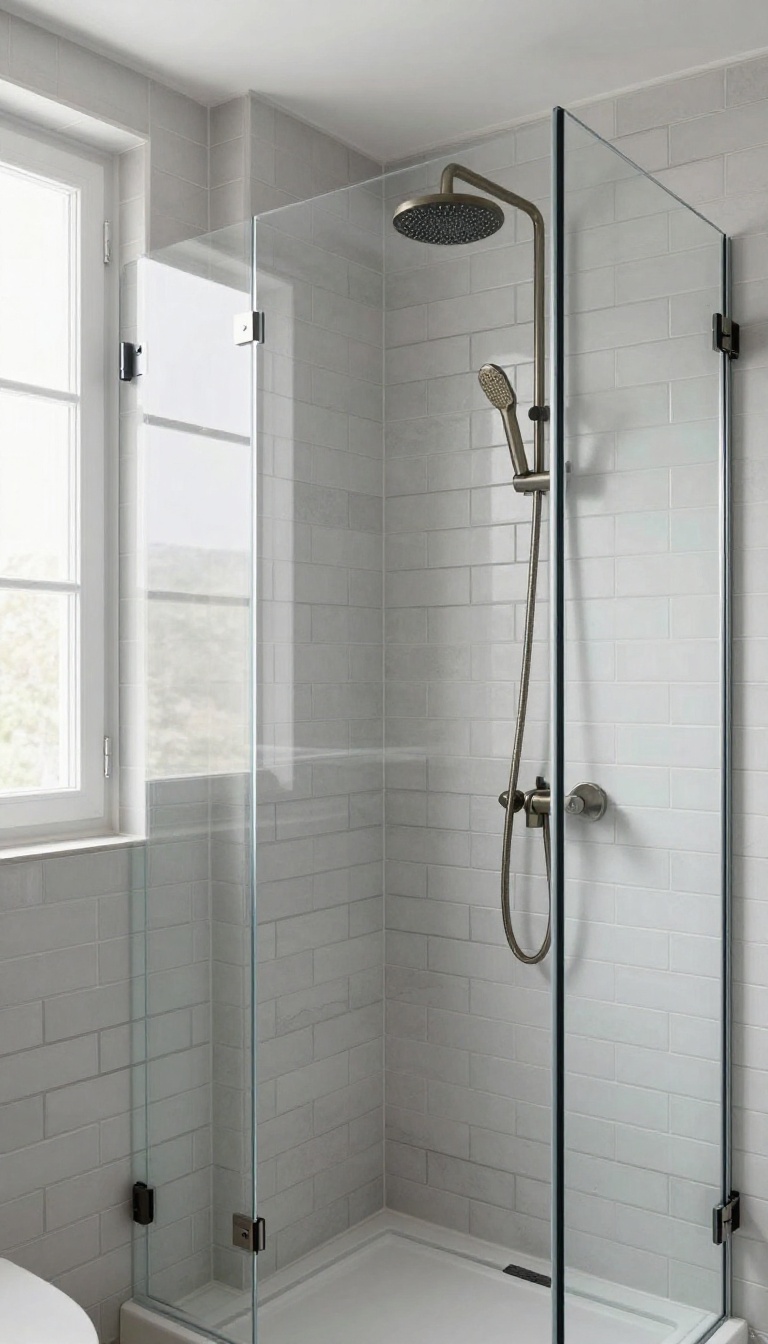
Subway tile is a timeless choice, but pairing it with dark grout changes the whole game. The contrast between light grey tiles and charcoal grout lines adds definition and a crisp, graphic quality. It’s a simple swap that gives your shower a modern, almost architectural feel without overwhelming the space.
This approach works especially well in smaller bathrooms where you want to add visual interest without going bold. The dark grout lines break up the surface, making the tile pattern pop. It also hides dirt and soap scum better than light grout, which is a practical bonus for busy households.
Why Dark Grout Works
Dark grout creates a strong grid pattern that emphasizes the classic subway layout. It adds depth and makes the tiles look more defined. Plus, it’s a low-maintenance option since dark grout doesn’t show staining as easily as white or light grey.
Grout Color Ideas
Charcoal is the most popular choice, but you can also try dark grey, slate, or even black for a bolder look. If you want a softer contrast, go with a medium grey. Test a few shades on a sample board to see how they look with your tile in different lighting.
Tile Layout Variations
Stick with the classic horizontal brick pattern for a clean, timeless look. Or, try a vertical stack for a more contemporary vibe. Herringbone and diagonal layouts also work well with dark grout, adding extra movement and visual interest.
Finishing Touches
Keep the rest of the shower simple so the tile stands out. Use a matching grey or white grout for the floor, and choose fixtures in brushed nickel or matte black to complement the contrast. Add a glass shower door to show off the pattern.
11. Grey Large Slabs for a Contemporary Monolith
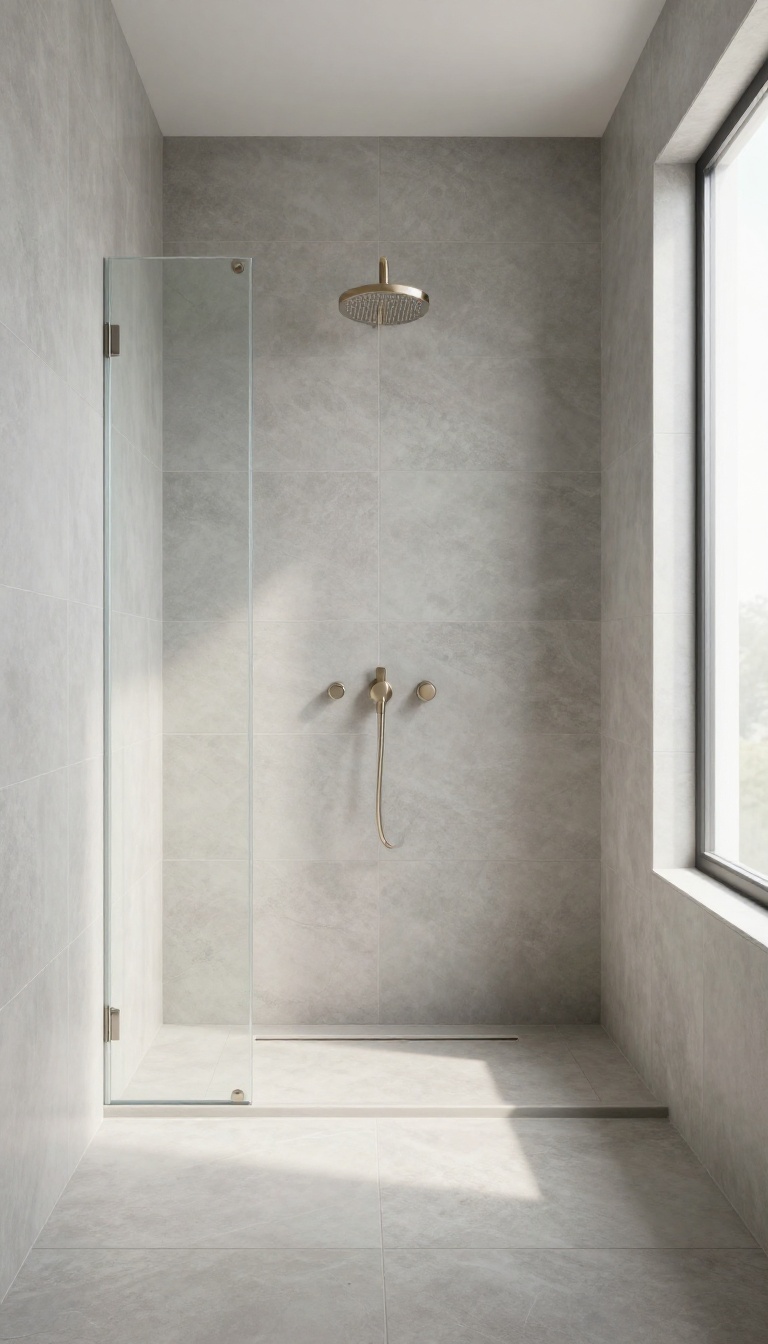
Sometimes the boldest move in a shower is to keep it simple. Oversized grey slabs—think 48 by 96 inches or larger—cut down on grout lines and create a seamless, monolithic surface. The effect is a clean, modern look that feels almost sculptural, turning the shower into a calm, high-end retreat.
If you love a minimalist aesthetic, this is the way to go.
Large-format tiles have a way of making small spaces feel bigger and busy spaces feel calm. With fewer grout lines, the eye isn't interrupted, so the shower feels more like a single, smooth surface. The soft grey tones add depth without overwhelming the room, and the lack of visual clutter makes cleaning a breeze—fewer lines mean less grout to scrub.
Plus, the sheer size of these slabs gives a contemporary, almost architectural feel that pairs well with brushed nickel fixtures and a simple glass enclosure.
Why Large Slabs Work In Showers
Large slabs minimize the number of grout joints, which means less maintenance and a more uniform appearance. They also reflect light better than smaller tiles, making the shower feel airy and open. In a soft grey finish, they add a subtle sophistication that works with both warm and cool color palettes.
The key is to ensure your walls are perfectly flat—these big tiles don't hide imperfections, so a bit of prep goes a long way.
Choosing The Right Grey Tone
Not all greys are created equal. For a soft, balanced look, go with a light-to-mid grey that has a slight warm undertone, like greige. This keeps the space from feeling cold or sterile.
If you prefer a cooler, more dramatic vibe, a deeper charcoal slab can make a statement, but it might make a small shower feel darker. Test a sample in your actual lighting to see how it reads at different times of day.
Installation And Grout Tips
When installing large slabs, use a leveling system to keep the tiles perfectly flush. Opt for a grout color that closely matches the tile—this makes the seams nearly invisible, enhancing the monolithic effect. A matte finish is a great choice because it hides water spots and adds a soft, tactile feel.
Also, consider a large-format tile adhesive with a trowel size recommended by the manufacturer to ensure proper bonding.
12. Grey and Marble Mix for Elegance
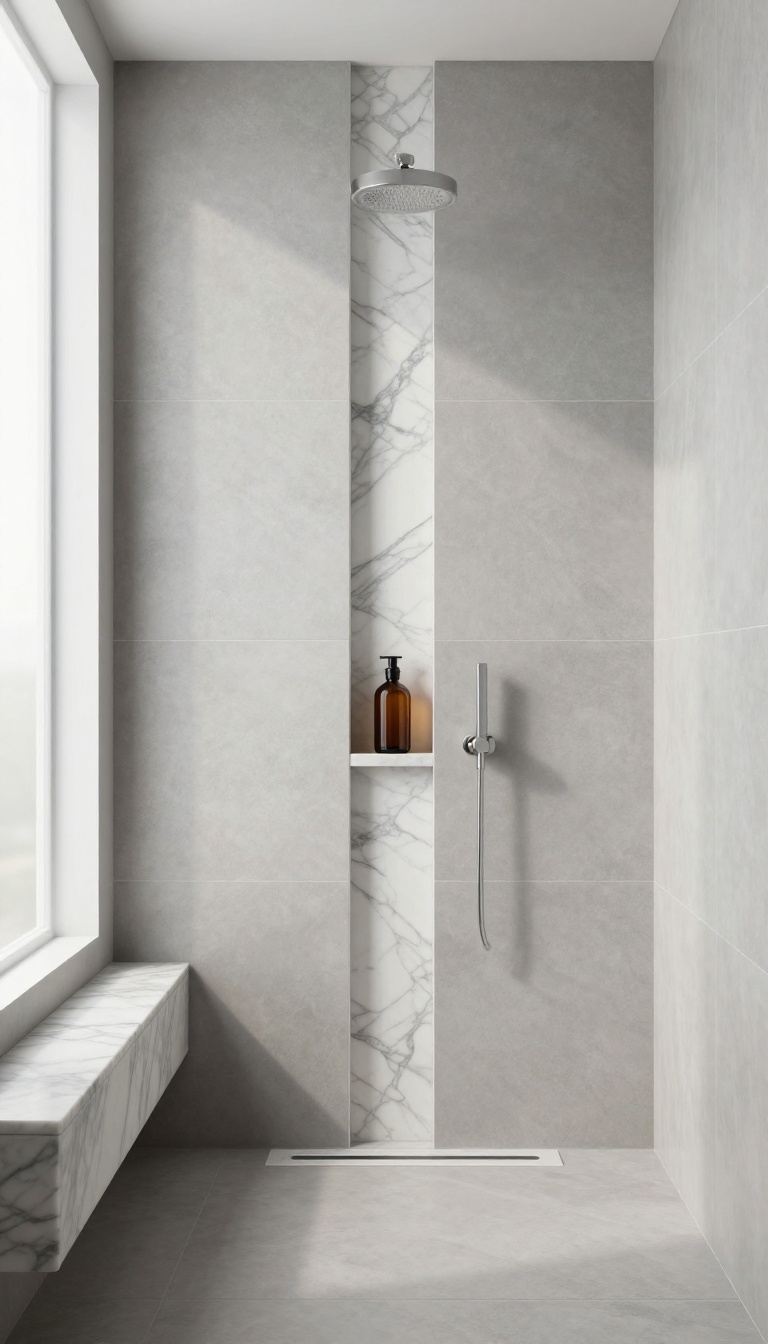
Pairing grey tiles with marble accents is like adding a tailored blazer to a casual outfit—it instantly elevates the look. You get the calm, grounding effect of grey plus the luxurious, veined texture of marble, all without covering your entire shower in expensive stone. This mix creates a custom, high-end feel that’s surprisingly budget-friendly.
The trick is to use marble sparingly. A marble niche for your shampoo bottles, a thin border strip, or even a marble bench adds just enough elegance to make the space feel intentional. The veining in marble brings movement and contrast, breaking up the solid grey and giving the eye something interesting to follow.
Pick Your Marble Tone
Marble comes in whites, creams, and even greys. For a soft, airy look, go with white Carrara marble—its subtle grey veining pairs beautifully with light grey tiles. If you prefer a bit more drama, choose a darker grey marble with bold veining to create a striking focal point.
Placement Matters
Think about where marble will have the most impact. A marble niche is a practical and stylish choice—it frames your shower essentials and adds a touch of luxury right at eye level. A vertical border strip running down the center or along the edge of the shower wall can also create a sleek, modern accent.
Balance The Grout
Grout color plays a big role in how the mix reads. For a seamless look, match your grout to the grey tile. If you want the marble to pop, use a slightly lighter or darker grout that contrasts with the marble’s veining.
Just keep it subtle—you don’t want the grout to compete with the marble.
13. Grey Brick Pattern for a Rustic Charm
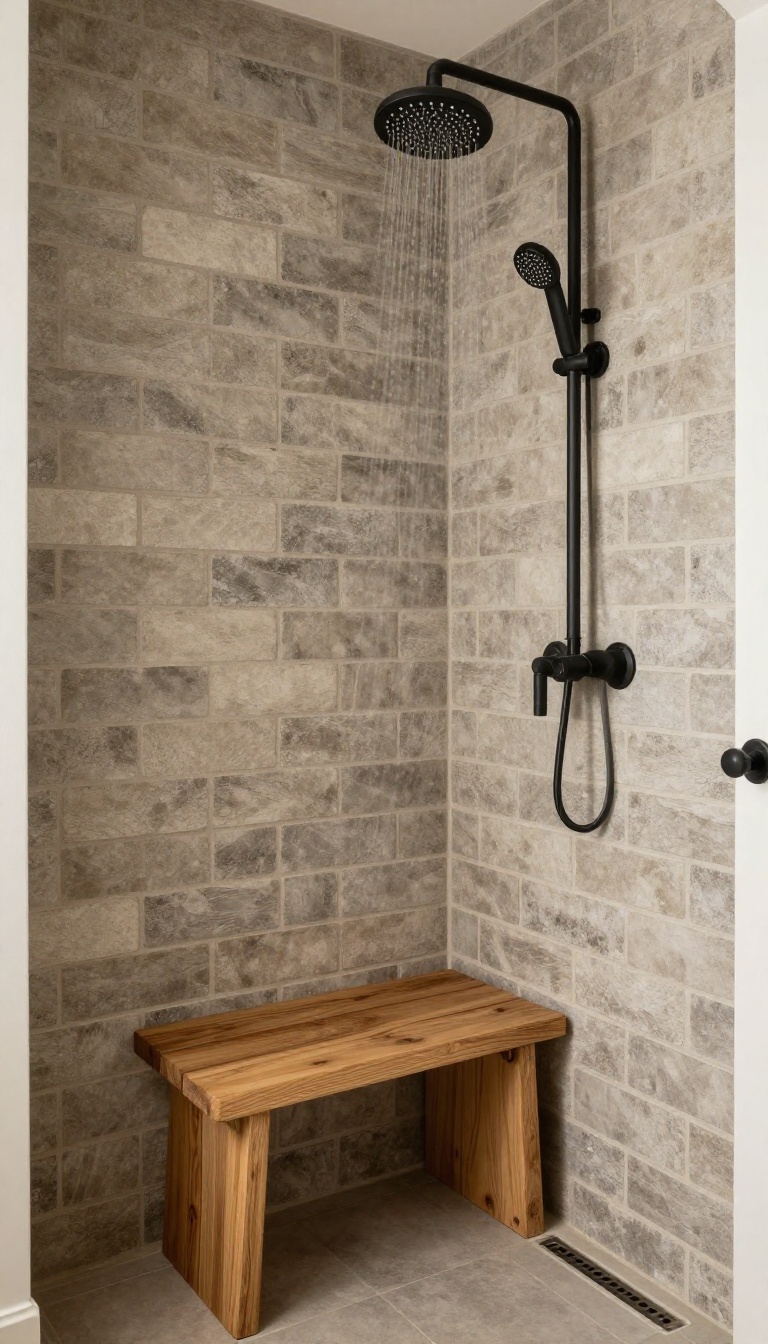
Brick-lay tiles in grey bring a cozy, handcrafted feel to a shower. The offset pattern mimics traditional brickwork, adding texture and depth without overwhelming the space. When the tiles have a tumbled or matte finish, they catch light softly and feel warm underfoot—perfect for a farmhouse or cottage bathroom.
The brick pattern is a classic layout that instantly gives walls a sense of structure. In grey, it feels both grounded and inviting. Choose a lighter grey for a more airy look, or a deeper charcoal for a moodier, cocooning effect.
The key is to let the tile’s texture do the talking.
Why Brick Layout Works In Showers
The staggered joints of a brick pattern break up the visual monotony of straight lines, making the wall feel more dynamic. In a shower, this layout also helps water sheet off more evenly, and the extra grout lines add grip underfoot if you extend it to the floor. It’s a practical choice that doesn’t compromise on style.
Choosing The Right Grey Shade
For a rustic, earthy vibe, look for greys with warm undertones—think greige or mushroom. These pair beautifully with natural wood accents and black fixtures. If you prefer a cooler, more modern rustic feel, a blue-grey or slate tone works well.
Test a few samples in your bathroom’s lighting to see how they shift throughout the day.
Finishing Touches For A Rustic Look
Pair the brick tile with matte black or oil-rubbed bronze fixtures to enhance the farmhouse feel. Add a wooden stool or teak bench for warmth, and consider a rainfall showerhead for that spa-like touch. Keep grout lines thin and in a matching grey tone to let the texture shine, or use a contrasting white grout for a more defined pattern.
14. Grey Crackle Tile for a Glossy Depth
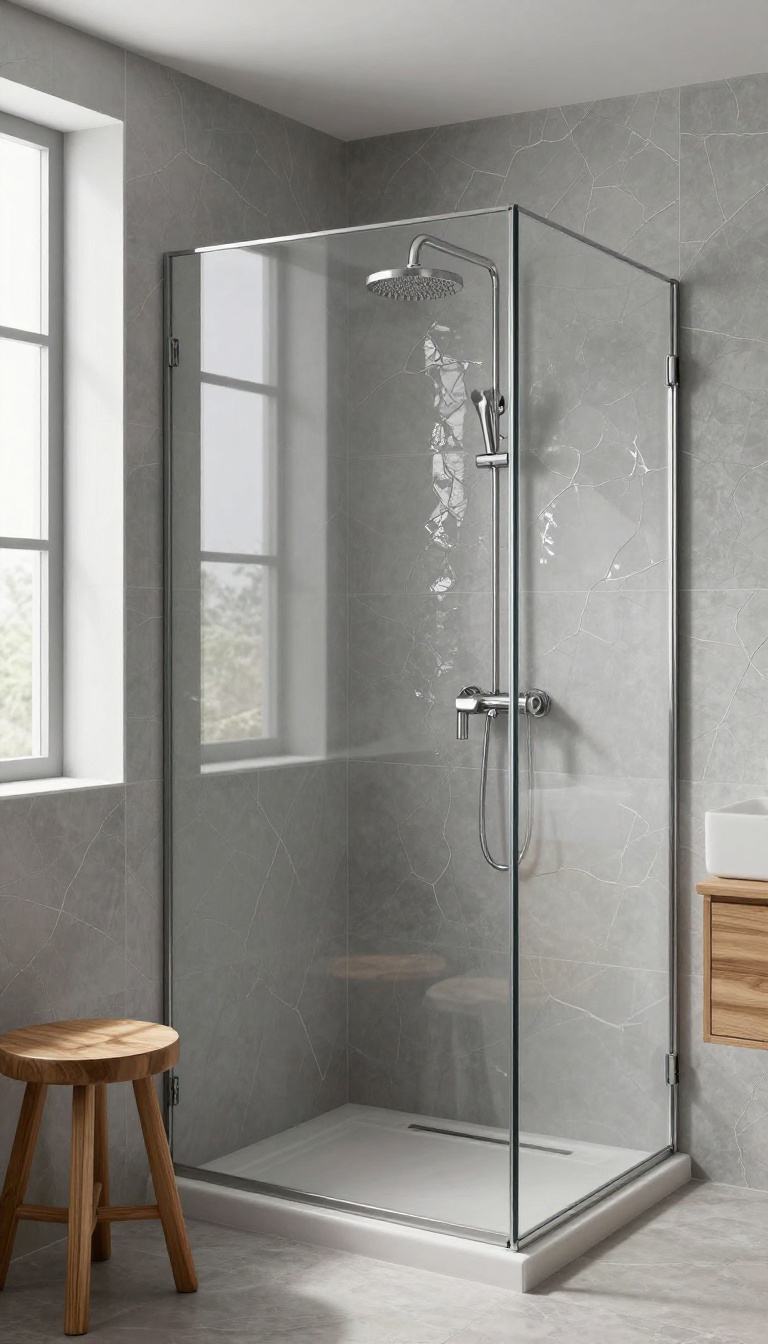
Crackle glaze tiles bring a unique texture that catches light and adds dimension. The glossy, slightly uneven surface reflects light beautifully, making the shower feel more spacious and airy. In grey, this finish offers a touch of glamour without being overpowering, perfect for a soft yet striking look.
Crackle glaze tiles are known for their distinctive crazed surface, which creates a network of fine lines that add character and depth. The glossy finish amplifies light, making the space appear brighter and larger. Grey crackle tiles work well in both modern and traditional bathrooms, adding a subtle shimmer that feels elegant and inviting.
Why Choose Crackle Glaze?
Crackle glaze tiles have a unique, handcrafted appeal that mass-produced tiles often lack. The irregular surface adds visual interest and a tactile quality that feels luxurious underfoot. In a shower, the glossy finish helps water bead off easily, making cleaning a breeze.
Plus, the light-reflective properties can make a small shower feel more open and airy.
Pairing With Other Materials
Grey crackle tiles pair beautifully with natural stone, brushed nickel fixtures, and warm wood accents. The glossy texture contrasts nicely with matte finishes, creating a balanced look. For a cohesive design, use the crackle tile on the main shower walls and complement with a simpler tile or stone on the floor.
This approach keeps the focus on the glossy depth without overwhelming the space.
Maintenance And Durability
Crackle glaze tiles are durable and resistant to moisture, but they do require some care. The crazed lines can trap grime if not sealed properly, so it's essential to use a high-quality sealer and clean with non-abrasive products. Regular wiping with a soft cloth will keep the glossy finish looking fresh.
With proper maintenance, these tiles can last for years while maintaining their beautiful depth.
15. Grey and Wood Accent Tile for Warmth
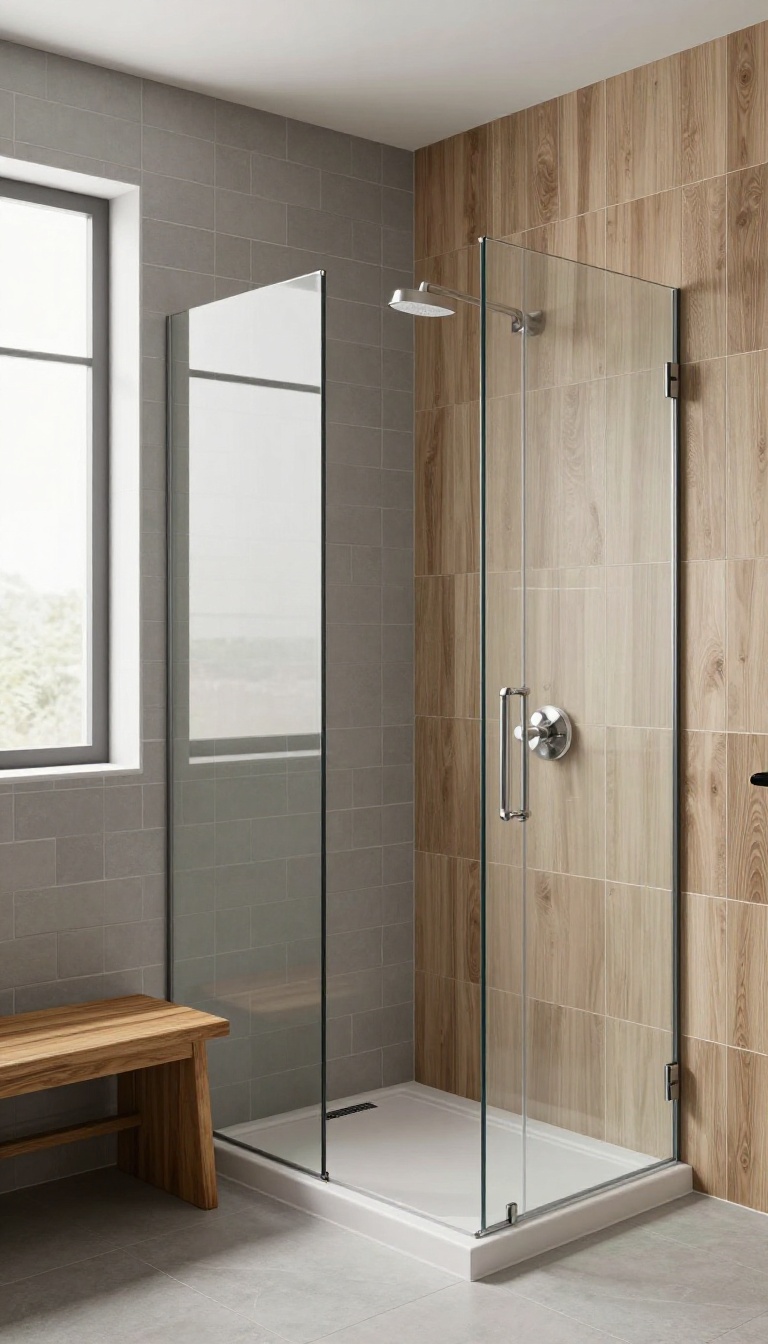
Grey can feel a little cool on its own, especially in a bathroom full of tile and hard surfaces. Adding wood-look accents or a wooden bench is an easy way to bring warmth back into the space. The mix of cool grey and warm wood creates a balanced, inviting atmosphere that feels both modern and cozy.
Wood and grey are a classic pairing. The grey tile keeps things calm and neutral, while the wood adds a natural, organic touch. You can use wood-look tile for a niche, a bench, or even a full accent wall.
If you prefer real wood, make sure it's sealed properly for wet areas, or stick with wood-look tile for worry-free durability.
Where To Add Wood Accents
Think about the areas that naturally draw the eye. A wood-look tile niche behind the shower bench is a subtle way to introduce warmth. Or go bolder with a wood-look tile accent wall on one side of the shower.
If you're using real wood, a teak bench or a small stool is a practical and stylish addition that also gives you a place to sit or rest your foot while shaving.
Choosing The Right Wood Tone
The wood tone matters more than you might think. Lighter woods like oak or ash keep the space airy and bright, while darker woods like walnut add richness and depth. For a grey shower, medium-toned woods often work best because they strike a balance between warm and neutral.
If your grey tile has cool undertones, a warm wood with golden or reddish hues will create a pleasing contrast.
Mixing Materials Seamlessly
To make the combination feel intentional, repeat the wood accent in other parts of the bathroom. A matching wood vanity or mirror frame can tie the look together. In the shower, keep the wood accents limited to a few key spots so they don't overwhelm the grey.
The goal is a subtle, harmonious blend, not a busy mix of materials.
FAQ
What grey shower tile is best for small bathrooms?
Large-format tiles in a light grey can make a small bathroom feel bigger by reducing grout lines and creating a seamless look. Also, consider a glossy finish to reflect more light.
Should I use light or dark grey tiles in my shower?
Light grey tiles make the space feel airy and open, while dark grey adds drama and coziness. Consider the amount of natural light and the mood you want to create.
How do I clean grey shower tiles?
Use a mild, pH-neutral cleaner and a soft brush or cloth. Avoid abrasive scrubbers that can scratch the surface. Regular wiping after showers helps prevent soap scum buildup.
Can I mix grey tiles with other colors?
Absolutely. Grey pairs well with white, black, wood tones, and even pastel accents. Use colored accessories or a feature wall to add personality while keeping the grey as a neutral base.
What grout color should I use with grey tiles?
For a seamless look, choose a grout close to the tile color. For contrast, use a darker grout to highlight the tile shape, or a lighter grout for a softer, more subtle effect.
Conclusion
Grey shower tiles give you that soft, balanced look without trying too hard. Whether you lean toward large-format slabs or classic subway, the key is picking a tone that works with your light and fixtures. Start with one wall or a niche, and build from there.
Small changes can make your bathroom feel calmer and more put-together. Take your time, choose what feels right, and enjoy the fresh look you create.