10 Shower Tray Ideas for a Neat Practical Bathroom Base
A shower tray is the foundation of your shower, but it's often an afterthought. Yet, the right tray can make your bathroom safer, easier to clean, and more stylish.
Whether you're renovating or building new, choosing the right base matters. From subtle textures that prevent slips to sleek low-profile designs that look seamless, there's a tray for every need.
This list covers ten ideas that balance practicality with aesthetics, so you can enjoy a shower that's both neat and functional. Let's dive into these options and find the one that fits your bathroom perfectly.
1. Low-Profile Trays for a Seamless Look
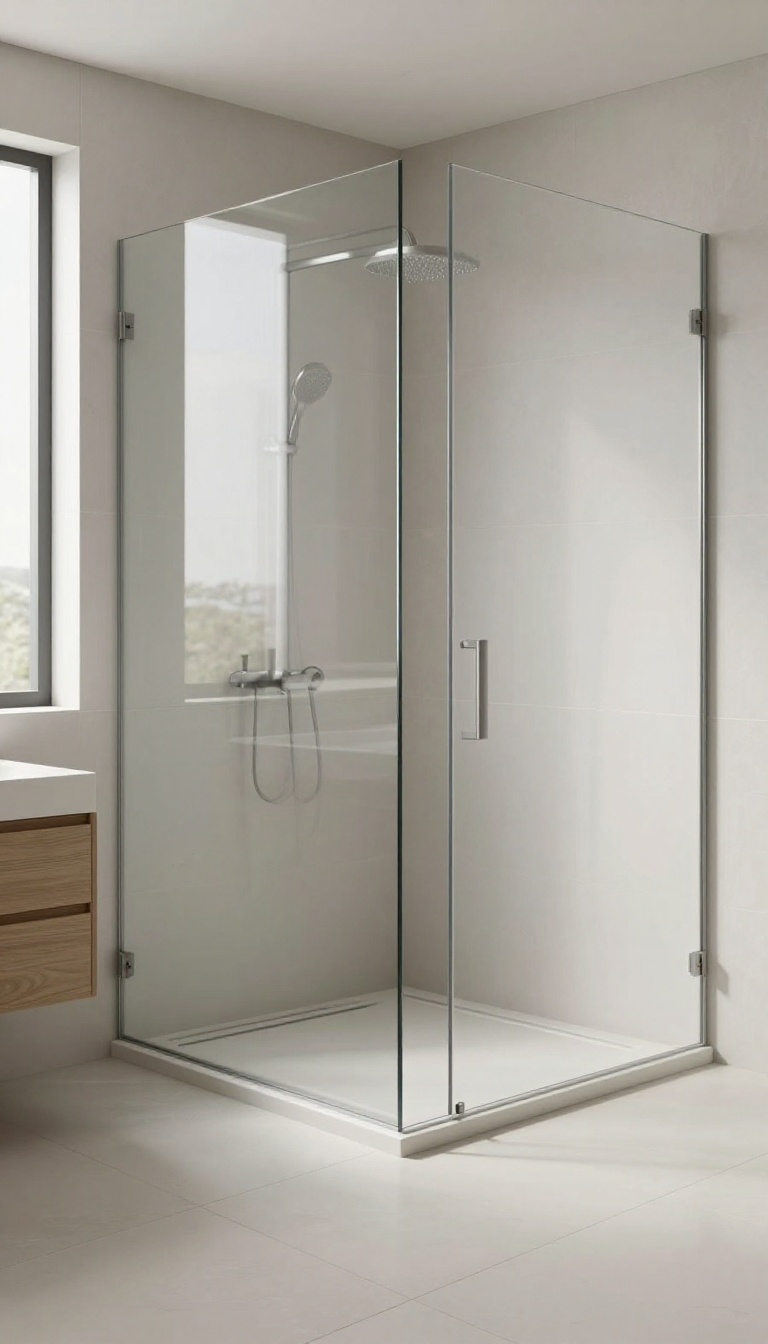
A low-profile tray sits almost flush with the floor, creating a smooth, barrier-free entry that feels modern and open. This design isn't just about looks—it eliminates the step-over, making the shower more accessible for everyone, including kids and older adults. Plus, with fewer edges and crevices, cleaning becomes noticeably easier.
Low-profile trays are a favorite in contemporary bathrooms because they visually blend with the flooring, making the space appear larger and more streamlined. They work especially well with walk-in showers and wet rooms, where the goal is a seamless transition from dry to wet areas. When installed correctly, the tray can be tiled over or matched with the surrounding floor, creating a nearly invisible base that prioritizes both style and function.
Why Choose A Low-profile Tray?
The main draw is the sleek, minimalist aesthetic that removes the bulky lip of traditional trays. This design also reduces trip hazards, which is a big plus for households with young children or elderly family members. Additionally, the lack of a raised edge means water flows directly into the drain without pooling, so the shower area stays drier and safer.
Installation And Compatibility
Low-profile trays require a bit more planning during installation because the drain and floor height need to be coordinated. They work best with tile or stone flooring, but can also be paired with waterproof membranes for a fully custom look. Make sure to check the tray's thickness and the subfloor's slope to ensure proper drainage—this step is crucial for avoiding standing water.
Styling Tips For A Seamless Finish
To achieve that truly seamless look, consider tiling the tray with the same tiles as the floor, or use a tray with a matching texture and color. You can also opt for a tray with a subtle anti-slip surface that doesn't compromise the clean lines. Pair it with a glass shower screen instead of a curtain to keep the visual flow uninterrupted.
2. Textured Surfaces for Slip Resistance
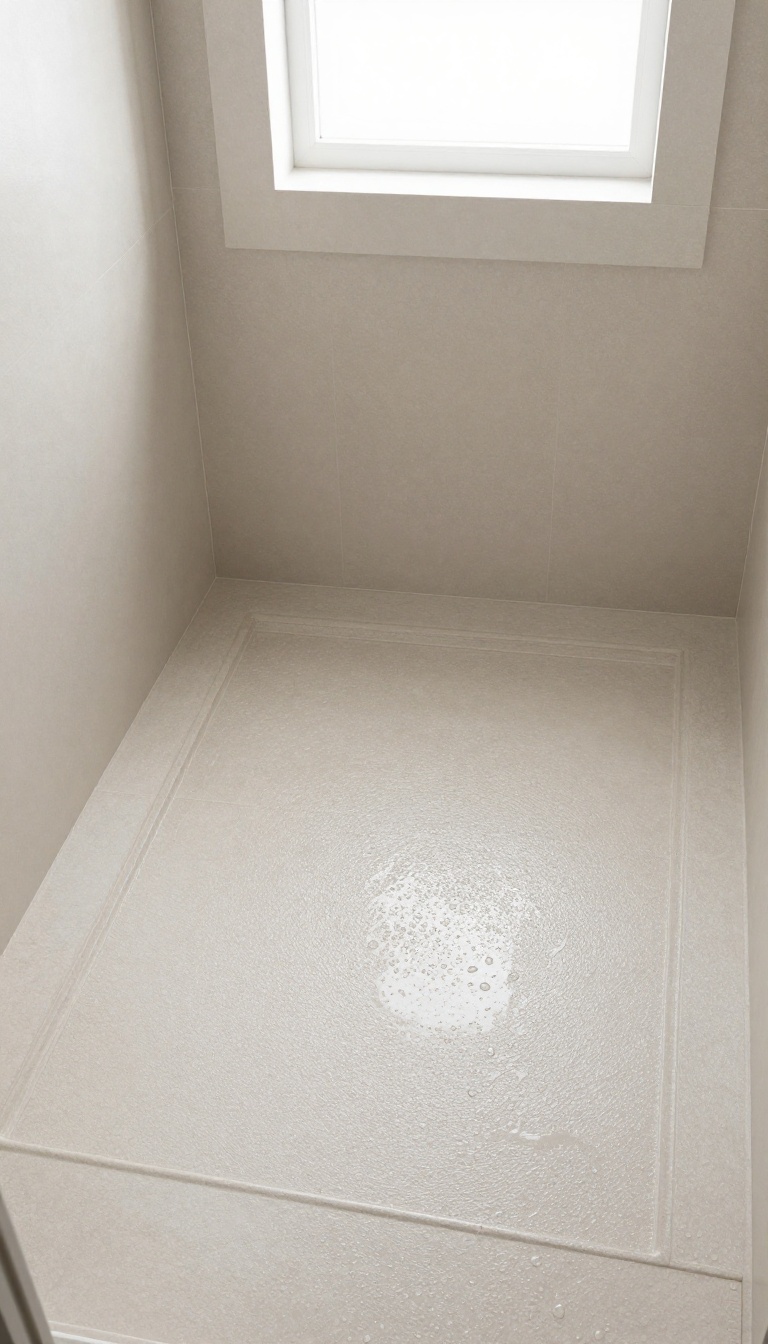
Slippery shower floors are a real concern, especially for kids, older adults, or anyone who moves quickly in the morning. A textured tray adds grip exactly where you need it, without sacrificing style. These trays come in a range of patterns and finishes, so you can find one that looks great and feels secure underfoot.
Why Texture Matters
Smooth surfaces look sleek but can become dangerously slick when soap and water mix. Textured trays use raised patterns or subtle grit to increase friction, giving your feet something to hold onto. This reduces the chance of a fall, making your shower safer for everyone in the household.
Types Of Textured Finishes
You’ll find trays with raised dots, linear ridges, or a fine stone-like grit. Some mimic natural slate or pebble textures, adding a spa-like feel to your bathroom. Others have a subtle matte finish that doesn’t feel rough underfoot but still provides extra traction.
Choosing The Right Texture Level
Think about who uses the shower most. For families with young children or elderly members, a more pronounced texture is wise. If you prefer a smoother feel, look for trays with a fine anti-slip coating that’s barely noticeable.
Always check the slip resistance rating to ensure it meets safety standards.
Cleaning And Maintenance Tips
Textured surfaces can trap dirt and soap scum, so regular cleaning is key. Use a soft brush and mild cleaner to work into the grooves. Avoid harsh abrasives that could wear down the texture over time.
With proper care, a textured tray stays safe and attractive for years.
3. Stone Resin Trays for Durability and Style
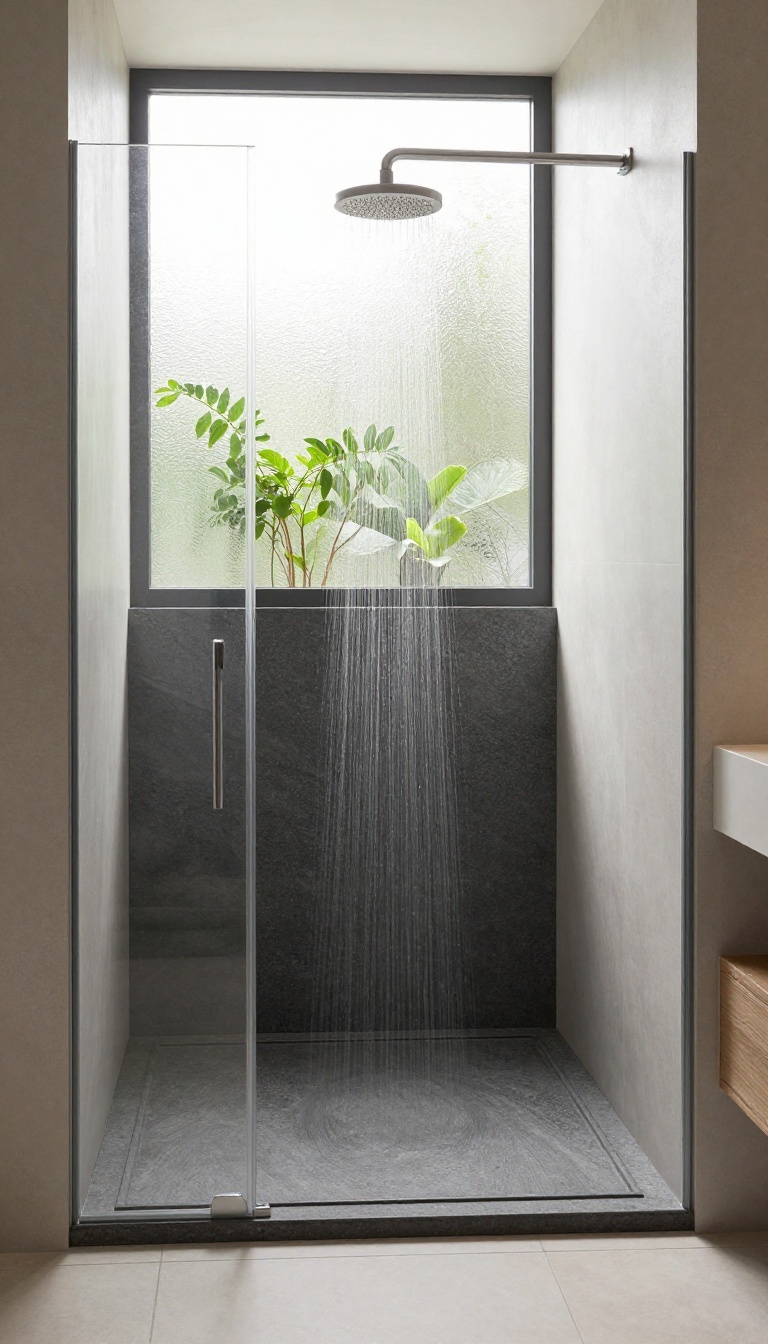
Stone resin is a composite material that blends natural stone dust with high-grade resin, creating a surface that's both tough and elegant. These trays have become a favorite for modern bathrooms because they offer the look of natural stone without the high maintenance. They're also surprisingly warm to the touch, which makes stepping in and out of the shower more comfortable.
Stone resin trays are built to last. The material is non-porous, so it resists stains, mold, and mildew, making cleanup a breeze. A quick wipe with a mild cleaner keeps them looking new.
They also absorb sound and heat, which means a quieter, warmer shower experience. Plus, they come in a range of colors and finishes, from matte white to charcoal, so you can easily match your bathroom's style.
Why Stone Resin Stands Out
Unlike ceramic or acrylic, stone resin doesn't chip or crack easily. It's also less slippery when wet, adding a safety benefit. The material can be molded into sleek, low-profile designs that look seamless with your tiling, giving your bathroom a high-end feel without the hefty price tag of natural stone.
Easy Maintenance And Longevity
Because stone resin is non-porous, it doesn't harbor bacteria or soap scum. You won't need harsh chemicals to keep it clean—just warm water and a soft cloth. With proper care, a stone resin tray can last for decades, making it a smart investment for any bathroom renovation.
Color And Finish Options
You're not stuck with basic white. Stone resin trays come in a variety of shades, including beige, grey, and even black. Finishes range from glossy to matte, so you can pick one that complements your tiles and fixtures.
Some manufacturers even offer custom colors to match your exact bathroom palette.
4. Acrylic Trays for Lightweight Affordability
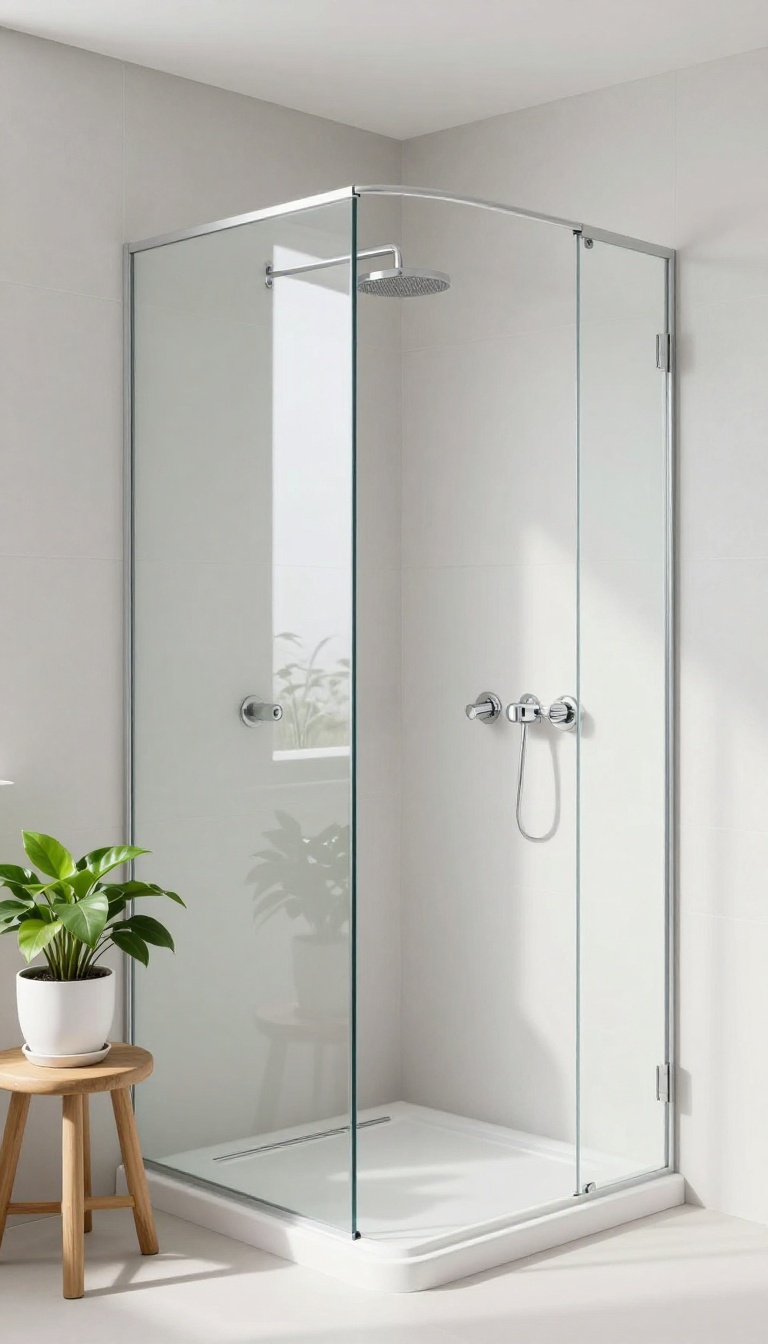
Acrylic trays are a popular pick for budget-conscious renovators who still want a clean, modern look. They're light enough for one person to carry and install, which can save on labor costs if you're doing it yourself. Plus, they come in a wide range of shapes and sizes, so finding one that fits your shower space is usually straightforward.
Why Acrylic Feels Like A Smart Choice
Acrylic is a type of plastic that's reinforced with fiberglass, making it sturdy yet surprisingly lightweight. Unlike heavier materials like stone or cast iron, acrylic trays are easy to maneuver into place, even in tight bathrooms. This also means less stress on your subfloor, which can be a plus in older homes.
Shapes And Sizes To Match Your Layout
You'll find acrylic trays in square, rectangular, and quadrant designs, plus offset options for corner installations. Many brands offer custom sizing, so you're not stuck with a one-size-fits-all approach. If you have an awkward alcove or a narrow space, an acrylic tray can often be tailored to fit perfectly.
Keeping It Clean And Scratch-free
Acrylic is non-porous, which means it resists stains and soap scum better than some other materials. A simple wipe-down with mild soap and water keeps it looking fresh. Just avoid abrasive scrubbers, as they can leave fine scratches.
Use a soft cloth or sponge, and your tray will stay glossy for years.
5. Extra-Large Trays for Spacious Showers
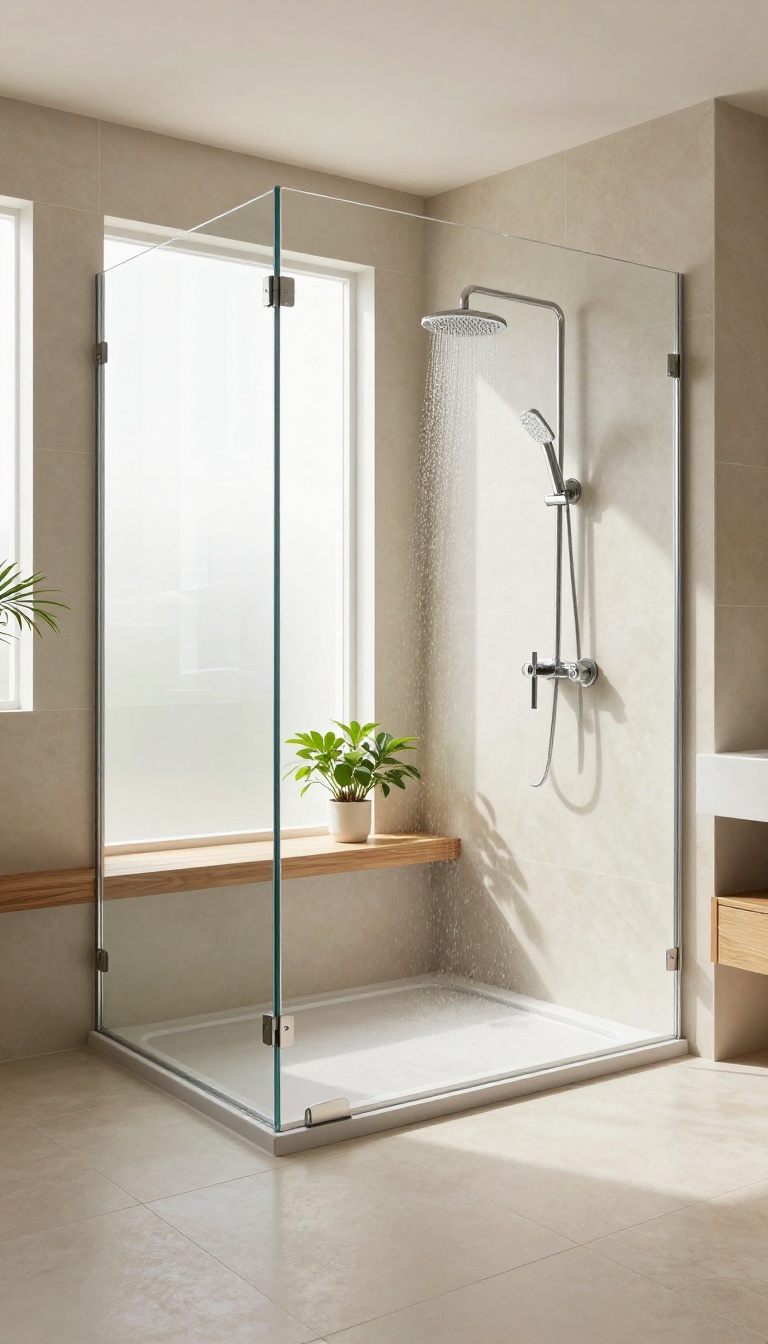
If you love the feeling of room to move, an extra-large tray can transform your daily routine. These generous bases turn a standard shower into a mini retreat, giving you space to stretch, bend, and move without feeling cramped. They're especially popular for walk-in showers, where the open layout pairs perfectly with a wide, unobstructed floor.
Choosing an extra-large tray is about more than just size. It's about creating a sense of openness and comfort that makes your bathroom feel more luxurious. With the right design, you can enjoy a spacious shower that still drains efficiently and stays safe underfoot.
Let's explore what makes these trays special and how to pick the right one for your space.
Why Size Matters In Shower Comfort
Standard shower trays are typically 900mm square, but extra-large options can stretch to 1200mm or even 1400mm in width and length. This extra space isn't just a luxury—it's practical. You can move freely, wash without bumping into walls, and even add a shower stool if you need one.
For taller people, a larger tray means no more crouching under a low showerhead or feeling squeezed into a corner.
Designing A Walk-in Shower With A Large Tray
Extra-large trays are a natural fit for walk-in showers. Because they're so wide, they create a seamless transition from the bathroom floor, especially when paired with a wet-room style layout. You can position the tray flush with the surrounding tiles for a clean, minimalist look, or add a low-profile step for a subtle separation.
The key is to plan the drainage carefully—a large tray needs a well-placed drain to avoid puddling.
Material And Installation Considerations
When you go big, the material matters even more. Stone resin and acrylic are popular choices because they're lightweight yet durable, making installation easier. But you also need to ensure your floor can support the weight, especially if you choose a stone or tile-covered tray.
Always check the load-bearing capacity and consider reinforcing the subfloor if needed. Also, think about slip resistance—a large wet surface can be hazardous, so look for trays with a textured finish or add a non-slip mat.
6. Corner Trays for Compact Bathrooms
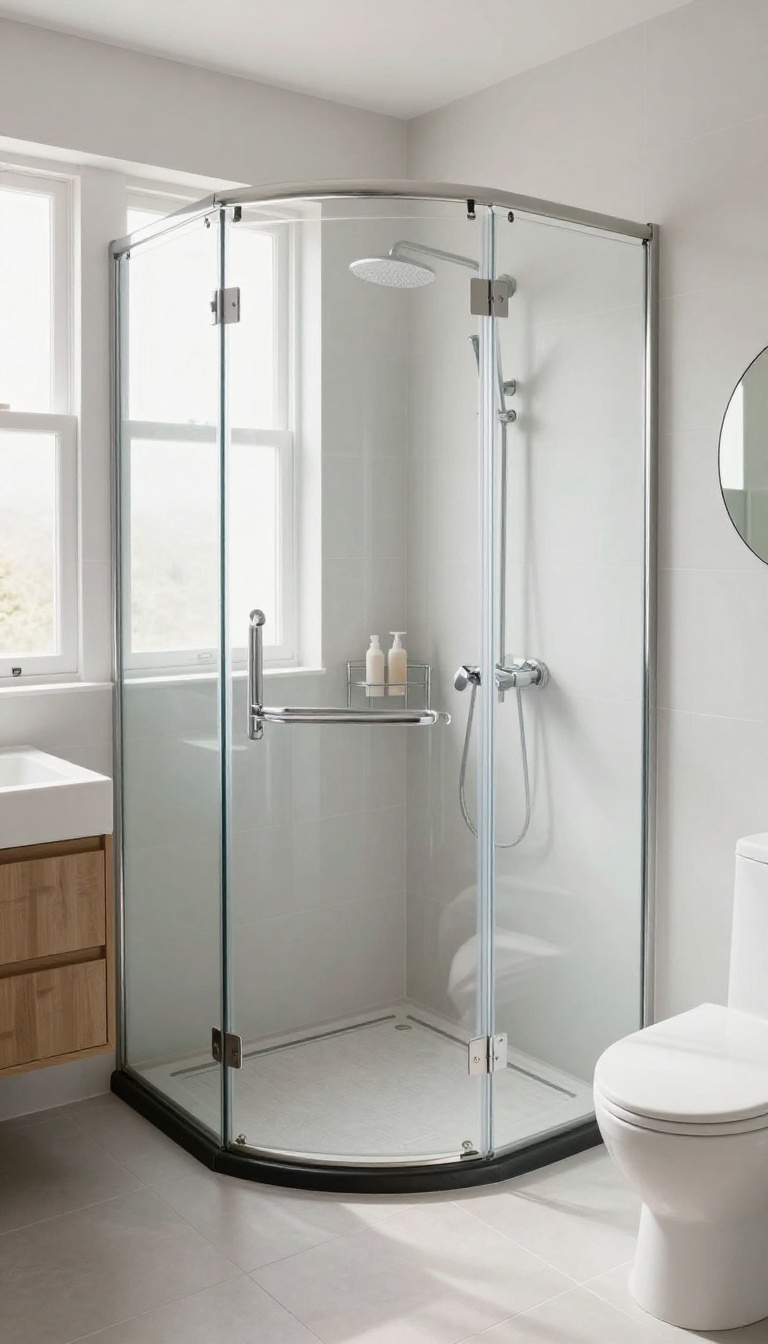
When space is tight, every inch counts. A corner shower tray is a smart way to carve out a functional shower without eating up the whole room. It fits neatly into a corner, leaving more open floor area for the toilet, vanity, or just breathing room.
Corner trays are designed to make the most of awkward spaces. They come in a variety of shapes—quarter-circle, pentagon, and square—so you can pick one that matches your bathroom layout. The key benefit is that they turn an unused corner into a practical shower zone, which is especially handy in en-suites or guest bathrooms where space is limited.
Shapes And Sizes That Work
Quarter-circle trays are the classic choice for corners, offering a compact footprint with a curved front that saves space. Pentagon trays give you a bit more room inside the shower, while square trays can be set diagonally to maximize corner space. Measure your available area carefully—most corner trays range from 700mm to 900mm, so you can find one that fits without overwhelming the room.
Installation Tips
Corner trays can be installed as a recessed, low-profile, or raised option. Recessed trays sit flush with the floor, making them ideal for wet rooms or barrier-free showers. If you're working with a tight budget, a raised tray with a matching panel is easier to install and still looks neat.
Just ensure the tray is level and properly sealed to prevent leaks.
Styling And Accessories
To make a corner shower feel more spacious, use a clear glass enclosure instead of a curtain. Add a corner caddy for toiletries to keep everything within reach without cluttering the space. Choose a tray color that blends with your floor—like white, gray, or beige—to create a seamless look that visually expands the room.
7. Trays with Built-In Drainage for Easy Cleaning
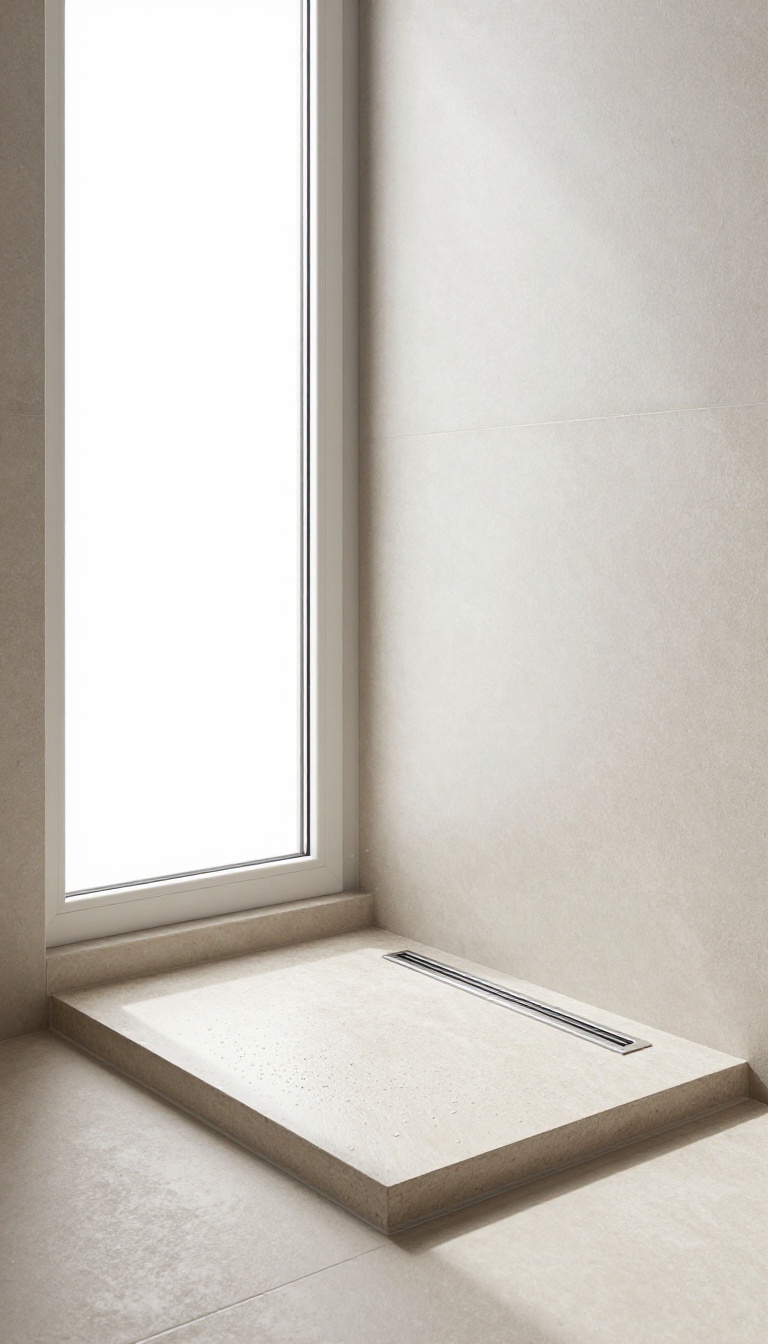
Standing water is a shower tray's worst enemy. It leaves soap scum, grime, and can even lead to mold. Built-in drainage systems solve this by channeling water away quickly and efficiently, so your tray dries faster and stays cleaner with less effort.
When a shower tray has a well-designed drainage system, it does more than just move water. It reduces the time you spend scrubbing and helps keep your bathroom more hygienic. With the right setup, you can say goodbye to puddles and hello to a fresher shower.
How Integrated Drainage Works
Instead of a simple drain hole, these trays use a channel or a linear drain that runs along one edge or across the middle. The slight slope of the tray directs water into the channel, which then exits through a single point. This design allows for a larger drainage area, so water doesn't pool on the surface.
It's a simple but smart upgrade that makes a big difference in daily use.
Cleaning Benefits You'll Notice
With less standing water, there's less soap scum and mineral buildup. You won't need to scrub as often, and when you do, it's easier because the surface stays cleaner. The removable drain cover also makes it simple to clear away hair and debris.
Plus, a drier tray means fewer chances for mold or mildew to take hold, which is a win for both your health and your cleaning routine.
Choosing The Right Drain Style
You'll find two main options: point drains and linear drains. Point drains are the traditional round ones, often placed in a corner. Linear drains are more modern and can be placed along a wall or in the center.
They offer a sleek look and can be easier to clean since the cover is longer and often removable. Think about your shower's layout and what feels easier to maintain. If you want a minimalist look, a linear drain is a great choice.
8. Customizable Colors and Finishes
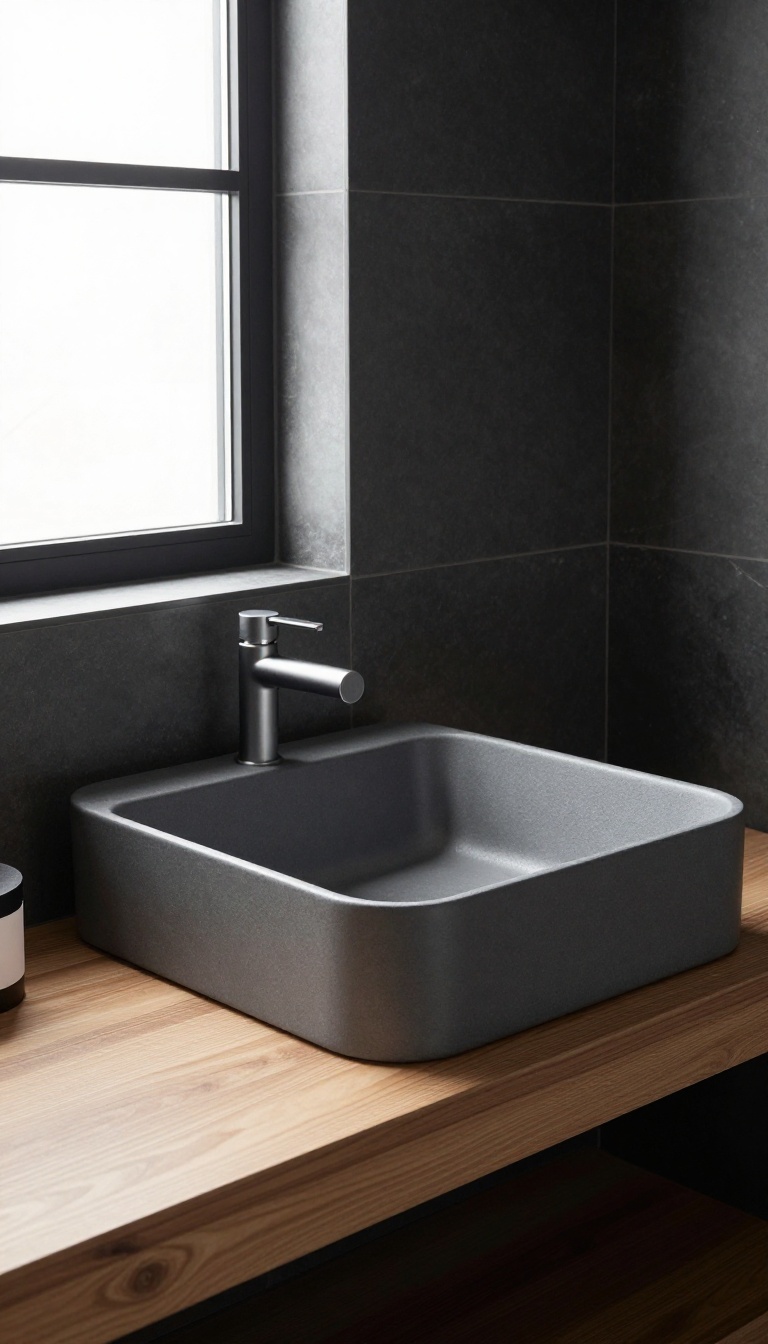
Your shower tray doesn't have to be a boring white slab. Today's trays come in a spectrum of colors and finishes that can complement or even elevate your bathroom's design. Whether you want a seamless match or a bold contrast, there's a tray that fits your vision.
Choosing the right color and finish is about more than looks—it also affects how the tray hides dirt, matches your fixtures, and feels underfoot. From subtle matte textures to glossy stone-look surfaces, the options are surprisingly diverse.
Match Your Bathroom's Palette
If your bathroom leans neutral, a white or light gray tray blends in effortlessly. For darker floors or walls, a charcoal or black tray can anchor the space and hide soap scum better. Think about your tiles, vanity, and shower fixtures—your tray should tie them together, not clash.
Stone And Concrete Effects
Stone-effect trays mimic natural materials like marble, slate, or concrete without the weight or maintenance. These finishes add a high-end, spa-like feel and pair beautifully with wooden accents or brushed metal fixtures. They're also less slippery than polished stone, making them a practical choice.
Textured And Matte Options
A matte finish not only looks modern but also reduces visible water spots and fingerprints. Some trays come with subtle textures that improve slip resistance, especially when wet. If you prefer a sleek look, a matte white or beige tray offers a soft, non-reflective surface that's easy to clean.
Custom Colors For Unique Spaces
Some manufacturers offer custom color matching, so you can get a tray that exactly matches your tiles or a bold accent color. This is great for design-forward bathrooms where the tray becomes a feature. Just keep in mind that custom colors may take longer to order and could cost a bit more.
9. Eco-Friendly Recycled Materials
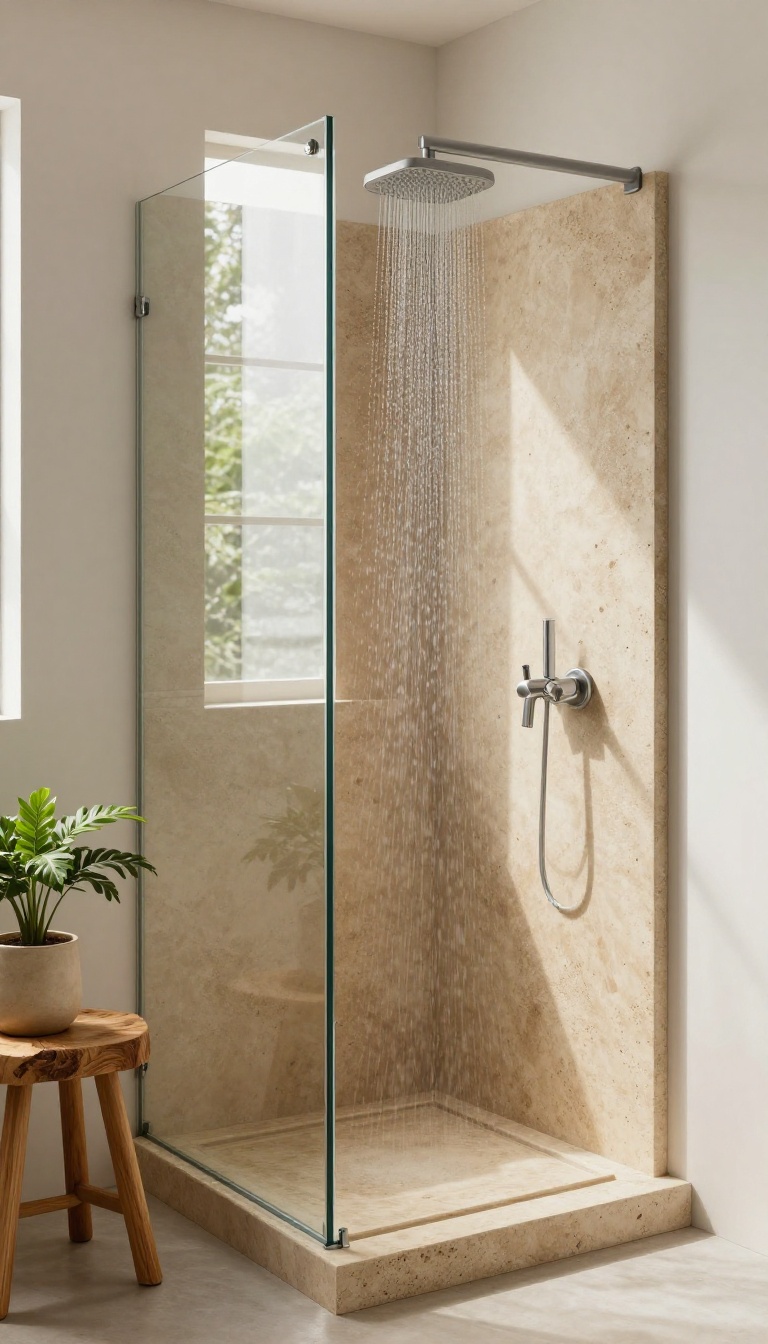
Going green in the bathroom doesn't mean sacrificing style or durability. Recycled shower trays are made from materials like reclaimed acrylic, composite stone, or recycled rubber, offering a sustainable choice that's both tough and attractive. They're perfect for eco-conscious renovators who want to reduce their environmental footprint without compromising on quality.
Recycled shower trays are a smart pick for anyone looking to make their bathroom renovation more sustainable. They're crafted from post-industrial or post-consumer waste, giving new life to materials that would otherwise end up in a landfill. Despite their eco-friendly origins, these trays are built to last, with many offering the same strength and water resistance as their virgin counterparts.
Plus, they come in a range of colors and finishes, so you don't have to settle for a dull look.
What Makes Them Eco-friendly?
These trays are typically made from recycled acrylic, which is melted down and reformed, or from composite materials that blend recycled stone dust with resin. Some manufacturers even use recycled rubber from old tires, creating a flexible yet sturdy base. By choosing a recycled tray, you're reducing the demand for new raw materials and cutting down on energy use during production.
It's a simple swap that makes a big difference.
Durability And Maintenance
Don't think that 'recycled' means 'less durable. ' In fact, many recycled trays are just as tough as new ones, with excellent resistance to scratches, stains, and impacts. They're also easy to clean—a quick wipe with a mild cleaner keeps them looking fresh. Some recycled rubber trays even offer a non-slip surface, adding an extra layer of safety to your shower.
Style Options And Finishes
Recycled trays come in a variety of styles, from glossy white to matte stone textures. You can find them in standard sizes or have them custom-made to fit your space. Some manufacturers offer trays with a subtle speckled pattern that hides dirt well, while others mimic the look of natural stone for a more upscale feel.
With so many options, it's easy to find a recycled tray that matches your bathroom's aesthetic.
10. Heated Trays for Added Comfort
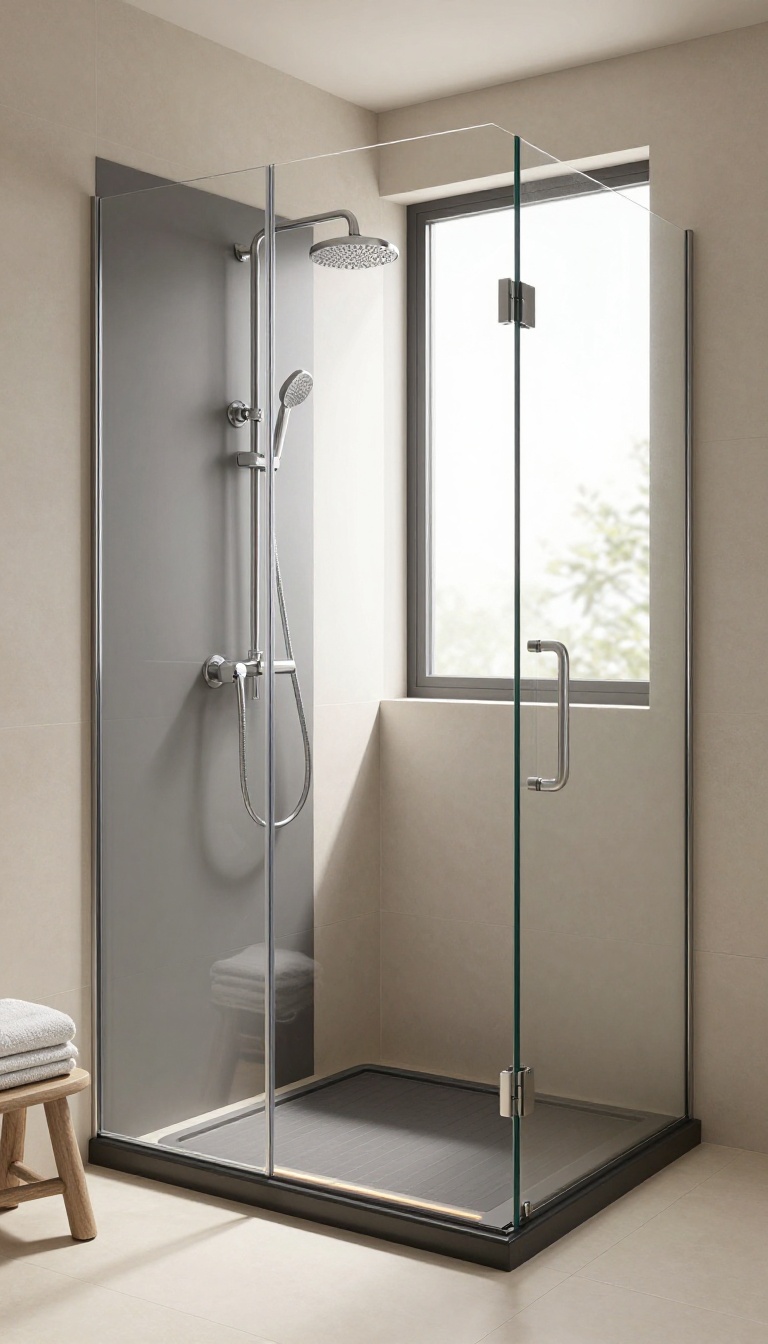
Cold tiles underfoot can make even a hot shower feel less inviting. A heated shower tray solves that by warming the floor before you step in. It's a small upgrade that makes a big difference, especially on chilly mornings.
Heated trays work by circulating warm water or using electric elements beneath the surface. They're built into the tray itself, so they don't take up extra space or clutter your bathroom. You can set a timer to have the floor warm when you wake up, or just let it run while you shower.
How Heated Trays Work
There are two main types: hydronic and electric. Hydronic systems use warm water from your boiler, while electric ones use heating cables. Both are installed under the tray and controlled with a thermostat.
You can adjust the temperature to your liking, and some models even come with remote controls.
Installation Considerations
Heated trays need to be installed by a professional, especially if you're adding them to an existing bathroom. They require electrical work or plumbing connections, so it's not a simple DIY project. But once they're in, they're low-maintenance and energy-efficient.
Who Benefits Most
If you live in a cold climate or have a bathroom with poor insulation, a heated tray is a game-changer. It's also great for families with kids who hate stepping on cold floors, or for anyone who just wants a bit of spa-like comfort at home.
FAQ
What is the best material for a shower tray?
The best material depends on your needs. Stone resin is durable and stylish, acrylic is affordable and lightweight, while enameled steel is strong but can be slippery. Consider slip resistance and maintenance.
How do I clean a shower tray?
Use a mild detergent and a soft cloth or sponge. Avoid abrasive cleaners that can scratch the surface. Rinse thoroughly and dry to prevent water spots.
Can I install a shower tray myself?
It's possible if you have DIY experience, but professional installation is recommended to ensure proper leveling and waterproofing. Incorrect installation can lead to leaks.
What size shower tray do I need?
Measure your shower area and consider your mobility needs. Standard sizes range from 700mm to 1200mm. Ensure there's enough space for comfortable movement.
Are shower trays slippery when wet?
Some materials can be slippery. Look for trays with textured surfaces or anti-slip coatings. You can also add a mat for extra safety.
Conclusion
Choosing the right shower tray is all about balancing looks with everyday function. Whether you prefer a sleek wet room style or a classic low-profile design, the key is matching the material and shape to your bathroom's layout and your own routine.
Start with the idea that solves your biggest pain point, whether that's easier cleaning, better drainage, or a safer step-in. Small choices like a textured surface or a built-in seal can make a big difference in how the space feels and holds up over time.