How to Clean Sofas at Home in 13 Easy Freshening Steps
Your sofa endures daily life—spilled drinks, pet paw prints, and the occasional mystery stain. But you don't need a professional cleaner to keep it looking fresh.
With simple household items like baking soda, vinegar, and a little elbow grease, you can tackle dirt, odors, and stains in no time. From steam cleaning to spot-treating ink marks, these 13 methods cover every fabric type.
Ready to revive your living room centerpiece without spending a fortune? Let's get started.
1. Vacuum Thoroughly Before Anything Else
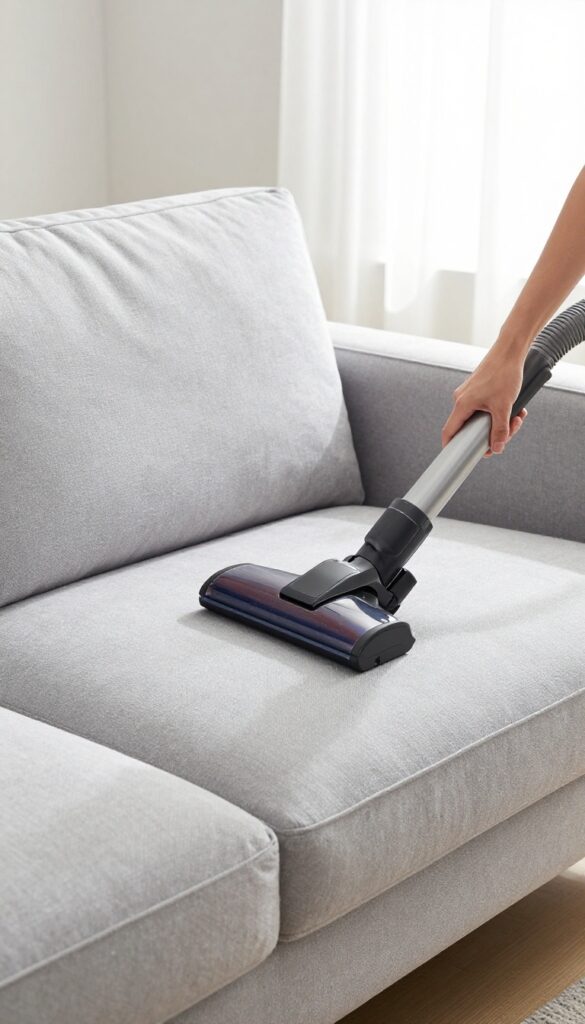
Before you break out the cleaning sprays or baking soda, give your sofa a deep vacuum. This simple step removes loose dirt, crumbs, pet hair, and dust that can get ground into the fabric later. Skipping it means you're just pushing debris around instead of lifting it out.
Grab your vacuum's upholstery attachment and go over every surface—the seat cushions, backrest, arms, and even the sides. Don't forget the crevices where crumbs and coins hide. Lift the cushions and vacuum underneath, too; you'll be surprised what collects there.
For pet hair, a rubber squeegee or a lint roller can help loosen stubborn fur before vacuuming. This prep work makes the rest of your cleaning routine far more effective.
Use The Right Attachment
The upholstery brush is your best friend here. It's gentle enough for most fabrics but stiff enough to dislodge dirt. Avoid using the beater bar on delicate materials like velvet or linen—it can cause fraying.
If your vacuum has adjustable suction, lower it for lightweight fabrics to prevent pulling threads.
Don't Skip The Crevices
Crumbs, dust bunnies, and lost change love to hide in the seams and under cushions. Use the crevice tool to get into those tight spots. Run it along the edges where the seat meets the backrest and around the arms.
This extra step prevents dirt from migrating back onto the surface.
Tackle Pet Hair First
If you share your home with a furry friend, pet hair can be stubborn. Before vacuuming, wipe the sofa with a damp rubber glove or a squeegee—the static helps lift hair. Then vacuum as usual.
For microfiber, a soft-bristled brush can loosen embedded hair without damaging the fabric.
2. Spot Clean Fresh Stains Immediately
The moment a spill happens, time is your enemy. Acting fast can mean the difference between a quick wipe and a permanent mark. Blot, don't rub—rubbing pushes the stain deeper into the fabric fibers.
Keep a clean cloth handy and tackle the mess right away.
For water-based stains like coffee or juice, mix a few drops of mild dish soap with water, dab the stain, then blot with a dry cloth. For oil-based stains such as salad dressing or grease, sprinkle baking soda over the spot first. Let it sit for 15 minutes to absorb the oil, then brush it off and treat with a gentle cleaner.
Always test any solution on a hidden area first.
Blotting Basics
Use a white cloth to avoid color transfer. Press firmly without scrubbing, working from the outside of the stain inward to prevent spreading. Repeat with fresh sections of the cloth until no more stain transfers.
Water-based Stain Removal
Mix 1 teaspoon of mild liquid dish soap with 2 cups of lukewarm water. Dip a cloth, wring it out, and dab the stain. Follow with a damp water rinse and blot dry.
Oil-based Stain Removal
Cover the stain with a thick layer of baking soda and let it sit for 15–30 minutes. Vacuum up the powder, then apply a small amount of rubbing alcohol to a cloth and dab the area. Blot with a clean cloth.
3. Use Baking Soda to Deodorize
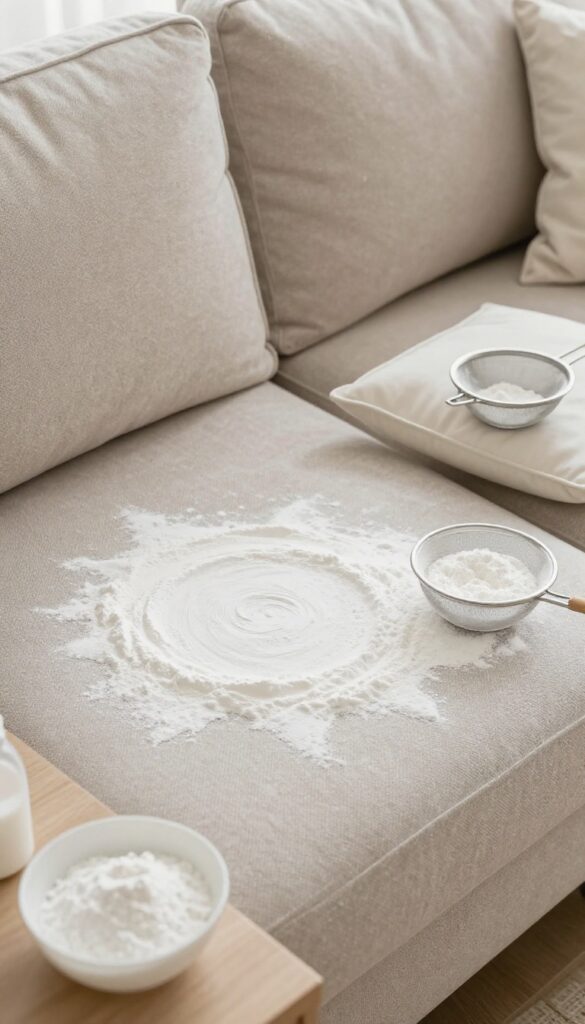
Over time, sofas can trap odors from pets, food, and everyday life. Baking soda is a natural deodorizer that neutralizes smells without harsh chemicals. It's simple, cheap, and safe for most fabrics.
How To Apply Baking Soda
Remove all cushions and pillows. Sprinkle a generous layer of baking soda over the entire sofa, including crevices and under cushions. Use a sieve for even distribution.
Let it sit for at least 15-20 minutes, but for strong odors like smoke or pet smells, leave it overnight. The longer it sits, the more odors it absorbs.
Vacuum Thoroughly
After the waiting time, use a vacuum with an upholstery attachment to remove all baking soda. Go over every inch, including seams and corners. For best results, vacuum in multiple directions to lift powder from deep fibers.
You'll notice a fresher, cleaner scent immediately.
Tips For Better Results
For extra odor-fighting power, mix a few drops of essential oil (like lavender or lemon) into the baking soda before sprinkling. Test on a hidden area first to ensure no staining. Baking soda also works on fabric and microfiber sofas, but avoid on silk or untreated leather.
4. Steam Clean for Deep Dirt
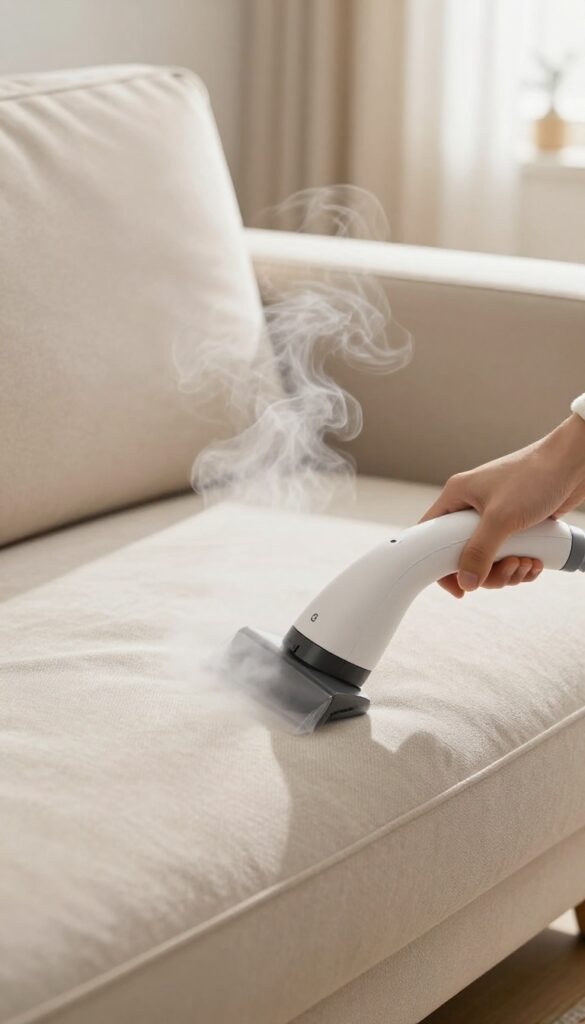
When vacuuming and spot cleaning aren't enough, steam cleaning can work wonders. The heat and moisture penetrate deep into the fabric, loosening dirt and killing bacteria without harsh chemicals. It's especially effective for sofas that have absorbed years of grime or suffer from musty odors.
Steam cleaning is a powerful method for deep cleaning your sofa, but it requires some care. Always check the manufacturer's label to ensure your upholstery is safe for steam cleaning. Use a handheld steamer or rent a machine designed for upholstery.
Work in sections, moving the steamer slowly to avoid over-wetting. Allow the sofa to dry completely before using it again—open windows or use fans to speed up the process.
Choose The Right Machine
You don't need a heavy-duty commercial steamer. A handheld upholstery steamer works well for most sofas. If you're tackling a large sectional, consider renting a machine from a hardware store.
Look for one with an upholstery attachment to control moisture.
Pre-treat Stains
Before steaming, treat any visible stains with a gentle upholstery cleaner. Let it sit for a few minutes, then blot with a cloth. Steam will help lift the stain, but pre-treating gives you a head start.
Dry Thoroughly
After steaming, your sofa will be damp. Open windows, turn on a fan, or use a dehumidifier to dry it out. Avoid sitting on it until it's completely dry—this can take several hours.
Dampness can lead to mold, so patience is key.
5. Tackle Pet Hair with a Rubber Glove
Pet hair can cling stubbornly to sofa fabric, making your living room look messier than it is. But you don't need a fancy gadget to get rid of it—just a common household item you probably already have.
The Rubber Glove Trick
Dampen a rubber glove slightly and run your hand over the sofa fabric in one direction. The static and moisture cause the hair to clump together, making it easy to pick up or vacuum away. This works especially well on velvet, microfiber, and other textured fabrics.
Lint Roller For Quick Touch-ups
For small areas or when you're short on time, a lint roller is your best friend. Roll it over the surface in overlapping strokes to lift hair and dust. Keep one in your living room drawer for daily maintenance.
Squeegee For Large Surfaces
A rubber squeegee—the kind you use on windows—is surprisingly effective for pulling pet hair from upholstery. Drag it across the fabric in long, even strokes, and watch the hair gather at the edge. This method is fast and works on both fabric and leather sofas.
6. Remove Ink Stains with Rubbing Alcohol
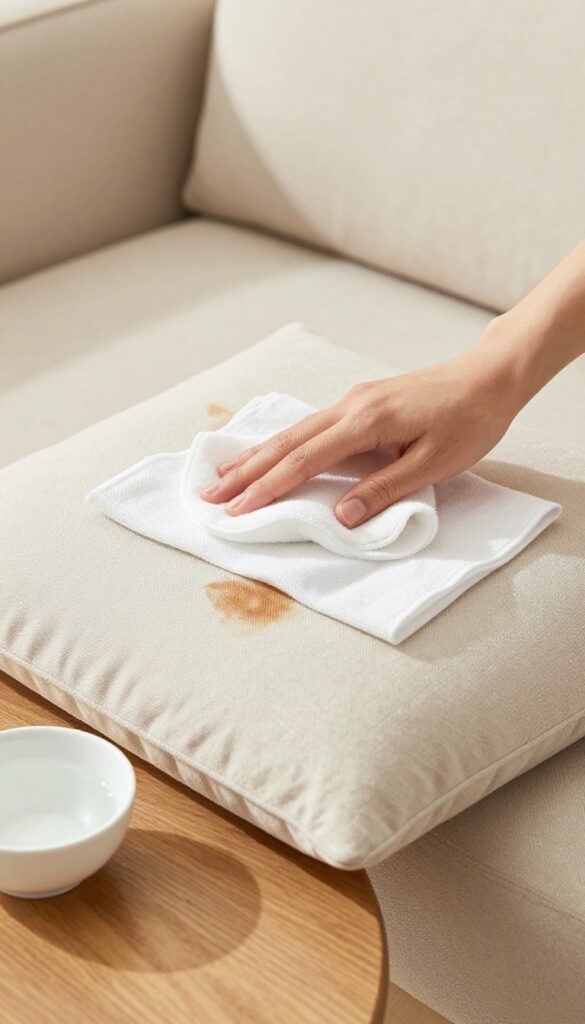
Ink stains from pens or markers can be intimidating, but they're actually one of the easiest marks to remove—if you act quickly. Rubbing alcohol breaks down the ink's binding agents, allowing you to lift it right out of the fabric. This method works on most sofa materials, including microfiber, cotton, and polyester blends.
Just test a hidden spot first to make sure the alcohol doesn't affect the color.
What You'll Need
Grab a bottle of isopropyl rubbing alcohol (70% or higher), a few cotton balls or pads, a clean white cloth, and a small bowl of water. Avoid colored cloths—they might transfer dye onto your sofa. For stubborn stains, a soft-bristled brush can help loosen the ink before you start.
Step-by-step Blotting
Dab a cotton ball in rubbing alcohol so it's damp but not dripping. Gently blot the ink stain—don't rub, or you'll spread it. Start from the outer edge and work inward.
As the ink transfers to the cotton, switch to a fresh one. Continue until no more ink lifts. Then blot the area with a clean cloth dampened with water to rinse away the alcohol.
Drying And Checking
Let the spot air dry completely. If a faint shadow remains, repeat the process. For dried or set-in stains, you can let the alcohol sit for a minute before blotting.
Once dry, vacuum the area to restore the fabric's texture. This method also works for ballpoint pen marks on leather, but use a very small amount of alcohol and wipe immediately.
7. Clean Leather Sofas with a Mild Soap Solution
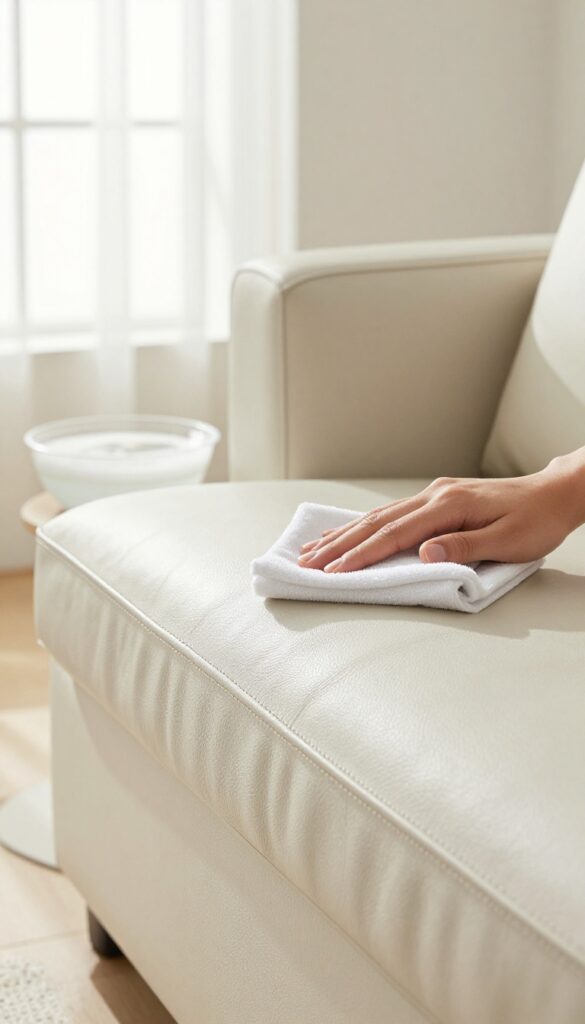
Leather sofas add a touch of elegance, but they need special care. Harsh chemicals can strip the natural oils, leaving the leather dry and cracked. The good news?
A simple soap solution is all it takes to lift grime without damaging the surface.
Cleaning leather is straightforward once you know the right technique. Start by dusting or vacuuming the sofa with a soft brush attachment to remove loose dirt. Then mix a few drops of mild dish soap with warm water—avoid anything with bleach or strong detergents.
Dip a soft microfiber cloth into the solution, wring it out well so it's damp, not wet, and gently wipe the leather in circular motions. Work in small sections to prevent the leather from getting too wet. After cleaning, immediately dry the area with a clean, dry cloth.
Moisture left on leather can cause staining or damage. Finally, apply a leather conditioner to restore suppleness and prevent cracking. Conditioners are available at most home stores and are worth the investment for long-term care.
Why Mild Soap Works Best
Leather is porous and sensitive. Strong cleaners can break down the protective finish, leading to discoloration and stiffness. Mild dish soap is gentle enough to dissolve dirt and body oils without harming the leather.
Always test the solution on a hidden spot first to ensure it doesn't cause any reaction.
The Right Way To Wipe
Use a soft, lint-free cloth—microfiber is ideal. Avoid sponges or abrasive materials that can scratch the surface. Wipe with the grain of the leather if possible, and don't press too hard.
Let the soap do the work. Rinse your cloth frequently to avoid spreading dirt around.
Why Conditioning Matters
Leather needs moisture to stay flexible. Cleaning can strip some of the natural oils, so conditioning replenishes them. Apply conditioner with a clean cloth, let it soak in for a few minutes, then buff off any excess.
This step keeps your sofa soft and prevents cracks from forming over time.
8. Use Vinegar and Water for Tough Stains
Some stains just won't budge with gentle cleaners. That's when white vinegar steps in. It's acidic enough to break down set-in marks but gentle on most fabrics.
Mixed with water, it becomes a powerful spot treatment that also neutralizes odors.
This method works best on fresh or dried stains from food, drinks, or dirt. Always test on a hidden area first to make sure your fabric doesn't react poorly. The vinegar smell fades as it dries, leaving your sofa fresher.
How To Mix And Apply
Combine equal parts white vinegar and water in a spray bottle. Shake gently. Lightly mist the stained area—don't soak it.
Let it sit for 5–10 minutes to loosen the stain. Then blot with a clean, dry cloth. Repeat until the stain lifts.
Blotting Technique Matters
Always blot, never rub. Rubbing pushes the stain deeper into the fibers. Use a white cloth to avoid color transfer.
Press firmly and lift. If the cloth gets dirty, switch to a clean section. Continue until no more stain comes off.
Deodorizing Bonus
Vinegar naturally neutralizes odors from pets, smoke, or spills. After treating the stain, the vinegar smell will dissipate within a few hours. For extra freshness, sprinkle baking soda over the area after it dries, let it sit for 15 minutes, then vacuum.
9. Freshen Fabric with a Fabric Softener Spray
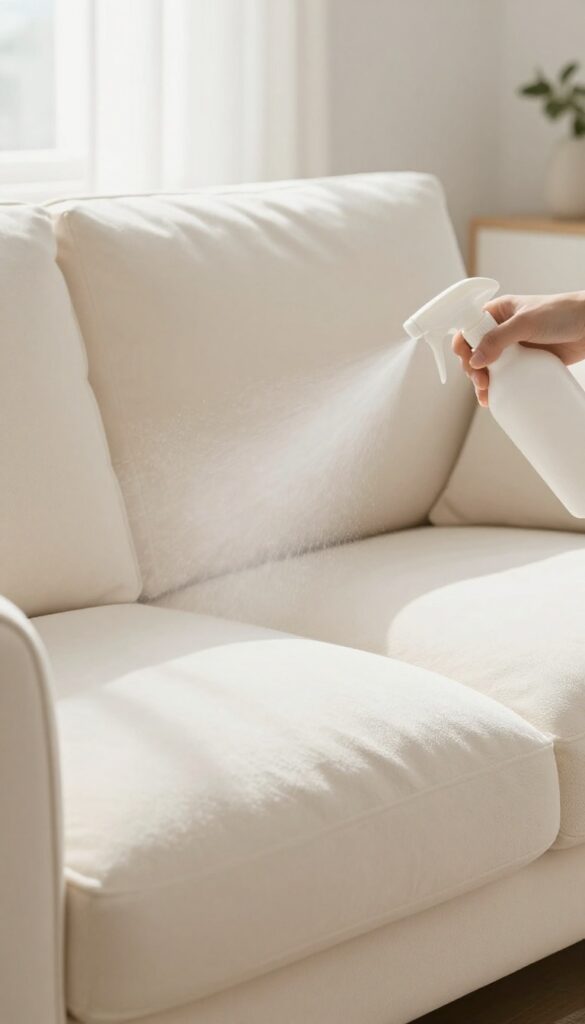
Fabric softener isn't just for laundry—it can give your sofa a quick refresh too. A simple DIY spray reduces static, softens fibers, and leaves behind a pleasant scent. It's perfect for between deep cleans or when you need a fast pick-me-up.
Combine 1 cup water, 1 tablespoon fabric softener, and 2 tablespoons rubbing alcohol in a spray bottle. Mist lightly over the sofa to reduce static and add a fresh scent. Avoid oversaturating, and test on an inconspicuous spot first.
Why It Works
Fabric softener contains conditioning agents that coat fibers, making them feel softer and reducing static cling. Rubbing alcohol helps the spray dry faster and can also neutralize mild odors. The result is a sofa that feels and smells fresher without heavy chemicals.
How To Apply
Fill a clean spray bottle with the mixture. Hold it about 12 inches from the sofa and spritz lightly in a sweeping motion. Focus on areas that get the most use, like seat cushions and armrests.
Let it air dry for 10–15 minutes before sitting.
Safety Tips
Always test on a hidden area first to ensure the fabric doesn't discolor or become sticky. Avoid using on delicate fabrics like silk or velvet. Don't overspray—too much moisture can lead to mildew.
For best results, use this spray on polyester, cotton, or microfiber blends.
10. Clean Removable Covers in the Washing Machine
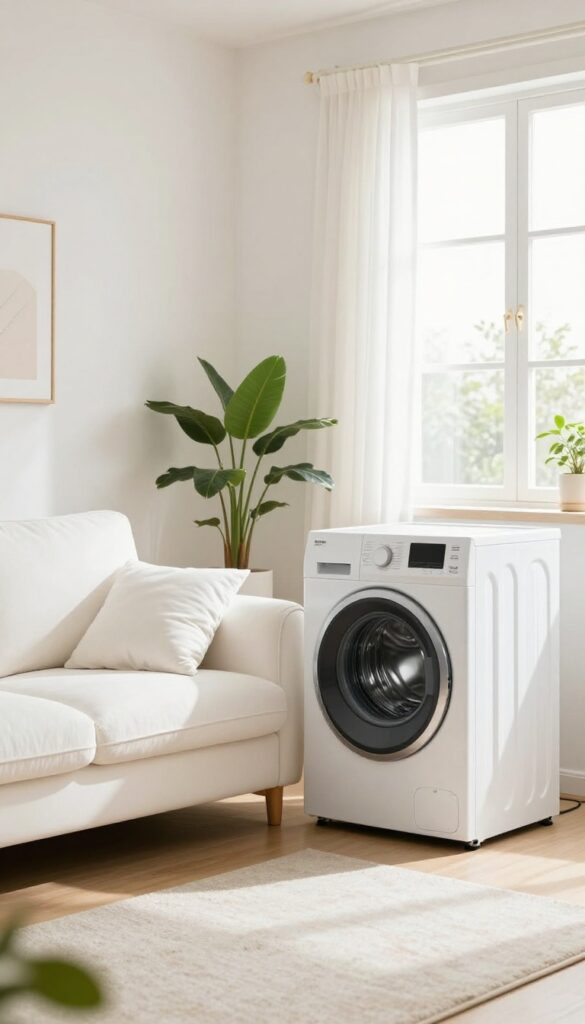
If your sofa has removable cushion covers or slipcovers, you've got an easy path to a deep clean. Many covers are machine-washable, which saves you the trouble of scrubbing by hand. Just a quick trip to the laundry room can make them look brand new again.
Check The Care Label First
Before tossing anything in the wash, flip the cover over and find the care tag. Look for symbols or text that say "machine wash" and note the recommended water temperature. If it says dry clean only, skip this method.
If it's unclear, test a small hidden area with a damp cloth to see if the color bleeds or the fabric shrinks.
Wash On Gentle Cycle With Cold Water
Once you've confirmed it's safe, remove all covers and zip up any zippers to prevent snagging. Use a gentle cycle with cold water to protect the fabric. Add a mild detergent—skip bleach or fabric softener, as they can damage fibers or leave residue.
Wash similar colors together to avoid dye transfer.
Dry Carefully To Avoid Shrinkage
After the wash, never wring out the covers—this can distort the fabric. Instead, gently squeeze out excess water. Air drying is safest: lay the covers flat or hang them, away from direct sunlight.
If you must use a dryer, set it to low heat and remove them while still slightly damp to prevent shrinking. Once dry, put them back on the sofa while they're still a bit warm for a snug fit.
11. Use a Upholstery Cleaner for Set-In Stains
Some stains laugh at home remedies. That red wine spill from last month or the greasy spot from movie night might need a heavy hitter. Commercial upholstery cleaners are designed for these stubborn marks, and they work fast when used correctly.
You just need to follow the label and give it a little elbow grease.
When baking soda and vinegar won't cut it, reach for a dedicated upholstery cleaner. These products are formulated to break down oils, proteins, and dyes without damaging fabric. Always test on a hidden spot first, then apply the cleaner directly to the stain.
Let it sit for the recommended time—usually 5 to 10 minutes—so the enzymes can work. Then gently agitate with a soft brush or sponge. Blot with a clean, dry cloth to lift the stain and cleaner.
Repeat if needed, but don't oversaturate. Rinse with a damp cloth if the instructions say so, then blot dry. Your sofa will look like the stain never happened.
Choosing The Right Cleaner
Not all upholstery cleaners are the same. Look for one that matches your fabric type—some are safe for microfiber, others for cotton blends. If you have pets, choose an enzymatic cleaner that breaks down organic stains.
Water-based cleaners are gentler, while solvent-based ones work on grease but may require more ventilation. Read the label for a list of compatible fabrics.
The Blotting Technique Matters
Never rub a stain—it pushes it deeper into the fibers. Instead, blot from the outside in to prevent spreading. Use a white cloth to avoid color transfer.
Apply the cleaner with a spray or foam, then blot with a fresh section of cloth as the stain lifts. Keep blotting until no more color transfers. Patience pays off here.
Rinsing And Drying
Many upholstery cleaners leave residue that can attract dirt later. If the instructions say to rinse, use a cloth dampened with plain water and blot the area. Then dry with a fan or open windows to speed up air circulation.
Avoid heat sources like hair dryers, which can set stains or shrink fabric. Once dry, vacuum the area to restore the texture.
12. Prevent Future Stains with a Fabric Protector
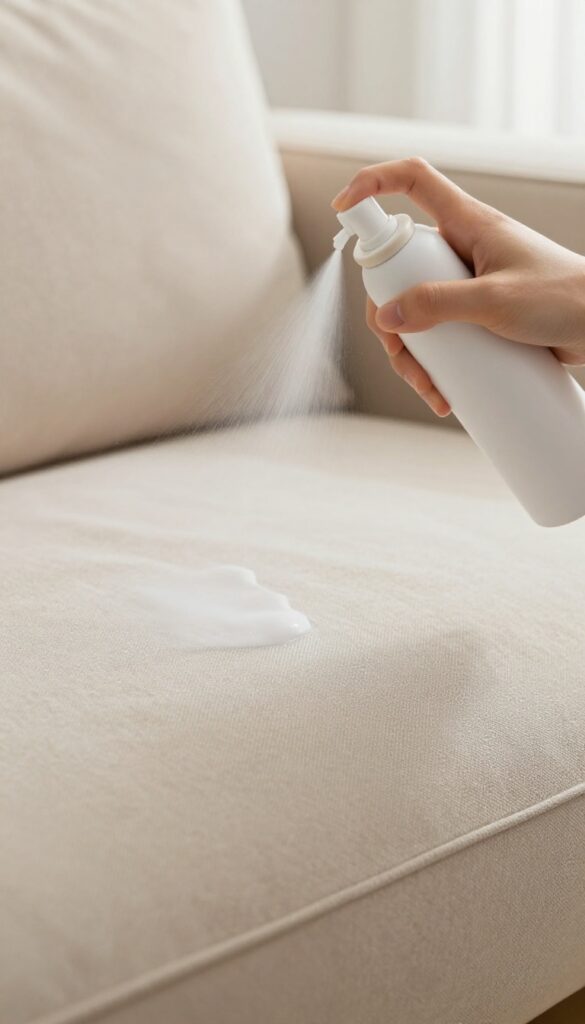
You've put in the work to get your sofa clean—now keep it that way. A fabric protector adds an invisible shield that repels spills and makes future cleaning a breeze. It's a simple step that pays off every time someone sets down a drink.
After your sofa is completely dry from cleaning, grab a fabric protector spray like Scotchgard. Hold the can about 6 inches away and apply an even coat over the entire surface, paying extra attention to high-traffic areas like armrests and seat cushions. Let it dry fully for at least 24 hours before using the sofa.
This treatment creates a barrier that causes liquids to bead up rather than soak in, giving you time to blot them away. Reapply every 6 to 12 months or after a deep clean to maintain protection.
Choose The Right Protector For Your Fabric
Not all fabric protectors are the same. For synthetic fabrics like polyester or microfiber, a standard aerosol spray works well. For natural fibers like cotton or linen, opt for a water-based formula that won't alter the texture.
Always test on a hidden spot first and check the manufacturer's label—some protectors can darken or stiffen delicate materials.
Application Tips For Best Results
Work in a well-ventilated area and cover nearby surfaces with drop cloths. Spray in a sweeping motion, keeping the nozzle moving to avoid oversaturation. Two light coats are better than one heavy coat—let the first coat dry for an hour before applying the second.
For cushions, remove them and spray all sides to ensure complete coverage.
Maintenance Between Treatments
Even with a protector, prompt blotting is key. As soon as a spill happens, blot (don't rub) with a clean cloth. The protector gives you a window, but it's not invincible.
Vacuum weekly to remove abrasive dirt that can wear down the protective layer. When you notice liquids starting to soak in faster, it's time for a reapplication.
13. Schedule Regular Maintenance Cleanings
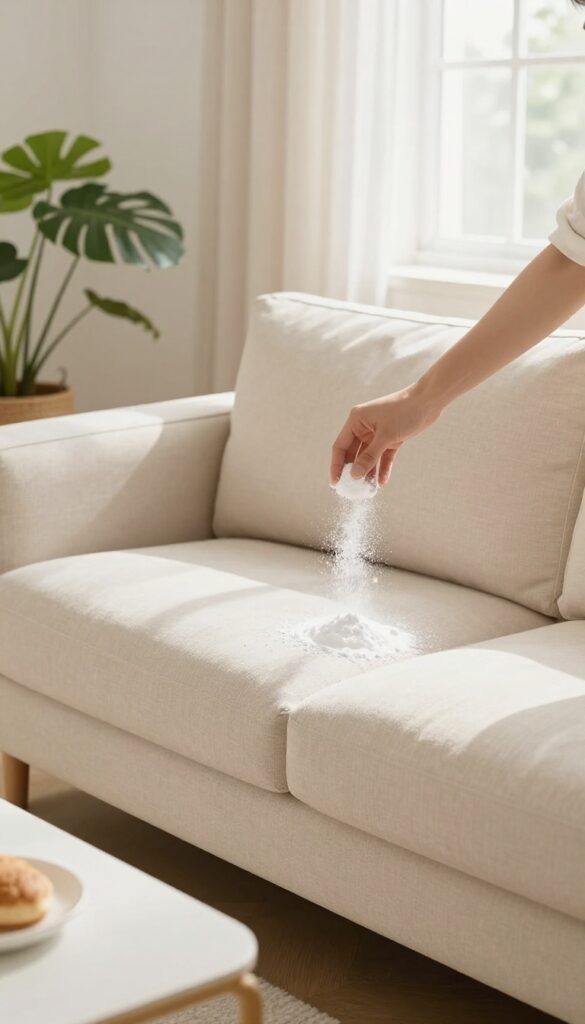
A clean sofa isn't a one-time event—it's a habit. By setting a simple routine, you can prevent dirt and odors from building up, making each deep clean easier and less frequent. Think of it like brushing your teeth: a little effort regularly saves you from major work later.
Consistency is key to keeping your sofa fresh. A monthly maintenance routine that includes vacuuming, spot cleaning, and deodorizing will handle everyday grime. For sofas that see heavy use, a deeper steam clean every 6 to 12 months can restore the fabric and extend its life.
This approach keeps your living room looking inviting without overwhelming your schedule.
Monthly Quick Refresh
Once a month, vacuum your entire sofa using an upholstery attachment. Pay extra attention to crevices and under cushions where crumbs and dust hide. Follow up by spot-cleaning any visible stains with a mild detergent and water.
Finish with a light sprinkle of baking soda, let it sit for 15 minutes, then vacuum it off to neutralize odors.
Seasonal Deep Clean
Every season, give your sofa a more thorough treatment. For fabric sofas, use a steam cleaner or rent one from a local store. Test a small hidden area first to ensure the fabric can handle moisture.
For leather sofas, wipe down with a damp cloth and apply a leather conditioner to prevent cracking.
High-use Sofa Schedule
If your sofa is in a busy family room or home theater, you may need to clean more often. Increase vacuuming to weekly and spot-clean as needed. Consider a professional steam cleaning every 6 months to remove embedded dirt and allergens.
This keeps your sofa looking new despite daily wear.
FAQ
How often should I clean my sofa?
Vacuum weekly and spot clean as needed. Deep clean every 6-12 months, or more often if you have pets or kids.
Can I use bleach on my sofa?
No, bleach can damage fabric and cause discoloration. Stick to mild detergents or vinegar solutions.
How do I remove old, set-in stains?
Try a mixture of baking soda and vinegar, or use a commercial upholstery cleaner. For stubborn stains, steam cleaning may help.
Is it safe to use a steam cleaner on all sofa fabrics?
Check the care tag. Steam is safe for most synthetic and cotton blends, but avoid on delicate fabrics like silk or velvet.
How can I keep my sofa smelling fresh between cleanings?
Sprinkle baking soda and vacuum regularly. You can also use fabric refresher sprays or place an open box of baking soda nearby.
Conclusion
Cleaning your sofa at home doesn't have to be a chore. With these 13 methods, you can tackle everything from daily dust to stubborn stains, keeping your living room fresh and inviting.
Pick the techniques that suit your sofa type and lifestyle, and make them part of your routine. A little regular care goes a long way in extending the life of your furniture and making your home feel cleaner every day.