10 Shower Head Ideas for Better Pressure and Daily Comfort
Few things ruin a morning faster than a shower that trickles instead of pours. Low water pressure can leave you feeling frustrated and still half-asleep. The good news is that the right shower head can transform your experience without requiring major plumbing changes.
Modern shower heads come in all shapes, sizes, and technologies. Some boost pressure even in low-flow homes, while others add luxury with massage settings or rainfall coverage. Choosing the right one depends on your specific needs and bathroom setup.
We've rounded up ten practical shower head ideas that solve common pressure problems and elevate your daily comfort. Each option addresses a different pain point, so you can find the perfect match for your shower.
1. High-Pressure Fixed Shower Head
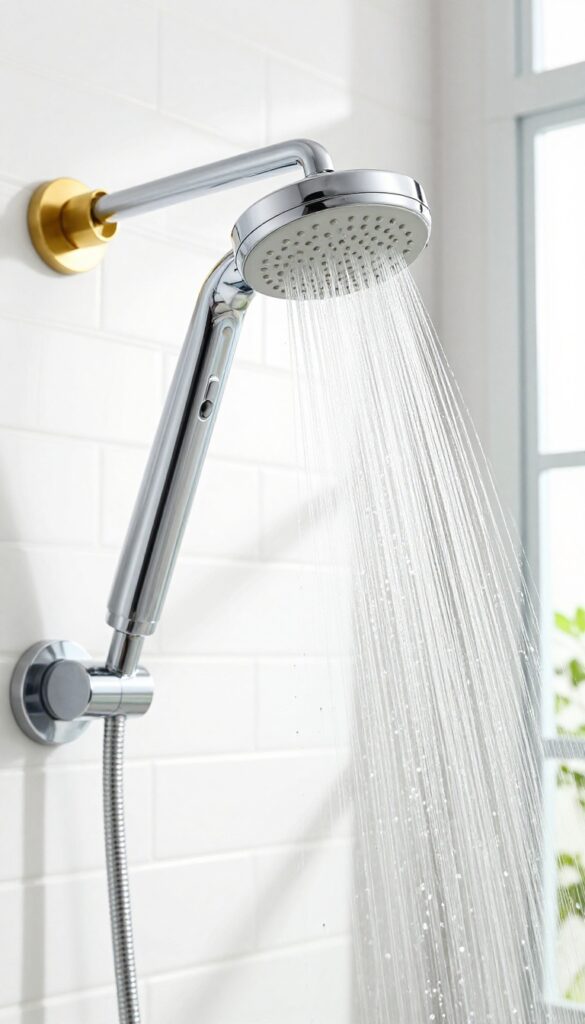
A fixed shower head with internal pressure-boosting technology is a straightforward fix for homes with naturally low water pressure. These models use engineered nozzles and flow channels to concentrate water force, making every drop count. They're especially effective in older homes where pipe restrictions limit flow.
When you want consistent pressure without moving parts or batteries, a high-pressure fixed head is the way to go. Look for models with brass nozzles and self-cleaning jets to maintain performance over time. Many designs also include a wide spray face for full coverage, so you don't feel like you're standing under a trickle.
How Pressure-boosting Technology Works
These shower heads use a Venturi effect or specially angled nozzles to accelerate water flow. As water passes through narrower channels, its velocity increases, creating a forceful spray even at low incoming pressure. Some models also incorporate a turbine-like mechanism to further amplify pressure.
Key Features To Look For
Prioritize brass or stainless steel construction for durability. Self-cleaning rubber jets prevent mineral buildup, which can clog nozzles over time. A swivel ball joint allows you to adjust the angle without moving the entire arm.
Also, check the flow rate—most high-pressure models are still water-efficient at 1. 5 to 2. 0 GPM.
Installation And Compatibility
Most fixed shower heads attach directly to a standard 1/2-inch shower arm with no special tools. If your current arm is too short or corroded, consider replacing it with a longer or flexible arm for better positioning. Always wrap the threads with Teflon tape to prevent leaks.
2. Handheld Shower Head with Flexible Hose
Sometimes you need more than a fixed spray from above. A handheld shower head with a flexible hose gives you the freedom to direct water exactly where you want it. Whether you're rinsing shampoo out of long hair, washing a squirmy toddler, or cleaning the shower walls, this style makes those tasks much easier.
Plus, many models come with multiple spray settings and a pause button that saves water while you lather up.
Targeted Rinsing Made Easy
Reaching every part of your body without twisting or bending is a game-changer. A handheld shower head lets you rinse hard-to-reach areas like your lower back, legs, and feet without awkward contortions. For those with mobility issues, it can be a huge help—just detach the head and bring the water to you.
Multi-function Spray Patterns
Most handheld models offer a dial or button to switch between spray patterns. You might find a gentle mist for sensitive skin, a concentrated jet for massaging sore muscles, or a wide rain setting for overall coverage. Having options lets you customize your shower experience in seconds.
Handy Pause Function
Water conservation is a big plus with handheld shower heads that include a pause button. Instead of turning the water off and on (which changes temperature), you can temporarily stop the flow while you shampoo or shave. It saves water and keeps the temperature steady.
Versatile Cleaning Tool
Beyond showering, a handheld shower head doubles as a cleaning tool. Rinse soap scum off tiles, wash down the shower curtain, or spray down a pet after a muddy walk. The flexible hose makes it easy to reach corners and high spots that a fixed head can't.
3. Rainfall Shower Head for Full Coverage
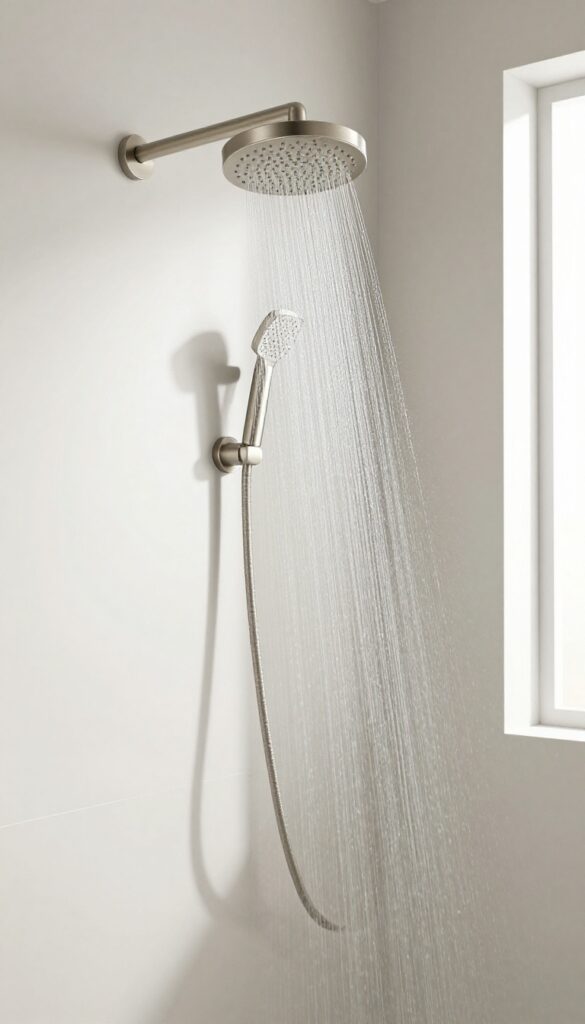
Imagine stepping into a warm, gentle downpour that envelops your entire body. That's the experience a rainfall shower head delivers. These large, overhead fixtures create a wide, even spray that mimics natural rain, turning a quick rinse into a spa-like ritual.
But getting that satisfying pressure requires choosing the right model and setup.
Flow Rate Matters More Than Size
A rainfall head can look stunning, but if the flow rate is too low, you'll get a disappointing drizzle. Look for models with a flow rate of at least 2. 0 GPM (gallons per minute) for decent pressure.
Some heads come with built-in flow restrictors that you can remove if your plumbing allows, but check local codes first.
Angled Arm For Better Coverage
Standard straight arms can leave the spray concentrated in one spot. An angled or adjustable arm tilts the head slightly, spreading water more evenly across your shoulders and back. This simple upgrade makes a huge difference in how the shower feels, especially if you're taller or shorter than average.
Material And Maintenance Tips
Rainfall heads have lots of nozzles that can clog with mineral deposits over time. Choose a model with silicone nozzles that are easy to wipe clean. Also, consider a brushed nickel or matte black finish—they hide water spots better than chrome and resist corrosion in humid bathrooms.
4. Dual Shower Head System
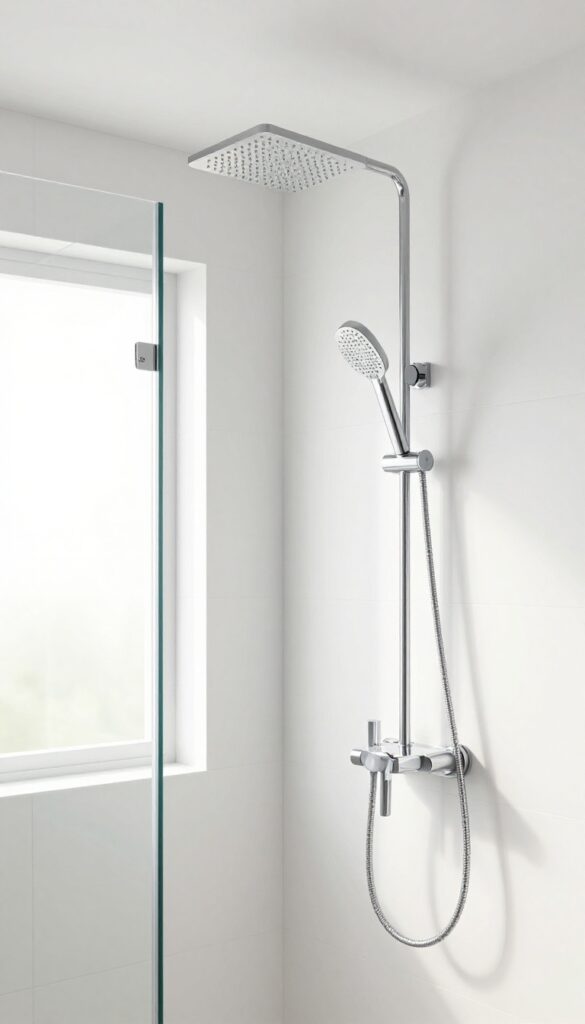
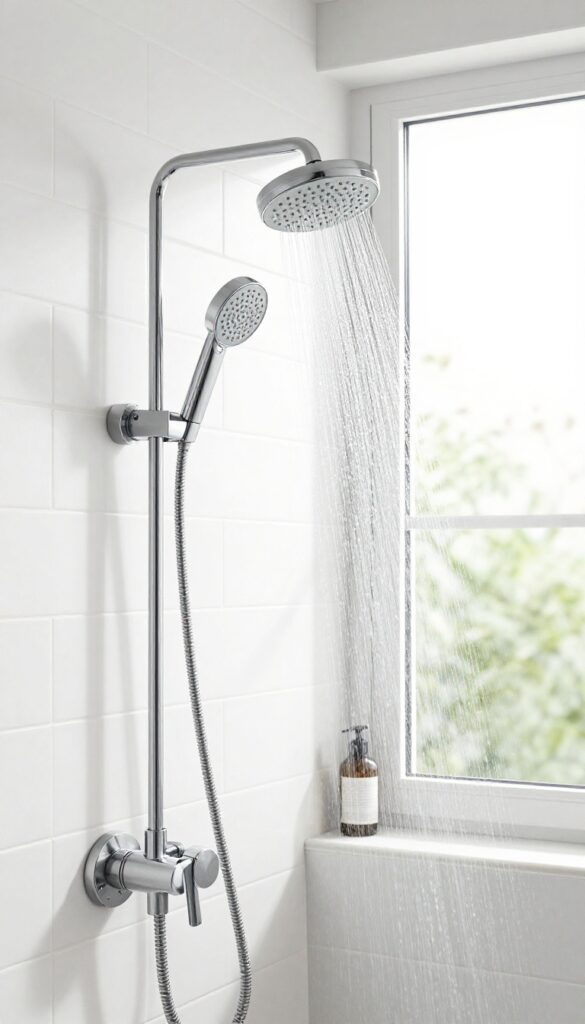
A dual shower head system pairs a fixed overhead head with a handheld unit, giving you the best of both worlds. This setup is ideal for shared bathrooms where different people prefer different spray patterns. You get the coverage of a rain shower and the precision of a handheld, all without swapping hardware.
Dual systems typically mount the fixed head on the wall or ceiling while the handheld attaches to a slide bar or bracket. Many models let you adjust the handheld height, making it accessible for kids, pets, or cleaning tasks. The versatility means you can enjoy a powerful overhead rinse and then grab the handheld for targeted washing or shaving.
Why Dual Systems Improve Pressure
Because you can use one head at a time, water pressure isn't split between two outlets. Many dual systems include a diverter valve that directs full flow to either head. This means you get strong pressure whether you're under the fixed spray or using the handheld.
Best Features To Look For
Look for a magnetic or snap-on handheld dock for easy one-hand operation. A slide bar with smooth height adjustment is also key. Some models offer multiple spray patterns on both heads, from wide coverage to focused jet streams.
Installation Considerations
Most dual systems replace your existing shower arm and require no extra plumbing. Check that your water pressure can support the combined flow if you ever run both heads simultaneously—though most users stick to one at a time. A pressure-balancing valve helps maintain consistent temperature.
5. Shower Head with Built-in Water Softener
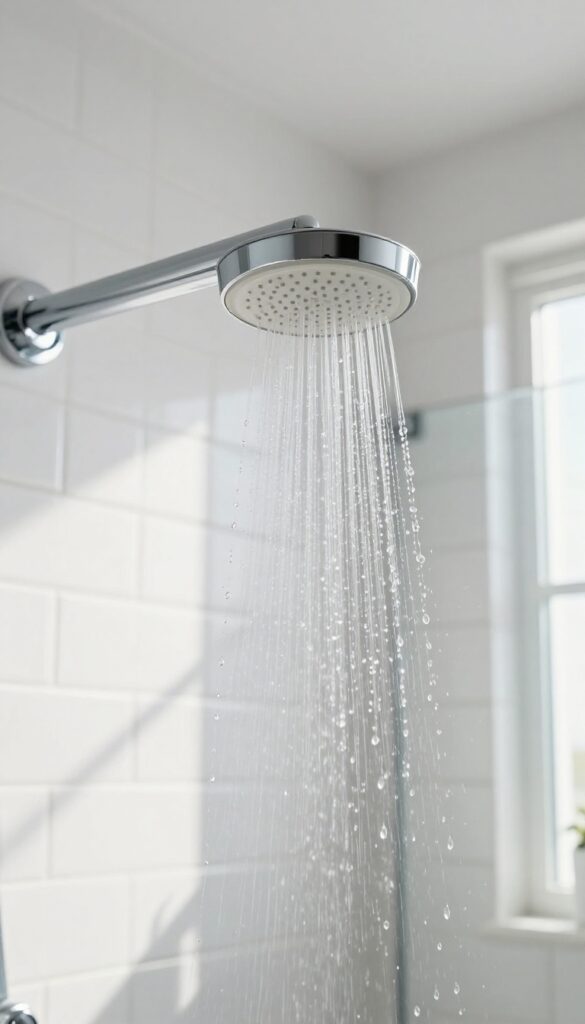
Hard water is a silent enemy of good showers. It leaves mineral deposits that clog nozzles, reduce pressure, and make your skin feel dry and itchy. A shower head with a built-in water softener or filtration system tackles this problem at the source, improving both water feel and shower head longevity.
This is especially valuable if you live in an area with known hard water issues.
These shower heads typically use a combination of activated carbon, KDF-55 media, or ceramic beads to reduce chlorine, calcium, and magnesium. The result is softer-feeling water that lathers better and rinses cleaner. Many models also include replaceable cartridges, so maintenance is straightforward.
You get consistent pressure without the gradual decline caused by mineral buildup.
How It Works
Inside the shower head, water passes through a filtration cartridge that traps sediment and absorbs chemicals. Some use a multi-stage process: first a mesh screen catches larger particles, then a carbon block reduces chlorine, and finally a softening medium exchanges calcium and magnesium ions for sodium or potassium. This not only improves water feel but also protects your plumbing and fixtures from scale.
What To Look For
Check the filter type and replacement frequency. Some cartridges last 6 months, others up to a year. Look for a model with easy twist-off access so you don't need tools to swap filters.
Also consider flow rate: a good water-softening shower head should still deliver at least 1. 8 GPM for a satisfying spray. If you have very hard water, a model with a dedicated softening stage will outperform basic carbon filters.
Installation And Maintenance
Installation is usually as simple as unscrewing your old shower head and screwing on the new one—no plumber needed. Just wrap the threads with plumber's tape to prevent leaks. For maintenance, mark your calendar to replace the filter every 6 months or when you notice a drop in pressure or a change in water taste.
Some models have an indicator light that turns red when it's time for a swap.
6. Adjustable Massage Shower Head
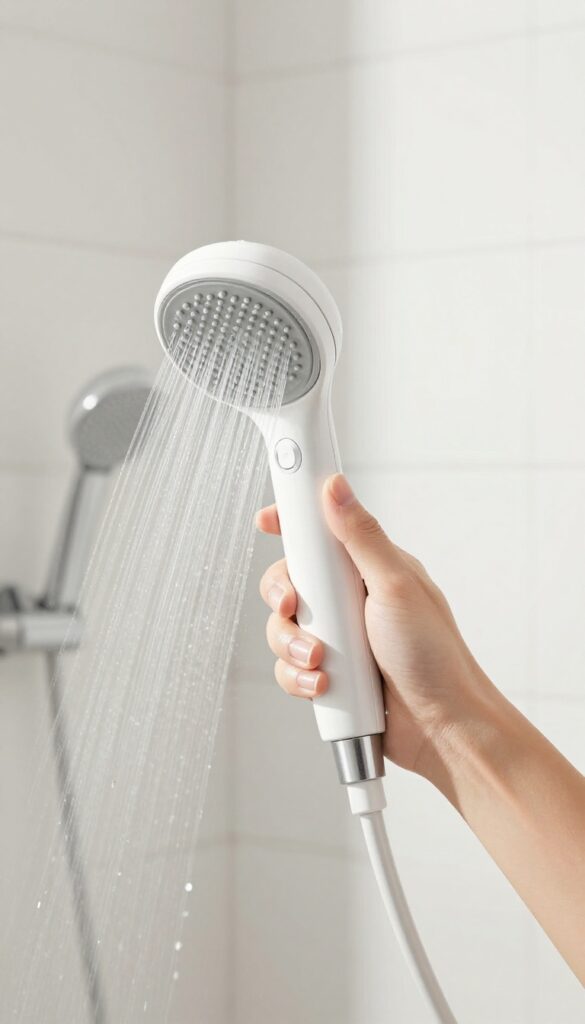
If your muscles ache after a long day, an adjustable massage shower head can turn your shower into a mini spa. These heads combine regular spray with pulsating massage modes that target tension spots. The best part?
You can switch between settings with a simple twist or button press, so you're in control of the intensity.
Massage shower heads are designed to relieve muscle tension through targeted water pulses. They typically offer multiple spray patterns, from a gentle mist to a deep kneading massage. Look for models with a comfortable, ergonomic handle that's easy to grip, even with wet hands.
Many also include a pause button to save water while lathering up.
Massage Modes That Work
The real magic is in the massage modes. Pulsating streams mimic the effect of a handheld massager, working out knots in your neck, shoulders, and lower back. Some heads offer a combination of full spray and concentrated jet streams, letting you target specific areas.
For best results, choose a head with at least three massage settings so you can adjust the pressure to your comfort level.
What To Look For In A Grip
A good grip matters more than you'd think. Look for a rubberized or textured handle that won't slip when soapy. A pivoting head is also handy—it lets you direct the massage stream exactly where you need it, whether you're standing or sitting.
Some models come with a flexible hose for even more reach, which is great for rinsing off after a massage.
Installation And Maintenance Tips
Most adjustable massage heads fit standard shower arms and are easy to install without a plumber. Just unscrew your old head and screw on the new one—use Teflon tape to prevent leaks. To keep the massage jets working well, soak the head in vinegar every few months to dissolve mineral buildup.
This simple step extends the life of the spray patterns.
7. Low-Flow Eco-Friendly Shower Head
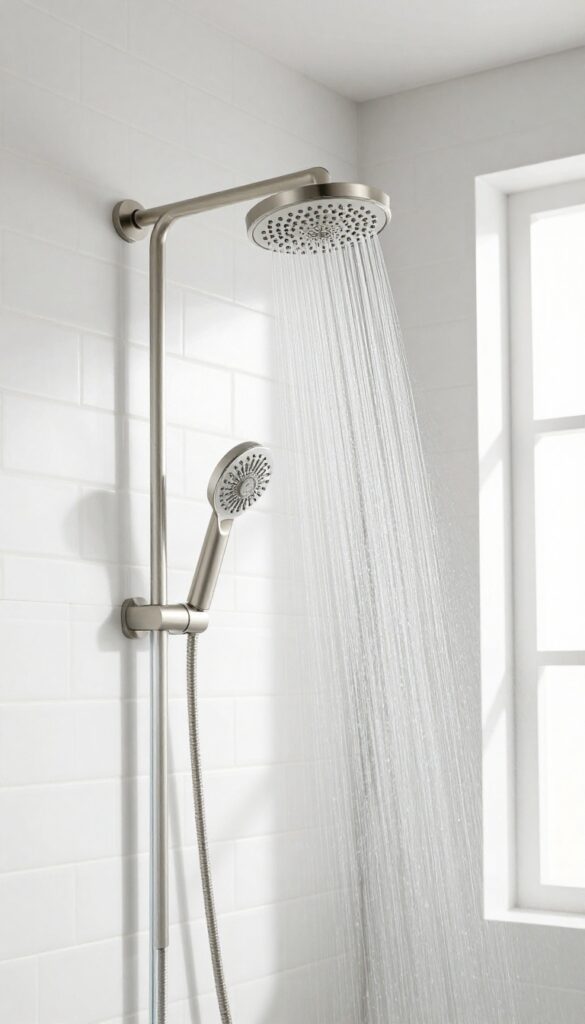
Saving water doesn't have to mean sacrificing a satisfying shower. Modern low-flow shower heads use clever engineering to deliver a strong, consistent spray while using less than 1. 5 gallons per minute.
That's a win for the planet and your utility bills.
These heads come in two main types: aerating, which mixes air with water to create a misty feel, and laminar flow, which shoots individual streams for a more traditional spray. Both feel great and cut water use significantly. Look for WaterSense certification to ensure performance meets EPA standards.
How Low-flow Works Without Feeling Weak
Aerating models inject air into the water stream, making droplets feel fuller and softer. Laminar flow models use precision nozzles to create clear, separate streams that maintain pressure even at low flow rates. Both prevent the dreaded dribble.
Installation And Compatibility
Most low-flow heads screw onto standard shower arms in minutes. No plumber needed. Check your home's water pressure first—if it's already below 40 PSI, look for a model designed for low-pressure homes to avoid disappointment.
Real-world Savings
Switching from a 2. 5 GPM head to a 1. 5 GPM model can save a family of four up to 10, 000 gallons per year.
That translates to roughly $100–$150 off your water bill, depending on local rates. Plus, you'll use less energy to heat water.
8. Shower Head with LED Temperature Display
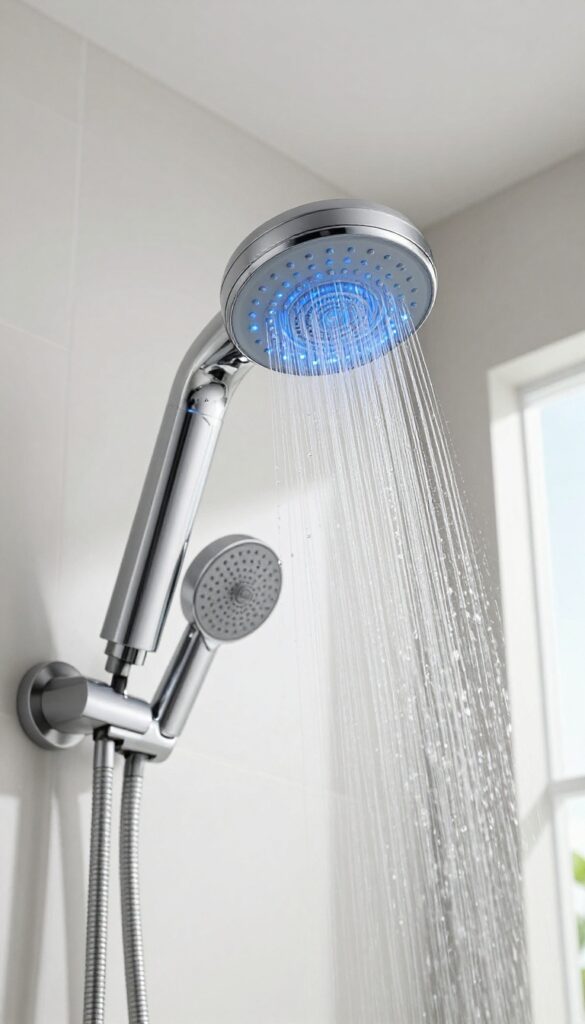
Ever stepped into a shower expecting warmth, only to get blasted with cold water? An LED shower head solves that guesswork. These heads change color based on water temperature—blue for cold, red for hot, and green for warm—so you know exactly what you're getting before you step under the spray.
They're especially handy for families, kids, or anyone who wants a safer, more fun shower experience.
LED shower heads are more than a gimmick—they add practical safety and a touch of personality. The temperature-sensitive lights are powered by water flow, so no batteries or electricity are needed. Most models use a small turbine generator inside the head, making them eco-friendly and easy to install.
You get a visual cue that helps prevent scalding, which is great for households with children or elderly members. Plus, the gentle glow creates a relaxing ambiance, turning your shower into a mini light show.
How The Color-changing Tech Works
Inside the shower head, a tiny water-powered generator spins as water flows through. This powers LEDs that change color based on the water's temperature. Typically, blue or green indicates cold water (below 80°F), yellow or green for warm (80–100°F), and red for hot (above 100°F).
The transition is smooth, so you can see the temperature shift as you adjust the handle. No wiring, no batteries—just screw it on and go.
Safety And Practical Benefits
The biggest advantage is preventing accidental burns. Kids often turn on the water without checking the temperature, and the color change gives an instant warning. For adults, it eliminates the awkward hand-testing dance.
Some models also include a thermal cutoff that stops the flow if the water gets dangerously hot. And since the lights are low-voltage and sealed, they're completely safe in wet environments.
Choosing The Right Led Shower Head
Look for models with multiple spray settings—like rainfall, massage, and mist—so you don't sacrifice function for fun. Check the flow rate: many LED heads are designed for low-flow (1. 5–2.
0 GPM) to save water while still providing good pressure. Also consider the color range: some only show two colors, while others offer a full spectrum. For the best experience, pick one with a large face (at least 4 inches) for wider coverage and brighter lights.
9. Oversized Square or Rectangular Shower Head
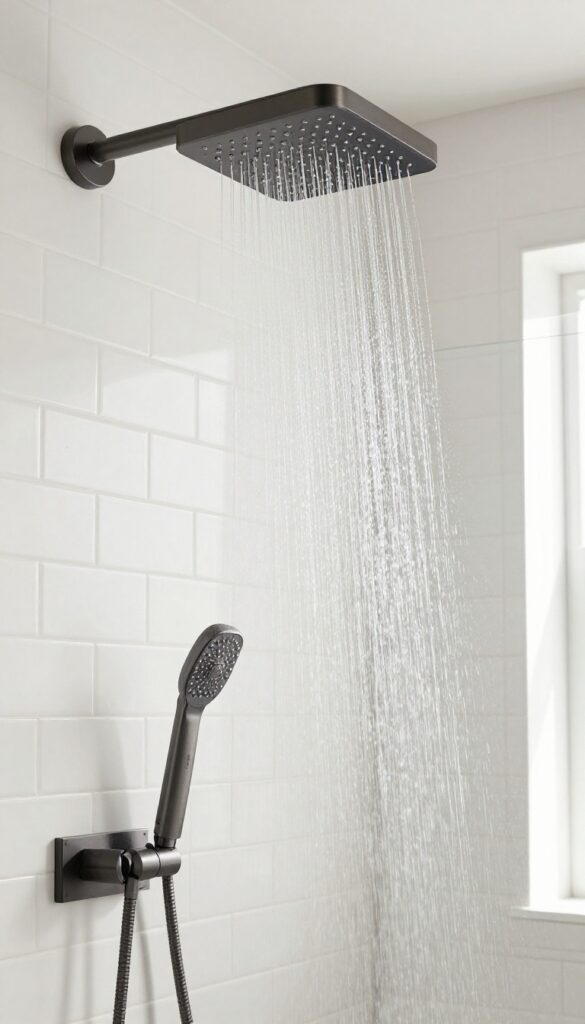
Bigger isn't always better, but when it comes to shower heads, going oversized can be a game-changer. A large square or rectangular head delivers a wide, drenching spray that makes you feel like you're standing under a warm waterfall. It's a simple upgrade that instantly makes your bathroom feel more like a luxury spa.
Oversized shower heads are designed to cover more surface area, which means you don't have to keep shifting your position to get wet. The wide spray pattern also helps maintain water temperature longer since the water doesn't cool off as quickly in the air. Many models come with anti-clog nozzles to prevent mineral buildup, keeping the pressure consistent over time.
Before buying, check your shower arm's weight capacity—some large heads are heavy and may need additional support. Ceiling-mount options offer a sleek, rain-effect experience, while wall-mount versions are easier to install and adjust.
Coverage That Makes A Difference
A standard round head covers about 4 to 6 inches in diameter, but an oversized square or rectangular head can span 8 to 12 inches or more. This extra coverage means water hits your shoulders and back at the same time, reducing the need to move around. It's especially nice for taller people who often have to bend to get full coverage from smaller heads.
The result is a more even and comfortable shower experience.
Installation Considerations
Because oversized heads are heavier, you need to make sure your shower arm can handle the weight. Most standard arms can support up to 5 or 6 pounds, but some large heads weigh more. If yours is too heavy, consider a ceiling mount or add a support bracket.
Also, check your water pressure—these heads work best with at least 45 PSI. If your pressure is lower, look for a model with pressure-boosting technology or one that is specifically designed for low-flow systems.
Style And Material Choices
Oversized heads come in various finishes like brushed nickel, matte black, or chrome, so you can match your existing fixtures. Some have a sleek, flat profile that sits close to the wall, while others extend out on an adjustable arm. Materials like stainless steel or ABS plastic are common—metal feels more premium but can be heavier.
For a modern look, go with a rectangular head that has clean lines and a minimalistic design.
10. Shower Head with Bluetooth Speaker
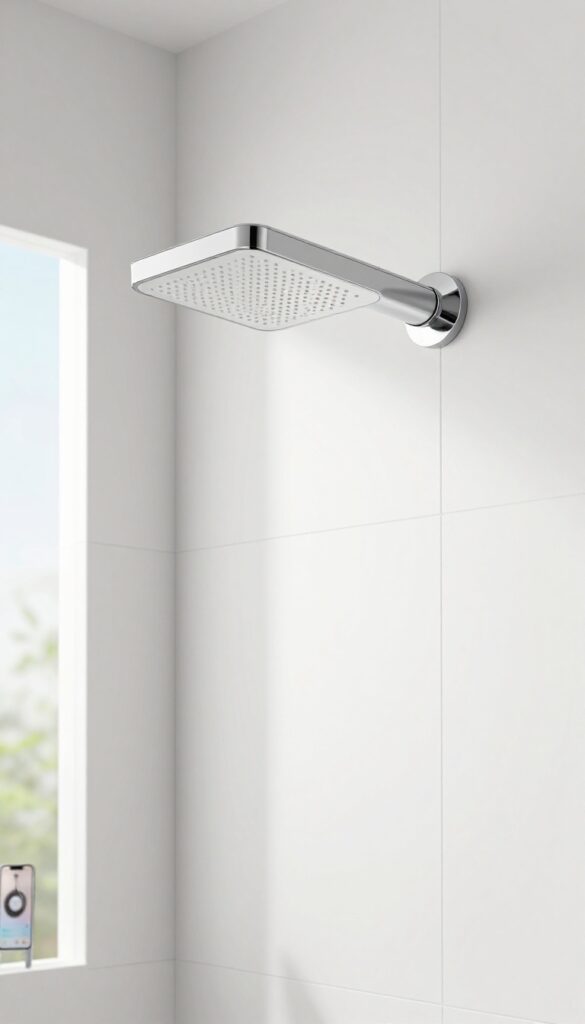
Music lovers, this one's for you. A shower head with a built-in Bluetooth speaker lets you combine your daily rinse with your favorite tunes, podcasts, or audiobooks. No more propping a phone on a soap dish or dealing with a foggy, water-damaged device.
These all-in-one units are designed to handle steam and splashes, so you can sing along without worry.
Bluetooth shower heads are more than just a gimmick. They're a practical upgrade for anyone who wants to make shower time more enjoyable. The speaker is usually housed in a waterproof, detachable module that can be removed for charging or repositioned for better sound.
Most models offer decent audio quality for the price, with enough volume to fill a small bathroom. Battery life typically ranges from 6 to 10 hours of playback, so you won't need to charge it every day. Some even come with a remote control or voice assistant integration, letting you change tracks or adjust volume without touching your phone.
Sound Quality And Water Resistance
Don't expect audiophile-grade sound, but most Bluetooth shower heads deliver clear mids and highs that work fine for spoken word and upbeat music. Look for models with an IPX5 or higher water resistance rating to ensure the speaker survives steam and splashes. The speaker unit is usually detachable, so you can charge it via USB away from the shower.
Installation And Compatibility
Installation is as simple as swapping out your existing shower head. Most models use a standard 1/2-inch NPT connection and come with plumber's tape and a wrench. No electrician needed.
Just screw it on, pair it with your phone via Bluetooth, and you're set. Some models also include a handheld wand or adjustable spray settings for added versatility.
Battery Life And Charging
Battery life varies, but most units last between 6 and 10 hours of continuous playback. Charging takes about 2-3 hours via a micro-USB or USB-C cable. A few high-end models offer magnetic charging docks.
To avoid running out of juice mid-shower, make it a habit to charge the speaker every few days, or look for a model with a low-battery indicator.
FAQ
What is the best shower head for low water pressure?
A high-pressure fixed shower head with internal pressure-boosting technology is best. Look for models with small, concentrated nozzles and a flow rate of at least 1. 8 GPM.
Can I install a rainfall shower head with low water pressure?
Yes, but choose a model with a smaller diameter (8-10 inches) and a flow rate of 2. 0 GPM or higher. Some rainfall heads also have pressure-boosting features.
How often should I replace my shower head?
Every 6-12 months if you notice reduced pressure or mineral buildup. High-quality models with self-cleaning jets can last longer with proper maintenance.
Are handheld shower heads better for cleaning?
Yes, handheld heads are excellent for rinsing the shower walls, cleaning hard-to-reach corners, and washing pets or children. They offer flexibility that fixed heads lack.
Do LED shower heads require batteries?
Most LED shower heads are powered by the water flow itself, so no batteries are needed. The light is generated by a small turbine inside the head.
Conclusion
Upgrading your shower head is one of the simplest ways to improve your daily routine without a major renovation. Whether you choose a high-pressure model, a handheld option, or a rainfall design, the right pick can turn a rushed shower into a moment you look forward to.
Start with one change that addresses your biggest frustration—low pressure, uneven spray, or a cramped feel—and enjoy the difference it makes. A better shower is closer than you think.