10 How to Clean a Leather Couch and Protect Its Finish
Your leather couch takes a beating—dust settles into the grain, spills land before you can react, and sunlight slowly fades its color. But keeping it looking sharp isn't about constant babying; it's about using the right techniques at the right moments.
From quick daily habits to deeper seasonal care, these ten methods cover the full spectrum of leather maintenance. You'll learn what to use, what to avoid, and how to handle the inevitable accidents without panic.
By the end, you'll have a clear routine that protects your investment and keeps that couch feeling as good as the day it arrived.
1. Dust and Vacuum Regularly to Prevent Grit Buildup
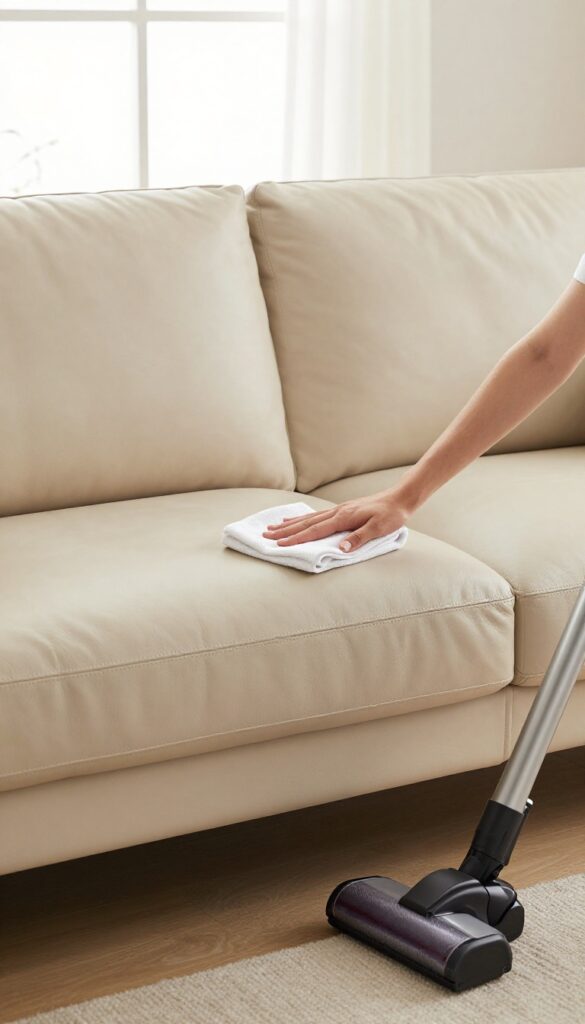
Think of dust as tiny sandpaper for your couch. Every speck that lands on the surface gets ground into the leather every time someone sits down, creating micro-scratches that dull the finish over time. The fix is almost too simple: a quick weekly dusting removes that grit before it can do any damage.
Use The Right Tools
A soft brush attachment on your vacuum is your best friend here. It lifts dust and pet hair without scratching the leather. If you don't have a vacuum handy, a clean, dry microfiber cloth works just as well—just wipe in gentle, sweeping motions to avoid pushing debris into the grain.
Don't Forget The Crevices
Dust loves to hide in the seams, tufts, and crevices where the cushion meets the frame. Use the crevice tool on your vacuum or a soft, dry toothbrush to gently sweep out these areas. Paying attention to these spots keeps the entire couch looking fresh and prevents buildup in the hard-to-reach places.
Make It A Weekly Habit
Consistency beats intensity. A quick five-minute dusting once a week is far more effective than a deep cleaning once a month. Set a reminder on your phone or tie it to another weekly chore—like watering plants or taking out the trash—so it becomes second nature.
Your leather will thank you with a longer, more beautiful life.
2. Wipe Spills Immediately with a Dry Cloth
Leather and liquids are a risky combo. The longer a spill sits, the deeper it soaks into the pores, making stains tougher to lift. Acting fast is your best defense.
Keep a clean, dry microfiber cloth within reach of the couch. The moment something splashes, blot—don't rub. Rubbing pushes the liquid deeper and can damage the finish.
Blotting is the key move here. Press the cloth firmly onto the spill and lift. Repeat with a fresh section of the cloth until no more moisture transfers.
For water-based spills like coffee, juice, or soda, this quick response is usually all you need. Oil and grease are trickier. After blotting up as much as you can, sprinkle a generous layer of cornstarch or baking soda over the spot.
Let it sit for a few hours to absorb the oil, then brush it off with a soft brush or vacuum it away. This pulls the grease out without scrubbing it in.
Why Blotting Beats Rubbing
Rubbing might seem like the natural way to clean, but it's actually counterproductive. The friction grinds the liquid into the leather's fibers and can wear down the protective finish. Blotting lifts the spill away gently, keeping the surface intact.
Always use a clean, dry cloth—wet cloths can push the liquid further or leave water marks.
Handling Different Spill Types
Water-based spills (soda, tea, juice) need just a quick blot. Alcohol-based spills (wine, hand sanitizer) can strip finish, so blot immediately and follow with a leather conditioner later. Oil-based spills (butter, salad dressing, lotion) require the cornstarch or baking soda treatment.
For unknown spills, blot first, then assess—when in doubt, let a professional handle it.
The Right Cloth Matters
Microfiber is your best friend for this job. It's soft, absorbent, and won't scratch the leather. Avoid paper towels—they can leave lint and sometimes have rough textures.
Keep a dedicated cloth stored near the couch so you're never tempted to grab a random rag that might have chemicals or rough edges.
3. Use a pH-Balanced Leather Cleaner for Deep Cleaning
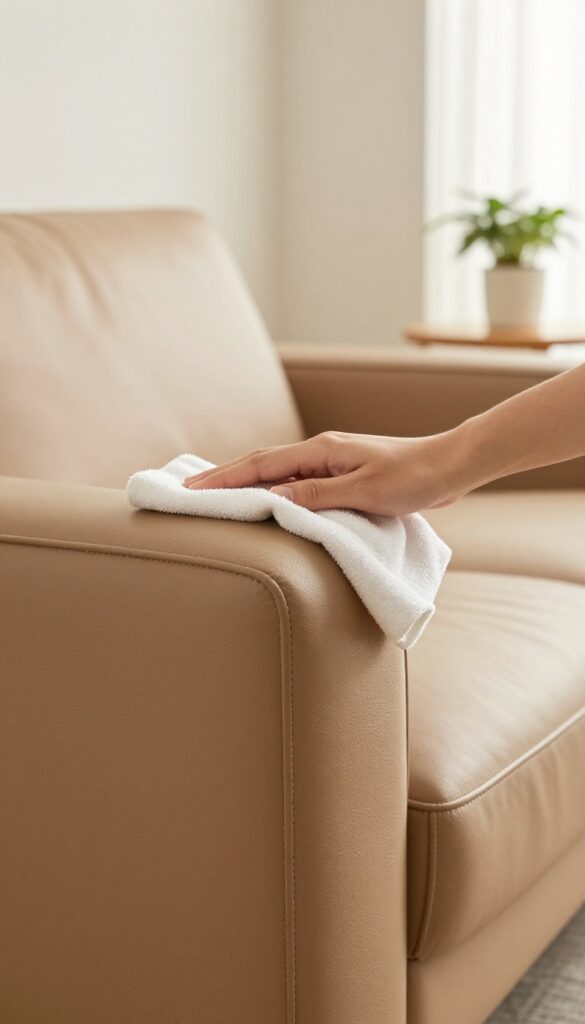
A quick wipe-down handles everyday dust, but every few months your couch deserves a deeper clean. That's where a dedicated leather cleaner comes in. The key is choosing one that's pH-balanced, typically between 5 and 7, to match the natural pH of leather and avoid stripping its essential oils.
Deep cleaning doesn't have to be a chore. With the right product and a little patience, you can lift embedded dirt and grime without damaging the leather. Here's how to do it right.
Why Ph Balance Matters
Leather is a natural material with a slightly acidic pH. Using harsh alkaline cleaners can disrupt that balance, causing the leather to dry out, crack, or fade. A pH-balanced cleaner works gently, lifting dirt while preserving the leather's natural oils and finish.
Look for products specifically labeled as pH-balanced for leather, and avoid all-purpose cleaners that may be too strong.
How To Deep Clean Step By Step
Start by vacuuming the couch with a soft brush attachment to remove loose dust and debris. Then, apply a small amount of pH-balanced leather cleaner to a soft, lint-free cloth—never directly onto the leather. Work in circular motions, focusing on one section at a time.
After cleaning, wipe the area with a separate damp cloth to remove any residue, and let it air dry completely. Avoid using heat or direct sunlight to speed up drying.
How Often Should You Deep Clean?
For most households, a deep clean every three to six months is sufficient. If you have kids or pets, or the couch sees heavy use, you might need to do it more often. Pay attention to visible grime or a dull appearance—those are signs it's time for a deeper clean.
Regular deep cleaning not only keeps your couch looking great but also extends its lifespan.
4. Test Any Cleaner on a Hidden Spot First
You wouldn't try a new hair product without a patch test, and leather deserves the same caution. Some cleaners that work wonders on one couch can discolor or dry out another, depending on the finish and dye. That's why the smartest move is to test any product on a hidden area before you commit to a full wipe-down.
Testing is quick, easy, and could save you from a very expensive mistake. It takes less than five minutes and gives you peace of mind that the cleaner is safe for your specific leather. Even if a product is labeled 'gentle' or 'leather-safe, ' it's still worth checking—especially if your couch is older or has a delicate finish.
Where To Test
Look for a spot that's out of sight but still representative of the leather's surface. Under a cushion is ideal, but you can also test on the back of the couch or along the bottom edge. Avoid areas with seams or stitching, as those can react differently.
Make sure the spot is clean and dry before you start.
How To Test
Dampen a soft cloth with the cleaner and apply it to the hidden area. Use a small amount—just enough to cover a coin-sized patch. Let it sit for about five minutes, then gently blot it dry with a clean cloth.
Check for any color change, darkening, or stickiness. If the leather looks untouched, the product is likely safe to use.
What To Look For
Discoloration is the most obvious red flag, but also watch for a change in texture. If the leather feels stiff, tacky, or looks dull after the test, skip that cleaner. Similarly, if the color rubs off onto your cloth, that's a sign the finish is fragile.
When in doubt, switch to a milder option or a dedicated leather cleaner recommended by the manufacturer.
5. Condition Your Leather to Keep It Supple
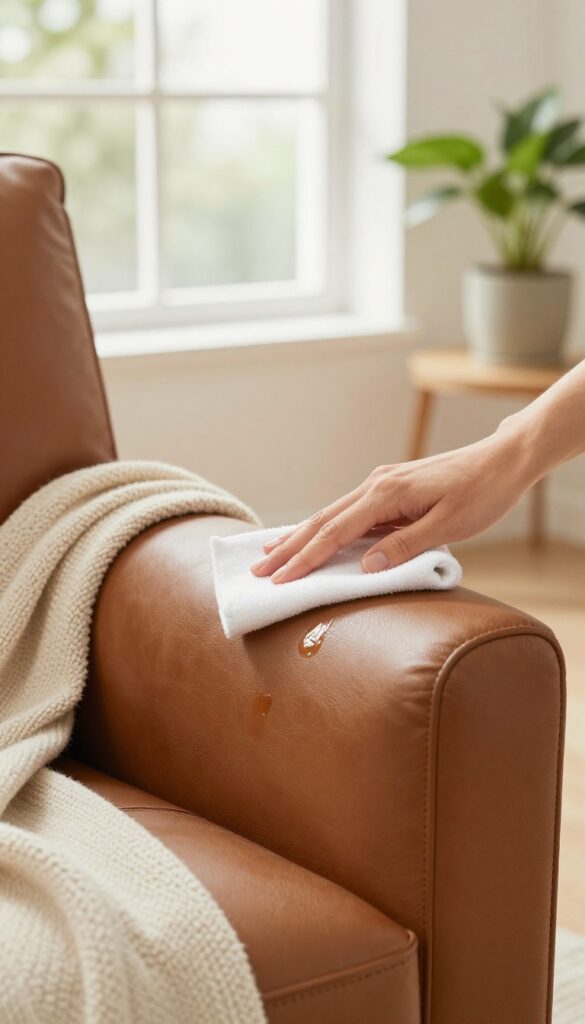
Leather is skin, and like your own skin, it can dry out and crack if you don't give it some moisture. Over time, the natural oils in the hide fade, especially if you live in a dry climate or run the heat in winter. Conditioning isn't just about making it look nice—it's about keeping the fibers flexible and strong.
A good conditioner replaces those lost oils, so the leather stays soft and resists damage from everyday use. It's a simple step that takes minutes, but it pays off for years. Let's get into how to do it right.
Why Conditioning Matters
Leather is a natural material, and it needs moisture to stay pliable. Without it, the fibers become brittle and start to crack, especially in areas that bend or get sat on a lot. Conditioning also adds a protective layer that helps repel spills and stains, and it can even revive the color and shine of worn spots.
Think of it like moisturizing your hands—skip it too long, and you get dry, cracked skin. Your couch feels the same way, but it can't tell you. So, you have to be proactive.
How Often To Condition
You don't need to do this every week. In fact, over-conditioning can make the leather feel greasy and attract dust. A good rule of thumb is every 6 to 12 months.
If you live in a dry climate or have your heating on a lot, lean toward the 6-month mark. If you're in a more humid area, you can stretch it to a year. Watch for signs that your couch needs conditioning: it looks dull, feels dry or tight, or you see tiny cracks starting.
That's your cue to grab the conditioner.
How To Apply Conditioner
First, make sure your couch is clean and completely dry. Then, apply a small amount of conditioner to a soft, lint-free cloth—you don't need a lot, a little goes a long way. Work it into the leather in circular motions, covering the whole surface.
Let it sit for about 15 minutes so it can soak in, then buff off any excess with a clean cloth. Don't forget the sides and back of the couch, and pay extra attention to the armrests and seat cushions where wear is most common. Let the conditioner dry completely before using the couch, and you're good to go.
6. Avoid Harsh Chemicals and Household Cleaners
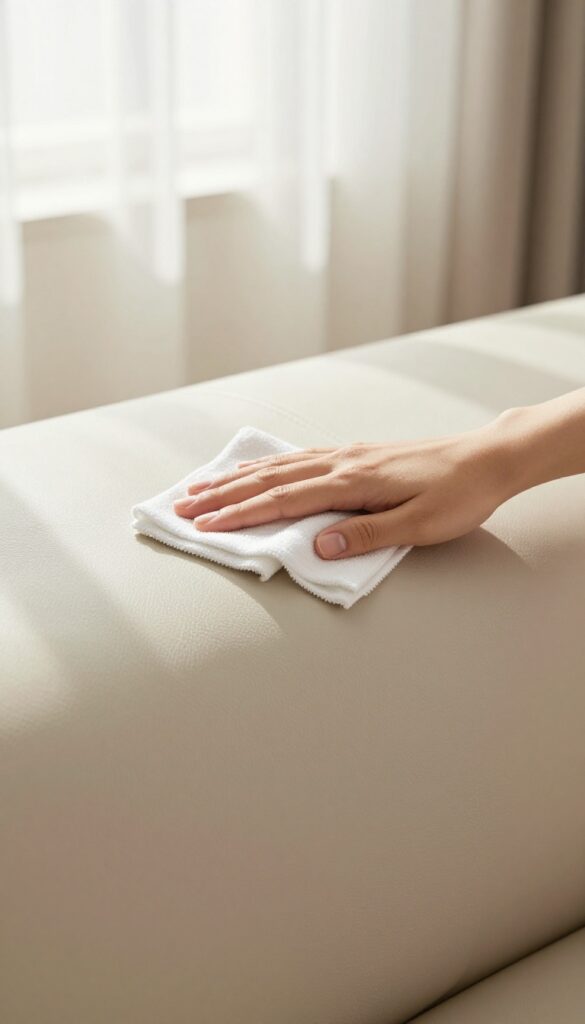
Your couch's finish is like a shield, and harsh chemicals are the enemy. Ammonia, bleach, and all-purpose sprays might seem like quick fixes, but they can strip that protective layer and leave the leather dry, cracked, and vulnerable. The good news?
You don't need a cabinet full of specialty products to keep it clean—just a few gentle options that do the job without the damage.
Stick to products specifically designed for leather, or whip up a mild soap solution with diluted castile soap. These options clean effectively while preserving the natural oils and finish. Always test any new product on a hidden area first, and avoid anything with alcohol, which can also be drying.
Why Harsh Chemicals Are A Bad Idea
Leather is porous, so whatever you spray on it gets absorbed. Ammonia and bleach can break down the finish, leading to discoloration and stiffness. All-purpose cleaners often contain degreasers that are too strong for leather, leaving it dry and prone to cracking.
Over time, these chemicals do more harm than good.
What To Use Instead
Look for pH-balanced leather cleaners, or make your own with a few drops of castile soap in distilled water. Dampen a microfiber cloth, wring it out well, and wipe the surface gently. Avoid soaking the leather—excess moisture can seep into seams and cause damage.
Patch Test First
Before using any cleaner, test it on a small, hidden spot like under a cushion. Apply a little, wait a few minutes, and check for color changes or residue. This simple step can save you from a costly mistake.
7. Protect from Direct Sunlight and Heat Sources
Sunlight and heat are silent enemies of leather. Even if you're diligent with cleaning and conditioning, constant exposure to UV rays or dry heat can undo all that work. The sun fades the color and draws out natural oils, leaving the leather brittle and prone to cracking.
Heat sources like radiators and vents do the same, speeding up the aging process.
The good news is that prevention is straightforward. You don't need to rearrange your entire living room—just a few smart adjustments can make a big difference. Start by assessing where your couch sits.
If it's near a window, consider moving it or adding window treatments. For heat sources, a simple repositioning might be all it takes. And if you can't move the couch, a UV-protectant spray designed for leather can add a layer of defense.
Move It Away From Windows
Direct sunlight is the biggest culprit. Over time, UV rays fade the color and break down the leather's fibers. If your couch is near a window, try shifting it a few feet away.
If that's not possible, use sheer curtains or blinds to filter the light. You can also rotate the couch periodically so the same spot isn't always exposed.
Keep It Clear Of Radiators And Vents
Heat sources dry out leather quickly. Radiators, heating vents, and even space heaters can cause the leather to lose moisture and crack. Move your couch at least a foot away from these sources.
If you can't move it, place a heat shield or a piece of furniture between the couch and the heat source. Also, avoid placing the couch directly under an air conditioning vent, as the cold air can also dry it out.
Use A Uv-protectant Spray
If your couch is in a spot where you can't avoid sunlight, a UV-protectant spray can help. These sprays are specially formulated for leather and create a barrier against UV rays. Before applying, clean the couch and test the spray on a hidden area.
Follow the manufacturer's instructions, and reapply every few months or as directed.
8. Tackle Stains with Targeted Treatments
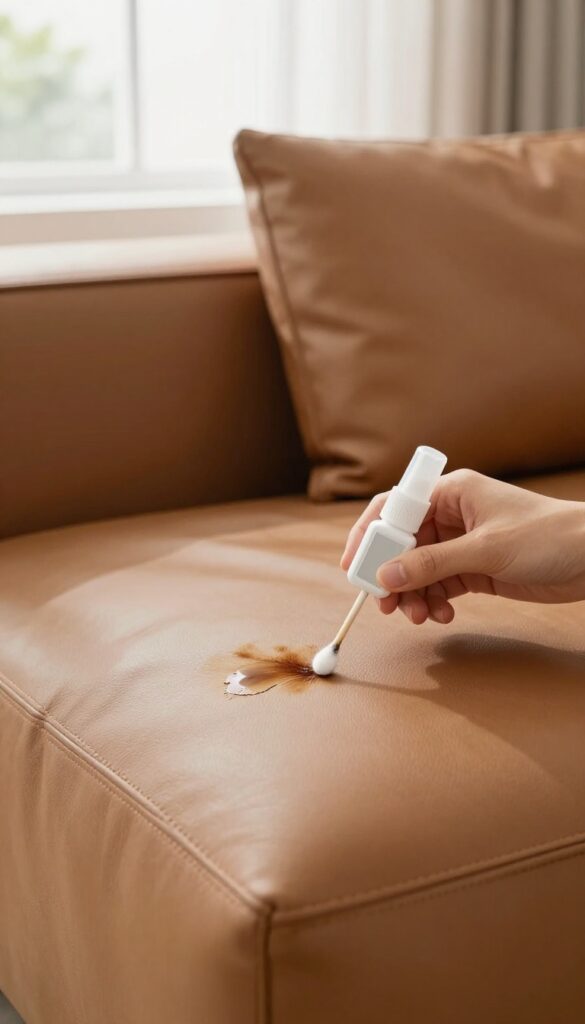
Stains are inevitable, but panic isn't. The key is knowing that each type of spill has its own remedy, and using the wrong one can make things worse. Before you grab a multi-purpose cleaner, take a breath and identify what you're dealing with.
Then, match the treatment to the stain.
Different stains need different approaches. For ink, use a cotton swab dipped in rubbing alcohol (test first). For blood, use a damp cloth with cold water.
For grease, apply cornstarch and let it sit. Always blot, never rub.
Ink And Dye Stains
Ink is one of the trickiest stains, but rubbing alcohol can work wonders. Dip a cotton swab in rubbing alcohol and gently dab the stain, working from the outside in to avoid spreading. Test on a hidden area first, as alcohol can strip color.
Blot with a clean cloth as the ink lifts.
Blood And Protein Stains
For blood, cold water is your best friend. Dampen a cloth with cold water and blot the stain gently. Avoid hot water, which sets the protein.
If the stain persists, mix a tiny drop of mild soap with cold water and blot again.
Grease And Oil Stains
Grease needs a powder to absorb it. Sprinkle cornstarch or baking soda over the stain and let it sit for a few hours. Then, brush it off gently.
For stubborn spots, repeat or use a leather-safe degreaser, but always test first.
9. Keep Pets and Sharp Objects Away
If you share your home with a furry friend, you already know the drill—one excited leap and those claws can leave a lasting mark. The same goes for stray keys, buckles, or anything with a sharp edge that ends up on the cushion. Protecting your leather couch means being a little proactive about what comes near it.
Pet claws and sharp objects are among the most common culprits behind unsightly scratches and punctures. Even a well-behaved dog or cat can accidentally dig in when they're settling down or jumping off. Regular nail trims can make a huge difference—smooth, short nails are far less likely to catch the leather.
For extra security, place a soft blanket or a dedicated pet bed on the couch, so your pet has a cozy spot that isn't directly on the leather. If your pet is particularly active or has a habit of zooming around, consider using a throw or a fitted cover that you can remove and wash. This simple layer adds a barrier between those claws and your investment.
Trim Nails And Soften The Landing
Make nail trimming part of your regular pet care routine. If you're not comfortable doing it yourself, a groomer or vet can handle it. Also, place a soft blanket or a pet bed on the couch to give your pet a designated spot that's gentle on the leather.
This not only protects the surface but also gives your pet a comfortable place to lounge.
Create A Sharp-object-free Zone
Be mindful of what you set on the couch—keys, scissors, tools, or even a heavy belt with a metal buckle can leave scratches or dents. Make it a habit to clear the couch of any sharp or heavy items before you sit down. If you have kids, remind them to keep toys with hard edges off the leather.
Handle Minor Scratches With A Repair Kit
Even with the best precautions, accidents happen. For minor scratches, you can gently buff them with a leather repair kit. These kits typically include a filler and a colorant that can make small marks disappear.
Follow the instructions carefully, and test on an inconspicuous area first. For deeper gouges, you might want to consult a professional to avoid making things worse.
10. Hire a Professional for Deep Restoration
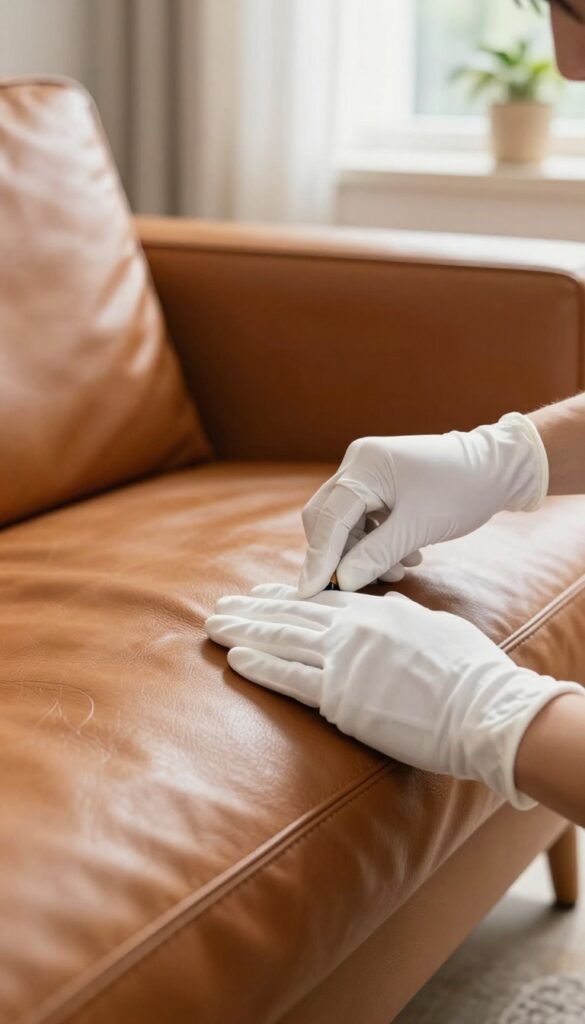
Sometimes, despite your best efforts, your couch needs more than a DIY fix. Deep set-in stains, noticeable cracks, or faded patches can make even a well-loved piece look tired. That's when it's time to call in the pros.
Professional leather cleaners have access to industrial-strength products and techniques that aren't available to the average homeowner. They can re-dye, recondition, and even repair damaged areas. For high-end or antique pieces, this investment is often worth every penny.
Think of it like taking your car to a specialist for a paint job—you could try to fix it yourself, but the results won't match a professional's work. The same goes for leather restoration. Professionals can assess the specific type of leather and its condition, then choose the right treatment to bring it back to life.
They can also handle structural repairs, like fixing loose seams or sagging cushions. Before you book a service, do a little research. Look for companies that specialize in leather furniture, not just general upholstery cleaners.
Read reviews and ask for before-and-after photos. A reputable pro will be happy to show you their work. While it's an extra expense, it's far cheaper than replacing a quality couch.
When To Consider Professional Help
You don't need a pro for every little spill, but certain situations call for expert intervention. If you've tried cleaning a stain multiple times and it won't budge, or if the leather feels rough, cracked, or has started to peel, it's time to make a call. Also, if your couch has sentimental value or is an antique, professional restoration can preserve its character and extend its life.
What To Expect During A Professional Service
A typical deep restoration session starts with a thorough cleaning to remove dirt and old conditioners. Then, the technician will assess the damage and may apply a re-coloring agent to even out fading. They'll finish with a protective sealant to guard against future wear.
The whole process can take a few hours to a full day, depending on the condition of your couch. You'll get clear instructions on how to care for it afterward.
How To Choose The Right Professional
Don't just pick the first name that pops up in a search. Ask for recommendations from friends or your furniture store. Check if the company is certified by a recognized organization, like the Leather Care Technician Guild.
Get a written estimate before work begins, and make sure they offer a warranty on their services. A confident pro will stand behind their work.
FAQ
How often should I clean my leather couch?
Dust and vacuum weekly to remove surface dirt. Deep clean with a leather cleaner every 3-6 months, depending on usage. Condition every 6-12 months to keep the leather supple.
Can I use baby wipes to clean leather?
It's not recommended. Baby wipes may contain alcohol or other chemicals that can dry out or damage leather. Stick to a pH-balanced leather cleaner or a mild soap solution.
What's the best way to remove ink stains from leather?
Dab the stain with a cotton swab dipped in rubbing alcohol, but test on a hidden area first. Blot gently, then wipe with a damp cloth and condition the area.
Is it okay to use olive oil to condition leather?
No, olive oil can go rancid and attract dust. Use a commercial leather conditioner that's designed to penetrate and protect without leaving residue.
How do I fix a scratch on my leather couch?
For minor scratches, gently rub the area with a soft cloth or use a leather repair kit. For deeper scratches, you may need to hire a professional to avoid further damage.
Conclusion
Your leather couch can stay soft, supple, and stunning for years with just a little regular care. Start with the basics—dusting, gentle cleaning, and conditioning—and you'll protect the finish without much effort. Tackle spills quickly and keep it out of direct sunlight to prevent fading and cracking.
Pick a few of these habits that fit your routine and stick with them. Your couch will thank you, and so will your living room.