9 Pretty Kitchen Wash Basin Ideas for a More Pulled-Together Look
Your kitchen sink sees more action than almost any other surface. It handles everything from morning coffee cleanup to marathon meal prep.
But that doesn't mean it has to look purely utilitarian. Swapping out a dated basin can completely transform the room's vibe, making the whole space feel more intentional and put together.
The right wash basin acts as a functional centerpiece, tying together your countertops, cabinetry, and backsplash. Whether you're planning a full remodel or just want a quick refresh, these nine ideas will help you find a basin that's both practical and pretty.
1. Farmhouse Apron-Front Sink: Rustic Charm Meets Everyday Durability
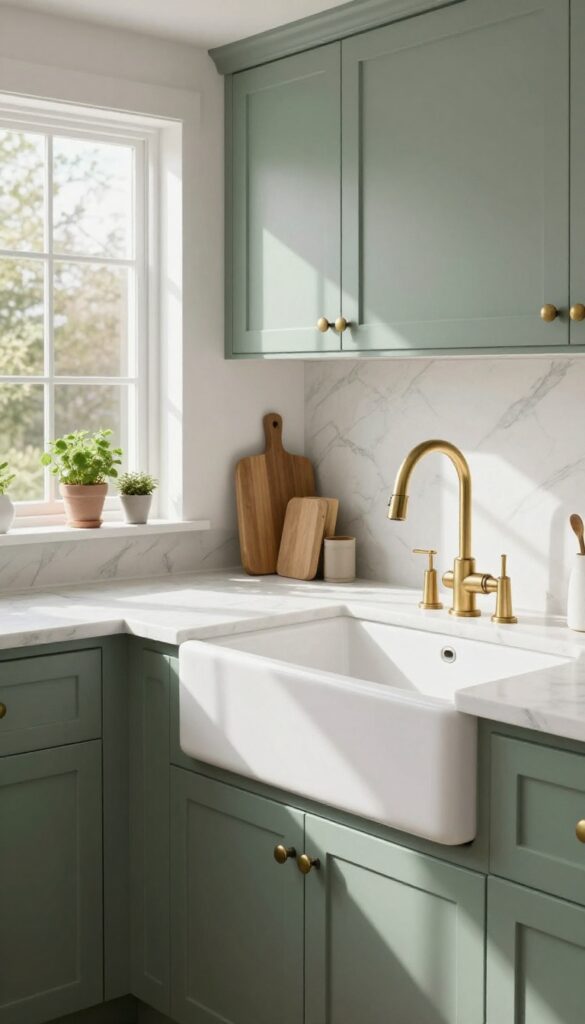
The apron-front sink—often called a farmhouse sink—has a way of making a kitchen feel warmer and more grounded. Its exposed front panel replaces the standard cabinet face, creating a seamless, furniture-like look that instantly draws the eye. Beyond the charm, the deep basin is a workhorse, easily swallowing large stockpots and baking sheets that would strain a standard sink.
Whether your kitchen leans rustic or modern, this style bridges the gap with timeless appeal.
An apron-front sink is more than just a pretty face; it's designed for real life. The deep, wide basin reduces splashing and gives you room to wash bulky items with ease. Many models are made from fireclay or enameled cast iron, which resist chipping and staining, so the sink stays beautiful for years.
The exposed front also means you can choose a finish that complements your cabinetry, from classic white to matte black or even hammered copper. This sink becomes a focal point that makes the whole kitchen feel more intentional.
Why The Deep Basin Wins For Busy Kitchens
The extra depth isn't just for looks—it's a game-changer for daily tasks. You can fill it with water to soak pans without splashing over the edges, and the high sides keep messes contained. If you bake often, the basin can hold a full-size sheet pan flat, which is a huge convenience.
Even washing a large roasting pan after holiday dinners becomes less of a balancing act. The deep basin also helps reduce back strain because you're not reaching as far down into a shallow sink.
Choosing The Right Material For Long-lasting Beauty
Farmhouse sinks come in several materials, each with its own perks. Fireclay is a top pick for its glossy, easy-to-clean surface and resistance to scratches and heat. Enameled cast iron is heavy but incredibly durable, and it comes in a wide range of colors.
For a more modern twist, stainless steel with a matte finish offers a sleek look that's still tough. Consider your cooking habits and how much wear the sink will see—if you're tough on sinks, opt for fireclay or cast iron over lighter materials.
Styling Around The Apron Front
The exposed front gives you a chance to tie your sink into the room's design. Pair a white fireclay sink with shaker cabinets and butcher-block counters for a classic farmhouse feel. Or go contemporary with a black stainless apron front against matte black fixtures and quartz countertops.
You can also add a wooden cutting board that fits over the basin for extra prep space and a warm accent. The key is to let the sink lead the design, then echo its finish or color in your faucet, hardware, or even a nearby shelf.
2. Undermount Stainless Steel Basin: Sleek and Seamless
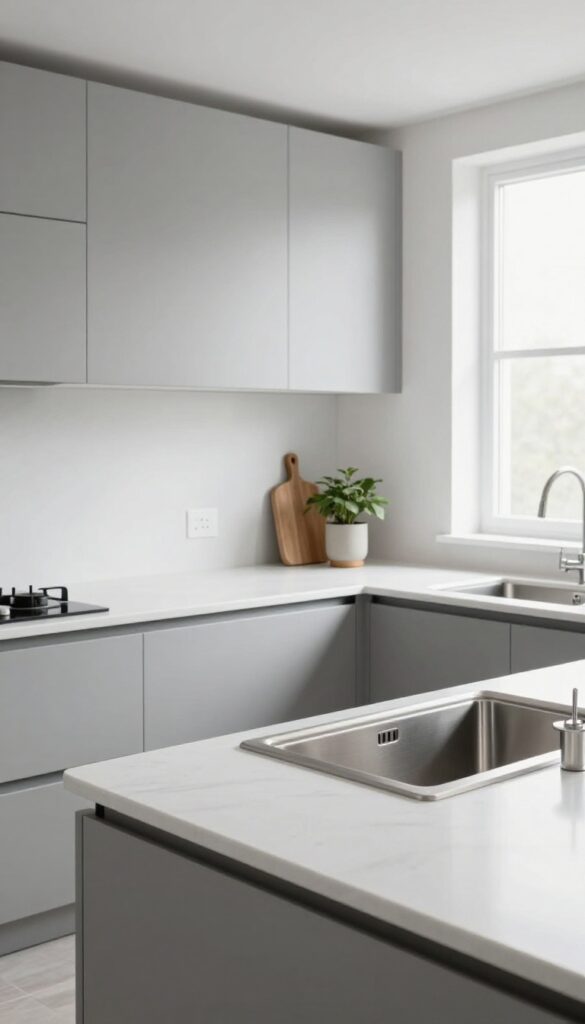
If you want a sink that disappears into your countertop, undermount stainless steel is the way to go. The basin mounts beneath the counter, so there's no lip to catch crumbs or grime. It creates a sleek, continuous surface that feels modern and uncluttered.
An undermount stainless steel sink is a favorite for good reason. It makes wiping countertop messes straight into the sink a breeze, and the seamless look pairs well with almost any countertop material, from quartz to granite. Plus, the brushed finish does a great job hiding water spots and fingerprints, so it stays looking clean even with daily use.
Why Undermount Works So Well
The key benefit is the clean line between counter and sink. No rim means no place for gunk to build up, and it gives your kitchen a more custom, high-end feel. It's also easier to keep clean because you can sweep water and debris directly into the basin without snagging on a lip.
Choosing The Right Gauge And Finish
Look for a sink made from 16-gauge stainless steel—it's thicker and less likely to dent or make noise. A brushed or satin finish is your friend here; it resists scratches better than a mirror finish and doesn't show every water spot. You can also choose between a single or double bowl depending on your needs.
Installation Tips To Keep In Mind
Undermount installation requires a solid countertop material like granite, quartz, or solid surface. Make sure the sink is properly sealed to the counter to prevent water from seeping underneath. If you're not comfortable with DIY, it's worth hiring a pro to get the job done right.
3. Copper Farmhouse Sink: Warmth That Ages Beautifully
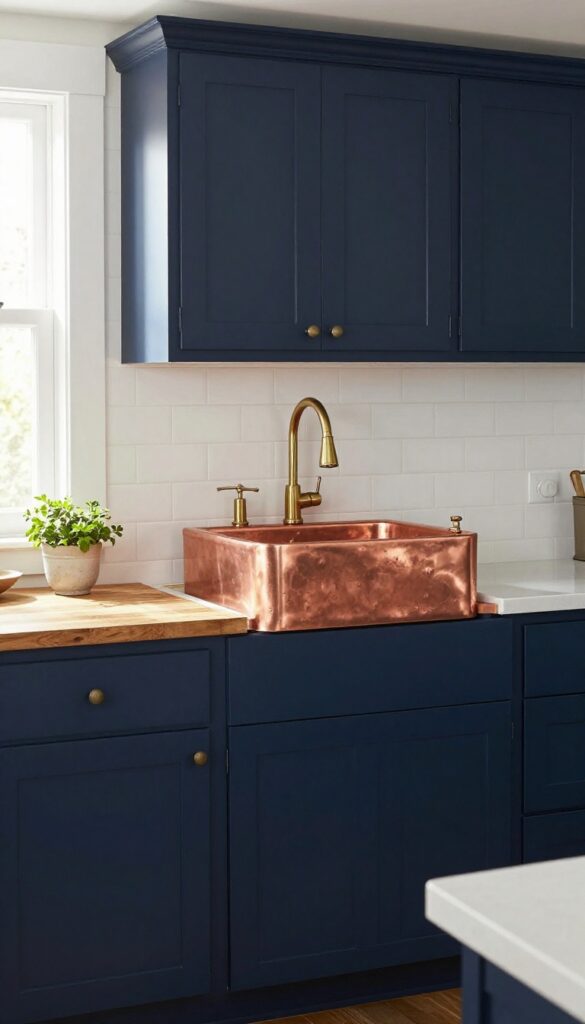
Copper sinks bring a warm, glowing tone to the kitchen that stainless steel just can't match. They develop a natural patina over time, adding unique character that makes your sink feel like a living part of the home. Pair them with dark cabinets for a striking contrast that instantly elevates the whole space.
A copper farmhouse sink is more than a place to wash dishes—it's a statement piece that gets better with age. The warm, rosy hue softens the look of a busy kitchen, while the natural patina that forms over time gives it a one-of-a-kind finish. Dark cabinetry makes the copper pop, creating a focal point that feels both rustic and refined.
Plus, copper is naturally antimicrobial, adding a practical benefit to its beauty.
Why Copper Works So Well
Copper has a natural warmth that makes a kitchen feel inviting. It reflects light in a soft, flattering way, and it pairs beautifully with wood tones, black hardware, and even white marble. The patina that develops over time isn't a flaw—it's a feature that tells the story of your kitchen's daily life.
Each sink becomes uniquely yours, with a finish that no factory can replicate.
Pairing With Cabinets And Counters
For the best visual impact, pair a copper farmhouse sink with dark cabinets—think deep navy, charcoal, or espresso. The contrast makes the sink stand out as the centerpiece. On the countertop side, butcher block or soapstone complements the rustic vibe, while white quartz keeps things fresh and modern.
Avoid matching copper with other warm metals like brass unless you're going for a fully coordinated look.
Caring For Your Copper Sink
Copper is durable but needs a little TLC to keep it looking its best. Avoid harsh abrasive cleaners that can scratch the surface. Instead, use a mild soap and water, and dry it after each use to prevent water spots.
If you want to speed up or slow down the patina, you can use a commercial copper polish or just let nature take its course. Over time, the sink will develop a rich, deep tone that adds character to your kitchen.
4. Integrated Solid Surface Sink: Minimalist and Hygienic
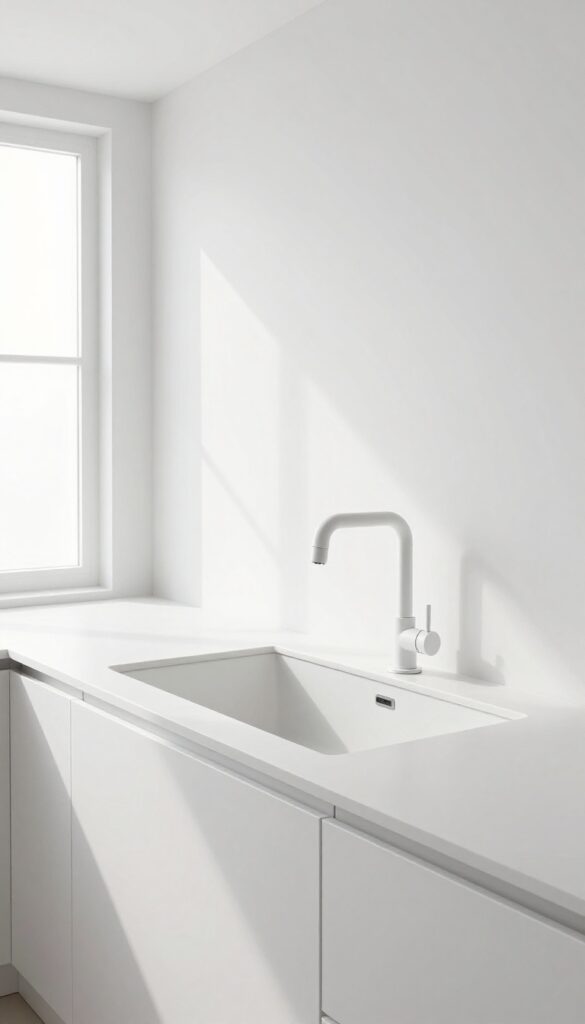
An integrated solid surface sink takes the seamless look to the next level. Instead of dropping a basin into a cutout, the sink is molded from the same material as your countertop, creating one continuous surface. This design eliminates the traditional rim or seam where dirt and grime love to hide, making it a dream to wipe clean.
It's a favorite in modern and minimalist kitchens for good reason.
If you're after a kitchen that feels sleek, uncluttered, and effortlessly clean, an integrated solid surface sink is a strong contender. The lack of seams means no trapped food particles or stubborn stains in crevices. Plus, the smooth transition from counter to basin makes wiping down the whole area a breeze.
It’s not just about looks—it’s about making your daily routine simpler and more hygienic.
Why Seamless Matters
The biggest advantage of an integrated sink is the absence of a lip or seam. Traditional sinks have a joint where the basin meets the countertop, and that’s where grime, water, and bacteria accumulate. With an integrated design, there’s nowhere for mess to hide.
You can simply wipe crumbs and spills directly into the sink without any edges catching debris. It’s a cleaner, more sanitary option, especially if you’re particular about kitchen hygiene.
Material And Finish Options
Solid surface materials like Corian, Avonite, or Hi-Macs are popular choices for integrated sinks. They come in a wide range of colors and patterns, so you can match your countertop exactly or create a subtle contrast. You can also choose from matte or glossy finishes.
A matte finish hides water spots and fingerprints better, while a glossy finish adds a sleek, polished look. The material is non-porous, which makes it resistant to stains and bacterial growth.
Installation And Cost Considerations
Integrated sinks require professional fabrication and installation, so they’re not a DIY weekend project. The cost is generally higher than a standard drop-in or undermount sink, but you’re paying for a custom, seamless look that’s built to last. The installation process involves cutting and shaping the solid surface, then bonding the sink to the countertop to create a single piece.
It’s a job best left to experienced fabricators to ensure a perfect fit and finish.
Care And Longevity
Keeping an integrated sink looking great is straightforward. Since the surface is non-porous, it resists stains from coffee, wine, and food. For daily cleaning, just use a mild soap and water or a non-abrasive cleaner.
Avoid harsh scrubbers or chemicals that could dull the finish. With proper care, an integrated sink can last for many years and maintain its pristine appearance. Minor scratches can often be buffed out with a fine abrasive pad, keeping it looking new.
5. Double Basin with Offset Divider: Multitasking Made Easy
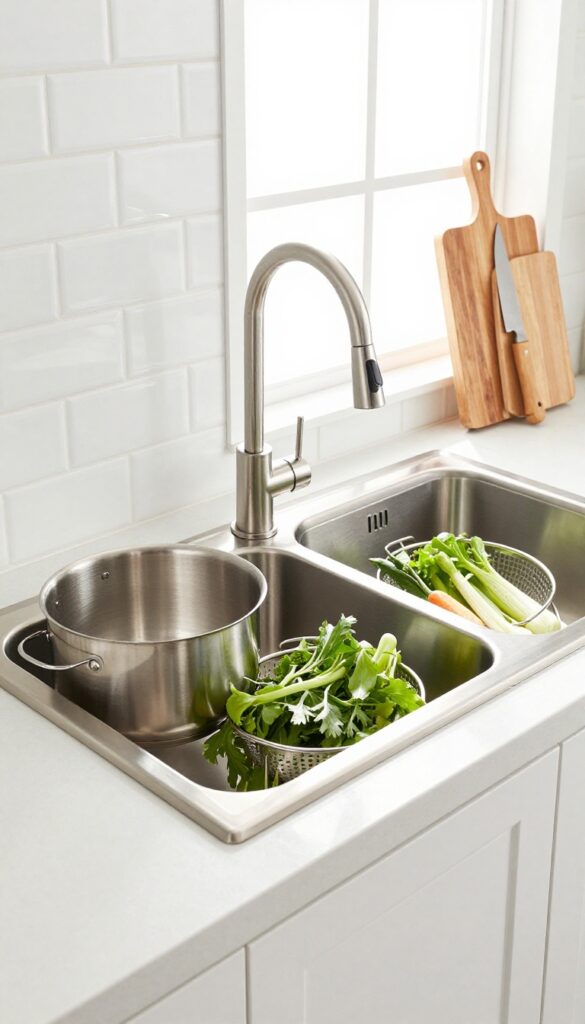
Sometimes one sink just isn't enough. A double basin with an offset divider gives you two distinct zones without sacrificing counter space. The larger side handles big pots and baking sheets, while the smaller side is perfect for rinsing veggies or letting a colander drain.
It's a smart setup for kitchens where two cooks often share the same workspace.
The key to this design is the offset divider, which isn't centered like a traditional double sink. That asymmetry creates a more generous main basin while still offering a secondary area for quick tasks. You get the flexibility of two bowls without feeling like you're working in a cramped, split sink.
It's especially handy for busy households where meal prep and cleanup happen at the same time.
Why An Offset Divider Works
A centered divider splits the sink into two equal halves, which can feel restrictive when you're washing a large roasting pan. The offset design shifts the divider to one side, giving you a deep, wide basin for the heavy lifting. The smaller side is still fully functional, but it doesn't dominate the sink's footprint.
This layout also makes the sink feel more open and less boxy, which is a nice bonus for visual appeal.
Materials That Make It Shine
You can find offset double basins in a range of materials, but stainless steel and fireclay are two standout choices. Stainless steel offers a sleek, modern look and is easy to maintain, while fireclay brings a classic, matte finish that resists scratches and chips. Both pair well with most countertop materials, from quartz to butcher block.
Choose a gauge that suits your daily use—thicker steel means less noise and more durability.
Ideal Configurations For Everyday Use
Think about how you actually use your sink. If you're often rinsing produce while someone else washes dishes, the offset layout lets both tasks happen comfortably. Some models come with a low divider that lets you lay cutting boards across the sink, expanding your prep space.
Others include a built-in drainboard or a colander that fits the smaller basin perfectly. Look for accessories that match your cooking habits to get the most out of the design.
6. White Ceramic Drop-In Sink: Classic Brightness
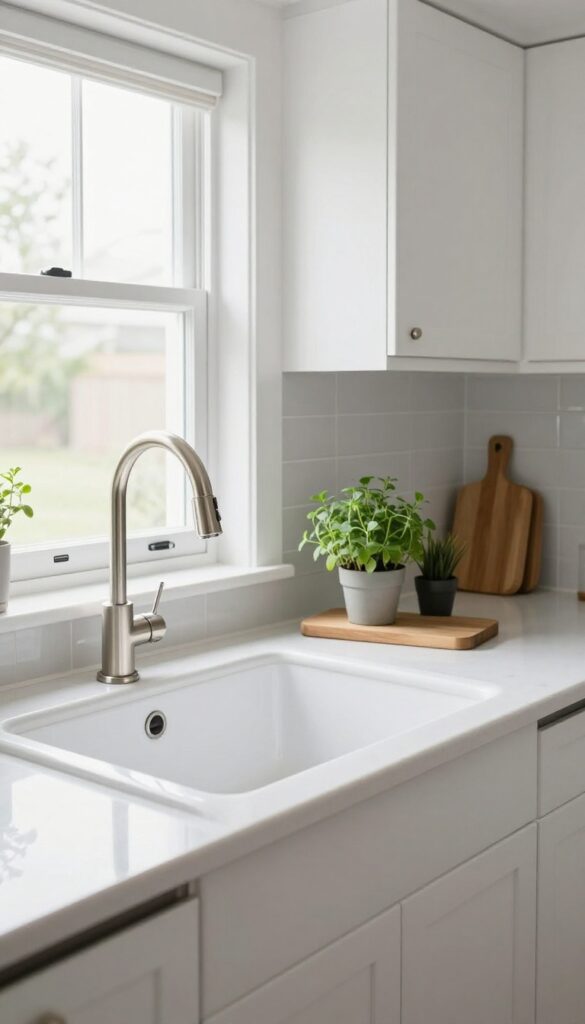
There's a reason white ceramic sinks have been a kitchen staple for decades—they just work. A drop-in model adds a clean, crisp look that brightens the whole space without trying too hard. Plus, it’s one of the most wallet-friendly options out there.
White ceramic drop-in sinks bring a timeless charm that fits effortlessly into farmhouse, modern, or transitional kitchens. The glossy surface reflects light, making the room feel more open and airy. And because the rim sits on top of the counter, installation is straightforward—no need for special clamps or custom cutting.
Why Drop-in Wins On Value
Drop-in sinks are typically cheaper than undermount or farmhouse styles. You also save on labor because the installation is simpler. If you’re updating on a budget, this is a smart way to get a fresh look without overspending.
Pairing With Countertops
White ceramic pairs beautifully with butcher block, quartz, or even dark granite. The contrast adds depth, while the white keeps things light. For a seamless look, match it with a white countertop and add a brushed nickel faucet for a subtle pop.
Keeping It Spotless
Ceramic is non-porous, so stains don’t soak in easily. A quick wipe with mild soap keeps it gleaming. Avoid abrasive scrubbers that can dull the finish over time.
Also, be gentle with heavy pots to prevent chipping.
7. Black Matte Composite Sink: Bold and Scratch-Resistant
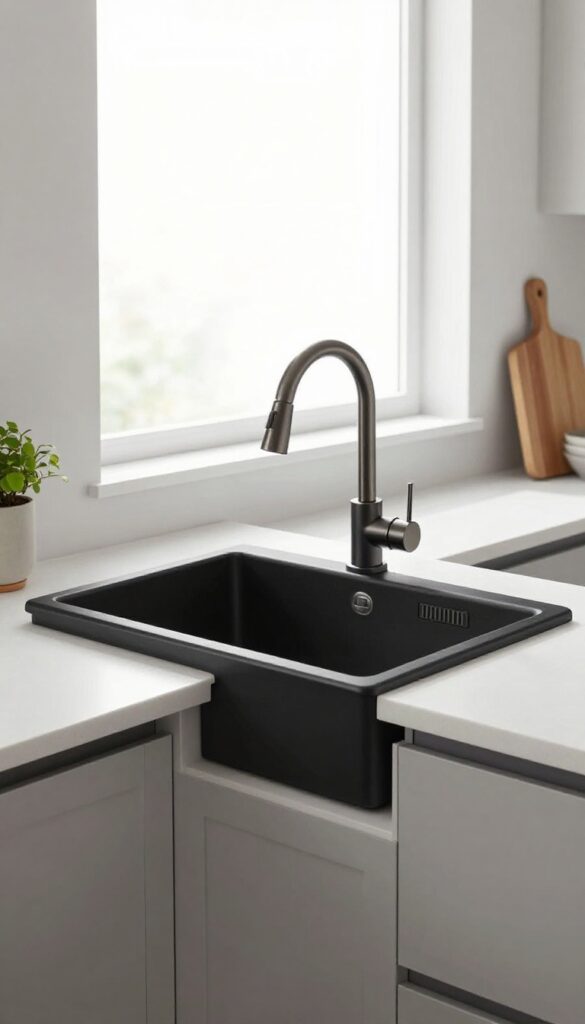
A black matte composite sink is a statement piece that brings a sleek, contemporary edge to any kitchen. Its dark, velvety surface adds depth and contrast, especially against lighter countertops and cabinets. Beyond looks, this material is incredibly durable, standing up to daily wear without showing scratches or stains.
Composite sinks are made from a blend of granite or quartz particles and resin, which gives them their toughness. The matte finish is not just for show—it hides fingerprints and water spots, so the sink stays looking clean with minimal effort. Plus, the dark color doesn't fade or dull over time, keeping that bold look for years.
Why Choose Black Matte?
The matte black surface absorbs light rather than reflecting it, which creates a soft, sophisticated look that fits both modern and traditional kitchens. It also hides scratches better than glossy finishes, because the texture diffuses light and makes minor marks less visible. If you're tired of constantly wiping down your sink, this finish is a low-maintenance win.
Pairing With Faucets And Fixtures
Brushed nickel is a classic pairing with black matte, offering a subtle contrast that feels refined. For a more dramatic look, go with a matte black faucet to create a monochromatic vibe. You can also mix metals—like brass or copper—to add warmth and personality.
Just keep the rest of your hardware in the same finish for a cohesive feel.
Cleaning And Care Tips
To keep your black matte sink looking its best, use a mild dish soap and a soft sponge or cloth. Avoid abrasive cleaners or scouring pads, which can dull the finish. Rinse thoroughly after use to prevent hard water spots, and occasionally wipe with a bit of mineral oil to restore the matte sheen.
8. Corner Sink: Maximize Awkward Spaces
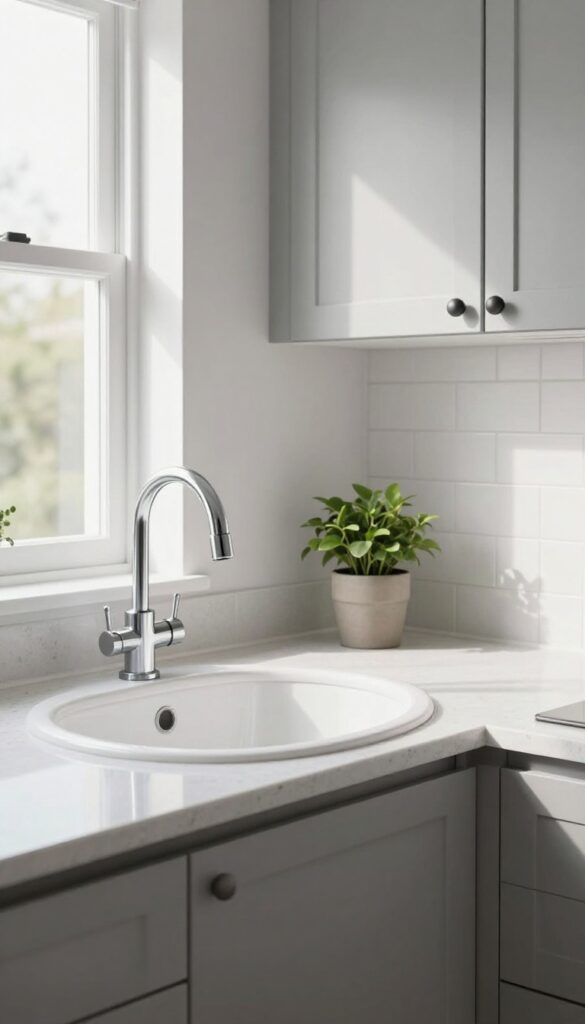
Kitchens with odd angles or limited square footage often leave corners feeling like dead zones. A corner sink turns that wasted space into a hardworking feature. It keeps the main counter runs clear and can make the whole room feel more open and efficient.
A corner sink is a smart solution for small or oddly shaped kitchens. It frees up counter space along the walls and can make the room feel more open. Choose a round or triangular design for a unique look.
Why A Corner Sink Works
Corner sinks tuck neatly into the angle, leaving more usable countertop on either side. That extra prep space is a game-changer in a compact kitchen. Plus, it creates a natural workflow zone, especially when paired with a corner faucet.
Design Options To Consider
Round basins soften the sharp corner and are easy to clean. Triangular models maximize depth while fitting the angle perfectly. For a seamless look, consider a custom countertop that integrates the sink into the corner.
Installation Tips
Make sure your cabinet underneath is designed for corner access, often with a lazy Susan or pull-out trays. Plumbing may need to be rerouted, so factor in that cost. Work with a pro to ensure the sink is properly sealed and supported.
9. Stone Resin Sink: Natural Texture and Quiet Strength
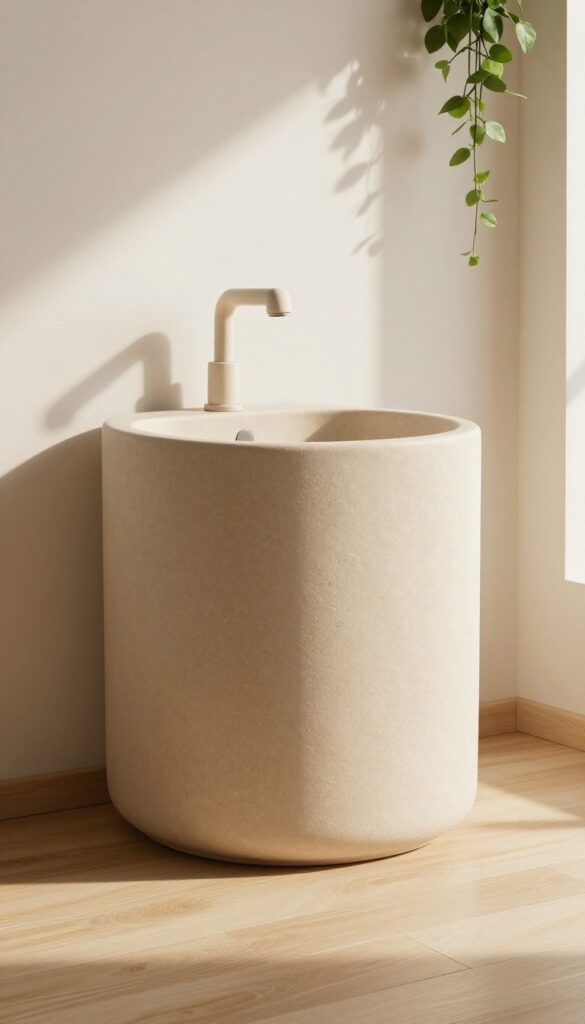
Stone resin sinks bring a grounded, earthy feel to a kitchen that many other materials can't match. The matte surface doesn't glare under lights and feels warm to the touch, making the sink a natural gathering spot. Beyond looks, these sinks are surprisingly tough and quiet, which makes them a smart pick for busy households.
Stone resin is a composite material that blends natural stone dust with high-grade resin. The result is a sink that mimics the look of real stone but is lighter and more forgiving. Unlike natural stone, it's non-porous, so it won't stain easily and requires very little upkeep.
The muted, organic tones—think soft greys, warm beiges, and deep charcoal—pair beautifully with wooden countertops and trailing greenery, giving your kitchen a calm, spa-like vibe.
Why Stone Resin Feels Different
The first thing you'll notice is the texture. It's not glossy like ceramic or metallic like stainless steel—it's a soft, matte finish that feels almost velvety. This subtle surface hides water spots and fingerprints, so it always looks clean.
Plus, the material naturally absorbs sound, so dishes clatter less, and the sink doesn't echo when you run water.
Built To Handle Real Life
Stone resin is impressively durable. It resists chipping, scratching, and heat, so you can set down hot pans without worry. The non-porous surface means no bacteria hiding in tiny cracks, and cleaning is as simple as wiping with mild soap and water.
It's also quieter than steel or ceramic, which makes a big difference in an open-plan kitchen.
Styling Ideas For A Natural Look
To let the stone resin shine, pair it with warm wood tones, like oak or walnut, and add a few potted herbs or a trailing pothos on the counter. Choose a brushed nickel or matte black faucet to complement the earthy vibe. If you have a farmhouse-style sink, the stone resin version keeps that rustic charm but with a more modern, streamlined edge.
FAQ
What is the most popular kitchen sink material?
Stainless steel remains the most popular due to its durability, affordability, and easy maintenance. It fits most styles and resists heat and stains.
How do I choose the right sink size for my kitchen?
Consider your cabinet width and your cooking habits. A standard 30-inch sink works for most kitchens, but if you often cook large meals, a deeper or wider basin might be better.
Are farmhouse sinks hard to install?
Farmhouse sinks require a special cabinet because they are exposed on the front. They can be heavier and need extra support, so professional installation is often recommended.
Can I replace my sink without changing the countertop?
Yes, if you choose a drop-in or undermount sink that fits the existing cutout. However, if you switch from an undermount to a drop-in, you may need to modify the countertop.
How do I keep a matte black sink looking good?
Clean it regularly with a soft cloth and mild soap. Avoid abrasive cleaners that can scratch the surface. Rinse after use to prevent water spots.
Conclusion
Choosing the right wash basin is about more than just looks—it's about how you cook, clean, and live. Each of these nine ideas offers a different balance of style and function, so you can find one that fits your daily routine and your design vision.
Whether you go for the warmth of copper or the sleekness of integrated solid surface, a well-chosen sink will make your kitchen feel more cohesive and welcoming. Take your time, measure carefully, and pick a basin that makes you smile every time you walk in the room.