13 Small Guest Bedroom Tricks That Open Up Tight Quarters
Squeezing a guest bed into a tiny room often feels like a losing battle against clutter and cramped corners. But with a few clever swaps, you can turn that tight space into a cozy retreat your visitors will actually love. The secret lies in choosing pieces that work double duty and tricking the eye with light and mirrors.
From slim-profile beds to wall-mounted desks, these 13 tricks open up your guest bedroom without sacrificing style or comfort. Each one is practical, budget-friendly, and easy to pull off in a weekend.
Ready to make your spare room feel twice as big? Let's dive in.
1. Embrace a Light and Airy Color Palette
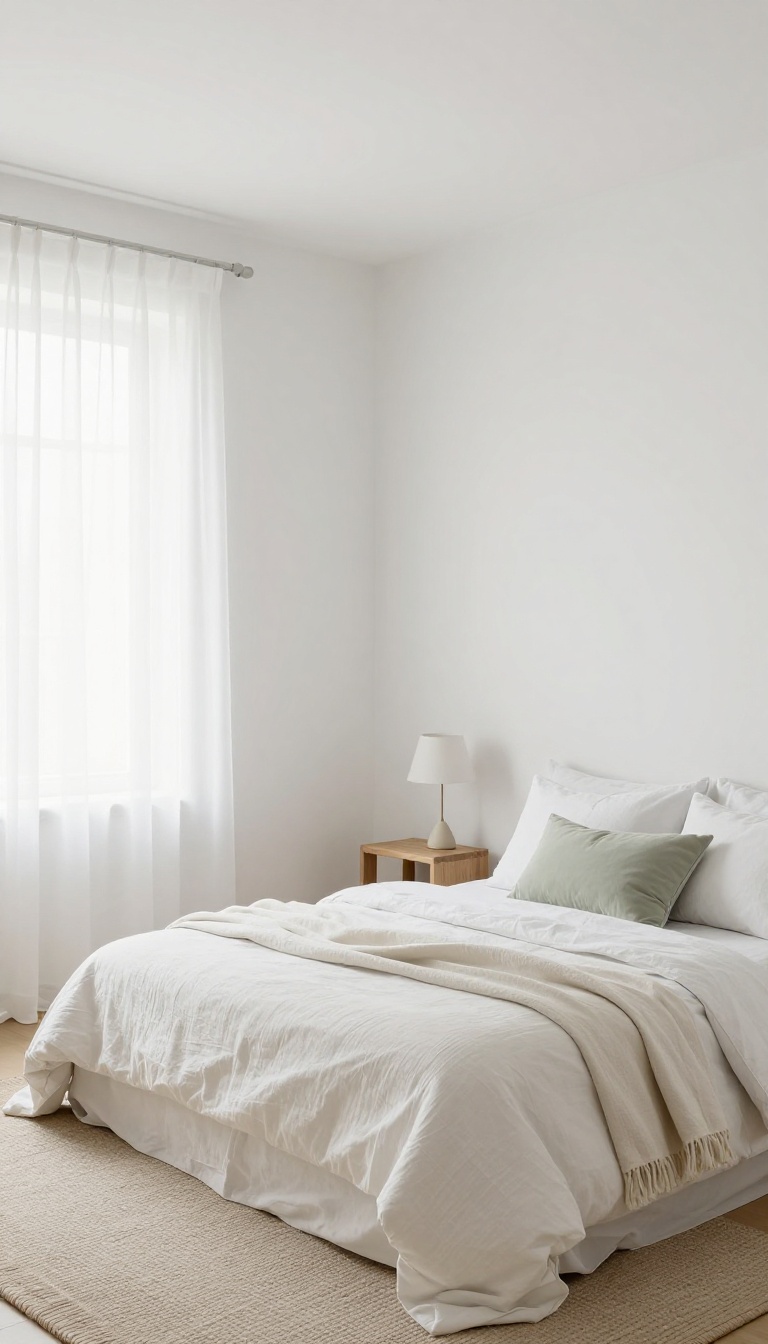
Color sets the mood before a single piece of furniture is placed. In a small guest bedroom, the right palette can make the walls seem to melt away, giving the room a breathable, open feel. Dark tones tend to absorb light and visually shrink the space, while lighter shades reflect it, creating an illusion of depth and airiness.
Start by choosing a soft white, warm cream, or pale pastel as your base. These colors bounce natural light around the room, making it feel brighter and more spacious. For a seamless look, paint the walls, ceiling, and trim in the same light shade.
This removes visual breaks that can make a room feel chopped up and smaller. If you crave a bit of contrast, add it through textiles like throw pillows, a lightweight blanket, or a simple rug—keeping those in muted tones too.
Why Light Colors Work
Light colors don't just reflect light—they also make the walls recede, tricking the eye into seeing more space. This is especially helpful in rooms with limited square footage. Plus, a light palette creates a calm, inviting atmosphere, perfect for guests who want to relax.
Choosing The Right Shade
Not all light colors are equal. Warm whites with a hint of yellow or beige feel cozy, while cool whites with a blue or gray undertone feel crisp and modern. Pastels like soft sage, powder blue, or blush pink add a subtle hint of color without overwhelming the space.
Test a few samples on your wall to see how they look in different lighting throughout the day.
Painting Tips For A Seamless Look
To blur the lines between walls and ceiling, paint them the same color and skip the contrasting trim. Use a flat or matte finish on walls to reduce glare and a satin finish on trim for durability. If you're on a budget, a fresh coat of paint in a light shade is one of the most affordable transformations you can make.
2. Use Mirrors to Double the Visual Space
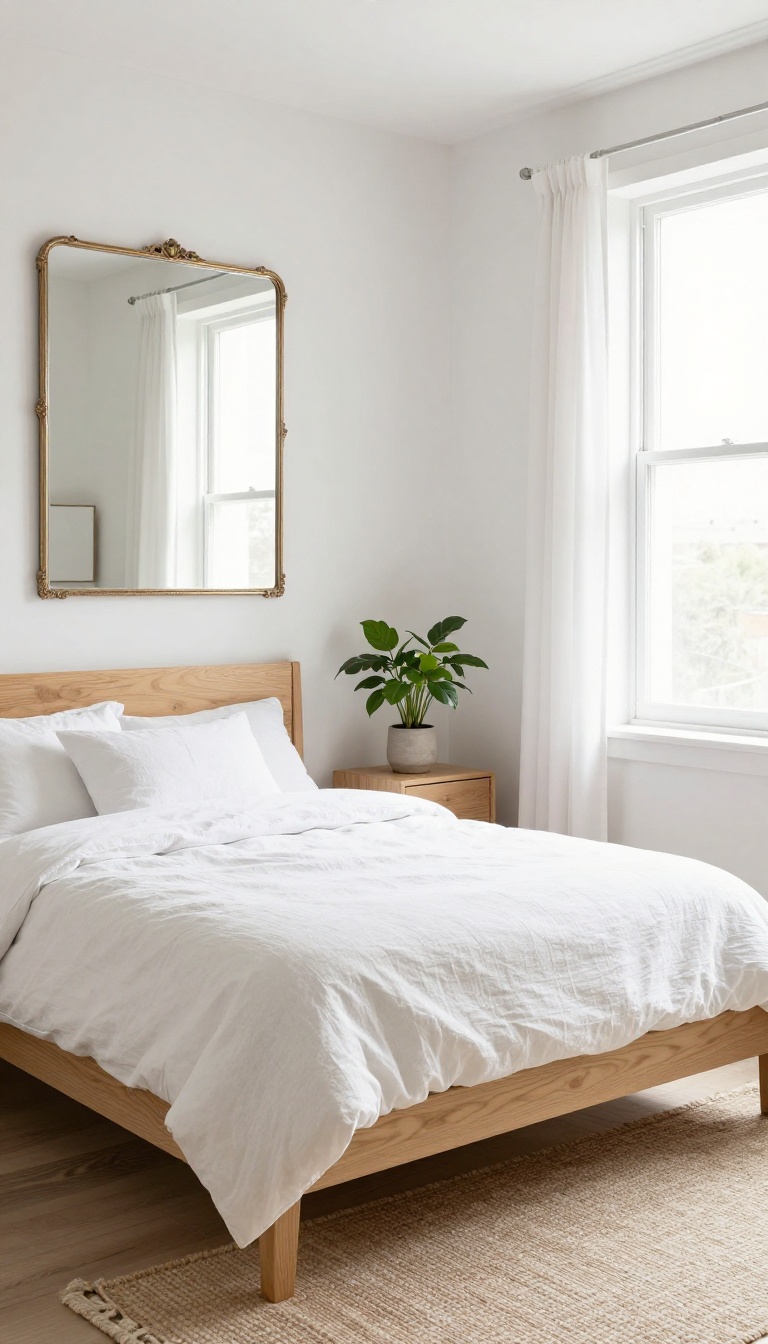
Mirrors are the oldest trick in the small-space playbook, and for good reason. They bounce light around the room and create the illusion of depth, making a cramped corner feel open and airy. The best part?
You don’t need to knock down walls or rearrange furniture to get the effect—just a well-placed mirror can work wonders.
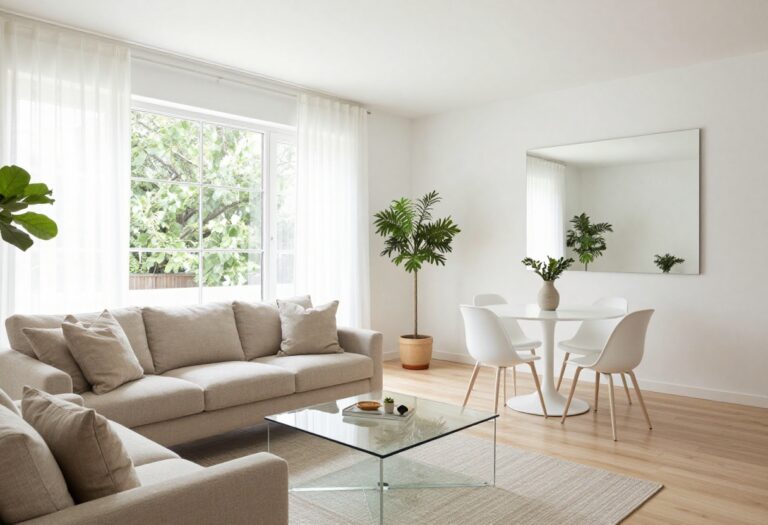
Start by positioning a large mirror directly across from a window. This simple move reflects natural light deep into the room, brightening dark spots and making the space feel twice as large. If your guest room lacks a window, place a mirror opposite a lamp or overhead light to amplify the glow.
Even a modest mirror can visually push the walls back, giving the room a breathable, open feel.
Full-length Mirrors On Closet Doors
A full-length mirror mounted on the inside or outside of a closet door is a space-saving win. It takes up zero floor space, serves as a getting-ready mirror for guests, and visually doubles the room’s depth. If you’re handy, you can even attach a mirror to a sliding closet door for a sleek, built-in look.
For a rental-friendly option, use a tension rod and hang a lightweight mirror over the door—no drilling required.
Leaning Floor Mirrors That Do Double Duty
A leaning floor mirror leans against a wall without needing installation, and it can double as a decorative piece. Choose one with a slim frame to keep the visual weight light. Place it in a corner or beside the bed to add depth and a touch of style.
To maximize function, pick a mirror with a small shelf or hooks on the back—it becomes a spot for guests to hang jewelry or a robe, saving space elsewhere.
Mirrored Furniture For Subtle Expansion
Mirrored furniture, like a nightstand or a dresser with a mirrored front, reflects light and makes the room feel airier. A mirrored nightstand can visually disappear against the wall, freeing up perceived space. If you’re on a budget, try a mirrored tray on a regular nightstand—it adds a reflective surface without the cost.
Just keep the rest of the room simple so the mirror effect doesn’t get lost in clutter.
3. Choose Multi-Functional Furniture
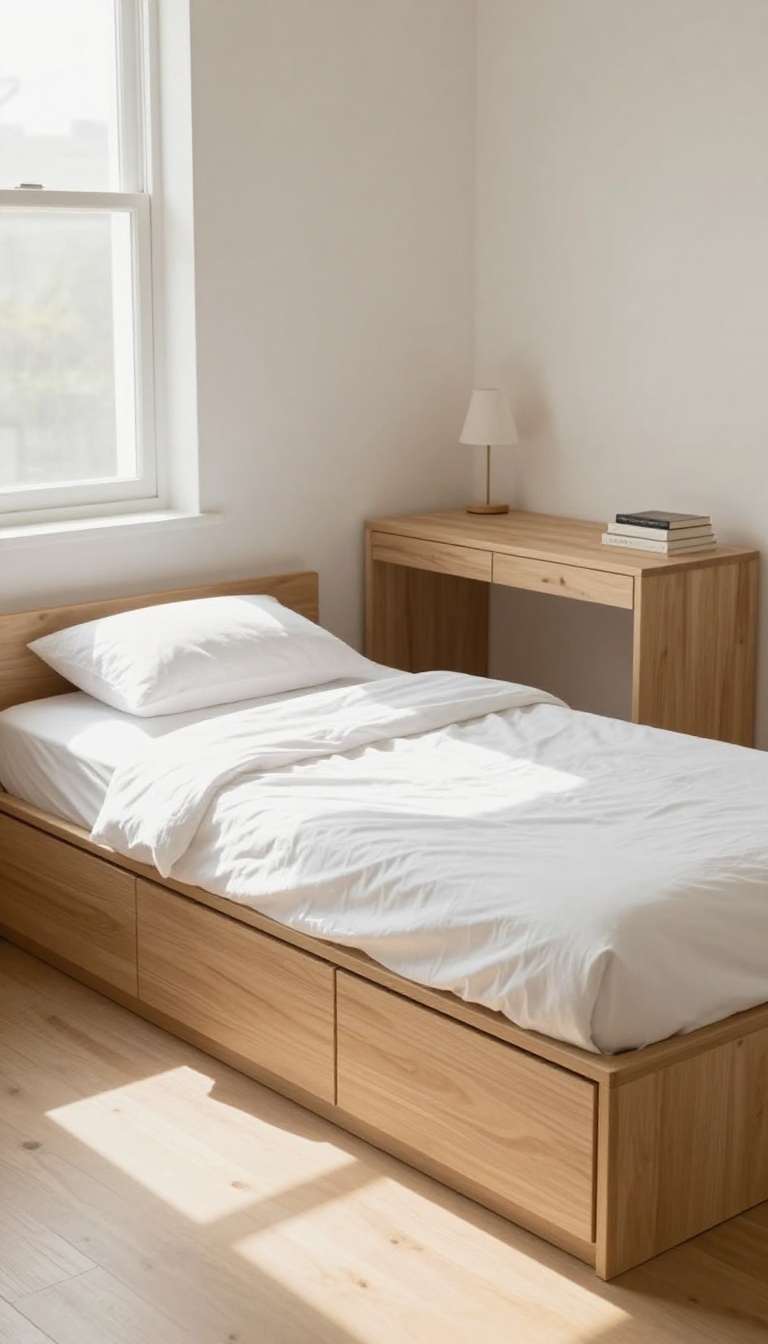
When every square foot counts, furniture that only does one job is a luxury you can’t afford. Multi-functional pieces are the unsung heroes of small guest rooms, letting you pack more into less space without the clutter. The trick is to pick items that serve two or three purposes at once, so you can skip the extra dresser, desk, or storage bin.
Start by thinking about what your guests actually need: a place to sleep, set down a bag, and maybe work or read. Instead of buying separate pieces for each, look for furniture that combines these roles. A bed with built-in drawers, for example, replaces a bulky dresser.
A nightstand that flips into a desk gives guests a workspace without a dedicated desk. A bench with hidden storage offers seating and a spot for extra linens or luggage.
Beds With Built-in Storage
The bed is the biggest piece in the room, so make it work harder. Platform beds with drawers underneath are a game-changer. You can stash extra pillows, blankets, or even guest essentials like towels and toiletries.
If drawers aren’t your style, a bed with a lift-up mattress reveals a cavernous space for bulky items like luggage or off-season clothing. This way, you skip a separate dresser and keep the floor clear.
Desks That Double As Nightstands
Guests often need a surface for a laptop, a book, or a glass of water. A narrow console or wall-mounted desk can serve as both a nightstand and a workspace. Choose one with a drawer or shelf for small items, and pair it with a compact chair that tucks underneath when not in use.
This setup gives your guests a place to work or journal without sacrificing precious floor space.
Seating With Hidden Storage
A small bench at the foot of the bed is a cozy spot to sit, but it can also hide extra bedding, pillows, or out-of-season clothes. Look for an upholstered ottoman or a wooden bench with a hinged top. This adds a layer of function without adding visual clutter.
If you have room, a storage pouf can serve double duty as a footrest and a catch-all for guest items.
4. Maximize Vertical Storage with Wall-Mounted Shelves
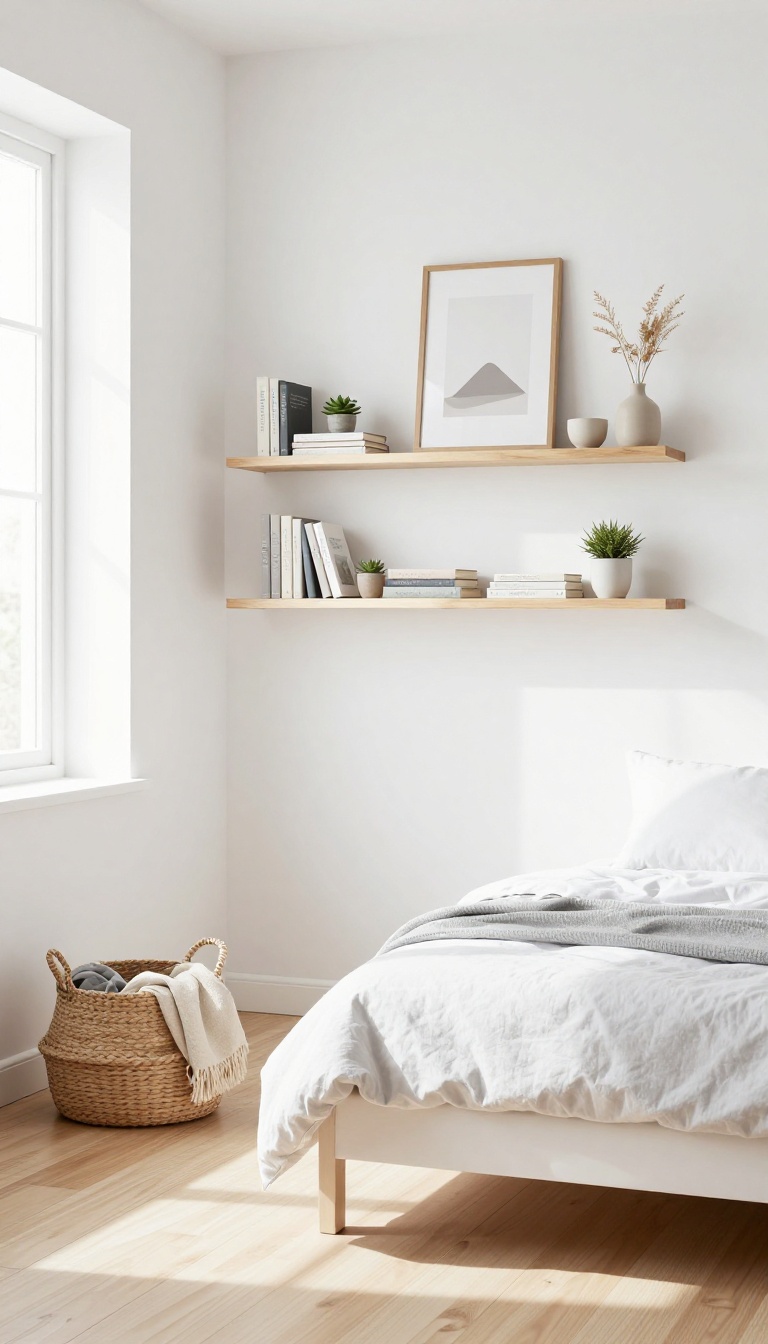
Floors are prime real estate in a small guest room, so why not put your walls to work? Wall-mounted shelves give you extra storage without eating into the space your guests need to move around. Plus, they draw the eye upward, making the ceiling feel higher and the room more open.
Floating shelves are a game-changer for tiny guest rooms. They tuck neatly above the bed, beside a window, or along an awkward wall, holding everything from books and glasses to decorative accents. Because they mount flush to the wall, they don't create the visual bulk of a bookshelf or cabinet, keeping the room feeling light and airy.
Choose The Right Height And Placement
For shelves above the bed, aim for about 12 to 18 inches below the ceiling to avoid a cramped feel. Keep them shallow—8 to 10 inches deep is plenty for most items. If you're placing them near a doorway or walkway, make sure they don't jut out too far and become a hazard.
Mix Open And Closed Storage
Open shelves are great for displaying pretty items, but they can get messy fast. Combine them with a few baskets or bins to hide clutter. Use the open sections for books, plants, or framed photos, and stash chargers, extra toiletries, or linens in baskets on the lower shelves.
Style Them For A Cozy, Inviting Look
Don't just pile things on—curate a small vignette. Start with a stack of coffee table books, add a small plant or vase, and finish with a framed picture or a candle. Keep it simple so the shelves don't overwhelm the room.
Symmetry can also help create a sense of order in a small space.
5. Select a Bed with a Slim Profile
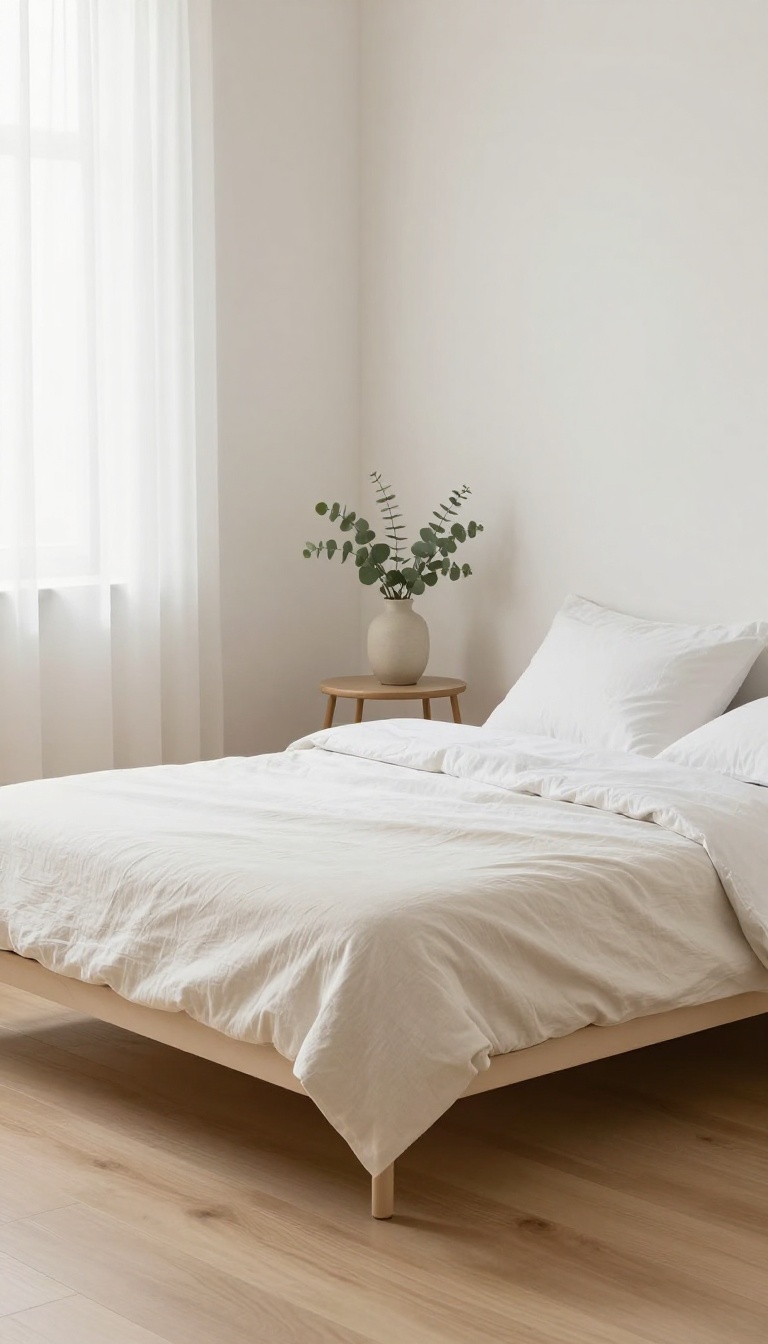
The bed is often the biggest piece of furniture in a guest room, so its shape matters more than you’d think. A bulky four-poster or an oversized headboard can swallow up square footage and make the whole space feel tight. Swapping it for a platform bed or a low-profile frame instantly frees up visual space and leaves more breathing room for your guests.
Why Low-profile Works
A bed with a slim profile sits closer to the floor, which lowers the visual center of gravity. This makes ceilings feel higher and the room more open. Plus, without a heavy headboard, you gain a few extra inches of clearance that can make all the difference when you’re navigating around the bed.
Platform Beds Vs. Traditional Frames
Platform beds are a great choice because they don’t need a box spring, which cuts down on height and bulk. If you prefer a traditional frame, look for one with a low headboard and thin legs. Avoid designs with heavy footboards or ornate details that can make the room feel crowded.
Styling For A Sleek Look
Pair your slim bed with lightweight bedding and a simple duvet to keep the look airy. Skip the heavy quilt or layers of pillows. A neutral color palette helps the bed blend into the room rather than dominate it.
Add a small bench or storage ottoman at the foot for extra function without adding bulk.
6. Incorporate Light, Sheer Curtains
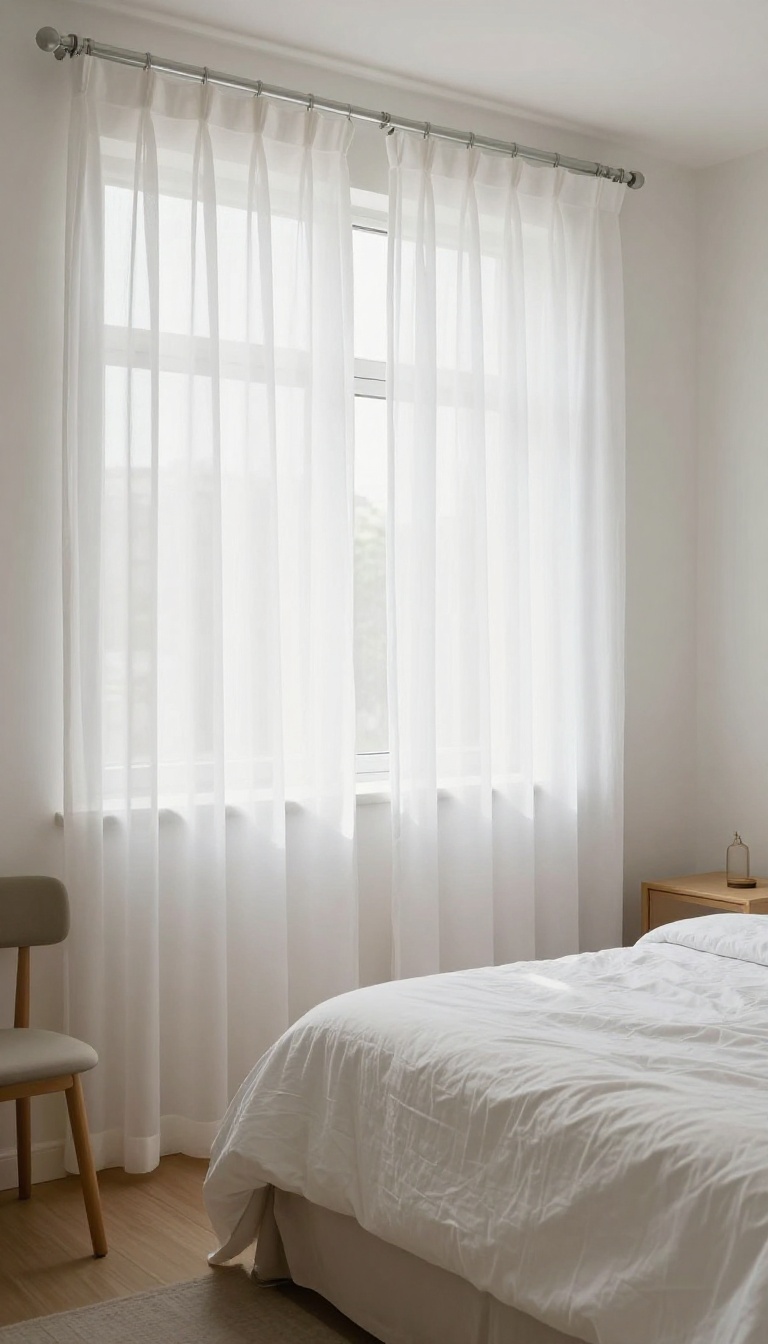
Heavy drapes can make a small room feel like a cave, even during the day. Swapping them for light, sheer curtains lets natural light flood in while still giving your guests privacy. The trick is to hang them high and wide, which draws the eye upward and makes the window—and the whole room—feel larger.
When you're working with a tight guest bedroom, every bit of light matters. Sheer curtains soften the harshness of direct sun without blocking it, creating a bright, airy atmosphere that instantly opens up the space. Plus, they're lightweight and easy to install, making this a quick weekend upgrade that pays off every time someone stays over.
Hang Them High And Wide
Mount the curtain rod closer to the ceiling and extend it a few inches beyond the window frame on each side. This simple trick makes the window appear taller and wider, which visually expands the room. When the curtains are open, they stack neatly off the glass, letting in maximum light.
Choose The Right Fabric
Go for fabrics like linen, cotton, or voile in white or soft pastel shades. These materials diffuse light beautifully while still offering a layer of privacy. Avoid heavy velvet or dark colors, which absorb light and make the room feel smaller and gloomier.
Layer With Blinds For Flexibility
Pair sheer curtains with simple roller blinds or shades. During the day, keep the sheers closed and the blinds up for soft light and privacy. At night, lower the blinds for complete darkness—perfect for guests who want to sleep in.
7. Use a Fold-Down Desk or Wall-Mounted Table
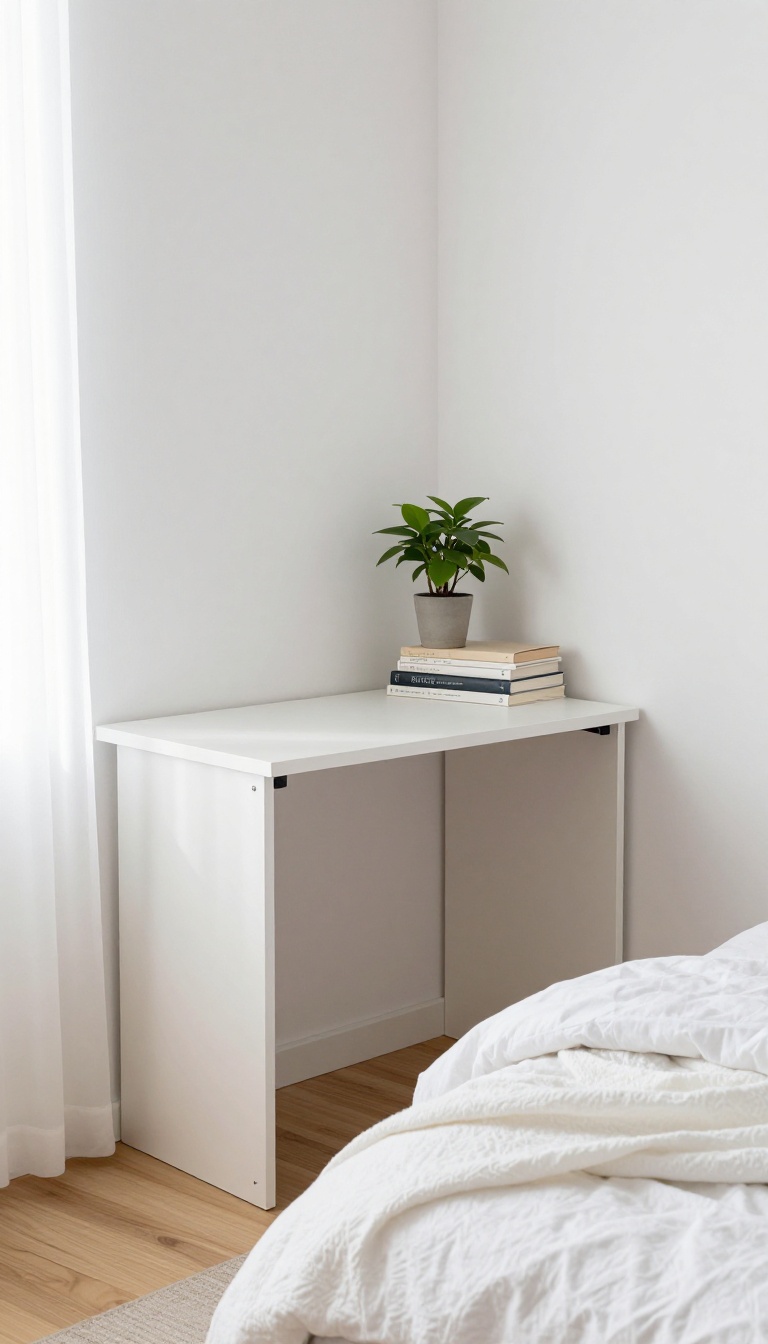
A guest room that doubles as a home office can quickly become a cluttered mess when the bed takes up most of the floor. Instead of squeezing in a bulky desk, a fold-down desk or wall-mounted table gives you a workspace that disappears when guests arrive. It’s a smart way to keep the room functional without making it feel cramped.
Fold-down desks are perfect for tight spaces because they attach to the wall and flip up when you need them. When closed, they take up just a few inches of depth, leaving the room open and airy. This makes them ideal for guest rooms that also serve as a study, craft corner, or even a small home office.
Pick The Right Style
Look for a fold-down desk with a sturdy hinge and a latch to keep it securely closed when not in use. Some models come with built-in shelves or drawers, which add storage without taking up floor space. A simple wooden table that folds flat against the wall is a classic choice that blends with most decor.
Pair It With A Space-saving Chair
To complete the setup, choose a chair that can be tucked away easily. A folding chair or a slim stool that slides under the desk works best. If you have room, a small bench that doubles as extra seating for guests can also be a great option.
Add Lighting And Decor
Since the desk is on the wall, you can install a small wall lamp or use a clip-on light to illuminate the workspace. Keep the area clutter-free by using a few hooks or a small caddy for pens and papers. This keeps the desk looking neat and ready to fold away at a moment’s notice.
8. Keep the Floor Clear with Wall-Mounted Lighting
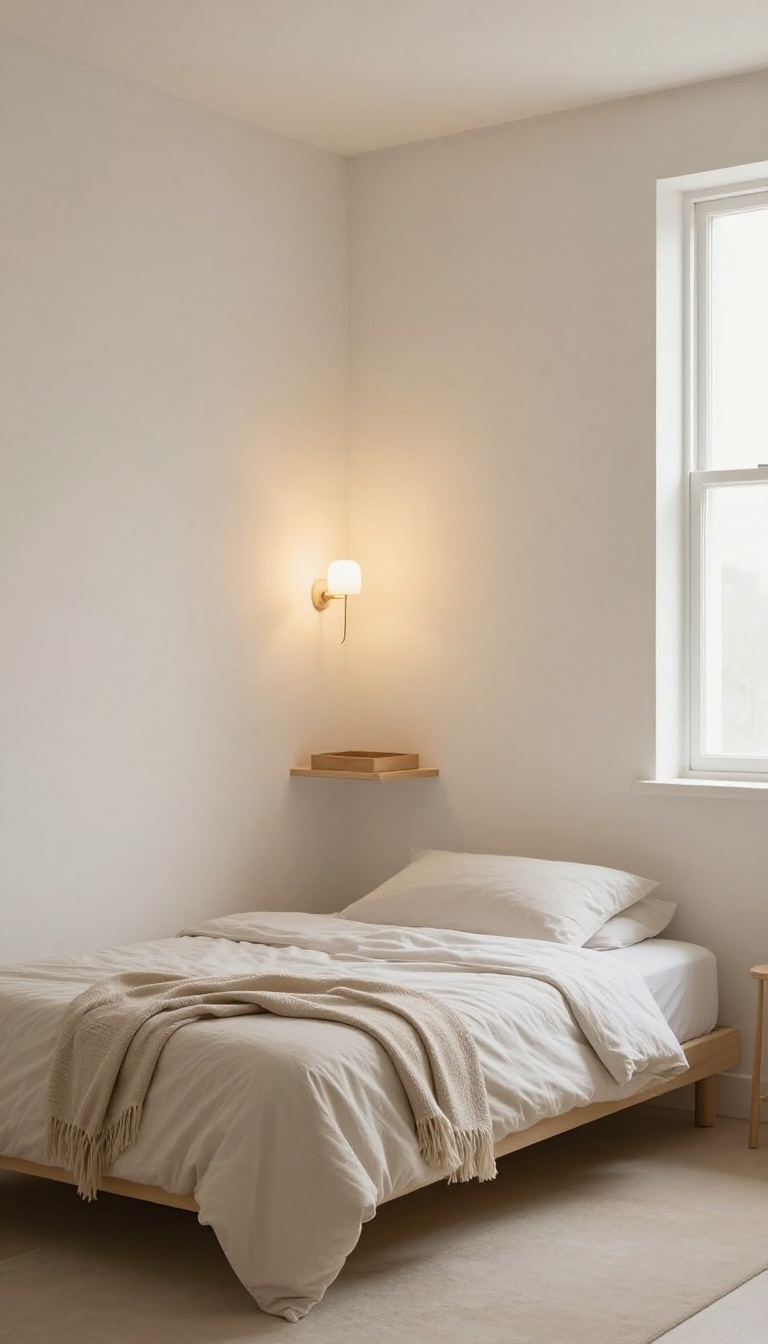
Floor lamps might seem harmless, but in a small guest room, they hog valuable real estate and add visual noise. Wall-mounted lighting, on the other hand, frees up every inch of floor space while casting a soft, inviting glow. It’s a simple swap that instantly makes the room feel more open and polished.
Swapping a floor lamp for a wall sconce or pendant light is one of the easiest ways to reclaim floor space. Without a lamp base and cord taking up room, the floor looks cleaner and the eye travels more freely around the space. Plus, wall-mounted lights add a cozy, ambient glow that makes the room feel warm and welcoming—exactly what you want for guests.
Choose Sconces That Do Double Duty
Look for wall sconces with built-in shelves or small trays. They give you a spot for a glass of water, a book, or reading glasses without needing a nightstand. This is a game-changer in a tight room where every surface counts.
Go For Swing-arm Lights For Flexibility
Swing-arm sconces are perfect for reading in bed. Guests can adjust the light exactly where they need it, and when they’re done, they simply push it back against the wall. It’s functional and space-saving at the same time.
Use Pendant Lights Over The Nightstands
If you have nightstands but no room for lamps, hang two small pendant lights from the ceiling. They frame the bed beautifully and free up the surface for other essentials. This trick adds a modern, boutique-hotel feel to the room.
9. Add a Bench or Storage Ottoman at the Foot of the Bed
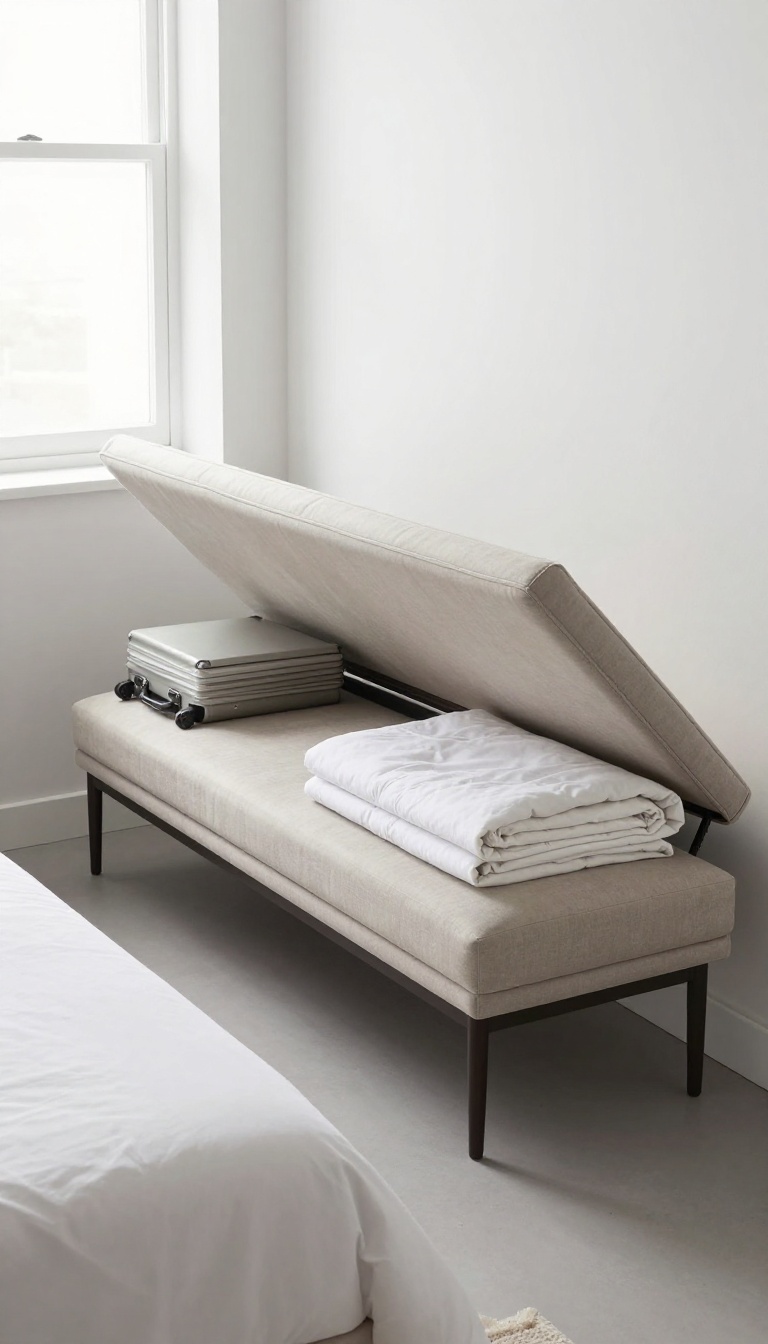
That awkward gap at the foot of the bed is often wasted space. A slim bench or storage ottoman fills it perfectly, giving guests a spot to sit or set their suitcase. Plus, it hides extra pillows, blankets, or even shoes, keeping the room tidy without adding bulk.
A bench or ottoman at the foot of the bed is a multitasker in disguise. It gives guests a comfortable place to sit while putting on shoes or reading, and it doubles as a luggage rack so they don't have to plop their bag on the floor. The hidden storage inside is a lifesaver for stashing spare linens, seasonal decor, or anything else you want out of sight.
Since it sits low and close to the bed, it doesn't visually eat up floor space like a chair would. Choose one with a slim profile and light color to keep the room feeling open.
Pick The Right Size
Measure the space between the foot of the bed and the wall or dresser. You want a bench that leaves at least 18 inches of walking room. A depth of 12 to 16 inches is usually perfect for a tight guest room.
If the room is really narrow, go for a narrower ottoman that still provides seating and storage without blocking the path.
Storage That Works
Look for a bench with a hinged lid or a pull-out drawer. That hidden compartment is perfect for extra pillows, a spare blanket, or even a few board games. If you can't find one with built-in storage, add a few woven baskets underneath a simple wooden bench.
That gives you the same function without the cost.
Style It To Blend In
Choose a fabric or finish that matches your room's palette. A neutral linen or cotton ottoman feels soft and inviting, while a leather bench adds a touch of sophistication. Keep it minimal—avoid heavy patterns that make the space feel busy.
A light-colored piece will reflect light and make the room feel airier.
10. Use Baskets and Bins for Clutter-Free Surfaces
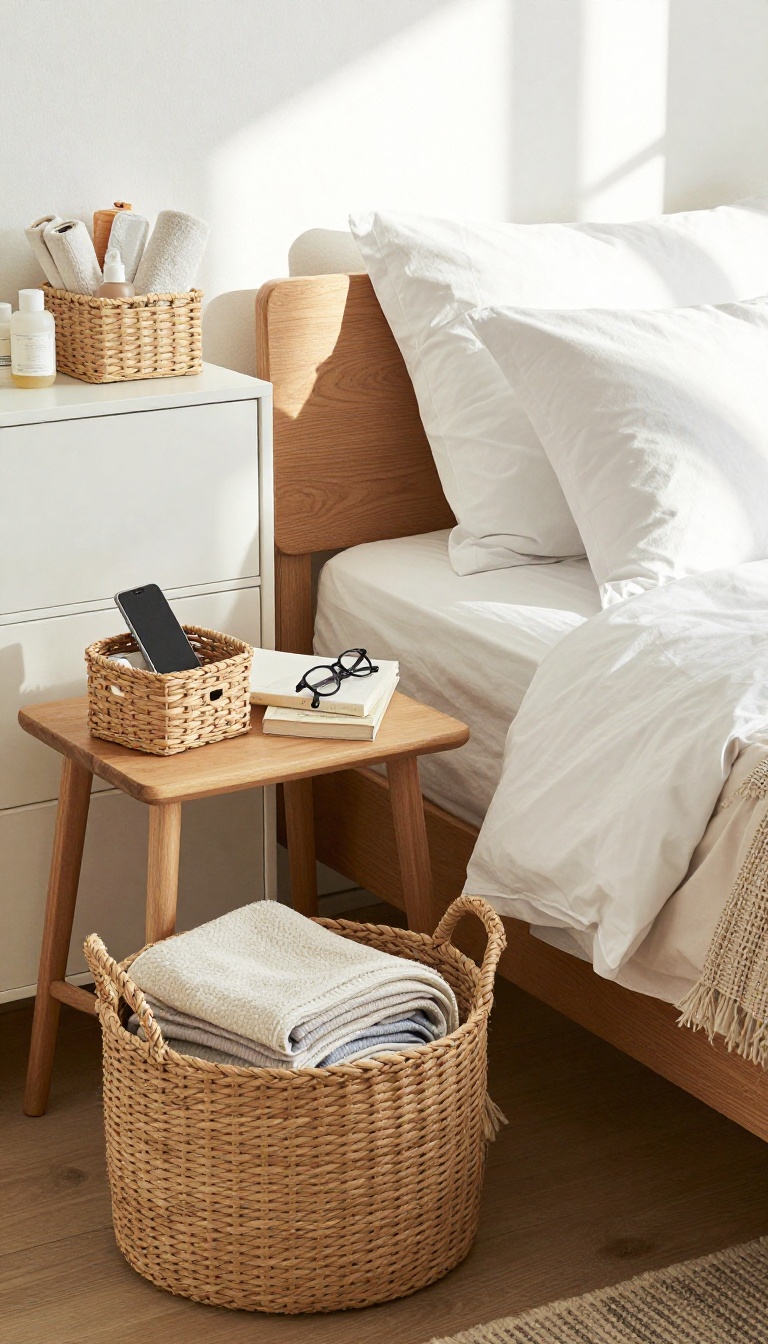
Even a small guest room can start to feel cramped when every surface is covered with odds and ends. A few strategically placed baskets or bins can quietly solve that problem. They give small items a home while keeping the room looking tidy and open.
Clutter is the enemy of a small space. When nightstands and dressers are piled with chargers, books, and toiletries, the room feels smaller and more chaotic. Baskets and bins offer a simple fix.
They corral loose items in one spot, so surfaces stay clear and the eye can travel freely around the room. This trick costs little and takes minutes to implement, yet it makes a big difference in how spacious the room feels.
Choose The Right Size And Style
Not all baskets are created equal. For a small guest room, pick bins that fit the scale of your furniture. A large basket on the floor can hold extra blankets or pillows, while smaller ones on shelves or nightstands keep everyday items within reach.
Stick to natural materials like seagrass or woven cotton to add warmth without overwhelming the space. Match the style to your room’s decor—whether that’s modern, rustic, or minimalist—so the baskets blend in rather than stand out.
Assign A Home For Common Guest Items
Think about what your guests actually need: a place for their phone, a book, maybe some toiletries. Dedicate one basket on the nightstand for chargers and small electronics, another for reading materials. In the bathroom or on the dresser, use a bin for toiletries like toothbrush holders and lotion.
When everything has a designated spot, guests know where to find things and where to put them back. This keeps the room neat without you having to constantly tidy up.
Keep Surfaces Clear For A More Open Feel
The visual payoff is immediate. With clutter tucked away, the room looks more organized and feels more open. Clear surfaces also make the space appear larger because there’s less visual noise competing for attention.
Plus, guests can actually use the nightstand for their coffee mug or glasses without knocking over a pile of stuff. It’s a small change that makes the room feel more inviting and less like a storage closet.
11. Install a Murphy Bed or Wall Bed
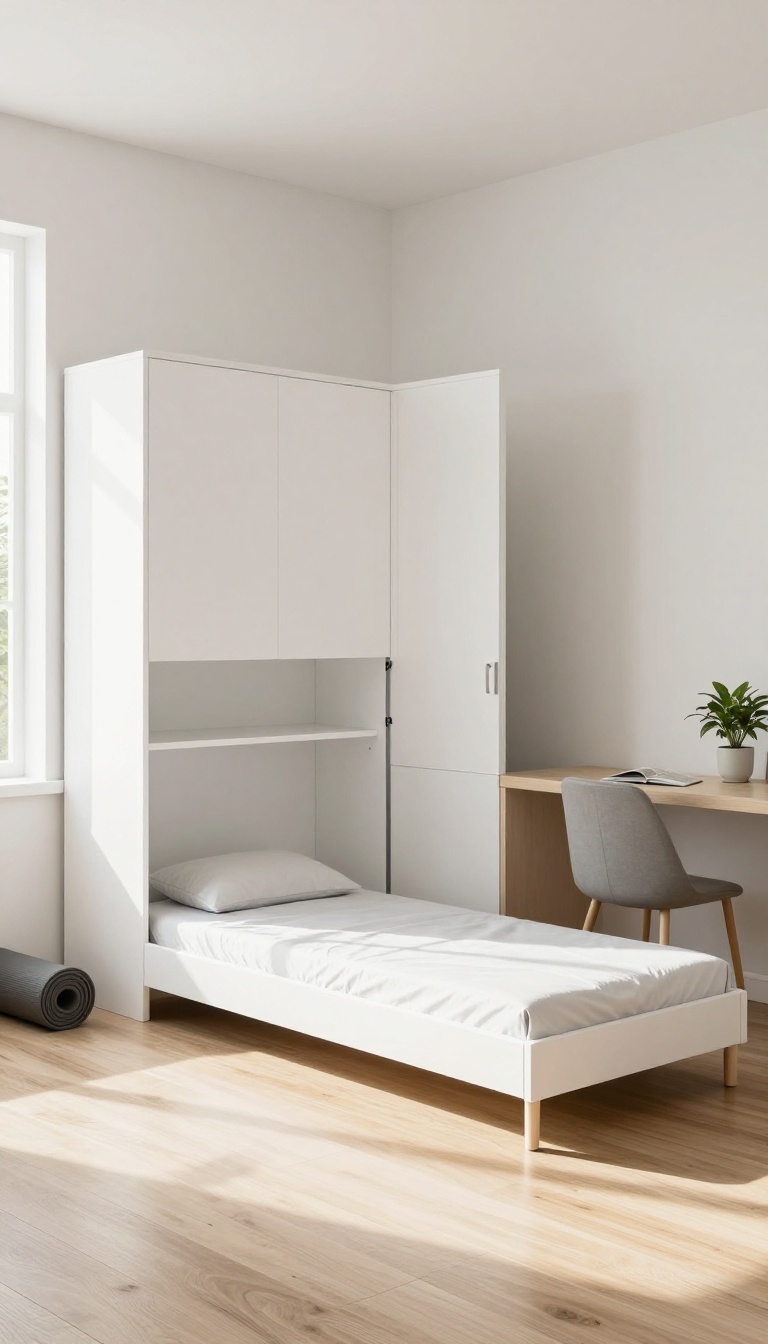
If you're tired of a guest room that's only useful when someone sleeps over, a Murphy bed could be your best friend. These beds fold right into the wall, freeing up the entire floor during the day. That means you can use the room as a home office, a hobby corner, or just a place to stretch out without tripping over a mattress.
Murphy beds aren't just for tiny apartments anymore. Modern designs come in all sorts of styles, from sleek built-ins to furniture-like pieces that blend with your decor. They're a smart investment that turns a single-purpose room into a flexible space, and they're more affordable than you might think, especially if you're handy with tools.
Why A Murphy Bed Works So Well
The biggest win is the floor space you get back. During the day, the bed disappears, so you can set up a desk, a yoga mat, or just have room to walk around. At night, it pulls down in seconds, and your guests get a real bed with a proper mattress—no lumpy futon or air mattress.
Plus, it's a conversation starter, and visitors always think it's cool.
Choosing The Right Mechanism
You have options: piston lifts, spring mechanisms, or manual fold-downs. Piston lifts are smooth and easy, even with a heavy mattress, but they cost more. Spring systems are budget-friendly but can be a bit stiff.
Manual ones are the simplest and cheapest, but you'll need some muscle. Think about how often you'll use it and who will be pulling it down. Test a few in stores if you can.
Installation And Safety Tips
Murphy beds need to be anchored to wall studs, so don't skip that step. If you're not comfortable with tools, hire a pro—it's worth the peace of mind. Also, make sure the ceiling height is enough for the bed to fold up without hitting a light fixture.
And always follow the manufacturer's instructions for weight limits and clearances. Safety first, especially if kids might be around.
12. Create an Illusion of Space with a Large Area Rug
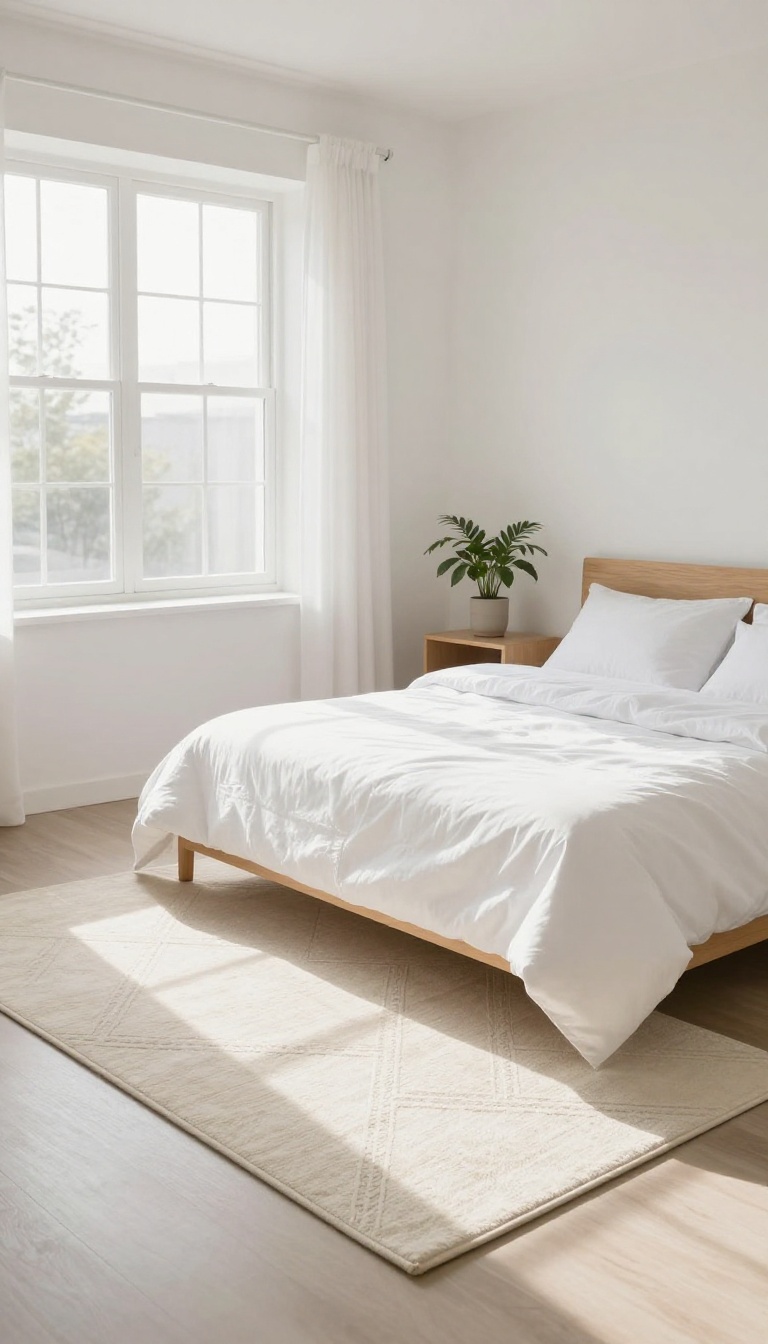
A rug might seem like just a decorative afterthought, but in a small guest room, it can be a powerful tool. The right size and color can make the floor feel more expansive and pull the whole space together. When done wrong, a tiny rug can chop the room into awkward zones, making it feel even smaller.
The trick is to choose a rug that's large enough to extend beyond the bed on all sides. This creates a visual anchor that makes the bed feel like part of a larger, cohesive layout. A light-colored rug with a subtle pattern works best, as it reflects light and adds texture without overwhelming the space.
Avoid dark, busy rugs that can visually shrink the room.
Why Size Matters
A rug that's too small—like a skinny runner beside the bed—can make the floor look disjointed and the room feel cramped. Instead, opt for a rug that fits under the bed and extends at least 18 inches beyond the sides and foot. This creates a generous, unified base that makes the room feel more open and inviting.
Pick The Right Color And Pattern
Light neutrals like cream, soft gray, or pale beige are your best bet. They brighten the space and make it feel airier. If you want a pattern, keep it subtle—think faint stripes or a low-contrast geometric design.
Bold, busy patterns can visually clutter the floor and make the room feel busy.
Layer For Extra Warmth
If you already have a small rug you love, you can layer it over a larger, neutral base rug. This adds depth and texture while still giving you that expansive feel. Just make sure the bottom rug is big enough to create that border around the bed, and the top rug adds a pop of personality without overwhelming the space.
13. Add a Touch of Greenery with Hanging Plants
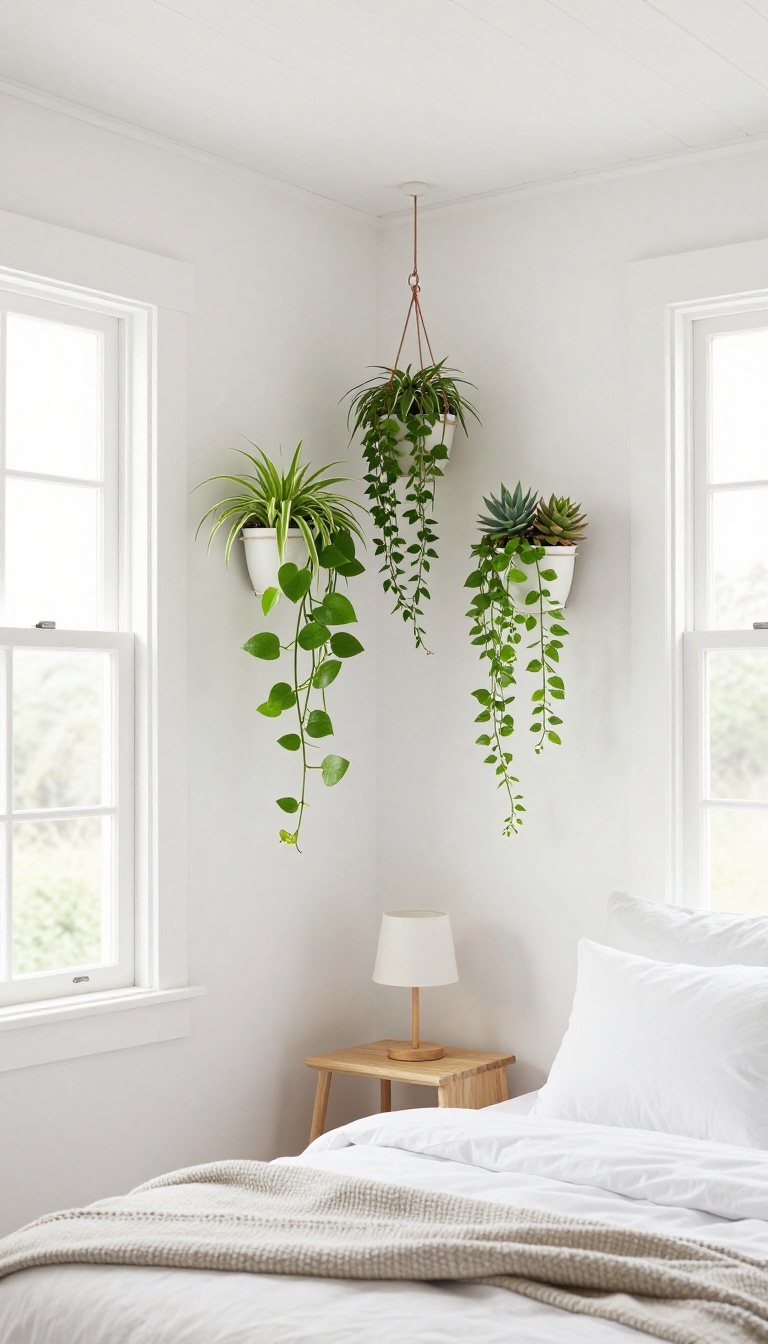
Plants are a quick way to make any room feel more alive, and they work wonders in small spaces. Hanging plants or wall-mounted planters bring in that fresh, calming vibe without stealing a single inch of floor space. Plus, they draw the eye upward, which makes the ceiling feel higher and the room feel more open.
Adding greenery doesn't have to be complicated. Choose low-maintenance plants like pothos, spider plants, or trailing succulents that thrive in indirect light. Hang them near a window or in a corner where they can cascade down, adding a soft, natural touch.
Wall-mounted planters are another great option—they turn bare walls into living art, freeing up surfaces for other essentials.
Pick The Right Plants
Not all plants are suited for small, possibly dim guest rooms. Go for hardy varieties that can handle a bit of neglect and lower light. Pothos, philodendron, and ZZ plants are forgiving and grow well in hanging baskets.
If you have a sunny window, try a string of pearls or a small fern for a delicate, airy look.
Hang Them High
Install hooks from the ceiling or use a tension rod in front of a window to hang plants at different heights. This creates a layered effect that adds depth and interest. Just make sure the hooks are secure and the plants are out of the way of guests who might bump into them.
Go Vertical With Wall Planters
Wall-mounted planters are perfect for tight spaces. You can arrange them in a grid or a staggered pattern to create a living wall. Use lightweight pots and make sure the mounting is sturdy.
This not only saves floor space but also adds a unique decorative element that guests will remember.
Keep It Simple And Safe
Don't overcrowd the room with too many plants—a few well-placed ones are enough. Use self-watering pots or add a drip tray to avoid messes. Also, be mindful of any allergies your guests might have, so stick to non-flowering plants that are less likely to trigger reactions.
FAQ
What is the best color for a small guest bedroom?
Light, neutral colors like soft white, pale gray, or light beige are best. They reflect light and make the room feel more spacious. You can add pops of color with accessories.
How can I make a small guest bedroom look bigger?
Use mirrors, choose multi-functional furniture, keep the floor clear, and use vertical storage. Also, let in as much natural light as possible with sheer curtains.
Should I use a bed with storage in a small guest room?
Yes, a bed with built-in drawers or a lift-up storage base is a great way to maximize space without adding extra furniture. It keeps the room clutter-free.
Can I use dark colors in a small guest bedroom?
Dark colors can make a room feel smaller and more enclosed. If you love dark shades, use them as accents, like on one wall or in decor, but keep the main surfaces light.
What type of lighting is best for a small guest bedroom?
Wall-mounted sconces or pendant lights are ideal because they free up floor space. Also, use a mix of ambient and task lighting to create a warm, inviting atmosphere.
Conclusion
With these 13 tricks, you can transform even the most cramped guest bedroom into a welcoming, airy retreat. The key is to focus on light, multi-functional furniture, and clever storage solutions that maximize every inch.
Your guests will appreciate the thoughtful touches, and you'll enjoy a space that feels much larger than it actually is. So go ahead, start with one or two of these ideas, and watch your small guest room open up in no time.