20 Cleaning Furniture Fabric Couch Tips for Fresh Results
Your fabric couch takes a daily beating—spilled coffee, pet dander, and dust settle deep into the fibers, making it look tired long before its time. But restoring that fresh, just-cleaned feel doesn't require expensive professional services.
With the right weekly habits and targeted stain-fighting techniques, you can keep your upholstery looking vibrant and smelling clean. From simple baking soda deodorizing to enzymatic treatments for pet accidents, these 20 tips tackle the most common couch challenges head-on.
No guesswork, no harsh chemicals—just practical methods that deliver visible results. Let's get your sofa back to its best.
1. Vacuum Weekly with the Right Attachment
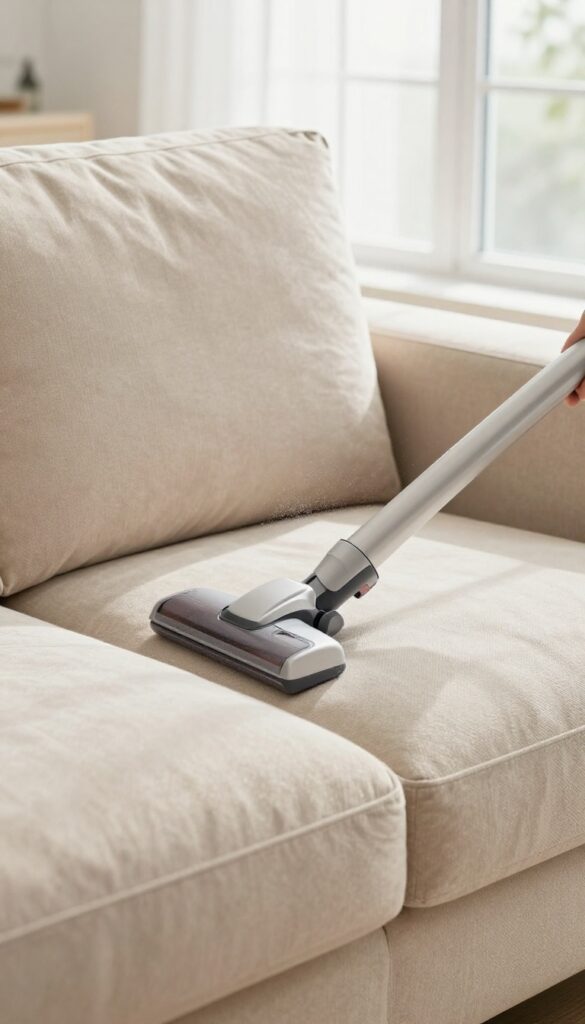
Most people vacuum their floors but forget the couch. That's a mistake because dust, crumbs, and pet hair work their way deep into the fabric every day. A quick weekly vacuum with the right tools prevents buildup and keeps your sofa looking fresh without any extra effort.
Grab the upholstery attachment for the main surfaces—it's gentle on fabric but strong enough to lift loose debris. Then switch to the crevice tool for those tight spots where dirt hides: between seat cushions, along the back edge, and under the armrests. This simple routine takes just a few minutes but makes a huge difference in how your couch looks and feels.
Why The Upholstery Attachment Matters
Using the brush attachment meant for upholstery protects your fabric from damage. The stiff bristles of a floor attachment can snag loops or flatten pile, especially on delicate materials like velvet or chenille. The upholstery tool glides over the surface, lifting dust without wear.
Don't Skip The Crevices
Crumbs, pet hair, and dust love to collect in the seams and under cushions. Run the crevice tool along every seam and deep into the cushion gaps. You'll be surprised how much debris comes out—and your couch will smell fresher too.
How Often Is Enough?
Once a week is the sweet spot for most households. If you have pets or kids, bump it up to twice a week. Regular vacuuming stops dirt from grinding into the fibers, which means fewer deep cleans and longer fabric life.
2. Blot Spills Immediately, Don't Rub
Spills happen, but how you react makes all the difference. The natural instinct is to scrub at a fresh stain, but that’s exactly what drives the liquid deeper into the cushion foam. Blotting is your best friend here.
Grab a clean, white cloth or paper towel and press firmly onto the spill. Let the fabric absorb the moisture—repeat with a dry section of cloth until no more liquid transfers. Avoid colored cloths that might bleed dye onto your couch.
For thicker spills like wine or coffee, start at the outer edge of the stain and work inward to prevent spreading.
Why Rubbing Backfires
Rubbing grinds the spill into the fibers and spreads the stain wider. It also damages the fabric’s texture, leaving a rough or faded spot. Blotting lifts the liquid without disturbing the weave.
The Right Blotting Technique
Use a light to moderate pressure—think pressing, not scrubbing. Change to a clean area of the cloth as soon as it gets wet. If the stain is sticky, lightly dampen the cloth with cold water first, then blot.
When To Call In A Cleaner
If the stain has already set or you’ve accidentally rubbed it in, a gentle upholstery cleaner or a mix of dish soap and water can help. Test on a hidden spot first.
3. Test Cleaning Solutions on a Hidden Area First
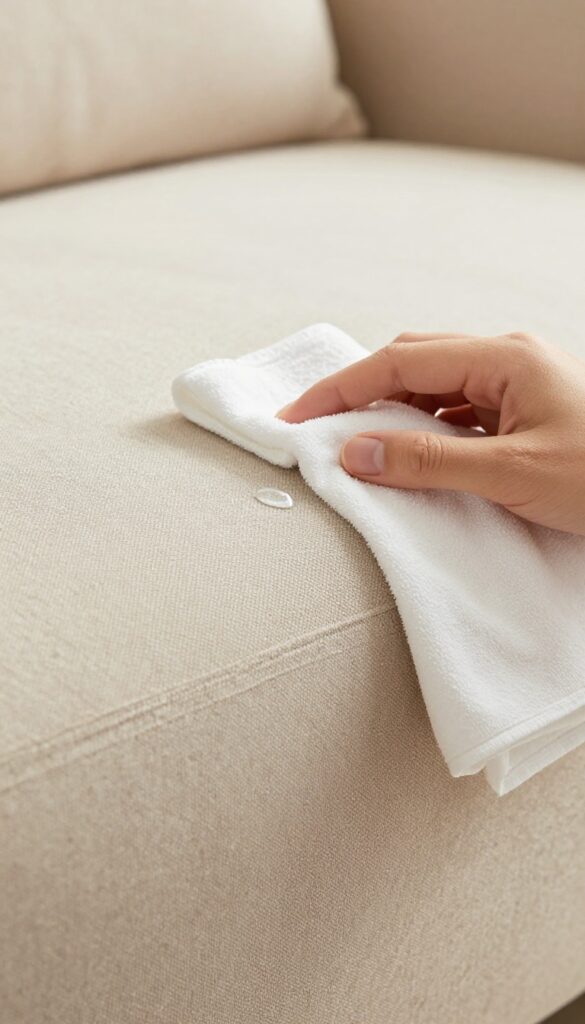
Before you go all-in with a new cleaner, take a moment to test it somewhere out of sight. It's a simple step that can save you from a big headache down the road. Different fabrics react differently, and the last thing you want is a bleach spot right in the middle of your couch.
Always test any cleaner on an inconspicuous spot to avoid discoloration or fabric damage. This is especially important for delicate fabrics like silk or velvet, but even cotton blends can surprise you. A quick test gives you peace of mind and ensures your cleaning method is safe.
Pick The Right Test Spot
Look for a hidden area like under a cushion, behind the couch, or on the back panel. These spots won't be visible if the cleaner causes any change. Apply a small amount of the solution and blot with a white cloth to check for color transfer or fading.
Wait And Inspect
After applying the cleaner, let it sit for at least 10-15 minutes. Then check the area for any discoloration, texture changes, or residue. If everything looks good, you're safe to proceed.
If not, try a different product or dilute the solution further.
Document Your Results
Keep a note of which cleaners work well on your fabric. This saves time in the future and helps you avoid repeating tests. A simple photo or a note in your phone can be a handy reference.
4. Use Baking Soda for Odor Removal
Even if your couch looks clean, trapped odors from sweat, food, and pets can linger deep in the fabric. Baking soda is a gentle, natural deodorizer that lifts smells without leaving behind any chemical residue. It’s cheap, safe for most fabrics, and takes just a few minutes of your time.
Sprinkle a generous layer of baking soda over the entire couch, paying extra attention to cushions and armrests where odors concentrate. Let it sit for 15–20 minutes—longer for stubborn smells—so it can absorb and neutralize the odors. Then vacuum thoroughly using an upholstery attachment to remove every trace of powder.
For an extra freshness boost, mix a few drops of essential oil into the baking soda before sprinkling.
Why It Works So Well
Baking soda is alkaline, which helps it neutralize both acidic and alkaline odor molecules. It doesn’t just mask smells—it chemically neutralizes them. Plus, it’s gentle enough for delicate fabrics like velvet or microfiber.
When To Use This Method
Use baking soda deodorizing once a month as part of your regular couch maintenance. It’s especially effective after a spill has been cleaned but left a lingering smell, or if your couch sees heavy daily use from kids or pets.
Pro Tips For Best Results
Always vacuum your couch first to remove loose dust and debris before applying baking soda. This allows the powder to reach deeper into the fibers. For set-in odors, let the baking soda sit overnight and vacuum the next morning.
5. Steam Clean for Deep Sanitizing
When your couch needs more than a surface refresh, steam cleaning is the answer. A handheld steam cleaner uses high-temperature vapor to kill bacteria, dust mites, and loosen embedded dirt without harsh chemicals. It's especially effective for fabric sofas that get heavy use or have lingering odors.
Steam cleaning is a powerful method to deep clean and sanitize your fabric couch. The heat penetrates fibers, breaking down grime and killing germs naturally. It's perfect for households with pets, kids, or allergy sufferers because it doesn't leave chemical residue.
Just be sure to follow your couch's care label—some fabrics like velvet or delicate synthetics may not tolerate high heat. Always test in an inconspicuous spot first.
Choose The Right Steamer
Not all steam cleaners are created equal. For upholstery, look for a handheld model with a fabric attachment and adjustable steam settings. Avoid industrial steamers meant for floors—they can oversaturate your couch.
A good handheld steamer costs between $30 and $80 and will pay for itself after a few uses.
Prep The Couch Properly
Before steaming, vacuum the couch thoroughly to remove loose dirt and debris. This prevents mud from forming when steam hits the fabric. Check the manufacturer's cleaning code (W, S, or WS) to ensure steam is safe.
For code S (solvent-only), skip steam and use a dry-cleaning method instead.
Steam In Sections
Work in small sections, about 1 square foot at a time. Hold the steamer a few inches from the fabric and move it slowly to allow the steam to penetrate. Avoid soaking the fabric—a light mist is enough.
After steaming each section, blot with a clean microfiber cloth to lift loosened dirt and moisture.
6. Treat Pet Stains with Enzymatic Cleaners
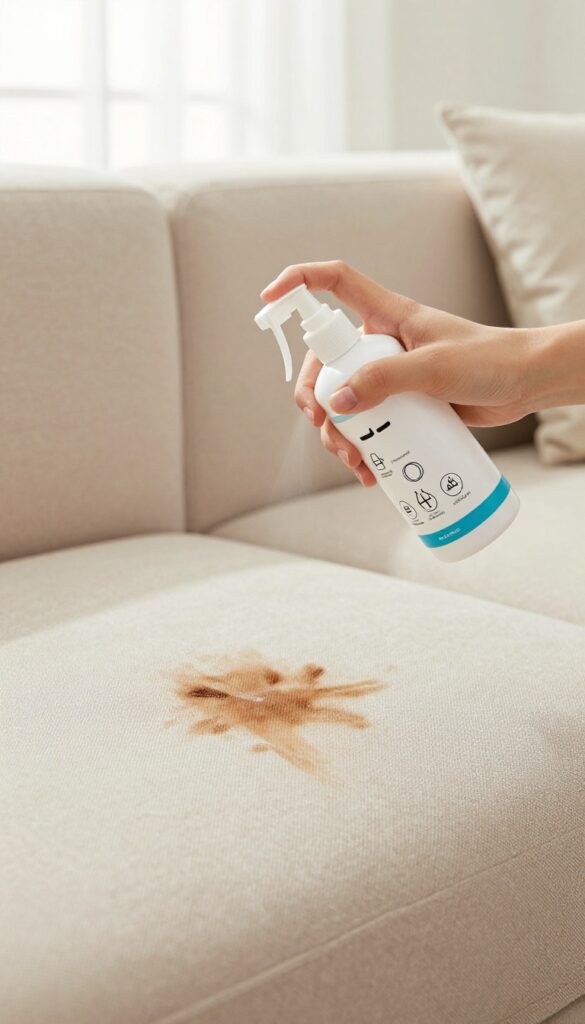
Pet accidents happen, even with the best-trained furry friends. The key to removing urine, vomit, or other organic stains from your fabric couch is using an enzymatic cleaner. These cleaners contain natural enzymes that break down proteins and bacteria, eliminating both the stain and the odor at the source.
Unlike regular cleaners that only mask smells, enzymatic treatments completely digest the mess, preventing your pet from re-marking the same spot.
When you discover a fresh stain, act quickly. Blot up as much liquid as possible with paper towels, then apply the enzymatic cleaner according to the product instructions. For dried stains, saturate the area thoroughly so the enzymes can penetrate deep into the fibers.
Let it sit for 10 to 15 minutes, then blot again. Avoid scrubbing, which can push the stain deeper. Repeat if necessary—some tough stains need a second treatment.
Always test on a hidden area first, especially on delicate fabrics like velvet or linen.
Why Enzymes Work Best On Organic Stains
Enzymatic cleaners use specific proteins that target the molecules in urine, vomit, blood, and feces. These enzymes break down the stain into smaller, water-soluble particles that can be easily lifted away. This process also neutralizes the ammonia and bacteria that cause lingering odors.
Unlike bleach or vinegar, enzymes are non-toxic and safe for pets and children once dry.
How To Apply For Maximum Effect
For fresh stains, blot first, then spray the enzymatic cleaner generously. Let it sit for at least 10 minutes—longer for set-in stains. For dried stains, pre-wet the area with water to rehydrate the proteins, then apply the cleaner.
Cover with a damp cloth to keep the area moist, as enzymes work best in a humid environment. After treatment, blot dry and allow the couch to air out.
Common Mistakes To Avoid
Don't use steam cleaners or hot water before enzymatic treatment—heat can set the stain and kill the enzymes. Also, avoid mixing enzymatic cleaners with other chemicals like bleach or ammonia, which can deactivate the enzymes. Finally, be patient: some stains require multiple applications.
If the odor persists after two treatments, consider a professional cleaning.
7. Remove Ink Stains with Rubbing Alcohol
Ink stains on a fabric couch can feel like a permanent mistake, but they don't have to be. A simple household item—rubbing alcohol—can break down the ink without damaging the fabric. The key is to act quickly and blot, never rub.
Rubbing alcohol works because it dissolves the pigments in most inks, making them easy to lift. This method is safe for most synthetic fabrics and many natural blends, but always test first. For stubborn stains, you may need to repeat the process a few times.
What You'll Need
Grab a bottle of 70% or 90% rubbing alcohol, some cotton balls or a soft white cloth, and a clean towel for blotting. Avoid colored cloths that might transfer dye. Have a small bowl handy to pour a little alcohol into.
Step-by-step Process
Start by dabbing a cotton ball in rubbing alcohol—don't soak it, just dampen it. Gently blot the ink stain, working from the outer edge inward to prevent spreading. As the ink transfers to the cotton, switch to a fresh one.
After a few seconds, blot the area with a clean, dry cloth to absorb the dissolved ink. Repeat until no more ink comes up.
Aftercare And Drying
Once the stain is gone, let the area air dry completely. Avoid using heat (like a hairdryer) because it can set any remaining ink. If the fabric feels stiff after drying, lightly brush it with a soft bristle brush to restore texture.
8. Use a Lint Roller for Quick Pickups
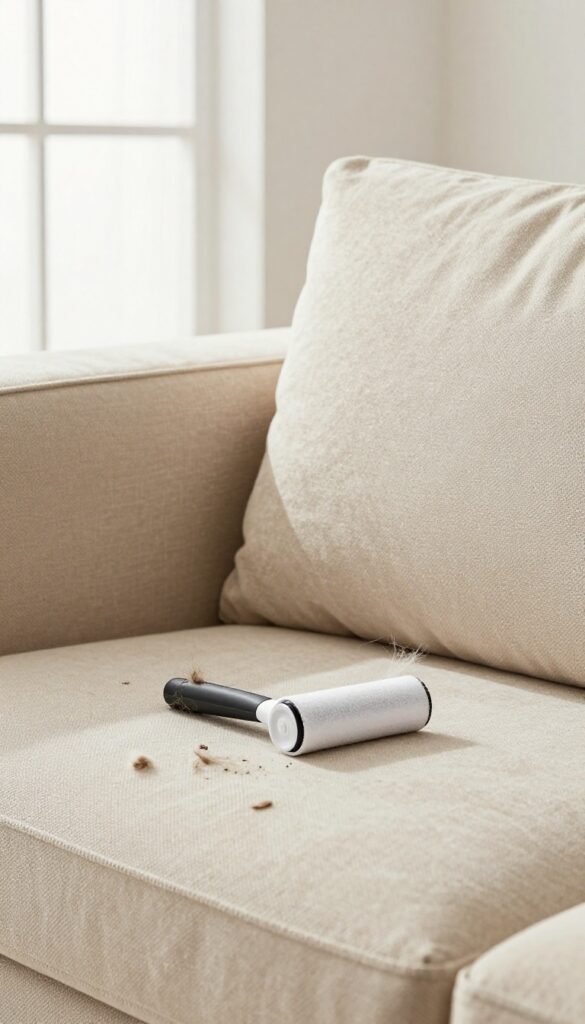
Between deep cleans, your fabric couch collects a surprising amount of surface debris—pet hair, dust, crumbs, and even lint from clothing. A lint roller is the simplest tool for grabbing these particles before they settle deeper into the fibers. Keep one in your living room or a nearby drawer for quick touch-ups whenever you notice a dusty spot.
Why It Works So Well
Lint rollers use adhesive sheets that lift loose debris without pushing it further into the fabric. Unlike a vacuum, which can sometimes miss fine hairs or require a brush attachment, a roller grabs everything in one pass. It's especially effective on textured fabrics like chenille or microfiber where hair tends to cling.
Best Fabrics For Lint Rolling
This method works on most woven and synthetic upholstery, including polyester, nylon, and cotton blends. Avoid using it on delicate fabrics like velvet or silk, as the adhesive may pull fibers or leave residue. For those materials, a soft brush or a vacuum with a brush head is a safer choice.
When To Roll Vs. Vacuum
Use the lint roller for daily or every-other-day maintenance, especially if you have pets that shed heavily. Vacuuming is still necessary for deeper cleaning, but a quick roll between sessions keeps your couch looking fresh and reduces allergens. It's also perfect for spot-cleaning before guests arrive.
9. Mix Vinegar and Water for All-Purpose Cleaner
You don't need a cabinet full of specialty sprays to keep your fabric couch fresh. A simple solution of white vinegar and water handles most everyday grime, light stains, and odors without harsh chemicals. It's cheap, non-toxic, and surprisingly effective—just be sure to test it in an inconspicuous spot first.
Why Vinegar Works
White vinegar is mildly acidic, which helps break down dirt, dissolve soap residue, and neutralize odors. Unlike bleach or ammonia-based cleaners, it won't damage most fabric upholstery when diluted properly. The smell fades quickly as it dries, leaving your couch clean and fresh.
How To Mix And Apply
Combine equal parts white vinegar and water in a spray bottle. Lightly mist the affected area—don't soak it. Blot with a clean microfiber cloth, working from the outside of the stain inward.
For a deeper clean, gently scrub with a soft-bristled brush, then blot dry. Always test on a hidden area first to check for colorfastness.
When To Use It
This solution is ideal for general freshening, removing light food or drink stains, and cutting through everyday dirt. It's also great for tackling musty smells or pet odors. For tough, set-in stains or grease, you may need a stronger treatment, but for regular maintenance, vinegar and water is a go-to.
10. Fluff Cushions Regularly to Maintain Shape
Your couch cushions take the brunt of daily sitting, lounging, and napping. Over time, they can flatten, lose their bounce, and even develop unsightly sagging. The fix is simpler than you think—regular fluffing and rotation.
Rotate and fluff cushions weekly to distribute wear evenly and prevent sagging. This simple habit keeps your couch looking plump and extends its lifespan. Plus, it helps maintain even color fading and fabric wear.
How To Fluff Like A Pro
Remove all cushions and give each one a good shake. For foam cushions, knead them with your hands to redistribute the filling. For fiber-filled cushions, beat them gently to restore loft.
Flip them over and repeat.
Rotation Schedule That Works
Mark each cushion with a small tag or use a simple pattern—rotate front to back and left to right. Weekly rotation is ideal for high-use couches; bi-weekly works for less frequented sofas.
When To Replace Cushion Inserts
If fluffing no longer restores shape, it's time for new inserts. Measure your cushion covers and order foam or fiber replacements. This is cheaper than buying a new couch and can give your sofa a second life.
11. Use a Soft Brush to Lift Dirt Before Vacuuming
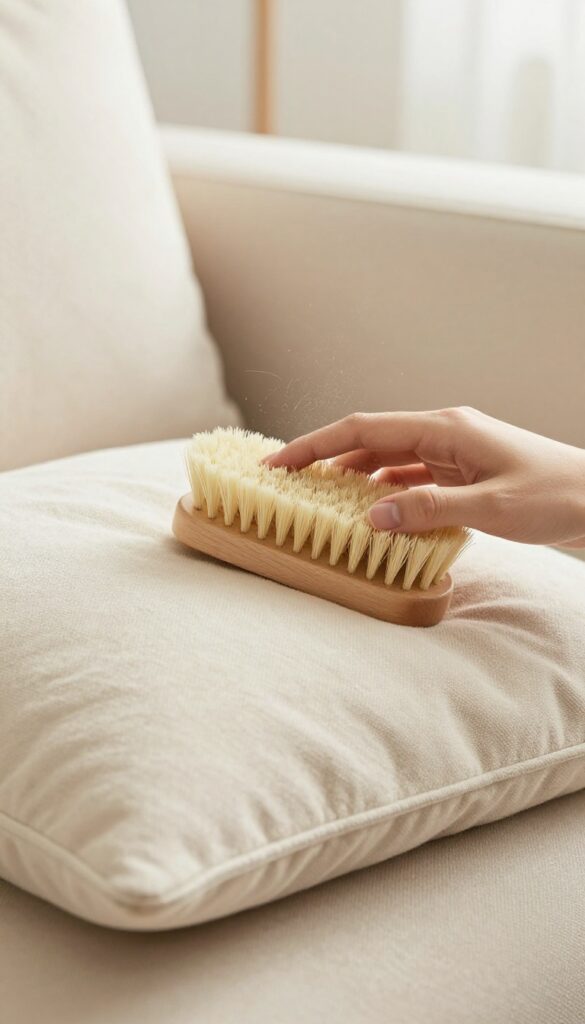
Vacuuming alone often misses the grit and dust that get embedded deep in fabric fibers. A quick pre-vacuum brushing loosens that trapped debris so your vacuum can actually pull it out. This simple step makes a noticeable difference in how clean your couch looks and feels.
Before you run the vacuum over your couch, take a soft-bristled brush—like a upholstery brush or even a clean clothes brush—and gently sweep the fabric in one direction. This lifts dirt, pet hair, and crumbs that have settled into the weave. Focus on high-traffic areas like the seat cushions and armrests, where debris tends to accumulate most.
After brushing, vacuum thoroughly using the upholstery attachment, going over each section multiple times to ensure you capture all the loosened particles. For best results, repeat this process weekly to prevent buildup from becoming ground-in stains.
Choose The Right Brush
Not all brushes are couch-friendly. Look for a brush with soft, natural bristles—like horsehair or a dedicated upholstery brush—that won't scratch or damage the fabric. Avoid stiff brushes that can fray fibers or cause pilling.
A brush with a slightly angled head helps you reach into crevices and along seams.
Brush In The Right Direction
Always brush in the direction of the fabric's nap or weave. Brushing against the grain can push dirt deeper and distort the texture. For velvet or corduroy, brushing with the pile keeps the surface smooth and prevents matting.
On flat-weave fabrics, a gentle circular motion works well to dislodge dust.
Pair With Vacuuming Technique
After brushing, vacuum slowly and methodically. Use the crevice tool along edges and under cushions, then switch to the upholstery brush attachment for the main surfaces. Overlap your strokes to avoid missing spots.
For extra stubborn dirt, vacuum once, brush again, and vacuum a second time.
12. Apply Upholstery Protector Spray
You've put in the work to deep clean your fabric couch, so why let the next spill undo it all? An upholstery protector spray adds a clear, invisible shield that makes liquids bead up and wipe away instead of soaking in. It's like giving your sofa a raincoat—simple, effective, and worth the few minutes it takes to apply.
How Protector Sprays Work
Most fabric protectors use fluoropolymer or silicone-based formulas that bond to individual fibers. When a liquid hits the treated area, it forms droplets that sit on the surface rather than penetrating the fabric. This gives you a crucial window to blot up spills before they become stains.
The protection is breathable, so your couch still feels soft and looks natural.
When And How To Apply
Always apply protector spray to clean, dry fabric. Deep clean first, let the couch dry completely, then spray in a well-ventilated area. Hold the can about 6 to 8 inches away and apply an even, light coat—don't soak the fabric.
Let it dry for at least 24 hours before using the couch. For best results, reapply every 6 to 12 months or after each deep cleaning.
Testing And Safety Tips
Before spraying the whole couch, test the product on a hidden spot—like under a cushion or on the back—to make sure it doesn't discolor or stiffen the fabric. Avoid over-application, which can leave a sticky residue that attracts dust. Always follow the manufacturer's instructions, and keep pets and kids off the couch until the spray is fully dry.
13. Clean Removable Covers According to Care Labels
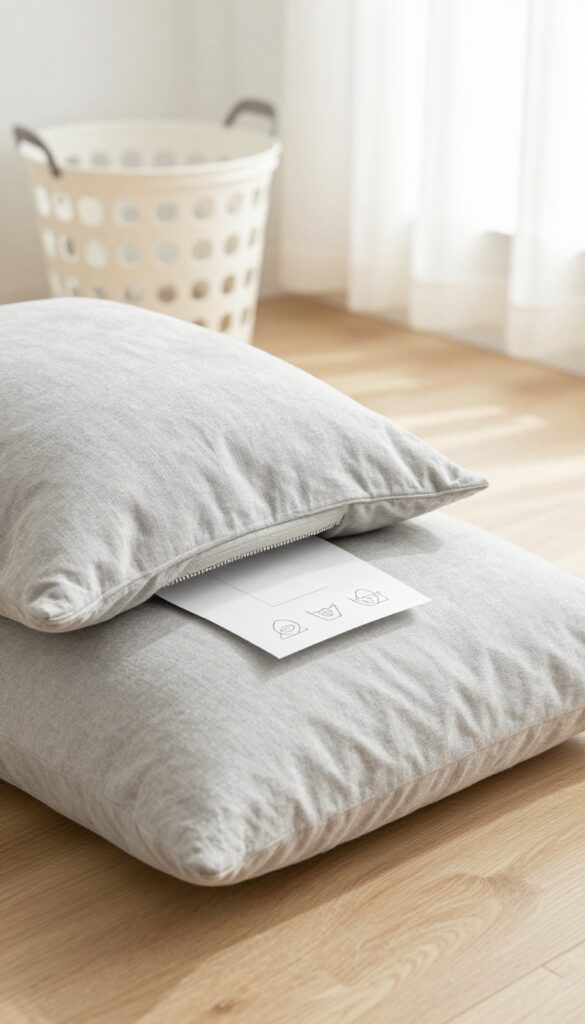
Removable cushion covers are a blessing—they make deep cleaning way easier. But tossing them in the washer without checking the tag? That's a fast track to shrunken, misshapen disasters.
The care label tells you exactly what your fabric can handle, so don't skip it.
Before you unzip anything, flip the cover over and find the tag. Look for symbols or words like "machine wash, " "hand wash, " or "dry clean only. " If it says machine wash, use cold or warm water on a gentle cycle.
Hot water can cause fading or shrinkage. Add a mild detergent—nothing with bleach or harsh enzymes. Once the cycle ends, never throw the covers in the dryer unless the label explicitly says it's safe.
Air drying is the safest bet: lay them flat or hang them, reshaping while damp to avoid wrinkles and shrinkage. For covers that say "dry clean only, " skip the washer altogether and take them to a professional. Trying to wash them anyway can ruin the fabric or the fit.
Decoding Common Care Symbols
Not sure what those tiny icons mean? A tub of water means machine wash; a hand in the tub means hand wash only. A circle means dry clean.
The dots inside the tub indicate water temperature—one dot for cold, two for warm, three for hot. A crossed-out symbol means don't do that. If you see a triangle, that's bleach info: a plain triangle means any bleach is okay, a triangle with lines means non-chlorine bleach only, and a crossed-out triangle means no bleach at all.
Prepping Covers For The Wash
Zip all zippers and fasten any Velcro or buttons before washing. This prevents snagging and keeps the cover's shape. If your cover has a foam insert, remove it first—foam and washing machines don't mix.
Shake out loose debris and spot-treat any stains with a dab of mild detergent before the cycle starts. For extra protection, place the cover in a mesh laundry bag to reduce friction.
Drying Without The Drama
Air drying is your friend. Lay the cover flat on a clean towel or drying rack, smoothing out wrinkles as it dries. Avoid direct sunlight, which can fade colors.
If you must use a dryer, set it to low heat or air-fluff only, and check every 10 minutes. Remove the cover while it's still slightly damp to reshape it and let it finish air drying. This prevents over-drying and shrinkage.
14. Use Cornstarch to Absorb Grease Stains
Grease stains on a fabric couch can feel like a disaster—they spread, darken, and seem impossible to lift. But before you reach for harsh solvents, try a simple kitchen staple: cornstarch. This fine powder works like a magnet for oil, drawing it out of the fibers without rubbing it deeper.
It's gentle, cheap, and surprisingly effective on everything from butter smudges to salad dressing drips.
Cornstarch is a natural absorbent that pulls grease from fabric without the need for scrubbing or chemicals. When you sprinkle it on a fresh stain, it starts wicking away the oil almost immediately. Letting it sit for 15 minutes gives it time to work deep into the weave, then a quick vacuum lifts both the powder and the stain.
For older or heavier stains, a second application may be necessary, but most spots lift after one round. This method works best on grease-based stains, not water-based ones like coffee or wine, so keep that in mind when deciding which tip to use.
Why Cornstarch Works So Well
Cornstarch particles are tiny and porous, giving them a large surface area to trap oil molecules. Unlike blotting with a cloth, which can push grease deeper, cornstarch sits on top and gently pulls the stain upward. It's also non-toxic and safe for most fabric types, including microfiber, cotton, and polyester blends.
Just avoid using it on velvet or delicate weaves that could get clogged.
Step-by-step Application
First, blot any excess grease with a paper towel—don't rub. Then generously sprinkle cornstarch over the entire stain, making sure it's fully covered. Let it sit undisturbed for 15 minutes.
After that, vacuum the area using the upholstery attachment, moving in different directions to lift all the powder. Check the spot; if a shadow remains, repeat the process. For stubborn stains, you can gently brush the cornstarch into the fibers with a soft-bristled brush before letting it sit.
When To Avoid This Method
Cornstarch is ideal for fresh grease stains, but it won't help much with set-in or dried stains. Also, avoid using it on suede or leather, as the powder can get trapped in the nap or cause discoloration. If your couch has a stain-resistant coating, test a small hidden area first to make sure the cornstarch doesn't leave a residue.
And never use water with cornstarch—it turns into paste and can make the stain worse.
15. Spot Clean with Dish Soap and Warm Water
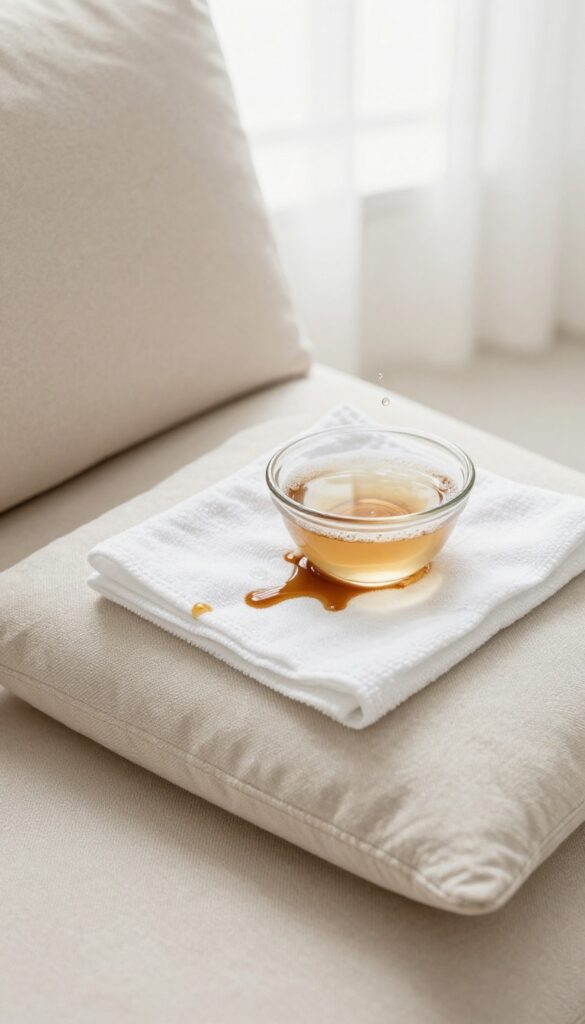
Not every stain calls for a heavy-duty cleaner or a full cushion scrub. In fact, many everyday spills—wine, soda, coffee, or even light grease—respond beautifully to a simple solution of dish soap and warm water. This gentle yet effective method lifts fresh stains without damaging the fabric or leaving behind a sticky residue.
Best of all, you probably have both ingredients in your kitchen right now.
When a fresh spill happens, act quickly. Blot the area with a dry cloth to absorb as much liquid as possible—never rub, as that pushes the stain deeper into the fibers. Then mix a few drops of mild dish soap (like Dawn or a gentle castile soap) into a cup of warm water.
Dip a clean white cloth or microfiber towel into the solution, wring it out so it's damp but not soaking wet, and gently blot the stain from the outside inward. Work in small sections, lifting the stain rather than spreading it. Once the stain is gone, dampen a second cloth with plain water and blot the area to remove any soap residue.
Finally, let the spot air-dry completely. This technique works wonders on water-based stains and is safe for most fabric types, including cotton, polyester blends, and microfiber. Always test on an inconspicuous area first to ensure colorfastness.
Why Dish Soap Works So Well
Dish soap is designed to break down grease and food particles, which makes it perfect for tackling the oils and residues in many household stains. Unlike harsh chemical spot removers, dish soap is mild enough for regular use and won't strip the fabric's color or texture. The warm water helps activate the soap and loosen the stain, while the gentle blotting action lifts it away without damaging the fibers.
The Right Blotting Technique
Blotting is the key to success. Start from the outer edge of the stain and work inward to prevent spreading. Use a light, dabbing motion—no scrubbing or rubbing.
Change to a clean section of the cloth as soon as you see the stain transferring. Repeat until the cloth comes away clean, then follow with a water-only rinse to remove any soap residue. If the stain is stubborn, let the soap solution sit for a minute before blotting, but never let it soak into the cushion.
When To Skip This Method
Dish soap and water are not suitable for all fabrics. Avoid using this method on velvet, silk, or other delicate upholstery that can water-stain or shrink. Also skip it on large, set-in stains that require a deeper cleaning approach.
For those, consider a steam cleaner or professional service. Always check your couch's care tag—if it says "W" (water-based cleaner safe) or "WS" (water or solvent safe), this method is good to go.
16. Avoid Direct Sunlight to Prevent Fading
That sunny spot by the window might be your favorite reading nook, but it's slowly draining the life out of your couch's fabric. UV rays are relentless—they break down dyes and fibers, leaving your once-vibrant sofa looking washed out and tired. You don't have to rearrange your entire living room.
A few simple adjustments can shield your upholstery from sun damage while keeping your space bright and inviting. Let's look at practical ways to protect your couch without sacrificing natural light.
Sunlight isn't just harsh on your skin—it's equally tough on fabric. Prolonged exposure causes colors to fade unevenly, especially on areas that get the most sun. Over time, the fabric itself can weaken, becoming more prone to tearing and wear.
The good news is that prevention is straightforward and doesn't require major renovations.
Use Window Coverings Strategically
Sheer curtains are a great option—they filter UV rays while still letting in soft, diffused light. For maximum protection, consider blinds or shades that can be adjusted throughout the day. If your couch is near a south- or west-facing window, close the curtains during peak sun hours (usually 10 a. m. to 4 p. m. ) to minimize exposure.
Rearrange Your Furniture Layout
If possible, position your couch perpendicular to windows rather than directly in front of them. Angling it slightly can reduce the amount of direct sunlight hitting the fabric. For couches that can't be moved, try rotating cushions regularly so they fade evenly—this keeps the overall look consistent.
Apply Uv-protective Window Film
Window film is an inexpensive, easy-to-install solution that blocks up to 99% of UV rays without darkening your room. It's virtually invisible and can be cut to fit any window size. This is especially useful for renters who can't install permanent window treatments.
17. Use a Fabric Shaver to Remove Pilling
Over time, fabric couches develop those tiny, fuzzy balls known as pilling. They make your sofa look worn and tired, even if the fabric is still in great shape. A fabric shaver is a simple, inexpensive tool that glides over the surface to snip off pills without damaging the threads.
Pilling happens when loose fibers tangle together from friction—sitting, sliding, or even just brushing against the fabric. It's most common on cushions, armrests, and spots where people sit the most. Instead of living with that rough, faded look, you can restore a smooth surface in minutes.
Choose The Right Shaver
Not all fabric shavers are created equal. Look for one with adjustable height settings so you can tackle different fabric weaves without cutting too deep. A rechargeable model with a built-in lint brush is convenient.
Avoid cheap disposable razors—they're harsh and can snag the fabric.
Prep The Area First
Vacuum the couch thoroughly before shaving to remove loose dirt and debris. This prevents the shaver from pushing grit into the fabric. Also, smooth out the fabric with your hand so you're working on a flat surface.
Test the shaver on a hidden spot to make sure it doesn't pull or damage the weave.
Shave Gently In Sections
Work in small, overlapping strokes, moving the shaver in one direction. Don't press hard—let the device do the work. Empty the lint compartment frequently so it stays effective.
For large areas, take breaks to avoid overheating the motor.
Finish With A Soft Brush
After shaving, use a soft-bristled brush or a lint roller to pick up any loose fuzz. This step leaves the fabric looking clean and uniform. You can also lightly vacuum again to catch any stray fibers.
Your couch will feel smoother and look refreshed.
18. Deep Clean with a Carpet Cleaner Attachment
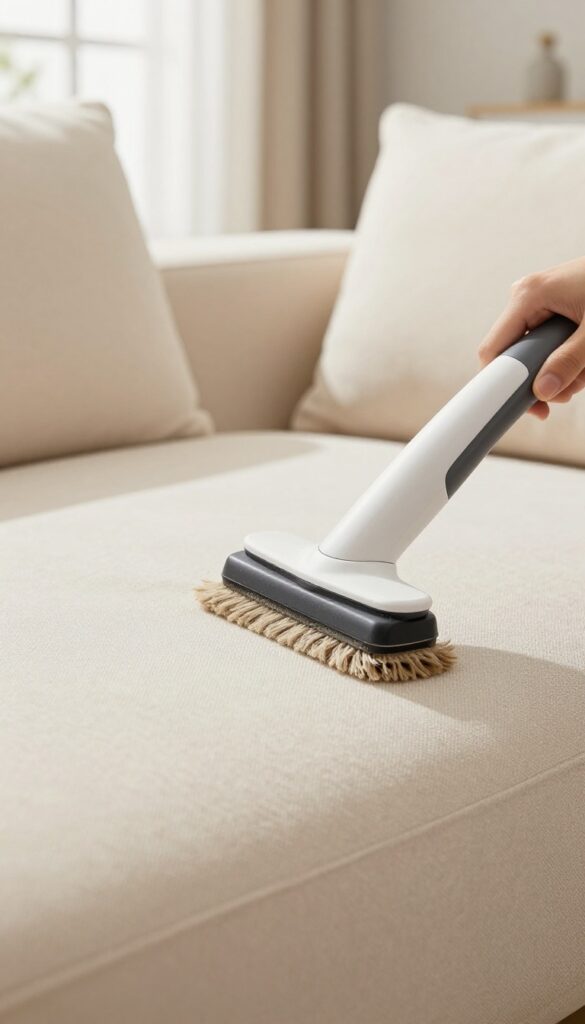
If you already own a carpet cleaner, you're sitting on a secret weapon for your fabric couch. Many models come with an upholstery attachment designed for smaller, delicate surfaces. This tool can lift embedded dirt and grime that vacuuming alone misses, giving your sofa a deep refresh without renting a machine or calling a pro.
Check Your Cleaner's Attachments
Not every carpet cleaner includes an upholstery tool, but many do. Look for a small, handheld head with a narrow opening and soft bristles. If yours didn't come with one, check online—some brands sell them separately.
Before you start, test the attachment on a hidden area like the back of the couch to make sure it doesn't saturate the fabric too much.
Use A Gentle Cleaning Solution
Carpet cleaning formulas can be too harsh for upholstery. Instead, mix a mild solution: one part white vinegar, two parts warm water, or use a fabric-safe upholstery cleaner. Fill the machine's reservoir, but avoid over-wetting.
The goal is to lift dirt, not soak the cushion. Work in small sections, and go over each area slowly to extract as much moisture as possible.
Extract Thoroughly And Dry Quickly
After cleaning, run the attachment over the fabric a few times without spraying to suck up excess water. Then speed up drying: open windows, turn on a fan, or use a hairdryer on a cool setting. Don't sit on the couch until it's completely dry—usually a few hours.
This prevents mildew and keeps the fibers from flattening.
19. Dry Wet Areas Quickly to Prevent Mold
Moisture is the enemy of fabric couches—it seeps into the padding and creates a breeding ground for mold and mildew. Even after a thorough cleaning, residual dampness can lead to musty odors and health issues. The key is to speed up the drying process so your couch stays fresh and safe.
After cleaning or dealing with a spill, don't just let the fabric air-dry naturally. That can take hours, especially in humid climates or on thick cushions. Instead, actively dry the area using a fan or a hairdryer on the cool setting.
Point the fan directly at the damp spot and let it run for at least 30 minutes. If using a hairdryer, keep it moving to avoid overheating any one spot. This simple step cuts drying time in half and significantly reduces the risk of mold growth.
Why Speed Matters
Mold spores are everywhere, but they only germinate when moisture lingers for more than 24–48 hours. By drying your couch quickly, you interrupt that cycle. Plus, a dry couch feels better to sit on and won't develop that damp, musty smell that's hard to remove.
Best Tools For The Job
A standard box fan works great for large wet areas. For smaller spots, a hairdryer on cool or low heat is perfect. You can also use a wet/dry vacuum to extract excess water before drying.
Avoid using high heat, as it can shrink or damage some fabrics.
20. Schedule Professional Cleaning Annually
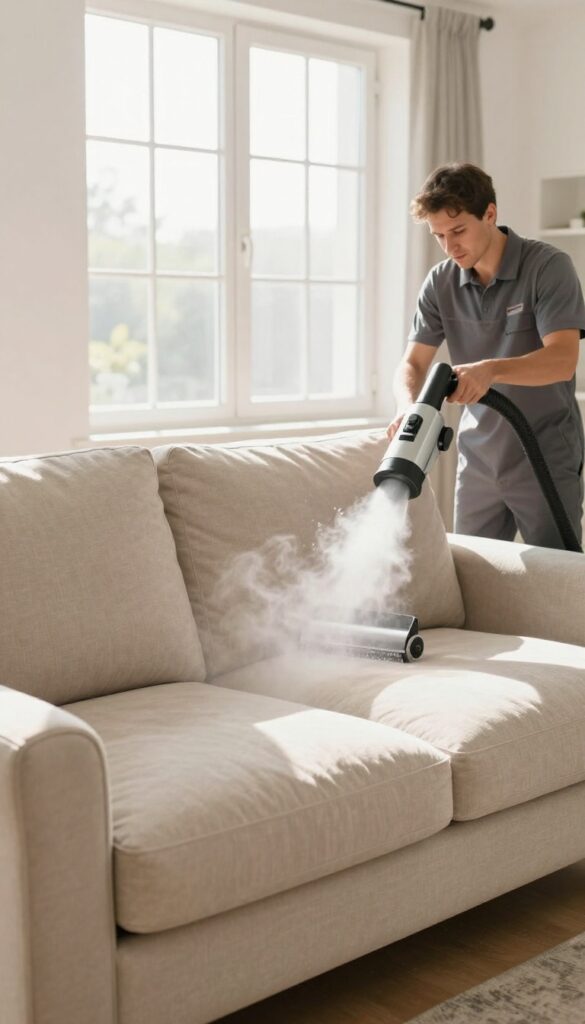
Even with the best at-home care, your couch accumulates deeply embedded dirt, allergens, and oils that regular vacuuming and spot cleaning can't fully remove. A professional deep clean once a year resets the fabric, restoring its original texture and color while eliminating lingering odors. Think of it as a reset button for your sofa's freshness and longevity.
Professional cleaners use hot water extraction or steam cleaning methods that penetrate deep into the padding and fibers, flushing out trapped debris. They also have industrial-grade equipment that dries your couch faster, reducing the risk of mold or mildew. This annual service can double the lifespan of your upholstery, making it a smart investment for any fabric couch owner.
What Professionals Do Differently
Unlike home machines, professional units heat water to higher temperatures and apply stronger suction, extracting more dirt and moisture. They also use specialized cleaning solutions tailored to your fabric type—whether it's microfiber, cotton, or synthetic blend—ensuring a thorough clean without damage.
When To Book Your Appointment
Schedule your professional cleaning in spring or fall when you can open windows for ventilation and drying. Avoid peak holiday seasons when cleaners are booked solid. If you have pets or allergies, consider twice-yearly cleanings for maximum freshness.
Preparing For The Pro Visit
Remove all cushions, pillows, and loose items from the couch. Vacuum thoroughly to remove surface debris and pet hair. Point out any stubborn stains to the technician so they can pre-treat them.
Clear a path to the couch for their equipment.
FAQ
Can I use bleach on my fabric couch?
No, bleach can damage fabric fibers and cause discoloration. Stick to mild cleaners like vinegar or dish soap.
How often should I vacuum my fabric couch?
Vacuum at least once a week, or more often if you have pets or allergies.
What is the best way to remove red wine stains?
Blot immediately with a clean cloth, then apply a mixture of dish soap and hydrogen peroxide. Test first.
Can I steam clean all fabric couches?
Check the manufacturer's label. Some fabrics like velvet or silk may not be suitable for steam cleaning.
How do I get rid of cigarette smoke smell from my couch?
Sprinkle baking soda liberally, let it sit overnight, then vacuum. You can also use a fabric refresher spray.
Conclusion
Your couch doesn't have to be a magnet for dust, crumbs, and mystery stains. By rotating through a few of these 20 tips—whether it's weekly vacuuming with the right attachment or tackling a fresh spill immediately—you'll keep the fabric looking and smelling its best. Start with the trick that solves your biggest annoyance right now.
A little consistency goes a long way. Pick two or three methods that fit your lifestyle, and you'll notice the difference without turning cleaning into a second job. Your couch will stay fresher, and you'll spend less time worrying about it.