13 Bedroom Ideas for Small Rooms Beyond Basic Storage Tricks
Small bedrooms often feel like a puzzle where every inch counts. You don't need to knock down walls or splurge on custom carpentry to make the space work harder.
These 13 ideas go beyond the usual storage hacks, focusing on clever layouts and visual tricks that open up your room. From ceiling racks to sliding barn doors, each solution targets a specific problem—whether it's clutter, cramped corners, or a lack of light.
Pick a few that match your needs, and you'll turn that tight space into a functional, stylish retreat without sacrificing comfort.
1. Use Vertical Space with a Wall-Mounted Desk
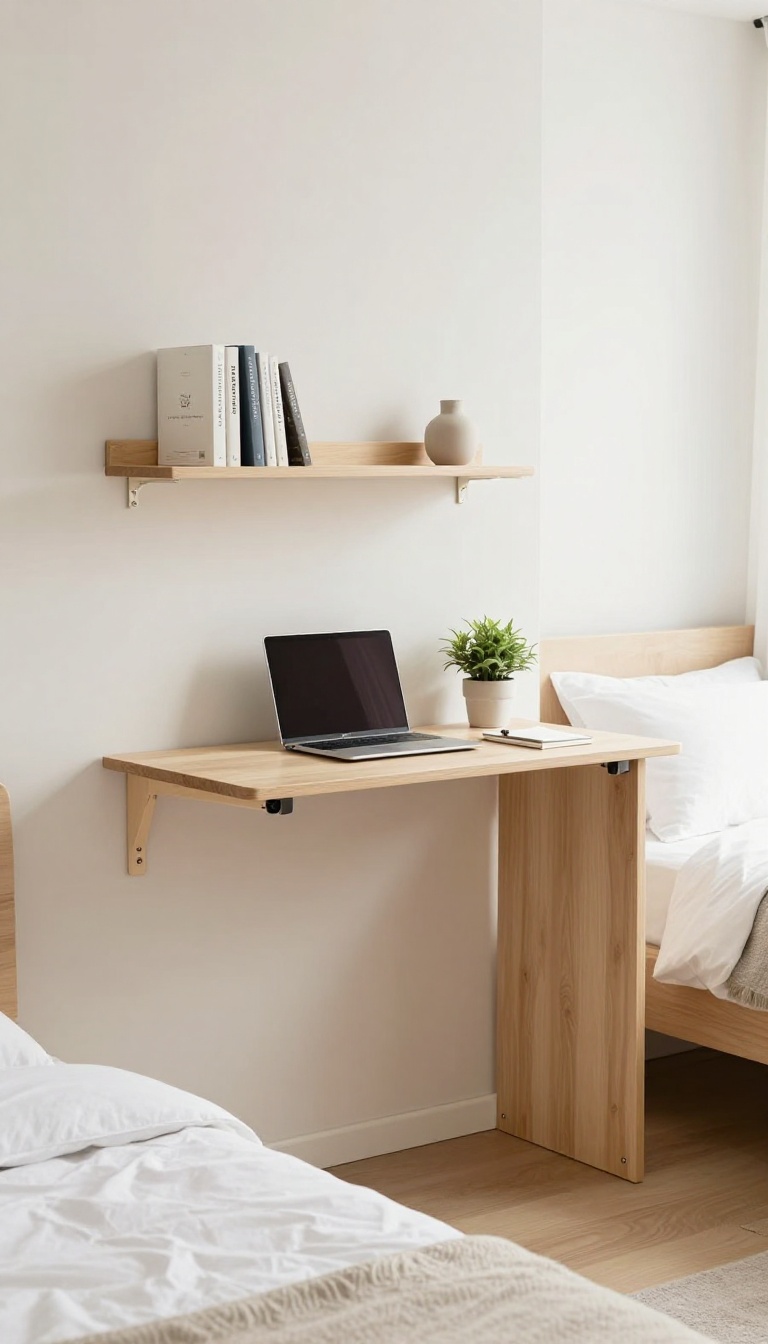
A wall-mounted desk is a game-changer for tiny bedrooms. It gives you a dedicated workspace without stealing precious floor area. When you're done, just fold it up and reclaim the room.
This setup works especially well in rooms where a traditional desk would block a closet or crowd the bed. By attaching the desk to the wall, you create a floating surface that feels airy and open. It's perfect for quick tasks like paying bills, journaling, or working on a laptop.
Pick A Fold-down Model
Look for a desk with hinges that allow the top to fold flat against the wall. Some designs come with built-in shelves or a small drawer, which adds storage without bulk. Make sure the hinges are sturdy enough to hold your gear, and install it at a height that works for both sitting and standing.
Pair It With Floating Shelves
Above the desk, add a couple of floating shelves for books, plants, or decorative items. This uses the wall space that would otherwise go empty. Keep the shelves narrow so they don't visually overwhelm the room.
You'll get extra storage without eating into your floor space.
Keep It Clutter-free
Since the desk folds up, you'll want to keep the surface clear. Use a small tray or caddy for pens and notes that you can lift off when closing. This habit keeps the room looking tidy and makes the desk more practical.
A quick wipe-down before folding keeps it ready for next time.
2. Install a Ceiling-Mounted Clothes Rack
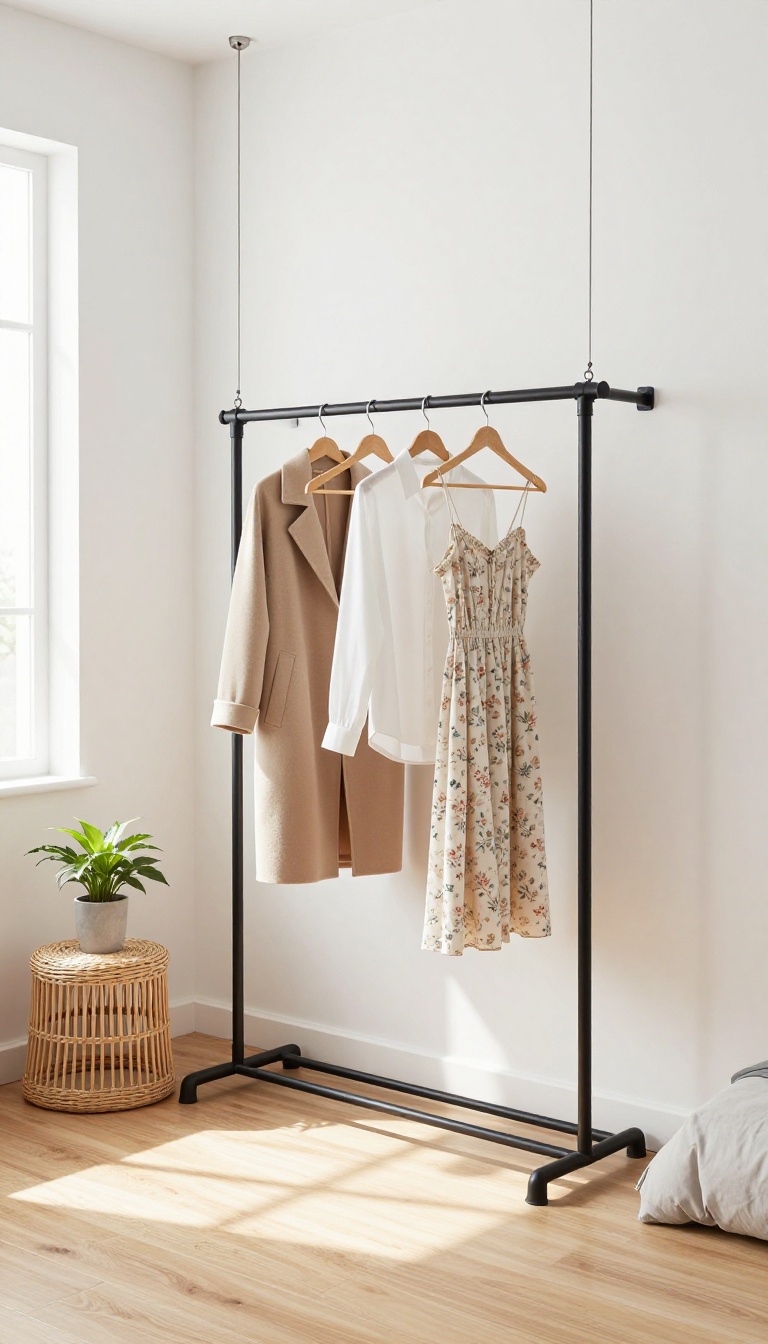
When floor space is tight, look up. A ceiling-mounted clothes rack puts your wardrobe within easy reach while freeing up valuable floor and closet space. It’s a practical solution that also adds a touch of industrial style to your room.
A ceiling-mounted clothes rack is a simple yet effective way to store clothes without taking up floor space. It’s ideal for small rooms where a traditional closet isn’t an option or where you want to keep your favorite pieces on display. The rack can be installed directly into the ceiling joists, providing sturdy support for your garments.
Why It Works
This rack keeps your clothes off the floor and out of the way, making the room feel more open. It also adds a visual element that can make the space feel more curated and intentional. Plus, it’s a great way to show off your favorite outfits or accessories.
Installation Tips
Make sure to locate ceiling joists and use appropriate anchors for safety. Choose a rack with a weight capacity that matches your wardrobe. If you’re renting, consider a tension-mounted option or a freestanding frame that doesn’t require drilling.
Styling Ideas
Pair the rack with matching hangers to keep things tidy. Use it to display a capsule wardrobe or seasonal pieces. Add a small stool or bench underneath for a dressing spot.
You can also hang a plant or string lights from the ends for extra charm.
3. Create a Cozy Reading Nook in the Corner
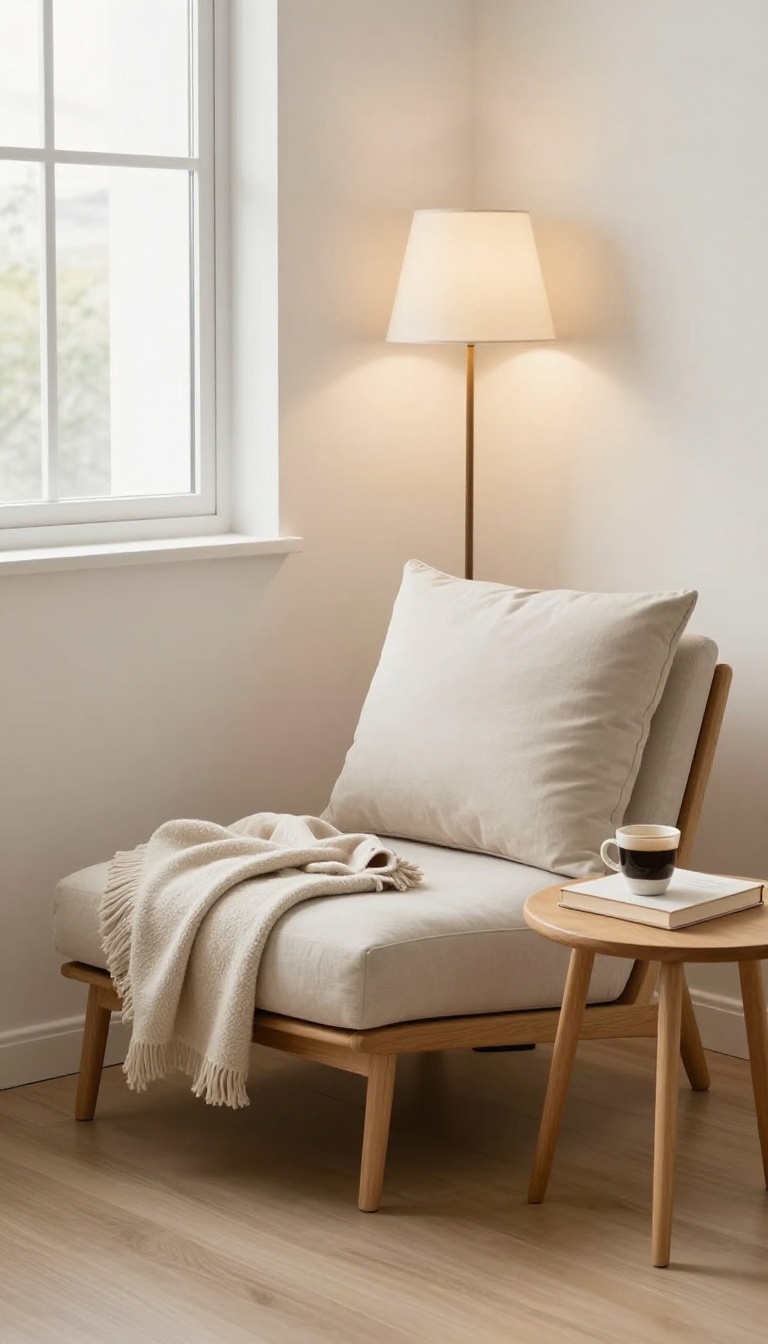
That awkward corner where the bed doesn't quite fit? It's prime real estate for a reading nook. You don't need much—just a comfy chair, a small table, and good lighting.
This spot becomes your escape without taking up valuable floor space.
A reading nook adds personality and function to a small bedroom. It gives you a dedicated spot to unwind, read, or sip coffee, making the room feel more intentional. Plus, it uses space that might otherwise collect clutter.
Pick The Right Corner
Look for a corner near a window for natural light, or any unused nook that won't block traffic. Even a tight spot between the bed and wall can work if you choose a slim chair. Measure the area first to avoid overcrowding.
Comfort Without Bulk
Skip oversized armchairs. Instead, try a compact lounge chair, a papasan, or even a floor cushion with a backrest. Add a small side table that fits the chair's height—maybe a floating shelf to save floor space.
Layer in a soft throw and a pillow for comfort.
Lighting Sets The Mood
A floor lamp with a warm bulb works well, but a wall-mounted swing arm lamp saves even more space. If you're near a window, natural light is perfect during the day. For evening reading, add a small clip-on light or a reading lamp on the side table.
4. Use Mirrors to Double the Visual Space
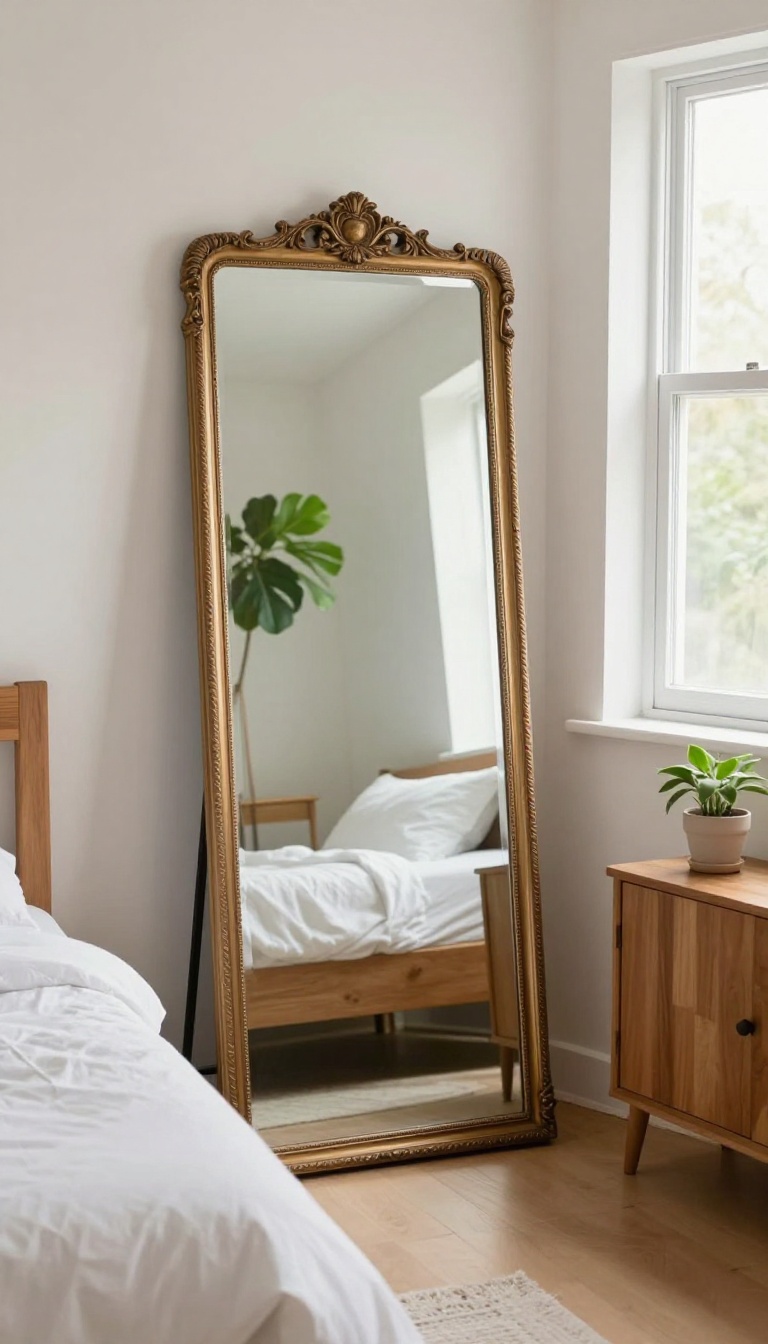
Light is a small room's best friend, and mirrors are its loyal sidekick. A well-placed mirror can bounce natural light around the room, making it feel airier and more open. This trick costs far less than a renovation and works instantly.
The classic move is to hang a large mirror opposite a window. That single change reflects the outdoors and brightens dark corners without adding a single watt. You can also lean a floor mirror against a wall for a casual, modern look that still does the heavy lifting.
Choose The Right Spot
Don't just hang a mirror anywhere. The best spots are perpendicular to a window or directly across from it. That way, the mirror catches the light and throws it back into the room.
Avoid placing mirrors where they'll just reflect a cluttered area—you want them to open up the space, not double the mess.
Pick The Right Size
Bigger is usually better when it comes to mirrors in a small room. A large mirror creates the illusion of depth, making the wall feel further away. If you're worried about overwhelming the space, go for a tall, narrow mirror that draws the eye upward.
That adds height and makes the ceiling seem higher.
Get Creative With Placement
Who says mirrors have to stay on the wall? Lean one against the wall behind your nightstand, or prop it on the floor in a corner. You can even use mirrored closet doors to double the visual space without taking up any extra floor area.
Just make sure the reflection shows something pleasant—like a plant or a piece of art.
5. Add a Low-Profile Platform Bed with Drawers
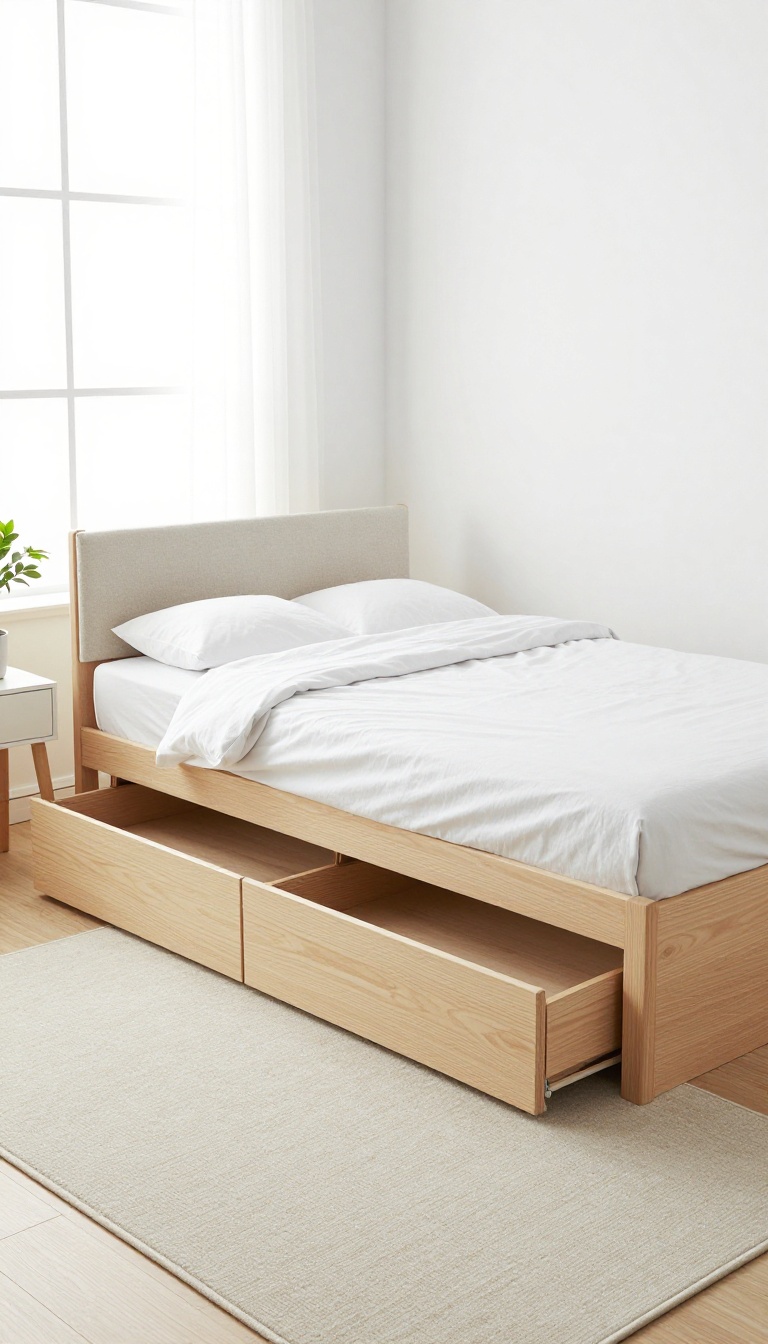
A bed frame can eat up visual space, especially if it's bulky and raised high off the floor. Swapping it for a low-profile platform bed with built-in drawers changes the whole feel of the room. It sits closer to the ground, making the ceiling seem higher and the floor area more open.
Plus, those drawers give you a hidden stash for things you don't want on display.
The key is to choose a design that blends in with your decor. A simple wooden platform with a light finish keeps things airy, while a upholstered headboard adds a soft touch without extra bulk. Measure your room and bed size carefully—you want the drawers to slide out smoothly without hitting the wall or other furniture.
And don't forget to leave a little gap around the bed for easy access to the drawers.
What To Store In The Drawers
These drawers are perfect for off-season clothes, extra bedding, or shoes you don't wear daily. Use dividers or small bins to keep things organized. If you're short on closet space, this is a lifesaver.
Just avoid storing anything you need every day, because digging through a drawer under the bed can get old fast.
Style Tips For A Low Bed
Since the bed is lower, balance the room with a taller headboard or a piece of art above it. Keep the bedding simple and light-colored to maintain that open feel. You can also add a rug that extends beyond the bed to visually anchor the space.
Avoid heavy, dark bedspreads that make the bed look even lower.
Diy Or Buy?
If you're handy, you can build a platform bed with drawers using plywood and drawer slides. There are plenty of online plans. If you'd rather buy, many furniture stores offer ready-made options in various sizes.
Just check the quality of the drawer slides and the weight capacity—you want them to glide smoothly even when full.
6. Hang Curtains Higher and Wider
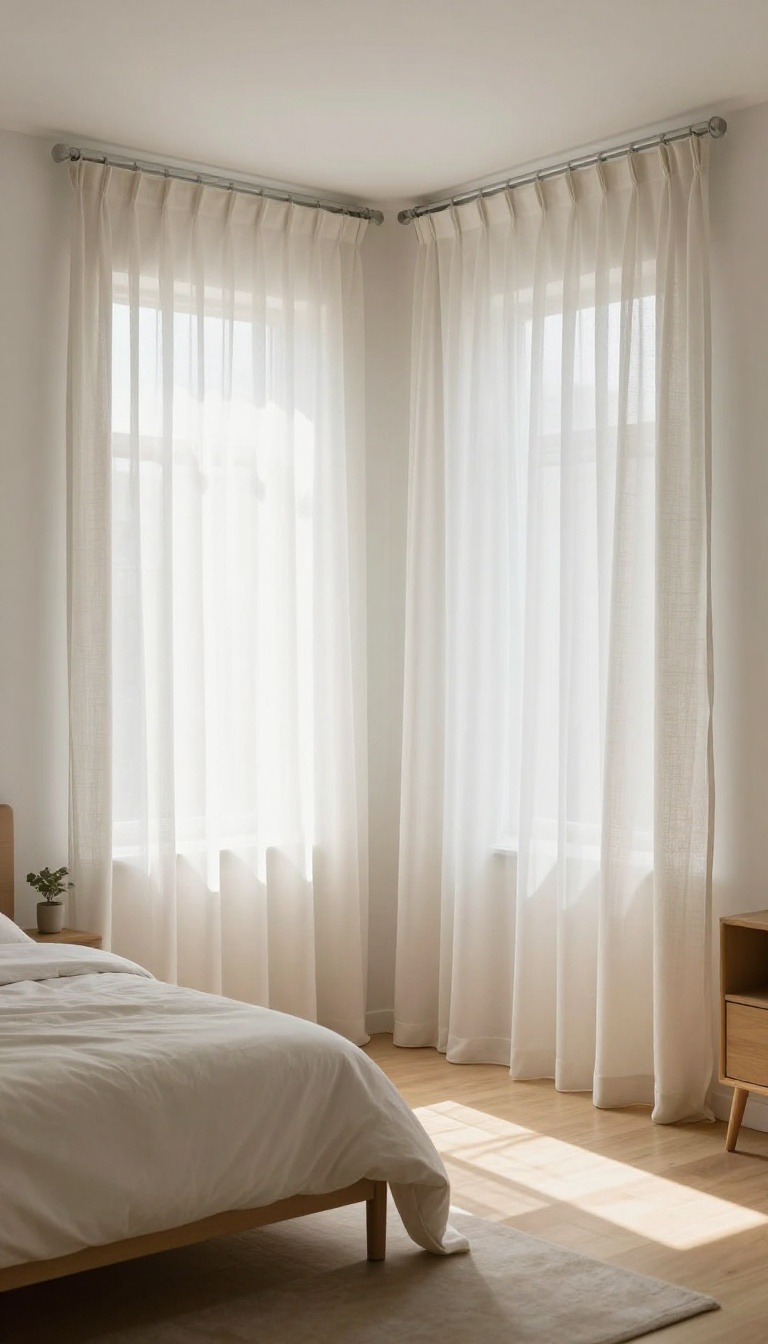
Window treatments can quietly change how your whole room feels. If your curtains sit right above the frame, they're probably making the ceiling look lower and the window smaller than it needs to be. The fix is simple: move the rod up and out.
Mounting curtain rods close to the ceiling and extending them beyond the window frame draws the eye upward, making the room appear taller and wider. This trick works in any small bedroom, whether you have a tiny window or a standard one. It's one of the easiest visual upgrades you can make—no tools beyond a drill and a level, and it takes less than an hour.
Why Height Matters
When your curtain rod sits just a few inches above the window, it visually cuts the wall in half. That makes the ceiling feel lower and the room feel boxier. By raising the rod to within a few inches of the ceiling, you create a continuous vertical line that pulls the eye up.
The wall looks taller, and the whole space feels more open.
Width Makes The Window Look Bigger
Extending the rod about 6 to 12 inches beyond each side of the window frame does more than just let in more light when curtains are open. It makes the window itself appear larger, which in turn makes the room feel more spacious. When curtains are drawn, they cover only the window and a bit of wall, so the window still looks generous.
Choosing The Right Curtains
For this trick to work, pick curtains that are long enough to just kiss the floor or hover an inch above it. Short curtains that stop at the sill will ruin the effect. Also, go for light, airy fabrics like linen or cotton.
Heavy drapes can weigh down the space, while sheer or semi-sheer options let in natural light and keep the room feeling breezy.
7. Incorporate a Sliding Barn Door
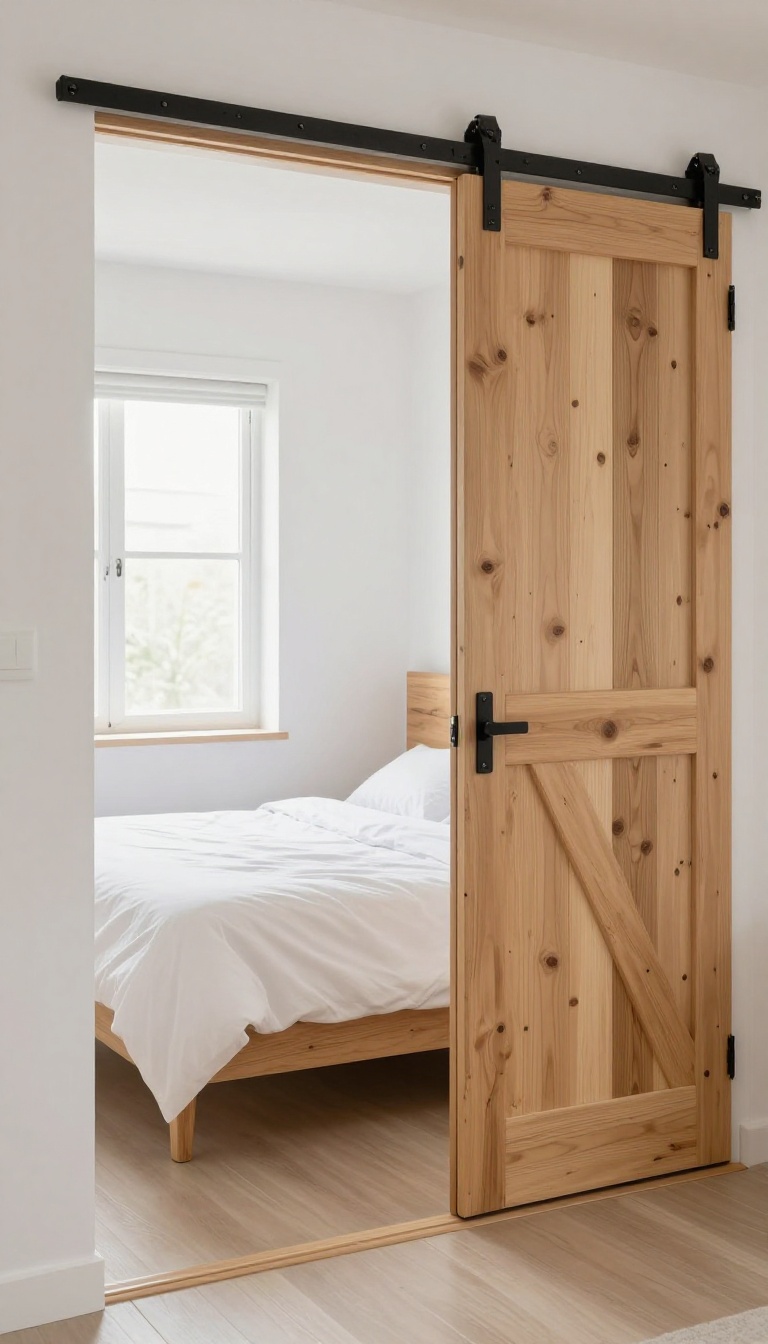
Swinging doors are space hogs, especially in small rooms where every square foot matters. A sliding barn door glides along a track above the opening, freeing up precious floor area for furniture or just easier movement. It also adds a rustic, farmhouse charm that makes the room feel more inviting and less cramped.
Swapping a traditional door for a sliding barn door is a smart move that pays off in both function and style. The track mounts above the doorway, so the door slides to the side instead of swinging into the room. This means you can push the bed closer to the wall or place a dresser right next to the entrance without worrying about the door hitting it.
The visual effect is also lighter—no more bulky door panel eating up your sightline.
Choose The Right Hardware
The hardware is the backbone of a barn door setup. Look for a track and rollers that are rated for the weight of your door. Solid wood doors are heavy, so opt for sturdy steel rails and smooth-gliding wheels.
Also, consider the wall mounting—you'll need to anchor the track into studs, not just drywall. If you're not handy, a professional installation is worth the cost.
Pick A Style That Fits Your Room
Barn doors come in all sorts of finishes—from reclaimed wood to sleek painted panels. For a small room, lighter colors and glass inserts can keep the space feeling open. A mirror-front barn door is a clever twist that doubles as a full-length mirror, bouncing light around the room.
Just make sure the style matches your existing decor, whether that's modern, rustic, or something in between.
Think About The Track Placement
The track needs enough clearance above the door to slide the door along. If you have low ceilings, check that the track won't interfere with light fixtures or crown molding. Also, plan for a wall space beside the door that's wide enough to hold the door when it's open.
If the wall is too short, you might need to install a pocket door instead, but that's a bigger project.
Don't Forget The Floor Guide
A floor guide keeps the door from swinging side to side as it moves. It's a small metal or plastic piece that sits on the floor, and it's essential for smooth operation. You can choose a simple guide that blends in or one that adds a decorative touch.
Just make sure it's positioned correctly so the door doesn't scrape against it.
8. Use Floating Shelves for Display and Storage
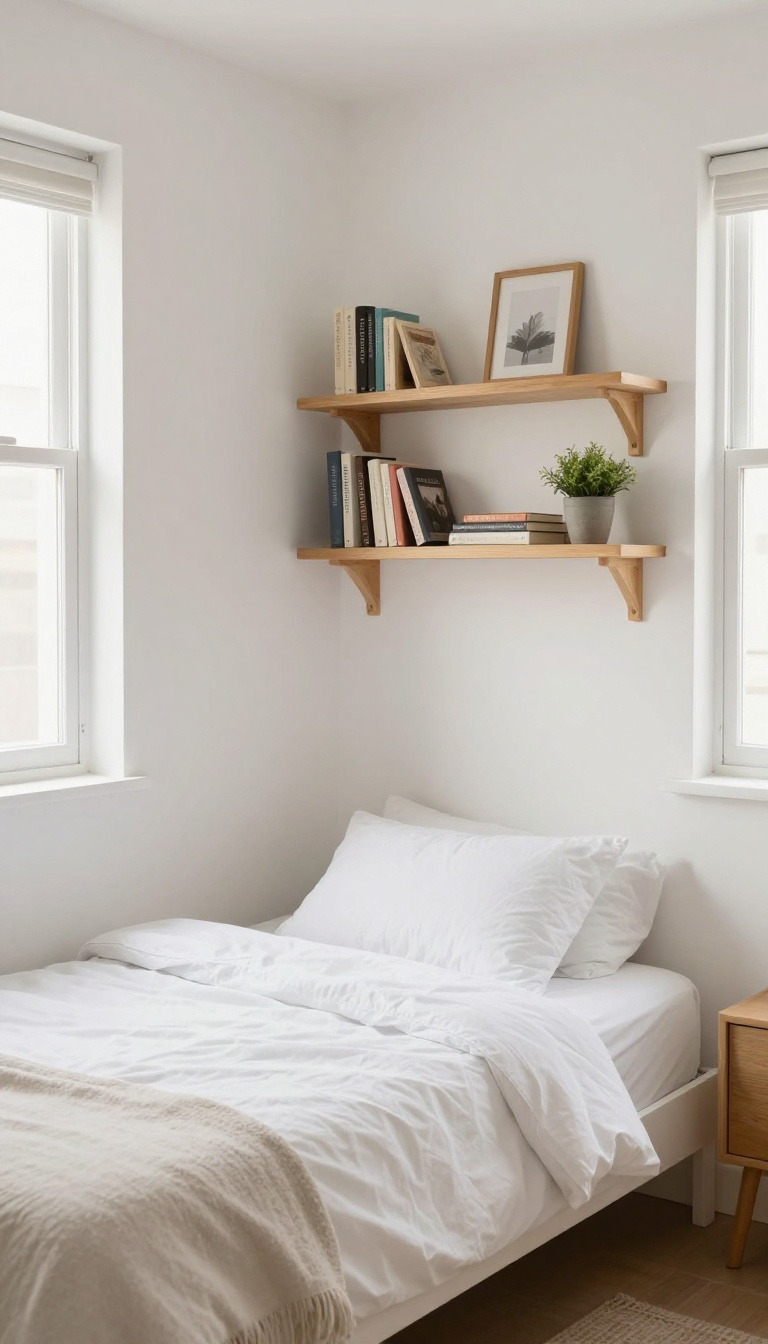
Floating shelves are a small room's best friend when you need extra storage without eating up floor space. They attach directly to the wall, so they don't block walkways or make the room feel cramped. Plus, they add a modern, clean look that fits almost any decor style.
Unlike bulky bookcases or cabinets, floating shelves keep your essentials within reach while showing off your favorite items. You can place them above a desk, beside a bed, or even in an unused corner. The key is to style them thoughtfully so they don't just become clutter catchers.
Floating shelves work because they use vertical space that would otherwise go untouched. In a small bedroom, every wall is an opportunity. Install a couple of shelves above your headboard to hold books, glasses, or a small plant.
Or, use them to display photos and trinkets that add personality without taking up dresser space. When choosing shelves, go for sturdy ones that can handle the weight you plan to put on them. Floating shelves come in various materials—wood, metal, or glass—so pick what matches your room's vibe.
Just make sure they're properly anchored to the wall, especially if you're placing heavier items like books or electronics.
Where To Place Them
Think about the spots that are currently wasted. Above the door is a classic choice, but also consider narrow gaps between furniture and the wall. A shelf above a radiator or heating vent can work if you keep items away from the heat source.
For a cohesive look, install shelves at different heights to create visual interest.
Styling Tips For A Clean Look
The trick is to avoid overcrowding. Leave some breathing room between items, and mix functional pieces with decorative ones. Use baskets or bins for small items like charging cables or accessories.
Group similar colors or materials together for a curated feel. And don't forget to dust regularly—floating shelves do show dust more than closed storage.
Diy Vs. Store-bought
If you're handy, you can make your own floating shelves with wood planks and hidden brackets. That way, you can customize the length and finish to fit your space perfectly. If not, there are plenty of affordable options online or at home stores.
Just check the weight capacity and read reviews to ensure they're sturdy enough for your needs.
9. Choose a Light Color Palette with Bold Accents
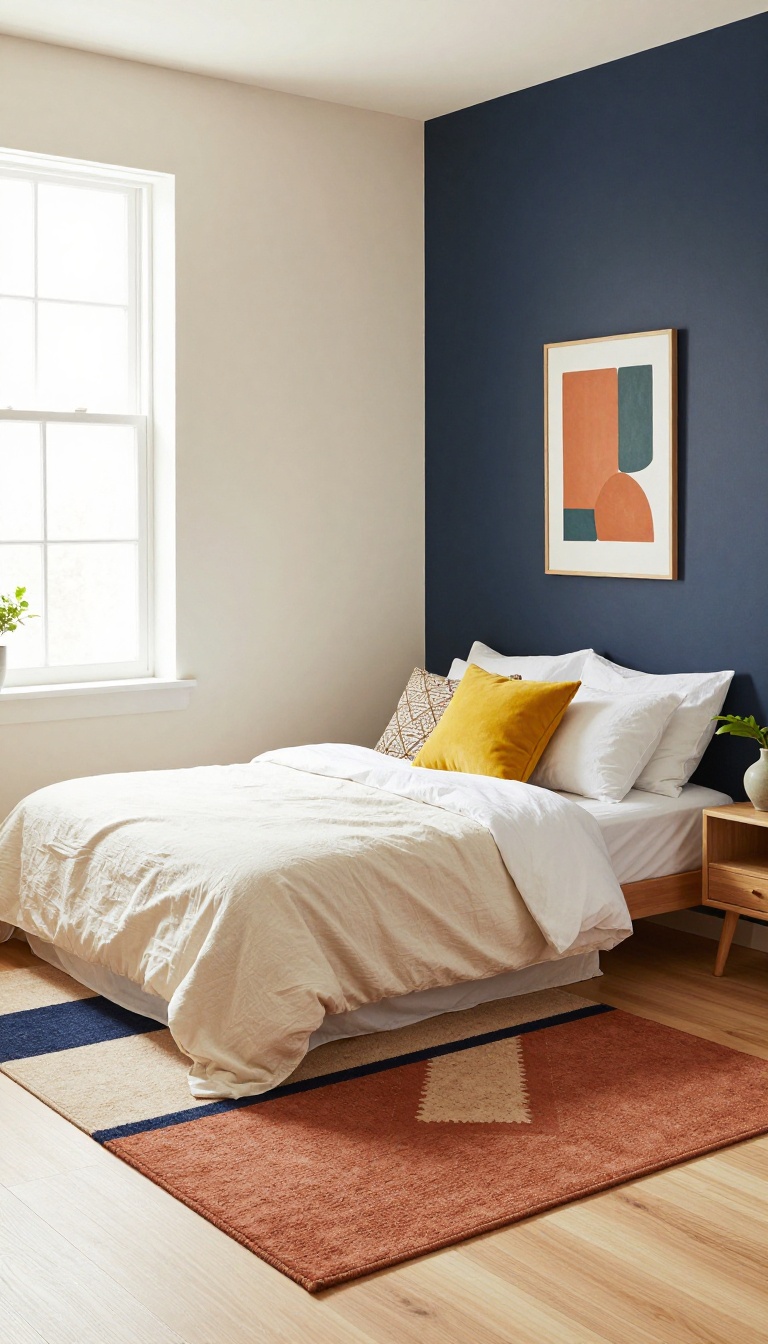
A light color palette is one of the quickest ways to make a small room feel bigger. Pale walls and furniture reflect natural light, which visually expands the space and makes it feel airy. But going all-white can feel sterile, so that's where bold accents come in—they add personality and prevent the room from looking flat.
The trick is to keep the base light and let a few statement pieces carry the color.
Start with a neutral base—think soft whites, warm creams, or pale greys. These shades bounce light around the room, making it feel more open. Then, introduce bold accents through items that are easy to swap out, like throw pillows, a vibrant rug, or a piece of wall art.
If you're feeling braver, paint one accent wall in a deep jewel tone or a rich navy. That single wall adds depth without overwhelming the space. The contrast between light and dark creates visual interest, drawing the eye and making the room feel dynamic.
Why Light Colors Work
Light colors reflect more light than dark ones, which makes a room feel brighter and more spacious. In a small room, that extra brightness can make the walls seem to recede, giving the illusion of more square footage. Plus, light walls give you a neutral backdrop that makes your accent pieces stand out even more.
How To Add Bold Accents
You don't need to repaint the whole room to add boldness. Start with textiles: a bright throw blanket, patterned curtains, or a colorful area rug. Then, layer in accessories like vases, books, or a framed print.
If you want a bigger statement, consider a single accent wall in a deep hue like emerald green or burnt orange. Just keep the other walls light to maintain that open feel.
Balancing Light And Bold
The key is balance. Too many bold accents can make a small room feel chaotic, while too few leave it bland. Aim for a 70-30 split: 70% light and neutral, 30% bold and colorful.
That way, the room feels energetic but still calm. Also, choose accents that complement each other—stick to a cohesive color scheme, like pairing navy with mustard yellow, to keep the look intentional.
10. Install a Wall-Mounted Reading Lamp
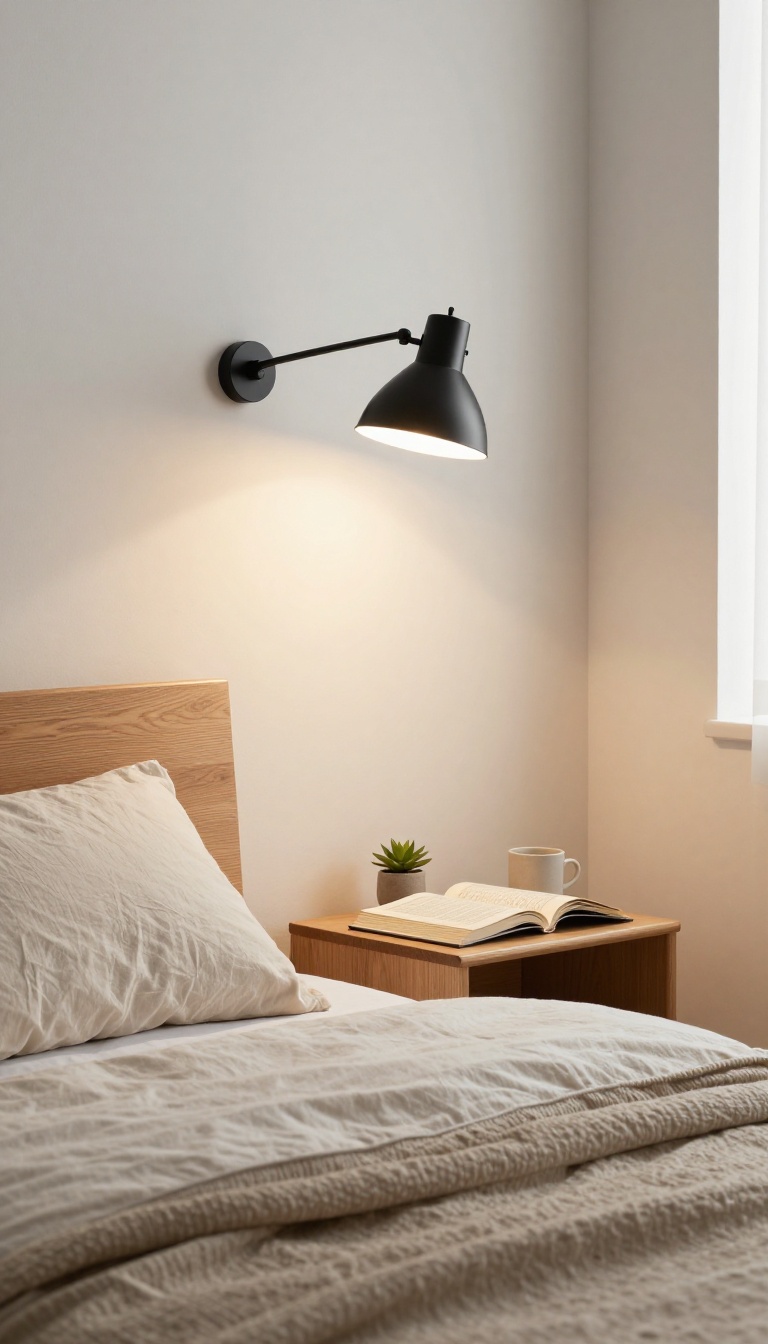
Nightstands are prime real estate in a small bedroom, but they often end up cluttered with lamps, books, and glasses. A wall-mounted reading lamp frees up that surface while giving you focused light exactly where you need it. It's a simple swap that makes your bedside area feel more open and intentional.
Mounting a lamp on the wall above your bed is a clever way to reclaim precious nightstand space. Instead of a bulky table lamp taking up room, you get a sleek light source that's out of the way. Plus, it adds a touch of modern style to your wall.
Whether you're reading, scrolling on your phone, or just winding down, this setup keeps everything within reach without the clutter.
Pick The Right Style
Look for a swing-arm lamp that adjusts to your needs. You can angle it toward your book or away when you need softer light. Choose a finish that matches your room's vibe—black for a bold look, brass for a warm touch, or white for a minimal feel.
The key is to keep it compact so it doesn't overwhelm the wall.
Mind The Height And Position
Mount the lamp about 12 to 18 inches above your pillow, so it's easy to reach from a seated position. Position it slightly to the side of where you rest your head to avoid hitting it when you sit up. If you have a headboard, attach it directly to that for a seamless look.
If not, mount it on the wall itself.
Wiring And Installation Tips
If you're not comfortable with hardwiring, choose a plug-in model. You can hide the cord along the wall or behind the headboard for a clean finish. For a truly wireless look, hire an electrician to wire it into the wall—it's a small investment that adds value.
Always use a stud finder to secure the mount properly.
11. Use a Room Divider to Create Zones
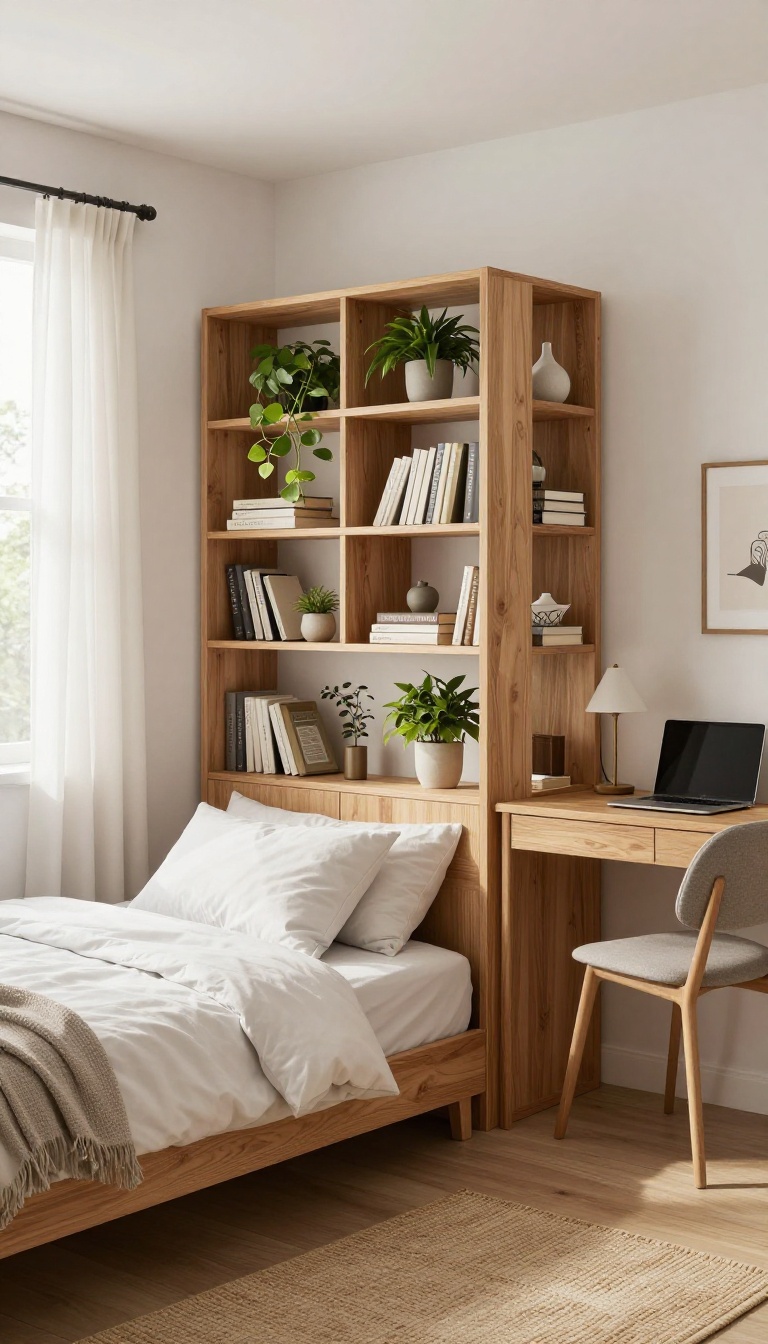
Dividing a small room into functional zones can make it feel more spacious and organized. A stylish room divider not only separates sleeping from living areas but also adds a layer of privacy and visual interest. Whether you're in a studio or a shared bedroom, this simple addition can transform how you use the space.
Room dividers come in many forms, from folding screens to open shelving units. The key is to choose one that fits your style and needs without blocking natural light. A lightweight curtain track on the ceiling can be a budget-friendly option, while a tall bookcase can serve double duty as storage and a partition.
Place the divider strategically to create a clear separation between your bed and your workspace or seating area, making both zones feel intentional and clutter-free.
Pick The Right Divider Style
Folding screens are classic and portable, perfect if you like to rearrange often. For a more permanent solution, consider a sliding barn door or a ceiling-mounted curtain. Open shelving units offer storage and display space while still dividing the room.
Choose a style that complements your existing decor and doesn't overwhelm the space.
Placement Tips For Maximum Effect
Position the divider where it creates the most functional separation—usually between the bed and the main living area. Angle it slightly to avoid a harsh line and to keep the room feeling open. Ensure it doesn't block windows or doorways, as natural light and easy movement are crucial in a small room.
Balance Privacy With Light
If you need privacy but don't want to darken the room, opt for a semi-transparent material like frosted glass, sheer fabric, or a lattice design. These allow light to filter through while still defining the zones. Alternatively, use a divider with built-in plants or hanging greenery to add a fresh touch without sacrificing brightness.
12. Add a Vertical Garden for a Fresh Feel
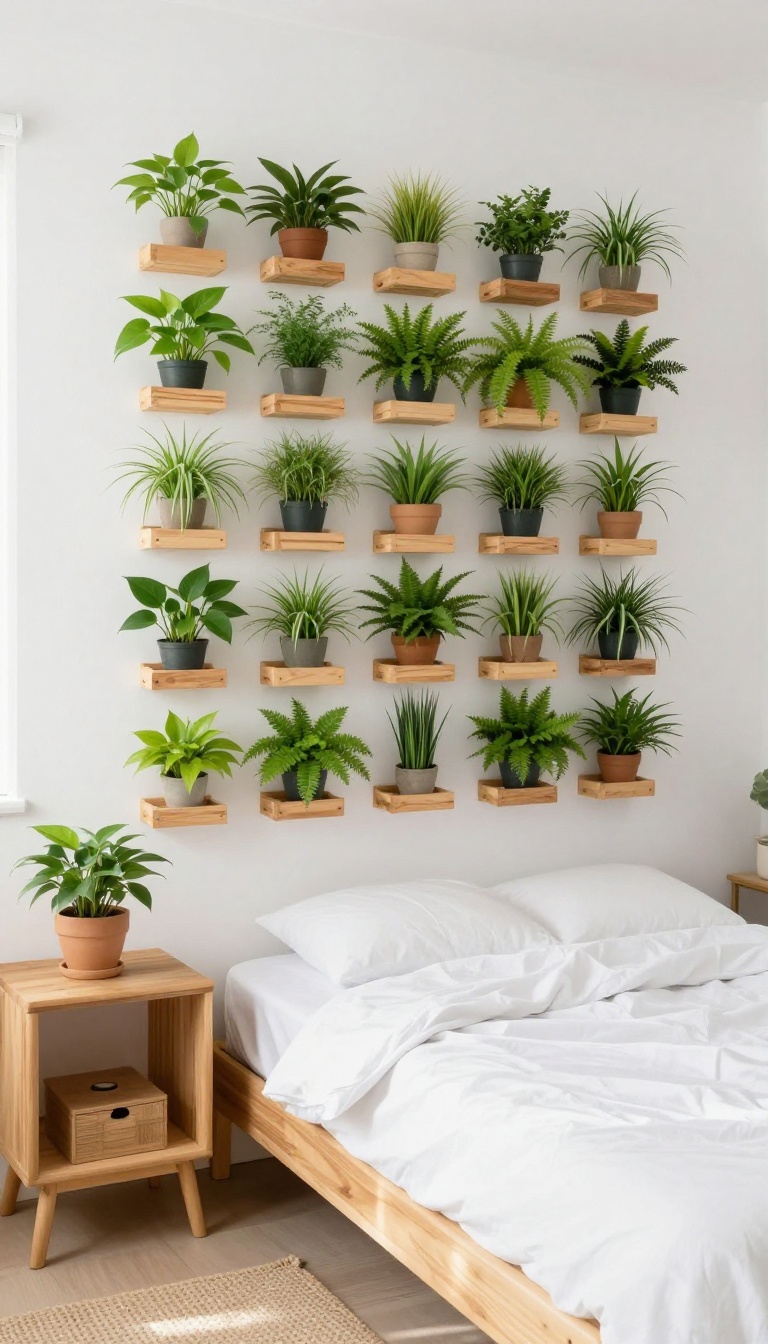
A vertical garden is a surprising but brilliant way to breathe life into a small bedroom. Instead of sacrificing floor space for potted plants, you can turn an empty wall into a lush, green feature. It’s not just about looks—plants naturally purify the air and add a sense of calm that’s perfect for winding down.
When you’re short on space, every surface counts. A vertical garden uses wall space that would otherwise go unused, giving you the benefits of nature without cluttering your floor. Plus, it’s a conversation starter that makes your room feel personal and inviting.
Pick The Right Wall And Plants
Start by choosing a wall that gets indirect sunlight—too much direct sun can scorch leaves, while too little will make them struggle. Good options include pothos, ferns, or spider plants, which thrive indoors and don’t need constant attention. You can also mix in herbs like mint or basil for a fresh scent.
Simple Diy Options For Any Budget
You don’t need a fancy system. A wooden pallet with pockets, a hanging shoe organizer, or a grid of small pots can work wonders. Just make sure it’s securely mounted to the wall, especially if you’re using heavy pots.
Add a drip tray underneath to catch excess water and protect your floor.
Maintenance Without The Hassle
Keep it low-maintenance by choosing plants that are forgiving if you forget to water them. Self-watering planters or a simple weekly watering routine will keep your garden thriving. Prune regularly to prevent overgrowth, and rotate the plants occasionally to ensure even growth.
13. Opt for Multi-Functional Furniture
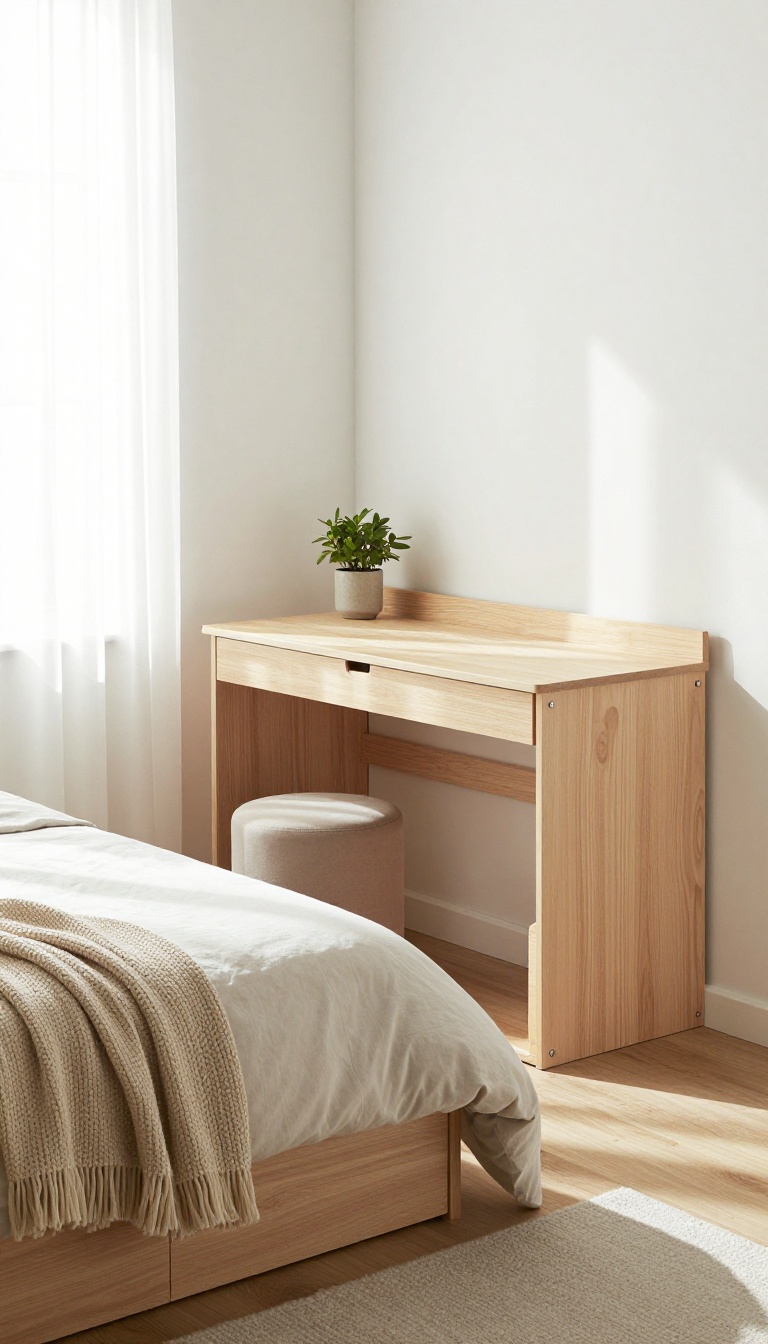
When every square foot counts, furniture that does double duty is a game-changer. Instead of squeezing in separate pieces for each function, choose items that combine them. This way, you cut down on clutter and free up valuable floor space.
Multi-functional furniture is the secret weapon of small-space living. It's not just about saving space; it's about making your room work smarter. A bed with built-in drawers, a desk that folds away, or an ottoman that hides storage can transform how you use your bedroom.
These pieces are designed to adapt to your needs, so you can have a cozy sleep space, a productive work corner, and a tidy storage solution all in one.
Built-in Storage In The Bed Frame
Your bed is the largest piece of furniture in the room, so make it earn its keep. Look for a bed frame with drawers underneath or a hydraulic lift that reveals a cavernous storage area. This is perfect for off-season clothes, extra bedding, or shoes.
You'll be amazed at how much clutter you can tuck away without adding any extra furniture.
Desk That Disappears
If you need a workspace but don't have room for a full desk, consider a wall-mounted drop-leaf desk or a writing desk that folds flat when not in use. Pair it with a comfortable chair that can slide under or be tucked away. This gives you a functional office area that vanishes in seconds, leaving your bedroom feeling open and uncluttered.
Storage Ottomans And Benches
An ottoman or bench at the foot of your bed can serve as seating, a place to toss clothes, and a hidden storage bin. Choose one with a removable lid or a hinged top to stash blankets, pillows, or even your yoga mat. It's a simple swap that adds both function and style.
Nightstand Alternatives
Instead of a bulky nightstand, try a small floating shelf, a wall-mounted pocket, or a compact ladder shelf. These take up less visual space and can hold your essentials like a phone, a book, and a glass of water. If you need more storage, look for a nightstand with drawers or a lower shelf, but keep it slim and tall to maximize floor space.
FAQ
What is the best way to make a small bedroom look bigger?
Use light colors, mirrors, and vertical storage. Keep the floor clear and choose furniture that serves multiple purposes.
How can I add storage to a small bedroom without cluttering it?
Use under-bed storage, floating shelves, and wall-mounted organizers. Opt for furniture with built-in storage, like platform beds with drawers.
What are some space-saving furniture ideas for small bedrooms?
Consider wall-mounted desks, folding chairs, sliding barn doors, and multi-functional pieces like storage ottomans or beds with built-in shelves.
How do I choose the right color scheme for a small bedroom?
Stick to light, neutral colors for walls and large furniture. Add pops of color with accessories like pillows, rugs, or artwork to keep it lively.
Can I create a separate workspace in a small bedroom?
Yes, use a wall-mounted desk that folds away, or a compact desk in a corner. Use a room divider to visually separate the workspace from the sleeping area.
Conclusion
Small bedrooms don’t have to feel cramped or predictable. The best ideas here work because they solve a specific problem—whether it’s finding floor space, adding character, or making the room feel taller. Start with the one that addresses your biggest headache, and build from there.
Even a single change, like a new bed placement or a clever headboard, can shift the whole vibe. Pick what fits your space and daily routine, then let the room evolve naturally. You’ll be surprised how much breathing room a few thoughtful tweaks can create.