15 Very Small Bedroom Ideas Built Around Better Proportions
A small bedroom doesn't have to feel cramped. The secret lies in proportions—choosing furniture and layouts that match the scale of your room. When every piece fits just right, the space opens up and breathes.
Forget about squeezing in oversized beds or bulky dressers. Instead, think vertically, use light colors, and let each element earn its place. These 15 ideas are all about making your tiny room work harder while looking effortless.
From clever storage hacks to visual tricks that trick the eye, you'll find practical solutions that turn your small bedroom into a cozy, well-proportioned haven. Ready to see the difference?
1. Choose a Low-Profile Bed Frame
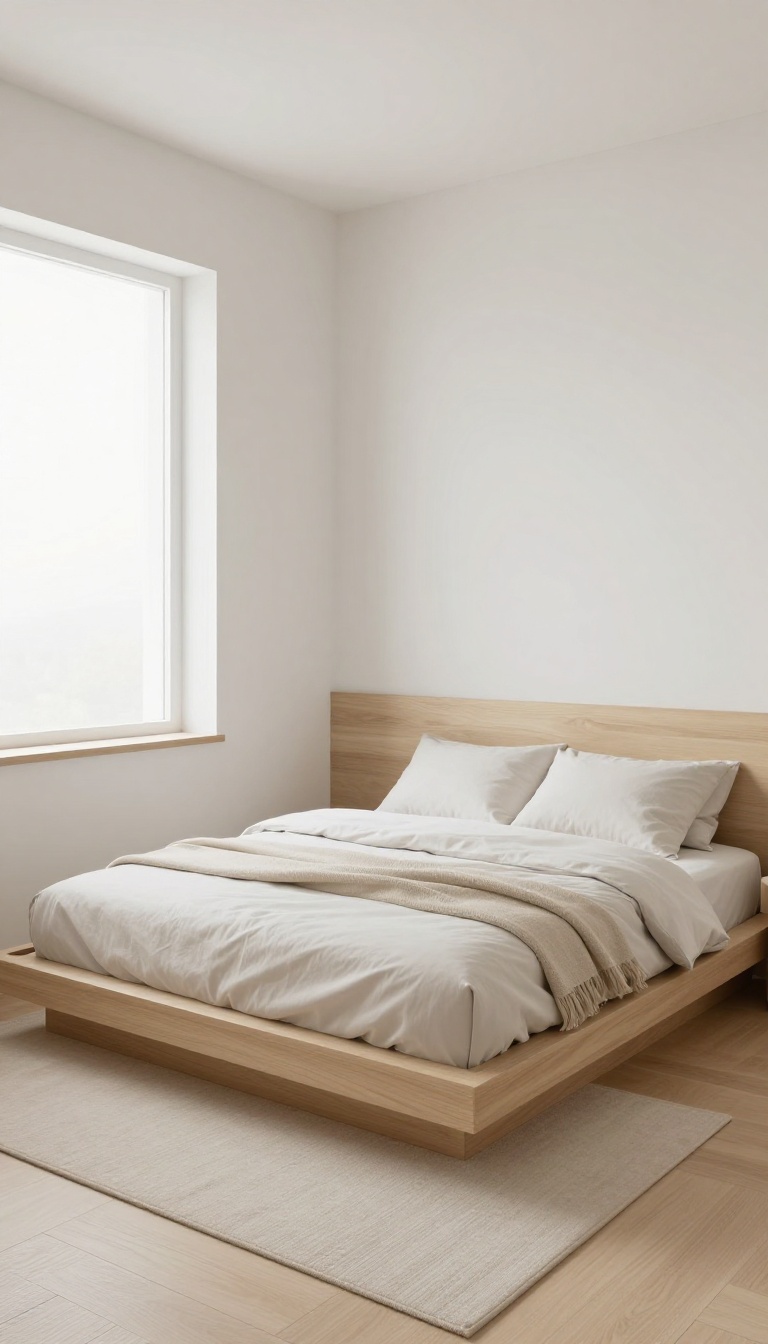
The bed is the anchor of any bedroom, and in a small space, its height can make or break the sense of proportion. A tall, bulky frame with a thick box spring often eats up visual space, making the ceiling feel lower and the room feel boxed in. Switching to a low-profile platform bed—one that sits just a few inches off the floor—instantly changes the whole dynamic.
When your bed is closer to the ground, your eye naturally travels upward, making the ceiling appear higher and the room more open. This simple shift in visual weight creates a more balanced, airy feel. Plus, a low bed can make a small room feel more grounded and intentional, not like you've just crammed in whatever furniture you had.
Why Low Beds Work So Well
Low-profile beds reduce the visual mass in the center of the room. Instead of a towering obstacle, the bed becomes a sleek platform that blends into the floor. This is especially effective in rooms with low ceilings, as it adds a few precious inches of perceived height.
It also makes the room feel less cluttered, as there's less 'stuff' competing for attention.
How To Style A Low Bed
Keep the bedding simple and streamlined to match the bed's minimalist vibe. Use a low headboard or skip it entirely to maintain that open feel. Add a cozy rug that extends beyond the bed to define the space and add warmth.
If you need storage, look for a platform bed with built-in drawers or leave the space underneath clear for a clean, uncluttered look.
2. Mount Floating Nightstands
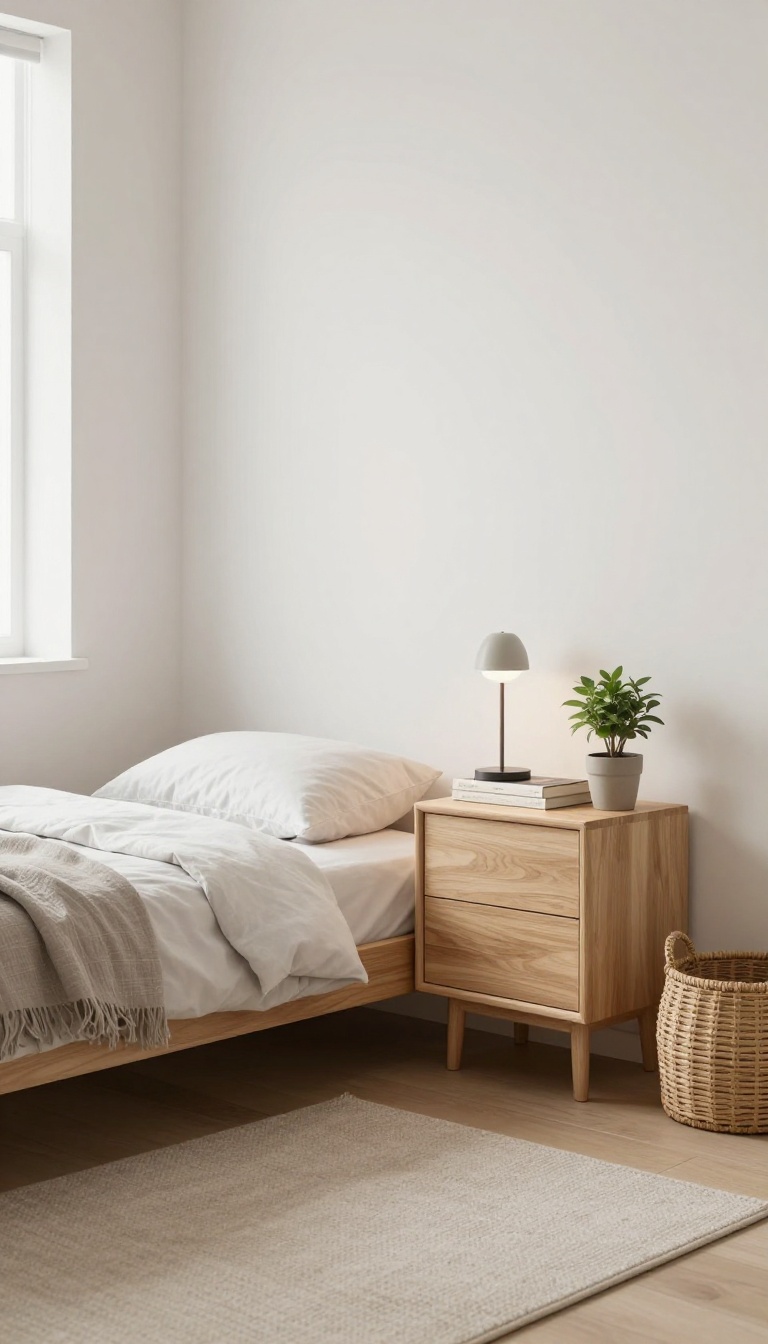
Wall-mounted nightstands are a game-changer in a small bedroom. By lifting them off the floor, you instantly free up valuable floor space, making the room feel larger and less cluttered. This simple shift in proportion can transform the entire look and feel of your space.
Floating nightstands create an airy, open atmosphere that traditional nightstands can't match. Without legs or a base, they visually recede, letting the floor flow uninterrupted. This makes the room appear more spacious and helps maintain a clean, minimalist aesthetic.
Plus, they're easier to clean around, which is a bonus in any compact area.
Choosing The Right Size And Height
When selecting a floating nightstand, proportion is key. Aim for a piece that's about the same width as your mattress or slightly narrower. The ideal height is level with the top of your mattress, so your essentials are within easy reach.
This creates a seamless, integrated look that feels intentional and balanced.
Installation Tips For Stability
Proper installation is crucial for safety and longevity. Use sturdy wall anchors and ensure the bracket is secured into a stud. If you're unsure, hire a professional.
A well-mounted nightstand can hold books, a lamp, and even a glass of water without issue. Just remember to check the weight capacity and distribute weight evenly.
Styling Your Floating Nightstand
Keep styling simple to maintain the airy feel. A small lamp, a book, and maybe a tiny plant are all you need. Avoid overcrowding the surface.
Use the space underneath for a low-profile storage basket or a cozy rug to add warmth without breaking the visual flow.
3. Install a Slim, Vertical Headboard
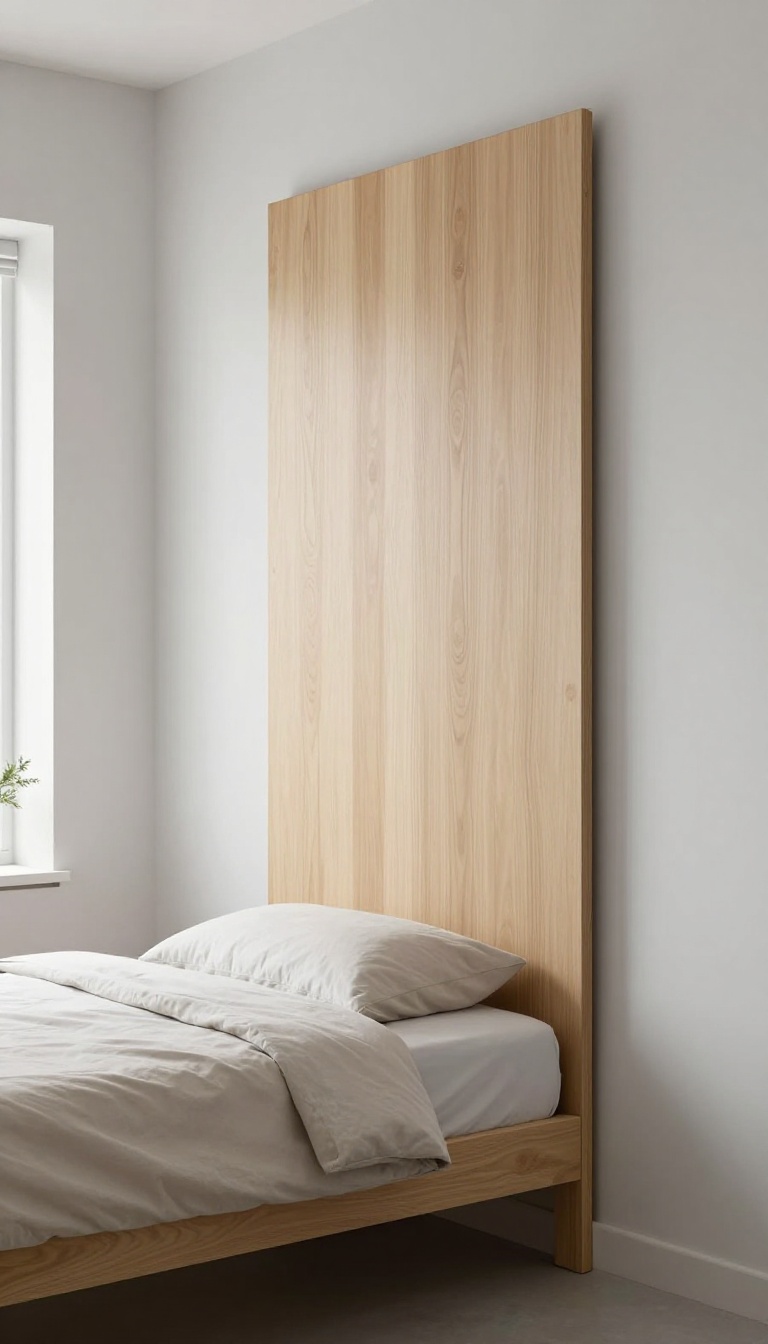
A headboard often gets overlooked in small bedrooms, but it can actually be a powerful tool for balancing proportions. Instead of a wide, bulky headboard that eats into your floor space, a slim, vertical one draws the eye upward and makes the ceiling feel higher. This simple swap can make your bed feel more anchored without adding visual clutter.
When you choose a headboard that's narrow in depth but tall in height, you create a vertical line that stretches the room. This trick works especially well in rooms with low ceilings or limited wall space. Plus, a slim profile means you can push the bed closer to the wall, freeing up precious inches for walking or storage.
Why Height Beats Width
In a small bedroom, horizontal lines can make the space feel wider and shorter. A tall headboard breaks that pattern, adding a strong vertical accent that makes the walls seem taller. It's a subtle optical illusion that costs nothing extra and works with any decor style.
Material And Style Options
You don't need a custom build. Look for upholstered headboards with a slim frame, or even a simple wooden panel that reaches toward the ceiling. If you're handy, you can attach a tall, narrow board directly to the wall behind the bed—no legs needed.
This keeps the floor clear and the look streamlined.
Placement Tips For Maximum Effect
Mount the headboard so it extends a few inches above the top of your pillows. That way, it reads as a deliberate design element, not just a bed accessory. Pair it with low-profile bedding and keep the wall behind it free of clutter to let the vertical line shine.
4. Use a Full-Length Mirror
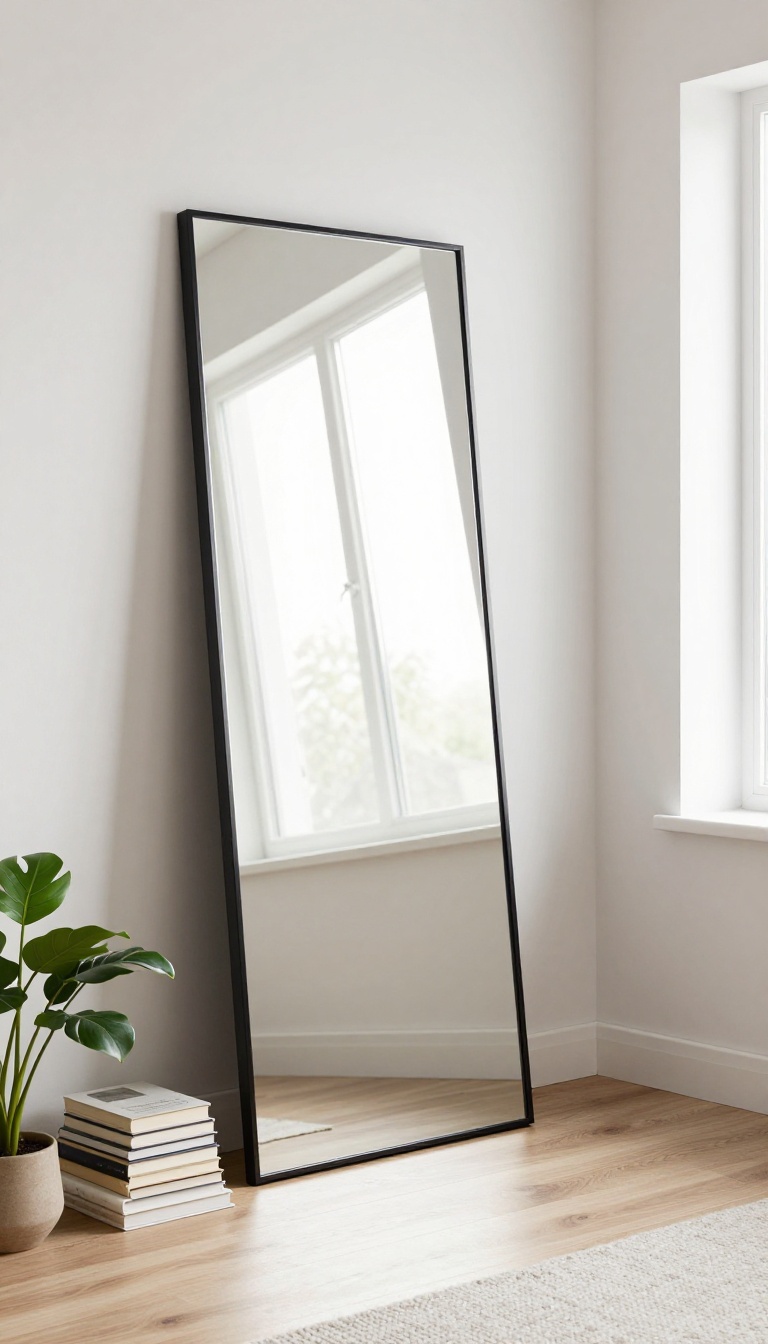
A full-length mirror is more than just a tool for checking your outfit—it's a powerful design trick. In a small bedroom, a large mirror reflects light and visually doubles the room's depth, making it feel instantly larger and better proportioned. It's an easy, affordable upgrade that works in almost any layout.
Placing a full-length mirror strategically can transform the perception of your space. The key is to position it where it can reflect natural light or a pleasing view, not just a cluttered corner. When the mirror bounces light around, it brightens the room and creates an illusion of more square footage.
Where To Place It
The classic spot is on a wall perpendicular to a window, so it catches daylight and spreads it across the room. You can also lean it against a wall behind a chair or dresser—this adds depth without taking up floor space. Avoid placing it directly opposite a bed unless you want a mirror to be the first thing you see in the morning.
Mirror Styles That Fit
Choose a mirror with a slim frame that matches your room's style—think minimal black, natural wood, or even frameless for a seamless look. A floor mirror with a gentle lean adds a casual, modern vibe, while a wall-mounted one can make the ceiling feel higher. If space is tight, go for a tall, narrow mirror that doesn't overpower the room.
Bonus: Use It As A Decor Element
A full-length mirror can double as a statement piece. Lean it against a wall with a small plant or stack of books at its base for an instant styled corner. Or, mount it on a closet door to save wall space while still getting the full-length benefit.
The mirror not only makes the room feel larger but also adds a touch of elegance.
5. Opt for a Wall-Mounted Desk
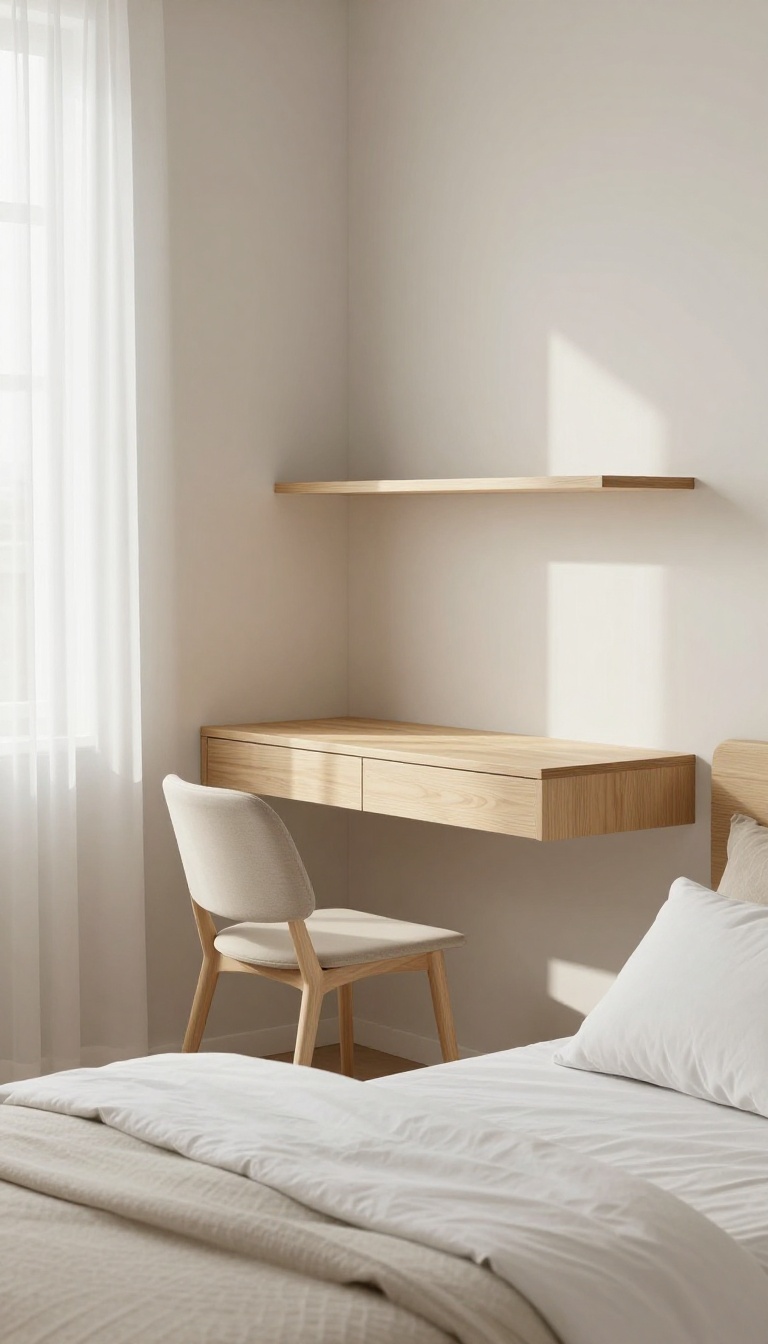
A tiny bedroom often has to double as a home office, but a bulky desk can throw off the whole balance. Wall-mounted desks—whether fold-down or floating—keep the floor clear and let the room feel more open. They're a smart way to add function without sacrificing proportion.
When floor space is tight, every square inch counts. A wall-mounted desk attaches directly to the wall, so it doesn't take up any floor area. This simple shift can make a small bedroom feel significantly larger.
Plus, you can position it wherever it works best, even in a corner that might otherwise go unused.
Fold-down Desks: Work When You Need It
Fold-down desks are perfect for rooms that need to switch between work and rest. When you're done for the day, just fold it up and the room instantly returns to a calm bedroom. Look for models with a built-in shelf or a hinged leg that supports the surface.
This way, you get a functional workspace without permanent clutter.
Floating Desks: A Sleek, Permanent Option
If you need a desk that's always ready, a floating desk is a great choice. It's mounted directly to the wall with brackets, leaving the floor completely open. This keeps the visual weight low and helps the room feel airy.
Pair it with a slim stool or a chair that can slide underneath when not in use.
Keep The Visual Weight Low
The key to maintaining good proportions is to keep the desk visually light. Choose a design that's not too deep or bulky. White or light wood finishes blend seamlessly with the wall, making the desk seem like it's part of the architecture.
Avoid heavy drawers or thick surfaces that can overwhelm the space.
6. Maximize Vertical Storage with Tall Shelves
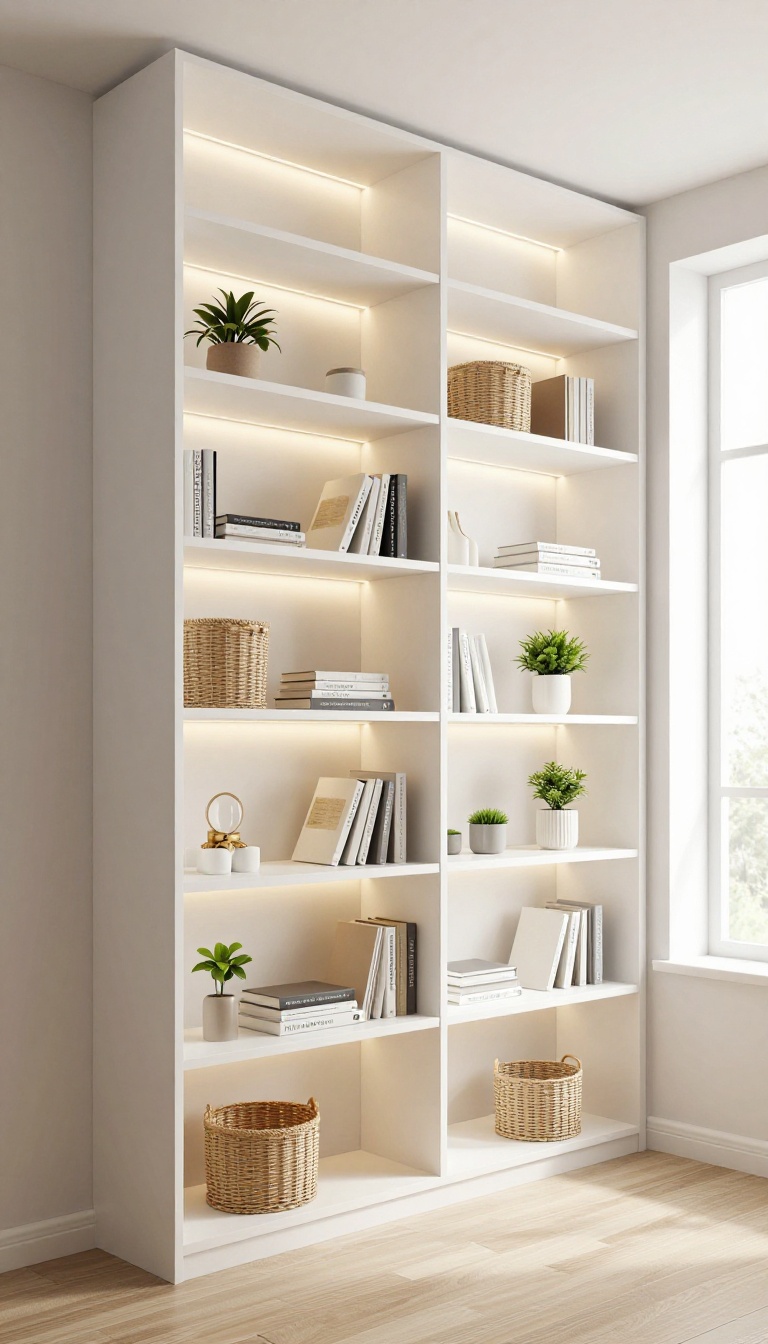
When floor space is tight, the only way to go is up. Tall shelves turn blank wall space into a storage powerhouse, keeping your essentials organized without crowding the room. The trick is to make them feel like part of the architecture, not just an afterthought.
Floor-to-ceiling shelving draws the eye upward and provides ample storage without eating into the room's footprint. By keeping the shelves slim and the color light, you can add a ton of function while maintaining an airy feel. Here’s how to make tall shelves work in a small bedroom.
Choose The Right Depth
Depth matters more than you think. Shelves that are too deep can overwhelm the room and make it feel cramped. Stick to shelves that are 8 to 10 inches deep—enough for books, baskets, and decor, but not so deep that they jut out into the walkway.
This keeps the proportions balanced and the room feeling open.
Style With A Light Touch
The way you style the shelves can make or break the visual weight. Use a mix of closed storage baskets and open display items, but keep the color palette light and cohesive. Avoid cramming every inch with stuff; leave some breathing room between objects.
This prevents the shelves from feeling heavy and keeps the eye moving upward.
Integrate Lighting
Adding a strip of LED lighting under a shelf or along the top can highlight your display and make the ceiling feel higher. It’s a simple upgrade that adds both function and ambiance. Just make sure the light is warm and diffused, not harsh, to keep the cozy vibe.
7. Choose a Compact, Multi-Functional Dresser
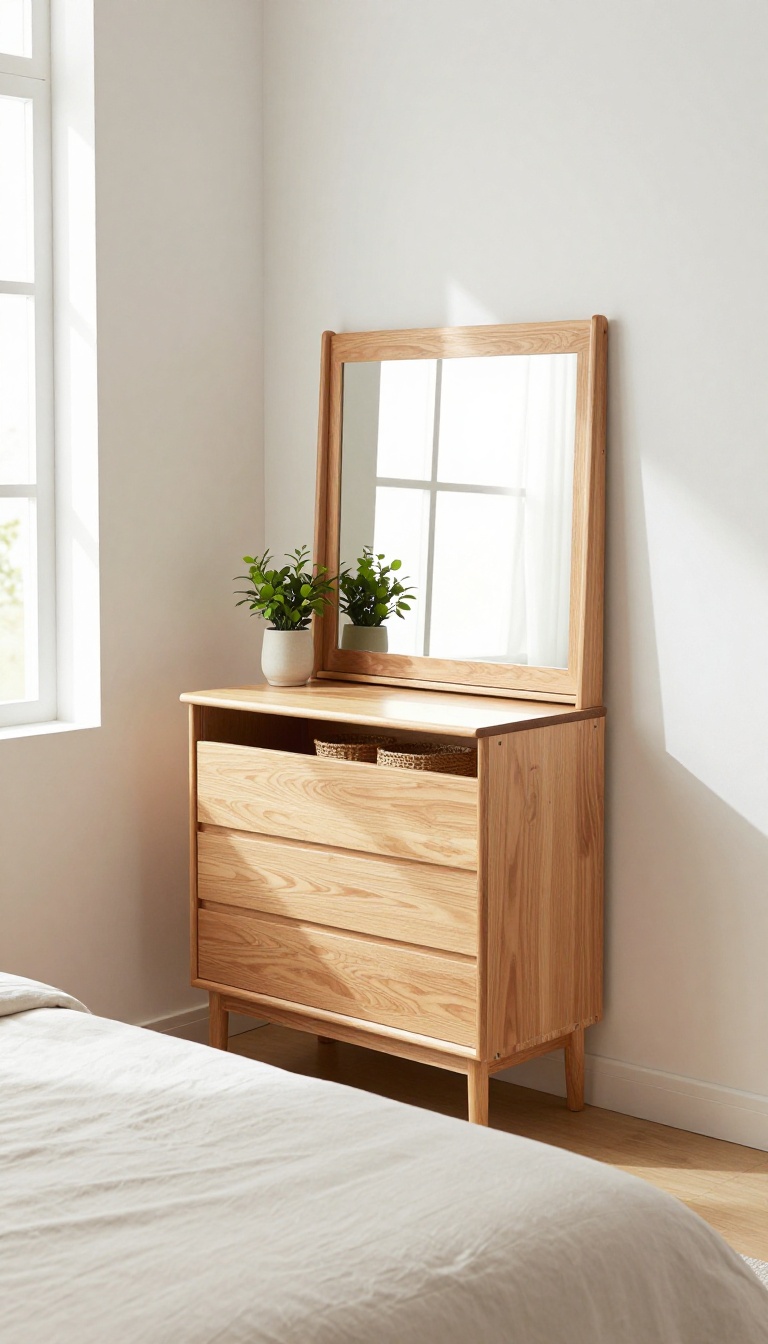
A dresser can easily dominate a small bedroom, but it doesn't have to. The trick is picking a piece that works as hard as you do without eating up all your floor space. Look for a narrow dresser with a mirror on top or a combo unit that combines storage with a desk or vanity.
When you're short on square footage, every piece of furniture needs to earn its spot. A compact dresser that pulls double duty is a smart way to keep your clothes organized while adding functionality. Whether you choose a dresser with a fold-down desk or one with a built-in mirror, you'll save space and keep the room feeling open.
Why Size And Shape Matter
A tall, narrow dresser takes up less floor space than a wide, low one, yet it can hold just as much. Look for a piece that's no deeper than 18 inches to keep the walking path clear. A dresser with clean lines and a light finish will visually recede, making the room feel larger.
Multi-functional Features To Look For
Consider a dresser with a mirror that also has storage behind it, or one with a pull-out shelf that can serve as a desk. Some models come with a fold-down top that reveals a vanity or workspace. These features give you extra utility without adding another piece of furniture.
Styling Tips For A Seamless Look
Place the dresser against the longest wall to maximize floor space. Use baskets or bins on top to corral accessories, and keep the surface clutter-free. If you choose a dresser with a mirror, it will reflect light and make the room feel brighter and more open.
8. Hang Curtains High and Wide
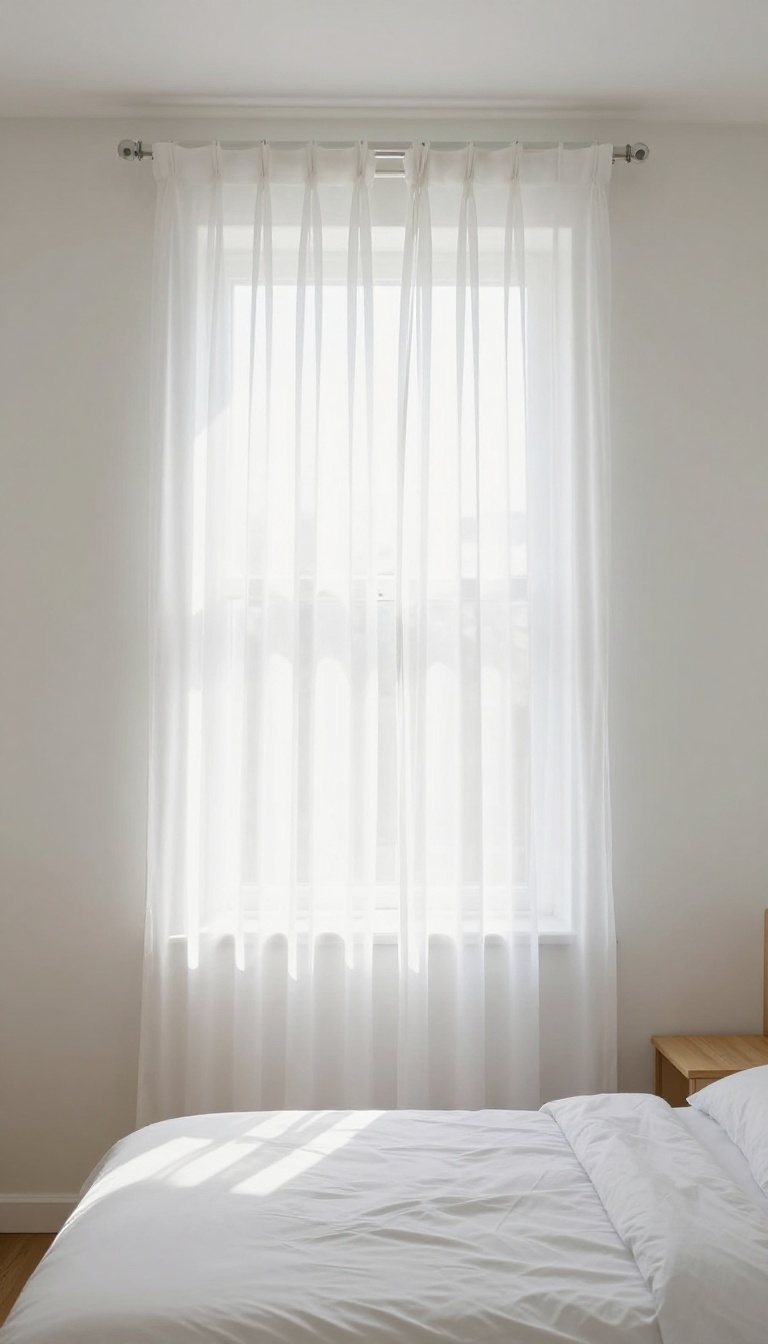
Curtains are often an afterthought, but they can completely change how your bedroom feels. If you hang them the right way, they add height and width without taking up any floor space. It’s a simple trick that makes a small room feel more open and balanced.
When you mount the rod close to the ceiling and extend it a few inches beyond the window frame, you draw the eye upward and outward. This makes the window appear larger and the wall seem taller. The result is a room that feels airier and less boxy, all because of where you place a piece of fabric.
Why This Works
Your brain reads the top of the curtain as the start of the wall, so when the rod sits near the ceiling, the wall looks taller. Similarly, when the curtains extend past the window, the window itself seems wider. Together, these two changes trick your eye into seeing a bigger space, which is exactly what a small bedroom needs.
How To Do It Right
First, measure from the floor to the ceiling and mount the rod about 2 to 4 inches below the ceiling. Then, add 6 to 12 inches on each side of the window for the rod to extend. Choose curtains that are long enough to just touch the floor or hover a half-inch above it.
This creates a clean, vertical line that adds height.
Choosing The Right Curtains
Light, sheer fabrics work best because they let in natural light and make the room feel airy. If you need privacy, go for a light linen or cotton blend. Avoid heavy, dark drapes that can weigh down the space.
Also, pick a color that blends with your wall or adds a subtle contrast—either way, keep it light.
9. Use Light, Airy Colors on Walls and Bedding
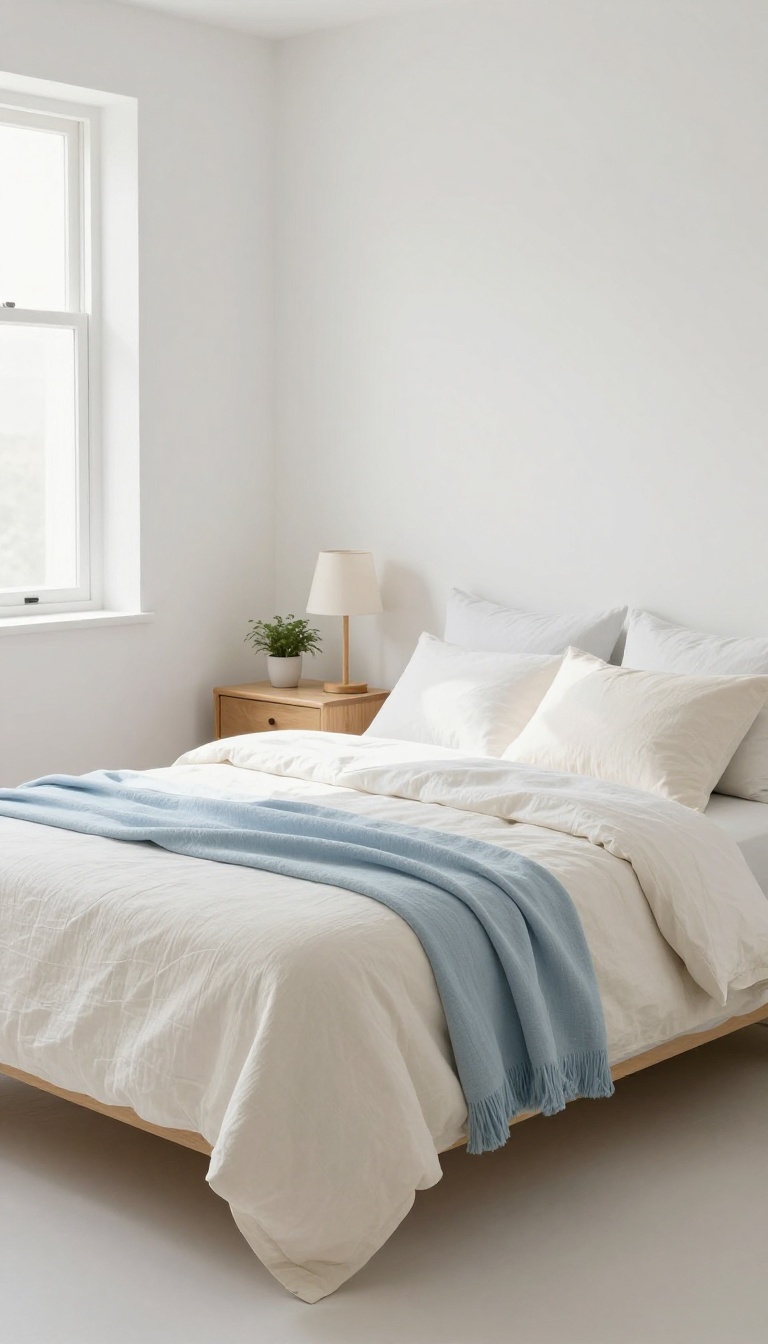
Color sets the mood and, more importantly, the perceived size of a room. Dark hues absorb light and make walls feel like they're closing in. Light colors, on the other hand, bounce light around and visually push the boundaries outward.
In a small bedroom, this simple switch can make a world of difference. You don't have to go all-white, but leaning toward soft pastels, warm whites, or light greige can instantly open up the space. Pair that with bedding in similar tones, and you'll create a seamless, airy look that feels larger than it is.
Light colors are a small bedroom's best friend. They reflect natural and artificial light, making the room feel brighter and more spacious. When the walls and bedding share a light palette, the eye isn't interrupted by harsh contrasts, so the space feels continuous and uncluttered.
Start with the walls. A soft white, pale blue, or light sage can make the ceiling seem higher and the walls recede. Then, choose bedding in complementary light tones—think crisp white, cream, or a subtle pastel.
The goal is to create a calming, unified backdrop that lets the room breathe. Don't forget the ceiling. Painting it a shade lighter than the walls can add the illusion of height.
And if you're worried about it feeling sterile, introduce texture with linen or cotton weaves, and add a few cozy throws in slightly deeper shades for depth.
Why Light Colors Work
Light colors have a higher light reflectance value (LRV) than dark ones, meaning they bounce more light back into the room. This makes the space feel brighter and more open. In a small bedroom, this effect is crucial—it tricks the eye into thinking the walls are farther away than they are.
Dark colors, by contrast, absorb light and can make a room feel like a cave. Even if you love moody tones, it's better to save them for accents like a throw pillow or a small rug, not the main surfaces.
Choosing The Right Shade
Not all light colors are created equal. Warm whites (like off-white with a yellow undertone) feel cozy, while cool whites (with a blue or gray undertone) feel crisp and modern. Soft pastels—like powder blue, blush pink, or mint green—add a subtle hint of color without overwhelming the space.
Test samples on your walls to see how they look in different lighting. North-facing rooms may need warmer tones to offset cool light, while south-facing rooms can handle cooler shades.
Coordinating Bedding And Walls
For a cohesive look, your bedding should be in the same color family as your walls, but a few shades lighter or darker. This creates a gentle gradient that adds depth without breaking the visual flow. For example, if your walls are light gray, choose white or very pale gray bedding.
Mixing textures—like a chunky knit throw or a velvet pillow—adds interest without introducing bold colors. This keeps the room feeling airy and well-proportioned.
10. Incorporate Built-In Storage Around the Bed
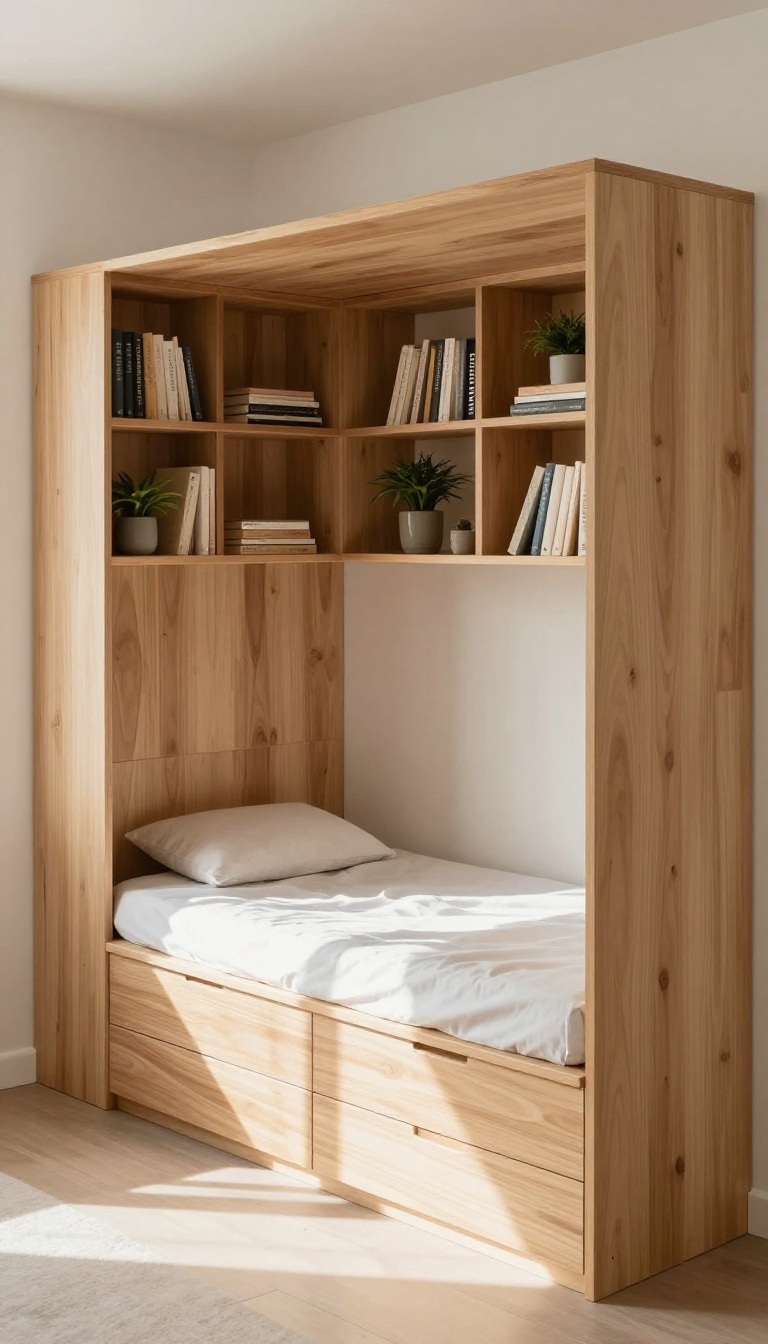
The area around your bed is prime real estate that often goes unused. Built-in storage can turn that wasted space into a functional asset. Whether you're dealing with a tight alcove or just want to declutter, integrating storage around the bed keeps everything within reach and maintains clean lines.
Custom built-ins or a bed with integrated drawers utilize otherwise wasted space and keep the room tidy and proportional. Instead of letting the sides of your bed become catch-alls, you can have shelving, cubbies, or drawers that blend seamlessly with the room's design. This approach not only adds storage but also creates a cohesive, furniture-like look that anchors the bed.
Designing Around The Bed
When planning built-ins, consider the bed's position first. If the bed is against a wall, you can build a headboard with shelves that extend to the ceiling. For a freestanding bed, low-profile units on either side can double as nightstands and storage.
The key is to match the depth and height to the bed's scale, so the built-ins feel like part of the architecture, not an afterthought.
Drawer Bed Options
A bed with built-in drawers underneath is a classic space-saver. These drawers are perfect for off-season clothes, extra bedding, or shoes. You can find ready-made beds with drawers, or you can have a platform bed custom-built with drawer configurations that fit your space.
Just make sure the drawers slide smoothly and are deep enough to be useful.
Maximizing Awkward Nooks
If your bedroom has an awkward nook or alcove, built-in storage around the bed can turn it into a feature. For example, a window seat with storage underneath can be built next to the bed, or a recessed shelf can be added above the headboard. These custom solutions make use of every inch and keep the room visually tidy.
11. Keep the Floor Clear with Wall Lamps
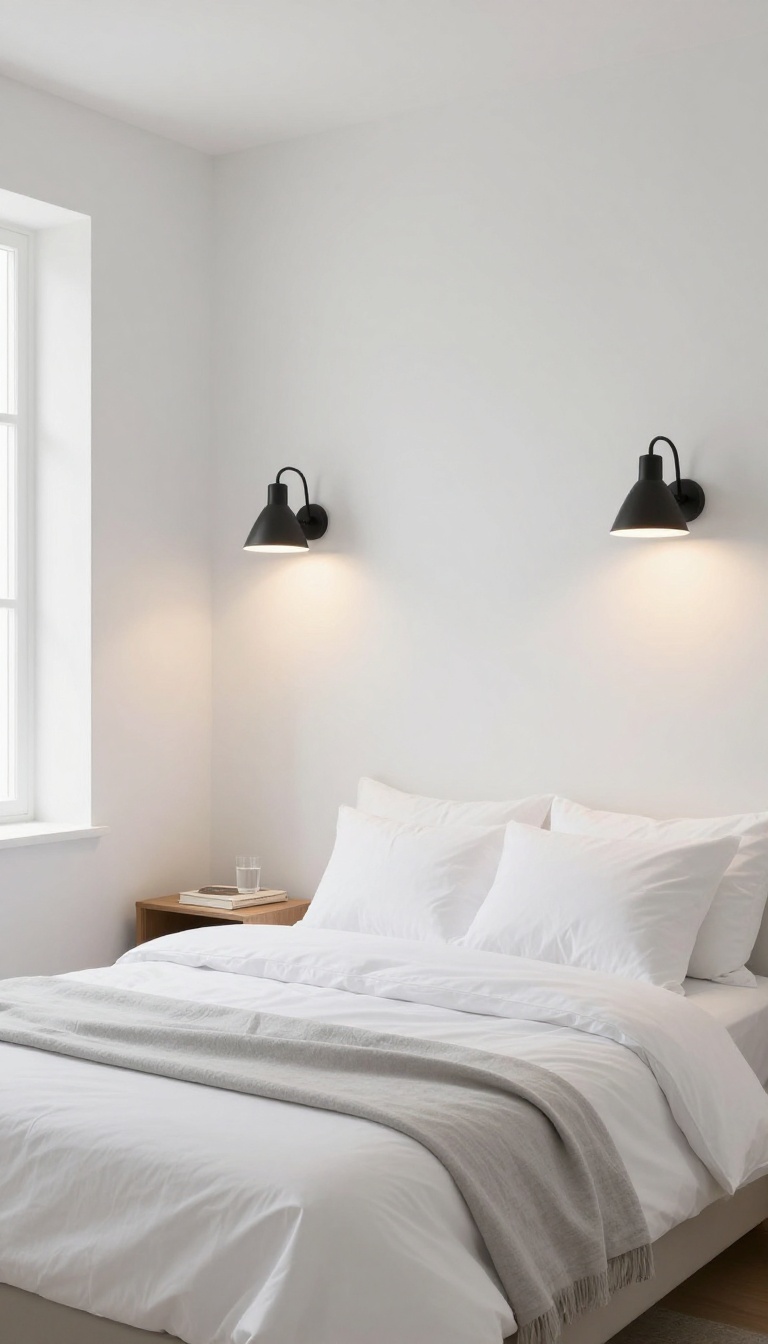
Floor lamps are space hogs. They take up valuable square footage and can clutter the visual flow of a small bedroom. Swapping them for wall-mounted sconces or pendant lights frees up the floor and keeps sightlines clean, making the room feel bigger and more open.
Wall lamps are a smart lighting solution for small bedrooms. They mount directly to the wall, so they don't compete for floor space. This simple change can make a surprising difference in how spacious the room feels.
Plus, they add a stylish, modern touch that floor lamps often miss.
Why Wall Lamps Win In Small Spaces
Floor lamps are often too tall and bulky for a small bedroom. They can make the ceiling feel lower and the room feel cramped. Wall sconces and swing-arm lamps sit at eye level or above, drawing the eye upward and making the ceiling appear higher.
They also eliminate the visual clutter of cords and bases, which helps the room feel more organized and airy.
Placement Tips For Maximum Effect
Place wall lamps on either side of the bed instead of on nightstands. This frees up the nightstand surface for books or a glass of water. For reading, choose swing-arm lamps that you can adjust to point where you need light.
If you have a low ceiling, consider flush-mounted pendant lights that hang down a few inches, adding light without taking up any floor or table space.
Styling Ideas To Match Your Vibe
Wall lamps come in a variety of styles, from sleek and modern to rustic and industrial. For a minimalist look, go with simple, unadorned sconces. If you want a touch of warmth, pick lamps with fabric shades or brass finishes.
You can also use them to highlight artwork or architectural features, adding both light and visual interest to the room.
12. Choose a Bed with a Low Footboard
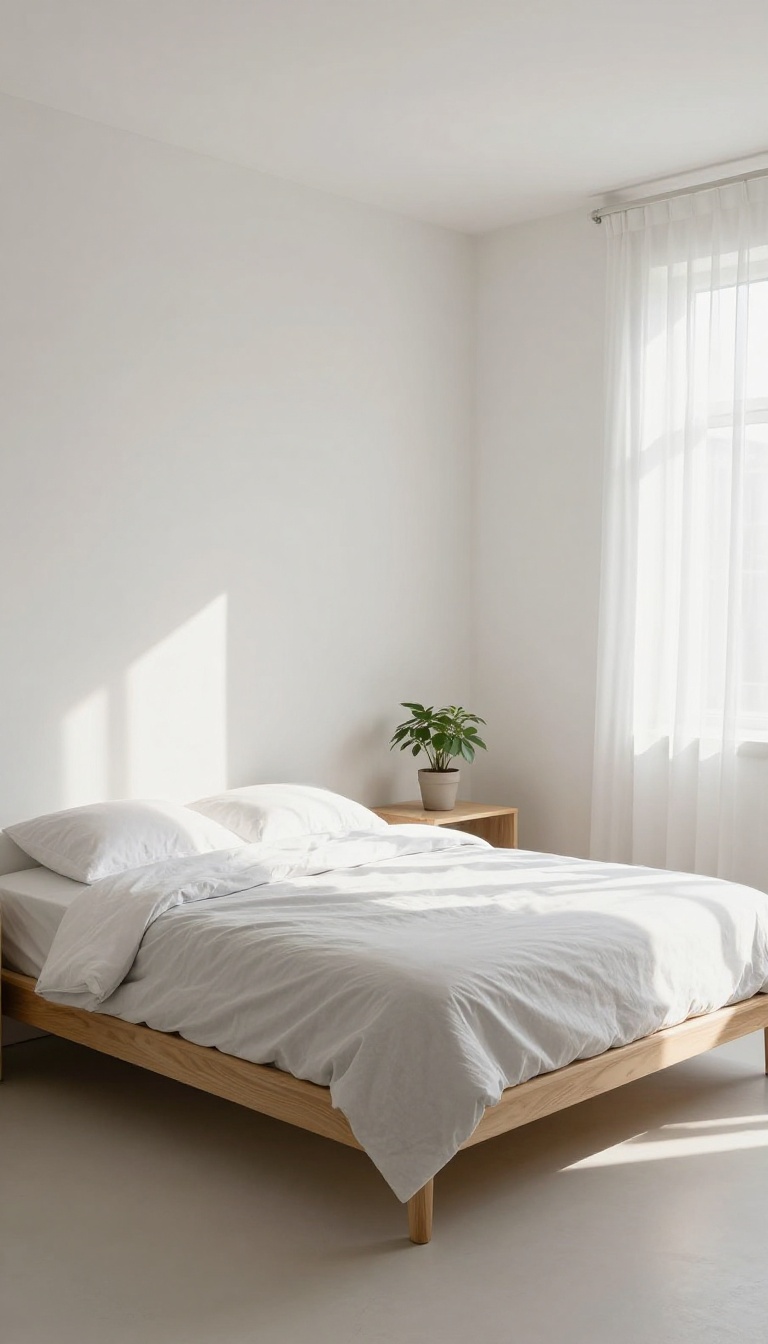
A tall footboard can make a small bedroom feel like a box. It blocks sightlines and chops the room into sections, making it seem shorter and more cramped. Switching to a bed with a low or no footboard instantly changes the visual flow, letting your eye travel the full length of the room without interruption.
When you walk into a small bedroom, your gaze naturally goes to the bed. If that bed has a bulky footboard, it acts like a wall, stopping your eye right there. The result?
The room feels smaller than it actually is. A low footboard—or none at all—removes that barrier, making the space feel longer and more open. It's a simple swap that pays off big in both looks and feel.
Why It Works
The key is proportion. A low footboard keeps the bed's visual weight low, so the ceiling feels higher and the floor seems to extend further. Without a tall obstruction, the eye can glide from the headboard to the opposite wall, creating a sense of depth.
It also makes the bed look less massive, which is perfect for a compact room.
What To Look For
When shopping, aim for a footboard that's under 12 inches high, or go with a platform bed that has no footboard at all. Sleek, modern designs with clean lines work best. Avoid ornate or heavily carved footboards, as they add visual clutter and make the room feel busy.
Styling Tips
To enhance the open feel, pair your low-footboard bed with a light-colored duvet and keep the bedding minimal. Use a bench or a storage ottoman at the foot of the bed for a practical, low-profile alternative. This adds function without reintroducing that bulky look.
13. Use a Rug That's the Right Size
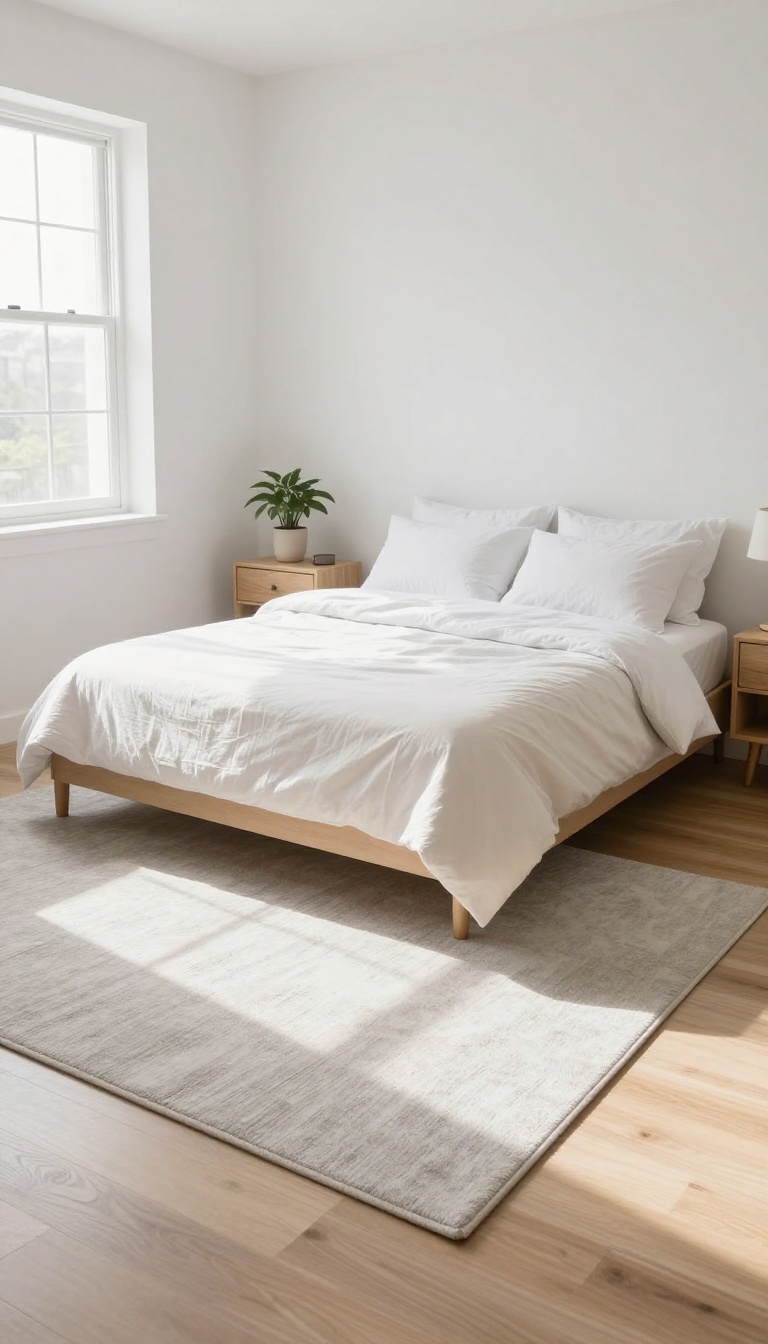
Rugs can anchor a room, but in a small bedroom, the wrong size can make things feel off. A rug that's too small looks lost, while one that's too large swallows the floor. The goal is to find that sweet spot that frames your bed and adds warmth without overwhelming the space.
When it comes to rug sizing, the general rule is to have the rug extend at least 18–24 inches beyond the sides and foot of the bed. This creates a soft landing for your feet in the morning and visually ties the bed to the floor. If your room is really tight, you can opt for a runner on each side instead, but a single area rug often works better for proportion.
Measure Before You Shop
Before you even browse rugs, measure your room and your bed. Write down the dimensions, then subtract about 2 feet from each side of the bed to get a rough rug size. For a queen bed, that often means a 6×9 or 8×10 rug, but it depends on your floor space.
A quick sketch can help you visualize how the rug will sit.
Placement Tricks For Small Rooms
If you can't get a rug that fits perfectly around the bed, try placing it horizontally under the lower two-thirds of the bed, leaving the headboard area bare. This works well in narrow rooms. Another trick is to use a round rug at the foot of the bed to soften straight lines and add a playful touch without covering too much floor.
Pattern And Color Considerations
In a small bedroom, a light-colored rug can make the floor feel more open, while a dark rug adds coziness but may shrink the space visually. Choose a pattern that complements your bedding and keep the scale of the pattern in check—large, bold prints can overwhelm a tiny room. A subtle texture or low-pile rug also keeps the space looking clean and easy to maintain.
14. Add a Slim Console Table for Extra Storage
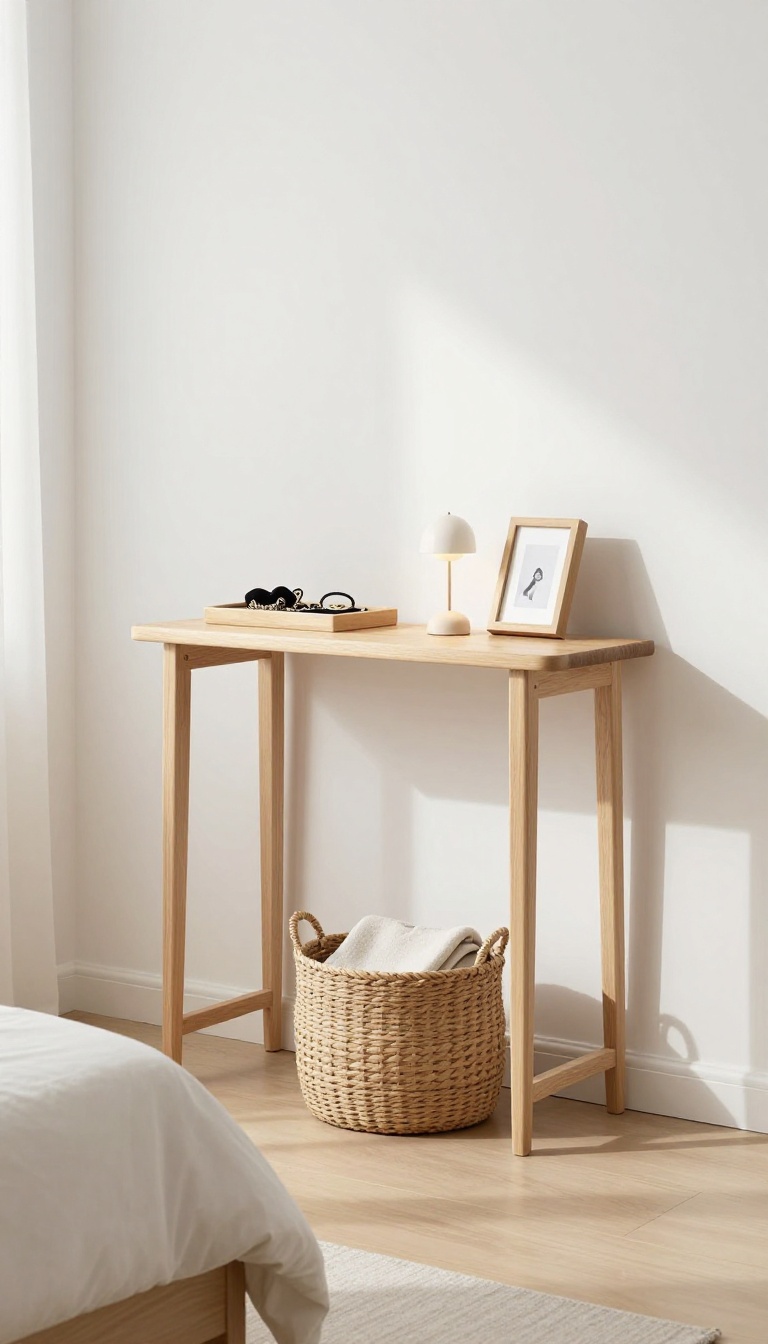
Walls often sit empty in small bedrooms, but a slim console table can turn that dead space into something useful. It adds a surface for keys, books, or decor without eating into your floor area. The trick is choosing one that’s narrow enough to keep the walkway clear, so the room still feels open and balanced.
A console table works best when it’s proportional to the wall it sits against. Measure the depth of the space—usually 10 to 12 inches works well—and pick a piece that doesn’t stick out too far. This way, you get storage and style without overwhelming the room’s proportions.
Pick The Right Width And Depth
Look for a console that’s about two-thirds the length of the wall. That leaves breathing room on each side, making the space feel intentional rather than crowded. Depth matters even more—a shallow table keeps the path open, so you can still move around comfortably.
Use Baskets Or Drawers For Hidden Storage
A console with drawers or space underneath for baskets keeps clutter out of sight. Toss in extra throws, books, or electronics, and you’ve got a tidy catch-all that doesn’t scream “storage. ” The visual weight stays low, so the room doesn’t feel boxed in.
Style It Light And Simple
Keep the top minimal—a small lamp, a tray for jewelry, or a single framed photo. Avoid piling on too many items, which can make the console look bulky. A few well-chosen pieces add personality without disrupting the room’s calm, airy feel.
15. Use Vertical Stripes in Textiles or Wallpaper
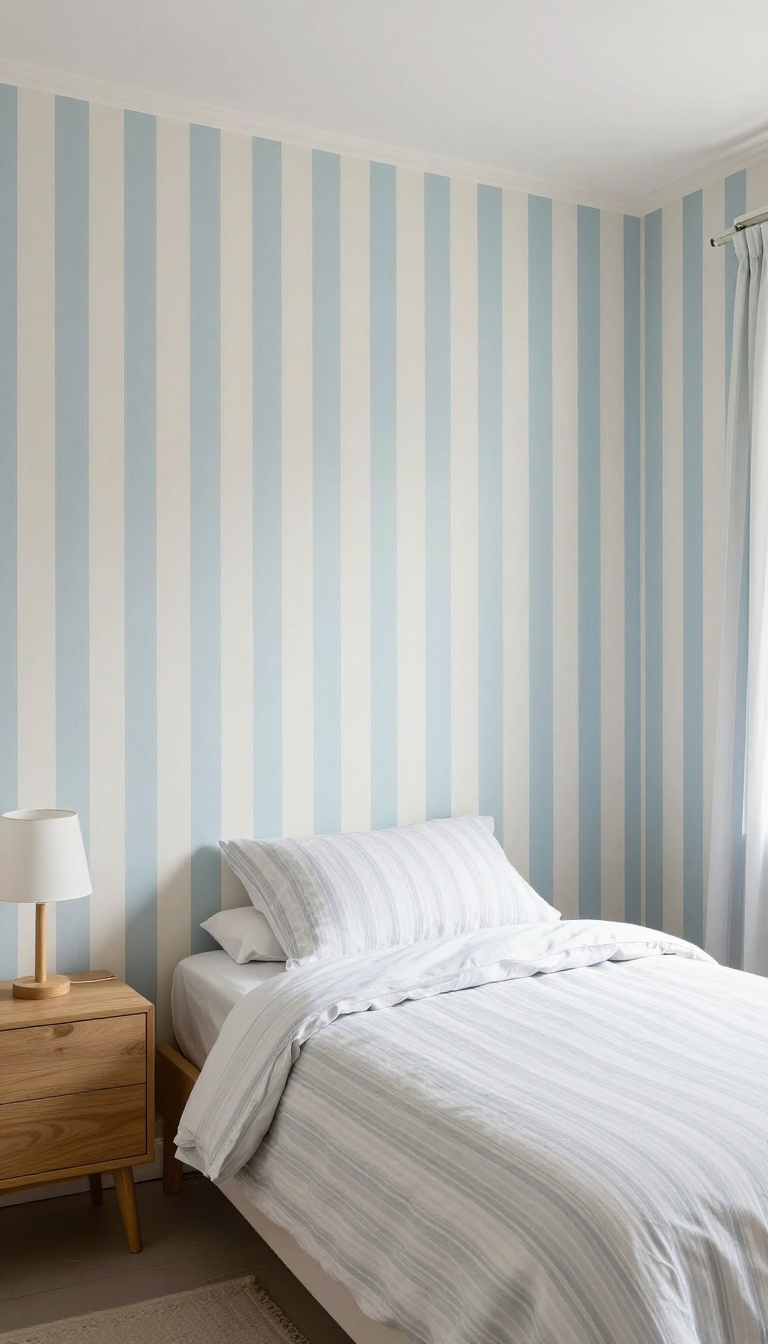
Vertical stripes are a classic trick for adding height and elegance to a compact space. They draw the eye upward, making the ceiling feel higher and the room more balanced. Whether you go bold with wallpaper or subtle with bedding, this pattern can transform the proportions of your small bedroom.
When you're working with a small room, every visual cue counts. Vertical lines create a sense of upward movement, which naturally tricks the eye into perceiving more height. This can make a low-ceilinged room feel airier and more open.
The best part? You don't have to commit to a full wall of wallpaper—there are plenty of ways to incorporate stripes without overwhelming the space.
Start With A Single Accent Wall
If you're hesitant about covering all four walls, pick one wall behind your bed. A vertical-striped wallpaper in a soft, light color can add depth without making the room feel busy. Choose stripes in shades that complement your existing palette—like pale blue and white or soft gray and cream.
This creates a focal point that draws the eye up and makes the wall feel taller.
Bring Stripes In Through Bedding And Curtains
Textiles are an easy, low-commitment way to test the trend. A duvet cover with vertical stripes in muted tones can instantly add visual interest. Pair it with floor-length curtains that have the same pattern to create a continuous vertical line.
This not only adds height but also makes the window feel larger and more prominent.
Mix Stripes With Solid Colors For Balance
Too many stripes can feel chaotic. Balance them with solid, neutral elements like a plain headboard, solid-colored throw pillows, or a simple rug. This keeps the pattern from overwhelming the room while still giving you the height-enhancing benefits.
Stick to two or three colors in total to maintain a cohesive, calm look.
FAQ
What is the best bed size for a very small bedroom?
A twin or full-size bed is often best, but a queen can work if you choose a low-profile frame and keep other furniture minimal. The key is to leave at least 2 feet of walking space around the bed.
How can I make a small bedroom look bigger without renovating?
Use light colors, add mirrors, choose multi-functional furniture, and keep the floor clear. Also, hang curtains high and wide to make the windows appear larger.
What are some storage ideas for a small bedroom?
Use under-bed storage, floating shelves, wall-mounted nightstands, and built-in wardrobes. Vertical storage is your best friend in a small space.
Should I use a dark accent wall in a small bedroom?
Dark accent walls can add depth, but they can also make the room feel smaller. If you love dark colors, use them on one wall only and keep the rest light to maintain balance.
How do I choose the right rug size for a small bedroom?
A rug should extend at least 18-24 inches beyond the sides and foot of the bed, but not cover the entire floor. For a small room, a 5×8 or 4×6 rug usually works well.
Conclusion
Proportions are the secret ingredient to making a small bedroom feel comfortable and stylish. By choosing furniture that fits the scale of your room and using visual tricks, you can create a space that feels larger than it is. Start with a few of these ideas and see how they transform your room.
You don't need a big budget or a major renovation—just a thoughtful approach to layout and design. Your small bedroom can become your favorite spot to relax.