10 Backyard Patio Furniture Ideas for Comfortable Seating
A bare patio can go from a spot you walk past to the room you never want to leave, and it usually takes one good seating choice to start the shift. The right piece changes how you use the space, not just how it looks from the kitchen window.
Maybe you want a deep sectional for lazy Sunday afternoons, or a single hanging chair that finally gives you a quiet corner. Some setups work best on a cramped balcony, while others need a wide stretch of concrete and a free weekend to assemble.
Budget matters too, so these ideas range from a bean bag you can drag inside to a built-in bench that stays put for years.
1. Modular Sectional Sofa for Flexible Lounging
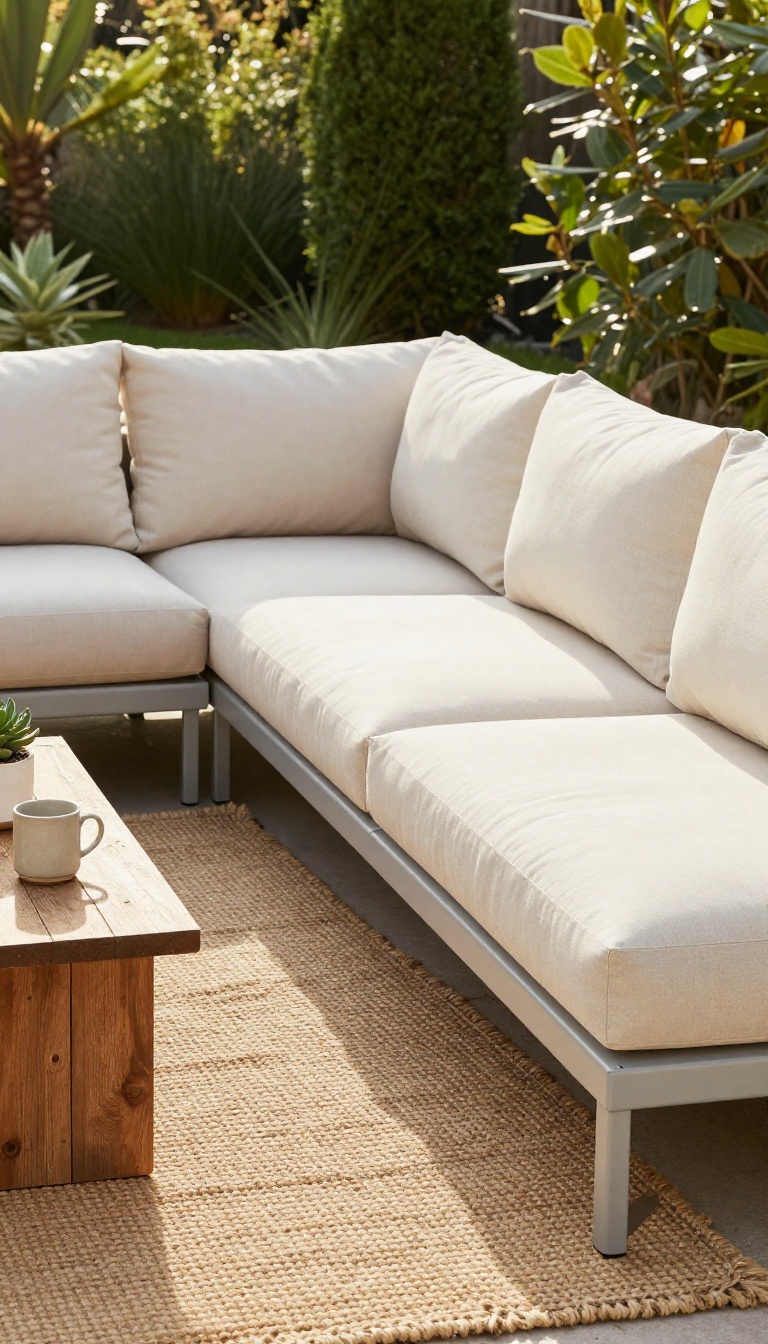
A modular sectional is the Swiss Army knife of patio seating. You can rearrange the pieces to fit a small balcony or a sprawling deck, and you can reconfigure them for movie nights, afternoon naps, or a solo cup of coffee. The deep cushions and low profile make it feel like an indoor sofa that happens to live outside.
Unlike a fixed sofa, modular pieces let you adapt as your needs change. Start with three seats and add a corner later, or split the set into separate chairs when you host a party. The flexibility means you're not stuck with a layout that stops working.
Most modular sets use weather-resistant materials like rattan, teak, or powder-coated aluminum, so they handle sun and rain without falling apart. That durability makes them a smart long-term investment for any patio.
Modular sectionals come in all shapes and sizes, from compact three-piece sets to sprawling six-piece configurations. The key is to measure your space first, then choose a set that fits without crowding. You want enough room to walk around, but not so much that the seating feels disconnected.
When you're shopping, pay attention to the cushion fill. Quick-dry foam is a game-changer because it lets water drain after a rainstorm, so you're not sitting on a soggy sponge. Also look for removable, washable covers—spills happen, and being able to toss them in the wash keeps things fresh.
Assembly is usually straightforward, with pieces that lock together or simply rest against each other. Some sets include clips or brackets to keep modules from sliding apart, which is handy if you have kids or pets. If you want to rearrange often, go for lightweight pieces that one person can move.
Finally, think about storage. If you live in a climate with harsh winters, you'll want to store cushions indoors or invest in a weatherproof cover. That extra step protects your investment and keeps the sofa looking new for years.
How To Choose The Right Size
Start by marking out your patio with painter's tape to visualize the footprint. A good rule of thumb is to leave at least 18 inches of walking space around the sofa. If you have a small space, a two-piece set with a corner works well.
For larger areas, you can add an ottoman or a chaise module for extra lounging room.
Materials That Last
Rattan and wicker are classic choices, but make sure they're UV-resistant to prevent fading. Teak weathers to a beautiful gray and is naturally rot-resistant. Aluminum frames are lightweight and won't rust, making them great for coastal areas.
No matter the material, check that cushions use quick-dry foam and that covers are removable.
Arrangement Ideas For Any Occasion
For movie nights, arrange pieces in a U-shape facing a projector screen or TV. For conversation, create a circle with a coffee table in the center. If you want a quiet reading nook, separate one module and pair it with a side table.
The beauty of modular is that you can change the layout in minutes.
2. Weather-Resistant Wicker Chairs with Plush Cushions
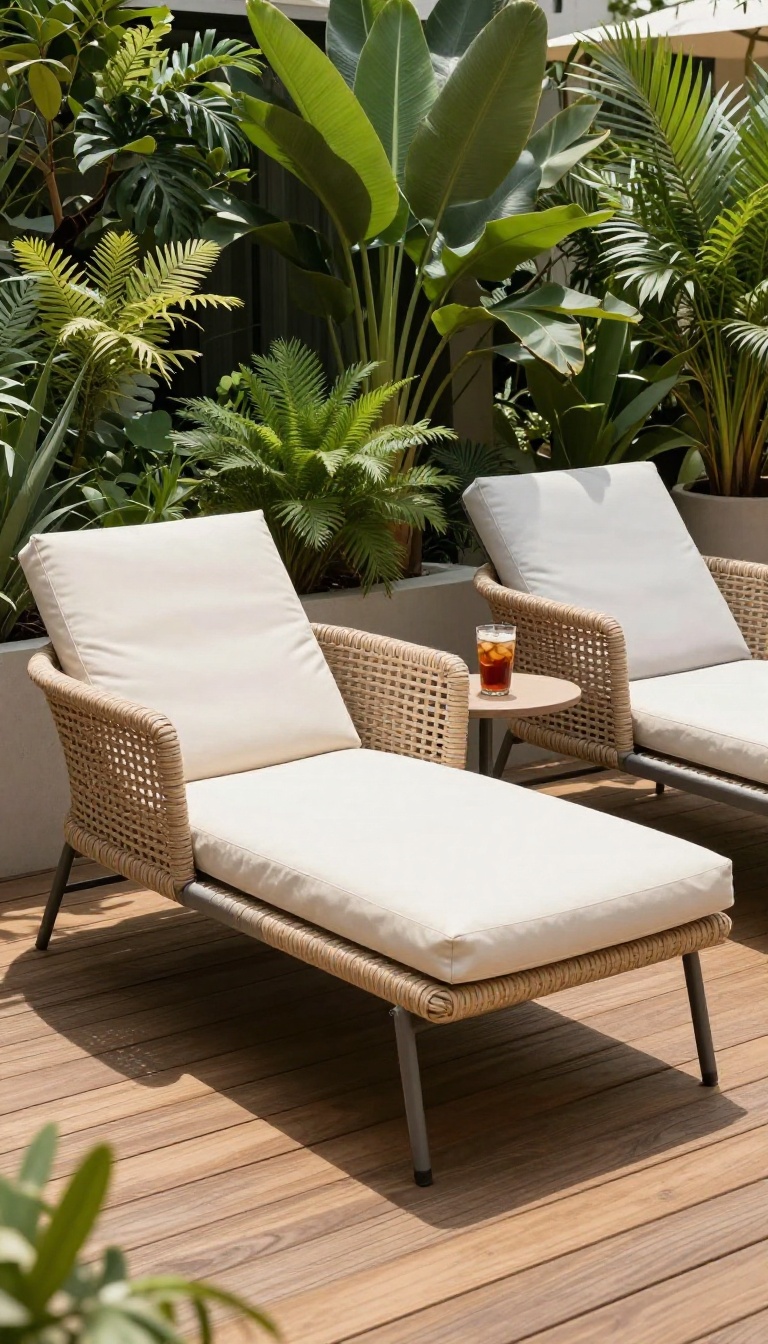
Wicker chairs have been a patio staple for decades, and for good reason. They bring a relaxed, timeless look that works with almost any outdoor style, from coastal to modern farmhouse. But the real magic happens when you pair them with thick, quick-dry cushions.
That combo gives you the comfort of indoor seating without the worry of rain or sun damage. Whether you choose natural rattan or synthetic resin, these chairs hold up season after season with minimal fuss.
The key is to pick chairs made from all-weather materials. Natural wicker looks beautiful but needs more care, while resin wicker (often called PE wicker) shrugs off rain, UV rays, and temperature swings. Look for a sturdy frame—aluminum is lightweight and rust-proof, making it a smart choice for humid climates.
Once you have the right chair, the cushion makes or breaks the comfort. Go for high-density foam wrapped in a quick-dry fabric like olefin or Sunbrella. These fabrics resist mold and fading, and they dry fast after a surprise shower.
A thick seat cushion (at least 4 inches) and a plush back pillow turn a simple chair into a spot you can sink into for hours.
Choosing The Right Wicker
Not all wicker is created equal. Natural rattan and bamboo are gorgeous but need to be brought inside during harsh weather. Synthetic resin wicker is the practical hero here—it mimics the look without the maintenance.
Check the weave: tight, uniform patterns tend to last longer. Also, lift the chair to feel its weight. A heavier piece usually means a sturdier frame, which won't wobble after a few seasons.
Cushion Care That Actually Works
Even quick-dry cushions need a little attention. Shake them out after rain to prevent water from pooling, and store them in a deck box when you're not using them for long stretches. If they get dirty, a mild soap and water solution does the trick—skip the harsh chemicals.
Rotate cushions every few weeks so they wear evenly. With basic care, a good set can last five years or more.
Styling Tips For A Cozy Look
Wicker chairs can feel a bit traditional, so mix in a few modern touches. Add a small side table for drinks, and layer in an outdoor rug to anchor the space. Throw pillows in bright colors or patterns can tie everything together.
If you have the room, place two chairs facing each other with a small bistro table between them—it's an instant conversation nook.
3. Hanging Egg Chair for a Cozy Escape
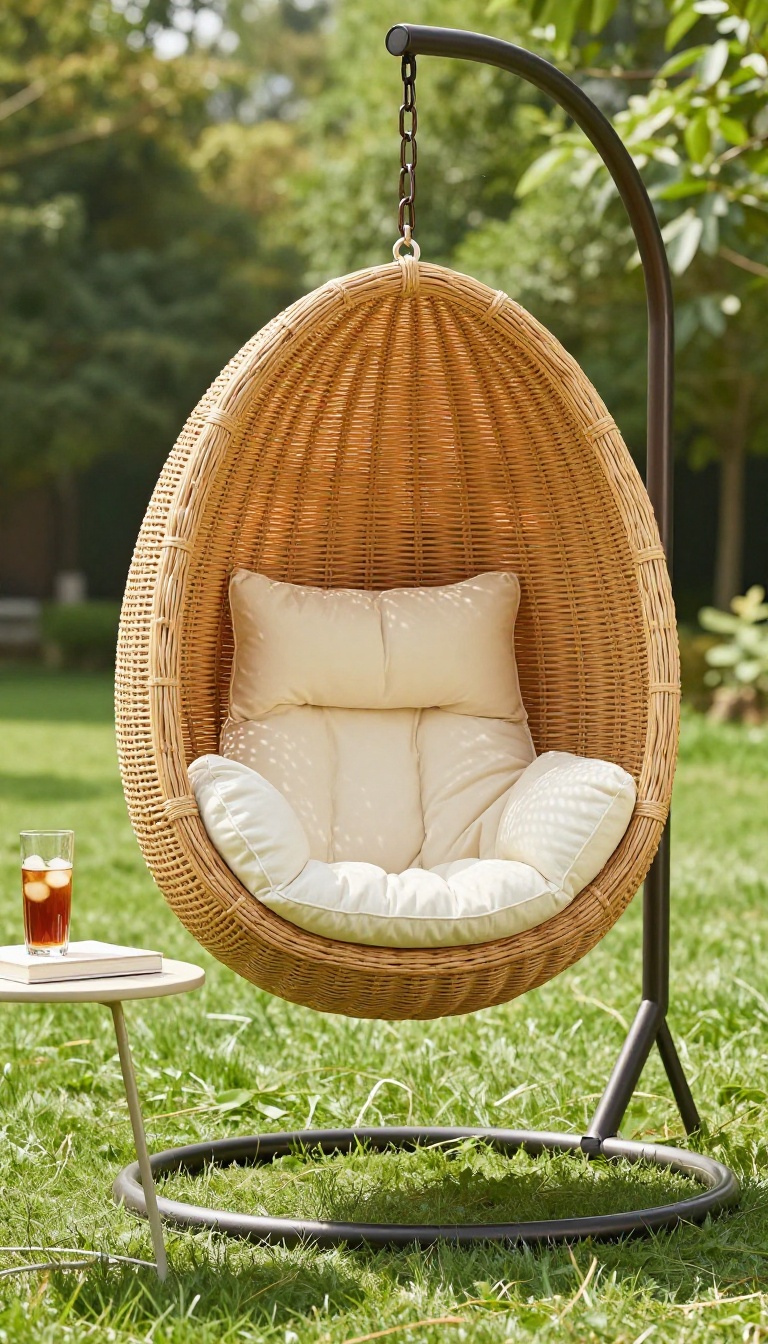
A hanging egg chair gives you that instant vacation feeling without leaving your yard. The cocoon shape wraps around you, blocking out the world just enough to make reading or napping feel like a mini retreat. It also adds a playful touch that breaks up the usual straight lines of patio furniture.
Hang one from a sturdy branch or a dedicated stand, and you've got a seat that gently sways away stress.
Egg chairs come in woven resin, rattan, or fabric, and most hang from a chain or rope. The key is finding a spot with good support—either a thick tree limb or a metal stand you can move around. Once it's up, you'll want to test the height so your feet can touch the ground when you're sitting.
A cushion and a small throw make it even cozier, and a side table within arm's reach keeps your drink from ending up on the grass.
Choosing The Right Hanging Spot
Look for a sturdy branch at least 8 inches thick, or use a freestanding stand if your trees are young. The chair should hang about 18 to 24 inches off the ground so you can get in and out easily. Keep it away from walkways so it doesn't become a hazard when someone's carrying a tray of burgers.
Materials That Handle The Weather
Resin wicker and powder-coated steel hold up best against rain and sun. Real rattan looks great but needs a covered spot or regular conditioning. If you live in a windy area, choose a chair with a heavier base or bring the cushion inside during storms.
Making It Extra Comfortable
Add a thick seat cushion and a lumbar pillow for support. A cup holder that clips to the frame keeps drinks steady while you sway. For cooler evenings, drape a soft blanket over the back so it's ready when the temperature drops.
4. Convertible Daybed for Sunbathing and Naps
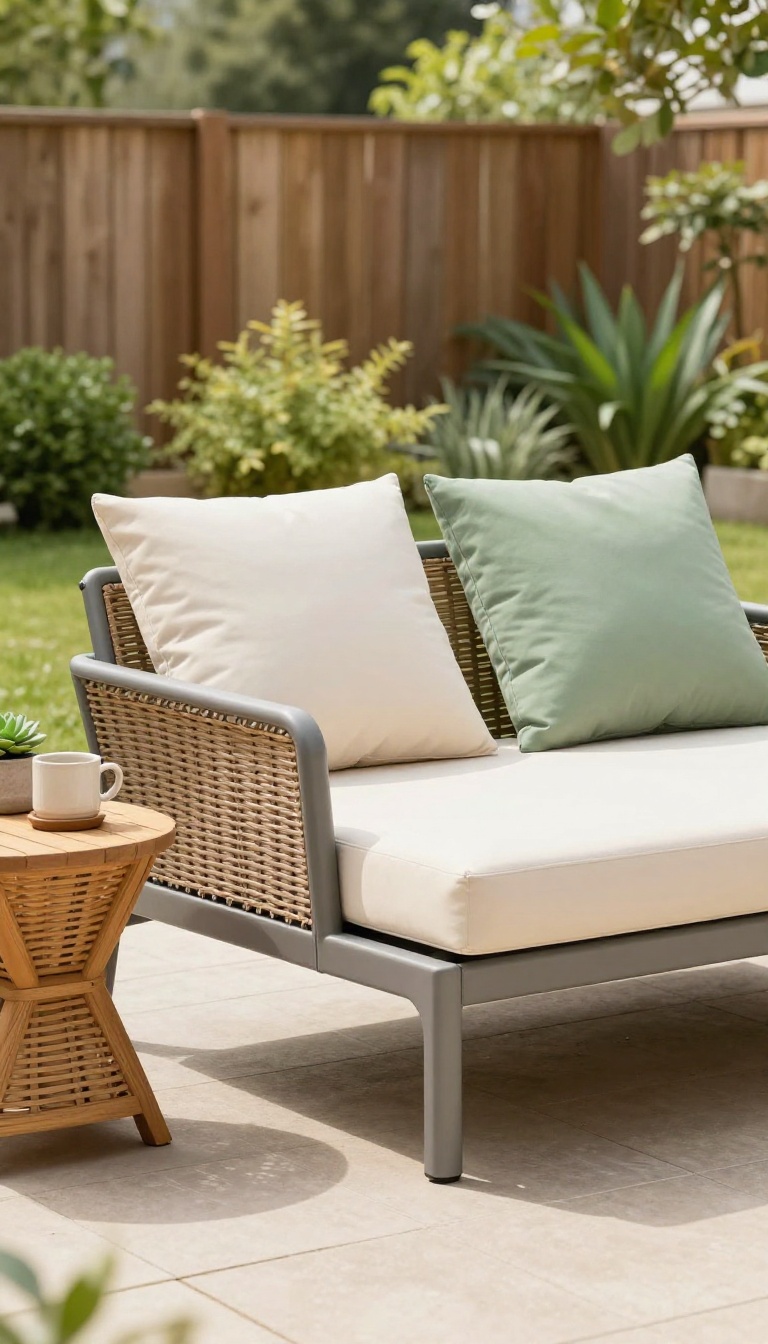
A convertible daybed might be the most flexible piece of patio furniture you can own. It shifts from a flat lounger for sunbathing to an upright sofa for reading or chatting, all in one smooth motion. That kind of dual-purpose design means you get more use out of your patio without crowding it with separate pieces.
The magic of a convertible daybed is in the backrest. Most models use an adjustable hinge system that lets you set the angle anywhere from fully flat to nearly vertical. So you can lie back and soak up the sun, then pop it up when a friend drops by for coffee.
Some even have a split backrest, so one side stays flat while the other sits up—perfect for couples with different ideas about relaxation.
Why It Works For Small Patios
If your patio is tight on space, a convertible daybed pulls double duty. You don't need a separate chaise and a sofa; one piece covers both. That leaves room for a side table, a plant, or just a little breathing room.
It's a smart pick for balconies, courtyards, or any spot where every square foot counts.
Materials That Handle The Weather
Look for a frame made from powder-coated aluminum or weather-resistant resin wicker. Both stand up to sun and rain without rusting or fading. For the cushion, choose a quick-dry foam wrapped in solution-dyed acrylic fabric.
It resists mildew and holds its color season after season. Teak is another solid option if you don't mind a little maintenance.
Making It Guest-ready
When you need extra seating for a gathering, a convertible daybed can act like a sofa. Set it upright and add a couple of throw pillows for back support. It comfortably seats two or three people.
At the end of the night, lay it flat again and you have a cozy spot for stargazing or a nap. No need to rearrange furniture or drag out folding chairs.
5. Adirondack Chairs with Hidden Comfort Upgrades
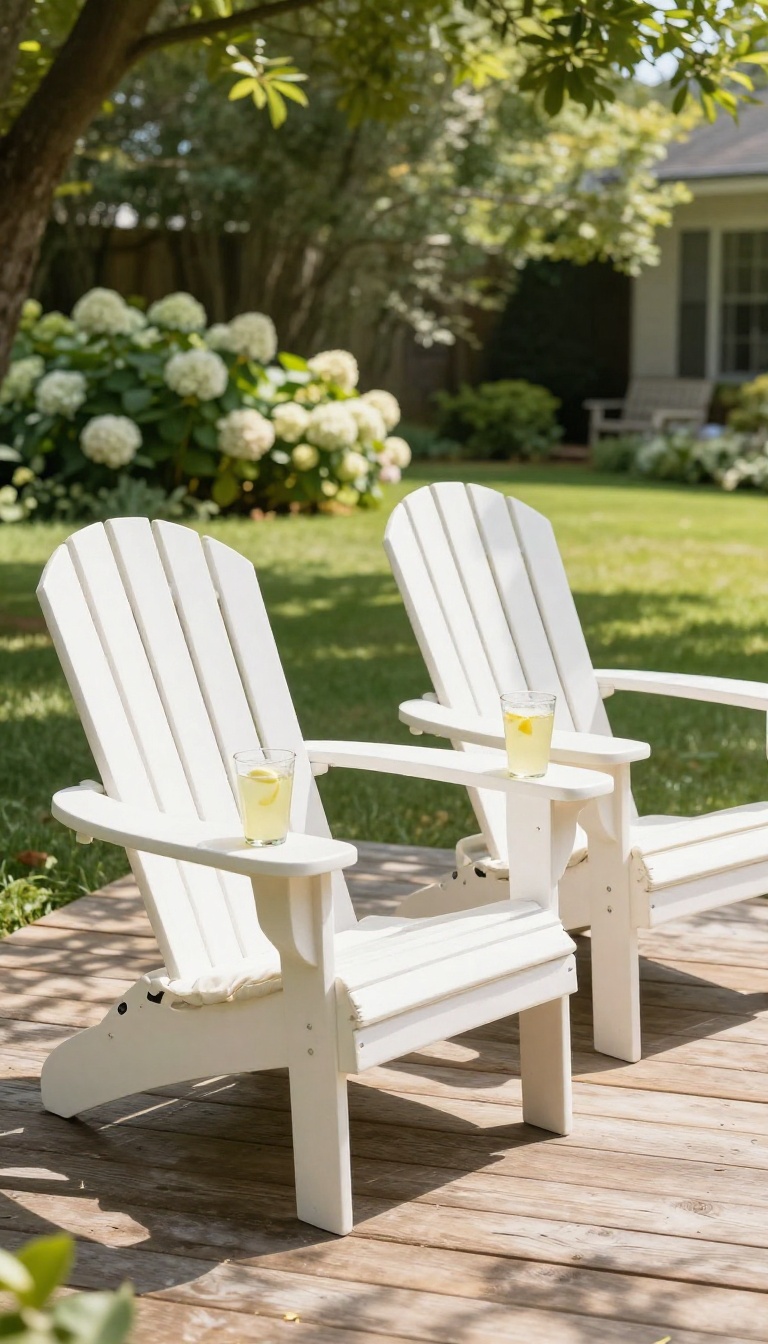
The classic Adirondack chair has a reputation for being charming but not exactly plush. Its steep back and wide arms look great, yet the original design wasn't built for hours of lounging. That's where the new wave of upgraded Adirondacks comes in.
They keep the iconic silhouette but add smart touches that make long sits actually enjoyable.
You no longer have to sacrifice comfort for that timeless look. Today's Adirondack chairs come with contoured seats that cradle your body, armrests with built-in cup holders, and even add-on cushions that turn a simple chair into a cozy retreat. These small changes make a big difference when you're sipping lemonade on a lazy afternoon or hosting a backyard barbecue.
Contoured Seats And Backs
Traditional Adirondacks have a flat seat and a straight back, which can feel rigid after a while. Upgraded versions feature a gentle curve in the seat and a slightly reclined back that follows your spine. This ergonomic shape supports your lower back and encourages you to sink in rather than perch on the edge.
Look for chairs with a waterfall front edge, which reduces pressure behind your knees. These subtle contours make a world of difference for reading, chatting, or just watching the clouds.
Cup Holders And Armrest Upgrades
One of the most practical additions is a cup holder built right into the armrest. No more balancing your drink on the ground or clutching it while you try to relax. Some models even include a small slot for your phone or a built-in bottle opener.
Wider armrests also give you a comfortable place to rest your elbows or set down a snack plate. These little conveniences keep you seated longer and make the chair feel more like a personal command center.
Add-on Cushions For Extra Softness
If you want cloud-like comfort, add a cushion designed specifically for Adirondack chairs. These cushions are usually contoured to match the seat and back, with ties to keep them in place. Look for quick-dry foam and fade-resistant fabric so they can handle sun and rain.
A seat cushion alone can transform the feel, but a full set with a back cushion gives you that wrapped-in-warmth sensation. Just remember to bring them inside during heavy storms to extend their life.
6. Hammock with Stand for Instant Relaxation
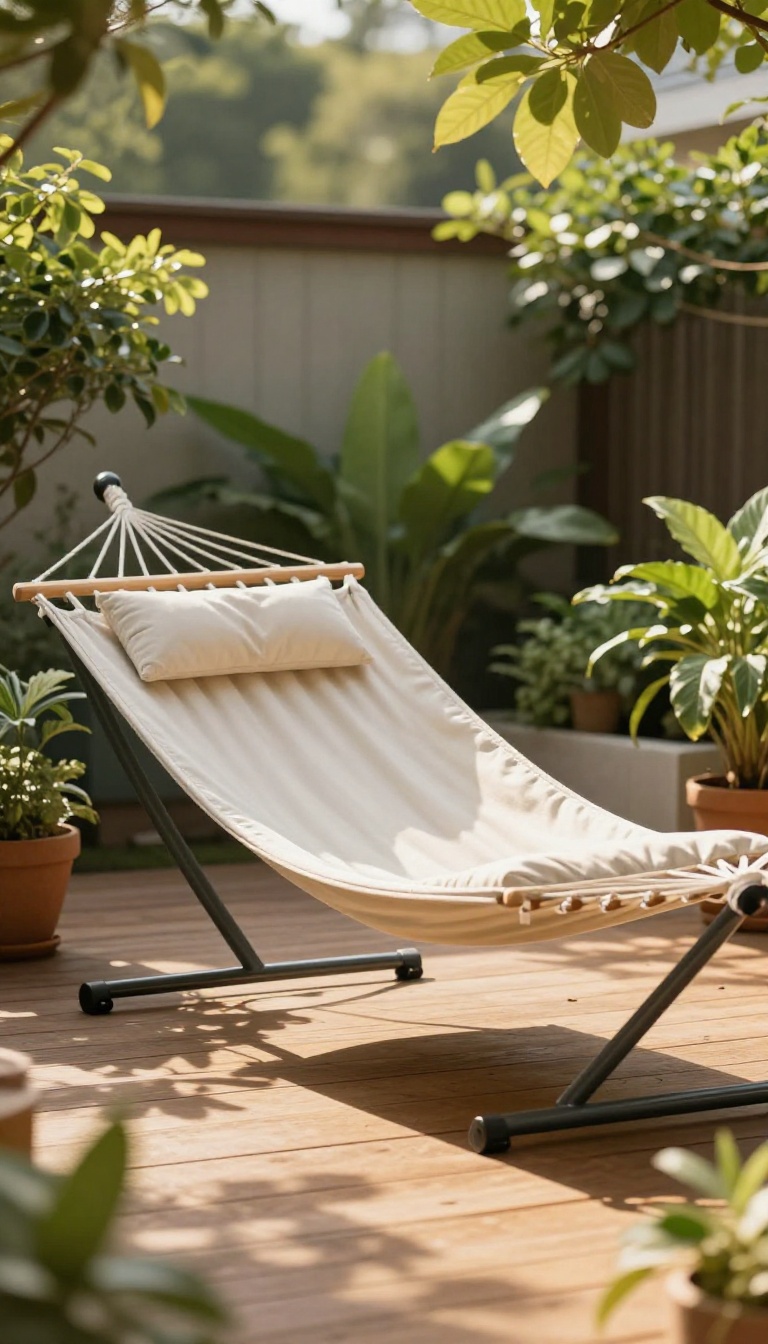
A hammock with its own stand skips the whole tree-hunting problem. You can set it up on a patio, a deck, or even a patch of grass, and it turns that spot into a full-body lounge in minutes. The gentle sway and the way the fabric cradles you make it feel like a mini getaway.
It’s a simple upgrade that delivers serious comfort without any permanent construction.
Hammocks used to be a hassle because you needed two sturdy trees spaced just right. A freestanding stand solves that, so you can put a hammock almost anywhere. That means more people can enjoy one, whether you have a tiny balcony or a big open patio.
Most stands are made from steel or wood and assemble with basic tools. Once it’s up, you just hang the hammock and you’re done. No drilling, no anchoring, and you can move it around whenever you want a change of scenery.
The comfort is different from a chair. The fabric supports your whole body, so pressure points disappear. That’s why people often fall asleep in them without meaning to.
Choosing The Right Stand
Stands come in a few shapes, and the right one depends on your space. A simple C-stand has a single curved arm and works well for sitting sideways. An arc stand uses two curved legs and gives you a more traditional hang.
A universal stand is usually the most adjustable and fits many hammock lengths. Check the weight capacity before you buy. Most stands hold 250 to 450 pounds, but it’s smart to match it to the people who will use it.
Also look at the footprint. Some stands are long, so measure your patio or deck to make sure it won’t crowd your other furniture.
Picking A Hammock That Fits
Hammocks come in fabric, rope, and quilted styles. Fabric hammocks are soft and pack down small, which is great if you want to store it in winter. Rope hammocks have a classic look and breathe well in hot weather.
Quilted hammocks add a layer of padding and feel more like a bed. For a stand, you’ll want a hammock that’s designed for one. Look for a spreader bar or a specific length that matches your stand.
A hammock that’s too long can drag, and one that’s too short won’t hang comfortably. Most sets sold together take the guesswork out.
Where To Put It
Shade is your friend here. A hammock in full sun gets hot and uncomfortable fast, so aim for a spot under a tree, an awning, or a pergola. If you don’t have shade, a stand with a canopy attachment can help.
You also want a little room to sway. Give the hammock a couple of feet of clearance on each end so it doesn’t bump into walls or railings. On a small balcony, a stand that’s compact and a hammock that hangs closer to the ground can still work.
Just test the swing before you settle in.
7. Bar-Height Seating for Small Patios and Views
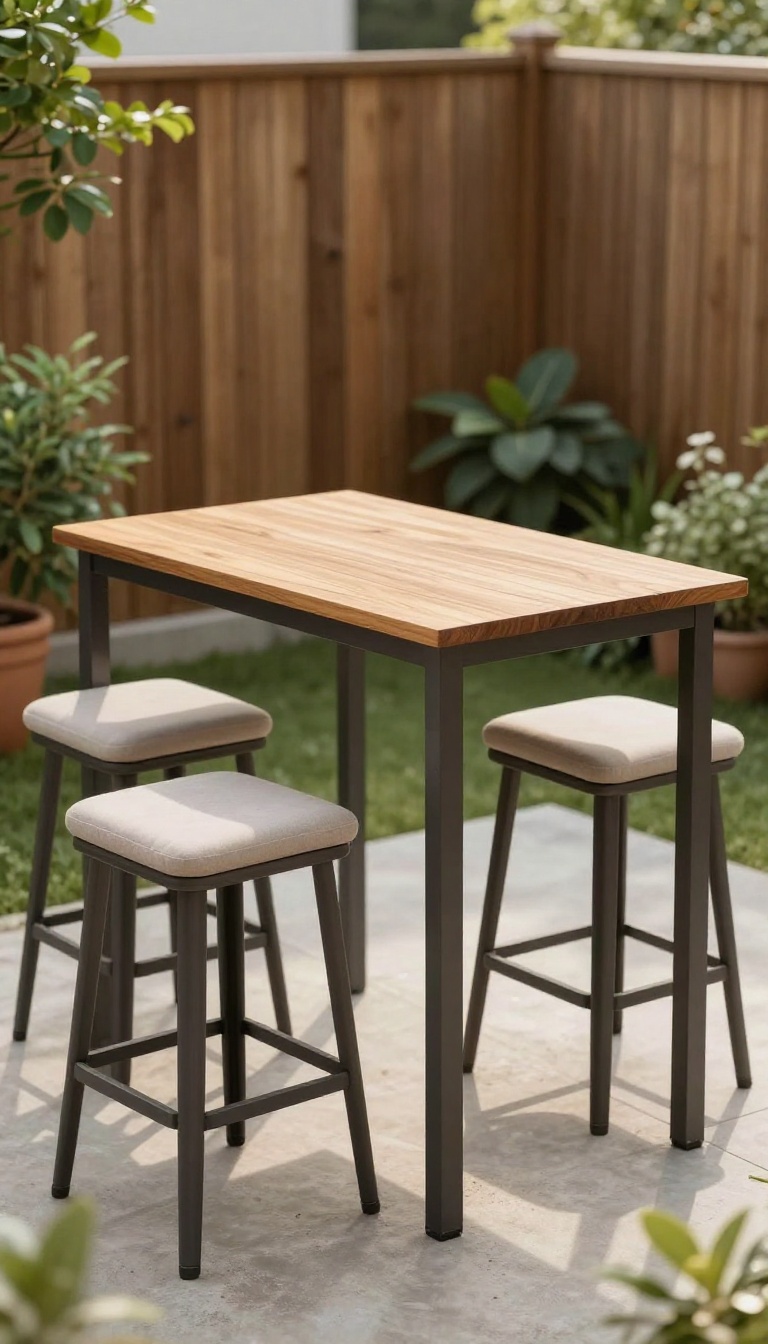
Bar-height seating flips the usual patio setup on its head. Instead of spreading out, you go up—and suddenly a tiny slab of concrete feels like a front-row seat. It’s a smart move when floor space is tight but you still want a spot to sip coffee or unwind with a drink.
The magic here is vertical. A slim bar table and a couple of stools take up about as much room as a single lounge chair, yet they give you a dedicated place to perch. You’re not lounging, but you’re not standing either—it’s a happy middle ground.
And because you’re elevated, you get a better view. That could mean watching the sunrise over a fence, keeping an eye on the kids in the yard, or just feeling a little more connected to the street below. It’s a small change with a big payoff.
Why Bar Height Works In Tight Spaces
When your patio is more postage stamp than plaza, every inch counts. Bar-height furniture keeps the footprint small by stacking function vertically. You get seating and a surface without needing a full dining set.
Plus, the open space underneath makes the area feel less cluttered. You can tuck the stools away when you’re not using them, or leave them out as a casual invitation to sit.
Choosing The Right Stools
Not all bar stools are created equal. For a patio, look for ones with a seat height around 28 to 30 inches if your table is standard bar height. Counter-height stools (24 to 26 inches) work if you go with a slightly lower table.
Material matters too. Powder-coated aluminum, teak, or all-weather wicker hold up well against the elements. If you want comfort, add a cushion—just make sure it’s quick-drying and fade-resistant.
Table Options That Fit The Bill
A slim bar table is the anchor. Look for one that’s narrow—think 24 to 30 inches deep—so it hugs a wall or railing. Round tops save space and make it easier to slide in and out.
If you’re really tight on room, consider a wall-mounted drop-leaf table. It folds down when you don’t need it, giving you back your patio for other things. Some even come with a built-in planter or storage shelf underneath.
Making It Comfortable For Long Sits
Bar stools aren’t known for all-day comfort, but you can change that. Add a backrest and a footrest—both make a huge difference. A small outdoor rug underfoot also softens the vibe and keeps your feet from getting cold on cool mornings.
For evening drinks, hang a string of lights overhead or set a lantern on the table. The goal is to make this tiny perch feel like a destination, not just a place to perch for five minutes.
8. Built-In Bench with Storage and Cushions
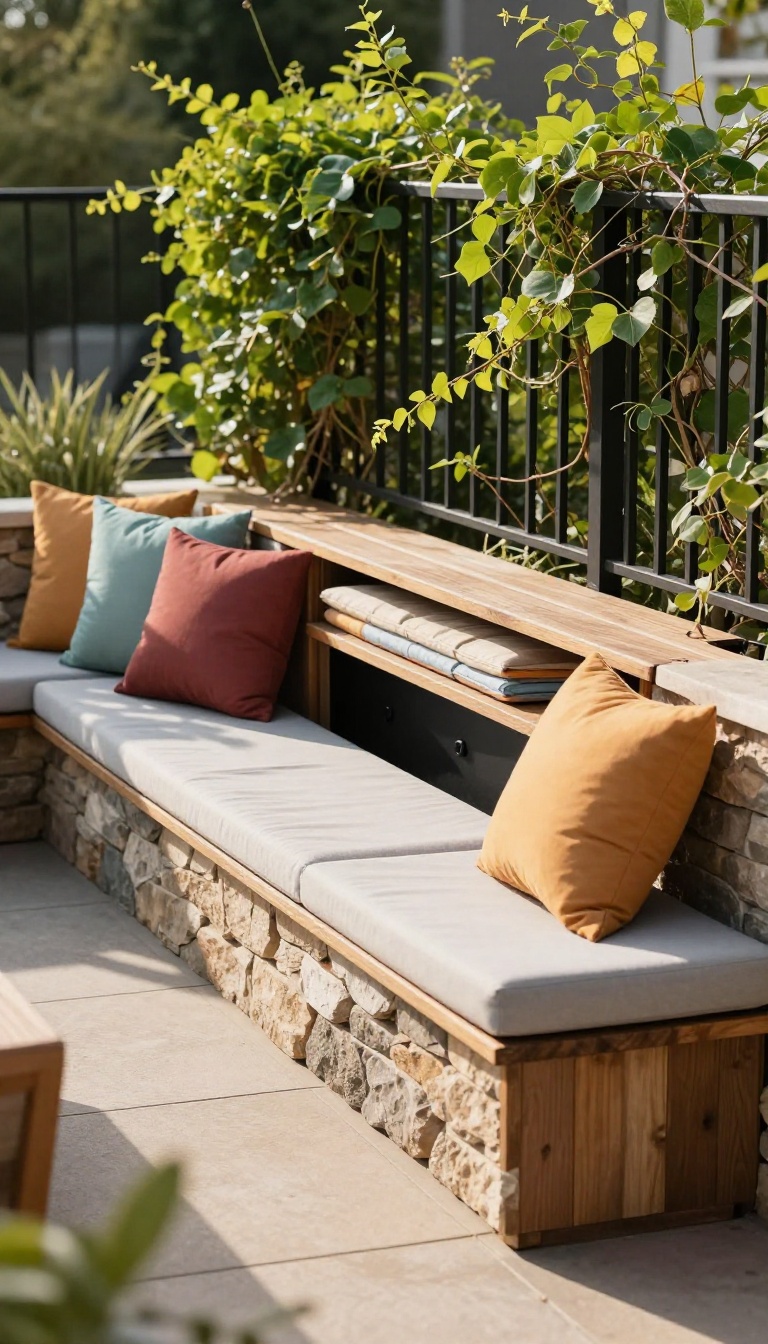
A built-in bench turns dead wall space into real seating, and the storage underneath keeps your cushions from turning into a soggy mess. You can build one from scratch or buy a prefab unit that fits along a railing or fence. Either way, you get sturdy seating that doesn't budge when you plop down.
The best part is that everything stays right where you need it. No more hauling cushions in and out of the garage every time the sky looks gray. Just lift the lid, grab what you need, and you're sitting pretty in seconds.
Why Hidden Storage Wins
Cushions are the first thing to get ruined by rain, sun, and critters. A bench with a sealed compartment keeps them dry and clean without cluttering your patio. It also gives you a spot for small tools, grill accessories, or kids' toys that usually end up scattered around.
Custom Build Vs. Prefab
A custom bench lets you match the exact length of your wall and choose the wood or composite that fits your style. Prefab options are cheaper and faster, often made from weather-resistant resin or metal. Measure your space first, then decide how much DIY you actually want to take on.
Cushion And Comfort Tips
Go for cushions with quick-dry foam and removable, washable covers. A slight slope on the seat and a backrest angle around 15 degrees make a huge difference for lounging. Add a few throw pillows for color, but keep them inside when you're not using them.
9. Oversized Bean Bag Chairs for Casual Comfort
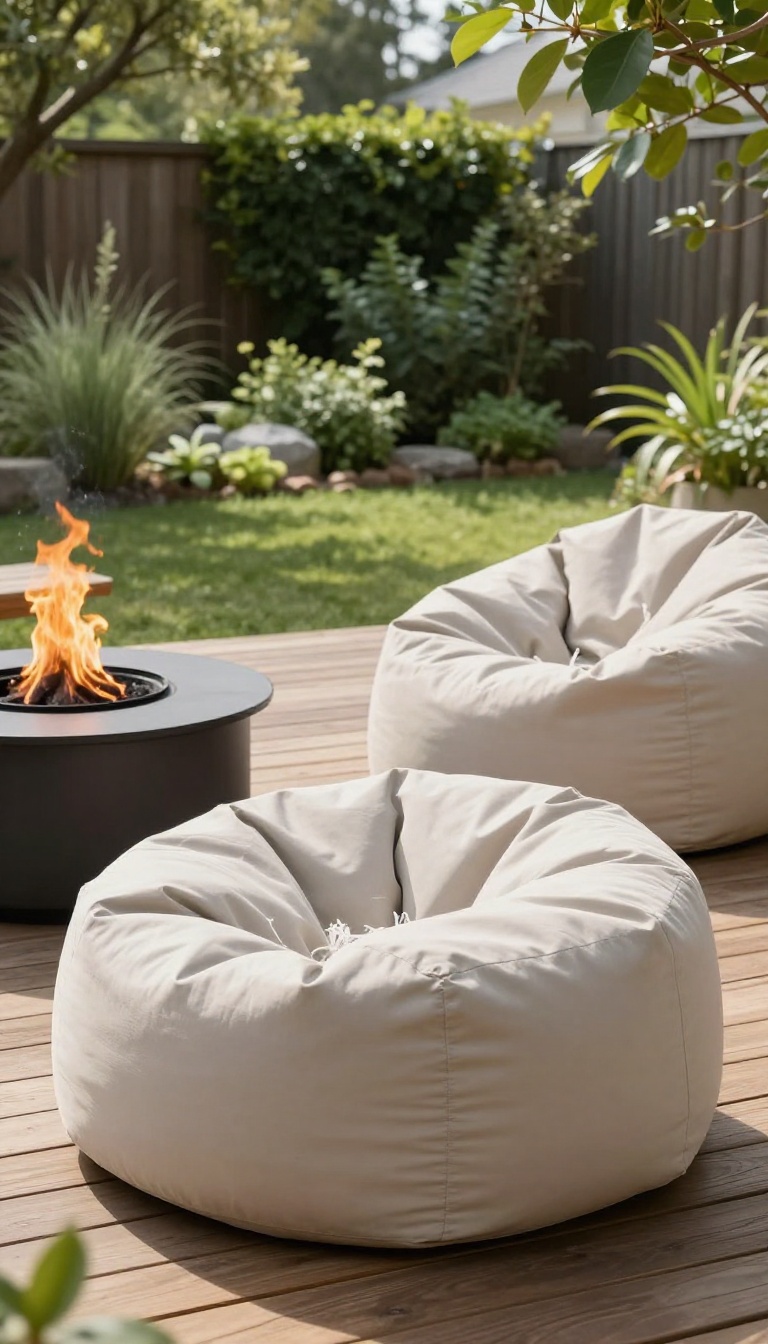
Oversized bean bag chairs bring a laid-back, sink-in feel that traditional patio furniture can't match. They're soft, roomy, and easy to move around, so you can rearrange your outdoor space on a whim. For casual hangouts or solo afternoons, they deliver comfort without the fuss.
These aren't the flimsy bean bags from your childhood. Today's outdoor versions are built with tough, weather-resistant covers and filled with shredded foam or expanded polystyrene beads that hold their shape. They come in sizes big enough for two people or one person who likes to sprawl.
Because they're lightweight, you can drag them into the shade, out of the sprinkler's path, or inside when a storm rolls in.
What To Look For In An Outdoor Bean Bag
The cover matters most. Look for solution-dyed acrylic, marine-grade vinyl, or heavy-duty polyester with a UV-resistant coating. These fabrics resist fading, mildew, and moisture.
Also check the fill: shredded memory foam gives a softer, more supportive sit, while polystyrene beads feel lighter and springier. A double-stitched seam and a hidden zipper keep the fill secure and let you top it off later.
Arranging For Lounging And Gatherings
Bean bags work best in clusters. Toss three or four around a low fire pit or a small side table for a conversation circle that feels relaxed. For solo lounging, pair one with a lightweight ottoman or a folding tray for drinks.
Since they have no hard frame, you can stack them in a corner when not in use or move them to follow the sun throughout the day.
Keeping Them Clean And Fresh
Most outdoor bean bag covers wipe clean with a damp cloth and mild soap. For deeper cleaning, unzip the cover and machine wash it on a gentle cycle, then air dry. Avoid putting the fill in the wash.
If the bag gets soaked, empty the fill into a dry bin, let it air out, and reassemble once everything is dry. Store indoors during long rainy spells to extend its life.
10. Rocking Chairs for Gentle Motion and Charm
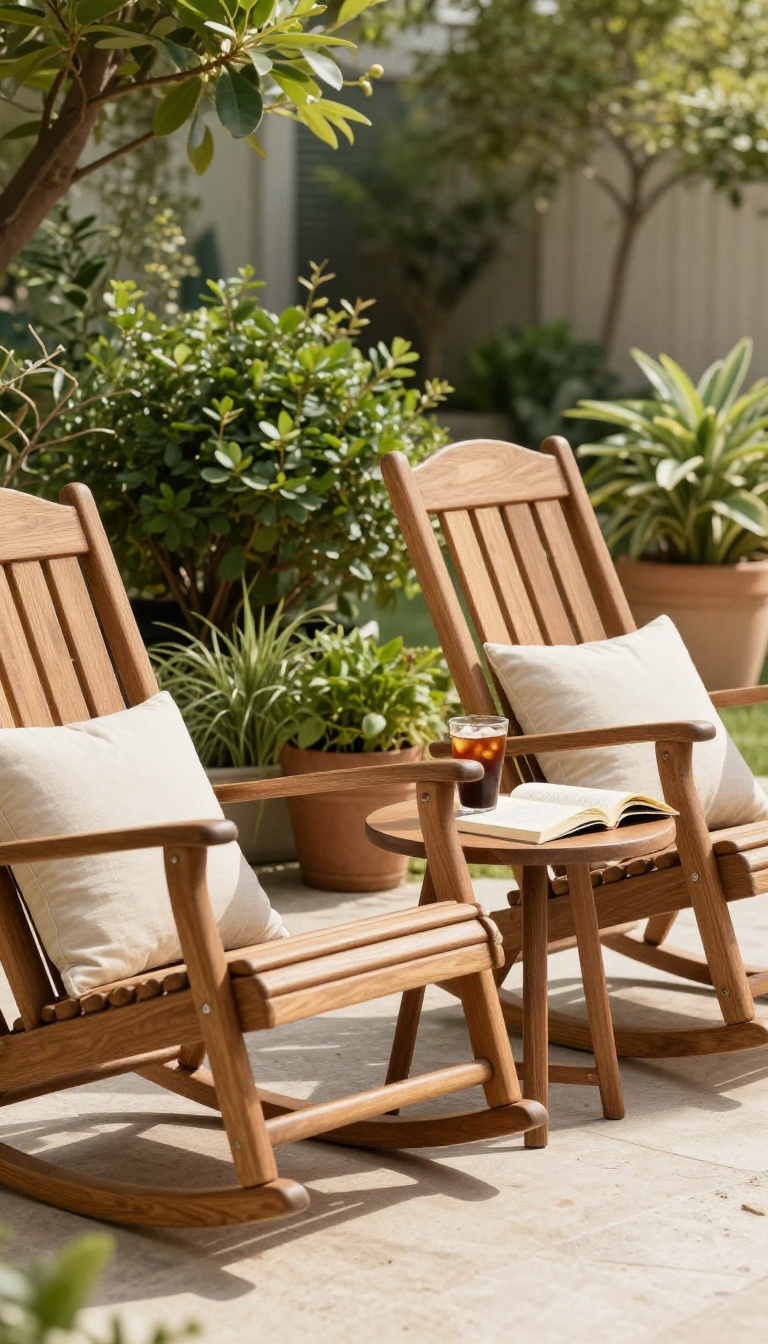
Rocking chairs bring a slow, soothing rhythm to any patio. They invite you to sit back, push off gently, and let the day unwind. A pair placed side by side turns your outdoor space into a spot for easy conversation or peaceful alone time.
There's a reason rocking chairs have stuck around for centuries. The motion is calming, almost meditative, and it makes even a short break feel like a mini retreat. On a patio, they add a touch of old-fashioned charm without sacrificing comfort.
You can go traditional with slatted wood or choose modern designs with weather-resistant materials. Either way, the gentle back-and-forth motion is the main draw. It's perfect for reading, sipping coffee, or just watching the clouds.
Choosing The Right Rocking Chair
Think about where you'll place them. A covered porch or a spot under a pergola will protect wood and cushion fabrics from harsh sun and rain. If your patio is fully exposed, look for powder-coated aluminum, teak, or high-density polyethylene (HDPE) — all tough against the elements.
Also consider the rocker's curve. A deeper arc gives a more pronounced motion, while a shallow one feels subtler. Sit in a few if you can, or read reviews to gauge the rock.
And don't forget armrests — they make getting in and out easier, especially as you get older.
Styling A Rocking Chair Pair
Two rockers side by side create a natural conversation area. Angle them slightly toward each other for a cozy, intimate feel. Add a small side table between them for drinks, books, or a citronella candle.
For a classic look, choose matching chairs in a natural wood tone. For a more eclectic vibe, mix a painted rocker with a stained one. Cushions or a throw blanket in a bright color can tie them together and add comfort.
Just make sure any cushions are made for outdoor use so they dry quickly.
Comfort And Care Tips
Rocking chairs are comfortable on their own, but you can upgrade with a lumbar pillow or a seat cushion. Look for quick-dry foam and fade-resistant fabric. If you go with wood, treat it once a year with a sealant to prevent cracking.
During off-season or heavy rain, bring cushions inside. A cover can protect the chairs themselves, but make sure it's breathable to avoid trapped moisture. With a little care, a good rocking chair can last for decades — and become the most fought-over seat on the patio.
FAQ
What's the most comfortable patio furniture material?
Cushioned wicker, teak, and powder-coated aluminum with thick, quick-dry foam cushions tend to be the most comfortable and durable for outdoor use.
How do I keep patio cushions from getting moldy?
Choose quick-dry foam and solution-dyed acrylic fabrics, and store cushions in a dry box or bring them inside during heavy rain.
Can I use indoor furniture on a covered patio?
You can, but it will wear faster. Indoor pieces lack UV and moisture protection, so they're best for fully covered, climate-controlled spaces.
What size patio furniture fits a small space?
Look for modular pieces, bar-height sets, or folding chairs that tuck away. Measure your patio and leave at least 24 inches of walkway.
How often should I replace patio furniture?
Quality outdoor furniture lasts 5 to 15 years depending on material and care. Cushions may need replacing every 2 to 4 years.
Conclusion
Comfortable patio seating rarely comes from a single shopping trip. It grows out of paying attention to how you actually use the space, then fixing the thing that bugs you most, whether that is shade, storage, or a spot to set your drink. Pick one idea from this list and try it this weekend.
Live with it for a season, swap what is not working, and add the next piece when you are ready. The best backyard setup is the one you keep walking out to use.