10 Small Bedroom Ideas Worth Trying in Tight Modern Spaces
Working with a small bedroom can feel like a constant game of Tetris. You want it to feel cozy, not cramped, and stylish without sacrificing function. The good news?
You don't need a huge budget or a full renovation to make a big difference. These 10 ideas focus on smart, realistic changes that respect your space and your wallet.
Whether you're renting or own your place, each tip is designed to be easy to try this weekend. Let's dive into practical ways to make your small bedroom feel bigger, brighter, and more you.
1. Go Vertical with Floating Shelves
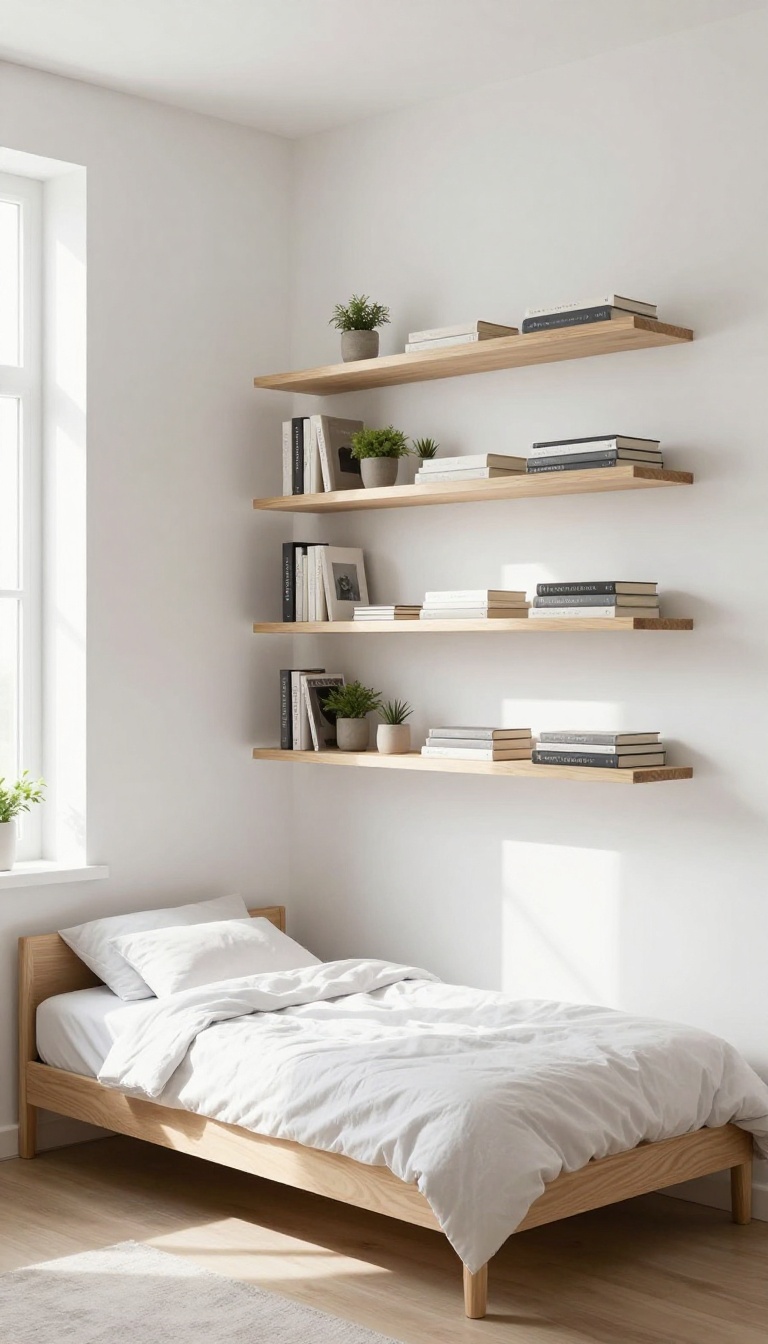
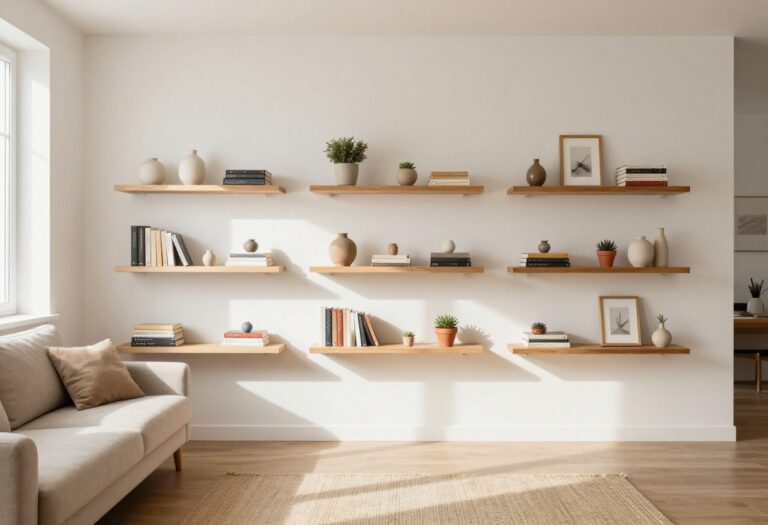
When floor space is tight, the walls become your best friend. Floating shelves are a simple, stylish way to lift storage off the ground and make your room feel less cluttered. They're perfect for books, plants, or a few favorite pieces that add personality without taking up precious square footage.
Floating shelves do more than just hold things—they draw the eye upward, making your ceiling feel higher and the room more open. The key is to place them where they're both useful and visually balanced, like above the bed, beside a window, or in an otherwise empty corner. Mixing different lengths and heights creates a dynamic look that feels curated, not chaotic.
Where To Put Them
The spot above your bed is a classic choice, especially if you're short on nightstand space. Install a pair of shelves on either side to hold your glasses, phone, and a small lamp. Another great option is the space above a door or along a narrow wall that's too tight for furniture.
Just make sure they're anchored into studs or use heavy-duty drywall anchors—safety first.
What To Store
Think beyond books. Use floating shelves to display folded sweaters, baskets with odds and ends, or a small collection of plants. In a bedroom, you might keep your everyday items within reach—like a water bottle, a journal, or your favorite candles.
The trick is to keep it tidy; a few well-chosen items look better than a cluttered shelf.
Style And Finish
Choose shelves that match your room's vibe. Light wood or white shelves blend in and feel airy, while dark wood or black metal adds a modern edge. Floating shelves with a built-in lip keep things from sliding off, and you can even find options with hidden brackets for a truly seamless look.
If you're renting, look for damage-free adhesive shelves that can be removed without leaving marks.
2. Choose a Bed with Built-In Storage
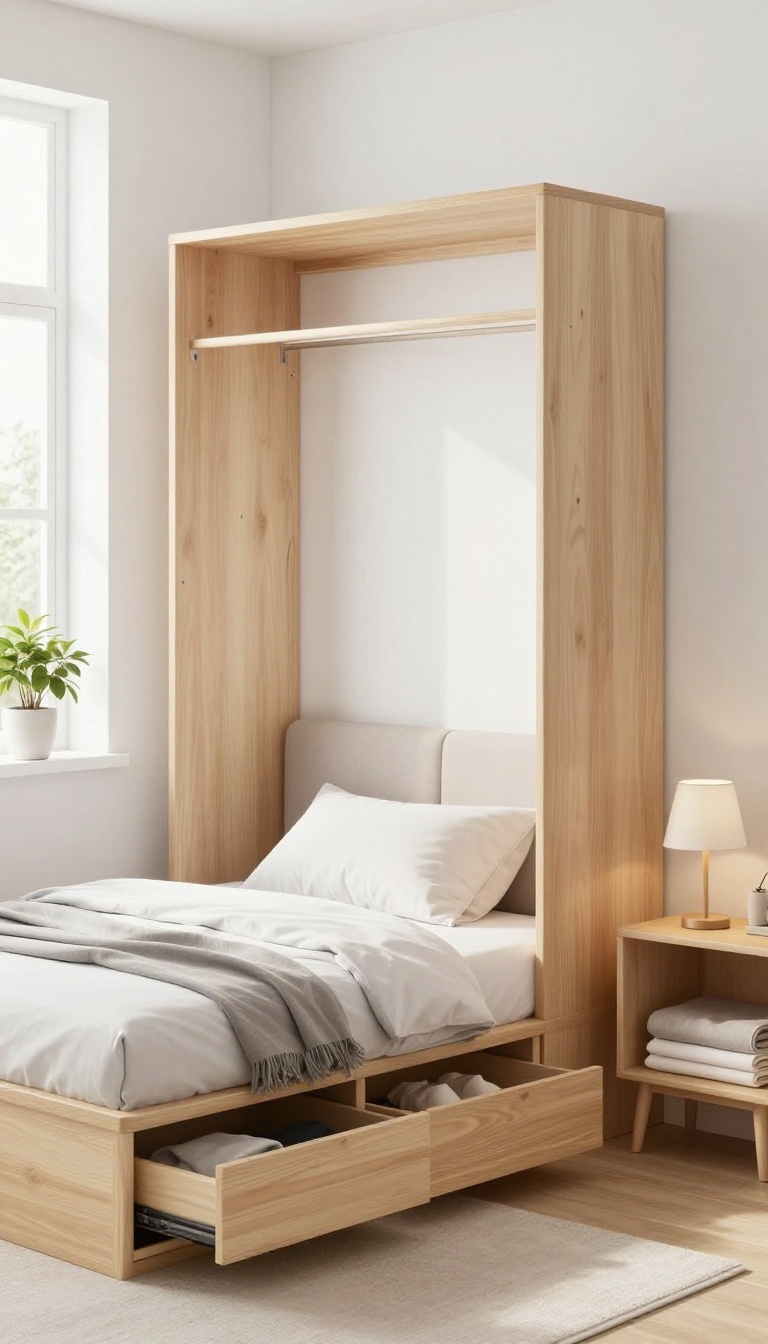
Your bed takes up more floor space than almost anything else in the room, so it might as well work harder. A platform bed with drawers or a lift-up base can hide a surprising amount of stuff. That means fewer bulky dressers or bins taking up precious square footage.
Think about what you usually store under the bed—shoes, luggage, extra blankets. Now imagine that storage being neat, accessible, and out of sight. Built-in storage turns dead space into a functional asset, and you won't have to crawl under the bed to find things.
Plus, it keeps your room looking tidy and open.
Drawers Vs. Lift-up Bases
Drawers are great for everyday access—just slide them out and grab what you need. They work well for clothes, accessories, or electronics. A lift-up base gives you one large, continuous space, perfect for bulky items like comforters or off-season coats.
Think about what you'll store most and choose accordingly.
Match The Bed To Your Storage Needs
If you have a lot of clothes, look for a bed with multiple drawers on one side. If you need to store long items like skis or a guitar, a lift-up base might be better. Also consider the height—some beds have low-profile drawers, while others are taller and more spacious.
Measure your items to make sure they'll fit.
Style And Materials That Work
A storage bed doesn't have to look bulky or utilitarian. Many come in sleek, modern designs with upholstered headboards or wooden frames that blend into any decor. Choose a finish that matches your existing furniture or adds a subtle contrast.
Keep the overall look light and airy to avoid making the room feel crowded.
3. Use Mirrors to Trick the Eye
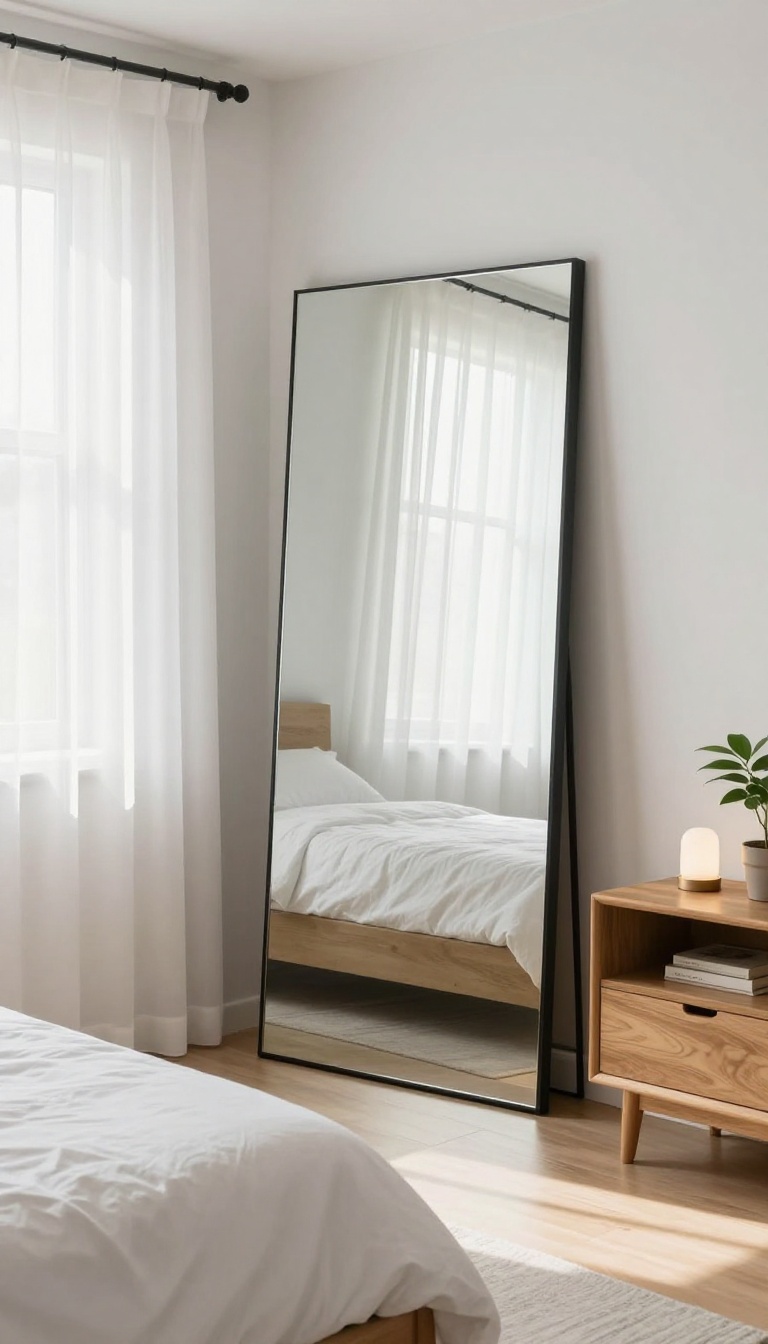
Mirrors are like magic for small rooms—they bounce light around and make the place feel twice as big. It's one of the oldest interior design tricks, but it works every time. The key is placement: you want the mirror to reflect something bright, like a window or a lamp, not just a blank wall.
When done right, a single mirror can open up your bedroom more than any other decor piece.
Start by choosing the biggest mirror that fits your space without overwhelming it. A full-length mirror leaning against a wall is a classic choice, but you can also go for a large framed mirror above your dresser or headboard. The goal is to create a visual expansion—the mirror acts as a window into another part of the room, making it feel deeper and more airy.
One of the smartest moves is to place a mirror opposite a window. This doubles the natural light and gives you a view of the outdoors even when you're tucked in bed. If your window is small, a mirror across from it will make the most of every ray.
Another trick is to position a mirror so it reflects a corner of the room that gets less light, brightening up shadowy spots. Don't forget about closet doors—they're prime real estate for mirrors. Sliding mirrored closet doors are a classic small-bedroom solution because they save space and reflect light at the same time.
If you have a standard door, you can attach a full-length mirror to the inside or outside. This way, you get a functional mirror without taking up any extra floor space. Finally, think about the mirror's frame.
A thin, light-colored frame keeps the look airy, while a dark or ornate frame can add drama but might feel heavy in a small room. If you're going for a minimalist vibe, a frameless mirror is your best bet—it blends in and lets the reflection do the work.
Mirror Placement That Maximizes Light
The classic trick is to hang a mirror directly across from a window. This reflects both the light and the view, making the room feel brighter and more open. If you have a small window, try angling the mirror slightly to catch the light from different directions.
Another option is to place a mirror near a lamp or sconce to amplify the glow in the evenings.
Mirrored Closet Doors: A Space-saving Win
Sliding mirrored closet doors are a game-changer for tiny bedrooms. They don't swing open, so they save valuable floor space, and they double as a full-length mirror. If you have a standard closet door, you can attach a mirror to the inside or outside with adhesive hooks.
This gives you the same effect without replacing the door.
Choosing The Right Frame And Size
For small rooms, bigger is usually better—a large mirror creates a stronger illusion of space. Go for a frame that matches your room's style: thin metal or wood for a modern look, or a simple frameless design for a clean, airy feel. Avoid heavy, ornate frames that can make the room feel cramped.
And always make sure the mirror is securely hung or leaned against a wall to prevent accidents.
4. Mount Your Nightstand on the Wall
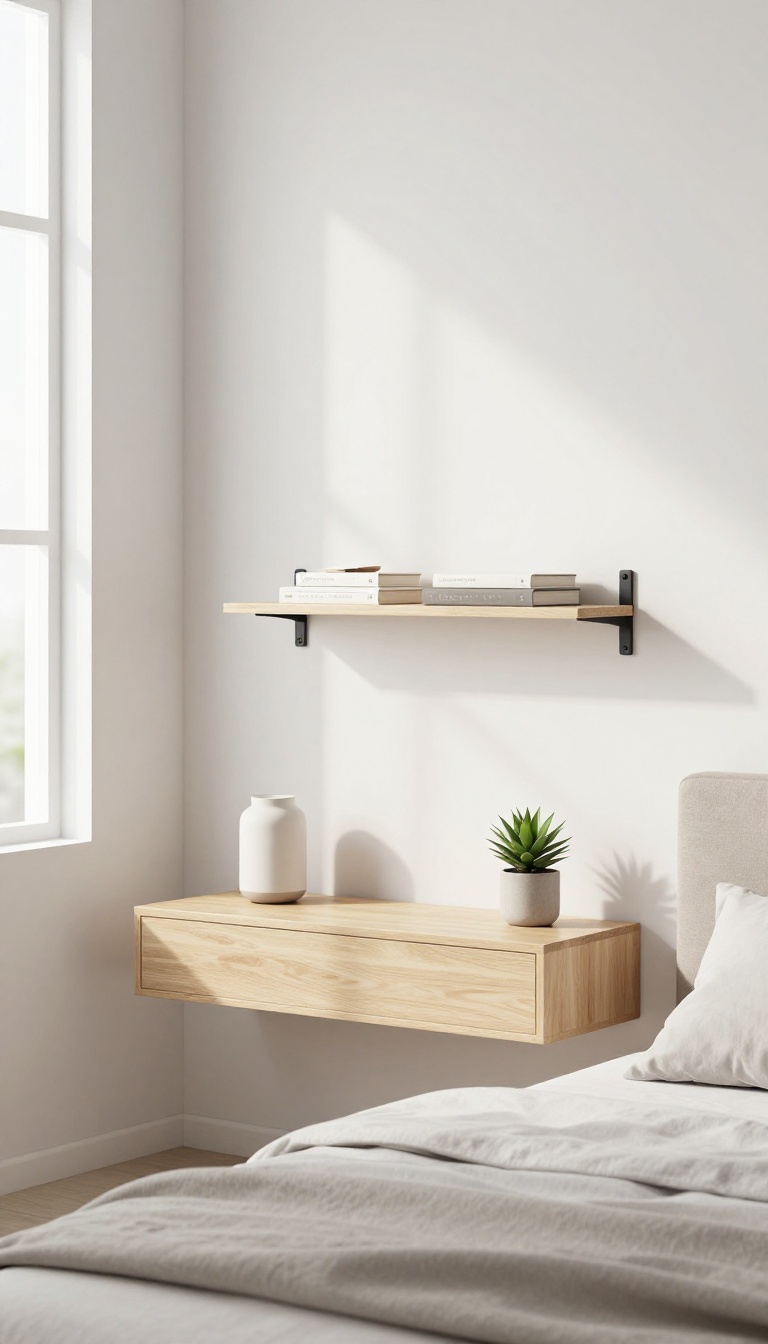
Floor space is precious in a small bedroom, and the traditional nightstand often hogs more of it than it should. Wall-mounted shelves or floating nightstands offer a sleek alternative that keeps your book, phone, and glass of water within easy reach. They also make the room feel more open and easier to clean.
When you mount your nightstand, you instantly clear up valuable floor area, making the room feel less cluttered and more spacious. It’s a simple swap that works in any style, from modern to rustic, and it’s a great weekend project that doesn’t require a lot of skill or tools.
Choosing The Right Shelf
Look for a shelf that’s sturdy enough to hold your nightly essentials without wobbling. Solid wood or metal brackets are reliable choices. Consider the depth—you don’t want it sticking out too far, but it should be deep enough to hold a mug or a small lamp.
A 10- to 12-inch depth usually works well.
Installation Tips
Find the studs in your wall to ensure the shelf can support weight. Use a level to keep it straight, and anchor it properly if you’re drilling into drywall. If you’re renting, use removable adhesive strips or a tension rod system that won’t damage the wall.
Always follow the manufacturer’s instructions.
Styling Your Floating Nightstand
Keep it minimal to avoid visual clutter. A small lamp, a book, and a tiny plant are enough. Use a tray or a small basket to corral loose items like glasses or remotes.
Choose a shelf color that contrasts with your wall to make it a feature, or match it to your bed frame for a seamless look.
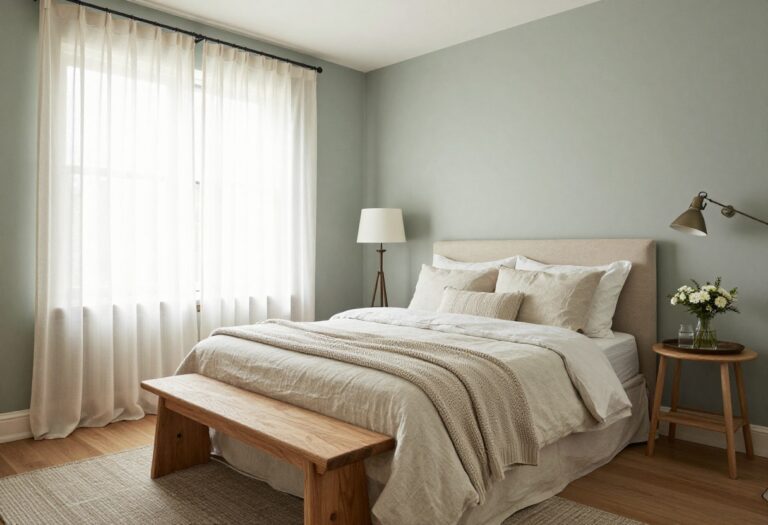
5. Let in More Light with Sheer Curtains
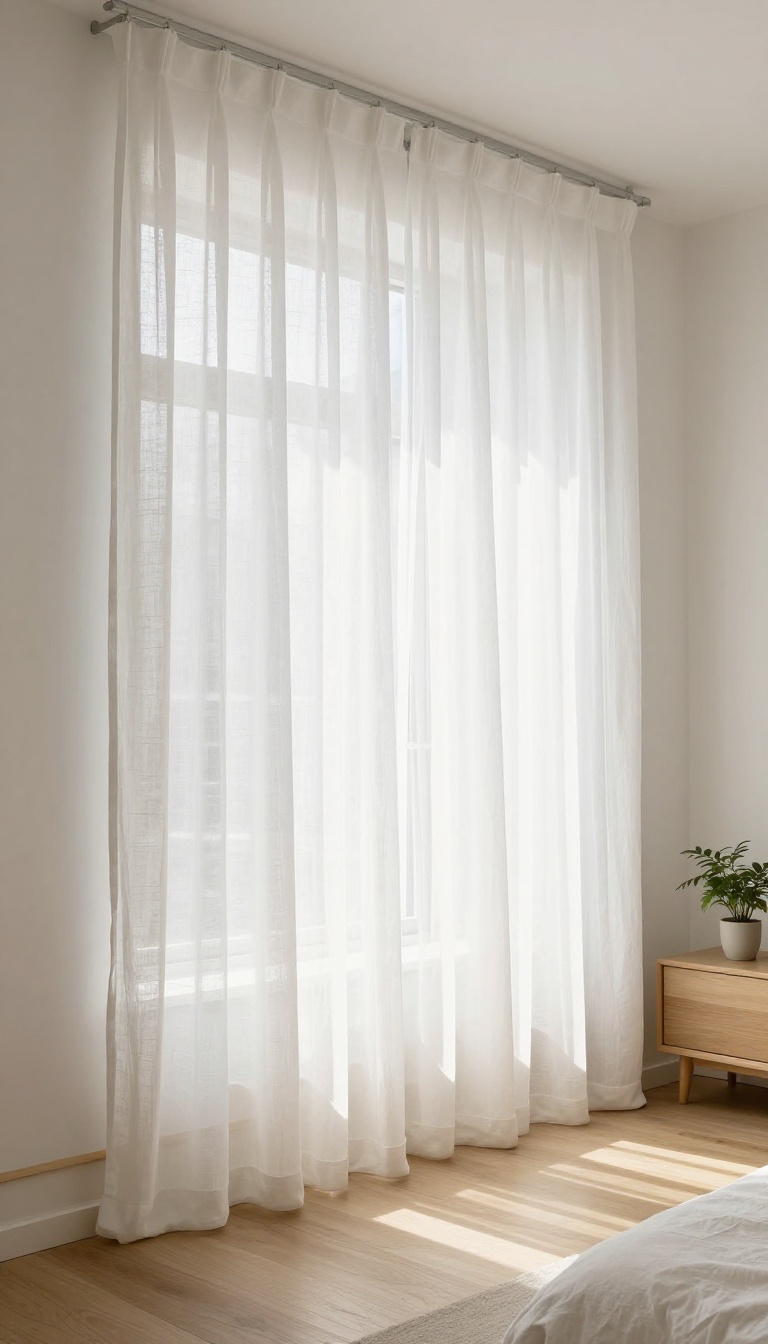
Heavy drapes can make a small bedroom feel like a cave, even in the middle of the day. Swapping them for sheer or light-filtering curtains is one of the quickest ways to open up the space. Natural light makes walls appear to recede, so the room instantly feels larger and more inviting.
Sheer curtains also add a soft, airy texture that complements almost any decor style. You don't have to sacrifice privacy—many sheer options offer a surprising amount of coverage while still letting sunshine pour through. Plus, they're usually lighter on the wallet than custom drapes, making this a budget-friendly upgrade you can finish in an afternoon.
Letting in more light is a game-changer for small bedrooms. Here's how to make the switch work for you.
Choose The Right Fabric
Not all sheers are created equal. Look for fabrics like linen, cotton, or polyester blends that filter light without looking flimsy. If you want a bit more privacy, opt for a semi-sheer with a tighter weave.
For a touch of warmth, go for a slightly heavier linen that still lets light through. Avoid anything too shiny or stiff—it can look cheap and won't drape well.
Hang Them High And Wide
Mount your curtain rod a few inches below the ceiling and extend it beyond the window frame on both sides. This trick makes the window appear taller and wider, which visually expands the entire wall. When the curtains are open, they stack neatly off the glass, letting in maximum light.
Use a rod with simple rings or clips for an easy, breezy look.
Layer With Blinds For Flexibility
If you still want the option to block out light completely, pair your sheers with roller blinds or a blackout shade. During the day, keep the blinds up and let the sheers diffuse the sunlight. At night, lower the blinds for full darkness.
This combo gives you the best of both worlds without adding visual bulk.
6. Add a Fold-Down Desk for a Workspace
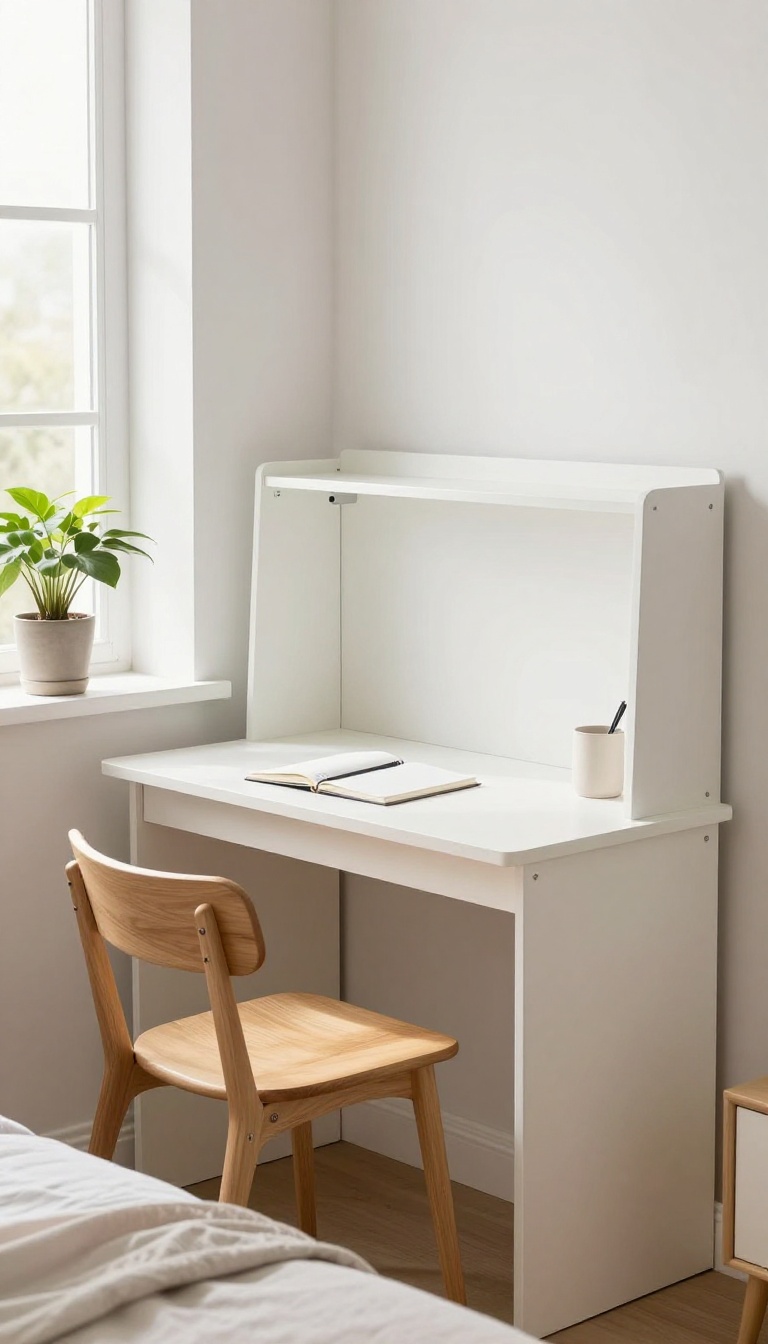
A dedicated desk can feel like a luxury in a small bedroom, but you don't have to sacrifice floor space for a work area. A fold-down desk mounts to the wall and folds flat when you're done, giving you a functional workspace that disappears in seconds. It's perfect for remote work, studying, or paying bills without turning your bedroom into an office.
When you fold the desk down, you get a sturdy surface for your laptop or notebooks. When you're finished, just clear it off and fold it back up. Many models come with built-in shelves or drawers, so you can keep supplies within reach without adding extra furniture.
This setup works especially well in corners or along a wall where floor space is limited.
Choose The Right Spot
Look for a section of wall that's at least 24 inches wide and has enough clearance for a chair when the desk is down. A spot near a window gives you natural light, but avoid placing it directly in front of a radiator or heater. If you're short on wall space, consider mounting it inside a closet or over a dresser.
Pick A Style That Fits
Fold-down desks come in all sorts of materials and finishes, from sleek white to warm wood. Pick one that matches your room's vibe. Some have a simple flat surface, while others include a hutch or cubby for storage.
If you plan to use it daily, make sure the hinges are sturdy and the desk can support your laptop and other essentials.
Keep It Tidy
Since the desk folds away, you'll need to clear it off each time. Use a small tray or caddy for pens, chargers, and sticky notes. That way, you can just lift the tray and fold the desk up in seconds.
If you're worried about cable clutter, look for a model with a built-in cord management slot or use adhesive clips to keep wires neat.
7. Use Vertical Space for Clothing Storage
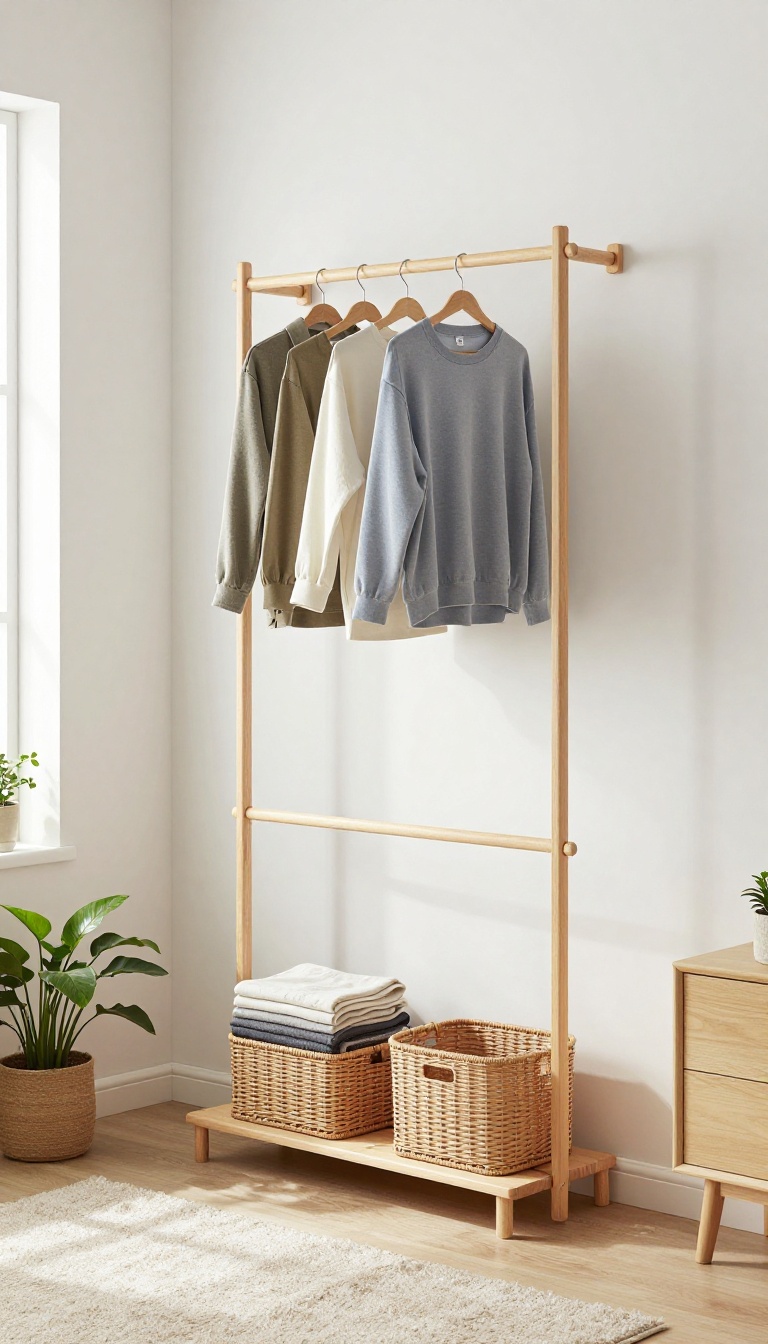
When floor space is tight, the walls and closet often hold untapped potential. Most people only use the rod at eye level, leaving the lower half of the closet useless. By adding a second rod or using hanging organizers, you can double your storage without taking up another inch of floor.
This trick is especially handy for seasonal clothes, shoes, or accessories that tend to pile up.
Start by taking a good look at your closet. If there's a gap between the bottom of your hanging clothes and the closet floor, you have room for a lower rod. Install a second rod about 30 inches below the top one, and you can hang shirts, skirts, or folded pants on both levels.
For items that don't need hanging, use over-the-door hooks for bags, belts, or scarves. Hanging organizers with shelves or pockets work wonders for shoes, sweaters, and even handbags, keeping them visible and easy to grab. This approach not only frees up floor space but also makes your morning routine smoother because everything has a clear spot.
Double Your Rod Space
Installing a second rod is a simple weekend project. You can buy a tension rod that fits inside the closet without any tools, or mount a permanent rod with brackets. Use the top rod for longer items like dresses and coats, and the lower rod for shirts, pants, and skirts.
This instantly gives you twice the hanging space, so you can actually see what you own and avoid buying duplicates.
Over-the-door Organizers
Don't overlook the back of your closet door or bedroom door. Over-the-door hooks and clear pocket organizers are perfect for accessories, shoes, or even bulky sweaters. They take up zero floor space and keep things within reach.
You can also use them for daily outfits, so you can grab and go in the morning.
Hanging Shelves And Pockets
Fabric hanging shelves with multiple compartments are a game-changer for small closets. They let you store folded items like T-shirts, jeans, or bags vertically, making use of the often-wasted space below your hanging clothes. These organizers come in various sizes and are easy to install—just hook them onto the rod.
You can also use them for shoes, keeping pairs together and off the floor.
8. Pick a Light, Cohesive Color Palette
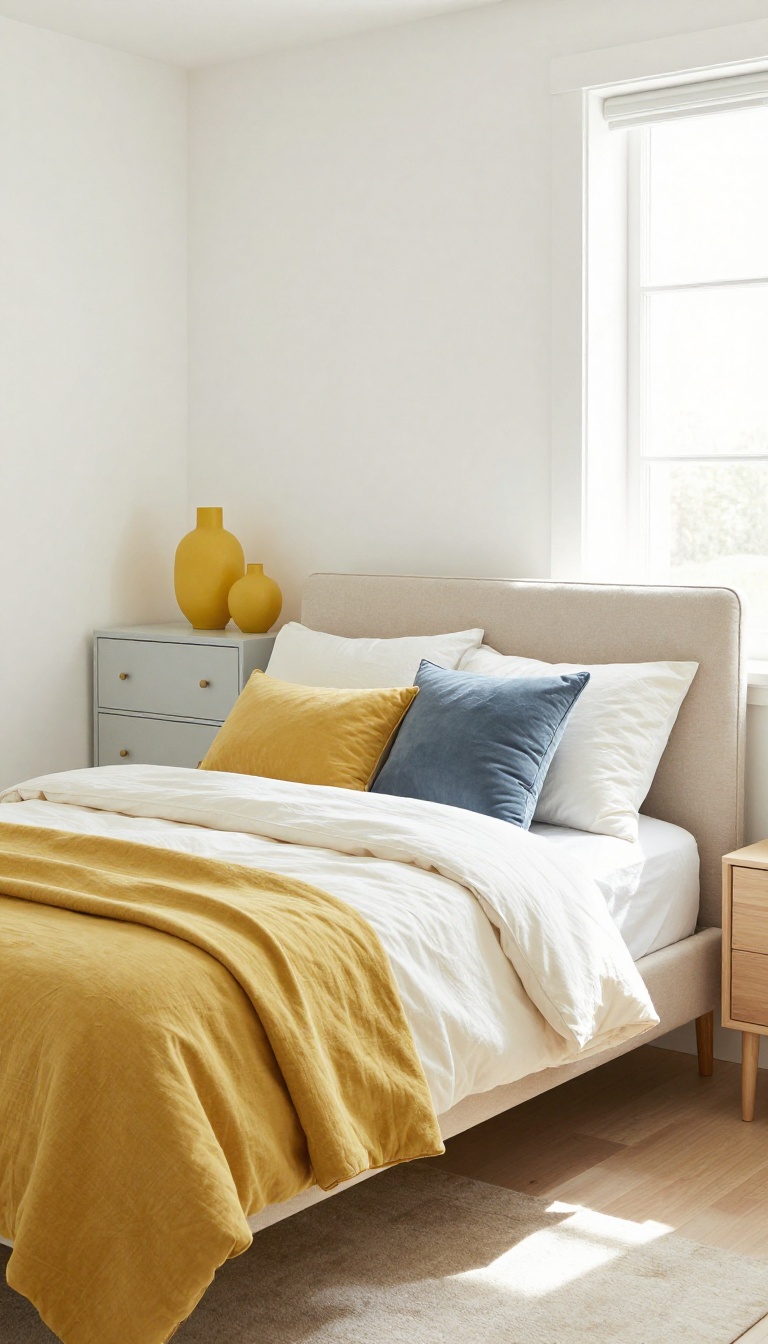
Color has a sneaky way of changing how a room feels. Dark, busy walls can close in on you, while light, airy tones open things up. The trick isn't to go all white—it's to build a palette that feels calm and connected, so your eye isn't jumping around.
Start with a soft, neutral base for the walls and big pieces like the bed and dresser. Think warm whites, pale greiges, or light beiges. These shades reflect natural light and make the room feel more spacious.
Then, bring in color through smaller items—throw pillows, a rug, art, or a cozy blanket. That way, you get personality without overwhelming the space. A cohesive palette also makes the room feel intentional, even if your furniture is a mix of styles.
Why Light Neutrals Work
Light colors reflect more light, which makes walls seem to recede and ceilings feel higher. They also create a blank canvas that makes your accessories pop. Plus, they're forgiving—scuffs and dust are less noticeable on lighter surfaces, which is a win for busy mornings.
How To Add Pops Of Color
Choose one or two accent colors and repeat them in small doses. Maybe a mustard yellow throw and a matching vase, or a dusty blue pillow and a piece of art. Keep the rest neutral.
This creates a sense of harmony without feeling matchy-matchy. You can swap these accents seasonally for a quick refresh.
Tying It All Together
Before you buy anything, gather paint swatches, fabric samples, and photos of your furniture. Lay them side by side to see how they interact. A cohesive palette doesn't mean everything matches perfectly—it means everything feels like it belongs in the same room.
Trust your eye, but keep it simple.
9. Install a Corner Shelf for Extra Display
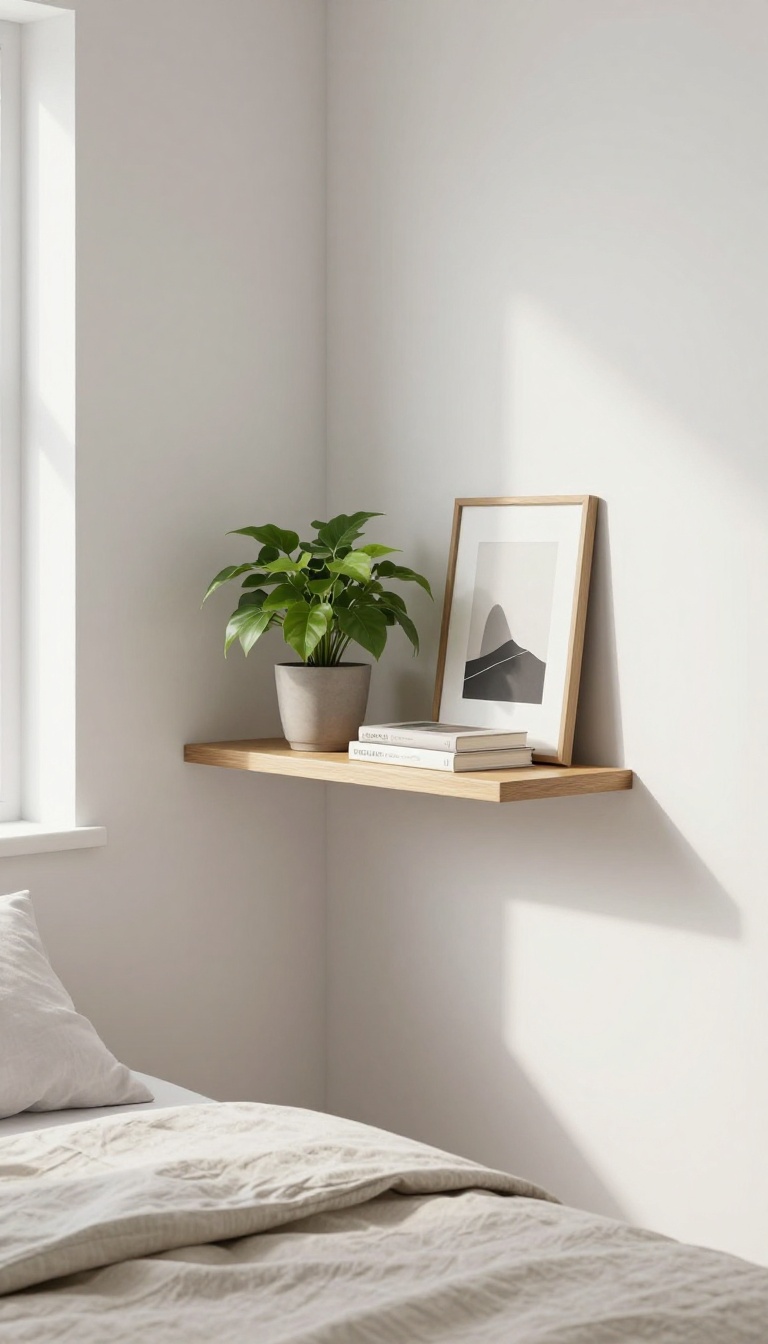
Corners often go unnoticed in small bedrooms, but they hold a surprising amount of potential. A simple corner shelf can turn that awkward empty spot into a functional display area without eating into your floor space. It’s a small change that adds personality and storage in one go.
Corner shelves are a clever way to use vertical space that would otherwise sit idle. They’re perfect for showing off your favorite items or keeping everyday essentials within reach. Whether you rent or own, there’s a corner shelf style that fits your space and budget.
Choose The Right Style
Floating corner shelves are sleek and modern, while ladder-style units bring a casual, rustic feel. If you need more storage, opt for a corner shelf with drawers or baskets. Measure your corner first to ensure a snug fit, and consider the weight of what you plan to place on it.
Style It With Purpose
Mix plants, framed photos, and a few books for a curated look. Keep it balanced—don’t overcrowd the shelves. Use small decorative boxes or trays to corral loose items like keys or jewelry.
Rotate the display seasonally to keep the space feeling fresh.
Install Like A Pro
For drywall, use anchors or a stud finder to secure the shelf safely. If you’re renting, consider freestanding corner shelves that don’t require drilling. Always follow the manufacturer’s instructions for weight limits and mounting.
A level is your best friend here.
10. Use a Room Divider for Privacy and Style
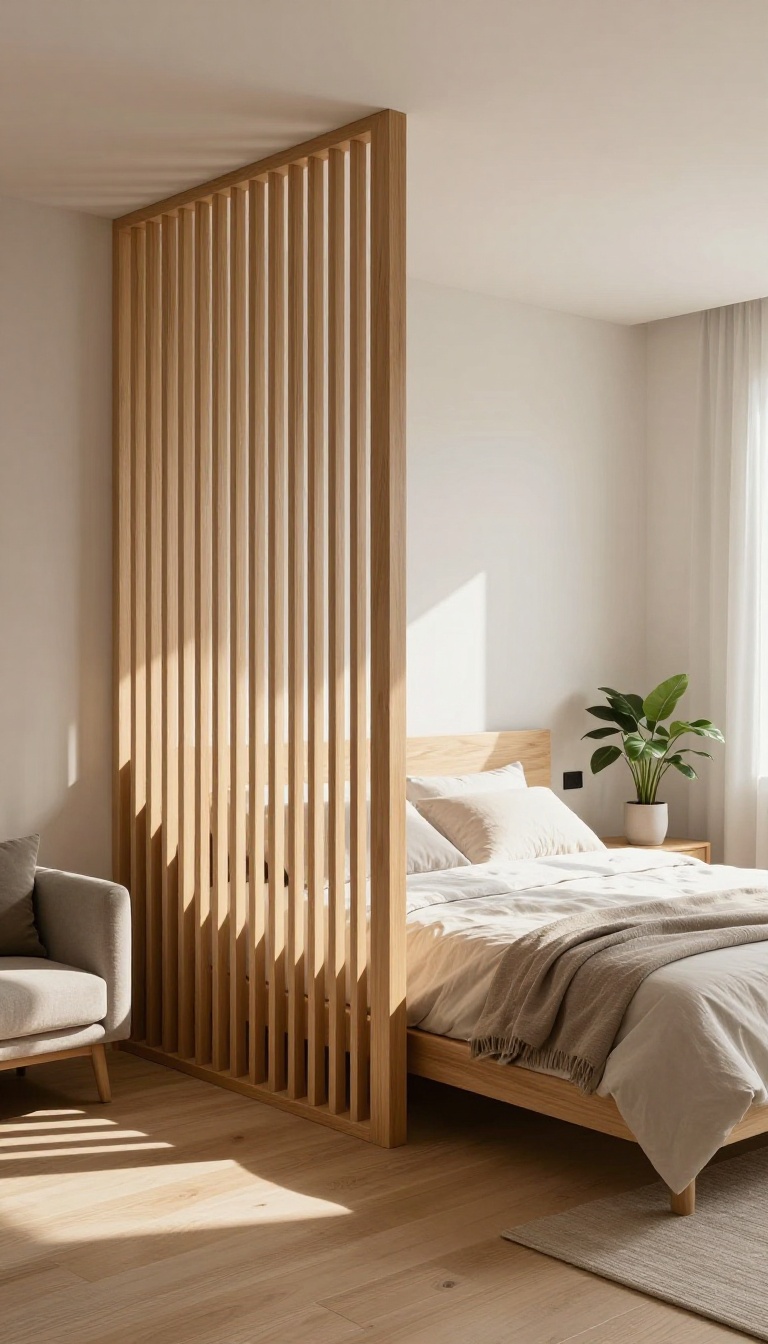
Open-plan layouts are great for socializing, but they can make sleeping feel exposed. If your bedroom shares space with a living area, a lightweight folding screen or curtain can create a sense of separation without building walls. This simple addition adds privacy, defines zones, and brings a touch of style to your tight modern space.
A room divider is a flexible solution that can transform how you use your space. It allows you to carve out a cozy nook for sleeping while keeping the rest of the room functional for other activities. Plus, it’s an easy way to add visual interest without committing to permanent changes.
Choose The Right Divider
Think about your needs. A folding screen is portable and can be tucked away when not in use. A ceiling-mounted curtain track is a sleek, space-saving option that doesn’t take up floor space.
For a more permanent feel, consider a room divider made of slatted wood or metal that still lets light through.
Style It To Match Your Room
Your divider should complement your decor, not fight it. If your room is minimalist, go for a clean, neutral fabric or a simple wooden frame. For a boho vibe, try a macramé hanging or a beaded curtain.
You can also use the divider as a backdrop for a small shelf or plants, making it a functional piece.
Make It Work For You
Use the divider to block out light when you sleep or to create a quick changing area. If you work from home, position it to hide your desk from the bed, helping you mentally separate work and rest. The key is to experiment with placement until it feels right.
FAQ
What is the best way to make a small bedroom look bigger?
Use light colors, maximize natural light with sheer curtains, and incorporate mirrors to reflect light. Also, keep the floor clear by using wall-mounted storage and furniture with built-in storage.
How can I add storage to a small bedroom without a closet?
Use freestanding wardrobes, under-bed storage bins, hanging organizers on the back of doors, and wall-mounted shelves. A clothing rack can also be a stylish and functional option.
What bed size is best for a small bedroom?
A full or queen size is often ideal for a small bedroom, but consider a daybed or a murphy bed if you need to save space. Always measure your room to ensure comfortable clearance.
How do I choose the right lighting for a small bedroom?
Layer lighting with overhead fixtures, task lamps, and accent lights. Use wall sconces or clip-on lamps to free up nightstand space. Dimmers can also help create a cozy atmosphere.
Can I use dark colors in a small bedroom?
Yes, but use them sparingly. Dark accent walls can add depth, but pair them with light furniture and plenty of lighting to avoid making the room feel smaller.
Conclusion
Small bedrooms don't have to feel limiting. With a few clever tweaks, you can turn yours into a comfortable, functional retreat that reflects your style. Start with one or two ideas that resonate most and build from there.
Remember, the goal is to make the space work for you, not against you. Every change, no matter how small, can make a big difference. So pick a weekend, roll up your sleeves, and enjoy the process of making your small bedroom feel just right.