10 Cozy Bedroom Ideas for Small Rooms Made for Slow Evenings
Small bedrooms often end up feeling cramped or cold, but that doesn't mean they can't become your favorite spot to unwind. The trick is to focus on warmth and function without overwhelming the square footage.
These ten ideas are all about making every inch work harder for cozy, slow evenings. From clever lighting tricks to smart storage, you'll find simple ways to transform your space into a snug retreat.
Each tip is practical and easy to apply, even if you're working with limited room.
1. Layer Your Lighting for Instant Warmth
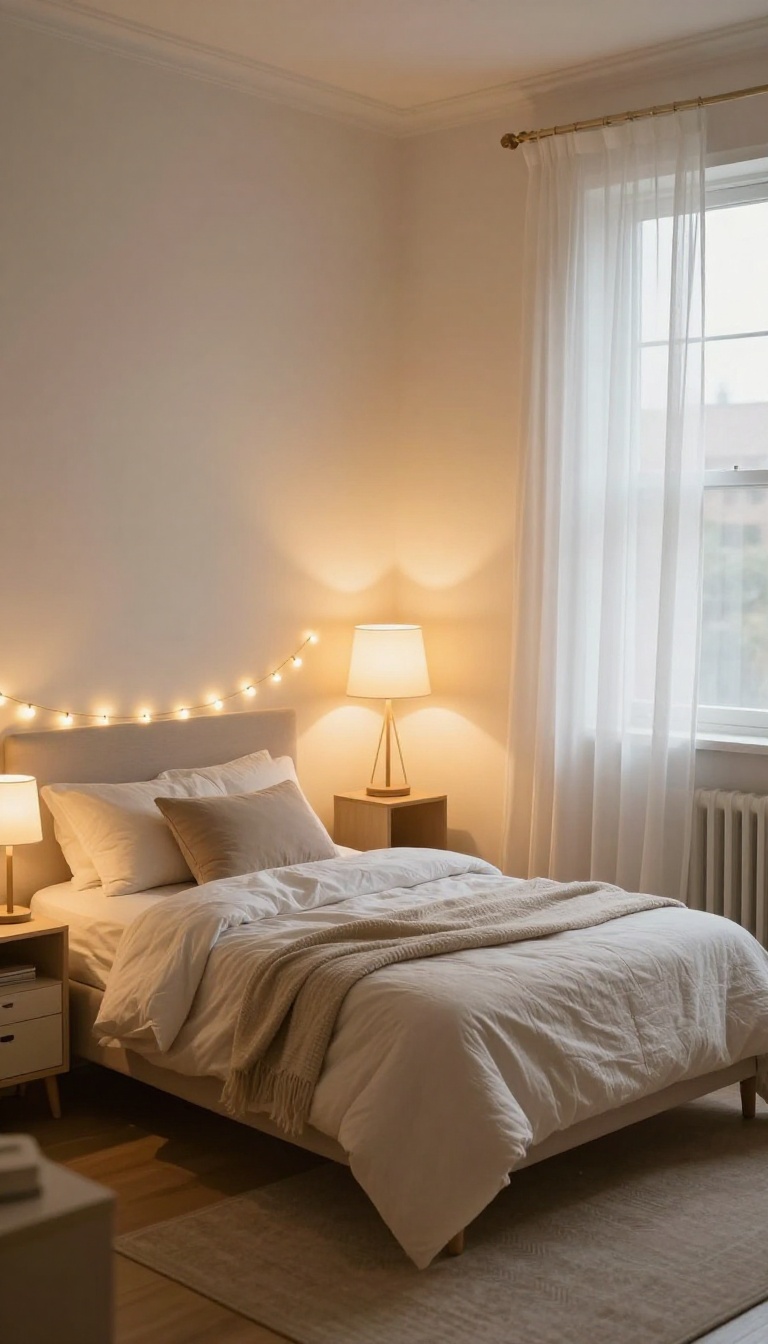
Overhead lights can feel harsh, especially in a small room where they dominate the space. The fix isn't to add more brightness—it's to spread softer, warmer light around. Layering different light sources creates depth and makes the room feel like a cozy retreat.
Start by turning off the ceiling light and bringing in a mix of floor lamps, table lamps, and string lights. Place a lamp on a nightstand or dresser for task lighting, and add a floor lamp in a corner to fill the room with a gentle glow. String lights draped along a headboard or window frame add a playful touch without taking up any floor space.
The goal is to have several low-level light sources that you can turn on individually, so you can adjust the mood as the evening winds down.
Choose Warm Bulbs
Not all light bulbs are created equal. Look for bulbs labeled 'warm white' or 'soft white' with a color temperature around 2700K. These emit a yellowish, cozy glow that mimics candlelight.
Avoid cool white or daylight bulbs, which can feel sterile and bright. You can also use dimmer switches or smart bulbs to fine-tune the brightness.
Use Multiple Light Levels
Think of lighting in three layers: ambient, task, and accent. Ambient light fills the room, task light helps you read or work, and accent light highlights a favorite object or corner. In a small bedroom, a floor lamp can serve as ambient light, a bedside lamp as task light, and a string of fairy lights as accent.
Having all three gives you flexibility and makes the space feel more intimate.
Position Lights For Effect
Place lights at different heights to create visual interest. A tall floor lamp draws the eye upward, while a low table lamp grounds the space. Try putting a lamp on a shelf or windowsill to bounce light off the walls.
Avoid placing all lights at the same level, which can make the room feel flat. Experiment with angles until you find a setup that feels balanced and warm.
2. Use a Low-Profile Bed Frame to Open Up the Room
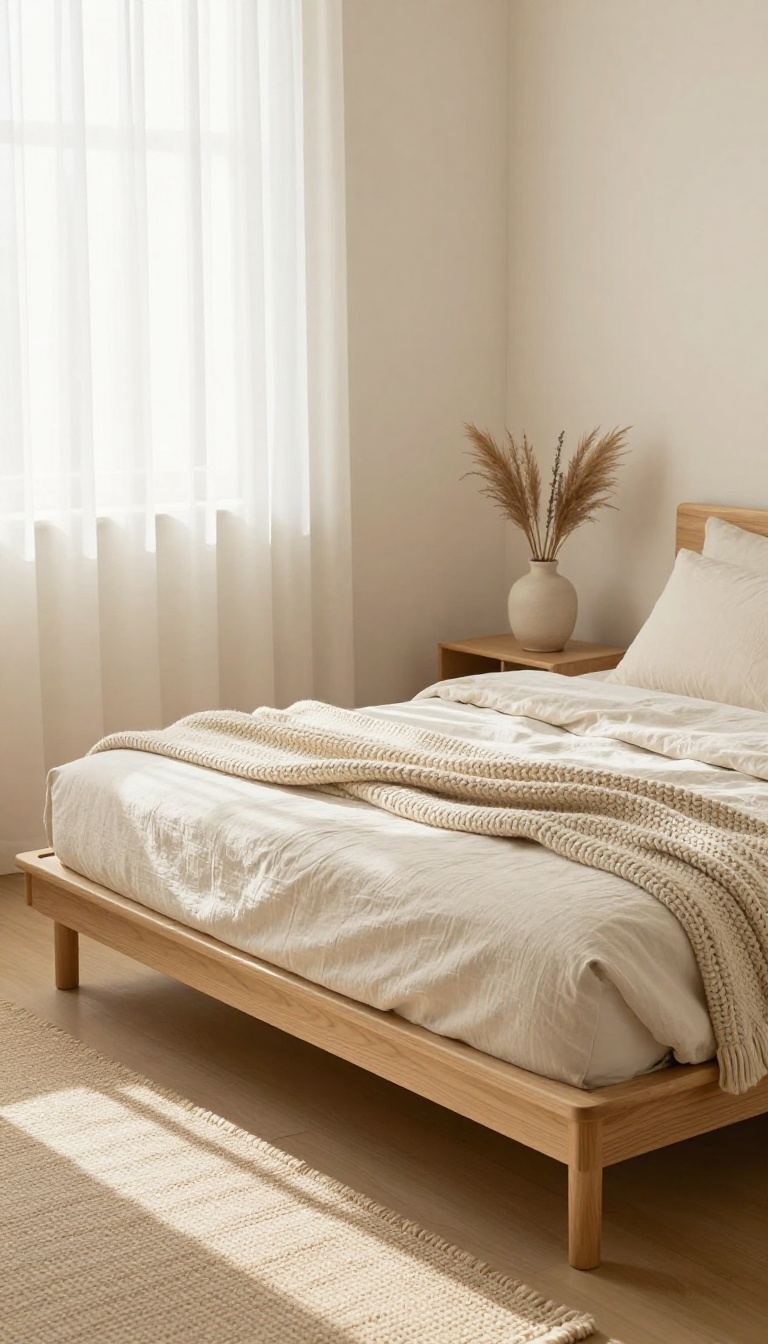
A bulky bed frame can make a small bedroom feel even tighter. When the bed sits high off the floor, it draws the eye upward and adds visual weight, which can make the ceiling seem lower and the walls feel closer. Swapping it for a low-profile platform bed or a simple floor bed changes the whole dynamic.
With the bed closer to the ground, the room gains a sense of openness and calm. The lower sightline makes the ceiling appear higher, and the space feels less cluttered. Plus, it’s a cozy, grounded look that invites you to sink in after a long day.
The bed is usually the biggest piece of furniture in a small bedroom, so its height matters more than you might think. A tall bed frame with a thick box spring can dominate the room, leaving little visual breathing space. A low-profile design, on the other hand, keeps the eye moving horizontally, which makes the room feel wider and more spacious.
This simple change also creates a more intimate, nest-like atmosphere. When you’re lying in bed, you’re closer to the floor, which feels grounding and secure. It’s a subtle psychological shift that makes those slow evenings even more relaxing.
If you’re not ready to invest in a new frame, you can often lower your existing bed by removing the box spring and using just the mattress on the floor, or by choosing a low platform base. Either way, the effect is immediate.
Why Height Matters In A Small Room
In a compact space, every piece of furniture should work with the room’s proportions. A tall bed frame breaks the visual flow and makes the ceiling feel lower. By lowering the bed, you create a longer, cleaner line from the floor to the ceiling, which tricks the eye into seeing more height.
This is especially effective in rooms with low ceilings or limited square footage.
Platform Beds Vs. Floor Beds
Platform beds are a popular choice because they offer a low profile without sacrificing support. They typically sit just a few inches off the floor and often come with built-in slats, so you don’t need a box spring. Floor beds, on the other hand, are even lower—just a mattress on a tatami mat or a simple rug.
Both options work well, but floor beds give the most minimalist, grounded feel. Just make sure to air out the mattress regularly to prevent moisture buildup.
Styling Around A Low Bed
Once your bed is lower, you can enhance the open feel by keeping the surrounding decor light and airy. Use a low headboard or skip it altogether. Add a few soft pillows and a chunky knit throw for coziness.
Keep the walls mostly bare or use low-profile wall art. This lets the bed become the focal point without overwhelming the room.
3. Hang Sheer Curtains to Soften the Walls
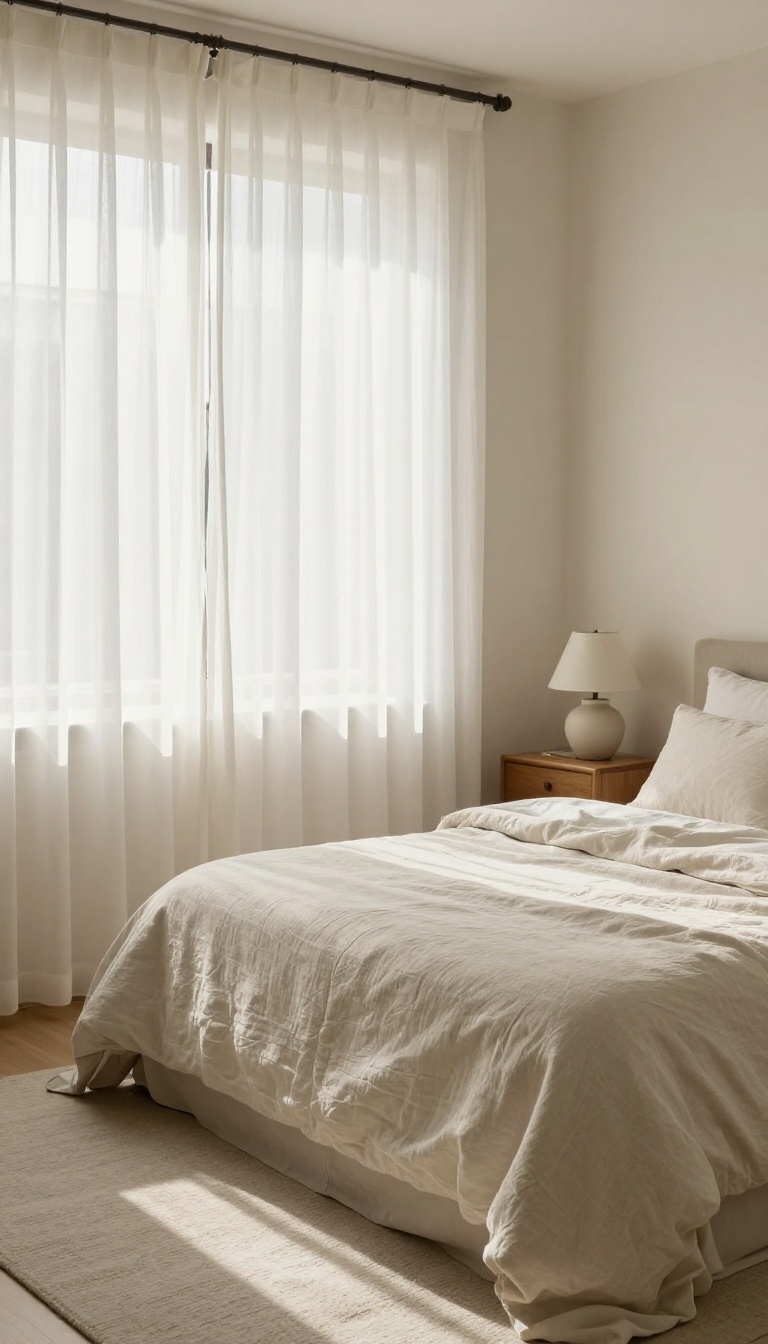
Walls can feel like they're closing in when you're working with a small footprint. Heavy drapes only make that worse, adding visual weight and blocking out the light that makes a room feel open. Sheer curtains flip that script.
They let daylight filter through while adding a layer of softness that instantly makes the space feel more inviting. The gentle movement of the fabric adds a slow, calming rhythm to the room.
The right curtains can change the entire mood of a bedroom. Sheer panels diffuse harsh sunlight into a warm glow, which is perfect for unwinding in the evening. They also create a sense of privacy without making the room feel like a cave.
Choose light colors like white, cream, or soft pastels to keep the space airy. Hang them high and wide to make the windows appear larger, which tricks the eye into thinking the room is bigger than it is. This simple swap can make your small bedroom feel like a serene retreat.
Pick The Right Fabric
Not all sheers are created equal. Look for lightweight fabrics like linen, cotton, or polyester blends that have a bit of drape. Avoid stiff materials that stick out.
The goal is to have a soft, flowing look that moves gently with the breeze.
Layer For Warmth
If you still want some privacy at night, layer sheer curtains with blackout blinds or heavier curtains. This way, you get the best of both worlds: soft light during the day and total darkness when you need it. Use a double rod to make layering easy.
Hang Them High And Wide
Mount your curtain rod closer to the ceiling and extend it a few inches beyond the window frame. This draws the eye upward and makes the window feel larger. It's a simple trick that adds height and openness to a small room.
4. Add a Rug That Defines the Space
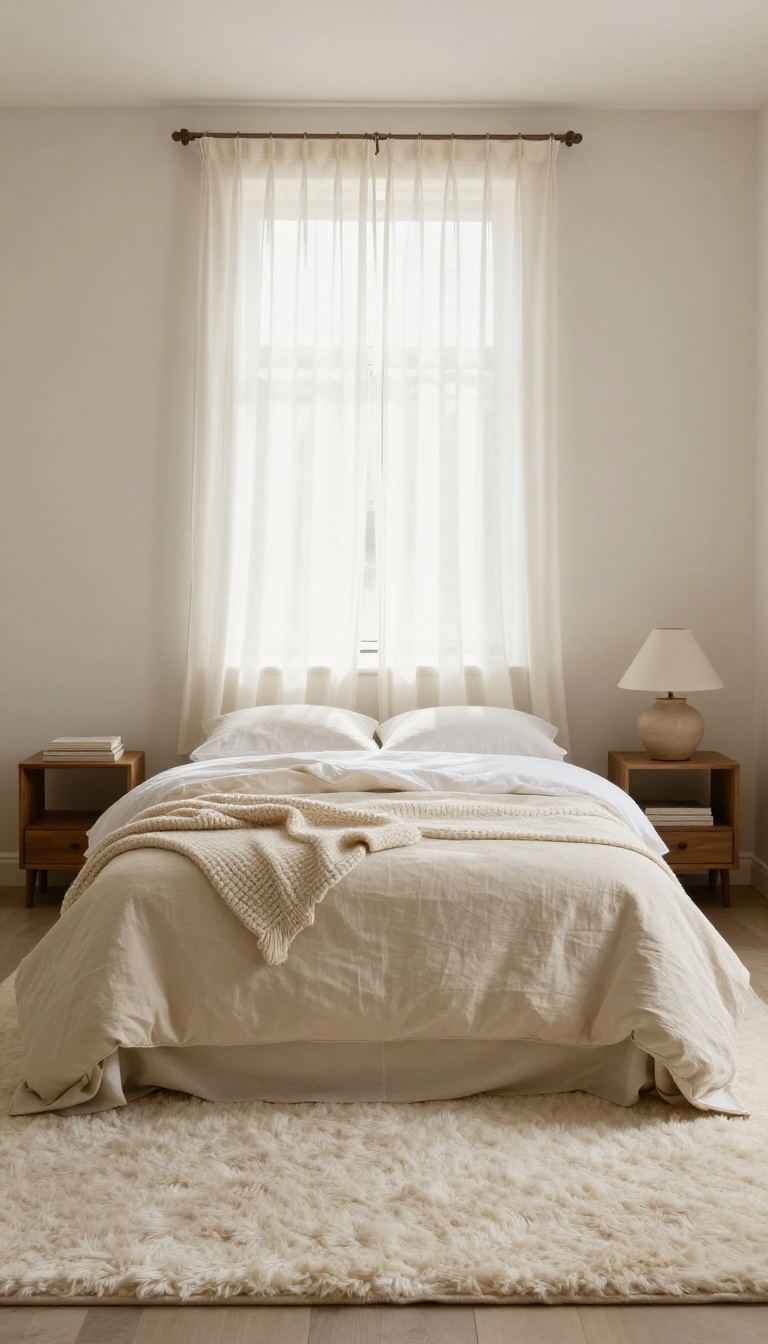
A rug can do more than keep your feet warm—it can visually anchor your bed and make a small room feel intentional. When you place a plush rug under the bed, it creates a defined zone that adds depth and comfort. The right rug also softens the room's acoustics, making it feel quieter and more inviting for those slow evenings.
Choosing the right rug size is key. Ideally, the rug should extend at least 18 inches beyond the sides and foot of the bed, so it frames the bed nicely and gives you a soft landing when you get up. If you have a twin or full bed, a 5×8 rug works well; for queen or king, go with 8×10 or larger.
If your room is very small, you can place the rug horizontally under the upper two-thirds of the bed, leaving the foot of the bed on the floor—this still anchors the space without overwhelming it.
Pick A Texture That Invites Touch
The feel of the rug matters as much as its look. A high-pile or shag rug feels luxurious underfoot, but in a small room, it can trap dust and make the space feel heavy. Instead, opt for a low-pile or looped wool rug that's soft yet durable.
Natural fibers like wool or cotton are breathable and add warmth without being too bulky. If you love the feel of a shag, choose a short-shag version in a neutral tone to keep the room visually light.
Neutral Tones For A Spacious Feel
Light, neutral colors—like cream, beige, or soft gray—reflect light and make a small room appear larger. They also blend easily with any bedding or wall color, so you can change your decor without needing a new rug. If you want a bit of pattern, choose a subtle geometric or textured design that adds interest without overwhelming the space.
Avoid dark or busy rugs that can make the room feel closed in.
Layering Rugs For Extra Warmth
In a small room, you might think one rug is enough, but layering can add depth and coziness. Place a smaller, softer rug on top of a larger, neutral one—like a sheepskin or a flat-weave accent rug at the foot of the bed. This adds a touch of luxury and gives you a soft spot to step on when you get out of bed.
Just make sure the layers are thin enough so the door can still open and the room doesn't feel cluttered.
5. Create a Reading Nook in the Corner
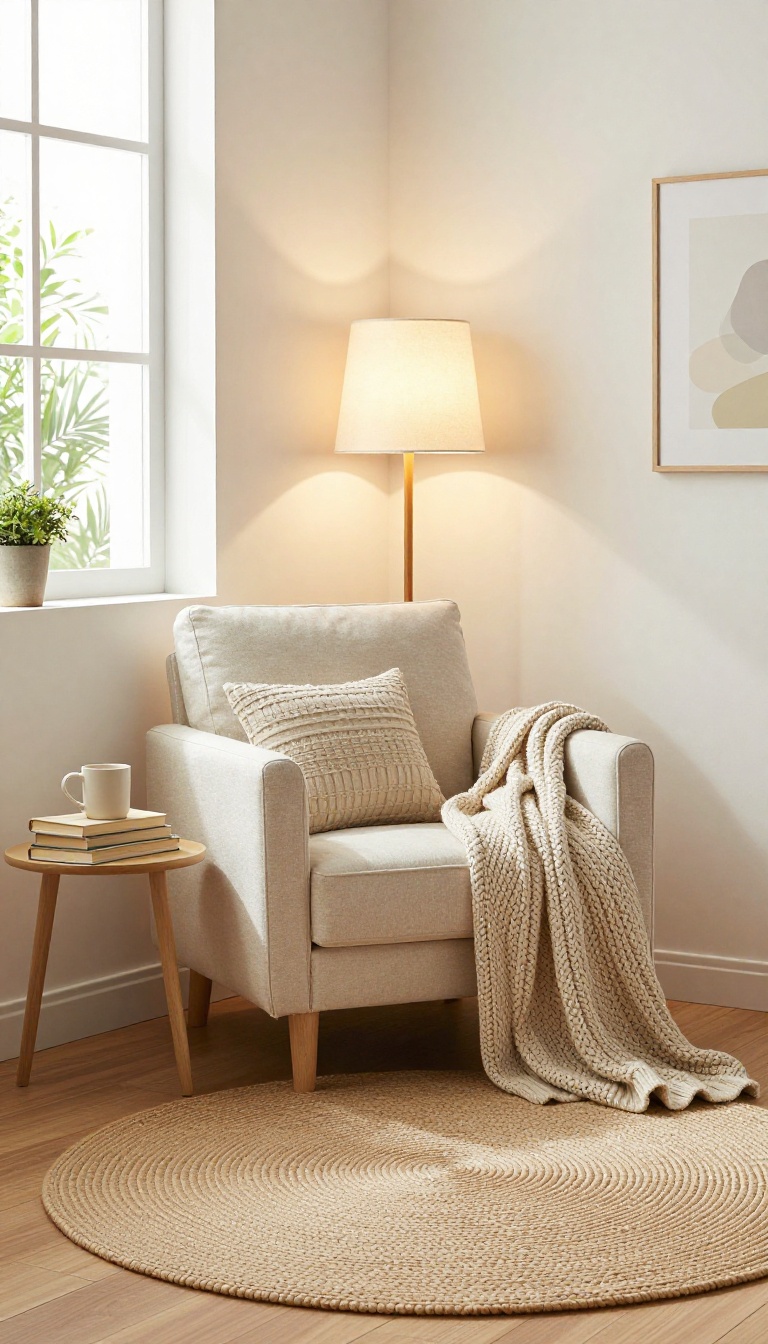
Even the smallest corner can become your favorite escape. A dedicated reading nook gives you a spot to curl up with a book and a cup of tea, without taking up much floor space. You don't need a lot of room—just a comfortable seat, good lighting, and a place to set your drink.
With a few simple pieces, you can turn an unused corner into the coziest part of your bedroom.
Start by choosing the right chair. Look for something compact but comfortable, like a small armchair or a cozy papasan. If space is really tight, a floor cushion with a backrest works wonders.
Place a small side table or a stack of books next to it for your mug and reading glasses. Lighting matters more than you think. A warm, adjustable reading lamp directs light exactly where you need it, creating a focused glow that feels inviting.
Avoid harsh overhead lights—they kill the mood. Finally, add layers of softness. A throw blanket over the chair, a small rug underfoot, and maybe a few pillows make the nook feel instantly snug.
These little touches turn a functional corner into a place you'll actually want to spend time in.
Picking The Right Chair
The chair is the anchor of your nook. Choose one that fits your body and the space. A slim-profile armchair works well, but if you're really tight on room, try a floor chair with a high back.
Test it for comfort—you'll be spending long evenings there. Look for something with soft upholstery or add a cushion for extra coziness.
Lighting For Slow Evenings
Warm, dimmable lighting is key. A clip-on book light or a small floor lamp with a fabric shade gives off a gentle glow. Position it so it shines over your shoulder, not directly in your eyes.
This kind of lighting reduces strain and makes the space feel calm and inviting.
Adding Personal Touches
Make the nook feel like yours. Add a small shelf for your current reads, a hook for a blanket, or a tiny plant on the side table. These personal details make the corner feel intentional and lived-in.
Keep it simple—too many items can make the space feel cluttered.
6. Install Floating Shelves for Vertical Storage
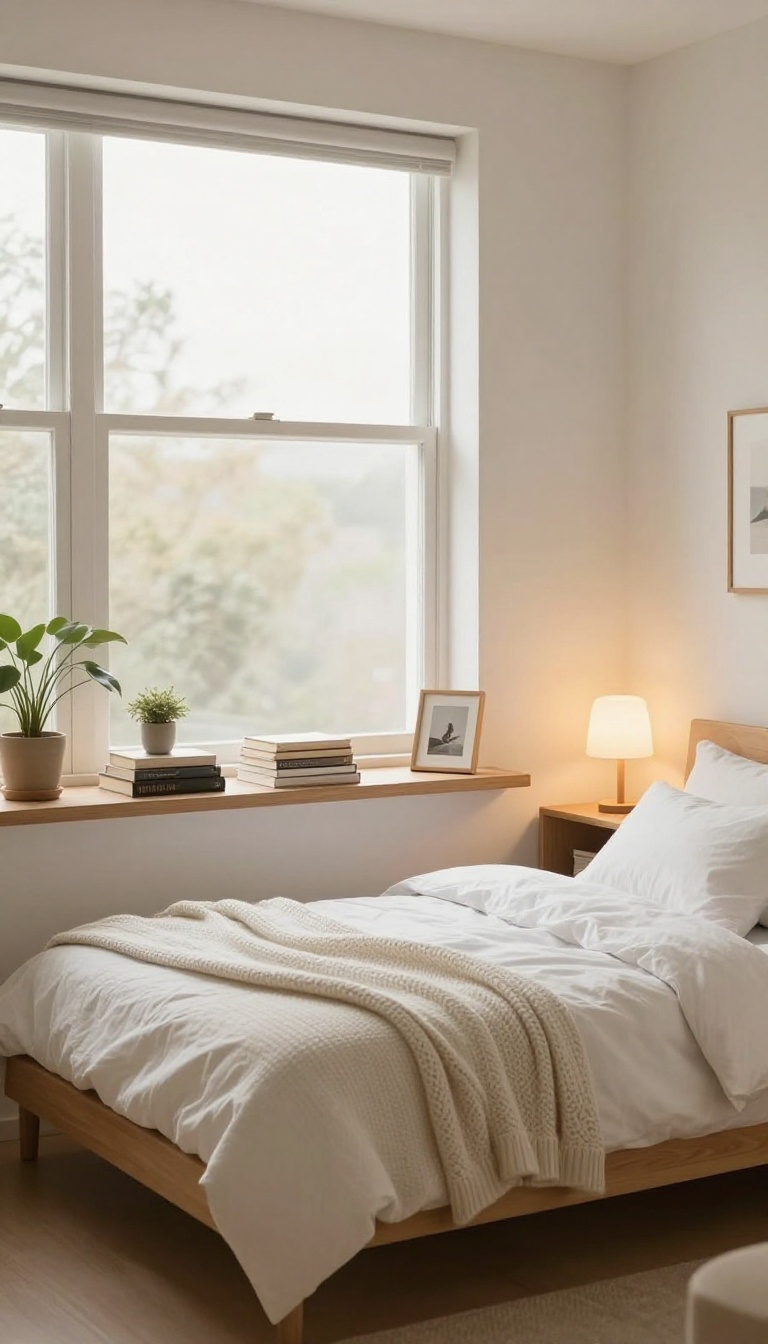
When floor space is tight, the walls are your best friend. Floating shelves let you stash books, plants, and little treasures without eating into your precious square footage. They also add a layer of visual interest that keeps the eye moving upward, making the room feel taller and airier.
Floating shelves are a simple way to add storage and style to a small bedroom. By going vertical, you free up floor space and create display areas that make the room feel more personal. Plus, they’re a weekend project that doesn’t require a ton of tools or skill.
Where To Place Them
Above the bed is a classic spot, but don’t stop there. Try flanking a window or filling an awkward empty wall. If you have a narrow gap between furniture, a couple of slim shelves can turn dead space into a useful nook.
What To Put On Them
Mix function with personality: stack a few favorite books, add a small plant, and lean a framed photo or piece of art. Keep it balanced—too many items can look cluttered, so leave some breathing room. Use baskets or boxes on lower shelves to hide smaller odds and ends.
Styling And Lighting
Floating shelves are perfect for adding warm, low-level lighting. Tuck a small LED strip under a shelf to create a soft glow for evening reading. Or place a tiny lamp on the shelf for a cozy, intimate feel.
Just make sure everything is secure and out of the way of your head when you sit up in bed.
7. Use Warm, Muted Colors on the Walls
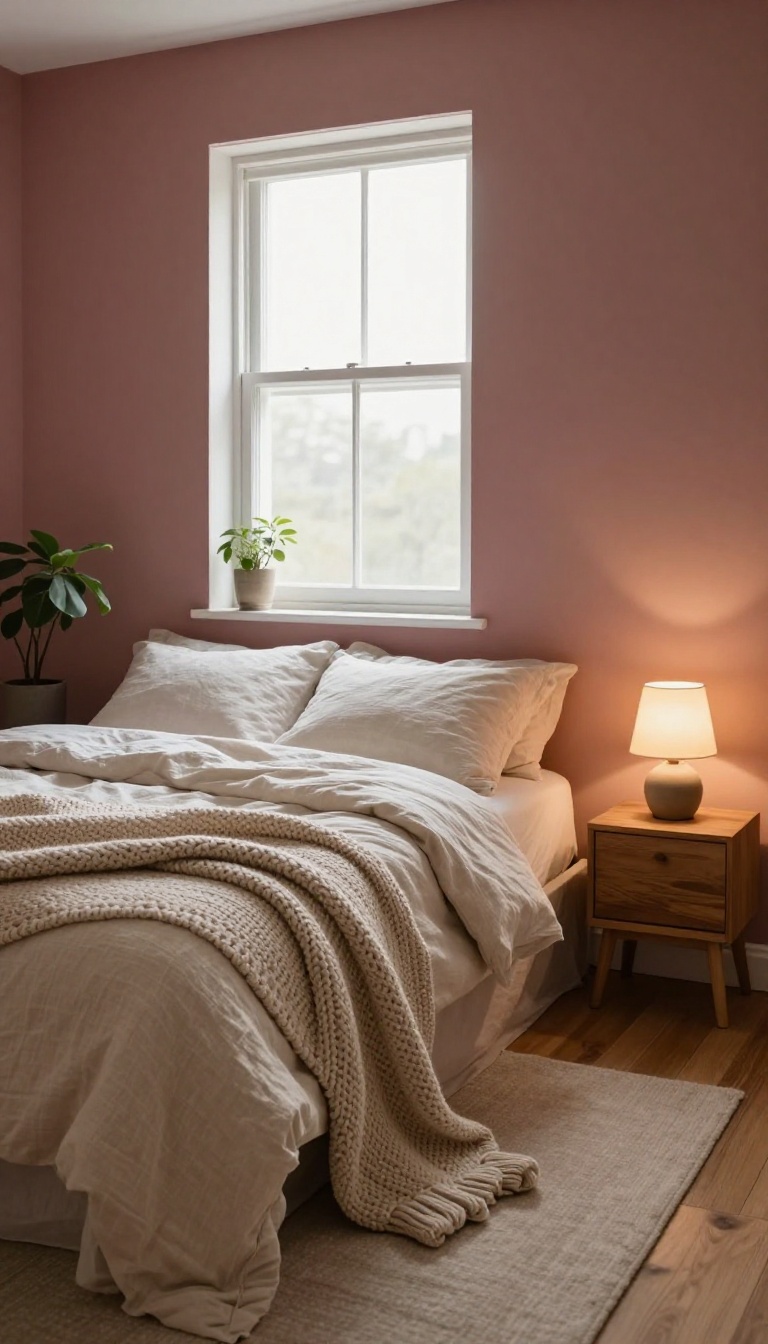
The color you choose for your walls sets the entire mood of the room. In a small bedroom, bright or bold colors can feel overwhelming and make the space seem even tighter. Warm, muted shades like soft beige, dusty rose, or sage green create a calming backdrop that invites you to slow down and relax.
Warm, muted colors work because they reflect light softly without being stark. They add a gentle depth that makes walls feel like they're receding, which can make a small room appear larger. Plus, these tones pair beautifully with cozy textures like linen bedding, knit throws, and wooden furniture.
Why Muted Tones Work In Small Spaces
Muted colors have a lower saturation, which means they don't dominate the room. They create a soothing envelope that feels intimate rather than claustrophobic. Think of them as a soft hug for your walls—they make the room feel safe and snug, perfect for slow evenings.
Choosing The Right Shade
Not all muted colors are created equal. Warm beiges with a hint of yellow or pink add coziness, while cool grays can feel stark. Dusty rose brings a gentle romance, and sage green adds a touch of nature.
Test a few samples on your wall and see how they look in both natural and warm evening light.
Pairing With Textures And Lighting
Once your walls are painted, let the texture do the talking. Layer in soft rugs, chunky knit blankets, and velvet pillows in complementary tones. Use warm, dimmable lighting—like a bedside lamp with a soft glow—to enhance the cozy effect.
These elements work together to make the room feel like a retreat.
8. Incorporate Textured Throws and Pillows
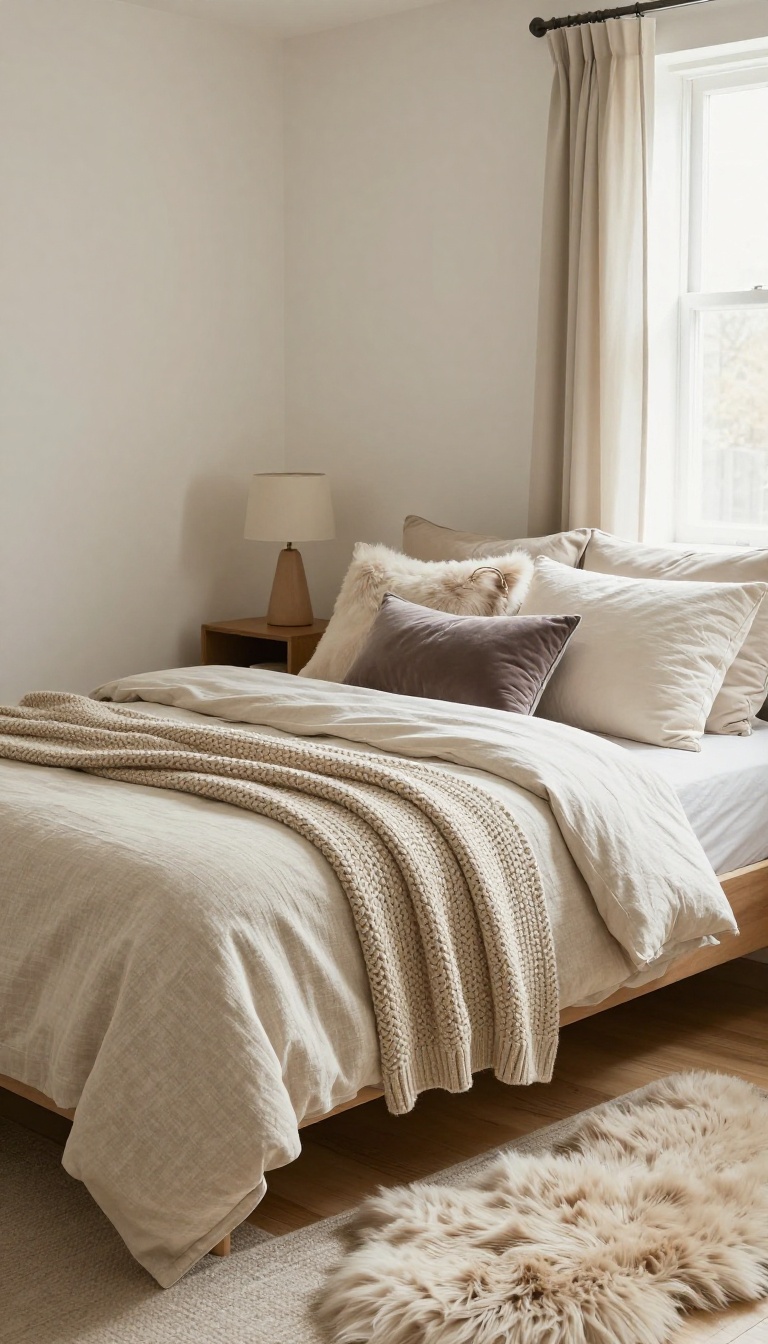
Texture is a silent game-changer in a small bedroom. When space is limited, the eye craves depth, and layered fabrics deliver that without taking up a single inch of floor. A chunky knit throw draped over the foot of the bed or a mix of velvet and faux fur pillows can make the whole room feel more inviting.
These soft layers do more than look good—they invite you to touch, sink in, and stay a while. On a cool evening, there's nothing better than wrapping up in something that feels as good as it looks. And the best part?
You can switch them out with the seasons to keep the room feeling fresh.
Start by choosing a color palette that complements your existing bedding. Neutral tones like cream, taupe, and warm gray are easy to mix and match, but don't be afraid to add a pop of color with a single statement pillow. The goal is to create a cohesive, layered look that feels collected, not cluttered.
Mix different textures for maximum effect. Pair a smooth linen duvet with a chunky cable-knit throw, then add a velvet pillow for a touch of luxury. The contrast between rough and smooth, soft and plush, makes the bed irresistible.
You can also add a faux fur rug at the bedside for an extra layer of warmth underfoot. Remember, in a small room, every item should earn its place. Choose throws and pillows that are both beautiful and functional—ones you'll actually use.
A throw that's too scratchy or a pillow that's too stiff will just end up on the floor. Test the fabrics to make sure they feel as good as they look.
Layer Like A Pro
The secret to a perfectly styled bed is layering. Start with your base sheets and duvet, then add a quilt or coverlet for weight. Finally, place a throw at the foot and arrange pillows in front.
This creates a sense of depth and makes the bed look plush and inviting. Don't overthink it—there's no right or wrong way. The key is to mix sizes and shapes.
Use two standard pillows, a lumbar pillow, and a smaller accent pillow to create visual interest. Arrange them in a way that feels natural, not too stiff or perfect.
Choose The Right Fabrics
When selecting throws and pillows, consider the climate and your personal comfort. For cool evenings, wool or cashmere blends are warm and breathable. For year-round use, cotton or bamboo velour offers softness without overheating.
Faux fur is a great option for a touch of luxury that's also easy to care for. If you have allergies, look for hypoallergenic materials like organic cotton or bamboo. These are gentle on the skin and don't trap dust mites.
And always check the care instructions—some delicate fabrics may require dry cleaning, which can be a hassle.
Small Space Styling Tricks
In a small room, avoid oversized pillows that can overwhelm the bed. Instead, opt for a few well-chosen pieces that don't take up too much visual space. A single textured throw folded neatly at the foot of the bed can add warmth without looking messy.
Another trick is to use a wall-mounted shelf above the bed to display a small stack of folded blankets. This keeps them within reach for chilly nights but frees up floor space. You can also store extra throws in a decorative basket in the corner, which adds to the cozy aesthetic.
9. Add a Canopy or Drape for a Cozy Nook Feel
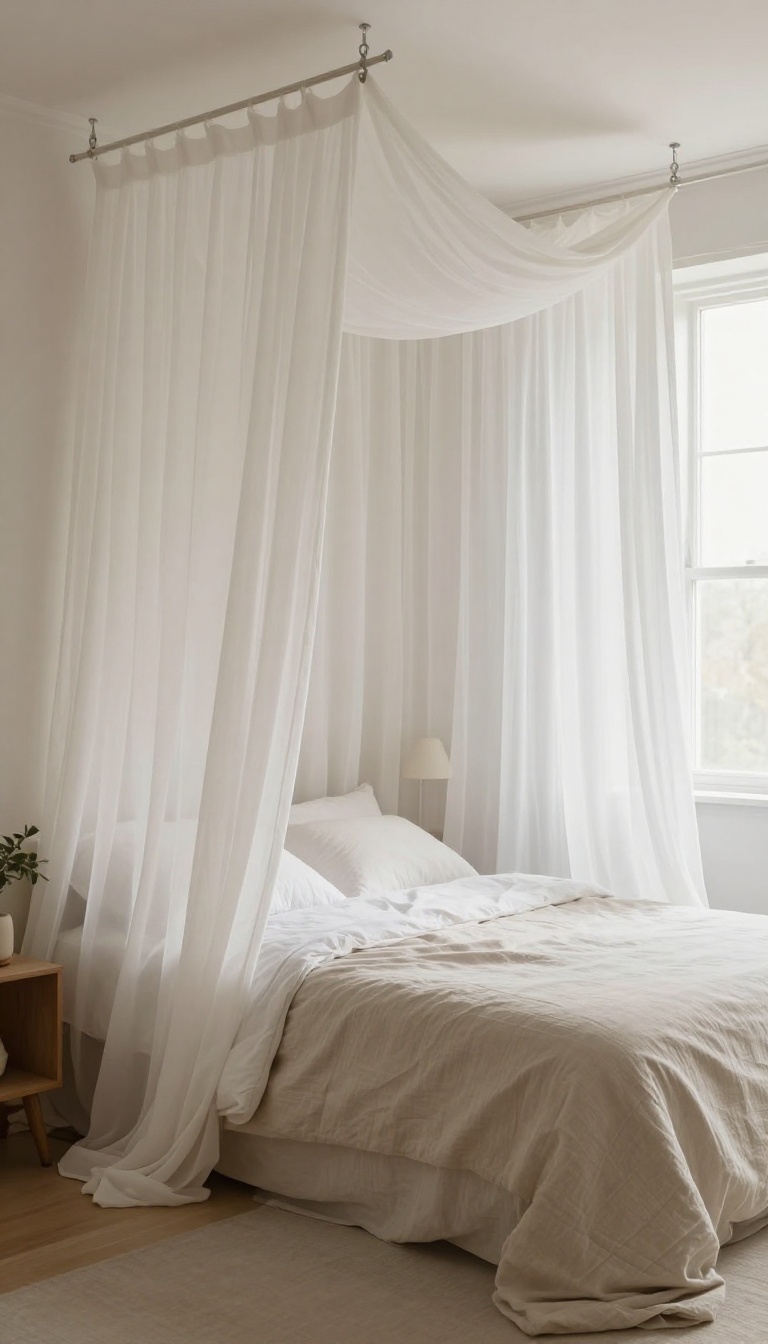
A canopy doesn't have to be elaborate. Even a simple sheer fabric draped over the bed can create a sense of enclosure and intimacy, making the room feel like a retreat. In a small bedroom, this trick adds visual height and softness without taking up any floor space.
Draping fabric around your bed instantly transforms it into a private sanctuary. The soft folds break up hard lines and add a layer of warmth that makes the space feel more inviting. Plus, it's a flexible option that works with any decor style, from boho to minimalist.
Choose The Right Fabric
Sheer fabrics like muslin or linen let in light while providing a dreamy, airy feel. For a cozier vibe, opt for heavier materials like velvet or cotton. The key is to pick something that complements your existing bedding and doesn't overwhelm the room.
Easy Installation Tricks
You don't need a full canopy frame. A simple curtain rod mounted on the ceiling or a wall-mounted hook can do the trick. Use command hooks if you're renting, or try a tension rod between two walls for a no-drill solution.
Style It Your Way
Drape the fabric evenly for a classic look, or gather it to one side for a casual, romantic feel. Add fairy lights woven through the fabric for extra magic. The goal is to create a nook that feels personal and inviting.
10. Keep Clutter at Bay with Hidden Storage
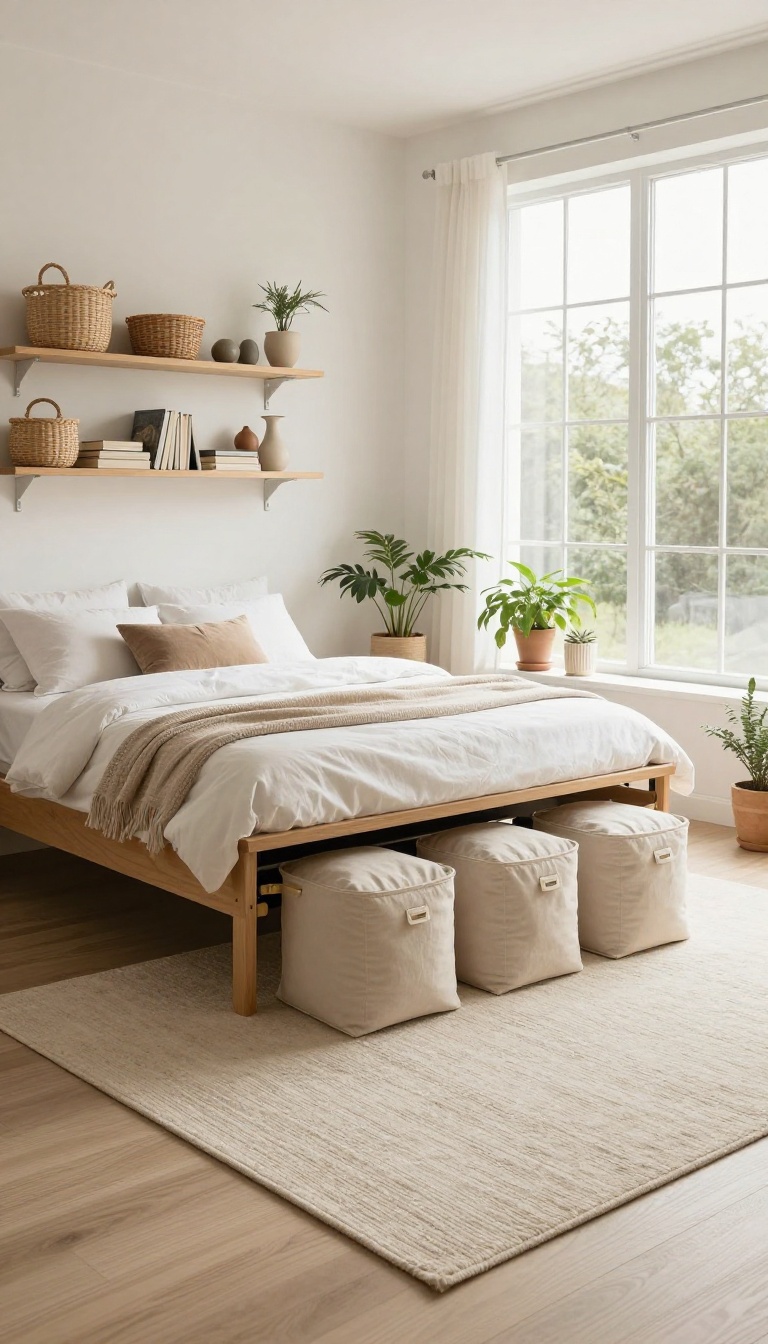
A cluttered room rarely feels cozy, no matter how many candles you light. When every surface is covered, your brain can't fully relax. Hidden storage is the quiet hero of small bedroom design, letting you tuck away the visual noise while keeping everything you need within reach.
Start by thinking vertically and underfoot. Swap a traditional nightstand for a slim cabinet with drawers, or add a bench with lift-up storage at the foot of your bed. Use the space under your bed for rolling bins or vacuum bags to store off-season clothes and extra bedding.
Wall-mounted shelves with baskets or boxes keep books and accessories tidy without taking up floor space. The goal is to give every item a home that's out of sight but easy to access, so your room feels open and calm.
Under-bed Storage That Works
The area under your bed is prime real estate. Choose low-profile bins on wheels so you can slide them out effortlessly. Clear bins let you see what's inside, while fabric bins hide the mess.
Use them for bulky items like sweaters, shoes, or extra pillows. If you have a platform bed, consider a bed frame with built-in drawers—they're a game-changer for small rooms.
Multi-purpose Furniture
Look for pieces that do double duty. An ottoman with a removable top can store blankets or books while serving as extra seating. A bench at the foot of the bed with hidden storage is perfect for shoes or extra linens.
Even a window seat with a hinged top can hide seasonal items. The key is to choose furniture that blends seamlessly with your decor while adding function.
Wall-mounted Organizers
When floor space is tight, use your walls. Install a pegboard above your desk to hang small items like keys, jewelry, or headphones. Floating shelves with baskets can hold toiletries or accessories without cluttering your nightstand.
A wall-mounted fold-down desk can hide your work area when not in use. These solutions keep surfaces clear and make the room feel larger.
FAQ
What is the best color for a small cozy bedroom?
Warm, muted colors like soft beige, warm gray, dusty rose, or sage green work best. They create a calming backdrop without making the room feel smaller.
How can I make my small bedroom look bigger?
Use light colors, maximize natural light with sheer curtains, keep the floor visible with low-profile furniture, and use mirrors to reflect light and create depth.
What type of lighting is best for a cozy bedroom?
Layered lighting is ideal. Combine ambient lighting (like a ceiling fixture on a dimmer), task lighting (like a reading lamp), and accent lighting (like string lights) to create a warm, adjustable glow.
How do I add storage to a small bedroom without cluttering it?
Use vertical space with floating shelves, under-bed storage bins, and multi-functional furniture like ottomans with hidden storage. Keep surfaces clear and only display a few meaningful items.
Can I use dark colors in a small bedroom?
Yes, but use them sparingly. Dark accent walls can add depth and coziness, but balance them with light bedding and decor to avoid making the room feel too enclosed.
Conclusion
Creating a cozy bedroom in a small space is all about making smart choices. By focusing on lighting, texture, and clever storage, you can transform your room into a haven for slow evenings. Start with one or two ideas that resonate with you and build from there.
Remember, the goal is to make the space feel personal and inviting. With a little effort, your small bedroom can become your favorite spot to unwind and recharge.