11 Living Room Window Blinds Ideas for a More Polished Space
The right window blinds can transform your living room from ordinary to polished. They control light, add privacy, and set the tone for the entire space. But with so many options, choosing the perfect blinds can feel overwhelming.
This guide breaks down 11 distinct blind styles that deliver both form and function. Each idea is practical, stylish, and easy to implement.
Whether you prefer a minimalist look or something more dramatic, there's a blind here for you. Let's dive into these ideas and find the one that will make your living room shine.
1. Classic Wood Blinds for Warmth
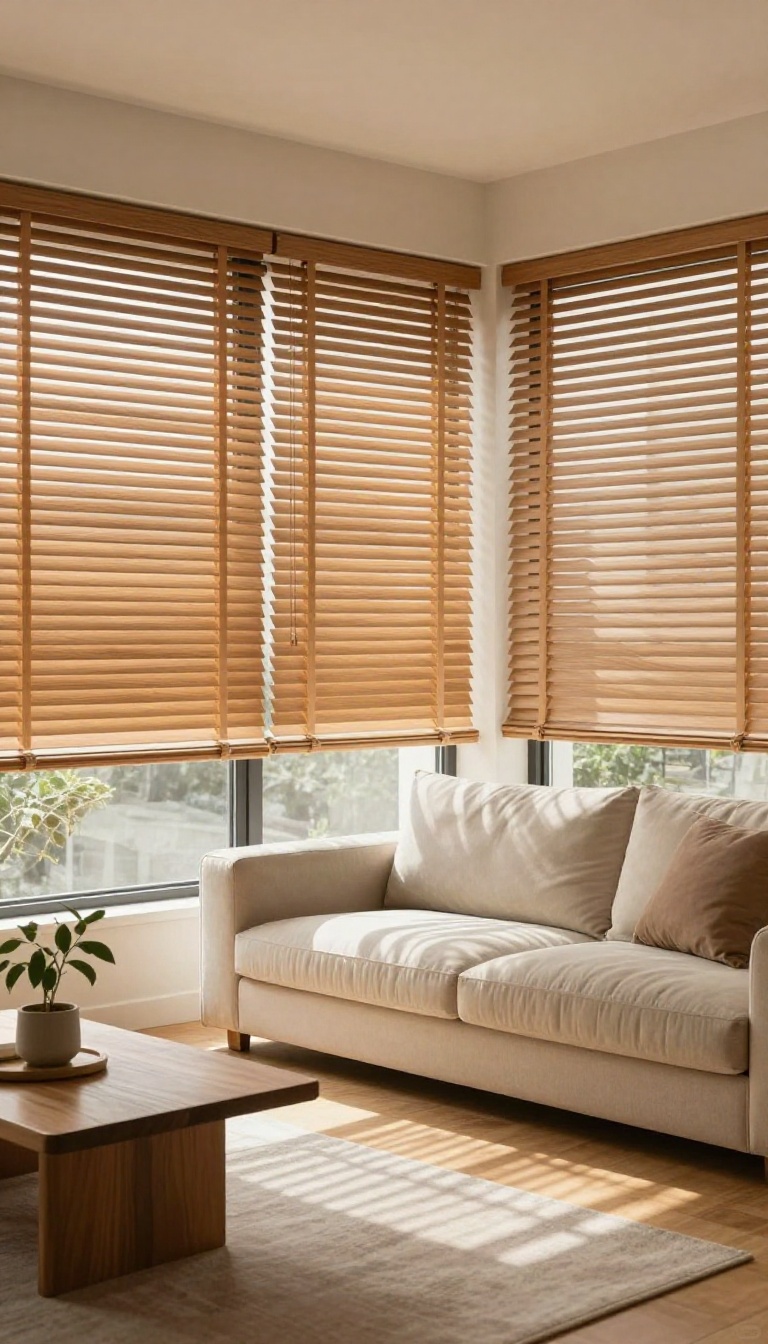
Wood blinds are a timeless choice that instantly adds a cozy, natural feel to any living room. Their warm tones and clean lines work beautifully in both traditional and contemporary settings, making them a versatile option for almost any decor. Plus, the adjustable slats give you precise control over light and privacy, so you can set the perfect mood throughout the day.
Wood blinds bring a touch of nature indoors, creating a welcoming atmosphere that feels both grounded and refined. They come in a variety of stains and finishes, from rich mahogany to light oak, so you can easily match them to your existing furniture and flooring. Unlike some other window treatments, wood blinds are durable and long-lasting, making them a smart investment for your home.
Choosing The Right Wood Tone
When selecting wood blinds, consider the overall color palette of your living room. Lighter woods like ash or maple can make a small space feel larger and airier, while darker woods like walnut or cherry add depth and a sense of luxury. If you have hardwood floors, try to coordinate the blind color with the floor stain for a cohesive look, or choose a contrasting tone to make the windows stand out.
Light Control And Privacy
One of the biggest advantages of wood blinds is their ability to fine-tune light. By tilting the slats, you can let in soft, diffused light during the day or block it out entirely for privacy at night. For even more flexibility, consider adding a sheer valance or drapery panels to soften the edges and create a layered window treatment that feels polished and complete.
Caring For Your Wood Blinds
Wood blinds are relatively easy to maintain. Dust them regularly with a soft cloth or a vacuum attachment to prevent buildup. For deeper cleaning, wipe them down with a slightly damp cloth and dry immediately.
Avoid using harsh chemicals or excessive moisture, as these can damage the wood finish. With proper care, your wood blinds will stay beautiful for years.
2. Faux Wood Blinds for Durability
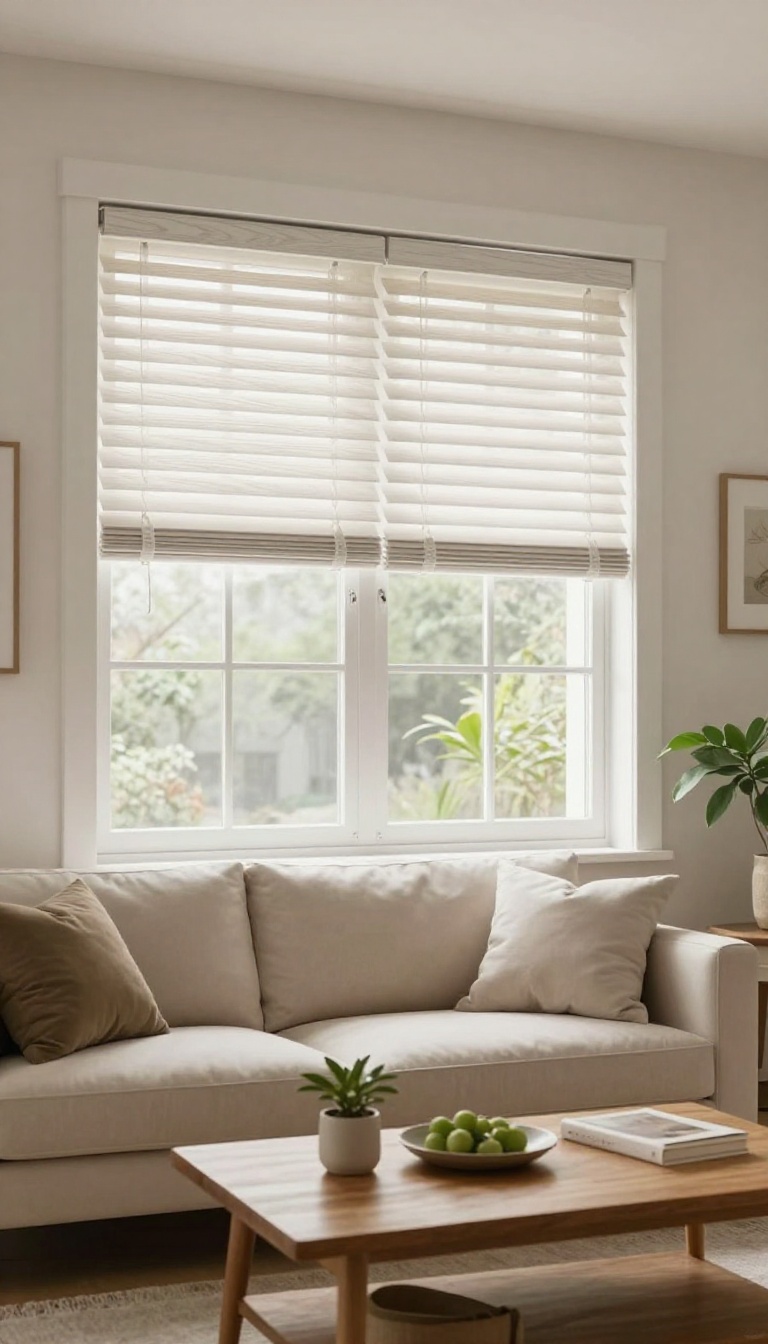
Real wood blinds look stunning, but they can be fussy in humid or high-traffic rooms. Faux wood blinds offer the same warm aesthetic with a lot more practicality. They are built to resist moisture, warping, and everyday wear, making them a smart choice for busy living spaces.
Faux wood blinds are made from composite materials like PVC or resin, which gives them the look of real wood without the maintenance. They handle humidity well, so they won't warp or crack in damp conditions. Plus, they are easier to clean—just wipe them down with a damp cloth.
For large windows, they provide a clean, substantial look that doesn't overwhelm the space.
Why Faux Wood Beats Real Wood In Busy Homes
Real wood blinds can absorb moisture and swell, especially in kitchens or bathrooms. Faux wood doesn't have that problem. It's also more scratch-resistant, which matters if you have kids or pets.
You get the classic wood grain look without worrying about damage.
Styles And Finishes That Look Expensive
Faux wood blinds come in a variety of stains and paint colors, from light oak to espresso. Some have a realistic wood grain texture that's hard to distinguish from the real thing. Choose a finish that complements your furniture and flooring for a cohesive, polished look.
Installation And Maintenance Tips
Faux wood blinds are lightweight, making them easy to install. They can be mounted inside or outside the window frame. For cleaning, use a microfiber duster or a damp cloth.
Avoid harsh chemicals that might dull the finish. With minimal care, they'll look great for years.
3. Roman Shades for Soft Elegance
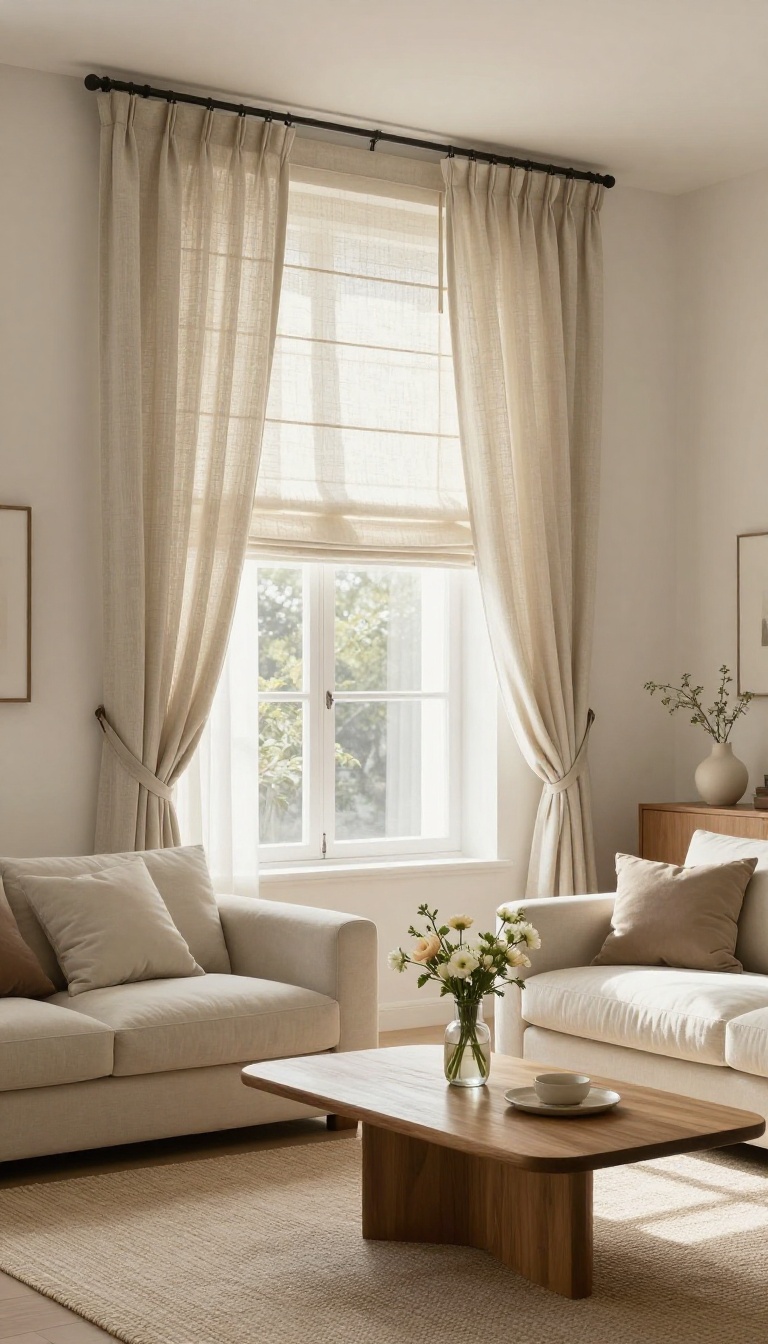
Roman shades bring a tailored, soft look that feels both classic and current. When you raise them, they fold into neat, horizontal pleats that add a touch of texture and refinement to your living room. They’re a favorite for anyone who wants the clean lines of a blind but with a softer, more fabric-forward feel.
These shades work beautifully in living rooms because they offer a balance of light control and style. You can choose from light-filtering fabrics to let in a warm glow or opt for blackout linings for movie nights. The fabric choices are nearly endless—from linen and cotton to silk blends—so you can match your decor perfectly.
Why They Feel So Polished
The secret is in the folds. When raised, Roman shades create a series of soft, even pleats that stack neatly. This structured but gentle look adds a layer of sophistication that flat blinds can’t match.
It’s a subtle upgrade that makes the whole room feel more considered and put together.
Fabric Choices That Work
Light and airy fabrics like linen or cotton voile keep the room bright and casual. For a more formal or cozy vibe, go with heavier materials like velvet or tweed. You can also play with patterns—stripes, florals, or geometric prints—to inject personality without overwhelming the space.
Mounting And Style Options
Inside mount gives a clean, built-in look, while outside mount can make windows appear larger. You can also choose between flat, hobbled, or relaxed styles, each with a different fold character. Flat is the most modern, hobbled adds a cascading effect, and relaxed offers a casual, puddled look at the bottom.
4. Roller Shades for Minimalist Appeal
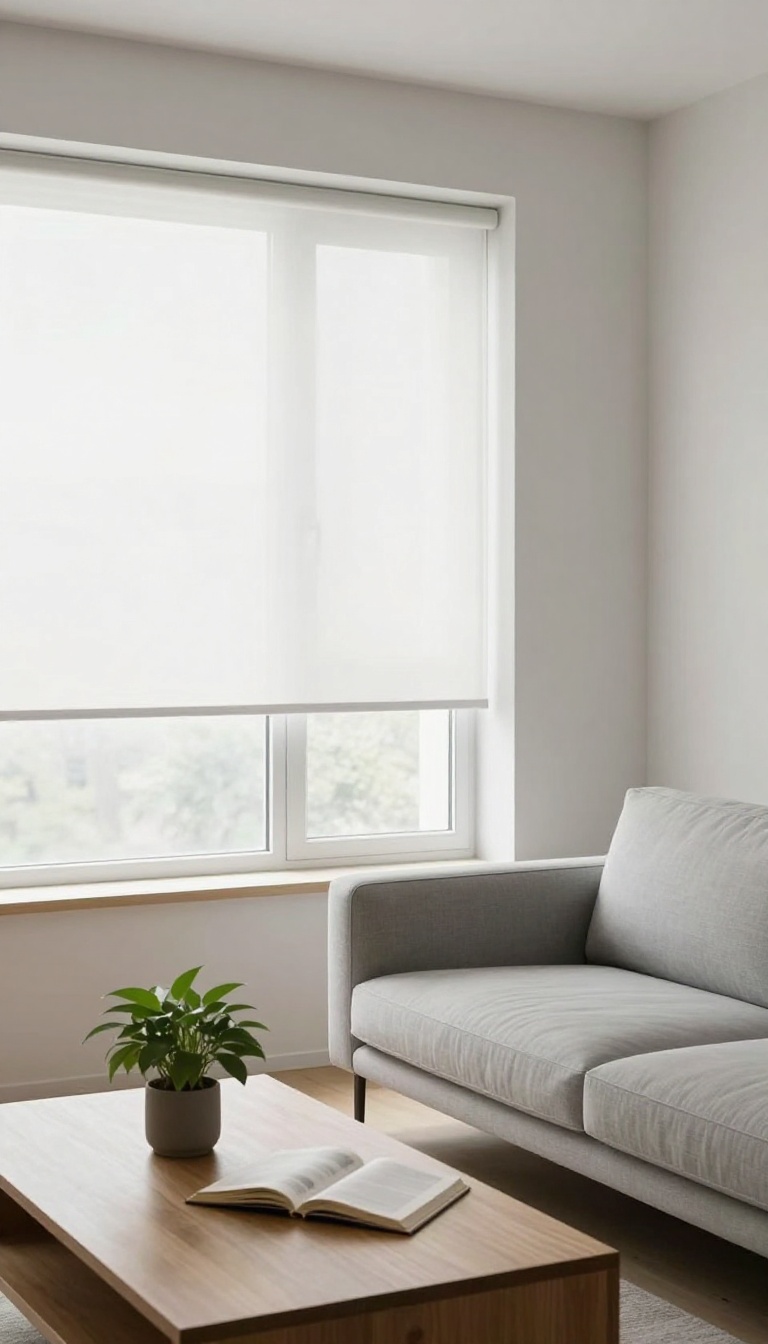
Roller shades are the quiet workhorses of window coverings. They bring a clean, uncluttered look that fits right in with minimalist and contemporary spaces. When you want your living room to feel airy and simple, these shades do the job without stealing the spotlight.
What makes them so appealing is their versatility. You can pick light-filtering fabrics that soften daylight or blackout options that make movie nights feel like a theater. They roll up neatly when you need the view, and drop down smoothly when you want privacy.
It's that effortless.
Roller shades are a single piece of fabric that rolls around a tube at the top of the window. That simplicity is their superpower. Unlike blinds with slats or cords, roller shades offer a smooth, continuous surface that looks sleek and modern.
They're also easy to operate—just pull a chain or use a spring mechanism to adjust them. Because they're so streamlined, they work well in rooms where you don't want window treatments to compete with other design elements. If your living room already has bold furniture or artwork, roller shades can quietly support the look without adding visual noise.
They're also a great choice for small spaces, as they don't take up much room when rolled up. Another plus is the range of fabrics available. From sheer to opaque, you can control how much light enters the room.
Some even have a white backing to reflect heat, which helps with energy efficiency. And cleaning is a breeze—just wipe them down with a damp cloth when they get dusty.
Choosing The Right Fabric
The fabric you pick sets the mood. Sheer roller shades let in soft, diffused light while still offering some privacy during the day. They're perfect for living rooms where you want a bright, airy feel.
On the other hand, blackout shades block almost all light, making them ideal for media rooms or bedrooms. There are also semi-opaque options that balance light control and privacy. Consider the color and texture too.
Neutral tones like white, beige, or gray blend seamlessly with most decors. But you can also choose a patterned fabric to add a subtle design element. Just remember that lighter colors reflect heat and make the room feel cooler, while darker shades absorb light and can make the space feel cozier.
Motorized Vs. Manual Operation
If you're after ultimate convenience, motorized roller shades are worth the investment. With a remote control or a smart home app, you can adjust them without leaving your seat. That's especially handy for hard-to-reach windows or if you want to schedule them to open and close automatically.
Manual shades are simpler and more budget-friendly. They use a chain or a spring mechanism that's easy to operate. For most living rooms, manual shades work just fine.
But if you like the idea of controlling everything from your phone, motorized might be the way to go.
Installation Tips
Roller shades can be mounted inside the window frame for a clean, built-in look, or outside the frame if you want to make the window appear larger. Inside mounting requires accurate measurements, so measure the width and height in three spots to avoid gaps. Outside mounting gives you more flexibility with size and can also help block more light from the edges.
If you're handy, DIY installation is doable with basic tools. But if you're unsure, hiring a professional ensures a perfect fit. Either way, make sure the brackets are level so the shade hangs straight.
5. Cellular Shades for Energy Efficiency
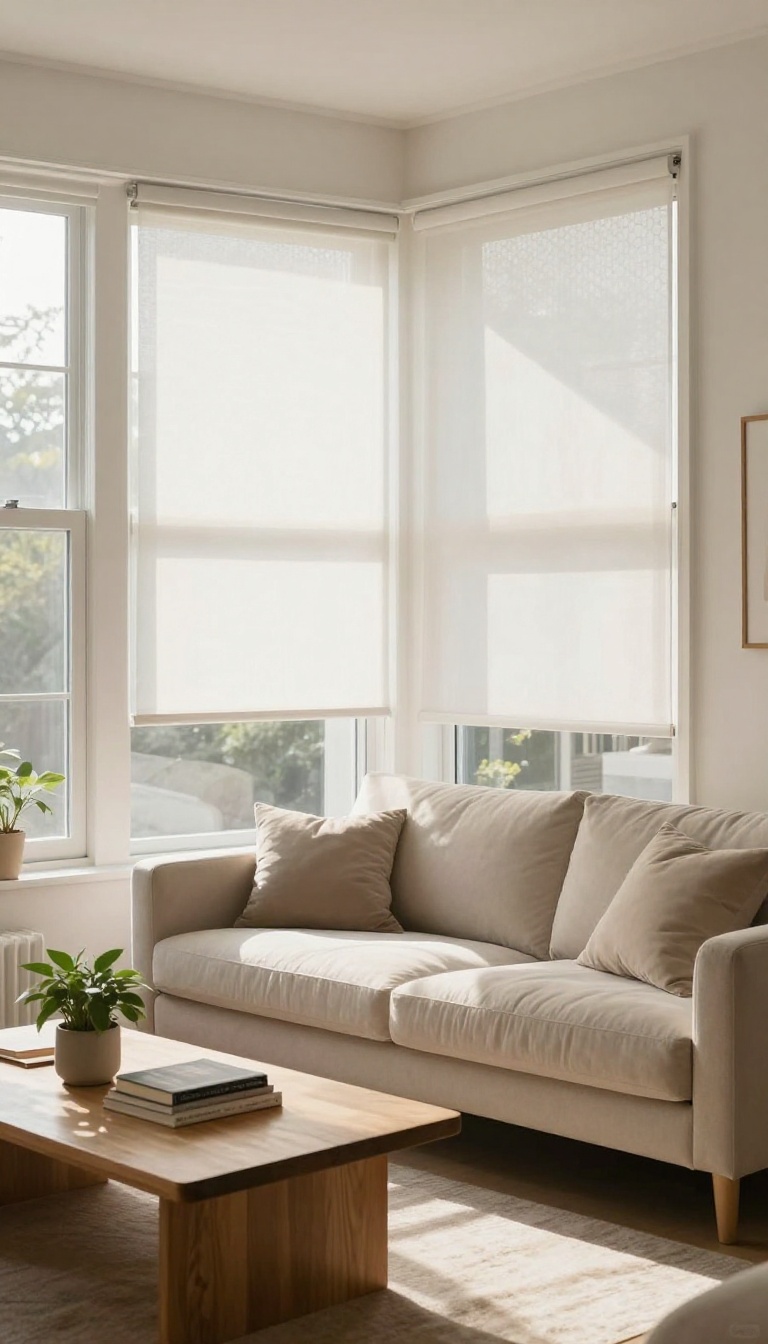
Cellular shades, often called honeycomb shades, are a smart pick if you want to cut energy costs without sacrificing style. Their unique pleated structure traps air, creating a barrier that keeps your living room warmer in winter and cooler in summer. Plus, they filter light beautifully, giving your space a soft, cozy glow.
Cellular shades are more than just a pretty face—they're workhorses when it comes to insulation. The honeycomb pockets trap air, which slows heat transfer through your windows. That means your HVAC system doesn't have to work as hard, and you'll notice the difference on your energy bills.
They're especially great for older homes with drafty windows or rooms that get a lot of sun. Beyond the energy savings, these shades are incredibly versatile. You can find them in a range of fabrics, from sheer to opaque, so you can control privacy and light exactly how you like.
They also come in single or double-cell versions—double cells add an extra layer of insulation for those extreme climates. And because they're available in so many colors, you can easily match them to your decor. Installation is straightforward, and you can choose between inside or outside mounts.
Inside mounts give a clean, built-in look, while outside mounts can make windows appear larger. Either way, they operate smoothly with cordless, motorized, or traditional cord options, so you can pick what fits your lifestyle best.
How They Save Energy
The magic lies in the honeycomb structure. Each cell traps still air, which acts as an insulator. In winter, that keeps warm air inside; in summer, it blocks heat from entering.
Studies show cellular shades can reduce heat loss through windows by up to 40% in winter and heat gain by up to 60% in summer. That's a big deal for your comfort and your wallet.
Choosing The Right Cell Size
Cell size matters more than you might think. Larger cells (like 3/4-inch or 1-inch) provide better insulation because they trap more air. Smaller cells (like 3/8-inch) are more flexible and suit smaller windows.
For most living rooms, a medium cell size strikes a good balance between insulation and aesthetics. If you're unsure, double-cell shades offer the best of both worlds.
Light Control And Privacy Options
You don't have to sacrifice light for energy efficiency. Cellular shades come in light-filtering and blackout fabrics. Light-filtering shades let in a soft glow while still providing privacy during the day.
Blackout versions are perfect for media rooms or if you want total darkness for naps. You can also choose top-down/bottom-up operation to let light in from the top while keeping the bottom closed for privacy.
6. Vertical Blinds for Sliding Doors
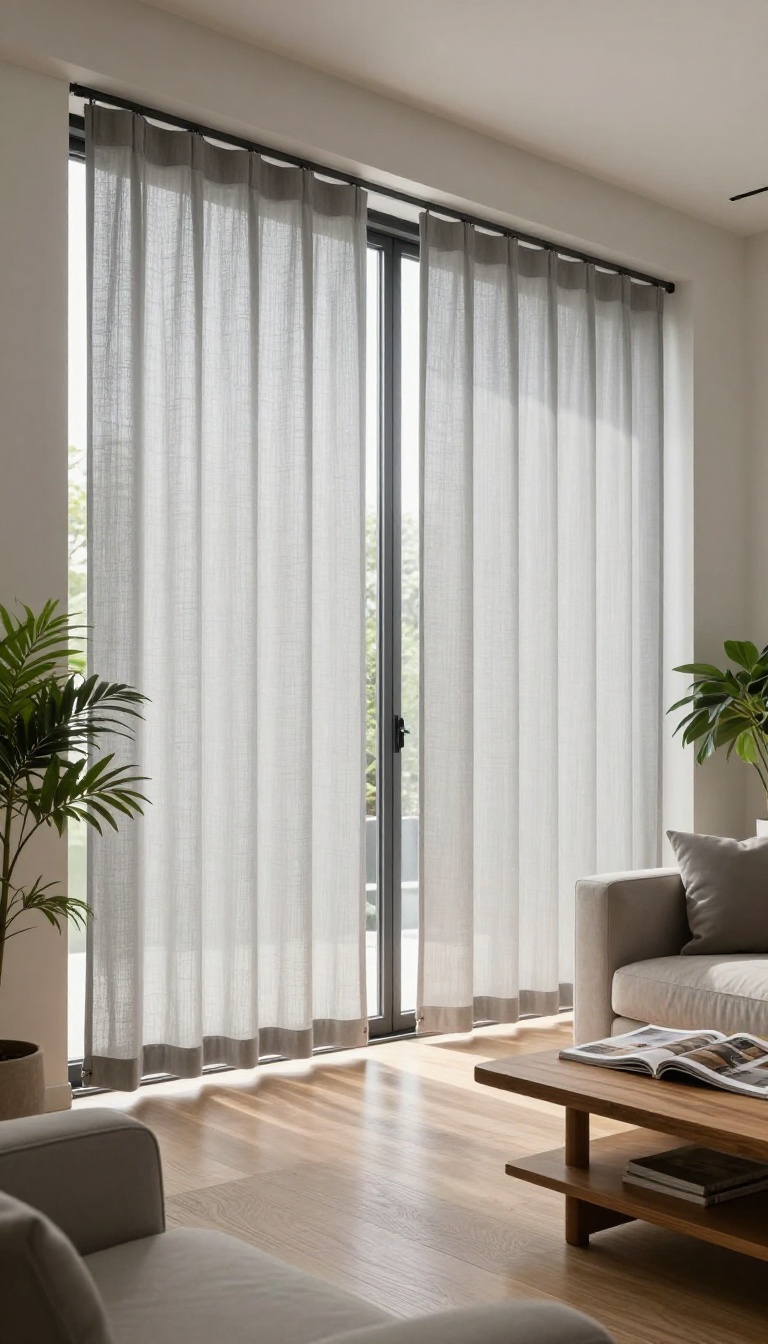
Sliding glass doors are a fantastic feature, but they can be a hassle to cover. Standard curtains get in the way, and horizontal blinds look awkward. Vertical blinds step in as the practical, polished solution.
They glide smoothly along a track, letting you control light and privacy with a simple pull. Plus, they're available in a wide range of materials and colors, so you can match them to your decor without sacrificing function.
Vertical blinds are the workhorses of large windows and sliding doors. They're easy to operate, durable, and offer excellent light control. You can tilt them to filter light or draw them fully open to enjoy the view.
With so many styles available, they can look surprisingly sleek and modern.
Why They Work For Sliding Doors
The vertical orientation perfectly matches the shape of sliding doors. Each vane hangs from a track, so they can be pulled to one side without bunching up like curtains. This makes them ideal for high-traffic areas where you're constantly moving between inside and out.
They also don't collect dust as much as horizontal blinds because dust slides off easily.
Material Options And Looks
You're not stuck with the old-school vinyl verticals. Today, you can choose from fabric vanes that add softness, or sleek aluminum for a modern industrial vibe. Faux wood options bring warmth without the maintenance of real wood.
For a truly polished look, pick a neutral tone that blends with your wall color, or go bold with a contrasting shade to make a statement.
Operation And Maintenance Tips
Most vertical blinds come with a wand or a chain to tilt and traverse the vanes. Some even have motorized options for easy control. To keep them looking fresh, simply wipe them down with a damp cloth occasionally.
If you have pets or kids, consider cordless or motorized versions to avoid dangling cords.
7. Sheer Shades for Soft Light
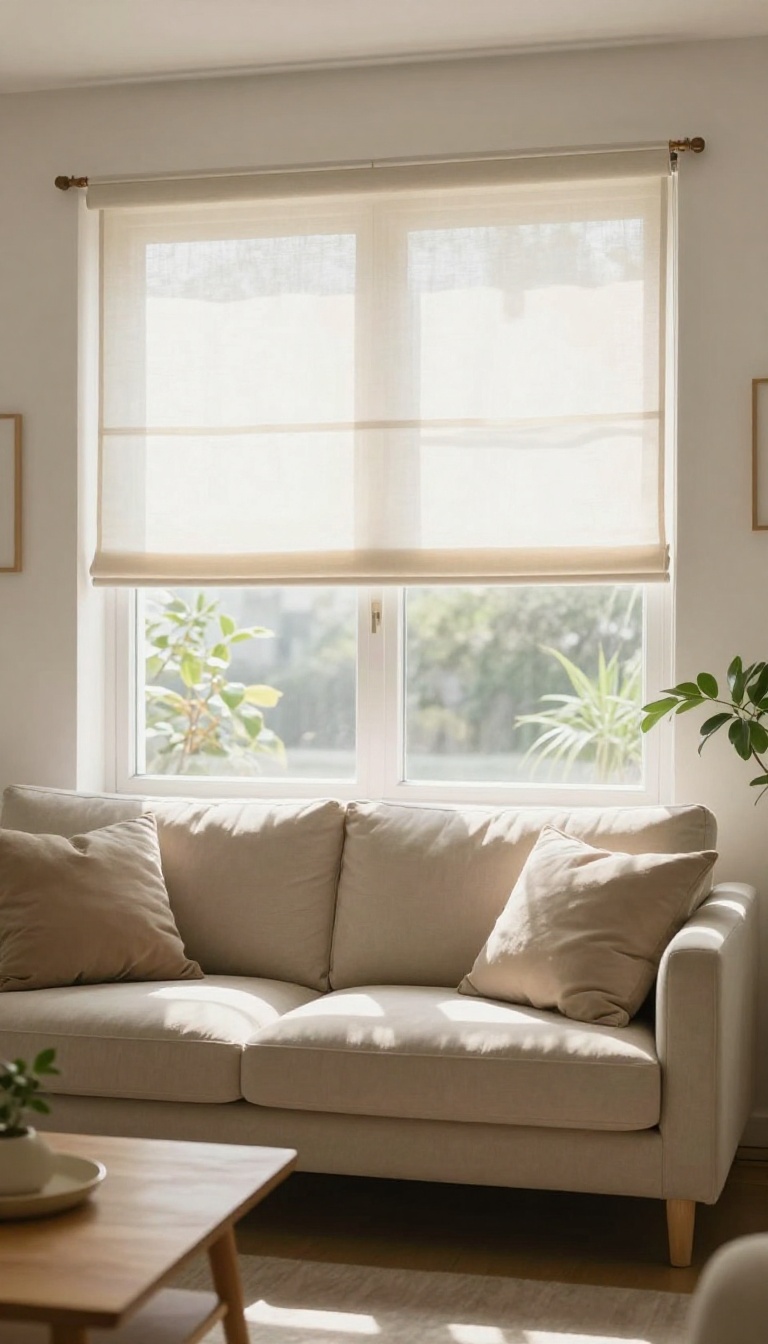
If you love the idea of natural light flooding your living room but want to keep the glare and prying eyes out, sheer shades are a brilliant middle ground. They layer soft fabric between two sheets of sheer material, creating a look that's airy and elegant. Unlike regular blinds, they diffuse sunlight into a gentle glow that makes the whole space feel calm and inviting.
Sheer shades are a versatile window treatment that combines the best of both worlds. They offer the light control of blinds with the softness of curtains, making them a favorite for living rooms where comfort and style matter. When the vanes are open, you get a clear view outside; when closed, they provide privacy while still letting light filter through beautifully.
They come in a range of colors and opacities, so you can customize the level of light and privacy to suit your needs.
Why Sheer Shades Work
The magic of sheer shades lies in their construction. Two layers of sheer fabric hold horizontal vanes that can be tilted to control light and privacy. This design creates a soft, diffused light that eliminates harsh shadows and glare, making your living room feel more spacious and serene.
Unlike traditional blinds, they don't have visible cords or bulky hardware, giving them a clean, modern look that blends seamlessly with any decor.
Styles And Materials
Sheer shades are available in a variety of fabrics, from lightweight polyesters to natural linens. You can choose from neutral tones like white, beige, or gray to create a subtle, understated backdrop, or go bolder with a pop of color to make a statement. Some sheer shades feature a top-down/bottom-up option, allowing you to lower the top for light while keeping the bottom closed for privacy.
This flexibility makes them ideal for living rooms where you want to control the view from the street without sacrificing daylight.
Installation And Maintenance
Installing sheer shades is straightforward, whether you mount them inside or outside the window frame. Inside mounting gives a sleek, custom look, while outside mounting can make windows appear larger. Maintenance is simple: regular dusting with a soft cloth or vacuum attachment keeps them looking fresh.
For deeper cleaning, most sheer shades are spot-clean only, so be sure to check the manufacturer's instructions. With proper care, they'll stay beautiful for years.
8. Smart Blinds for Modern Convenience
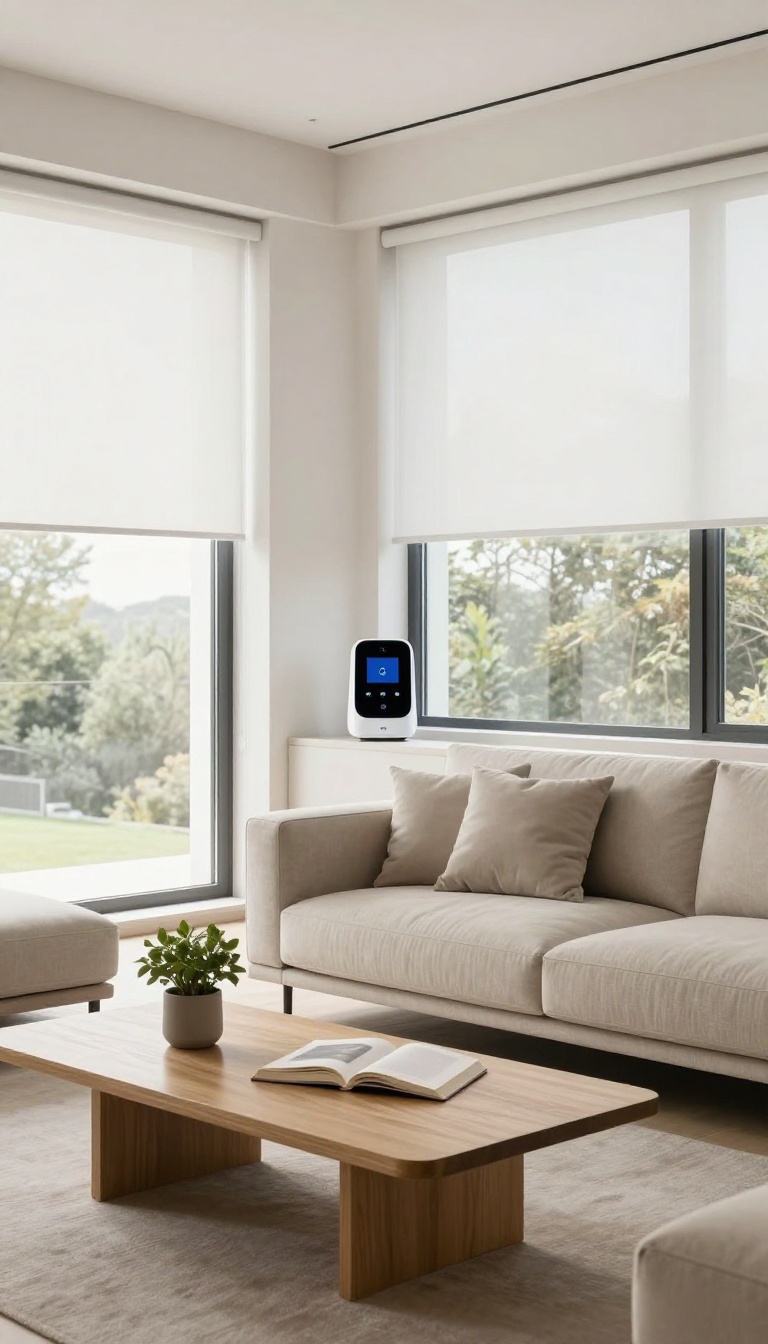
Smart blinds are the ultimate upgrade for a polished living room. They bring a level of convenience that traditional blinds just can't match. With a tap on your phone or a simple voice command, you can adjust the light and privacy in your space without leaving your seat.
It's a small change that makes a big difference in how you interact with your home.
Smart blinds are a game-changer for anyone who loves convenience. They're perfect for busy mornings when you want to let the sun in without getting up, or for evenings when you want to close them for privacy without walking across the room. They also help with energy efficiency by automatically adjusting based on the time of day or temperature.
Plus, they look sleek and modern, adding a high-tech touch to your living room.
Control At Your Fingertips
The biggest draw of smart blinds is the control they offer. You can operate them from your smartphone using a dedicated app, or use voice commands with Alexa, Google Assistant, or Siri. Imagine saying, 'Hey Google, close the blinds, ' and watching them glide shut.
You can also set schedules so they open and close automatically, which is great for waking up to natural light or creating a cozy atmosphere in the evening.
Energy And Light Management
Smart blinds are more than just a cool gadget. They can help you save on energy bills by reducing heat gain in the summer and heat loss in the winter. Many models come with sensors that detect sunlight and temperature, adjusting the blinds to keep your living room comfortable.
This means you can rely on them to maintain a consistent indoor climate without constantly fiddling with them.
Integration With Your Smart Home
If you already have smart home devices, smart blinds will fit right in. They can be integrated into scenes and routines, like 'Movie Night' which dims the lights and closes the blinds automatically. You can also connect them to your security system, so they open and close as if someone is home while you're away.
This adds both convenience and peace of mind.
9. Bamboo Blinds for an Organic Touch
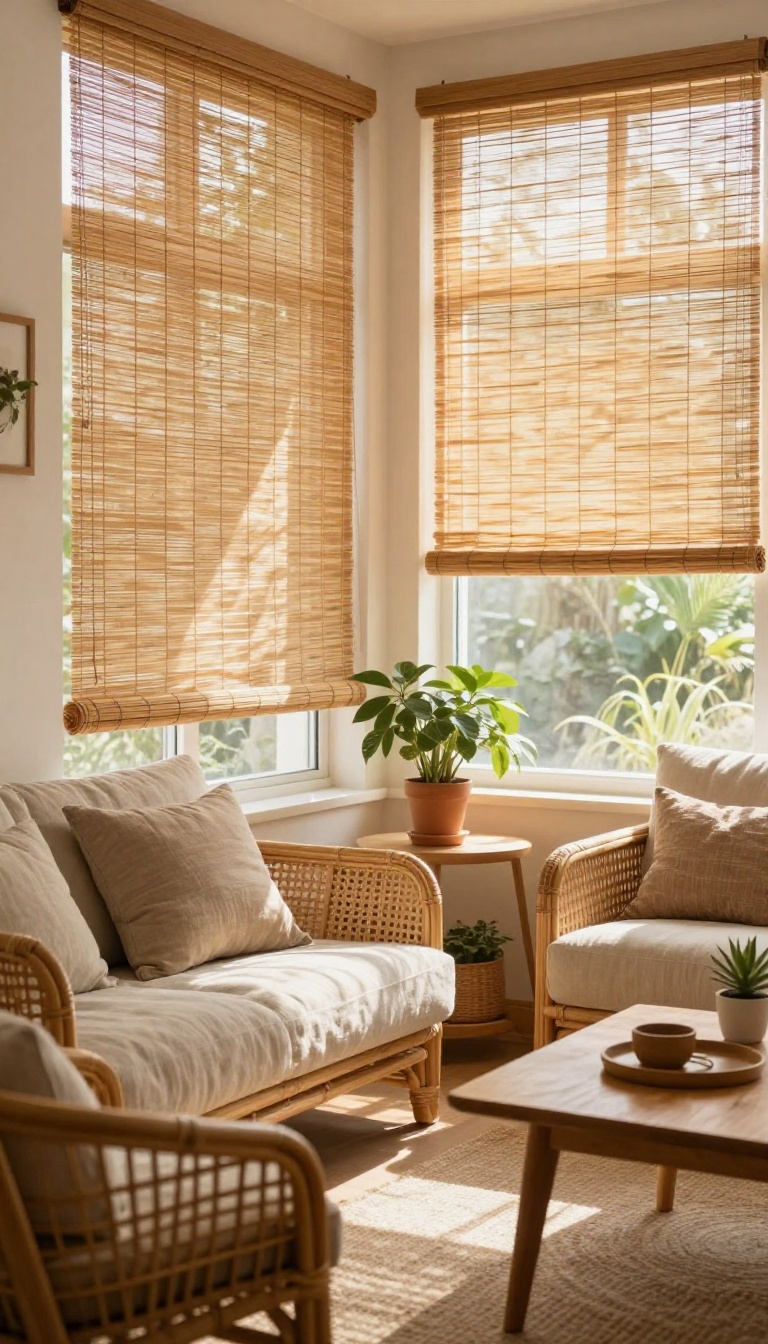
Bamboo blinds bring a natural, eco-friendly element to your living room. They create a relaxed, bohemian vibe and are available in various weaves, from tightly rolled to loosely woven. This texture adds warmth and depth that fabric blinds often lack.
Bamboo blinds are a fantastic way to soften a modern space or enhance a bohemian aesthetic. They filter light beautifully, casting a warm glow that makes the room feel cozy and inviting. Plus, they're a sustainable choice for the environmentally conscious homeowner.
Why Bamboo Works
Bamboo is a renewable resource that grows quickly, making it an eco-friendly option. It's also durable and naturally resistant to moisture, so it holds up well in humid climates. The natural color variations and grain patterns add visual interest without being overpowering.
Light Control And Privacy
Bamboo blinds don't block light completely, but they do filter it softly, creating a warm, diffused glow. They offer decent privacy during the day, but at night with interior lights on, they become more see-through. Pair them with sheer curtains for extra coverage if needed.
Styling Tips
Bamboo blinds pair beautifully with natural materials like wood, rattan, and linen. They work well with neutral color palettes and plants. For a polished look, mount them inside the window frame to keep the lines clean.
You can also add a fabric valance for a softer finish.
10. Layered Blinds and Curtains for Depth
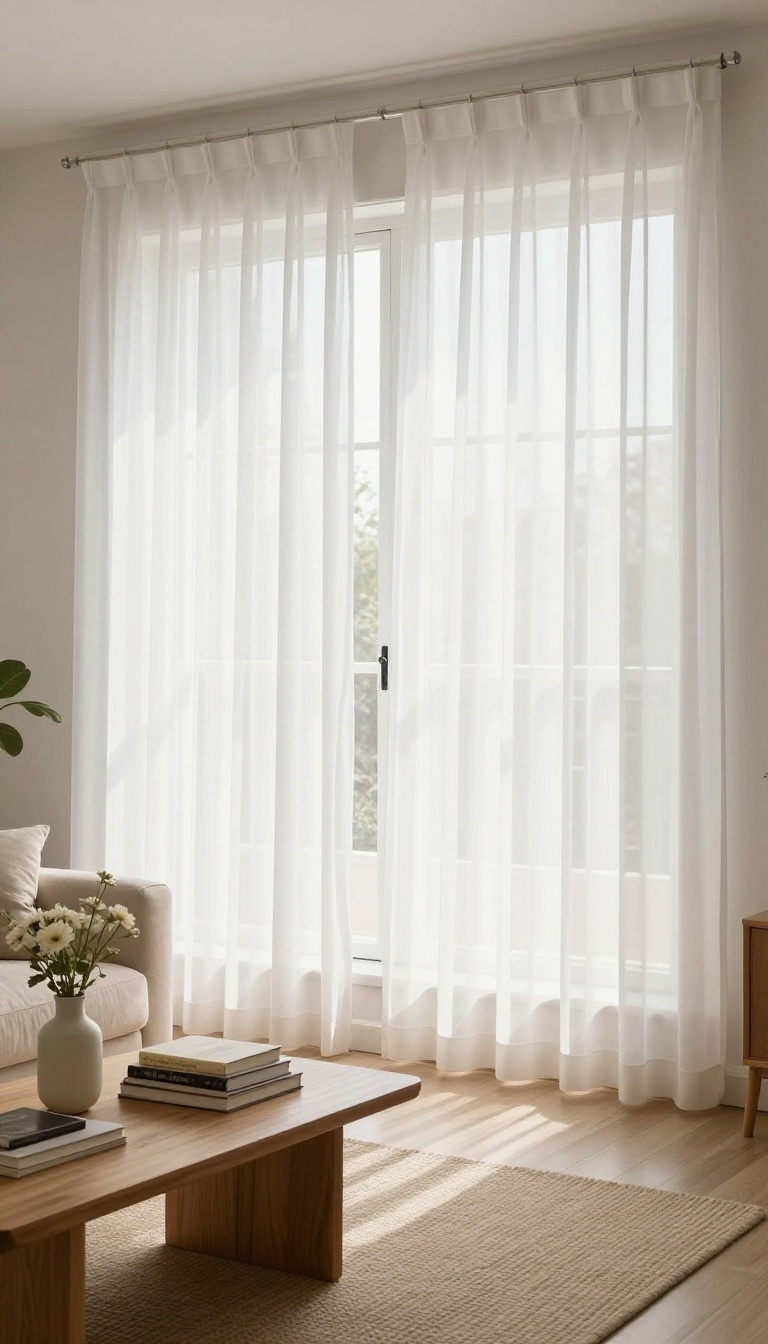
Layering blinds with curtains is like giving your windows a stylish outfit—it adds depth, texture, and a custom feel that single window treatments just can't match. This combo isn't just about looks; it's also incredibly practical, giving you total control over light and privacy. Whether you want to soften a modern space or add elegance to a traditional one, this pairing works wonders.
Pairing blinds with curtains is a designer trick that instantly elevates any living room. The blinds handle light control and privacy, while the curtains add softness, color, and a finished look. This layered approach also helps with insulation, keeping your room warmer in winter and cooler in summer.
Plus, it's a flexible solution—you can change the curtains seasonally for a fresh vibe without replacing the blinds.
Why Layering Works So Well
Layering gives you the best of both worlds: the clean lines of blinds and the flowing elegance of curtains. The blinds provide precise light control—you can adjust them to let in just a sliver of sun or block it out entirely. The curtains soften the window frame, add a pop of color or pattern, and create a sense of coziness.
Together, they make your windows look intentional and polished.
Choosing The Right Blind And Curtain Combo
The key is to mix textures and tones that complement each other. For a breezy, casual feel, pair sheer curtains with wooden or bamboo blinds. For a more formal look, opt for velvet or linen curtains over classic white or neutral blinds.
Keep the colors harmonious—if your blinds are dark, go with lighter curtains to balance the weight. And don't forget the hardware: a stylish curtain rod can tie the whole look together.
Installation Tips For A Seamless Look
Install the curtain rod high above the window frame—about 4 to 6 inches above—and extend it a few inches beyond the window on each side. This makes the window appear larger and allows natural light to flood in when the curtains are open. Hang the curtains so they just graze the floor for a tailored, elegant finish.
If you're using blinds underneath, make sure they fit snugly inside the window frame or just outside, depending on your preference.
11. Motorized Blinds for Accessibility
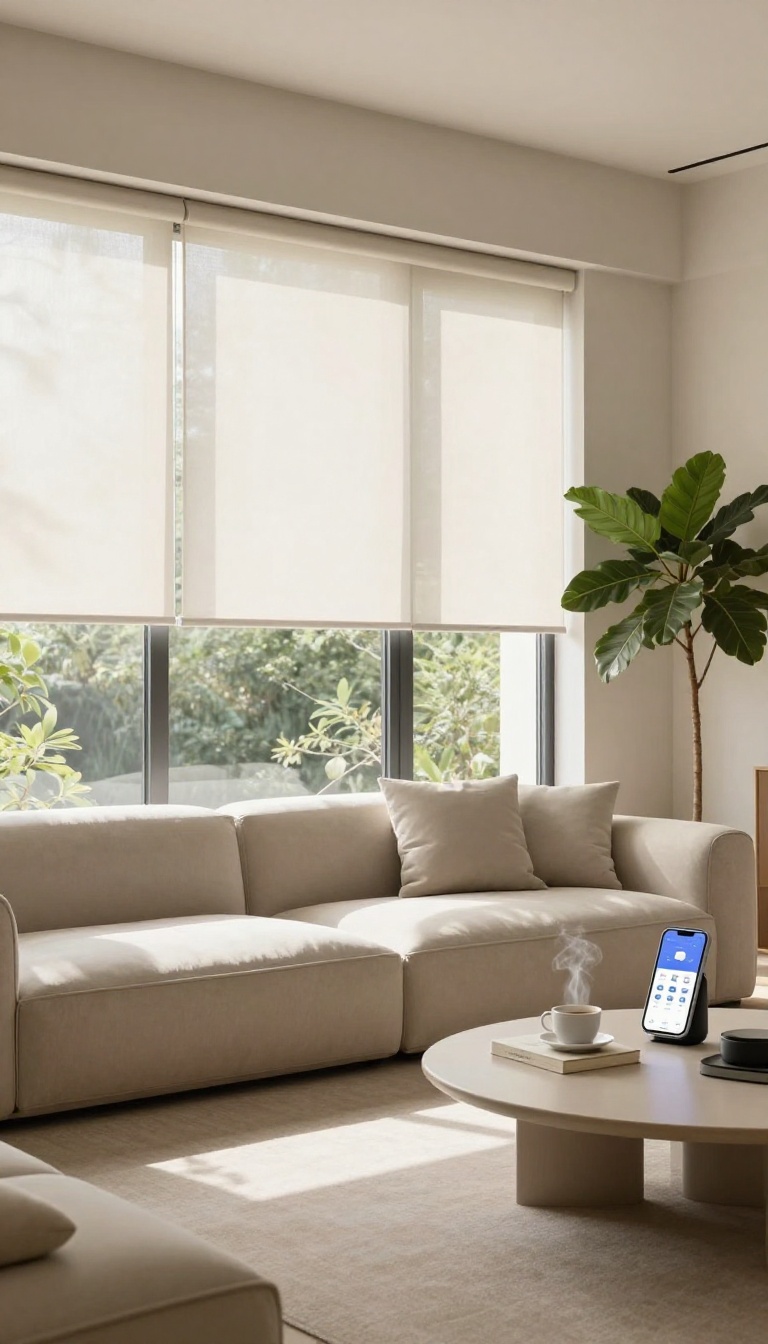
Motorized blinds aren't just a luxury—they're a game-changer for anyone who struggles with cords or has hard-to-reach windows. With a tap on your phone or a voice command, you can adjust light and privacy without leaving your seat. It's the kind of convenience that makes a space feel truly modern and effortless.
Motorized blinds bring a new level of ease to your living room, especially if you have tall windows, skylights, or windows tucked behind furniture. You can control them with a remote, a smartphone app, or even set them on a schedule to open and close automatically. For those with mobility issues, this removes the physical strain of pulling cords or reaching up.
Plus, they integrate smoothly with smart home systems like Alexa, Google Home, or Apple HomeKit, so you can simply say, "Hey Google, lower the blinds, " and it's done. The result is a polished, high-tech feel that also improves daily comfort.
Why Motorized Blinds Make Sense
Beyond convenience, motorized blinds offer safety—no dangling cords, which is great if you have kids or pets. They also help with energy efficiency by allowing you to schedule blinds to block heat during the hottest part of the day. And because they operate smoothly, they reduce wear and tear on the blinds themselves.
Smart Home Integration Options
Most motorized blinds come with a hub or use built-in Wi-Fi, so you can control them from anywhere. You can create scenes, like "movie time" that lowers all blinds and dims the lights. Some models even work with sensors that adjust blinds based on sunlight or temperature, keeping your room comfortable automatically.
Choosing The Right Motorized Blinds
When picking motorized blinds, consider the power source—battery-operated, plug-in, or hardwired. Battery ones are easy to install, but you'll need to recharge them occasionally. Also, think about the fabric and style that match your living room.
From sheer to blackout, you can get the same look as traditional blinds, just with a smarter twist.
FAQ
What are the best blinds for a living room with large windows?
For large windows, consider vertical blinds, sheer shades, or motorized blinds. These options are easy to operate and can cover wide expanses without looking bulky.
How do I choose between wood and faux wood blinds?
Choose real wood for a premium, natural look and if you don't have moisture issues. Faux wood is more durable, moisture-resistant, and budget-friendly, making it ideal for kitchens or humid climates.
Are cellular shades worth the extra cost?
Yes, cellular shades can reduce energy bills by providing insulation, which makes them a cost-effective choice in the long run. They also offer excellent light control and privacy.
Can I install blinds myself?
Many blinds come with easy DIY installation kits. However, for larger or more complex installations, or if you want a perfect fit, professional installation might be worth the investment.
How do I clean and maintain my blinds?
Regular dusting with a microfiber cloth or vacuum attachment works for most blinds. For deeper cleaning, check the manufacturer's instructions—some fabric blinds can be spot-cleaned, while others may require professional cleaning.
Conclusion
Your windows are more than just a frame for the view—they’re a chance to set the whole mood of the room. Whether you go with sleek roller shades, soft linen drapes, or a layered combo, the right blinds can make your living room feel instantly more polished.
Start with the window that gets the most attention, and build from there. Once you see how much character the right treatment adds, you’ll wonder why you waited so long to make the switch.