10 Orange Couch Living Room Ideas for a Warm, Stylish Update
An orange couch instantly brings energy and warmth, but styling it can feel like a puzzle. The right pairings make it the star of your living room without overwhelming the space.
Whether you're drawn to bold contrasts or soft, earthy layers, these ten ideas offer practical ways to make that vibrant piece work beautifully. From paint colors to textures and lighting, each suggestion is easy to adapt to your own home.
Let's explore how to turn that orange sofa into a cozy, stylish anchor you'll love coming back to.
1. Pair with Neutral Walls and Textures
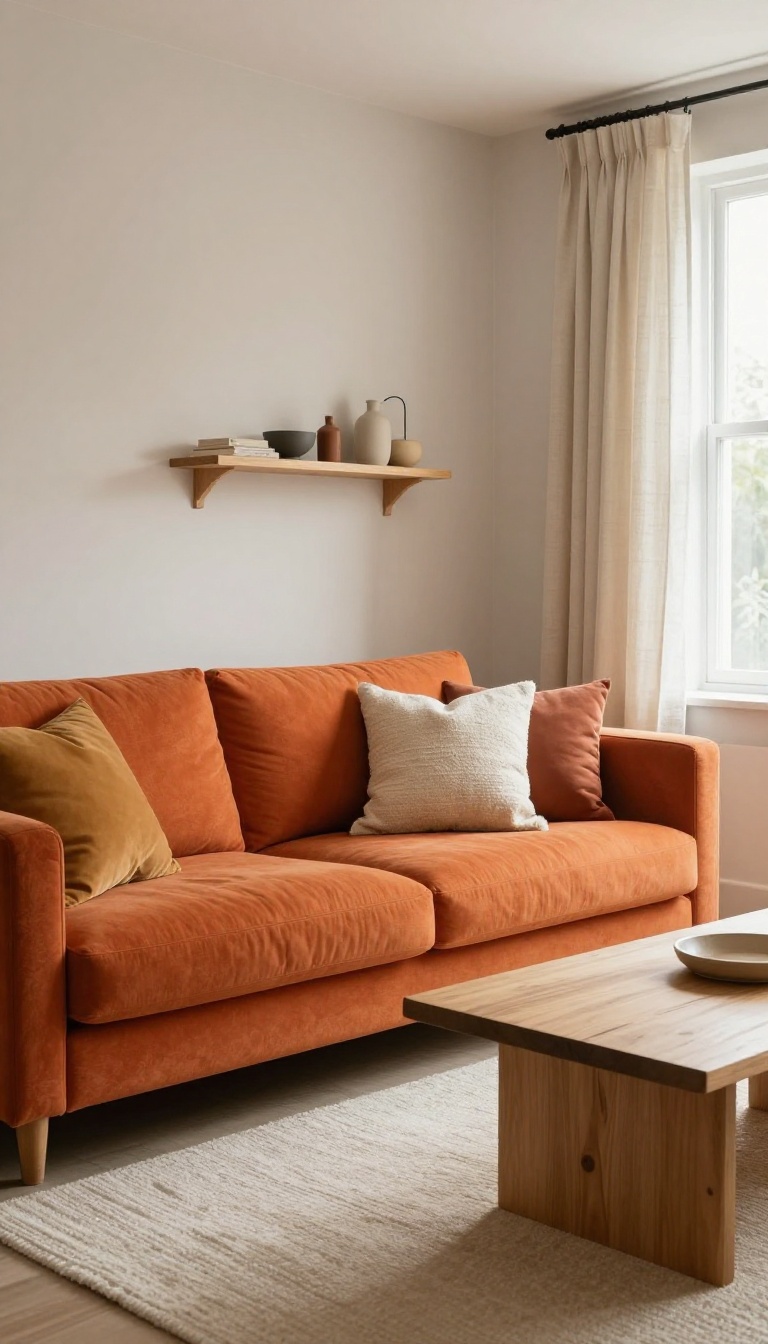
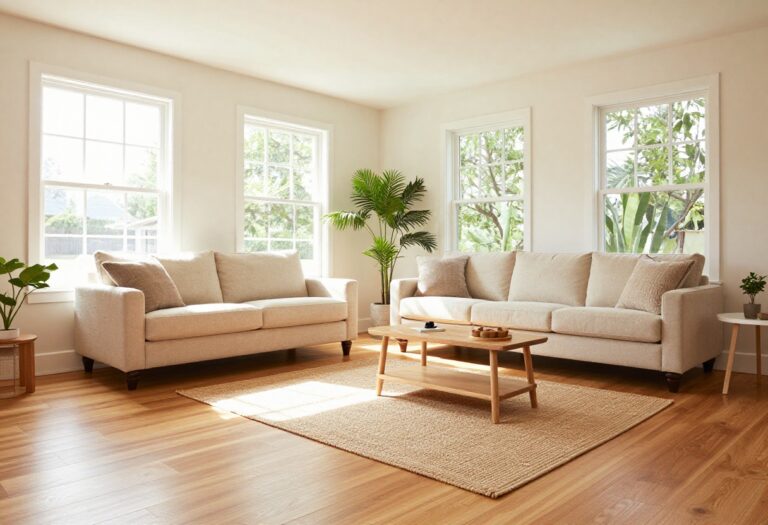
The quickest way to let your orange couch feel intentional rather than loud is to build the rest of the room around calm neutrals. Warm whites, greiges, and soft beiges on the walls create a gentle backdrop that makes the orange pop without shouting. Then, layer in textures—linen, wool, wood—so the space feels rich and inviting, not flat or stark.
Start by painting your walls in a warm neutral like Swiss Coffee, Accessible Beige, or a greige with a hint of warmth. These tones have enough depth to complement orange without competing for attention. If you prefer a touch more contrast, a soft sage green on an accent wall can also work beautifully, but keep the majority of the room neutral to maintain balance.
Next, bring in texture through your soft furnishings. Linen curtains in a natural ivory or sand color add an airy, relaxed feel. A wool rug with a subtle pattern—think berber or flatweave—anchors the seating area and adds warmth underfoot.
Wooden accents, like a coffee table, side tables, or floating shelves, introduce organic texture that pairs perfectly with the vibrancy of the couch. Finally, mix in a few throw pillows in complementary shades like mustard, terracotta, or cream to tie the look together.
Choose The Right Neutral Palette
Not all neutrals are created equal when it comes to orange. Cool grays can make the couch feel harsh, so stick with warm undertones. Cream, oatmeal, and warm taupe are safe bets.
If you're feeling bold, a deep charcoal on one wall can add drama, but keep the rest light to avoid a cave-like feel.
Layer Textures For Depth
Texture is your secret weapon against a flat, boring room. Mix materials like a chunky knit throw, a leather pouf, or a woven basket for storage. These elements add visual interest and make the space feel lived-in and cozy.
Don't forget the walls—consider a textured wallpaper or a simple wainscoting to add dimension.
Use Wood Tones To Ground The Space
Wood brings a natural, earthy balance to the brightness of an orange couch. Opt for medium-toned woods like oak or walnut for furniture, and add smaller accents like a wooden tray or picture frames. If you have a fireplace, the mantel is a perfect place to introduce wood elements.
2. Go Bold with Complementary Blues
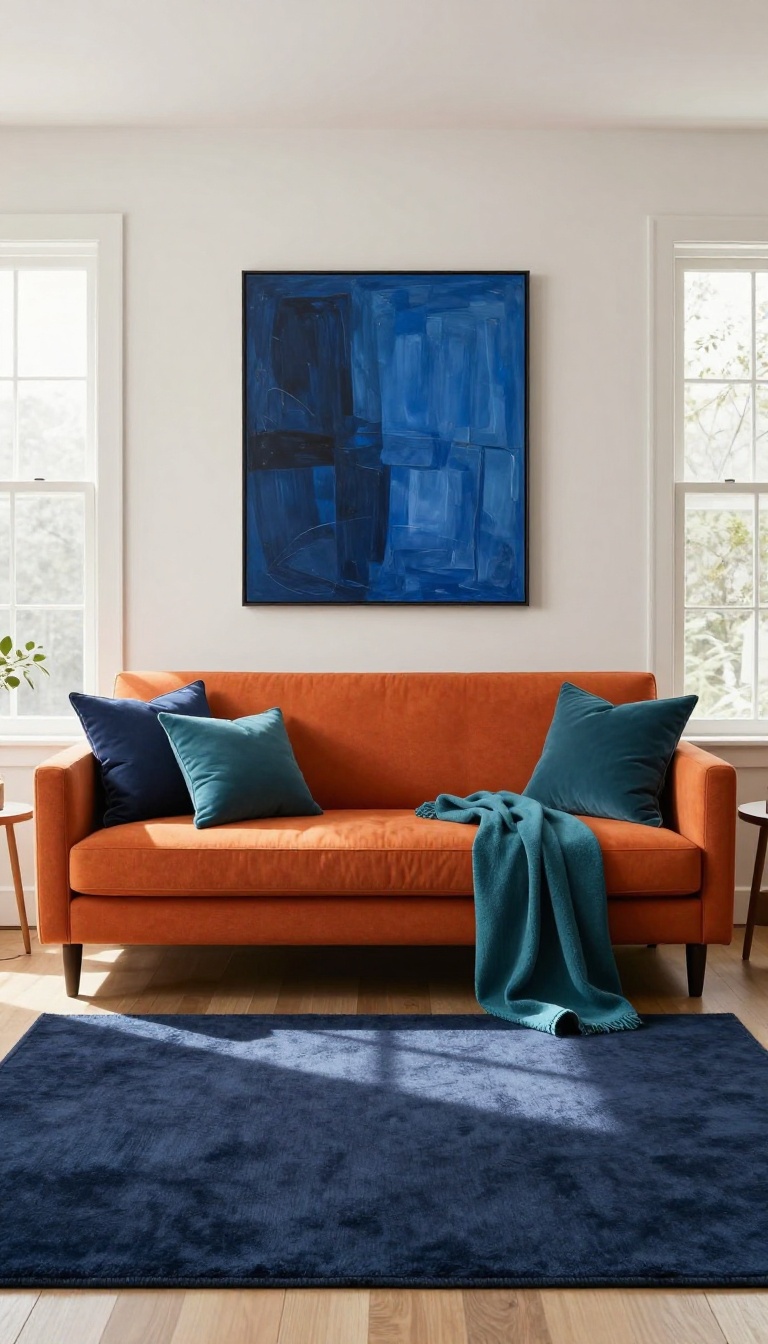
Blue is orange's complementary color, so it naturally pops. Use navy or teal in throw pillows, an area rug, or artwork. This creates a vibrant, energetic contrast that still feels balanced.
Pairing your orange couch with blues is a designer-approved move that instantly adds depth and visual interest. The key is to choose the right shade of blue and distribute it thoughtfully around the room. You don't need to go overboard—even a few well-placed accents can make a huge difference.
Start with a large area rug in a deep navy or a muted teal to anchor the space. Then, layer in smaller touches like throw pillows, a cozy blanket, or a piece of wall art. This approach lets the orange couch remain the hero while the blue adds a cool, calming counterpoint.
For a more dramatic look, consider painting an accent wall in a rich navy or installing blue curtains. If you prefer a softer touch, stick to accessories and textiles. The goal is to create a balanced, inviting space that feels both vibrant and harmonious.
Pick The Right Shade Of Blue
Not all blues are created equal when it comes to pairing with orange. Deep navy and teal are the safest bets because they have enough depth to stand up to the orange without clashing. Lighter blues like powder or baby blue can work, but they might feel too pastel and wash out the boldness of the couch.
If you want a more modern look, try a muted slate blue or a denim blue.
Layer Blue Through Textiles
The easiest way to introduce blue is through textiles. Throw pillows in a navy geometric pattern or a teal velvet texture can add both color and comfort. A chunky knit blanket in a cool blue tone draped over the arm of the couch invites relaxation.
Don't forget curtains—blue drapes can frame the room and tie the whole look together.
Use Artwork To Bridge The Colors
Artwork is a fantastic way to bring blue into the room without overwhelming it. Look for pieces that feature both orange and blue, like a modern abstract painting or a coastal landscape with a sunset. This creates a visual link between the couch and the rest of the decor, making the color scheme feel intentional and cohesive.
3. Embrace Earthy Tones for a Bohemian Vibe
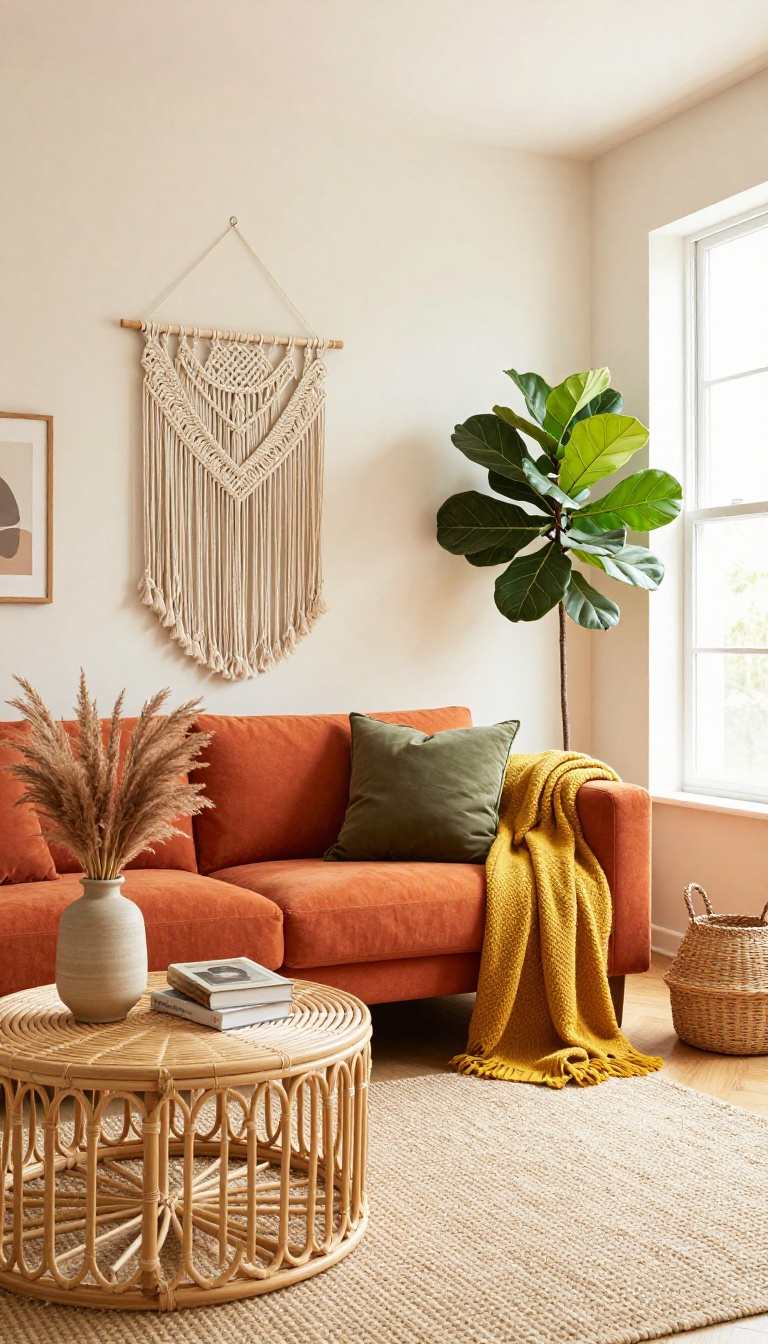
Earthy tones are the perfect counterpoint to an orange couch, grounding its vibrancy with natural warmth. Think terracotta, olive green, and mustard—colors that echo the outdoors and bring a sense of calm. This palette naturally lends itself to a bohemian aesthetic, where layered textures and organic materials create a relaxed, collected feel.
Start by painting your walls in a soft, warm neutral like cream or beige to let the couch shine. Then, bring in textiles and decor in earthy hues: throw pillows in terracotta and olive, a mustard knit blanket, and a woven jute rug. These colors work together harmoniously, creating a cozy, inviting atmosphere that feels both stylish and lived-in.
Layer Natural Textures
Texture is key to achieving that boho look. Mix materials like rattan, wood, and cotton to add depth and interest. A rattan coffee table, a wooden bookshelf, and a macramé wall hanging bring in organic elements that soften the room.
Drape a chunky knit throw over the couch and add floor cushions in earthy tones for extra seating and comfort.
Bring In Greenery
Plants are essential for a bohemian vibe—they add life and freshness. Place a tall fiddle-leaf fig in a woven basket next to the couch, and hang trailing pothos or string of pearls from macramé hangers. The green leaves complement the orange beautifully, mimicking the natural pairing of autumn leaves and evergreen.
Mix Patterns And Prints
Don't be afraid to mix patterns—it's part of the boho charm. Combine geometric kilim pillows with floral or paisley prints. Use a patterned area rug to anchor the space, and choose curtains with a subtle tribal motif.
The key is to keep the color palette consistent with earthy tones, so the patterns feel cohesive rather than chaotic.
Add Warm Lighting
Lighting sets the mood, and for a bohemian feel, you want it warm and soft. Use table lamps with woven or ceramic bases, string fairy lights along a shelf, and place candles in terracotta holders on the coffee table. This creates a cozy, intimate glow that enhances the earthy palette and makes the room feel inviting in the evening.
4. Create a Mid-Century Modern Look
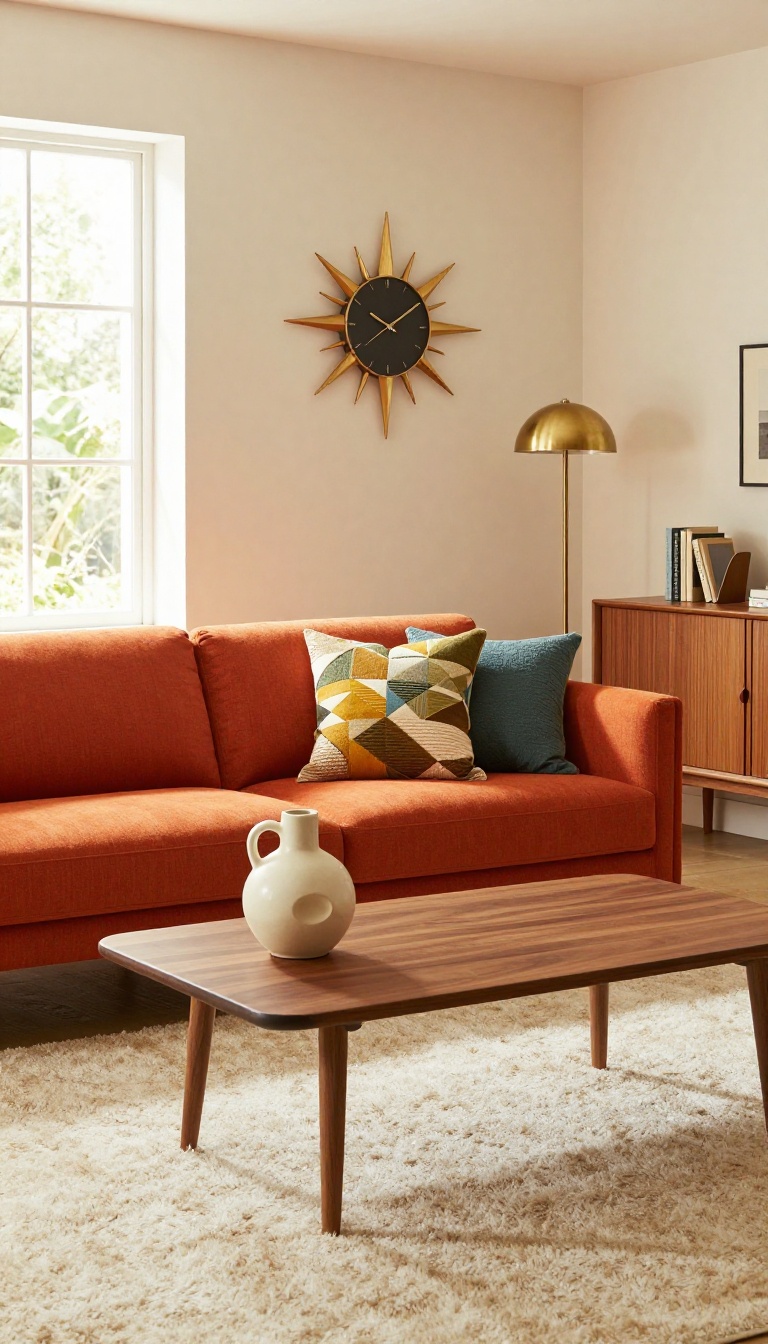
If your orange couch feels like it belongs in a Mad Men episode, you're onto something. Orange was a signature shade in mid-century design, and that retro vibe never really goes out of style. The key is to lean into the era's clean lines and warm woods, letting the couch anchor the room while the details do the talking.
Start by grounding the space with a walnut coffee table—its rich, dark wood tones balance the brightness of the orange. A starburst clock on the wall instantly sets the retro scene, while geometric-patterned pillows in mustard, olive, or teal add that playful mid-century touch. Finish with a shag rug in a neutral cream or subtle brown to soften the look and pull everything together.
Choose The Right Wood Tones
Walnut and teak are your best friends here. They bring warmth without competing with the orange. Look for a coffee table or sideboard with tapered legs—that classic mid-century silhouette.
If you have other wood furniture, try to match the undertones so the room feels cohesive.
Incorporate Geometric Patterns
Think atomic-age prints, bold lines, and abstract shapes. Pillows are the easiest way to introduce these patterns without overwhelming the couch. Mix a couple of geometric throw pillows with a solid textured one to keep it balanced.
You can also add a patterned rug or wall art for extra visual interest.
Add Sculptural Accessories
Sculptural pieces like a ceramic vase, a brass floor lamp, or a set of retro bookends add character and depth. Look for items with organic curves or sharp angles—both work in mid-century design. Place them on shelves, side tables, or the coffee table to create little vignettes that draw the eye around the room.
5. Soften with Pastel Accents
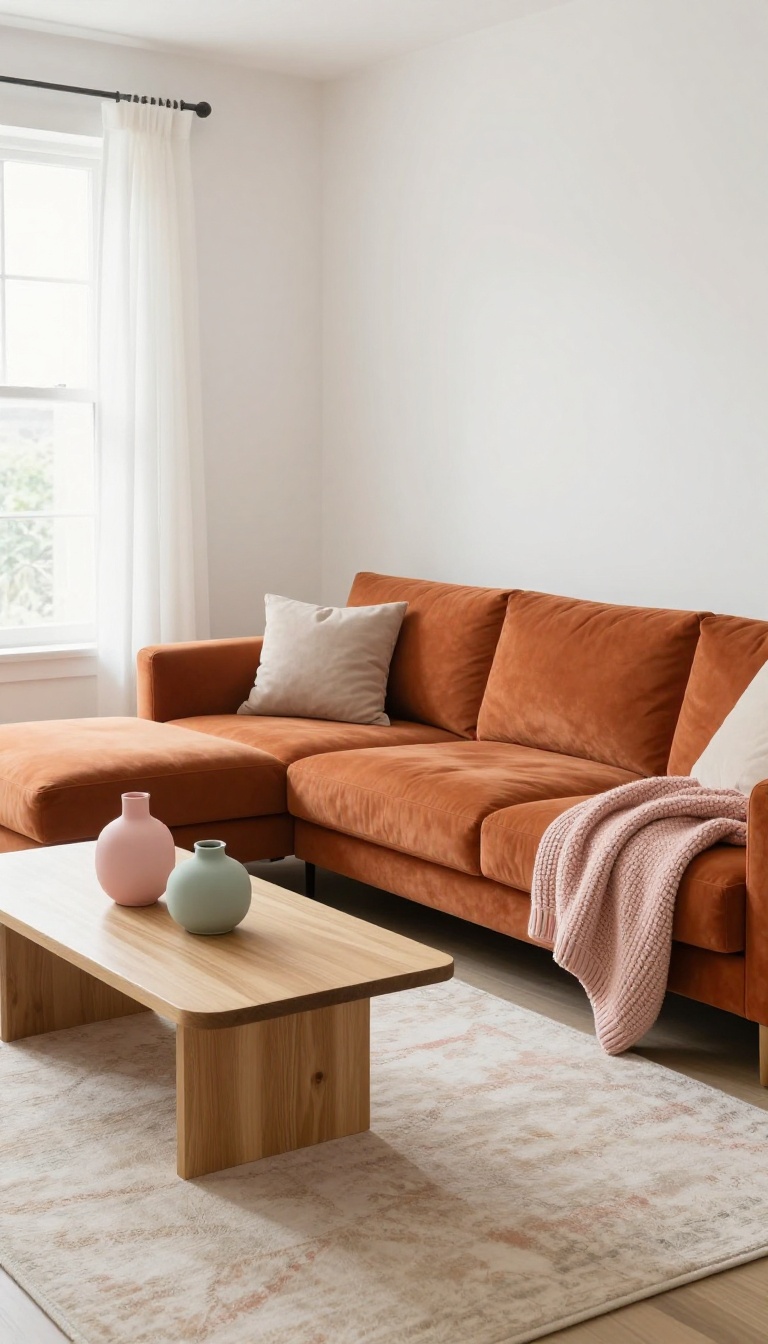
Pastels might seem like an unlikely partner for a bold orange couch, but they work wonders. The softness of blush pink, mint green, or baby blue tempers the intensity, making the space feel airy and calm. It's a simple way to keep the warmth without the visual shout.
Start by layering a few pastel pieces around the room. A chunky knit throw in a muted pink draped over the armrest instantly softens the look. Add a couple of pastel vases or a ceramic bowl on the coffee table to echo the tone.
The key is to keep the pastels muted, not neon, so they blend rather than compete.
Pick The Right Pastel
Not every pastel works with every shade of orange. For a burnt orange, try a dusty rose or a sage green. For a brighter tangerine, a pale blue or lavender can cool things down.
Test a few swatches against your couch to see which feels most harmonious.
Layer Textures
Pastels feel more grounded when they come with texture. Think a linen throw, a wool rug, or velvet cushions. These materials add depth and prevent the pastels from looking flat or childish.
Mixing textures also makes the room feel more inviting and lived-in.
Balance With Neutrals
To avoid a candy-like effect, bring in plenty of neutral tones. White, cream, or beige walls and furniture help the pastels breathe. A light area rug with a subtle pastel pattern can tie everything together without overwhelming the space.
6. Make It Monochromatic with Warm Neutrals
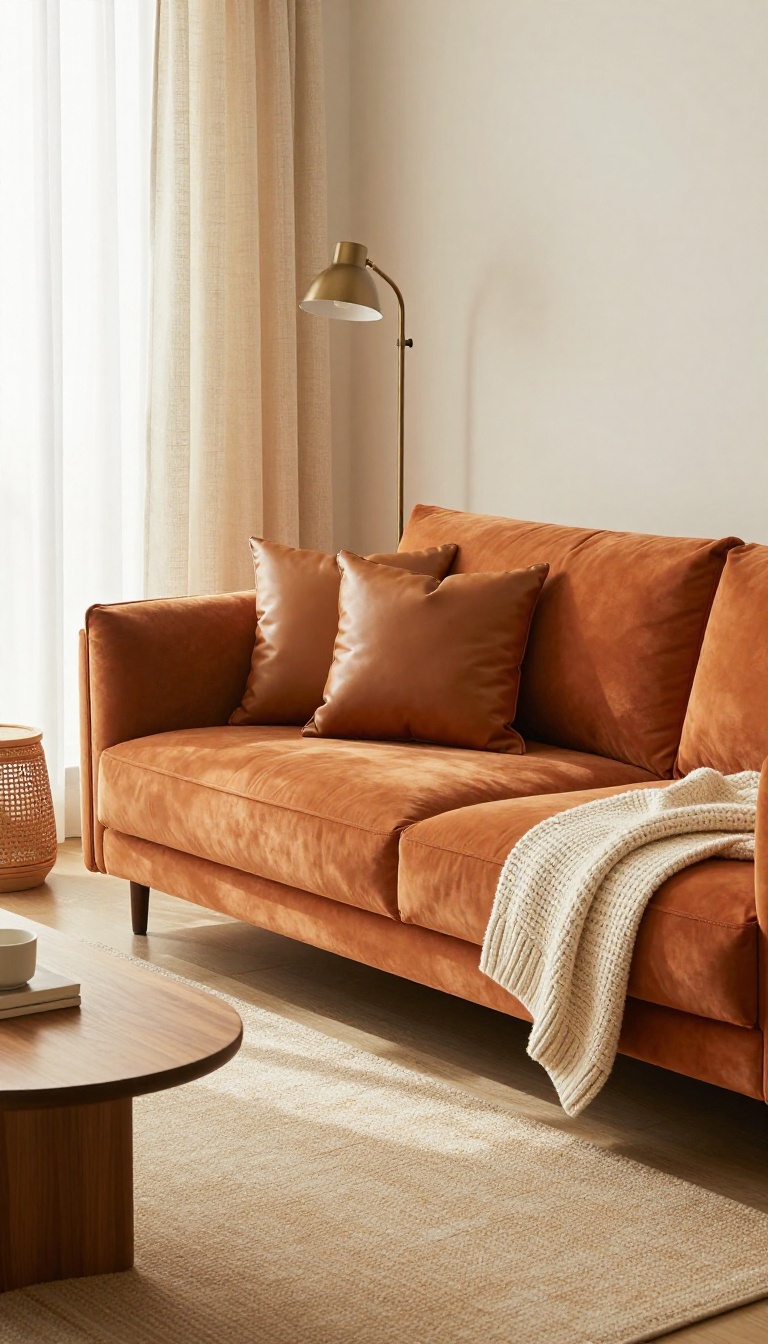
Sticking to a warm, monochromatic palette is a foolproof way to let your orange couch shine without competing for attention. By pairing it with shades of cream, tan, and caramel, you create a seamless, sophisticated look that feels both modern and cozy. This approach works especially well if you love a calm, curated space but still want that pop of color.
The key is to vary textures and tones so the room doesn't feel flat. Mix a chunky knit throw in cream with sleek caramel leather pillows, and add a tan area rug to anchor the seating area. Natural materials like wood, rattan, and linen reinforce the warmth, while a few darker accents—like a walnut coffee table or bronze floor lamp—add depth without breaking the monochromatic flow.
Choose The Right Shade Of Cream
Not all creams are created equal. Look for warm, slightly yellow-based creams (think ivory or buttermilk) rather than cool, stark whites. Test paint swatches on your wall and place fabric samples next to the couch in different lighting.
The goal is to create a gentle contrast that highlights the orange without making it look harsh.
Layer Textures For Visual Interest
When everything is in a similar color family, texture becomes your best friend. Combine a smooth velvet couch with a chunky wool throw, a woven jute rug, and matte ceramic vases. This adds tactile variety and prevents the room from feeling one-dimensional.
Don't forget window treatments—linen curtains in a soft tan can soften the light and tie the palette together.
Add A Touch Of Contrast
Even in a monochromatic scheme, a little contrast helps define the space. Use a darker caramel or chocolate brown for accent pillows or a throw blanket. You can also introduce a subtle pattern, like a striped or geometric rug in tan and cream, to keep the eye moving.
Just keep the overall palette warm and cohesive, and you'll avoid any clashing.
7. Add a Pop of Pattern with Rugs and Pillows
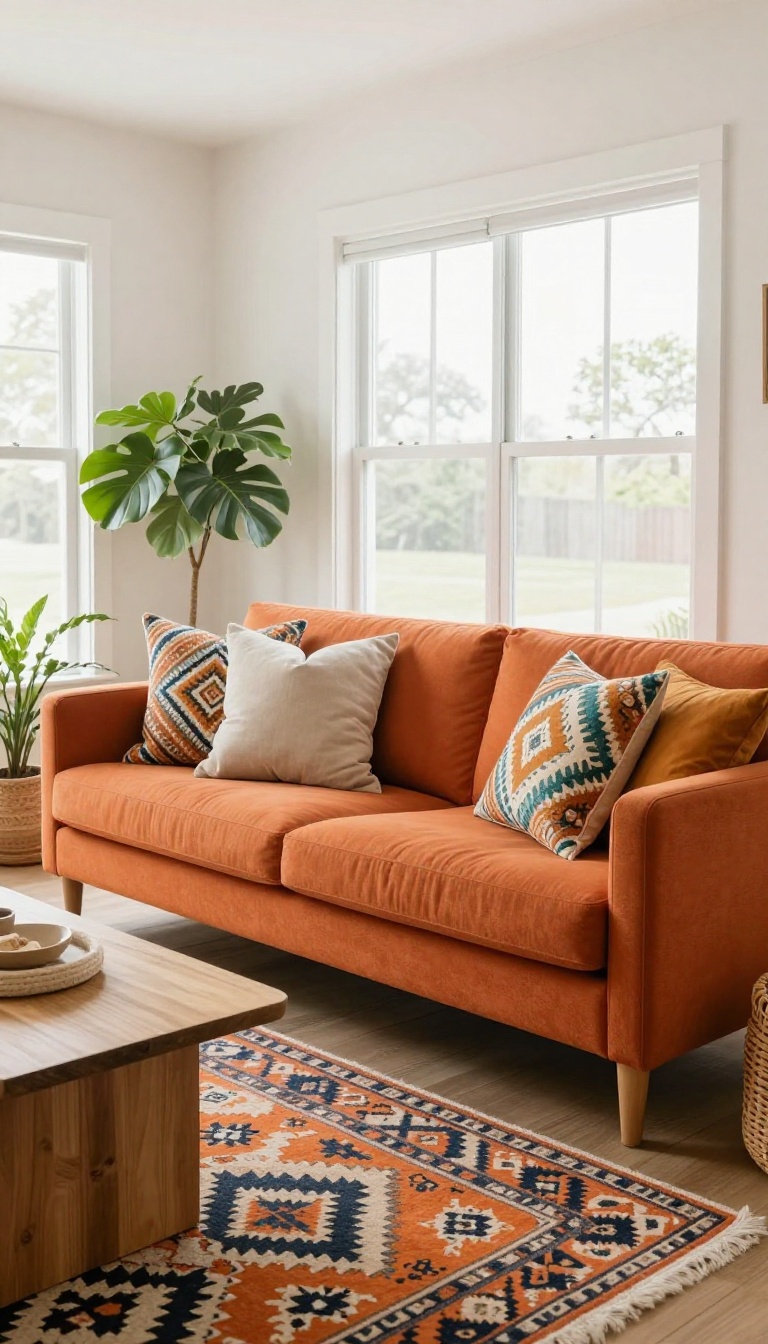
Patterns are a quick way to inject personality into a room, and they work especially well with a bold orange couch. The key is to let the orange lead while patterns follow, using them as accents rather than competing focal points. A well-chosen rug or a few throw pillows can tie the whole space together without making it feel busy.
Start by picking a rug that anchors the seating area. Look for patterns that include orange as one of several colors, so it feels intentional. Tribal prints, geometric designs, or even subtle abstract motifs can add depth.
For pillows, mix and match sizes and shapes, but keep the color palette cohesive. You might choose one bold patterned pillow and a couple of solid ones in complementary shades.
Choose A Rug That Grounds The Space
A rug with a pattern that features orange as an accent will tie the couch to the floor. For example, a tribal print with orange, navy, and cream can bring in contrast without overwhelming. Make sure the rug is large enough to fit under the front legs of your couch and any nearby chairs, which visually connects the seating area.
Layer Pillows With Purpose
Pillows are the easiest way to experiment with pattern. Start with a large, neutral base pillow, then add a smaller patterned one in front. A geometric design with orange, mustard, and teal can add a modern edge.
If you're nervous about too much pattern, keep the rest of the room simple and let the pillows be the statement.
Mix Textures For Extra Depth
Patterns work even better when paired with varied textures. A chunky knit pillow or a velvet cushion adds tactile interest, making the space feel more inviting. Combine a flat-weave rug with a plush shag or a woven basket for storage.
This mix keeps the eye moving and prevents the patterns from feeling flat.
8. Balance with Dark, Moody Tones
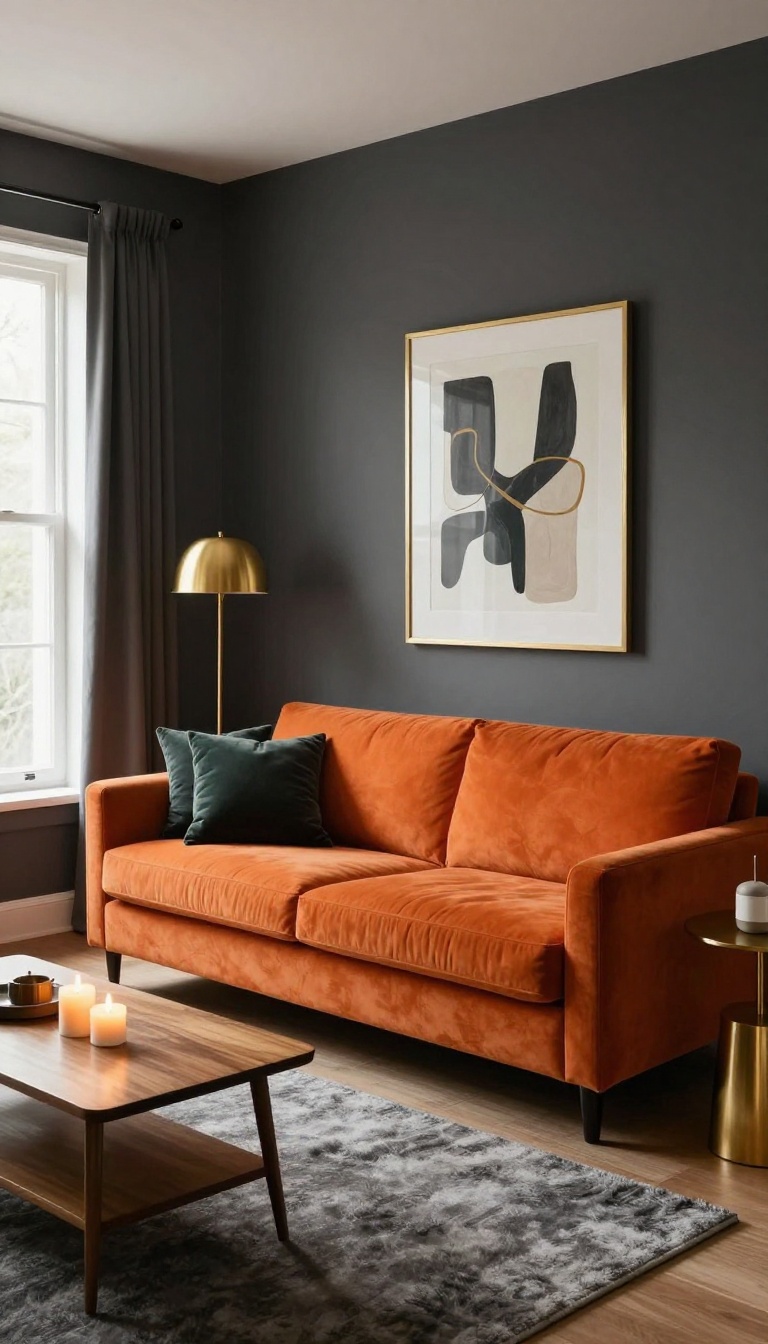
Going dark around an orange couch might sound risky, but it's one of the most striking combinations you can try. Deep, moody walls make the orange pop like a glowing ember, creating a space that feels intimate and sophisticated. If you're ready to move past safe neutrals, this is the look for you.
Dark walls instantly transform an orange couch from playful to dramatic. The contrast is bold yet elegant, and it works especially well in the evening when you want a cozy, lounge-like vibe. Choose a shade that has enough depth to feel enveloping without swallowing the room whole.
Pick The Right Dark Hue
Charcoal gray is the safest bet—it's neutral but moody, letting the orange take center stage. Forest green adds an earthy, organic feel that pairs beautifully with orange's warmth. Deep navy brings a classic, almost nautical edge, while a rich plum or aubergine can feel unexpectedly luxurious.
Whatever you choose, test it in your lighting first; dark colors change dramatically from day to night.
Layer In Metallic Accents
Brass and gold are your best friends here. They catch the light and add a touch of glamour against the dark backdrop. Think brass floor lamps, gold-framed art, or a metallic coffee table.
These accents break up the darkness and echo the warmth of the orange, tying the whole look together.
Warm Up With Lighting
Dark rooms need thoughtful lighting to feel inviting. Skip harsh overheads and go for multiple warm light sources instead. A floor lamp with a soft glow, a table lamp on a sideboard, and a few candles on the coffee table create pools of light that make the space feel snug.
Dimmers are a great idea, too, so you can adjust the mood as the evening goes on.
9. Incorporate Natural Wood and Greenery
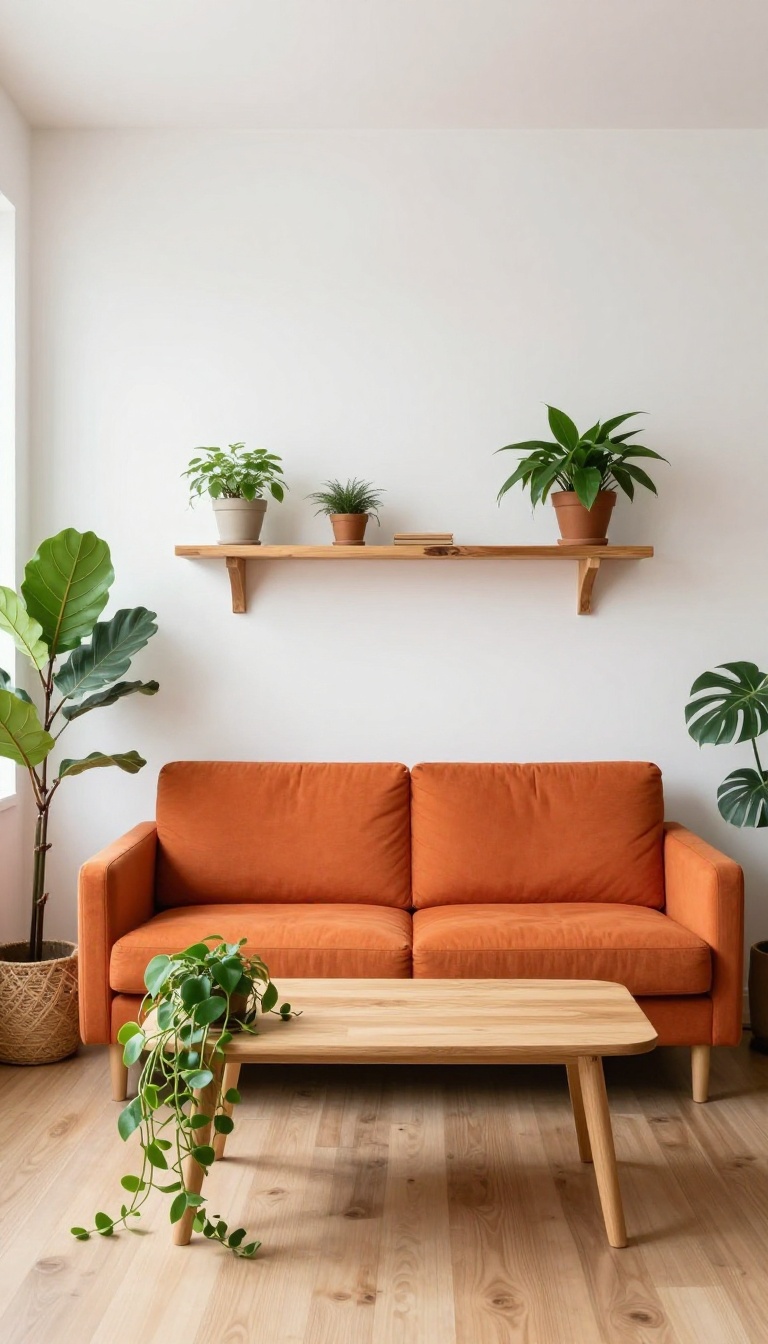
Wood and plants are like a breath of fresh air for an orange couch. They ground the bold color and bring a sense of calm, making the room feel more inviting. The trick is to choose the right tones and textures so everything feels connected.
Pairing your orange couch with natural wood and greenery is one of the easiest ways to make it feel more grounded and less overwhelming. The warm, earthy tones of wood echo the orange without competing, while plants add life and a pop of green that balances the palette. Start with a light oak coffee table or a rustic wooden shelf to introduce texture.
Then, layer in a few houseplants—think tall fiddle-leaf figs, trailing pothos, or low-maintenance snake plants. The key is to vary heights and leaf shapes for visual interest. Keep the wood finishes consistent—stick to one or two tones to avoid a cluttered look.
And don't forget to place plants where they'll get the right light; a sunny corner near the couch works wonders.
Choose The Right Wood Tones
Light woods like oak, ash, or birch keep the space airy and modern, while mid-tones like walnut add warmth without feeling heavy. Avoid dark, rich woods that might make the room feel too somber. If your floor is already dark, go lighter with your furniture to create contrast.
Mix Plant Textures And Heights
Combine tall plants like a monstera or rubber tree with shorter, bushy ones like ferns or calatheas. Use plant stands or hanging planters to add dimension. Grouping plants in odd numbers (three or five) looks more natural and visually pleasing.
Add Organic Accessories
Incorporate woven baskets for storage, a jute rug, or a wooden tray on the coffee table. These small touches reinforce the natural theme without making the room feel like a forest. A ceramic vase with dried pampas grass or eucalyptus adds a soft, organic touch.
10. Use Lighting to Enhance the Warmth
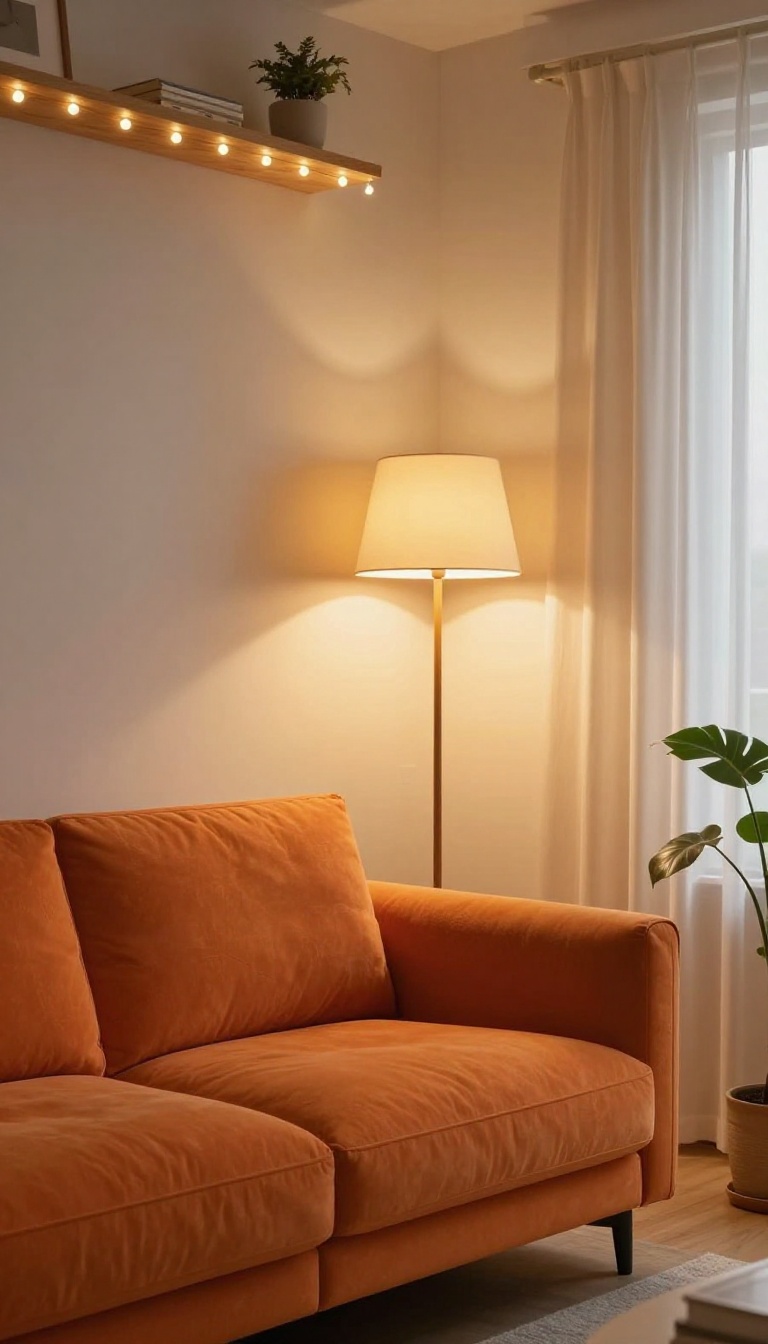
Lighting can make or break the cozy factor of an orange couch. The right glow turns it into a warm focal point, while harsh overheads can flatten its vibrancy. Here's how to layer light for that inviting evening atmosphere.
Start With Warm Ambient Light
Swap cool white bulbs for warm-toned LEDs in your floor and table lamps. Position a floor lamp near the couch to cast a soft glow that highlights the orange without washing it out. A dimmer switch on your main light lets you adjust the mood from bright and lively to calm and intimate.
Add Accent Lighting For Depth
String lights draped along a nearby shelf or a picture light above a piece of art can add subtle sparkle. Use a small spotlight to illuminate a plant or sculpture beside the couch, drawing the eye to textures and creating a layered, lived-in feel.
Avoid Harsh Overheads
Overhead recessed or track lighting can cast unflattering shadows and make the orange look harsh. Rely on multiple lower light sources instead. If you must use an overhead, choose a fixture with a warm shade and install a dimmer to soften the effect.
FAQ
What colors go best with an orange couch?
Neutral colors like white, beige, and gray are safe choices. For a bolder look, try complementary colors like blue or teal, or earthy tones like olive green and mustard.
How do I tone down an orange couch?
Use neutral-colored throw pillows and blankets, add a large area rug in a soft tone, and balance the space with muted wall colors. Pastel accents can also soften the intensity.
Can an orange couch work in a small living room?
Yes, but keep the rest of the room light and airy. Use light-colored walls, minimal furniture, and mirrors to create the illusion of space. Let the couch be the focal point.
What style of decor suits an orange couch?
Orange is versatile and works with many styles, including mid-century modern, bohemian, eclectic, and even contemporary. It depends on how you accessorize and the colors you pair with it.
Should I match my orange couch with orange accessories?
You can, but it's better to use orange as an accent in pillows or art to create a cohesive look without being overwhelming. Mixing different shades of orange can also add depth.
Conclusion
An orange couch is a bold choice that can transform your living room into a warm, inviting space. With the right colors, textures, and accessories, you can make it work with almost any style.
Start with one or two of these ideas and build from there—you'll soon find a look that feels uniquely yours. Remember, the goal is to create a room you love spending time in, so trust your instincts and have fun with the process.