13 Outdoor Covered Patio Ideas for All-Weather Comfort
A covered patio is a rare luxury—it gives you the best of both worlds: fresh air without the sunburn, and rain protection without missing out on the outdoors. But a basic concrete slab and a roof can feel bland.
The good news? You don't need a huge budget or a contractor to turn it into a favorite spot.
These 13 ideas focus on practical, effort-aware upgrades that respect your time and wallet. Whether you're starting from scratch or refreshing an existing space, there's something here for every style and climate.
1. String Lights and Lanterns for Instant Ambiance
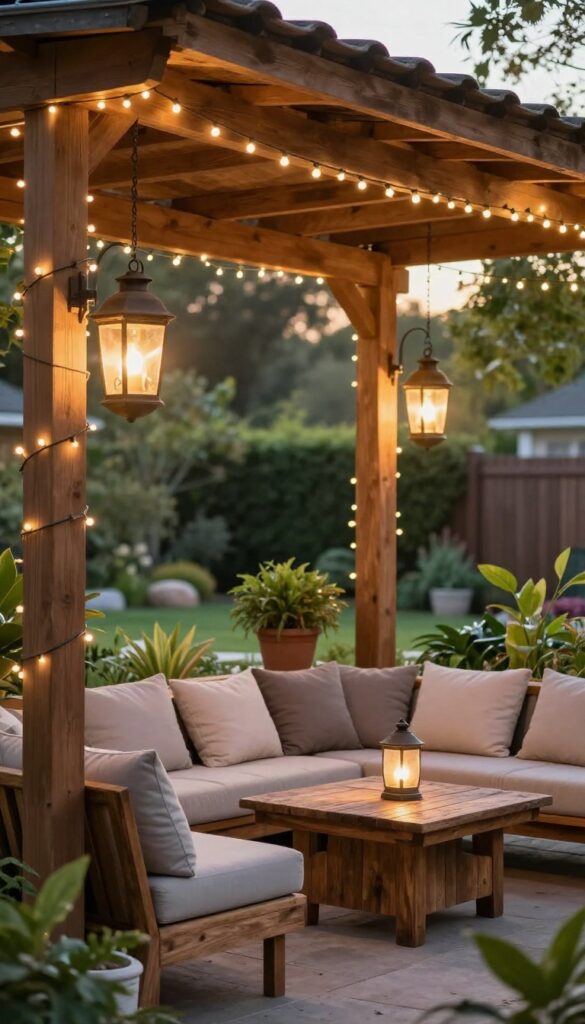
Lighting can make or break the mood of your covered patio. When the sun goes down, a single overhead bulb feels harsh and uninviting. Swapping in a mix of string lights and lanterns softens the space and draws people in.
String lights are the quickest way to add warmth without any permanent changes. You can drape them along the ceiling, wrap them around beams, or zigzag them across the open sides. Look for weatherproof options rated for outdoor use, and choose warm white bulbs for a cozy glow.
If you want a bit more character, mix in a few lanterns—place them on tables, hang them from hooks, or set them on the floor near planters. Lanterns with candles (real or LED) create flickering light that feels intimate and relaxing.
Choosing The Right Bulbs
Bulb type matters more than you think. LED string lights last longer and use less energy, but check the color temperature. Warm white (around 2700K) gives a golden, flattering light, while cool white can feel clinical.
For lanterns, LED candles are safer and windproof, but real candles add a gentle scent and authentic flame movement.
Placement Tricks For Depth
Don't just hang lights at one height. Mix heights by draping some across the ceiling and placing others at eye level along the railing. This creates layers of light that make the patio feel larger and more inviting.
Use command hooks or adhesive clips to avoid drilling into wood or metal.
Mixing Styles For Personality
You don't have to stick to one look. Combine vintage Edison bulbs with rustic lanterns or go for modern globe lights with sleek metal lanterns. The contrast adds visual interest and makes the space feel curated.
Just keep the overall color palette consistent so it doesn't look chaotic.
2. All-Weather Outdoor Rug to Define the Space
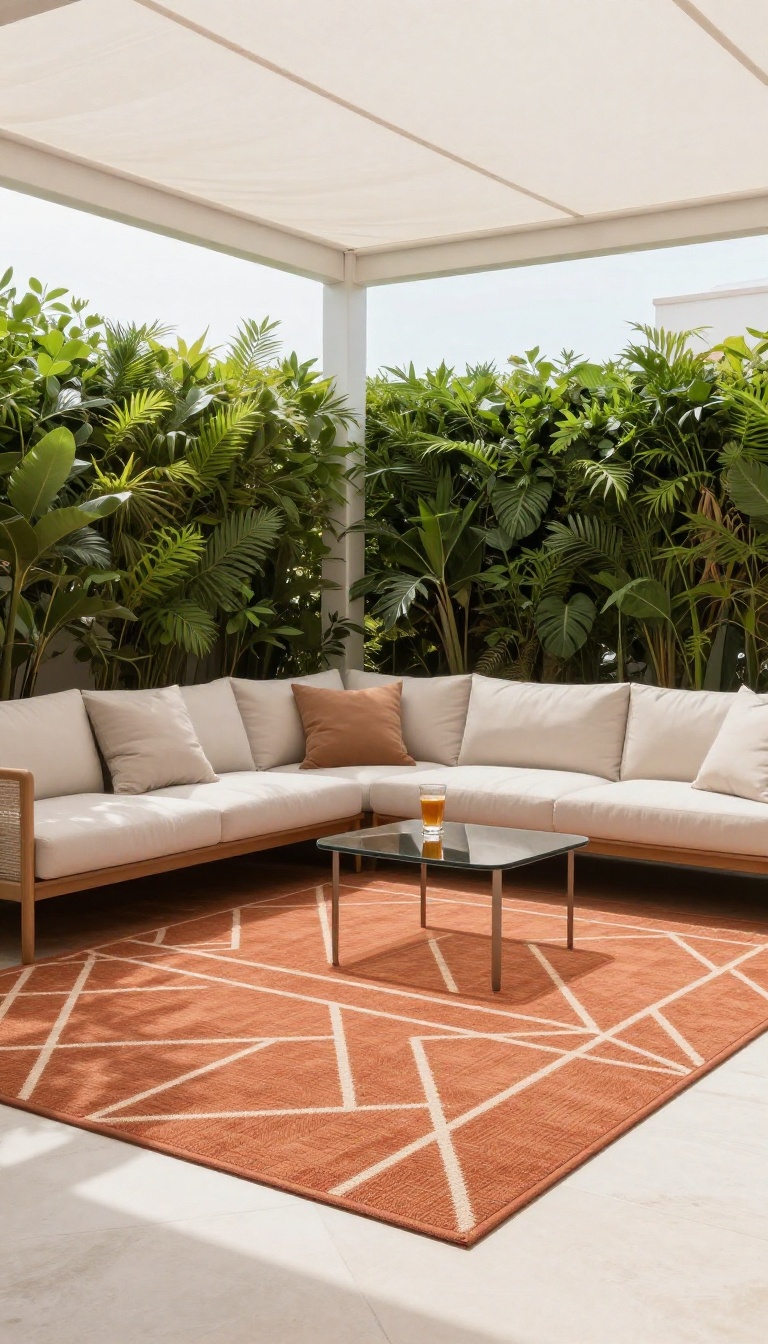
A bare concrete floor can make even the coziest covered patio feel unfinished. An outdoor rug instantly adds warmth, color, and a sense of purpose. It also defines your seating area, making the space feel more like an outdoor room.
But not all rugs are created equal. You need one that can handle the elements—sun, rain, and foot traffic—without fading or turning into a soggy mess. The right material makes all the difference.
Choosing the right outdoor rug is about balancing style and durability. Look for rugs made from polypropylene, polyester, or other synthetic fibers that resist moisture and UV rays. These materials dry quickly, resist mold and mildew, and won't fade after a few months in the sun.
Avoid natural fibers like jute or wool, which can absorb water and deteriorate. Size matters too. A rug that's too small makes the space feel scattered; one that's too large can overwhelm the area.
Measure your seating zone and leave about 18 inches of bare floor around the edges to anchor the furniture. If you have a long, narrow patio, consider a runner or a rectangular rug that follows the shape of the space. Layering is another trick.
Place a flat-weave rug under your main rug to add texture and prevent slipping. Or use multiple smaller rugs to create distinct zones—like a dining area and a lounge nook. This adds visual interest and flexibility.
Finally, don't forget about maintenance. Shake it out regularly to remove debris, and hose it down when needed. Most outdoor rugs are easy to clean with mild soap and water.
With the right care, your rug will stay fresh and vibrant for years.
Material Matters: Picking The Right Fabric
Polypropylene is the go-to for most outdoor rugs because it's tough, affordable, and resistant to stains and moisture. Polyester offers a softer feel and more vibrant colors, but it may not be as durable in extreme heat. Consider where you live: if you get intense sun, choose a rug with UV-stabilized fibers to prevent fading.
If you deal with heavy rain, look for a rug with a waterproof backing or one that's designed to drain quickly.
Size And Shape: Making It Fit
Measure your patio before buying. For a typical seating area, a 5×8 or 8×10 rug works well. If you have a round table, a round rug can echo that shape.
For a long, narrow patio, a runner (like 2×6 or 3×10) can visually elongate the space. Always leave a border of bare floor around the rug to keep it from looking cramped.
Layering And Anchoring
Layering rugs adds depth and lets you mix patterns. Start with a large, neutral base rug and top it with a smaller, patterned one. Use rug pads or double-sided tape to keep everything in place, especially in windy areas.
If your patio is covered, you can also use a rug with a low pile to make it easier to sweep and clean.
Cleaning And Maintenance
Outdoor rugs are low-maintenance, but a little care goes a long way. Shake or sweep it weekly to remove dirt. For spills, blot with a mild detergent and water.
Avoid using a pressure washer, which can damage the fibers. If you store your rug during winter, make sure it's completely dry to prevent mildew.
3. Ceiling-Mounted Heater for Chilly Evenings
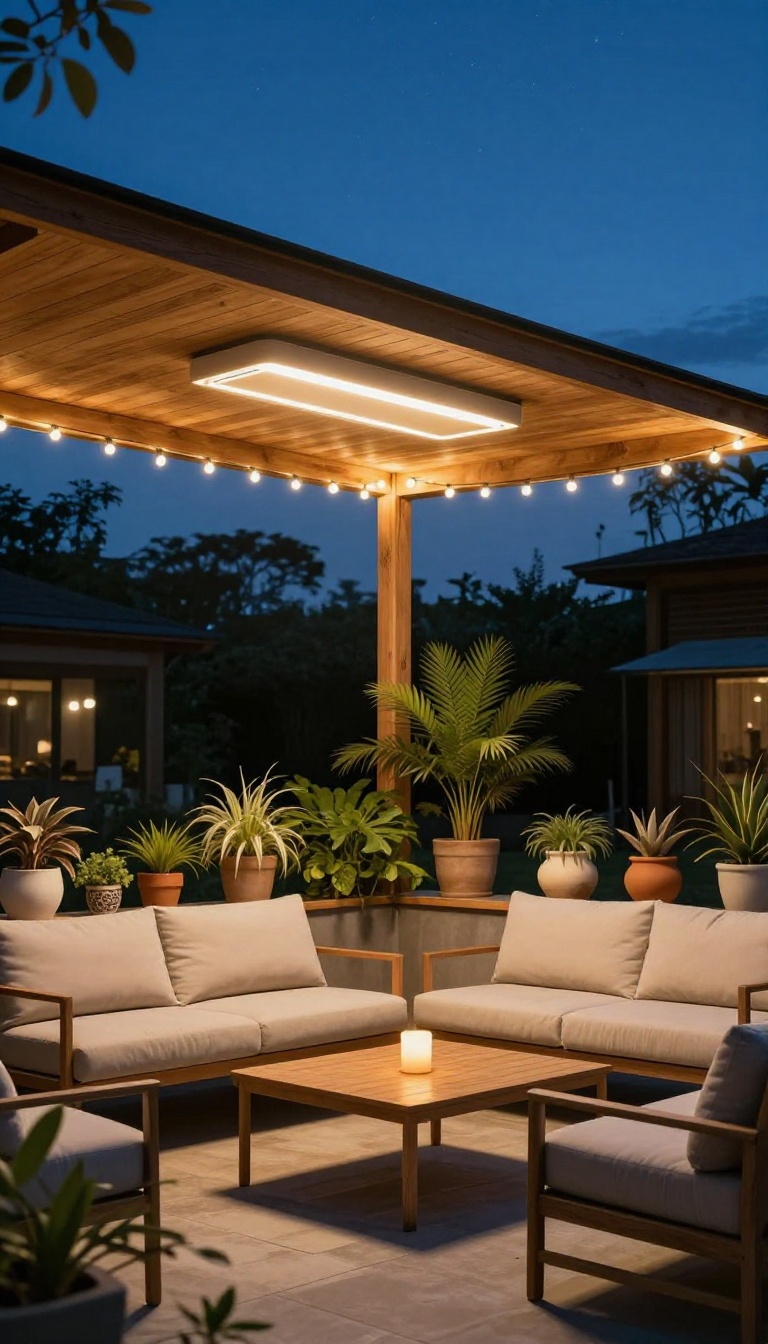
When the sun goes down, a covered patio can turn into a cold spot fast. A ceiling-mounted infrared heater is a game-changer for those crisp evenings, warming people and objects directly without wasting heat on the air. It's a smart, space-saving solution that keeps your outdoor living area comfortable well into the fall.
These heaters mount flush to the ceiling, so they're out of the way and don't interfere with your furniture layout. They provide instant, directional warmth, perfect for targeting seating areas. Plus, they come in various styles and finishes to match your patio decor, and many are safe for damp locations.
Why Infrared Heat Wins Outdoors
Unlike space heaters that warm the air, infrared heaters emit radiant heat that warms people and surfaces directly. This means you feel warm even when there's a breeze, and you're not wasting energy heating the open air. It's the same principle as sitting in the sun—instant comfort.
Choosing The Right Heater
Look for a heater with the right wattage for your patio size. As a rule of thumb, you'll need about 10 watts per square foot for mild climates, more for colder regions. Also, check the IP rating to ensure it's suitable for outdoor use, and consider features like remote control or adjustable heat settings.
Installation And Safety Tips
While you can DIY, it's often best to have an electrician install it, especially if you're not comfortable working with wiring. Make sure the heater is securely mounted to the ceiling structure and keep it at least 18 inches away from any walls or combustible materials. Always follow the manufacturer's instructions.
4. Retractable Screens for Bug-Free Lounging
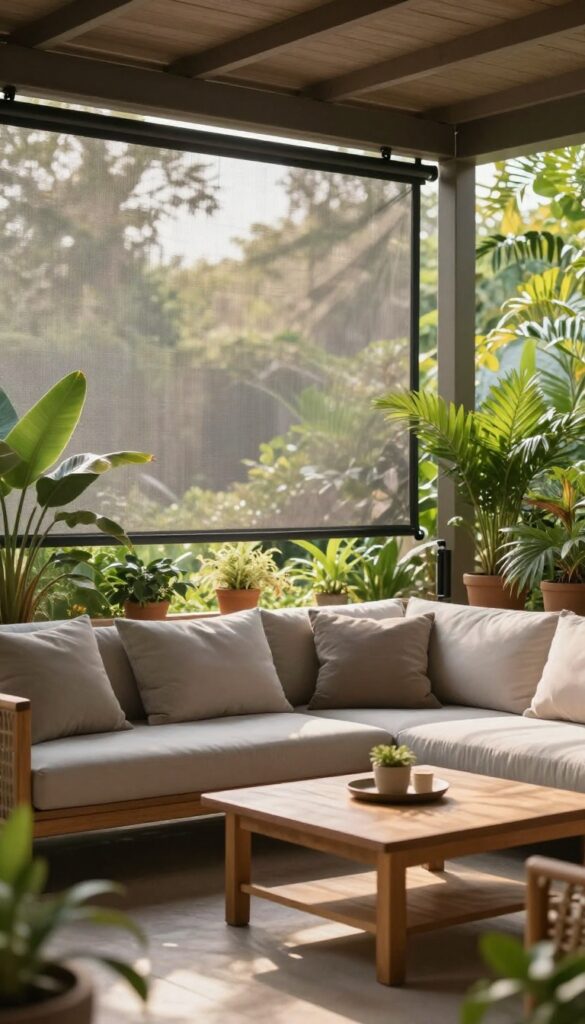
Nothing kills a relaxing evening faster than a swarm of mosquitoes. Retractable screens give you the best of both worlds: you can keep the patio open and airy, but still block out the bugs when they start to bite. They're a simple, flexible solution that works with your existing covered patio without permanent installation.
Retractable screens are a smart upgrade for any covered patio that has open sides. Unlike fixed screens, they roll away neatly when you want an unobstructed view or a breeze. You can pull them down only when needed, so they don't clutter the space or block natural light.
This makes them perfect for patios that serve multiple purposes, like hosting dinner parties or just reading a book in the afternoon.
Why Retractable Screens Beat Fixed Screens
Fixed screens are great if you never want to see the outside, but they can make your patio feel closed in. Retractable screens let you decide when to use them. On a calm evening, you can leave them open.
When the wind picks up or bugs come out, just pull them down. They're also easier to clean and maintain because you can access the tracks and fabric without any hassle.
Choosing The Right Screen Material
Not all screens are created equal. Look for fiberglass or polyester mesh that's durable and resistant to tears. Some screens come with a tighter weave that blocks even tiny no-see-ums, which is a lifesaver in humid areas.
If you want extra sun protection, opt for a screen with a higher UV rating. And don't forget about color—dark screens offer better visibility outward, while lighter ones reflect heat.
Installation Tips For A Diy-friendly Project
You don't need to hire a pro to install retractable screens. Many systems come with mounting brackets and simple instructions. Start by measuring your opening carefully—width and height matter.
Then, attach the housing to the top or side of your patio frame. If you're not handy, some brands offer motorized options that can be operated with a remote, but manual ones are perfectly fine for most patios.
5. Weather-Resistant Storage Bench
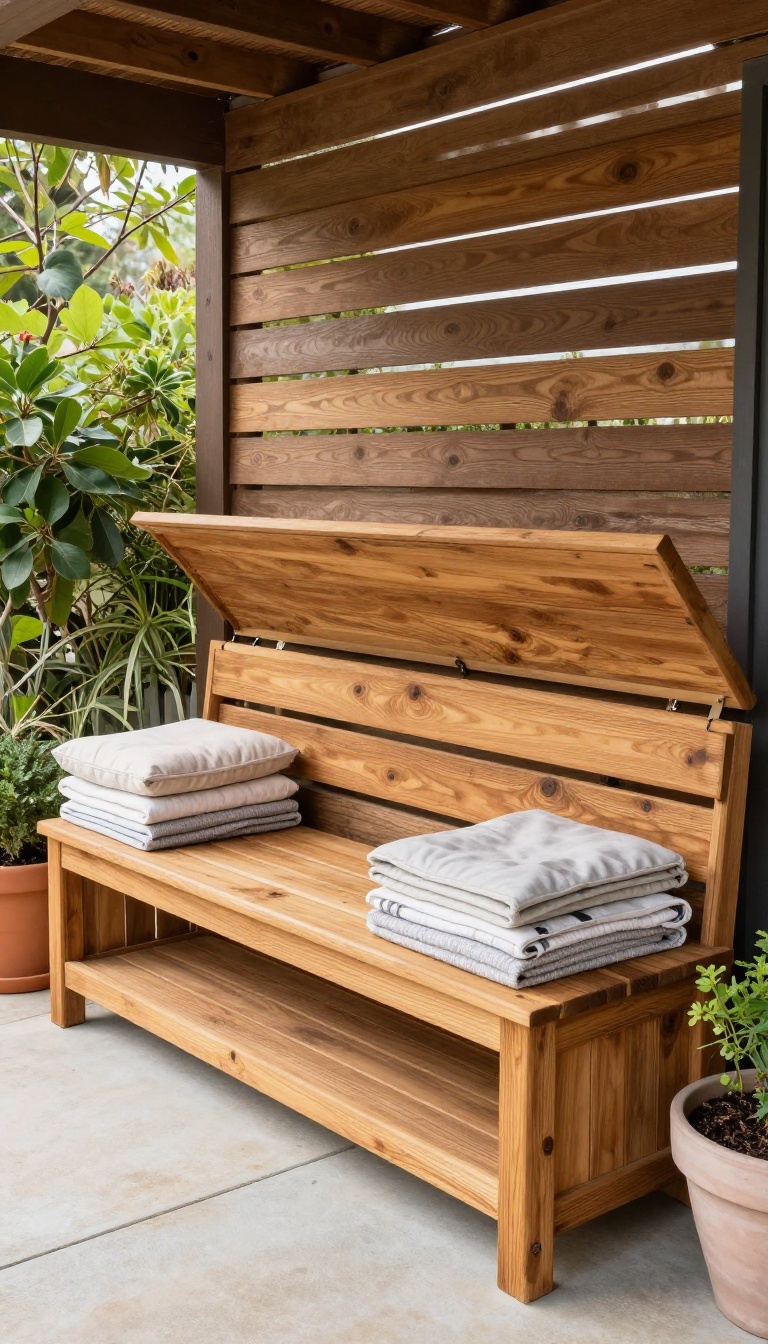
A covered patio still deals with wind-blown rain, humidity, and curious critters. That's where a weather-resistant storage bench earns its keep. It gives you a spot to sit while tucking away cushions, throws, or outdoor toys so they stay dry and ready to use.
Look for one made of teak, resin wicker, or powder-coated steel—materials that shrug off the elements without constant upkeep.
Think of a storage bench as the multitasker of your patio. It replaces a plain seat with hidden room for the stuff that usually clutters the space. You'll also cut down on trips back inside to grab a blanket or a game.
Choose a bench with a lid that lifts easily and hinges that won't rust. Some models even come with wheels, so you can move them around when you need extra seating elsewhere. The key is to match the bench's size to your actual storage needs—too big and it dominates the area, too small and you're back to square one.
Picking The Right Material
Teak is the gold standard for outdoor furniture because it handles moisture and sun without warping. Resin wicker looks like natural rattan but won't fade or crack, and it's lighter than you'd think. Powder-coated steel is sturdy and modern, but it can get hot in direct sun, so add a cushion if you go that route.
Avoid untreated wood or cheap plastic that will fade and become brittle within a season.
What To Store Inside
Use the bench for items you grab often: outdoor cushions, picnic blankets, gardening gloves, or kids' toys. Keep heavier items like plant pots or tools in a separate shed to avoid straining the hinges. If you live in a damp climate, toss a moisture-absorbing pack inside to prevent mildew on fabrics.
Placement And Styling Tips
Set the bench against a wall or railing to keep walkways clear. Add a couple of outdoor pillows on top to make it more inviting. You can also place it near the grill or entry door for quick access to supplies.
If you have the space, pair it with a matching coffee table or planter to create a cohesive look.
6. Ceiling Fan for Summer Airflow
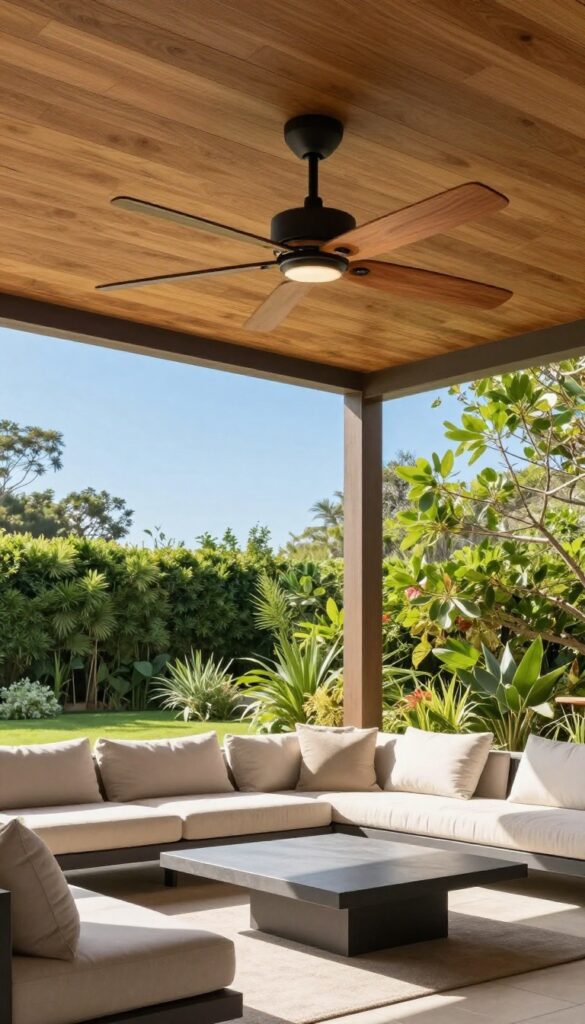
When the thermometer climbs, a covered patio can feel like a greenhouse. A ceiling fan changes that completely. It stirs the air, creates a breeze, and makes the space usable even on the hottest afternoons.
Plus, it adds a polished, finished look to the ceiling.
A damp-rated ceiling fan is a smart investment for any covered patio. It keeps air moving, which helps you feel cooler without cranking the AC. The gentle breeze also helps keep flying insects at bay, making your outdoor time more pleasant.
And with so many styles available, you can find one that matches your decor perfectly.
Why Damp-rated Matters
Regular indoor fans aren't built for moisture. They can warp, rust, or even short-circuit. Damp-rated fans are designed to handle humidity and light moisture, so they last longer and stay safe.
If your patio is fully covered but open to the elements, this is the way to go.
Sizing And Placement
For most patios, a 52-inch fan works well. If your space is larger, consider going bigger or adding two fans. Mount the fan at least 7 feet above the floor and center it over the main seating area.
That way, the breeze reaches everyone.
Style And Finish
Ceiling fans come in all sorts of finishes—from sleek brushed nickel to rustic wood tones. Pick one that complements your patio furniture and overall vibe. A fan with integrated lighting is a bonus, giving you both airflow and illumination in one fixture.
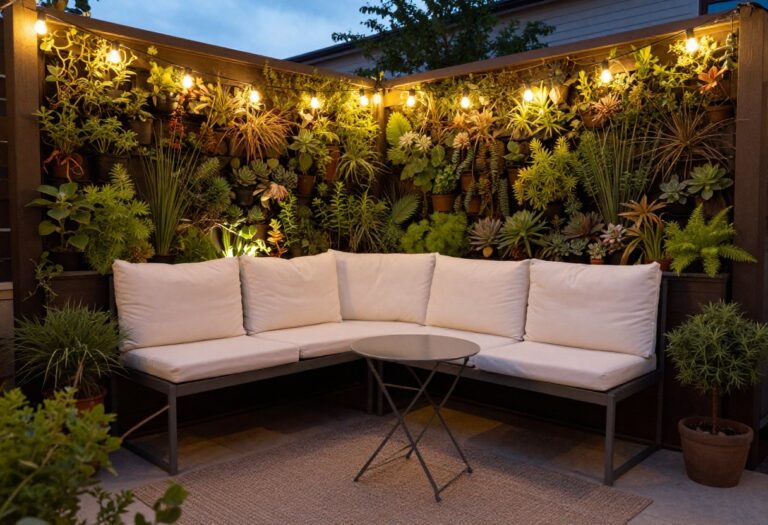
7. Vertical Garden Wall for a Green Touch
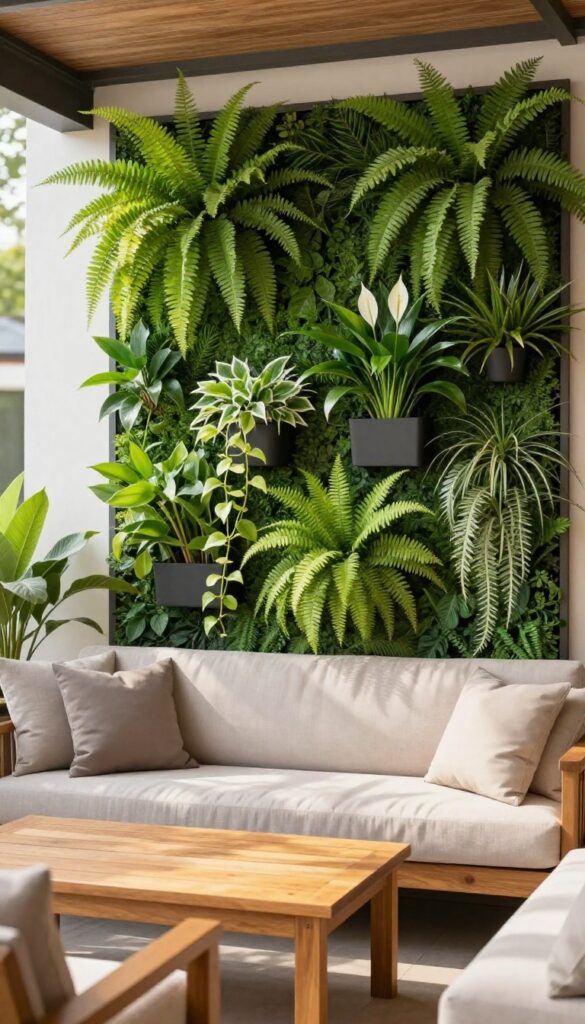
If your covered patio feels a bit sterile, a vertical garden wall can change the whole vibe. It adds life, color, and a natural focal point without taking up any floor space. Plus, it's a clever way to introduce greenery if you're short on square footage.
A living wall doesn't have to be complicated or expensive. You can start with a few wall-mounted planters or go all-in with a modular living wall system. The key is choosing plants that thrive in partial shade, since covered patios often filter sunlight.
Low-maintenance options like ferns, pothos, and peace lilies work well. You'll also want to think about watering—self-watering systems are a game-changer if you travel or forget to water.
Pick The Right Plants
Not every plant is suited for a covered patio. Look for shade-tolerant varieties that don't need constant direct sun. Ferns, spider plants, and philodendrons are forgiving choices.
Succulents might struggle unless you have bright, indirect light. Consider your climate and how much attention you can give.
Installation Tips
Before you start, check the wall's structure. You'll need to secure planters or a frame properly, especially if the wall is exposed to wind. Use galvanized screws and wall anchors for stability.
If you're renting, freestanding trellises or hanging pockets are a non-permanent alternative.
Watering And Maintenance
A vertical garden needs a consistent watering routine. Drip irrigation or a self-watering system simplifies things. Group plants with similar moisture needs together.
Regularly check for pests and trim dead leaves to keep it looking fresh. A little care goes a long way.
8. Modular Seating for Flexible Layouts
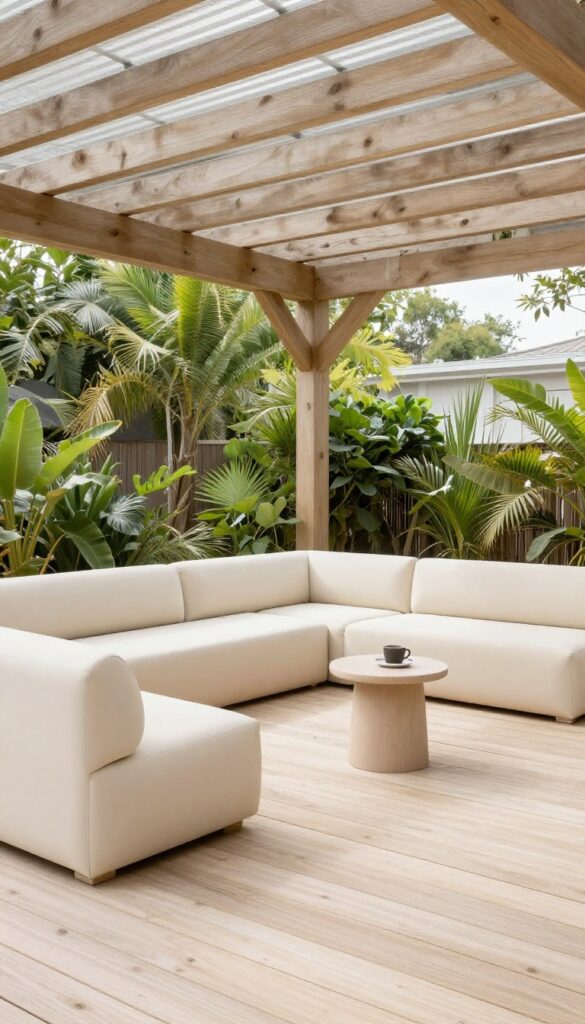
A covered patio often serves multiple roles: a morning coffee spot, a weekend hangout, a quiet reading nook. But if your furniture is fixed in place, you're stuck with one layout, no matter the occasion. That's where modular seating shines—it's designed to be rearranged, so you can adapt your space in minutes.
Modular outdoor furniture consists of individual pieces—like ottomans, corner units, and armless chairs—that can be combined in countless ways. This flexibility is a game-changer for small patios, where every square foot counts. You can start with a simple sofa and expand later, or reconfigure for a movie night versus a dinner party.
Plus, many modular sets come with weather-resistant cushions and frames, so they're built to last through rain and shine.
Why Modular Works For Covered Patios
Covered patios have a fixed footprint, but your needs change. Modular seating lets you create intimate conversation areas for two or open up the space for a crowd. It's also easier to move around when you need to clean or access storage.
And if you ever move, modular pieces are easier to transport than a bulky sectional.
Choosing The Right Modular Set
Look for sets with durable frames—aluminum or powder-coated steel are lightweight and rust-resistant. Cushions should have quick-dry foam and UV-resistant fabric. Consider the scale: measure your patio and sketch a few layouts before buying.
Some brands offer corner pieces, chaises, and ottomans separately, so you can mix and match to fit your space perfectly.
Creative Layout Ideas
For a family gathering, arrange pieces in a U-shape to encourage conversation. For a solo afternoon, pull an ottoman and a chair into a cozy corner with a side table. You can even use modular pieces as a daybed by lining them up flat.
The key is to keep the pieces lightweight enough to move easily—choose ones with handles or wheels if possible.
9. Outdoor Curtains for Privacy and Shade
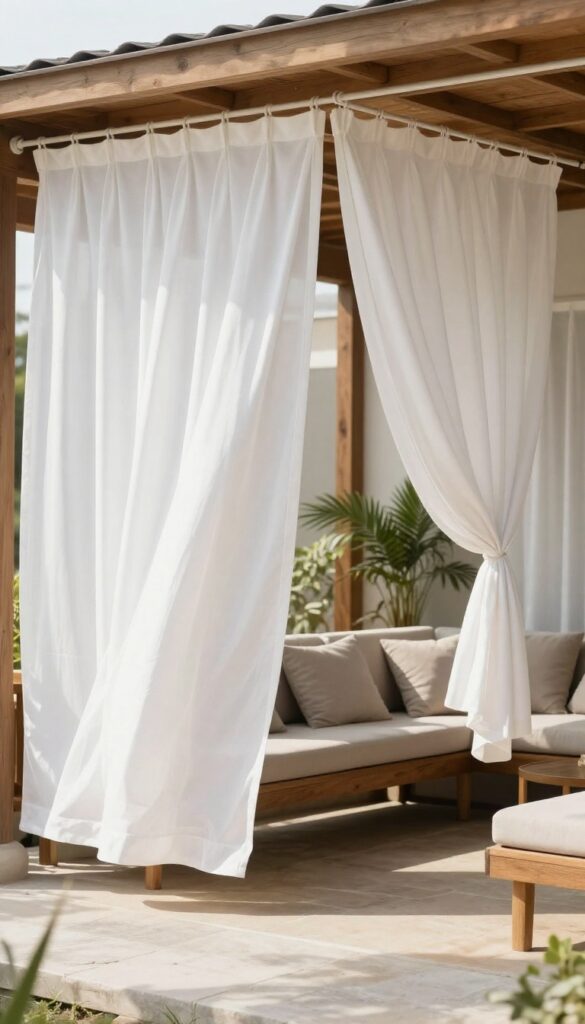
Sometimes the simplest fix makes the biggest difference. Outdoor curtains can transform a covered patio from an open, exposed space into a cozy, private retreat. They block harsh sun, shield you from prying eyes, and soften the whole area with a gentle, breezy feel.
Best of all, they're one of the easiest upgrades you can make—no tools required beyond a rod and some clips.
Outdoor curtains are a versatile, low-commitment way to control light, privacy, and even temperature. They come in a range of fabrics, from light and airy to heavy and blackout, so you can tailor them to your climate and needs. Because they hang freely, they also add movement and texture, making your patio feel more like an outdoor room.
And when you want an open view, just tie them back—simple as that.
Choosing The Right Fabric
Pick a fabric that suits your environment. For hot, sunny spots, go with light-colored, UV-resistant polyester that reflects heat. For windy areas, choose a heavier canvas or acrylic that won't flap wildly.
If you want a soft, romantic look, sheer curtains filter light beautifully but offer little privacy. For true privacy, opt for blackout or lined curtains that block both sun and sightlines.
Installation Tips
Hang a sturdy curtain rod or wire across the open sides of your patio. Use heavy-duty brackets that can handle wind loads. For a quick setup, use shower curtain rings or clip rings on a tension rod if your patio has a solid frame.
Make sure the curtains reach the floor—or close to it—to avoid gaps that let in light and bugs. And always secure the bottom with weights or ties to keep them from blowing around.
Styling And Maintenance
Choose colors that complement your outdoor furniture—neutral tones like beige or gray blend in, while bold patterns make a statement. To keep them clean, most outdoor curtains are machine washable; just check the label. Take them down during heavy storms or winter to extend their life.
With minimal care, they'll stay fresh for years.
10. Fire Pit Table for Warmth and Gatherings
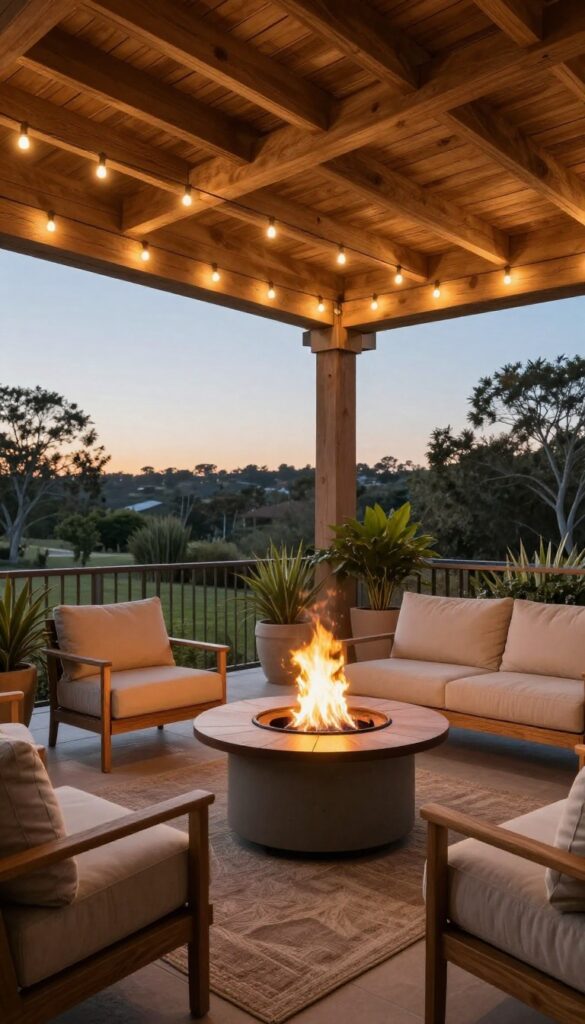
A fire pit table pulls double duty: it anchors the seating area and delivers cozy warmth on cooler evenings. Under a covered patio, it’s a safe, smoke-free option (if you choose gas) that extends your outdoor season well into fall. Plus, the dancing flames create a natural gathering spot that draws people in.
When the sun goes down and the air gets crisp, a fire pit table becomes the heart of your patio. It’s not just about heat—it’s about the ambiance, the conversation, the s’mores. Here’s how to make it work under your covered space.
Why Choose Propane?
Propane fire pit tables are the go-to for covered patios. They light instantly, produce no smoke, and leave no ash to clean up. You can turn them off with a knob, and they’re safe to use under a ceiling as long as you follow the manufacturer’s clearance guidelines.
Plus, a 20-pound tank lasts for many evenings of use.
Placement And Safety First
Place your fire pit table at least 10 feet from any structure, and check your ceiling height—most models need at least 7 feet of clearance. Keep it on a non-combustible surface like concrete or tile, and never leave it unattended while lit. A good rule: if it’s windy, keep the flame low or skip it altogether.
Style And Function Combined
Fire pit tables come in all shapes and materials—from sleek concrete to rustic stone. Choose one that matches your patio furniture and serves as a coffee table when not in use. Some models even include a lid to convert it into a full table surface, giving you extra versatility.
11. Durable, Low-Maintenance Flooring Upgrade
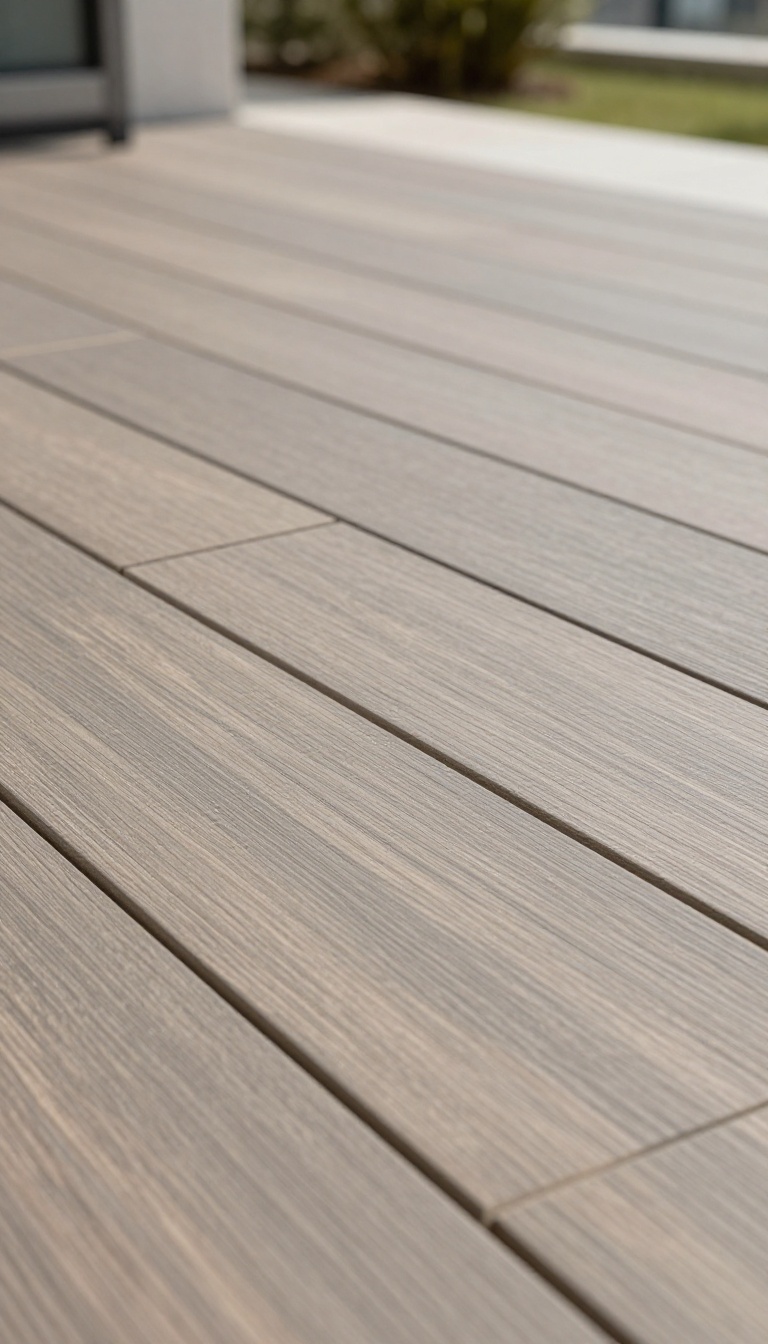
A worn concrete floor can drag down the whole patio, even if everything else looks great. Replacing it might sound like a big job, but it doesn't have to be. Outdoor tiles or interlocking deck tiles offer a fast, budget-friendly fix that instantly changes the look and feel.
These tiles come in a range of materials—from porcelain that mimics natural stone to composite wood-look planks—so you can match any style. They're designed to handle rain, sun, and foot traffic without fading or warping. Best of all, installation is a weekend project: no mortar, no special tools, just click or lay them down.
Why Ditch The Concrete?
Concrete cracks, stains, and gets slippery when wet. Tiles add texture and grip, which makes the space safer. They also hide imperfections, so you don't have to invest in resurfacing.
Plus, if a tile ever breaks, you can swap it out in minutes—no demo required.
Choosing The Right Tile
Look for tiles rated for outdoor use. Porcelain and ceramic are dense and low-maintenance. Composite deck tiles (often made from recycled wood and plastic) resist moisture and insects.
Consider the texture: a matte or brushed finish is less slippery than a glossy one. And think about color—lighter shades reflect heat, while darker tones hide dirt better.
Installation Tips For A Smooth Job
Start with a clean, level surface. Sweep off debris and fill any major cracks with a leveling compound. If you're using interlocking tiles, begin from a corner and work outward.
For loose-lay tiles, a simple rubber mallet helps them settle. Leave a small gap around edges for expansion, and you're done—no glue or grout needed.
12. Smart Lighting with Motion Sensors

Lighting can make or break a patio, especially after sunset. Smart bulbs and motion sensors add convenience and a layer of security that feels almost futuristic. You can adjust brightness, set schedules, and even sync lights with your favorite playlist—all from your phone.
Upgrading to smart lighting isn't as complicated as it sounds. Start with a compatible smart hub or Wi-Fi-enabled bulbs, then use an app to control everything. Motion sensors are a game-changer: they light up the moment someone steps outside, so you never fumble for a switch.
Plus, you can program them to turn off automatically, saving energy and money.
Why Motion Sensors Work So Well
Motion sensors aren't just for security—they add a layer of convenience that feels almost magical. Imagine walking out with a cup of coffee and the lights gently brighten to welcome you. They also deter unwanted visitors, as sudden light can startle intruders.
Choose sensors with adjustable sensitivity and timeout settings to avoid false triggers from passing animals.
Choosing The Right Smart Bulbs
Not all smart bulbs are created equal. Look for ones with high lumens for outdoor use, and consider color temperature—warm white for cozy evenings, cool white for task lighting. Some bulbs are weather-resistant, which is a must for covered patios that still face humidity and temperature swings.
Brands like Philips Hue and LIFX offer reliable options with app control and voice assistant compatibility.
Setting Up Schedules And Scenes
Once your smart lights are installed, create schedules that match your routine. For example, set them to turn on at dusk and off at midnight. You can also create scenes—like 'Movie Night' with dimmed lights or 'Party' with vibrant colors.
The app lets you control everything from anywhere, so you can even turn on lights while you're away to make it look like someone's home.
13. Multi-Purpose Bar Cart or Serving Station

Entertaining on a covered patio often means juggling drinks, plates, and snacks while trying to keep the conversation going. A dedicated bar cart or serving station solves that chaos with style. It keeps everything you need within arm's reach, so you can actually relax and enjoy your guests.
A weatherproof bar cart or a small serving station makes entertaining easy. Store drinks, snacks, and dinnerware within arm's reach. Choose materials that can handle the outdoors, like teak, aluminum, or powder-coated steel.
Add a few baskets for napkins and utensils, and you're set for any gathering.
Pick A Cart That Laughs At The Weather
Not all carts are created equal. Look for one with a rust-resistant frame and a waterproof top. Teak or synthetic wicker are great choices that age well.
If you live in a windy area, consider a cart with lockable wheels or a heavier base to keep it steady.
Organize For Easy Grabbing
Group items by use: a drink zone with glasses and a bottle opener, a snack zone with bowls and napkins, and a dinnerware zone with plates and cutlery. Use small trays or caddies to keep everything tidy. This way, guests can help themselves without asking where things are.
Style It To Match Your Patio
Your bar cart can double as a decor piece. Add a small plant, a string of lights, or a tray with your favorite bottles. Keep it simple—you don't want it to feel cluttered.
Choose colors that complement your patio furniture for a cohesive look.
FAQ
What is the best flooring for a covered patio?
Outdoor tiles, interlocking deck tiles, or stamped concrete are great options. They're durable, easy to clean, and can handle moisture without slipping.
How can I keep my covered patio cool in summer?
Install a ceiling fan, use light-colored curtains to reflect heat, and add plants for natural cooling. Also, consider a misting system for extra relief.
What type of heater is safe for a covered patio?
Electric infrared heaters or propane patio heaters are safe when used according to manufacturer instructions. Ensure proper ventilation and keep them away from flammable materials.
How do I protect outdoor furniture from rain?
Choose weather-resistant materials like teak, aluminum, or synthetic wicker. Use furniture covers when not in use, and store cushions indoors if possible.
Can I install a ceiling fan on a low patio ceiling?
Yes, but choose a flush-mount or low-profile fan to maintain clearance. Ensure it's rated for outdoor use (damp-rated) and installed by a professional if needed.
Conclusion
You don't need to tackle all 13 ideas at once—just pick the one that solves your biggest comfort issue, whether that's shade, warmth, or shelter from rain. Start small, see what works for your space, and build from there.
A covered patio should feel like a natural extension of your home, not a project you dread. So choose a starting point that fits your budget and routine, and enjoy the process of making your outdoor spot usable in every season.