10 Backyard Patio Ideas Made for Everyday Outdoor Living
Your backyard patio should be more than a pretty space you admire from the kitchen window. It’s where morning coffee tastes better, weekend dinners feel special, and kids or pets burn off energy.
But creating that spot doesn’t have to mean a full remodel or a designer budget. With a little planning and some smart choices, you can build an outdoor area that works for real life—messy, busy, and wonderfully imperfect.
These ten ideas focus on comfort, durability, and easy upkeep, so you’ll actually use your patio every day, not just for parties.
1. Define Zones with Outdoor Rugs and Furniture Arrangement
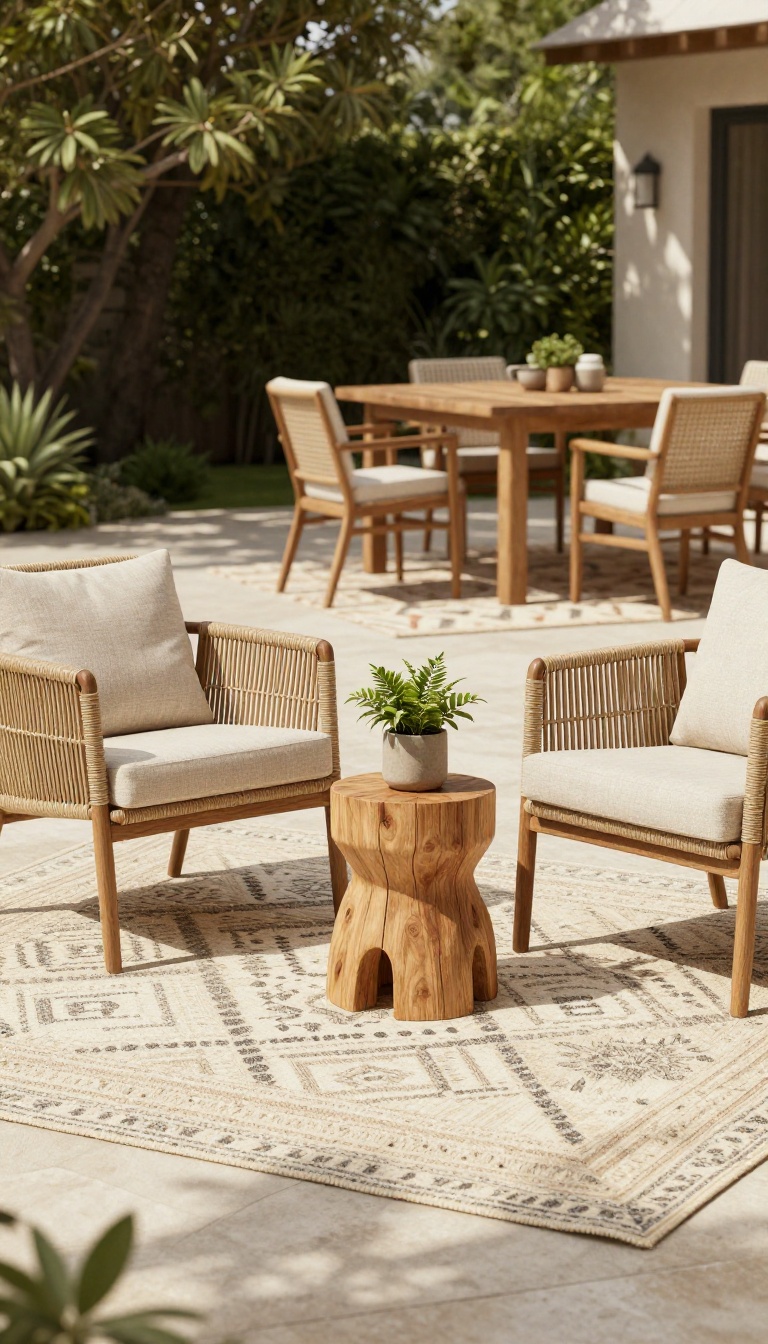
One of the fastest ways to make a patio feel intentional is to give each activity its own spot. Instead of pushing all the furniture against the walls, pull pieces into conversation-friendly clusters. A simple rug under the dining table or a pair of chairs with a side table instantly signals where to sit, eat, or relax.
Start by thinking about how you actually use your patio. Do you eat outside most nights? Love hosting friends for drinks?
Need a quiet corner for reading? Once you know your main activities, assign each one a zone. Then, use rugs to anchor each area—they add color, texture, and a visual boundary that helps the space feel organized without any construction.
Start With A Layout That Flows
Sketch a simple floor plan or just move furniture around until it feels right. Keep walkways clear so people can move easily between zones. For example, place the dining table near the kitchen door for easy serving, and put the lounge area farther away where it feels more private.
Don’t be afraid to angle chairs or float a sofa in the middle of the patio—it makes the space feel larger and more inviting.
Pick Rugs That Can Take The Weather
Outdoor rugs are made to handle sun, rain, and foot traffic, but not all are created equal. Look for flatweave polypropylene or other synthetic materials that resist mold and fading. Choose darker colors or busy patterns to hide dirt and stains.
And make sure the rug is large enough to fit under all the furniture legs in that zone—at least 6 inches of rug visible around the edges looks best.
Use Furniture To Create Natural Boundaries
You don’t need walls to separate spaces. A long bench can act as a divider between a dining area and a play zone. A tall plant or an outdoor floor lamp can mark the edge of a lounge nook.
Even a simple change in flooring—like placing a wooden deck tile under the seating area—can visually separate it from the concrete patio.
2. Build a Simple Paver Patio on a Budget
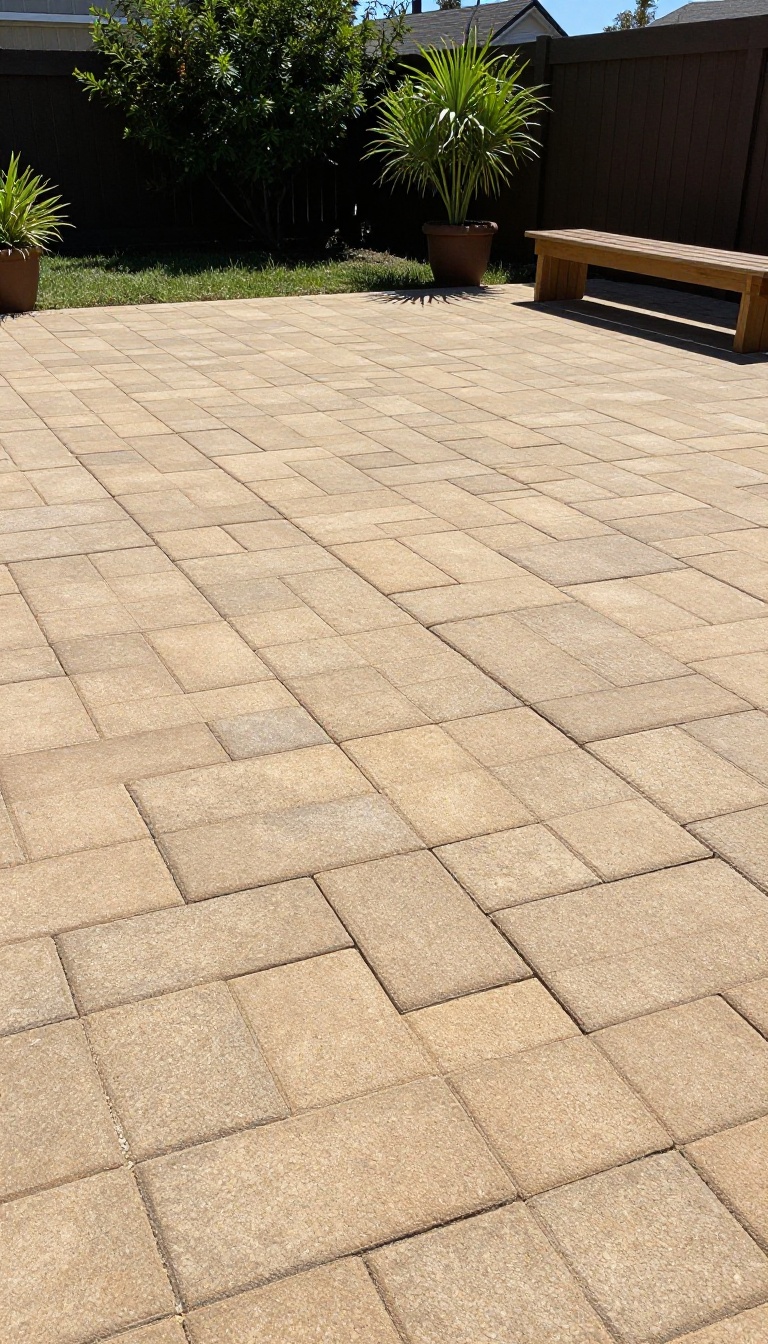
Concrete work is pricey, and a plain grass yard can turn into a mud pit after a few rainy days. A paver patio gives you a solid, clean surface without the heavy equipment or the big invoice. It’s a weekend project that most people can handle with basic tools and a few trips to the home improvement store.
Pavers aren’t just for fancy landscaping. They’re tough, easy to replace if one cracks, and they let water drain naturally through the joints. Unlike a poured slab, you don’t have to wait days for curing or worry about control joints.
You set them on a compacted base of gravel and sand, which sounds technical but really just means you’re stacking layers like a sandwich.
Pick The Right Pavers For Your Yard
Concrete pavers are the most budget-friendly, and they come in a ton of shapes and colors. If you want a more natural look, go with brick or travertine, but those cost more. Stick with a simple rectangle or square pattern—herringbone or running bond—to keep cutting minimal.
You’ll need to cut some pavers at the edges, but a masonry saw or even a chisel and hammer can handle that for a small patio.
Prep The Base Like It Matters
The secret to a long-lasting paver patio is all in the base. Dig down about 6 to 8 inches, then add a layer of crushed stone and compact it with a hand tamper or plate compactor. Add a 1-inch layer of coarse sand and screed it flat.
This creates a stable foundation that won’t shift or sink over time. It’s the most labor-intensive part, but it’s what keeps your patio level for years.
Lay The Pavers And Finish Strong
Start from a straight edge, like your house or a string line, and lay pavers with a small gap (about 1/8 inch) between them. Use a rubber mallet to tap each one into place. After you’ve laid all the pavers, spread polymeric sand over the surface and sweep it into the joints, then mist with water to activate the binding agents.
Finish with a border of edging or a row of pavers set in concrete to lock everything in.
3. Add a Pergola or Shade Sail for Comfort
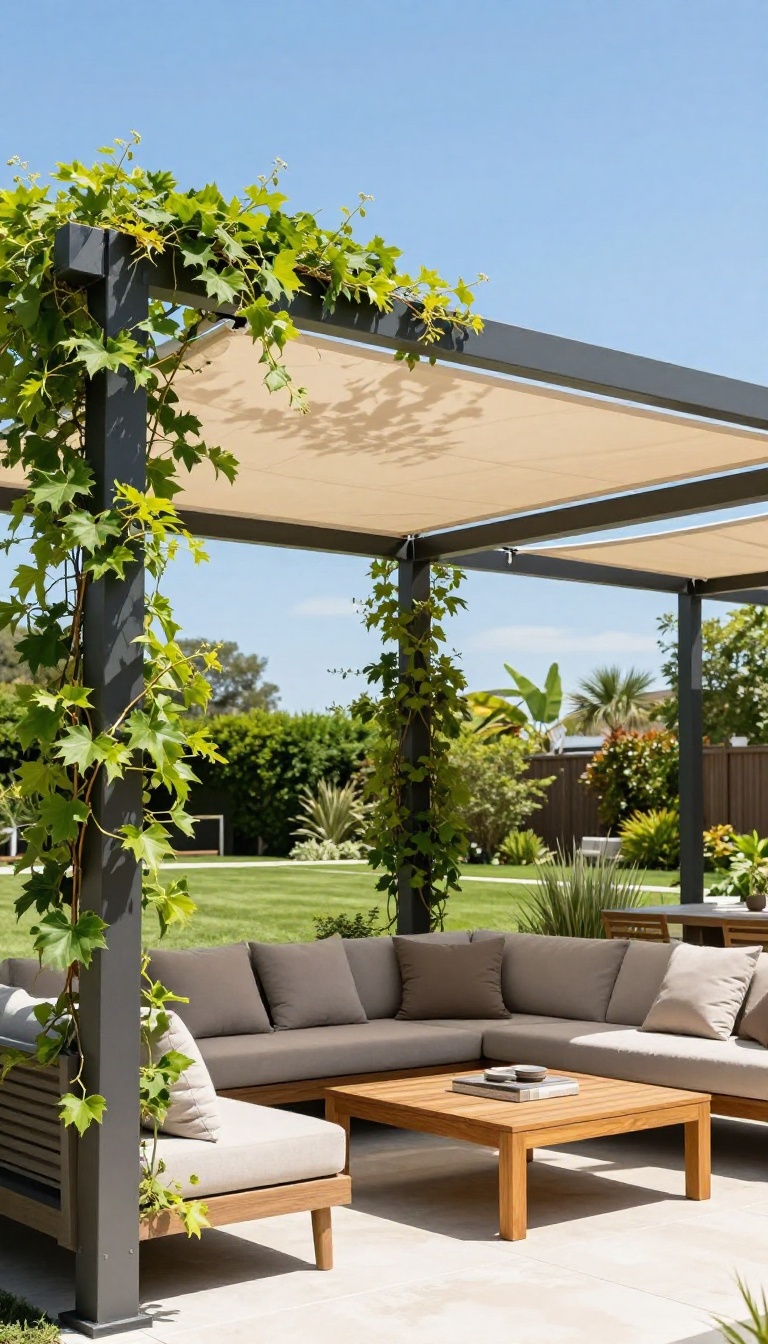
Direct sun can turn a patio into a no-go zone by mid-afternoon. A pergola or shade sail changes that, giving you a cool, comfortable spot to relax. Plus, it defines the area, making it feel like a true outdoor room.
Pick The Right Structure For Your Patio
Pergolas offer a classic, open look with wooden or metal beams. They work well over dining areas or as a transition from house to yard. Shade sails are a modern, budget-friendly option.
They come in various shapes and colors, and you can angle them to block sun from specific directions. Consider your patio's size and style when choosing. A large pergola might overwhelm a small space, while a shade sail might not provide enough coverage for a large seating area.
Choose Materials That Last
For pergolas, pressure-treated wood or aluminum are durable choices. Wood looks warm but needs staining every few years. Aluminum is low-maintenance and won't rot or warp.
For shade sails, look for high-density polyethylene (HDPE) fabric that's UV-resistant and breathable. It should have stainless steel rings and cables for secure attachment. Avoid cheap materials that fade or tear quickly.
Add Climbing Plants For A Natural Feel
Climbing vines soften the hard lines of a pergola and add privacy. Fast-growing options like clematis, wisteria, or climbing hydrangea work well. For shade sails, you can plant tall grasses or bamboo nearby to create a green backdrop.
Just be sure to choose plants that thrive in your climate and don't damage the structure. Regular pruning keeps them in check.
Consider Retractable Or Adjustable Options
If you want flexibility, a retractable awning or a pergola with a louvered roof lets you control sunlight. Louvered pergolas have adjustable slats that can open or close, providing full sun or full shade. Retractable awnings can be extended or retracted with a crank or motor.
These options are great for patios that get varying sun throughout the day.
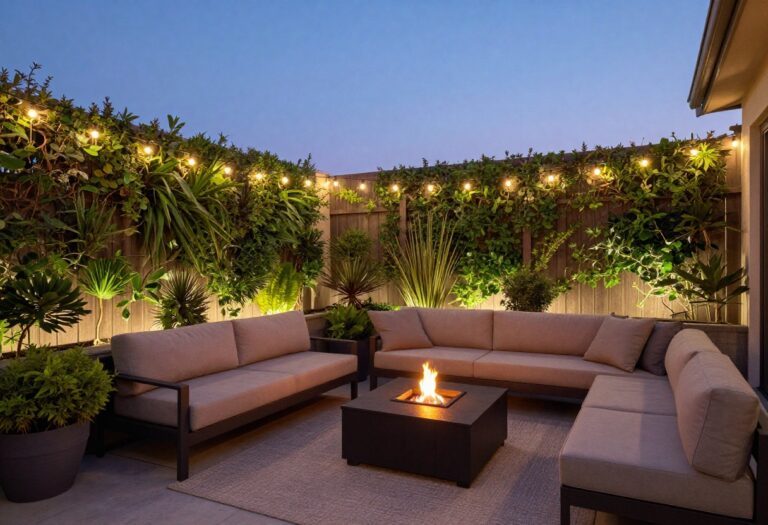
4. Incorporate a Fire Pit for Cool Evenings
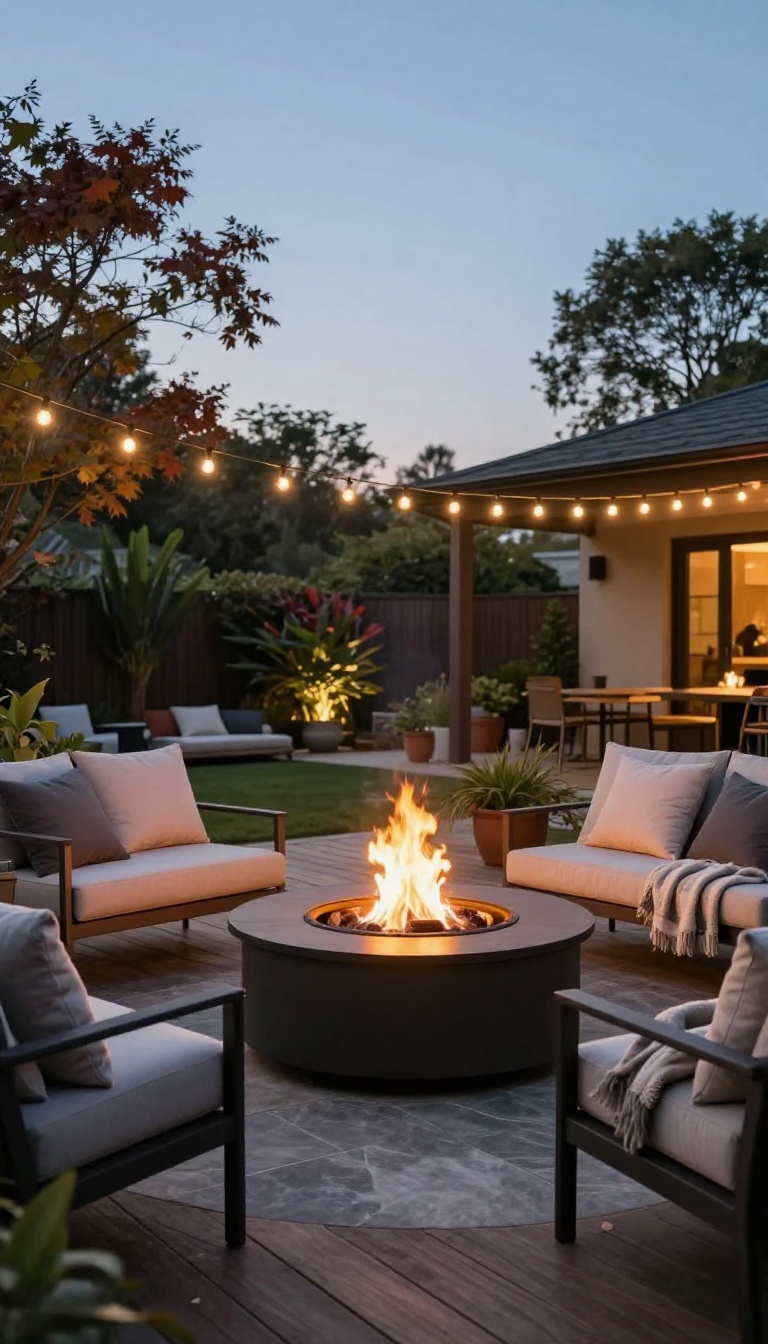
When the temperature dips, most patios get abandoned until next summer. A fire pit changes that equation, turning your outdoor space into a cozy retreat for crisp fall nights and early spring gatherings. Whether you choose a portable model or a permanent built-in, it becomes the focal point that draws people outside.
The warmth, the flickering light, and the shared ritual of roasting marshmallows make it an instant favorite for friends and family.
Adding a fire pit is one of the most effective ways to extend your patio’s usability across seasons. It doesn’t just provide heat—it creates a social hub that encourages lingering conversations and spontaneous get-togethers. Here’s how to make the most of this feature, from choosing the right type to styling the surrounding area for comfort and safety.
Choosing Between Portable And Built-in
Portable fire pits are budget-friendly and flexible. You can move them around your yard or even take them camping. Look for sturdy metal options with spark screens and consider propane or natural gas models for easy cleanup and no smoke.
Built-in pits, on the other hand, become a permanent part of your patio design. They can be custom-shaped to fit your space and often include seating walls or integrated benches. While they cost more, they add significant value and a high-end feel.
Think about how often you’ll use it and whether you prefer the convenience of moving it or the permanence of a fixture.
Safety And Placement Basics
Safety should always come first. Place your fire pit at least 10 feet away from structures, trees, and overhanging branches. Check local regulations regarding open flames, especially during dry seasons.
Use a fire-resistant mat underneath portable pits to protect your patio surface from heat damage. Keep a bucket of water or a fire extinguisher nearby, and always supervise children and pets. For built-in pits, hire a professional to ensure proper ventilation and gas lines if you choose a gas-powered model.
Seating That Encourages Gathering
The right seating makes your fire pit area inviting. Arrange chairs in a circle or semi-circle to foster conversation. Consider weather-resistant materials like teak, aluminum, or all-weather wicker.
Add cushions with outdoor fabric that can withstand moisture and UV rays. For a more casual vibe, throw in some floor pillows or benches. You want everyone to have a comfortable spot to sit and enjoy the warmth, so plan for at least as many seats as you typically host.
Accessorizing For Ambiance And Function
Small touches elevate the experience. String lights overhead or place lanterns nearby to create a warm glow beyond the fire itself. Keep a basket of blankets within reach for chilly evenings.
A side table or ledge is handy for drinks and s’mores supplies. Consider adding a fire pit cover to protect it when not in use, and store firewood neatly nearby if you’re using a wood-burning model. These details make the area feel like an extension of your living room, encouraging daily use.
5. Use Vertical Gardens and Planters for Privacy
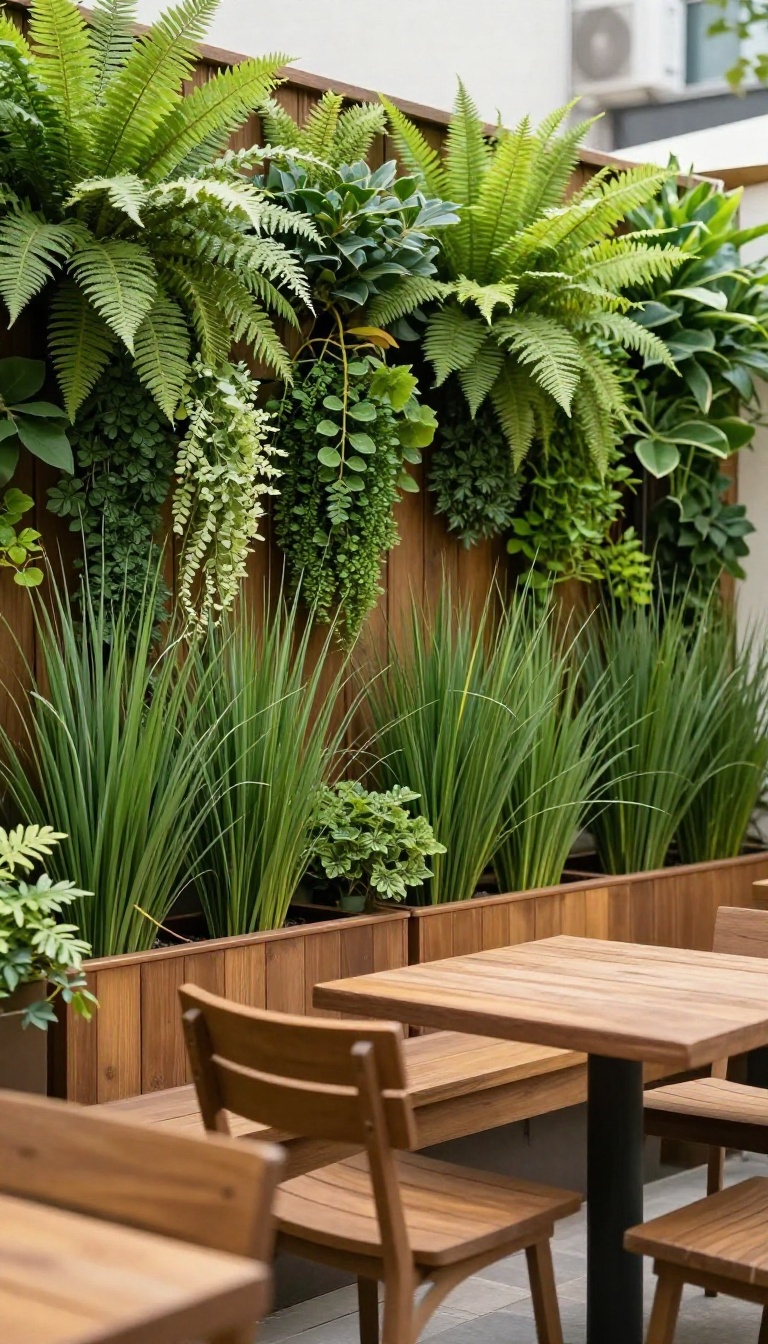
If your patio feels exposed or neighbors are a little too close for comfort, vertical greenery is the answer. Tall planters, trellises, or a living wall can block sightlines without making your space feel closed in. Plus, you get the bonus of fresh herbs, flowers, or foliage right at eye level.
Vertical gardens are a smart way to add privacy and beauty without sacrificing floor space. They work especially well on smaller patios where you can't fit wide shrubs or fences. And because they take up minimal ground area, you can still use your patio for dining, lounging, or play.
Pick The Right Plants For Screening
Choose plants that grow tall and dense enough to create a screen. Evergreen options like boxwood or laurel give year-round coverage, while fast-growing vines like clematis or ivy can cover a trellis in a season. If you want color, try climbing roses or jasmine.
For edible privacy, plant tall grasses or even pole beans.
Use Tall Planters And Trellises Strategically
Place tall planters or trellises along the sides of your patio where you need the most screening. You can also use them to define separate areas, like a cozy reading nook or an outdoor dining zone. A freestanding trellis with a climbing plant works great without blocking breezes.
Build A Living Wall For Maximum Impact
If you have a bare wall or fence, a living wall planter can turn it into a lush focal point. These modular systems let you grow a variety of plants vertically, from ferns to succulents. Just make sure to install a drip irrigation system to keep watering simple.
6. Install Low-Voltage Lighting for Ambiance and Safety
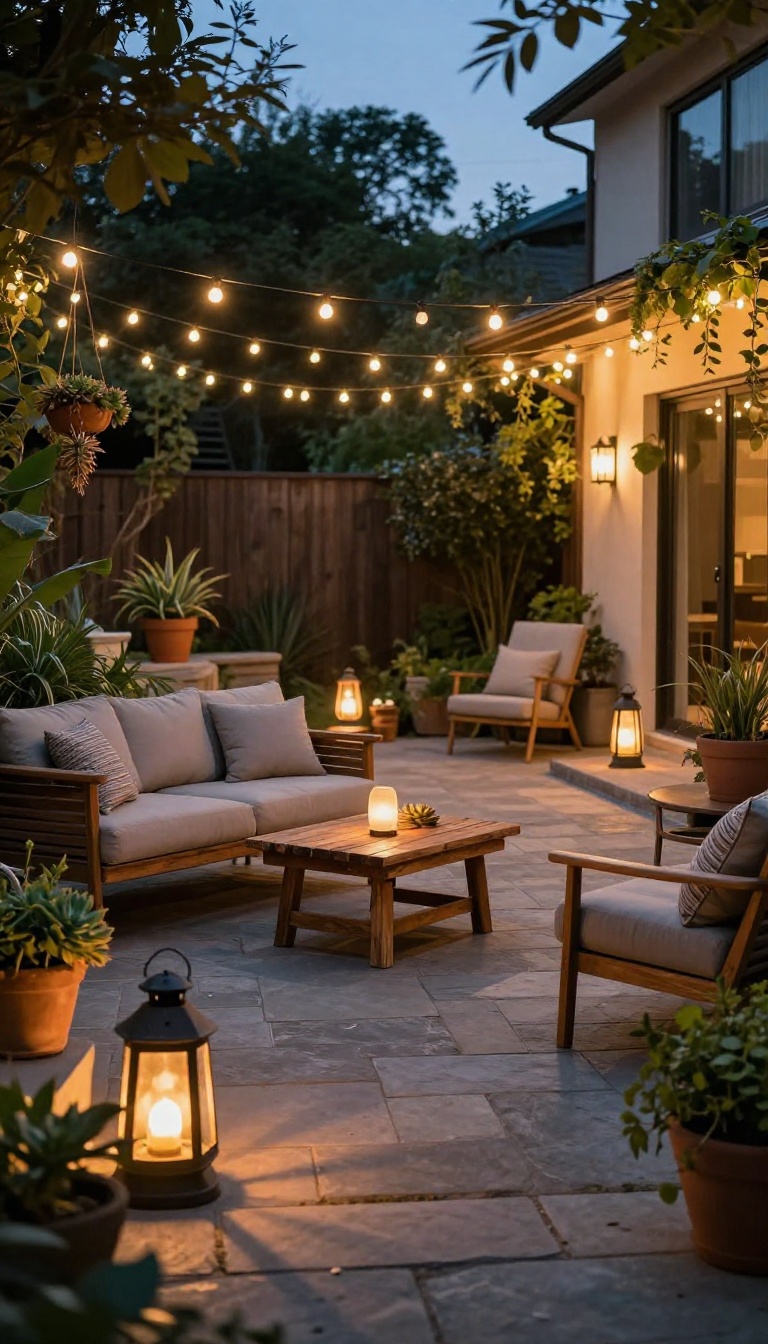
When the sun goes down, a patio without lighting turns into a dark, uninviting space. But with low-voltage lighting, you can extend your outdoor living hours and make the area safer for evening gatherings. These systems are easy to install, energy-efficient, and won't break the bank.
Low-voltage lighting runs on a transformer that steps down standard household voltage to a safer 12 volts. This makes it perfect for DIY installation because the risk of shock is minimal. Plus, you can easily move fixtures around to adjust the lighting as your patio evolves.
Whether you want to highlight a walkway or create a cozy corner, low-voltage options give you flexibility without the need for an electrician.
String Lights For A Warm Glow
String lights are the quickest way to add instant charm to any patio. Drape them overhead across the seating area or along the fence to create a soft, inviting glow. Choose LED bulbs that stay cool to the touch and use less energy.
For a more permanent setup, install hooks or eye screws to hang them securely. They're perfect for everyday use, not just special occasions.
Path Lights For Safety And Style
Path lights guide your steps and prevent trips and falls in the dark. Place them along walkways, garden edges, or steps to define the area and add a polished look. Low-voltage path lights come in a variety of styles, from sleek modern to classic lantern designs.
They're easy to stake into the ground and connect to a low-voltage cable, making them a simple weekend project.
Lanterns And Accent Lights For Character
Lanterns and accent lights add a personal touch and highlight specific features like a fire pit or a favorite plant. Battery-operated or solar lanterns offer portability, while low-voltage spotlights can be aimed to showcase textures and colors. Mixing different types of lighting creates depth and makes the patio feel more inviting.
Don't be afraid to experiment with placement until it feels right.
Solar Options To Cut Costs
Solar-powered lights are a budget-friendly alternative that requires no wiring at all. They charge during the day and automatically turn on at dusk, saving you money on electricity. Modern solar lights are brighter and more reliable than older versions, making them a practical choice for many patios.
Place them in sunny spots to ensure they get enough charge for the evening.
7. Choose Weather-Resistant, Low-Maintenance Furniture
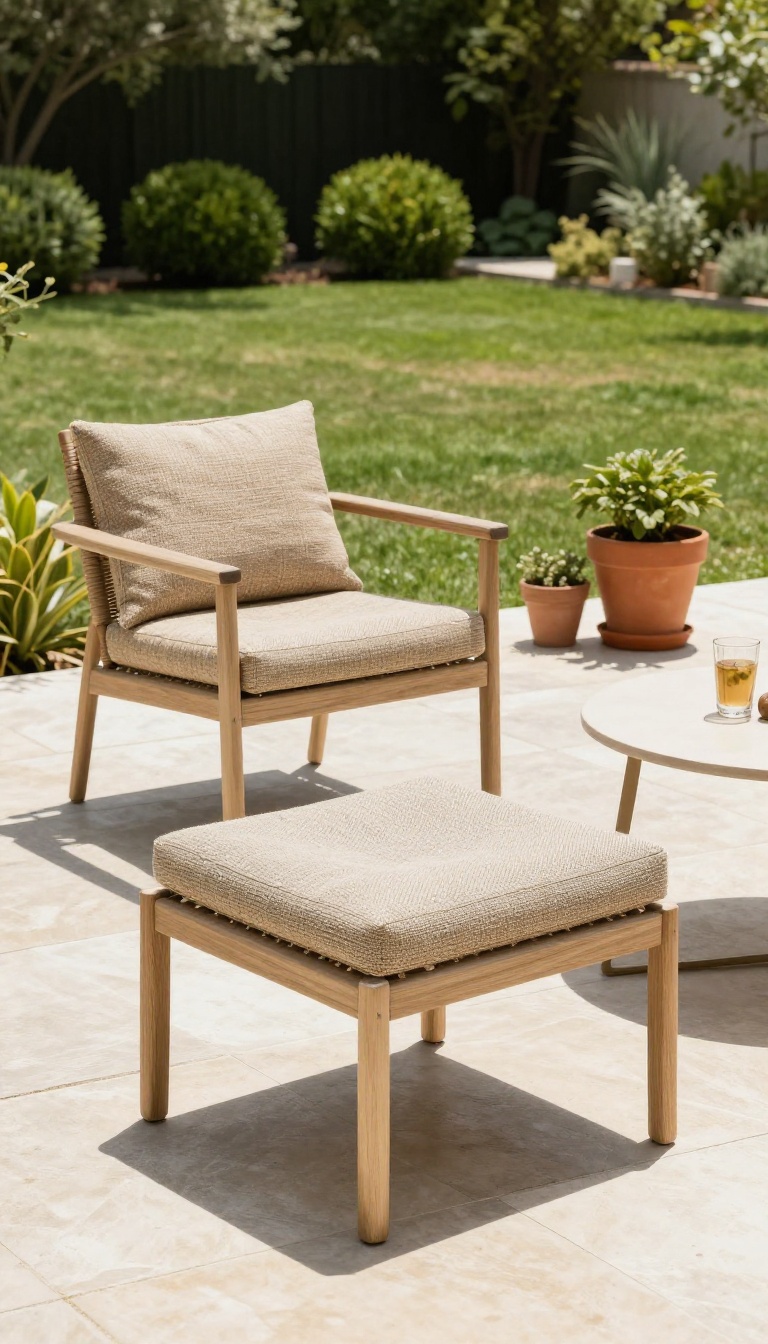
Patio furniture takes a beating. Sun, rain, wind, and the occasional spilled drink can turn a nice set into a faded, rusty mess within a season or two. That’s why picking the right materials from the start matters more than the style.
You want pieces that look good, feel comfortable, and don’t demand constant attention. With the right choices, you can spend your weekends actually enjoying your patio instead of scrubbing, sealing, or replacing what’s out there.
The key is to focus on materials that are naturally tough and need little more than a quick wipe down. Teak, aluminum, and all-weather wicker are the big three for a reason. They handle sun, rain, and temperature swings without warping, rusting, or fading quickly.
Teak is the classic choice for a reason. It’s dense, oily, and naturally resistant to moisture and insects. Left outdoors, it weathers to a silvery gray that many people love.
If you prefer the warm honey tone, a quick coat of teak sealer once a year does the trick. But even if you do nothing, it’ll last for decades. Aluminum is another winner.
It’s lightweight, won’t rust, and can be powder-coated in any color. That finish resists chipping and fading, so it’ll look fresh for years. Plus, you can move chairs around easily when you want to chase the sun or gather around the fire pit.
All-weather wicker (also called resin wicker) gives you that classic woven look without the upkeep of natural wicker. The synthetic fibers are UV-stabilized and waterproof, so they won’t crack, peel, or rot. Pair that with a rust-proof aluminum frame, and you have a set that’s built to last.
What To Look For In Cushions And Fabrics
Even the best frame won’t help if your cushions turn into soggy sponges. Look for cushions made with quick-drying foam and covers that are water-repellent and UV-resistant. Many outdoor fabrics now come with a solution-dyed acrylic or polyester blend that resists fading and mildew.
Also, check if the cushion covers are removable and washable. That way, when a bird or a muddy paw leaves a mark, you can just unzip and toss them in the washing machine. It’s that simple.
Storage And Care Tips
Even low-maintenance furniture lasts longer with a little help. During heavy storms or the off-season, store cushions indoors or in a deck box. Use furniture covers for the frames if you live in an area with harsh winters or intense sun.
A quick rinse with the hose and a soft brush once a month is usually enough to keep everything clean. Avoid harsh chemicals or pressure washers, which can damage finishes. With just that small effort, your furniture will look great for years.
Mix And Match For A Personal Look
You don’t have to buy a matching set. Mixing materials can add character and make your patio feel more like an extension of your home. Pair a teak dining table with aluminum chairs, or use an all-weather wicker sofa with a metal coffee table.
Just keep the color palette cohesive—maybe stick to neutral tones with a pop of color from cushions or throws. That way, everything feels intentional, not chaotic.
8. Create an Outdoor Kitchen or Grill Station
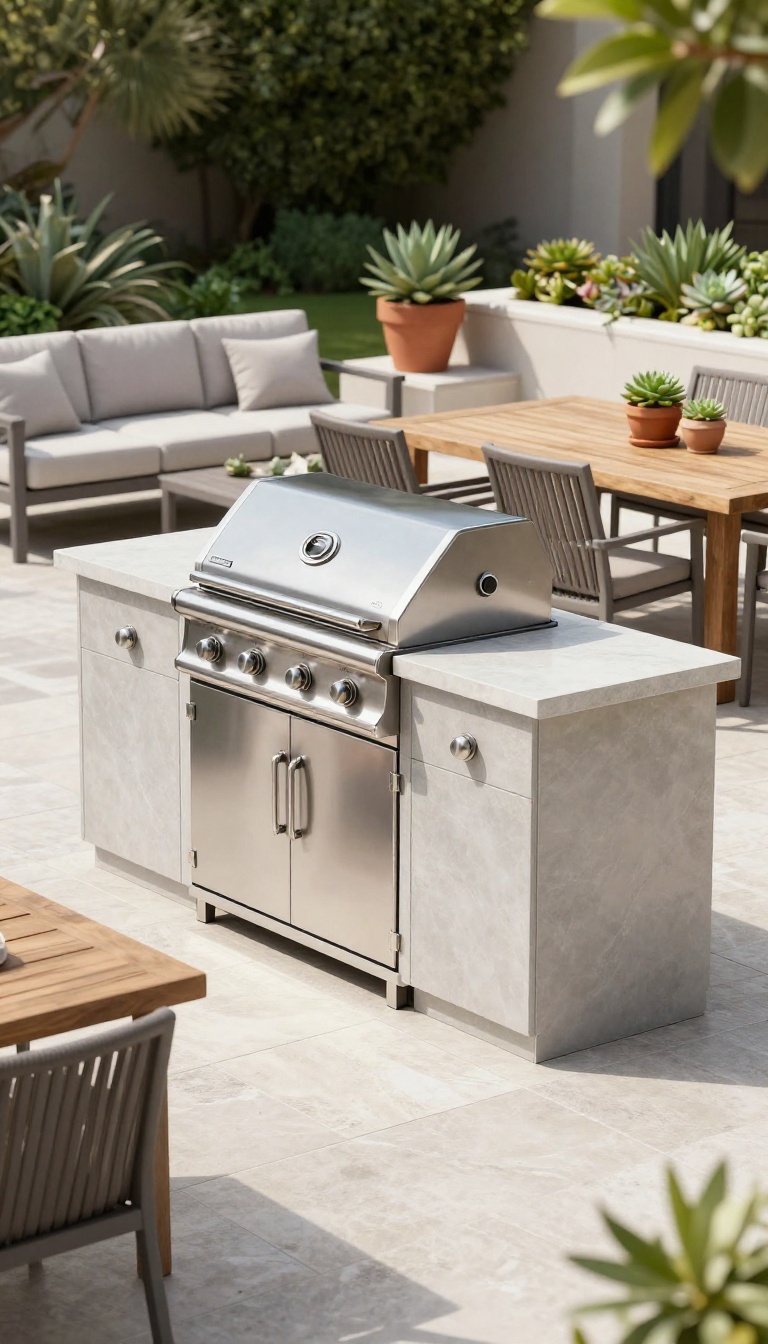
Cooking outside can be a game-changer for how often you use your patio. Even a basic setup—like a grill with a side table—makes it easy to whip up dinner while the kids play or you chat with friends. You don’t need a full outdoor kitchen with a sink and fridge to make a difference.
A simple cart with wheels, some counter space, and a few hooks for tools can turn your grill area into a functional cooking zone that feels organized and inviting.
Start With The Right Grill Setup
Think about how you actually cook. If you’re a weekend griller, a standard charcoal or gas grill might be enough. But if you love slow-smoking or cooking for a crowd, a larger model with extra burners could be worth it.
Place your grill on a stable, heat-resistant surface, and leave plenty of room on at least one side for prepping. A cart with a fold-out shelf or a small outdoor table gives you a spot to set down plates, sauces, and tools without running back inside.
Add Storage That Works
Outdoor cooking is easier when everything you need is within arm’s reach. Look for a cart or cabinet with drawers for utensils, hooks for tongs and spatulas, and bins for charcoal or propane tanks. If you’re building a permanent station, include sealed cabinets to keep bugs and weather out.
Open shelving can look nice, but it means wiping down everything regularly—so think about what’s practical for your climate.
Keep It Comfortable And Safe
A little shade goes a long way when you’re standing over a hot grill. If your patio is sunny, consider adding a cantilever umbrella or a pergola cover over the cooking area. That way, you’re not squinting or sweating while you flip burgers.
Don’t forget safety basics: keep a fire extinguisher nearby, place a heat-resistant mat under the grill, and make sure there’s enough clearance from walls or overhanging branches. Also, add a small table or counter for serving—so you’re not juggling hot platters while walking across the patio.
9. Add a Water Feature for Relaxation
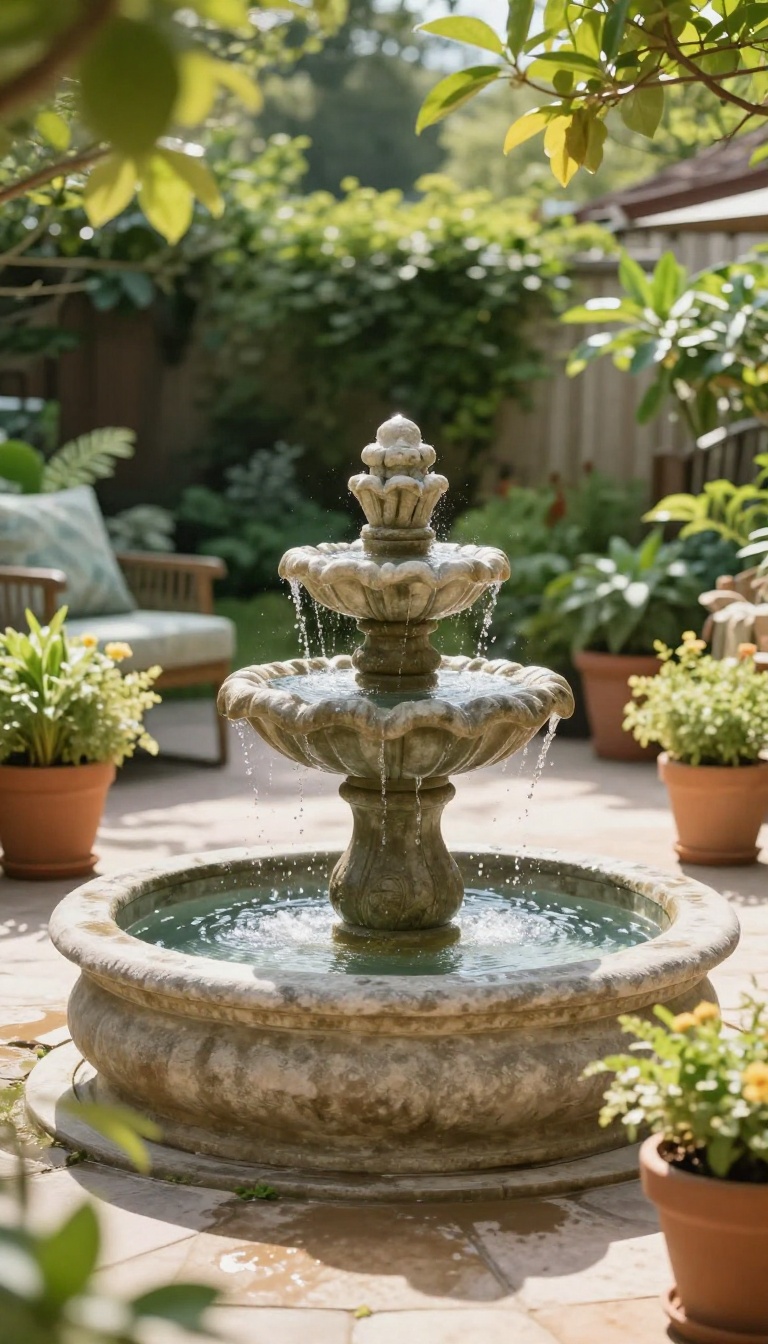
A small fountain or pond brings soothing sounds and masks street noise. It’s a simple addition that elevates the whole patio. The gentle trickle of water can turn an ordinary backyard into a calming retreat, making it a favorite spot for unwinding after a long day.
Choose The Right Feature For Your Space
You don’t need a huge pond to get the benefits. A compact tabletop fountain works wonders on a small patio, while a wall-mounted spout saves floor space. If you have room, a pre-formed pond liner with a small pump can create a natural focal point.
Consider the size of your patio and how much maintenance you’re willing to handle. A simple recirculating fountain is often the easiest to care for.
Placement And Sound
Where you put the feature matters. Place it near your seating area so you can hear the water clearly, but not so close that it splashes on your furniture. If you want to block out traffic noise, position it between the noise source and your usual sitting spot.
The sound of water can mask unwanted sounds and create a peaceful atmosphere.
Maintenance And Safety
Keep it simple. Choose a feature with a removable pump for easy cleaning. Algae can build up, so a little bleach or vinegar now and then helps.
If you have kids or pets, make sure the water feature is safe—no deep ponds without fencing, and use covers for any electrical connections. With a bit of routine care, your water feature will stay inviting all season long.
10. Incorporate Multi-Functional Pieces for Small Spaces
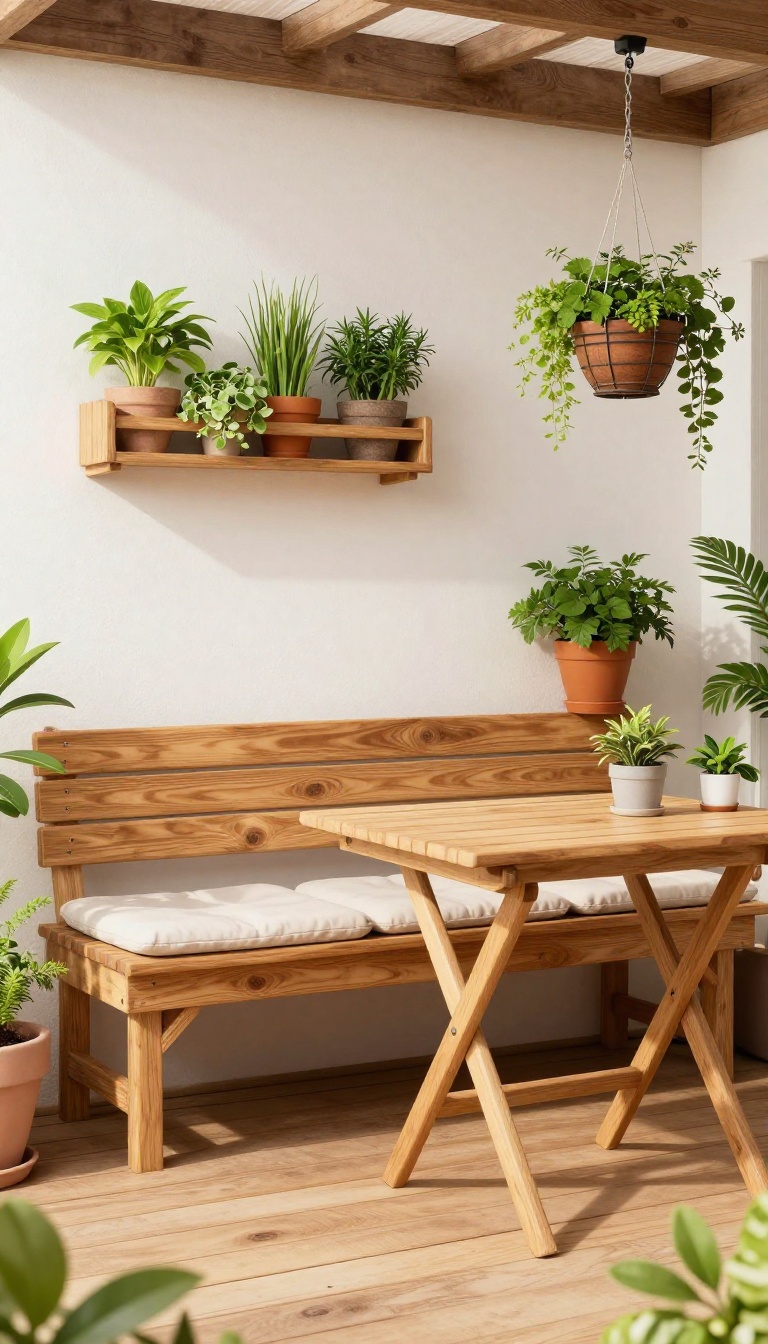
Not every patio comes with endless square footage. If your outdoor area is on the compact side, you might feel limited in what you can add. But small spaces often work best with clever, dual-purpose furniture that earns its keep.
Think benches with hidden storage, tables that fold flat when not in use, or ottomans that double as extra seating. These pieces let you enjoy your patio without cluttering it, keeping the space open and inviting for everyday moments.
When you're working with a small patio, every piece of furniture should pull double duty. A storage bench can hold cushions, gardening tools, or kids' toys while providing a comfy spot to sit. Foldable tables are perfect for meals or drinks but can be tucked away when you need more room to move.
Ottomans that open up for storage or flip into side tables add flexibility without taking up permanent space. The key is to choose items that are both functional and stylish. Look for weather-resistant materials like teak, aluminum, or all-weather wicker that can handle the elements.
Multi-functional pieces often come in sleek designs that complement any patio decor, so you don't have to sacrifice looks for practicality. Another smart move is to use vertical space. Wall-mounted shelves or hanging planters can hold decor or herbs without eating up floor space.
A fold-down table attached to the wall can serve as a bar or prep area when needed, then disappear when not in use. With a little creativity, even the smallest patio can feel spacious and well-equipped.
Smart Storage Benches
Storage benches are a small-space superhero. They provide seating and a place to stash outdoor essentials like throw pillows, gardening gloves, or pool toys. Choose a bench with a hinged lid that lifts easily, and make sure it's made from durable, weather-resistant materials.
Place it against a wall or under a window to maximize seating without blocking pathways.
Foldable And Stackable Options
Foldable tables and chairs are lifesavers for compact patios. Look for bistro sets that fold flat for easy storage, or stackable chairs that can be tucked in a corner when not in use. A foldable bar cart or side table can serve as a serving station during gatherings and then be put away to free up space.
These pieces are also great for taking on picnics or camping trips.
Ottomans That Work Overtime
Ottomans are the ultimate multi-taskers. Use them as footrests, extra seating, or even as a coffee table when topped with a tray. Many outdoor ottomans come with hidden storage inside, perfect for keeping small items like remote controls or sunscreen within reach.
Choose lightweight options that are easy to move around, so you can reconfigure your patio in seconds.
FAQ
What is the most budget-friendly patio material?
Gravel or concrete pavers are typically the most affordable. Gravel is cheap and easy to install, while pavers offer a more polished look at a moderate cost.
How can I make my patio more private without building a fence?
Use tall planters with fast-growing shrubs, bamboo screens, or outdoor curtains. A trellis with climbing vines also works well.
What type of lighting is best for a patio?
Low-voltage LED lighting is energy-efficient and safe. String lights add ambiance, while path lights improve safety. Solar options are great for areas with good sun exposure.
How do I choose outdoor furniture that lasts?
Look for materials like teak, cedar, aluminum, or all-weather wicker. Check for UV-resistant cushions and rust-proof hardware. Consider your climate and store furniture during harsh weather if possible.
Can I install a fire pit on a wood deck?
Yes, but you need a fire pit specifically designed for decks, with a heat shield and spark screen. Always follow safety guidelines and check local codes.
Conclusion
Creating a patio for everyday living doesn’t require a huge budget or a professional designer. Start with one or two ideas that solve your biggest pain points—whether that’s shade, seating, or a place to cook. Then, layer in smaller touches like lighting and plants over time.
The goal is a space that feels like an extension of your home, where you can relax, entertain, and simply enjoy being outside. So grab a cold drink, step into your backyard, and start planning your perfect patio makeover.