13 Apartment Patio Ideas That Make Renting Feel Homier
You finally scored an apartment with a patio, but it's a blank slab of concrete that feels more like a storage unit than a retreat. The catch? You're renting, so drilling into walls or installing permanent fixtures is off the table.
But that doesn't mean you can't make it feel like your own slice of outdoor heaven. The trick is to focus on temporary, movable, and renter-friendly upgrades that pack a punch.
With a little creativity, you can turn that tiny balcony or courtyard into a cozy spot for morning coffee, evening chats, or solo reading sessions. Here are 13 apartment patio ideas that will make your rental feel homier, without risking your security deposit.
1. Lay Down an Outdoor Rug to Define the Space
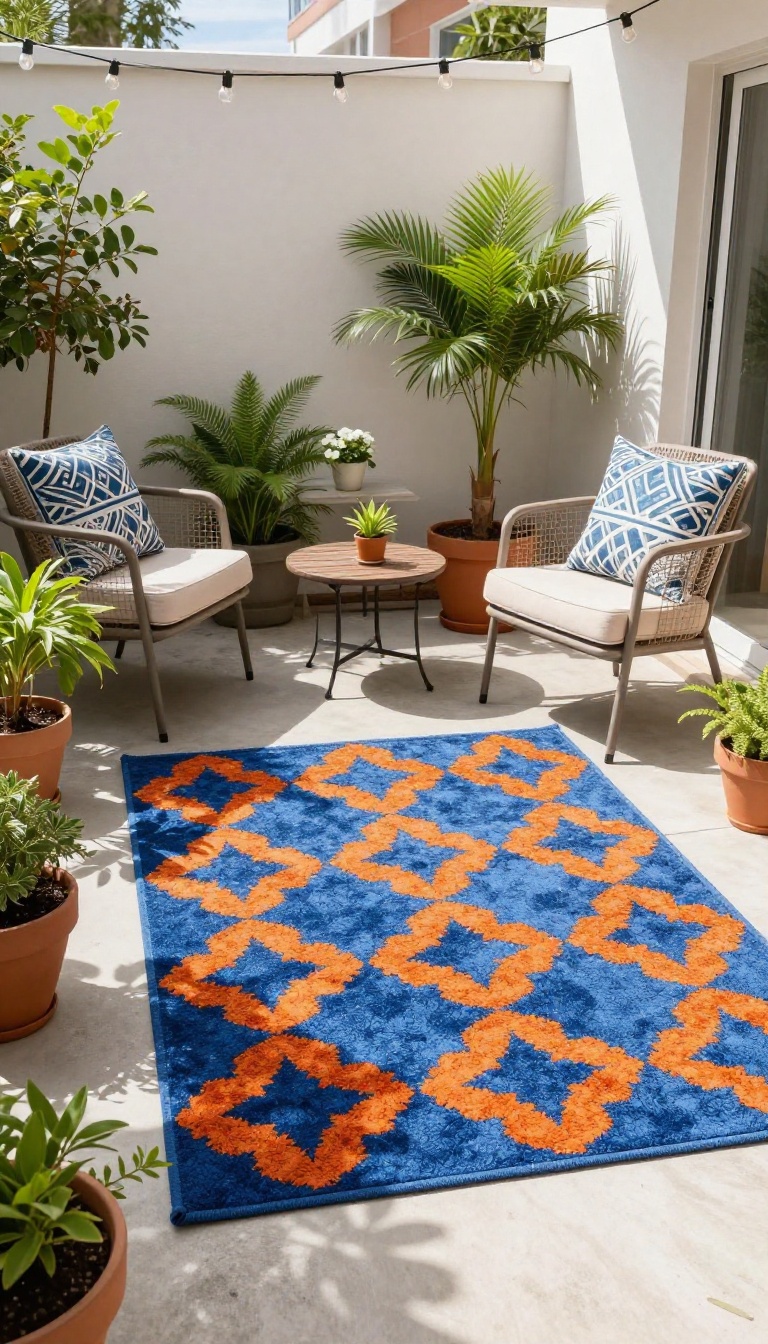
A bare concrete floor can make even the nicest patio feel cold and uninviting. One of the easiest fixes is to lay down an outdoor rug that instantly adds color, texture, and warmth. It visually carves out a seating area and makes the whole space feel like a natural extension of your living room.
Outdoor rugs are designed to withstand sun, rain, and foot traffic, so you don't have to worry about them getting ruined. They come in all sorts of patterns and sizes, so you can easily find one that matches your style. Plus, they're completely renter-friendly—when it's time to move, just roll it up and take it with you.
Pick The Right Size And Material
Measure your patio before buying a rug. You want it large enough to anchor your furniture, but not so big that it gets soaked by rain or looks cramped. Look for rugs made from polypropylene or other synthetic fibers—they resist mold and fade less in the sun.
Avoid natural fibers like jute, which can absorb moisture and get damaged.
Style It Like An Indoor Room
Think of your rug as the foundation for your outdoor living area. Place it under your seating arrangement, and let it define the conversation zone. Add a few cushions or a low table on top to complete the look.
The rug ties everything together, making the space feel intentional and cozy.
Keep It Clean And Maintained
Outdoor rugs are low-maintenance, but a little care goes a long way. Shake it out or sweep it regularly to remove dirt and debris. For spills, just hose it down and let it air dry.
If you live in a rainy climate, consider propping it up against a wall when not in use to extend its life.
2. Add String Lights for Instant Ambiance
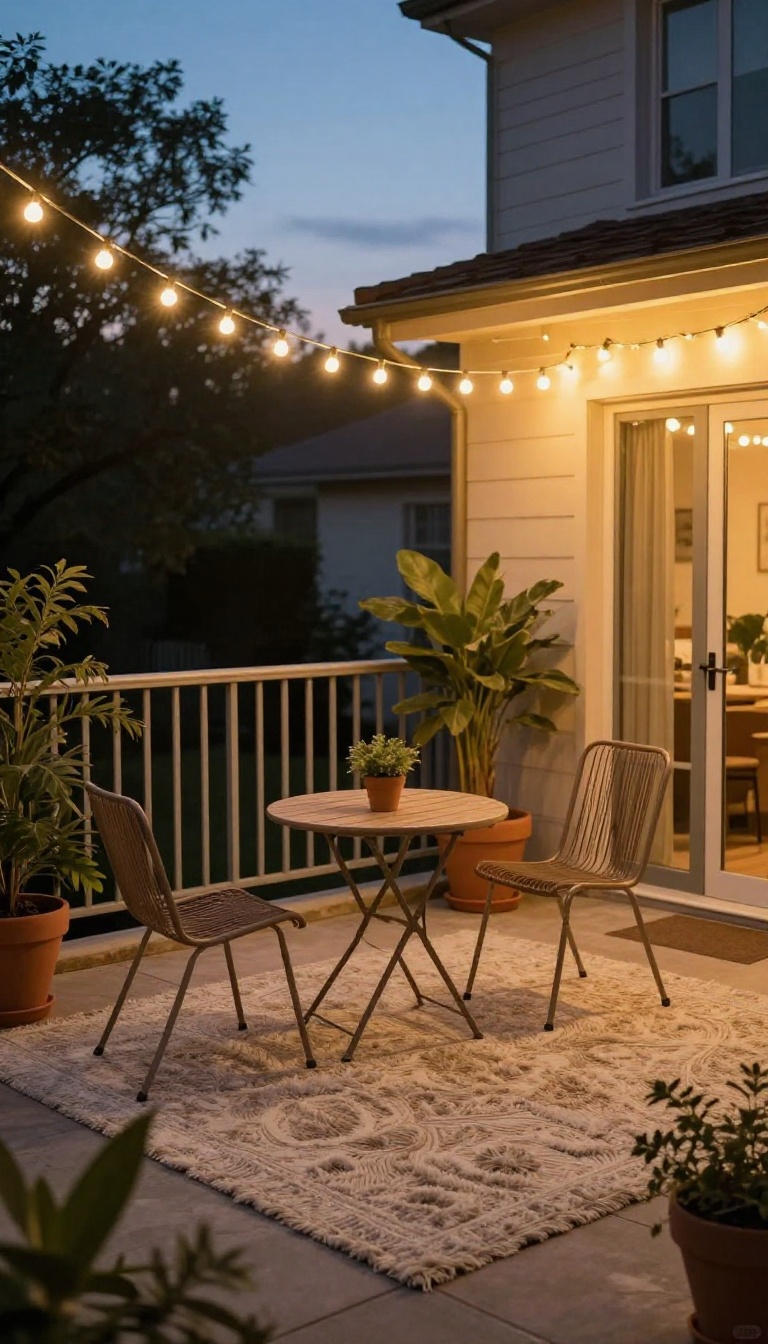
When the sun goes down, a bare patio can feel dark and unwelcoming. String lights are the simplest way to change that mood without any permanent changes. They’re lightweight, easy to hang with adhesive hooks or command strips, and they instantly make the space feel cozy and magical.
String lights aren’t just for holidays—they work year-round to create a warm, inviting glow. You can drape them along the railing, overhead, or around a potted plant to define your outdoor nook. The best part?
They’re completely removable, so you can take them down in minutes when you move.
Choose The Right Type
Look for weatherproof, outdoor-rated string lights to avoid damage from rain or humidity. Warm white bulbs give off a soft, golden glow that feels cozy, while colored or globe lights add a playful touch. If you’re short on outlets, consider solar-powered options that charge during the day and turn on automatically at dusk.
Hang Them Without Drilling
Adhesive hooks and command strips are perfect for renter-friendly hanging. Stick them to walls, railings, or ceilings, then thread the lights through. For a more flexible setup, use tension rods between two walls or a freestanding plant stand to drape the lights.
Always follow the adhesive instructions and remove them carefully to avoid leaving marks.
Create A Cozy Pattern
Instead of just stringing them in a straight line, try a zigzag pattern across the ceiling or a gentle loop around the railing. You can also wrap them around a potted tree or a tall plant to add height and interest. The goal is to make the light feel intentional, not like an afterthought.
3. Use Portable Planters for Greenery
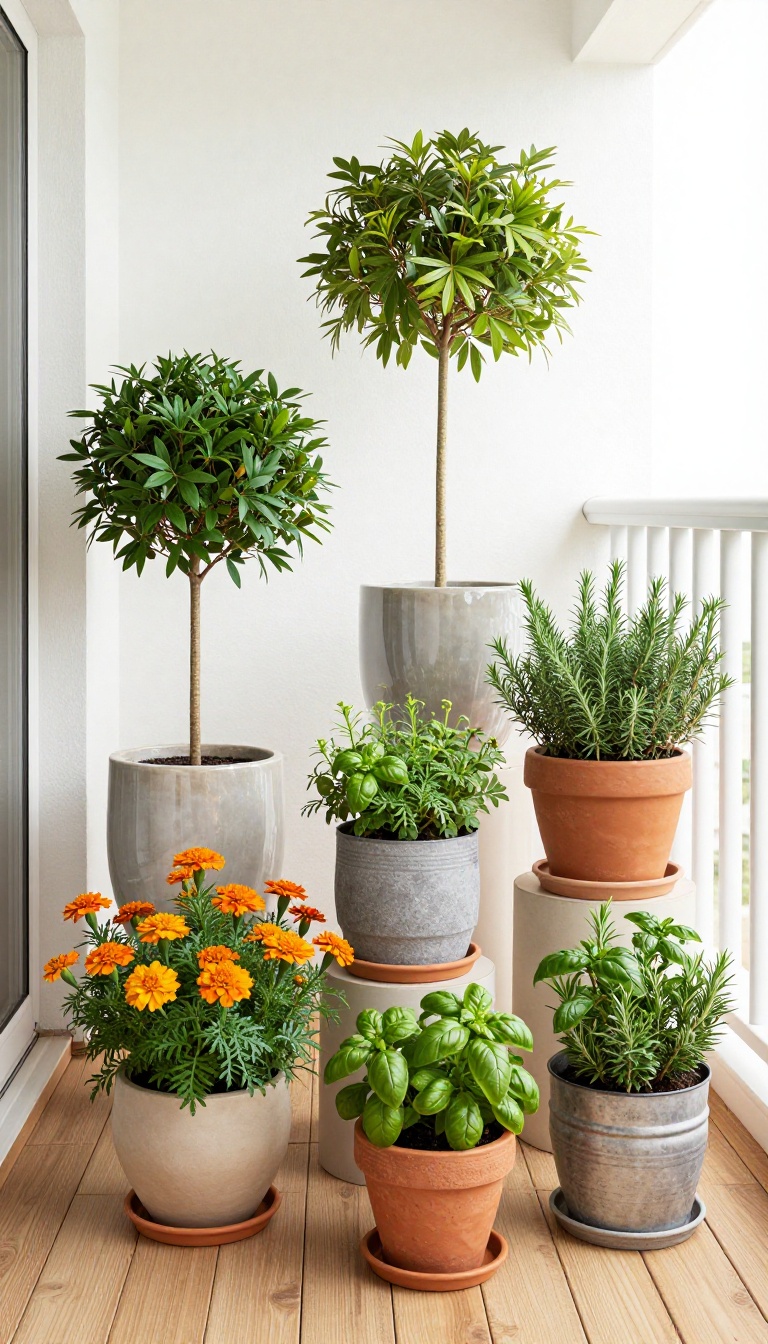
Plants instantly soften the hard edges of a rental patio, making it feel lived-in and inviting. But when you're renting, digging into the ground or attaching permanent planters to the railing isn't an option. Portable planters solve that problem—they're flexible, renter-friendly, and you can take them with you when you move.
Start with a mix of pot sizes and heights to create depth. A few tall planters with small trees or shrubs can provide privacy, while shorter pots with herbs or flowers add color and fragrance. Group them in odd numbers (like three or five) for a more natural look.
Choose lightweight materials like resin, fiberglass, or fabric pots if you're on a balcony, and always use saucers to protect the floor from water damage.
Pick The Right Planters
Focus on portability and drainage. Self-watering planters are great for busy renters, and ones with wheels make it easy to rearrange. Avoid heavy ceramic or terracotta unless you're sure about floor support.
Look for pots that match your style—modern, boho, or rustic—to tie the whole patio together.
Choose Plants That Thrive
Consider your patio's light exposure. For sunny spots, go with herbs like basil, rosemary, or flowers like marigolds. For shade, ferns, begonias, or hostas work well.
Mix edible plants with ornamentals for a practical yet pretty setup. If you're new to gardening, start with low-maintenance succulents or snake plants.
Arrange For Impact
Place taller planters at the back or corners to frame the space, and shorter ones in front so nothing gets hidden. Use a small stool or overturned pot to elevate a plant and add dimension. Leave a clear path for walking and make sure plants aren't blocking the door or view.
4. Create a Cozy Seating Nook with Floor Cushions
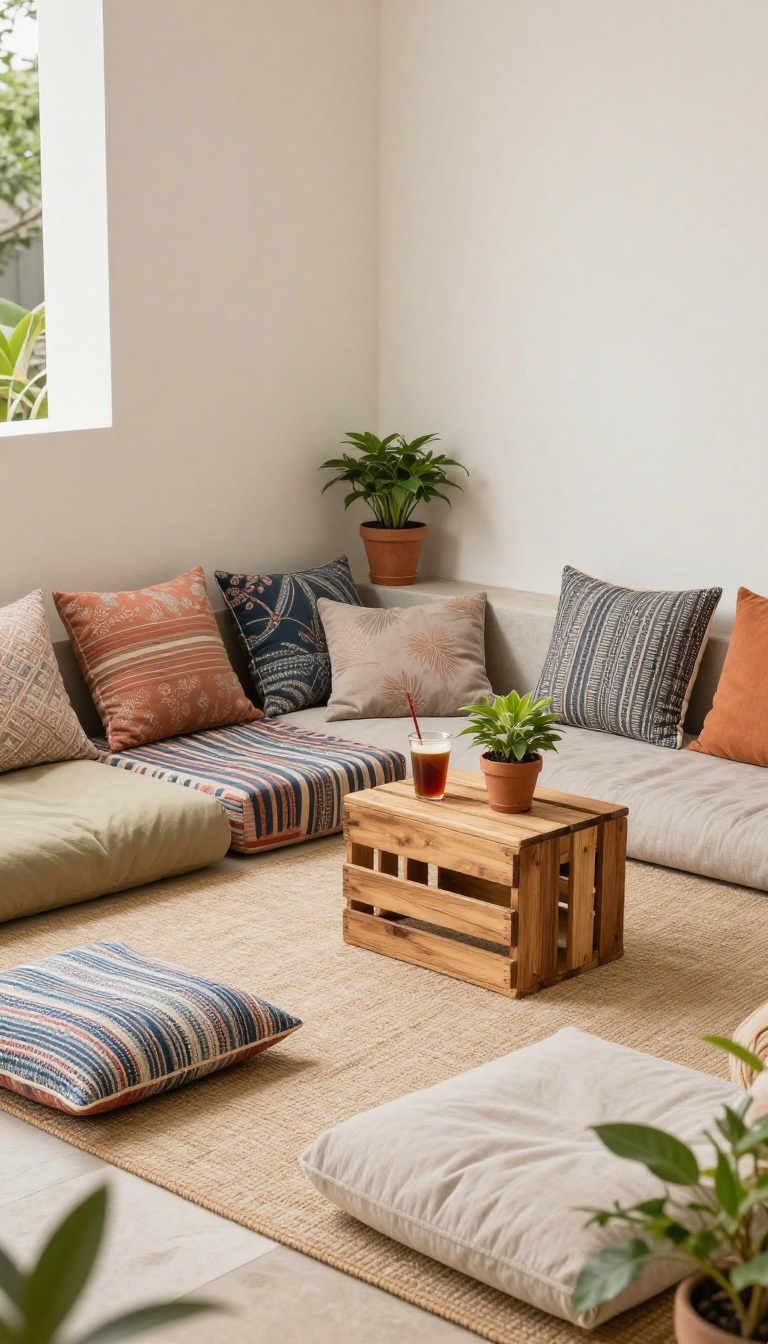
Floor cushions might seem like a casual afterthought, but they’re actually a smart way to turn a cramped patio into a lounge-worthy spot. You don’t need bulky sofas or heavy chairs to get comfortable. A pile of soft cushions can do the job while keeping the space flexible and easy to pack up when you move.
Start by laying down an outdoor rug to define the area, then scatter floor cushions around a low table or just against a wall. Mixing patterns and textures—like a striped cushion next to a solid one—adds visual interest without looking messy. If you’re worried about dampness, choose cushions with water-resistant covers or bring them inside when rain is in the forecast.
Pick The Right Cushions
Look for floor cushions with thick foam or fiberfill so they stay comfy for long sits. Outdoor-specific ones are great, but you can also use indoor cushions if you’re diligent about storing them. Aim for at least 18 inches in diameter for seating, and grab a mix of sizes to create depth.
Arrange Them Like Furniture
Lay the cushions in an L-shape to mimic a sectional, or place them in a circle for a conversation pit. A low wooden crate or tray in the center gives everyone a spot for drinks or snacks. If you’re tight on space, stack the cushions against a wall when not in use—it doubles as a decorative accent.
Make It Weather-smart
Even if your cushions are outdoor-rated, a sudden downpour can soak them. Keep a waterproof storage bin nearby for quick cleanup, or use a simple tarp to cover the nook. You can also add a few throw pillows with removable covers that you can toss in the wash.
5. Install a Temporary Privacy Screen
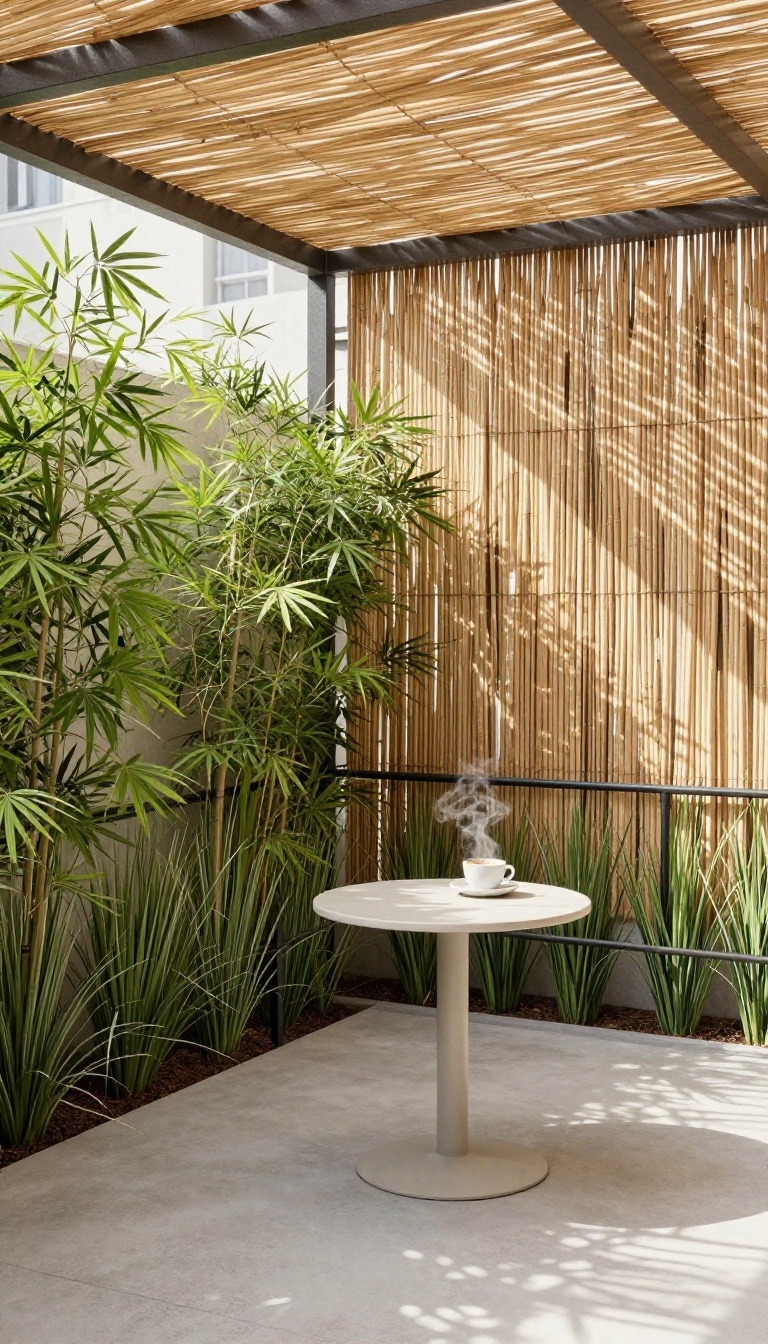
Renting often means dealing with neighbors who are just a few feet away, and that can make your patio feel more like a fishbowl than a private retreat. A temporary privacy screen can give you the seclusion you crave without violating your lease. The best part?
It's completely removable, so you can take it down when you move out and leave no trace.
A privacy screen doesn't have to be an eyesore. With the right materials and a little creativity, you can block the view while adding texture and style to your outdoor space. Here are some renter-friendly ways to create privacy on your apartment patio.
Go Freestanding With Panels
Freestanding privacy panels are a fantastic option because they require no drilling or mounting. Look for lightweight, weather-resistant panels made from materials like wood, metal, or composite. You can place them strategically to block sightlines from neighbors or create a cozy nook.
Since they're freestanding, you can easily reposition them as needed or pack them away when you move.
Use Bamboo Or Reed Shades
Bamboo or reed shades are a classic choice for rental patios. They're affordable, easy to hang with zip ties or hooks, and they roll up when you need more sunlight. Attach them to your railing or overhead structure for a natural, tropical vibe.
When you leave, just unhook them and take them with you—no damage done.
Go Green With Tall Plants
If you prefer a living barrier, tall plants in large pots can do the trick. Think bamboo, tall grasses, or even a potted privacy hedge like boxwood. Arrange them in a row along the edge of your patio to create a natural screen.
They also add greenery and life to your space, making it feel more like a garden retreat.
6. Set Up a Compact Bistro Table for Dining
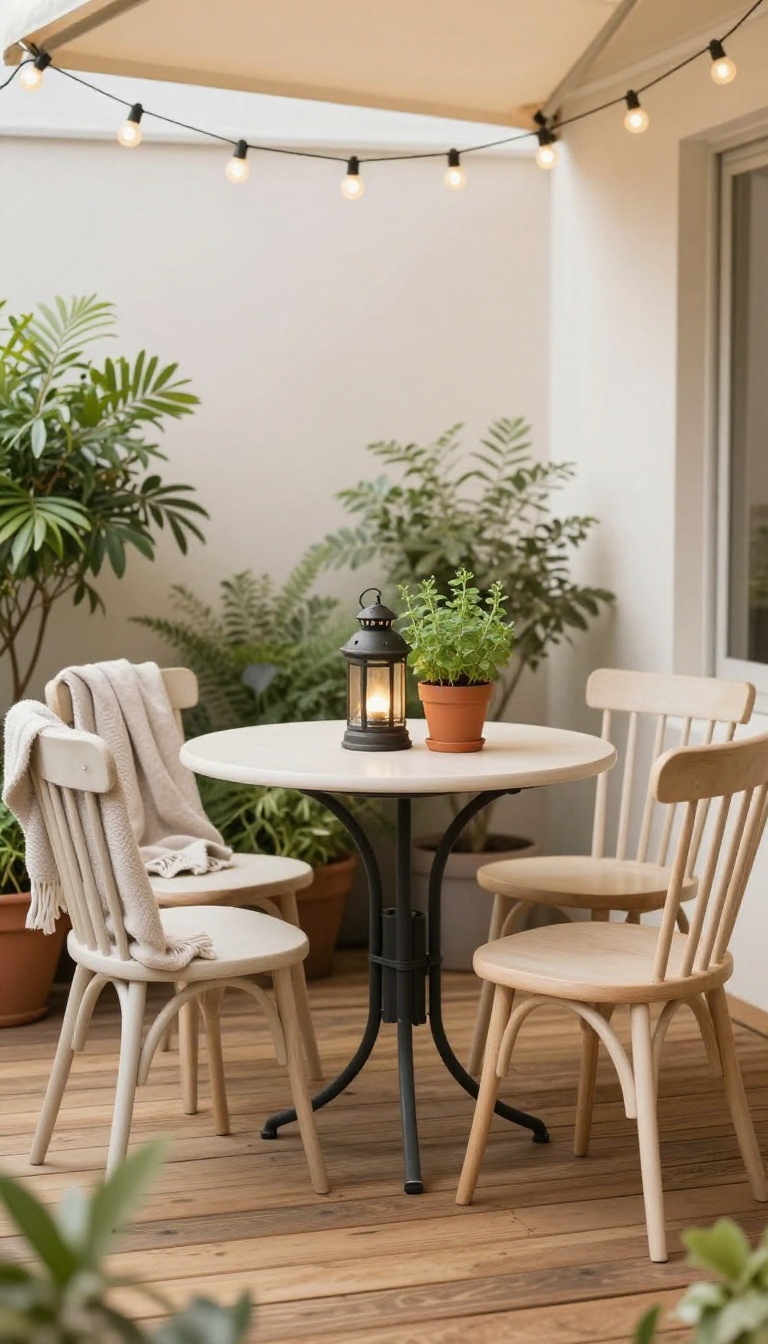
A tiny patio can still host a proper meal if you choose the right furniture. A compact bistro table and two chairs create a dedicated dining spot without swallowing your outdoor space. It’s the perfect setup for morning coffee, a quick lunch, or a cozy dinner under the string lights.
When you’re renting, you want furniture that’s easy to move and won’t damage the floor. Bistro sets are ideal because they’re small, lightweight, and often foldable for storage. They give you a functional dining area that feels intentional, not cluttered.
Pick A Foldable Or Stackable Set
Look for a bistro table and chairs that can fold flat or stack together. This makes it simple to tuck them away when you need extra space or when bad weather hits. Many sets are made of aluminum or treated wood that can handle the elements, but you can also bring them inside during harsh winters.
Add Comfort With Cushions And Throws
Bistro chairs are often a bit hard on the back. Throw on a couple of outdoor cushions or a soft throw blanket to make your dining spot more inviting. Choose fabrics that resist moisture and fading, so they stay nice for the whole season.
Style It For Everyday Meals
Keep the table simple with a small centerpiece like a potted herb or a lantern. Use unbreakable dinnerware and glasses to avoid accidents. A tablecloth or runner can add color and make the space feel more like an outdoor dining room.
7. Hang a Hammock Chair for Relaxation
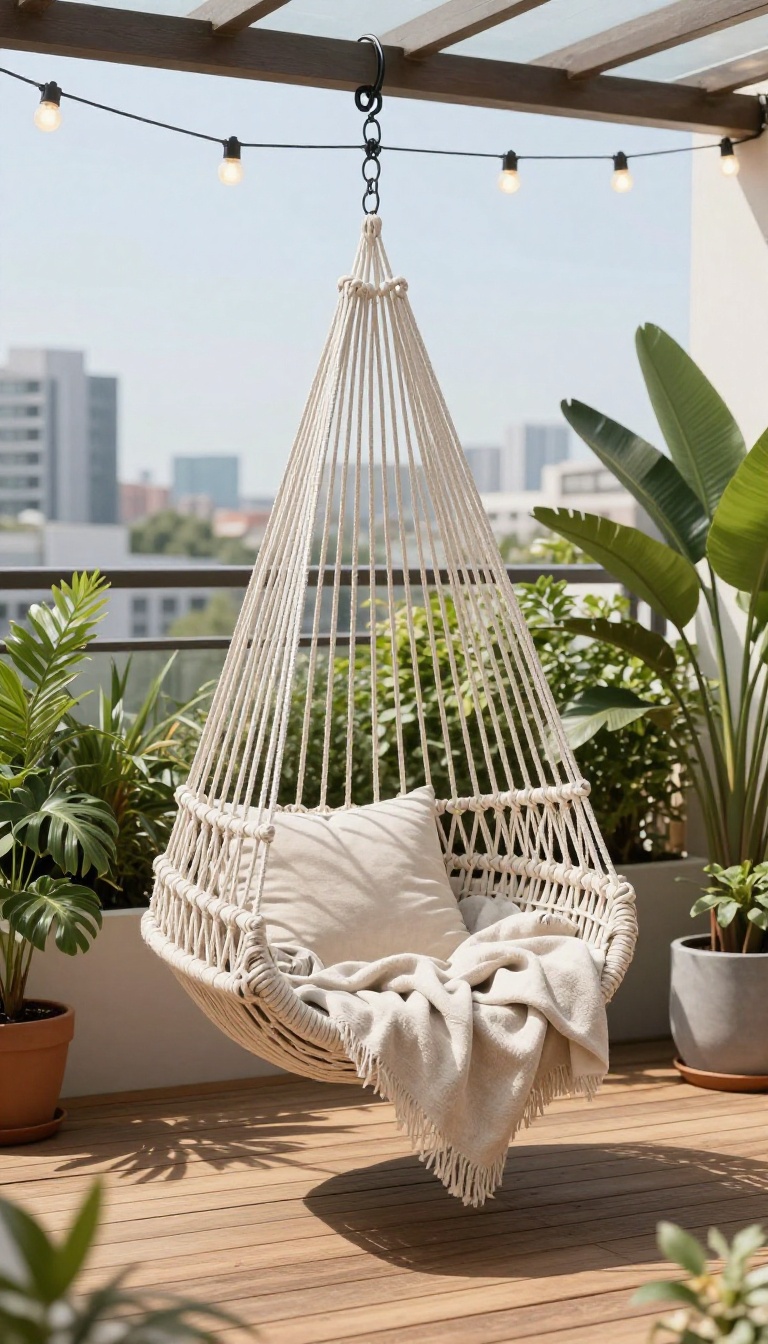
A hammock chair is a fun and functional addition to any patio. It's easy to install with a sturdy stand or a ceiling hook (if allowed). It provides a cozy spot to read, nap, or just sway gently while enjoying the fresh air.
Hammock chairs are a renter's best friend because they don't require permanent installation. Most models come with a freestanding stand that you can move around or store away when not in use. If you have a covered patio with a sturdy beam, you might be able to hang it from a hook, but always check with your landlord first.
The chair itself is a great conversation starter and instantly adds a laid-back vibe to your outdoor space.
Choosing The Right Hammock Chair
Look for a chair with a sturdy metal frame or a durable cotton or polyester fabric. Consider the weight capacity and ensure it matches your needs. Some chairs come with a padded seat for extra comfort, while others are more minimalist.
Think about how you'll use it—reading, napping, or just relaxing—and pick a style that fits.
Installation Tips For Renters
If you're using a stand, assemble it according to the instructions and place it on a flat, stable surface. If you're hanging from a ceiling, make sure the hook is rated for the weight and securely anchored into a beam. Use a tension rod or a removable hook if you're not allowed to drill.
Always test the chair before fully committing.
Make It Cozy With Accessories
Add a soft throw blanket and a small cushion to make the chair extra inviting. Hang a small string of lights nearby for evening relaxation. A side table for your drink or book is a nice touch.
These little additions turn the chair into a favorite spot for unwinding after a long day.
8. Add a Water Feature for Calming Sounds
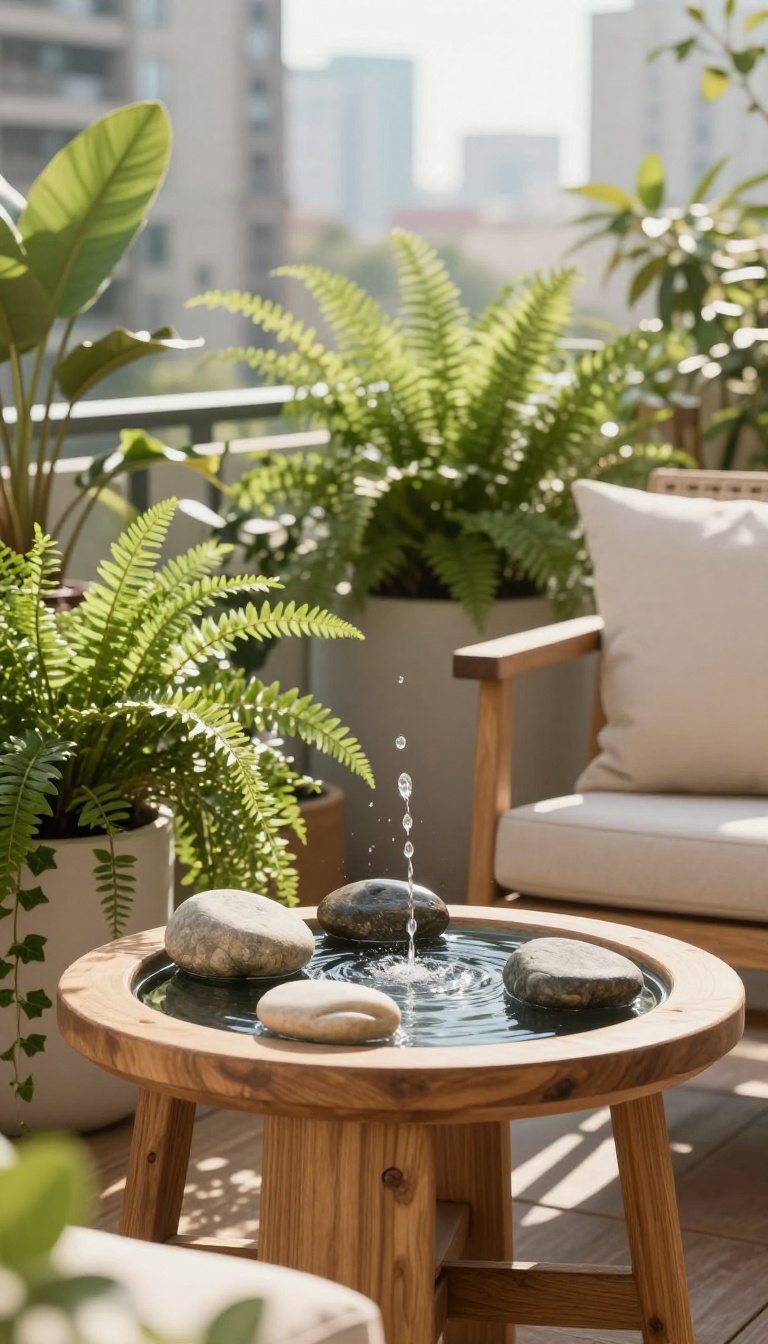
City living comes with its own soundtrack—sirens, traffic, neighbors—and sometimes you just need to drown it out. A small water feature can do exactly that, adding a layer of soothing white noise that makes your patio feel like a private retreat. The best part?
You don't need to hire a landscaper or drill a single hole. Modern tabletop fountains and self-contained water features are designed for easy setup, so you can enjoy the calming effect without any permanent changes to your rental.
A water feature isn't just about looks; it's about sound. The gentle trickle of water can mask unwanted noise and create a peaceful ambiance that instantly relaxes you after a long day. Plus, it adds a touch of elegance that makes your patio feel more like a spa than a concrete slab.
With so many renter-friendly options available, you can find one that fits your space, style, and budget.
Choose The Right Style
When picking a water feature, consider the size of your patio and the vibe you want. A sleek, modern tabletop fountain works well on a small balcony, while a freestanding urn or tiered fountain can become a focal point on a larger space. For a natural look, consider a bamboo fountain or a small pondless waterfall kit that you can set up in a large planter.
If you're worried about power outlets, look for solar-powered options that can be placed anywhere.
Easy Setup And Maintenance
Most rental-friendly water features are plug-and-play. Simply fill the reservoir with water, plug it in, and enjoy. Some may require a bit of assembly, but nothing that involves tools or permanent installation.
To keep it running smoothly, top off the water regularly and give it a quick clean every couple of weeks to prevent algae buildup. In colder months, store it indoors to avoid damage from freezing.
Placement And Safety Tips
Place your water feature near a seating area so you can fully appreciate the sound. Make sure it's on a stable, level surface to prevent tipping. If you have children or pets, choose a model with a covered reservoir or a low voltage pump for safety.
Also, check with your landlord or building management if you're unsure about any restrictions on water features—though most are fine since they're temporary and don't require alterations.
9. Use an Outdoor Storage Bench to Declutter
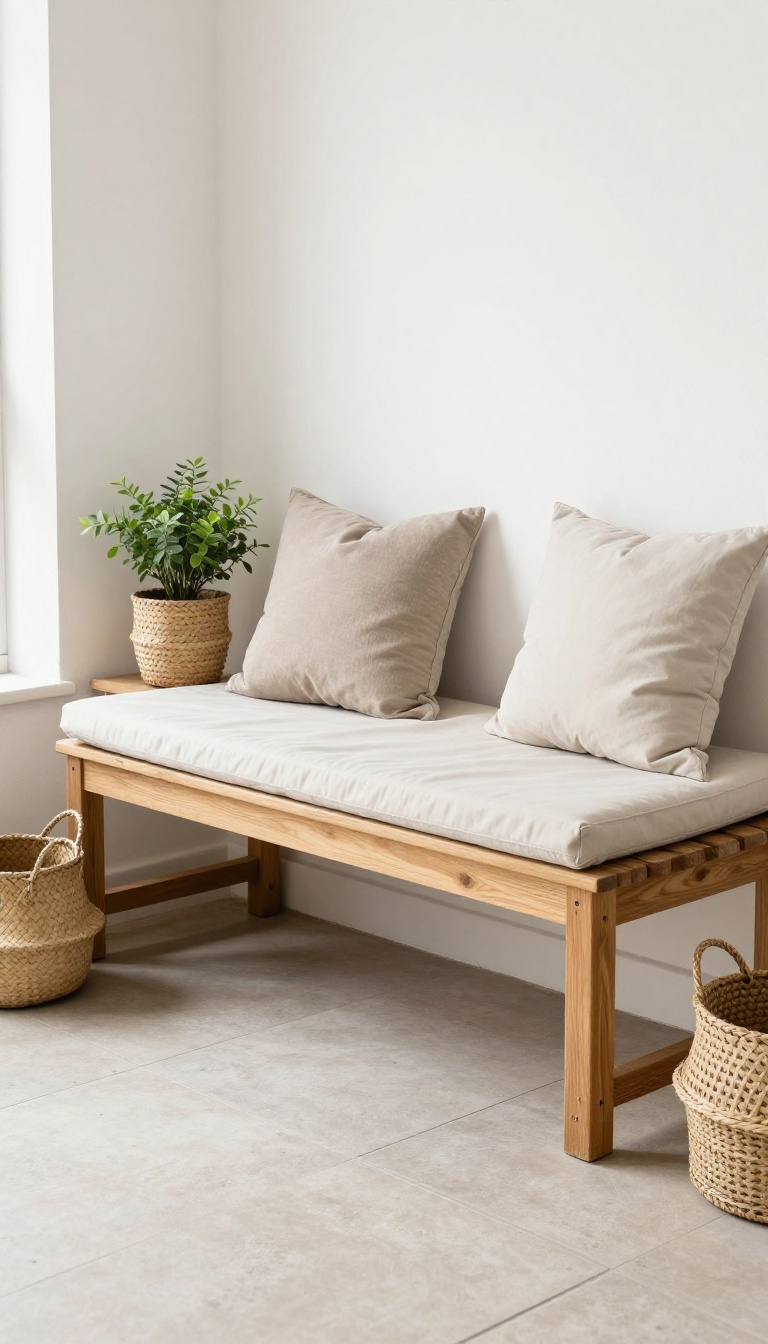
Patios can quickly turn into a catch-all for stray shoes, plant pots, and that one gardening glove you can't find. A storage bench gives you a tidy hiding spot while doubling as extra seating. It's a two-for-one that keeps your outdoor space looking neat without sacrificing comfort.
When you're renting, every piece of furniture needs to earn its keep. A storage bench does exactly that. It offers a place to sit when you're enjoying your morning coffee or chatting with a neighbor, and it hides the clutter that would otherwise make your patio feel chaotic.
Plus, it's a movable piece, so you can take it with you when you move.
Pick The Right Material
Look for a bench made from weather-resistant materials like teak, cedar, or all-weather wicker. These hold up against sun and rain without warping or fading. If you're on a budget, a resin or plastic bench is lightweight and easy to clean.
Just make sure it has a UV-protective finish so it doesn't become brittle over time.
What To Store Inside
Use the bench to store items you need close at hand but don't want on display. Cushions and throws are obvious choices, but you can also tuck away gardening tools, small pots, or even a foldable grill. If you're short on space, use stackable bins inside to keep everything organized and easy to grab.
Style It To Match Your Vibe
A storage bench doesn't have to look purely functional. Top it with a weatherproof cushion in a color that complements your patio decor. Add a couple of throw pillows for extra comfort.
You can even place a small plant or lantern on top when you're not using it as a seat. That way, it blends in with the rest of your outdoor setup.
10. Incorporate a Fire Pit for Warmth and Gatherings
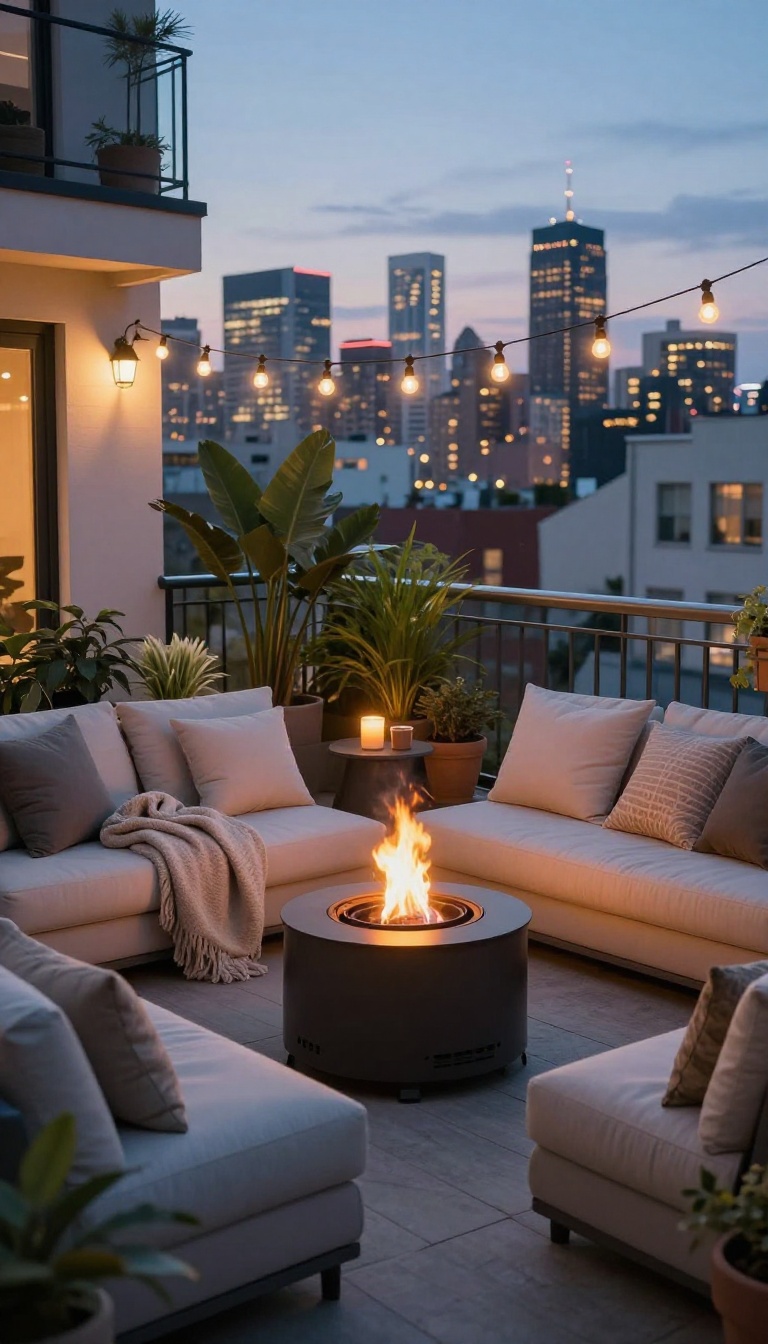
When the sun goes down, a patio can feel less inviting, especially if you're hoping to host friends or just enjoy a quiet evening outside. A portable fire pit solves that by adding both warmth and a natural gathering point. The best part: many models are completely renter-friendly, requiring no installation and only a small footprint.
A fire pit instantly changes the mood of your patio, making it feel like a cozy retreat rather than just an outdoor space. Even a small tabletop version can create that warm, flickering glow that draws people in. Plus, it extends the usability of your patio into cooler months, so you get more value out of your rental space.
Choose The Right Fuel Type
Propane and gel fuel fire pits are the most practical for rentals because they're clean-burning and don't produce smoke or sparks. They're also easy to extinguish and require no wood storage. Look for models that use standard propane tanks or gel canisters, which are widely available at hardware stores.
Mind The Rules And Safety
Before you buy, check your lease and local fire codes. Many apartment buildings have specific rules about open flames, even on private patios. If fire pits are allowed, keep yours at least 10 feet away from any structures and never leave it unattended.
A fire-resistant mat underneath adds extra protection for the patio surface.
Style It For Cozy Vibes
Once you have the fire pit, arrange seating around it to encourage conversation. Add a few outdoor cushions and a soft blanket for those chillier evenings. You can also hang string lights nearby to enhance the ambiance without taking up floor space.
11. Add a Vertical Garden to Save Space
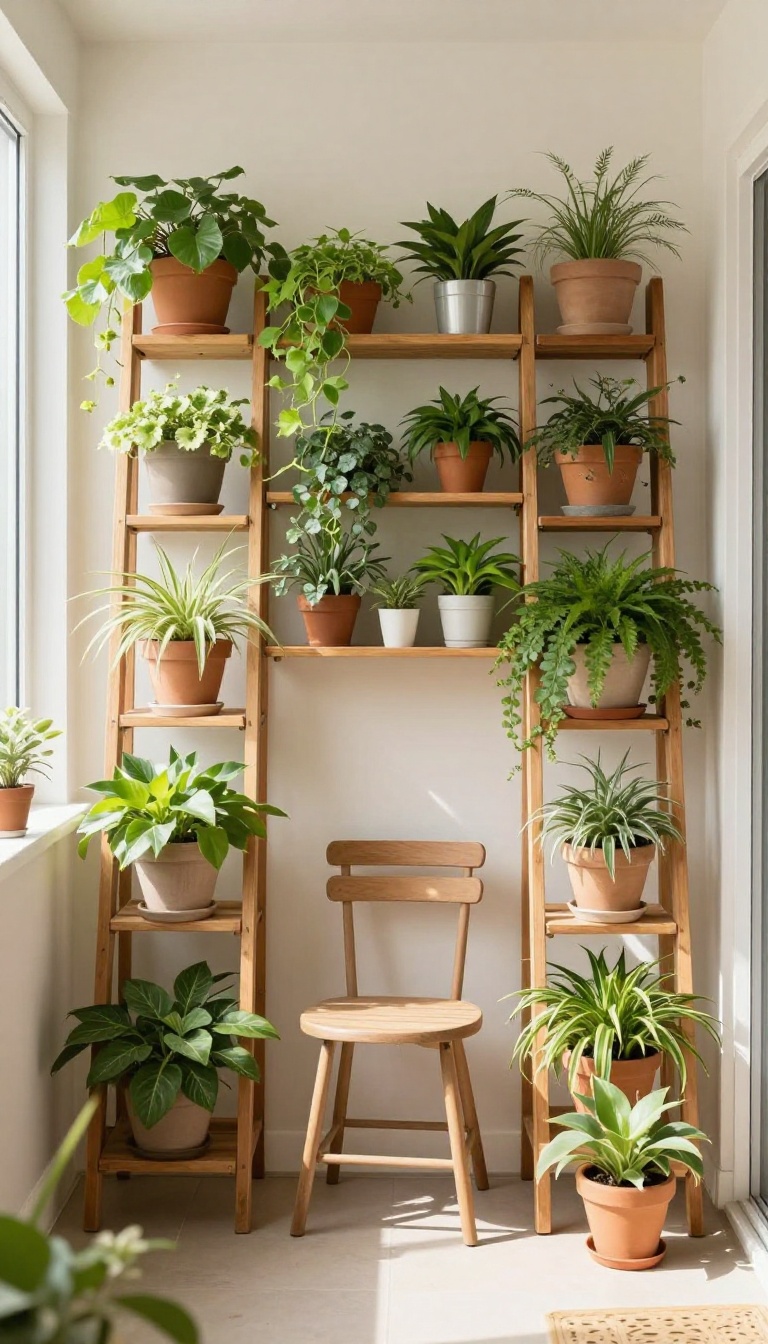
Floor space is precious on a compact patio, so why not look up? A vertical garden lets you pack in lush greenery without sacrificing your seating area or walkway. It's a smart, stylish solution for renters who want more plants but have less ground to work with.
Plus, it can double as a living privacy screen or a handy herb source for your kitchen.
Vertical gardens are a renter's best friend because they don't require permanent installation. You can hang planters on a wall, lean a trellis, or repurpose a shoe organizer—all without drilling a single hole. This approach keeps your patio floor clear for furniture and foot traffic, making the space feel larger and more open.
And with the right setup, you'll have fresh herbs, colorful flowers, or cascading vines right at eye level.
Picking The Right Wall And Mounting Method
Before you start hanging, check your patio's walls. If you're allowed to drill, go for sturdy wall-mounted planters. If not, use freestanding ladders, over-the-rail planters, or tension rods.
For a no-drill option, try a hanging shoe organizer with pockets—just fill each pocket with a small potted plant. Make sure your chosen wall gets enough sunlight for the plants you pick.
Choosing Plants That Thrive In Small Spaces
Herbs like basil, mint, and thyme are perfect for vertical gardens because they're compact and useful. Succulents and trailing plants like pothos or ivy also do well in wall planters. If you want flowers, go with petunias or marigolds.
Just group plants with similar light and water needs to keep maintenance simple.
Diy Vertical Garden Ideas That Won't Break The Bank
You don't need fancy gear to go vertical. Repurpose a wooden pallet by attaching small pots, or hang mason jars from a board. A simple wire grid on a frame can hold clip-on pots.
Even a sturdy trellis with climbing beans or vines can serve as a living wall. These DIY options are affordable and easy to take down when you move.
Maintenance Tips For A Healthy Vertical Garden
Vertical gardens dry out faster than ground planters, so check the soil regularly. Water thoroughly until it drains from the bottom, and consider a drip tray to catch excess. Fertilize every few weeks with a balanced liquid feed.
Prune regularly to keep growth in check and prevent the structure from getting too heavy.
12. Decorate with Outdoor Curtains for Softness
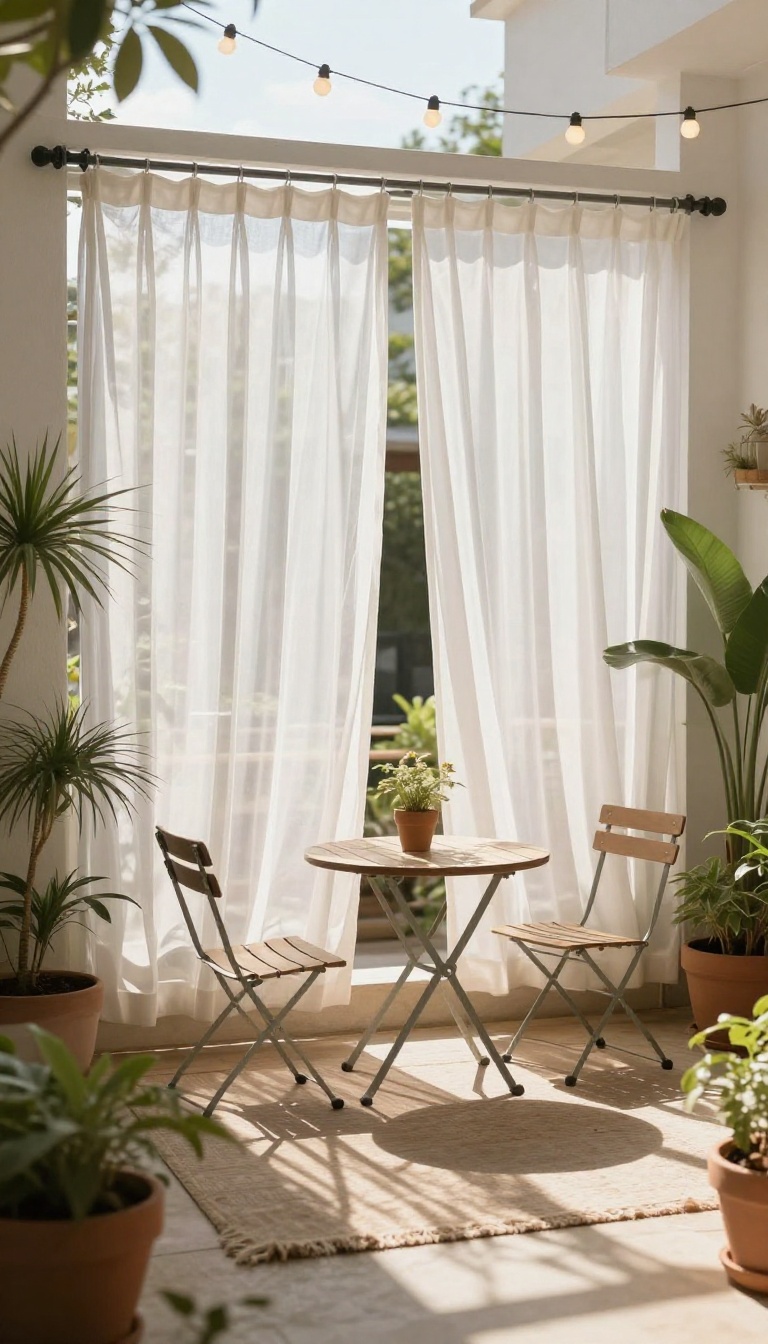
Concrete slabs and metal railings can make a patio feel stark, even when it's filled with plants and furniture. Adding outdoor curtains is a simple way to introduce softness and movement, turning the space into something that feels more like an extension of your living room. The fabric catches the breeze, filters sunlight, and adds a layer of privacy that's especially welcome in close-quarter apartment living.
Outdoor curtains are a renter's best friend because they require no permanent installation. A tension rod that fits between two walls or a sturdy wire strung across the patio can support lightweight, weather-resistant panels. Choose fabrics like polyester or acrylic that are designed to withstand sun and moisture, and opt for light colors to keep the space feeling airy.
When the weather turns, simply take the curtains down and store them until the next season.
Privacy Without Permanent Screens
If your patio faces a busy sidewalk or a neighbor's window, curtains offer instant seclusion. They can be drawn fully closed for a cozy nook or tied back to let in more light. Unlike bamboo screens or lattice panels, which often require drilling or zip ties, curtains hang from a rod that you can adjust or remove in minutes.
This makes them a top choice for renters who want privacy without leaving marks.
Shade That Moves With The Sun
A fixed awning might block the view, but curtains can be positioned to shade specific areas at different times of day. In the morning, you might pull them to cover the eastern side; by afternoon, shift them to the west. This flexibility lets you enjoy your patio throughout the day without baking in direct sunlight.
Plus, the fabric diffuses light, reducing glare and making the space more comfortable for reading or working.
A Romantic, Airy Vibe
There's something inherently romantic about sheer fabric swaying in the breeze. It softens hard lines and adds a touch of elegance that's often missing from standard apartment patios. Choose a light, gauzy material for a dreamy feel, or go with a solid, heavier fabric for a more grounded look.
Either way, the curtains create a sense of enclosure and intimacy that makes the space feel like a true retreat.
13. Add Personal Touches with Decor and Art
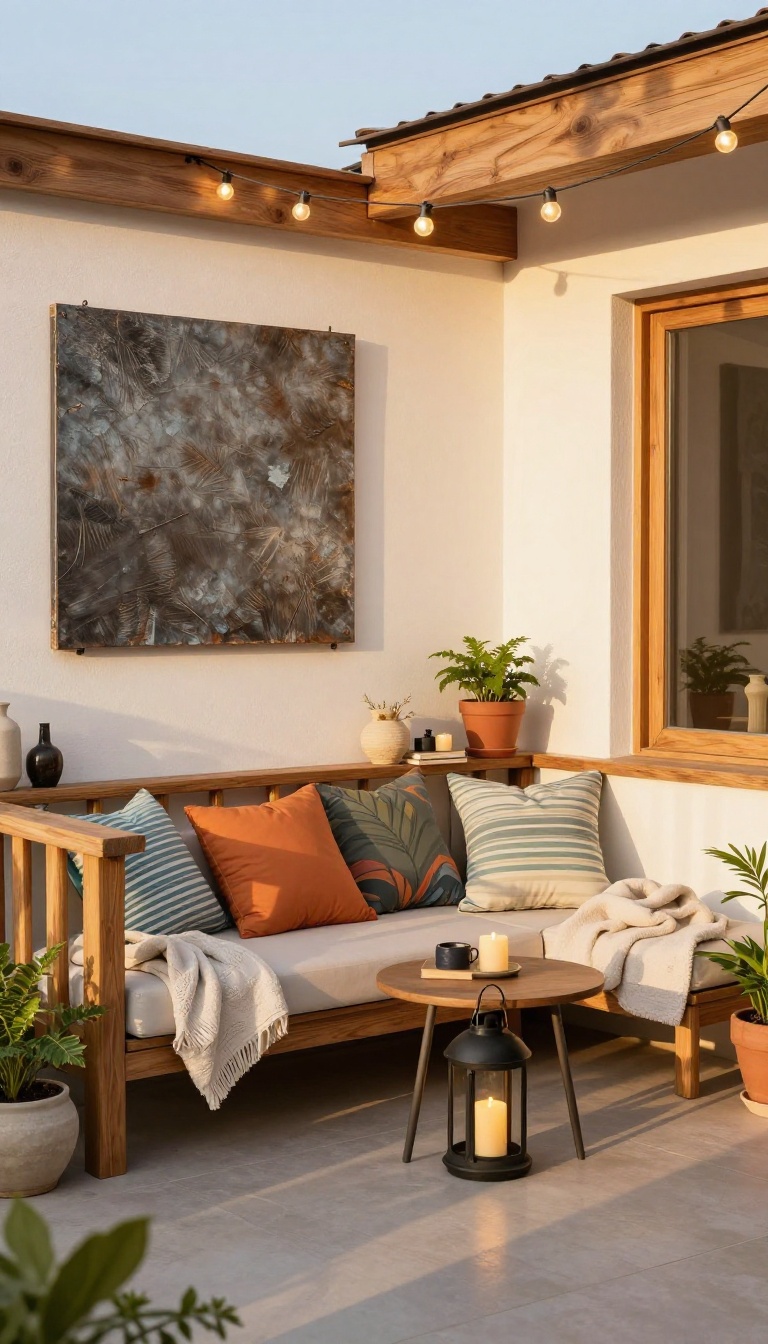
Your patio should reflect who you are, not just the apartment complex's default style. The easiest way to make a rental feel like home is to sprinkle in pieces that speak to your personality. Think of it as styling a room outdoors—only everything needs to handle the elements and be easy to remove when you move.
Start by choosing a theme or color palette that makes you smile. Then, layer in items that are both functional and decorative. The goal is to create a space that feels collected over time, not bought in one afternoon.
Weatherproof Art That Won't Wilt
Outdoor art doesn't have to be limited to plastic flowers. Look for metal wall hangings, canvas prints treated for outdoor use, or even a simple DIY project like painting a wooden pallet. If you're worried about damaging walls, lean art against the railing or place it on a shelf.
Just make sure everything is rated for sun and rain, or bring it inside during bad weather.
Lighting That Sets The Mood
String lights are a classic, but you can also use lanterns with LED candles, paper lanterns, or even a small table lamp with an outdoor-rated cord. Lighting instantly makes the space feel cozy and inviting, perfect for evenings. Plus, it's all temporary and easy to take down.
Textiles For Comfort And Color
Outdoor throw pillows and a lightweight blanket can transform a stiff chair into a spot you'll actually want to lounge in. Choose fabrics that are fade-resistant and quick-drying. When you move, just toss them in a bag—no damage done.
Little Extras That Show Personality
Think about what you love: a small wind chime, a quirky doormat, a collection of potted succulents, or a decorative birdhouse. These tiny details make the space feel intentional and uniquely yours. And because they're small, you can easily pack them up and take them to your next place.
FAQ
Can I use regular outdoor furniture on an apartment patio?
Yes, but make sure it's appropriately sized for your space. Look for compact, foldable, or stackable pieces that are easy to move and store. Also, consider weather-resistant materials like aluminum, teak, or all-weather wicker.
How can I add privacy to my apartment patio without damaging walls?
Use freestanding privacy screens, bamboo shades, or tall potted plants. You can also hang curtains from a tension rod or wire that doesn't require drilling. Command hooks and adhesive strips are great for lightweight items.
Are there any patio ideas that are safe for renters?
Absolutely. Stick to temporary, non-permanent solutions like portable furniture, planters, and lighting that can be easily removed. Avoid drilling, painting, or installing anything that would require patching or repair when you move out.
What can I do with a very small apartment patio?
Maximize vertical space with hanging plants or a vertical garden. Use foldable furniture and floor cushions that can be stored away. Add a small bistro table and a couple of chairs, and use mirrors to create the illusion of more space.
How do I protect my patio items from weather damage?
Choose weather-resistant materials like powder-coated metal, teak, or synthetic wicker. Use outdoor covers for furniture and cushions, and bring in any items that are not waterproof during heavy rain or storms. Store cushions and textiles indoors when not in use.
Conclusion
Your rental patio has the potential to be one of your favorite spots in the apartment. With a few clever additions, you can create a space that feels personal, cozy, and truly yours—without worrying about losing your deposit.
Start with a couple of these ideas that speak to you, and build from there. Remember, the goal is to make the space work for you, so don't be afraid to mix and match until it feels just right.