11 Under Deck Patio Ideas to Make Use of Hidden Space
That space under your deck often becomes a catch-all for forgotten tools, dusty planters, and things you swear you'll deal with later. But it's actually prime real estate—protected from rain, tucked out of sight, and just waiting for a purpose.
With a little planning, you can turn it into one of the most useful areas of your yard. From cozy hangouts to practical storage, these 11 under deck patio ideas will help you reclaim every square foot.
Whether you want a quiet retreat or a lively entertainment zone, there's a solution here that fits your space and your lifestyle.
1. Cozy Outdoor Lounge with a Fire Pit
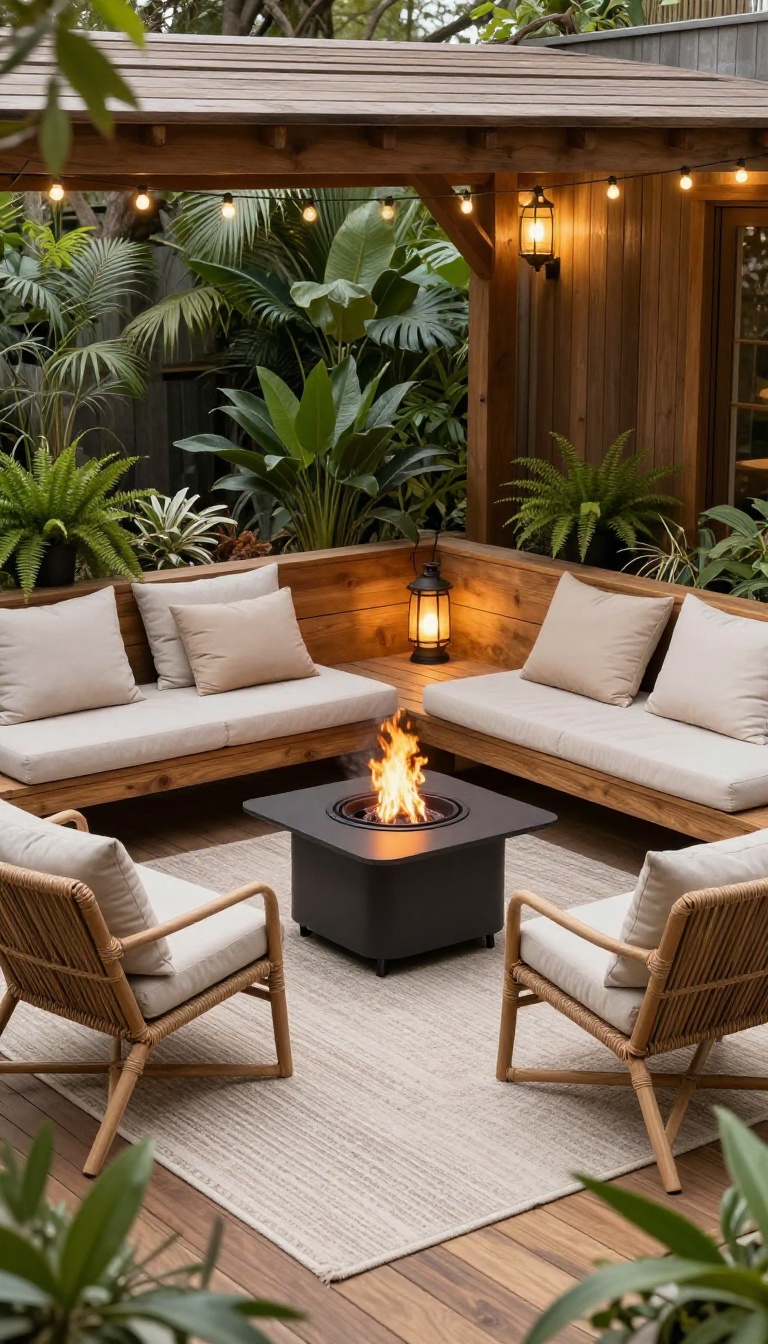
If you've got a covered area under your deck, you already have the perfect spot for a lounge that works in cooler evenings. A fire pit becomes the natural centerpiece, drawing people in and making the space feel intentional. With comfortable seating and a few soft touches, you can turn an overlooked nook into the favorite spot in your yard.
Start by measuring the area to see how much room you're working with. Then, choose a portable fire pit that fits the scale—too large and it overwhelms, too small and it feels lost. Arrange seating in a loose circle or U-shape around the fire, leaving enough space for people to move comfortably.
Use weather-resistant materials like rattan, aluminum, or treated wood so everything holds up against moisture. Add outdoor rugs to soften the ground and define the seating zone. Finish with string lights or lanterns to create a warm glow as the sun goes down.
Choosing The Right Fire Pit
Portable fire pits come in wood-burning, propane, or gel-fuel styles. Wood-burning gives that classic campfire feel but requires more cleanup. Propane is easier to control and lights instantly, while gel fuel is the simplest for small spaces.
Think about your local regulations and whether you want a smokeless option. For a low-maintenance choice, a propane model with a stone or metal surround works well under a deck.
Seating That Invites Relaxation
Mix seating types to keep the area flexible. Deep-seated chairs with cushions are great for lounging, while a low bench or ottomans can double as extra seats. If you're tight on space, consider modular pieces that can be rearranged.
Look for fabrics labeled outdoor or water-resistant, and store cushions when not in use to extend their life. A few throw pillows in earthy tones add comfort without trying too hard.
Lighting And Decor Touches
Layering light makes the space feel cozy after dark. String lights overhead create a soft canopy, while lanterns or LED candles on side tables add flicker. Outdoor rugs help anchor the seating area and bring color underfoot.
Add a small side table or two for drinks and snacks. Plants in pots—like ferns or trailing vines—can soften the edges and make the lounge feel more connected to the outdoors.
2. Al Fresco Dining Room
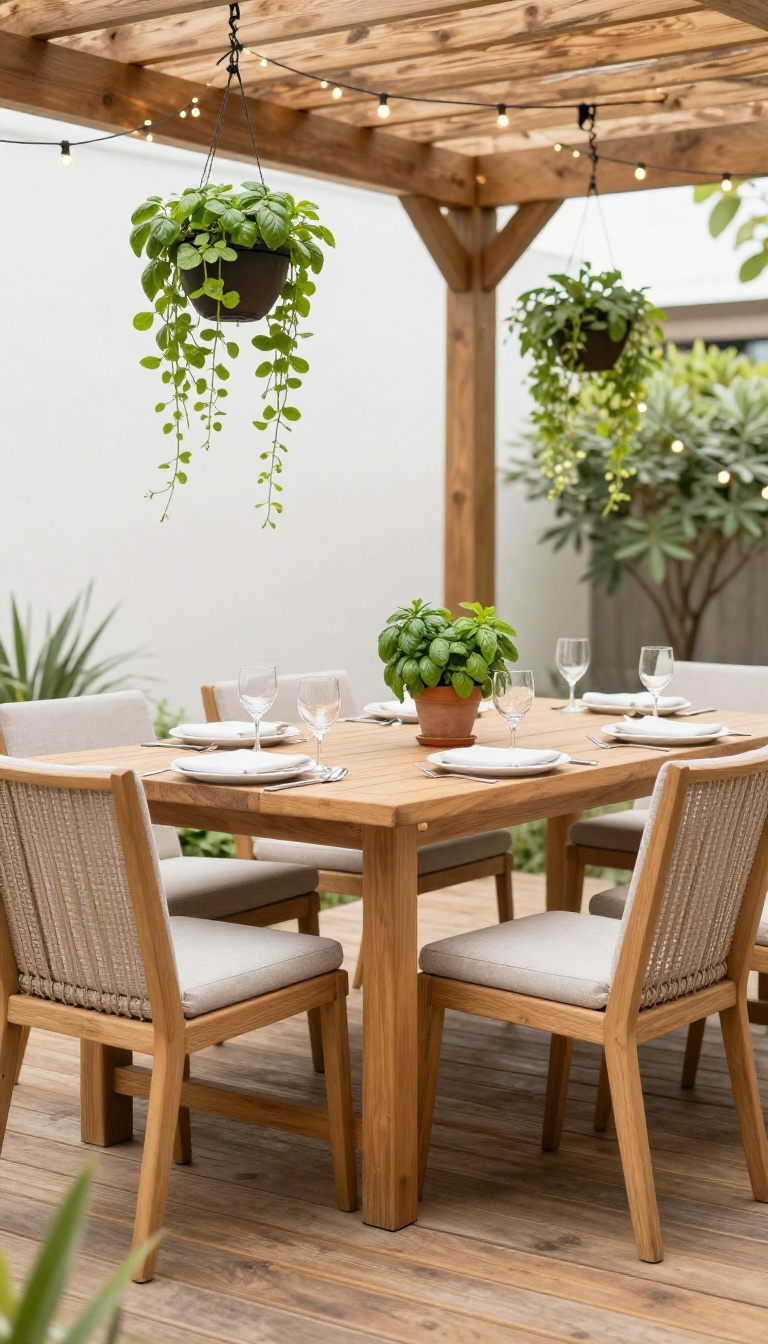
Dining under the deck is a smart way to enjoy meals outdoors without direct sun or sudden rain ruining the mood. The overhead structure provides natural shade, making it comfortable even on warmer days. With the right setup, this spot can become your favorite place to eat, whether it's a quick breakfast or a weekend dinner with friends.
Pick Furniture That Handles The Weather
Since the space is partially exposed, choose materials that resist moisture and fading. Teak, cedar, or powder-coated aluminum are solid choices. Add cushions made from quick-dry foam and outdoor fabric so they can handle a stray splash or morning dew.
A rectangular table works well for larger groups, while a round bistro set suits a cozy corner.
Light It Right For Evening Meals
String lights are a simple way to add warmth without harsh glare. Drape them along the joists or between posts to create a soft glow overhead. For task lighting, consider a portable lantern or a battery-operated pendant lamp that you can hang above the table.
This keeps the area functional after sunset without needing permanent wiring.
Add Greenery For A Fresh Feel
Potted herbs like basil, mint, or rosemary not only look good but also come in handy while cooking. Place them on the table or on nearby shelves where they can get some indirect light. Hanging planters with trailing vines soften the edges of the deck above and make the dining nook feel more integrated with the garden.
3. Outdoor Kitchen and Bar Area
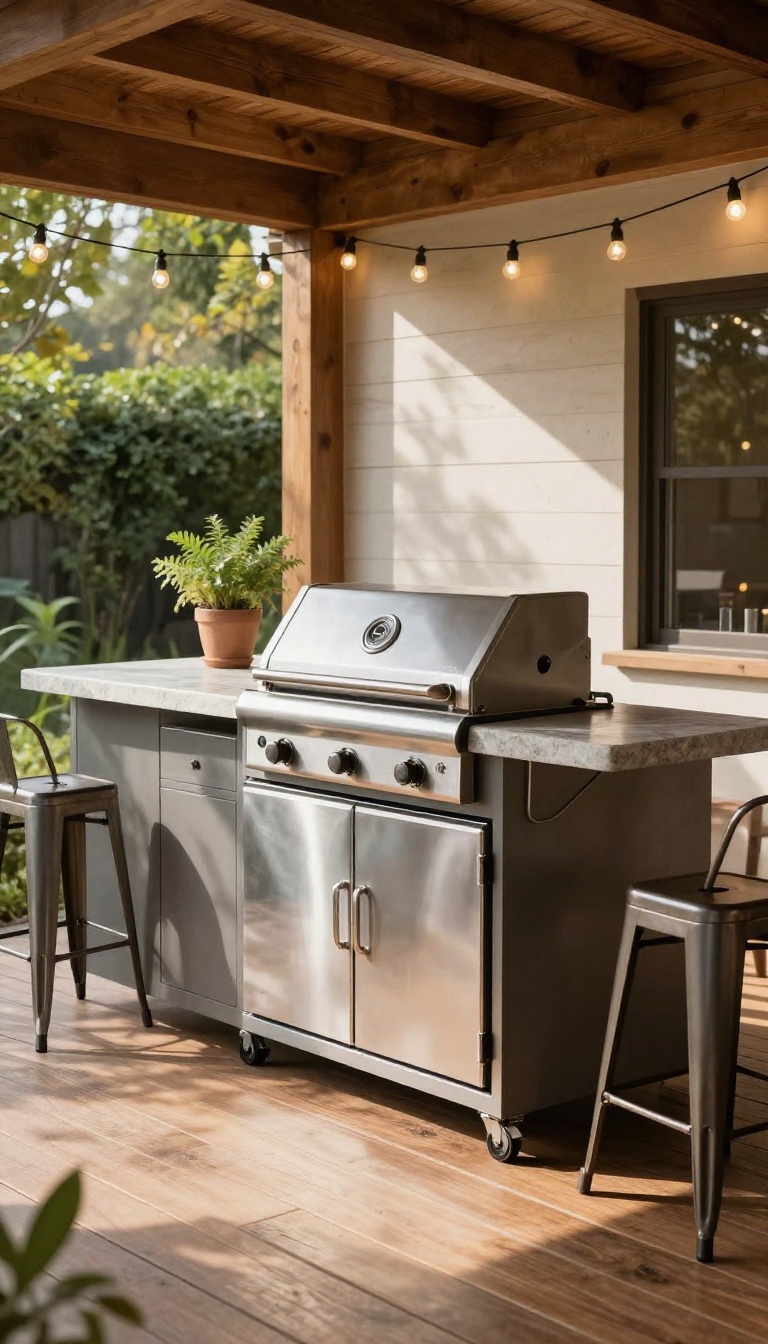
Cooking outside while everyone else hangs out under the deck just makes sense. You get the fresh air without the full sun beating down on you or the grill. Plus, having a dedicated spot for food and drinks keeps the party from drifting too far from the action.
Setting up a mini outdoor kitchen doesn't have to mean a full renovation. A compact grill, a sturdy countertop, and a small fridge can handle most cookouts. Add some weatherproof cabinets to hide the mess, and you've got a functional setup that feels like a natural extension of your home.
Start by measuring the space you have and thinking about how you cook. You don't need a massive built-in grill—a portable one on a cart can work just as well if you're tight on room. The key is having a flat, stable surface for prep and a place to set down plates and tools.
For the countertop, go with materials that can handle rain and sun. Stainless steel, tile, or treated wood are all solid choices. You'll also want to think about storage.
Weatherproof cabinets keep your utensils, spices, and other essentials dry and within reach. A mini-fridge is a game-changer. No more running back inside for drinks or extra burgers.
Tuck it under the counter, and you're set for the afternoon. Don't forget the seating. A few bar stools around the counter create a casual spot for people to sit while you cook.
That way, the chef isn't stuck alone at the grill—everyone can chat and keep you company.
Choosing The Right Grill And Setup
Think about how often you'll use the space and what you usually cook. A gas grill is quick and easy, while a charcoal one gives that smoky flavor. If you're short on space, a flat-top griddle or a portable pellet grill might be a better fit.
Make sure the grill is placed away from the house and any low-hanging deck parts. You'll also want some clearance around it for safety. A simple cart with wheels gives you flexibility—you can move it when you need more room.
Countertop And Cabinet Materials That Last
Outdoor materials need to hold up against moisture and temperature changes. For countertops, look for options like stainless steel, concrete, or porcelain tile. These resist water and are easy to clean.
For cabinets, choose marine-grade polymer, aluminum, or teak. These materials won't rot or warp like regular wood. You can also use outdoor-rated resin cabinets that are lightweight and affordable.
Just make sure everything is rated for exterior use.
Adding A Mini-fridge And Beverage Station
A small under-counter fridge keeps drinks cold and food fresh. Look for one designed for outdoor use, as they handle temperature swings better. If you don't have room for a full fridge, a cooler or an ice chest can work in a pinch.
Set up a separate beverage station with a countertop area for glasses, a bottle opener, and a place for ice. Add a small sink if you can—it makes cleanup a breeze. Even a simple portable sink hooked up to a garden hose can be a huge help.
Comfortable Seating And Lighting For Evening Hangouts
Bar stools with weather-resistant cushions make the area inviting. Choose stools that are the right height for your counter—usually around 24 to 30 inches. Swivel stools are nice because guests can turn to talk to people behind them.
String lights or LED strips under the deck add a warm glow as the sun goes down. You can also hang a few lanterns or install dimmable puck lights. That way, the space works just as well for a late-night drink as it does for an afternoon barbecue.
4. Home Office or Study Nook
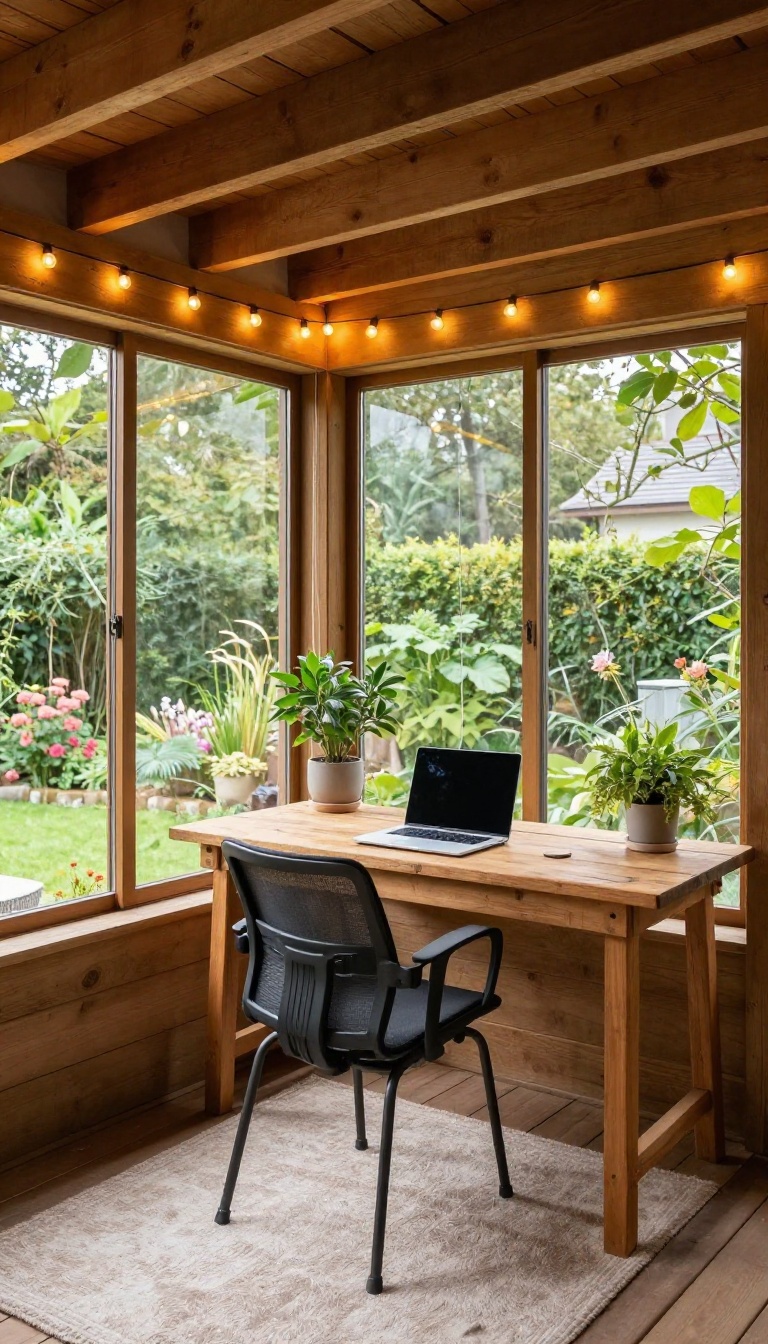
Working from home has its perks, but finding a quiet spot away from the living room chaos can be tricky. That unused space under your deck might be the solution you've been looking for. With a bit of setup, it can become a cozy, focused workspace that keeps you close to nature without the distractions of the house.
Imagine stepping out to your under-deck office with a coffee in hand, ready to tackle the day's tasks while birds chirp in the background. It's a refreshing change from staring at the same four walls. Plus, the natural shade keeps your space cooler in summer and protects your equipment from harsh sunlight.
Setting Up The Basics
Start with a sturdy desk that fits the space—maybe a wall-mounted fold-down model if you're tight on room. Pair it with a comfortable, ergonomic chair that you won't mind sitting in for hours. Good lighting is a must, so consider a combination of natural light and a task lamp for cloudy days.
Weatherproofing Your Gear
Electronics and moisture don't mix, so invest in weather-resistant covers for your laptop, monitor, and other devices. If your under-deck area is open on the sides, think about adding clear vinyl curtains or lattice panels to block wind and rain while still letting light in. A dehumidifier can also help keep the air dry.
Making It Comfortable
A soft outdoor rug underfoot adds warmth and defines the space. Add a few personal touches like a small plant, a photo frame, or a bulletin board for inspiration. If you plan to take calls, a white noise machine or a simple water feature can mask background sounds and create a peaceful ambiance.
5. Kids' Play Zone
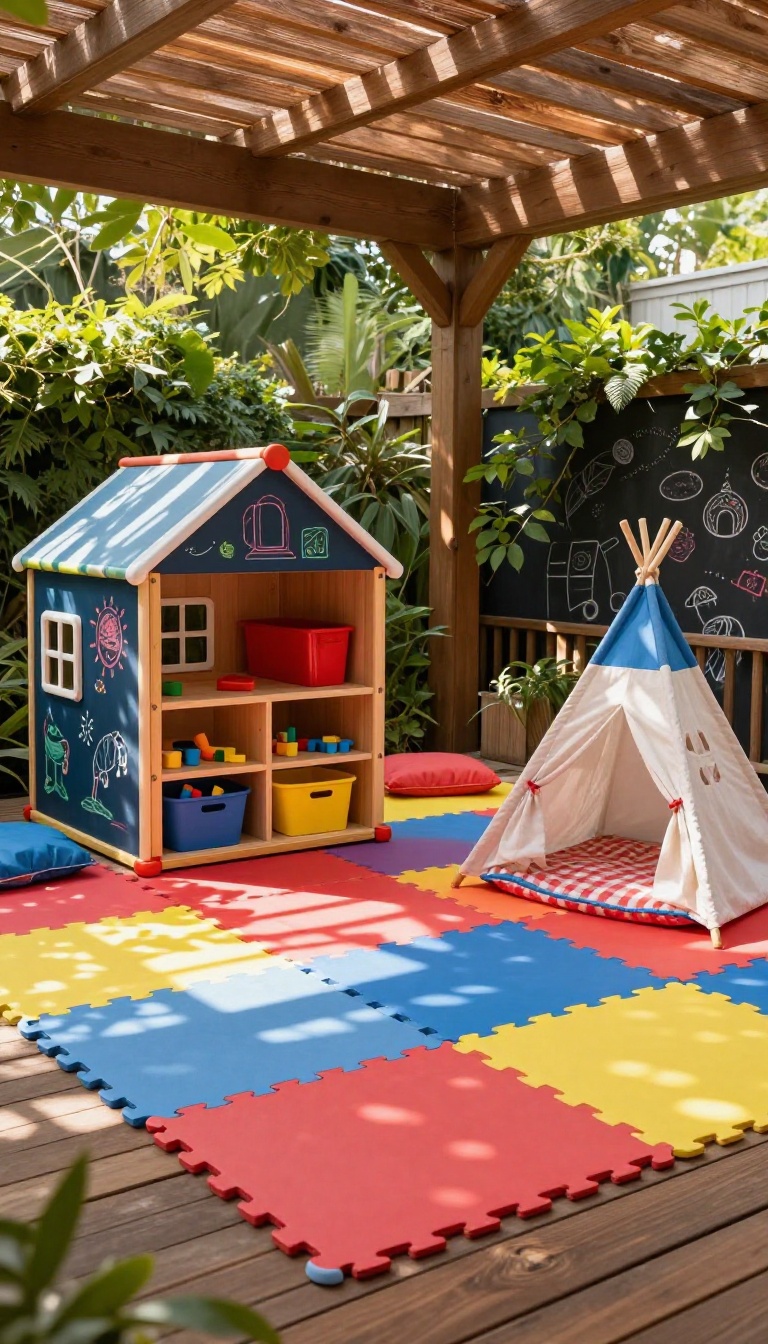
Turning the under-deck space into a kids' play zone gives your little ones a dedicated spot to burn energy, rain or shine. It's a win-win: they get an adventure corner of their own, and you get a clutter-free yard without toys scattered everywhere. With soft flooring, playful decor, and clever storage, this area can become their favorite hideout.
Plus, you can keep an eye on them from the deck above while they play safely below.
A kids' play zone under the deck is all about safety, fun, and easy clean-up. Start with a soft, durable floor like rubber mats or foam tiles that cushion falls and are simple to wipe down. Then, add elements that spark imagination: a small playhouse, a chalkboard wall, or a cozy reading nook with cushions.
Bright colors and playful lighting make the space inviting, while open shelving or bins keep toys organized and within reach. Don't forget to consider the height and visibility. If the deck is low, you might need to dig down a bit or choose activities that don't require standing.
Always check for sharp edges or exposed nails, and make sure the area is well-ventilated and free from pests. With a little creativity, this hidden nook can become the highlight of your backyard for the little ones.
Safety First: Flooring And Boundaries
The ground under a deck is often uneven or hard, so the right flooring is non-negotiable. Interlocking rubber mats or foam puzzle tiles are soft underfoot and easy to clean. They also provide a cushioned surface for inevitable tumbles.
For extra safety, consider adding a low fence or gate at the entrance to keep toddlers from wandering off, and make sure there are no gaps where little fingers could get pinched.
Imaginative Elements: Playhouse And Chalkboard Wall
Children love having a space that feels like their own. A small wooden playhouse or a fabric tent can become a castle, a spaceship, or a secret clubhouse. A chalkboard wall painted on one side of the deck structure lets them draw and erase to their heart's content.
You can also hang string lights or colorful bunting to make the area feel magical, especially in the late afternoon.
Smart Storage For Toys
Toys tend to multiply, so plan storage that's both accessible and tidy. Low open bins or cubbies let kids grab what they need and put things away without help. Label each bin with pictures or words to encourage organization.
If space allows, add a small bench with hidden storage or a wall-mounted shelf for smaller items like chalk, balls, or art supplies. This keeps the play zone neat and ready for the next adventure.
6. Outdoor Movie Theater
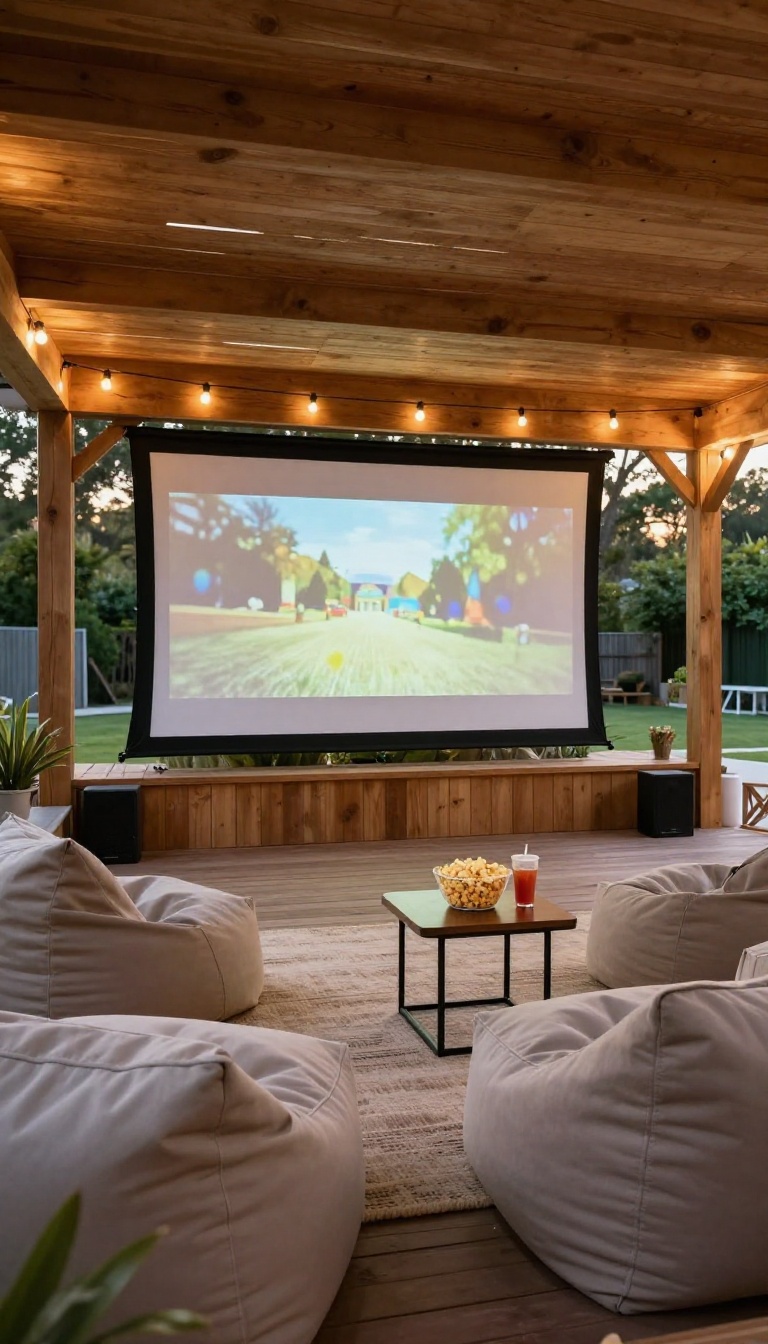
When the sun goes down, your under-deck space can transform into the coziest spot in the neighborhood for a movie night. With a bit of setup, you can enjoy films under the stars without worrying about mosquitoes or sudden rain. The key is creating a comfortable, dedicated viewing area that feels like your own private cinema.
Setting up an outdoor movie theater under your deck is easier than you might think. You'll need a projector, a screen (or a blank white wall), and some comfortable seating. The enclosed nature of the under-deck area helps block ambient light, making the picture pop even before it gets fully dark.
Plus, you're already protected from light drizzles, so you can keep the popcorn coming even if the weather turns.
Choosing The Right Screen And Projector
For a DIY setup, a portable projector screen or a white sheet stretched taut over a frame works well. If you have a smooth, light-colored wall under your deck, you can project directly onto it. Aim for a projector with at least 2, 000 lumens for decent brightness in shaded spaces.
Look for one with built-in speakers or connect a Bluetooth speaker for better sound.
Comfortable Seating For Long Movies
Skip traditional chairs and go for floor seating that lets everyone sprawl out. Bean bags, oversized floor cushions, or even a low-profile outdoor sofa create a relaxed, lounge-like vibe. Add a few soft throws and blankets so everyone stays cozy as the evening cools.
If you have the space, a hammock chair in the corner adds a fun touch.
Controlling Light And Sound
Even under a deck, stray light can wash out your picture. Install blackout curtains or outdoor shades on the open sides to block streetlights and late-day sun. For sound, position speakers at ear level near the seating area, and consider a soundbar for clear dialogue.
If you're close to neighbors, keep the volume reasonable or use wireless headphones for a personal listening experience.
7. Garden Oasis with Potted Plants
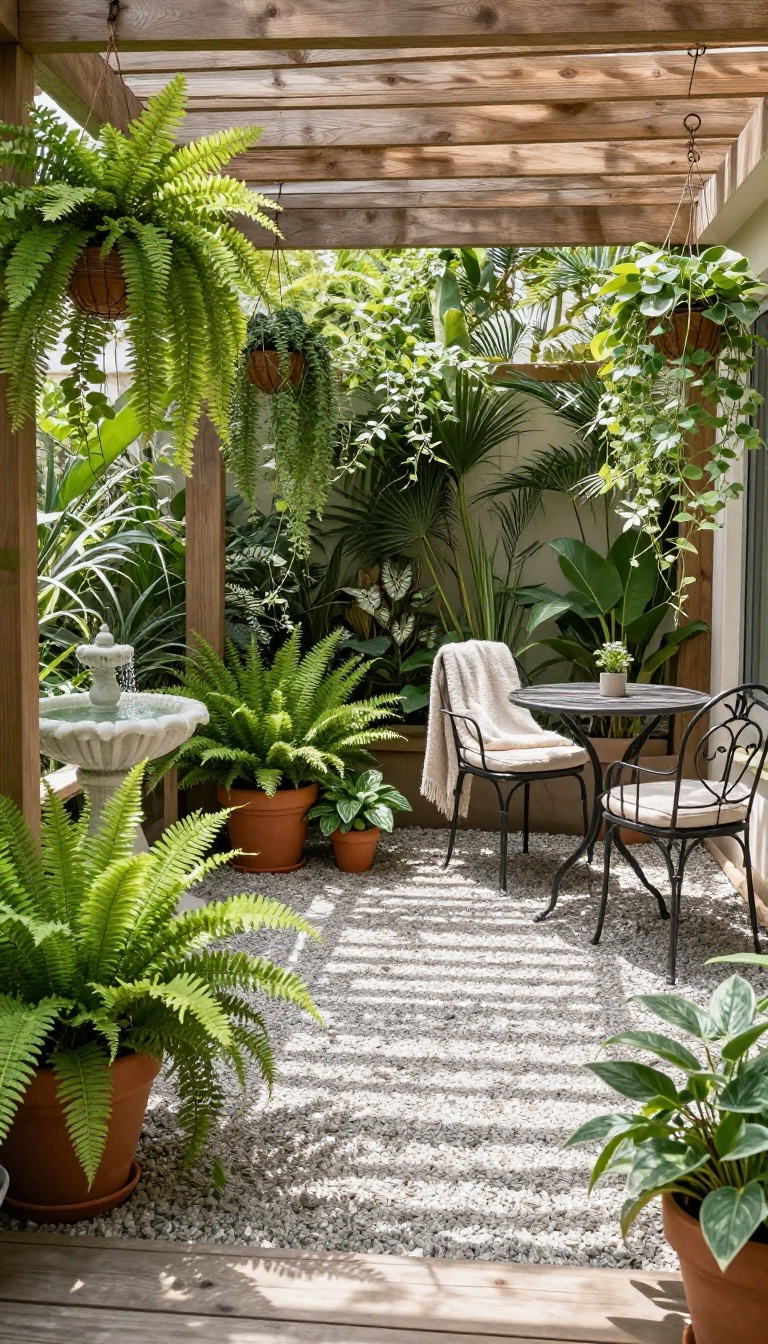
If your under-deck space gets dappled light or full shade, it can still become a lush, green escape. Instead of fighting the lack of sun, lean into it with shade-loving plants that thrive in those conditions. Grouping pots of different heights and textures turns a forgotten corner into a calm, private garden nook.
Start by choosing plants that don't need direct sunlight, like ferns, hostas, and caladiums. Mix in some trailing vines for a softer look. Arrange them in decorative pots—think terracotta, ceramic, or even galvanized metal—to add visual interest.
Add a small table and a couple of comfortable chairs, and you have a serene spot to sip coffee or read a book.
Choosing The Right Plants
Focus on foliage plants that tolerate low light. Ferns, hostas, and coleus are great options. Add a pop of color with impatiens or begonias.
If you want some height, try a dwarf palm or a rubber plant in a large pot. Remember to check the specific light and water needs of each plant to keep them happy.
Adding A Water Feature
A small tabletop fountain or a self-contained water bowl adds a soothing soundtrack and a touch of elegance. The sound of trickling water masks street noise and creates a spa-like atmosphere. Place it near your seating area so you can enjoy it while relaxing.
Comfortable Seating And Decor
Choose weather-resistant furniture that fits the space. A couple of cushioned chairs or a small bench works well. Add outdoor pillows and a soft throw blanket for extra coziness.
String some fairy lights or hang a lantern for gentle evening illumination. A small side table gives you a spot for your drink or book.
8. Storage and Utility Hub
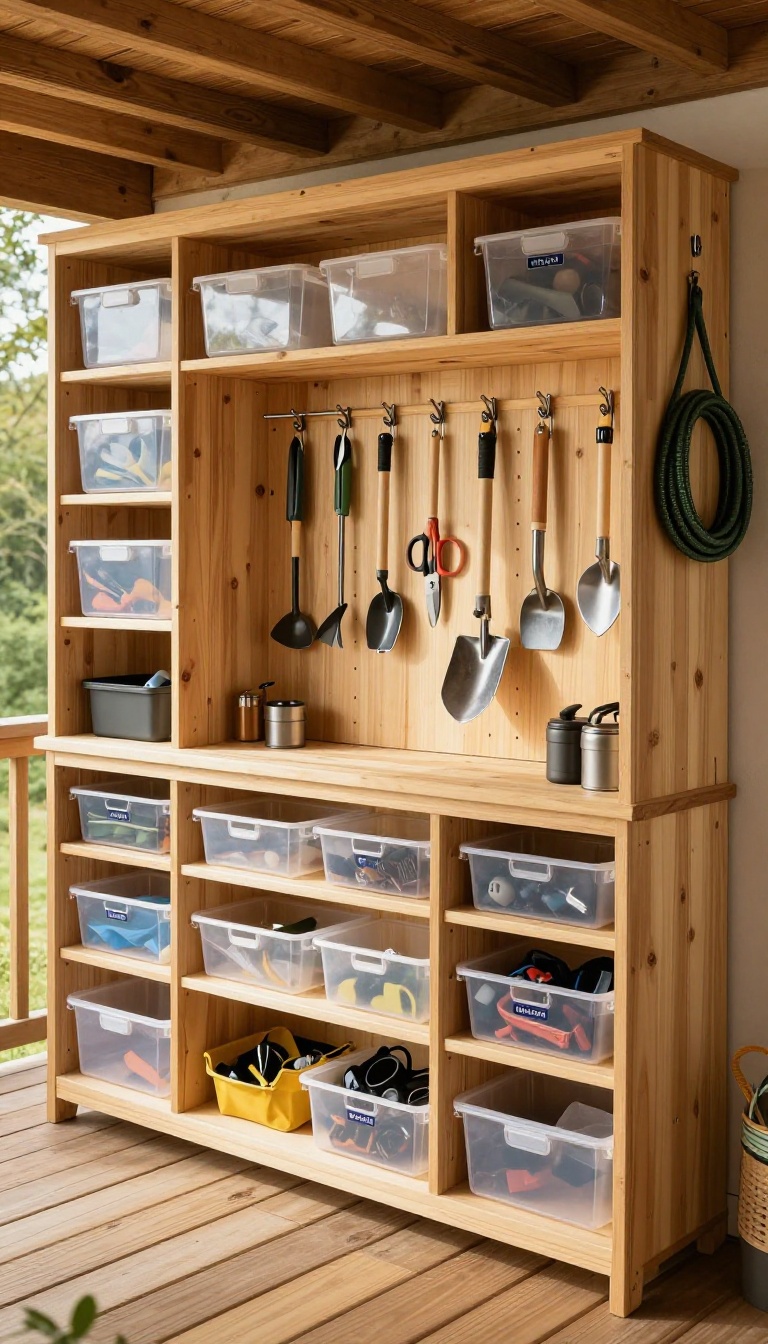
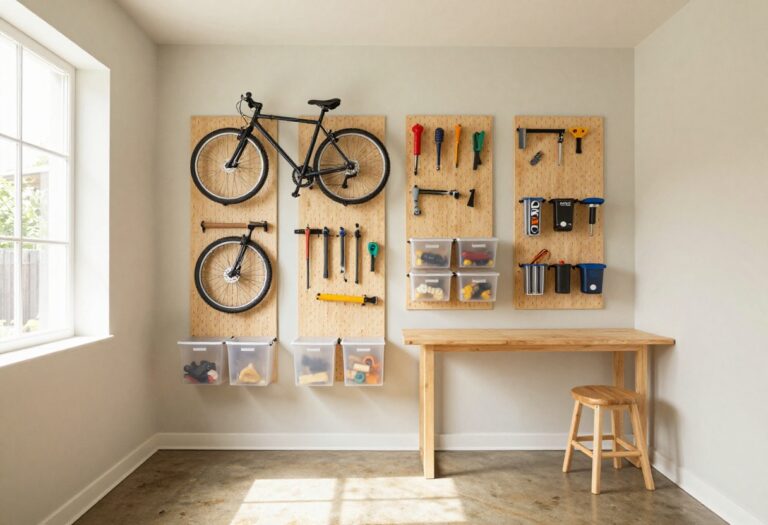
If your under-deck space has been playing the role of a messy catch-all, it's time to give it a proper job. With some smart shelving and a bit of organization, you can turn this forgotten area into a highly functional storage and utility hub. Think of it as the behind-the-scenes powerhouse for your yard—everything from garden tools to camping gear can have a designated home, right where you need it.
The key is to work with the space you have. Start by measuring the height and depth under your deck so you can plan storage that fits without wasting a single inch. Use vertical space with tall cabinets or floor-to-ceiling shelving units, and add hooks on the walls for rakes, shovels, and hoses.
Clear plastic bins with labels make it easy to see what's inside, and a sturdy workbench can double as a potting station or DIY area.
Built-in Shelving And Cabinets
Built-in shelves and cabinets are the backbone of any good storage hub. They keep everything off the ground, away from moisture, and neatly tucked out of sight. If you're handy, you can frame simple shelves between the deck supports; otherwise, freestanding modular units work just as well.
Use weather-resistant materials like treated wood or plastic, and consider adding doors to keep dust and critters out.
Hook And Rack Systems
Hooks and racks are your best friends for storing long-handled tools and bulky items. Install heavy-duty hooks on the walls or ceiling to hang shovels, rakes, and even bicycles. Pegboards offer flexible storage for smaller tools like trowels and pruners.
For extension cords and hoses, use wall-mounted reels or simple hooks to keep them tangle-free and easy to grab.
Labeled Bins And Containers
Clear, labeled bins are a game-changer for keeping smaller items organized. Group things by category—gardening supplies, sports equipment, holiday decorations—and stack them on shelves or under a workbench. Waterproof containers are a must to protect against humidity and unexpected leaks.
Label each bin on the front and side so you can find what you need without pulling everything out.
Workbench Or Utility Table
A sturdy workbench turns your storage area into a true utility hub. Use it for potting plants, sharpening tools, or tackling small repairs. Choose a surface that's easy to clean, like butcher block or heavy-duty plastic.
Add a pegboard above it for frequently used tools, and keep a small stool or foldable chair nearby for comfort. If space is tight, a wall-mounted drop-leaf table can fold away when not in use.
9. Fitness and Yoga Studio
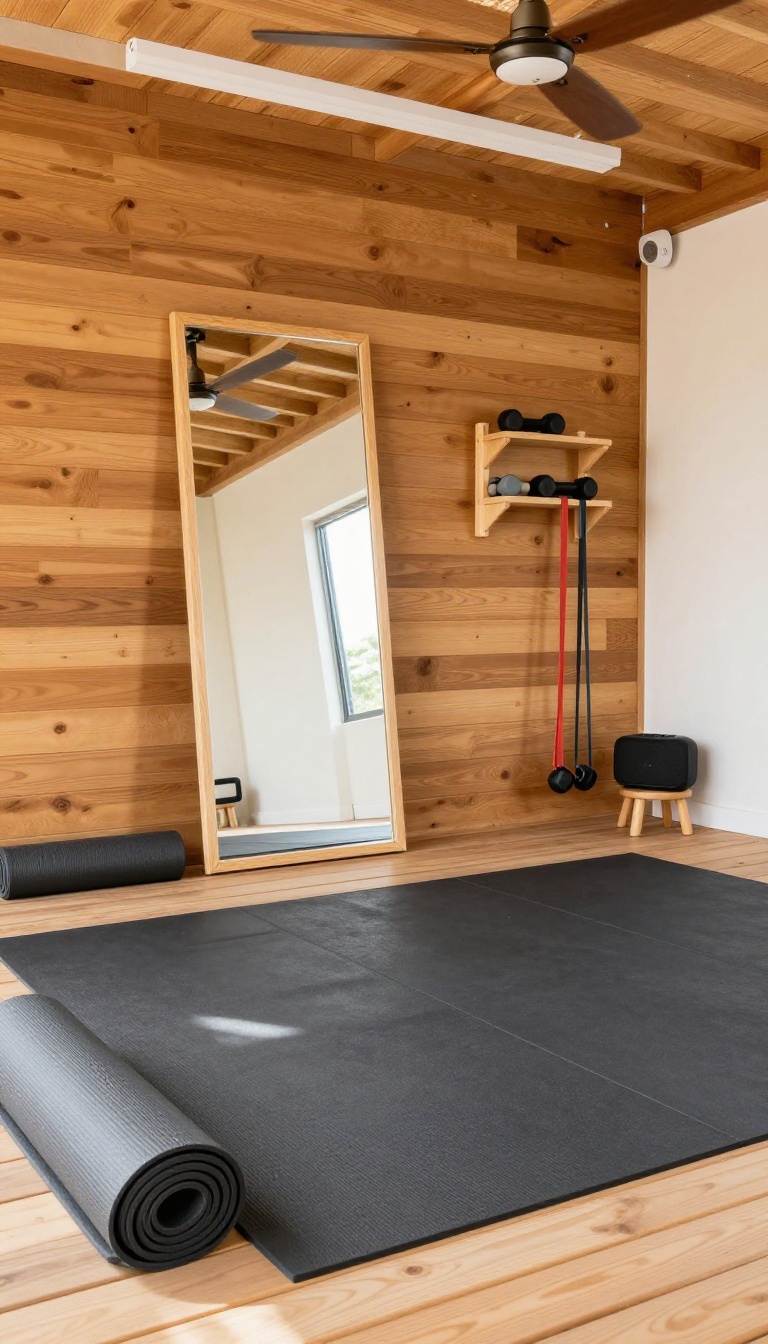
Your under-deck space can become a private workout zone that keeps you moving even when the weather doesn't cooperate. With the right flooring and a few key pieces of equipment, you'll have a spot that feels less like a cramped corner and more like a real studio. It's a smart way to stay consistent with your fitness routine without needing a gym membership.
Setting up a fitness area under your deck is all about making it functional and comfortable. Start with rubber flooring to protect your joints and keep the space clean. Add a large mirror to check your form and make the area feel bigger.
Then, bring in the essentials—resistance bands, a yoga mat, and maybe a set of dumbbells. A ceiling fan keeps the air moving, and a small sound system or Bluetooth speaker sets the mood for your workout.
Flooring And Ventilation
Rubber mats or interlocking foam tiles are your best bet—they cushion your joints, absorb impact, and are easy to wipe down. If your under-deck space tends to get stuffy, install a ceiling fan or a portable fan to keep air circulating. Good airflow makes a huge difference when you're working up a sweat.
Mirrors And Equipment
A full-length mirror isn't just for checking your form—it also reflects light and makes the space feel more open. For equipment, think compact: resistance bands, kettlebells, a stability ball, and a yoga mat cover most routines. Wall-mounted racks or shelves keep everything organized and off the floor.
Ambiance And Motivation
Set the right vibe with a Bluetooth speaker for your favorite playlist or podcast. Add some string lights or a dimmer switch to adjust the mood. If you practice yoga, consider a diffuser for essential oils to create a calming atmosphere.
These small touches make you actually want to come back and train.
10. Pet-Friendly Retreat
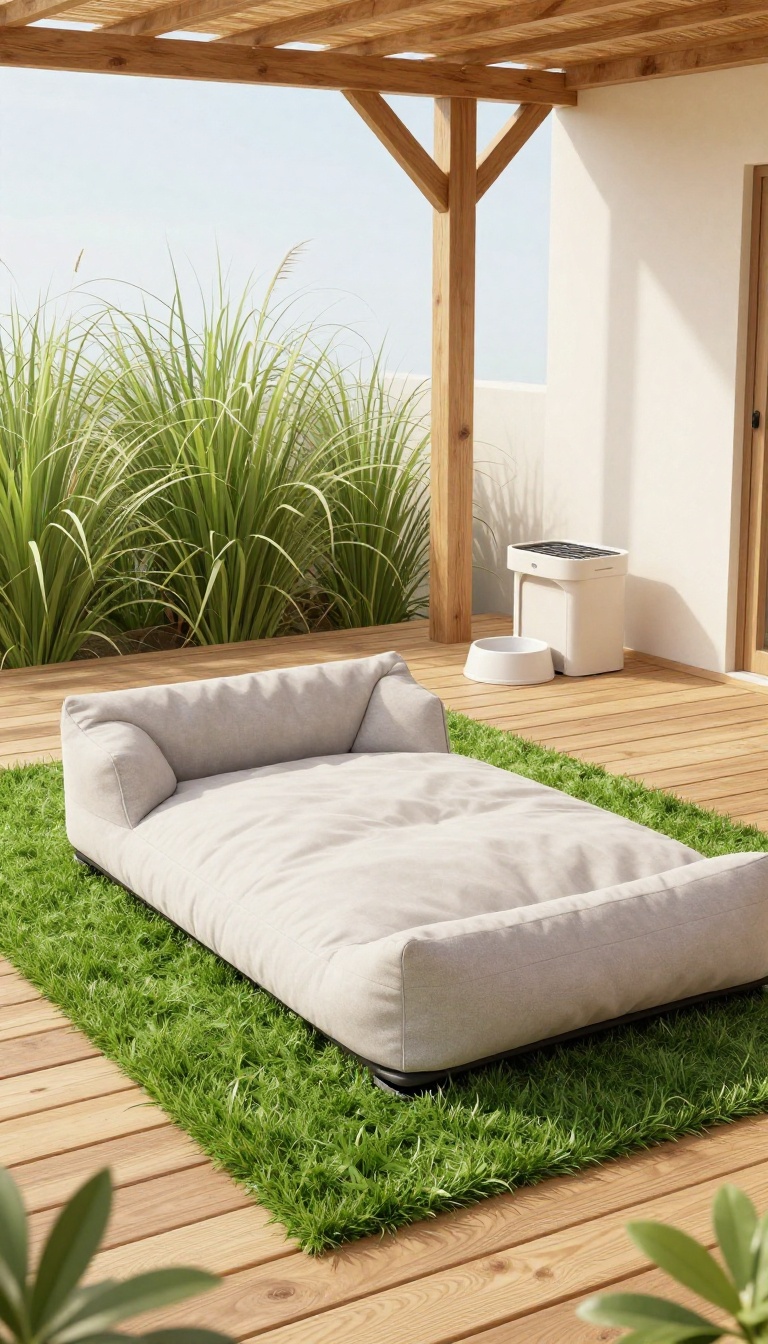
Pets are family, and they deserve a comfortable spot outside too. The area under your deck can become a cozy retreat for your furry friends, keeping them safe from sun and rain. With a few thoughtful touches, you can create a space they'll love and you'll appreciate.
Start by choosing a corner that's dry and well-drained. Lay down a durable outdoor rug or artificial turf to define the area and keep it clean. Add a raised pet bed to keep them off the cold ground, and place a water station nearby so they always have fresh water.
For shade, the deck itself provides cover, but you might add a small canopy or plant some tall grasses for extra comfort. Use materials that can handle muddy paws and occasional accidents. Opt for washable cushions and easy-to-clean flooring like concrete or gravel.
A pet door installed in the deck's skirting allows your pet to come and go freely, so they can enjoy their retreat whenever they want.
Comfort First
Think about what makes your pet happy. A soft, supportive bed that's slightly elevated keeps them off damp ground and away from insects. Add a few familiar toys or a blanket with your scent to help them feel at home.
If your pet likes to dig, consider a sandbox area or a designated digging pit to keep them entertained.
Durability Matters
Pets can be tough on surfaces, so choose materials that can handle the wear and tear. Use heavy-duty outdoor fabric for cushions and opt for a waterproof, scratch-resistant floor like vinyl or sealed concrete. Avoid materials that stain easily or can be chewed.
Also, make sure all plants in the area are pet-safe—some common garden plants are toxic to animals.
Easy Access
A pet door is a game-changer. Install one in the deck's skirting or a side wall, so your pet can come and go without needing you to open a gate. If a pet door isn't feasible, create a clear path from the patio to the retreat and keep the area clutter-free.
You might also add a small gate to keep them contained when needed.
11. Artistic Studio or Hobby Corner
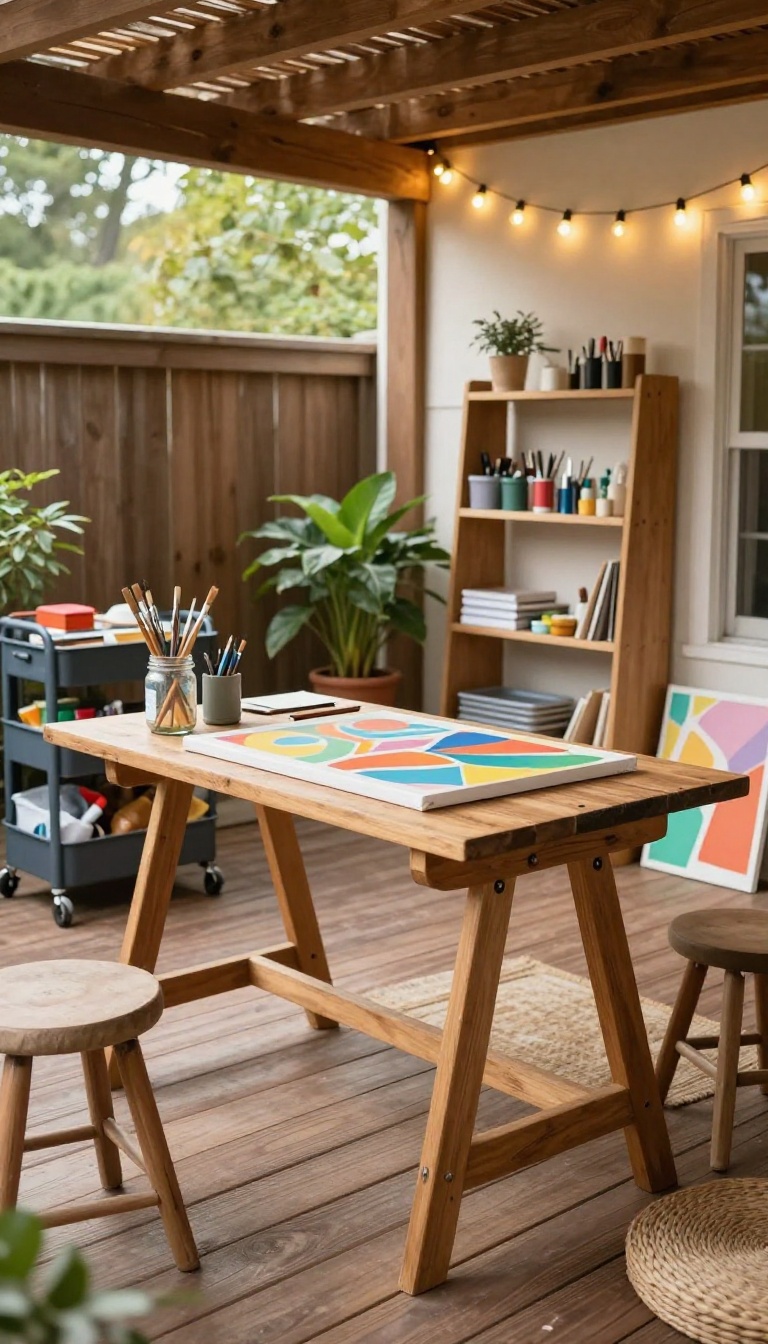
If you've ever wished for a dedicated space to paint, craft, or tinker, look no further than the area under your deck. It's naturally sheltered from the elements, offering a cozy, semi-outdoor nook that can become your personal creative haven. With a few portable pieces and some clever organization, you can set up a studio that's both functional and inspiring—no major construction required.
Transforming your under-deck space into an artistic studio or hobby corner is all about creating a flexible, comfortable area that fuels your creativity. Start by designating a zone for your favorite activities, whether that's painting, knitting, model building, or woodworking. The key is to keep things mobile and adaptable, so you can easily pack up when needed or rearrange as your projects evolve.
Add good lighting, plenty of storage for supplies, and personal touches that make the space uniquely yours. This way, you'll have a dedicated spot that encourages you to dive into your hobbies more often.
Set Up A Flexible Work Surface
A sturdy portable table is the backbone of any under-deck studio. Look for a foldable workbench or a rolling cart that can withstand outdoor conditions. If you prefer a more permanent setup, consider a weather-resistant table with drawers for storing smaller tools.
You can also mount a fold-down table against the wall to save space when not in use. The goal is to have a reliable surface that's easy to clean and can handle everything from paint splatters to glue spills.
Lighting And Power Solutions
Good lighting is essential for detailed work. If your under-deck area lacks natural light, string up some LED shop lights or clip-on task lamps that you can position exactly where needed. Battery-operated options are great for flexibility, but if you have an outdoor outlet, you can plug in a power strip for tools and chargers.
Consider using a mix of ambient and focused lighting to reduce eye strain and create a pleasant atmosphere.
Smart Storage For Supplies
Keep your supplies organized and within reach using clear bins, stackable drawers, and hanging organizers. Label everything so you can find what you need at a glance. Use a pegboard for frequently used tools like scissors, brushes, or small hand tools.
For items that need to stay dry, invest in a waterproof storage chest or a cabinet with a tight seal. This prevents moisture damage and keeps your creative space tidy.
Make It Comfortable And Personal
Add a comfortable chair or stool with a cushion, and consider a small rug to define the space. Decorate with items that inspire you—like a chalkboard for sketching ideas, a corkboard for inspiration, or a few potted plants. You can also hang a curtain or outdoor blinds for privacy and shade.
The more inviting the space feels, the more likely you are to use it regularly.
FAQ
What are the best flooring options for under a deck?
Concrete, pavers, or outdoor tiles are durable and easy to clean. For softer areas, rubber mats or artificial turf work well, especially for play zones.
How do I protect under-deck furniture from moisture?
Choose furniture made of weather-resistant materials like teak, aluminum, or all-weather wicker. Use covers when not in use and ensure proper drainage to avoid standing water.
Can I add lighting under my deck?
Yes, string lights, LED strips, or recessed lighting are great options. Make sure to use outdoor-rated fixtures and consider installing a dimmer for ambiance.
How do I keep bugs away from my under-deck patio?
Install screens or netting to enclose the space. Use citronella candles, bug zappers, or essential oil diffusers to deter insects naturally.
What is the best way to waterproof the area under my deck?
Consider installing a deck drainage system or a waterproof membrane on the underside. Ensure proper grading and gutters to direct water away from the space.
Conclusion
That unused space under your deck has more potential than you might think. Even one or two of these ideas can turn a forgotten crawlspace into a spot you actually want to spend time in. Start with the project that solves your biggest need, then let the rest follow as your budget and energy allow.
Whether you go for a simple gravel patio or a full outdoor room, the key is making the space work for how you live. Pick a starting point, grab your tools, and see how quickly that dead zone becomes a favorite part of your yard.