10 Small Backyard Seating Ideas for Cozy Outdoor Spaces
A small backyard can feel like a cozy retreat with the right seating. Instead of letting limited square footage limit your comfort, you can use smart layouts and multi-functional pieces to make every inch count.
These ten seating ideas focus on real solutions for tight spaces. You'll find options that add charm, save room, and make your outdoor area feel intentional rather than cramped.
Whether you have a patio, a balcony, or a patch of grass, there's a setup here that fits. Let's turn that small space into your favorite spot to unwind.
1. Built-In Bench with Hidden Storage
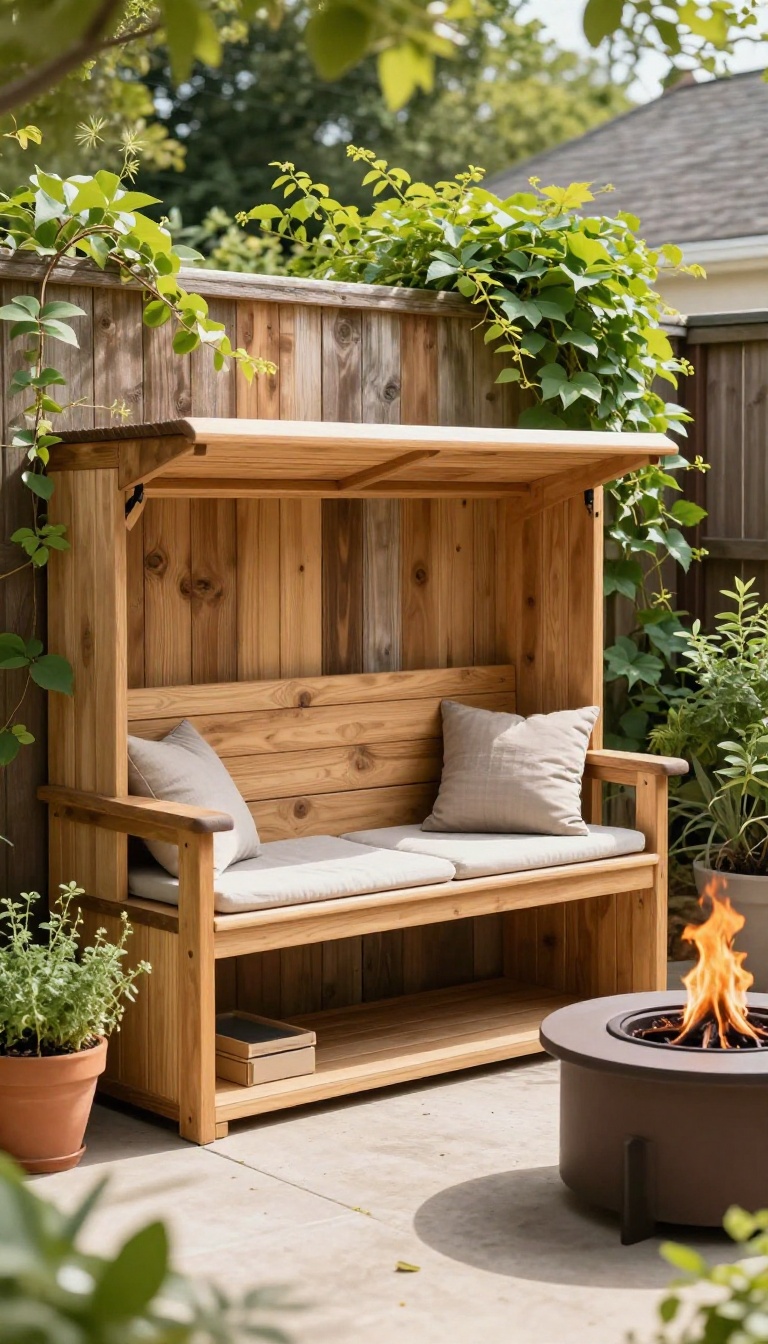
A built-in bench turns dead wall space into prime seating. Instead of dragging out folding chairs every time you want to sit, you get a permanent spot that looks like it belongs there. The hidden storage underneath is the real win, especially in a small yard where every cushion and trowel needs a home.
Building along a fence or house wall means the bench doesn't eat into your open floor area. You keep the middle of the yard clear for a fire pit, a small table, or just breathing room. Standard benches run about 16 to 18 inches deep and 17 to 19 inches high, which feels right for most adults.
The storage part is what makes this idea pull double duty. Flip-up lids, lift-off tops, or slide-out drawers all work. You can stash seat cushions, garden tools, kids' toys, or a folded umbrella without hauling everything back inside.
Materials matter more than fancy details here. Cedar, pressure-treated pine, and composite decking all hold up outdoors. Cedar resists rot naturally, while composite costs more but barely needs any upkeep.
One thing to plan before you cut anything: drainage. Drill a few small holes in the bottom of the storage box so trapped water can escape. A damp box turns into a mildew problem fast.
Pick The Right Spot
A bench along a solid wall gets the most use. It's protected from wind, close to the house, and easy to reach when you're carrying things in and out. If your fence gets full afternoon sun, consider a spot with some shade or add a small awning overhead.
Corners work well too. An L-shaped bench hugs two walls and seats more people without blocking the yard's center. Just leave enough clearance so the lids can open fully.
Storage That Actually Works
Lift-up lids are the simplest option and give you one big open space. Hinges with a soft-close feature keep the lid from slamming on fingers, which matters if kids are around. If you'd rather not lift a heavy top, build drawers that pull out from the front.
They cost more in hardware but make grabbing a cushion a one-handed job. Either way, line the inside with a moisture-resistant material and add a couple of ventilation gaps.
Make It Comfortable
A bare wooden bench gets old after twenty minutes. Add a long cushion cut to fit, or use several square pads that you can rearrange. Outdoor fabric with a tight weave holds up best against sun and rain.
Back support helps more than people expect. A few throw pillows leaned against the wall do the trick, and you can store them inside the bench when the weather turns. Keep a small side table or a built-in armrest nearby for drinks.
2. Hanging Chair for a Floating Feel
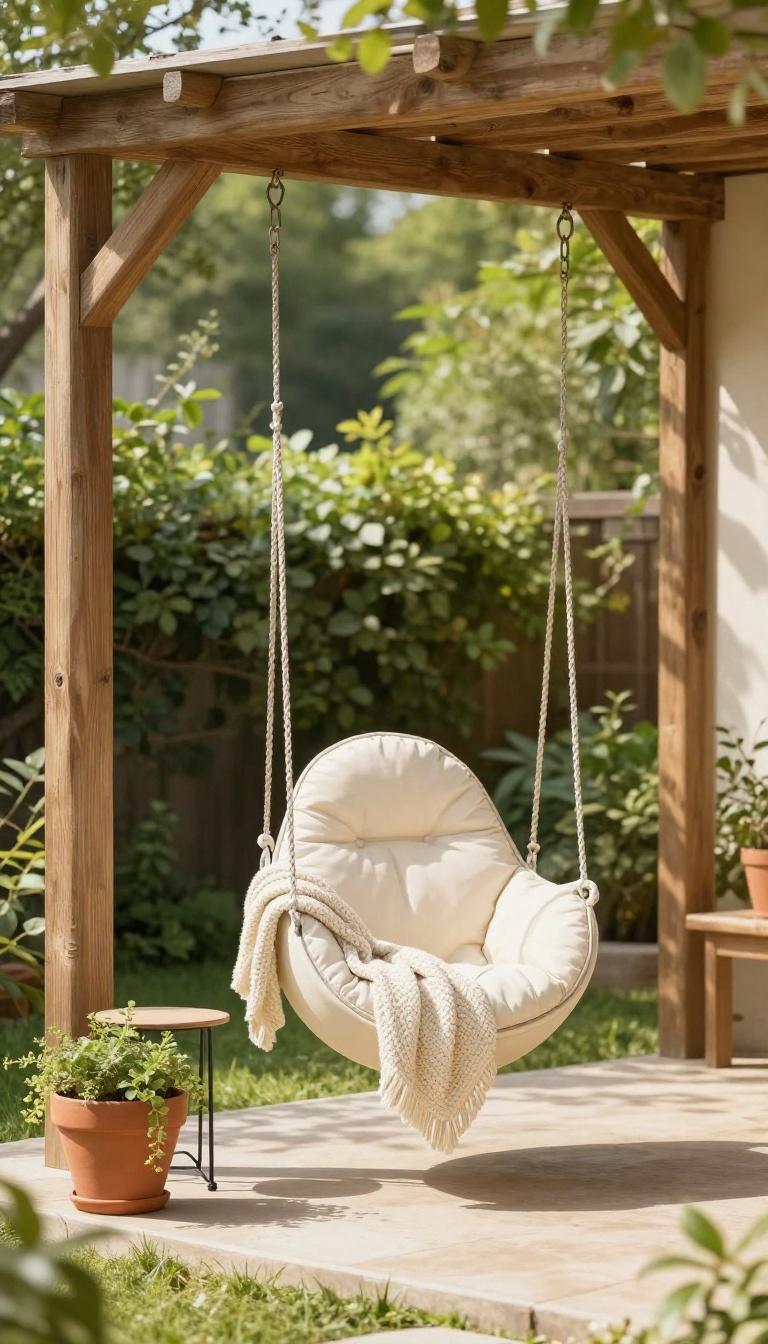
A hanging chair gives you a seat that seems to hover in midair, which frees up the ground beneath it for plants, a small side table, or just open space. It swings gently with the breeze, so even a tiny corner starts to feel like a destination. Because it hangs from a single point, you can tuck one into spots where a regular chair or bench would never fit.
That makes it a smart pick for narrow patios, balconies, and awkward corners that need a purpose.
The floating effect comes from the way the chair hangs, not from any complicated setup. Once it is up, the space below stays open, which keeps a small yard from feeling cluttered. You get a natural bit of motion too.
That gentle sway is part of why hanging chairs feel so relaxing, and it turns a simple seat into a mini retreat.
Pick The Right Spot
Look for a sturdy overhead beam, a strong tree branch, or a porch ceiling that can carry weight. You want the chair to hang freely without bumping into walls or railing. Leave enough clearance so it can swing a few inches in each direction.
A spot that gets light shade works well for long reading sessions without harsh glare.
Choose A Style That Fits
Hanging chairs come in a few main types: egg chairs with a solid shell, macrame swings with a soft seat, and pod chairs with a stand. Each one changes the look of your space. For a small yard, a stand-based pod chair is handy because it does not need any hardware in your ceiling or trees.
A macrame swing keeps things light and airy if you want a boho vibe.
Make It Comfortable
Add a weather-resistant cushion and a small throw blanket for cooler evenings. A clip-on side table or a hanging pouch gives you a place for a book, drink, or phone. A little shade from an umbrella or nearby tree keeps the seat usable on hot afternoons.
That small addition makes the chair a spot you will actually use every day.
3. Fold-Down Bistro Set for Two
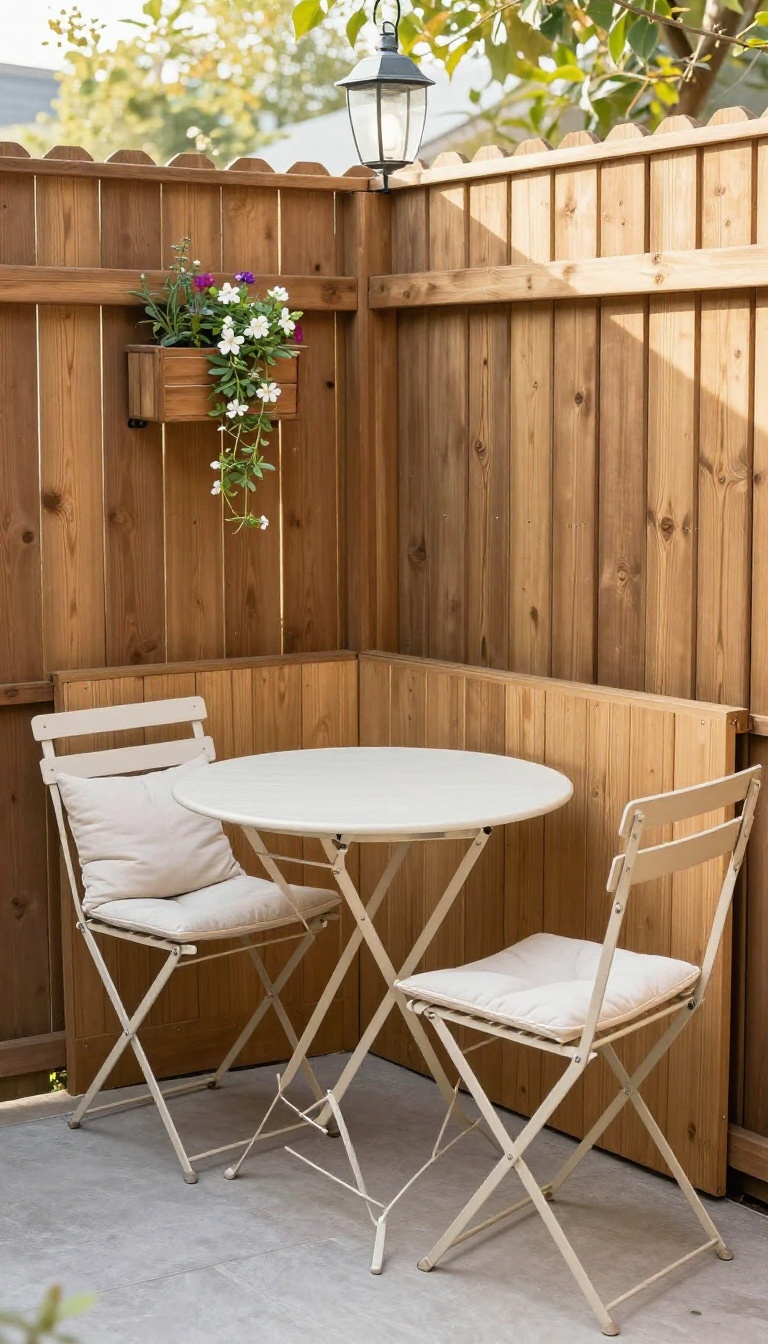
A fold-down bistro set gives you a place for morning coffee or evening wine without permanently sacrificing floor space. The table and chairs collapse or fold flat against a wall, so the area stays open for kids, pets, or a clear path to the grill. It’s a simple swap that makes a small yard feel twice as versatile.
These sets come in materials like powder-coated steel, aluminum, and teak, so you can match your existing style. Most models mount directly to a wall or fence, which means no legs to trip over and no storage shed required. When you want to use it, you just unfold and lock everything into place.
When you’re done, it tucks away in seconds.
Where To Mount It
Look for a blank wall near your back door, a sturdy fence panel, or the side of a shed. You want a spot that gets a little shade during the hottest part of the day, but still feels connected to the rest of the yard. Measure the folded depth before you drill—most sets need only 4 to 6 inches of clearance.
Picking The Right Size
A two-person bistro table usually runs 24 to 30 inches across, which is plenty for two plates and a couple of drinks. Chairs should have a seat height around 17 to 18 inches so they tuck under the table without scraping. If you plan to leave it out year-round, choose rust-resistant hardware and a finish that handles rain.
Making It Feel Cozy
Add two small outdoor cushions to soften the seats, and hang a lantern or string lights above the table. A narrow planter box mounted just below the set can hold herbs or trailing flowers without stealing floor space. Keep a lightweight tray nearby so you can carry everything out in one trip.
4. Corner Sectional with Modular Pieces
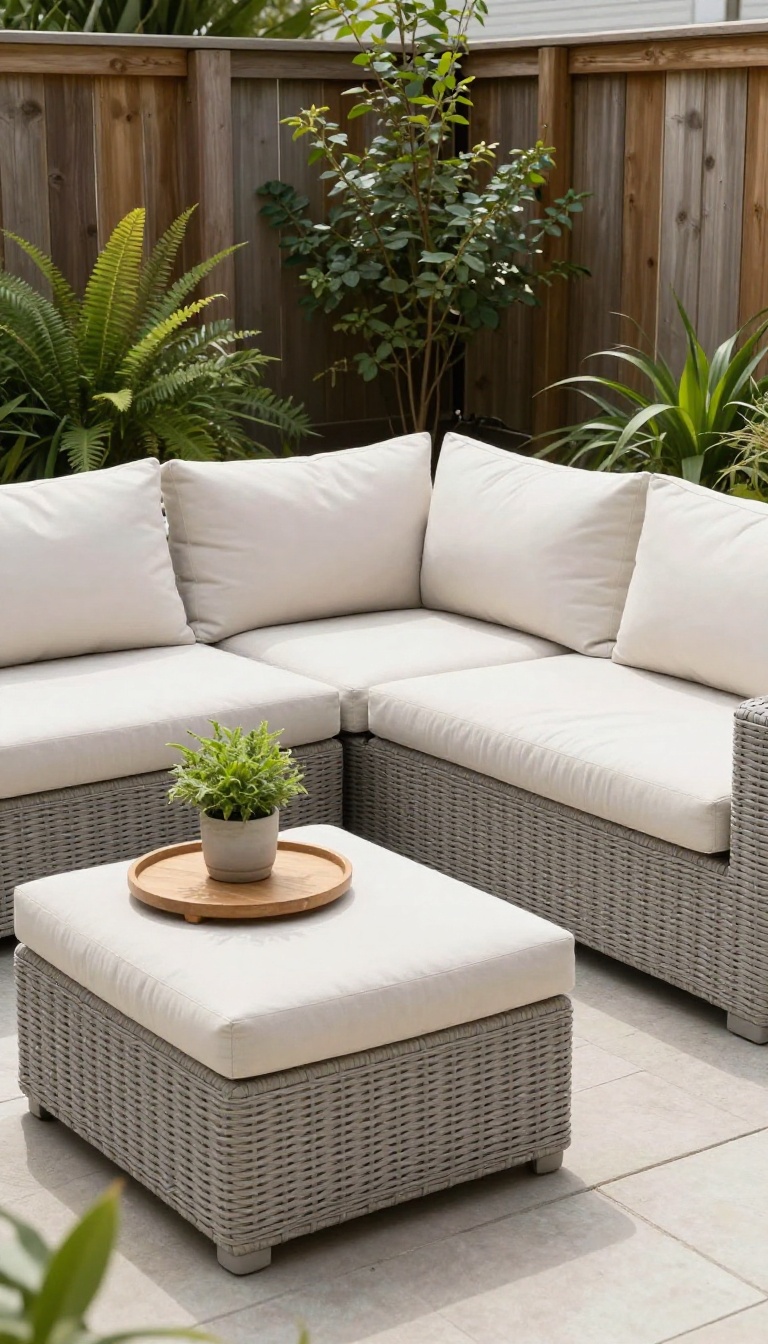
Corners are often the most underused spots in a small backyard. A modular sectional is designed to fit right into that awkward angle, turning wasted space into a cozy hangout. Because the pieces are separate, you can rearrange them whenever you want—no heavy lifting required.
Modular sectionals come in all shapes and sizes, from compact two-seaters to larger configurations that still fit tight areas. The key is that each piece can be moved independently, so you're not stuck with one layout. You can push them together for a party or pull them apart for a quiet afternoon alone.
When shopping, look for pieces that are lightweight but sturdy. Weather-resistant materials like resin wicker or powder-coated aluminum hold up well outdoors without needing much care. Cushions should have removable, washable covers because outdoor life gets messy.
One of the best things about modular seating is how it adapts to your needs. If you host often, keep the pieces in an L-shape to encourage conversation. When it's just you, separate them and create a few distinct spots for reading or napping.
You can even use a single piece as a footrest or extra seating when guests drop by. To make the most of your corner, measure the space first. You want the sectional to fill the area without blocking walkways.
Leave a little breathing room so the space doesn't feel packed. Add a small side table or a plant to soften the corner and make it feel intentional.
Why Modular Works In Small Yards
Modular pieces let you customize the fit. You can angle them to follow the shape of your yard, whether it's a tight nook or an L-shaped patio. And because you can move them, you're not stuck with a layout that stops working when your needs change.
Choosing The Right Materials
Look for frames made from weather-resistant materials like teak, aluminum, or high-density polyethylene. Cushions should be quick-drying and have covers you can toss in the wash. If you live in a rainy area, consider storing cushions in a deck box when not in use.
Arranging For Conversation And Comfort
For gatherings, arrange the pieces in a U or L shape to encourage face-to-face talk. For solo lounging, spread them out and add a small ottoman or two. Keep a tray nearby for drinks, and use outdoor rugs to define the area and add warmth.
Storage And Maintenance Tips
Modular sectionals are easy to maintain. Brush off debris regularly and wipe frames with a damp cloth. During off-season, stack or store pieces in a shed or garage to extend their life.
If space is tight, look for pieces that nest together.
5. Pallet Sofa with DIY Charm
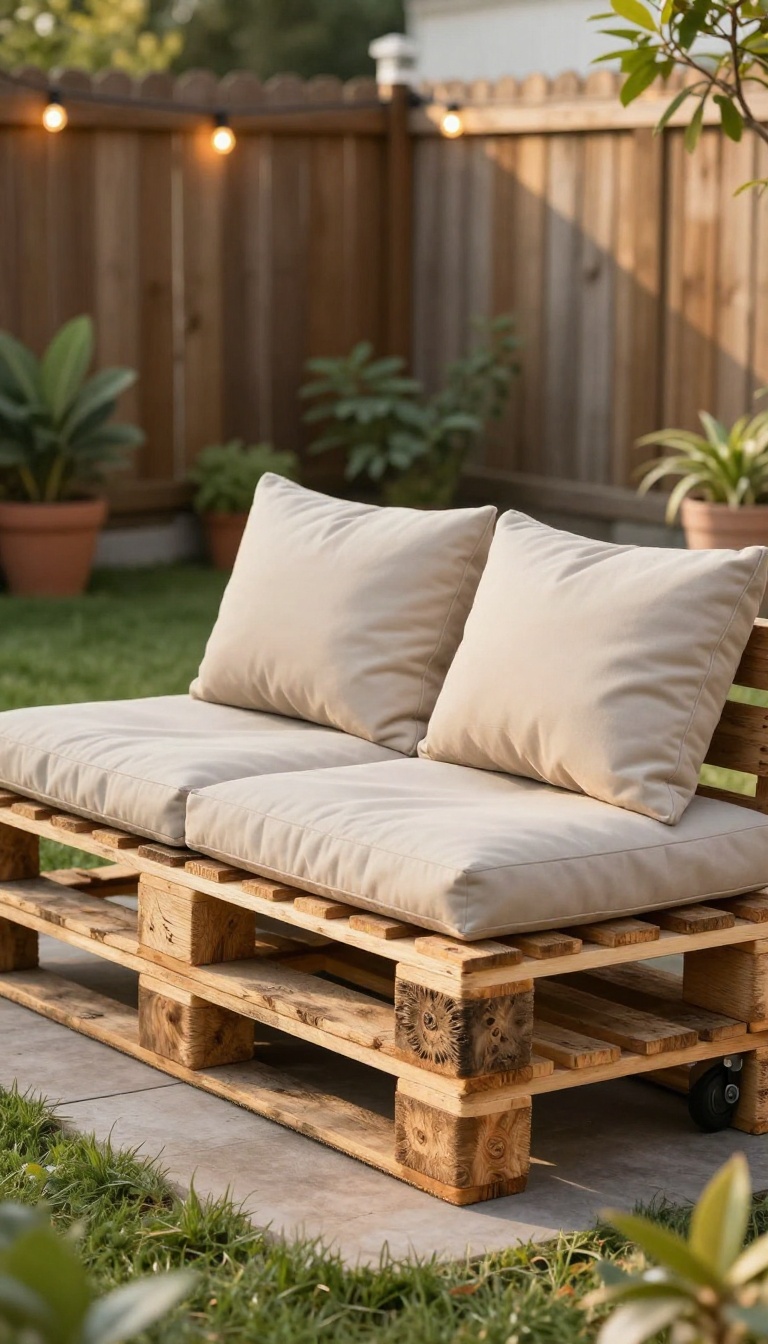
Wooden pallets are cheap, sturdy, and surprisingly comfortable once you add the right cushions. A pallet sofa gives your small backyard a relaxed, rustic look without the price tag of store-bought furniture. You can build it in an afternoon, and you get to decide the size, shape, and finish.
Start with two or three heat-treated pallets, which are safe for outdoor use. Sand them down to avoid splinters, then seal them with an outdoor stain or paint. Stack two pallets flat for the base and one upright for the backrest, or keep it low and backless for a lounger feel.
Secure the layers with screws or heavy-duty zip ties. Add thick cushions and a few throw pillows for comfort. If you want to move it around, attach locking caster wheels to the bottom.
That way you can roll it into the sun or tuck it against the fence when the yard gets crowded.
Choosing And Prepping Pallets
Look for pallets stamped with HT, which means heat-treated and safe. Avoid any with chemical smells or dark stains. Give them a good scrub with soap and water, let them dry fully, then sand rough edges.
A coat of exterior sealant protects the wood from rain and sun.
Building The Frame
A simple L-shape works well for small spaces. Lay two pallets side by side for the seat, then stand one upright against a wall or fence for the back. Screw them together at the corners.
For a freestanding sofa, add a third pallet as a base and brace the back with wooden blocks.
Cushions And Comfort
Pallet wood is hard, so you need at least three inches of cushion. Outdoor foam or weather-resistant cushions work best. Mix neutral seat pads with colorful throw pillows for a cozy look.
Add a small side table made from a single pallet for drinks and snacks.
Adding Wheels For Mobility
Locking caster wheels turn a heavy pallet sofa into a movable piece. Choose wheels rated for outdoor use and attach them to the bottom corners with bolts. Make sure the screws go into solid wood, not gaps.
Now you can rearrange your seating whenever you want.
6. Tree Surround Bench
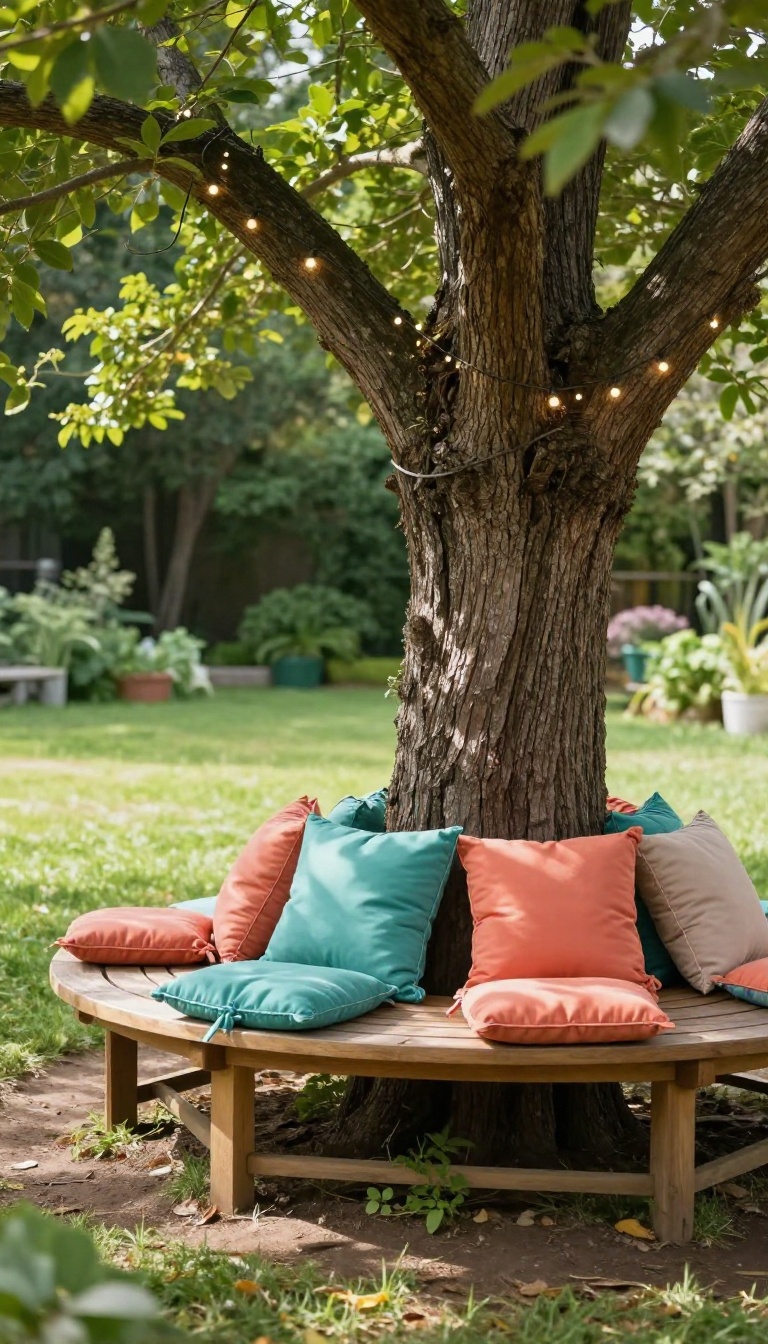
That tree in your yard might seem like an obstacle, but it's actually a chance to create something special. A circular bench built around the trunk turns wasted space into a cozy seating nook that feels intentional. It's a smart way to add seating without eating up more lawn.
The bench wraps around the tree, so you're not losing any extra ground. You can build it as a simple ring or add a backrest for more comfort. The tree becomes the centerpiece, and suddenly that awkward spot is the best seat in the yard.
Why It Works
Trees often sit in the middle of a yard where you can't put much else. A surround bench uses that footprint efficiently and gives you a natural gathering spot. It also keeps people from compacting the soil around the roots, which is good for the tree.
Design And Build Tips
Leave a gap between the bench and the trunk so the tree can grow and breathe. Use weather-resistant wood like cedar or teak, and angle the seat slightly for drainage. If you're not handy, a kit or a local carpenter can make this easy.
Making It Comfortable
Add cushions that tie on or use outdoor fabric that dries fast. A few pillows in bright colors make it inviting. At night, string lights or a small lantern on a nearby branch create a warm glow.
7. Stair-Step Seating for Sloped Yards
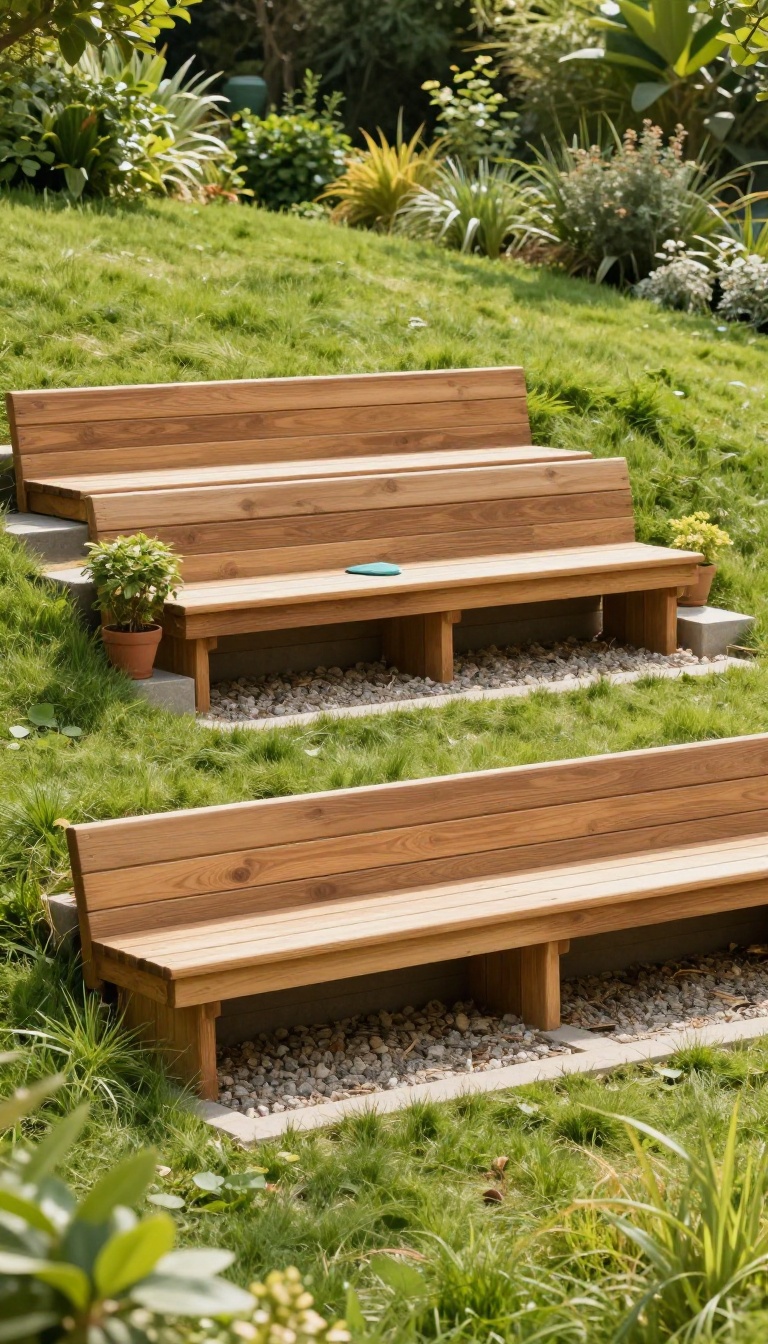
A sloped yard can feel like a landscaping headache, but it's actually a chance to build seating that works with the hill instead of against it. Tiered benches turn that awkward incline into a functional, good-looking feature. You get multiple seating levels, and the structure itself holds back the soil.
Think of it as a small amphitheater for your backyard. Each step gives you a different vantage point, so you can sit high and look out or settle low and feel tucked in. The benches double as retaining walls, which means you're solving two problems with one build.
And because the seating follows the slope, you don't need to flatten a big area or haul in loads of fill dirt.
How To Build Tiered Benches
Start by mapping out two or three levels that follow the natural grade. Use pressure-treated lumber, concrete blocks, or stacked stone to form the risers, then top each one with a comfortable seat. Keep the rise between steps around 12 to 18 inches so it's easy to climb and sit.
Add a gravel or mulch base behind each bench for drainage.
Materials That Handle Moisture
Since these benches sit close to the ground, choose rot-resistant wood like cedar or teak, or go with composite decking. Stone and concrete hold up well but need a cushion for comfort. Avoid untreated pine unless you seal it every year.
A simple cap board on top gives you a smooth, splinter-free seat.
Adding Comfort And Style
Toss on weatherproof cushions in a color that pops against the stone or wood. A few outdoor pillows make the steps feel like a lounge. Tuck small plants or LED lights into the gaps between tiers for a cozy glow at night.
You can also add a tiny side table on one level for drinks.
8. Swing Bench with Canopy
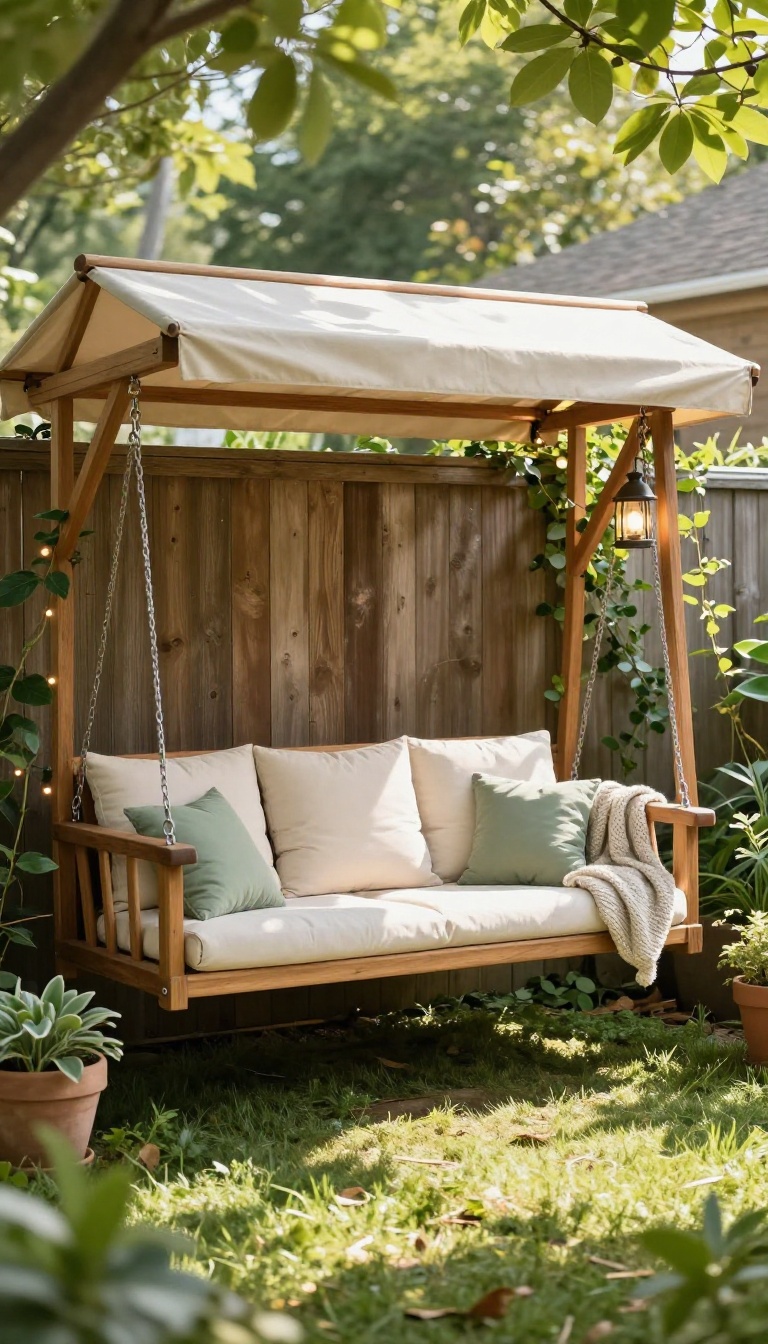
A swing bench with a canopy turns a simple seat into a shady retreat. The small roof blocks harsh sun and light rain, so you can relax outside more often. It also creates a cozy, enclosed feeling that makes your backyard feel like a mini porch.
This piece works well in small yards because it combines seating and shelter in one footprint. You get the comfort of a bench with the protection of a roof, without needing a full pergola or covered patio. It's a smart way to add a destination spot that feels intentional and inviting.
Why It Works In Small Spaces
A swing bench with a canopy takes up less room than a separate bench and umbrella. The overhead cover is built in, so you don't need extra shade structures. It defines a cozy nook without blocking sightlines or crowding the yard.
Choosing The Right Spot
Place it where you want a focal point, like a corner or along a fence. Make sure the swing has clearance to move freely and won't hit anything when in use. A spot with a gentle breeze and some privacy is ideal.
Comfort And Style Tips
Add weather-resistant cushions and a small throw for extra coziness. Hang a lantern or string lights from the canopy for evening ambiance. Choose a frame color that blends with your home or fence for a cohesive look.
9. Floor Cushions and Low Tables
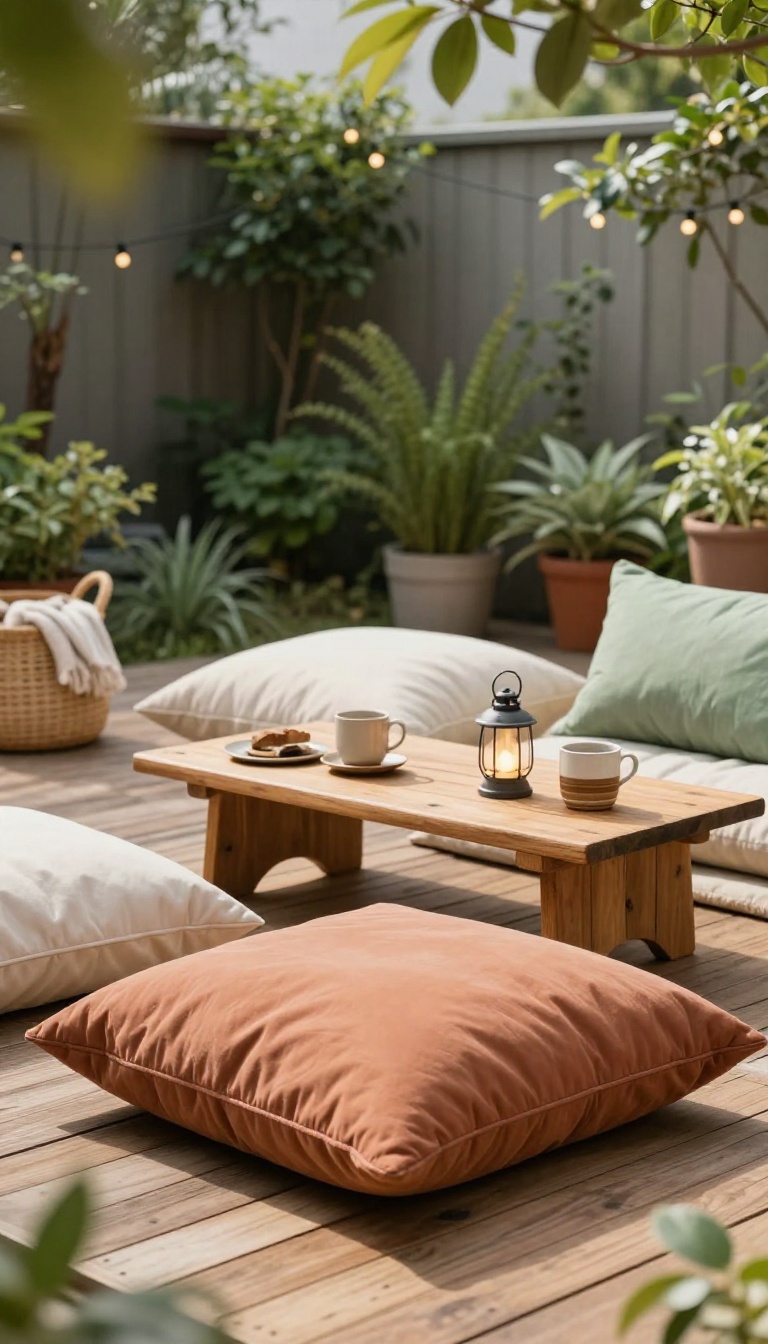
Floor cushions and low tables bring a relaxed, bohemian feel to any small backyard. They're easy to move, stack, and store when not in use. This setup works especially well on decks, patios, or even a patch of grass.
Oversized floor cushions invite you to sit low and lounge. Pair them with a low table for drinks, snacks, or a small lantern. The whole arrangement feels casual and doesn't block sightlines, so your space stays open.
Choosing The Right Cushions
Look for cushions that are at least 4 inches thick and made from weather-resistant fabric. Outdoor-grade foam holds its shape and dries quickly after rain. Mix sizes and shapes for a custom look, but stick to two or three colors to keep it cohesive.
Low Tables That Work
A low table should be no taller than 12 to 14 inches. Wood, metal, or even a sturdy crate can work. If you need flexibility, choose a lightweight table you can move aside when the cushions come out.
Storage And Maintenance
When the party's over, stack cushions in a weatherproof bin or bring them inside. A low table can double as a storage spot if it has a shelf underneath. Quick tip: shake out cushions and let them air dry before storing to prevent mildew.
10. Vertical Garden with Integrated Seating
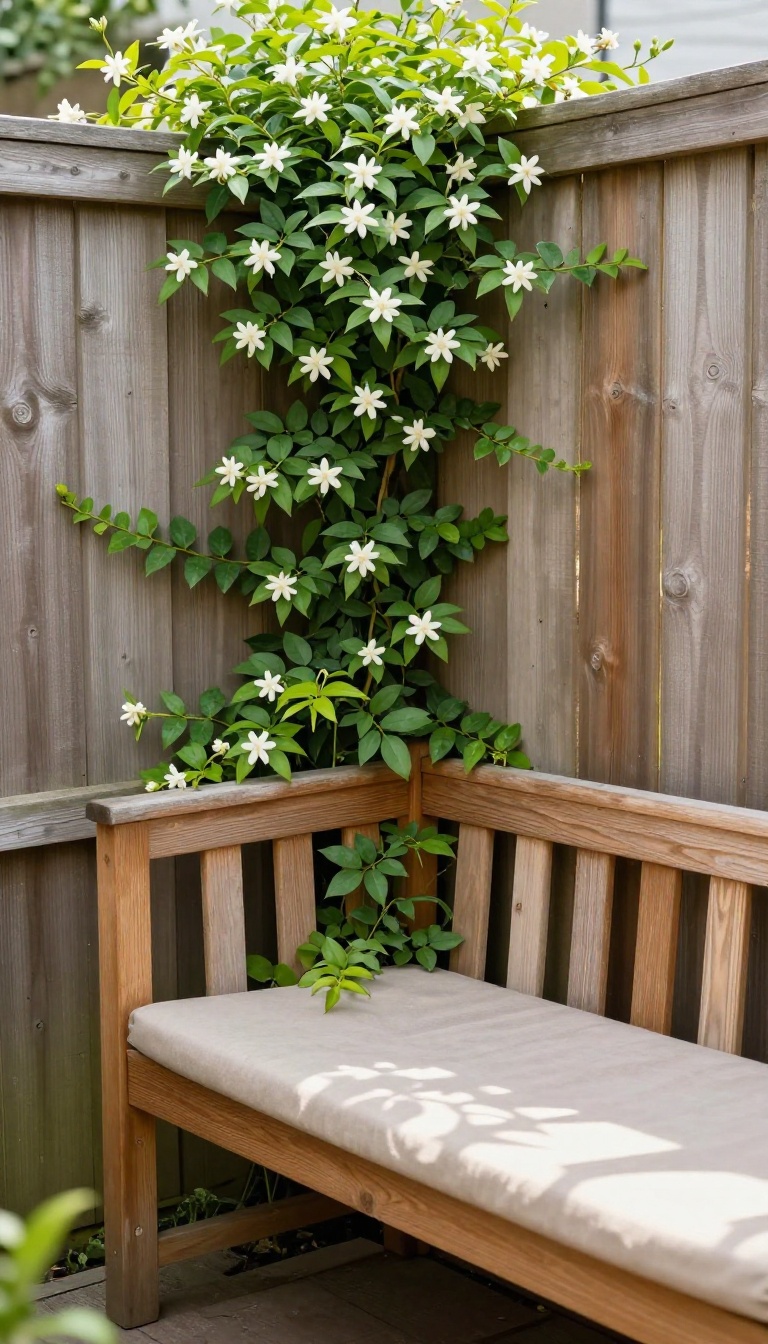
A living wall does more than dress up a plain fence. When you build a bench right into its base, you get greenery and a place to sit in the same narrow strip of ground. This setup works especially well in tight yards where you can't spare room for a separate garden bed and a separate seating area.
The plants climb up, the seat tucks in below, and the whole thing reads as one clean feature instead of two crowded ones. It also stays comfortable because the foliage shades the bench during the hottest part of the day. You end up with a cool, green corner that feels intentional rather than squeezed in.
Pick The Right Wall Or Fence
Start with a surface that can handle weight and moisture. A sturdy fence, a concrete block wall, or a freestanding timber frame all work well. If you're renting, a freestanding trellis panel gives you the same look without drilling into someone else's property.
Just anchor it so it doesn't tip when someone leans back.
Build The Bench Into The Base
The bench should sit flush against the wall so the plants can drape down behind your shoulders. A simple wooden frame with a waterproof cushion does the job. Leave a small gap between the back of the seat and the wall for airflow.
That keeps mold from forming where the greenery meets the wood.
Choose Climbers That Behave
Not every vine plays nice in a small space. Star jasmine, climbing hydrangea, and ivy are reliable and easy to trim. Avoid aggressive growers like wisteria unless you're ready to prune constantly.
In a compact yard, a plant that takes over becomes a chore instead of a feature.
Add A Little Storage Underneath
The space below the bench is prime real estate. Slide in a weatherproof bin for cushions, tools, or kids' toys. A simple lift-up seat works too if you build the frame yourself.
Either way, you keep the footprint small while gaining a spot to stash the clutter.
FAQ
What is the best seating for a very small backyard?
Foldable or stackable chairs and benches with storage are ideal because they save space when not in use.
How can I make my small backyard feel cozy?
Add soft cushions, warm lighting, and a mix of textures. Group seating around a focal point like a fire pit or plant.
Can I use indoor furniture outside?
Only if it's made for outdoor use. Indoor pieces may warp or fade. Look for weather-resistant materials like teak, metal, or resin.
How do I arrange seating in a narrow backyard?
Use vertical space with hanging chairs or wall-mounted benches. Keep a clear path and avoid bulky pieces.
What are some budget-friendly seating ideas?
DIY pallet benches, floor cushions, and secondhand bistro sets are affordable and easy to customize.
Conclusion
The real win here isn't a magazine-ready yard. It's a spot you actually use, whether that's morning coffee on a bistro set or a fire pit chat with neighbors. Start with the seating that fits how you already live, not how you wish you did.
Add one piece at a time and let the space tell you what's missing.
A bench here, a string of lights there. Cozy backyards aren't built in a weekend. They grow from small, honest choices you'll keep coming back to.