20 Couch Cleaning Hacks for a Fresh and Spotless Finish
Your couch takes a beating every day—spills, pet hair, dust, and odors all settle into the fabric. But you don't need expensive professional cleaning to bring it back to life.
These 20 couch cleaning hacks use everyday ingredients and simple techniques to tackle specific problems, from stubborn stains to musty smells. Each tip targets a different issue, so you can pick the one that matches your mess.
Ready to turn that tired sofa into a fresh, spotless centerpiece again?
1. Baking Soda: The All-Purpose Deodorizer
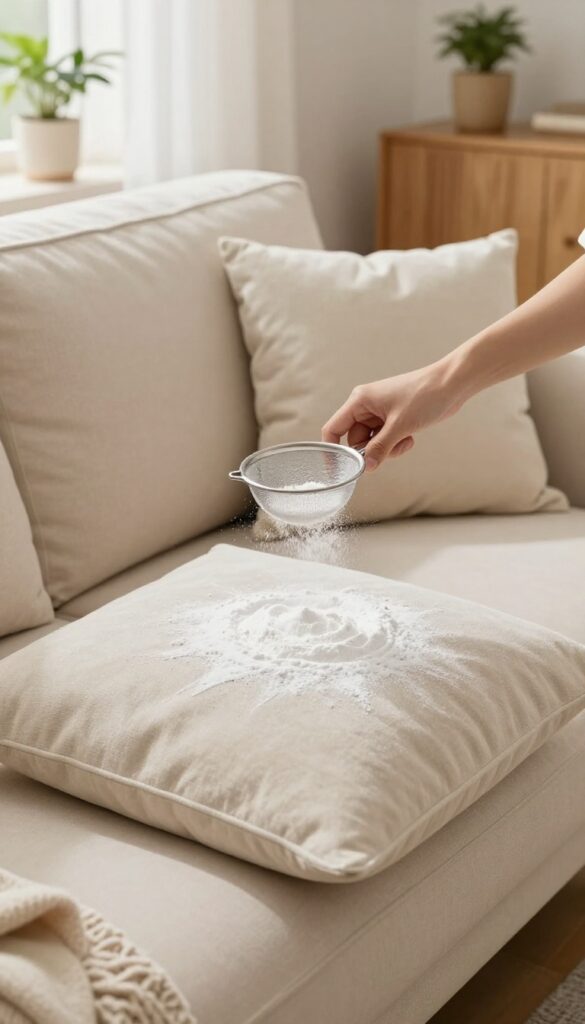
Baking soda is a powerhouse when it comes to neutralizing odors. It works by absorbing smells and moisture from deep within the fabric, leaving your couch smelling fresh without any harsh chemicals. This hack is perfect for musty sofas or those that have absorbed cooking smells.
Sprinkle a generous layer of baking soda over the entire couch, making sure to work it into crevices and cushions. Let it sit for 15-20 minutes for light odors, or leave it overnight for stubborn smells. Then vacuum thoroughly using an upholstery attachment to remove all residue.
For extra freshness, add a few drops of essential oil to the baking soda before applying.
How Long Should You Let It Sit?
For everyday freshness, 15-20 minutes is enough. But if your couch has absorbed smoke, pet odors, or mustiness, let the baking soda sit for at least 4-6 hours or overnight. The longer it sits, the more odors it absorbs.
Tips For Maximum Effectiveness
Make sure the couch is dry before applying baking soda. If the fabric is damp, the baking soda will clump and be harder to vacuum. Also, use a fine-mesh sieve to distribute it evenly, and don't forget to lift cushions and treat underneath.
Combining With Other Ingredients
For a scent boost, mix baking soda with a few drops of lavender or lemon essential oil before sprinkling. You can also combine it with cornstarch for extra absorbency, especially on fabric that tends to hold moisture.
2. White Vinegar Solution for General Cleaning
White vinegar is a cleaning MVP that tackles grime, grease, and germs without leaving behind toxic residue. For a quick refresh that works on most fabric sofas, mix equal parts white vinegar and water in a spray bottle. Lightly mist the couch (always test on a hidden area first) and blot with a clean cloth.
The vinegar smell fades quickly as it dries, leaving your couch clean and fresh.
This all-purpose solution cuts through everyday dirt and disinfects naturally. It's especially good for high-traffic areas like armrests and seat cushions where body oils and dust accumulate. For best results, use distilled white vinegar and avoid colored varieties that might stain.
How To Apply Without Over-wetting
Over-wetting can lead to mold or water stains. Use a fine mist setting and spray from about 6 inches away. Blot immediately with a microfiber cloth—don't rub, as that can push dirt deeper.
Work in small sections so the fabric doesn't stay damp too long.
When To Add A Drop Of Dish Soap
For tougher grime, add a single drop of mild dish soap to your vinegar-water mix. This boosts grease-cutting power without creating excess suds. Test on a hidden spot first, and rinse by lightly misting with plain water and blotting dry.
Drying Tips For A Fresh Finish
After cleaning, open windows or turn on a fan to speed drying. If your couch has removable cushions, stand them on edge so air circulates on all sides. Avoid sitting on the couch until it's completely dry to prevent musty smells.
3. Rubbing Alcohol for Ink Stains
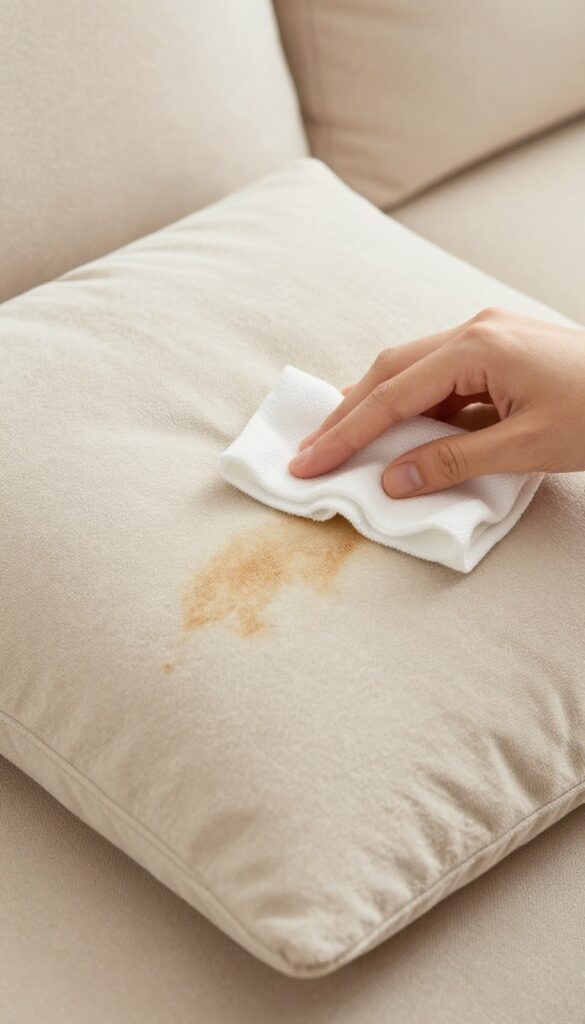
Ink stains from a runaway pen or a leaky marker can feel like a permanent mark on your couch. But rubbing alcohol, that common household staple, can dissolve ink without wrecking your fabric. It works on most upholstery types, though you'll want to test a hidden spot first.
Dab a cotton ball or clean cloth with rubbing alcohol (70% or higher is best). Gently blot—don't rub—the ink stain. The alcohol breaks down the ink's pigments, lifting them from the fibers.
As the stain transfers to your cloth, switch to a fresh area. Keep blotting until no more ink comes up. Finish by dabbing with a dry cloth to absorb any leftover moisture.
This method is safe for most synthetic and natural fabrics, but avoid it on delicate materials like silk or rayon.
Why Rubbing Alcohol Works
Ink is usually alcohol-based or oil-based. Rubbing alcohol acts as a solvent that dissolves both types, making it easy to lift the stain. It evaporates quickly, so it won't soak deep into the cushion foam.
Step-by-step Application
Blot, don't rub. Rubbing spreads the ink. Start from the outside of the stain and work inward.
Use a white cloth to avoid dye transfer. Repeat with fresh alcohol as needed. For stubborn spots, let the alcohol sit for 30 seconds before blotting.
Fabric Safety Check
Always test on a hidden area first. Rubbing alcohol can fade some dyes or damage certain finishes. It's generally safe for cotton, polyester, and microfiber.
Avoid on silk, wool, or leather. For leather, use a specialized ink remover instead.
4. Dish Soap and Hydrogen Peroxide for Blood Stains
Blood stains on your couch can be alarming, but they don't have to be permanent. Whether it's a fresh nick or an old dried spot, a simple mix of dish soap and hydrogen peroxide can lift it right out. This combo works by breaking down the proteins in blood, making it easy to blot away.
Why This Combo Works
Hydrogen peroxide reacts with the organic compounds in blood, creating a fizzing action that helps release the stain from fabric fibers. Dish soap then lifts away the loosened particles, so they don't set back in. Together, they're a powerful team against even stubborn, dried blood.
How To Apply It
Mix 1 tablespoon of dish soap with 2 tablespoons of hydrogen peroxide. Apply the solution directly to the stain and let it fizz for a few minutes. Don't rub—just let it work.
Then blot with a damp cloth, repeating until the stain fades. For dried stains, let the solution sit a bit longer before blotting.
Important Precautions
Always test on a hidden area first, as hydrogen peroxide can bleach some fabrics. Avoid using on wool or silk. Blot, don't scrub, to prevent spreading the stain.
And never mix hydrogen peroxide with bleach or ammonia—it can create toxic fumes.
5. Steam Cleaning with a Garment Steamer
Your couch doesn't need a deep chemical soak to feel fresh again. A handheld garment steamer—the same one you use for wrinkled shirts—can work wonders on fabric upholstery. The high-temperature steam kills bacteria, loosens embedded dirt, and smooths out wrinkles.
It's a quick, low-moisture refresh that leaves your couch looking and smelling cleaner.
Steam cleaning with a garment steamer is a gentle yet effective method for regular maintenance. It's especially good for synthetic fabrics that can't handle harsh scrubbing. The heat sanitizes without soaking the cushions, so drying time is minimal.
Just remember to test a hidden area first to make sure your fabric can handle the heat.
How To Steam Your Couch
Start by vacuuming the couch to remove loose debris. Fill your steamer with water and let it heat up. Hold the steamer head a few inches from the fabric and move it in slow, overlapping passes.
Focus on areas that get the most use—armrests, seat cushions, and the backrest. Don't linger too long on one spot to avoid over-wetting.
Post-steam Care
After steaming, grab a clean, dry microfiber cloth and gently blot the fabric. This absorbs any excess moisture and lifts loosened dirt to the surface. Let the couch air dry completely before sitting on it.
Open windows or turn on a fan to speed up the process. The result is a refreshed, wrinkle-free couch without the wait.
6. Vacuum with a Brush Attachment First
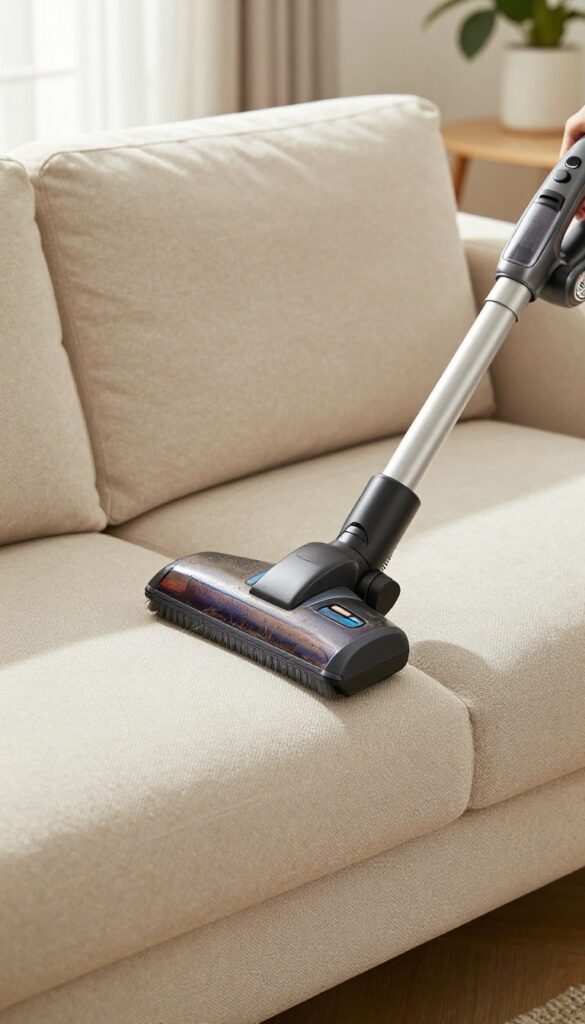
Before you spray or scrub anything, grab your vacuum. A quick once-over with the brush attachment lifts loose dirt, crumbs, and pet hair before they get ground deeper into the fabric. This simple step makes every following cleaning method more effective.
Why The Brush Attachment Matters
A bare vacuum nozzle can push debris deeper into the fibers. The brush attachment gently agitates the surface, loosening particles so they get sucked up instead of embedded. It also prevents pilling on delicate fabrics.
How Often Should You Vacuum?
For high-traffic couches or homes with pets, vacuum once a week. Less-used sofas can go two weeks. Set a reminder—it only takes a few minutes and keeps your couch looking fresher longer.
Pro Tips For Maximum Pickup
Use slow, overlapping strokes and pay extra attention to crevices where crumbs hide. If your vacuum has adjustable suction, use a lower setting on delicate fabrics to avoid pulling threads. For pet hair, a rubber brush attachment works wonders.
7. Cornstarch for Grease Stains
Grease stains from butter, cooking oil, or even a greasy snack can leave an ugly mark on your couch. Instead of scrubbing and spreading the mess, reach for cornstarch. This pantry staple acts like a sponge, pulling the grease out of the fabric fibers without damaging them.
Cornstarch works best on fresh grease stains. The powder absorbs the oil before it has a chance to set deep into the upholstery. For older stains, you can still try this method, but you may need to repeat it a few times.
How To Apply Cornstarch
As soon as you notice the grease stain, cover it generously with cornstarch. Make sure the powder completely coats the affected area. Let it sit for at least 15 minutes—longer if the stain is heavy.
During this time, the cornstarch will soak up the oil.
Removing The Powder
After the wait, brush off the cornstarch with a soft brush or a clean cloth. Then vacuum the area thoroughly to remove any remaining residue. If the stain is still visible, repeat the process.
Once the grease is gone, your couch should look as good as new.
Why It Works So Well
Cornstarch is a fine, absorbent powder that can penetrate the fabric and draw out oil molecules. Unlike harsh chemicals, it won't fade or damage the material. It's also safe for most upholstery types, including microfiber and cotton blends.
8. Shaving Cream for Upholstery Stains
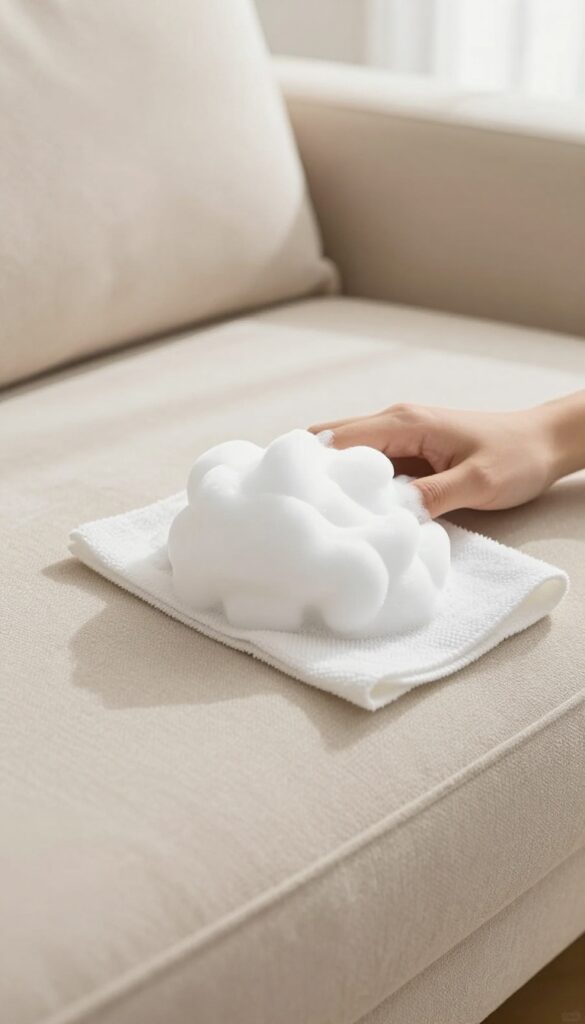
Shaving cream isn't just for your morning routine—it's a surprisingly effective upholstery cleaner. The foamy texture lifts dirt and grease without soaking into the fabric, making it ideal for fresh stains and everyday grime. Plus, it's gentle enough for most couch materials, from cotton to microfiber.
Plain shaving cream (not gel) works wonders on a variety of stains because it contains surfactants that break down oils and dirt. The foam sits on top of the fabric, pulling the stain out as you blot, rather than pushing it deeper. It's also safe for most dyes and won't leave a sticky residue if you wipe it away properly.
How To Apply Shaving Cream On Stains
Start by blotting any excess liquid from the stain. Squirt a small amount of shaving cream directly onto the spot—about the size of a golf ball. Use a damp, clean cloth to gently rub the cream into the fabric in a circular motion.
Let it sit for 5-10 minutes, then wipe away with a separate damp cloth. Repeat if needed, then let the area air dry.
Best Types Of Stains For This Hack
Shaving cream is especially effective on grease-based stains like butter, cooking oil, or salad dressing. It also works well on ink, makeup, and light dirt rings. Avoid using it on delicate fabrics like silk or velvet, and always test on an inconspicuous area first.
Why Shaving Cream Beats Store-bought Sprays
Many commercial upholstery cleaners contain harsh chemicals that can fade colors or leave a strong scent. Shaving cream is cheap, non-toxic, and often already in your bathroom cabinet. It's also less likely to cause water rings or over-wetting, which can lead to mold or mildew in the cushion foam.
9. Vodka as a Fabric Refresher
You might have a bottle of vodka tucked away for cocktails, but it can do wonders for your couch too. Plain vodka works as a natural deodorizer and disinfectant, cutting through musty smells without leaving behind a strong scent. It's a go-to hack for refreshing upholstery between deep cleans.
Fill a spray bottle with plain vodka (or isopropyl alcohol) and lightly mist your couch. The alcohol kills odor-causing bacteria and evaporates quickly, leaving no smell. This works especially well on fabric sofas that have absorbed cooking odors, smoke, or pet smells.
Always test on a hidden spot first to ensure the fabric doesn't react.
Why Vodka Works
Vodka's high alcohol content (at least 40% ABV) is a powerful solvent that breaks down oils and kills bacteria. Unlike water, it evaporates rapidly, so you won't risk over-wetting your cushions. The lack of added sugars or perfumes means no sticky residue or artificial fragrance.
How To Apply It
Pour plain vodka into a clean spray bottle. Mist the fabric lightly—don't soak it. Let it air dry for 15-20 minutes.
For stubborn odors, you can repeat the process or gently blot with a microfiber cloth. This method is safe for most synthetic and natural fabrics, but avoid it on delicate materials like silk.
When To Use This Hack
Use vodka as a refresher between deep cleans, after a party, or when your couch has absorbed lingering smells from pets or cooking. It's also a great quick fix before guests arrive. Just remember: plain vodka only—skip the flavored or sweetened varieties.
10. Enzyme Cleaner for Pet Accidents
Pet accidents on the couch are more than just a stain—they leave behind a lingering odor that seems impossible to remove. Enzyme cleaners work by breaking down the proteins in urine, effectively neutralizing both the stain and the smell at a molecular level. You can buy a commercial enzyme cleaner or whip up a simple DIY version with water and a few drops of dish soap.
Enzyme cleaners are a game-changer for pet owners. They target the organic compounds in urine, feces, or vomit, digesting them so they no longer produce odors. Unlike regular cleaners that just mask smells, enzymes actually eliminate them.
For best results, apply the cleaner directly to the affected area, let it sit for 10–15 minutes, then blot—don't rub—with a clean cloth. Repeat if necessary.
Why Enzymes Work Better Than Soap
Regular soap or vinegar might clean the surface, but they don't break down the uric acid crystals that cause persistent smells. Enzymes are biological catalysts that target those crystals, turning them into harmless byproducts. This makes them especially effective on older, set-in stains that have already dried.
Diy Enzyme Cleaner Recipe
Mix 1 cup of warm water with 1 teaspoon of dish soap (avoid antibacterial kinds, as they can inhibit enzymes). Stir gently to avoid too many suds. Pour into a spray bottle and apply generously to the stain.
Let it sit for 10 minutes, then blot with a clean, dry cloth. For tough odors, repeat the process.
Tips For Maximum Effectiveness
Always test the cleaner on a hidden spot first to ensure it won't discolor your fabric. Blot, don't rub, to prevent the stain from spreading. After cleaning, let the area air dry completely—enzymes need time to work.
If the smell persists, apply a second treatment.
11. Dryer Sheets for Static and Dust
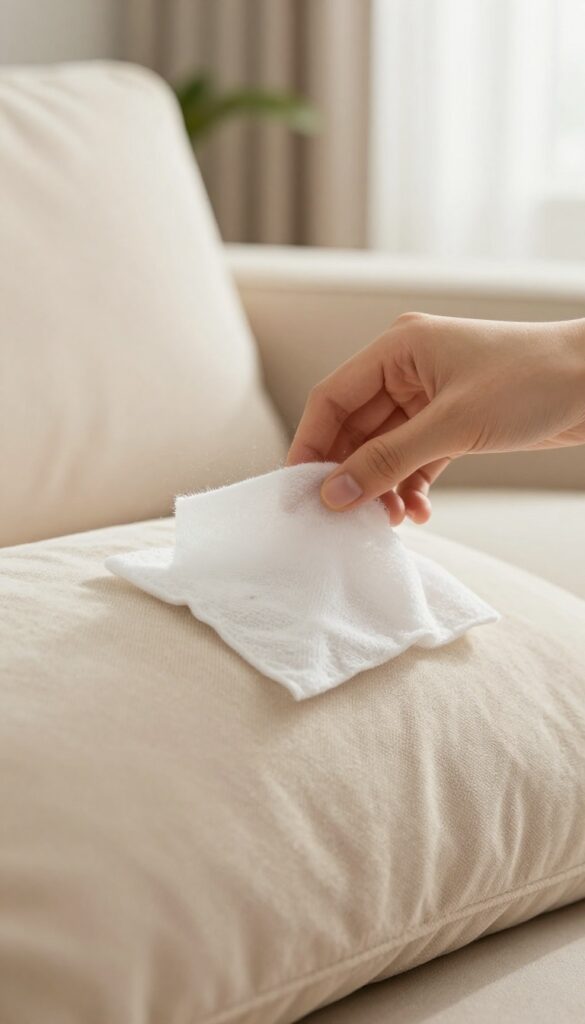
Dryer sheets aren't just for laundry. A quick rub over your couch can reduce static cling and grab loose dust and pet hair. Plus, it leaves a subtle fresh scent that lasts for hours.
It's a fast fix for those times when you need a quick refresh without pulling out the vacuum.
Dryer sheets are a surprisingly effective tool for couch maintenance. Their anti-static properties help prevent dust and hair from sticking to the fabric, and the slight tackiness picks up surface debris. It's a perfect solution for a quick touch-up between deep cleans, especially if you have guests coming over.
How It Works
Dryer sheets are coated with a thin layer of fabric softener that neutralizes static charge. When you wipe the couch, the sheet attracts and holds dust, pet hair, and other lightweight particles. The friction also releases a pleasant scent, leaving your sofa smelling laundry-fresh.
Best Fabrics To Use It On
This hack works best on synthetic fabrics like polyester, microfiber, and nylon. It's also fine on cotton blends. Avoid using it on delicate materials like silk or velvet, as the chemicals in the sheet could cause discoloration or damage.
Always test a small hidden area first.
Step-by-step Quick Refresh
Take one used or new dryer sheet. Gently rub it over the couch cushions, arms, and backrest in a sweeping motion. Focus on areas that attract static or show dust.
No need to rinse or wipe afterward. For a deeper clean, follow up with a vacuum to remove any loosened dirt.
12. Lint Roller for Pet Hair
Pet hair can make even the cleanest couch look messy. Instead of battling fur with a vacuum attachment that pushes it around, grab a lint roller for a quick fix. It's perfect for spot-cleaning between deep cleans.
The Lint Roller Trick
A standard lint roller picks up surface hair in seconds. Roll it over cushions, armrests, and backrests. Replace the sheet when it gets full.
This works best for light to moderate hair buildup.
Rubber Glove Or Squeegee For Stubborn Hair
For hair that's woven into the fabric, dampen a rubber glove and run your hand over the couch. The rubber creates static that pulls hair into clumps. A squeegee works similarly—just drag it across the fabric in one direction.
Vacuum After Clumping
Once you've gathered the hair into clumps, vacuum them up with a brush attachment. This two-step method removes more hair than vacuuming alone, and it's easier on your machine's filter.
13. Club Soda for Red Wine Spills
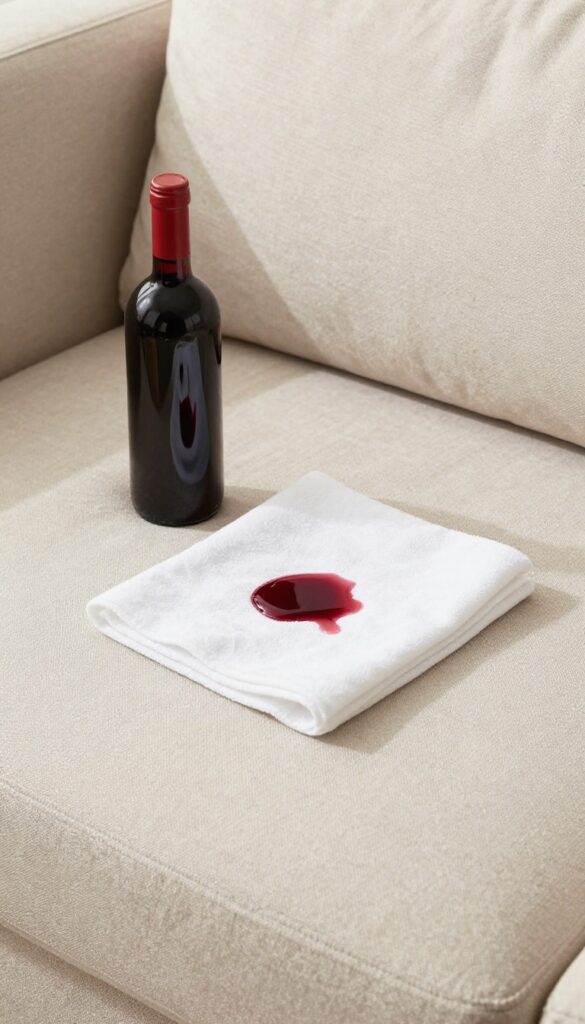
Red wine on a light-colored couch can feel like a disaster, but club soda is your secret weapon. The carbonation helps lift the wine from the fibers before it sets. You just need to act fast and blot, never rub.
Why Club Soda Works
Club soda contains carbonic acid, which creates bubbles that help break down the wine's pigments and push them to the surface. The salt in club soda also helps draw out the stain. It's a gentle but effective option that won't damage most upholstery fabrics.
Step-by-step Blotting Technique
Start by blotting the spill with a clean white cloth to absorb as much wine as possible. Then pour a small amount of club soda directly onto the stain. Use a fresh cloth to blot the area, pressing down firmly to lift the wine.
Repeat until the stain fades. Avoid rubbing, which can spread the stain deeper into the fibers.
When To Call It Quits
If the stain doesn't lift after several rounds, it may have set too long. In that case, try an enzyme-based cleaner or a mix of dish soap and hydrogen peroxide. But for fresh spills, club soda is often all you need.
14. Hydrogen Peroxide for Yellowing
White or light-colored couches can develop yellow patches over time, especially from sun exposure or cleaning product buildup. Hydrogen peroxide is a gentle bleach alternative that can restore brightness without the harsh chemicals.
Mix equal parts hydrogen peroxide and water in a spray bottle. Test on an inconspicuous area first to ensure colorfastness. Spray the solution onto yellowed areas, then let the couch sit in direct sunlight for a few hours.
The combination of peroxide and UV light helps break down yellowing compounds. Blot any residue with a clean cloth afterward.
Why Sunlight Matters
Sunlight activates hydrogen peroxide, making it more effective at whitening. The UV rays help oxidize stains and brighten fabric naturally. Just make sure the couch is in a spot where it can get a few hours of direct sun.
Safety First
Always dilute hydrogen peroxide and test on a hidden spot. Avoid over-wetting, as moisture can lead to mold. For delicate fabrics like silk or wool, skip this method and opt for a gentler cleaner.
15. Essential Oils for Natural Fragrance
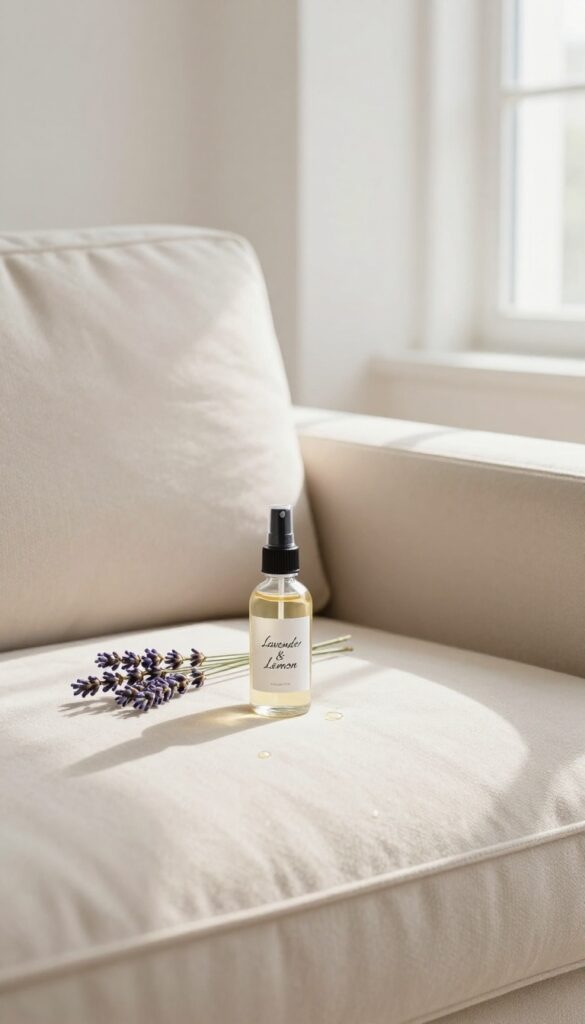
A fresh-smelling couch doesn't have to come from a can of chemical spray. Essential oils offer a natural way to add a light, pleasant scent without harsh ingredients. You can customize the fragrance to match your mood or season, and it takes just seconds to prepare.
Add a few drops of your favorite essential oil (like lavender or lemon) to a spray bottle of water. Lightly mist the couch for a natural, chemical-free scent boost. Test on an inconspicuous spot first to ensure the oil doesn't stain the fabric.
Choose The Right Oil
Lavender promotes relaxation, lemon energizes, and tea tree has antibacterial properties. For a cozy vibe, try cedarwood or orange. Avoid oils with strong synthetic additives that might irritate skin or leave residue.
Mix And Apply
Fill a spray bottle with distilled water and add 10-15 drops of essential oil. Shake well before each use. Lightly mist the couch from about 12 inches away—don't soak it.
Let it air dry completely before sitting.
Refresh Between Cleanings
Use this spray weekly to keep your couch smelling fresh. It's especially helpful in high-traffic areas or after a pet nap. Store the bottle in a cool, dark place to preserve the oil's potency.
16. Upholstery Cleaner with a Soft Brush
Sometimes a general spray just doesn't cut it—especially on set-in dirt or fabric that needs a little extra agitation. That's where a dedicated upholstery cleaner paired with a soft-bristled brush comes in. This combo lifts grime without damaging fibers, making it a go-to for routine deep cleaning.
Spray the cleaner directly onto the stain, then use a soft brush to work it in with gentle circular motions. Let it sit for a few minutes to break down the dirt, then blot with a damp cloth. Avoid saturating the fabric—too much moisture can lead to mold or mildew.
This method works wonders on microfiber, cotton, and synthetic blends.
Choosing The Right Cleaner
Look for a product labeled for upholstery and safe for your couch's fabric. Test on an inconspicuous spot first. Avoid harsh chemicals that could discolor or weaken fibers.
Brush Technique Matters
Use a brush with natural or soft synthetic bristles. Stiffer brushes can scratch or pill the fabric. Work in small, overlapping circles to loosen dirt without spreading the stain.
Drying And Finishing
After blotting, let the area air dry completely. Speed things up with a fan or open window. Once dry, vacuum the spot to restore the fabric's texture and remove any residue.
17. Ice Cube Trick for Dents
Dents from sitting are one of the most common couch issues. They make cushions look flat and tired, even if the fabric is clean. The ice cube trick is a simple fix that uses moisture to revive the filling.
Place one or two ice cubes directly on the dented area. Let them melt completely; the water gently swells the fibers or foam inside. Once dry, fluff the cushion by hand or with a soft brush to restore its shape.
This works best on foam or fiber-filled cushions, not on down or feather fill.
Why It Works
The slow melting process allows water to penetrate the cushion without soaking it. The moisture plumps the compressed fibers, helping them spring back. This mimics professional steaming but uses only ice.
Best Cushion Types
This hack is ideal for polyester, cotton, or foam cushions. Avoid using it on down or feather cushions, as moisture can cause clumping or mildew. Test a small hidden area first if you're unsure.
Drying And Fluffing Tips
After the ice melts, blot any excess water with a towel. Let the cushion air-dry completely, then fluff it vigorously. You can also use a hairdryer on low heat to speed up drying while fluffing.
18. Microfiber Cloth for Dusting
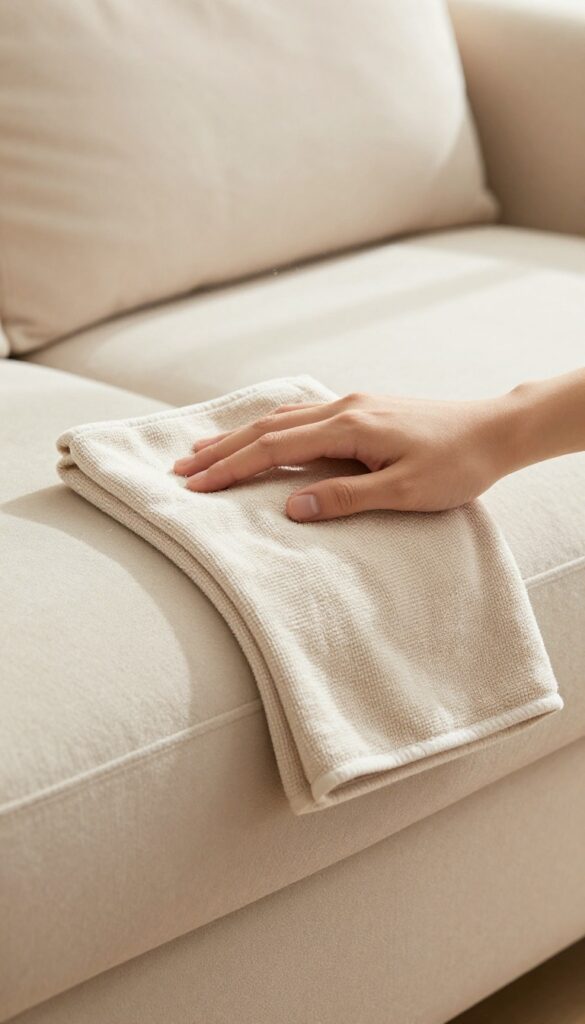
Dust builds up fast on couches, especially if you have pets or live in a dry climate. A dry microfiber cloth is the simplest tool to keep your sofa looking fresh between deep cleans. It traps dust and pet hair without pushing them deeper into the fabric, and it won't scratch even delicate materials.
Microfiber cloths are designed to attract and hold dust particles through static electricity, making them far more effective than cotton rags or feather dusters. For routine maintenance, simply wipe down the entire couch once a week, paying extra attention to crevices and armrests where dust collects. If your couch has removable cushions, take them off and dust the frame underneath as well.
Why Microfiber Works Best
Unlike traditional dusting cloths that just move dust around, microfiber has split fibers that create a large surface area to trap particles. This means you pick up more dust in fewer passes, and you don't accidentally scratch leather or delicate upholstery. Plus, the cloths are washable and reusable, so they're an eco-friendly choice.
Damp Dusting For Deeper Clean
For a more thorough dust removal, lightly mist a clean microfiber cloth with water until it's slightly damp—not wet. Wipe the couch again to pick up any stubborn dust or light grime. The moisture helps lift particles that dry cloths might miss.
Just be sure to let the fabric air dry completely before sitting on it.
Maintenance Tips
Wash your microfiber cloths after each use to prevent redistributing dirt. Avoid fabric softener, which clogs the fibers and reduces their effectiveness. Keep a dedicated cloth near your couch for quick daily touch-ups—it takes less than a minute and makes a big difference in how fresh your sofa looks.
19. Salt for Fresh Spills
A fresh spill can feel like a disaster, but if you act fast, you can stop it from becoming a permanent stain. Salt is a surprisingly effective first responder for liquid messes on upholstery. It works by drawing the moisture out of the fabric before the liquid has a chance to set in.
When a spill happens, grab the salt shaker instead of a towel. Pour a generous amount directly onto the wet area, completely covering the spill. The salt will start absorbing the liquid almost immediately.
Let it sit for several minutes—or until the salt looks damp and clumpy. Then simply vacuum up the salt. Any remaining residue can be brushed away.
This method works best on fresh spills, so don't wait. For tougher stains, follow up with a gentle fabric cleaner, but for most everyday accidents, salt alone does the trick.
Why Salt Works So Well
Salt is hygroscopic, meaning it pulls moisture toward it. When you dump salt on a wet spot, it creates a concentration gradient that draws the liquid out of the fabric fibers and into the salt crystals. This prevents the spill from spreading deeper into the cushion or upholstery padding.
Best Spills For This Hack
This trick is ideal for watery spills like juice, coffee, tea, soda, or even clear liquor. It's less effective on oily or greasy spills, but for most everyday drinks, salt is a quick, cheap fix. Just remember: the sooner you apply it, the better the result.
What To Do After Vacuuming
Once the salt is vacuumed up, check the spot. If any stain remains, blot it with a clean cloth dipped in a mild soap solution. For delicate fabrics, test any cleaner on a hidden area first.
In most cases, the salt will have absorbed enough liquid that the stain is barely noticeable.
20. Professional Cleaning Once a Year
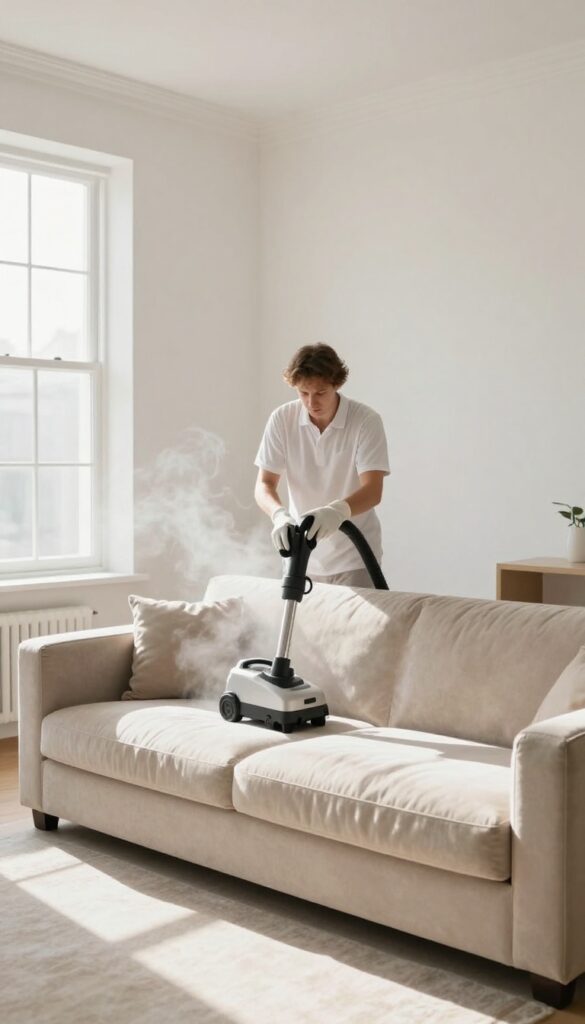
No matter how diligent you are with DIY spot treatments and weekly vacuuming, some dirt and allergens settle deep into the cushion cores and fabric layers. That's where a professional steam cleaning comes in. Scheduling one annual deep clean removes what your home methods can't reach, restoring your couch's original freshness and extending its lifespan significantly.
Think of professional cleaning as a reset button for your sofa. Over time, body oils, dust mites, and microscopic debris accumulate in places you can't see or access. A hot water extraction (steam cleaning) service uses high-pressure steam and industrial-grade solutions to flush out these contaminants, then extracts the moisture quickly to prevent mold or mildew.
This process not only sanitizes the fabric but also helps revive flattened fibers, making your couch look plumper and feel softer. Many manufacturers recommend professional cleaning every 12 to 18 months to keep warranties valid, so check your care tag. The cost is typically between $100 and $250 for a standard sofa, which is far less than replacing it.
For best results, hire a certified technician who uses a truck-mounted system rather than a portable unit—they generate higher temperatures and stronger suction, yielding a deeper clean.
When To Call The Pros
If your couch has stubborn odors that won't fade, visible staining after multiple DIY attempts, or if you suffer from allergies, it's time to book a professional. Also, after a major party or pet accident, a deep clean can prevent permanent damage. Annual scheduling is ideal, but high-traffic homes or households with smokers may need twice-yearly service.
What To Expect During A Service
A typical session starts with a pre-treatment spray to loosen dirt, followed by agitation with a brush or machine. Then the technician uses a steam cleaner to inject hot water and cleaning solution into the fabric, immediately vacuuming it out with the dirty water. The process takes 1–2 hours per couch, and drying time is about 4–6 hours with good airflow.
Avoid sitting on the couch until it's completely dry to prevent re-soiling.
Choosing The Right Cleaner
Look for a company that specializes in upholstery and uses eco-friendly, non-toxic cleaning agents. Ask about their process for different fabric types—especially delicate materials like silk or velvet. Read reviews and request an upfront quote.
A reputable cleaner will also provide a warranty or guarantee on their work.
FAQ
How often should I clean my couch?
Vacuum weekly and spot-clean stains as they happen. Deep clean every 3-6 months, or more often if you have pets or kids.
Can I use bleach on my couch?
Avoid bleach unless the manufacturer specifically recommends it. Bleach can discolor and damage most upholstery fabrics.
What's the best way to remove pet urine smell?
Use an enzyme cleaner specifically designed for pet stains. It breaks down the proteins in urine and eliminates odors at the source.
How do I clean a microfiber couch?
Microfiber is durable. Vacuum first, then use a mild soap solution (like dish soap and water) with a soft brush. Blot dry—don't soak.
Is it safe to use vinegar on all couch fabrics?
Vinegar is safe for most fabrics, but always test on a hidden area first. Avoid on silk or delicate materials as it can be too acidic.
Conclusion
Your couch doesn't have to look tired and stained. With these 20 hacks, you can tackle everything from daily dust to stubborn spills using items you already have at home. Regular maintenance keeps your sofa looking fresh and extends its life.
Pick a few tricks that work for your fabric type and make them part of your routine. A clean couch makes your whole living space feel more inviting—and you'll love coming home to it.