10 Living Room Wall Texture Ideas for a Warm, Stylish Weekend Refresh
Your living room walls don't have to stay flat and forgettable. A little texture can turn them into the coziest feature of the room—and you don't need a full renovation to make it happen.
Whether you're a renter or a homeowner, these ideas are designed for a weekend refresh that feels warm and inviting. Think subtle finishes, natural materials, and techniques that add depth without overwhelming your space.
Let's dive into ten wall texture ideas that will make your living room feel like a hug.
1. Limewash for a Soft, Earthy Finish
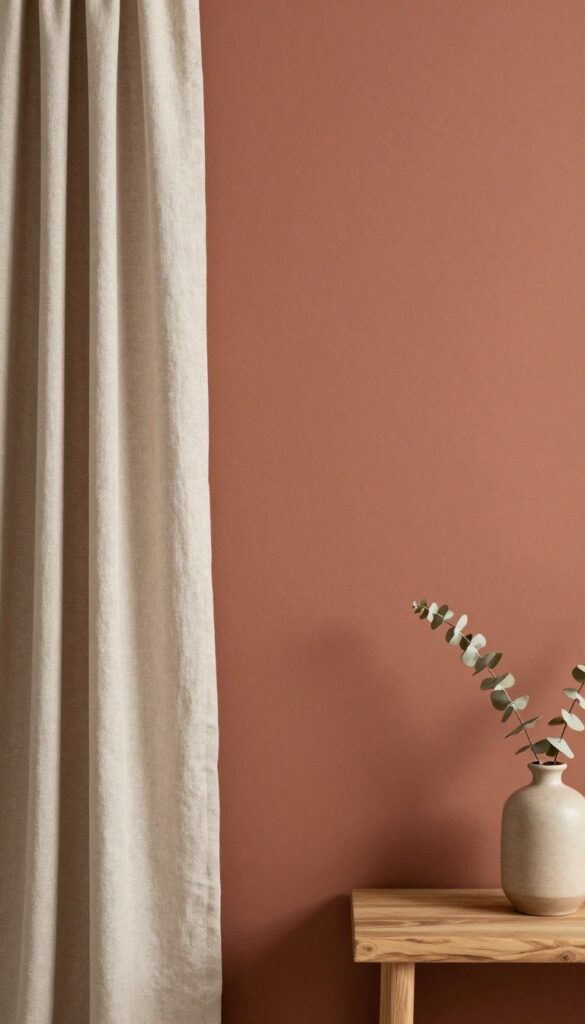
Limewash paint has been around for centuries, but it's having a major moment in modern interiors. Unlike regular paint, it soaks into porous surfaces like plaster or brick, creating a matte, slightly mottled finish that shifts subtly with light. The effect is soft, ancient, and incredibly calming—perfect for adding warmth without relying on busy patterns or bold colors.
It feels like your walls have been there forever, in the best way possible.
Why It Works
Limewash's natural, chalky texture absorbs and reflects light differently than standard paint, giving walls a depth that feels both cozy and sophisticated. Because it's water-based and breathable, it's also great for older homes or rooms that need a little moisture regulation. The mottled look hides minor imperfections beautifully, so you don't need perfectly smooth drywall to pull it off.
Best For
This finish shines in living rooms, bedrooms, and even dining areas where you want a relaxed, organic vibe. It's especially lovely in rooms with lots of natural light, as the sun will play up the subtle variations. If you're after a warm, earthy palette—think terracotta, ochre, or soft clay—limewash is your go-to.
Styling Tip
Pair limewashed walls with natural textures like linen curtains, a chunky wool throw, and raw wood furniture. Keep the rest of the room simple so the wall texture stays the star. A few dried eucalyptus branches in a ceramic vase can reinforce the earthy feel without cluttering the space.
2. Shiplap for Classic Farmhouse Charm
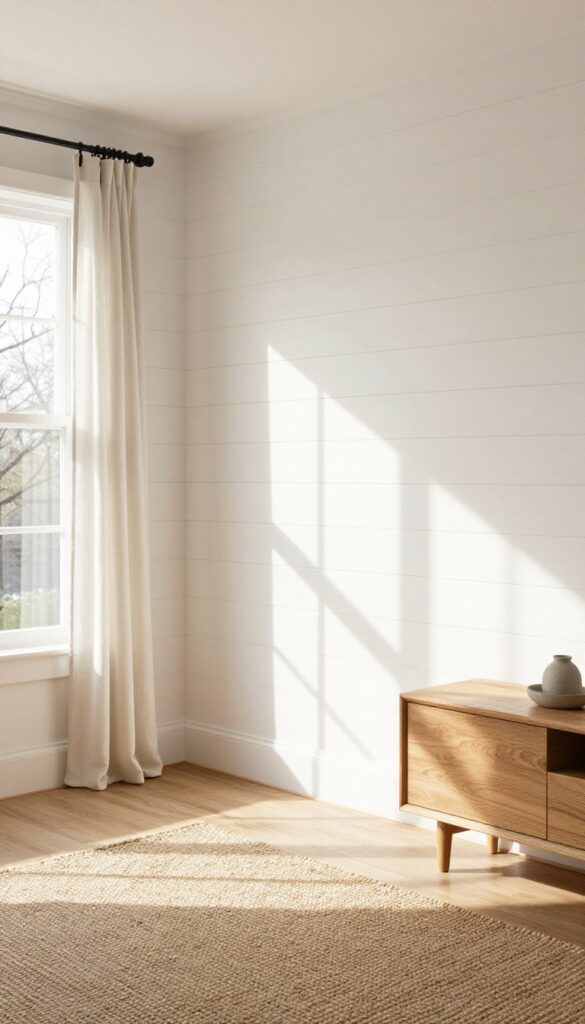
Horizontal boards bring an instant sense of texture and a touch of rustic coziness to any living room. Shiplap has that wonderful ability to make a space feel both polished and lived-in, especially when painted in a warm white or soft beige. It’s a weekend-friendly project that doesn’t require a full renovation—just some boards, a nail gun, and a little patience.
Why It Works
The horizontal lines draw the eye across the room, making the space feel wider and more open. The subtle shadow lines between each board add depth without overwhelming the walls, creating a soft, rhythmic texture that feels inherently warm and inviting.
Best For
This look shines in living rooms that need a dose of character without going full rustic. It’s perfect for open-concept spaces where you want to define a cozy zone, or for smaller rooms that could use a visual trick to feel larger.
Styling Tip
Keep the rest of the room light and airy to let the shiplap stand out. Pair it with natural wood furniture, woven textures like jute or linen, and a few black metal accents for that classic farmhouse-meets-modern balance.
3. Venetian Plaster for Subtle Elegance
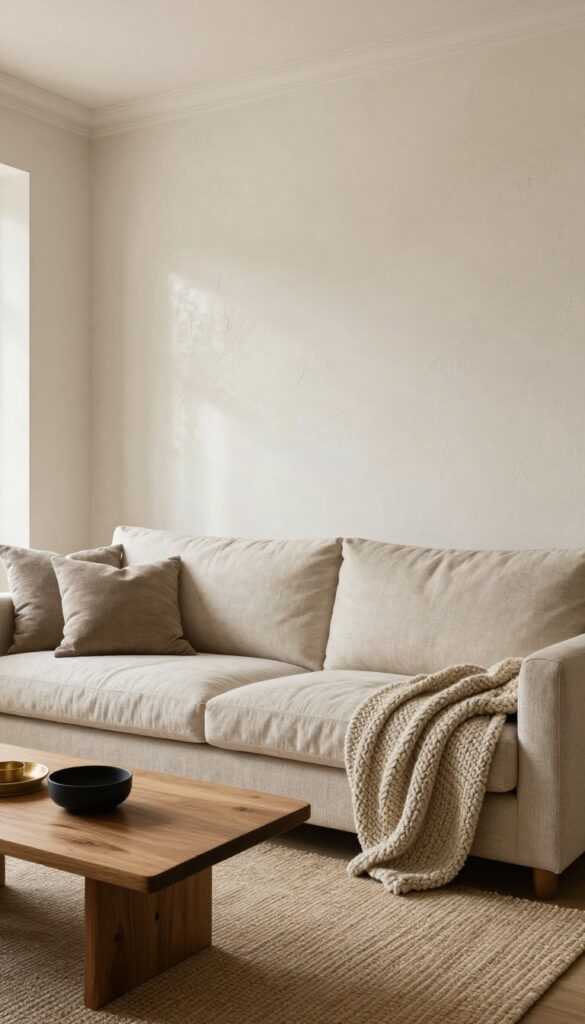
Venetian plaster brings a quiet luxury that never feels showy. The way light plays across its surface—softening in some spots, catching a gleam in others—adds depth without overwhelming the room. It’s the kind of finish that makes a space feel thoughtfully layered, like it’s been curated over time.
And because the color variations are subtle, it works beautifully in a cozy living room where you want warmth without visual clutter.
Why It Works
The plaster’s natural stone-like texture reflects light gently, making the room feel brighter and more spacious. Its hand-applied look adds character that paint alone can’t achieve, while the earthy undertones keep the space grounded and inviting.
Best For
This finish is ideal for living rooms that aim for a refined yet relaxed vibe. It pairs especially well with neutral furniture, soft textiles, and warm wood accents—think linen sofas, wool throws, and oak coffee tables.
Styling Tip
Keep the rest of the room simple to let the plaster shine. Choose a warm off-white or soft taupe for the plaster, then add a few matte black or brass accessories for contrast. A large jute rug and a chunky knit blanket will reinforce the cozy, natural feel.
4. Textured Wallpaper (Grasscloth or Linen
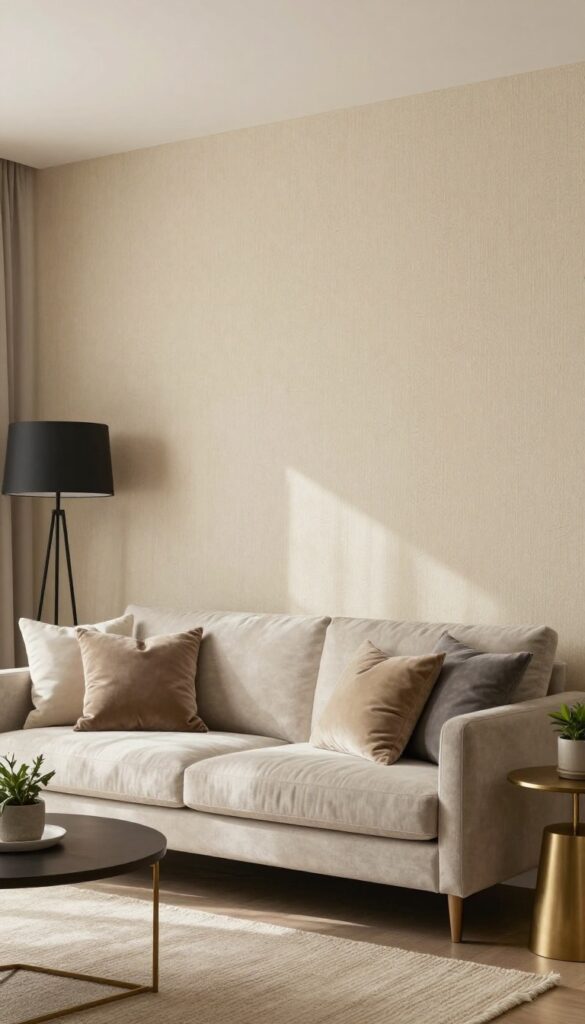
Natural fiber wallpapers like grasscloth and linen bring a tactile richness that paint alone can't match. Their subtle, organic texture softens light and adds a layer of warmth that feels both refined and relaxed. Perfect for a weekend refresh, these wallpapers install easily on a single accent wall, instantly transforming the room without a full renovation.
Why It Works
The irregular weave of natural fibers catches light differently throughout the day, creating a living, breathing surface that adds depth. It's an effortless way to introduce warmth and a hint of nature indoors, making the space feel grounded and inviting.
Best For
Ideal for accent walls behind a sofa, console table, or bed. It works especially well in living rooms, bedrooms, and dining areas where you want a cozy, organic focal point without overwhelming the space.
Styling Tip
Pair grasscloth or linen wallpaper with matte black or brass light fixtures and soft, textured fabrics like boucle or velvet. Keep the color palette neutral—think warm beige, pale sand, or soft gray—to let the texture shine.
5. Board and Batten for Architectural Interest
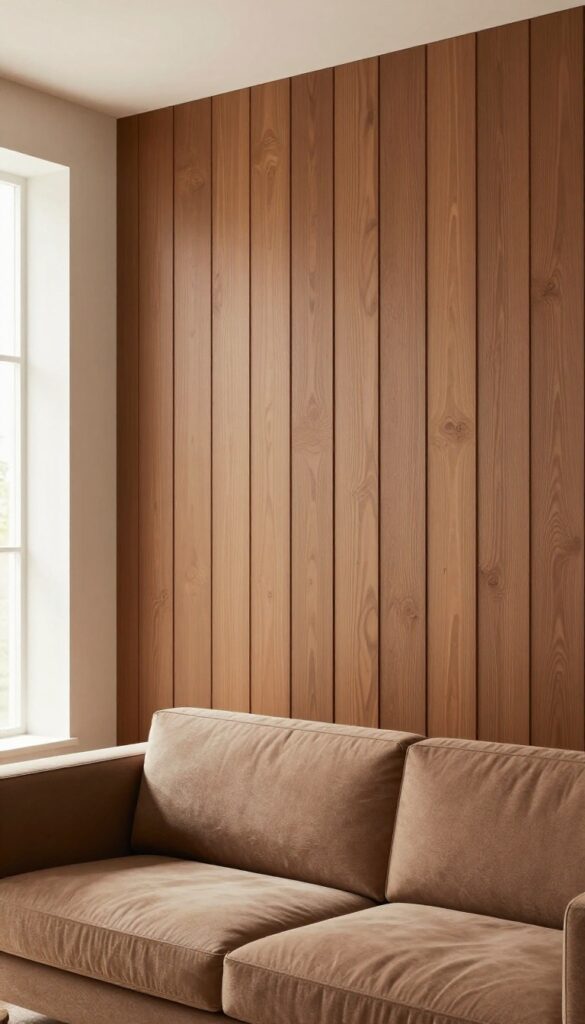
Vertical battens over a flat base create a structured, cozy paneling effect. Paint it in a deep, warm tone for extra drama. This wall treatment adds instant character without requiring a full renovation—perfect for a weekend refresh.
Why It Works
The vertical lines draw the eye upward, making ceilings feel higher and the room more spacious. The contrast between the flat base and raised battens adds texture and depth, creating a focal point that feels custom and intentional.
Best For
Living rooms that lack architectural details like crown molding or wainscoting. It's also great for defining a seating area or accent wall behind a sofa. Works well in both traditional and modern spaces.
Styling Tip
Keep the battens slim (about 2-3 inches wide) and space them 12-18 inches apart for a balanced look. Paint the entire wall in a single deep hue like charcoal or warm taupe to emphasize the texture. Add a picture light or sconce to highlight the pattern.
6. Stucco or Skip Trowel for Mediterranean Warmth
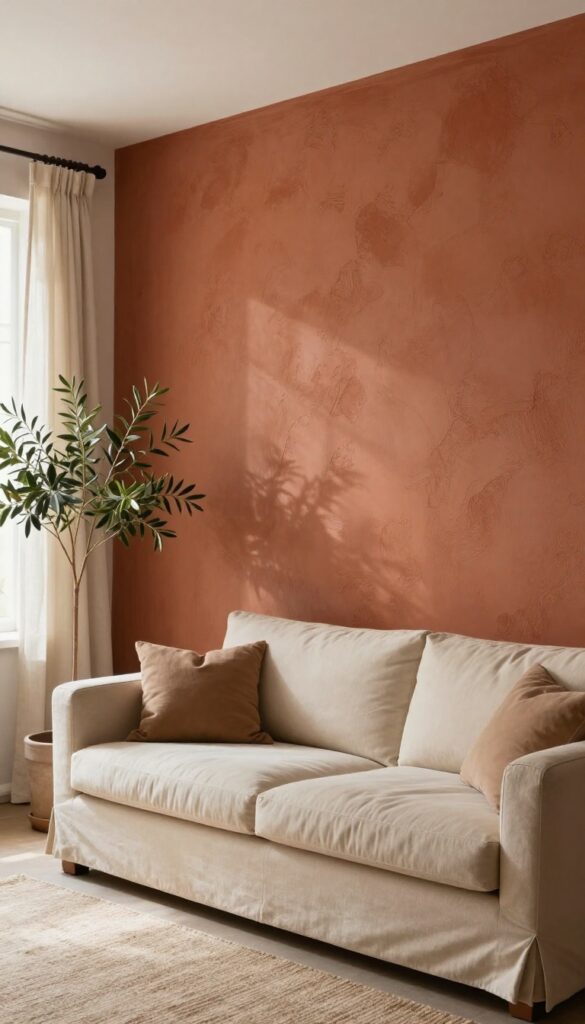
A hand-applied stucco finish brings a sun-baked, earthy texture that feels relaxed and inviting. Great for a feature wall. This technique mimics old-world plaster walls, adding depth and a casual, lived-in charm that pairs beautifully with warm neutrals and natural materials.
It's a weekend-friendly project if you use a skip trowel texture compound, and the result instantly makes your living room feel cozier and more grounded.
Why It Works
The irregular, mottled surface catches light differently throughout the day, creating subtle shadows and a sense of warmth that flat paint can't achieve. It also hides minor wall imperfections, so you don't need a perfectly smooth surface to start.
Best For
Ideal for a single accent wall in a living room or dining area, especially one that gets plenty of natural light. It also works well in entryways or behind a sofa to anchor the seating area.
Styling Tip
Pair with warm terracotta, creamy white, or soft beige tones. Add woven textures like a jute rug or linen curtains, and bring in a few olive or fig plants to enhance the Mediterranean vibe. Keep furniture simple and low-profile to let the texture shine.
7. Fabric-Walled Panels for Softness
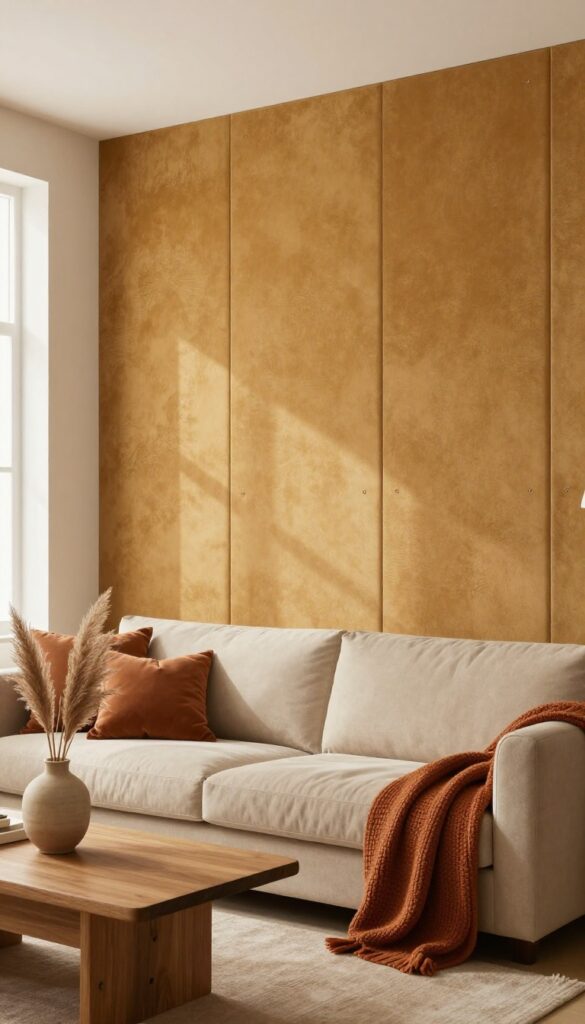
There's something about fabric on walls that instantly makes a room feel more intimate and inviting. Upholstered panels bring a soft, tactile quality that paint and wallpaper just can't match. They also happen to be a weekend-friendly project—pre-made panels can be mounted with adhesive strips or simple framing.
Why It Works
Fabric panels add a layer of insulation and sound absorption, making the room feel quieter and cozier. The plush surface softens hard edges and echoes, while the warmth of velvet or linen creates a luxurious but approachable focal point.
Best For
This idea works beautifully in living rooms where you want to create a conversation nook or a cozy media wall. It's also great for rooms with high ceilings or large blank walls that need visual weight without feeling cold.
Styling Tip
Stick to warm neutrals like camel, rust, or deep olive to keep the look grounded. Pair with a low-profile sofa and a chunky knit throw for a layered, lived-in feel. If you're renting, use tension rods or removable adhesive hooks to avoid damaging walls.
8. Brick Veneer for Industrial Coziness
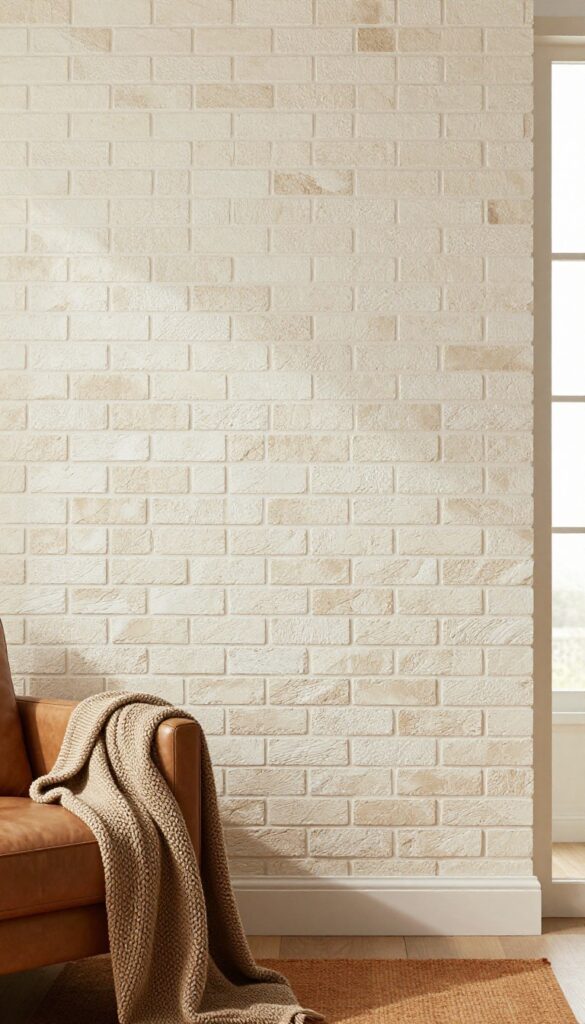
Thin brick tiles give you all the character of exposed brick without the demolition dust or structural headaches. When you whitewash them or paint them in a warm tone—think creamy off-white or soft taupe—the industrial edge softens into something inviting. It’s a weekend-friendly project that instantly adds texture and history to a plain wall.
Why It Works
Real brick can feel cold and imposing, but veneer lets you control the color and finish. A warm whitewash tones down the roughness while keeping the tactile depth, so the wall feels cozy rather than warehouse-like. The irregular surface catches light differently throughout the day, adding subtle visual interest without trying too hard.
Best For
This treatment shines in living rooms that need a focal point without a full renovation. It’s also great for rental-friendly applications if you use removable panels. Pair it with soft furnishings and warm wood tones to balance the industrial vibe.
Styling Tip
Keep the rest of the room simple to let the brick stand out. A chunky knit throw, a leather armchair, and a warm-toned rug in rust or camel create a layered, lived-in look. Add a floor lamp with a soft warm bulb to highlight the texture after dark.
9. Wood Slat Accent Wall for Modern Warmth
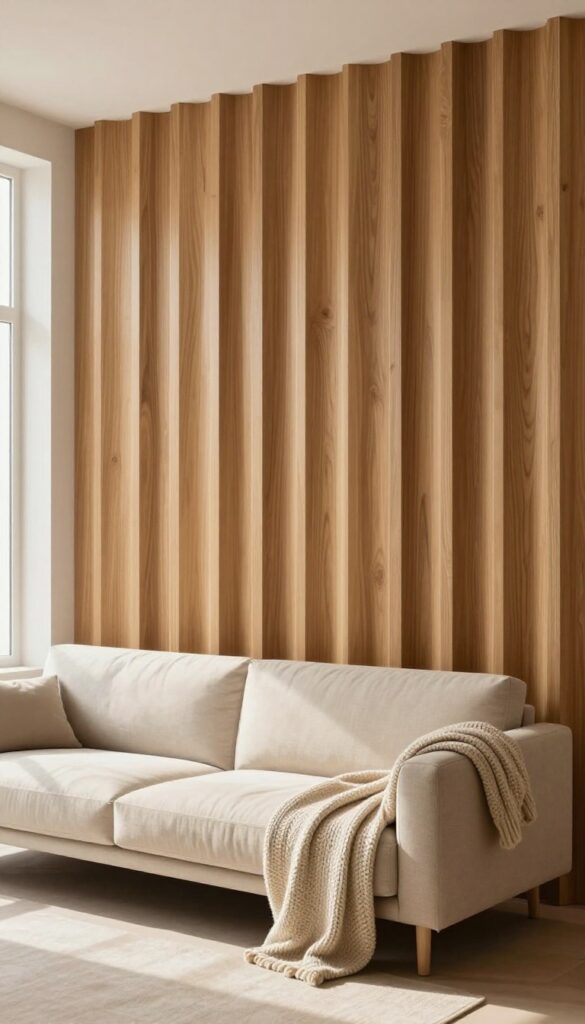
Vertical or horizontal wood slats bring a rhythmic, sculptural quality to any wall while adding natural warmth that instantly makes a room feel more inviting. Whether you leave the wood raw for a rustic feel or stain it in a honey tone for a sleeker look, this texture reads as both modern and organic. It’s a weekend-friendly project that doesn’t require a full renovation, just some basic tools and a bit of patience.
Why It Works
Wood slats create visual depth and movement without overwhelming the space. The linear pattern draws the eye and adds architectural interest, while the natural material softens hard surfaces like drywall or concrete. The warm tones of the wood also help balance cooler colors in the room, making the overall feel cozier and more grounded.
Best For
This idea shines in living rooms where you want a focal point behind a sofa or media console. It’s also great for narrow rooms because horizontal slats can make the space feel wider, while vertical slats add height. Works beautifully in open-plan layouts to define a seating area without building a full wall.
Styling Tip
Keep the rest of the room simple to let the slat wall stand out. Pair it with a low-profile sofa in a neutral fabric, add a chunky knit throw, and use warm lighting to enhance the wood tones. For extra coziness, install slim LED strips behind the slats for a soft glow that highlights the texture at night.
10. Knockdown Texture for Subtle Depth
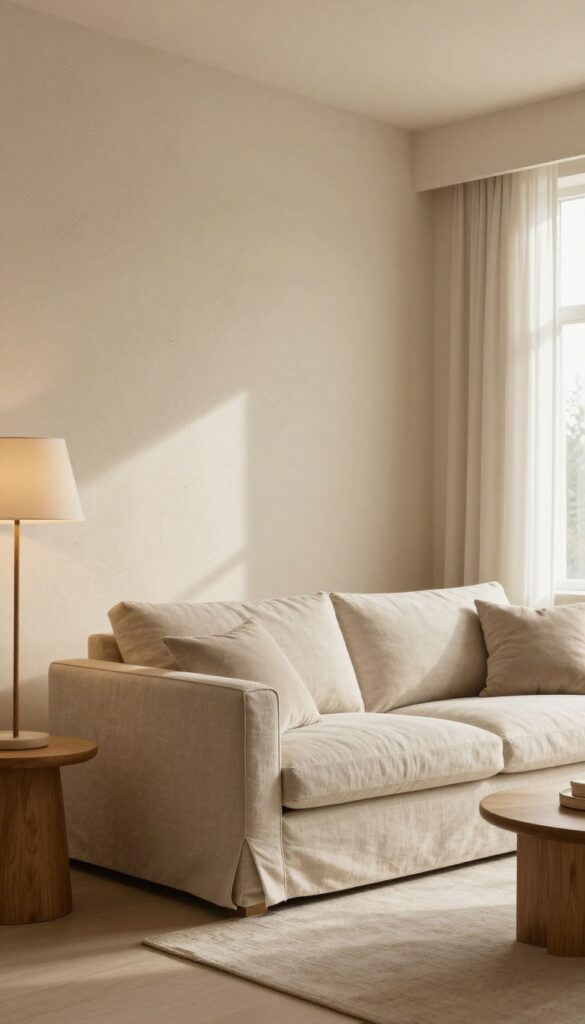
A knockdown finish is like the quiet achiever of wall textures. It adds just enough visual interest without shouting for attention. The gentle stippled pattern catches light softly, creating a warm, organic feel that makes any living room feel more inviting.
Best of all, it's a weekend-friendly project that doesn't require special skills—just a sprayer and a knockdown knife.
Why It Works
Knockdown texture works because it adds subtle depth without overwhelming the room. The irregular surface diffuses light, softening harsh shadows and making the space feel cozier. It also hides minor wall imperfections, which is a practical bonus for older homes.
Best For
This texture is perfect for living rooms where you want a warm, lived-in feel without going bold. It suits both modern and traditional spaces, especially those with neutral color palettes. If you love the look of plaster but want something more forgiving, knockdown is your answer.
Styling Tip
Pair knockdown walls with matte paint in warm whites, soft beiges, or light greiges to let the texture shine. Add layered lighting—like a floor lamp and sconces—to highlight the pattern. Keep furniture simple and upholstered in cozy fabrics like linen or velvet to complement the tactile finish.
FAQ
Can I apply wall texture myself over a weekend?
Absolutely! Many textures like limewash, knockdown, or shiplap are DIY-friendly. Just prep your walls and follow product instructions for best results.
Which wall texture is best for a small living room?
Subtle textures like limewash or Venetian plaster work well because they add depth without making the room feel cramped. Avoid heavy patterns.
Will textured walls make my room feel darker?
Not necessarily. Light-colored textures (like white limewash or pale wood) can actually reflect light and keep the space bright. Darker textures add drama but may absorb light.
How do I clean textured walls?
Use a soft brush attachment on your vacuum for dust, and spot clean with a damp cloth. Avoid harsh scrubbing, especially on delicate finishes like limewash.
Can I combine different wall textures in one room?
Yes, but keep it balanced. Use one texture as an accent wall and keep the others smooth or subtly textured to avoid visual chaos.
Conclusion
Adding texture to your living room walls is one of the easiest ways to make the space feel warmer and more personal. Whether you go for the soft elegance of Venetian plaster or the rustic charm of shiplap, each idea brings its own cozy vibe.
Pick the one that speaks to your style and enjoy a weekend project that transforms your room.