11 Small Bedroom Ideas for Couples Who Need Separate Zones
Sharing a small bedroom doesn't have to mean sacrificing your personal space. With a few clever layout tricks and zoning strategies, you and your partner can carve out separate corners that feel private and purposeful.
These 11 ideas focus on real solutions—think room dividers, smart furniture placement, and flexible screens—that turn a cramped room into a functional retreat.
Whether you need a quiet work spot or a cozy reading nook, you'll find practical ways to create your own zone without a major renovation.
1. Use a Room Divider to Create Visual Boundaries
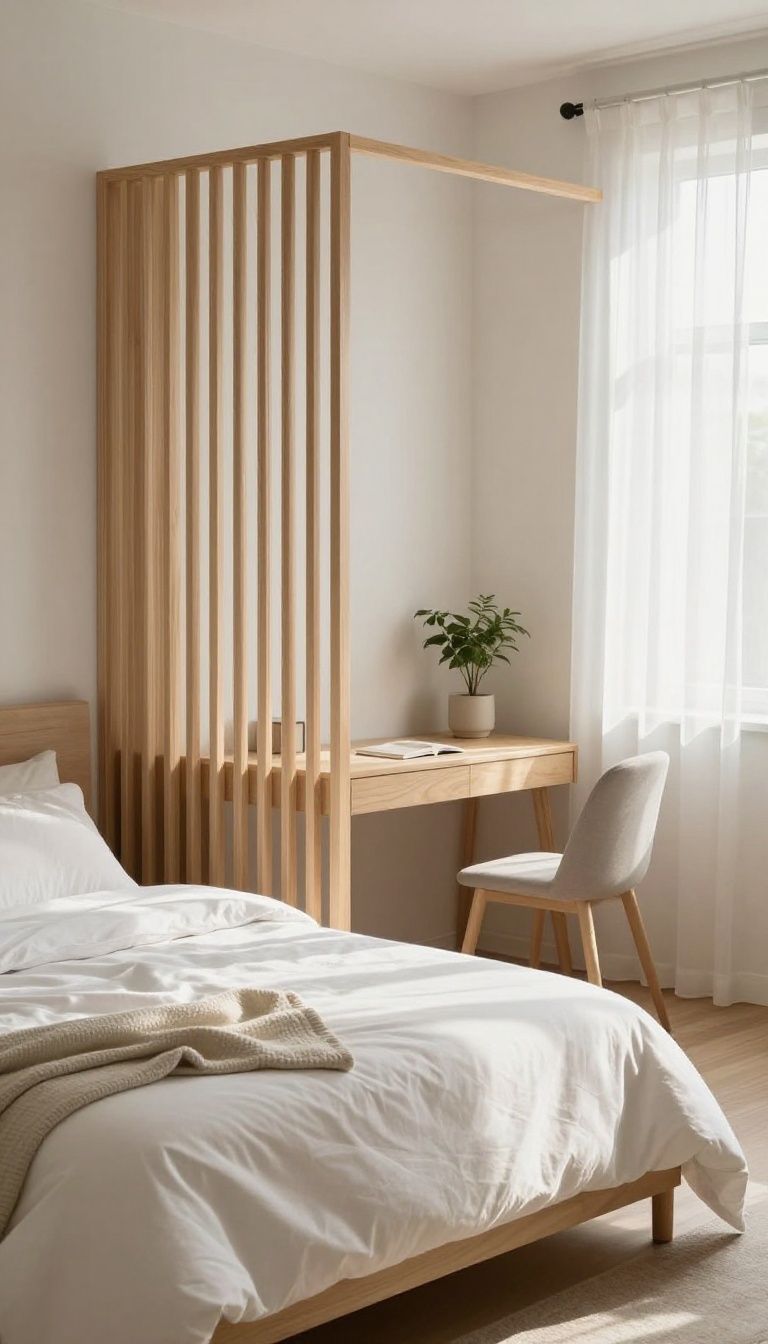
A room divider is one of the quickest ways to give each of you a defined space without any construction. It’s flexible, affordable, and can be moved or swapped out as your needs change. Whether you want a solid barrier or something that lets light through, there’s a divider style that fits your room and your style.
When you share a small bedroom, a room divider works like a magic trick—it creates two separate zones out of one open space. You can use it to section off a work area, a reading nook, or just to give each side a bit of privacy. The best part?
You can change it up whenever you want, without any permanent commitment.
Choose The Right Divider Style
Think about what you need the divider to do. A freestanding screen is classic and portable, while a ceiling-mounted curtain track gives a softer, more flexible divide. Open shelving units double as storage and room separators, but they don’t block light or sound as much.
If you want to keep the room feeling airy, pick a design with slats or fabric that lets some light through.
Placement Tips For Maximum Effect
Position the divider where it makes the most sense—usually between the bed and the zone you want to separate. If one of you works from bed, a divider can create a visual barrier that helps you focus. For a more permanent feel, anchor the divider to the floor or ceiling with tension rods, but make sure it doesn’t block any windows or doors.
Make It Work With Your Decor
A room divider can be a design feature, not just a functional piece. Choose a color or pattern that complements your existing decor, or go for a neutral tone that blends in. You can also add plants, hooks, or small shelves to the divider to make it even more useful.
The goal is to make the divider feel like a natural part of the room, not an afterthought.
2. Position Beds to Face Different Directions
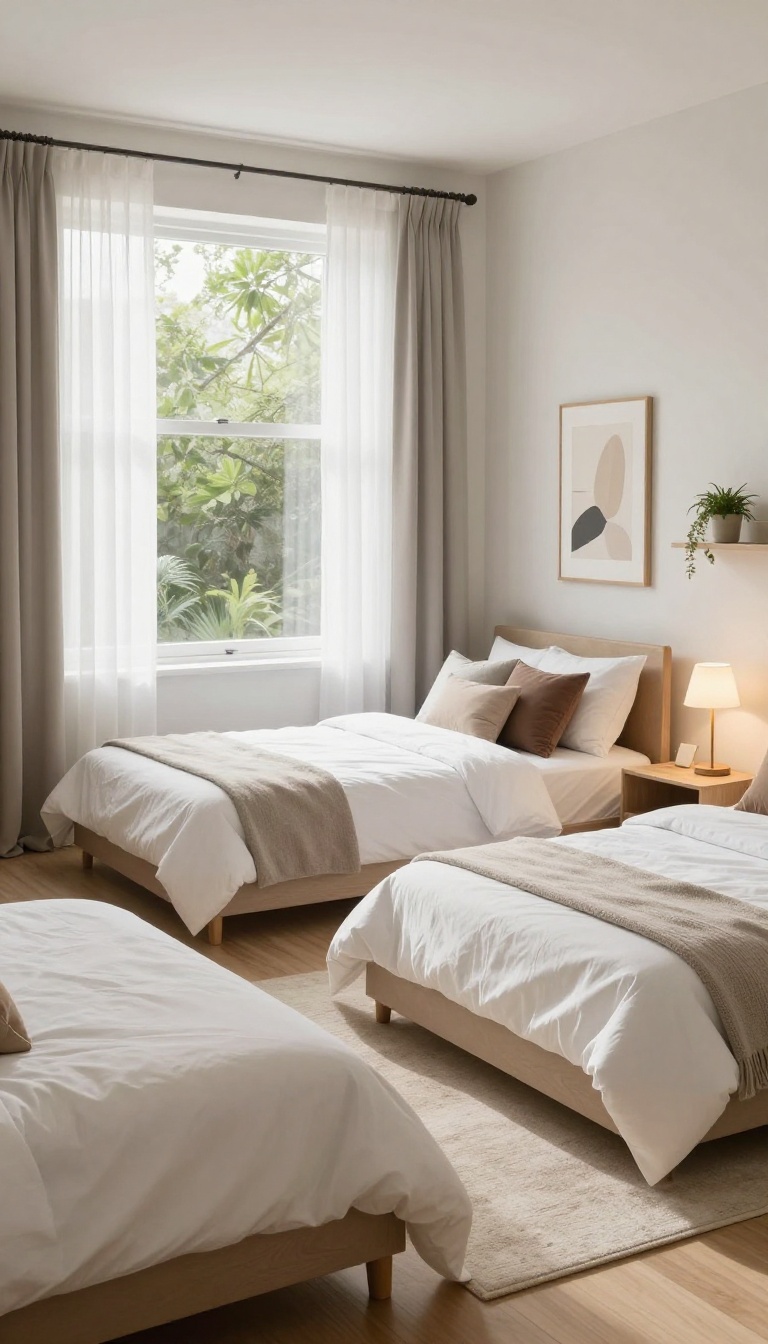
Angling the beds can completely change how the room feels. Instead of lining them up side by side, try placing them perpendicular or at a slight angle. This small shift creates natural boundaries and gives each of you your own visual anchor.
When beds face different directions, each person gets a distinct sightline and a sense of ownership over their corner. It also breaks up the monotony of a boxy layout, making the room feel larger and more intentional. Plus, it's a simple fix that doesn't require any new furniture.
Create A Visual Anchor
Each bed can have its own focal point—a window, a piece of art, or a shelf. This gives each side a unique character and makes the space feel more personalized. You can also add a small rug or a floor lamp to further define each zone.
Maximize Floor Space
By angling the beds, you often free up awkward corners that were previously unusable. This can open up room for a small desk, a reading chair, or extra storage. Measure your room carefully to ensure there's still enough walking space.
Balance Privacy And Togetherness
Facing different directions doesn't mean turning your backs on each other. You can still angle the beds so you can chat easily while lying down, but the slight offset gives each person a feeling of personal space. It's a compromise that works well in tight quarters.
3. Add a Curtain Around One Bed for Privacy
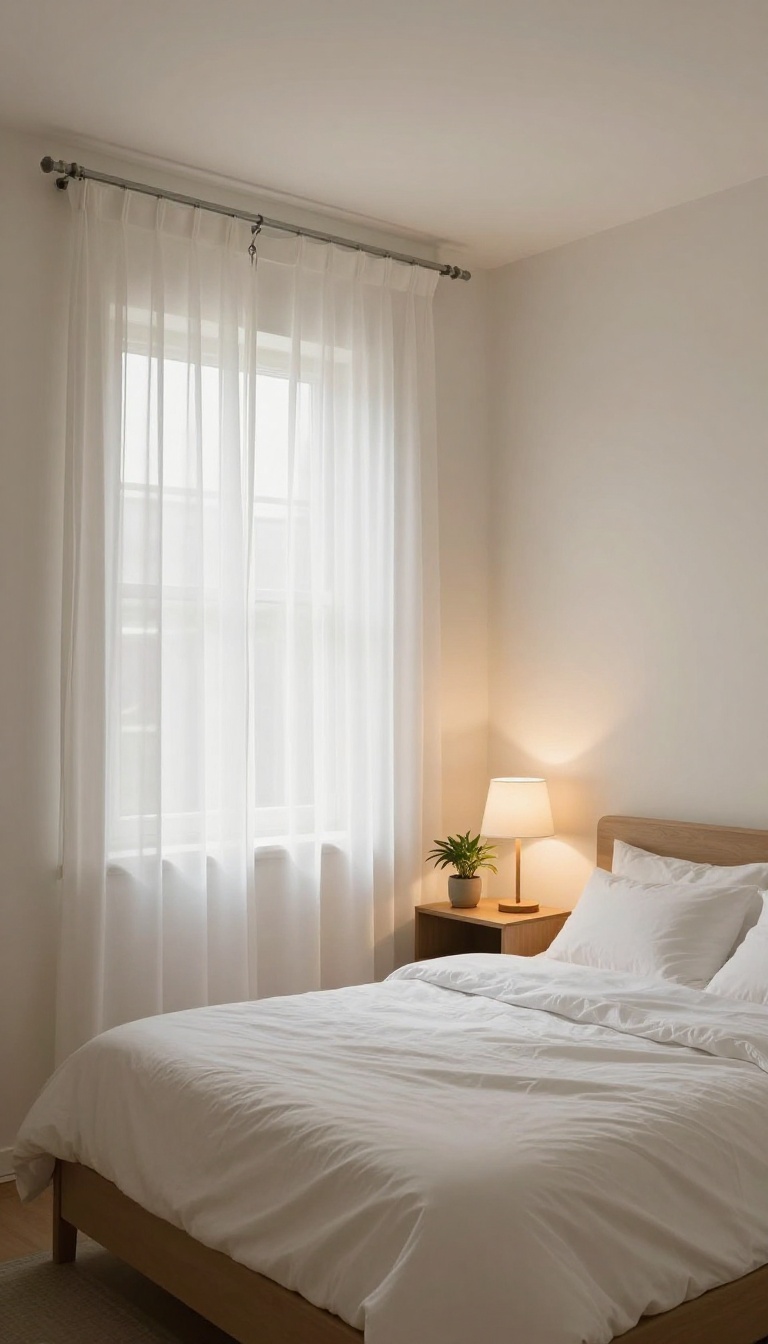
Sometimes all you need is a little visual separation, and a curtain does that without closing off the room completely. Mount a ceiling track in a semicircle around one side of the bed, then hang sheer or blackout panels depending on how much privacy you want. This trick works especially well if one of you likes to stay up reading while the other falls asleep early.
The curtain creates a cozy, private nook that can be pulled shut at night and drawn open during the day to keep the space feeling airy and open.
A curtain around the bed is one of the most flexible zoning tools you can add to a small shared bedroom. Unlike a solid room divider, it doesn't block light or make the room feel smaller. When open, it tucks neatly against the wall or ceiling, taking up almost no visual space.
The key is to use a ceiling-mounted track that follows the curve of the bed, so the curtain can wrap around the head and one side. This gives the person inside a sense of enclosure without making the whole room feel like a tent. You can choose a light, gauzy fabric for a soft division or a heavier blackout material for total darkness and sound dampening.
This setup is also great for different sleep schedules. If one partner wants to wind down with a book or scroll on their phone, the curtain blocks the light from reaching the other side. It's a simple, non-permanent solution that can be removed or repositioned whenever your needs change.
Pick The Right Track And Fabric
Start with a sturdy ceiling-mounted track that can handle the weight of the fabric. Look for a curved track designed for bed canopies, or use a straight track that runs along the wall and extends out slightly. For fabric, think about how much light you want to block.
Sheer linen or cotton lets in soft light and feels airy, while blackout velvet or thick canvas gives complete darkness and extra privacy. If you're not sure, go with a medium-weight fabric that strikes a balance.
Install Without Major Renovation
You don't need to hire a contractor to make this work. Many ceiling tracks come with adhesive or screw-in brackets that are easy to install yourself. If you're renting, use a tension rod system that can be adjusted to fit your ceiling height, or opt for a freestanding canopy frame that doesn't require any drilling.
Just make sure the track is securely anchored so the curtain doesn't sag or pull down over time.
Style It To Match The Room
The curtain should blend with your bedroom's aesthetic, not clash with it. Choose a color that complements your bedding or walls, and consider adding a tie-back to keep it open during the day. You can also use the curtain as a backdrop for a small reading light or a shelf, turning the nook into a functional mini-space.
The goal is to make it feel intentional, not like a temporary fix.
4. Install a Wall-Mounted Desk for a Personal Workspace
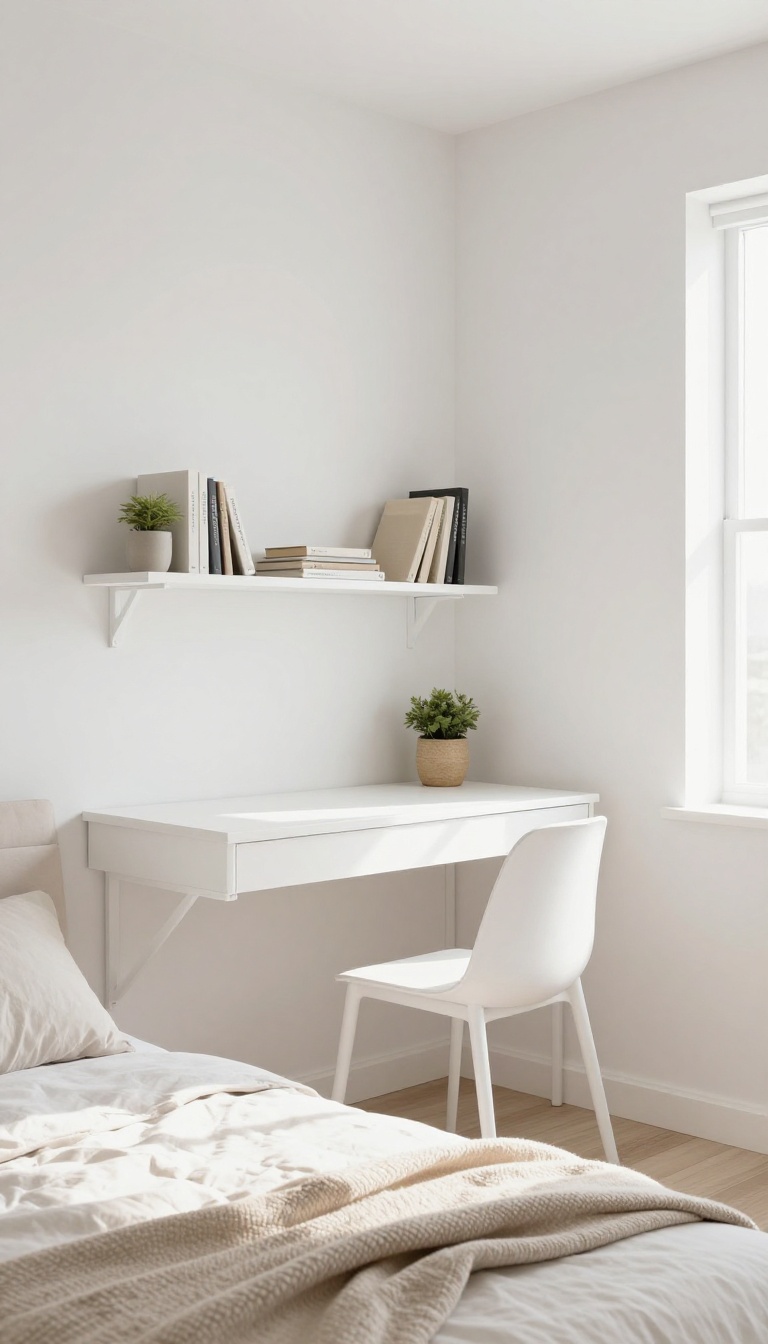
A wall-mounted desk is a game-changer when floor space is tight. It tucks away flat when not in use, freeing up precious square footage. On one side of the room, it creates a clear spot for work or hobbies, giving each of you your own functional corner.
This setup works best if you pair it with a slim chair that can slide underneath. When the desk is folded down, the chair tucks in, and the whole area turns back into open floor space. It’s a simple way to claim a work zone without permanently sacrificing room.
Pick The Right Spot
Choose a wall that doesn’t block the main walkway or the closet door. Ideally, place it near a window for natural light, but if that’s not possible, add a small task lamp. Make sure there’s enough clearance for the chair to slide out comfortably.
Add Storage Above
Mount a few floating shelves above the desk to keep supplies, books, or decor within reach. This keeps the desk surface clear and makes the zone feel organized. Use baskets or bins to hide clutter and maintain a clean look.
Make It Feel Personal
Add a small plant, a favorite photo, or a stylish desk mat to make the space yours. Even a tiny personal touch can make the work zone feel like a true separate area. Keep it minimal so it doesn’t overwhelm the room.
5. Create a Reading Nook with a Comfy Chair and Lamp
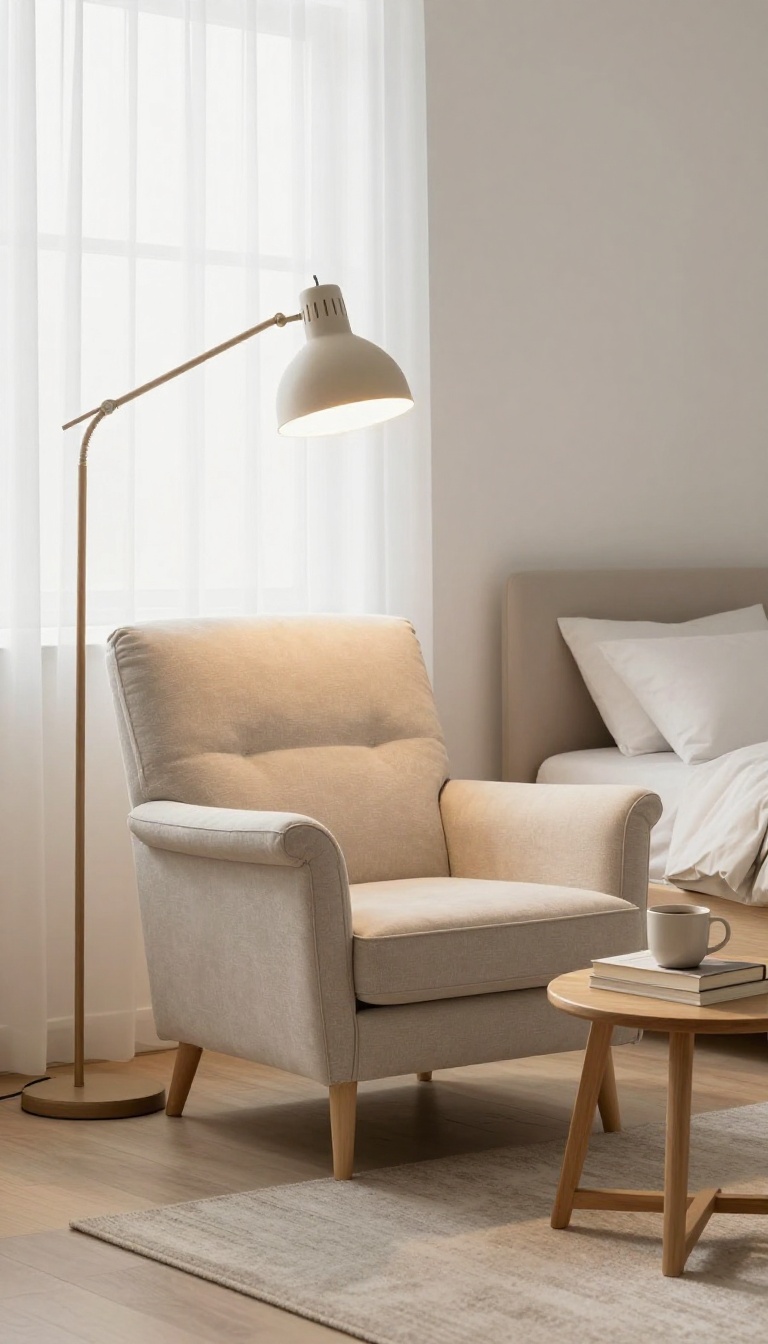
A reading nook is a classic way to claim a slice of the room for yourself. It doesn't need a lot of space—just a corner that can fit a comfortable chair, a warm lamp, and a tiny table for your coffee or book. For the partner who loves to get lost in a novel, this zone becomes a mini escape.
It gives you a place to unwind without leaving the bedroom, and it signals to your significant other that you're in your own little world.
Start by picking a spot near a window if possible, so you get natural light during the day. Then, choose an armchair that's cozy but not too bulky—think a snug reading chair with a high back. Pair it with a floor lamp that casts a soft glow, and add a small side table that can hold a mug or a stack of books.
This nook doesn't have to be fancy. A simple folding chair with a cushion and a clip-on light can work just as well. The key is to make it feel intentional, so it becomes a place you actually want to use.
Pick The Right Chair
Look for a chair that's compact but supportive. A wingback chair or a small armchair with a footstool can be perfect. If space is really tight, consider a papasan chair or a floor chair with a backrest.
Make sure it's comfortable enough to sit in for an hour without getting sore.
Lighting Matters
A reading lamp should be adjustable and bright enough for your eyes. A floor lamp with a swing arm works well, or you can use a wall-mounted lamp to save floor space. Warm light is easier on the eyes, so pick a bulb with a soft white or warm tone.
Add A Personal Touch
Make the nook feel like yours. Add a small throw blanket, a cushion, or a tiny shelf for your current reads. You could also hang a piece of art or a photo above the chair.
These little details make the corner feel like a dedicated retreat, not just leftover space.
6. Use a Tall Bookcase as a Room Divider
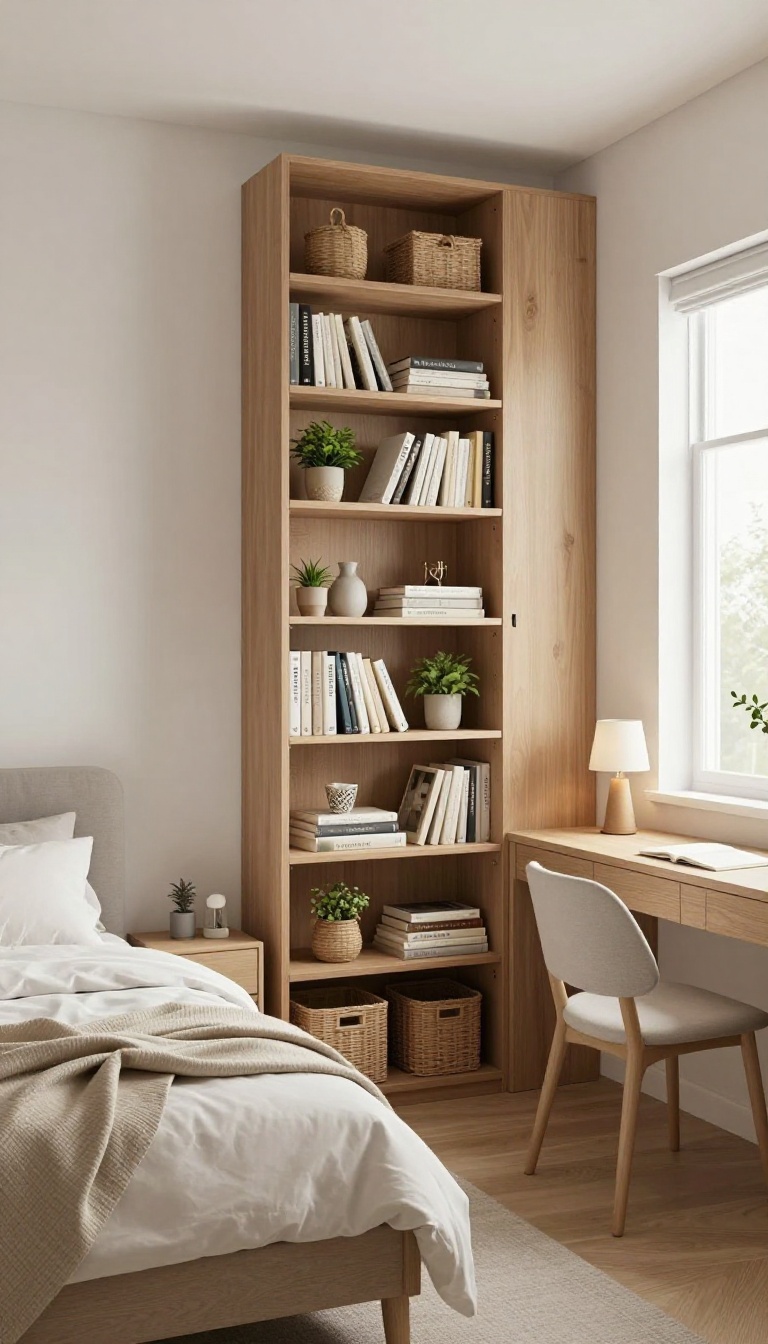
A tall bookcase isn't just for storing books—it can double as a stylish partition that gives each of you a defined zone. By placing it perpendicular to the wall, you create a partial barrier that separates the bed from a desk or dressing area without making the room feel closed off. The open shelves keep the space airy while offering plenty of storage and display opportunities.
This approach works best when you have enough floor space to spare, but even in tight rooms, a slim bookcase can do the trick. The key is to choose a unit that's tall enough to block sightlines but not so wide that it swallows the room. You can also leave a gap at the top to maintain a sense of openness, or fill the shelves with baskets and decor to add personality.
Choose The Right Bookcase
Look for a bookcase that's at least 5 feet tall to create a meaningful visual barrier. Opt for an open-back design or one with shelves on both sides, so it works from any angle. A narrow depth (around 12-15 inches) keeps it from eating up too much floor space.
Consider a unit with adjustable shelves to accommodate different items, from books to plants to bins.
Style It For Function And Looks
Use the shelves to define each side's purpose. On the sleeping side, keep it light with a few books and a small plant. On the work or dressing side, add baskets for accessories or a tray for daily essentials.
You can also use the top shelf for a lamp or a small piece of art to draw the eye upward and make the ceiling feel taller.
Add Stability And Privacy
If the bookcase feels wobbly, anchor it to the wall with furniture straps or brackets. For extra privacy, you can attach a curtain rod to the top and hang a sheer fabric panel that can be drawn when needed. This gives you the option to fully close off the space without making it feel permanent.
7. Add a Sliding Barn Door for Flexible Separation
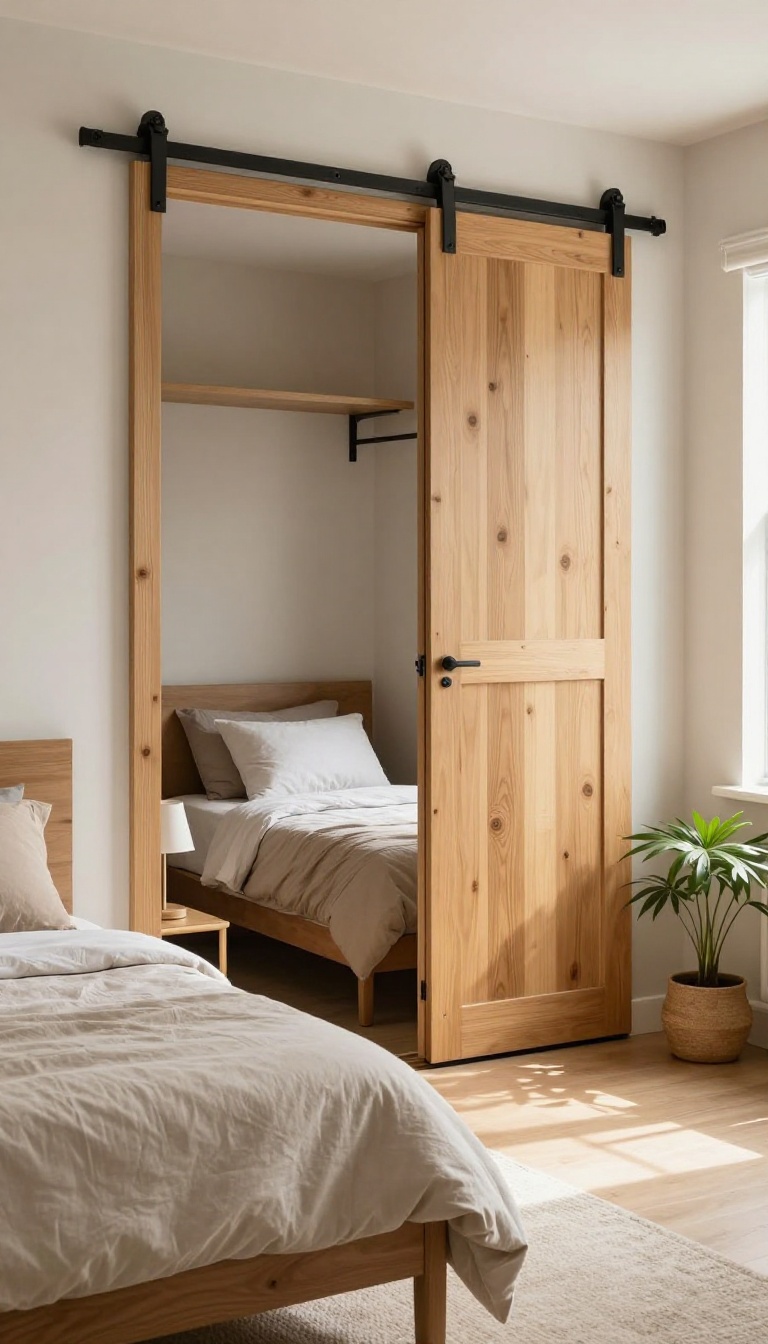
When you need more than a visual cue but less than a full wall, a sliding barn door hits the sweet spot. It glides along a track to tuck away a closet or bathroom, giving one of you a private zone while the rest of the room stays open and airy. The best part?
It doesn't eat up floor space like a swinging door would, which is a huge win in a small bedroom.
A sliding barn door is a practical and stylish way to create flexible separation in a shared bedroom. It works especially well if you have a closet or bathroom that can be closed off, giving one partner a private dressing area or a quiet spot to get ready without disturbing the other. Because the door slides along the wall, it doesn't require clearance for swinging, so you can place furniture right up against it when it's open.
This makes it a smart choice for tight layouts where every inch counts.
Why It Works For Small Bedrooms
Barn doors are space-savers by design. They don't need the floor space that a traditional door uses when it opens, so you can push a dresser or a plant right next to the opening. They also create a solid barrier that blocks light and sound better than a curtain, which helps if one partner wants to sleep while the other is getting ready.
Plus, the sliding motion feels smooth and quiet, so you won't wake anyone up with a loud slam.
Where To Install It
The most common spot is in front of a closet or a bathroom door. If your bedroom has an en-suite, a barn door can turn the bathroom into a private retreat for one person at a time. You can also use it to separate a small dressing nook or a workspace that's tucked into a corner.
Just make sure the track is mounted on a sturdy wall—ideally over a stud—so it can handle the weight of the door.
Style And Hardware Tips
Choose a door that matches your room's vibe—rustic wood for a cozy feel, or a sleek painted finish for a modern touch. The hardware comes in various finishes like matte black, brushed nickel, or oil-rubbed bronze, so you can tie it into your existing fixtures. For a softer look, you can even use a sliding mirror door, which adds functionality and makes the room feel bigger.
Don't forget to add a soft-close mechanism to prevent the door from banging.
8. Designate a 'His and Hers' Closet Zone
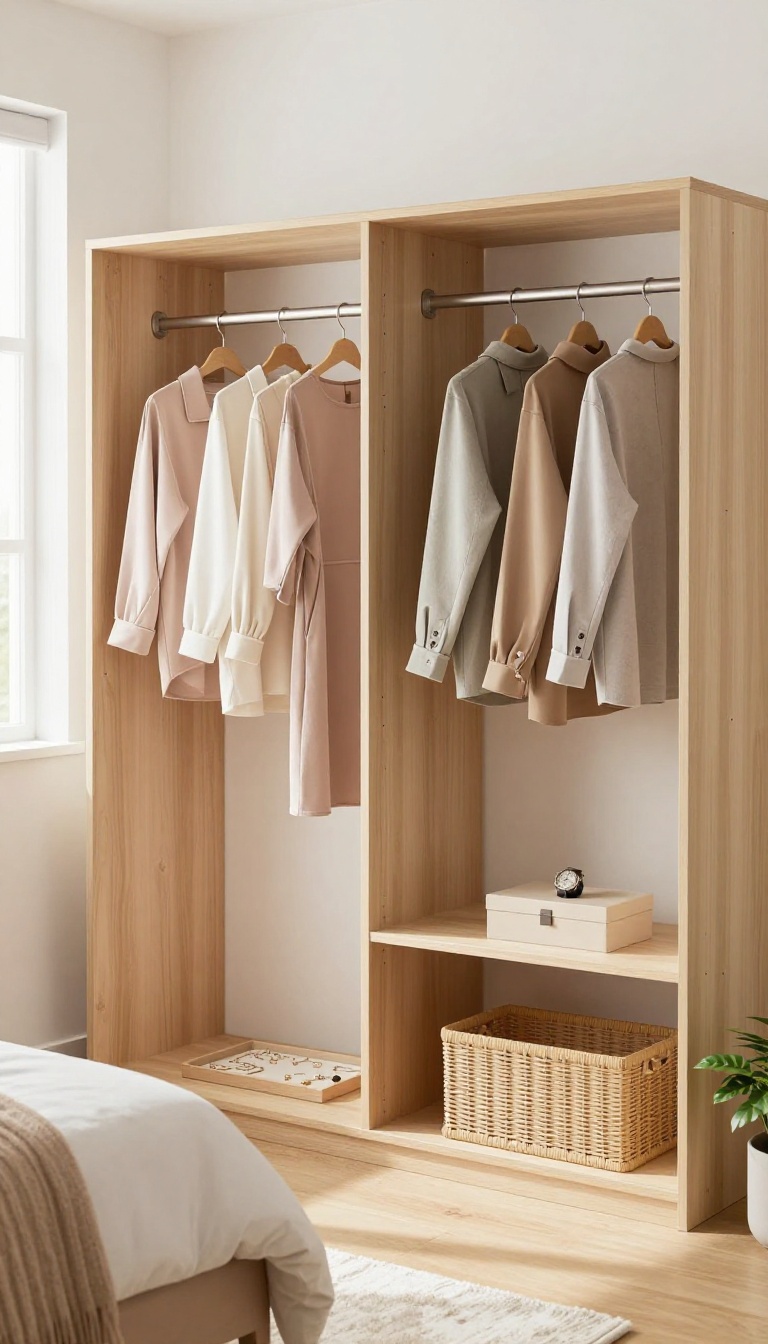
Closet space is often the first casualty in a small shared bedroom. When you're both trying to get ready at the same time, it can quickly turn into a free-for-all. The fix isn't more space—it's smarter organization.
By assigning specific sections or using dividers, you give each person a clear territory. This cuts down on morning chaos and helps you both feel like you have a personal corner, even in a tiny room.
Divide And Conquer: Simple Ways To Split The Closet
Start by measuring your closet and splitting it down the middle—one side for you, one for your partner. If it's a reach-in, use shelf dividers or hanging organizers to mark the boundary. For a walk-in, a simple curtain or a row of bins can create a visual break.
Make It Personal: Add Touches That Feel Yours
Once you have your zone, make it feel like yours. Add a small tray for your watches or a specific color of hangers. These little personal touches make the space feel intentional, not just shared.
Keep It Fair: Rotate The Prime Real Estate
If one of you has more clothes, it's easy to feel shortchanged. Swap sides every few months or agree on a system where the top shelf goes to the person with more hanging items. A little fairness goes a long way.
9. Incorporate a Fold-Out Screen for Quick Privacy
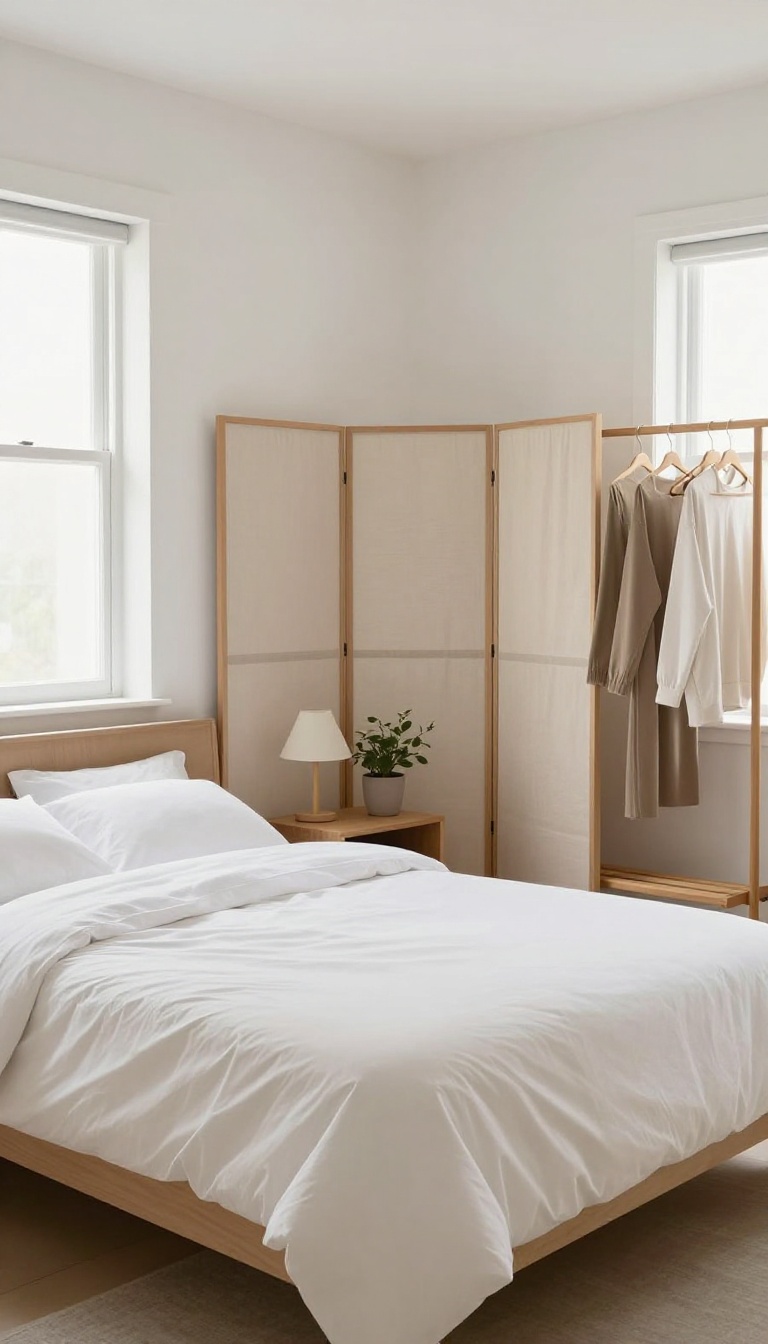
A fold-out screen is one of the most flexible privacy tools you can own. It's lightweight, easy to move, and doesn't require any permanent installation. When you need to change clothes or just want a few minutes of quiet, a simple screen can give you that separation without a full renovation.
Fold-out screens come in a variety of styles, from simple fabric panels to more decorative options. They're perfect for small bedrooms because they can be folded flat and stored away when not in use. You can position them to block off a corner, create a dressing area, or even hide a cluttered desk.
The key is to choose one that fits your space and needs.
Choose The Right Screen Size
Consider the height and width of the screen relative to your room. A taller screen (around 170 cm) offers more privacy, while a shorter one might be enough for a visual barrier. Measure the area where you plan to use it to ensure it fits comfortably without overwhelming the space.
Pick A Style That Blends In
Screens come in wood, fabric, or even metal frames. If your room has a neutral palette, a simple white or beige screen will blend in seamlessly. For a bolder look, choose a patterned fabric that adds a pop of color.
Just make sure it complements your existing decor.
Use It For More Than Privacy
Besides creating a private nook, a screen can also act as a backdrop for a changing area or a way to hide clutter. You can hang small hooks on it for robes or bags, or use it to block the morning sun from a partner who's still sleeping. It's a multipurpose tool that adapts to your needs.
10. Use Area Rugs to Define Separate Zones
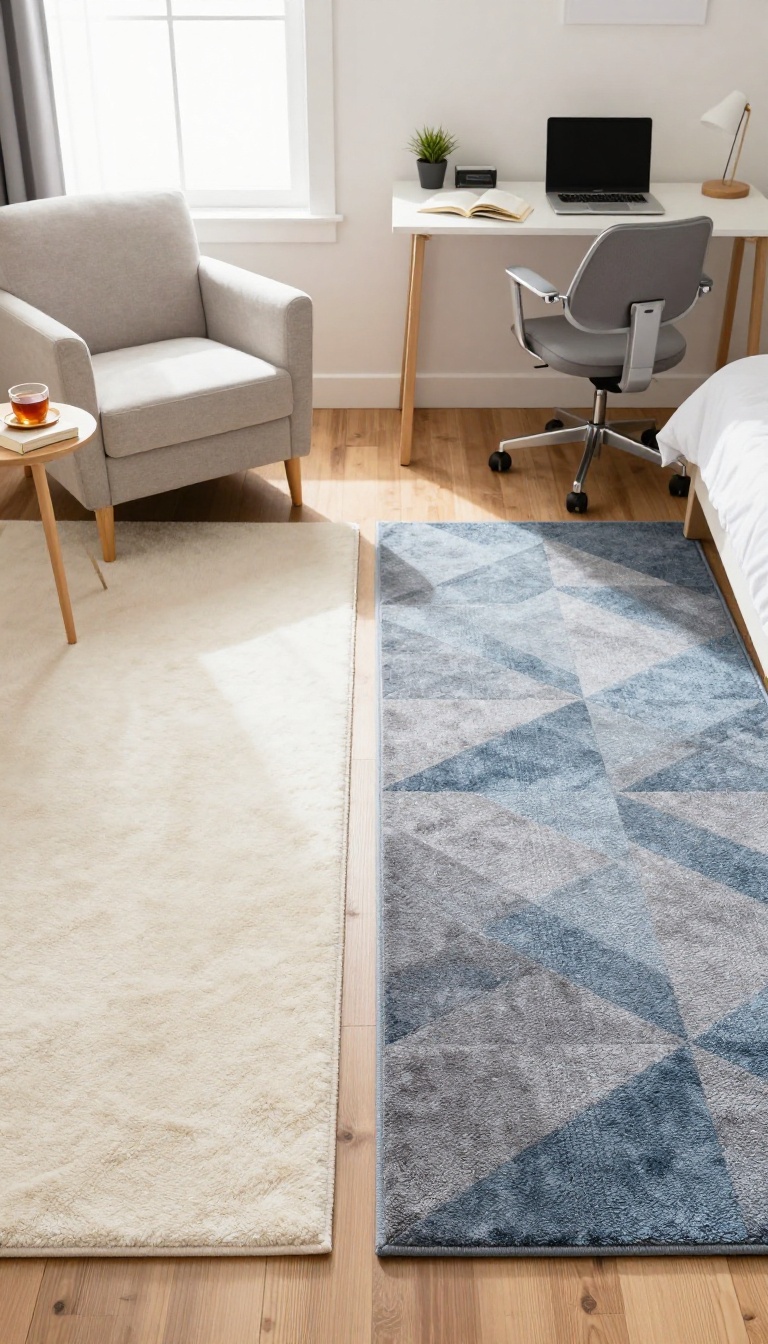
Rugs do more than keep your feet warm in the morning. In a shared bedroom, they can act as silent architects, drawing invisible lines that separate your side from theirs. A well-placed rug gives each zone its own visual anchor, making the room feel intentional rather than cramped.
Choosing the right rugs and positioning them thoughtfully can transform a jumbled space into a calm, organized retreat. Here’s how to make rugs work as your zoning tool.
Pick Rugs That Match Each Zone's Purpose
Think about what each area is used for. A plush, high-pile rug under a reading chair invites relaxation, while a flat-weave or low-pile rug under a desk makes rolling your chair easier and keeps the space feeling crisp. Choose colors and patterns that complement each other but still feel distinct—maybe a soft neutral for the sleep side and a bolder geometric for the work corner.
This way, the rugs don’t just separate zones; they also tell a story about what happens in each spot.
Position Rugs To Create A Visual Path
Lay rugs so they guide the eye and the feet naturally from one area to the next. Place one rug under each bed, extending slightly beyond the sides, and another in front of a dresser or under a desk. Leave a few inches of bare floor between them to create a clear transition.
If the room is really tight, angle a rug slightly to break up the straight lines and make the space feel more dynamic. The goal is to make each zone feel like its own little island without making the room feel chopped up.
Layer Rugs For Extra Depth And Texture
Layering isn’t just for living rooms—it works in bedrooms too. Put a smaller, patterned rug on top of a larger, neutral one to add interest and define a specific spot, like a meditation corner or a vanity area. This also adds a tactile element that makes the room feel more inviting.
Just make sure the layers lie flat and don’t create a tripping hazard. A little experimentation can yield a cozy, customized look that’s both functional and stylish.
11. Add a Ceiling-Mounted Curtain Around the Entire Bed
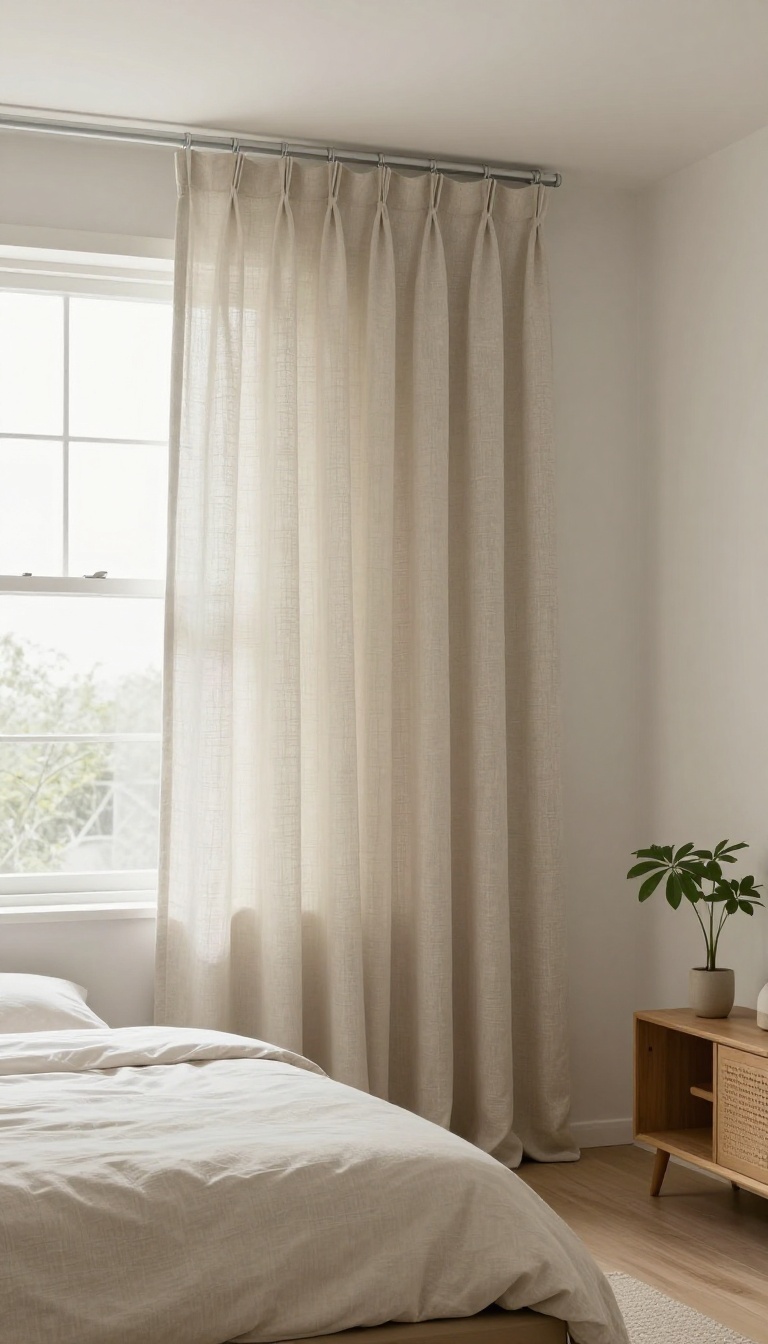
Sometimes you need more than a visual boundary—you need a real, physical barrier that blocks sight and sound. A ceiling-mounted curtain that wraps around the bed does exactly that, turning your sleeping area into a private cocoon. This setup works especially well in studio-like bedrooms or shared spaces where the bed sits in the middle of the room.
When you draw the curtain, you get a sense of enclosure that feels surprisingly luxurious, even in a small footprint.
Installing a ceiling track is simpler than it sounds. You can buy a curved or straight track kit designed for this purpose, or use a heavy-duty curtain rod system mounted to the ceiling. The key is to choose a track that can support the weight of your chosen fabric without sagging.
For fabric, opt for something opaque but breathable—like linen or a heavy cotton blend. Blackout curtains work if you want to block morning light, but they can feel heavy. A semi-sheer option offers privacy while still letting in soft light during the day.
One of the best parts? You can leave the curtain open most of the time to keep the room feeling airy, then close it only when you need quiet or intimacy. It's a flexible solution that adapts to your mood and schedule.
How To Choose The Right Track And Fabric
Measure the perimeter around your bed, leaving enough clearance to move freely. A curved track that follows the bed's shape creates a seamless enclosure, while a straight track along one side is a simpler option. For fabric, consider a double layer: a sheer panel for daytime privacy and a blackout panel for sleep.
Use clip rings or a track system with gliders for smooth opening and closing.
Making It Feel Cozy, Not Claustrophobic
To avoid a cramped feel, keep the curtain a few inches away from the bed and use light-colored fabric. Add a dimmable bedside lamp or a string of warm fairy lights inside the cocoon to create a soft glow. You can also hang a small shelf or pocket organizer on the inside of the curtain for storing your phone, glasses, or a book—so everything you need is within reach.
When To Use This Setup
This idea shines when one partner needs to sleep while the other stays up, or when you want to create a separate reading nook without taking up floor space. It's also perfect for guests who sleep in the same room but prefer their own bubble. During the day, simply pull the curtain back and let the room open up again.
FAQ
How can we create separate zones in a very small bedroom?
Use room dividers, curtains, or furniture placement to visually separate areas. Even a simple rug or a change in lighting can define zones without taking up extra space.
What is the best way to divide a bedroom without a wall?
Open shelving, folding screens, or ceiling-mounted curtains are excellent options. They provide separation while maintaining an open feel and can be easily removed if needed.
Can we still have a romantic atmosphere with separate zones?
Absolutely. Choose soft lighting, cohesive colors, and materials that complement each other. The zones can be flexible, allowing you to open up the space when you want to feel closer.
How do we make a small bedroom feel less cramped?
Opt for multi-functional furniture, use vertical storage, and keep the color palette light. Mirrors can also create the illusion of more space.
What if we have different sleep schedules?
Consider using a room divider or curtain to block light and noise. Also, invest in a good eye mask and earplugs, and use task lighting that doesn't disturb your partner.
Conclusion
Balancing two personalities in one small bedroom doesn’t have to mean constant compromise. With a few clever dividers, distinct color zones, and separate storage spots, you can both get the function and calm you need. Start with the idea that feels most urgent, then layer in the rest over time.
Even small changes can make the room feel like it truly belongs to both of you. The goal is a space that supports your routines, not one that fights them.