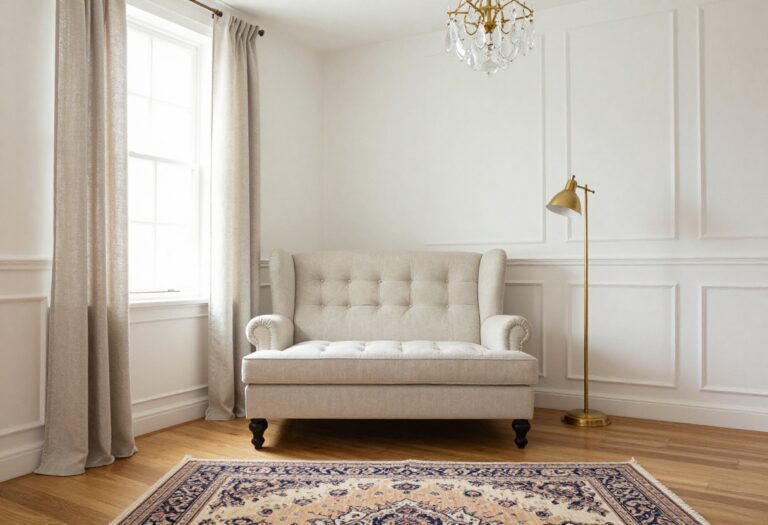
13 Purple Living Room Ideas for a Home That Feels Finished
Purple might not be the first color you think of for a living room, but it can add a surprising amount of warmth and personality. Whether you lean toward soft lavender or deep plum, this versatile hue works with many styles. The best part?
You don't need a full renovation to make it happen. A few thoughtful touches can transform your space over a weekend.
These 13 ideas are designed to be achievable, attractive, and easy to picture in your own home. Let's dive into how purple can make your living room feel complete.
1. Start with a Single Purple Accent Wall
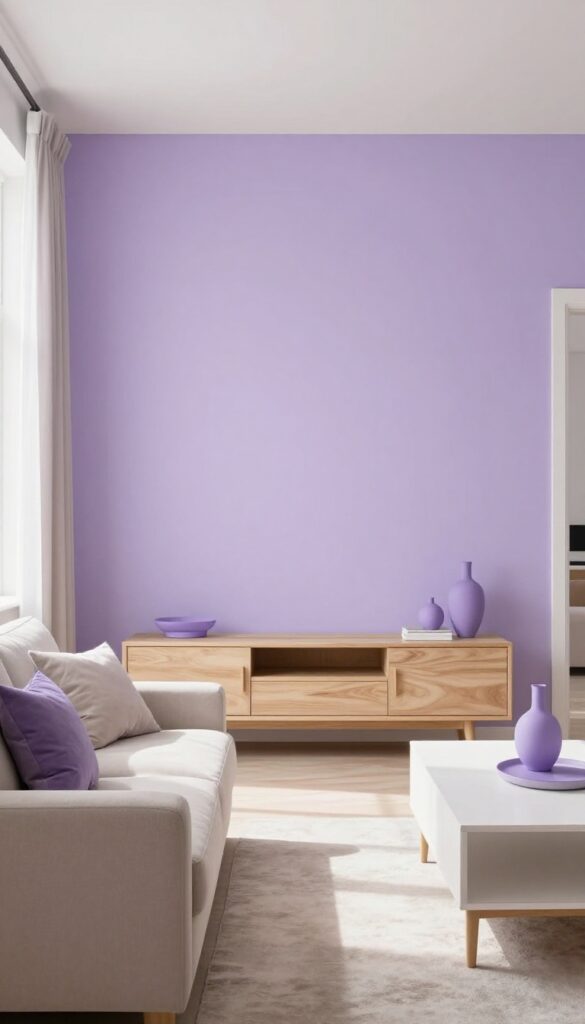
If you are new to decorating with purple, an accent wall is the perfect entry point. It gives you permission to go bold without committing the entire room to a single color. A muted lilac or dusty mauve behind your sofa or media console instantly becomes the focal point, adding depth and personality without feeling like a theme park.
This is a weekend-friendly project that makes a noticeable difference in how finished the room feels.
Painting one wall is one of the fastest ways to transform a living room. The key is choosing a shade that feels sophisticated, not childish. Think soft lilac, powdery mauve, or a gentle wisteria tone.
These hues add warmth and pair beautifully with neutrals like beige, cream, and warm gray. The wall behind your main seating area or entertainment center works best because it naturally draws the eye. Finish the look with a few complementary throw pillows or a piece of art that picks up the same purple notes, and you have a cohesive, pulled-together space that still feels relaxed and livable.
Best Paint Finishes
- For an accent wall, an eggshell or satin finish is ideal. Eggshell has a soft sheen that hides imperfections well, while satin adds a subtle glow that makes the color pop. Avoid flat finishes in high-traffic living rooms because they are harder to clean.
- If your wall gets a lot of natural light, test a few samples at different times of day to see how the purple shifts.
Furniture Pairing Tip
- Keep the furniture in front of the accent wall neutral to let the color shine. A beige or cream sofa, a light wood media console, or a white coffee table all work well. If you want to echo the purple, add just one or two accessories in a similar hue, like a velvet pillow or a ceramic vase.
- Too much purple can tip into overwhelming, so restraint is your friend.
Small-space Fix
- In a small living room, an accent wall can actually make the space feel larger by creating a sense of depth. Choose a lighter purple, like lavender or soft heliotrope, and keep the rest of the walls a pale neutral. This tricks the eye into thinking the room extends beyond the painted wall.
- Avoid dark purples in tight spaces, as they can close the room in.
2. Layer Purple Throw Pillows on a Neutral Sofa
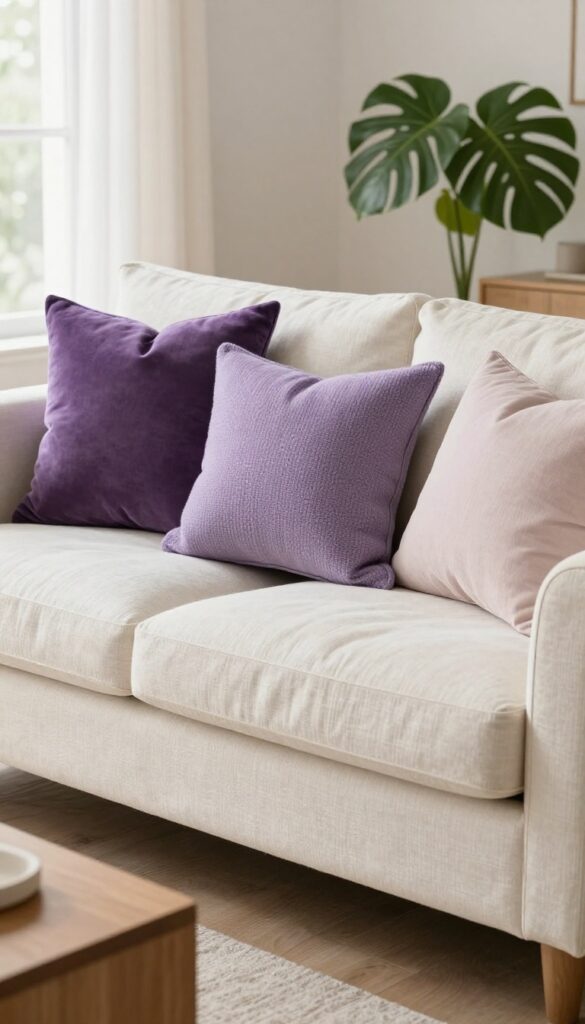
A neutral sofa is like a blank canvas—it’s ready for you to add personality without committing to a full redo. And the easiest way to bring in purple? Throw pillows.
By layering different shades and textures, you can create a look that feels intentional and inviting, not like you just grabbed whatever was on sale. This is a weekend-friendly refresh that instantly makes your living room feel more finished.
Start with a beige, gray, or cream sofa as your base. Then gather pillows in a mix of purple tones—think pale lavender, muted lilac, deep violet, and rich eggplant. The key is variety: use velvet for a touch of luxury, knit for coziness, and linen for a relaxed feel.
Arrange them in odd numbers (three or five works well) and play with sizes. A couple of larger square pillows in back, smaller rectangles or rounds in front. This layering adds depth and makes the sofa look styled without trying too hard.
Best Color Combos
Stick to a cohesive palette by choosing purples that share a similar undertone. Cool purples pair beautifully with gray sofas, while warmer plums and eggplants complement beige or cream. For a subtle contrast, add a single pillow in a soft blush or dusty rose—it bridges the purple and neutral tones seamlessly.
Texture Mix
- Texture is what keeps a pillow arrangement from feeling flat. Combine a smooth velvet pillow with a chunky knit one and a matte linen option. The visual and tactile variety makes the sofa look curated and cozy.
- If your sofa is already textured (like a bouclé or chenille), lean into smoother pillows to balance it out.
Finishing Touch
- Don’t forget the throw blanket. Drape a lightweight purple or neutral throw over one corner of the sofa to tie the whole look together. It adds another layer of color and texture, plus it’s practical for chilly evenings.
- Fold it loosely or let it hang casually—perfection isn’t the goal.
3. Add a Purple Area Rug to Define the Space
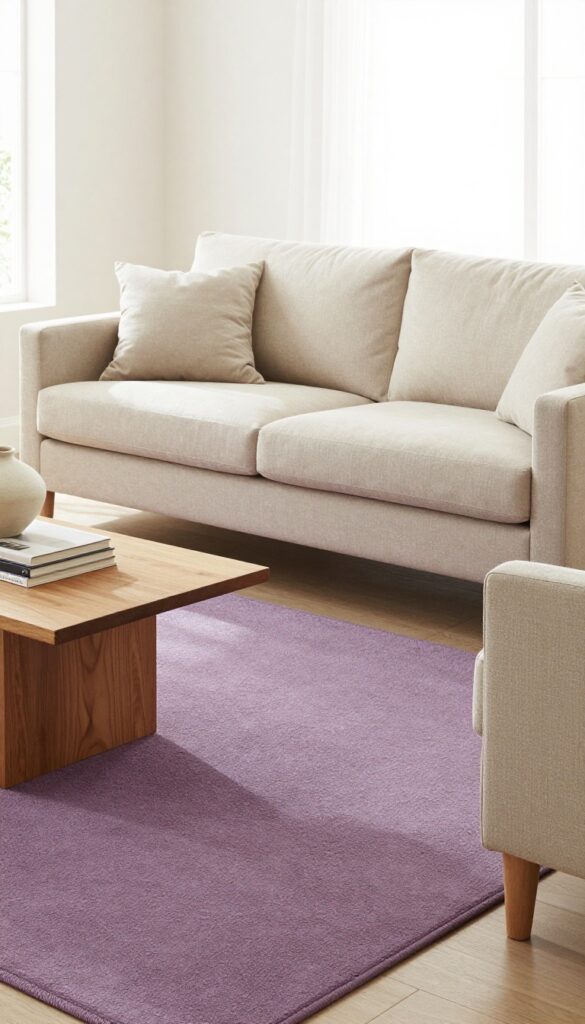
A rug is one of the easiest ways to anchor a seating area and introduce color without a big commitment. A purple rug, whether it's a solid mauve or a patterned violet, instantly becomes the focal point of the room. Keep the surrounding furniture and walls neutral—think warm beige, soft gray, or creamy white—so the rug can do the heavy lifting.
This approach works especially well if you're working with a neutral sofa and want to add a pop of color that feels intentional. The rug defines the conversation zone, making the layout feel purposeful even in an open-plan space. Plus, swapping out a rug is a weekend-friendly refresh that doesn't require painting or new furniture.
Best Colors
For a subtle look, go with a dusty lavender or lilac rug. If you want more drama, try a deep plum or eggplant. Pair it with neutral furniture in shades like ivory, taupe, or charcoal to keep the room balanced.
Pattern Play
A solid purple rug feels modern and minimalist, while a patterned rug (think geometric, floral, or abstract) adds texture and visual interest. If your room already has patterns, stick to a solid rug to avoid clutter.
Size Matters
Make sure the rug is large enough to fit the front legs of your sofa and chairs. A too-small rug can make the space feel disjointed. Aim for at least 6×9 feet for a standard seating area.
4. Incorporate Purple Curtains for Soft Drama
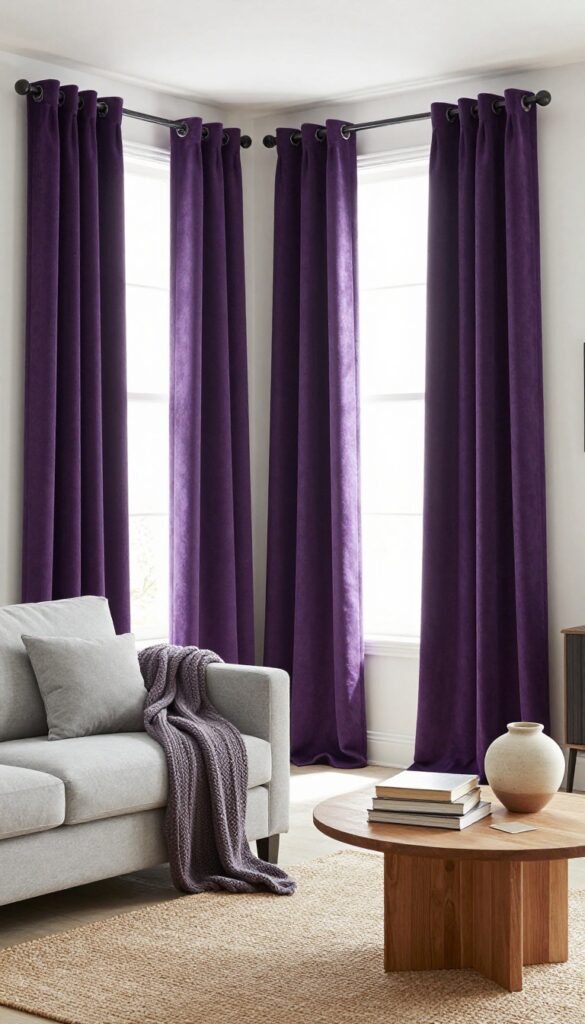
Curtains are one of those elements that can completely shift the mood of a room without requiring a single piece of new furniture. Floor-length panels in a deep purple like amethyst bring a sense of richness and soft drama that feels intentional, not overdone. Against white or light gray walls, the contrast is striking but still approachable—perfect for a weekend refresh that doesn't demand a full reno.
Purple curtains work because they add color in a way that's easy to change or adjust. Unlike painting a wall, swapping curtains is a low-commitment move that still delivers visual impact. The key is choosing a fabric with some weight—velvet, linen blends, or thick cotton—so they hang beautifully and catch light in a flattering way.
Floor-length is non-negotiable here; anything shorter breaks the elegant line you're going for.
Best Colors
Amethyst purple is the star, but it plays well with neutrals, soft pinks, and even muted greens. For a cohesive look, pull a lighter shade from the same color family for your walls or accent pillows. If you're nervous about going too dark, try a sheer purple overlay with a white or cream backing—it softens the drama while keeping the color present.
Texture Mix
Pair velvet or matte curtains with natural textures like a jute rug, linen sofa, or wooden coffee table. The contrast keeps the room from feeling too formal. If your curtains are smooth and shiny, add a chunky knit throw or a woven basket to balance the visual weight.
Finishing Touch
- Don't overlook the hardware. A simple black or brass rod with minimal finials keeps the focus on the fabric. Mount the rod as close to the ceiling as possible—this tricks the eye into thinking the room is taller.
- Let the curtains pool slightly on the floor for that effortless, lived-in elegance.
5. Use Purple Artwork as a Focal Point
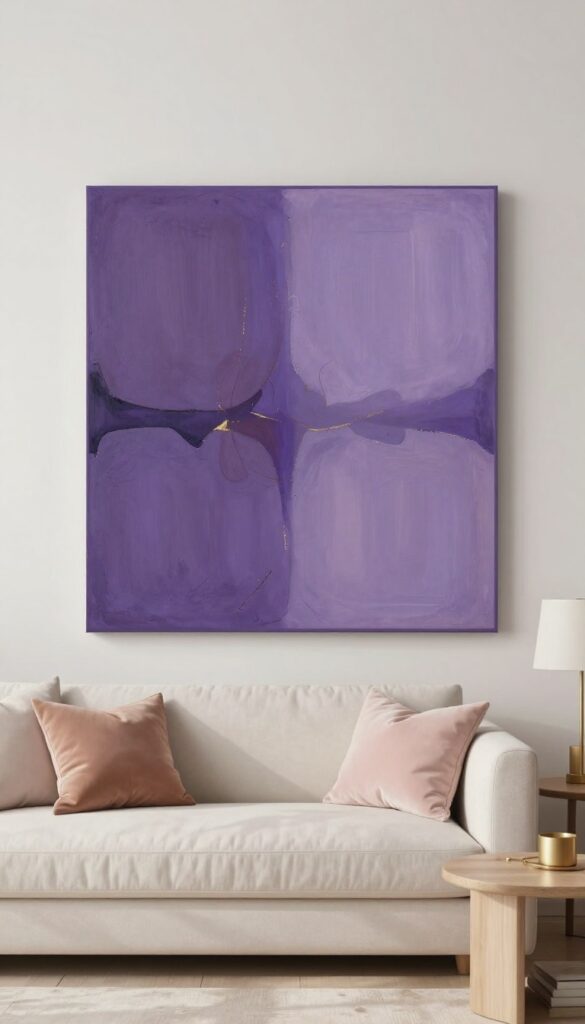
A large abstract painting can instantly anchor your living room and set the mood. When that painting leans into purple—whether deep violet, soft lavender, or plum—it becomes the star of the space without needing much else. This approach is ideal for a weekend refresh because you can build the rest of the room around one bold piece.
No repainting walls or buying new furniture required. Just let the art lead the way.
Choosing the right purple artwork is about scale and color balance. Go big—think 36 by 48 inches or larger—so it commands attention above your sofa or fireplace. Abstract pieces work especially well because they offer flexibility in pulling accent colors.
If the painting has hints of blush, navy, or gold, you can echo those tones in throw pillows, a rug, or a side table. The result feels curated, not chaotic. For a practical weekend project, start by selecting your art, then shop your home for items that pick up those secondary colors.
You might be surprised how many pieces already work.
Best Colors To Pull From Artwork
- Look at the lightest and darkest shades in your painting. A purple piece with warm undertones pairs beautifully with cream, taupe, or soft pink. Cooler purples lean well into gray, white, or deep navy.
- Use these secondary colors for your larger furniture pieces and save the true purple for accessories. This keeps the room balanced and prevents purple from overwhelming the space.
Finishing Touch
- Hang the artwork at eye level—about 57 to 60 inches from the floor to the center of the piece. If you're grouping it with other wall decor, leave 4 to 6 inches between frames. A simple black or gold frame keeps the focus on the painting itself.
- Add a picture light above to highlight the texture and depth, especially in the evening.
6. Style a Purple Throw Blanket Over a Chair
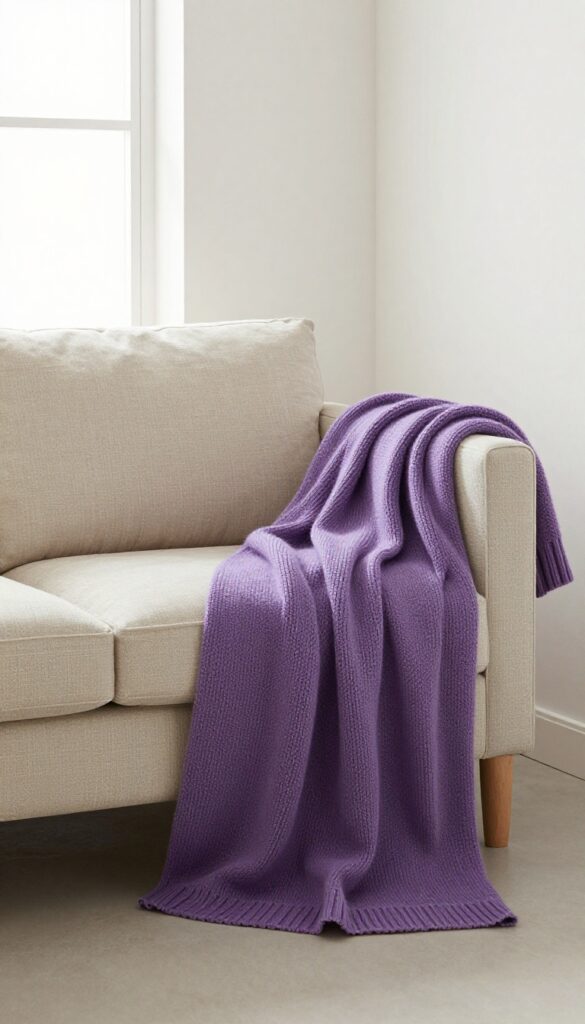
Sometimes the smallest change makes the biggest difference. A purple throw blanket draped over an armchair adds instant warmth and a splash of color without any commitment. It's the kind of weekend-refresh move that takes two seconds but completely changes the feel of a corner.
Whether you go with a chunky knit or a soft faux fur, this is an easy way to test out purple in your living room without painting a single wall.
Drape a chunky knit or faux fur purple blanket over an armchair. It adds a cozy pop of color that's easy to swap out. This idea works especially well in neutral-toned rooms where the purple becomes a focal point.
Choose a shade that complements your existing palette—deep plum for a moody vibe, soft lavender for a lighter touch. The texture of the blanket also matters: a cable-knit brings rustic charm, while faux fur feels luxe and inviting. Fold it neatly over the back for a polished look, or toss it casually over one arm for a relaxed feel.
Either way, it's an instant upgrade that costs little and feels big.
Best Colors To Pair With
Purple throw blankets pair beautifully with neutrals like gray, beige, and cream. For a bolder look, try mixing with mustard yellow or soft pink. If your room has cool tones, go for a blue-based purple; warm rooms look great with red-based purples like aubergine.
Texture Mix Tip
Combine your purple throw with other textures in the room. A chunky knit blanket on a leather chair adds contrast, while faux fur on a linen armchair creates a cozy, layered feel. Don't be afraid to mix materials—it makes the space feel curated and lived-in.
Where To Place It
The best spot is a reading chair or accent chair near a window or fireplace. If you don't have a dedicated chair, drape it over the end of a sofa or even a bench. The goal is to make it visible and accessible, so it invites use and adds color to a specific zone.
7. Paint the Ceiling a Pale Purple
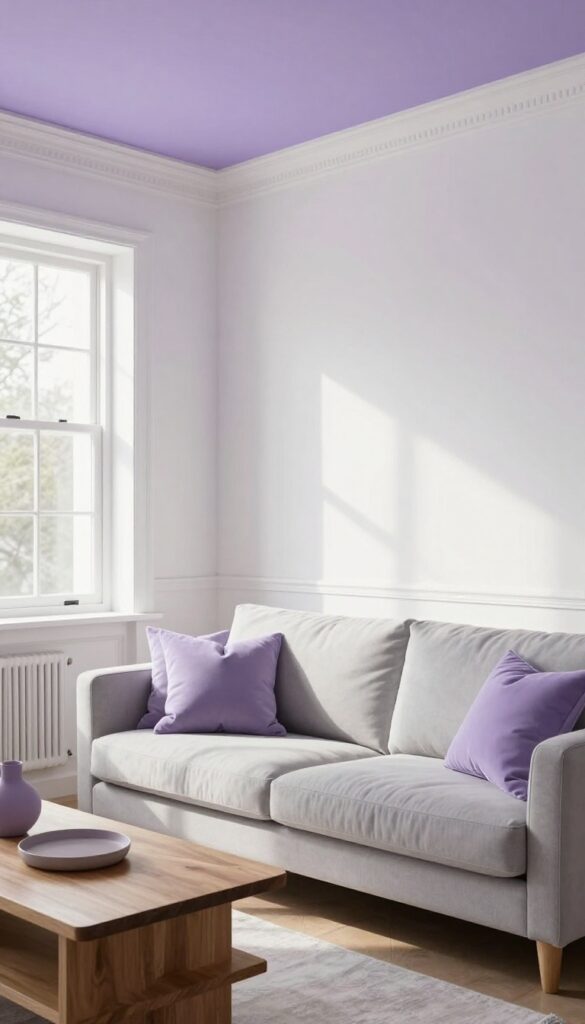
A pale purple ceiling is one of those unexpected touches that instantly makes a room feel more intentional. It draws the eye upward, creating a sense of height and airiness that’s hard to achieve with a standard white ceiling. Paired with crisp white or light gray walls, the effect is soft, calming, and surprisingly sophisticated—like a gentle sky above your living room.
This idea is perfect for a weekend refresh because it doesn’t require moving furniture or buying new decor. All you need is a gallon of lavender paint, a roller, and an afternoon. The key is choosing a pale, muted purple—think lilac or wisteria—so it reads as a subtle wash of color rather than a bold statement.
Keep the walls light to let the ceiling shine without overwhelming the space. Finish with warm white trim to anchor the look and keep it from feeling too whimsical.
Best Colors
- Stick with pale, dusty purples like lavender, wisteria, or soft heather. These shades have enough gray or white in them to feel airy rather than childish. Avoid bright or saturated purples, which can make the ceiling feel heavy.
- For walls, opt for a warm white (like Swiss Coffee) or a light greige to keep the room balanced.
Lighting Tip
Since a colored ceiling can absorb or reflect light differently, pay attention to your lighting. Use warm LED bulbs (2700K–3000K) to keep the purple from looking cold. A dimmer switch is a smart addition—it lets you adjust the mood and prevents the ceiling from feeling too dominant in the evening.
Finishing Touch
To tie the look together, add a few purple accents in the room—like throw pillows, a vase, or a piece of art. This creates a visual connection between the ceiling and the rest of the space. Just keep it minimal so the ceiling remains the star.
8. Display Purple Glassware or Vases on Shelves
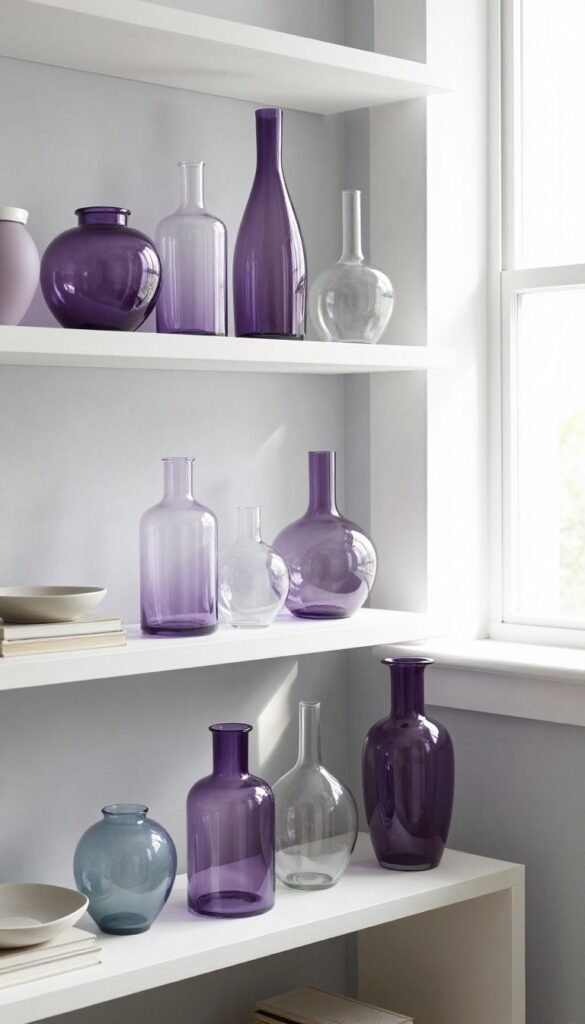
Open shelves are a great spot to test out a new color without repainting or buying furniture. A few purple glass pieces catch the light and add a soft, jewel-like glow that feels intentional but not overwhelming. This approach works especially well if you're not ready to commit to a purple sofa or an accent wall but still want that color to feel present.
Grouping purple glass vases, candle holders, or small bowls on shelves creates visual rhythm and a subtle pop of color. The transparency of glass keeps the look airy, so even darker purples like amethyst or plum won't weigh down the space. Stick to two or three pieces per shelf, mixing heights and shapes for interest.
Clear glass mixed with colored glass adds depth without clutter.
Best Colors
Deep amethyst, soft lavender, and smoky plum work well together. If your shelves have a neutral backdrop, these shades stand out without feeling jarring. For a more cohesive look, pull a tone from existing decor—like matching the purple to a throw pillow or art print.
Shelf Styling Tip
Place the tallest vase at the back or center of a shelf grouping, then layer shorter pieces in front. Add a small stack of books or a ceramic dish in a complementary neutral to break up the glass and give the eye a place to rest.
Lighting Note
Glassware shines brightest with nearby light sources. If your shelves are near a window, the natural light will make the purple glow. For darker corners, a small LED strip or a table lamp positioned nearby will achieve a similar effect.
9. Choose a Purple Velvet Ottoman or Pouf
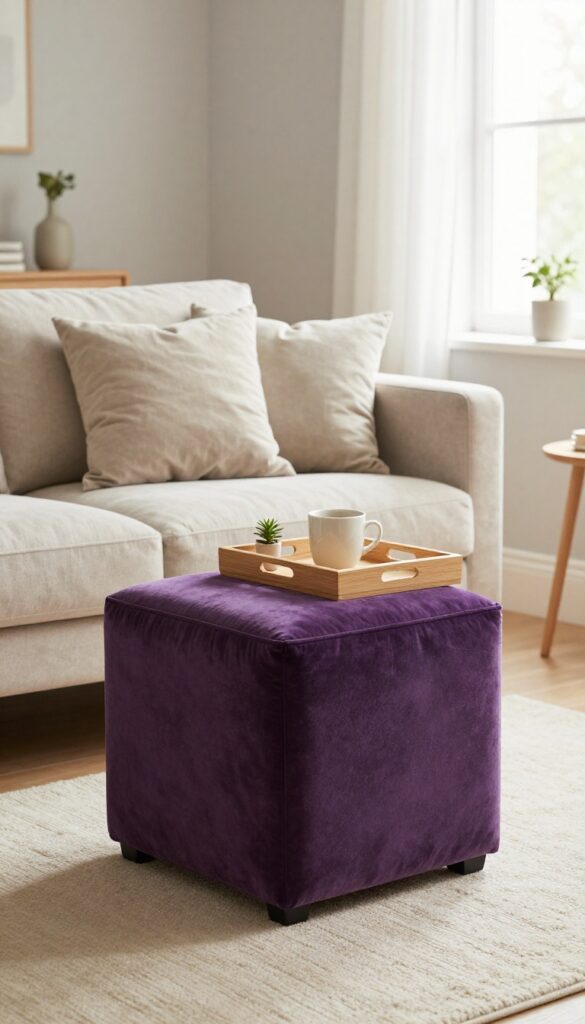
A small purple velvet ottoman is one of those pieces that quietly pulls a room together without trying too hard. It works as extra seating when friends come over, a comfortable footrest after a long day, or even a makeshift side table when you set a tray on top. The velvet texture adds a soft, rich layer that makes the space feel more luxurious, but the piece itself stays practical and unfussy.
Adding a purple velvet ottoman or pouf to your living room is an easy way to introduce color and texture without committing to a big furniture change. Because it's small and movable, you can experiment with placement and see what feels right. The velvet fabric catches light beautifully, giving the room a subtle glow that feels intentional and polished.
Plus, it's a weekend-friendly update—just order one online or grab one from a home store, and your room instantly feels more finished.
Best Colors To Pair With
- Deep plum or eggplant velvet works beautifully with neutral tones like cream, beige, and warm gray. If you prefer a softer look, try a muted lilac or dusty mauve. For a bolder contrast, pair a bright purple pouf with mustard yellow or emerald green accents.
- Stick to one or two complementary colors nearby so the ottoman stays the focal point.
Placement And Layout Tip
Set the ottoman in front of a sofa or between two accent chairs to create a natural gathering spot. If your coffee table feels too bulky, swap it for a larger ottoman with a tray on top—you'll gain a soft surface for your feet and a hard surface for drinks. In a small living room, use it near the entry to double as a quick seat for putting on shoes.
Texture Mix Idea
- Velvet loves contrast. Place the ottoman on a jute or flat-weave rug to balance the plushness with natural texture. Add a chunky knit throw nearby or a leather sofa across from it.
- The mix of smooth velvet with rougher or matte materials keeps the room from feeling too one-note.
10. Mix Purple with Metallics Like Gold or Brass
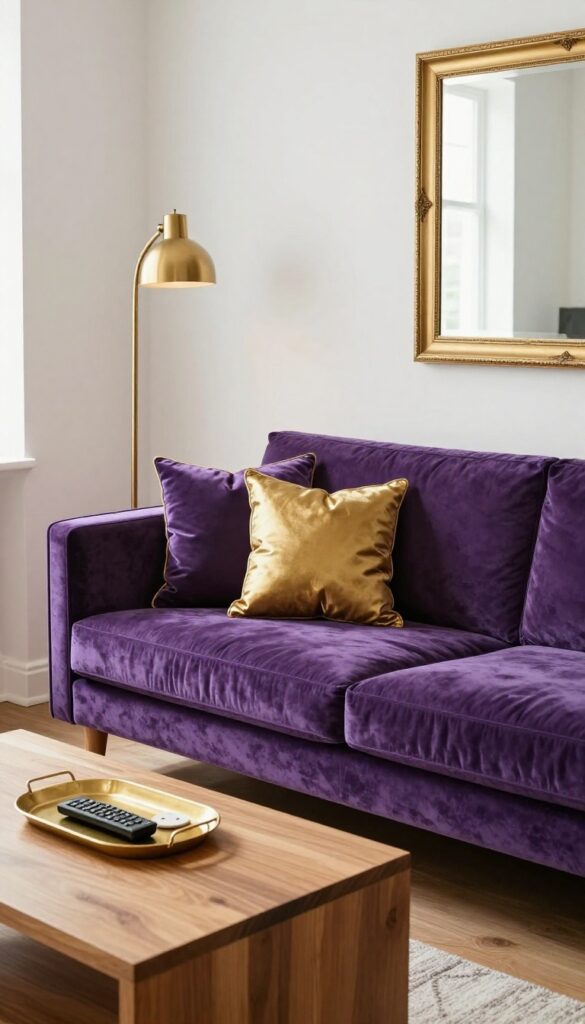
Purple and metallics are a match made in decor heaven. The cool, regal tones of purple get an instant lift when paired with warm gold or brass accents. Think of it as adding jewelry to your room—those metallic touches catch the light and make the whole space feel more polished.
This combo works whether you're into deep plum, soft lavender, or anything in between.
The key to making purple and metallics feel intentional is balance. You don't need a lot of either—a few well-placed gold-framed mirrors, brass lamp bases, or even small decorative objects can transform a purple-heavy room. The warmth of the metal keeps the purple from feeling too cold or dark, while the purple adds depth that keeps the metallics from looking sterile.
It's a sophisticated pairing that feels both luxurious and approachable, perfect for a weekend refresh that doesn't require a full redo.
Best Colors
Warm gold and brass pair beautifully with almost any purple, but they really shine with jewel tones like amethyst, plum, and eggplant. For a softer look, try champagne or rose gold with lilac or lavender. Avoid cool silvers or chrome here—they can clash with purple's warmth and make the room feel disjointed.
Finishing Touch
Swap out standard hardware on a purple accent chair or ottoman with brass nailhead trim. Or place a small gold tray on a purple coffee table to corral remotes and coasters. These tiny swaps add instant polish without breaking the bank.
Lighting Tip
A brass floor lamp next to a purple sofa creates a warm glow that highlights the purple's richness. Choose a lamp with a slender profile so it doesn't overwhelm the space. The metallic finish will catch the light and add a subtle shimmer to the room.
11. Add a Purple Statement Lamp or Lampshade
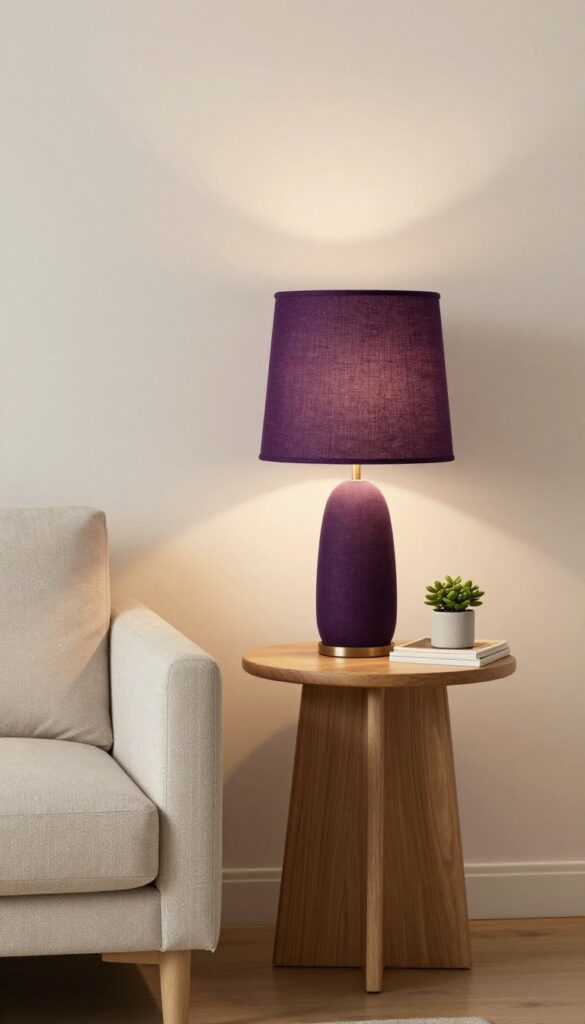
Lighting does more than just brighten a room—it sets the mood. A table or floor lamp with a purple shade adds a soft wash of color that feels intentional, not overwhelming. It's one of the easiest weekend swaps you can make, and it works with almost any existing furniture.
Whether you choose a deep eggplant shade for drama or a muted lavender for a calming glow, this small change can shift the whole energy of your living room without a paintbrush in sight.
A purple lamp is a subtle but powerful way to bring the color into your space. The shade filters the light, casting a warm tint that makes the room feel cozy and curated. It's especially effective in neutral rooms where a pop of color can feel risky—lampshades are easy to swap out if you change your mind.
Place one on a side table next to your sofa or on a console behind the couch for a layered look. The key is to let the lamp be the focal point, so keep the rest of the tabletop simple.
Best Shades Of Purple
- For a sophisticated look, go with deep plum or aubergine. These darker shades add richness without screaming for attention. If your style leans softer, try a dusty lilac or mauve—they blend beautifully with grays and creams.
- Stay away from neon or overly bright purples unless you're going for a playful, eclectic vibe. The goal is a color that feels grounded, not jarring.
Material And Texture
- The material of the lampshade matters as much as the color. A linen or cotton shade diffuses light softly, creating a gentle ambiance. Silk adds a touch of elegance, but can be pricier.
- For a more casual, textured look, try a woven or pleated shade. A matte finish works best for everyday living rooms—it hides dust and doesn't show fingerprints. Pair the shade with a metallic base (brass or black) for a polished contrast.
Placement Tips
- Think about where you need a little warmth. A floor lamp next to an armchair creates a cozy reading nook. A table lamp on an entryway console welcomes guests with a soft glow.
- Avoid placing a purple lamp directly next to another strong color—let it breathe against a neutral wall or furniture. If you have multiple lamps, keep one purple as the accent and the rest neutral to maintain balance.
12. Incorporate Purple Through Fresh or Dried Flowers
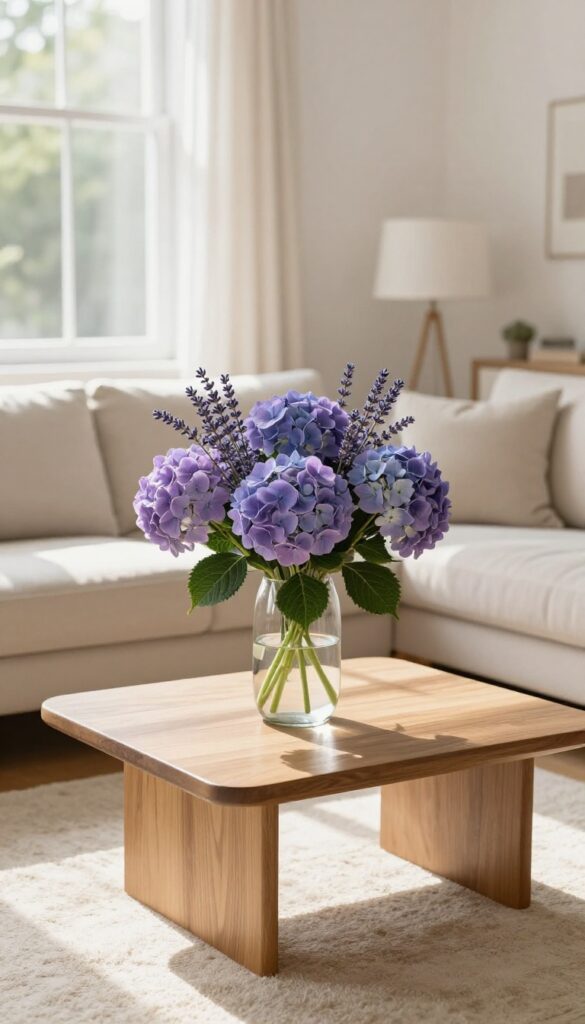
Flowers are one of the easiest ways to test a color without committing to paint or furniture. A simple bouquet can shift the whole mood of a room, and purple blooms bring a soft, natural pop that feels intentional. Whether you go with fresh lavender or dried eucalyptus, this is a weekend-friendly swap that instantly makes your space feel more finished.
Fresh or dried flowers let you bring purple into your living room in a way that feels organic and effortless. A cluster of purple hydrangeas on the coffee table or a bundle of dried lavender on the mantel adds color without overwhelming the space. The key is to choose a vase that complements your existing decor—clear glass keeps it light, while ceramic or terra cotta adds warmth.
This idea works especially well in neutral rooms where the purple stands out as a deliberate accent. It's also a low-commitment way to refresh your space seasonally: swap in deeper purples for fall and lighter lilacs for spring.
Best Flower Choices
Lavender is a classic for a reason—it brings both color and a calming scent. Purple hydrangeas offer a fuller, more dramatic look, while dried eucalyptus with purple-toned leaves adds texture and longevity. For a budget-friendly option, consider grocery store bouquets of purple statice or waxflower, which dry beautifully and last for months.
Vase And Placement Tips
A simple clear glass vase keeps the focus on the flowers, but a matte ceramic vase in white or cream can ground the arrangement. Place your bouquet on a coffee table, sideboard, or floating shelf where it catches natural light. For dried flowers, a low, wide vessel works well on a mantel or console table, creating a relaxed, gathered look.
Seasonal Swaps
- In spring and summer, go for fresh lilacs or purple tulips. As the weather cools, switch to dried lavender or preserved purple hydrangeas. This keeps your decor feeling current without a full overhaul.
- Mixing fresh and dried stems in one arrangement also adds visual interest and extends the life of your display.
13. Paint an Old Furniture Piece in Purple
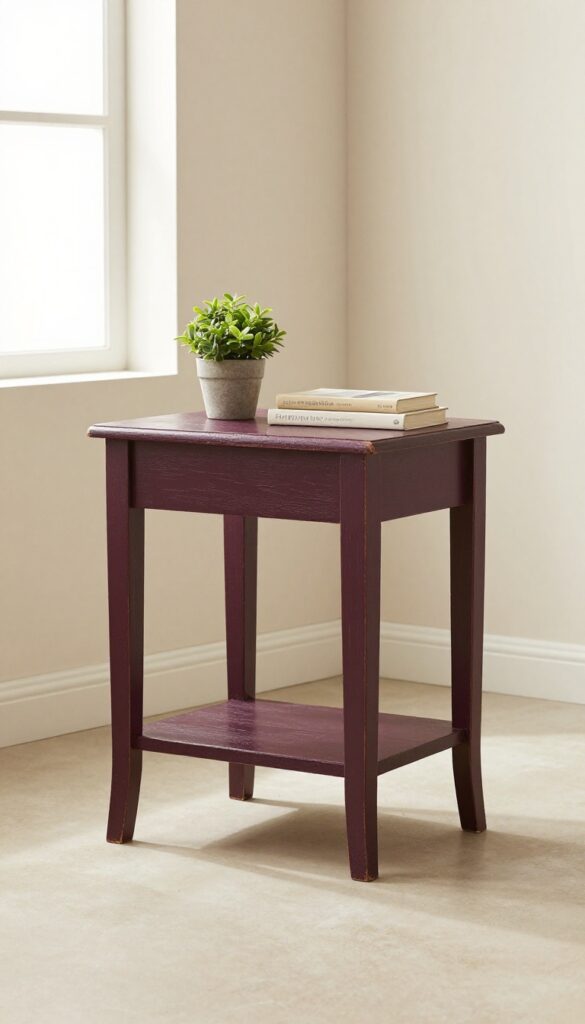
Not every purple living room needs a fresh coat of paint on the walls. Sometimes the easiest way to bring in the color is by giving an old furniture piece a second life. A side table, bookshelf, or cabinet gets a playful upgrade with purple chalk paint, turning it into a unique statement piece that ties the whole room together.
It's a weekend-friendly project that feels instantly rewarding and adds personality without overwhelming the space.
Chalk paint is forgiving and requires minimal prep, so even beginners can pull this off in an afternoon. Look for a piece with good bones—maybe a thrifted nightstand or a hand-me-down dresser—and choose a purple shade that complements your existing decor. Deep plum adds richness, while lavender keeps things light and airy.
Once painted, lightly sand the edges for a distressed look or add new hardware for extra charm. This idea works especially well in living rooms with neutral walls and soft textiles, where the purple piece becomes a focal point without clashing.
Best Colors
For a bold look, go with eggplant or royal purple. If you prefer something softer, try lilac or dusty mauve. Consider the room's lighting: north-facing rooms can handle deeper shades, while bright spaces can carry pastels.
Finishing Touch
Update the hardware after painting. Brass or gold knobs add warmth, while matte black keeps it modern. A clear wax seal protects the finish and gives a subtle sheen.
Placement Tip
Use the painted piece as a side table next to a neutral sofa, or as a media console under a floating shelf. Keep the surrounding decor simple so the purple stands out.
FAQ
What shades of purple work best for a living room?
Soft lavenders and lilacs create a calm, airy feel, while deeper plums and eggplants add drama and coziness. Choose based on the mood you want.
Can purple work in a small living room?
Absolutely. Use lighter purples on walls or as accents to avoid overwhelming the space. A pale lavender wall can actually make a room feel larger.
What colors pair well with purple in a living room?
Neutrals like white, gray, and beige are safe bets. For more contrast, try gold, mustard, or teal. Green and pink also complement purple nicely.
How do I keep purple from looking too childish?
Stick with muted or deep shades rather than bright neon purples. Pair with sophisticated materials like velvet, brass, and wood for an adult look.
Is purple a good choice for a rental living room?
Yes, because you can use removable accents like pillows, rugs, and curtains. If you want to paint, choose a landlord-friendly shade and get permission first.
Conclusion
Purple is a surprisingly flexible color for living rooms, whether you go bold or subtle. These 13 ideas prove that a few intentional touches can make your space feel polished and personal. The key is to start small and build from there.
Over a weekend, you can add a pillow, swap a rug, or paint an accent wall.
Each change brings you closer to a room that feels finished and truly yours. So pick one idea that excites you and give it a try. Your living room will thank you.