9 Homemade Cleaning Solutions for a Fresher Home
Store-bought cleaners are loaded with chemicals that irritate your skin and lungs. Worse, they cost a small fortune for what's mostly water and fragrance. You already have the ingredients to make effective, natural cleaners at home.
These nine recipes use common pantry staples like vinegar, baking soda, and lemon juice. Each one targets a specific cleaning challenge, from greasy stovetops to dingy cutting boards. Not only are they safer for your family and pets, but they also leave your home smelling fresh without artificial scents.
Ready to ditch the toxic sprays? Let's get cleaning.
1. All-Purpose Vinegar Spray
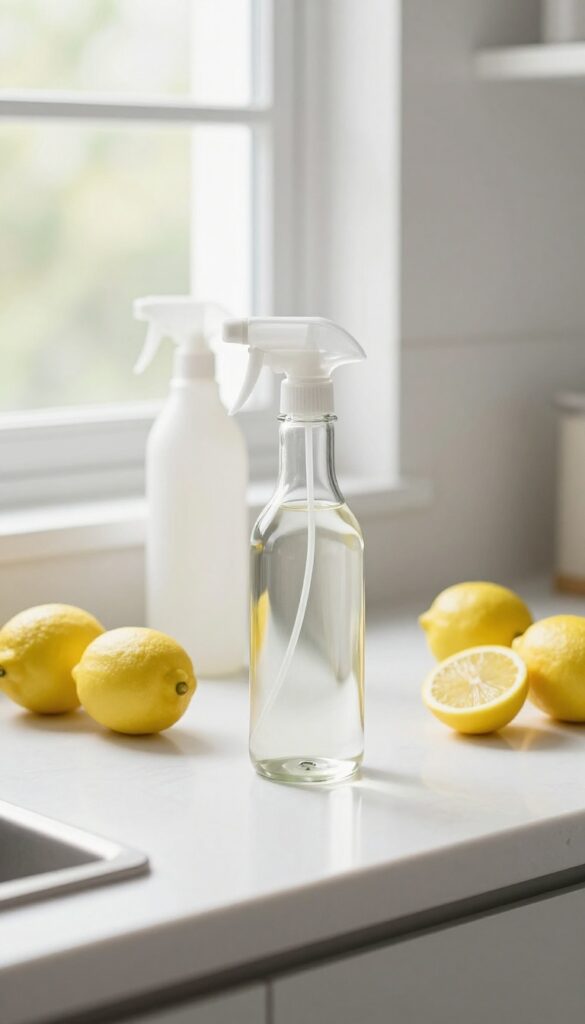
White vinegar is a powerhouse cleaner that tackles grease, grime, and bacteria on countertops, sinks, and stovetops. Mixed with water, it creates a non-toxic spray that's safe for most surfaces. A few drops of essential oil can mask the vinegar scent, leaving behind a pleasant, natural fragrance.
This simple solution is your go-to for daily cleaning. It's cheap, effective, and free from harsh chemicals.
What You'll Need
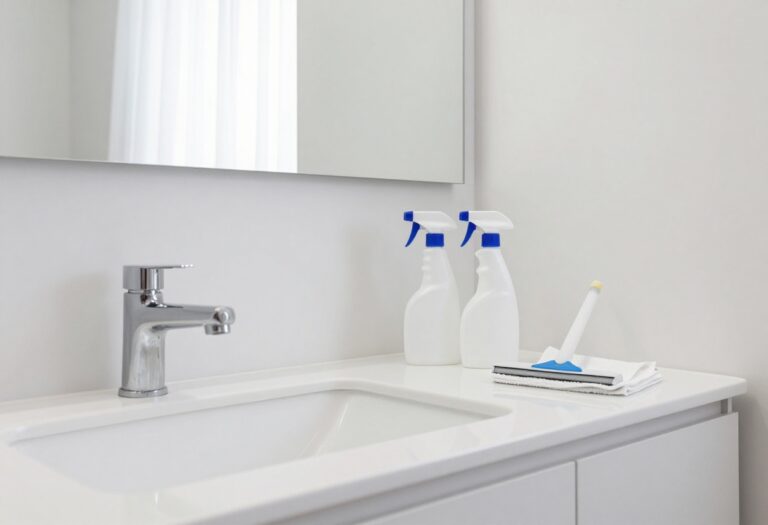
Grab a spray bottle, white vinegar, water, and your favorite essential oil (like lemon or tea tree). Mix one part vinegar to one part water, then add 10-15 drops of oil. Shake well before each use.
Where to Use It
This spray works wonders on kitchen counters, bathroom sinks, mirrors (use a microfiber cloth), and even glass stovetops. Avoid using it on natural stone like granite or marble, as the acid can etch the surface.
Pro Tips For Best Results
For extra degreasing power, warm the vinegar slightly before mixing. Let the spray sit on tough grime for a minute before wiping. And don't worry about the vinegar smell—it disappears once dry.
2. Baking Soda Scrub for Tough Stains
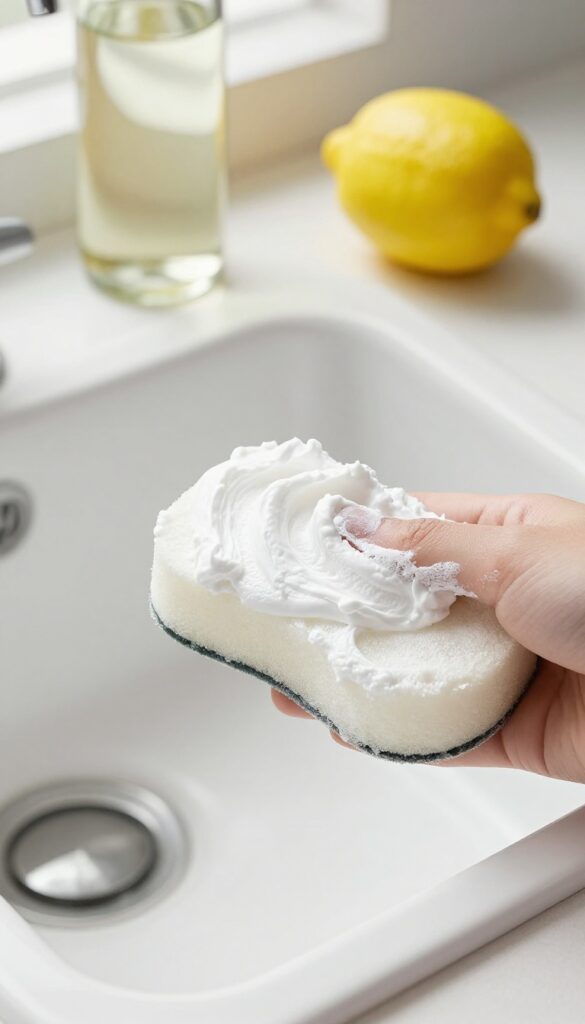
Baking soda is a gentle powerhouse that tackles grime without harsh chemicals. Mixed with a little water, it forms a paste that lifts stubborn stains from sinks, tubs, and countertops without scratching surfaces. This simple scrub is perfect for everyday messes that need a little extra elbow grease.
To make the scrub, combine 1/2 cup of baking soda with 2-3 tablespoons of water until it forms a thick paste. Apply it to the stained area with a sponge or cloth, scrub gently in circular motions, then rinse thoroughly. For extra cleaning power, add a few drops of lemon juice or white vinegar to boost stain removal and deodorizing.
Use it on ceramic, porcelain, stainless steel, and even some plastics, but avoid it on soft surfaces like acrylic or marble to prevent scratching.
Best Uses For Baking Soda Scrub
This scrub works wonders on kitchen sinks, bathtubs, and shower tiles. It removes coffee and tea stains from mugs, lifts dried food from stovetops, and brightens grout lines. For tough baked-on grease, let the paste sit for 10 minutes before scrubbing.
Tips For Best Results
Always test on a small hidden area first, especially on colored surfaces. Rinse immediately after scrubbing to avoid residue. Store any leftover paste in a sealed container, but it's best to make fresh each time for maximum abrasiveness.
3. Lemon Juice Glass Cleaner
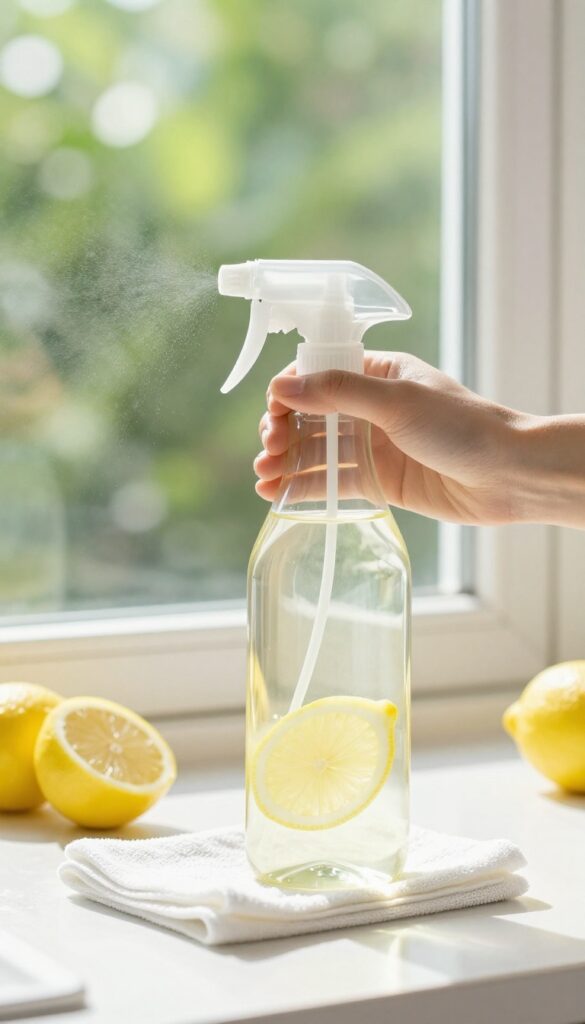
Windows and mirrors attract fingerprints, smudges, and dust like magnets. Commercial glass cleaners often leave a sticky residue or contain ammonia that irritates your eyes and throat. A simple blend of lemon juice, water, and vinegar cuts through grime naturally and leaves surfaces sparkling.
This glass cleaner harnesses the power of citric acid and acetic acid to dissolve dirt without streaks. Lemon juice adds a fresh, clean scent and helps break down oily fingerprints. Vinegar provides extra degreasing power, while water dilutes the mixture to a safe, effective strength.
Why Lemon Juice Works
Lemon juice is naturally acidic, which makes it excellent at cutting through grease and dissolving mineral deposits. It also has antibacterial properties and leaves a pleasant, non-chemical fragrance. Unlike some commercial cleaners, lemon juice won't leave a hazy film on glass.
How To Make It
Mix 1/4 cup lemon juice, 1/4 cup white vinegar, and 2 cups water in a spray bottle. Shake gently to combine. For extra cleaning power, add 1 teaspoon of liquid dish soap.
Label the bottle clearly and store it away from direct sunlight.
Best Uses And Tips
Spray the solution onto windows, mirrors, or glass tabletops. Wipe with a microfiber cloth or crumpled newspaper for a streak-free finish. Avoid using on marble or granite, as the acid can etch the surface.
For heavily soiled glass, let the solution sit for 30 seconds before wiping.
4. Castile Soap All-Purpose Cleaner
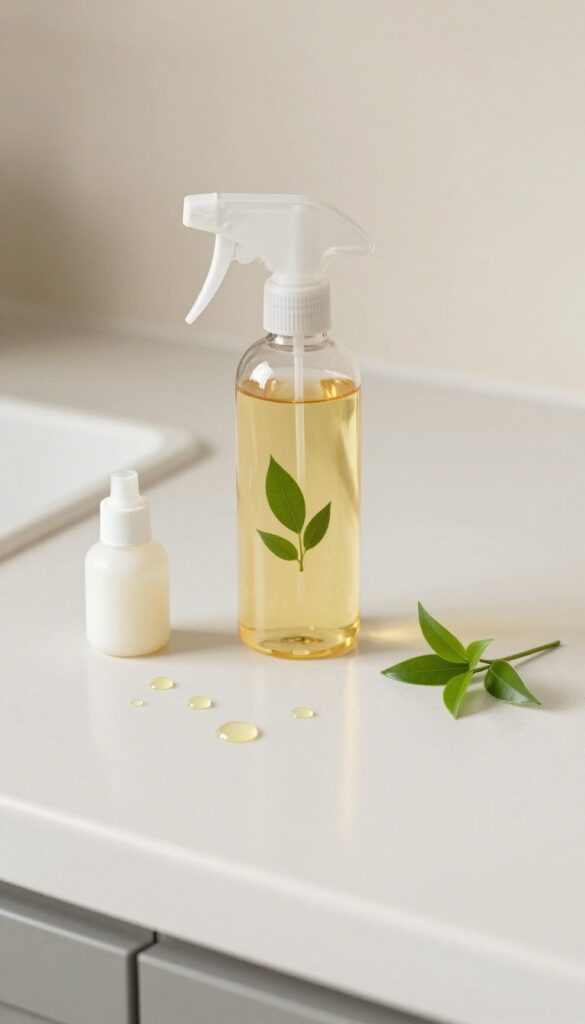
Castile soap is a plant-based wonder that cleans without harsh chemicals. When diluted with water and boosted with tea tree oil, it becomes a gentle yet powerful cleaner safe for most surfaces. This recipe is perfect for daily wipe-downs on countertops, tables, and even wood floors.
Mix 1/4 cup of liquid castile soap with 4 cups of warm water in a spray bottle. Add 10-15 drops of tea tree oil for its natural antibacterial properties. Shake gently to combine.
Use this cleaner on sealed wood, tile, laminate, and stainless steel. Avoid using on unsealed stone or waxed floors as the soap can leave a residue. For extra degreasing power, add 1/4 cup of white vinegar, but note that vinegar should not be mixed with castile soap in large quantities as it can curdle the soap.
Instead, use the vinegar separately for tough grease.
Why Castile Soap Works
Castile soap is made from vegetable oils like olive, coconut, or hemp. It creates a mild suds that lifts dirt and grime without stripping protective coatings. Unlike synthetic detergents, it biodegrades easily and is safe for septic systems.
Tea tree oil adds antimicrobial power, making this cleaner effective against common household bacteria.
Best Uses Around The Home
This cleaner shines on kitchen counters, bathroom sinks, and tile backsplashes. It's also great for wiping down wooden cabinets and sealed hardwood floors—just wring out your mop well to avoid excess moisture. For a quick all-purpose spray, keep a bottle under the sink and use it daily.
Storage And Shelf Life
Store the mixture in a labeled spray bottle away from direct sunlight. It will last up to two weeks at room temperature. For longer storage, refrigerate and use within a month.
Shake before each use, as the soap and oil can separate over time.
5. Hydrogen Peroxide Disinfectant
Hydrogen peroxide is a disinfectant that actually works without leaving behind a toxic film. The 3% solution you find at the drugstore is strong enough to kill bacteria, viruses, and mold on hard surfaces. It breaks down into water and oxygen, so there's no chemical residue to worry about.
This section covers how to use hydrogen peroxide as a safe, effective disinfectant for various surfaces in your home. It's especially useful for areas where food is prepared or where germs tend to linger.
Cutting Boards And Kitchen Surfaces
Pour 3% hydrogen peroxide directly onto cutting boards, countertops, and sink areas. Let it sit for at least five minutes to kill bacteria like salmonella and E. coli. Then rinse with water or wipe clean.
It's safe for plastic, wood, and stone surfaces, but always test a small area first.
Bathroom Disinfection
Spray hydrogen peroxide onto bathroom surfaces like faucets, shower handles, and toilet exteriors. Let it sit for ten minutes before wiping. It's effective against mold and mildew without the harsh fumes of bleach.
Just avoid mixing it with vinegar or ammonia, as that creates toxic gases.
Toothbrush And Sponge Sanitizing
Soak toothbrushes in a small cup of hydrogen peroxide for a few minutes to kill bacteria. Change the peroxide every few days. For sponges, soak them in a bowl of hydrogen peroxide for ten minutes, then rinse thoroughly.
This extends the life of your sponges and keeps them odor-free.
6. Olive Oil Furniture Polish
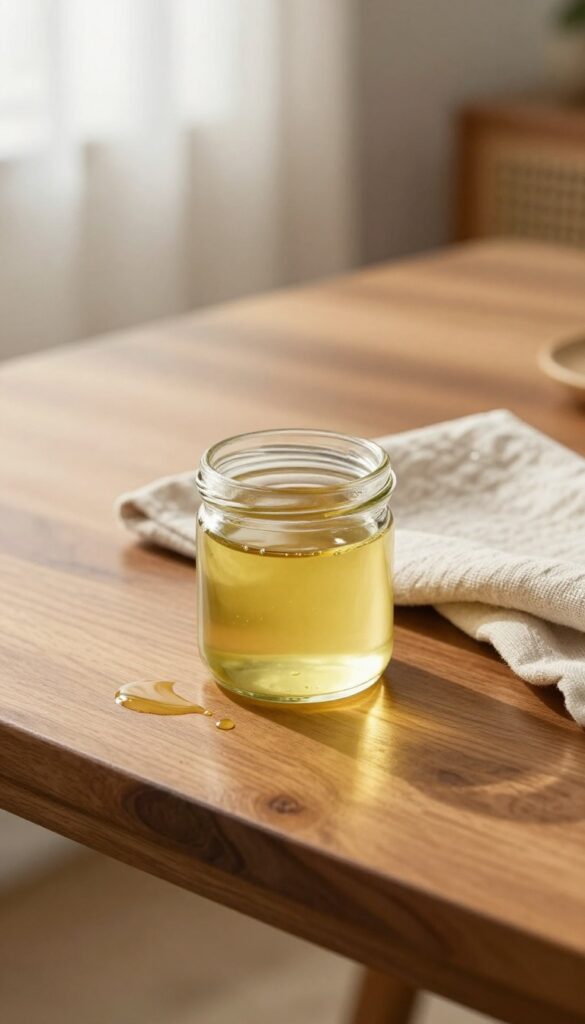
Wood furniture looks beautiful when it's cared for, but many commercial polishes contain silicone, petroleum distillates, or synthetic fragrances that can build up over time. A simple blend of olive oil and lemon juice gives you a natural polish that conditions the wood, removes dust, and leaves a warm, non-greasy glow. It's cheap, non-toxic, and takes just seconds to mix.
To make this polish, combine 1/2 cup of olive oil with 1/4 cup of fresh lemon juice in a small bowl or jar. Shake or stir well. Apply a small amount to a soft, lint-free cloth—less is more.
Wipe it onto the wood in the direction of the grain, then buff with a clean dry cloth until the surface shines. The lemon juice cuts through grime and leaves a fresh scent, while the oil moisturizes the wood and helps hide light scratches. Store any leftover mixture in a sealed container in a cool, dark place for up to a month.
Shake before each use. This polish works on finished wood surfaces like tables, chairs, cabinets, and shelves. Avoid using it on unfinished or waxed wood, as the oil can soak in unevenly.
Why It Works So Well
Olive oil is a natural moisturizer that penetrates wood fibers to restore luster and prevent drying. Lemon juice is a mild acid that dissolves dirt and light grease without damaging the finish. Together, they create a gentle polish that enhances the wood's natural grain.
Tips For Best Results
Always test on a small, hidden area first. Use a microfiber cloth for a streak-free finish. If the wood feels sticky after polishing, you used too much oil—buff with a dry cloth until smooth.
For a deeper clean, dust the surface first with a dry cloth.
When To Reach For This Polish
This polish is perfect for routine dusting and conditioning every few weeks. It's especially good for antique or heirloom pieces that need gentle care. Avoid using it on kitchen tables that get heavy daily use, as the oil can attract more dust over time.
7. Rubbing Alcohol Stain Remover
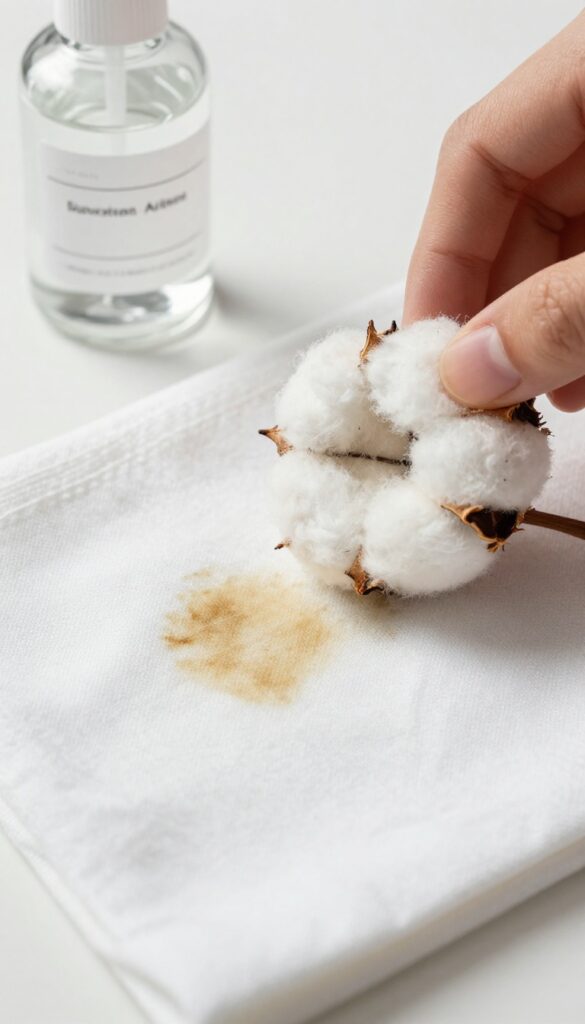
Ink, marker, and grass stains can feel impossible to remove, but rubbing alcohol makes quick work of them. The alcohol breaks down the oils and dyes in the stain, lifting it right out of fabric or off hard surfaces. Because it evaporates fast, it won't soak in and damage materials like water-based cleaners sometimes do.
How It Works
Rubbing alcohol is a solvent, meaning it dissolves substances that water can't. Most stains from pens, markers, and grass are oil-based or contain pigments that cling to fibers. The alcohol penetrates the stain, breaks it apart, and then evaporates, carrying the stain with it.
This makes it especially effective on fabrics like cotton, polyester, and blends, as well as hard surfaces like countertops and floors.
How To Use On Fabrics
Place a paper towel or clean cloth under the stained area to catch the dissolved ink. Dab a cotton ball or cloth in rubbing alcohol and blot the stain gently—don't rub, or you'll spread it. Work from the outside in.
Replace the paper towel underneath as it absorbs the stain. Once the stain is gone, rinse the fabric with cold water and wash as usual. For stubborn stains, repeat the process.
How To Use On Hard Surfaces
For countertops, tables, or floors, simply pour a small amount of rubbing alcohol onto a soft cloth and wipe the stain. It works wonders on permanent marker on whiteboards, laminate, or sealed wood. Test on an inconspicuous area first, especially on painted or varnished surfaces.
After cleaning, wipe with a damp cloth to remove any residue.
Safety Tips
Rubbing alcohol is flammable, so keep it away from open flames and heat sources. Use it in a well-ventilated area. Avoid soaking delicate fabrics like silk or acetate, as alcohol can damage them.
Always spot test first. Store in a clearly labeled bottle out of reach of children and pets.
8. Cornstarch Carpet Deodorizer
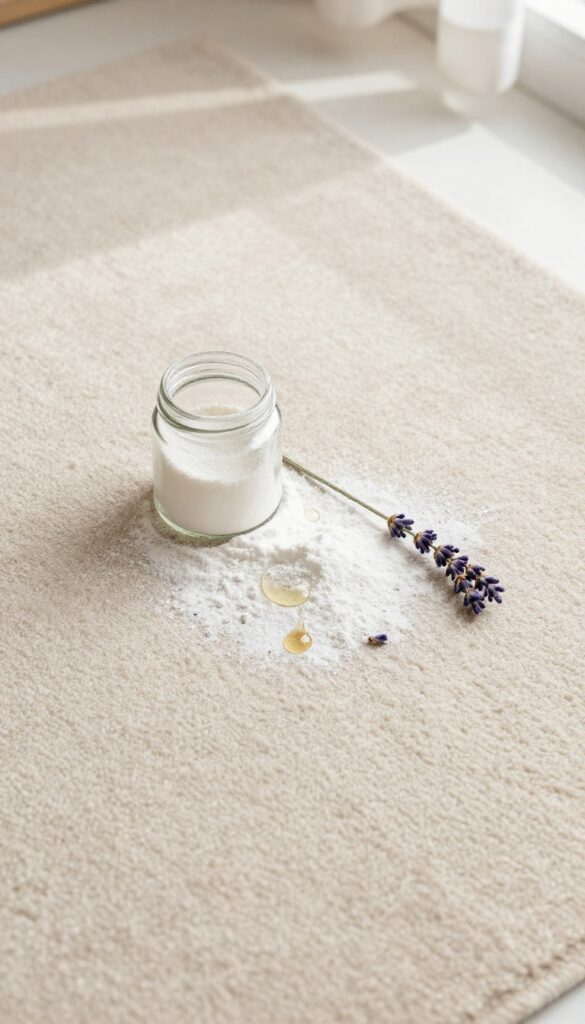
Carpets trap odors from pets, cooking, and daily life. Commercial carpet powders often contain harsh fragrances and chemicals that can irritate allergies. A simple blend of cornstarch and essential oils works just as well, without the side effects.
To make this deodorizer, mix 1 cup of cornstarch with 10-15 drops of your favorite essential oil, like lavender or lemon. Stir well to distribute the oil evenly. Sprinkle the mixture generously over your carpet, focusing on high-traffic areas or spots that smell musty.
Let it sit for at least 15 minutes—longer for tougher odors—then vacuum thoroughly. The cornstarch absorbs moisture and odors, while the essential oil leaves a light, natural scent.
Why Cornstarch Works
Cornstarch is a fine powder that clings to carpet fibers and absorbs oils and moisture that trap smells. Unlike baking soda, it doesn't leave a chalky residue, making it ideal for delicate or dark carpets. It's also gentle on vacuum filters.
Essential Oil Combos To Try
For a fresh, clean scent, use lemon or tea tree oil. For a cozy vibe, try lavender or cedarwood. If you have pets, skip oils that can be toxic to them (like tea tree) and use a pet-safe option like chamomile.
Always test a small area first to ensure the oil doesn't stain.
Tips For Best Results
Vacuum your carpet before applying the powder to remove loose dirt. Work the powder into the fibers with a broom or your hands for better contact. For stubborn odors, let the mixture sit overnight.
Repeat weekly to keep carpets smelling fresh.
9. Salt and Lemon Cutting Board Cleaner
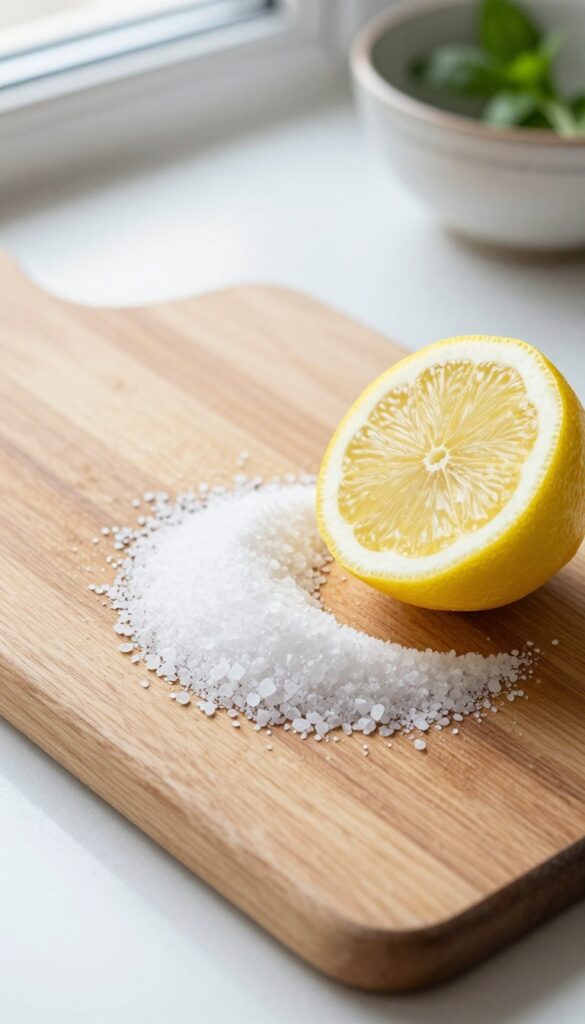
Wooden cutting boards are a magnet for stains and odors. Onion, garlic, and beet juices seep into the grain, and after a while, even a good scrub with dish soap doesn't seem to help. Before you reach for bleach, try this simple two-ingredient cleaner that's already in your kitchen.
Coarse salt acts as a gentle abrasive that lifts stuck-on bits and absorbs moisture, while lemon juice cuts through grease and kills bacteria with its natural acidity. Together, they make a powerful scrub that's safe for wood and won't leave any chemical residue behind.
How To Use It
Sprinkle a generous layer of coarse salt over the cutting board. Cut a lemon in half and use the cut side to scrub the salt into the wood, working in a circular motion. Let the mixture sit for 5 minutes, then rinse with warm water and dry thoroughly.
Why It Works
The salt provides the friction needed to dislodge food particles without scratching the wood. Lemon juice is a natural disinfectant that neutralizes odors and leaves a fresh, clean scent. This combination is especially effective after cutting raw meat or pungent ingredients.
Tips For Best Results
Use coarse salt like kosher or sea salt; table salt is too fine and dissolves too quickly. Always rinse and dry the board immediately after cleaning to prevent moisture from warping the wood. For extra disinfection, follow up with a vinegar spray and let it air dry.
FAQ
Are homemade cleaners as effective as store-bought ones?
Yes, for most everyday cleaning tasks. Ingredients like vinegar, baking soda, and hydrogen peroxide are powerful against dirt, grease, and germs when used correctly.
Can I mix vinegar and baking soda together?
You can, but they neutralize each other. It's better to use them separately—baking soda as a scrub and vinegar as a spray—for maximum cleaning power.
How long do homemade cleaners last?
Most water-based solutions last 1-2 weeks if stored in a cool, dark place. Adding preservatives like rubbing alcohol can extend shelf life. Always label and date your bottles.
Are these cleaners safe for pets and kids?
Generally yes, but avoid essential oils that are toxic to pets (like tea tree or citrus). Stick to pet-safe oils or omit them. Always keep cleaners out of reach.
Can I use homemade cleaners on granite or marble?
Avoid vinegar and lemon on natural stone because the acid can etch the surface. Use a mild castile soap solution or a dedicated stone cleaner instead.
Conclusion
These nine homemade cleaning solutions prove you don't need harsh chemicals to keep your home fresh and inviting. With simple ingredients like vinegar, baking soda, and lemon, you can tackle messes while saving money and reducing waste.
Start with one or two recipes that fit your biggest cleaning challenge, then experiment from there. Your home—and your wallet—will thank you for making the switch to natural, effective cleaners.