13 White Tile Shower Ideas for a Bright Airy Bath Design
Stepping into a shower with white tile can feel like a mini escape. It’s a simple change that makes the whole bathroom seem larger and cleaner. But white tile doesn’t have to be boring.
There are so many shapes, sizes, and layouts to play with. Maybe you’re planning a full remodel or just want to refresh the look. Either way, white tile offers a versatile canvas.
You can go classic, modern, or even a bit rustic. The key is finding the right style and pattern for your taste. Let’s walk through 13 white tile shower ideas that bring light and a sense of calm to your daily routine.
1. Classic Subway Tile with Dark Grout
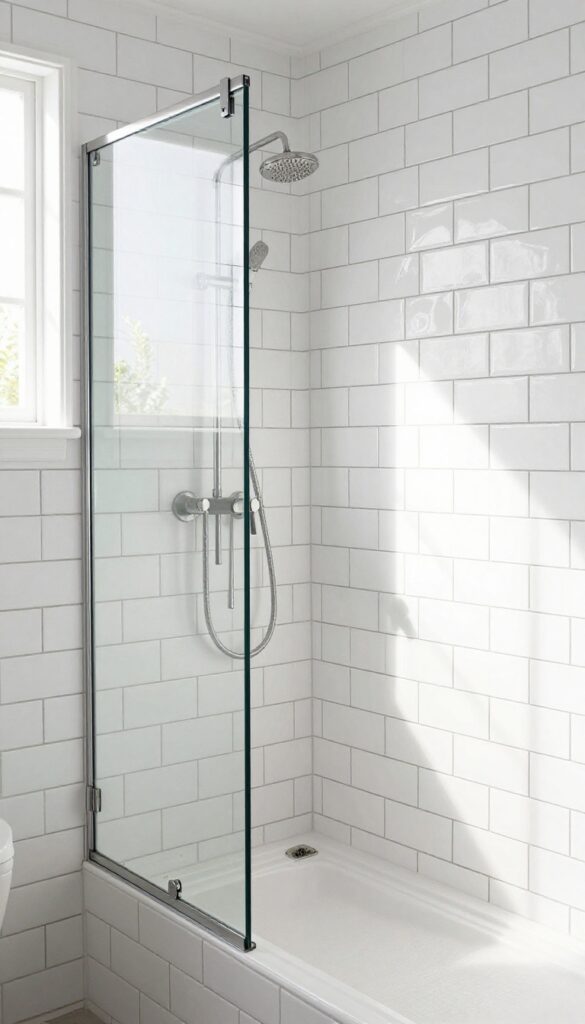
Subway tile is a timeless choice, but the grout color can completely change its personality. Pairing bright white tiles with dark gray or black grout creates a crisp, graphic look that feels both classic and contemporary. The contrast adds depth to the shower walls, making the space feel more dynamic without overwhelming the eye.
Plus, dark grout is a practical winner—it hides soap scum and everyday grime far better than light grout, so your shower stays looking fresh longer.
This idea works especially well in smaller bathrooms where you want to make a statement without adding bold colors. The dark lines create a subtle grid that draws the eye upward, making the ceiling feel higher. It’s a simple swap that delivers a big visual payoff, and it pairs beautifully with brushed nickel or matte black fixtures for a cohesive finish.
Why Dark Grout Works
Dark grout isn’t just about looks—it’s a smart choice for busy showers. Lighter grout tends to show every bit of soap residue and hard water stains, which means constant scrubbing. Dark grout masks that buildup, so your shower looks clean with less effort.
It also adds a defined outline to each tile, which can make the pattern feel more intentional and polished.
Choosing The Right Grout Shade
You don’t have to go full black. Charcoal, dark gray, or even a deep slate can give you that contrast while feeling softer and more forgiving. If you’re unsure, test a few shades on a spare tile to see how they look in your bathroom’s lighting.
Remember, the grout color will also affect how warm or cool the white tile appears, so pick one that complements your fixtures and overall vibe.
Layout Ideas To Try
The classic brick layout is always safe, but you can also play with vertical stacking or a herringbone pattern for extra interest. Dark grout makes these layouts pop, so don’t be afraid to experiment. A vertical stack can make the shower feel taller, while a herringbone adds a touch of elegance.
Just keep the rest of the bathroom simple so the tile stays the star.
2. Large Format White Tiles for Minimal Grout Lines
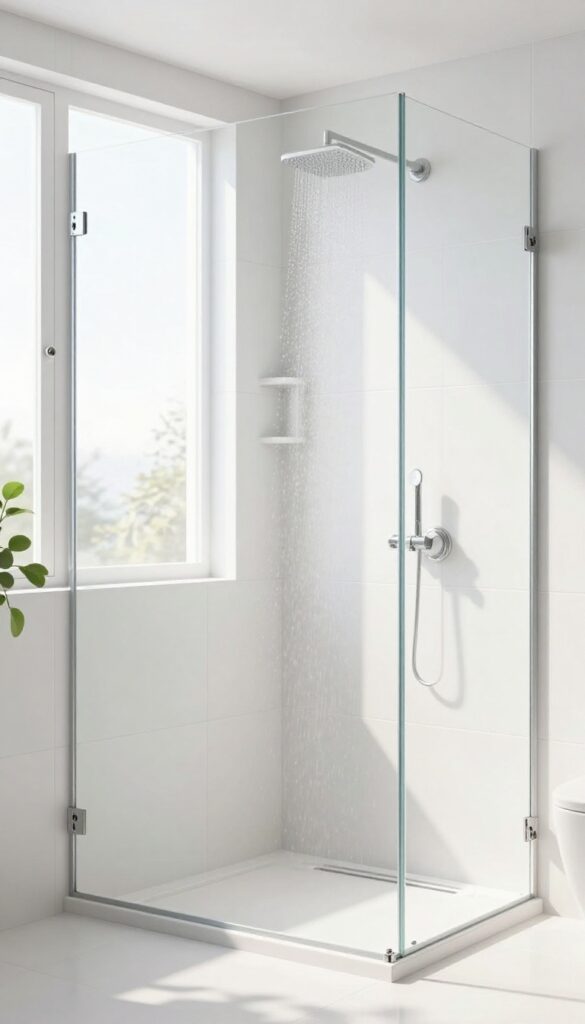
If you're after a sleek, modern shower that feels almost seamless, large format white tiles are the way to go. These big slabs or tiles dramatically reduce the number of grout lines, creating a smooth, uninterrupted surface that visually expands the space. Plus, fewer grout lines mean less scrubbing and a cleaner look for years to come.
Large format tiles, typically 12×24 inches or larger, are a game-changer in shower design. They minimize the visual clutter of grout, making the walls appear like one continuous sheet of pristine white. This not only enhances the airy feel of your bathroom but also simplifies maintenance.
The grout lines that do exist are fewer and wider apart, making them easier to keep clean and less prone to staining.
Why Size Matters In A Shower
The size of your tile directly impacts the perception of space. Large tiles have fewer interruptions, so your eye isn't drawn to a grid of lines. This creates a more open, calm environment, perfect for a relaxing shower.
In small bathrooms, this trick can make the shower feel twice as big.
Choosing The Right Finish
For large white tiles, the finish matters. A polished finish reflects light and adds a touch of luxury, while a matte finish offers a more understated, contemporary look. Both work well, but consider your bathroom's lighting – polished tiles can brighten a dim space, while matte tiles avoid glare in a sun-drenched room.
Installation Tips For A Flawless Look
To get that seamless effect, proper installation is key. Use a leveling system to ensure the large tiles sit perfectly flush, and opt for a thin-set mortar that provides strong adhesion. Also, choose a grout color that closely matches the tile, like a soft white or light gray, to further minimize the visual impact of the lines.
3. White Hexagon Tiles for a Touch of Texture
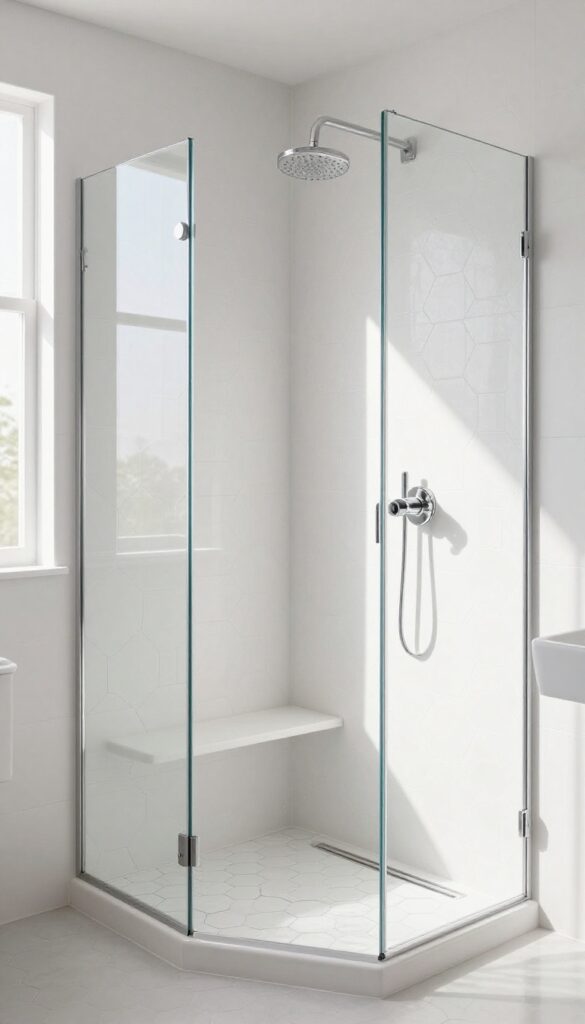
Hexagon tiles bring a subtle honeycomb pattern that adds depth without overwhelming the space. The six-sided shape catches light differently than standard squares, creating a gentle, organic feel. It's a great way to introduce texture while keeping the overall look clean and bright.
Hexagon tiles are a favorite for adding visual interest to a white shower. The geometric shape breaks up the monotony of plain walls and floors, giving the eye something to appreciate. Whether you use them on the entire shower or just as an accent, they bring a modern yet timeless vibe.
One of the best things about hexagon tiles is their versatility. You can play with scale—smaller hexagons create a busier, more detailed pattern, while larger ones feel more minimal. Grout color also matters: white grout keeps things seamless, while a contrasting shade like gray or black makes the hexagons pop.
If you're worried about the pattern feeling too busy, consider using hexagon tiles on the floor and sticking to a simpler tile on the walls. Or, create a feature wall behind the shower bench or niche. This way, you get the texture without it taking over the whole space.
Choosing The Right Size
Hexagon tiles come in a range of sizes, from tiny mosaics to large statement pieces. For a shower floor, smaller hexagons (around 1-2 inches) provide better grip and conform to slopes easily. On walls, larger hexagons (4-6 inches) create a cleaner, more contemporary look.
Think about the overall style you want—smaller tiles feel more traditional and intricate, while larger ones lean modern and airy.
Grout Color Matters
The grout you choose can dramatically change the look of hexagon tiles. White grout blends everything together for a seamless, bright finish. Light gray adds a subtle definition without being harsh.
For a bolder look, dark gray or black grout makes the hexagon pattern stand out and adds a graphic element. Consider the amount of maintenance you're comfortable with—lighter grout shows less dirt, while darker grout hides stains better.
Where To Use Them
Hexagon tiles work well in several areas of the shower. A full wall of hexagons creates a striking focal point. You could also use them on the shower floor only, pairing with subway or large format tiles on the walls.
Another idea is to create a niche or shelf lined with hexagon tiles for a subtle accent. Mixing sizes or colors can also add a custom touch.
4. White Subway Tile with a Glass Accent Stripe
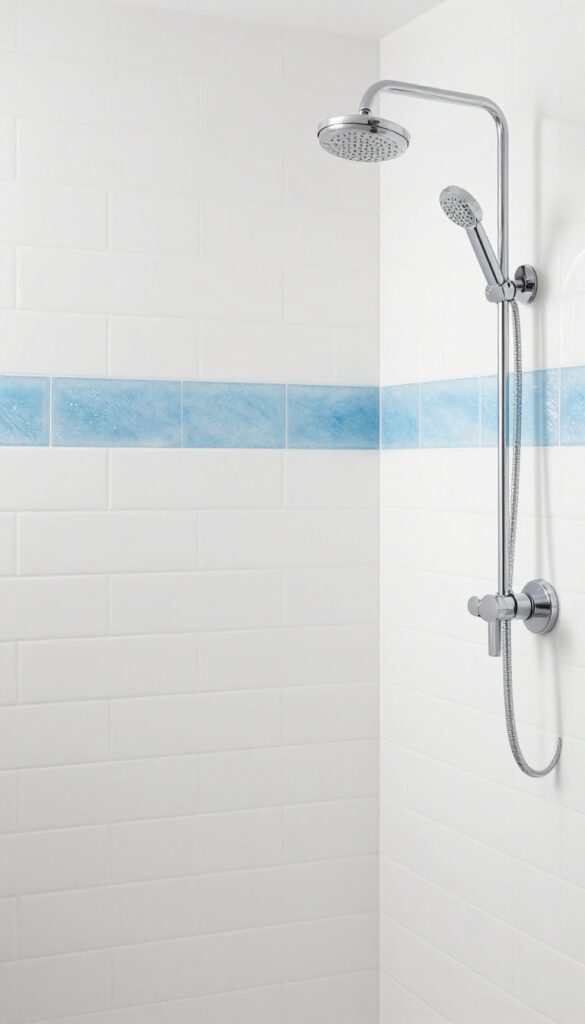
A single stripe of glass tiles can make your shower feel custom without going overboard. It’s a subtle way to add sparkle and break up the monotony of white subway tile. The glass catches light and adds a hint of color or texture, depending on your choice.
This idea works best when you keep the glass stripe narrow and consistent. You can place it at eye level or slightly above, running horizontally across the shower wall. It draws the eye and adds a touch of elegance without making the space feel busy.
Choosing The Right Glass Tile
Pick a glass tile that complements your fixtures and overall bathroom palette. Clear or frosted glass keeps things light, while a soft blue or green adds a subtle pop of color. Consider the finish—glossy glass reflects more light, while matte glass offers a softer look.
Make sure the glass tile is the same thickness as your subway tile so the surface stays flush.
Placement Ideas
The most common spot for a glass stripe is at shoulder height, around 54 to 60 inches from the floor. You can also run it vertically to create a different visual effect. Another option is to place the stripe near the ceiling or along the niche edge for a subtle highlight.
Keep the stripe to one or two rows of glass tiles to maintain the airy feel.
Grout And Color Coordination
Choose a grout color that blends with both the white subway and the glass tile. White or light gray grout keeps the look seamless, while a slightly darker grout can define the stripe. If your glass tile has a hint of color, match the grout to that tone for a cohesive finish.
Avoid high-contrast grout lines that might distract from the clean design.
5. White Herringbone Pattern for a Dynamic Look
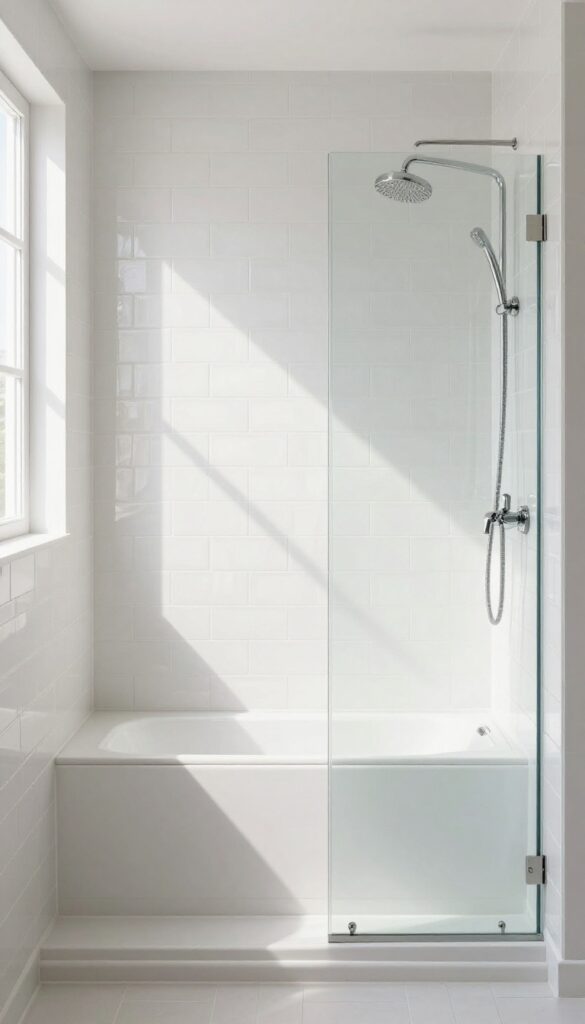
Herringbone is a classic pattern that adds instant movement to any surface. When done in white tile, it brings a subtle texture that catches the light without feeling busy. It’s a great way to make a plain shower feel more intentional and high-end.
You don’t need to cover the whole shower in herringbone to get the effect. A single feature wall behind the bench or the showerhead can be enough. The pattern naturally draws the eye, so it works well as a focal point.
Because the pattern is so graphic, it pairs beautifully with simple fixtures and neutral colors. You can keep the rest of the bathroom minimal and let the herringbone do the talking.
Herringbone is a timeless pattern that has been used in flooring and walls for centuries. It involves laying rectangular tiles at a 45-degree angle to create a zigzag effect. The result is a dynamic, textured look that feels both classic and modern.
One of the best things about herringbone is its versatility. You can use it in a small shower niche or across an entire wall. The pattern works with both glossy and matte finishes, so you can adjust the mood easily.
A glossy finish will reflect more light, making the space feel even brighter, while a matte finish offers a softer, more understated elegance. When choosing grout, you have options. A white grout will blend in and let the tile pattern shine, while a gray or contrasting grout will emphasize the zigzag lines.
If you want a subtle look, go with a grout that matches the tile. For a bolder statement, choose a contrasting shade. Installation can be a bit tricky, so it’s often best to hire a professional.
But if you’re handy, you can tackle it yourself with careful planning. Make sure to use spacers and check your lines frequently to keep the pattern crisp. Overall, herringbone is a fantastic way to add visual interest without overwhelming the space.
It’s a pattern that feels fresh and custom, and it will make your shower stand out.
Why Herringbone Works In A Shower
The herringbone pattern naturally creates a sense of movement, which can make a small shower feel larger. The diagonal lines draw the eye upward and outward, adding depth. It also breaks up the monotony of a solid white wall, giving the space a more curated look.
Another benefit is that it works with different tile sizes. You can use standard subway tiles, or go for longer, narrower tiles for a more dramatic effect. The pattern adapts well to both, so you can customize the look to your preference.
Choosing The Right Tile Size And Finish
For herringbone, the size of the tile matters. Smaller tiles, like 3×6 inches, create a tighter, more intricate pattern, while larger tiles, like 4×12 inches, produce a more open, modern look. Consider the scale of your shower: a small shower might benefit from smaller tiles to keep the pattern proportionate.
Finish also plays a role. Glossy tiles reflect light and add a bright, clean feel, perfect for a spa-like atmosphere. Matte tiles offer a more subtle, textured appearance that can hide water spots better.
Think about the overall vibe you want and choose accordingly.
Grout Color: Blend Or Contrast
The grout color can dramatically change the look of your herringbone wall. If you want the pattern to be subtle, choose a grout that closely matches the tile color. This creates a seamless, almost monolithic look.
If you want the herringbone to stand out, use a contrasting grout. Gray, charcoal, or even black grout can make the zigzag pattern pop. This adds a graphic element to the shower and can tie in with other dark accents in the bathroom.
6. White Penny Tile for a Vintage Vibe
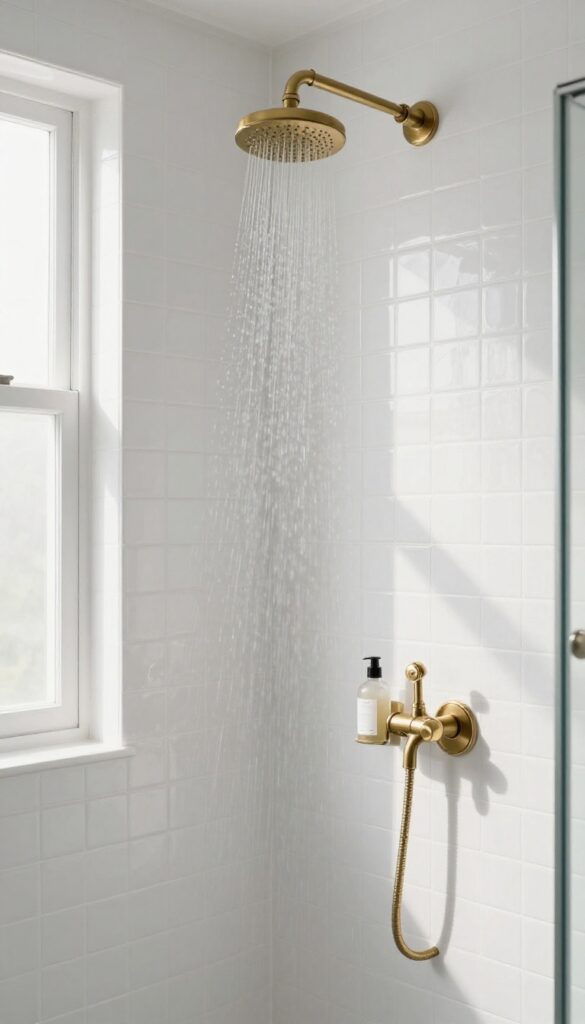
Sometimes the smallest tiles make the biggest splash. Penny rounds, with their charming dime-like shape, bring a retro, almost nostalgic feel to a shower. In white, they keep things bright and airy while adding texture that larger tiles just can't match.
The key to nailing this look is all in the details. Pairing white penny tile with brass fixtures instantly elevates it from simple to spa-like. The warm metallic tones against the cool white create a beautiful contrast that feels both classic and fresh.
Penny tile is a fantastic way to add personality without going overboard. Its small scale makes it perfect for curved surfaces, like a shower bench or a niche, and it can make a small shower feel more expansive. The circular shape breaks up the straight lines of the shower, adding a playful yet elegant touch.
One of the great things about penny tile is its versatility. You can use it on all the walls for a full-on retro look, or just on a single accent wall or the shower floor for a subtler nod to the style. It also pairs beautifully with other tile shapes, so you can mix and match to create a truly custom design.
Choosing The Right Grout
Grout color can make or break the penny tile look. For a seamless, clean appearance, choose a grout that closely matches the white tile. This creates a smooth, almost monolithic surface that feels very modern.
If you want to emphasize the circular shape and add a bit of contrast, go with a light gray or even a warm beige grout. This will highlight the individual tiles and give the shower more visual texture.
Pairing With Fixtures And Accents
Brass fixtures are a natural partner for white penny tile, but don't stop there. Consider adding a teak wood bench or a small plant to bring in some warmth and organic texture. Black matte fixtures can also look striking, offering a more contemporary edge.
The key is to balance the delicate tile with substantial, well-chosen accents.
Maintenance And Durability
Penny tile is surprisingly durable and easy to care for. The small grout lines do require a bit more attention to keep clean, but sealing the grout properly can make a big difference. Use a squeegee after each shower to keep water spots at bay, and you'll find that the tile stays looking fresh for years.
It's a practical choice that doesn't sacrifice style.
7. White Brick Tile with a Textured Finish
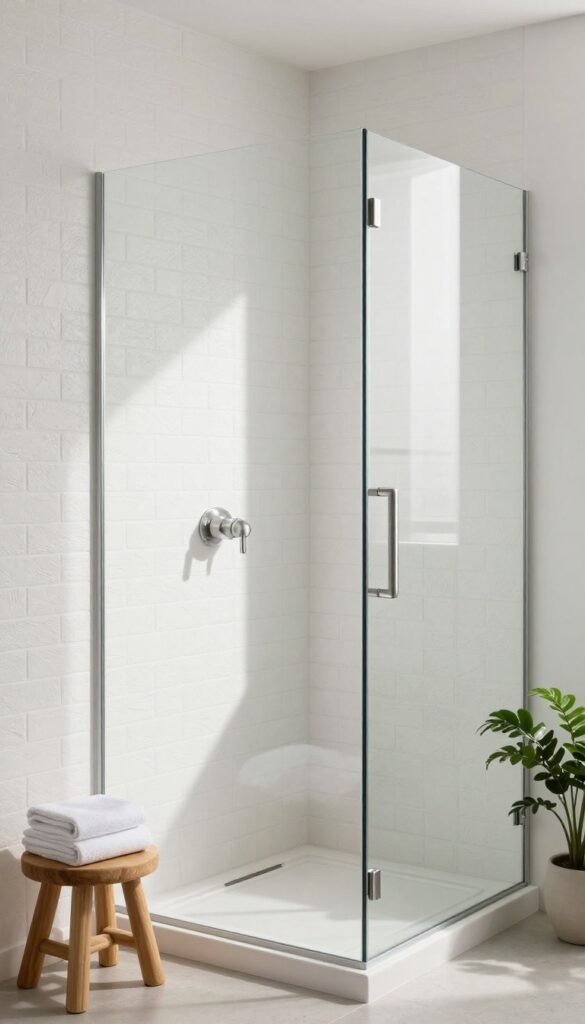
White brick tiles are a favorite for that clean, subway look, but the flat, glossy version can feel a bit clinical. Choosing a handmade or textured finish changes everything. The subtle ripples and uneven edges catch light in a way that feels organic and warm.
Textured white tile brings a natural stone feel to your shower. It’s a smart way to keep the brightness of white while adding depth and character. You get the best of both worlds: a light, airy space that doesn’t look sterile.
Why Texture Matters
Smooth, shiny tiles reflect light evenly, which can make a shower feel flat. A textured surface scatters light, creating soft shadows and highlights. This adds visual interest and makes the walls feel more dimensional, even in a small space.
Handmade Vs. Machine-made
Handmade tiles often have slight variations in size and surface, giving them a charming, artisanal vibe. Machine-made textured tiles are more uniform but still offer a matte or rippled finish. Both work well, so it comes down to how much variation you want.
Pairing With Grout And Fixtures
To let the texture shine, use a grout color that blends in, like white or light gray. Brushed nickel or matte black fixtures contrast nicely with the organic feel. Keep the rest of the shower simple so the tile remains the star.
8. White Tile with a Niche in Contrasting Color
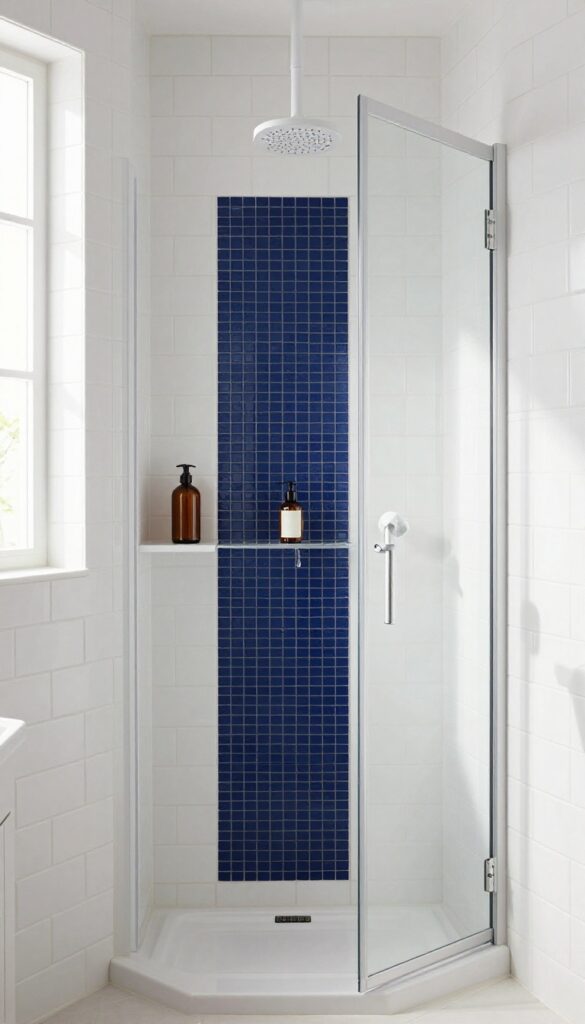
A shower niche is a practical spot for your shampoo and soap, but it doesn't have to blend into the background. Painting or tiling the niche in a contrasting color adds a pop of personality while keeping the rest of the shower crisp and white. It's a small detail that makes a big impact, turning a functional element into a design feature.
This idea is all about balance. The white tile keeps the shower feeling open and airy, while the colored niche adds a focal point that draws the eye. You can choose a bold color like navy or emerald for a dramatic look, or a softer pastel for a subtle touch.
The contrast also helps define the niche, making it easier to find your products at a glance.
Choosing The Right Color
Think about the overall vibe you want. A deep charcoal or black niche adds a modern, moody contrast. Warm terracotta or mustard brings in a boho feel.
If you're hesitant, a light gray or beige can add depth without being too bold. Consider the other colors in your bathroom, like towels or vanity, and pick a shade that complements them.
Tile Options For The Niche
You don't have to use the same tile as the rest of the shower. Small mosaic tiles, like hexagon or penny rounds, can create a textured look. Large-format tiles in a contrasting color give a sleek, minimal appearance.
You could also use a different material, like natural stone or glass, to add extra visual interest.
Placement And Size
The niche's placement matters as much as its color. A common spot is on the side wall, at chest height, where it's easy to reach. You can also install a taller niche for storing larger bottles.
Make sure the niche is properly waterproofed and sloped slightly to prevent water pooling.
9. White Tile with a Black Shower Frame
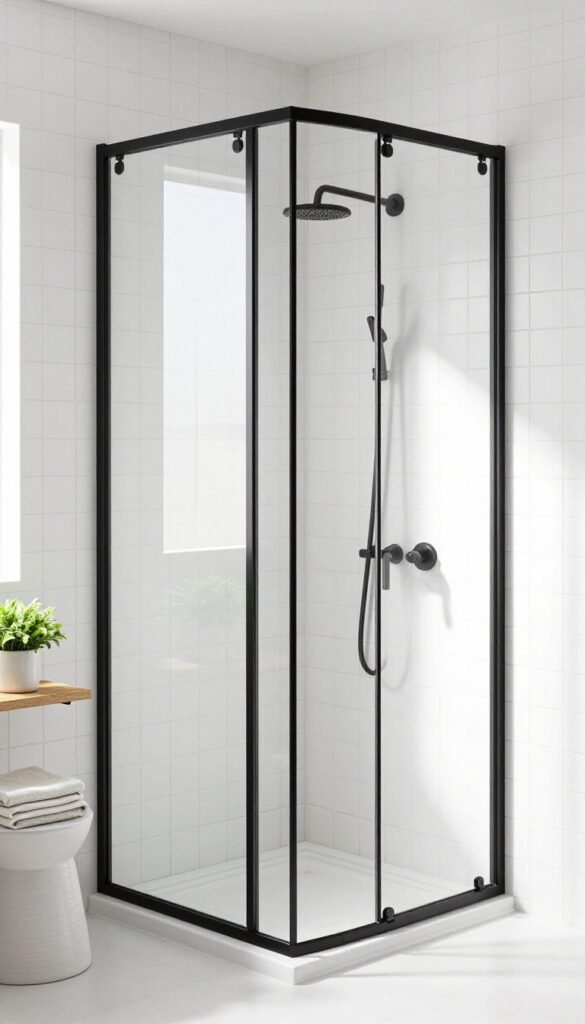
A black shower frame can completely change the feel of white tile. Instead of blending everything together, the dark metal draws the eye and gives the shower a defined, intentional look. It's a simple way to add contrast and a touch of industrial style without a full redesign.
The key is to let the black frame do the talking. Keep the white tile simple, like classic subway or large format, so the frame becomes the focal point. The dark lines create a crisp border that makes the white tile pop, giving the whole bathroom a modern, graphic edge.
Choosing The Right Frame Finish
Matte black is a popular choice because it doesn't show water spots as easily as polished chrome. It also has a softer, more contemporary look that pairs well with white tile. If you want a bit more shine, a satin black finish can still offer that industrial vibe without being too glossy.
Frame Styles To Consider
A black-framed glass shower door is the most obvious option, but you can also use black metal trim around the shower opening or even black-framed shower panels. For a more minimal look, a black shower curtain rod with a white liner can give you that same contrast without the permanence of a glass door.
Pairing With Black Grout
To really lean into the industrial edge, consider using black grout with your white tile. This creates a grid-like pattern that echoes the black frame and ties the whole look together. Just be aware that black grout can be harder to keep clean, so seal it well.
10. White Tile with a Wood Accent Wall
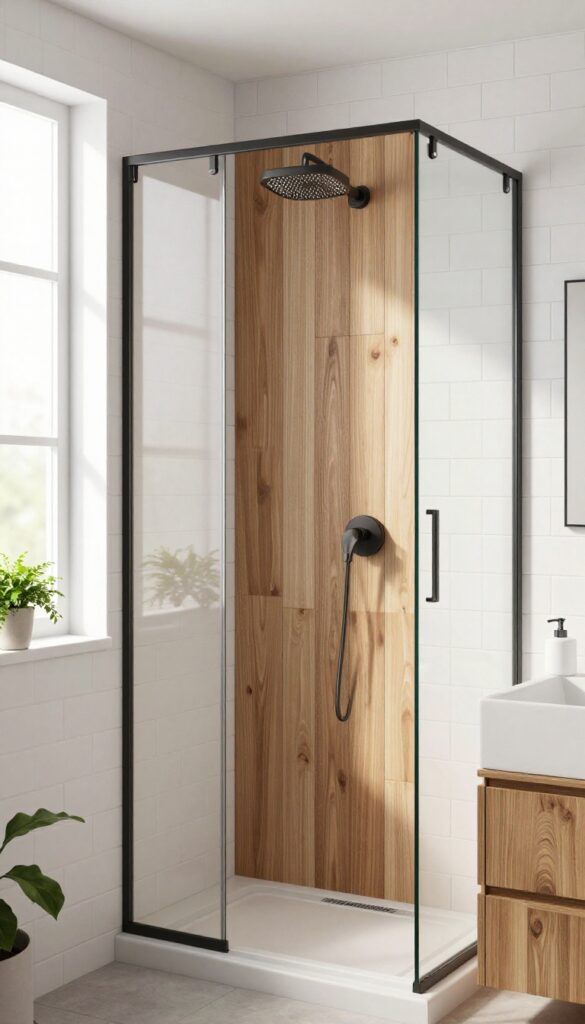
Adding wood to a white tile shower might sound risky, but it’s one of the most welcoming combinations you can try. The white tile keeps things bright and clean, while the wood brings a natural, earthy warmth that changes the whole mood. It’s like a spa retreat right in your own bathroom.
You don’t have to worry about moisture ruining real wood—modern wood-look porcelain tiles or waterproof wood panels handle humidity beautifully. Pick one wall, maybe the one behind the bench or the showerhead, and let it become the visual anchor. The contrast is what makes this idea work so well.
The key is to keep the wood accent to a single wall so it stands out without overwhelming the space. Choose a shade that complements your white tile—lighter woods like oak or ash keep things airy, while walnut or teak add a richer, more dramatic feel. You can also play with the layout, like horizontal planks for a modern look or vertical ones to make the ceiling feel higher.
Pair the wood wall with simple white subway tile or large-format white tiles to keep the focus on the wood. Add a teak bench or a wooden stool to echo the accent wall and tie the whole design together. The result is a shower that feels grounded, cozy, and far from the typical all-white bathroom.
Choosing The Right Wood Tone
The wood tone sets the entire vibe of the shower. Light woods, like bamboo or maple, keep the space feeling open and breezy—perfect for smaller bathrooms. Medium tones, such as oak or hickory, add warmth without darkening the room too much.
If you want a bold, luxurious look, go with a dark wood like walnut or mahogany, but use it sparingly to avoid making the shower feel cramped. Also, think about the undertone of your white tile. If your tile has a cool, gray undertone, a warm wood will create a pleasing contrast.
If your tile is warmer, like a creamy white, a lighter wood will blend more seamlessly. Test samples in your actual lighting before committing.
Waterproof Materials That Look Like Wood
Real wood in a shower is a recipe for warping and mold, but you don’t have to give up the look. Wood-look porcelain tiles are a durable, low-maintenance choice that mimics grain perfectly. They come in planks that are easy to install and grout just like regular tile.
Another option is waterproof wood paneling, often made from PVC or composite materials. These panels are lightweight, easy to cut, and can be installed over existing tile with adhesive. They’re a great DIY-friendly option if you want to update your shower without a full remodel.
Just make sure to seal any seams with waterproof caulk to keep moisture out.
Placement Ideas For The Accent Wall
The most common spot for a wood accent wall is the wall behind the shower controls, since it’s the first thing you see when you step in. You can also use it on the wall opposite the entrance for a surprise element. If you have a niche, consider lining the back of it with wood to create a focal point.
For a more subtle approach, use wood only on a partial wall, like a half-wall or a wainscot below the tile. This adds warmth without dominating the space. Whatever you choose, keep the wood wall clear of heavy fixtures so it can shine.
11. White Tile with a Built-In Bench
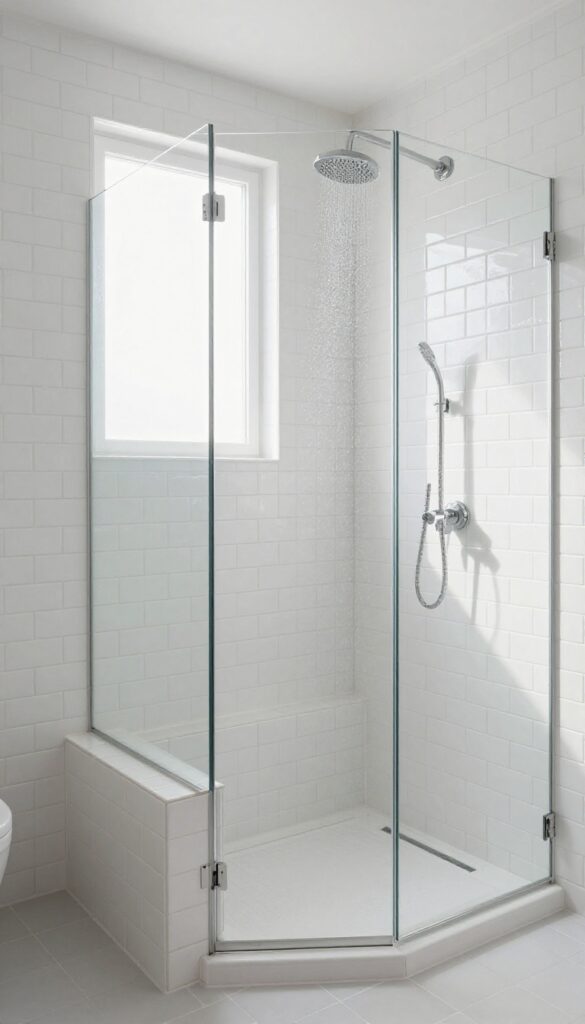
A built-in bench is one of those features that feels like a luxury until you have it, and then you wonder how you ever managed without it. When it's covered in the same white tile as the rest of the shower, it blends right in and makes the whole space feel more open and intentional. It's not just about having a place to sit—it's about creating a seamless, spa-like focal point that adds both function and comfort.
The beauty of a tiled bench is that it doesn't interrupt the visual flow of your shower. Instead, it becomes a natural extension of the walls, especially when you use the same tile and grout color. This creates a clean, uninterrupted surface that makes the shower feel larger and more cohesive.
Plus, a bench gives you a handy spot to prop a foot while shaving or to simply sit and enjoy the steam. It's a practical upgrade that also elevates the overall design.
Choosing The Right Bench Size And Shape
Before you commit, think about how you'll use the bench. A long, narrow bench along one wall is great for sitting or resting toiletries. A corner bench saves space and can make a smaller shower feel more open.
If you want maximum flexibility, consider a bench that spans the full width of the shower—it doubles as a ledge for shampoo bottles and keeps everything within reach. Just make sure the bench is sloped slightly toward the drain so water doesn't pool on the surface.
Tile Options For A Seamless Look
To keep the bench visually quiet, match the tile exactly to the walls. Large-format tiles mean fewer grout lines, which helps the bench disappear into the background. If you're using subway tile, carry the same pattern onto the bench top and front for a continuous look.
You can also use a contrasting tile on the bench top for a subtle design moment, but sticking with the same white tile keeps the focus on the clean, airy feel.
Adding Comfort And Safety
A tiled bench can be cold and hard, so think about comfort. You can add a teak wood bench on top for a warm, natural contrast—teak holds up well in wet areas and adds a spa-like touch. For safety, consider a bench with a slightly textured surface or add a non-slip mat.
Also, make sure the bench is built with proper waterproofing and a slight slope to avoid standing water. These small details make a big difference in how the bench feels and lasts.
12. White Tile with a Rainfall Showerhead
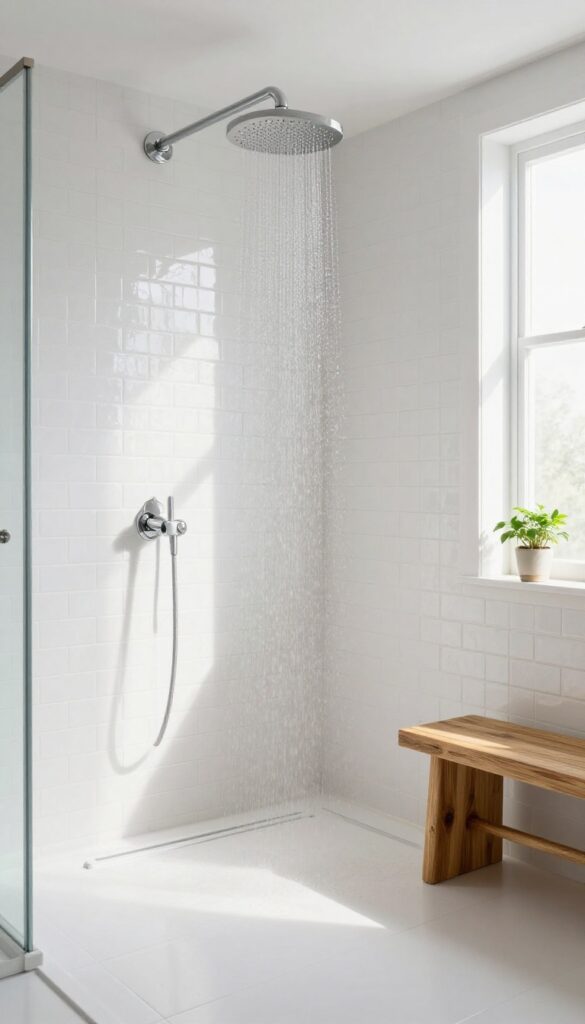
There’s something about a rainfall showerhead that instantly makes a shower feel like a spa. Pair it with white tile, and you get a clean, open space that encourages you to slow down and breathe. The white tile keeps the look light and uncluttered, while the rainfall effect adds a touch of luxury without going overboard.
The combination works because white tile doesn’t compete with the showerhead. Instead, it acts as a calm backdrop that lets the water take center stage. You can choose a sleek, modern fixture or something with a brushed finish for a softer look.
The key is to let the white tile do the heavy lifting for brightness and let the rainfall head do the work for relaxation.
Choosing The Right Tile Finish
Glossy white tile reflects light and makes the shower feel even more open. If you’re worried about slippery floors, go for a matte finish on the floor and glossy on the walls. Large-format tiles minimize grout lines, which keeps the look seamless and easier to clean.
Placement And Ceiling Height
Rainfall showerheads work best when mounted high enough to let the water fall naturally. If your ceiling is standard height, consider a flush-mount head to avoid a cramped feel. For a more dramatic effect, recess the showerhead into the ceiling so the water seems to come from nowhere.
Adding Warmth With Accents
White tile can feel a bit cold, but a rainfall showerhead softens that with a gentle, enveloping spray. To add warmth, bring in a wooden stool or a teak bench. A few green plants that thrive in humidity can also make the space feel more alive and inviting.
13. White Tile with a Glossy Finish for Maximum Light
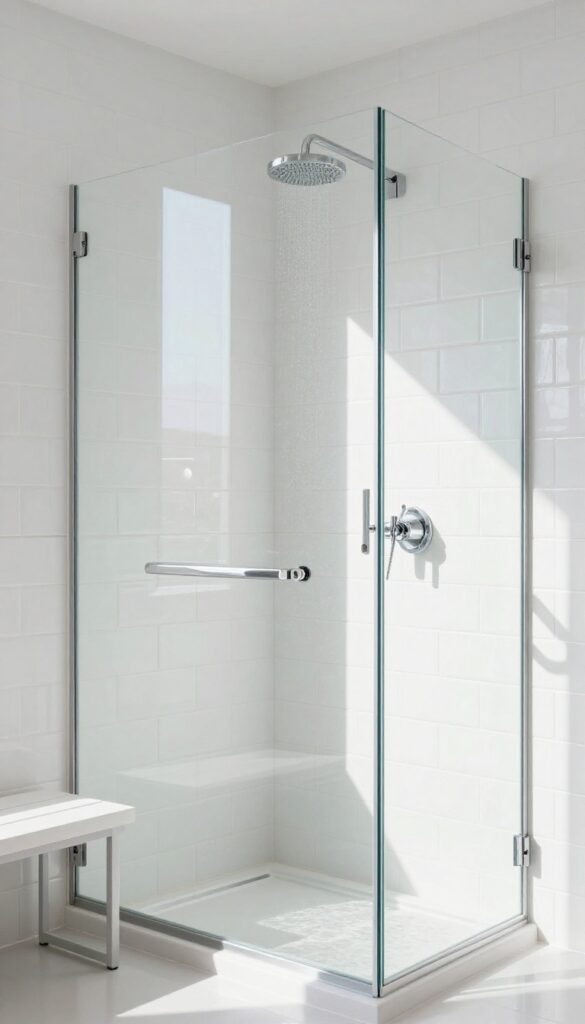
Glossy white tiles are like little mirrors for your shower. They catch the light and bounce it around, making the whole space feel brighter and more open. If your bathroom lacks natural light, this finish can work wonders.
The high-shine surface of glossy tiles reflects both natural and artificial light, visually expanding the shower area. It's a simple trick that makes even a compact shower feel airy and welcoming. Plus, the smooth surface is easy to clean and resists moisture buildup.
Why Glossy Works
Glossy tiles have a reflective surface that amplifies light, making the shower feel larger and more luminous. This is especially beneficial in windowless bathrooms or those with limited lighting. The finish also adds a subtle elegance that pairs well with various design styles.
Pairing With Grout
To keep the bright look, choose a white or light gray grout. Dark grout can create a stark contrast that may make the space feel busy. Light grout blends seamlessly, letting the glossy tiles shine and maintaining a clean, cohesive appearance.
Maintenance Tips
Glossy tiles are generally low-maintenance, but they can show water spots and soap scum more easily than matte finishes. Wipe down the tiles after each shower and use a squeegee to keep them sparkling. A mild cleaner weekly will keep the gloss intact without damaging the surface.
FAQ
What is the best white tile for a shower?
The best white tile for a shower depends on your style and maintenance preference. Glossy ceramic or porcelain tiles are durable and easy to clean. Subway tiles are a classic choice, while large-format tiles reduce grout lines.
Consider textured tiles for slip resistance on the floor.
How do you keep white shower tile clean?
Regular cleaning with a mild, non-abrasive cleaner and a soft sponge or brush is key. Squeegee after each use to prevent water spots and soap scum. For grout, use a baking soda paste or a grout cleaner periodically.
Sealing grout can also help.
Does white tile make a small shower look bigger?
Yes, white tile reflects light and creates a sense of openness, making a small shower appear larger. Using large tiles with minimal grout lines can enhance this effect. Also, keeping the grout light or matching the tile color helps.
What color grout goes with white tile?
White or light gray grout creates a seamless, airy look. Dark gray or black grout adds contrast and a graphic, modern feel. Choose based on the style you want and how much maintenance you’re willing to do—darker grout hides stains better.
Can you use white tile on the shower floor?
Absolutely. Use small-format tiles like hexagon or penny tiles with a matte or textured finish for better slip resistance. Ensure the tile is rated for floor use.
White floors can show dirt, but regular cleaning keeps them looking fresh.
Conclusion
White tile showers are a timeless choice that can make your bathroom feel brighter and more spacious. With so many styles, from classic subway to modern large-format, there’s an option for every taste. The key is to pick a design that reflects your personality and meets your practical needs.
Whether you go for a simple all-white look or add contrasting accents, white tile offers endless possibilities. Take your time to explore these ideas and imagine how they’ll look in your own space. A bright, airy shower is within reach—start planning your transformation today.