15 Backyard Memorial Garden Ideas for a Peaceful Tribute
Losing someone leaves a quiet space that a regular garden bed can't quite fill. A memorial garden gives you somewhere to put that feeling, and it doesn't demand a big budget or a landscaper. You just need a corner of the yard and a little intention.
The hardest part is usually deciding what to actually build. You want something that honors them without turning the whole backyard into a project you'll resent by July. That's why these ideas range from a single marker to a full planted border.
Each one works on its own, and most take a weekend or less. Start with the piece that feels right, then layer in more over time.
1. Plant a Memory Tree with a Personalized Marker
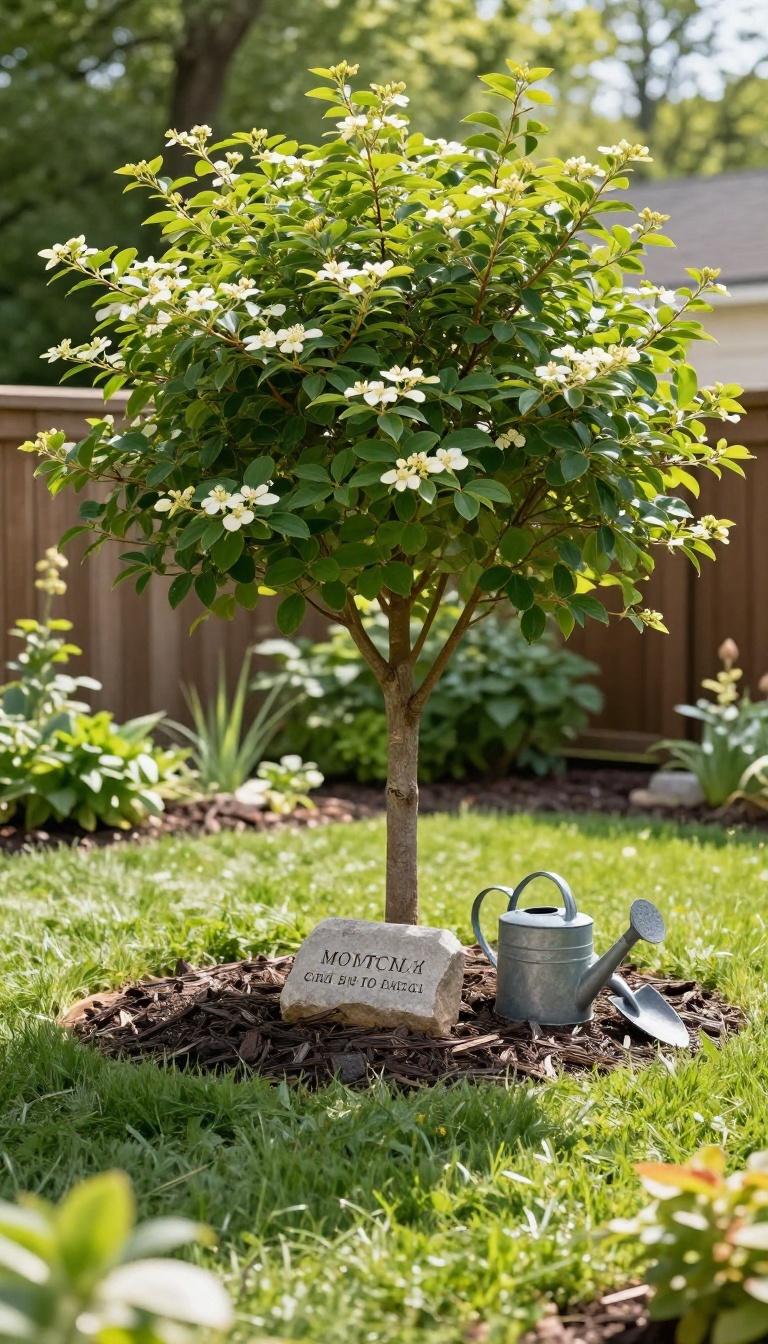
A tree grows with you, which makes it a natural fit for a memorial garden. You pick a species that suits your climate and your loved one's personality, then add a small engraved marker at the base. Over the years, the tree becomes a living anchor in the yard.
The marker gives you a place to pause and read their name. The tree gives you shade, birdsong, and something to prune on a Saturday morning. Together they turn a patch of grass into a quiet ritual.
Start by choosing a tree that will thrive where you live. A nursery can help you match the species to your soil, sunlight, and how much space you have. Think about your loved one's favorite season, color, or scent.
A flowering dogwood, a sturdy oak, or a fragrant cedar all tell a different story. Once the tree is in the ground, add a marker that feels personal. You can go simple with a flat engraved stone, or choose a small plaque on a stake.
Either way, keep the wording short and true. A name, a date, and one line that sounds like them is usually enough. Planting the tree yourself makes the project meaningful.
Dig the hole wide, not just deep, and water it well for the first year. If you'd rather not plant, you can still place a marker under an existing tree and treat that spot as the memorial. Maintenance is part of the ritual.
A little mulch, a little water, and a yearly check on the marker keep the space cared for. That small routine can be surprisingly comforting.
Choosing The Right Tree
Match the tree to your growing zone first, then to your loved one's personality. A fast-growing birch works for a sunny yard, while a slow oak suits a legacy tribute. Ask a local nursery what thrives nearby so you don't fight the climate.
Picking A Marker That Lasts
Engraved stone and metal plaques hold up best outdoors. Granite, slate, and cast bronze all weather well. Keep the inscription brief and readable from a standing height.
Planting And Early Care
Dig a hole twice as wide as the root ball and keep the root flare at ground level. Water deeply once a week for the first year. Stake the tree only if your site is windy.
2. Create a Perennial Border in Their Favorite Colors
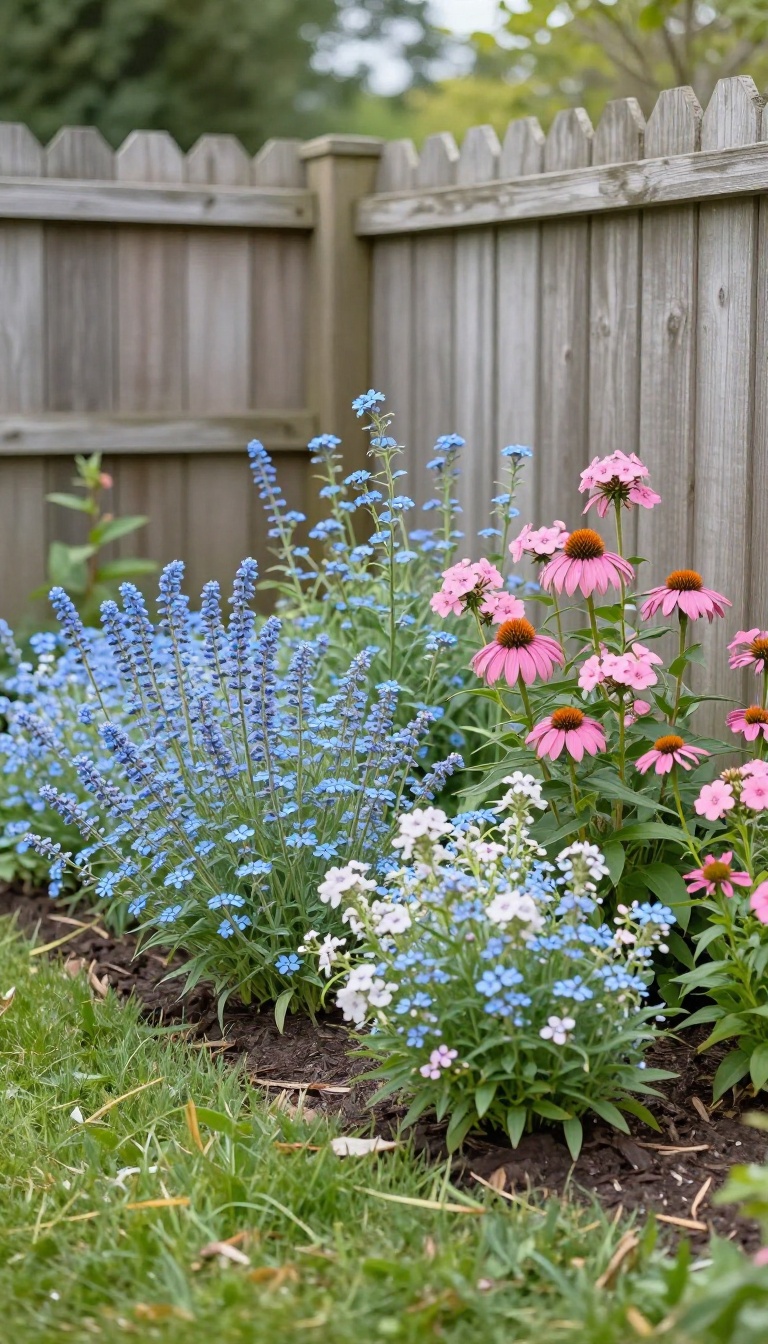
Color carries memory in a way that few other things do. If your dad wore the same faded blue work shirt every Saturday, a border of blue salvia and forget-me-nots can bring him back without a single photograph. The trick is picking perennials that return on their own, so the tribute keeps showing up year after year.
A perennial border sits along a fence, a path, or the edge of a patio. It doesn't need to be huge. Even a six-foot stretch can hold enough color to feel intentional.
The plants come back each spring, which means you're not replanting or fussing. You're just watching the same colors arrive on schedule.
Pick Colors That Mean Something
Start with one or two colors your loved one actually wore or loved. Maybe it's the soft pink of their favorite cardigan. Maybe it's the deep red of a college sweatshirt.
Write those colors down before you shop, so you don't get distracted by whatever looks pretty at the nursery. If you're unsure, think about the colors in their home, their car, or even their favorite mug.
Choose Reliable Perennials For Your Zone
Not every perennial thrives everywhere, so check your growing zone first. For blue, try salvia, baptisia, or hardy geraniums. For pink, consider coneflowers, phlox, or sedum.
For yellow, black-eyed Susans and daylilies are tough and cheerful. For white, shasta daisies and astilbe work in many yards. Mix heights so the border looks layered, not flat.
Plant In Layers For A Longer Season
Put taller plants in the back and shorter ones up front. Add a few spring bloomers, some summer stars, and a couple of fall finishers. That way the border shifts through the seasons instead of peaking for two weeks and fading.
A little planning now means color from April to October.
Keep It Low-maintenance
Perennials still need water, mulch, and the occasional divide. But once they settle in, they mostly take care of themselves. Deadhead spent blooms if you want more flowers, and cut everything back in late fall or early spring.
That's it. The border rewards you with the same colors every year, which is the whole point.
3. Build a Simple Stone Cairn or Stacked Rock Feature
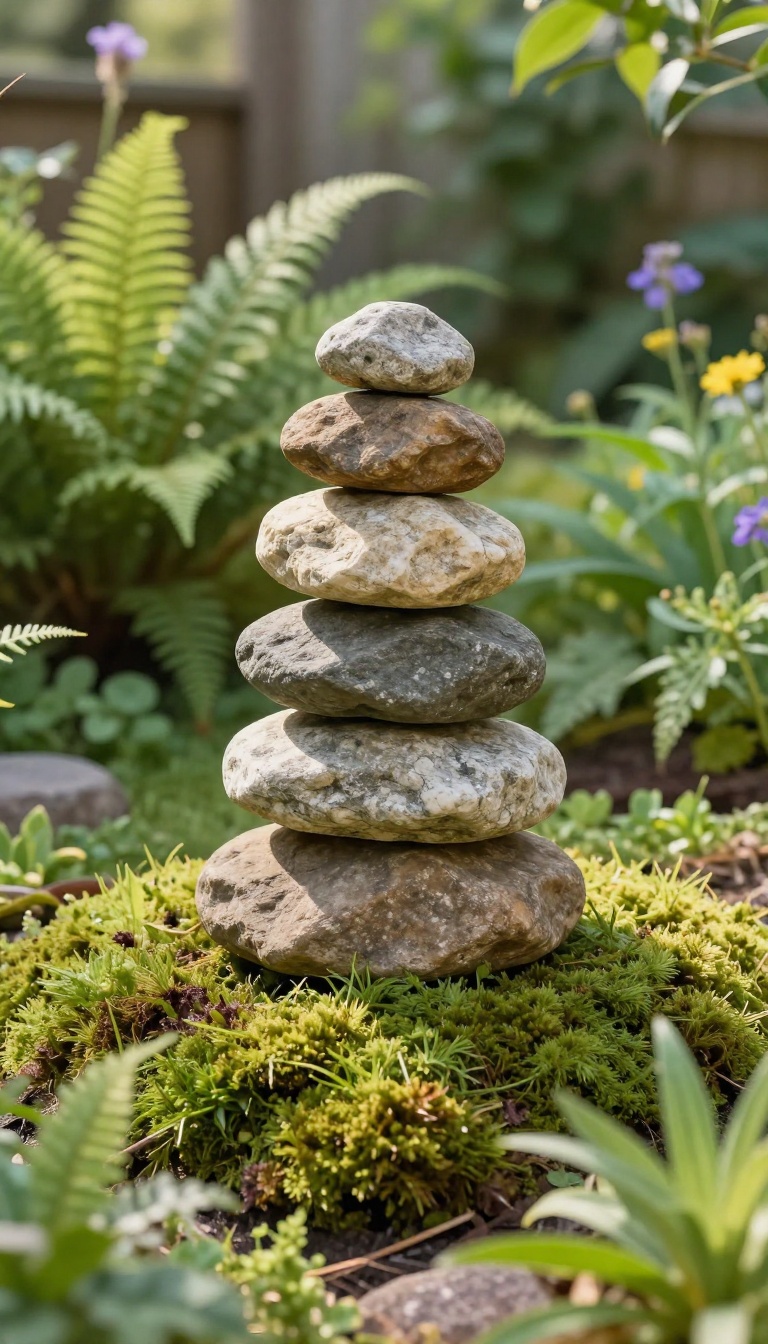
A cairn is just a stack of stones, but it can hold more meaning than almost anything else you build. You gather rocks from places that mattered to both of you, then pile them into a small tower that marks the spot. It needs no watering, no pruning, and no special skills, which makes it one of the easiest tributes to keep up with over the years.
The best part about a cairn is how personal it gets without trying. Every stone carries a memory, and the stack itself becomes a quiet record of the life you shared. You can keep it small and tucked into a border, or build it tall enough to anchor a whole corner of the yard.
Gather Stones With A Story
Start by collecting rocks from places that meant something to both of you. A smooth one from a favorite beach, a chunk of granite from a hike you took together, or a few from the old family garden. You do not need many.
Five or six good stones will do more than a bucket of random gravel. If you cannot get to those places, ask friends or family to bring a stone back from somewhere they remember. That turns the cairn into a shared project, and every contribution gives the stack another layer of meaning.
Stack For Stability, Not Perfection
Flat stones stack best, so look for ones with at least one relatively even side. Start with the largest and heaviest at the bottom, then work upward with smaller pieces. Nudge each stone until it sits without wobbling before you add the next one.
A slight lean is fine. Cairns are supposed to look handmade, not machine-built. If the stack feels top-heavy, stop and rebuild the base instead of trying to balance a big rock on a tiny one.
Set It In A Spot You Pass Often
Place the cairn somewhere you will see it on a normal day, not just when you go looking for it. A corner near the back door, the edge of a patio, or beside a path all work well. That way it becomes part of your routine instead of a hidden shrine.
Clear a small circle of ground around the base and add a few low plants if you want. Creeping thyme, moss, or a ring of small sedum softens the edges without covering the stones. Keep the plants low so the stack stays the focus.
Keep It Standing Through The Seasons
Weather will move things around, so check the cairn after heavy rain, wind, or a hard freeze. Restacking a stone or two takes a minute and keeps the whole thing from toppling. That small act of care can become its own quiet ritual.
If you live somewhere with deep frost, set the bottom stones slightly into the soil so they do not shift as the ground heaves. A cairn that survives a few winters starts to feel permanent, which is exactly what you want from a tribute.
4. Add a Quiet Bench with a Hidden Message
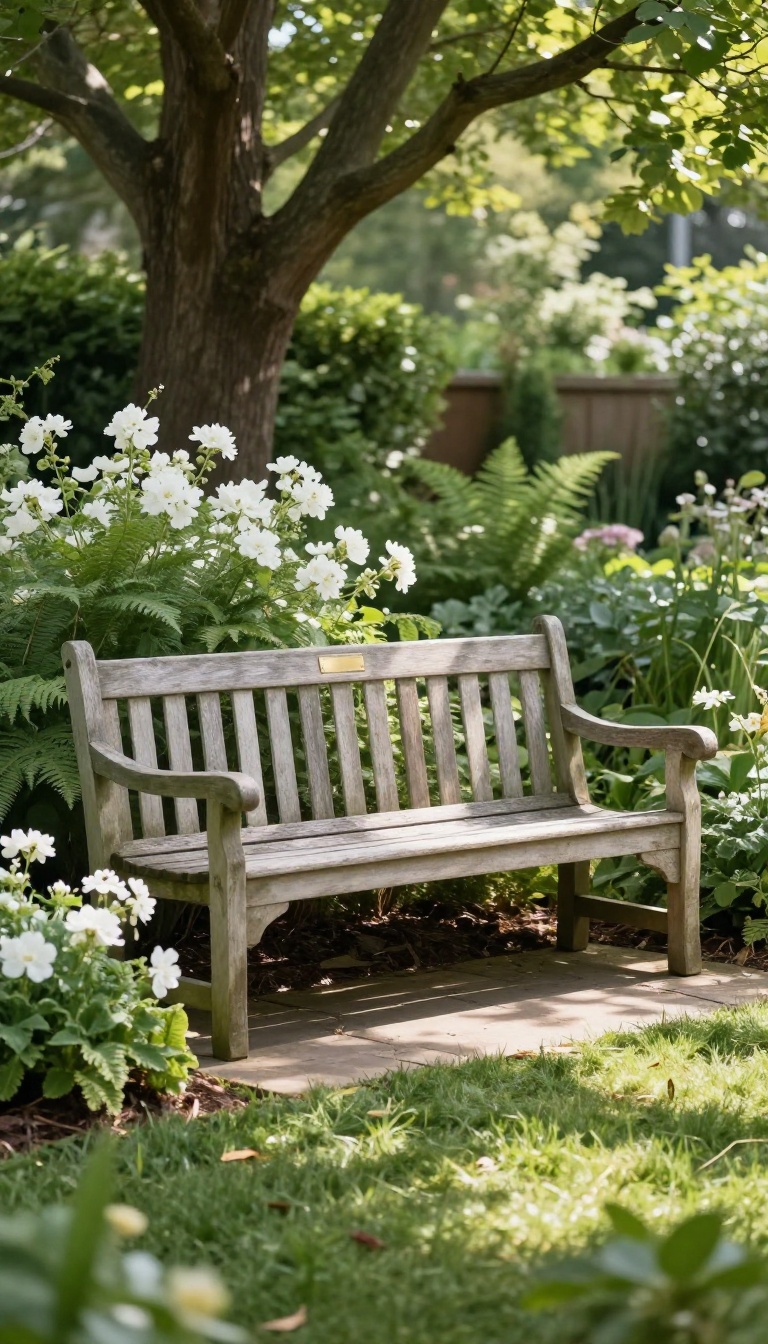
A bench gives you a place to sit with your thoughts instead of just walking past a garden bed. It turns a corner of the yard into a destination, somewhere you can pause without feeling like you should be pulling weeds. The hidden message is what makes it personal.
A small engraved plate, tucked underneath the seat or fixed to the backrest, keeps your words private until someone looks for them. It's a quiet detail that most visitors won't notice, which is exactly what makes it feel like yours.
You don't need a fancy bench to make this work. A simple weatherproof model from a hardware store or garden center will do the job, as long as it can handle rain, sun, and a few winters. Wood, metal, or composite all work, but check that the finish holds up outdoors.
Place it where you'll actually use it. A shaded corner under a tree, a spot that catches the morning sun, or a nook beside a path all make sense. The point is to create a natural stopping place, not to hide the bench away.
The hidden message can be as simple or as detailed as you want. Some people engrave a name and a date. Others add a short line, a private joke, or a phrase that only the two of you would understand.
The plate itself can be small and inexpensive, and you can order it online or from a local trophy shop.
Choosing The Right Spot
Watch your yard for a few days before you commit. Notice where the shade falls in the afternoon and which corners feel calm rather than cut off. A bench near a window or a door gets more use, but a bench tucked behind a shrub feels more private.
Make sure the ground is level and stable. A small gravel pad or a few flat pavers keep the legs from sinking into soft soil. If the spot is uneven, a little digging now saves you from a wobbly seat later.
Adding The Hidden Plate
You have a few options for the message. A small brass or stainless steel plate screws into the underside of the seat or the back of the backrest. You can also have the words engraved directly into the wood if the bench has a smooth surface.
Keep the message short. A name, a date, or a single line works better than a paragraph. If you're not sure what to write, start with something simple and add more later.
The plate can always be replaced. Attach it with rust-proof screws and check it once a year. A little clear sealant around the edges keeps water from getting behind the plate and staining the wood.
Making It Last
Wood benches need a fresh coat of sealant every year or two, especially in wet climates. Metal benches should be touched up if you see rust. Composite benches are the lowest maintenance, but they can fade over time.
In winter, you can cover the bench or move it to a shed if it's lightweight. If it stays outside, clear off snow and ice so the weight doesn't warp the frame. A little care keeps the bench around for years.
5. Use a Birdbath or Fountain as a Soothing Centerpiece
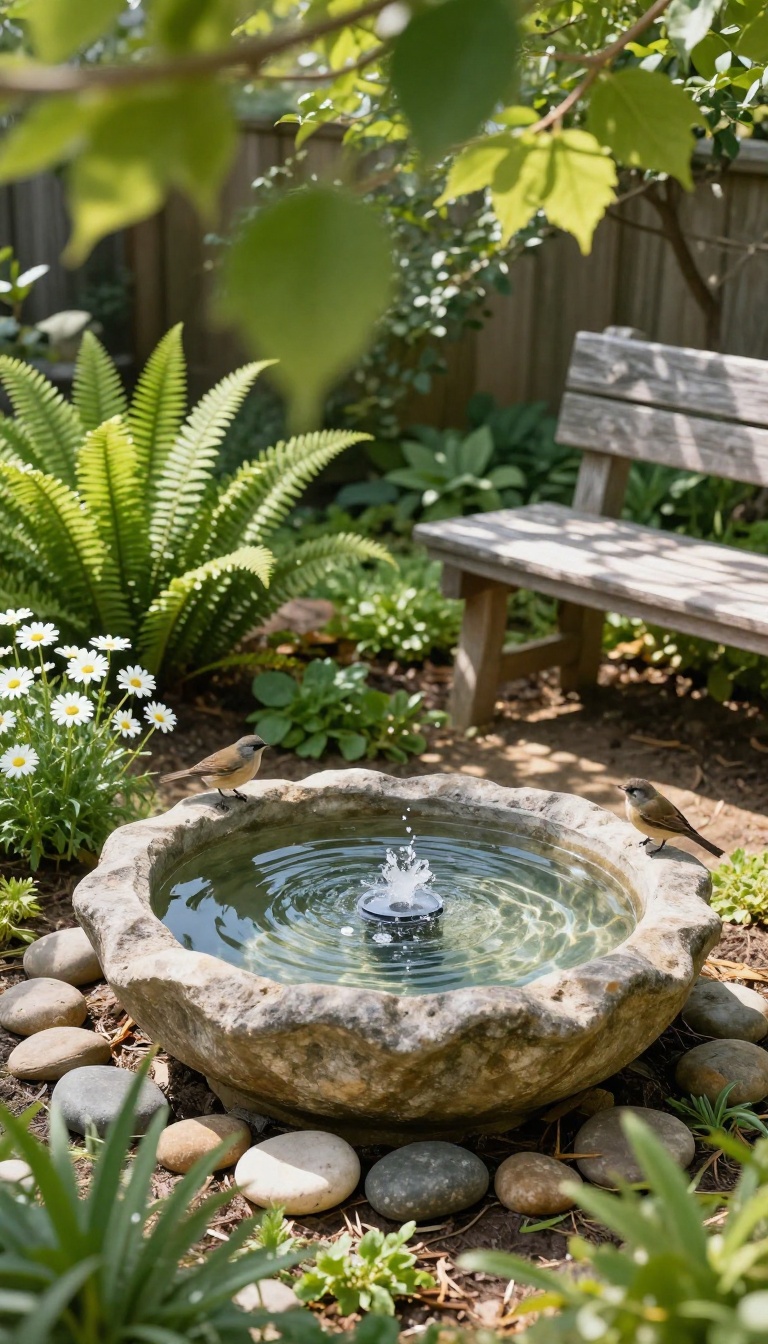
Water has a way of pulling you in without asking anything of you. In a memorial garden, that gentle sound can turn a quiet corner into a place you actually want to sit. A birdbath or small fountain gives the space a natural focal point, and you don't need wiring or plumbing to make it work.
It's one of the simplest ways to add calm.
You don't have to build a pond or hire an electrician. A classic birdbath or a solar-powered fountain can sit right on the ground or on a pedestal, and it starts working as soon as you fill it. The moving water creates a soft background hum that masks traffic noise and gives you something to focus on besides your own thoughts.
It also draws birds, which brings a little life to the garden without any extra effort from you. Place it where you'll see it from a window or a chair, and let it do the rest.
Pick The Right Spot
Put your water feature where you can hear it from your favorite seat. A corner near a bench or a spot visible from the kitchen window works well. You want it close enough to enjoy, but not so close that it splashes on your patio furniture.
If you have a quiet area where you scatter ashes or place a marker, that's a natural home for it.
Keep It Simple With Solar
Solar fountains have come a long way. You just set the panel in the sun and the pump runs during the day. No cords, no outdoor outlet, no plumber.
On cloudy days it might slow down, but that's fine. A birdbath with a small solar bubbler gives you the sound without the hassle. Just remember to top it off with water every few days.
Make It Personal
You can turn a plain birdbath into a tribute without much work. Paint the basin with a favorite color, set a few river stones around the base, or plant low-growing flowers like creeping thyme at the foot. If the person you're remembering loved a certain bird, add a small figurine nearby.
The water itself becomes a living part of the garden.
Care And Maintenance
Water features need a little attention to stay fresh. Empty and scrub a birdbath every week or two to keep algae away. For a fountain, check the pump intake for leaves and debris.
In winter, bring small solar units inside so they don't crack. That's about it. A few minutes of upkeep keeps the sound going all season.
6. Plant a Fragrant Herb or Flower Patch They Would Have Loved
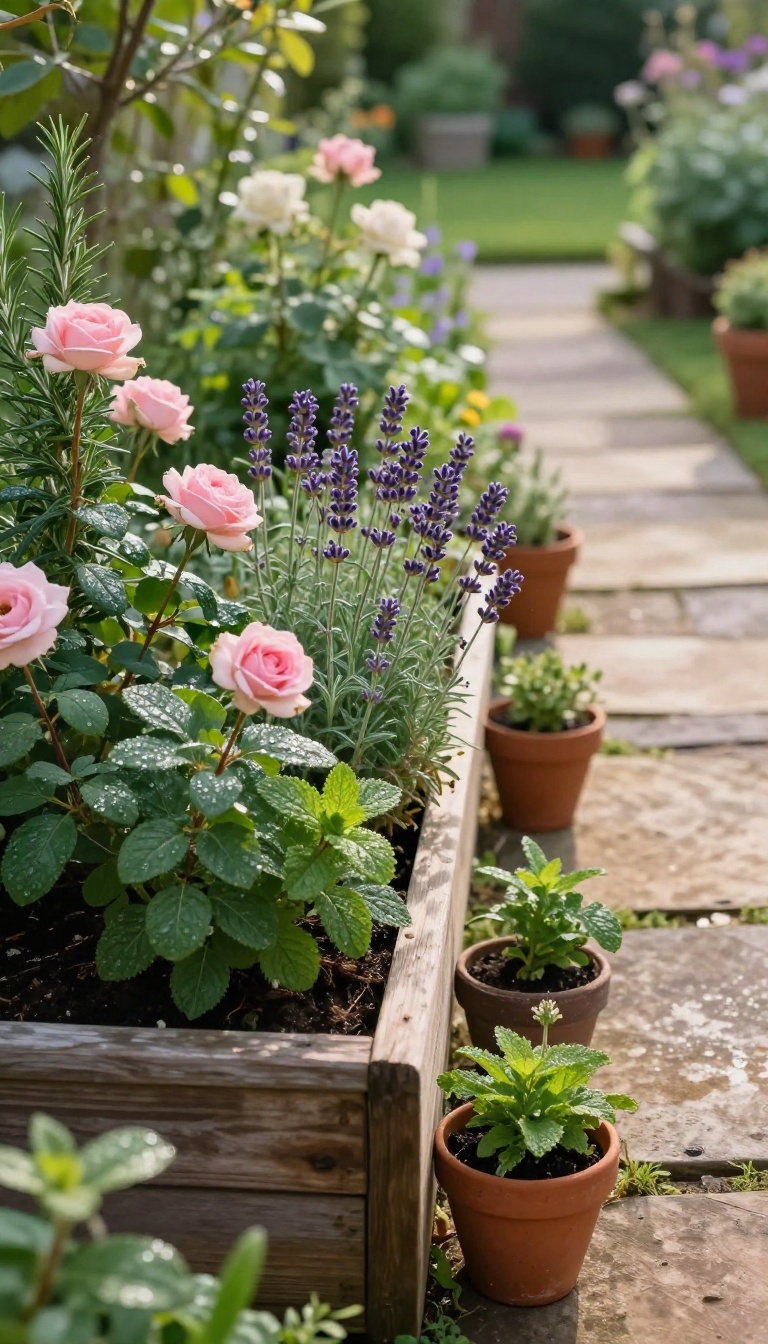
Scent is the sneakiest memory trigger there is. A single whiff of rosemary or lavender can drop you right back into someone's kitchen or garden without warning. That's why a fragrant patch works so well as a tribute—it doesn't just look like a memorial, it smells like one.
You don't need a big space for this. A few pots on a step, a narrow strip along a path, or a small raised bed will do. The trick is picking plants that actually connect to the person you're remembering, not just whatever smells nice at the nursery.
The best fragrant memorial gardens are personal. A plant that meant something to them will hit harder than a generic bouquet every time. So before you dig, spend a minute thinking about what they cooked, grew, or loved to smell.
Once you've got a short list, match those plants to your light and space. Most fragrant herbs want full sun and decent drainage, while some flowers are more forgiving of shade. Get that part right and the patch mostly takes care of itself.
Pick Plants Tied To Real Memories
Did they grow tomatoes every summer and complain about the squirrels? Did they keep a mint patch that took over half the yard? Those are your plants.
Rosemary works if they roasted chicken on Sundays. Lavender fits someone who kept sachets in their drawers. Roses, mint, thyme, basil, sage—any of these can carry a specific story.
The plant matters less than the link. If you're stuck, think about the last meal they cooked for you or the smell of their house. That's usually your answer.
Layer Scents So Something Blooms All Season
A patch that only smells good for three weeks in June can feel empty the rest of the year. Mix early, mid, and late bloomers so there's always something happening. Spring bulbs like hyacinth and narcissus come first.
Then lavender and roses take over in early summer. Mint, basil, and rosemary hold their scent right through fall, and some thymes stay fragrant into mild winters. You don't have to plan it perfectly.
Just avoid planting everything at once and expecting a full season of fragrance.
Keep It Low-maintenance And Reachable
A memorial garden shouldn't become a chore that makes you avoid the yard. Choose plants that suit your climate and don't need daily fussing. Rosemary and lavender are drought-tolerant once established.
Mint is nearly impossible to kill, though it spreads—give it its own pot if you don't want it everywhere. Roses need a bit more attention, so only go there if you actually enjoy pruning. Plant the patch somewhere you walk past often.
A fragrant garden you never brush against is just a garden. Put it by the back door, along a path, or next to a chair where you sit.
Add A Small Marker Or Sign
A simple stone, a wooden tag, or a small plaque can turn a fragrant patch into an obvious tribute. It doesn't need to be fancy. Write their name, a date, or a short line they used to say.
You can also skip the marker entirely and just let the plants do the talking. Either way works. If you go with a sign, keep it weatherproof.
Cedar, slate, or engraved metal will last. Sharpie on a popsicle stick won't make it through one rainy season.
7. Hang a Wind Chime in a Favorite Tune or Tone
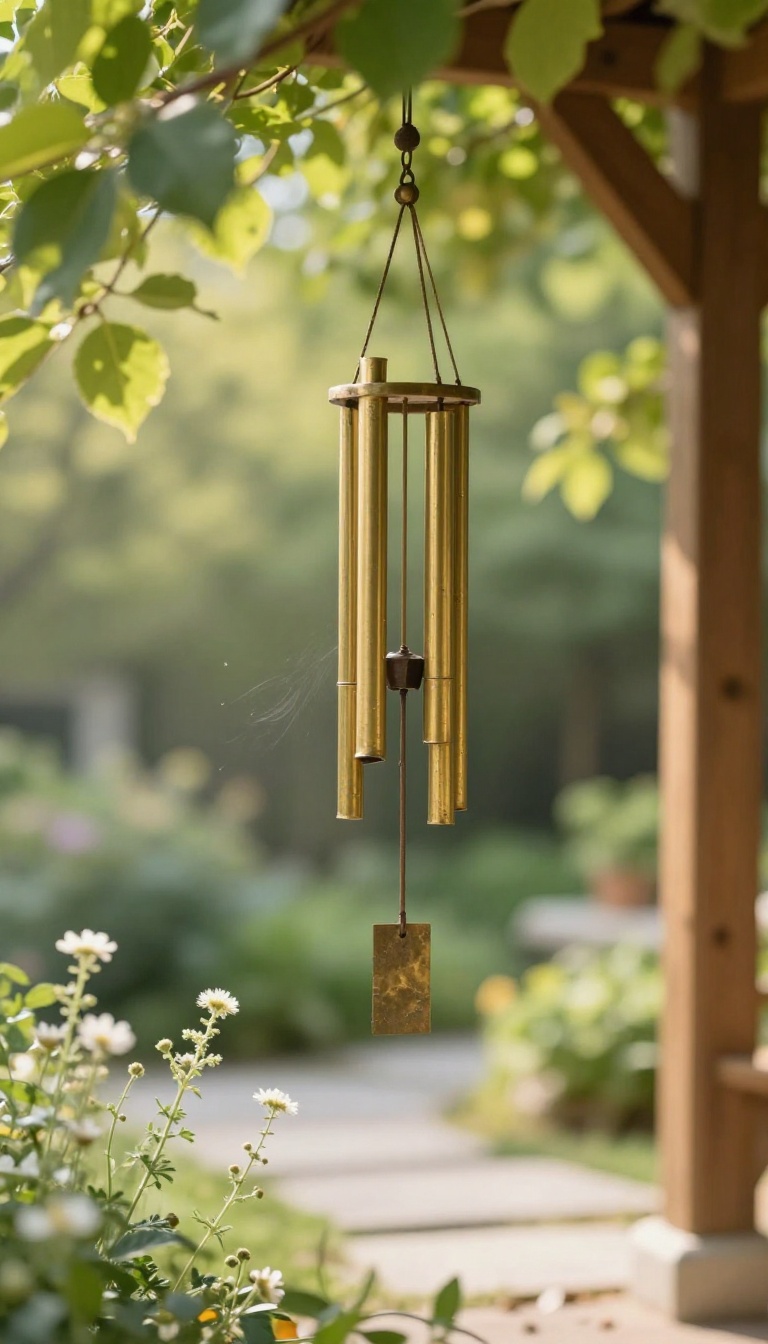
Sound can turn a garden into a place that feels alive with memory. A wind chime catches the breeze and gives you a small, unexpected hello every time it rings. You don't need a fancy setup—just a chime that sounds like them and a spot where you'll actually hear it.
The right chime does two things at once: it adds gentle movement to the garden and gives you a reason to pause. Unlike a statue or a stone, it's never static. Every gust makes it new again, which keeps the tribute from fading into the background.
Start by thinking about the sound, not the look. Some people associate a loved one with a certain pitch or material—metal for a clear ring, bamboo for a soft clack, glass for a delicate shimmer. If they had a favorite song, you can even find chimes tuned to specific notes or melodies.
That personal detail matters more than matching your patio decor.
Choose A Material That Matches Their Personality
Metal chimes, often aluminum or brass, give you a long, resonant tone that carries across a yard. They suit someone who was bold, steady, or loved the outdoors. Bamboo chimes are warmer and more muted, with a woody knock that feels grounded and calm.
Glass or shell chimes offer a lighter, tinkling sound—good for a quiet corner or a person who appreciated delicate things. If you're not sure, go with the material that reminds you of something they wore, collected, or worked with.
Pick A Pitch That Feels Right
Pitch changes the whole mood. Lower tones tend to feel soothing and serious, while higher notes can feel bright and cheerful. Many chimes list their tuning, like a pentatonic scale or a specific key.
You don't need to be a musician—just listen to a few options and notice which one makes you exhale. If you can, test them outside, since wind and open space change how they sound.
Hang It Where You'll Hear It Often
A chime you never hear isn't doing much. Put it near a window you open in the morning, a porch you sit on, or a path you walk daily. Make sure it hangs freely so it catches even a light breeze, but not so low that it tangles with plants or gets bumped constantly.
A sturdy hook or branch works fine—just check that it's secure before the first storm. If you have neighbors close by, a softer material like bamboo keeps the peace while still giving you that gentle reminder.
8. Set Up a Small Memory Lantern or Candle Holder
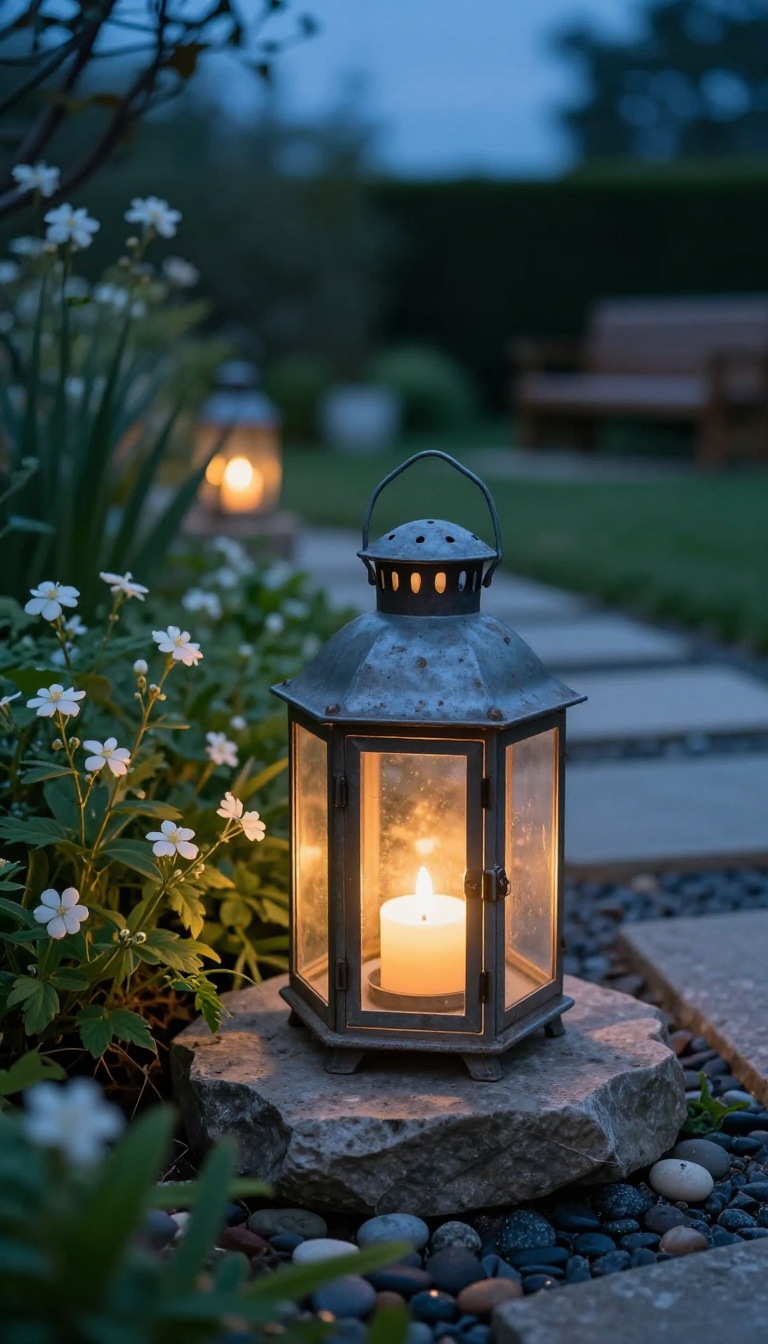
A single light in the garden changes how you move through it after dark. A memory lantern or covered candle holder gives you a way to mark anniversaries, birthdays, or just a quiet Tuesday when you miss them. It's one of the simplest ideas on this list, and that's exactly what makes it stick.
You don't need a fire pit or a string of lights to make an evening feel intentional. One small lantern does the job. It sits in the corner of a bed or on a stepping stone, and when you light it, the whole space feels different.
The ritual is the point, not the wattage.
Pick A Spot That Catches Your Eye
Place the lantern where you'll see it from a kitchen window or on your way to the back door. A spot near a path or at the edge of a patio works well because you'll pass it without having to go out of your way. If you want it to feel like a destination, tuck it near a bench or at the end of a short trail.
The key is that it becomes part of your daily view, not a hidden decoration.
Choose Solar Or Flame, Based On Your Routine
Solar lanterns are the low-maintenance pick. They charge during the day and glow on their own at dusk, so you don't have to think about them. If you want the act of lighting something to feel like a ritual, go with a covered candle holder.
A glass hurricane or a metal lantern with a hinged door keeps the flame safe from wind and rain. Battery-operated candles are a good middle ground if you want the look without the upkeep.
Make It Personal Without Overdoing It
A small engraved tag, a painted stone, or a photo charm tied to the handle can turn a plain lantern into something that's clearly theirs. You don't need to fill it with keepsakes. One detail is enough.
If you're using a candle holder, pick a scent they loved or a color that reminds you of them. The light does most of the work.
Turn It Into A Simple Ritual
Light it on anniversaries and birthdays, or whenever you feel like it. Some people do it every night for a week after a loss, then switch to special occasions. There's no rule.
The point is that you have a small, repeatable action that says this space matters. It takes ten seconds, and it keeps the garden from feeling like just another chore.
9. Create a Stepping Stone Path with Engraved or Painted Stones
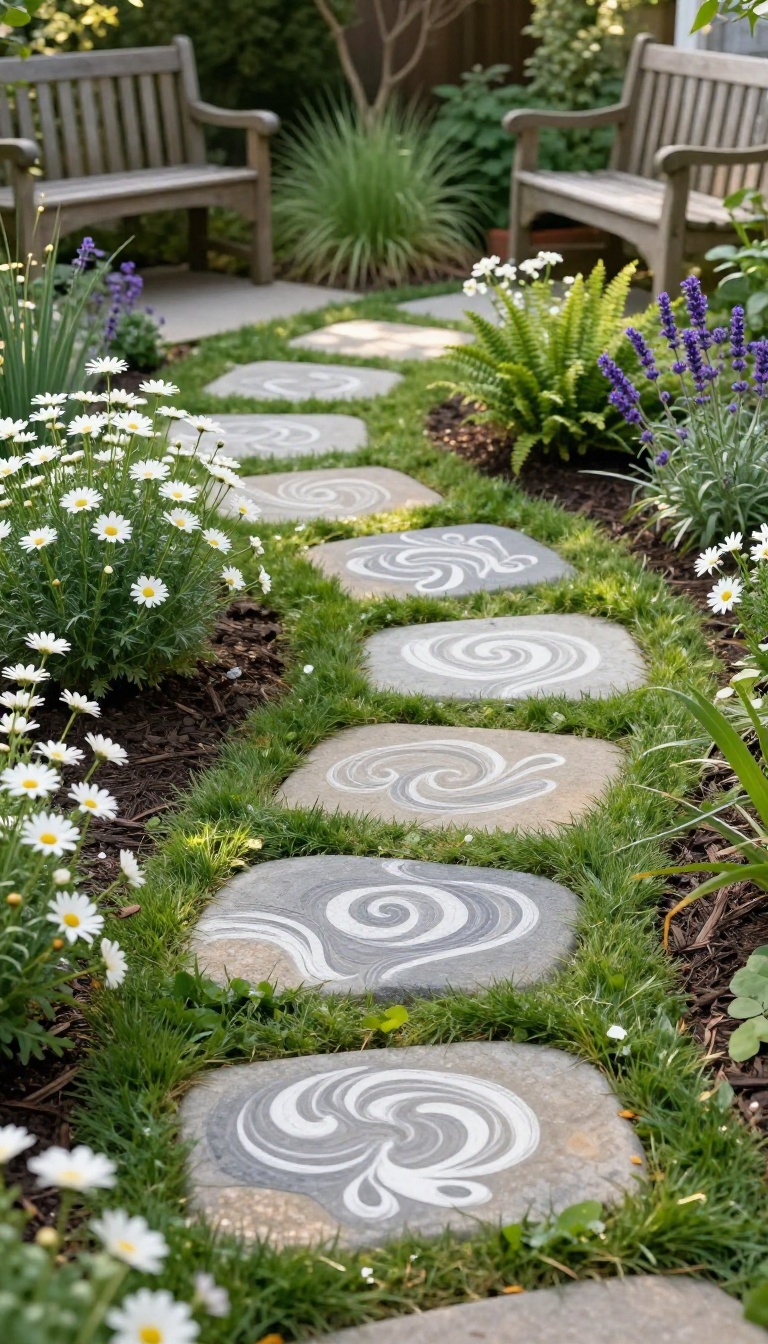
A path made of stepping stones does something a single marker can't: it invites you to walk slowly and pay attention. Each stone can carry a name, a date, or a few words that mattered to them. The result is a route through the garden that turns every step into a small act of remembering.
You don't need a concrete crew or a week of free time to pull this off. Most people start with a simple line of stones from a gate to a bench, or from the back door to a favorite tree. The path doesn't have to be long.
Six to twelve stones is plenty to make an impression without overwhelming the space. The real magic is in what you put on the stones. Engraved pavers look polished and last for decades, but they cost more and take time to order.
Painted stones are cheaper, faster, and let you change your mind later. Either way, the path becomes a story you walk through, not just a route you take.
Choosing Your Stones
For a clean, permanent look, go with cast concrete pavers or natural bluestone and have them engraved by a local shop. Many monument companies and online sellers offer this, and turnaround is usually a couple of weeks. For a more handmade feel, pick up smooth river rocks or plain concrete steppers and paint them yourself with exterior acrylics.
Seal painted stones with a clear outdoor sealer so rain and sun don't wash the words away.
What To Put On Each Stone
You don't have to write a speech. A first name, a nickname, or a birth year works. Some people use one stone per family member, others dedicate every stone to the same person with a different word: 'kind, ' 'steady, ' 'home. ' Short phrases like 'always in the garden' or 'walk with me' read well from a standing height.
Keep the lettering simple and large enough to see without squinting.
Laying The Path Without A Headache
Clear the grass or mulch where the stones will sit, then level the ground with a rake. Set each stone so it's flush with the soil and about two to three inches apart. Tamp them down with a rubber mallet, then fill the gaps with sand, pea gravel, or creeping thyme.
If you want the path to feel intentional, curve it slightly instead of laying a straight line. A gentle bend slows your pace, which is the whole point.
10. Dedicate a Raised Bed for Their Favorite Flowers or Vegetables
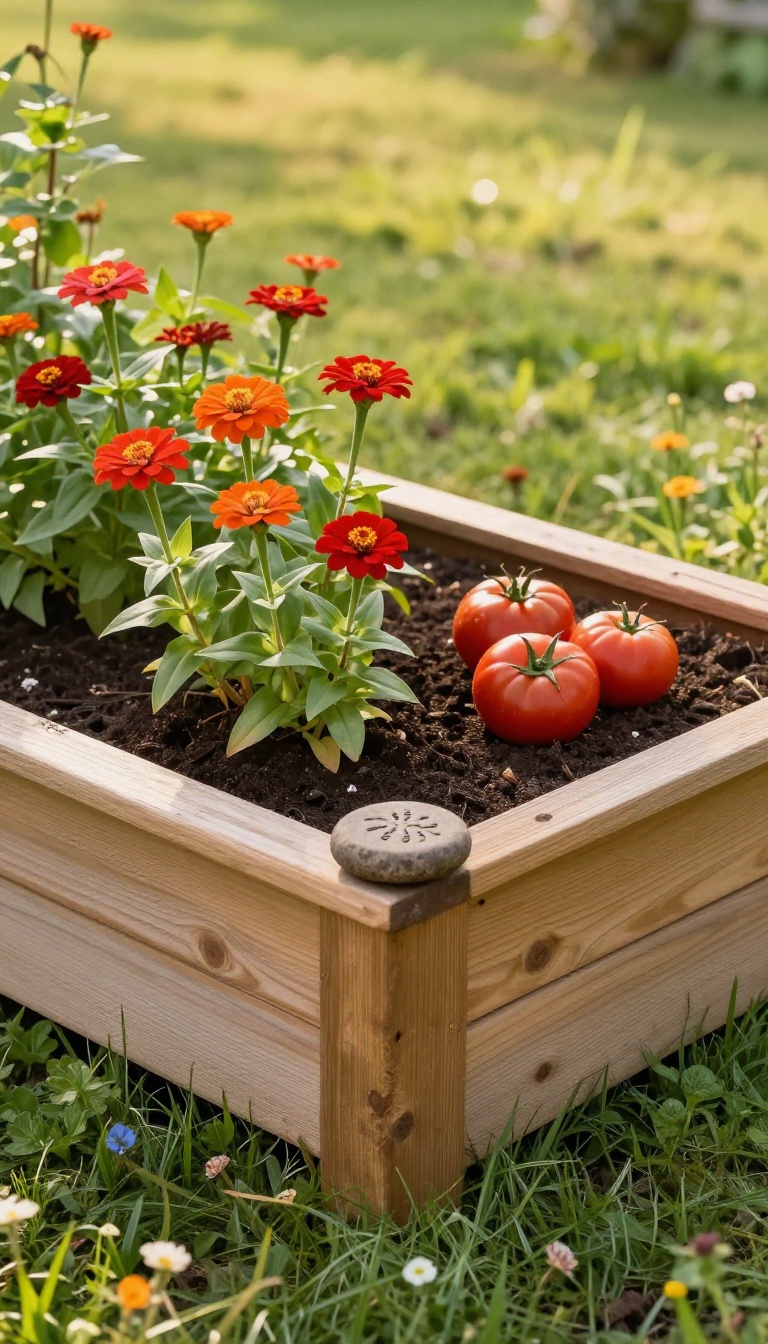
A raised bed gives you a defined space to care for, which can be a comfort when everything else feels unsettled. It's also easier on your back and knees than in-ground planting, so you can keep tending it for years. Fill it with whatever they loved most, from beefsteak tomatoes to bright zinnias.
Raised beds work for almost any plant, and they let you control the soil quality from the start. You can build one from cedar boards, concrete blocks, or even a stock tank. The size is up to you, but a 4×8 bed is a manageable starting point for most people.
Once it's in place, the routine of watering, weeding, and harvesting becomes a quiet ritual. You're not just growing plants; you're spending time with their memory in a hands-on way. And when something blooms or ripens, it feels like a small gift.
Pick The Right Spot
Most flowers and vegetables need at least six hours of direct sun. Watch your yard for a day or two to find the brightest spot that's still convenient to reach with a hose. If you want to sit nearby, place the bed where you can see it from a window or patio.
Choose What They Loved
If they always grew tomatoes, plant tomatoes. If they adored peonies, go with peonies. You can also mix in a few of your own favorites so the bed feels like a shared space.
The point is to grow something that makes you think of them every time you look at it.
Add A Simple Marker
A small engraved stone, a painted rock, or a wooden sign can sit at the corner of the bed. Keep it low-key so it doesn't compete with the plants. Even a plain label with their name and a date works beautifully.
Keep It Manageable
Don't overcrowd the bed. Give each plant room to breathe, and mulch to cut down on watering and weeds. If you travel or have busy weeks, choose drought-tolerant varieties like lavender, rosemary, or sunflowers.
11. Add a Small Sculpture or Garden Statue
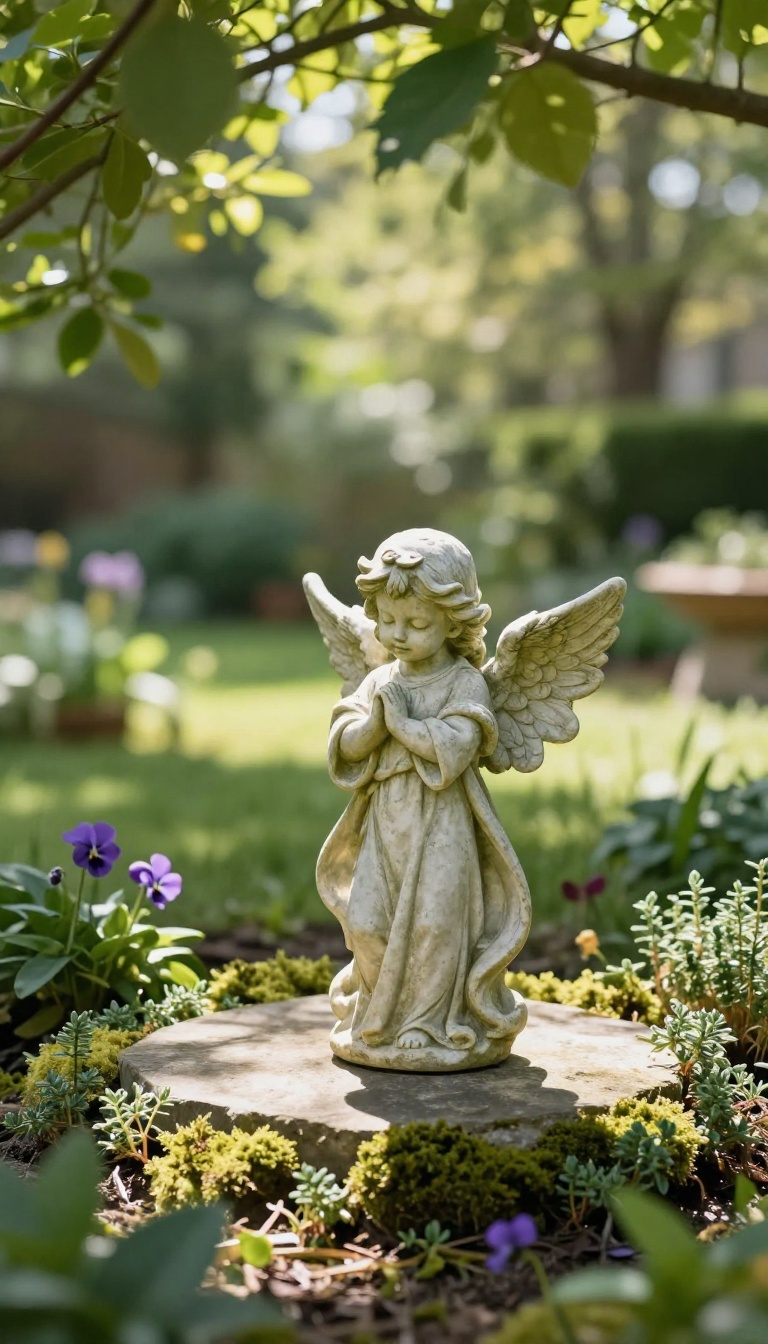
A sculpture or statue gives the eye a place to land. In a memorial garden, that focal point can carry more meaning than a whole bed of flowers. You don't need a gallery piece—just something that feels like them.
The right statue can anchor a corner, mark a bench, or sit quietly among the plants. It works because it's deliberate. You chose it, placed it, and now it holds space for your loved one every time you look outside.
Choosing A Figure That Fits
Think about what reminds you of them. An angel feels traditional and protective. A dog or cat statue works if they were never without a pet nearby.
Abstract shapes—a spiral, a bird in flight, a simple orb—can suggest a spirit without spelling it out. Material matters too. Stone and concrete age well outdoors.
Resin and metal are lighter and easier to move if you rearrange later. Pick something that makes you pause, not something that matches the patio furniture.
Placement That Feels Right
Set the statue where you'll see it from a kitchen window or a favorite chair. Tuck it slightly off-center so it feels discovered rather than staged. If you have a path, place it at a bend or at the end of a sightline.
A small pedestal or flat stone keeps it stable and lifts it above the mulch. Leave a little open space around it so the piece can breathe.
Keeping It Simple And Personal
One statue is usually enough. Adding too many turns a tribute into a collection. If you want to personalize it, plant something low and soft at the base—creeping thyme, moss, or a few violas.
You can also set a small solar light nearby to catch it at dusk. The goal is a quiet moment, not a monument.
12. Plant a Ground Cover That Thrives in Your Climate
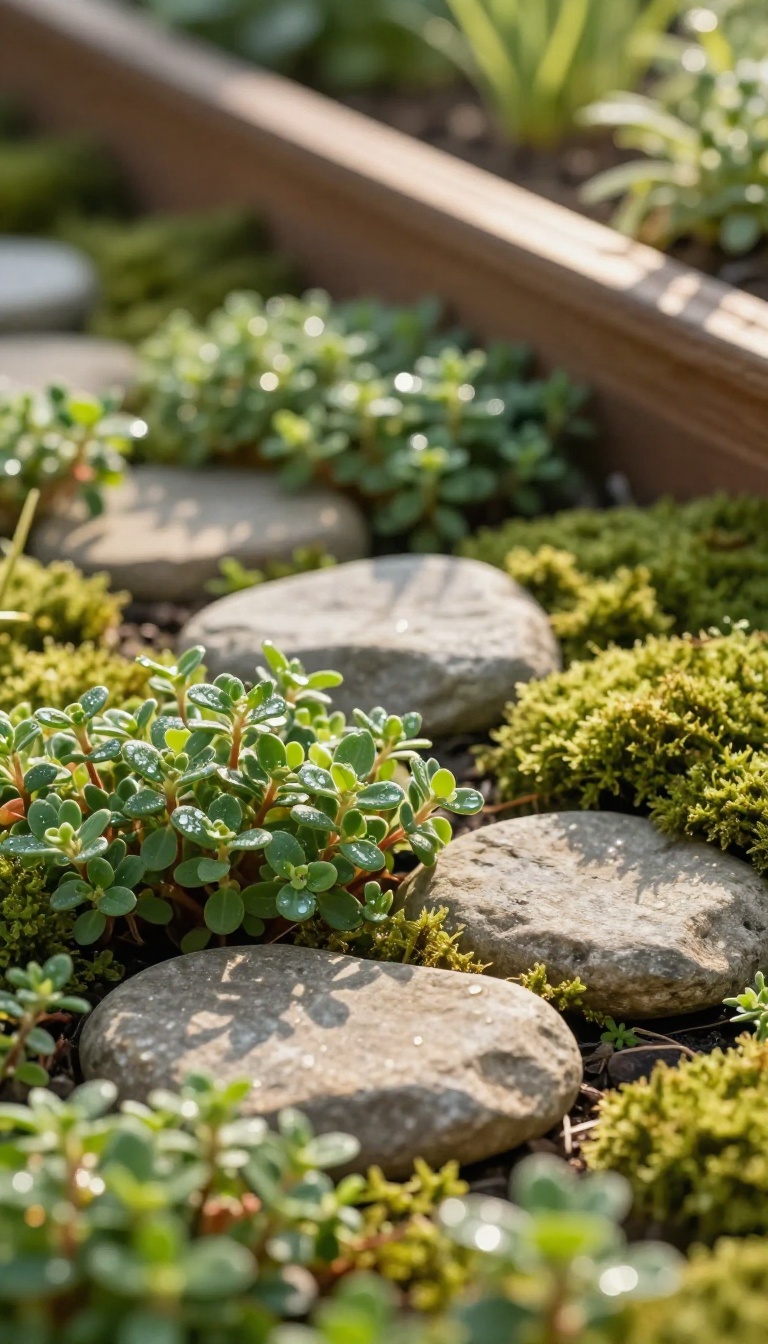
Bare dirt around a memorial garden can make the whole space feel unfinished. Ground covers solve that by knitting the soil together and softening the edges of whatever tribute you've placed there. They also cut down on weeds, which means less maintenance and more time sitting with your thoughts.
The trick is picking something that actually likes where you live. A plant that sulks in your climate will just add stress to a space meant for calm. Choose a ground cover that grows easily in your region, and it will quietly do its job year after year.
Ground covers work like a living carpet. They fill the gaps between stepping stones, spill over the edges of a raised bed, and hug the base of a tree or marker. Because they spread on their own, they make a new garden look settled much faster than bare mulch ever could.
You don't need a huge variety. One or two types that match your light and soil will cover more ground than a dozen fussy plants. The goal is a soft, green backdrop that lets your main tribute stand out without competing for attention.
Match The Plant To Your Region
In cooler, damp climates, moss and creeping thyme are hard to beat. They stay low, tolerate foot traffic, and release a gentle scent when brushed. In hotter, drier areas, try creeping sedum, woolly thyme, or drought-tolerant native grasses.
They'll shrug off the heat and need almost no watering once established. If you're unsure what will thrive, ask at a local nursery or look up your USDA hardiness zone. A plant that's native to your area will settle in faster and attract fewer pests.
That means less work for you and a healthier garden overall.
How To Plant Without Digging Up The Whole Yard
Start by clearing weeds and loosening the top inch of soil with a rake. You don't need to till deeply. Then space your plugs or small pots according to the label, usually six to twelve inches apart.
They'll fill in within a season or two. Water them well for the first few weeks, then taper off as they take hold. A thin layer of compost on top helps them root without burying the crowns.
If you're planting around a marker or stone, leave a small gap so the cover doesn't swallow it.
Keep It Low-maintenance
Once your ground cover is established, it mostly takes care of itself. Pull the occasional weed before it goes to seed, and trim back any runners that creep where you don't want them. That's about it.
Avoid heavy foot traffic on new plantings until they've knitted together. If you want a walkable path, choose a tougher variety like creeping thyme or blue star creeper. Otherwise, let it be a soft border that you admire from the bench.
13. Use Solar Path Lights to Guide Evening Visits
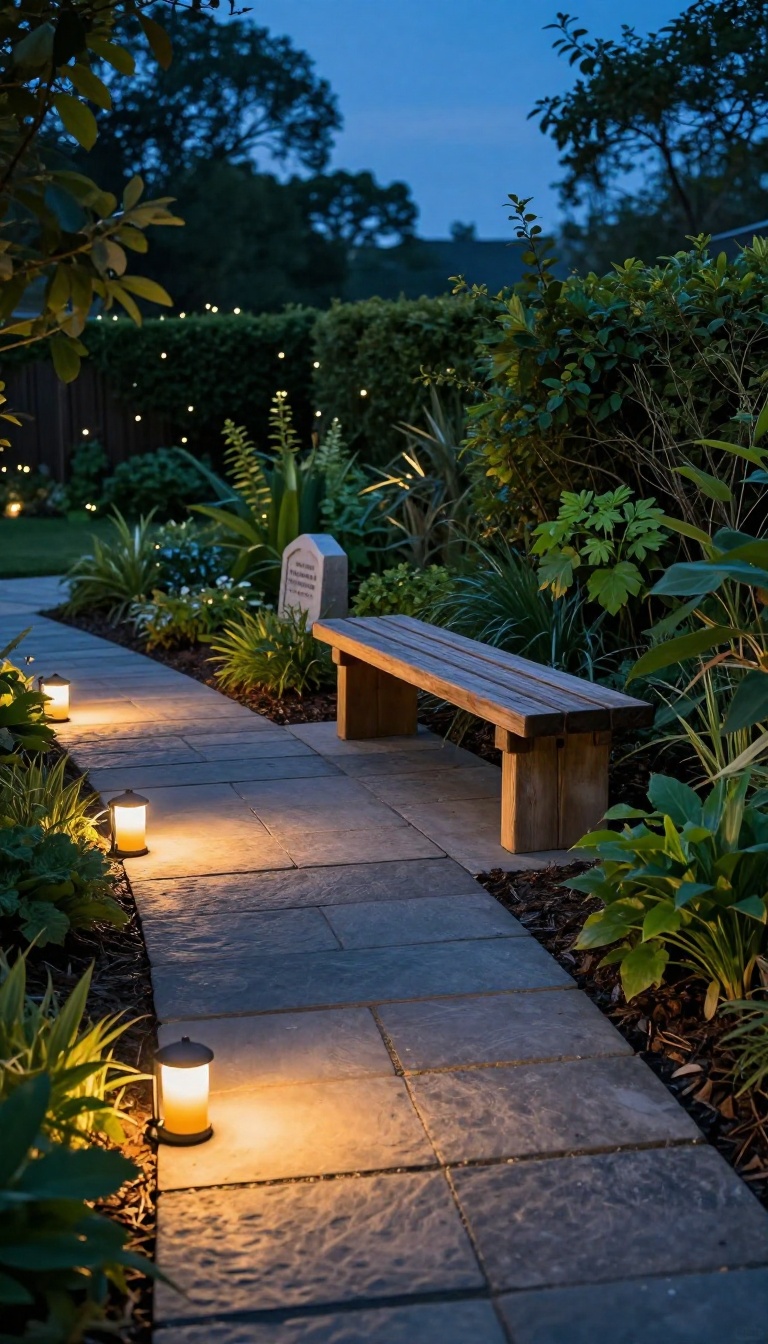
Evening is when a memorial garden often feels most intimate. The day quiets down, and you can sit with your thoughts without the sun beating down. But without light, that time gets cut short.
Solar path lights solve that problem without wiring, an electrician, or a single outlet.
They soak up sun all day and switch on at dusk automatically. You just push the stake into the ground and walk away. That simplicity matters when you're already carrying enough.
Line The Walk, Not The Whole Yard
Place lights every few feet along the path to your bench or marker. You want enough glow to see your footing, not a runway. Six to eight lights usually do it for a small garden.
Pick Warm, Soft Light
Cool white LEDs feel like a parking lot. Look for warm white or amber bulbs instead. They cast a gentle, candle-like glow that suits a quiet tribute.
Skip The Cheap Plastic Stakes
The dollar-store kind crack by fall. Spend a little more on metal or glass models that can handle rain and frost. They'll last for years and look better doing it.
Angle A Few Toward A Bench Or Stone
A light aimed at a plaque or engraved stone makes it readable after dark. Tuck two small spotlights behind the bench and point them gently forward. The effect is subtle but surprisingly moving.
14. Create a Small Wildflower Meadow for Pollinators
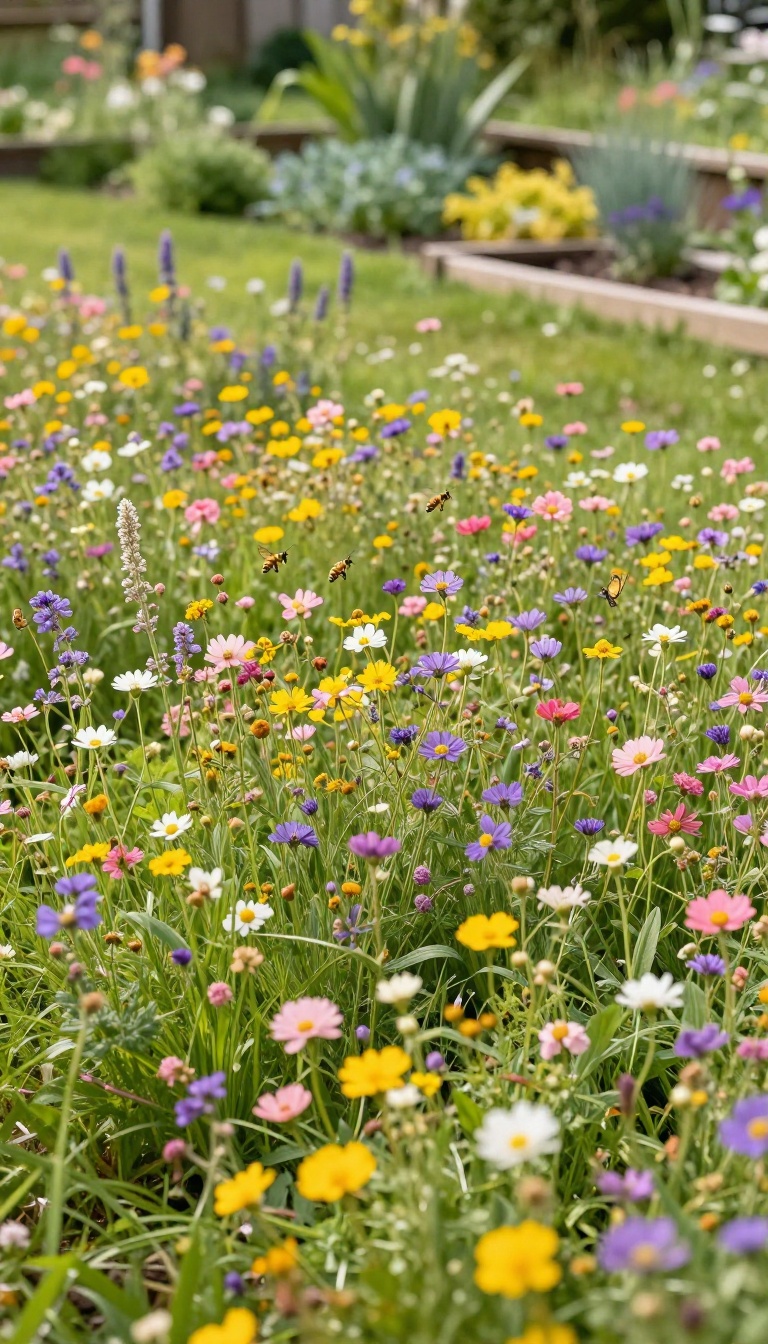
A wildflower meadow turns a quiet tribute into a living one. Bees and butterflies arrive within days, and the patch shifts week by week, so you always have a reason to walk out and look. It also asks very little of you once it's established.
You don't need an acre. A four-by-six-foot patch is enough to feed pollinators and give you that soft, drifting look. The key is picking the right mix for your region and giving it a full season to settle in.
Seed companies sell regional wildflower blends that take the guesswork out of it. Look for one labeled for your growing zone and for pollinators, not just for color. That usually means a mix of annuals for quick blooms and perennials that come back stronger each year.
Prep The Spot Without Chemicals
Wildflowers hate competition. Clear the area of grass and weeds first, either by smothering with cardboard and mulch for a few weeks or by scraping off the top layer of sod. Don't spray herbicides.
They linger and can harm the very pollinators you're trying to attract. A little elbow grease now saves you a season of fighting weeds later.
Sow Lightly And Walk Away
Mix your seed with sand so you can see where it lands, then scatter it thinly. Press it into the soil with a board or your feet, but don't bury it. Most wildflower seeds need light to germinate.
Water gently for the first few weeks. After that, let rain do the work. Overwatering can rot the seedlings and encourage the weeds you just cleared.
Let It Look Messy In Fall
Resist the urge to cut everything down in October. Seed heads feed birds through winter, and hollow stems give native bees a place to sleep. Wait until early spring, then cut back to about six inches.
That timing protects overwintering insects and gives you a fresh start without replanting.
Add A Quiet Marker
A small stone or wooden sign tucked at the edge tells visitors what the patch is for. Keep it simple: a name, a date, or a short phrase they loved. The flowers do the rest.
Each new bloom becomes a small event you can share with whoever stops by.
15. Add a Weatherproof Memory Box or Journal Holder
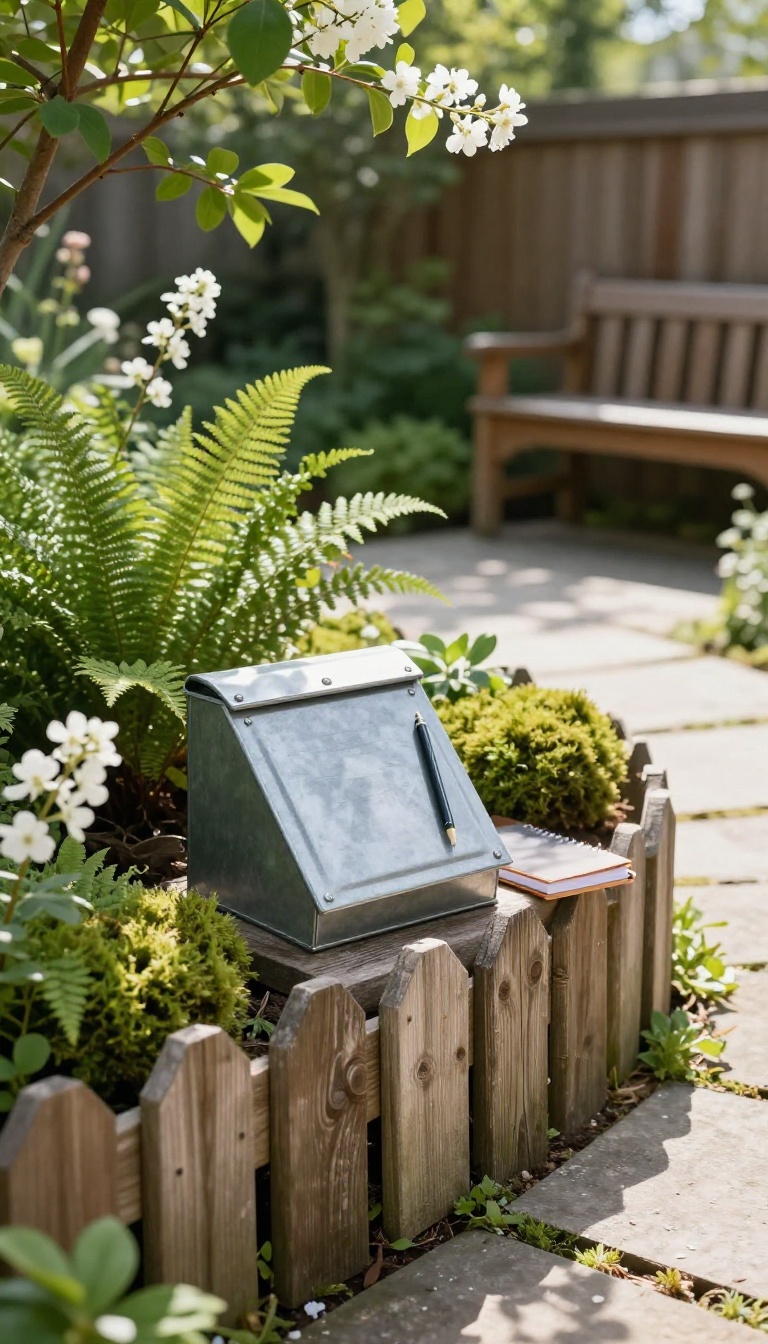
You might not want to talk out loud to an empty bench, but you can write a note whenever the mood hits. A small weatherproof box or journal holder gives those thoughts a safe place to land. It keeps your private words and photos tucked into the garden without turning the space into a cluttered desk.
The idea is simple: a sealed container that lives in the garden and holds whatever you want to leave behind. It could be a metal box bolted to a post, a lidded wooden slot built into a bench, or a small waterproof journal case on a stake. The point is to have a designated spot for notes, letters, or a photo you don't want to lose to rain.
This works especially well if you visit the garden regularly but don't always have a long time to sit. You can drop in a quick line on a tough day, then walk away. Over months, the box becomes a record of your grief and your healing, all in one place.
Choosing The Right Container
Look for something with a tight seal and a material that won't rust or crack. A powder-coated metal box, a thick plastic ammo can, or a small cedar chest with a rubber gasket all hold up well. If you want to write directly in the garden, add a waterproof notebook and a pencil that won't freeze or melt.
Where To Put It
Mount it where you naturally pause: on a fence post near the entrance, under a bench seat, or attached to a tree you pass on the way to the mailbox. Keep it low enough to reach easily but high enough that sprinklers and snow don't soak it. A little roof or overhang helps too.
What To Leave Inside
Start with a letter you write on the first day, then add whatever feels right later. Ticket stubs, a pressed flower, a photo from a good memory, or a short note about your week all work. You don't need a system.
Just drop things in when you feel like it.
FAQ
How do I start a memorial garden if I have a small yard?
Start with one container or a single plant in a meaningful spot. You can add a small stone or solar light later. The size doesn't matter as much as the intention.
What are the best plants for a memorial garden?
Choose plants that suit your climate and remind you of your loved one. Perennials, herbs, and native wildflowers are good low-maintenance options.
Do I need to include a plaque or marker?
No, it's optional. Some people prefer a plant or bench with no words. Others like a small engraved stone.
Pick what feels right for you.
How do I maintain a memorial garden over time?
Keep it simple with drought-tolerant plants and solar lights. A little weeding and watering now and then is usually enough to keep it looking cared for.
Can I create a memorial garden for a pet?
Absolutely. Many of the same ideas work, like a memory tree, a small stone, or a favorite toy placed in a weatherproof box.
Conclusion
A memorial garden does not need to be finished in a weekend. Start with one idea that feels right, whether that is a simple bench, a flowering shrub, or a quiet corner with a lantern, and let the rest grow from there. You can always add more later.
What matters most is that the space feels like yours and honors the person you are remembering. Visit it often, even for a few minutes. Over time, it becomes less about the project and more about the peace you find there.