10 Polished Kitchen Door Entrance Ideas That Make the Space Feel Finished
The entrance to your kitchen sets the tone for the whole room—it's the first thing you see and the last thing you pass through. A polished doorway can make the difference between a space that feels complete and one that's just functional.
These 10 ideas go beyond basic doors, turning an often-overlooked spot into a design feature. From rustic barn styles to sleek hidden panels, each option brings its own personality and practical benefits.
Whether you're renovating or just want a fresh update, you'll find a solution that fits your space and style. Let's explore how the right door can elevate your kitchen.
1. Classic Barn Door with a Modern Twist
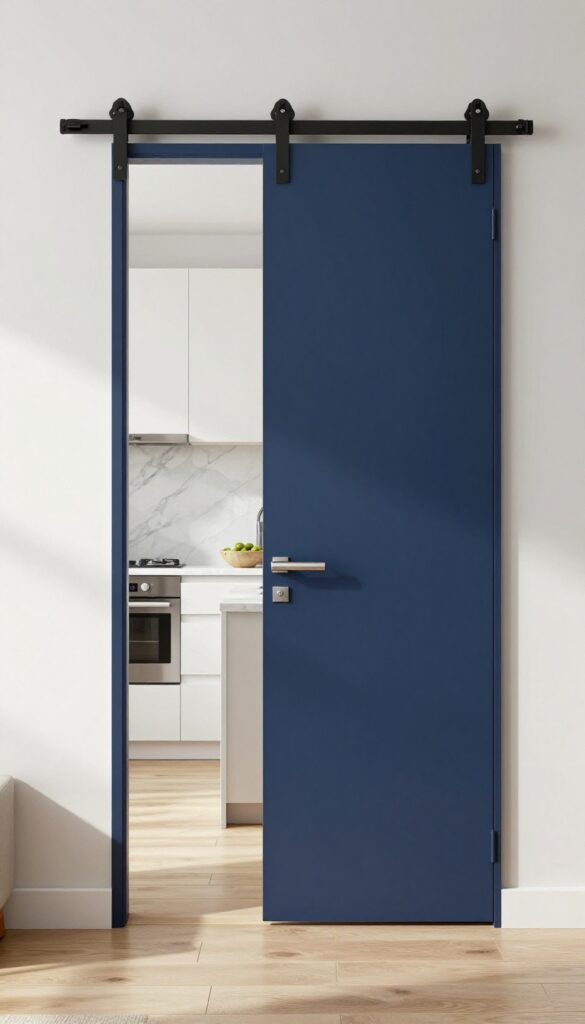
Barn doors have a way of making any doorway feel more intentional, and the kitchen is no exception. But the classic rustic look can sometimes clash with a sleek, modern kitchen. The trick is to blend the old and the new—keep the sliding functionality, but choose materials and hardware that feel fresh.
A sliding barn door is a smart choice for kitchens where a hinged door would swing into valuable counter or cabinet space. The modern twist comes in the details: think matte black tracks, minimalist handles, and a door panel in a contemporary color or finish. This way, you get the space-saving benefit and the visual interest without the farmhouse cliché.
Why It Works In A Kitchen
Kitchens often have tight clearance around doorways, especially near islands or open shelving. A barn door slides along the wall, so it doesn't eat up floor space. It also adds a warm, textural element that can soften the hard surfaces—tile, stone, stainless steel—found in most kitchens.
Choosing The Right Finish
For a modern look, skip the heavy, dark wood and go for a lighter oak with a matte clear coat, or a painted panel in a deep green or navy. Pair it with a sleek, horizontal metal pull instead of a traditional handle. The track should be simple and unobtrusive—a black or brushed nickel rail that doesn't compete with the door itself.
Installation Tips
Make sure the wall above the doorway is solid enough to support the weight of the door. You'll need a header or reinforced studs. Also, consider the stack-back space—the door needs a clear area to slide into, so avoid light switches or outlets in that zone.
If you're handy, it's a weekend project; otherwise, a pro can handle it in a day.
2. Glass Panel Door for Light and Visibility
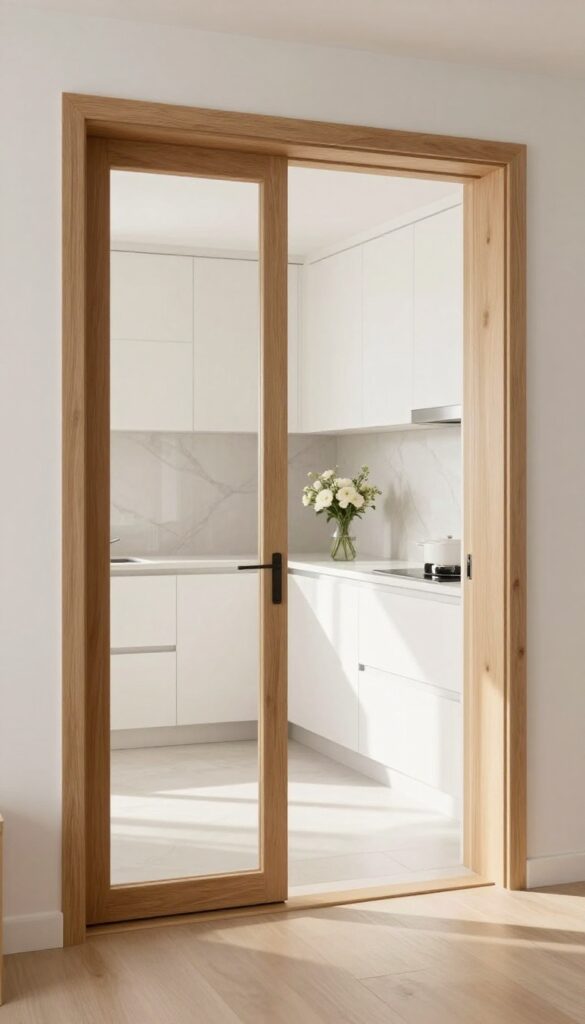
A glass panel door can work wonders in a kitchen, especially if it sits between the kitchen and a dining area or hallway. It lets natural light travel, making the whole space feel brighter and more open. You also get a clear view of what's happening on the other side, which is handy if you're keeping an eye on kids or guests.
Glass panel doors come in many styles, from full glass to partial with a solid bottom. You can choose clear glass for maximum visibility or frosted for a bit of privacy while still letting light through. The frame material matters too—wood adds warmth, while aluminum or steel gives a sleek, modern look.
This door is a practical choice that adds a polished finish without closing off the room.
Choosing The Right Glass
Think about the level of privacy and light you want. Clear glass is great for showing off a beautiful kitchen or keeping an eye on the playroom. Frosted or textured glass softens the view while still brightening the space.
If you're worried about energy efficiency, look for double-pane or low-E glass to keep the temperature comfortable.
Frame Materials And Styles
The frame sets the tone. A wooden frame in a matching stain creates a warm, traditional feel. Painted frames in white or black offer a crisp, contemporary look.
For a more industrial vibe, go with a metal frame. You can also choose between a swinging door or a sliding barn-style glass door, depending on your space and preference.
Installation And Maintenance Tips
Installing a glass door is a job best left to a professional, especially if you're adding it to an existing opening. Once it's in, keep the glass clean with a simple glass cleaner and a soft cloth. Check the seals and hardware periodically to ensure everything stays in good working order.
With a little care, your glass door will look great for years.
3. Bold Color Pop Door
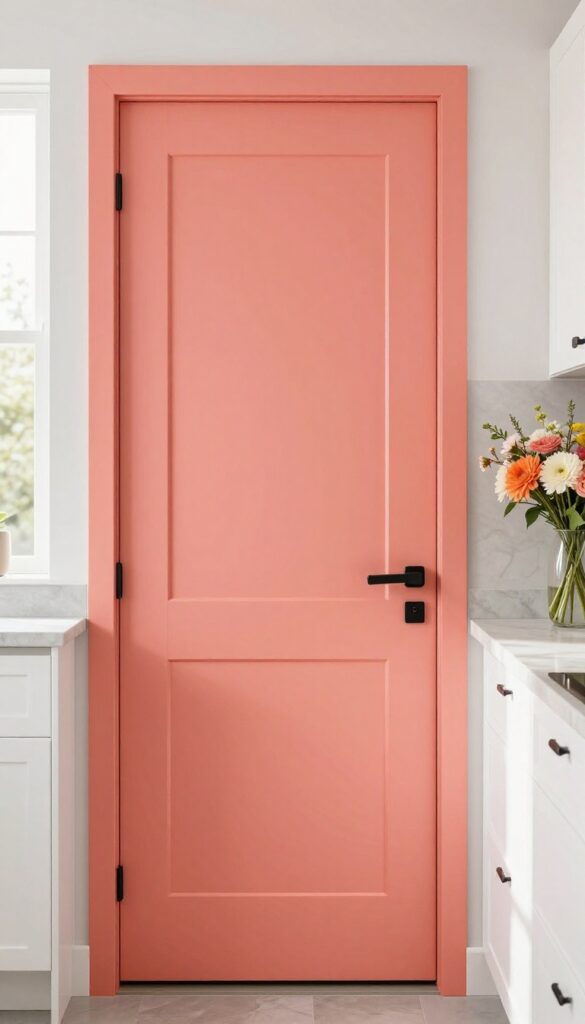
A bold color pop door is one of the simplest ways to inject life into your kitchen without a full renovation. It’s a single, focused statement that draws the eye and adds a layer of personality that white or wood tones can’t match. The key is choosing a shade that feels intentional—one that complements your cabinetry and existing palette rather than clashing with them.
When you paint your kitchen door a vibrant color, you’re not just covering a surface—you’re creating a focal point. It’s a chance to show off your style, whether that’s a cheerful mustard, a deep navy, or a playful coral. The trick is to balance the boldness with the rest of the room so the door feels like a deliberate design choice, not an accident.
Choosing The Right Shade
Start by looking at your kitchen’s existing colors. Pull a tone from your backsplash, cabinetry, or even a piece of art. If your kitchen is mostly neutral, you can go brighter.
If it’s already colorful, pick a shade that harmonizes rather than competes. Test a few samples on the door itself to see how the light hits them throughout the day.
Prep And Paint Like A Pro
A smooth, durable finish starts with good prep. Remove the door and hardware, sand lightly, and wipe away dust. Use a high-quality primer, then apply two coats of a satin or semi-gloss paint designed for high-traffic areas.
These finishes resist scuffs and are easier to clean—important for a door that gets touched daily.
Finishing Touches And Hardware
Once the paint is dry, swap out your hardware to complete the look. A matte black or brass handle can add contrast and polish. Don’t forget to match the hinges or paint them the same color as the door for a seamless finish.
A small detail like a matching kickplate can also tie everything together.
4. Slim Profile French Doors
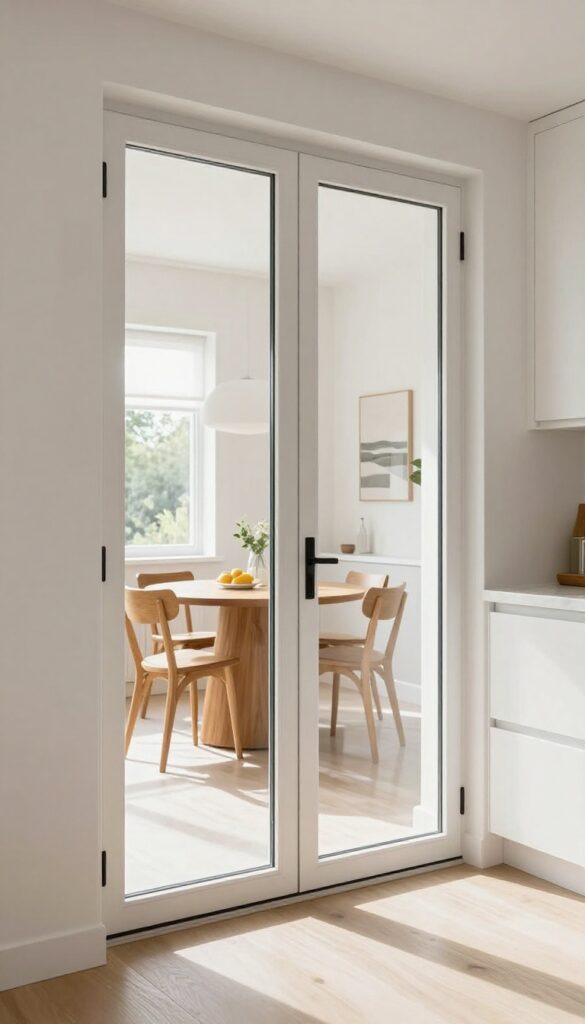
French doors bring a classic charm, but the traditional thick frames can feel heavy in a kitchen. Slim profile versions flip that script—they offer the same elegant double-door look with a much lighter, more modern presence. The narrow frames let more glass shine through, which makes the doorway feel almost invisible and the space beyond it part of the kitchen itself.
Slim profile French doors are a smart pick for wider entrances—think openings between a kitchen and a dining nook or a sunlit breakfast area. The slender aluminum or steel frames keep sightlines clear, so natural light flows freely and the room feels more open. They also work beautifully in smaller kitchens, where bulky doors can eat up visual space.
What really sells these doors is how they blend structure with airiness—you get the defined separation of a door without the visual weight.
Why Slim Frames Make A Difference
The frame thickness is everything. Standard French doors often use wide wood or PVC profiles that block a good chunk of the glass. Slim profiles—typically around 40–60 mm—maximize the glazed area, which means more light and a clearer view.
That extra glass also makes the ceiling feel higher and the room feel more expansive. Plus, the clean lines of a slim frame suit both modern and traditional kitchens, so you're not locking yourself into one style.
Glass Options For Privacy And Light
You don't have to sacrifice privacy for that open feel. Clear glass is great for spaces where you want full visibility, but frosted or textured glass adds a layer of softness while still letting light pour through. If your kitchen is on the busier side, consider double-glazed panels with a subtle tint or a film that cuts glare.
The right glass can turn your French doors into a functional light source without making the room feel like a fishbowl.
Hardware And Finishes That Complete The Look
Slim profile doors shine with the right hardware. Minimalist handles in matte black, brushed nickel, or brass keep the focus on the glass and frame. You can also go for a floor-mounted track or a top-hung system to avoid a bottom rail that interrupts the clean sightline.
For finishes, powder-coated aluminum in shades like graphite or bronze adds a contemporary edge, while a white or wood-look frame keeps things softer. The goal is to let the slimness be the star—so keep hardware simple and understated.
5. Integrated Hidden Door
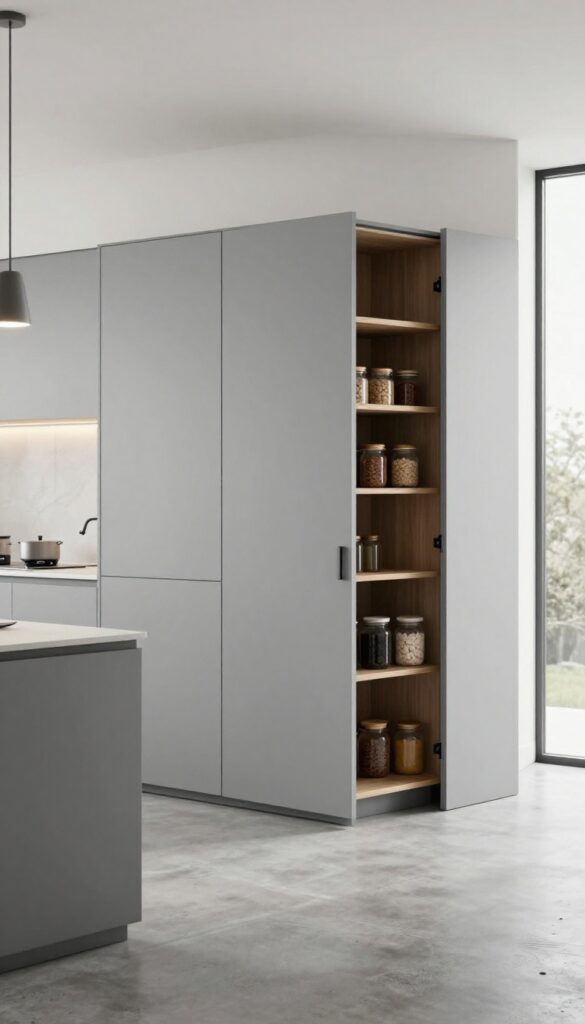
Few things feel more polished than a door that seems to vanish into the wall. An integrated hidden door keeps the kitchen entrance discreet, making the space feel larger and more intentional. It's a clever trick for modern homes or anyone who loves a clean, uncluttered look.
An integrated hidden door is designed to blend seamlessly with the surrounding wall, often using the same paint, paneling, or wallpaper. When closed, it's nearly impossible to spot, creating a smooth, uninterrupted surface. This approach works especially well in open-plan layouts where you want to conceal a pantry, utility room, or even the kitchen itself from other living areas.
The door can be hinged or slide along a pocket, and the hardware is hidden or minimal. The result is a space that feels more refined, with no visual clutter from frames or handles.
Why It Works
The main appeal is the illusion of a continuous wall. Without a visible doorframe, the eye isn't drawn to the entrance, so the kitchen feels more integrated with the rest of the home. It also adds a touch of mystery and surprise—guests won't immediately notice there's a door at all.
For small kitchens, this can make the space feel more open and less boxed in.
Design Options
You can customize the hidden door to match your wall exactly, whether that's painted drywall, wood paneling, or even wallpaper. Some designs use a push-to-open mechanism instead of a handle, which keeps the surface completely flush. You can also add a subtle trim or a thin shadow gap to hint at the door's presence, making it easier to find without breaking the illusion.
Installation Tips
Proper installation is key to achieving that flawless look. The door needs to be perfectly aligned with the wall, and the gap around it should be minimal—usually no more than a few millimeters. It's best to work with a skilled carpenter or contractor who specializes in hidden doors.
Also, consider the door's swing direction and how it will affect traffic flow in the kitchen.
6. Industrial Steel Door
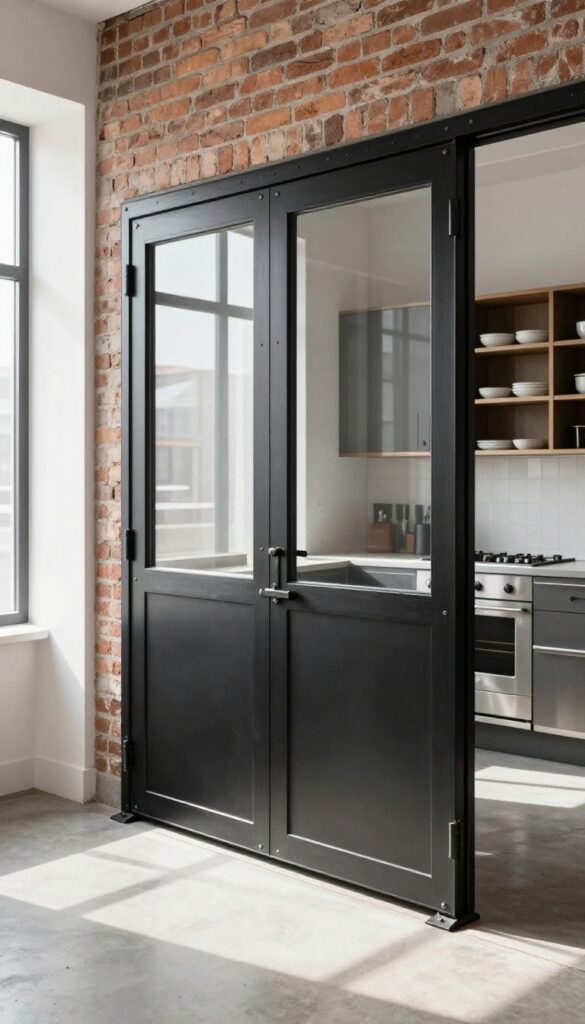
Steel doors bring a raw, utilitarian charm that instantly adds character to a kitchen. The exposed frames and hardware create a bold statement, especially in modern or loft-style spaces. If you want a doorway that feels both sturdy and stylish, this option delivers.
An industrial steel door isn't just about looks—it's built to last. The metal construction resists warping and wear, making it a practical choice for high-traffic areas. Plus, the sleek lines and matte finishes pair beautifully with concrete floors, exposed brick, and open shelving.
Why Steel Works In Kitchens
Steel doors offer durability that wood can't match. They're fire-resistant, easy to clean, and don't absorb moisture or odors. In a kitchen, where spills and splatters happen, that's a huge advantage.
The industrial aesthetic also complements stainless steel appliances and minimalist cabinetry.
Design Variations To Consider
You don't have to go full factory style. Choose a steel door with a glass panel to let light through, or opt for a solid version for more privacy. Black or gunmetal finishes add drama, while brushed steel keeps things subtle.
You can even customize the frame thickness to match your kitchen's proportions.
Pairing With Your Kitchen's Style
Industrial steel doors work best in modern, loft, or even transitional kitchens. They contrast nicely with warm wood tones and soft textiles. If your kitchen has a lot of natural light, the dark metal creates a striking focal point.
Add simple black handles and hinges to complete the look.
7. Warm Wood Slab Door
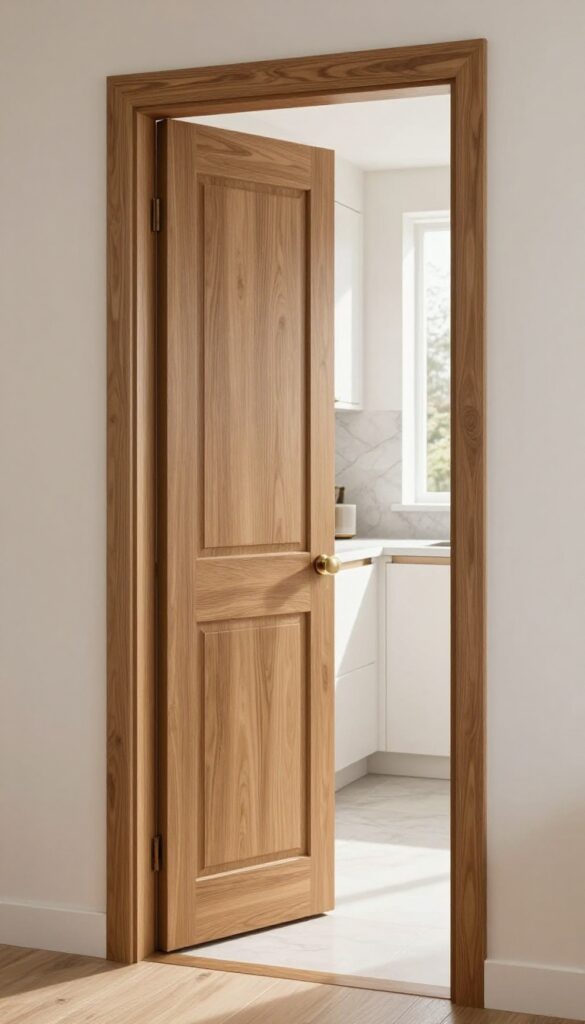
A simple, solid wood door in a warm tone brings a natural, grounded feel to the kitchen entrance. It's a timeless choice that adds texture and warmth without shouting for attention. The grain and color variations make each door unique, giving your kitchen a subtle, organic touch.
A warm wood slab door is more than just a passage—it's a design anchor. Its flat, unadorned surface lets the beauty of the wood speak for itself. Whether you choose oak, walnut, or cherry, the rich tones create a cozy, inviting atmosphere that instantly makes the kitchen feel more finished.
Why Wood Slab Works
Unlike paneled or carved doors, a slab door offers a clean, modern look that pairs well with both contemporary and traditional kitchens. The lack of grooves means fewer places for dust and grease to collect, making it a practical choice for a busy cooking space. Plus, the natural material adds a tactile warmth that metal or glass can't match.
Choosing The Right Wood
The wood species you pick sets the mood. Oak is sturdy and light, while walnut brings a deep, chocolatey richness. Cherry darkens beautifully with age, developing a patina over time.
Consider the existing cabinetry and flooring—matching or complementing those tones will create a cohesive look. If you're unsure, a mid-tone wood like maple or ash is a safe, versatile bet.
Finishing Touches
A clear matte or satin finish lets the wood's natural grain shine through, while a slightly darker stain can add depth. For a more modern feel, try a matte black handle or a simple brass knob. Keep the hardware minimal so the wood remains the star.
If you want a subtle twist, consider a flush pull handle that keeps the surface sleek.
8. Frosted Glass for Privacy with Style
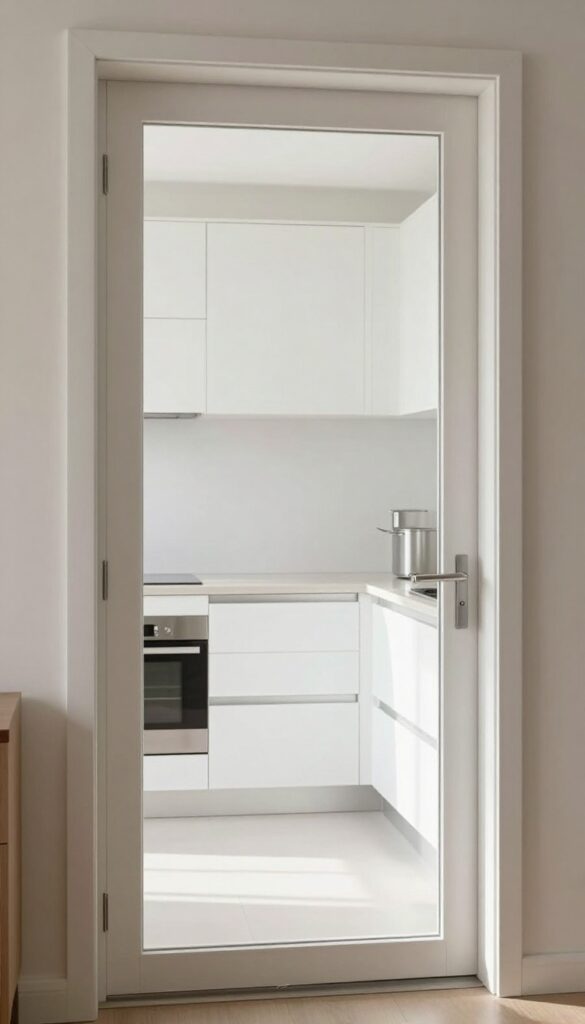
If your kitchen opens into a hallway, a home office, or a busy living area, a clear door can feel a bit too exposed. Frosted glass steps in with a smart compromise: it blurs the view while still letting daylight pass through. The result is a doorway that feels open and airy, yet keeps the kitchen's mess and clutter under wraps.
Beyond the practical side, frosted glass has a clean, modern look that works with many design styles. It reads as polished and intentional, not like a temporary fix. Whether you choose a full frosted panel or a partial one, this idea adds a layer of sophistication that plain wood or metal doors just don't have.
Frosted glass doors are a favorite in contemporary kitchens because they solve two problems at once: privacy and light. The frosted finish obscures the view of what's behind the door—whether that's a cluttered countertop or a busy workspace—while still allowing natural light to filter through. This makes the kitchen feel connected to the rest of the home without sacrificing a sense of separation.
The style factor is just as strong. Frosted glass has a sleek, minimalist appeal that pairs well with modern cabinetry, stainless steel appliances, and neutral color palettes. It also works in more traditional kitchens when framed in wood or painted metal.
The key is to choose a pattern and opacity that match your overall design. One of the best things about frosted glass is its versatility. You can go with a fully frosted door for maximum privacy, or a partially frosted design that leaves a clear strip at eye level or below.
You can also choose from different textures—from a smooth satin finish to a more decorative etched pattern. This flexibility means you can tailor the look to your exact taste and needs.
Balancing Light And Privacy
The whole point of frosted glass is to let light in while keeping the view out. If your kitchen lacks natural light, a frosted door can help brighten the space without making it feel like a fishbowl. The level of privacy depends on the opacity of the frosting—some are nearly opaque, while others offer just a slight blur.
Think about how much visual separation you actually need. For a kitchen that's used for entertaining, you might want a lighter frost that still shows movement. For a more private workspace, go with a heavier frost or add a blind behind the glass.
Choosing The Right Frame And Finish
The frame around the frosted glass plays a huge role in the overall look. A slim aluminum or steel frame gives a modern, industrial edge. A wooden frame, especially in a warm oak or walnut, adds a cozy, natural touch.
You can also paint the frame to match your trim or cabinetry for a seamless look. The finish of the glass itself matters too—a smooth satin finish is easy to clean and looks sleek, while a textured or patterned finish can add visual interest and hide fingerprints better.
Installation And Maintenance Tips
Installing a frosted glass door is similar to installing any other door, but there are a few things to keep in mind. Make sure the glass is tempered for safety, especially in a high-traffic area. If you're replacing an existing door, measure carefully and consider hiring a professional if you're not confident.
As for maintenance, frosted glass is surprisingly easy to care for. A simple glass cleaner and a soft cloth will keep it looking clear and smudge-free. Avoid abrasive pads that could scratch the surface.
With the right care, your frosted door will stay beautiful for years.
9. Arched Doorway Charm
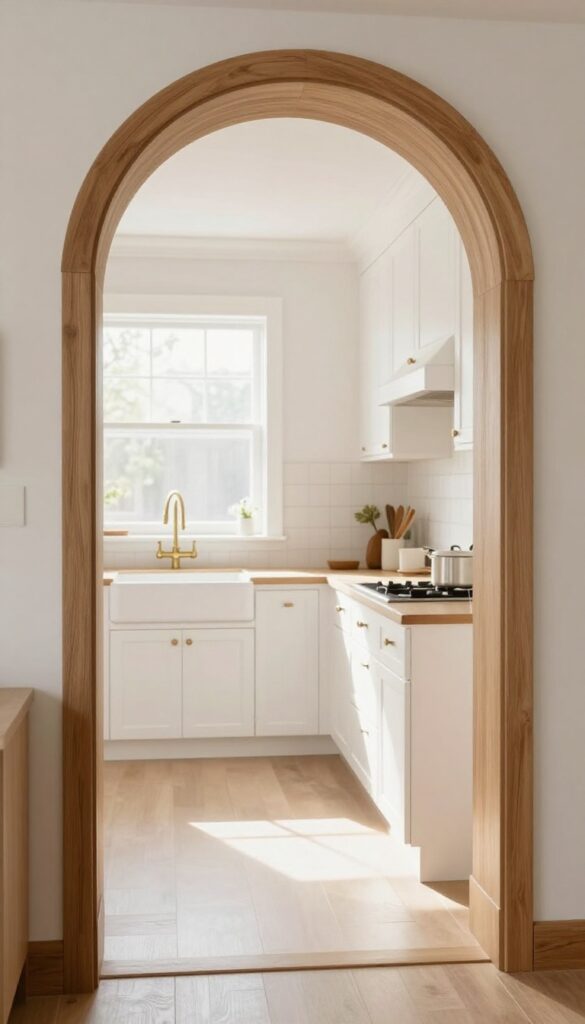
An arched doorway is a classic architectural detail that instantly adds character and a sense of history to any home. If you're open to a structural change, this elegant curve softens the transition into your kitchen and creates a focal point that feels both timeless and inviting. It's a design choice that works beautifully in traditional, Mediterranean, or even modern farmhouse styles.
Arched doorways have been used for centuries to add grandeur and flow to interiors. By replacing a standard rectangular opening with an arch, you introduce a gentle, organic line that draws the eye upward and makes the ceiling feel higher. This simple change can make a small kitchen feel more spacious and airy.
Plus, the arch frames the kitchen beautifully, turning the entrance into a deliberate design statement rather than just a passageway.
Choosing The Right Arch Shape
Not all arches are the same. A classic Roman arch has a perfect semicircle, while a Tudor arch is more pointed. A segmental arch is shallower and works well in tight spaces.
Consider the overall style of your home and the height of your ceilings. A tall, dramatic arch suits grand entrances, while a subtle, low arch can feel cozy and intimate. The shape you choose will set the tone for the entire space.
Framing And Finishing Touches
Once the arch is in place, think about how to frame it. A simple drywall reveal keeps the look clean and modern, while wood trim adds warmth and traditional charm. For a more polished finish, consider adding corbels or keystone details.
The color of the trim can also make a difference—white or light neutrals keep the arch airy, while darker tones create a striking contrast.
Practical Considerations
Before you start knocking down walls, check if the wall is load-bearing—this will require professional help and possibly a permit. Also, consider the width and height of the opening to ensure it meets building codes and accommodates your daily flow. If you're not ready for a full structural change, you can fake the look with a pre-fabricated arch kit or by adding an arch-shaped frame around an existing doorway.
10. Pocket Door for Space Saving
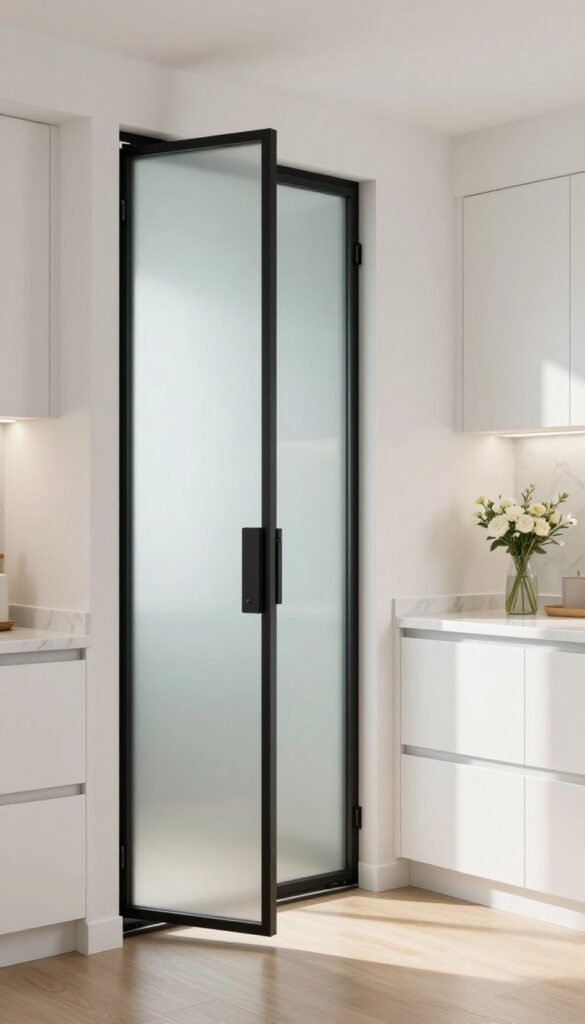
If your kitchen is tight on square footage, a traditional swinging door can eat up valuable floor space every time it opens. A pocket door solves that by sliding neatly into a cavity in the wall, disappearing completely when not in use. It’s a smart, polished solution that keeps the entrance open and airy without sacrificing privacy or separation.
Pocket doors are a favorite for small kitchens, but they’re also a stylish choice in any home where you want a clean, minimalist look. The door glides on a track hidden inside the wall, so there’s no visible hardware or swing radius to worry about. You can tuck it away completely to open up the space, or slide it closed for a quiet, defined boundary.
Why Choose A Pocket Door?
The biggest perk is the space savings—no door swing means you can place furniture or appliances right up against the opening. It also creates a sleek, modern aesthetic that feels intentional and uncluttered. Plus, pocket doors are great for awkward layouts where a hinged door just won’t work.
Installation Considerations
Installing a pocket door requires some wall modification since the door needs a hollow cavity to slide into. It’s doable during a renovation, but retrofitting can be trickier if the wall isn’t load-bearing. You’ll also need to choose a quality track system to ensure smooth, quiet operation for years to come.
Style Options
Pocket doors come in a range of materials and finishes, from classic wood to frosted glass. For a kitchen, a panel with glass inserts can let light through while still offering privacy when needed. You can match the door to your cabinetry for a seamless look, or pick a contrasting color to make it a feature.
FAQ
What is the best material for a kitchen door?
Solid wood is durable and classic, but steel and fiberglass offer better moisture resistance and low maintenance.
How can I make my kitchen door look more expensive?
Upgrade the hardware, choose a high-quality paint finish, and add trim or molding for a custom, polished look.
Should I match my kitchen door to my cabinets?
Not necessarily. A contrasting color or material can add visual interest, but a matching tone creates a cohesive, seamless flow.
Are glass doors practical for a kitchen?
Yes, especially with tempered or frosted glass. They allow light in and can make the space feel larger, but ensure privacy if needed.
Can I install a barn door myself?
Yes, with the right tools and hardware, it's a manageable DIY project. Just make sure the wall can support the weight.
Conclusion
The right entrance details can turn a plain doorway into a polished part of your kitchen's design. Whether you start with a simple trim update or go for a full archway, these ideas give you a clear path to a more finished look.
Pick the one that fits your style and skill level, then build from there. Even one small change can make the whole space feel more intentional and welcoming.