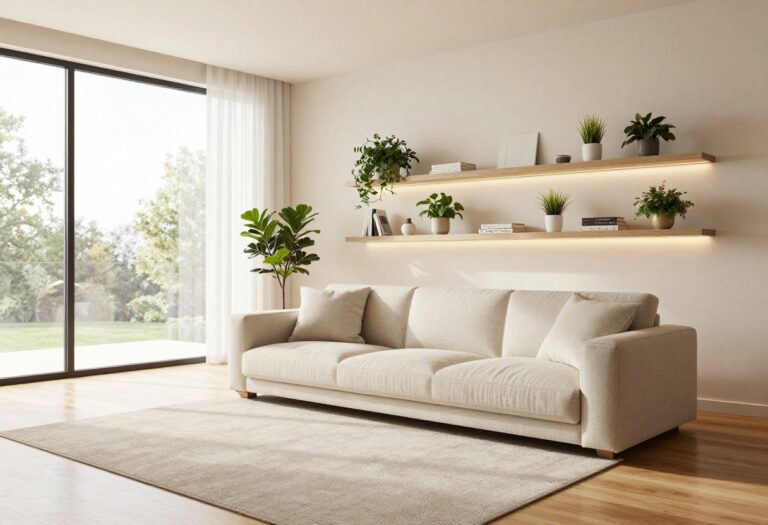
15 Enclosed Shower Ideas for Privacy Warmth and Clean Lines
Your shower can feel like the most exposed spot in the house, especially when the enclosure doesn't match your need for privacy or warmth. Swapping a basic curtain or dated frame for a thoughtful enclosure changes more than looks—it shifts how the whole bathroom feels.
These 15 ideas range from floor-to-ceiling glass to wood-look tile, so you can find a style that fits your space and routine. Some options focus on clean, seamless lines that open up the room, while others lean into cozy, enclosed warmth.
You'll see how glass treatments, framing choices, and even heated floors can transform your daily rinse into something more intentional.
1. Floor-to-Ceiling Glass Panels
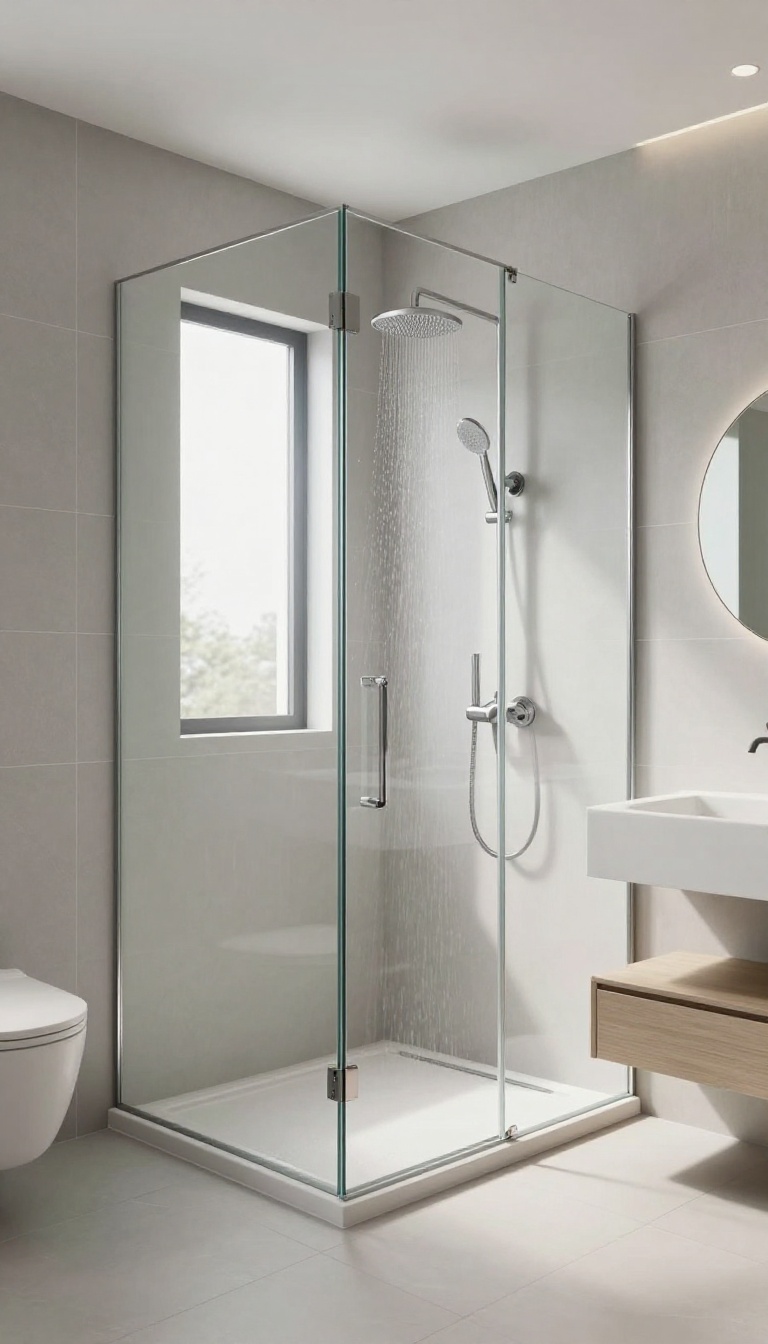
Floor-to-ceiling glass is the go-to when you want the shower to feel like part of the whole room, not a cramped corner. It lets natural light travel freely and makes even a small bathroom appear more open. The uninterrupted glass also gives you a clear view of your tile work, so it’s a great way to show off a bold or beautiful shower wall.
The biggest draw of full-height glass is how it visually expands the space. With no frame or header breaking the line, the eye moves from the bathroom floor right up to the ceiling, which makes the ceiling feel higher and the room feel larger. It’s a sleek, minimal look that fits modern, transitional, and even some traditional bathrooms when paired with the right hardware.
You also get the benefit of easier cleaning—fewer nooks and crannies mean less soap scum buildup. And because the glass is tempered and often treated with a water-repellent coating, maintenance stays pretty simple. Just keep a squeegee handy and you’re good.
Privacy Options Without Losing Light
Worried about feeling exposed? You don’t have to give up the open feel. Frosted or textured glass gives you privacy while still letting light pass through.
Another option is to use clear glass on the main panel and a frosted section near the toilet or doorway. That way you keep the airy vibe but add a layer of comfort.
Frameless Vs. Semi-frameless
Frameless glass uses thick tempered panels and minimal hardware, so it looks almost invisible. Semi-frameless adds a slim frame around the edges, which can be a bit more budget-friendly and still looks clean. Both work well with floor-to-ceiling designs, but frameless gives you that truly seamless look.
Installation And Maintenance Tips
Because the panel is tall and heavy, proper installation is key. You’ll need a sturdy header or support at the top, and the glass should be anchored securely to the floor and wall. Use a professional for this one.
Once it’s in, a daily quick wipe with a microfiber cloth keeps water spots at bay, and a monthly glass cleaner keeps it sparkling.
2. Frameless Glass for a Seamless Look
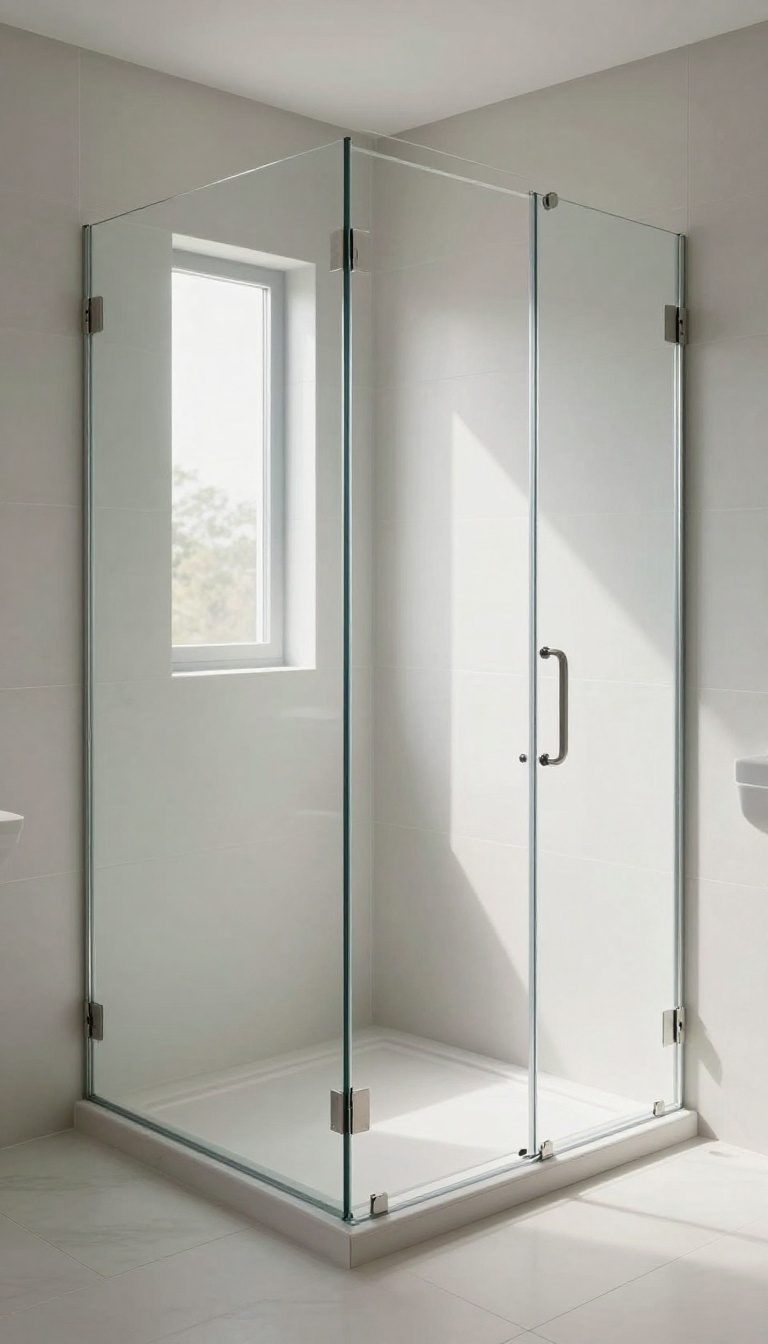
When you want the shower to disappear into the bathroom, frameless glass is the way to go. Without bulky metal frames, the enclosure feels open and airy, letting your tile work take center stage. It's a clean, modern choice that works in almost any bathroom style.
Frameless glass doors and panels rely on thick tempered glass and minimal hardware, usually just a few hinges and a handle. The lack of a frame means fewer places for soap scum and grime to build up, making cleaning easier. Plus, the uninterrupted view makes the whole room feel larger, even in a compact space.
Why Frameless Feels So Open
The absence of a frame eliminates visual clutter, so your eye travels from the tile to the rest of the bathroom without interruption. This is especially effective in smaller bathrooms where a bulky frame can make the shower feel like a box. The glass itself becomes nearly invisible, letting your design choices shine.
Cleaning And Maintenance Wins
With fewer nooks and crannies, frameless glass is a breeze to keep clean. A simple squeegee after each use keeps water spots at bay, and the lack of metal tracks means no moldy corners. You'll spend less time scrubbing and more time enjoying your shower.
Hardware That Makes A Difference
Even though the glass is frameless, the hinges and handles still matter. Choose brushed nickel or matte black for a subtle contrast, or go with chrome for a timeless look. The hardware should be sturdy and well-installed, as the glass takes on more structural role without a frame.
3. Frosted Glass for Extra Privacy
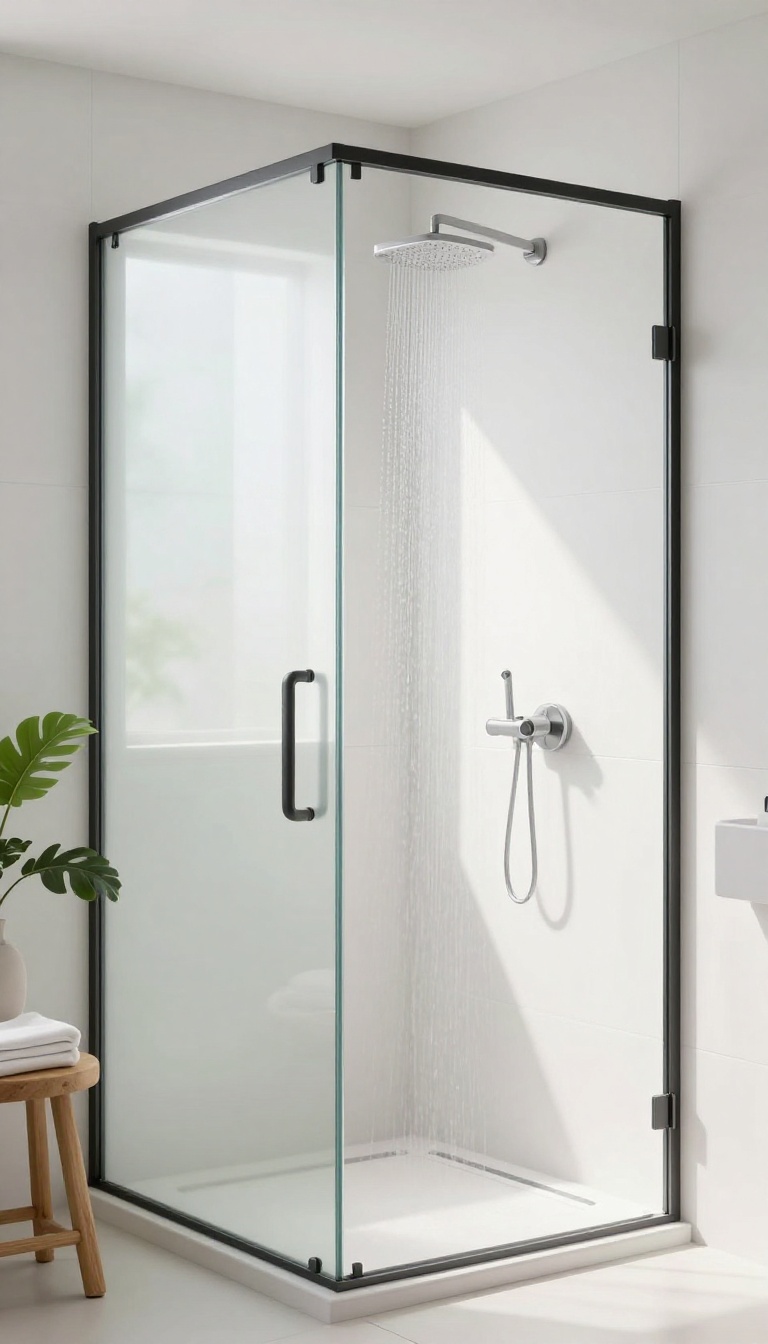
Frosted or textured glass gives you privacy without sacrificing natural light. It's perfect for shared bathrooms or if you prefer a softer look. The diffused effect also hides water spots and smudges, so the glass stays cleaner-looking between wipes.
Frosted glass enclosures are a smart middle ground between fully transparent and completely opaque. They let daylight stream in while blurring the view, so you can shower without feeling like you're on display. The texture also adds a subtle design element that pairs well with both modern and traditional bathrooms.
Why Choose Frosted Over Clear?
Clear glass can feel too exposed, especially if the bathroom is shared or the shower is near a doorway. Frosted glass solves that by obscuring shapes and movement. It also softens harsh shadows, making the space feel calmer and more spa-like.
Plus, the frosted finish is more forgiving when it comes to fingerprints and hard water stains.
Types Of Frosted Glass
You have options: acid-etched glass has a smooth, matte finish, while sandblasted glass offers a slightly rougher texture. Patterned glass, like rain or bamboo textures, adds visual interest while still providing privacy. Each type has a different light diffusion, so you can pick the level of opacity that feels right for your bathroom.
Pairing Frosted Glass With Other Elements
Frosted glass works well with black or brushed nickel frames for a crisp, contemporary look. If you want a softer feel, pair it with warm wood accents or matte white fixtures. You can also combine frosted panels with a clear section near the top to let in more light, or add a frosted band at eye level for privacy where you need it most.
4. Sliding Barn Door Shower Enclosure
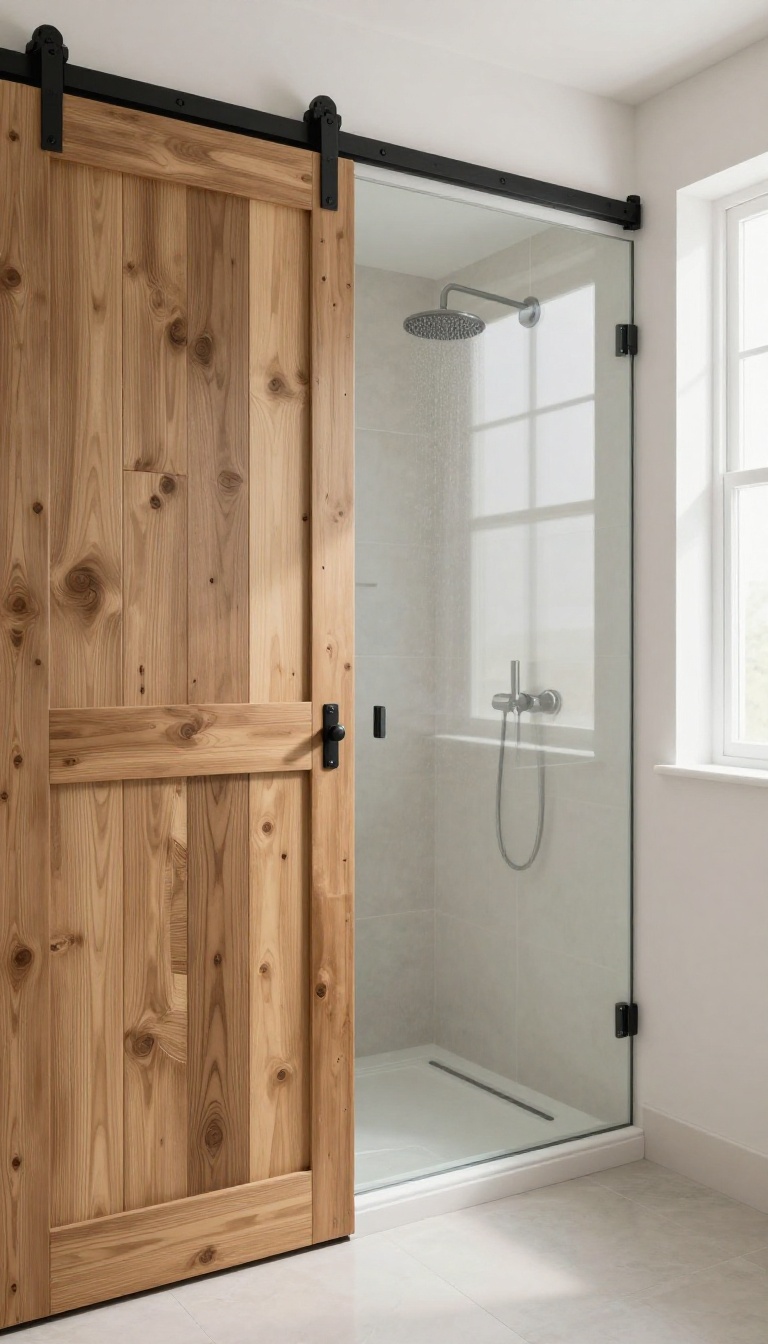
A barn door on a track brings a touch of rustic charm and saves precious floor space. Instead of swinging open, it slides smoothly along the wall, making it a smart pick for tight bathrooms or awkward layouts. The bold, hardware-forward look instantly becomes a focal point, turning your shower into a statement piece.
Barn doors work best when you have a wall beside the shower opening that can support the track. They come in various materials—from reclaimed wood to modern glass panels—so you can match the vibe of your bathroom. The sliding action also means no door swing to worry about, which is a game-changer in compact spaces.
Choosing The Right Track And Hardware
The track and hardware set the tone for the entire look. Go for matte black or oil-rubbed bronze for a farmhouse feel, or brushed nickel for a more polished appearance. Make sure the track is rated for the door's weight, and consider a soft-close mechanism to prevent slamming.
Installation requires a sturdy header or wall studs to anchor the track securely.
Material Options: Wood, Glass, Or Mixed
Reclaimed wood adds warmth and texture, but it needs proper sealing to resist moisture. A glass barn door keeps the shower feeling open and lets light flow through while still providing a visual barrier. You can also combine a wood frame with a glass panel for a custom look that balances privacy and openness.
Privacy And Water Containment Considerations
A barn door doesn't seal as tightly as a traditional hinged door, so some water may escape. Use a sloped threshold or a slight gap at the bottom to direct water back into the shower. For privacy, frosted or textured glass is an option, or you can add a curtain behind the door if you want extra coverage.
5. Black-Framed Glass for Industrial Edge
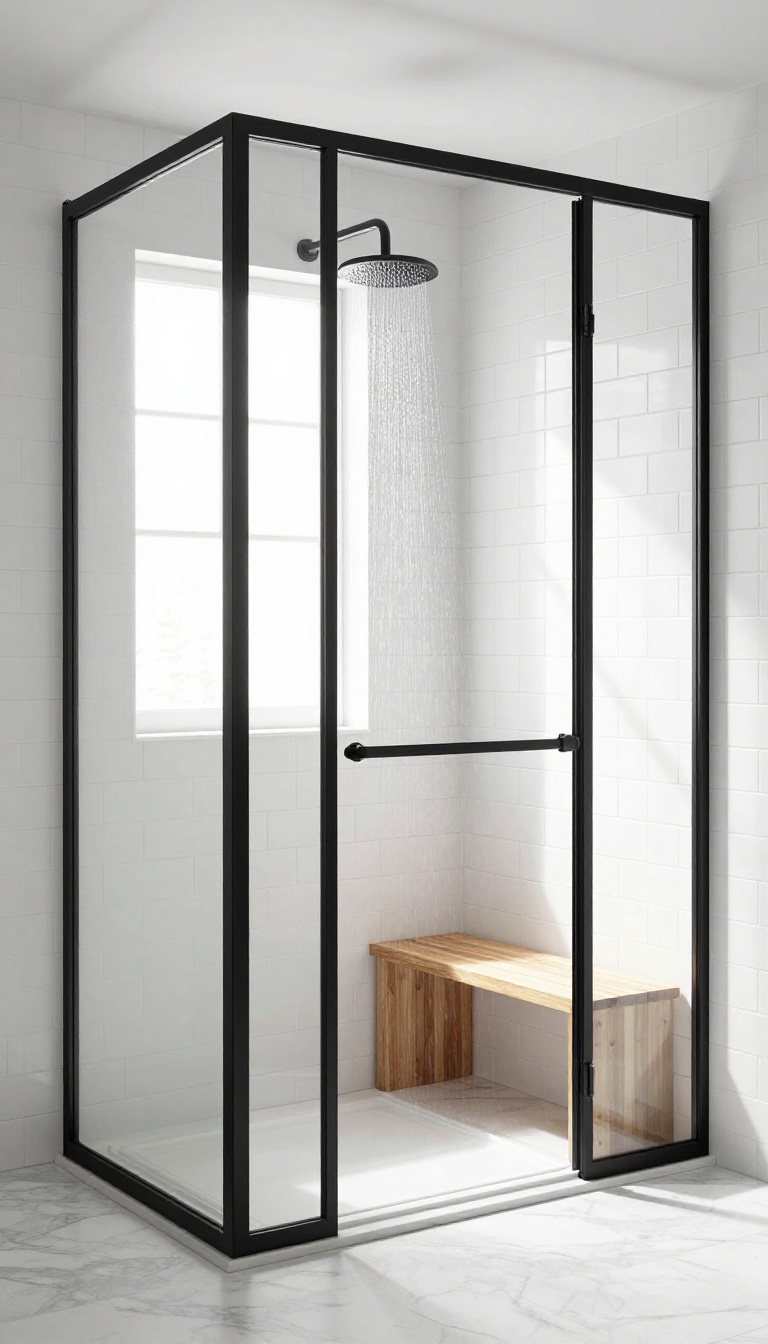
If your bathroom leans neutral or minimalist, a black-framed glass enclosure can add just enough contrast to make the space feel intentional. The thick frames act like a bold outline, drawing the eye and giving the shower a defined, architectural presence. It's a look that works in both modern lofts and farmhouse-style homes, especially when paired with matte black fixtures.
Black-framed glass is more than just a style choice—it's a practical one too. The frames add structural support, so you can use larger glass panels without worrying about wobble. Plus, they hide water spots and smudges better than frameless designs, which means less frequent wiping.
For a cohesive look, match the frame finish to your showerhead, faucet, and even towel bars.
Choosing The Right Frame Thickness
Thicker frames (around 2 inches) feel more industrial and substantial, while slimmer profiles (1 inch or less) read more modern and sleek. Consider your tile and overall bathroom style. If you have large-format tiles and want a bold statement, go thicker.
For a subtle touch, a thinner frame still gives you that dark outline without overpowering the space.
Pairing With Tile And Hardware
Black frames pop against light-colored tiles like white subway, soft gray, or marble. They also work well with darker tiles if you add contrasting grout or a lighter ceiling. For hardware, stick to matte black or brushed nickel for a cohesive look.
Avoid mixing too many metal finishes—keep it simple with black accents throughout.
Maintenance And Durability
The powder-coated finish on most black frames resists rust and chipping, but it's still wise to wipe down the frame after each shower to prevent water spots. Use a squeegee on the glass and a soft cloth on the frame. Over time, the black finish can fade if exposed to harsh cleaners, so stick to mild soap and water.
6. Walk-In Shower with Half Wall
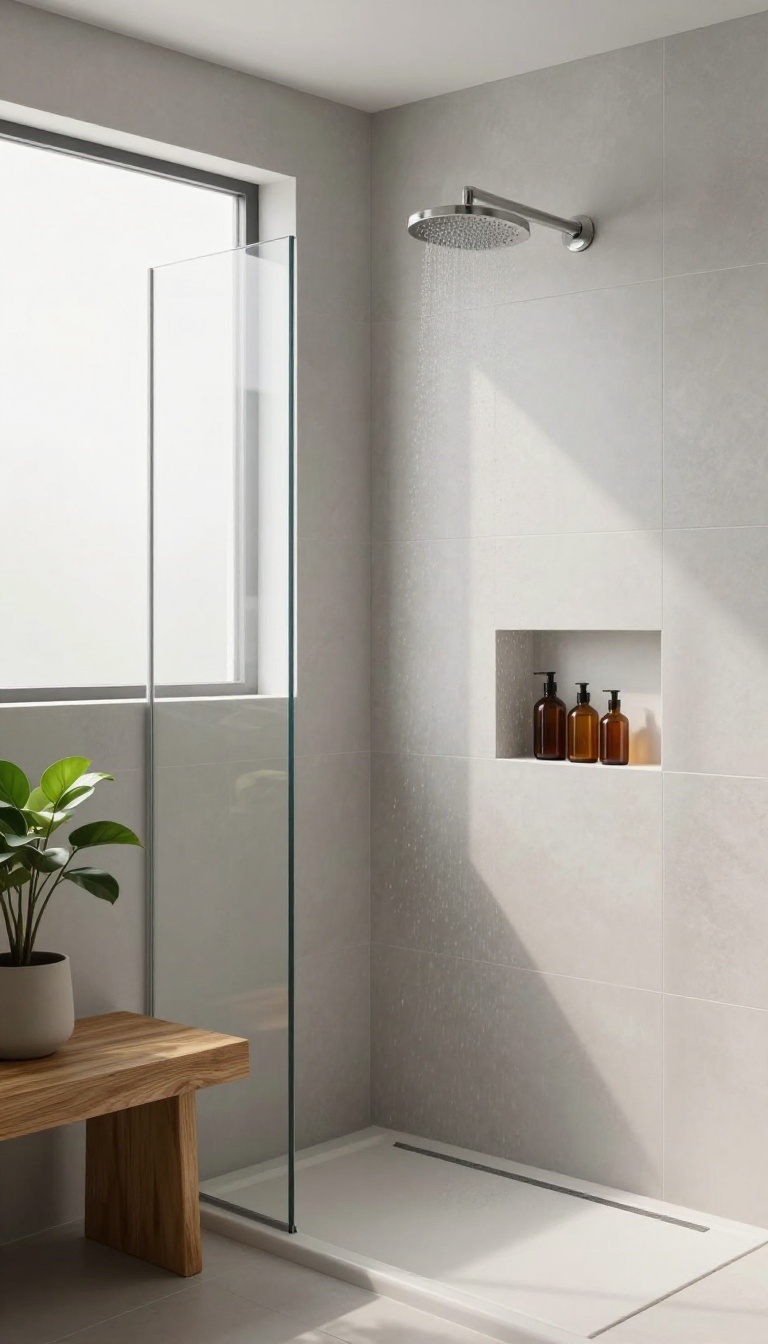
A half wall is a clever middle ground between a fully open shower and a completely enclosed one. It gives you a sense of separation without making the space feel boxed in. Plus, that ledge becomes a handy spot for shampoo bottles or a resting place for your foot while shaving.
Half walls work especially well in larger bathrooms where you want to define the shower zone without blocking sightlines. They can be built from tile, stone, or even glass blocks for a different look. The open top keeps air circulating, which helps prevent that stuffy, steamy feeling you sometimes get with full enclosures.
Privacy Where It Counts
The half wall blocks the view from the waist down, which is often enough to make you feel comfortable, especially if the shower is near the door or window. For extra coverage, you can add a fixed glass panel above the wall or hang a short curtain that doesn’t go all the way to the ceiling.
Built-in Storage And Seating
Make the half wall work harder by adding a recessed niche for toiletries or extending the top to create a small bench. A tiled ledge can double as a seat, which is great for anyone who likes to sit while showering or needs a spot to prop a foot for leg shaving.
Design Flexibility
Because the half wall isn’t load-bearing, you can shape it however you like—curved, angled, or with a shelf cutout. Pair it with a rainfall showerhead and a linear drain for a modern look, or go with a textured stone to add warmth and contrast.
7. Curved Shower Rod for Extra Space
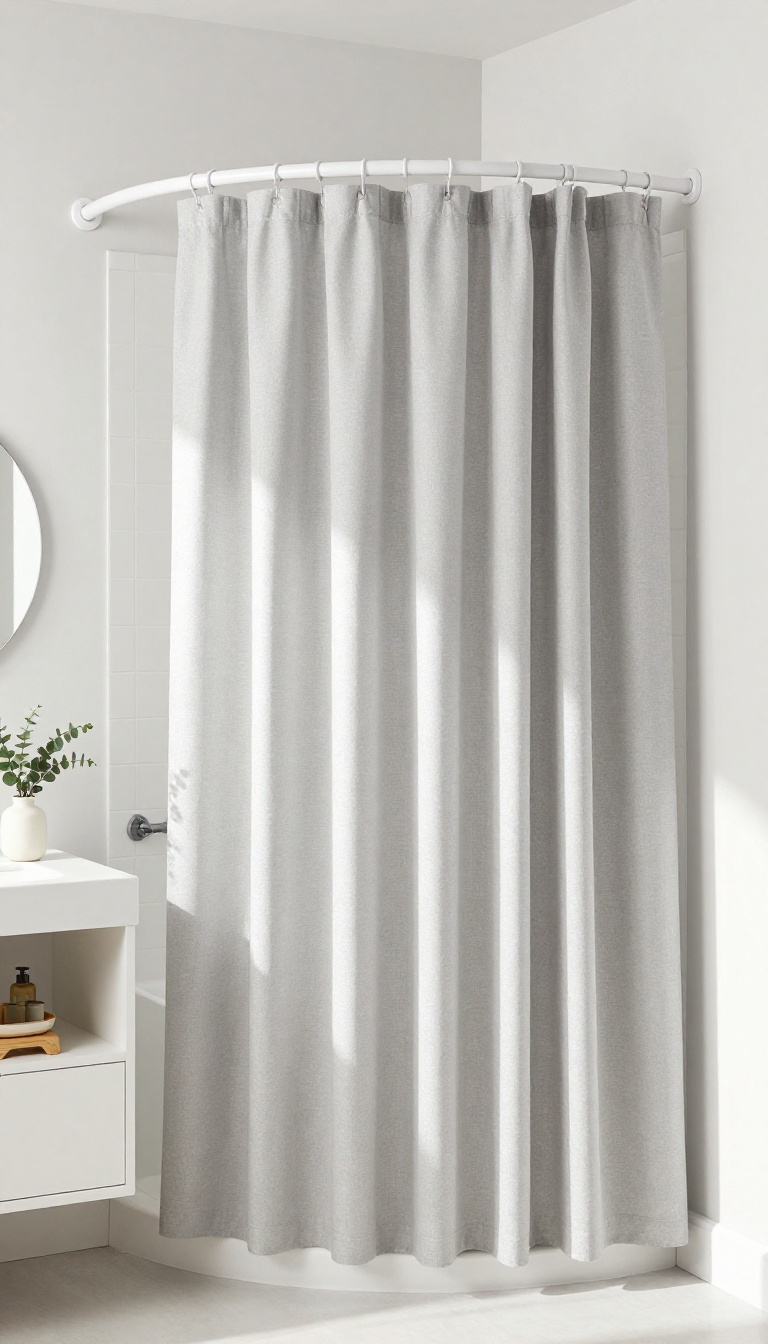
A curved shower rod is one of those small changes that makes a big difference. It bows outward, giving you more room to move without actually expanding the shower's footprint. If you've ever felt cramped while rinsing off, this simple upgrade can make the space feel noticeably more open.
The curved rod works by pushing the curtain away from you, so you're not fighting the fabric while you wash. It's an easy DIY swap that doesn't require any major plumbing or tile work. Plus, it's a budget-friendly way to add a touch of comfort to your daily routine.
Why It Feels More Spacious
When the curtain bows outward, you gain about 6 to 8 inches of extra elbow room at the center. That extra space is especially noticeable if you're tall or broad-shouldered. You can move freely without the curtain sticking to your body, which makes the whole shower feel larger than it actually is.
Easy Installation, Big Payoff
Most curved rods use the same mounting hardware as standard rods, so you can swap them out in under an hour. You'll need to make sure the rod is level and anchored securely, especially if you're using a heavier fabric curtain. The result is a simple upgrade that instantly improves the feel of your shower.
Pairing With The Right Curtain
To get the most out of a curved rod, choose a curtain with grommet or ring-style hooks that slide easily. Avoid heavy, stiff curtains that might resist the curve. A lightweight fabric or a liner with a little extra length will follow the rod's shape nicely and keep water inside where it belongs.
8. Tile Accent Wall Inside the Shower
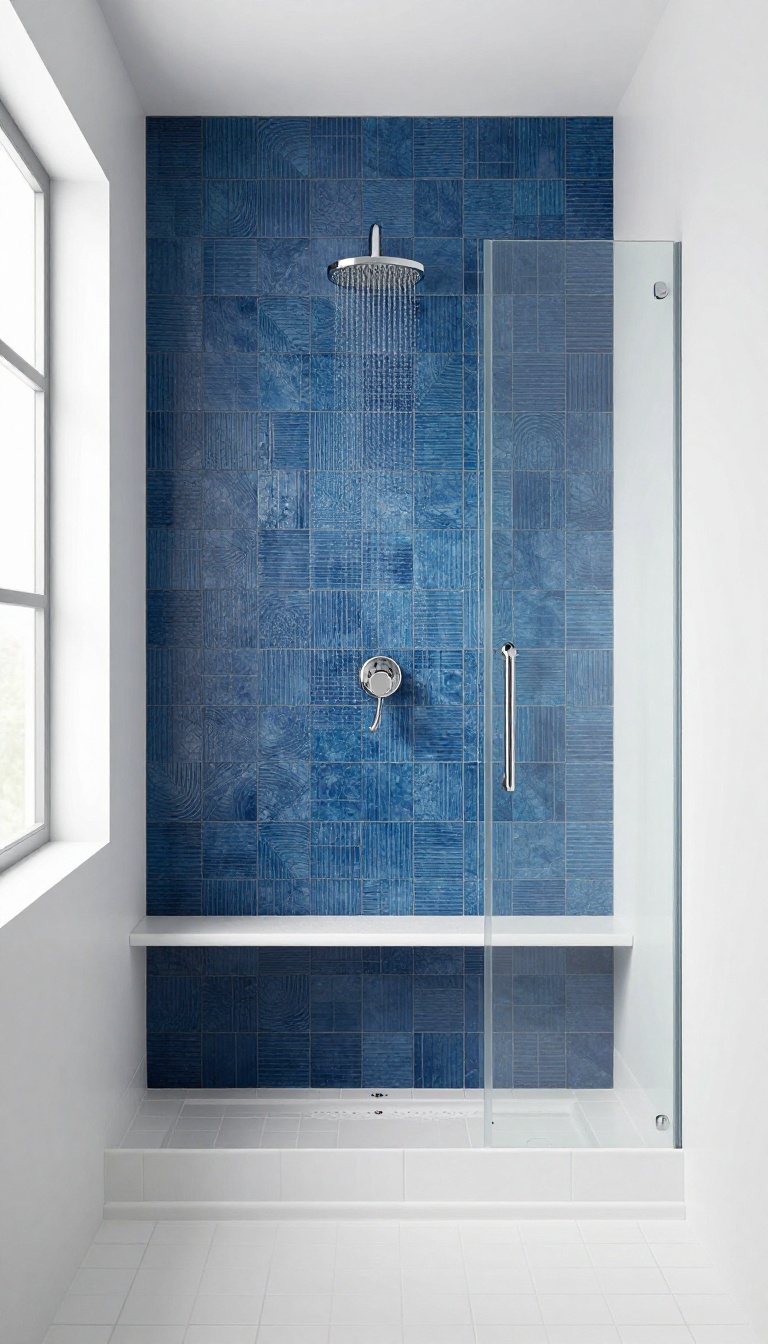
A tile accent wall inside your shower is like adding a piece of art that you get to live in. It’s a simple way to break up the monotony of a single-color enclosure and inject some personality without a full renovation. Whether you go bold with a geometric pattern or keep it subtle with a textured neutral, the accent wall becomes the focal point that makes the whole shower feel more intentional.
Choosing the right tile for your accent wall is about balancing visual impact with practicality. You want something that catches the eye but also stands up to daily use. Large-format tiles create a sleek, modern look with fewer grout lines, while smaller mosaic tiles can add intricate detail and texture.
Consider the rest of your bathroom’s palette—if your fixtures are chrome and white, a deep blue or green accent wall adds a rich contrast. If you prefer a softer look, a marble-look tile in a warm beige can add elegance without overwhelming the space. The placement of the accent wall matters as much as the tile itself.
The wall behind the shower bench or the one facing the entrance often works best because it’s immediately visible. You don’t have to tile the entire wall—just a vertical strip or a section behind the showerhead can create a striking effect. For a cohesive feel, carry the same tile onto a niche or shelf inside the shower.
That small detail ties the design together and gives you a spot for your shampoo bottles that looks like it was planned all along.
Picking Tile That Works
Think about texture and size. Glossy tiles reflect light and make the shower feel brighter, while matte finishes offer better grip underfoot and a more grounded look. Large tiles (like 12×24 inches) minimize grout lines, which means less maintenance and a cleaner visual line.
If you’re drawn to patterns, consider encaustic or cement-look tiles—they add a handcrafted feel but need a good sealer to handle moisture. Always check the tile’s slip rating for the floor, but for walls, you have more freedom to play.
Placement That Fits Your Shower
The classic spot is the wall behind the showerhead or the one opposite the entrance, as it’s the first thing you see. If your shower has a bench, tiling the wall right behind it creates a cozy nook that feels intentional. Another idea is to tile only a vertical band from floor to ceiling, which draws the eye upward and makes the ceiling feel higher.
For a more dramatic look, extend the accent wall beyond the shower onto the adjacent bathroom wall—this blurs the line between shower and room and makes the space feel larger.
Adding Finishing Touches
Once your accent wall is in, think about the little extras that make it shine. A recessed niche lined with the same tile keeps your shower essentials within reach while maintaining the clean look. Use a contrasting grout color to make the tile pattern pop, or match the grout for a seamless effect.
If you have a glass enclosure, consider a clear glass panel so the accent wall stays fully visible—that’s the whole point. And don’t forget lighting: a small waterproof LED spotlight aimed at the accent wall can highlight its texture and color beautifully.
9. Built-In Niche for Storage
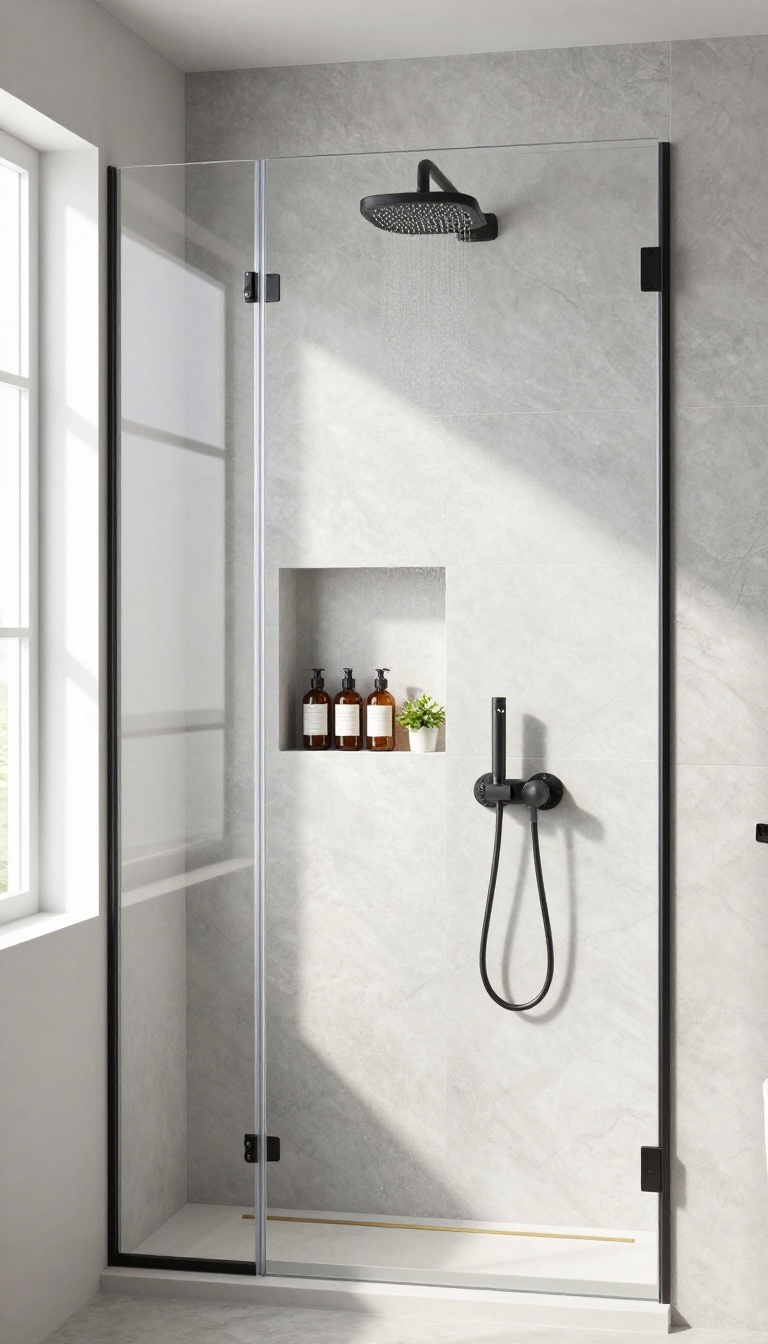
A recessed shelf keeps shampoo and soap within reach while maintaining clean lines. It reduces clutter and adds a custom touch. This simple addition can make your shower feel more organized and intentional.
Built-in niches are a game-changer for shower storage. Instead of bulky caddies that hang over the showerhead or stick to the wall, a niche is flush with the tile, creating a sleek, seamless look. It’s a practical upgrade that also boosts the overall aesthetic of your enclosure.
Why A Niche Works
A niche eliminates the need for plastic or metal organizers that can rust, mildew, or clash with your design. It keeps bottles off the floor, making cleaning easier and reducing visual clutter. Plus, it adds a touch of luxury that feels custom-built.
Placement And Size
The best spot is usually on a side wall, about chest height, where you can easily reach everything. Aim for a niche that’s at least 12 inches tall and 6 inches deep to fit standard bottles. If you have the space, consider two smaller niches instead of one large one for better organization.
Finishing Touches
Choose materials that complement your tile—like matching marble or a contrasting metal accent. Add a slight slope to the bottom so water doesn’t pool. And if you want extra style, install a small LED light inside the niche for a spa-like glow.
10. Heated Floor Inside the Shower
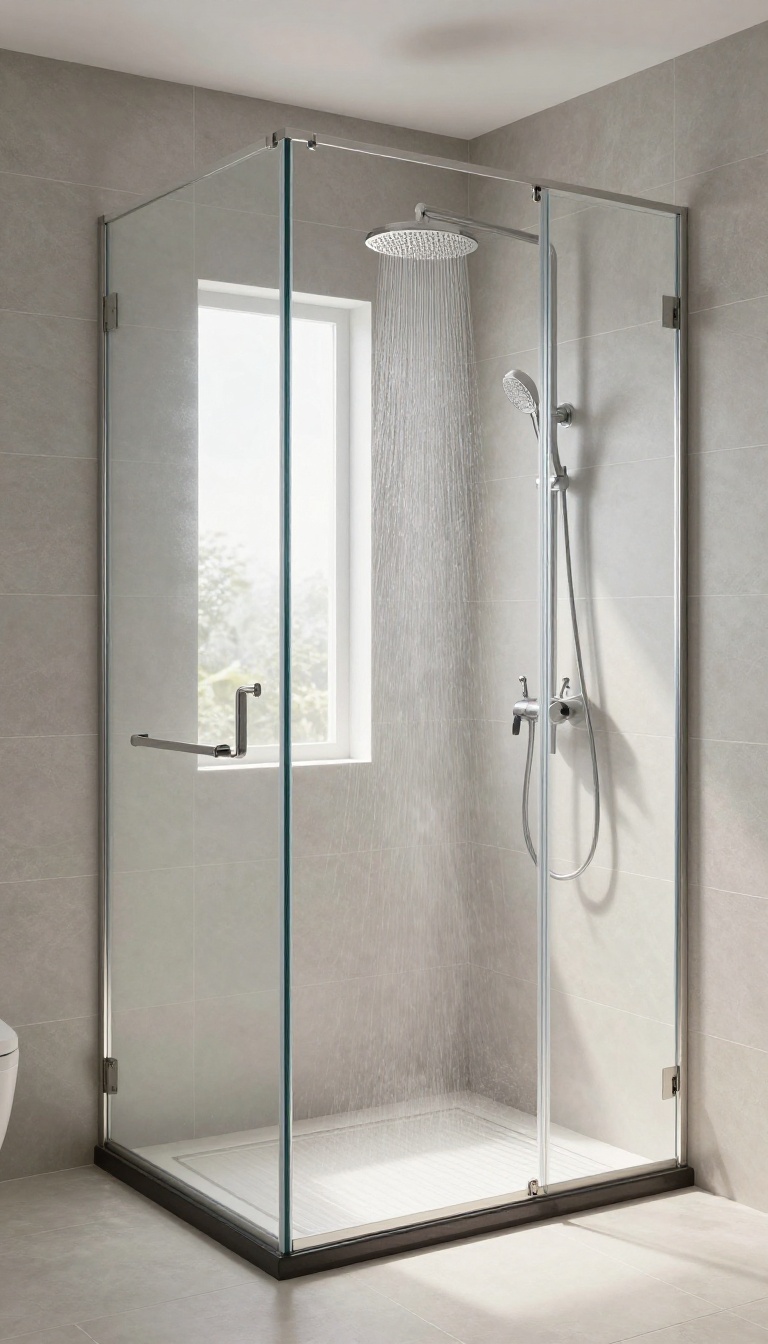
Cold tile underfoot can ruin an otherwise perfect shower. Radiant floor heating fixes that by warming the surface before you even step in. It's a luxury that makes cold mornings more bearable, and it's surprisingly practical for an enclosed space.
The heat radiates evenly, so the floor dries faster and feels cozy underfoot. You can install it under tile, stone, or even some types of vinyl, making it a flexible upgrade for many enclosures. Once you try it, you might wonder how you ever lived without it.
Heated floors inside the shower are more than a spa-like indulgence—they're a smart way to boost comfort and reduce that shock of stepping onto cold tile. The warmth also helps evaporate standing water, cutting down on mildew and keeping the enclosure fresher. Here's what to consider if you're thinking about adding it.
Why It Works So Well In An Enclosed Shower
An enclosed shower traps heat, so a heated floor works with the space rather than against it. The warmth rises, making the whole shower feel more comfortable, and the enclosed design keeps that heat from dissipating quickly. It's a natural pairing that turns a basic rinse into a cozy retreat.
Plus, the even heat helps dry the floor faster, which is a big plus for maintaining clean lines and preventing slippery spots. You'll step out onto a warm, dry surface instead of a cold, damp one.
Installation Options And Costs
You can choose between electric mats or hydronic systems. Electric mats are easier to install and cost less upfront, making them a popular choice for bathrooms. Hydronic systems use hot water tubes and are more energy-efficient in the long run, but they're more complex and pricey to install.
For a typical shower, electric mats are the most practical. You'll need a dedicated circuit and a thermostat, and it's best to have a professional handle the wiring. The cost varies, but it's a worthwhile investment for the daily comfort it brings.
Pairing With Shower Enclosures
Heated floors work with any enclosure style—glass, tile, or even a half wall. The key is to plan the layout so the heating elements cover the entire shower floor, including the area near the drain. That way, you get consistent warmth and quick drying.
If you're building a new shower or remodeling, it's easier to integrate the heating system. But retrofits are possible, especially if you're already replacing the floor. Just make sure the enclosure's base is compatible with the heating system you choose.
11. Wood-Look Tile for Warmth
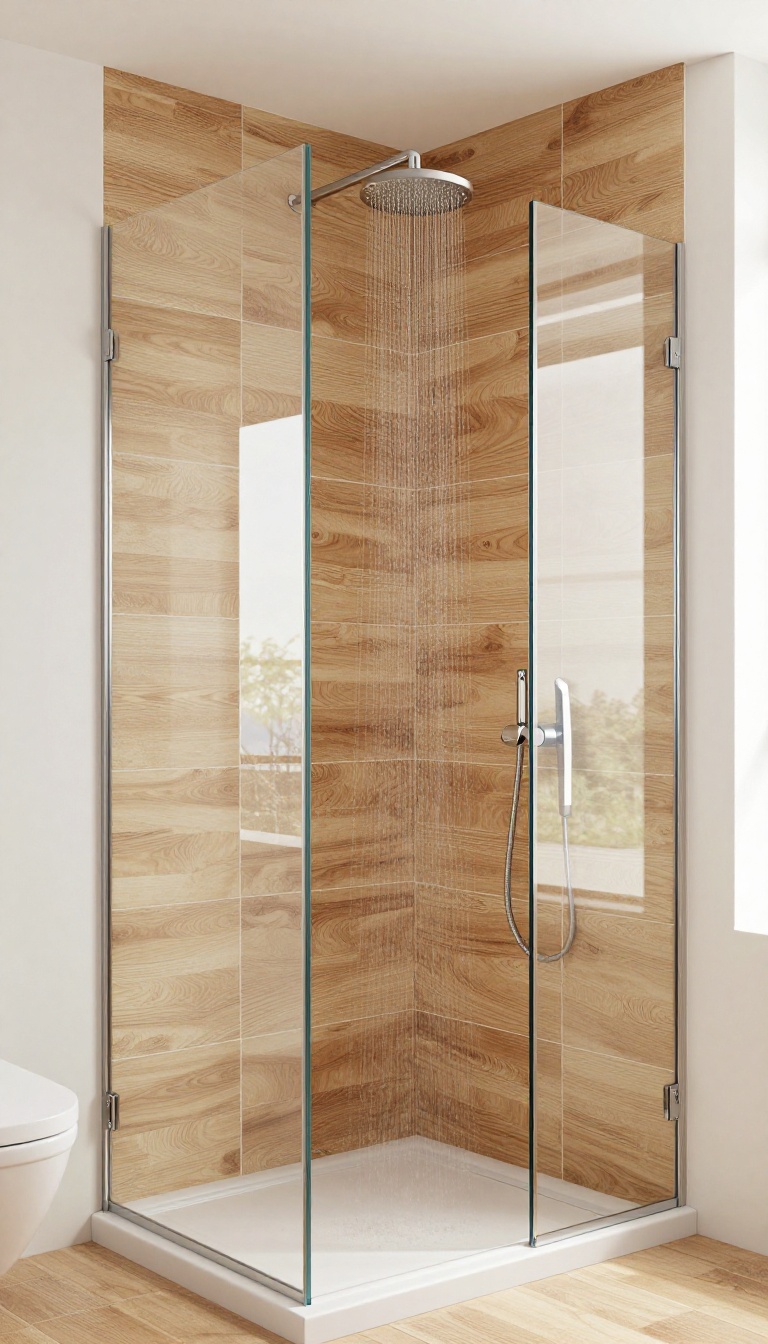
Wood-look porcelain tile brings the natural warmth of wood into your shower without the upkeep that real wood demands. It’s a smart choice for anyone who loves the cozy feel of a spa-like retreat but doesn’t want to worry about warping or water damage. The texture and grain patterns are so realistic that guests often do a double take, and it pairs beautifully with glass enclosures for a seamless blend of nature and modern design.
When you step into a shower with wood-look tile, the first thing you notice is how inviting it feels. Unlike cold, glossy tiles, this option mimics the organic tones of oak, walnut, or teak, instantly adding warmth to the space. It’s also incredibly practical—porcelain is waterproof, durable, and easy to clean, making it ideal for high-moisture areas.
Plus, the matte finish provides better slip resistance than polished stone, so it’s both safe and stylish.
Why Choose Wood-look Tile Over Real Wood
Real wood in a shower sounds lovely, but it’s a maintenance headache. Wood-look tile gives you the same visual appeal without the risk of rot, mold, or constant sealing. You get the warmth and character of timber, but with the longevity and low upkeep of ceramic.
It’s a win-win for busy homeowners who want that natural aesthetic without the stress.
Pairing With Glass Enclosures
Glass enclosures are the perfect companion for wood-look tile. The transparency of the glass lets the tile’s grain shine, while the enclosure keeps water contained and adds a clean, modern line. Whether you choose a frameless glass panel or a sliding door, the combination creates a light, airy feel that still feels grounded and cozy.
It’s a design match made in heaven.
Installation Tips And Grout Choices
To get the most out of wood-look tile, consider using a larger plank format and offset the joints for a more natural wood floor appearance. Choose a grout color that blends with the tile—like a warm beige or gray—to keep the focus on the wood grain. Also, make sure your tile is rated for floor use and has a suitable slip rating, especially if you’ll be stepping on it wet.
12. Matte Black Fixtures for Contrast
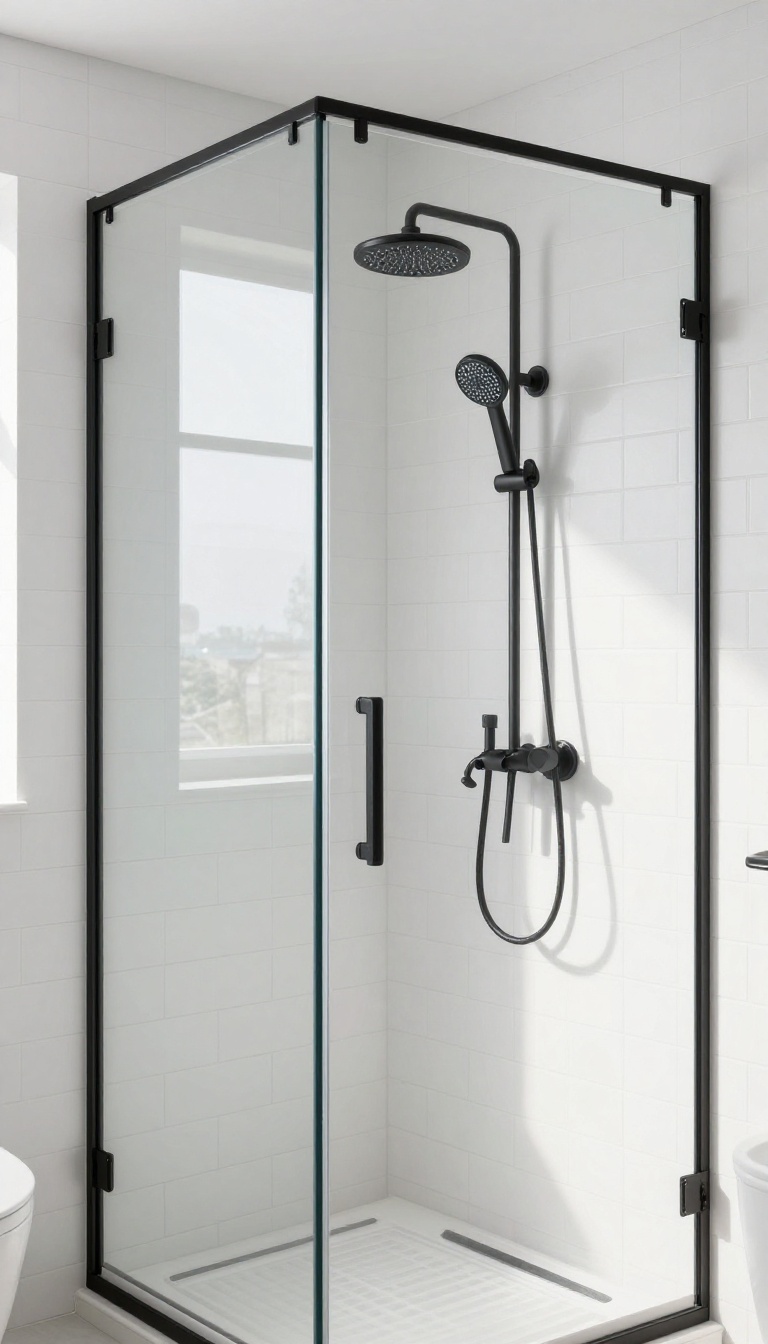
Matte black fixtures bring a grounded, modern edge to a shower that might otherwise feel too bright or sterile. The dark finish creates a crisp contrast against white subway tile, light marble, or even soft gray stone, making the hardware the focal point of the enclosure. It's a simple swap that instantly upgrades the look without a full renovation.
Beyond the visual punch, matte black is practical. It hides water spots and fingerprints far better than chrome or stainless steel, so the shower stays looking cleaner between wipe-downs. The finish pairs well with both glass and framed enclosures, and it works in everything from industrial lofts to cozy farmhouse bathrooms.
Matte black fixtures give an enclosed shower a sharp, tailored appearance that feels intentional. The contrast is especially striking when paired with light tiles and clear glass, as the dark hardware draws the eye and adds depth. This idea works whether you're updating just the showerhead and handles or going all-in with a black-framed glass enclosure.
The key is to keep the rest of the space simple. Let the matte black be the star by choosing neutral tiles and minimal accessories. You can also mix finishes—like a matte black showerhead with brushed nickel accents—but keeping it consistent creates a more cohesive, high-end feel.
Why Matte Black Works In Enclosed Showers
Enclosed showers often rely on glass and tile to create a clean look, but those surfaces can feel cold or impersonal. Matte black fixtures add warmth and a sense of grounding. The dark color absorbs light rather than reflecting it, which softens the overall appearance and makes the space feel more inviting.
Plus, the finish is durable and resists corrosion, making it a smart choice for humid environments.
Best Places To Add Matte Black
Start with the showerhead and handle—those are the most visible pieces. If you have a framed enclosure, consider a matte black frame to tie everything together. You can also add a black shower caddy, towel bar, or even a black drain cover for subtle coordination.
Just avoid overdoing it; a few well-placed pieces create a stronger impact than a cluttered mix.
Pairing Matte Black With Tile And Lighting
Matte black pops against white, cream, or light gray tiles, but it also looks stunning with deep green or navy tiles for a moody, spa-like vibe. In terms of lighting, warm LED bulbs enhance the contrast without making the black look harsh. If your shower has a window, natural light will make the fixtures stand out even more.
13. Rain Shower Head for a Spa Feel
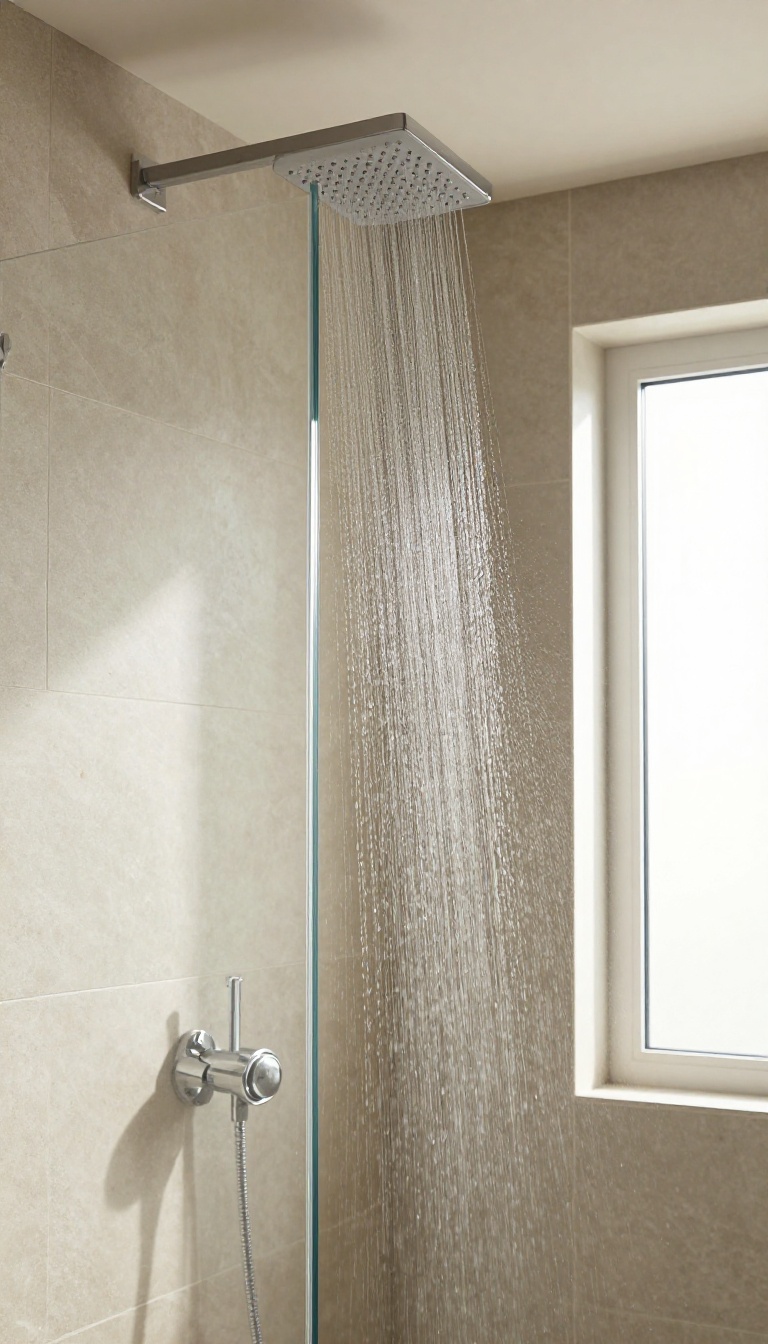
A rain shower head turns an ordinary rinse into a gentle downpour that feels like standing in warm spring rain. The wide face distributes water evenly, so you get a soft, enveloping stream rather than a harsh spray. It's a simple swap that can make your enclosure feel more like a private retreat.
Choosing a rain shower head is about more than just the look—it's about how the water hits you. The larger surface area means lower pressure per square inch, which feels soothing rather than stinging. That makes it ideal for winding down after a long day or starting the morning with a calm, unhurried rhythm.
What To Look For
Pay attention to the diameter—anything between 8 and 12 inches gives that full-coverage feel. Also check the flow rate and whether it matches your water pressure. Some models include a flow restrictor that you can remove if you want a stronger stream, but keep in mind local regulations.
Mounting Options
You can mount a rain head directly to the ceiling or use an extended arm from the wall. Ceiling mounts feel more authentic, but they require plumbing access above. Wall-mounted arms work well in most enclosures and let you angle the head slightly for a more customized spray.
Pairing With Your Enclosure
A rain head pairs beautifully with frameless glass enclosures because it doesn't interrupt the clean sightlines. If you have a tiled surround, choose a finish that complements your fixtures—brushed nickel or matte black are popular choices that keep the look cohesive.
14. Corner Shower Enclosure to Save Space
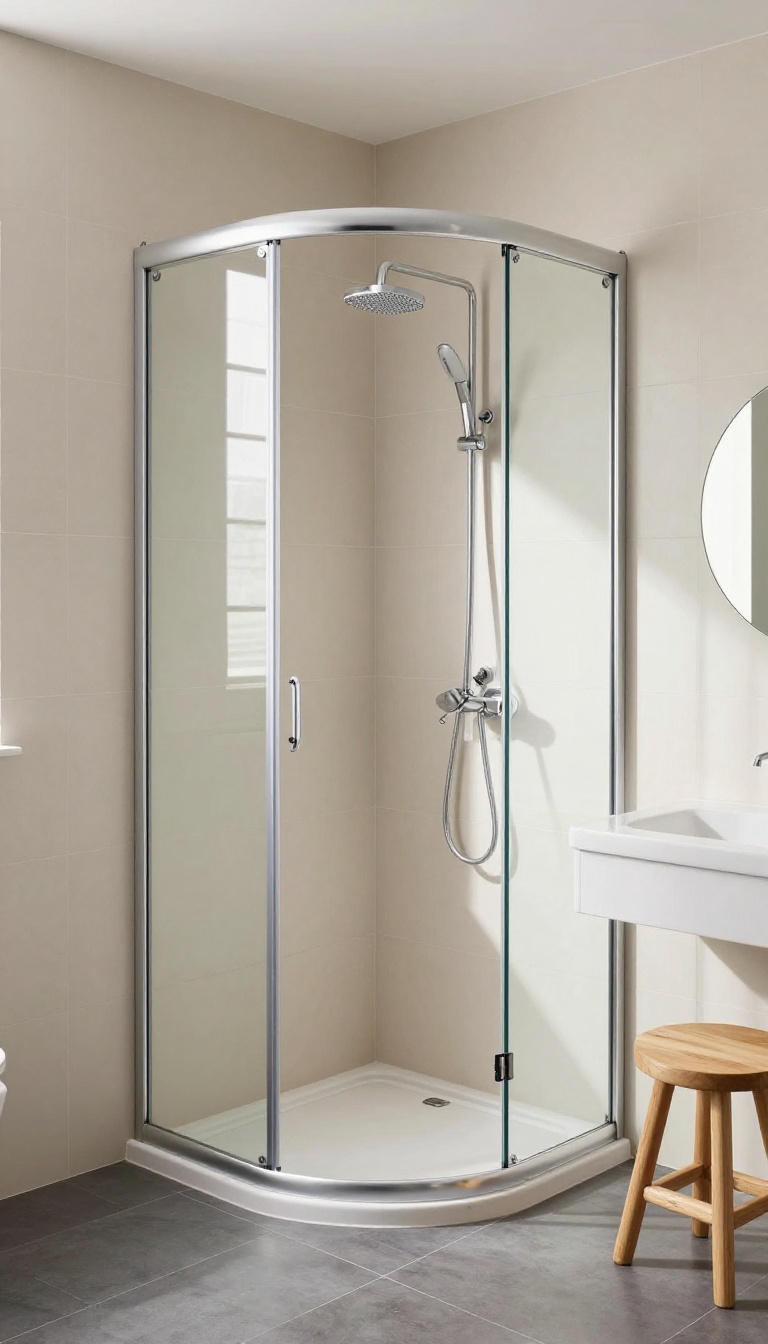
Tight bathrooms often force awkward trade-offs, but a corner shower enclosure turns an unused nook into a functional, stylish spot. Instead of squeezing a standard rectangular shower into a small floor plan, a corner unit tucks neatly into the angle, freeing up valuable floor space for a vanity or storage. With a curved or angled door, you get a roomy interior without the footprint of a traditional shower.
Corner showers are a classic space-saver, but modern designs take them far beyond the basic fiberglass units of the past. You can now choose from sleek glass panels, frameless doors, and even custom tile surrounds that make the corner shower feel like a deliberate design choice rather than a compromise. The key is to focus on the door and the interior layout so the shower feels open and comfortable, even in a compact area.
One of the biggest advantages of a corner shower is that it uses space that would otherwise be wasted. By placing the shower diagonally, you create a natural separation between the wet zone and the rest of the bathroom, which helps with privacy and keeps the room feeling less cluttered. Plus, with the right door configuration, you can step in and out without bumping into walls or fixtures.
Choose The Right Door Style
The door is the most important part of a corner shower. A curved or angled door slides or swings open without intruding into the bathroom, which is perfect for tight layouts. If you have a bit more room, a hinged door that opens outward can work, but for maximum space efficiency, a sliding door is often the best bet.
Look for frameless glass to keep the sightlines open and make the shower feel larger.
Maximize Interior Space With Shelving
Inside a corner shower, every inch counts. Instead of a bulky caddy that hangs over the showerhead, consider built-in niches or corner shelves that fit flush into the tile. These keep shampoo and soap within easy reach without eating into your elbow room.
If you're working with an existing shower, a slim corner shelf that attaches to the glass or tile can work just as well.
Use Light Colors And Glass To Open Up The Area
A corner shower can feel cramped if you use dark, heavy materials. Light-colored tiles, especially in soft whites or pale grays, reflect light and make the space feel airier. Clear glass, rather than frosted or textured, also helps the eye travel through the shower, making the whole bathroom appear larger.
If privacy is a concern, you can add a subtle film or use a rain glass that blurs shapes without darkening the space.
15. Smart Glass with Switchable Privacy
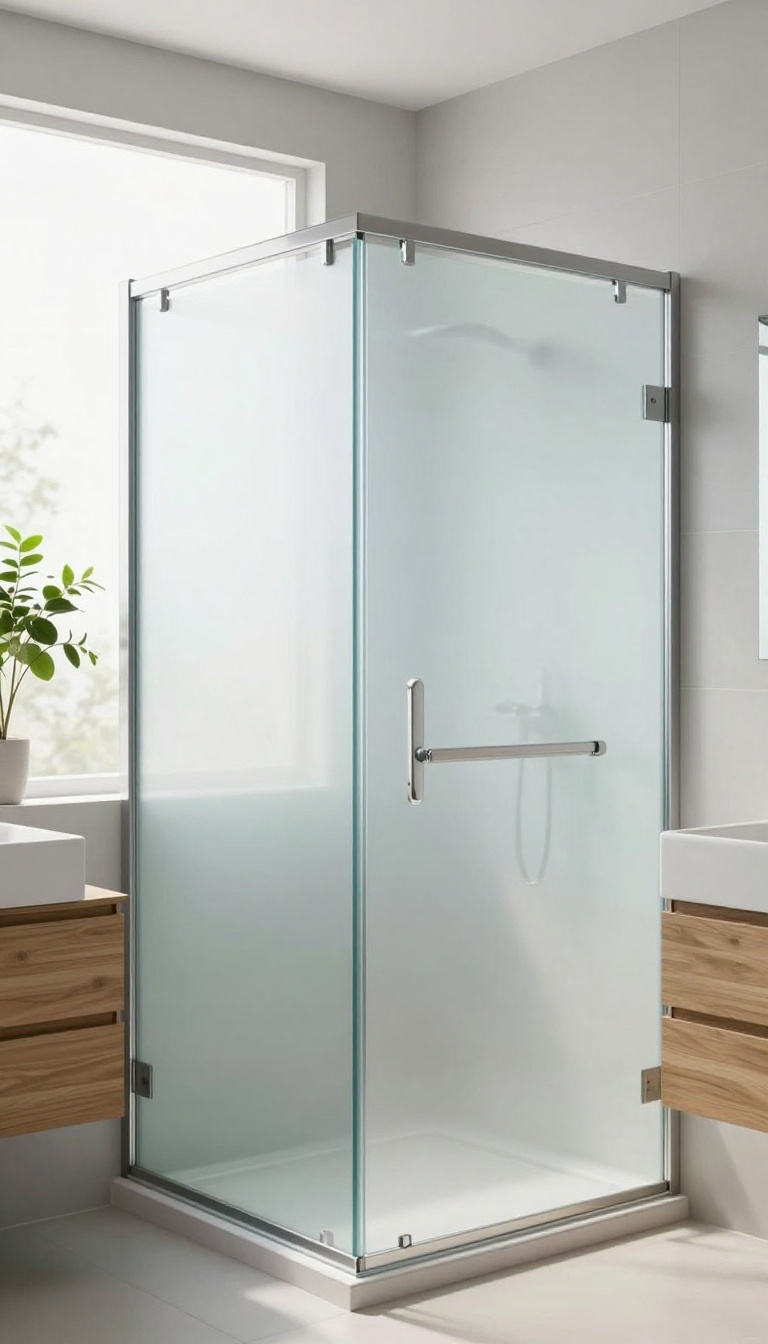
Imagine flipping a switch and your shower glass goes from clear to frosted in an instant. That's the magic of switchable privacy glass, a high-tech option that's becoming more accessible for home bathrooms. It's perfect for shared spaces where you want an open, airy feel when you're alone but instant coverage when you need it.
Switchable glass, also known as privacy glass or smart glass, uses a film with liquid crystal molecules that align when an electrical current is applied. When the power is on, the glass is clear; when off, it turns frosted. This gives you total control over your privacy with a simple wall switch or remote.
For showers, this means you can enjoy the spacious look of clear glass during your morning routine and then switch to frosted for a relaxing, private soak. It's also a great solution for bathrooms where the shower is visible from the bedroom or hallway, offering flexibility without compromising on style. The technology has improved, and prices have come down, making it a viable option for many homeowners.
Installation is similar to standard glass, but you'll need an electrician to run a low-voltage wire to the switch. The effect is undeniably cool—guests will be amazed when you show them how it works.
How It Works And What To Expect
The glass contains a PDLC (Polymer Dispersed Liquid Crystal) film that reacts to electricity. In the off state, the liquid crystals scatter light, making the glass appear frosted. When you flip the switch, the crystals align and the glass turns clear.
The transition takes less than a second, and you can control it with a standard light switch or even a smart home system. Keep in mind that switchable glass requires a power source, so you'll need to plan for a nearby outlet or have a licensed electrician wire it safely. The glass itself is typically made with tempered safety glass, so it meets building codes for shower enclosures.
Installation Considerations
Before you commit, measure your shower opening and decide on the glass thickness—usually 3/8 or 1/2 inch. You'll also need to choose a frame style; some systems use a minimal frame, while others are frameless for a cleaner look. The electrical components are hidden in the frame or a discreet channel, so the design stays sleek.
Because this is a specialized product, it's best to hire a professional with experience in smart glass installation. They'll ensure the wiring is safe and the glass is properly sealed to prevent water damage. Expect the cost to be higher than standard glass, but the wow factor and convenience are worth it for many homeowners.
Styling And Care Tips
Switchable glass pairs beautifully with modern, minimalist bathrooms. Use it with a rainfall showerhead and brushed nickel fixtures for a spa-like feel. Since the glass can be clear or frosted, you don't need a shower curtain or additional privacy film, which keeps the space looking uncluttered.
Cleaning is straightforward—use a squeegee after each shower to prevent water spots, just like with regular glass. Avoid abrasive cleaners that could scratch the surface. And because the glass is tempered, it's durable and safe for daily use.
FAQ
What is the best material for an enclosed shower?
Tempered glass is the most popular choice for shower enclosures because it's safe, durable, and easy to clean. For the frame, aluminum or stainless steel resist corrosion and look sleek.
How do I keep my glass shower enclosure clean?
Use a squeegee after each shower to remove water spots. For deeper cleaning, a mixture of vinegar and water works well. Avoid abrasive cleaners that can scratch the glass.
Can I install an enclosed shower myself?
Some kits are DIY-friendly, but for a custom or complex installation, it's best to hire a professional. Proper sealing and leveling are crucial to prevent leaks.
What is the standard size for a shower enclosure?
Standard shower enclosures are typically 36 x 36 inches or 48 x 36 inches. However, you can customize to fit your space, as long as it meets local building codes.
How much does it cost to install an enclosed shower?
Costs vary widely based on materials, size, and labor. A basic glass enclosure might start around $500, while a custom, high-end version can exceed $3, 000.
Conclusion
Enclosing your shower is about more than just blocking drafts—it’s a chance to add warmth, privacy, and a clean, intentional look to your bathroom. Start with one idea that fits your space, whether that’s a simple glass panel or a full frosted enclosure, and build from there.
Even small tweaks can make the daily routine feel more considered and calm. Pick what feels right for your home, and enjoy the transformation.